Slot 1 Select an EV... Abarth 500e Hatchback (2026) Abarth 600e Scorpionissima (MY24-25) (2026) Abarth 500e Convertible (2026) Abarth 500e Scorpionissima (2026) Abarth 600e Competizione (MY26) (2026) Abarth 600e Turismo (2026) Abarth 500e Hatchback Active (2025) (2025) Abarth 600e Scorpionissima (MY24-25) Pro (2024) (2024) Abarth 500e Convertible Long Range (2021) (2021) Abarth 500e Scorpionissima AWD (2019) (2019) Abarth 600e Competizione (MY26) Pro (2021) (2021) Abarth 600e Turismo Active (2025) (2025) Abarth 500e Hatchback Pro (2019) (2019) Abarth 600e Scorpionissima (MY24-25) Pro (2022) (2022) Abarth 500e Convertible Long Range (2020) (2020) Abarth 500e Scorpionissima Long Range (2026) (2026) Abarth 600e Competizione (MY26) Elite (2025) (2025) Abarth 600e Turismo Performance (2024) (2024) Abarth 500e Hatchback Plus (2020) (2020) Abarth 600e Scorpionissima (MY24-25) Standard (2021) (2021) Abarth 500e Convertible Long Range (2023) (2023) Abarth 500e Scorpionissima Executive (2023) (2023) Abarth 600e Competizione (MY26) Sport (2026) (2026) Abarth 600e Turismo Plus (2020) (2020) Abarth 500e Hatchback Performance (2023) (2023) Abarth 600e Scorpionissima (MY24-25) Pro (2023) (2023) Abarth 500e Convertible Elite (2025) (2025) Abarth 500e Scorpionissima Performance (2026) (2026) Abarth 600e Competizione (MY26) Sport (2021) (2021) Abarth 600e Turismo Sport (2022) (2022) Abarth 500e Hatchback Tech (2019) (2019) Abarth 600e Scorpionissima (MY24-25) Limited Edition (2024) (2024) Abarth 500e Hatchback Prestige (2017) (2017) Abarth 600e Scorpionissima (MY24-25) Touring (2019) (2019) Abarth 500e Convertible Urban (2019) (2019) Abarth 500e Scorpionissima Premium AWD (2022) (2022) Abarth 600e Competizione (MY26) City Cruise (2026) (2026) Abarth 600e Turismo Performance AWD (2018) (2018) Aito M9 EV (2024) Aito M9 EV Standard (2025) (2025) Aito M9 EV Executive (2024) (2024) Aito M9 EV Executive (2026) (2026) Aito M9 EV Long Range (2023) (2023) Aito M9 EV Urban Pro (2026) (2026) Aiways U5 (2026) Aiways U5 (2026) Aiways U6 (2026) Aiways U5 Long Range (2022) (2022) Aiways U5 Plus (2023) (2023) Aiways U6 AWD (2023) (2023) Aiways U5 Sport (2020) (2020) Aiways U5 Elite (2022) (2022) Aiways U6 Long Range (2020) (2020) Aiways U5 Performance (2021) (2021) Aiways U5 Performance (2021) (2021) Aiways U6 Elite (2022) (2022) Aiways U5 Plus (2022) (2022) Aiways U5 Plus (2020) (2020) Aiways U6 Elite (2020) (2020) Aiways U5 Launch Edition (2025) (2025) Aiways U5 Premium Plus (2023) (2023) Aiways U5 Highline (2025) (2025) Aiways U5 City Cruise (2019) (2019) Aiways U6 City Cruise (2026) (2026) Alfa Romeo Junior Elettrica 54 kWh (2026) Alfa Romeo Junior Elettrica 54 kWh Veloce (2026) Alfa 2025 Alfa Romeo Junior Elettrica Auto FWD (2025) Alfa 2025 Alfa Romeo Tonale Tributo Italiano Plug-In Hybrid Auto MY24 (2025) Alfa Romeo Junior Elettrica 54 kWh AWD (2020) (2020) Alfa Romeo Junior Elettrica 54 kWh Veloce AWD (2020) (2020) Alfa 2025 Alfa Romeo Junior Elettrica Auto FWD Pro (2021) (2021) Alfa 2025 Alfa Romeo Tonale Tributo Italiano Plug-In Hybrid Auto MY24 Plus (2024) (2024) Alfa Romeo Junior Elettrica 54 kWh Standard (2021) (2021) Alfa Romeo Junior Elettrica 54 kWh Veloce Standard (2019) (2019) Alfa 2025 Alfa Romeo Junior Elettrica Auto FWD Elite (2024) (2024) Alfa 2025 Alfa Romeo Tonale Tributo Italiano Plug-In Hybrid Auto MY24 Standard (2021) (2021) Alfa Romeo Junior Elettrica 54 kWh Executive (2020) (2020) Alfa Romeo Junior Elettrica 54 kWh Veloce AWD (2021) (2021) Alfa 2025 Alfa Romeo Junior Elettrica Auto FWD AWD (2024) (2024) Alfa 2025 Alfa Romeo Tonale Tributo Italiano Plug-In Hybrid Auto MY24 Pro (2022) (2022) Alfa Romeo Junior Elettrica 54 kWh Active (2022) (2022) Alfa Romeo Junior Elettrica 54 kWh Veloce Sport (2019) (2019) Alfa 2025 Alfa Romeo Junior Elettrica Auto FWD Plus (2022) (2022) Alfa 2025 Alfa Romeo Tonale Tributo Italiano Plug-In Hybrid Auto MY24 AWD (2024) (2024) Alfa Romeo Junior Elettrica 54 kWh Limited Edition (2020) (2020) Alfa Romeo Junior Elettrica 54 kWh Veloce Luxury (2026) (2026) Alfa Romeo Junior Elettrica 54 kWh Adventure Edition (2019) (2019) Alfa Romeo Junior Elettrica 54 kWh Veloce Adventure Edition (2021) (2021) Alfa 2025 Alfa Romeo Junior Elettrica Auto FWD Performance AWD (2019) (2019) Alfa 2025 Alfa Romeo Tonale Tributo Italiano Plug-In Hybrid Auto MY24 Urban (2025) (2025) Alfa Romeo Junior Elettrica 54 kWh Touring (2024) (2024) Alpine A290 Electric 220 hp (2026) Alpine A390 GTS (2026) Alpine A390 GT (2026) Alpine A290 Electric 180 hp (2026) Alpine A290 Electric 220 hp Performance (2020) (2020) Alpine A390 GTS Performance (2024) (2024) Alpine A390 GT Active (2019) (2019) Alpine A290 Electric 180 hp Sport (2022) (2022) Alpine A290 Electric 220 hp Plus (2019) (2019) Alpine A390 GTS Plus (2025) (2025) Alpine A390 GT Performance (2020) (2020) Alpine A290 Electric 180 hp Standard (2019) (2019) Alpine A290 Electric 220 hp Long Range (2023) (2023) Alpine A390 GTS Executive (2023) (2023) Alpine A390 GT Executive (2021) (2021) Alpine A290 Electric 180 hp Plus (2024) (2024) Alpine A290 Electric 220 hp Pro (2024) (2024) Alpine A390 GTS Long Range (2025) (2025) Alpine A390 GT Plus (2020) (2020) Alpine A290 Electric 180 hp Long Range (2019) (2019) Alpine A290 Electric 220 hp Tech (2023) (2023) Alpine A390 GTS Ultra (2026) (2026) Alpine A390 GT Dynamic (2024) (2024) Alpine A290 Electric 180 hp Heritage (2020) (2020) Alpine A290 Electric 220 hp Adventure Edition (2026) (2026) Alpine A390 GTS Urban Pro (2019) (2019) Alpine A390 GT Urban (2026) (2026) Alpine A290 Electric 180 hp Urban Pro (2024) (2024) Alpine A290 Electric 220 hp Urban (2020) (2020) Audi e-tron 55 quattro (2026) Audi Q6 SUV e-tron quattro (MY24-25) (2026) Audi Q6 Sportback e-tron quattro (MY26) (2026) Audi Q4 e-tron 45 (MY24-26) (2026) Audi e-tron GT quattro (2026) Audi Q4 e-tron 40 (MY21-23) (2026) Audi Q8 SUV e-tron 55 quattro (2026) Audi e-tron 50 quattro (2026) Audi A6 Sportback e-tron performance (MY25) (2026) Audi A6 Avant e-tron performance (MY25) (2026) Audi e-tron GT quattro (2026) Audi A6 Avant e-tron quattro (MY25) (2026) Audi Q6 SUV e-tron performance (MY24) (2026) Audi Q6 SUV e-tron quattro (MY26) (2026) Audi A6 Sportback e-tron (MY25) (2026) Audi Q4 e-tron 40 (MY25-26) (2026) Audi RS e-tron GT performance (2026) Audi Q4 e-tron (MY27) (2026) Audi Q4 e-tron 50 quattro (MY21-23) (2026) Audi Q4 e-tron performance (MY27) (2026) Audi A6 Avant e-tron (MY25) (2026) Audi RS e-tron GT (2026) Audi A6 Sportback e-tron quattro (MY25) (2026) Audi Q4 e-tron 35 (MY21-23) (2026) Audi RS e-tron GT (2026) Audi Q8 SUV e-tron 50 quattro (2026) Audi Q4 e-tron 55 quattro (MY24-25) (2026) Audi Q4 Sportback e-tron performance (MY27) (2026) Audi e-tron 55 quattro (2026) Audi SQ6 SUV e-tron (MY24) (2026) Audi Q6 SUV e-tron (MY24) (2026) Audi e-tron Sportback 55 quattro (2026) Audi e-tron S (2026) Audi Q8 Sportback e-tron 55 quattro (2026) Audi e-tron 50 quattro (2026) Audi S6 Avant e-tron (MY25) (2026) Audi S6 Sportback e-tron (MY25) (2026) Audi S e-tron GT (2026) Audi e-tron Sportback 50 quattro (2026) Audi Q6 Sportback e-tron performance (MY25) (2026) Audi Q4 e-tron 55 quattro (MY26) (2026) Audi Q4 Sportback e-tron 45 quattro (MY24-26) (2026) Audi Q4 e-tron quattro performance (MY27) (2026) Audi e-tron 55 quattro (2026) Audi e-tron S Sportback (2026) Audi Q4 e-tron 45 quattro (MY24-26) (2026) Audi Q4 Sportback e-tron 40 (MY21-23) (2026) Audi SQ6 Sportback e-tron (MY25) (2026) Audi Q6 Sportback e-tron quattro (MY25) (2026) Audi Q4 Sportback e-tron (MY27) (2026) Audi Q8 Sportback e-tron 50 quattro (2026) Audi e-tron Sportback 55 quattro (2026) Audi SQ8 SUV e-tron (2026) Audi Q4 e-tron 45 quattro (MY21-23) (2026) Audi Q4 e-tron quattro (MY27) (2026) Audi Q4 e-tron 35 (MY24) (2026) Audi Q4 Sportback e-tron 55 quattro (MY24-25) (2026) Audi Q4 Sportback e-tron 45 (MY24-26) (2026) Audi Q4 Sportback e-tron quattro (MY27) (2026) Audi Q4 Sportback e-tron 50 quattro (MY21-23) (2026) Audi Q4 Sportback e-tron quattro performance (MY27) (2026) Audi Q4 Sportback e-tron 35 (MY21-23) (2026) Audi Q6 Sportback e-tron (MY25) (2026) Audi Q4 Sportback e-tron 40 (MY25-26) (2026) Audi Q4 Sportback e-tron 55 quattro (MY26) (2026) Audi Q4 Sportback e-tron 35 (MY24) (2026) Audi e-tron S (2026) Audi Q4 Sportback e-tron 45 quattro (MY21-23) (2026) Audi e-tron S Sportback (2026) Audi e-tron Sportback 50 quattro (2026) Audi SQ8 Sportback e-tron (2026) Audi Q6 e-tron (2025) Audi 2025 Audi RS e-tron GT Auto e-quattro MY25 (2025) Audi 2025 Audi Q4 e-tron 45 Auto MY25 (2025) Audi 2025 Audi Q6 e-tron Auto e-quattro MY25 (2025) Audi 2025 Audi Q8 e-tron 50 Auto e-quattro MY25 (2025) Audi 2025 Audi Q5 55 TFSI e S line Auto quattro ultra MY25 (2025) Audi 2025 Audi Q8 60 TFSI e S line Auto quattro MY25 (2025) Audi e-tron 55 quattro Pro (2023) (2023) Audi Q6 SUV e-tron quattro (MY24-25) Plus (2024) (2024) Audi Q6 Sportback e-tron quattro (MY26) Executive (2023) (2023) Audi Q4 e-tron 45 (MY24-26) Active (2023) (2023) Audi e-tron GT quattro Performance (2023) (2023) Audi Q4 e-tron 40 (MY21-23) Long Range (2024) (2024) Audi Q8 SUV e-tron 55 quattro Performance (2020) (2020) Audi e-tron 50 quattro Elite (2026) (2026) Audi A6 Sportback e-tron performance (MY25) Active (2025) (2025) Audi A6 Avant e-tron performance (MY25) Performance (2026) (2026) Audi e-tron GT quattro Pro (2022) (2022) Audi A6 Avant e-tron quattro (MY25) Plus (2024) (2024) Audi Q6 SUV e-tron performance (MY24) Performance (2021) (2021) Audi Q6 SUV e-tron quattro (MY26) Sport (2024) (2024) Audi A6 Sportback e-tron (MY25) Standard (2021) (2021) Audi Q4 e-tron 40 (MY25-26) Performance (2025) (2025) Audi RS e-tron GT performance Plus (2020) (2020) Audi Q4 e-tron (MY27) Pro (2023) (2023) Audi Q4 e-tron 50 quattro (MY21-23) Standard (2021) (2021) Audi Q4 e-tron performance (MY27) Performance (2020) (2020) Audi A6 Avant e-tron (MY25) AWD (2023) (2023) Audi RS e-tron GT Long Range (2022) (2022) Audi A6 Sportback e-tron quattro (MY25) Elite (2022) (2022) Audi Q4 e-tron 35 (MY21-23) AWD (2026) (2026) Audi RS e-tron GT Executive (2022) (2022) Audi Q8 SUV e-tron 50 quattro Executive (2023) (2023) Audi Q4 e-tron 55 quattro (MY24-25) AWD (2022) (2022) Audi Q4 Sportback e-tron performance (MY27) Standard (2025) (2025) Audi e-tron 55 quattro Performance (2020) (2020) Audi SQ6 SUV e-tron (MY24) Sport (2023) (2023) Audi Q6 SUV e-tron (MY24) AWD (2022) (2022) Audi e-tron Sportback 55 quattro Performance (2024) (2024) Audi e-tron S Elite (2024) (2024) Audi Q8 Sportback e-tron 55 quattro Executive (2020) (2020) Audi e-tron 50 quattro AWD (2024) (2024) Audi S6 Avant e-tron (MY25) AWD (2020) (2020) Audi S6 Sportback e-tron (MY25) Standard (2024) (2024) Audi S e-tron GT AWD (2023) (2023) Audi e-tron Sportback 50 quattro Elite (2024) (2024) Audi Q6 Sportback e-tron performance (MY25) Standard (2026) (2026) Audi Q4 e-tron 55 quattro (MY26) Pro (2023) (2023) Audi Q4 Sportback e-tron 45 quattro (MY24-26) Performance (2021) (2021) Audi Q4 e-tron quattro performance (MY27) Plus (2023) (2023) Audi e-tron 55 quattro Standard (2025) (2025) Audi e-tron S Sportback Plus (2022) (2022) Audi Q4 e-tron 45 quattro (MY24-26) Executive (2021) (2021) Audi Q4 Sportback e-tron 40 (MY21-23) Plus (2023) (2023) Audi SQ6 Sportback e-tron (MY25) Elite (2024) (2024) Audi Q6 Sportback e-tron quattro (MY25) AWD (2025) (2025) Audi Q4 Sportback e-tron (MY27) Long Range (2022) (2022) Audi Q8 Sportback e-tron 50 quattro Performance (2023) (2023) Audi e-tron Sportback 55 quattro Elite (2022) (2022) Audi SQ8 SUV e-tron Sport (2023) (2023) Audi Q4 e-tron 45 quattro (MY21-23) Standard (2022) (2022) Audi Q4 e-tron quattro (MY27) Sport (2020) (2020) Audi Q4 e-tron 35 (MY24) Executive (2022) (2022) Audi Q4 Sportback e-tron 55 quattro (MY24-25) Plus (2020) (2020) Audi Q4 Sportback e-tron 45 (MY24-26) Performance (2024) (2024) Audi Q4 Sportback e-tron quattro (MY27) Active (2020) (2020) Audi Q4 Sportback e-tron 50 quattro (MY21-23) Pro (2026) (2026) Audi Q4 Sportback e-tron quattro performance (MY27) Executive (2026) (2026) Audi Q4 Sportback e-tron 35 (MY21-23) Standard (2019) (2019) Audi Q6 Sportback e-tron (MY25) Sport (2024) (2024) Audi Q4 Sportback e-tron 40 (MY25-26) Executive (2020) (2020) Audi Q4 Sportback e-tron 55 quattro (MY26) Long Range (2019) (2019) Audi Q4 Sportback e-tron 35 (MY24) Active (2025) (2025) Audi e-tron S Elite (2022) (2022) Audi Q4 Sportback e-tron 45 quattro (MY21-23) Plus (2021) (2021) Audi e-tron S Sportback AWD (2020) (2020) Audi e-tron Sportback 50 quattro Standard (2023) (2023) Audi SQ8 Sportback e-tron Pro (2022) (2022) Audi Q6 e-tron AWD (2023) (2023) Audi 2025 Audi RS e-tron GT Auto e-quattro MY25 Active (2023) (2023) Audi 2025 Audi Q4 e-tron 45 Auto MY25 Standard (2025) (2025) Audi 2025 Audi Q6 e-tron Auto e-quattro MY25 Long Range (2020) (2020) Audi 2025 Audi Q8 e-tron 50 Auto e-quattro MY25 Plus (2020) (2020) Audi 2025 Audi Q5 55 TFSI e S line Auto quattro ultra MY25 Plus (2022) (2022) Audi 2025 Audi Q8 60 TFSI e S line Auto quattro MY25 Long Range (2026) (2026) Audi e-tron 55 quattro Sport (2019) (2019) Audi Q6 SUV e-tron quattro (MY24-25) Long Range (2024) (2024) Audi Q6 Sportback e-tron quattro (MY26) AWD (2025) (2025) Audi Q4 e-tron 45 (MY24-26) Performance (2019) (2019) Audi e-tron GT quattro Active (2020) (2020) Audi Q4 e-tron 40 (MY21-23) Sport (2022) (2022) Audi Q8 SUV e-tron 55 quattro Pro (2022) (2022) Audi e-tron 50 quattro Standard (2026) (2026) Audi A6 Sportback e-tron performance (MY25) AWD (2025) (2025) Audi A6 Avant e-tron performance (MY25) Pro (2025) (2025) Audi e-tron GT quattro Executive (2024) (2024) Audi A6 Avant e-tron quattro (MY25) Sport (2025) (2025) Audi Q6 SUV e-tron performance (MY24) Standard (2025) (2025) Audi Q6 SUV e-tron quattro (MY26) AWD (2019) (2019) Audi A6 Sportback e-tron (MY25) Long Range (2021) (2021) Audi Q4 e-tron 40 (MY25-26) Sport (2024) (2024) Audi RS e-tron GT performance Standard (2025) (2025) Audi Q4 e-tron (MY27) Active (2024) (2024) Audi Q4 e-tron 50 quattro (MY21-23) Performance (2020) (2020) Audi Q4 e-tron performance (MY27) Long Range (2022) (2022) Audi A6 Avant e-tron (MY25) Elite (2025) (2025) Audi RS e-tron GT Elite (2025) (2025) Audi A6 Sportback e-tron quattro (MY25) Sport (2022) (2022) Audi Q4 e-tron 35 (MY21-23) Elite (2019) (2019) Audi RS e-tron GT Performance (2019) (2019) Audi Q8 SUV e-tron 50 quattro Plus (2026) (2026) Audi Q4 e-tron 55 quattro (MY24-25) Active (2024) (2024) Audi Q4 Sportback e-tron performance (MY27) Pro (2026) (2026) Audi e-tron 55 quattro Pro (2024) (2024) Audi SQ6 SUV e-tron (MY24) Standard (2023) (2023) Audi Q6 SUV e-tron (MY24) Long Range (2019) (2019) Audi e-tron Sportback 55 quattro Sport (2020) (2020) Audi e-tron S Active (2023) (2023) Audi Q8 Sportback e-tron 55 quattro Long Range (2022) (2022) Audi e-tron 50 quattro Performance (2026) (2026) Audi S6 Avant e-tron (MY25) Pro (2023) (2023) Audi S6 Sportback e-tron (MY25) Standard (2022) (2022) Audi S e-tron GT Elite (2022) (2022) Audi e-tron Sportback 50 quattro Plus (2025) (2025) Audi Q6 Sportback e-tron performance (MY25) AWD (2019) (2019) Audi Q4 e-tron 55 quattro (MY26) AWD (2025) (2025) Audi Q4 Sportback e-tron 45 quattro (MY24-26) Active (2020) (2020) Audi Q4 e-tron quattro performance (MY27) Pro (2020) (2020) Audi e-tron 55 quattro Long Range (2020) (2020) Audi e-tron S Sportback Executive (2025) (2025) Audi Q4 e-tron 45 quattro (MY24-26) Active (2022) (2022) Audi Q4 Sportback e-tron 40 (MY21-23) Elite (2020) (2020) Audi SQ6 Sportback e-tron (MY25) AWD (2020) (2020) Audi Q6 Sportback e-tron quattro (MY25) AWD (2020) (2020) Audi Q4 Sportback e-tron (MY27) Pro (2022) (2022) Audi Q8 Sportback e-tron 50 quattro Elite (2023) (2023) Audi e-tron Sportback 55 quattro Active (2023) (2023) Audi SQ8 SUV e-tron Active (2023) (2023) Audi Q4 e-tron 45 quattro (MY21-23) Elite (2021) (2021) Audi Q4 e-tron quattro (MY27) Sport (2021) (2021) Audi Q4 e-tron 35 (MY24) Performance (2020) (2020) Audi Q4 Sportback e-tron 55 quattro (MY24-25) Active (2023) (2023) Audi Q4 Sportback e-tron 45 (MY24-26) Executive (2025) (2025) Audi Q4 Sportback e-tron quattro (MY27) Plus (2021) (2021) Audi Q4 Sportback e-tron 50 quattro (MY21-23) Long Range (2019) (2019) Audi Q4 Sportback e-tron quattro performance (MY27) Standard (2020) (2020) Audi Q4 Sportback e-tron 35 (MY21-23) Active (2025) (2025) Audi Q6 Sportback e-tron (MY25) Executive (2020) (2020) Audi Q4 Sportback e-tron 40 (MY25-26) AWD (2023) (2023) Audi Q4 Sportback e-tron 55 quattro (MY26) Pro (2023) (2023) Audi Q4 Sportback e-tron 35 (MY24) Plus (2022) (2022) Audi e-tron S Pro (2021) (2021) Audi Q4 Sportback e-tron 45 quattro (MY21-23) Executive (2020) (2020) Audi e-tron S Sportback Performance (2020) (2020) Audi e-tron Sportback 50 quattro Elite (2019) (2019) Audi SQ8 Sportback e-tron Active (2025) (2025) Audi Q6 e-tron AWD (2026) (2026) Audi 2025 Audi RS e-tron GT Auto e-quattro MY25 Plus (2025) (2025) Audi 2025 Audi Q4 e-tron 45 Auto MY25 Active (2026) (2026) Audi 2025 Audi Q6 e-tron Auto e-quattro MY25 Executive (2020) (2020) Audi 2025 Audi Q8 e-tron 50 Auto e-quattro MY25 Plus (2021) (2021) Audi 2025 Audi Q5 55 TFSI e S line Auto quattro ultra MY25 Pro (2024) (2024) Audi 2025 Audi Q8 60 TFSI e S line Auto quattro MY25 Pro (2022) (2022) Audi e-tron 55 quattro AWD (2020) (2020) Audi Q6 SUV e-tron quattro (MY24-25) Sport (2022) (2022) Audi Q6 Sportback e-tron quattro (MY26) Performance (2021) (2021) Audi Q4 e-tron 45 (MY24-26) Sport (2023) (2023) Audi e-tron GT quattro Long Range (2022) (2022) Audi Q4 e-tron 40 (MY21-23) Long Range (2020) (2020) Audi Q8 SUV e-tron 55 quattro Pro (2019) (2019) Audi e-tron 50 quattro Performance (2022) (2022) Audi A6 Sportback e-tron performance (MY25) Sport (2024) (2024) Audi A6 Avant e-tron performance (MY25) Pro (2026) (2026) Audi e-tron GT quattro Pro (2021) (2021) Audi A6 Avant e-tron quattro (MY25) AWD (2024) (2024) Audi Q6 SUV e-tron performance (MY24) Performance (2025) (2025) Audi Q6 SUV e-tron quattro (MY26) Long Range (2026) (2026) Audi A6 Sportback e-tron (MY25) Sport (2020) (2020) Audi Q4 e-tron 40 (MY25-26) Plus (2026) (2026) Audi RS e-tron GT performance Elite (2019) (2019) Audi Q4 e-tron (MY27) Elite (2021) (2021) Audi Q4 e-tron 50 quattro (MY21-23) Executive (2025) (2025) Audi Q4 e-tron performance (MY27) Standard (2024) (2024) Audi A6 Avant e-tron (MY25) AWD (2020) (2020) Audi RS e-tron GT Performance (2022) (2022) Audi A6 Sportback e-tron quattro (MY25) Long Range (2025) (2025) Audi Q4 e-tron 35 (MY21-23) Sport (2022) (2022) Audi RS e-tron GT AWD (2021) (2021) Audi Q4 e-tron 55 quattro (MY24-25) Standard (2021) (2021) Audi Q4 Sportback e-tron performance (MY27) Active (2026) (2026) Audi e-tron 55 quattro Sport (2021) (2021) Audi SQ6 SUV e-tron (MY24) Long Range (2020) (2020) Audi Q6 SUV e-tron (MY24) Long Range (2025) (2025) Audi e-tron Sportback 55 quattro Pro (2023) (2023) Audi e-tron S Performance (2021) (2021) Audi Q8 Sportback e-tron 55 quattro Active (2023) (2023) Audi e-tron 50 quattro Long Range (2022) (2022) Audi S6 Avant e-tron (MY25) Active (2023) (2023) Audi S6 Sportback e-tron (MY25) Pro (2019) (2019) Audi S e-tron GT Plus (2021) (2021) Audi e-tron Sportback 50 quattro Standard (2026) (2026) Audi Q6 Sportback e-tron performance (MY25) Executive (2020) (2020) Audi Q4 e-tron 55 quattro (MY26) Sport (2024) (2024) Audi Q4 Sportback e-tron 45 quattro (MY24-26) Long Range (2022) (2022) Audi Q4 e-tron quattro performance (MY27) Elite (2019) (2019) Audi e-tron 55 quattro Standard (2022) (2022) Audi e-tron S Sportback Sport (2019) (2019) Audi Q4 e-tron 45 quattro (MY24-26) Elite (2021) (2021) Audi Q4 Sportback e-tron 40 (MY21-23) Executive (2024) (2024) Audi SQ6 Sportback e-tron (MY25) Standard (2023) (2023) Audi Q6 Sportback e-tron quattro (MY25) Sport (2023) (2023) Audi Q4 Sportback e-tron (MY27) AWD (2019) (2019) Audi Q8 Sportback e-tron 50 quattro Pro (2021) (2021) Audi e-tron Sportback 55 quattro Plus (2020) (2020) Audi SQ8 SUV e-tron Performance (2023) (2023) Audi Q4 e-tron 45 quattro (MY21-23) Plus (2020) (2020) Audi Q4 e-tron quattro (MY27) Elite (2025) (2025) Audi Q4 e-tron 35 (MY24) Active (2025) (2025) Audi Q4 Sportback e-tron 55 quattro (MY24-25) Executive (2022) (2022) Audi Q4 Sportback e-tron 45 (MY24-26) Standard (2023) (2023) Audi Q4 Sportback e-tron quattro (MY27) Performance (2021) (2021) Audi Q4 Sportback e-tron 50 quattro (MY21-23) Long Range (2026) (2026) Audi Q4 Sportback e-tron quattro performance (MY27) Performance (2025) (2025) Audi Q4 Sportback e-tron 35 (MY21-23) Sport (2024) (2024) Audi Q6 Sportback e-tron (MY25) Long Range (2025) (2025) Audi Q4 Sportback e-tron 40 (MY25-26) Executive (2024) (2024) Audi Q4 Sportback e-tron 55 quattro (MY26) Active (2026) (2026) Audi Q4 Sportback e-tron 35 (MY24) Elite (2021) (2021) Audi e-tron S Executive (2021) (2021) Audi Q4 Sportback e-tron 45 quattro (MY21-23) Active (2022) (2022) Audi e-tron S Sportback Standard (2021) (2021) Audi e-tron Sportback 50 quattro Standard (2019) (2019) Audi SQ8 Sportback e-tron Standard (2022) (2022) Audi Q6 e-tron Executive (2025) (2025) Audi 2025 Audi RS e-tron GT Auto e-quattro MY25 Sport (2022) (2022) Audi 2025 Audi Q4 e-tron 45 Auto MY25 Long Range (2022) (2022) Audi 2025 Audi Q6 e-tron Auto e-quattro MY25 Performance (2021) (2021) Audi 2025 Audi Q8 e-tron 50 Auto e-quattro MY25 AWD (2024) (2024) Audi 2025 Audi Q5 55 TFSI e S line Auto quattro ultra MY25 Pro (2026) (2026) Audi 2025 Audi Q8 60 TFSI e S line Auto quattro MY25 Plus (2021) (2021) Audi e-tron 55 quattro Standard (2023) (2023) Audi Q6 SUV e-tron quattro (MY24-25) AWD (2021) (2021) Audi Q6 Sportback e-tron quattro (MY26) Standard (2024) (2024) Audi Q4 e-tron 45 (MY24-26) Active (2026) (2026) Audi e-tron GT quattro Sport (2020) (2020) Audi Q4 e-tron 40 (MY21-23) Plus (2025) (2025) Audi Q8 SUV e-tron 55 quattro Executive (2024) (2024) Audi e-tron 50 quattro Standard (2023) (2023) Audi A6 Sportback e-tron performance (MY25) Performance (2019) (2019) Audi A6 Avant e-tron performance (MY25) Long Range (2024) (2024) Audi e-tron GT quattro Long Range (2025) (2025) Audi A6 Avant e-tron quattro (MY25) Plus (2020) (2020) Audi Q6 SUV e-tron performance (MY24) Long Range (2023) (2023) Audi Q6 SUV e-tron quattro (MY26) Elite (2025) (2025) Audi A6 Sportback e-tron (MY25) Performance (2022) (2022) Audi Q4 e-tron 40 (MY25-26) Standard (2019) (2019) Audi RS e-tron GT performance Performance (2025) (2025) Audi Q4 e-tron (MY27) Standard (2021) (2021) Audi Q4 e-tron 50 quattro (MY21-23) Long Range (2026) (2026) Audi Q4 e-tron performance (MY27) Performance (2023) (2023) Audi A6 Avant e-tron (MY25) Long Range (2023) (2023) Audi RS e-tron GT Standard (2019) (2019) Audi A6 Sportback e-tron quattro (MY25) Active (2026) (2026) Audi Q4 e-tron 35 (MY21-23) Active (2026) (2026) Audi RS e-tron GT Sport (2022) (2022) Audi Q8 SUV e-tron 50 quattro Standard (2019) (2019) Audi Q4 e-tron 55 quattro (MY24-25) AWD (2025) (2025) Audi Q4 Sportback e-tron performance (MY27) Pro (2022) (2022) Audi e-tron 55 quattro Elite (2025) (2025) Audi SQ6 SUV e-tron (MY24) AWD (2019) (2019) Audi Q6 SUV e-tron (MY24) Performance (2019) (2019) Audi e-tron Sportback 55 quattro Standard (2026) (2026) Audi e-tron S Pro (2021) (2021) Audi e-tron 50 quattro Performance (2020) (2020) Audi S6 Avant e-tron (MY25) Sport (2024) (2024) Audi S6 Sportback e-tron (MY25) AWD (2023) (2023) Audi S e-tron GT Executive (2022) (2022) Audi e-tron Sportback 50 quattro Plus (2024) (2024) Audi Q6 Sportback e-tron performance (MY25) Active (2024) (2024) Audi Q4 e-tron 55 quattro (MY26) Plus (2022) (2022) Audi Q4 Sportback e-tron 45 quattro (MY24-26) Active (2026) (2026) Audi Q4 e-tron quattro performance (MY27) Elite (2025) (2025) Audi e-tron 55 quattro Sport (2023) (2023) Audi e-tron S Sportback Sport (2026) (2026) Audi Q4 e-tron 45 quattro (MY24-26) Active (2021) (2021) Audi Q4 Sportback e-tron 40 (MY21-23) Pro (2026) (2026) Audi SQ6 Sportback e-tron (MY25) Pro (2021) (2021) Audi Q6 Sportback e-tron quattro (MY25) Plus (2024) (2024) Audi Q4 Sportback e-tron (MY27) Performance (2022) (2022) Audi Q8 Sportback e-tron 50 quattro Long Range (2024) (2024) Audi e-tron Sportback 55 quattro AWD (2020) (2020) Audi SQ8 SUV e-tron Pro (2021) (2021) Audi Q4 e-tron 45 quattro (MY21-23) Sport (2024) (2024) Audi Q4 e-tron quattro (MY27) Long Range (2019) (2019) Audi Q4 e-tron 35 (MY24) Pro (2022) (2022) Audi Q4 Sportback e-tron 55 quattro (MY24-25) AWD (2022) (2022) Audi Q4 Sportback e-tron 45 (MY24-26) Standard (2019) (2019) Audi Q4 Sportback e-tron quattro (MY27) Sport (2026) (2026) Audi Q4 Sportback e-tron 50 quattro (MY21-23) Standard (2019) (2019) Audi Q4 Sportback e-tron quattro performance (MY27) Active (2020) (2020) Audi Q4 Sportback e-tron 35 (MY21-23) Sport (2021) (2021) Audi Q6 Sportback e-tron (MY25) Plus (2020) (2020) Audi Q4 Sportback e-tron 40 (MY25-26) Plus (2024) (2024) Audi Q4 Sportback e-tron 55 quattro (MY26) Performance (2026) (2026) Audi Q4 Sportback e-tron 35 (MY24) AWD (2022) (2022) Audi e-tron S Pro (2023) (2023) Audi Q4 Sportback e-tron 45 quattro (MY21-23) Elite (2023) (2023) Audi e-tron S Sportback Elite (2019) (2019) Audi e-tron Sportback 50 quattro Sport (2024) (2024) Audi SQ8 Sportback e-tron AWD (2019) (2019) Audi Q6 e-tron Standard (2020) (2020) Audi 2025 Audi RS e-tron GT Auto e-quattro MY25 AWD (2021) (2021) Audi 2025 Audi Q4 e-tron 45 Auto MY25 Standard (2019) (2019) Audi 2025 Audi Q6 e-tron Auto e-quattro MY25 Active (2026) (2026) Audi 2025 Audi Q8 e-tron 50 Auto e-quattro MY25 Sport (2022) (2022) Audi 2025 Audi Q5 55 TFSI e S line Auto quattro ultra MY25 Elite (2025) (2025) Audi 2025 Audi Q8 60 TFSI e S line Auto quattro MY25 Sport (2019) (2019) Audi e-tron 55 quattro Limited Edition (2024) (2024) Audi Q6 SUV e-tron quattro (MY24-25) Signature (2020) (2020) Audi Q6 Sportback e-tron quattro (MY26) Limited Edition (2018) (2018) Audi Q4 e-tron 45 (MY24-26) Tech (2023) (2023) Audi e-tron GT quattro Limited Edition (2026) (2026) Audi Q4 e-tron 40 (MY21-23) Signature (2021) (2021) Audi Q8 SUV e-tron 55 quattro Signature (2018) (2018) Audi e-tron 50 quattro Luxury (2026) (2026) Audi A6 Sportback e-tron performance (MY25) Comfort (2018) (2018) Audi A6 Avant e-tron performance (MY25) Heritage (2018) (2018) Audi e-tron GT quattro Signature (2023) (2023) Audi A6 Avant e-tron quattro (MY25) Limited Edition (2024) (2024) Audi Q6 SUV e-tron performance (MY24) Limited Edition (2019) (2019) Audi Q6 SUV e-tron quattro (MY26) Heritage (2021) (2021) Audi A6 Sportback e-tron (MY25) Ultra (2023) (2023) Audi Q4 e-tron 40 (MY25-26) Premium Plus (2022) (2022) Audi RS e-tron GT performance Tech (2024) (2024) Audi Q4 e-tron (MY27) Signature (2022) (2022) Audi Q4 e-tron 50 quattro (MY21-23) Heritage (2022) (2022) Audi Q4 e-tron performance (MY27) Signature (2025) (2025) Audi A6 Avant e-tron (MY25) Launch Edition (2025) (2025) Audi RS e-tron GT Heritage (2025) (2025) Audi A6 Sportback e-tron quattro (MY25) Limited Edition (2024) (2024) Audi Q4 e-tron 35 (MY21-23) Luxury (2018) (2018) Audi RS e-tron GT Heritage (2018) (2018) Audi Q8 SUV e-tron 50 quattro Signature (2025) (2025) Audi Q4 e-tron 55 quattro (MY24-25) Limited Edition (2020) (2020) Audi Q4 Sportback e-tron performance (MY27) Dynamic (2024) (2024) Audi e-tron 55 quattro Premium Plus (2024) (2024) Audi SQ6 SUV e-tron (MY24) Dynamic (2025) (2025) Audi Q6 SUV e-tron (MY24) Ultra (2022) (2022) Audi e-tron Sportback 55 quattro Comfort (2023) (2023) Audi e-tron S Ultra (2026) (2026) Audi Q8 Sportback e-tron 55 quattro Comfort (2019) (2019) Audi e-tron 50 quattro Luxury (2023) (2023) Audi S6 Avant e-tron (MY25) Comfort (2026) (2026) Audi S6 Sportback e-tron (MY25) Ultra (2018) (2018) Audi S e-tron GT Dynamic (2026) (2026) Audi e-tron Sportback 50 quattro Ultra (2022) (2022) Audi Q6 Sportback e-tron performance (MY25) Premium Plus (2025) (2025) Audi Q4 e-tron 55 quattro (MY26) Signature (2025) (2025) Audi Q4 Sportback e-tron 45 quattro (MY24-26) Ultra (2021) (2021) Audi Q4 e-tron quattro performance (MY27) Ultra (2026) (2026) Audi e-tron 55 quattro Signature (2025) (2025) Audi e-tron S Sportback Comfort (2026) (2026) Audi Q4 e-tron 45 quattro (MY24-26) Dynamic (2024) (2024) Audi Q4 Sportback e-tron 40 (MY21-23) Comfort (2023) (2023) Audi SQ6 Sportback e-tron (MY25) Tech (2025) (2025) Audi e-tron 55 quattro Style (2023) (2023) Audi Q6 SUV e-tron quattro (MY24-25) Touring (2018) (2018) Audi Q6 Sportback e-tron quattro (MY26) Touring (2026) (2026) Audi Q4 e-tron 45 (MY24-26) Urban Pro (2017) (2017) Audi e-tron GT quattro Touring (2024) (2024) Audi Q4 e-tron 40 (MY21-23) Style (2022) (2022) Audi Q8 SUV e-tron 55 quattro Highline (2021) (2021) Audi e-tron 50 quattro Style (2025) (2025) Audi A6 Sportback e-tron performance (MY25) Urban Pro (2024) (2024) Audi A6 Avant e-tron performance (MY25) Performance AWD (2019) (2019) Audi e-tron GT quattro Adventure Edition (2018) (2018) Audi A6 Avant e-tron quattro (MY25) Performance AWD (2021) (2021) Audi Q6 SUV e-tron performance (MY24) Urban Pro (2018) (2018) Audi Q6 SUV e-tron quattro (MY26) Premium AWD (2018) (2018) Audi A6 Sportback e-tron (MY25) Adventure Edition (2023) (2023) Audi Q4 e-tron 40 (MY25-26) Performance AWD (2020) (2020) Audi RS e-tron GT performance City Cruise (2023) (2023) Audi Q4 e-tron (MY27) Style (2024) (2024) Audi Q4 e-tron 50 quattro (MY21-23) Urban Pro (2025) (2025) Audi Q4 e-tron performance (MY27) Premium AWD (2018) (2018) Audi A6 Avant e-tron (MY25) City Cruise (2024) (2024) Audi RS e-tron GT Style (2025) (2025) Audi A6 Sportback e-tron quattro (MY25) City Cruise (2022) (2022) Audi Q4 e-tron 35 (MY21-23) City Cruise (2020) (2020) Audi RS e-tron GT Prestige (2020) (2020) Audi Q8 SUV e-tron 50 quattro Adventure Edition (2024) (2024) Audi Q4 e-tron 55 quattro (MY24-25) Style (2026) (2026) Audi Q4 Sportback e-tron performance (MY27) Urban Pro (2024) (2024) Audi e-tron 55 quattro City Cruise (2023) (2023) Audi SQ6 SUV e-tron (MY24) Premium AWD (2020) (2020) Audi Q6 SUV e-tron (MY24) Premium AWD (2022) (2022) Audi e-tron Sportback 55 quattro Prestige (2026) (2026) Audi e-tron S Premium AWD (2025) (2025) Audi Q8 Sportback e-tron 55 quattro Adventure Edition (2020) (2020) Audi e-tron 50 quattro Urban Pro (2021) (2021) Audi S6 Avant e-tron (MY25) Highline (2020) (2020) Audi S6 Sportback e-tron (MY25) Highline (2017) (2017) Audi S e-tron GT Touring (2017) (2017) Audi e-tron Sportback 50 quattro Adventure Edition (2025) (2025) Audi Q6 Sportback e-tron performance (MY25) City Cruise (2025) (2025) Audi Q4 e-tron 55 quattro (MY26) City Cruise (2018) (2018) Audi Q4 Sportback e-tron 45 quattro (MY24-26) Touring (2017) (2017) Audi Q4 e-tron quattro performance (MY27) Urban (2026) (2026) Audi e-tron 55 quattro Urban (2023) (2023) Audi e-tron S Sportback City Cruise (2021) (2021) Audi Q4 e-tron 45 quattro (MY24-26) Premium AWD (2017) (2017) Audi Q4 Sportback e-tron 40 (MY21-23) Urban Pro (2026) (2026) Audi SQ6 Sportback e-tron (MY25) Touring (2017) (2017) Audi Q6 Sportback e-tron quattro (MY25) Urban (2018) (2018) Audi Q4 Sportback e-tron (MY27) Touring (2017) (2017) Audi Q8 Sportback e-tron 50 quattro Touring (2020) (2020) Audi e-tron Sportback 55 quattro Style (2017) (2017) Audi SQ8 SUV e-tron Premium AWD (2023) (2023) Audi Q4 e-tron 45 quattro (MY21-23) Style (2023) (2023) Audi Q4 e-tron quattro (MY27) Adventure Edition (2017) (2017) Audi Q4 e-tron 35 (MY24) Touring (2025) (2025) Audi Q4 Sportback e-tron 55 quattro (MY24-25) Highline (2020) (2020) Audi Q4 Sportback e-tron 45 (MY24-26) Touring (2022) (2022) Audi Q4 Sportback e-tron quattro (MY27) Urban Pro (2022) (2022) Audi Q4 Sportback e-tron 50 quattro (MY21-23) Urban (2022) (2022) Audi Q4 Sportback e-tron quattro performance (MY27) City Cruise (2024) (2024) Audi Q4 Sportback e-tron 35 (MY21-23) Style (2024) (2024) Audi Q6 Sportback e-tron (MY25) Highline (2026) (2026) Audi Q4 Sportback e-tron 40 (MY25-26) Touring (2021) (2021) Audi Q4 Sportback e-tron 55 quattro (MY26) Prestige (2024) (2024) Audi Q4 Sportback e-tron 35 (MY24) Premium AWD (2022) (2022) Audi e-tron S Touring (2026) (2026) Audi Q4 Sportback e-tron 45 quattro (MY21-23) Urban Pro (2026) (2026) Audi e-tron S Sportback Touring (2024) (2024) Audi e-tron Sportback 50 quattro Highline (2019) (2019) Audi SQ8 Sportback e-tron Premium AWD (2023) (2023) Audi Q6 e-tron Prestige (2021) (2021) Audi 2025 Audi RS e-tron GT Auto e-quattro MY25 Adventure Edition (2026) (2026) Audi 2025 Audi Q4 e-tron 45 Auto MY25 Style (2019) (2019) Audi 2025 Audi Q6 e-tron Auto e-quattro MY25 Touring (2026) (2026) Audi 2025 Audi Q8 e-tron 50 Auto e-quattro MY25 Performance AWD (2017) (2017) Audi 2025 Audi Q5 55 TFSI e S line Auto quattro ultra MY25 Premium AWD (2026) (2026) Audi 2025 Audi Q8 60 TFSI e S line Auto quattro MY25 Prestige (2023) (2023) Audi e-tron 55 quattro Prestige (2018) (2018) Audi Q6 SUV e-tron quattro (MY24-25) City Cruise (2024) (2024) Audi Q6 Sportback e-tron quattro (MY26) Performance AWD (2024) (2024) Audi Q4 e-tron 45 (MY24-26) Highline (2018) (2018) Audi e-tron GT quattro Adventure Edition (2026) (2026) Audi Q4 e-tron 40 (MY21-23) Prestige (2025) (2025) Audi Q8 SUV e-tron 55 quattro Style (2017) (2017) Audi e-tron 50 quattro Touring (2023) (2023) Audi A6 Sportback e-tron performance (MY25) Urban Pro (2022) (2022) Audi A6 Avant e-tron performance (MY25) Highline (2026) (2026) Audi e-tron GT quattro Premium AWD (2022) (2022) Audi A6 Avant e-tron quattro (MY25) Urban (2017) (2017) Audi Q6 SUV e-tron performance (MY24) Urban (2017) (2017) BMW iX3 50 xDrive (MY26) (2026) BMW iX xDrive40 (2026) BMW i3 50 xDrive (2026) BMW iX3 (MY22-24) (2026) BMW iX3 40 (MY26) (2026) BMW i4 M50 (2026) BMW i4 eDrive40 (2026) BMW iX1 xDrive30 (MY23-25) (2026) BMW iX xDrive50 (2026) BMW i3 120 Ah (2026) BMW i4 eDrive40 (2026) BMW iX1 eDrive20 (MY23-25) (2026) BMW i4 eDrive35 (2026) BMW iX xDrive60 (2026) BMW iX1 eDrive20 (MY26) (2026) BMW iX xDrive45 (2026) BMW i5 eDrive40 Sedan (MY23-24) (2026) BMW i7 xDrive60 (MY23-26) (2026) BMW i4 M60 xDrive (2026) BMW i4 eDrive40 (2026) BMW i3 94 Ah (2026) BMW i4 eDrive35 (2026) BMW i5 eDrive40 Sedan (MY25) (2026) BMW iX1 xDrive30 (MY26) (2026) BMW iX M60 (2026) BMW i5 eDrive40 Touring (MY25) (2026) BMW iX2 xDrive30 (MY23-25) (2026) BMW i3 60 Ah (2026) BMW i4 eDrive35 (2026) BMW iX2 eDrive20 (MY23-25) (2026) BMW i3s 120 Ah (2026) BMW i4 xDrive40 (2026) BMW i4 M50 (2026) BMW iX M70 xDrive (2026) BMW iX3 (MY21) (2026) BMW i7 50 xDrive (MY27) (2026) BMW iX2 eDrive20 (MY26) (2026) BMW i5 M60 xDrive Sedan (MY23-24) (2026) BMW i3 94 Ah (2026) BMW i5 M60 xDrive Sedan (MY25) (2026) BMW iX2 xDrive30 (MY26) (2026) BMW i4 xDrive40 (2026) BMW i7 eDrive50 (MY23-26) (2026) BMW i7 60 xDrive (MY27) (2026) BMW i7 M70 xDrive (MY23-26) (2026) BMW i7 M70 xDrive (MY27) (2026) BMW i5 eDrive40 Touring (MY24) (2026) BMW i5 M60 xDrive Touring (MY25) (2026) BMW i5 xDrive40 Touring (MY25) (2026) BMW i5 xDrive40 Sedan (MY25) (2026) BMW i5 xDrive40 Sedan (MY24) (2026) BMW i3s 94 Ah (2026) BMW i5 M60 xDrive Touring (MY24) (2026) BMW i5 xDrive40 Touring (MY24) (2026) BMW i5 eDrive40 (2024) BMW 2024 BMW i4 eDrive35 M Sport G26 Auto (2024) BMW 2025 BMW i5 eDrive40 M Sport G60 Auto (2025) BMW 2025 BMW i7 xDrive60 M Sport G70 Auto AWD (2025) BMW 2025 BMW iX xDrive45 M Sport I20 LCI Auto AWD (2025) BMW 2025 BMW iX1 eDrive20 xLine U11 Auto (2025) BMW 2025 BMW iX2 eDrive20 M Sport U10 Auto (2025) BMW 2025 BMW iX3 M Sport G08 Auto (2025) BMW 2025 BMW M5 G99 Auto M xDriver (2025) BMW 2025 BMW X3 30e xDrive G45 Auto 4x4 (2025) BMW 2025 BMW X5 xDrive50e M Sport G05 LCI Auto 4x4 (2025) BMW 2025 BMW XM G09 Auto M xDrive (2025) BMW iX3 50 xDrive (MY26) AWD (2020) (2020) BMW iX xDrive40 Performance (2023) (2023) BMW i3 50 xDrive Long Range (2025) (2025) BMW iX3 (MY22-24) Pro (2026) (2026) BMW iX3 40 (MY26) Performance (2024) (2024) BMW i4 M50 Active (2021) (2021) BMW i4 eDrive40 Standard (2024) (2024) BMW iX1 xDrive30 (MY23-25) AWD (2024) (2024) BMW iX xDrive50 Active (2024) (2024) BMW i3 120 Ah Sport (2025) (2025) BMW i4 eDrive40 Active (2021) (2021) BMW iX1 eDrive20 (MY23-25) Active (2024) (2024) BMW i4 eDrive35 Standard (2020) (2020) BMW iX xDrive60 Standard (2022) (2022) BMW iX1 eDrive20 (MY26) Plus (2021) (2021) BMW iX xDrive45 Active (2026) (2026) BMW i5 eDrive40 Sedan (MY23-24) Performance (2024) (2024) BMW i7 xDrive60 (MY23-26) Plus (2024) (2024) BMW i4 M60 xDrive Pro (2024) (2024) BMW i4 eDrive40 Executive (2023) (2023) BMW i3 94 Ah Elite (2022) (2022) BMW i4 eDrive35 Performance (2025) (2025) BMW i5 eDrive40 Sedan (MY25) Long Range (2021) (2021) BMW iX1 xDrive30 (MY26) Standard (2026) (2026) BMW iX M60 Standard (2020) (2020) BMW i5 eDrive40 Touring (MY25) AWD (2023) (2023) BMW iX2 xDrive30 (MY23-25) Plus (2022) (2022) BMW i3 60 Ah Executive (2022) (2022) BMW i4 eDrive35 Sport (2025) (2025) BMW iX2 eDrive20 (MY23-25) Elite (2021) (2021) BMW i3s 120 Ah Sport (2021) (2021) BMW i4 xDrive40 AWD (2022) (2022) BMW i4 M50 Standard (2026) (2026) BMW iX M70 xDrive Long Range (2023) (2023) BMW iX3 (MY21) Sport (2022) (2022) BMW i7 50 xDrive (MY27) Pro (2023) (2023) BMW iX2 eDrive20 (MY26) Active (2024) (2024) BMW i5 M60 xDrive Sedan (MY23-24) Long Range (2025) (2025) BMW i3 94 Ah Performance (2026) (2026) BMW i5 M60 xDrive Sedan (MY25) Standard (2021) (2021) BMW iX2 xDrive30 (MY26) Sport (2026) (2026) BMW i4 xDrive40 Long Range (2020) (2020) BMW i7 eDrive50 (MY23-26) Pro (2020) (2020) BMW i7 60 xDrive (MY27) Active (2020) (2020) BMW i7 M70 xDrive (MY23-26) AWD (2023) (2023) BMW i7 M70 xDrive (MY27) Sport (2023) (2023) BMW i5 eDrive40 Touring (MY24) Long Range (2025) (2025) BMW i5 M60 xDrive Touring (MY25) Executive (2021) (2021) BMW i5 xDrive40 Touring (MY25) Active (2025) (2025) BMW i5 xDrive40 Sedan (MY25) Sport (2023) (2023) BMW i5 xDrive40 Sedan (MY24) Long Range (2024) (2024) BMW i3s 94 Ah Pro (2020) (2020) BMW i5 M60 xDrive Touring (MY24) Elite (2024) (2024) BMW i5 xDrive40 Touring (MY24) Long Range (2020) (2020) BMW i5 eDrive40 Sport (2025) (2025) BMW 2024 BMW i4 eDrive35 M Sport G26 Auto Elite (2023) (2023) BMW 2025 BMW i5 eDrive40 M Sport G60 Auto Elite (2022) (2022) BMW 2025 BMW i7 xDrive60 M Sport G70 Auto AWD AWD (2025) (2025) BMW 2025 BMW iX xDrive45 M Sport I20 LCI Auto AWD Long Range (2024) (2024) BMW 2025 BMW iX1 eDrive20 xLine U11 Auto Elite (2025) (2025) BMW 2025 BMW iX2 eDrive20 M Sport U10 Auto Elite (2026) (2026) BMW 2025 BMW iX3 M Sport G08 Auto Plus (2022) (2022) BMW 2025 BMW M5 G99 Auto M xDriver Plus (2021) (2021) BMW 2025 BMW X3 30e xDrive G45 Auto 4x4 Standard (2022) (2022) BMW 2025 BMW X5 xDrive50e M Sport G05 LCI Auto 4x4 Pro (2022) (2022) BMW 2025 BMW XM G09 Auto M xDrive Performance (2025) (2025) BMW iX3 50 xDrive (MY26) Sport (2023) (2023) BMW iX xDrive40 Sport (2024) (2024) BMW i3 50 xDrive Active (2026) (2026) BMW iX3 (MY22-24) Plus (2022) (2022) BMW iX3 40 (MY26) Plus (2025) (2025) BMW i4 M50 Long Range (2023) (2023) BMW i4 eDrive40 Pro (2021) (2021) BMW iX1 xDrive30 (MY23-25) Long Range (2023) (2023) BMW iX xDrive50 Standard (2019) (2019) BMW i3 120 Ah Active (2020) (2020) BMW i4 eDrive40 Active (2020) (2020) BMW iX1 eDrive20 (MY23-25) Pro (2021) (2021) BMW i4 eDrive35 Long Range (2026) (2026) BMW iX xDrive60 Performance (2019) (2019) BMW iX1 eDrive20 (MY26) Plus (2022) (2022) BMW iX xDrive45 AWD (2023) (2023) BMW i5 eDrive40 Sedan (MY23-24) Long Range (2022) (2022) BMW i7 xDrive60 (MY23-26) AWD (2025) (2025) BMW i4 M60 xDrive Long Range (2021) (2021) BMW i4 eDrive40 Long Range (2021) (2021) BMW i3 94 Ah Pro (2024) (2024) BMW i4 eDrive35 Sport (2021) (2021) BMW i5 eDrive40 Sedan (MY25) Elite (2021) (2021) BMW iX1 xDrive30 (MY26) Sport (2024) (2024) BMW iX M60 AWD (2025) (2025) BMW i5 eDrive40 Touring (MY25) Sport (2022) (2022) BMW iX2 xDrive30 (MY23-25) Executive (2023) (2023) BMW i3 60 Ah AWD (2025) (2025) BMW i4 eDrive35 Plus (2020) (2020) BMW iX2 eDrive20 (MY23-25) AWD (2022) (2022) BMW i3s 120 Ah Pro (2026) (2026) BMW i4 xDrive40 Active (2021) (2021) BMW i4 M50 Sport (2019) (2019) BMW iX M70 xDrive Performance (2024) (2024) BMW iX3 (MY21) Pro (2019) (2019) BMW i7 50 xDrive (MY27) Performance (2025) (2025) BMW iX2 eDrive20 (MY26) Pro (2023) (2023) BMW i5 M60 xDrive Sedan (MY23-24) Active (2019) (2019) BMW i3 94 Ah Plus (2025) (2025) BMW i5 M60 xDrive Sedan (MY25) Long Range (2024) (2024) BMW iX2 xDrive30 (MY26) Active (2024) (2024) BMW i4 xDrive40 Sport (2019) (2019) BMW i7 eDrive50 (MY23-26) Sport (2025) (2025) BMW i7 60 xDrive (MY27) Active (2022) (2022) BMW i7 M70 xDrive (MY23-26) Plus (2019) (2019) BMW i5 eDrive40 Touring (MY24) Standard (2023) (2023) BMW i5 M60 xDrive Touring (MY25) Elite (2019) (2019) BMW i5 xDrive40 Touring (MY25) Elite (2025) (2025) BMW i5 xDrive40 Sedan (MY25) Executive (2022) (2022) BMW i5 xDrive40 Sedan (MY24) Performance (2025) (2025) BMW i3s 94 Ah Pro (2025) (2025) BMW i5 M60 xDrive Touring (MY24) Pro (2026) (2026) BMW i5 xDrive40 Touring (MY24) Pro (2024) (2024) BMW i5 eDrive40 Standard (2021) (2021) BMW 2024 BMW i4 eDrive35 M Sport G26 Auto Long Range (2022) (2022) BMW 2025 BMW i5 eDrive40 M Sport G60 Auto AWD (2025) (2025) BMW 2025 BMW i7 xDrive60 M Sport G70 Auto AWD Plus (2022) (2022) BMW 2025 BMW iX xDrive45 M Sport I20 LCI Auto AWD Plus (2021) (2021) BMW 2025 BMW iX1 eDrive20 xLine U11 Auto Performance (2021) (2021) BMW 2025 BMW iX2 eDrive20 M Sport U10 Auto Sport (2023) (2023) BMW 2025 BMW iX3 M Sport G08 Auto Active (2026) (2026) BMW 2025 BMW M5 G99 Auto M xDriver Performance (2022) (2022) BMW 2025 BMW X3 30e xDrive G45 Auto 4x4 Pro (2025) (2025) BMW 2025 BMW X5 xDrive50e M Sport G05 LCI Auto 4x4 Elite (2020) (2020) BMW 2025 BMW XM G09 Auto M xDrive Standard (2019) (2019) BMW iX3 50 xDrive (MY26) AWD (2026) (2026) BMW iX xDrive40 Pro (2023) (2023) BMW i3 50 xDrive Performance (2021) (2021) BMW iX3 (MY22-24) AWD (2019) (2019) BMW iX3 40 (MY26) Performance (2020) (2020) BMW i4 M50 Sport (2025) (2025) BMW iX1 xDrive30 (MY23-25) Pro (2021) (2021) BMW iX xDrive50 Elite (2025) (2025) BMW i3 120 Ah Long Range (2026) (2026) BMW i4 eDrive40 Executive (2024) (2024) BMW iX1 eDrive20 (MY23-25) AWD (2025) (2025) BMW i4 eDrive35 Executive (2025) (2025) BMW iX xDrive60 Executive (2025) (2025) BMW iX1 eDrive20 (MY26) Standard (2026) (2026) BMW iX xDrive45 Executive (2022) (2022) BMW i5 eDrive40 Sedan (MY23-24) Elite (2026) (2026) BMW i7 xDrive60 (MY23-26) Elite (2023) (2023) BMW i4 M60 xDrive Long Range (2026) (2026) BMW i4 eDrive40 Active (2022) (2022) BMW i3 94 Ah Sport (2022) (2022) BMW i4 eDrive35 Pro (2024) (2024) BMW i5 eDrive40 Sedan (MY25) Standard (2020) (2020) BMW iX1 xDrive30 (MY26) Pro (2019) (2019) BMW iX M60 Performance (2024) (2024) BMW i5 eDrive40 Touring (MY25) Performance (2024) (2024) BMW iX2 xDrive30 (MY23-25) Elite (2019) (2019) BMW i3 60 Ah Elite (2025) (2025) BMW i4 eDrive35 Standard (2025) (2025) BMW i3s 120 Ah Elite (2025) (2025) BMW i4 xDrive40 Performance (2020) (2020) BMW i4 M50 Elite (2021) (2021) BMW iX M70 xDrive Executive (2026) (2026) BMW iX3 (MY21) Executive (2023) (2023) BMW i7 50 xDrive (MY27) Active (2026) (2026) BMW iX2 eDrive20 (MY26) AWD (2025) (2025) BMW i5 M60 xDrive Sedan (MY23-24) Elite (2026) (2026) BMW i3 94 Ah Elite (2023) (2023) BMW i5 M60 xDrive Sedan (MY25) Executive (2023) (2023) BMW iX2 xDrive30 (MY26) AWD (2023) (2023) BMW i4 xDrive40 Standard (2024) (2024) BMW i7 eDrive50 (MY23-26) Sport (2022) (2022) BMW i7 60 xDrive (MY27) Long Range (2020) (2020) BMW i7 M70 xDrive (MY23-26) Performance (2019) (2019) BMW i7 M70 xDrive (MY27) Pro (2022) (2022) BMW i5 eDrive40 Touring (MY24) AWD (2023) (2023) BMW i5 M60 xDrive Touring (MY25) Executive (2019) (2019) BMW i5 xDrive40 Touring (MY25) Executive (2025) (2025) BMW i5 xDrive40 Sedan (MY25) Long Range (2023) (2023) BMW i5 xDrive40 Sedan (MY24) Pro (2025) (2025) BMW i3s 94 Ah AWD (2025) (2025) BMW i5 xDrive40 Touring (MY24) Standard (2026) (2026) BMW i5 eDrive40 Elite (2022) (2022) BMW 2024 BMW i4 eDrive35 M Sport G26 Auto Performance (2025) (2025) BMW 2025 BMW i5 eDrive40 M Sport G60 Auto Pro (2025) (2025) BMW 2025 BMW i7 xDrive60 M Sport G70 Auto AWD AWD (2023) (2023) BMW 2025 BMW iX xDrive45 M Sport I20 LCI Auto AWD Active (2021) (2021) BMW 2025 BMW iX1 eDrive20 xLine U11 Auto Elite (2020) (2020) BMW 2025 BMW iX2 eDrive20 M Sport U10 Auto Pro (2023) (2023) BMW 2025 BMW iX3 M Sport G08 Auto Standard (2020) (2020) BMW 2025 BMW M5 G99 Auto M xDriver Executive (2025) (2025) BMW 2025 BMW X3 30e xDrive G45 Auto 4x4 Elite (2020) (2020) BMW 2025 BMW X5 xDrive50e M Sport G05 LCI Auto 4x4 Standard (2020) (2020) BMW 2025 BMW XM G09 Auto M xDrive AWD (2019) (2019) BMW iX3 50 xDrive (MY26) AWD (2021) (2021) BMW iX xDrive40 Standard (2020) (2020) BMW i3 50 xDrive Long Range (2019) (2019) BMW iX3 (MY22-24) Executive (2020) (2020) BMW iX3 40 (MY26) Plus (2020) (2020) BMW i4 M50 Long Range (2025) (2025) BMW i4 eDrive40 AWD (2023) (2023) BMW iX1 xDrive30 (MY23-25) Standard (2021) (2021) BMW iX xDrive50 Pro (2022) (2022) BMW i3 120 Ah Plus (2019) (2019) BMW i4 eDrive40 Standard (2024) (2024) BMW iX1 eDrive20 (MY23-25) Performance (2025) (2025) BMW i4 eDrive35 Sport (2024) (2024) BMW iX xDrive60 Plus (2019) (2019) BMW iX1 eDrive20 (MY26) Elite (2023) (2023) BMW iX xDrive45 Pro (2024) (2024) BMW i5 eDrive40 Sedan (MY23-24) AWD (2023) (2023) BMW i7 xDrive60 (MY23-26) AWD (2022) (2022) BMW i4 M60 xDrive AWD (2024) (2024) BMW i4 eDrive40 Executive (2021) (2021) BMW i3 94 Ah Elite (2024) (2024) BMW i4 eDrive35 Executive (2019) (2019) BMW i5 eDrive40 Sedan (MY25) AWD (2020) (2020) BMW iX1 xDrive30 (MY26) Standard (2021) (2021) BMW iX M60 Active (2025) (2025) BMW i5 eDrive40 Touring (MY25) AWD (2024) (2024) BMW iX2 xDrive30 (MY23-25) Standard (2023) (2023) BMW i3 60 Ah Executive (2021) (2021) BMW i4 eDrive35 Performance (2026) (2026) BMW iX2 eDrive20 (MY23-25) Executive (2023) (2023) BMW i3s 120 Ah AWD (2020) (2020) BMW i4 xDrive40 Sport (2024) (2024) BMW i4 M50 Executive (2019) (2019) BMW iX M70 xDrive Active (2022) (2022) BMW iX3 (MY21) Active (2021) (2021) BMW i7 50 xDrive (MY27) Active (2020) (2020) BMW iX2 eDrive20 (MY26) Long Range (2023) (2023) BMW i5 M60 xDrive Sedan (MY23-24) Active (2025) (2025) BMW i3 94 Ah Plus (2023) (2023) BMW i5 M60 xDrive Sedan (MY25) Executive (2021) (2021) BMW iX2 xDrive30 (MY26) Active (2021) (2021) BMW i4 xDrive40 Elite (2020) (2020) BMW i7 eDrive50 (MY23-26) Plus (2019) (2019) BMW i7 60 xDrive (MY27) Sport (2026) (2026) BMW i7 M70 xDrive (MY23-26) Plus (2020) (2020) BMW i7 M70 xDrive (MY27) Sport (2022) (2022) BMW i5 eDrive40 Touring (MY24) Elite (2020) (2020) BMW i5 M60 xDrive Touring (MY25) Active (2026) (2026) BMW i5 xDrive40 Touring (MY25) Sport (2024) (2024) BMW i5 xDrive40 Sedan (MY25) Plus (2023) (2023) BMW i3s 94 Ah Long Range (2022) (2022) BMW i5 M60 xDrive Touring (MY24) Elite (2020) (2020) BMW i5 xDrive40 Touring (MY24) Executive (2025) (2025) BMW i5 eDrive40 Performance (2026) (2026) BMW 2024 BMW i4 eDrive35 M Sport G26 Auto Executive (2019) (2019) BMW 2025 BMW i5 eDrive40 M Sport G60 Auto Performance (2022) (2022) BMW 2025 BMW i7 xDrive60 M Sport G70 Auto AWD Sport (2021) (2021) BMW 2025 BMW iX xDrive45 M Sport I20 LCI Auto AWD AWD (2021) (2021) BMW 2025 BMW iX1 eDrive20 xLine U11 Auto Pro (2021) (2021) BMW 2025 BMW iX2 eDrive20 M Sport U10 Auto Elite (2024) (2024) BMW 2025 BMW iX3 M Sport G08 Auto Performance (2019) (2019) BMW 2025 BMW M5 G99 Auto M xDriver Plus (2023) (2023) BMW 2025 BMW X3 30e xDrive G45 Auto 4x4 Active (2021) (2021) BMW 2025 BMW X5 xDrive50e M Sport G05 LCI Auto 4x4 Pro (2020) (2020) BMW 2025 BMW XM G09 Auto M xDrive Executive (2020) (2020) BMW iX3 50 xDrive (MY26) Dynamic (2024) (2024) BMW iX xDrive40 Premium Plus (2018) (2018) BMW i3 50 xDrive Limited Edition (2021) (2021) BMW iX3 (MY22-24) Launch Edition (2024) (2024) BMW iX3 40 (MY26) Ultra (2020) (2020) BMW i4 M50 Signature (2026) (2026) BMW i4 eDrive40 Limited Edition (2020) (2020) BMW iX1 xDrive30 (MY23-25) Luxury (2021) (2021) BMW iX xDrive50 Tech (2020) (2020) BMW i3 120 Ah Ultra (2018) (2018) BMW i4 eDrive40 Luxury (2022) (2022) BMW iX1 eDrive20 (MY23-25) Dynamic (2026) (2026) BMW i4 eDrive35 Premium Plus (2025) (2025) BMW iX xDrive60 Comfort (2018) (2018) BMW iX1 eDrive20 (MY26) Heritage (2026) (2026) BMW iX xDrive45 Signature (2018) (2018) BMW i5 eDrive40 Sedan (MY23-24) Heritage (2019) (2019) BMW i7 xDrive60 (MY23-26) Heritage (2024) (2024) BMW i4 M60 xDrive Premium Plus (2026) (2026) BMW i4 eDrive40 Luxury (2018) (2018) BMW i3 94 Ah Signature (2022) (2022) BMW i4 eDrive35 Dynamic (2021) (2021) BMW i5 eDrive40 Sedan (MY25) Dynamic (2019) (2019) BMW iX1 xDrive30 (MY26) Signature (2019) (2019) BMW iX M60 Signature (2025) (2025) BMW i5 eDrive40 Touring (MY25) Signature (2024) (2024) BMW iX2 xDrive30 (MY23-25) Premium Plus (2026) (2026) BMW i3 60 Ah Dynamic (2020) (2020) BMW i4 eDrive35 Limited Edition (2024) (2024) BMW iX2 eDrive20 (MY23-25) Luxury (2021) (2021) BMW i3s 120 Ah Comfort (2021) (2021) BMW i4 xDrive40 Limited Edition (2023) (2023) BMW i4 M50 Limited Edition (2021) (2021) BMW iX M70 xDrive Ultra (2022) (2022) BMW iX3 (MY21) Comfort (2021) (2021) BMW i7 50 xDrive (MY27) Premium Plus (2024) (2024) BMW iX2 eDrive20 (MY26) Dynamic (2022) (2022) BMW i5 M60 xDrive Sedan (MY23-24) Premium Plus (2024) (2024) BMW i3 94 Ah Heritage (2025) (2025) BMW i5 M60 xDrive Sedan (MY25) Dynamic (2021) (2021) BMW iX2 xDrive30 (MY26) Launch Edition (2018) (2018) BMW i4 xDrive40 Comfort (2019) (2019) BMW i7 eDrive50 (MY23-26) Ultra (2021) (2021) BMW i7 60 xDrive (MY27) Dynamic (2022) (2022) BMW i7 M70 xDrive (MY23-26) Limited Edition (2020) (2020) BMW i7 M70 xDrive (MY27) Dynamic (2024) (2024) BMW i5 eDrive40 Touring (MY24) Luxury (2021) (2021) BMW i5 M60 xDrive Touring (MY25) Signature (2021) (2021) BMW iX3 50 xDrive (MY26) Performance AWD (2025) (2025) BMW iX xDrive40 Highline (2021) (2021) BMW i3 50 xDrive Prestige (2026) (2026) BMW iX3 (MY22-24) Urban (2017) (2017) BMW iX3 40 (MY26) Performance AWD (2017) (2017) BMW i4 M50 Urban (2021) (2021) BMW i4 eDrive40 Urban (2022) (2022) BMW iX1 xDrive30 (MY23-25) Prestige (2020) (2020) BMW iX xDrive50 Style (2022) (2022) BMW i3 120 Ah Adventure Edition (2019) (2019) BMW i4 eDrive40 Touring (2022) (2022) BMW iX1 eDrive20 (MY23-25) Urban (2025) (2025) BMW i4 eDrive35 Adventure Edition (2018) (2018) BMW iX xDrive60 Adventure Edition (2022) (2022) BMW iX1 eDrive20 (MY26) Prestige (2020) (2020) BMW iX xDrive45 Adventure Edition (2022) (2022) BMW i5 eDrive40 Sedan (MY23-24) Urban (2025) (2025) BMW i7 xDrive60 (MY23-26) Performance AWD (2019) (2019) BMW i4 M60 xDrive Urban Pro (2024) (2024) BMW i4 eDrive40 Urban Pro (2018) (2018) BMW i3 94 Ah Urban (2017) (2017) BMW i4 eDrive35 Urban (2024) (2024) BMW i5 eDrive40 Sedan (MY25) Urban Pro (2021) (2021) BMW iX1 xDrive30 (MY26) Highline (2025) (2025) BMW iX M60 Premium AWD (2026) (2026) BMW i5 eDrive40 Touring (MY25) Performance AWD (2021) (2021) BMW iX2 xDrive30 (MY23-25) Urban Pro (2022) (2022) BMW i3 60 Ah Touring (2021) (2021) BMW i4 eDrive35 Premium AWD (2023) (2023) BMW iX2 eDrive20 (MY23-25) Prestige (2025) (2025) BMW i3s 120 Ah Highline (2025) (2025) BMW i4 xDrive40 Adventure Edition (2021) (2021) BMW i4 M50 Adventure Edition (2021) (2021) BMW iX M70 xDrive Urban (2022) (2022) BMW iX3 (MY21) Prestige (2019) (2019) BMW i7 50 xDrive (MY27) City Cruise (2019) (2019) BMW iX2 eDrive20 (MY26) Urban Pro (2024) (2024) BMW i5 M60 xDrive Sedan (MY23-24) Urban Pro (2024) (2024) BMW i3 94 Ah Urban (2025) (2025) BMW i5 M60 xDrive Sedan (MY25) Prestige (2023) (2023) BMW iX2 xDrive30 (MY26) City Cruise (2026) (2026) BMW i4 xDrive40 Highline (2020) (2020) BMW i7 eDrive50 (MY23-26) Style (2017) (2017) BMW i7 60 xDrive (MY27) Highline (2025) (2025) BMW i7 M70 xDrive (MY23-26) Premium AWD (2024) (2024) BMW i7 M70 xDrive (MY27) Urban Pro (2026) (2026) BMW i5 eDrive40 Touring (MY24) Performance AWD (2023) (2023) BMW i5 M60 xDrive Touring (MY25) Performance AWD (2022) (2022) BMW i5 xDrive40 Touring (MY25) Highline (2017) (2017) BMW i5 xDrive40 Sedan (MY25) Touring (2024) (2024) BMW i5 xDrive40 Sedan (MY24) Prestige (2020) (2020) BMW i3s 94 Ah Urban Pro (2019) (2019) BMW i5 M60 xDrive Touring (MY24) Premium AWD (2026) (2026) BMW i5 xDrive40 Touring (MY24) Urban (2026) (2026) BMW i5 eDrive40 Touring (2024) (2024) BMW 2024 BMW i4 eDrive35 M Sport G26 Auto Highline (2024) (2024) BMW 2025 BMW i5 eDrive40 M Sport G60 Auto Urban (2018) (2018) BMW 2025 BMW i7 xDrive60 M Sport G70 Auto AWD City Cruise (2020) (2020) BMW 2025 BMW iX xDrive45 M Sport I20 LCI Auto AWD Urban (2021) (2021) BMW 2025 BMW iX1 eDrive20 xLine U11 Auto Highline (2026) (2026) BMW 2025 BMW iX2 eDrive20 M Sport U10 Auto Highline (2024) (2024) BMW 2025 BMW iX3 M Sport G08 Auto Urban Pro (2026) (2026) BMW 2025 BMW M5 G99 Auto M xDriver Highline (2021) (2021) BMW 2025 BMW X3 30e xDrive G45 Auto 4x4 Premium AWD (2021) (2021) BMW 2025 BMW X5 xDrive50e M Sport G05 LCI Auto 4x4 City Cruise (2017) (2017) BMW 2025 BMW XM G09 Auto M xDrive Touring (2020) (2020) BMW iX3 50 xDrive (MY26) Style (2025) (2025) BMW iX xDrive40 Urban Pro (2018) (2018) BMW i3 50 xDrive Performance AWD (2026) (2026) BMW iX3 (MY22-24) Performance AWD (2019) (2019) BMW iX3 40 (MY26) Adventure Edition (2024) (2024) BMW i4 M50 Adventure Edition (2019) (2019) BMW i4 eDrive40 Adventure Edition (2017) (2017) BMW iX1 xDrive30 (MY23-25) City Cruise (2020) (2020) BMW iX xDrive50 City Cruise (2021) (2021) BMW i3 120 Ah Prestige (2018) (2018) BMW i4 eDrive40 Adventure Edition (2018) (2018) BMW iX1 eDrive20 (MY23-25) Adventure Edition (2018) (2018) BMW i4 eDrive35 Urban (2017) (2017) BMW iX xDrive60 Urban (2019) (2019) BMW iX1 eDrive20 (MY26) Adventure Edition (2022) (2022) BMW iX xDrive45 Urban Pro (2024) (2024) BMW i5 eDrive40 Sedan (MY23-24) Adventure Edition (2022) (2022) BMW i7 xDrive60 (MY23-26) Prestige (2018) (2018) BMW i4 M60 xDrive Adventure Edition (2024) (2024) BMW i4 eDrive40 Touring (2021) (2021) BMW i3 94 Ah Urban Pro (2021) (2021) BMW i4 eDrive35 Urban Pro (2025) (2025) BMW i5 eDrive40 Sedan (MY25) Touring (2020) (2020) BMW iX1 xDrive30 (MY26) Touring (2026) (2026) BYD ATTO 3 Evo RWD Design (MY26) (2026) BYD SEALION 7 91.3 kWh AWD Excellence (2026) BYD ATTO 2 64.8 kWh (2026) BYD SEAL 82.5 kWh AWD Excellence (MY23-25) (2026) BYD ATTO 3 (MY23-24) (2026) BYD TANG Flagship (2026) BYD DOLPHIN 60.4 kWh (MY25) (2026) BYD DOLPHIN SURF 43.2 kWh Comfort (2026) BYD SEALION 7 82.5 kWh RWD Comfort (2026) BYD SEAL U 87 kWh Design (2026) BYD SEAL 82.5 kWh AWD Excellence (MY26) (2026) BYD ATTO 3 Evo AWD Excellence (MY26) (2026) BYD SEAL U 71.8 kWh Comfort (2026) BYD DOLPHIN 60.4 kWh (MY24) (2026) BYD ATTO 3 (MY25) (2026) BYD HAN (2026) BYD DOLPHIN SURF 43.2 kWh Boost (2026) BYD DOLPHIN SURF 30 kWh Active (2026) BYD SEAL 82.5 kWh RWD Design (MY26) (2026) BYD SEAL 61.4 kWh RWD Comfort (MY23-25) (2026) BYD ATTO 2 45.12 kWh (2026) BYD SEAL 82.5 kWh RWD Design (MY23-25) (2026) BYD TANG (2026) BYD DOLPHIN 44.9 kWh Active (MY24) (2026) BYD SEALION 7 82.5 kWh AWD Design (2026) BYD ATTO 2 51.1 kWh (2026) BYD SEAL 61.4 kWh RWD Comfort (MY26) (2026) BYD DOLPHIN 44.9 kWh Boost (MY24) (2026) BYD Seal Dynamic (2024) BYD Seal Excellence AWD (2024) BYD Seagull (Dolphin Mini) (2024) BYD 2025 BYD ATTO 3 Essential Auto (2025) BYD 2025 BYD Dolphin Essential Auto MY25 (2025) BYD 2025 BYD Seal Dynamic Auto MY25 (2025) BYD 2025 BYD Sealion 7 Performance Auto AWD (2025) BYD 2025 BYD SEALION 6 Essential Auto MY25 (2025) BYD 2025 BYD SHARK 6 Premium Auto AWD (2025) BYD ATTO 3 Evo RWD Design (MY26) Executive (2020) (2020) BYD SEALION 7 91.3 kWh AWD Excellence AWD (2023) (2023) BYD ATTO 2 64.8 kWh Plus (2023) (2023) BYD SEAL 82.5 kWh AWD Excellence (MY23-25) Long Range (2024) (2024) BYD ATTO 3 (MY23-24) Executive (2026) (2026) BYD TANG Flagship Elite (2023) (2023) BYD DOLPHIN 60.4 kWh (MY25) Elite (2026) (2026) BYD DOLPHIN SURF 43.2 kWh Comfort Elite (2022) (2022) BYD SEALION 7 82.5 kWh RWD Comfort Executive (2019) (2019) BYD SEAL U 87 kWh Design Sport (2022) (2022) BYD SEAL 82.5 kWh AWD Excellence (MY26) AWD (2022) (2022) BYD ATTO 3 Evo AWD Excellence (MY26) AWD (2022) (2022) BYD SEAL U 71.8 kWh Comfort Active (2025) (2025) BYD DOLPHIN 60.4 kWh (MY24) Long Range (2023) (2023) BYD ATTO 3 (MY25) Executive (2024) (2024) BYD HAN Performance (2020) (2020) BYD DOLPHIN SURF 43.2 kWh Boost Plus (2026) (2026) BYD DOLPHIN SURF 30 kWh Active AWD (2022) (2022) BYD SEAL 82.5 kWh RWD Design (MY26) Standard (2023) (2023) BYD SEAL 61.4 kWh RWD Comfort (MY23-25) AWD (2021) (2021) BYD ATTO 2 45.12 kWh Performance (2025) (2025) BYD SEAL 82.5 kWh RWD Design (MY23-25) Pro (2022) (2022) BYD TANG Executive (2021) (2021) BYD DOLPHIN 44.9 kWh Active (MY24) Plus (2021) (2021) BYD SEALION 7 82.5 kWh AWD Design Sport (2026) (2026) BYD ATTO 2 51.1 kWh Executive (2023) (2023) BYD SEAL 61.4 kWh RWD Comfort (MY26) Long Range (2022) (2022) BYD DOLPHIN 44.9 kWh Boost (MY24) AWD (2024) (2024) BYD Seal Dynamic Standard (2025) (2025) BYD Seal Excellence AWD Elite (2022) (2022) BYD Seagull (Dolphin Mini) Standard (2023) (2023) BYD 2025 BYD ATTO 3 Essential Auto Elite (2020) (2020) BYD 2025 BYD Dolphin Essential Auto MY25 Sport (2023) (2023) BYD 2025 BYD Seal Dynamic Auto MY25 Plus (2025) (2025) BYD 2025 BYD Sealion 7 Performance Auto AWD Plus (2025) (2025) BYD 2025 BYD SEALION 6 Essential Auto MY25 Performance (2025) (2025) BYD 2025 BYD SHARK 6 Premium Auto AWD Long Range (2020) (2020) BYD ATTO 3 Evo RWD Design (MY26) AWD (2019) (2019) BYD SEALION 7 91.3 kWh AWD Excellence Performance (2023) (2023) BYD ATTO 2 64.8 kWh Plus (2024) (2024) BYD SEAL 82.5 kWh AWD Excellence (MY23-25) Long Range (2022) (2022) BYD ATTO 3 (MY23-24) Sport (2021) (2021) BYD TANG Flagship Active (2019) (2019) BYD DOLPHIN 60.4 kWh (MY25) Pro (2023) (2023) BYD DOLPHIN SURF 43.2 kWh Comfort Executive (2020) (2020) BYD SEALION 7 82.5 kWh RWD Comfort Executive (2025) (2025) BYD SEAL U 87 kWh Design AWD (2022) (2022) BYD SEAL 82.5 kWh AWD Excellence (MY26) Performance (2019) (2019) BYD ATTO 3 Evo AWD Excellence (MY26) Pro (2022) (2022) BYD SEAL U 71.8 kWh Comfort Plus (2024) (2024) BYD DOLPHIN 60.4 kWh (MY24) Active (2024) (2024) BYD ATTO 3 (MY25) Long Range (2021) (2021) BYD HAN Elite (2022) (2022) BYD DOLPHIN SURF 43.2 kWh Boost Standard (2021) (2021) BYD DOLPHIN SURF 30 kWh Active Performance (2019) (2019) BYD SEAL 82.5 kWh RWD Design (MY26) Pro (2019) (2019) BYD SEAL 61.4 kWh RWD Comfort (MY23-25) AWD (2025) (2025) BYD ATTO 2 45.12 kWh Standard (2021) (2021) BYD SEAL 82.5 kWh RWD Design (MY23-25) AWD (2020) (2020) BYD TANG Performance (2021) (2021) BYD DOLPHIN 44.9 kWh Active (MY24) Pro (2024) (2024) BYD SEALION 7 82.5 kWh AWD Design Pro (2020) (2020) BYD ATTO 2 51.1 kWh Standard (2021) (2021) BYD SEAL 61.4 kWh RWD Comfort (MY26) Sport (2026) (2026) BYD DOLPHIN 44.9 kWh Boost (MY24) Standard (2022) (2022) BYD Seal Dynamic Elite (2023) (2023) BYD Seal Excellence AWD Active (2024) (2024) BYD Seagull (Dolphin Mini) Elite (2020) (2020) BYD 2025 BYD ATTO 3 Essential Auto Performance (2025) (2025) BYD 2025 BYD Dolphin Essential Auto MY25 Sport (2026) (2026) BYD 2025 BYD Seal Dynamic Auto MY25 Executive (2026) (2026) BYD 2025 BYD Sealion 7 Performance Auto AWD Plus (2020) (2020) BYD 2025 BYD SEALION 6 Essential Auto MY25 Elite (2019) (2019) BYD 2025 BYD SHARK 6 Premium Auto AWD Performance (2025) (2025) BYD ATTO 3 Evo RWD Design (MY26) Long Range (2025) (2025) BYD SEALION 7 91.3 kWh AWD Excellence Executive (2024) (2024) BYD ATTO 2 64.8 kWh Executive (2025) (2025) BYD SEAL 82.5 kWh AWD Excellence (MY23-25) Pro (2020) (2020) BYD ATTO 3 (MY23-24) Active (2022) (2022) BYD TANG Flagship Pro (2019) (2019) BYD DOLPHIN 60.4 kWh (MY25) Plus (2021) (2021) BYD DOLPHIN SURF 43.2 kWh Comfort Standard (2024) (2024) BYD SEALION 7 82.5 kWh RWD Comfort Pro (2025) (2025) BYD SEAL U 87 kWh Design Standard (2025) (2025) BYD SEAL 82.5 kWh AWD Excellence (MY26) AWD (2024) (2024) BYD ATTO 3 Evo AWD Excellence (MY26) Performance (2025) (2025) BYD SEAL U 71.8 kWh Comfort Pro (2019) (2019) BYD DOLPHIN 60.4 kWh (MY24) Plus (2023) (2023) BYD HAN Sport (2019) (2019) BYD DOLPHIN SURF 43.2 kWh Boost Active (2024) (2024) BYD DOLPHIN SURF 30 kWh Active AWD (2024) (2024) BYD SEAL 82.5 kWh RWD Design (MY26) Pro (2025) (2025) BYD SEAL 61.4 kWh RWD Comfort (MY23-25) Plus (2021) (2021) BYD ATTO 2 45.12 kWh Standard (2023) (2023) BYD SEAL 82.5 kWh RWD Design (MY23-25) Active (2024) (2024) BYD TANG Plus (2022) (2022) BYD DOLPHIN 44.9 kWh Active (MY24) Active (2026) (2026) BYD SEALION 7 82.5 kWh AWD Design Elite (2024) (2024) BYD ATTO 2 51.1 kWh AWD (2021) (2021) BYD SEAL 61.4 kWh RWD Comfort (MY26) Executive (2023) (2023) BYD DOLPHIN 44.9 kWh Boost (MY24) Sport (2022) (2022) BYD Seal Dynamic Pro (2023) (2023) BYD Seal Excellence AWD Active (2020) (2020) BYD Seagull (Dolphin Mini) Standard (2026) (2026) BYD 2025 BYD ATTO 3 Essential Auto Active (2019) (2019) BYD 2025 BYD Dolphin Essential Auto MY25 Standard (2025) (2025) BYD 2025 BYD Seal Dynamic Auto MY25 AWD (2022) (2022) BYD 2025 BYD Sealion 7 Performance Auto AWD Sport (2026) (2026) BYD 2025 BYD SEALION 6 Essential Auto MY25 Active (2026) (2026) BYD 2025 BYD SHARK 6 Premium Auto AWD Performance (2022) (2022) BYD ATTO 3 Evo RWD Design (MY26) Standard (2021) (2021) BYD SEALION 7 91.3 kWh AWD Excellence Pro (2021) (2021) BYD ATTO 2 64.8 kWh Long Range (2025) (2025) BYD TANG Flagship AWD (2021) (2021) BYD DOLPHIN 60.4 kWh (MY25) Standard (2025) (2025) BYD DOLPHIN SURF 43.2 kWh Comfort Plus (2023) (2023) BYD SEALION 7 82.5 kWh RWD Comfort Performance (2023) (2023) BYD SEAL U 87 kWh Design Performance (2022) (2022) BYD SEAL 82.5 kWh AWD Excellence (MY26) AWD (2020) (2020) BYD ATTO 3 Evo AWD Excellence (MY26) Standard (2024) (2024) BYD SEAL U 71.8 kWh Comfort Pro (2025) (2025) BYD DOLPHIN 60.4 kWh (MY24) Active (2021) (2021) BYD ATTO 3 (MY25) Elite (2023) (2023) BYD HAN Pro (2021) (2021) BYD DOLPHIN SURF 43.2 kWh Boost Pro (2022) (2022) BYD DOLPHIN SURF 30 kWh Active Sport (2020) (2020) BYD SEAL 82.5 kWh RWD Design (MY26) Standard (2026) (2026) BYD SEAL 61.4 kWh RWD Comfort (MY23-25) Sport (2025) (2025) BYD ATTO 2 45.12 kWh Elite (2023) (2023) BYD SEAL 82.5 kWh RWD Design (MY23-25) Plus (2024) (2024) BYD TANG Executive (2023) (2023) BYD DOLPHIN 44.9 kWh Active (MY24) Performance (2026) (2026) BYD SEALION 7 82.5 kWh AWD Design Performance (2021) (2021) BYD ATTO 2 51.1 kWh Plus (2026) (2026) BYD SEAL 61.4 kWh RWD Comfort (MY26) Sport (2021) (2021) BYD DOLPHIN 44.9 kWh Boost (MY24) AWD (2023) (2023) BYD Seal Dynamic Sport (2025) (2025) BYD Seal Excellence AWD Elite (2023) (2023) BYD Seagull (Dolphin Mini) Sport (2023) (2023) BYD 2025 BYD ATTO 3 Essential Auto Executive (2021) (2021) BYD 2025 BYD Dolphin Essential Auto MY25 Long Range (2021) (2021) BYD 2025 BYD Seal Dynamic Auto MY25 Long Range (2022) (2022) BYD 2025 BYD Sealion 7 Performance Auto AWD AWD (2023) (2023) BYD 2025 BYD SEALION 6 Essential Auto MY25 AWD (2025) (2025) BYD 2025 BYD SHARK 6 Premium Auto AWD AWD (2025) (2025) BYD ATTO 3 Evo RWD Design (MY26) Ultra (2018) (2018) BYD SEALION 7 91.3 kWh AWD Excellence Tech (2020) (2020) BYD ATTO 2 64.8 kWh Luxury (2020) (2020) BYD SEAL 82.5 kWh AWD Excellence (MY23-25) Ultra (2023) (2023) BYD ATTO 3 (MY23-24) Tech (2025) (2025) BYD TANG Flagship Heritage (2022) (2022) BYD DOLPHIN 60.4 kWh (MY25) Dynamic (2022) (2022) BYD DOLPHIN SURF 43.2 kWh Comfort Launch Edition (2019) (2019) BYD SEALION 7 82.5 kWh RWD Comfort Comfort (2020) (2020) BYD SEAL U 87 kWh Design Launch Edition (2023) (2023) BYD SEAL 82.5 kWh AWD Excellence (MY26) Signature (2019) (2019) BYD ATTO 3 Evo AWD Excellence (MY26) Dynamic (2018) (2018) BYD SEAL U 71.8 kWh Comfort Limited Edition (2025) (2025) BYD DOLPHIN 60.4 kWh (MY24) Premium Plus (2026) (2026) BYD ATTO 3 (MY25) Launch Edition (2021) (2021) BYD HAN Launch Edition (2026) (2026) BYD DOLPHIN SURF 43.2 kWh Boost Dynamic (2019) (2019) BYD DOLPHIN SURF 30 kWh Active Luxury (2019) (2019) BYD SEAL 82.5 kWh RWD Design (MY26) Ultra (2026) (2026) BYD SEAL 61.4 kWh RWD Comfort (MY23-25) Limited Edition (2021) (2021) BYD ATTO 2 45.12 kWh Heritage (2022) (2022) BYD SEAL 82.5 kWh RWD Design (MY23-25) Launch Edition (2022) (2022) BYD TANG Luxury (2024) (2024) BYD DOLPHIN 44.9 kWh Active (MY24) Signature (2024) (2024) BYD SEALION 7 82.5 kWh AWD Design Dynamic (2026) (2026) BYD ATTO 2 51.1 kWh Ultra (2024) (2024) BYD SEAL 61.4 kWh RWD Comfort (MY26) Signature (2020) (2020) BYD ATTO 3 Evo RWD Design (MY26) Highline (2023) (2023) BYD SEALION 7 91.3 kWh AWD Excellence Performance AWD (2020) (2020) BYD ATTO 2 64.8 kWh Performance AWD (2025) (2025) BYD SEAL 82.5 kWh AWD Excellence (MY23-25) Style (2022) (2022) BYD ATTO 3 (MY23-24) Style (2026) (2026) BYD TANG Flagship Prestige (2018) (2018) BYD DOLPHIN 60.4 kWh (MY25) Performance AWD (2021) (2021) BYD DOLPHIN SURF 43.2 kWh Comfort Premium AWD (2018) (2018) BYD SEALION 7 82.5 kWh RWD Comfort Style (2021) (2021) BYD SEAL U 87 kWh Design Touring (2024) (2024) BYD SEAL 82.5 kWh AWD Excellence (MY26) Touring (2019) (2019) BYD ATTO 3 Evo AWD Excellence (MY26) Highline (2018) (2018) BYD SEAL U 71.8 kWh Comfort Adventure Edition (2020) (2020) BYD DOLPHIN 60.4 kWh (MY24) Prestige (2019) (2019) BYD ATTO 3 (MY25) Performance AWD (2020) (2020) BYD HAN Touring (2020) (2020) BYD DOLPHIN SURF 43.2 kWh Boost Urban (2025) (2025) BYD DOLPHIN SURF 30 kWh Active City Cruise (2022) (2022) BYD SEAL 82.5 kWh RWD Design (MY26) Urban Pro (2026) (2026) BYD SEAL 61.4 kWh RWD Comfort (MY23-25) Prestige (2018) (2018) BYD ATTO 2 45.12 kWh Performance AWD (2022) (2022) BYD SEAL 82.5 kWh RWD Design (MY23-25) Premium AWD (2020) (2020) BYD TANG Prestige (2024) (2024) BYD DOLPHIN 44.9 kWh Active (MY24) Urban Pro (2026) (2026) BYD SEALION 7 82.5 kWh AWD Design Premium AWD (2026) (2026) BYD ATTO 2 51.1 kWh Urban (2024) (2024) BYD SEAL 61.4 kWh RWD Comfort (MY26) Prestige (2024) (2024) BYD DOLPHIN 44.9 kWh Boost (MY24) City Cruise (2021) (2021) BYD Seal Dynamic Performance AWD (2023) (2023) BYD Seal Excellence AWD Touring (2024) (2024) BYD Seagull (Dolphin Mini) City Cruise (2019) (2019) BYD 2025 BYD ATTO 3 Essential Auto Urban (2024) (2024) BYD 2025 BYD Dolphin Essential Auto MY25 Touring (2021) (2021) BYD 2025 BYD Seal Dynamic Auto MY25 Touring (2026) (2026) BYD 2025 BYD Sealion 7 Performance Auto AWD Performance AWD (2025) (2025) BYD 2025 BYD SEALION 6 Essential Auto MY25 Touring (2019) (2019) BYD 2025 BYD SHARK 6 Premium Auto AWD Highline (2025) (2025) BYD ATTO 3 Evo RWD Design (MY26) Adventure Edition (2017) (2017) BYD SEALION 7 91.3 kWh AWD Excellence Touring (2025) (2025) BYD ATTO 2 64.8 kWh City Cruise (2017) (2017) BYD SEAL 82.5 kWh AWD Excellence (MY23-25) Touring (2024) (2024) BYD ATTO 3 (MY23-24) Performance AWD (2017) (2017) BYD TANG Flagship Urban Pro (2025) (2025) BYD DOLPHIN 60.4 kWh (MY25) City Cruise (2023) (2023) BYD DOLPHIN SURF 43.2 kWh Comfort Urban Pro (2019) (2019) BYD SEALION 7 82.5 kWh RWD Comfort Urban (2018) (2018) BYD SEAL U 87 kWh Design Urban Pro (2019) (2019) BYD SEAL 82.5 kWh AWD Excellence (MY26) City Cruise (2026) (2026) BYD ATTO 3 Evo AWD Excellence (MY26) Performance AWD (2018) (2018) BYD SEAL U 71.8 kWh Comfort Adventure Edition (2026) (2026) BYD DOLPHIN 60.4 kWh (MY24) City Cruise (2023) (2023) BYD ATTO 3 (MY25) Premium AWD (2019) (2019) BYD HAN City Cruise (2018) (2018) BYD DOLPHIN SURF 43.2 kWh Boost Urban (2020) (2020) BYD DOLPHIN SURF 30 kWh Active Urban Pro (2025) (2025) BYD SEAL 82.5 kWh RWD Design (MY26) Touring (2020) (2020) BYD SEAL 61.4 kWh RWD Comfort (MY23-25) Performance AWD (2021) (2021) BYD ATTO 2 45.12 kWh Urban Pro (2025) (2025) BYD SEAL 82.5 kWh RWD Design (MY23-25) Urban (2024) (2024) BYD TANG Prestige (2021) (2021) BYD DOLPHIN 44.9 kWh Active (MY24) Performance AWD (2020) (2020) BYD SEALION 7 82.5 kWh AWD Design Performance AWD (2019) (2019) Bentley 2025 Bentley Bentayga Azure Hybrid Auto AWD MY25 (2025) Bentley 2024 Bentley Flying Spur Mulliner Hybrid Auto AWD MY24 (2024) Bentley 2025 Bentley Continental GTC Azure V8 Auto AWD MY26 (2025) Bentley 2025 Bentley Bentayga Azure Hybrid Auto AWD MY25 Plus (2024) (2024) Bentley 2024 Bentley Flying Spur Mulliner Hybrid Auto AWD MY24 Standard (2023) (2023) Bentley 2025 Bentley Continental GTC Azure V8 Auto AWD MY26 Elite (2026) (2026) Bentley 2025 Bentley Bentayga Azure Hybrid Auto AWD MY25 Standard (2022) (2022) Bentley 2024 Bentley Flying Spur Mulliner Hybrid Auto AWD MY24 Performance (2020) (2020) Bentley 2025 Bentley Continental GTC Azure V8 Auto AWD MY26 Executive (2021) (2021) Bentley 2025 Bentley Bentayga Azure Hybrid Auto AWD MY25 AWD (2023) (2023) Bentley 2024 Bentley Flying Spur Mulliner Hybrid Auto AWD MY24 Elite (2019) (2019) Bentley 2025 Bentley Continental GTC Azure V8 Auto AWD MY26 AWD (2026) (2026) Bentley 2025 Bentley Bentayga Azure Hybrid Auto AWD MY25 Active (2024) (2024) Bentley 2024 Bentley Flying Spur Mulliner Hybrid Auto AWD MY24 Standard (2022) (2022) Bentley 2025 Bentley Continental GTC Azure V8 Auto AWD MY26 Long Range (2019) (2019) Bentley 2025 Bentley Bentayga Azure Hybrid Auto AWD MY25 Performance AWD (2017) (2017) Bentley 2024 Bentley Flying Spur Mulliner Hybrid Auto AWD MY24 Urban Pro (2021) (2021) Bentley 2025 Bentley Continental GTC Azure V8 Auto AWD MY26 Touring (2020) (2020) CUPRA Born 150 kW - 58 kWh (MY22-24) (2026) CUPRA Born 170 kW - 77 kWh (MY22-24) (2026) CUPRA Raval 155 kW - 52 kWh (MY27) (2026) CUPRA Raval VZ (MY27) (2026) CUPRA Tavascan Endurance (2026) CUPRA Tavascan VZ (2026) CUPRA Born 170 kW - 79 kWh (MY27) (2026) CUPRA Tavascan 210 kW - 77 kWh Endurance (MY27) (2026) CUPRA Born 140 kW - 58 kWh (MY27) (2026) CUPRA Born 170 kW - 59 kWh (MY25-26) (2026) CUPRA Raval 85 kW - 37 kWh (MY27) (2026) CUPRA Raval 99 kW - 37 kWh (MY27) (2026) CUPRA Born VZ (MY27) (2026) CUPRA Tavascan 250 kW - 77 kWh VZ (MY27) (2026) CUPRA Born 170 kW - 79 kWh (MY25-26) (2026) CUPRA Born VZ (MY25-26) (2026) CUPRA Born 170 kW - 77 kWh (MY25-26) (2026) CUPRA Tavascan 140 kW - 58 kWh (MY27) (2026) CUPRA Born 150 kW - 59 kWh (MY25-26) (2026) CUPRA Born 170 kW - 58 kWh (MY22-24) (2026) CUPRA 2025 CUPRA Tavascan Endurance Auto MY25 (2025) CUPRA 2024 CUPRA Formentor VZe Auto MY24 (2024) CUPRA 2024 CUPRA Leon VZe Auto MY24 (2024) CUPRA Born 150 kW - 58 kWh (MY22-24) Standard (2020) (2020) CUPRA Born 170 kW - 77 kWh (MY22-24) Active (2025) (2025) CUPRA Raval 155 kW - 52 kWh (MY27) Standard (2025) (2025) CUPRA Raval VZ (MY27) Standard (2025) (2025) CUPRA Tavascan Endurance Standard (2023) (2023) CUPRA Tavascan VZ Active (2024) (2024) CUPRA Born 170 kW - 79 kWh (MY27) Executive (2022) (2022) CUPRA Tavascan 210 kW - 77 kWh Endurance (MY27) Elite (2019) (2019) CUPRA Born 140 kW - 58 kWh (MY27) Long Range (2023) (2023) CUPRA Born 170 kW - 59 kWh (MY25-26) Elite (2026) (2026) CUPRA Raval 85 kW - 37 kWh (MY27) Plus (2019) (2019) CUPRA Raval 99 kW - 37 kWh (MY27) Standard (2020) (2020) CUPRA Born VZ (MY27) Executive (2019) (2019) CUPRA Tavascan 250 kW - 77 kWh VZ (MY27) Plus (2021) (2021) CUPRA Born 170 kW - 79 kWh (MY25-26) Active (2019) (2019) CUPRA Born VZ (MY25-26) Elite (2026) (2026) CUPRA Born 170 kW - 77 kWh (MY25-26) Pro (2022) (2022) CUPRA Tavascan 140 kW - 58 kWh (MY27) Active (2026) (2026) CUPRA Born 150 kW - 59 kWh (MY25-26) AWD (2019) (2019) CUPRA Born 170 kW - 58 kWh (MY22-24) AWD (2023) (2023) CUPRA 2025 CUPRA Tavascan Endurance Auto MY25 Performance (2020) (2020) CUPRA 2024 CUPRA Formentor VZe Auto MY24 AWD (2023) (2023) CUPRA 2024 CUPRA Leon VZe Auto MY24 Standard (2026) (2026) CUPRA Born 150 kW - 58 kWh (MY22-24) Elite (2021) (2021) CUPRA Born 170 kW - 77 kWh (MY22-24) AWD (2021) (2021) CUPRA Raval 155 kW - 52 kWh (MY27) Standard (2022) (2022) CUPRA Raval VZ (MY27) Sport (2022) (2022) CUPRA Tavascan Endurance Sport (2022) (2022) CUPRA Tavascan VZ Sport (2019) (2019) CUPRA Born 170 kW - 79 kWh (MY27) Pro (2019) (2019) CUPRA Tavascan 210 kW - 77 kWh Endurance (MY27) Long Range (2022) (2022) CUPRA Born 140 kW - 58 kWh (MY27) AWD (2022) (2022) CUPRA Born 170 kW - 59 kWh (MY25-26) Standard (2022) (2022) CUPRA Raval 85 kW - 37 kWh (MY27) Executive (2020) (2020) CUPRA Raval 99 kW - 37 kWh (MY27) Pro (2026) (2026) CUPRA Born VZ (MY27) Standard (2020) (2020) CUPRA Tavascan 250 kW - 77 kWh VZ (MY27) AWD (2021) (2021) CUPRA Born 170 kW - 79 kWh (MY25-26) Active (2024) (2024) CUPRA Born VZ (MY25-26) Pro (2019) (2019) CUPRA Born 170 kW - 77 kWh (MY25-26) Executive (2025) (2025) CUPRA Tavascan 140 kW - 58 kWh (MY27) AWD (2022) (2022) CUPRA Born 150 kW - 59 kWh (MY25-26) Active (2019) (2019) CUPRA Born 170 kW - 58 kWh (MY22-24) Long Range (2022) (2022) CUPRA 2025 CUPRA Tavascan Endurance Auto MY25 AWD (2025) (2025) CUPRA 2024 CUPRA Formentor VZe Auto MY24 Sport (2025) (2025) CUPRA 2024 CUPRA Leon VZe Auto MY24 Long Range (2025) (2025) CUPRA Born 150 kW - 58 kWh (MY22-24) Elite (2019) (2019) CUPRA Born 170 kW - 77 kWh (MY22-24) Elite (2024) (2024) CUPRA Raval 155 kW - 52 kWh (MY27) Long Range (2021) (2021) CUPRA Raval VZ (MY27) AWD (2023) (2023) CUPRA Tavascan Endurance Elite (2025) (2025) CUPRA Tavascan VZ Plus (2025) (2025) CUPRA Born 170 kW - 79 kWh (MY27) Elite (2019) (2019) CUPRA Tavascan 210 kW - 77 kWh Endurance (MY27) Standard (2019) (2019) CUPRA Born 140 kW - 58 kWh (MY27) Long Range (2026) (2026) CUPRA Born 170 kW - 59 kWh (MY25-26) Sport (2024) (2024) CUPRA Raval 85 kW - 37 kWh (MY27) Active (2023) (2023) CUPRA Raval 99 kW - 37 kWh (MY27) Elite (2025) (2025) CUPRA Born VZ (MY27) Active (2021) (2021) CUPRA Tavascan 250 kW - 77 kWh VZ (MY27) AWD (2023) (2023) CUPRA Born 170 kW - 79 kWh (MY25-26) Sport (2021) (2021) CUPRA Born VZ (MY25-26) Standard (2022) (2022) CUPRA Born 170 kW - 77 kWh (MY25-26) AWD (2023) (2023) CUPRA Tavascan 140 kW - 58 kWh (MY27) Plus (2026) (2026) CUPRA Born 150 kW - 59 kWh (MY25-26) Sport (2025) (2025) CUPRA Born 170 kW - 58 kWh (MY22-24) AWD (2026) (2026) CUPRA 2025 CUPRA Tavascan Endurance Auto MY25 AWD (2020) (2020) CUPRA 2024 CUPRA Formentor VZe Auto MY24 AWD (2025) (2025) CUPRA 2024 CUPRA Leon VZe Auto MY24 Performance (2023) (2023) CUPRA Born 150 kW - 58 kWh (MY22-24) Executive (2022) (2022) CUPRA Born 170 kW - 77 kWh (MY22-24) Sport (2023) (2023) CUPRA Raval 155 kW - 52 kWh (MY27) Elite (2024) (2024) CUPRA Raval VZ (MY27) Performance (2023) (2023) CUPRA Tavascan Endurance Plus (2023) (2023) CUPRA Tavascan VZ Executive (2019) (2019) CUPRA Born 170 kW - 79 kWh (MY27) Performance (2026) (2026) CUPRA Tavascan 210 kW - 77 kWh Endurance (MY27) Long Range (2025) (2025) CUPRA Born 140 kW - 58 kWh (MY27) Sport (2021) (2021) CUPRA Born 170 kW - 59 kWh (MY25-26) Plus (2025) (2025) CUPRA Raval 85 kW - 37 kWh (MY27) Sport (2019) (2019) CUPRA Raval 99 kW - 37 kWh (MY27) Executive (2020) (2020) CUPRA Born VZ (MY27) Elite (2023) (2023) CUPRA Tavascan 250 kW - 77 kWh VZ (MY27) Elite (2025) (2025) CUPRA Born 170 kW - 79 kWh (MY25-26) Executive (2022) (2022) CUPRA Born VZ (MY25-26) Executive (2021) (2021) CUPRA Born 170 kW - 77 kWh (MY25-26) Plus (2025) (2025) CUPRA Tavascan 140 kW - 58 kWh (MY27) Performance (2023) (2023) CUPRA Born 170 kW - 58 kWh (MY22-24) Elite (2019) (2019) CUPRA 2025 CUPRA Tavascan Endurance Auto MY25 Performance (2026) (2026) CUPRA Born 150 kW - 58 kWh (MY22-24) Signature (2025) (2025) CUPRA Born 170 kW - 77 kWh (MY22-24) Comfort (2021) (2021) CUPRA Raval 155 kW - 52 kWh (MY27) Tech (2021) (2021) CUPRA Raval VZ (MY27) Luxury (2022) (2022) CUPRA Tavascan Endurance Dynamic (2019) (2019) CUPRA Tavascan VZ Limited Edition (2026) (2026) CUPRA Born 170 kW - 79 kWh (MY27) Limited Edition (2021) (2021) CUPRA Tavascan 210 kW - 77 kWh Endurance (MY27) Comfort (2020) (2020) CUPRA Born 140 kW - 58 kWh (MY27) Launch Edition (2026) (2026) CUPRA Born 170 kW - 59 kWh (MY25-26) Limited Edition (2021) (2021) CUPRA Raval 85 kW - 37 kWh (MY27) Luxury (2024) (2024) CUPRA Raval 99 kW - 37 kWh (MY27) Ultra (2025) (2025) CUPRA Born VZ (MY27) Comfort (2018) (2018) CUPRA Tavascan 250 kW - 77 kWh VZ (MY27) Dynamic (2022) (2022) CUPRA Born 170 kW - 79 kWh (MY25-26) Ultra (2018) (2018) CUPRA Born VZ (MY25-26) Dynamic (2026) (2026) CUPRA Born 170 kW - 77 kWh (MY25-26) Limited Edition (2021) (2021) CUPRA Tavascan 140 kW - 58 kWh (MY27) Signature (2021) (2021) CUPRA Born 150 kW - 59 kWh (MY25-26) Heritage (2026) (2026) CUPRA Born 170 kW - 58 kWh (MY22-24) Luxury (2022) (2022) CUPRA Born 150 kW - 58 kWh (MY22-24) Prestige (2018) (2018) CUPRA Born 170 kW - 77 kWh (MY22-24) Urban Pro (2026) (2026) CUPRA Raval 155 kW - 52 kWh (MY27) Style (2019) (2019) CUPRA Raval VZ (MY27) Adventure Edition (2022) (2022) CUPRA Tavascan Endurance Premium AWD (2020) (2020) CUPRA Tavascan VZ Urban (2023) (2023) CUPRA Born 170 kW - 79 kWh (MY27) Urban Pro (2022) (2022) CUPRA Tavascan 210 kW - 77 kWh Endurance (MY27) Highline (2020) (2020) CUPRA Born 140 kW - 58 kWh (MY27) Style (2019) (2019) CUPRA Born 170 kW - 59 kWh (MY25-26) Urban (2024) (2024) CUPRA Raval 85 kW - 37 kWh (MY27) Urban (2017) (2017) CUPRA Raval 99 kW - 37 kWh (MY27) Urban (2026) (2026) CUPRA Born VZ (MY27) Prestige (2023) (2023) CUPRA Tavascan 250 kW - 77 kWh VZ (MY27) Premium AWD (2017) (2017) CUPRA Born 170 kW - 79 kWh (MY25-26) Premium AWD (2022) (2022) CUPRA Born VZ (MY25-26) Prestige (2022) (2022) CUPRA Born 170 kW - 77 kWh (MY25-26) Prestige (2017) (2017) CUPRA Tavascan 140 kW - 58 kWh (MY27) Prestige (2026) (2026) CUPRA Born 150 kW - 59 kWh (MY25-26) Touring (2022) (2022) CUPRA Born 170 kW - 58 kWh (MY22-24) Touring (2025) (2025) CUPRA 2025 CUPRA Tavascan Endurance Auto MY25 Urban (2021) (2021) CUPRA 2024 CUPRA Formentor VZe Auto MY24 Urban (2022) (2022) CUPRA 2024 CUPRA Leon VZe Auto MY24 Adventure Edition (2020) (2020) CUPRA Born 150 kW - 58 kWh (MY22-24) Performance AWD (2025) (2025) CUPRA Born 170 kW - 77 kWh (MY22-24) Urban Pro (2024) (2024) CUPRA Raval 155 kW - 52 kWh (MY27) Touring (2017) (2017) CUPRA Raval VZ (MY27) Highline (2025) (2025) CUPRA Tavascan Endurance Prestige (2020) (2020) CUPRA Tavascan VZ Highline (2026) (2026) CUPRA Born 170 kW - 79 kWh (MY27) Highline (2019) (2019) CUPRA Tavascan 210 kW - 77 kWh Endurance (MY27) Style (2025) (2025) Cadillac LYRIQ 600 E4 (MY24) (2026) Cadillac OPTIQ 500 E4 (MY26) (2026) Cadillac VISTIQ 900 E4 (MY26) (2026) Cadillac LYRIQ-V (MY26) (2026) Cadillac Lyriq Luxury (2024) Cadillac LYRIQ 600 E4 (MY24) Elite (2022) (2022) Cadillac OPTIQ 500 E4 (MY26) Elite (2021) (2021) Cadillac VISTIQ 900 E4 (MY26) Pro (2019) (2019) Cadillac LYRIQ-V (MY26) Active (2024) (2024) Cadillac Lyriq Luxury Long Range (2023) (2023) Cadillac LYRIQ 600 E4 (MY24) AWD (2026) (2026) Cadillac OPTIQ 500 E4 (MY26) AWD (2023) (2023) Cadillac VISTIQ 900 E4 (MY26) Elite (2020) (2020) Cadillac LYRIQ-V (MY26) Plus (2026) (2026) Cadillac Lyriq Luxury Pro (2024) (2024) Cadillac LYRIQ 600 E4 (MY24) Plus (2022) (2022) Cadillac OPTIQ 500 E4 (MY26) Active (2023) (2023) Cadillac VISTIQ 900 E4 (MY26) Elite (2021) (2021) Cadillac LYRIQ-V (MY26) Active (2020) (2020) Cadillac Lyriq Luxury Standard (2019) (2019) Cadillac LYRIQ 600 E4 (MY24) Standard (2026) (2026) Cadillac OPTIQ 500 E4 (MY26) AWD (2024) (2024) Cadillac VISTIQ 900 E4 (MY26) Sport (2024) (2024) Cadillac LYRIQ-V (MY26) Executive (2019) (2019) Cadillac Lyriq Luxury Active (2026) (2026) Cadillac LYRIQ 600 E4 (MY24) Dynamic (2019) (2019) Cadillac OPTIQ 500 E4 (MY26) Heritage (2022) (2022) Cadillac VISTIQ 900 E4 (MY26) Premium Plus (2018) (2018) Cadillac LYRIQ 600 E4 (MY24) Urban (2024) (2024) Cadillac OPTIQ 500 E4 (MY26) Prestige (2025) (2025) Cadillac VISTIQ 900 E4 (MY26) Highline (2021) (2021) Cadillac LYRIQ-V (MY26) Adventure Edition (2020) (2020) Cadillac Lyriq Luxury Adventure Edition (2018) (2018) Cadillac LYRIQ 600 E4 (MY24) Urban Pro (2024) (2024) Changan Deepal S05 RWD (2026) Changan Deepal S07 Standard (2026) Changan Deepal S05 4WD Max (2026) Changan Deepal S05 RWD AWD (2019) (2019) Changan Deepal S07 Standard Long Range (2021) (2021) Changan Deepal S05 4WD Max Long Range (2021) (2021) Changan Deepal S05 RWD Sport (2024) (2024) Changan Deepal S07 Standard Elite (2022) (2022) Changan Deepal S05 4WD Max Plus (2019) (2019) Changan Deepal S05 RWD Standard (2025) (2025) Changan Deepal S07 Standard Plus (2026) (2026) Changan Deepal S05 4WD Max Standard (2025) (2025) Changan Deepal S05 RWD Performance (2025) (2025) Changan Deepal S07 Standard Standard (2020) (2020) Changan Deepal S05 4WD Max Pro (2022) (2022) Changan Deepal S05 RWD Tech (2026) (2026) Changan Deepal S07 Standard Tech (2022) (2022) Changan Deepal S05 4WD Max Ultra (2020) (2020) Changan Deepal S05 RWD Highline (2024) (2024) Changan Deepal S07 Standard Premium AWD (2022) (2022) Changan Deepal S05 4WD Max Urban Pro (2019) (2019) Changan Deepal S05 RWD Highline (2020) (2020) Changan Deepal S07 Standard Prestige (2021) (2021) Changan Deepal S05 4WD Max Prestige (2026) (2026) Chery 2025 Chery E5 Ultimate Auto MY25.5 (2025) Chery 2025 Chery Tiggo 7 Super Hybrid Ultimate Auto MY26 (2025) Chery 2025 Chery Tiggo 8 Super Hybrid Ultimate Auto MY26 (2025) Chery 2025 Chery E5 Ultimate Auto MY25.5 Long Range (2021) (2021) Chery 2025 Chery Tiggo 7 Super Hybrid Ultimate Auto MY26 Plus (2026) (2026) Chery 2025 Chery Tiggo 8 Super Hybrid Ultimate Auto MY26 AWD (2023) (2023) Chery 2025 Chery E5 Ultimate Auto MY25.5 Performance (2021) (2021) Chery 2025 Chery Tiggo 7 Super Hybrid Ultimate Auto MY26 AWD (2024) (2024) Chery 2025 Chery Tiggo 8 Super Hybrid Ultimate Auto MY26 Standard (2021) (2021) Chery 2025 Chery E5 Ultimate Auto MY25.5 Elite (2024) (2024) Chery 2025 Chery Tiggo 7 Super Hybrid Ultimate Auto MY26 AWD (2026) (2026) Chery 2025 Chery Tiggo 8 Super Hybrid Ultimate Auto MY26 AWD (2021) (2021) Chery 2025 Chery E5 Ultimate Auto MY25.5 Plus (2019) (2019) Chery 2025 Chery Tiggo 7 Super Hybrid Ultimate Auto MY26 Plus (2024) (2024) Chery 2025 Chery E5 Ultimate Auto MY25.5 Urban Pro (2017) (2017) Chery 2025 Chery Tiggo 7 Super Hybrid Ultimate Auto MY26 Touring (2026) (2026) Chery 2025 Chery Tiggo 8 Super Hybrid Ultimate Auto MY26 Premium AWD (2017) (2017) Chevrolet Silverado EV RST (2024) Chevrolet Silverado EV RST Pro (2023) (2023) Chevrolet Silverado EV RST Performance (2025) (2025) Chevrolet Silverado EV RST Plus (2023) (2023) Chevrolet Silverado EV RST Active (2026) (2026) Chevrolet Silverado EV RST Urban Pro (2025) (2025) Citroën ë-C3 Standard Range 44 kWh (2026) Citroën ë-C3 Aircross Extended Range 54 kWh (2026) Citroën ë-C4 (2026) Citroën C5 Aircross Long Range (2026) Citroën C5 Aircross Comfort Range (2026) Citroën ë-C3 Urban Range 30 kWh (2026) Citroën ë-C4 X (2026) Citroën ë-C4 54 kWh (2026) Citroën ë-C4 (2026) Citroën ë-Berlingo M 50 kWh (2026) Citroën ë-Berlingo M 50 kWh (2026) Citroën ë-C3 Aircross Comfort Range 44 kWh (2026) Citroën ë-C4 X 54 kWh (2026) Citroën ë-C4 X (2026) Citroën C-Zero (2026) Citroën ë-C4 X 54 kWh (2026) Citroën ë-C4 54 kWh (2026) Citroën ë-Berlingo XL 50 kWh (2026) Citroën C-Zero (2026) Citroën ë-Jumpy Combi M 75 kWh (2026) Citroën ë-Berlingo XL 50 kWh (2026) Citroën ë-C4 (2026) Citroën ë-Jumpy Combi XL 75 kWh (2026) Citroën ë-SpaceTourer M 50 kWh (2026) Citroën ë-SpaceTourer M 75 kWh (2026) Citroën ë-Berlingo Multispace (2026) Citroën ë-SpaceTourer M 75 kWh (2026) Citroën ë-SpaceTourer M 50 kWh (2026) Citroën ë-SpaceTourer XL 50 kWh (2026) Citroën ë-SpaceTourer XL 75 kWh (2026) Citroën ë-SpaceTourer XL 50 kWh (2026) Citroën ë-SpaceTourer XL 75 kWh (2026) Citroën ë-Jumpy Combi M 50 kWh (2026) Citroën ë-Jumpy Combi XL 50 kWh (2026) Citroën ë-SpaceTourer XS 50 kWh (2026) Citroën ë-Jumpy Combi XS 50 kWh (2026) Citroën ë-C3 Standard Range 44 kWh Pro (2019) (2019) Citroën ë-C3 Aircross Extended Range 54 kWh Active (2021) (2021) Citroën ë-C4 Elite (2026) (2026) Citroën C5 Aircross Long Range Sport (2025) (2025) Citroën C5 Aircross Comfort Range Pro (2024) (2024) Citroën ë-C3 Urban Range 30 kWh Active (2024) (2024) Citroën ë-C4 X Plus (2020) (2020) Citroën ë-C4 54 kWh Sport (2026) (2026) Citroën ë-C4 AWD (2019) (2019) Citroën ë-Berlingo M 50 kWh Sport (2020) (2020) Citroën ë-Berlingo M 50 kWh Active (2026) (2026) Citroën ë-C3 Aircross Comfort Range 44 kWh Sport (2020) (2020) Citroën ë-C4 X 54 kWh Executive (2022) (2022) Citroën ë-C4 X Executive (2022) (2022) Citroën C-Zero Sport (2019) (2019) Citroën ë-C4 X 54 kWh AWD (2024) (2024) Citroën ë-C4 54 kWh Plus (2022) (2022) Citroën ë-Berlingo XL 50 kWh Pro (2026) (2026) Citroën C-Zero Executive (2021) (2021) Citroën ë-Jumpy Combi M 75 kWh Standard (2026) (2026) Citroën ë-Berlingo XL 50 kWh Performance (2023) (2023) Citroën ë-C4 Active (2022) (2022) Citroën ë-Jumpy Combi XL 75 kWh Plus (2026) (2026) Citroën ë-SpaceTourer M 50 kWh Plus (2020) (2020) Citroën ë-SpaceTourer M 75 kWh Performance (2024) (2024) Citroën ë-Berlingo Multispace Pro (2026) (2026) Citroën ë-SpaceTourer M 75 kWh Active (2024) (2024) Citroën ë-SpaceTourer M 50 kWh Elite (2023) (2023) Citroën ë-SpaceTourer XL 50 kWh Pro (2021) (2021) Citroën ë-SpaceTourer XL 75 kWh Executive (2023) (2023) Citroën ë-SpaceTourer XL 50 kWh Elite (2023) (2023) Citroën ë-SpaceTourer XL 75 kWh Long Range (2020) (2020) Citroën ë-Jumpy Combi M 50 kWh Standard (2024) (2024) Citroën ë-Jumpy Combi XL 50 kWh Pro (2020) (2020) Citroën ë-SpaceTourer XS 50 kWh Standard (2022) (2022) Citroën ë-Jumpy Combi XS 50 kWh Long Range (2019) (2019) Citroën ë-C3 Standard Range 44 kWh Elite (2025) (2025) Citroën ë-C3 Aircross Extended Range 54 kWh Executive (2025) (2025) Citroën ë-C4 AWD (2019) (2019) Citroën C5 Aircross Long Range Pro (2025) (2025) Citroën C5 Aircross Comfort Range Elite (2023) (2023) Citroën ë-C3 Urban Range 30 kWh Long Range (2023) (2023) Citroën ë-C4 X Elite (2022) (2022) Citroën ë-C4 54 kWh Long Range (2019) (2019) Citroën ë-C4 Plus (2019) (2019) Citroën ë-Berlingo M 50 kWh Pro (2024) (2024) Citroën ë-Berlingo M 50 kWh Plus (2019) (2019) Citroën ë-C3 Aircross Comfort Range 44 kWh Performance (2021) (2021) Citroën ë-C4 X 54 kWh Pro (2025) (2025) Citroën ë-C4 X Sport (2024) (2024) Citroën C-Zero Pro (2021) (2021) Citroën ë-C4 X 54 kWh Performance (2019) (2019) Citroën ë-C4 54 kWh Elite (2025) (2025) Citroën ë-Berlingo XL 50 kWh Standard (2023) (2023) Citroën C-Zero Elite (2021) (2021) Citroën ë-Jumpy Combi M 75 kWh Active (2025) (2025) Citroën ë-Berlingo XL 50 kWh Plus (2025) (2025) Citroën ë-C4 Elite (2022) (2022) Citroën ë-Jumpy Combi XL 75 kWh Active (2019) (2019) Citroën ë-SpaceTourer M 50 kWh Pro (2020) (2020) Citroën ë-SpaceTourer M 75 kWh Plus (2025) (2025) Citroën ë-Berlingo Multispace Elite (2023) (2023) Citroën ë-SpaceTourer M 75 kWh Sport (2022) (2022) Citroën ë-SpaceTourer M 50 kWh Standard (2022) (2022) Citroën ë-SpaceTourer XL 50 kWh Sport (2019) (2019) Citroën ë-SpaceTourer XL 75 kWh Executive (2019) (2019) Citroën ë-SpaceTourer XL 50 kWh Sport (2019) (2019) Citroën ë-SpaceTourer XL 75 kWh Elite (2026) (2026) Citroën ë-Jumpy Combi M 50 kWh AWD (2019) (2019) Citroën ë-Jumpy Combi XL 50 kWh Standard (2021) (2021) Citroën ë-SpaceTourer XS 50 kWh Performance (2020) (2020) Citroën ë-Jumpy Combi XS 50 kWh AWD (2026) (2026) Citroën ë-C3 Standard Range 44 kWh Performance (2021) (2021) Citroën ë-C3 Aircross Extended Range 54 kWh Sport (2019) (2019) Citroën ë-C4 Plus (2023) (2023) Citroën C5 Aircross Long Range AWD (2024) (2024) Citroën C5 Aircross Comfort Range Long Range (2025) (2025) Citroën ë-C3 Urban Range 30 kWh Elite (2026) (2026) Citroën ë-C4 X Pro (2024) (2024) Citroën ë-C4 54 kWh Executive (2026) (2026) Citroën ë-C4 AWD (2022) (2022) Citroën ë-Berlingo M 50 kWh Elite (2019) (2019) Citroën ë-Berlingo M 50 kWh Sport (2024) (2024) Citroën ë-C4 X 54 kWh Sport (2023) (2023) Citroën ë-C4 X AWD (2025) (2025) Citroën C-Zero Performance (2026) (2026) Citroën ë-C4 X 54 kWh Sport (2024) (2024) Citroën ë-C4 54 kWh Elite (2021) (2021) Citroën ë-Berlingo XL 50 kWh Standard (2020) (2020) Citroën C-Zero Long Range (2026) (2026) Citroën ë-Jumpy Combi M 75 kWh Executive (2024) (2024) Citroën ë-Berlingo XL 50 kWh Standard (2023) (2023) Citroën ë-C4 Pro (2025) (2025) Citroën ë-Jumpy Combi XL 75 kWh Long Range (2022) (2022) Citroën ë-SpaceTourer M 50 kWh Pro (2024) (2024) Citroën ë-SpaceTourer M 75 kWh Executive (2021) (2021) Citroën ë-Berlingo Multispace Standard (2026) (2026) Citroën ë-SpaceTourer M 75 kWh Plus (2025) (2025) Citroën ë-SpaceTourer M 50 kWh Executive (2020) (2020) Citroën ë-SpaceTourer XL 50 kWh Plus (2021) (2021) Citroën ë-SpaceTourer XL 75 kWh Plus (2025) (2025) Citroën ë-SpaceTourer XL 50 kWh Pro (2024) (2024) Citroën ë-SpaceTourer XL 75 kWh Performance (2020) (2020) Citroën ë-Jumpy Combi M 50 kWh Long Range (2024) (2024) Citroën ë-Jumpy Combi XL 50 kWh Plus (2024) (2024) Citroën ë-SpaceTourer XS 50 kWh Active (2023) (2023) Citroën ë-Jumpy Combi XS 50 kWh Elite (2026) (2026) Citroën ë-C3 Standard Range 44 kWh Sport (2021) (2021) Citroën ë-C3 Aircross Extended Range 54 kWh AWD (2020) (2020) Citroën ë-C4 Elite (2023) (2023) Citroën C5 Aircross Long Range Standard (2019) (2019) Citroën C5 Aircross Comfort Range Long Range (2026) (2026) Citroën ë-C3 Urban Range 30 kWh Active (2023) (2023) Citroën ë-C4 X Elite (2024) (2024) Citroën ë-C4 54 kWh Long Range (2022) (2022) Citroën ë-C4 Standard (2022) (2022) Citroën ë-Berlingo M 50 kWh Executive (2025) (2025) Citroën ë-Berlingo M 50 kWh Elite (2024) (2024) Citroën ë-C3 Aircross Comfort Range 44 kWh AWD (2024) (2024) Citroën ë-C4 X 54 kWh Executive (2021) (2021) Citroën ë-C4 X Standard (2025) (2025) Citroën C-Zero Sport (2026) (2026) Citroën ë-C4 X 54 kWh Sport (2023) (2023) Citroën ë-C4 54 kWh Active (2026) (2026) Citroën ë-Berlingo XL 50 kWh Executive (2021) (2021) Citroën C-Zero Elite (2019) (2019) Citroën ë-Jumpy Combi M 75 kWh Pro (2024) (2024) Citroën ë-Berlingo XL 50 kWh Active (2020) (2020) Citroën ë-C4 Plus (2020) (2020) Citroën ë-Jumpy Combi XL 75 kWh Active (2023) (2023) Citroën ë-SpaceTourer M 50 kWh Executive (2020) (2020) Citroën ë-SpaceTourer M 75 kWh Executive (2022) (2022) Citroën ë-Berlingo Multispace Sport (2019) (2019) Citroën ë-SpaceTourer M 75 kWh AWD (2026) (2026) Citroën ë-SpaceTourer XL 50 kWh Active (2023) (2023) Citroën ë-SpaceTourer XL 75 kWh Elite (2026) (2026) Citroën ë-SpaceTourer XL 50 kWh Standard (2019) (2019) Citroën ë-SpaceTourer XL 75 kWh Executive (2020) (2020) Citroën ë-Jumpy Combi M 50 kWh Pro (2022) (2022) Citroën ë-Jumpy Combi XL 50 kWh Standard (2024) (2024) Citroën ë-SpaceTourer XS 50 kWh Standard (2021) (2021) Citroën ë-Jumpy Combi XS 50 kWh Long Range (2026) (2026) Citroën ë-C3 Standard Range 44 kWh Luxury (2021) (2021) Citroën ë-C3 Aircross Extended Range 54 kWh Tech (2020) (2020) Citroën ë-C4 Dynamic (2021) (2021) Citroën C5 Aircross Long Range Luxury (2019) (2019) Citroën C5 Aircross Comfort Range Tech (2021) (2021) Citroën ë-C3 Urban Range 30 kWh Heritage (2022) (2022) Citroën ë-C4 X Ultra (2024) (2024) Citroën ë-C4 54 kWh Limited Edition (2026) (2026) Citroën ë-C4 Premium Plus (2023) (2023) Citroën ë-Berlingo M 50 kWh Heritage (2020) (2020) Citroën ë-Berlingo M 50 kWh Tech (2018) (2018) Citroën ë-C3 Aircross Comfort Range 44 kWh Luxury (2023) (2023) Citroën ë-C4 X 54 kWh Dynamic (2020) (2020) Citroën ë-C4 X Comfort (2026) (2026) Citroën C-Zero Limited Edition (2022) (2022) Citroën ë-C3 Standard Range 44 kWh Style (2018) (2018) Citroën ë-C3 Aircross Extended Range 54 kWh Performance AWD (2019) (2019) Citroën ë-C4 Urban Pro (2020) (2020) Citroën C5 Aircross Long Range Premium AWD (2019) (2019) Citroën C5 Aircross Comfort Range Style (2020) (2020) Citroën ë-C3 Urban Range 30 kWh Style (2024) (2024) Citroën ë-C4 X Prestige (2024) (2024) Citroën ë-C4 54 kWh Highline (2025) (2025) Citroën ë-C4 Highline (2025) (2025) Citroën ë-Berlingo M 50 kWh Highline (2025) (2025) Citroën ë-Berlingo M 50 kWh Adventure Edition (2021) (2021) Citroën ë-C3 Aircross Comfort Range 44 kWh Performance AWD (2017) (2017) Citroën ë-C4 X 54 kWh Urban Pro (2017) (2017) Citroën ë-C4 X City Cruise (2019) (2019) Citroën C-Zero Style (2024) (2024) Citroën ë-C4 X 54 kWh Prestige (2021) (2021) Citroën ë-C4 54 kWh Performance AWD (2019) (2019) Citroën ë-Berlingo XL 50 kWh Urban (2021) (2021) Citroën C-Zero Style (2026) (2026) Citroën ë-Jumpy Combi M 75 kWh Performance AWD (2024) (2024) Citroën ë-Berlingo XL 50 kWh Prestige (2022) (2022) Citroën ë-C4 City Cruise (2020) (2020) Citroën ë-Jumpy Combi XL 75 kWh Performance AWD (2023) (2023) Citroën ë-SpaceTourer M 50 kWh Urban (2019) (2019) Citroën ë-SpaceTourer M 75 kWh Style (2026) (2026) Citroën ë-Berlingo Multispace Urban Pro (2021) (2021) Citroën ë-SpaceTourer M 75 kWh City Cruise (2024) (2024) Citroën ë-SpaceTourer M 50 kWh Performance AWD (2022) (2022) Citroën ë-SpaceTourer XL 50 kWh Prestige (2022) (2022) Citroën ë-SpaceTourer XL 75 kWh Urban (2020) (2020) Citroën ë-SpaceTourer XL 50 kWh Premium AWD (2020) (2020) Citroën ë-SpaceTourer XL 75 kWh Prestige (2024) (2024) Citroën ë-Jumpy Combi M 50 kWh Premium AWD (2023) (2023) Citroën ë-Jumpy Combi XL 50 kWh Premium AWD (2018) (2018) Citroën ë-SpaceTourer XS 50 kWh Adventure Edition (2019) (2019) Citroën ë-Jumpy Combi XS 50 kWh Highline (2023) (2023) Citroën ë-C3 Standard Range 44 kWh Adventure Edition (2021) (2021) Citroën ë-C3 Aircross Extended Range 54 kWh City Cruise (2020) (2020) Citroën ë-C4 City Cruise (2020) (2020) Citroën C5 Aircross Long Range Prestige (2017) (2017) Citroën C5 Aircross Comfort Range Adventure Edition (2022) (2022) Citroën ë-C3 Urban Range 30 kWh City Cruise (2017) (2017) Citroën ë-C4 X City Cruise (2023) (2023) DS Automobiles N°7 FWD Long Range (2026) DS Automobiles N°8 AWD Long Range (2026) DS Automobiles DS 3 E-Tense (2026) DS Automobiles N°7 AWD Long Range (2026) DS Automobiles N°8 FWD Long Range (2026) DS Automobiles N°4 E-Tense (MY25) (2026) DS Automobiles N°7 FWD (2026) DS Automobiles DS 3 Crossback E-Tense (2026) DS Automobiles DS 3 Crossback E-Tense (2026) DS Automobiles N°8 FWD (2026) DS Automobiles N°7 FWD Long Range Elite (2019) (2019) DS Automobiles N°8 AWD Long Range Elite (2023) (2023) DS Automobiles DS 3 E-Tense Performance (2019) (2019) DS Automobiles N°7 AWD Long Range Long Range (2019) (2019) DS Automobiles N°8 FWD Long Range Active (2024) (2024) DS Automobiles N°4 E-Tense (MY25) Executive (2023) (2023) DS Automobiles N°7 FWD Standard (2025) (2025) DS Automobiles DS 3 Crossback E-Tense AWD (2025) (2025) DS Automobiles DS 3 Crossback E-Tense AWD (2026) (2026) DS Automobiles N°8 FWD Performance (2025) (2025) DS Automobiles N°7 FWD Long Range Elite (2026) (2026) DS Automobiles N°8 AWD Long Range Pro (2019) (2019) DS Automobiles DS 3 E-Tense Plus (2023) (2023) DS Automobiles N°7 AWD Long Range Active (2021) (2021) DS Automobiles N°8 FWD Long Range Active (2026) (2026) DS Automobiles N°4 E-Tense (MY25) Long Range (2022) (2022) DS Automobiles N°7 FWD Plus (2020) (2020) DS Automobiles DS 3 Crossback E-Tense Performance (2020) (2020) DS Automobiles DS 3 Crossback E-Tense Performance (2020) (2020) DS Automobiles N°8 FWD Standard (2024) (2024) DS Automobiles N°7 FWD Long Range Active (2019) (2019) DS Automobiles N°8 AWD Long Range Performance (2022) (2022) DS Automobiles DS 3 E-Tense Standard (2020) (2020) DS Automobiles N°7 AWD Long Range Elite (2019) (2019) DS Automobiles N°8 FWD Long Range AWD (2025) (2025) DS Automobiles N°7 FWD Sport (2023) (2023) DS Automobiles DS 3 Crossback E-Tense Standard (2021) (2021) DS Automobiles N°8 FWD Pro (2026) (2026) DS Automobiles N°7 FWD Long Range Executive (2019) (2019) DS Automobiles N°8 AWD Long Range Pro (2020) (2020) DS Automobiles DS 3 E-Tense Executive (2021) (2021) DS Automobiles N°7 AWD Long Range Standard (2026) (2026) DS Automobiles N°8 FWD Long Range Long Range (2025) (2025) DS Automobiles N°4 E-Tense (MY25) Long Range (2021) (2021) DS Automobiles N°7 FWD Executive (2024) (2024) DS Automobiles DS 3 Crossback E-Tense Performance (2025) (2025) DS Automobiles DS 3 Crossback E-Tense Executive (2026) (2026) DS Automobiles N°8 FWD Performance (2020) (2020) DS Automobiles N°7 FWD Long Range Ultra (2025) (2025) DS Automobiles N°8 AWD Long Range Dynamic (2023) (2023) DS Automobiles DS 3 E-Tense Luxury (2022) (2022) DS Automobiles N°7 AWD Long Range Signature (2024) (2024) DS Automobiles N°8 FWD Long Range Ultra (2018) (2018) DS Automobiles N°4 E-Tense (MY25) Limited Edition (2022) (2022) DS Automobiles N°7 FWD Comfort (2019) (2019) DS Automobiles N°7 FWD Long Range Performance AWD (2026) (2026) DS Automobiles N°8 AWD Long Range Prestige (2023) (2023) DS Automobiles DS 3 E-Tense Touring (2018) (2018) DS Automobiles N°7 AWD Long Range City Cruise (2026) (2026) DS Automobiles N°8 FWD Long Range Prestige (2021) (2021) DS Automobiles N°4 E-Tense (MY25) City Cruise (2017) (2017) DS Automobiles N°7 FWD Highline (2018) (2018) DS Automobiles DS 3 Crossback E-Tense Prestige (2024) (2024) DS Automobiles DS 3 Crossback E-Tense Adventure Edition (2021) (2021) DS Automobiles N°8 FWD Adventure Edition (2023) (2023) Dacia Spring Electric 70 (2026) Dacia Spring Electric 100 (2026) Dacia Spring Electric 45 (2026) Dacia Spring Electric (2026) Dacia Spring Electric 45 (2026) Dacia Spring Electric (2026) Dacia Spring Electric 65 (2026) Dacia Spring Electric 65 Extreme (2026) Dacia Spring Electric 70 Executive (2020) (2020) Dacia Spring Electric 100 Performance (2022) (2022) Dacia Spring Electric 45 Executive (2020) (2020) Dacia Spring Electric Performance (2019) (2019) Dacia Spring Electric 45 Plus (2022) (2022) Dacia Spring Electric AWD (2025) (2025) Dacia Spring Electric 65 Plus (2020) (2020) Dacia Spring Electric 65 Extreme Sport (2024) (2024) Dacia Spring Electric 70 AWD (2022) (2022) Dacia Spring Electric 100 Sport (2024) (2024) Dacia Spring Electric 45 Executive (2022) (2022) Dacia Spring Electric AWD (2026) (2026) Dacia Spring Electric 45 Sport (2025) (2025) Dacia Spring Electric Standard (2019) (2019) Dacia Spring Electric 65 Performance (2019) (2019) Dacia Spring Electric 65 Extreme Pro (2026) (2026) Dacia Spring Electric 70 Long Range (2022) (2022) Dacia Spring Electric 100 Sport (2020) (2020) Dacia Spring Electric 45 Sport (2023) (2023) Dacia Spring Electric Long Range (2025) (2025) Dacia Spring Electric Active (2023) (2023) Dacia Spring Electric 65 Plus (2023) (2023) Dacia Spring Electric 65 Extreme AWD (2024) (2024) Dacia Spring Electric 70 Standard (2023) (2023) Dacia Spring Electric 100 Executive (2026) (2026) Dacia Spring Electric 45 Plus (2019) (2019) Dacia Spring Electric 45 Elite (2026) (2026) Dacia Spring Electric AWD (2023) (2023) Dacia Spring Electric 65 Pro (2022) (2022) Dacia Spring Electric 65 Extreme Standard (2020) (2020) Dacia Spring Electric 70 Luxury (2019) (2019) Dacia Spring Electric 100 Launch Edition (2018) (2018) Dacia Spring Electric 45 Ultra (2021) (2021) Dacia Spring Electric Tech (2024) (2024) Dacia Spring Electric 45 Comfort (2019) (2019) Dacia Spring Electric Heritage (2019) (2019) Dacia Spring Electric 65 Dynamic (2023) (2023) Dacia Spring Electric 70 Adventure Edition (2021) (2021) Dacia Spring Electric 100 Prestige (2026) (2026) Dacia Spring Electric 45 Highline (2023) (2023) Dacia Spring Electric Urban (2021) (2021) Dacia Spring Electric 45 City Cruise (2019) (2019) Dacia Spring Electric City Cruise (2017) (2017) Dacia Spring Electric 65 City Cruise (2025) (2025) Dacia Spring Electric 65 Extreme Urban Pro (2025) (2025) Dacia Spring Electric 70 City Cruise (2018) (2018) Dacia Spring Electric 100 Adventure Edition (2021) (2021) Dacia Spring Electric 45 City Cruise (2024) (2024) Deepal 2025 Deepal E07 Performance Auto AWD MY25 (2025) Deepal 2025 Deepal S07 Auto MY24 (2025) Deepal 2025 Deepal E07 Performance Auto AWD MY25 Sport (2025) (2025) Deepal 2025 Deepal S07 Auto MY24 Pro (2025) (2025) Deepal 2025 Deepal E07 Performance Auto AWD MY25 Sport (2019) (2019) Deepal 2025 Deepal S07 Auto MY24 AWD (2025) (2025) Deepal 2025 Deepal E07 Performance Auto AWD MY25 Plus (2020) (2020) Deepal 2025 Deepal S07 Auto MY24 Sport (2022) (2022) Deepal 2025 Deepal E07 Performance Auto AWD MY25 Long Range (2024) (2024) Deepal 2025 Deepal E07 Performance Auto AWD MY25 Prestige (2023) (2023) Deepal 2025 Deepal S07 Auto MY24 City Cruise (2017) (2017) Dongfeng Box 42.3 kWh (2026) Dongfeng Box 31.4 kWh (2026) Dongfeng Box 42.3 kWh AWD (2026) (2026) Dongfeng Box 31.4 kWh Performance (2019) (2019) Dongfeng Box 42.3 kWh Long Range (2024) (2024) Dongfeng Box 31.4 kWh Sport (2022) (2022) Dongfeng Box 42.3 kWh Plus (2024) (2024) Dongfeng Box 31.4 kWh Executive (2023) (2023) Dongfeng Box 42.3 kWh AWD (2024) (2024) Dongfeng Box 31.4 kWh Performance (2023) (2023) Dongfeng Box 42.3 kWh Heritage (2019) (2019) Dongfeng Box 31.4 kWh Ultra (2022) (2022) Dongfeng Box 42.3 kWh Highline (2018) (2018) Dongfeng Box 31.4 kWh Touring (2023) (2023) Dongfeng Box 42.3 kWh Highline (2026) (2026) Dongfeng Box 31.4 kWh Premium AWD (2019) (2019) Elaris BEO 86 kWh (2026) Elaris BEO 86 kWh Plus (2023) (2023) Elaris BEO 86 kWh Executive (2024) (2024) Elaris BEO 86 kWh Pro (2023) (2023) Elaris BEO 86 kWh Long Range (2024) (2024) Elaris BEO 86 kWh City Cruise (2021) (2021) Ferrari Luce (2026) Ferrari 2025 Ferrari 396 GTS Auto (2025) Ferrari Luce AWD (2026) (2026) Ferrari 2025 Ferrari 396 GTS Auto Standard (2024) (2024) Ferrari Luce Active (2019) (2019) Ferrari 2025 Ferrari 396 GTS Auto Performance (2020) (2020) Ferrari Luce Long Range (2021) (2021) Ferrari 2025 Ferrari 396 GTS Auto Pro (2020) (2020) Ferrari Luce Pro (2020) (2020) Ferrari Luce Launch Edition (2023) (2023) Ferrari Luce Premium AWD (2025) (2025) Ferrari 2025 Ferrari 396 GTS Auto Performance AWD (2021) (2021) Ferrari Luce Touring (2023) (2023) Fiat 500e Hatchback 42 kWh (2026) Fiat Grande Panda (2026) Fiat 600e (2026) Fiat 500e Hatchback 24 kWh (2026) Fiat 500e Cabrio 42 kWh (2026) Fiat 500e 3+1 42 kWh (2026) Fiat 500e Cabrio 24 kWh (2026) Fiat E-Ulysse L2 75 kWh (2026) Fiat E-Ulysse L3 75 kWh (2026) Fiat 500e 3+1 24 kWh (2026) Fiat E-Ulysse L3 50 kWh (2026) Fiat E-Ulysse L2 50 kWh (2026) Fiat 2023 Fiat 500e La Prima Auto MY23 (2023) Fiat 500e Hatchback 42 kWh AWD (2024) (2024) Fiat Grande Panda Executive (2022) (2022) Fiat 600e AWD (2023) (2023) Fiat 500e Hatchback 24 kWh Sport (2025) (2025) Fiat 500e Cabrio 42 kWh Long Range (2020) (2020) Fiat 500e 3+1 42 kWh Active (2025) (2025) Fiat 500e Cabrio 24 kWh Plus (2020) (2020) Fiat E-Ulysse L2 75 kWh Plus (2022) (2022) Fiat E-Ulysse L3 75 kWh Executive (2023) (2023) Fiat 500e 3+1 24 kWh Long Range (2024) (2024) Fiat E-Ulysse L3 50 kWh Standard (2019) (2019) Fiat E-Ulysse L2 50 kWh Standard (2021) (2021) Fiat 2023 Fiat 500e La Prima Auto MY23 Sport (2024) (2024) Fiat 500e Hatchback 42 kWh Performance (2023) (2023) Fiat Grande Panda Elite (2025) (2025) Fiat 600e Elite (2024) (2024) Fiat 500e Hatchback 24 kWh Plus (2025) (2025) Fiat 500e Cabrio 42 kWh Executive (2024) (2024) Fiat 500e 3+1 42 kWh Pro (2020) (2020) Fiat 500e Cabrio 24 kWh AWD (2021) (2021) Fiat E-Ulysse L2 75 kWh Performance (2021) (2021) Fiat E-Ulysse L3 75 kWh Sport (2020) (2020) Fiat 500e 3+1 24 kWh Active (2019) (2019) Fiat E-Ulysse L3 50 kWh Active (2021) (2021) Fiat E-Ulysse L2 50 kWh Performance (2022) (2022) Fiat 2023 Fiat 500e La Prima Auto MY23 Executive (2023) (2023) Fiat 500e Hatchback 42 kWh Long Range (2019) (2019) Fiat Grande Panda Long Range (2021) (2021) Fiat 600e Active (2026) (2026) Fiat 500e Hatchback 24 kWh Long Range (2021) (2021) Fiat 500e Cabrio 42 kWh AWD (2020) (2020) Fiat 500e 3+1 42 kWh Active (2020) (2020) Fiat 500e Cabrio 24 kWh Pro (2021) (2021) Fiat E-Ulysse L2 75 kWh Standard (2023) (2023) Fiat E-Ulysse L3 75 kWh AWD (2019) (2019) Fiat 500e 3+1 24 kWh Executive (2022) (2022) Fiat E-Ulysse L3 50 kWh Standard (2020) (2020) Fiat E-Ulysse L2 50 kWh Plus (2024) (2024) Fiat 2023 Fiat 500e La Prima Auto MY23 Plus (2021) (2021) Fiat 500e Hatchback 42 kWh Pro (2019) (2019) Fiat Grande Panda Performance (2019) (2019) Fiat 600e AWD (2021) (2021) Fiat 500e Hatchback 24 kWh Standard (2020) (2020) Fiat 500e Cabrio 42 kWh Executive (2025) (2025) Fiat 500e 3+1 42 kWh AWD (2025) (2025) Fiat 500e Cabrio 24 kWh Sport (2024) (2024) Fiat E-Ulysse L2 75 kWh Pro (2023) (2023) Fiat E-Ulysse L3 75 kWh Standard (2026) (2026) Fiat 500e 3+1 24 kWh AWD (2026) (2026) Fiat E-Ulysse L3 50 kWh Executive (2025) (2025) Fiat E-Ulysse L2 50 kWh Long Range (2025) (2025) Fiat 2023 Fiat 500e La Prima Auto MY23 Plus (2023) (2023) Fiat 500e Hatchback 42 kWh Heritage (2021) (2021) Fiat Grande Panda Signature (2021) (2021) Fiat 600e Comfort (2018) (2018) Fiat 500e Hatchback 24 kWh Comfort (2026) (2026) Fiat 500e Cabrio 42 kWh Comfort (2026) (2026) Fiat 500e Hatchback 42 kWh Prestige (2018) (2018) Fiat Grande Panda Highline (2024) (2024) Fiat 600e Prestige (2024) (2024) Fiat 500e Hatchback 24 kWh Adventure Edition (2024) (2024) Fiat 500e Cabrio 42 kWh Touring (2019) (2019) Fiat 500e 3+1 42 kWh Performance AWD (2022) (2022) Fiat 500e Cabrio 24 kWh Performance AWD (2018) (2018) Fiat E-Ulysse L2 75 kWh Urban (2017) (2017) Fiat E-Ulysse L3 75 kWh Touring (2025) (2025) Fiat 500e 3+1 24 kWh Highline (2026) (2026) Fiat E-Ulysse L3 50 kWh Premium AWD (2021) (2021) Fiat E-Ulysse L2 50 kWh Prestige (2026) (2026) Fiat 2023 Fiat 500e La Prima Auto MY23 Urban (2017) (2017) Fiat 500e Hatchback 42 kWh Premium AWD (2025) (2025) Fiat Grande Panda Style (2019) (2019) Fiat 600e Highline (2025) (2025) Fisker Ocean One (2026) Fisker Ocean Extreme (2026) Fisker Ocean Ultra (2026) Fisker Ocean Sport (2026) Fisker Ocean One Plus (2022) (2022) Fisker Ocean Extreme Active (2023) (2023) Fisker Ocean Ultra AWD (2022) (2022) Fisker Ocean Sport Active (2024) (2024) Fisker Ocean One Plus (2023) (2023) Fisker Ocean Extreme Active (2021) (2021) Fisker Ocean Ultra Executive (2026) (2026) Fisker Ocean Sport Executive (2020) (2020) Fisker Ocean One Pro (2025) (2025) Fisker Ocean Extreme AWD (2022) (2022) Fisker Ocean Ultra Elite (2022) (2022) Fisker Ocean Sport Pro (2023) (2023) Fisker Ocean One Sport (2023) (2023) Fisker Ocean Extreme Pro (2020) (2020) Fisker Ocean Ultra Sport (2022) (2022) Fisker Ocean Sport Active (2025) (2025) Fisker Ocean One Signature (2023) (2023) Fisker Ocean Extreme Launch Edition (2021) (2021) Fisker Ocean One Premium AWD (2026) (2026) Fisker Ocean Extreme Performance AWD (2024) (2024) Fisker Ocean Ultra City Cruise (2018) (2018) Fisker Ocean Sport Touring (2018) (2018) Fisker Ocean One Performance AWD (2023) (2023) Ford Puma Gen-E (MY24-25) (2026) Ford Capri Standard Range RWD (MY27) (2026) Ford Puma Gen-E (MY26) (2026) Ford Explorer Extended Range RWD (MY24-25) (2026) Ford Capri Extended Range RWD (MY27) (2026) Ford Explorer Extended Range RWD (MY26) (2026) Ford Explorer Extended Range AWD (MY24-25) (2026) Ford Capri Extended Range AWD (MY25) (2026) Ford Explorer Extended Range RWD (MY27) (2026) Ford Mustang Mach-E ER RWD (MY24) (2026) Ford Capri Extended Range RWD (MY26) (2026) Ford Explorer Standard Range RWD (MY26) (2026) Ford Focus Electric (2026) Ford Mustang Mach-E ER RWD (MY21) (2026) Ford e-Tourneo Courier (2026) Ford Explorer Extended Range AWD (MY27) (2026) Ford Mustang Mach-E ER RWD (MY25) (2026) Ford Mustang Mach-E ER AWD (MY24) (2026) Ford Capri Extended Range RWD (MY25) (2026) Ford Capri Extended Range AWD (MY27) (2026) Ford Explorer Extended Range RWD (MY24) (2026) Ford Explorer Standard Range RWD (MY24-25) (2026) Ford Explorer Standard Range RWD (MY27) (2026) Ford Explorer Extended Range AWD (MY26) (2026) Ford Mustang Mach-E SR RWD (MY21) (2026) Ford Mustang Mach-E GT (MY25) (2026) Ford Mustang Mach-E ER AWD (MY23.75) (2026) Ford Mustang Mach-E ER AWD (MY22) (2026) Ford Mustang Mach-E ER AWD (MY25) (2026) Ford e-Tourneo Custom L2 210 kW (2026) Ford Capri Extended Range AWD (MY26) (2026) Ford Mustang Mach-E SR RWD (MY23) (2026) Ford Mustang Mach-E ER AWD (MY23) (2026) Ford Mustang Mach-E ER AWD (MY21) (2026) Ford e-Tourneo Custom L2 160 kW AWD (2026) Ford Mustang Mach-E SR RWD (MY23.75) (2026) Ford Mustang Mach-E GT (MY24) (2026) Ford Mustang Mach-E ER RWD (MY22) (2026) Ford Mustang Mach-E SR AWD (MY21) (2026) Ford e-Tourneo Custom L1 160 kW (2026) Ford Mustang Mach-E SR RWD (MY25) (2026) Ford Capri Standard Range RWD (MY25) (2026) Ford Mustang Mach-E SR RWD (MY24) (2026) Ford Mustang Mach-E GT (MY23) (2026) Ford Mustang Mach-E SR RWD (MY22) (2026) Ford Mustang Mach-E ER RWD (MY23.75) (2026) Ford e-Tourneo Custom L1 160 kW RWD (2026) Ford e-Tourneo Custom L2 160 kW RWD (2026) Ford Mustang Mach-E ER RWD (MY23) (2026) Ford Mustang Mach-E GT (MY22) (2026) Ford Mustang Mach-E SR AWD (MY23.75) (2026) Ford Mustang Mach-E Rally (MY24) (2026) Ford e-Tourneo Custom L1 160 kW AWD (2026) Ford e-Tourneo Custom L2 210 kW RWD (2026) Ford e-Tourneo Custom L1 210 kW AWD (2026) Ford Capri Standard Range RWD (MY26) (2026) Ford Mustang Mach-E GT (MY23.75) (2026) Ford Mustang Mach-E GT (MY21) (2026) Ford Mustang Mach-E Rally (MY25) (2026) Ford Mustang Mach-E SR AWD (MY22) (2026) Ford Mustang Mach-E SR AWD (MY23) (2026) Ford e-Tourneo Custom L2 210 kW AWD (2026) Ford e-Tourneo Custom L1 210 kW RWD (2026) Ford Mustang Mach-E SR AWD (MY24) (2026) Ford e-Tourneo Custom L1 210 kW (2026) Ford e-Tourneo Custom L2 160 kW (2026) Ford 2023 Ford Mustang Mach-E Select Auto MY23.75 (2023) Ford 2025 Ford E-Transit Custom Sport SWB AV SWB Auto 26.00MY (2025) Ford 2025 Ford Ranger PHEV Wildtrak Auto 4WD MY26.00 Double Cab (2025) Ford Explorer EV Extended Range (2025) Ford Puma Gen-E (MY24-25) Pro (2025) (2025) Ford Capri Standard Range RWD (MY27) Sport (2023) (2023) Ford Puma Gen-E (MY26) Long Range (2023) (2023) Ford Explorer Extended Range RWD (MY24-25) Plus (2019) (2019) Ford Capri Extended Range RWD (MY27) AWD (2025) (2025) Ford Explorer Extended Range RWD (MY26) Performance (2023) (2023) Ford Explorer Extended Range AWD (MY24-25) Pro (2024) (2024) Ford Capri Extended Range AWD (MY25) Elite (2024) (2024) Ford Explorer Extended Range RWD (MY27) Long Range (2023) (2023) Ford Mustang Mach-E ER RWD (MY24) Plus (2026) (2026) Ford Capri Extended Range RWD (MY26) AWD (2025) (2025) Ford Explorer Standard Range RWD (MY26) Standard (2025) (2025) Ford Focus Electric AWD (2026) (2026) Ford Mustang Mach-E ER RWD (MY21) Plus (2023) (2023) Ford e-Tourneo Courier Long Range (2024) (2024) Ford Explorer Extended Range AWD (MY27) Elite (2019) (2019) Ford Mustang Mach-E ER RWD (MY25) Performance (2023) (2023) Ford Mustang Mach-E ER AWD (MY24) AWD (2020) (2020) Ford Capri Extended Range RWD (MY25) Executive (2023) (2023) Ford Capri Extended Range AWD (MY27) Plus (2022) (2022) Ford Explorer Extended Range RWD (MY24) Executive (2023) (2023) Ford Explorer Standard Range RWD (MY24-25) Executive (2026) (2026) Ford Explorer Standard Range RWD (MY27) Pro (2021) (2021) Ford Explorer Extended Range AWD (MY26) Elite (2022) (2022) Ford Mustang Mach-E SR RWD (MY21) Elite (2022) (2022) Ford Mustang Mach-E GT (MY25) Plus (2020) (2020) Ford Mustang Mach-E ER AWD (MY23.75) Executive (2024) (2024) Ford Mustang Mach-E ER AWD (MY22) Performance (2021) (2021) Ford Mustang Mach-E ER AWD (MY25) AWD (2021) (2021) Ford e-Tourneo Custom L2 210 kW Performance (2024) (2024) Ford Capri Extended Range AWD (MY26) Pro (2019) (2019) Ford Mustang Mach-E SR RWD (MY23) Plus (2025) (2025) Ford Mustang Mach-E ER AWD (MY23) Standard (2022) (2022) Ford Mustang Mach-E ER AWD (MY21) AWD (2026) (2026) Ford e-Tourneo Custom L2 160 kW AWD Executive (2026) (2026) Ford Mustang Mach-E SR RWD (MY23.75) Executive (2025) (2025) Ford Mustang Mach-E GT (MY24) Executive (2019) (2019) Ford Mustang Mach-E ER RWD (MY22) AWD (2024) (2024) Ford Mustang Mach-E SR AWD (MY21) Long Range (2022) (2022) Ford e-Tourneo Custom L1 160 kW AWD (2022) (2022) Ford Mustang Mach-E SR RWD (MY25) Active (2020) (2020) Ford Capri Standard Range RWD (MY25) Pro (2026) (2026) Ford Mustang Mach-E SR RWD (MY24) Performance (2019) (2019) Ford Mustang Mach-E GT (MY23) Performance (2022) (2022) Ford Mustang Mach-E SR RWD (MY22) Performance (2023) (2023) Ford Mustang Mach-E ER RWD (MY23.75) Long Range (2024) (2024) Ford e-Tourneo Custom L1 160 kW RWD Active (2020) (2020) Ford e-Tourneo Custom L2 160 kW RWD Plus (2023) (2023) Ford Mustang Mach-E ER RWD (MY23) Long Range (2023) (2023) Ford Mustang Mach-E GT (MY22) AWD (2024) (2024) Ford Mustang Mach-E SR AWD (MY23.75) AWD (2025) (2025) Ford Mustang Mach-E Rally (MY24) Executive (2021) (2021) Ford e-Tourneo Custom L1 160 kW AWD Performance (2023) (2023) Ford e-Tourneo Custom L2 210 kW RWD Plus (2024) (2024) Ford e-Tourneo Custom L1 210 kW AWD Executive (2026) (2026) Ford Capri Standard Range RWD (MY26) AWD (2024) (2024) Ford Mustang Mach-E GT (MY23.75) Standard (2026) (2026) Ford Mustang Mach-E GT (MY21) Sport (2022) (2022) Ford Mustang Mach-E Rally (MY25) Standard (2020) (2020) Ford Mustang Mach-E SR AWD (MY22) Plus (2025) (2025) Ford Mustang Mach-E SR AWD (MY23) Sport (2026) (2026) Ford e-Tourneo Custom L2 210 kW AWD Sport (2025) (2025) Ford e-Tourneo Custom L1 210 kW RWD Executive (2026) (2026) Ford Mustang Mach-E SR AWD (MY24) Long Range (2021) (2021) Ford e-Tourneo Custom L1 210 kW Executive (2019) (2019) Ford e-Tourneo Custom L2 160 kW Elite (2019) (2019) Ford 2023 Ford Mustang Mach-E Select Auto MY23.75 Plus (2026) (2026) Ford 2025 Ford E-Transit Custom Sport SWB AV SWB Auto 26.00MY Long Range (2025) (2025) Ford 2025 Ford Ranger PHEV Wildtrak Auto 4WD MY26.00 Double Cab AWD (2020) (2020) Ford Explorer EV Extended Range Long Range (2020) (2020) Ford Puma Gen-E (MY24-25) Sport (2024) (2024) Ford Capri Standard Range RWD (MY27) Active (2021) (2021) Ford Puma Gen-E (MY26) Pro (2025) (2025) Ford Explorer Extended Range RWD (MY24-25) Performance (2024) (2024) Ford Capri Extended Range RWD (MY27) Elite (2021) (2021) Ford Explorer Extended Range RWD (MY26) Pro (2026) (2026) Ford Capri Extended Range AWD (MY25) Plus (2022) (2022) Ford Explorer Extended Range RWD (MY27) Elite (2025) (2025) Ford Mustang Mach-E ER RWD (MY24) Performance (2020) (2020) Ford Capri Extended Range RWD (MY26) Plus (2021) (2021) Ford Explorer Standard Range RWD (MY26) Pro (2021) (2021) Ford Focus Electric Executive (2022) (2022) Ford Mustang Mach-E ER RWD (MY21) Elite (2022) (2022) Ford e-Tourneo Courier Elite (2020) (2020) Ford Explorer Extended Range AWD (MY27) Long Range (2023) (2023) Ford Mustang Mach-E ER RWD (MY25) Pro (2026) (2026) Ford Mustang Mach-E ER AWD (MY24) AWD (2026) (2026) Ford Capri Extended Range RWD (MY25) Plus (2020) (2020) Ford Capri Extended Range AWD (MY27) Executive (2025) (2025) Ford Explorer Extended Range RWD (MY24) AWD (2025) (2025) Ford Explorer Standard Range RWD (MY24-25) Sport (2026) (2026) Ford Explorer Standard Range RWD (MY27) Standard (2026) (2026) Ford Explorer Extended Range AWD (MY26) Long Range (2022) (2022) Ford Mustang Mach-E SR RWD (MY21) Standard (2019) (2019) Ford Mustang Mach-E GT (MY25) Pro (2026) (2026) Ford Mustang Mach-E ER AWD (MY23.75) Plus (2020) (2020) Ford Mustang Mach-E ER AWD (MY22) Sport (2022) (2022) Ford Mustang Mach-E ER AWD (MY25) Plus (2024) (2024) Ford e-Tourneo Custom L2 210 kW Active (2025) (2025) Ford Capri Extended Range AWD (MY26) Active (2020) (2020) Ford Mustang Mach-E SR RWD (MY23) Sport (2024) (2024) Ford Mustang Mach-E ER AWD (MY23) Plus (2021) (2021) Ford Mustang Mach-E ER AWD (MY21) Executive (2022) (2022) Ford e-Tourneo Custom L2 160 kW AWD Active (2021) (2021) Ford Mustang Mach-E SR RWD (MY23.75) Long Range (2025) (2025) Ford Mustang Mach-E GT (MY24) Long Range (2024) (2024) Ford Mustang Mach-E ER RWD (MY22) Performance (2021) (2021) Ford Mustang Mach-E SR AWD (MY21) Plus (2025) (2025) Ford e-Tourneo Custom L1 160 kW Executive (2021) (2021) Ford Mustang Mach-E SR RWD (MY25) Standard (2020) (2020) Ford Capri Standard Range RWD (MY25) AWD (2025) (2025) Ford Mustang Mach-E SR RWD (MY24) Active (2025) (2025) Ford Mustang Mach-E GT (MY23) Long Range (2026) (2026) Ford Mustang Mach-E SR RWD (MY22) Elite (2021) (2021) Ford Mustang Mach-E ER RWD (MY23.75) Executive (2019) (2019) Ford e-Tourneo Custom L1 160 kW RWD Standard (2025) (2025) Ford e-Tourneo Custom L2 160 kW RWD Plus (2021) (2021) Ford Mustang Mach-E ER RWD (MY23) Standard (2026) (2026) Ford Mustang Mach-E GT (MY22) Plus (2020) (2020) Ford Mustang Mach-E SR AWD (MY23.75) AWD (2020) (2020) Ford Mustang Mach-E Rally (MY24) Plus (2019) (2019) Ford e-Tourneo Custom L1 160 kW AWD Pro (2021) (2021) Ford e-Tourneo Custom L2 210 kW RWD Plus (2022) (2022) Ford e-Tourneo Custom L1 210 kW AWD Performance (2024) (2024) Ford Capri Standard Range RWD (MY26) Plus (2021) (2021) Ford Mustang Mach-E GT (MY23.75) Executive (2021) (2021) Ford Mustang Mach-E GT (MY21) Active (2020) (2020) Ford Mustang Mach-E Rally (MY25) Active (2022) (2022) Ford Mustang Mach-E SR AWD (MY22) Sport (2021) (2021) Ford Mustang Mach-E SR AWD (MY23) Elite (2020) (2020) Ford e-Tourneo Custom L2 210 kW AWD Pro (2022) (2022) Ford e-Tourneo Custom L1 210 kW RWD Standard (2025) (2025) Ford Mustang Mach-E SR AWD (MY24) Elite (2019) (2019) Ford e-Tourneo Custom L1 210 kW Sport (2026) (2026) Ford e-Tourneo Custom L2 160 kW Elite (2024) (2024) Ford 2023 Ford Mustang Mach-E Select Auto MY23.75 Standard (2020) (2020) Ford 2025 Ford E-Transit Custom Sport SWB AV SWB Auto 26.00MY Performance (2021) (2021) Ford 2025 Ford Ranger PHEV Wildtrak Auto 4WD MY26.00 Double Cab Pro (2026) (2026) Ford Explorer EV Extended Range Performance (2025) (2025) Ford Puma Gen-E (MY24-25) Performance (2020) (2020) Ford Capri Standard Range RWD (MY27) Standard (2024) (2024) Ford Puma Gen-E (MY26) AWD (2024) (2024) Ford Explorer Extended Range RWD (MY24-25) Plus (2022) (2022) Ford Capri Extended Range RWD (MY27) Sport (2019) (2019) Ford Explorer Extended Range RWD (MY26) AWD (2026) (2026) Ford Explorer Extended Range AWD (MY24-25) Performance (2022) (2022) Ford Capri Extended Range AWD (MY25) Pro (2024) (2024) Ford Explorer Extended Range RWD (MY27) Sport (2020) (2020) Ford Mustang Mach-E ER RWD (MY24) Standard (2021) (2021) Ford Capri Extended Range RWD (MY26) Performance (2025) (2025) Ford Explorer Standard Range RWD (MY26) AWD (2025) (2025) Ford Focus Electric Standard (2021) (2021) Ford Mustang Mach-E ER RWD (MY21) Performance (2022) (2022) Ford e-Tourneo Courier Long Range (2020) (2020) Ford Explorer Extended Range AWD (MY27) Sport (2022) (2022) Ford Mustang Mach-E ER AWD (MY24) AWD (2025) (2025) Ford Capri Extended Range RWD (MY25) Elite (2020) (2020) Ford Capri Extended Range AWD (MY27) Plus (2020) (2020) Ford Explorer Extended Range RWD (MY24) Long Range (2023) (2023) Ford Explorer Standard Range RWD (MY24-25) AWD (2020) (2020) Ford Explorer Standard Range RWD (MY27) Executive (2022) (2022) Ford Explorer Extended Range AWD (MY26) Active (2020) (2020) Ford Mustang Mach-E SR RWD (MY21) Pro (2022) (2022) Ford Mustang Mach-E GT (MY25) Standard (2022) (2022) Ford Mustang Mach-E ER AWD (MY23.75) Active (2019) (2019) Ford Mustang Mach-E ER AWD (MY22) Long Range (2024) (2024) Ford Mustang Mach-E ER AWD (MY25) Plus (2023) (2023) Ford e-Tourneo Custom L2 210 kW Plus (2023) (2023) Ford Capri Extended Range AWD (MY26) Long Range (2025) (2025) Ford Mustang Mach-E SR RWD (MY23) Executive (2023) (2023) Ford Mustang Mach-E ER AWD (MY23) Active (2023) (2023) Ford Mustang Mach-E ER AWD (MY21) Long Range (2023) (2023) Ford e-Tourneo Custom L2 160 kW AWD Pro (2022) (2022) Ford Mustang Mach-E SR RWD (MY23.75) Active (2019) (2019) Ford Mustang Mach-E GT (MY24) AWD (2020) (2020) Ford Mustang Mach-E ER RWD (MY22) Sport (2025) (2025) Ford Mustang Mach-E SR AWD (MY21) Sport (2021) (2021) Ford e-Tourneo Custom L1 160 kW Executive (2022) (2022) Ford Mustang Mach-E SR RWD (MY25) Long Range (2021) (2021) Ford Capri Standard Range RWD (MY25) Executive (2023) (2023) Ford Mustang Mach-E SR RWD (MY24) Active (2026) (2026) Ford Mustang Mach-E GT (MY23) Long Range (2023) (2023) Ford Mustang Mach-E SR RWD (MY22) Pro (2021) (2021) Ford Mustang Mach-E ER RWD (MY23.75) Plus (2026) (2026) Ford e-Tourneo Custom L1 160 kW RWD Active (2025) (2025) Ford e-Tourneo Custom L2 160 kW RWD Plus (2026) (2026) Ford Mustang Mach-E ER RWD (MY23) Sport (2019) (2019) Ford Mustang Mach-E GT (MY22) Pro (2022) (2022) Ford Mustang Mach-E Rally (MY24) Plus (2024) (2024) Ford e-Tourneo Custom L1 160 kW AWD Plus (2026) (2026) Ford e-Tourneo Custom L2 210 kW RWD AWD (2024) (2024) Ford e-Tourneo Custom L1 210 kW AWD Sport (2019) (2019) Ford Capri Standard Range RWD (MY26) Standard (2021) (2021) Ford Mustang Mach-E GT (MY23.75) Plus (2024) (2024) Ford Mustang Mach-E GT (MY21) AWD (2022) (2022) Ford Mustang Mach-E Rally (MY25) Sport (2023) (2023) Ford Mustang Mach-E SR AWD (MY22) Plus (2022) (2022) Ford Mustang Mach-E SR AWD (MY23) Long Range (2022) (2022) Ford e-Tourneo Custom L2 210 kW AWD Performance (2026) (2026) Ford e-Tourneo Custom L1 210 kW RWD Active (2024) (2024) Ford Mustang Mach-E SR AWD (MY24) Sport (2021) (2021) Ford e-Tourneo Custom L1 210 kW Pro (2024) (2024) Ford e-Tourneo Custom L2 160 kW Pro (2021) (2021) Ford 2023 Ford Mustang Mach-E Select Auto MY23.75 Pro (2025) (2025) Ford 2025 Ford E-Transit Custom Sport SWB AV SWB Auto 26.00MY Plus (2024) (2024) Ford 2025 Ford Ranger PHEV Wildtrak Auto 4WD MY26.00 Double Cab Standard (2024) (2024) Ford Explorer EV Extended Range Long Range (2026) (2026) Ford Puma Gen-E (MY24-25) Active (2023) (2023) Ford Capri Standard Range RWD (MY27) AWD (2024) (2024) Ford Puma Gen-E (MY26) AWD (2021) (2021) Ford Explorer Extended Range RWD (MY24-25) AWD (2024) (2024) Ford Capri Extended Range RWD (MY27) AWD (2020) (2020) Ford Explorer Extended Range RWD (MY26) Sport (2021) (2021) Ford Explorer Extended Range AWD (MY24-25) Executive (2024) (2024) Ford Capri Extended Range AWD (MY25) Long Range (2019) (2019) Ford Explorer Extended Range RWD (MY27) Elite (2020) (2020) Ford Mustang Mach-E ER RWD (MY24) Executive (2020) (2020) Ford Capri Extended Range RWD (MY26) AWD (2023) (2023) Ford Explorer Standard Range RWD (MY26) Performance (2026) (2026) Ford Mustang Mach-E ER RWD (MY21) Sport (2025) (2025) Ford e-Tourneo Courier Active (2021) (2021) Ford Explorer Extended Range AWD (MY27) Standard (2025) (2025) Ford Mustang Mach-E ER RWD (MY25) Pro (2023) (2023) Ford Mustang Mach-E ER AWD (MY24) Elite (2019) (2019) Ford Capri Extended Range RWD (MY25) Elite (2019) (2019) Ford Capri Extended Range AWD (MY27) Performance (2023) (2023) Ford Explorer Extended Range RWD (MY24) Executive (2024) (2024) Ford Explorer Standard Range RWD (MY24-25) Active (2020) (2020) Ford Explorer Standard Range RWD (MY27) Elite (2021) (2021) Ford Explorer Extended Range AWD (MY26) Sport (2021) (2021) Ford Mustang Mach-E SR RWD (MY21) Long Range (2024) (2024) Ford Mustang Mach-E GT (MY25) Executive (2023) (2023) Ford Mustang Mach-E ER AWD (MY23.75) Executive (2022) (2022) Ford Mustang Mach-E ER AWD (MY22) Standard (2020) (2020) Ford Mustang Mach-E ER AWD (MY25) Executive (2023) (2023) Ford e-Tourneo Custom L2 210 kW Elite (2023) (2023) Ford Capri Extended Range AWD (MY26) Performance (2025) (2025) Ford Mustang Mach-E SR RWD (MY23) Standard (2024) (2024) Ford Mustang Mach-E ER AWD (MY23) AWD (2023) (2023) Ford e-Tourneo Custom L2 160 kW AWD Standard (2023) (2023) Ford Mustang Mach-E SR RWD (MY23.75) Active (2024) (2024) Ford Mustang Mach-E GT (MY24) Standard (2019) (2019) Ford Mustang Mach-E ER RWD (MY22) Elite (2022) (2022) Ford Mustang Mach-E SR AWD (MY21) Long Range (2026) (2026) Ford e-Tourneo Custom L1 160 kW Elite (2023) (2023) Ford Mustang Mach-E SR RWD (MY25) Pro (2024) (2024) Ford Capri Standard Range RWD (MY25) Active (2019) (2019) Ford Mustang Mach-E SR RWD (MY24) Active (2020) (2020) Ford Mustang Mach-E GT (MY23) Plus (2021) (2021) Ford Mustang Mach-E SR RWD (MY22) Executive (2021) (2021) Ford Mustang Mach-E ER RWD (MY23.75) Sport (2025) (2025) Ford e-Tourneo Custom L1 160 kW RWD Executive (2026) (2026) Ford e-Tourneo Custom L2 160 kW RWD Executive (2025) (2025) Ford Mustang Mach-E ER RWD (MY23) Executive (2022) (2022) Ford Mustang Mach-E GT (MY22) Sport (2020) (2020) Ford Mustang Mach-E SR AWD (MY23.75) Sport (2026) (2026) Ford Mustang Mach-E Rally (MY24) Long Range (2019) (2019) Ford e-Tourneo Custom L1 160 kW AWD Executive (2025) (2025) Ford e-Tourneo Custom L2 210 kW RWD Long Range (2026) (2026) Ford e-Tourneo Custom L1 210 kW AWD Executive (2023) (2023) Ford Capri Standard Range RWD (MY26) Executive (2022) (2022) Ford Mustang Mach-E GT (MY23.75) Pro (2024) (2024) Ford Mustang Mach-E GT (MY21) AWD (2019) (2019) Ford Mustang Mach-E Rally (MY25) Pro (2021) (2021) Ford Mustang Mach-E SR AWD (MY22) Sport (2026) (2026) Ford Mustang Mach-E SR AWD (MY23) Standard (2023) (2023) Ford e-Tourneo Custom L2 210 kW AWD Long Range (2022) (2022) Ford e-Tourneo Custom L1 210 kW RWD Performance (2019) (2019) Ford Mustang Mach-E SR AWD (MY24) Pro (2026) (2026) Ford e-Tourneo Custom L1 210 kW Performance (2023) (2023) Ford e-Tourneo Custom L2 160 kW Plus (2020) (2020) Ford 2023 Ford Mustang Mach-E Select Auto MY23.75 Long Range (2024) (2024) Ford 2025 Ford E-Transit Custom Sport SWB AV SWB Auto 26.00MY Active (2025) (2025) Ford Puma Gen-E (MY24-25) Limited Edition (2025) (2025) Ford Capri Standard Range RWD (MY27) Launch Edition (2020) (2020) Ford Puma Gen-E (MY26) Ultra (2018) (2018) Ford Explorer Extended Range RWD (MY24-25) Signature (2026) (2026) Ford Capri Extended Range RWD (MY27) Dynamic (2019) (2019) Ford Explorer Extended Range RWD (MY26) Dynamic (2020) (2020) Ford Explorer Extended Range AWD (MY24-25) Dynamic (2022) (2022) Ford Capri Extended Range AWD (MY25) Premium Plus (2020) (2020) Ford Explorer Extended Range RWD (MY27) Limited Edition (2022) (2022) Ford Mustang Mach-E ER RWD (MY24) Luxury (2020) (2020) Ford Capri Extended Range RWD (MY26) Luxury (2018) (2018) Ford Explorer Standard Range RWD (MY26) Dynamic (2025) (2025) Ford Focus Electric Dynamic (2019) (2019) Ford Mustang Mach-E ER RWD (MY21) Comfort (2022) (2022) Ford e-Tourneo Courier Tech (2024) (2024) Ford Explorer Extended Range AWD (MY27) Limited Edition (2024) (2024) Ford Mustang Mach-E ER RWD (MY25) Luxury (2021) (2021) Ford Mustang Mach-E ER AWD (MY24) Dynamic (2019) (2019) Ford Capri Extended Range RWD (MY25) Heritage (2018) (2018) Ford Capri Extended Range AWD (MY27) Heritage (2020) (2020) Ford Explorer Extended Range RWD (MY24) Comfort (2025) (2025) Ford Explorer Standard Range RWD (MY24-25) Signature (2025) (2025) Ford Explorer Standard Range RWD (MY27) Limited Edition (2024) (2024) Ford Explorer Extended Range AWD (MY26) Signature (2018) (2018) Ford Mustang Mach-E SR RWD (MY21) Premium Plus (2023) (2023) Ford Mustang Mach-E GT (MY25) Limited Edition (2018) (2018) Ford Mustang Mach-E ER AWD (MY23.75) Dynamic (2023) (2023) Ford Mustang Mach-E ER AWD (MY22) Launch Edition (2021) (2021) Ford Mustang Mach-E ER AWD (MY25) Launch Edition (2020) (2020) Ford e-Tourneo Custom L2 210 kW Launch Edition (2019) (2019) Ford Capri Extended Range AWD (MY26) Comfort (2025) (2025) Ford Mustang Mach-E SR RWD (MY23) Tech (2025) (2025) Ford Mustang Mach-E ER AWD (MY23) Premium Plus (2019) (2019) Ford Puma Gen-E (MY24-25) City Cruise (2020) (2020) Ford Capri Standard Range RWD (MY27) Highline (2021) (2021) Ford Puma Gen-E (MY26) Touring (2018) (2018) Ford Explorer Extended Range RWD (MY24-25) City Cruise (2017) (2017) Ford Capri Extended Range RWD (MY27) Performance AWD (2024) (2024) Ford Explorer Extended Range RWD (MY26) Performance AWD (2022) (2022) Ford Explorer Extended Range AWD (MY24-25) City Cruise (2019) (2019) Ford Capri Extended Range AWD (MY25) Performance AWD (2026) (2026) Ford Explorer Extended Range RWD (MY27) Prestige (2018) (2018) Ford Mustang Mach-E ER RWD (MY24) Prestige (2018) (2018) Ford Capri Extended Range RWD (MY26) City Cruise (2025) (2025) Ford Explorer Standard Range RWD (MY26) Performance AWD (2017) (2017) Ford Focus Electric Premium AWD (2026) (2026) Ford Mustang Mach-E ER RWD (MY21) Urban (2025) (2025) Ford e-Tourneo Courier Prestige (2019) (2019) Ford Explorer Extended Range AWD (MY27) Highline (2017) (2017) Ford Mustang Mach-E ER RWD (MY25) Highline (2023) (2023) Ford Mustang Mach-E ER AWD (MY24) Style (2021) (2021) Ford Capri Extended Range RWD (MY25) City Cruise (2022) (2022) Ford Capri Extended Range AWD (MY27) Touring (2020) (2020) Ford Explorer Extended Range RWD (MY24) Premium AWD (2017) (2017) Ford Explorer Standard Range RWD (MY24-25) City Cruise (2022) (2022) Ford Explorer Standard Range RWD (MY27) Prestige (2025) (2025) Ford Explorer Extended Range AWD (MY26) Urban (2017) (2017) Ford Mustang Mach-E SR RWD (MY21) Style (2020) (2020) Ford Mustang Mach-E GT (MY25) Adventure Edition (2025) (2025) Ford Mustang Mach-E ER AWD (MY23.75) Prestige (2018) (2018) Ford Mustang Mach-E ER AWD (MY22) Premium AWD (2017) (2017) Ford Mustang Mach-E ER AWD (MY25) Highline (2025) (2025) Ford e-Tourneo Custom L2 210 kW Performance AWD (2020) (2020) Ford Capri Extended Range AWD (MY26) Performance AWD (2020) (2020) Ford Mustang Mach-E SR RWD (MY23) Touring (2022) (2022) Ford Mustang Mach-E ER AWD (MY23) Adventure Edition (2024) (2024) Ford Mustang Mach-E ER AWD (MY21) Prestige (2022) (2022) Ford e-Tourneo Custom L2 160 kW AWD Adventure Edition (2024) (2024) Ford Mustang Mach-E SR RWD (MY23.75) Urban Pro (2022) (2022) Ford Mustang Mach-E GT (MY24) Performance AWD (2025) (2025) Ford Mustang Mach-E ER RWD (MY22) Performance AWD (2026) (2026) Ford Mustang Mach-E SR AWD (MY21) Urban (2020) (2020) Ford e-Tourneo Custom L1 160 kW Performance AWD (2020) (2020) Ford Mustang Mach-E SR RWD (MY25) Urban (2018) (2018) Ford Capri Standard Range RWD (MY25) Adventure Edition (2024) (2024) Ford Mustang Mach-E SR RWD (MY24) Urban (2024) (2024) Ford Mustang Mach-E GT (MY23) Performance AWD (2020) (2020) Ford Mustang Mach-E SR RWD (MY22) City Cruise (2019) (2019) Ford Mustang Mach-E ER RWD (MY23.75) Style (2025) (2025) Ford e-Tourneo Custom L1 160 kW RWD Touring (2022) (2022) Ford e-Tourneo Custom L2 160 kW RWD Touring (2018) (2018) Ford Mustang Mach-E ER RWD (MY23) Touring (2024) (2024) Ford Mustang Mach-E GT (MY22) City Cruise (2025) (2025) Ford Mustang Mach-E SR AWD (MY23.75) Style (2020) (2020) Ford Mustang Mach-E Rally (MY24) Performance AWD (2017) (2017) Ford e-Tourneo Custom L1 160 kW AWD Performance AWD (2022) (2022) Ford e-Tourneo Custom L2 210 kW RWD Touring (2026) (2026) Ford e-Tourneo Custom L1 210 kW AWD Prestige (2022) (2022) Ford Capri Standard Range RWD (MY26) Prestige (2021) (2021) Ford Mustang Mach-E GT (MY23.75) Premium AWD (2018) (2018) Ford Mustang Mach-E GT (MY21) Adventure Edition (2019) (2019) Ford Mustang Mach-E Rally (MY25) Urban (2021) (2021) Ford Mustang Mach-E SR AWD (MY22) Style (2026) (2026) Ford Mustang Mach-E SR AWD (MY23) Prestige (2019) (2019) Ford e-Tourneo Custom L2 210 kW AWD Urban (2024) (2024) Ford e-Tourneo Custom L1 210 kW RWD Premium AWD (2024) (2024) Ford Mustang Mach-E SR AWD (MY24) Highline (2020) (2020) Ford e-Tourneo Custom L1 210 kW City Cruise (2020) (2020) Ford e-Tourneo Custom L2 160 kW Touring (2025) (2025) Ford 2023 Ford Mustang Mach-E Select Auto MY23.75 Highline (2017) (2017) Ford 2025 Ford E-Transit Custom Sport SWB AV SWB Auto 26.00MY Touring (2020) (2020) Ford 2025 Ford Ranger PHEV Wildtrak Auto 4WD MY26.00 Double Cab Adventure Edition (2022) (2022) Ford Explorer EV Extended Range Highline (2022) (2022) Ford Puma Gen-E (MY24-25) Prestige (2025) (2025) Ford Capri Standard Range RWD (MY27) Performance AWD (2025) (2025) Ford Puma Gen-E (MY26) Urban Pro (2019) (2019) Ford Explorer Extended Range RWD (MY24-25) Urban (2019) (2019) Ford Capri Extended Range RWD (MY27) Highline (2018) (2018) Ford Explorer Extended Range RWD (MY26) Adventure Edition (2017) (2017) Ford Explorer Extended Range AWD (MY24-25) Prestige (2018) (2018) Ford Capri Extended Range AWD (MY25) Style (2026) (2026) GAC AION UT 60 kWh (2026) GAC AION V 75 kWh (2026) GAC AION UT 60 kWh Active (2021) (2021) GAC AION V 75 kWh Active (2025) (2025) GAC AION UT 60 kWh Plus (2020) (2020) GAC AION V 75 kWh Active (2021) (2021) GAC AION UT 60 kWh Standard (2020) (2020) GAC AION V 75 kWh AWD (2020) (2020) GAC AION UT 60 kWh Performance (2024) (2024) GAC AION V 75 kWh Standard (2022) (2022) GAC AION UT 60 kWh Ultra (2025) (2025) GAC AION V 75 kWh Signature (2025) (2025) GAC AION UT 60 kWh Touring (2019) (2019) GAC AION V 75 kWh Highline (2023) (2023) GAC AION UT 60 kWh Highline (2018) (2018) GAC AION V 75 kWh City Cruise (2025) (2025) GMC Hummer EV SUV 3X (2024) GMC Hummer EV SUV 3X Elite (2023) (2023) GMC Hummer EV SUV 3X Elite (2022) (2022) GMC Hummer EV SUV 3X Executive (2025) (2025) GMC Hummer EV SUV 3X Active (2024) (2024) GMC Hummer EV SUV 3X Touring (2017) (2017) GWM ORA 03 48 kWh (2026) GWM ORA 07 GT (2026) GWM ORA 07 Pure (2026) GWM ORA 03 63 kWh (2026) GWM ORA 03 GT (2026) GWM ORA 07 Pro (2026) GWM 2025 GWM Ora Standard Range Auto (2025) GWM 2025 GWM Cannon Alpha Lux PHEV Auto 4WD Dual Cab (2025) GWM 2025 GWM Haval H6 Ultra PHEV Auto 4WD (2025) GWM 2025 GWM Tank 500 Ultra Hi4-T PHEV Auto 4WD (2025) GWM ORA 03 48 kWh AWD (2025) (2025) GWM ORA 07 GT Pro (2019) (2019) GWM ORA 07 Pure Pro (2019) (2019) GWM ORA 03 63 kWh Active (2024) (2024) GWM ORA 03 GT Performance (2025) (2025) GWM ORA 07 Pro Active (2026) (2026) GWM 2025 GWM Ora Standard Range Auto Performance (2024) (2024) GWM 2025 GWM Cannon Alpha Lux PHEV Auto 4WD Dual Cab Plus (2021) (2021) GWM 2025 GWM Haval H6 Ultra PHEV Auto 4WD Plus (2022) (2022) GWM 2025 GWM Tank 500 Ultra Hi4-T PHEV Auto 4WD Performance (2022) (2022) GWM ORA 03 48 kWh Elite (2020) (2020) GWM ORA 07 GT Active (2023) (2023) GWM ORA 07 Pure Performance (2022) (2022) GWM ORA 03 63 kWh AWD (2022) (2022) GWM ORA 03 GT Standard (2022) (2022) GWM ORA 07 Pro Executive (2025) (2025) GWM 2025 GWM Ora Standard Range Auto Executive (2025) (2025) GWM 2025 GWM Cannon Alpha Lux PHEV Auto 4WD Dual Cab Sport (2023) (2023) GWM 2025 GWM Haval H6 Ultra PHEV Auto 4WD Active (2019) (2019) GWM 2025 GWM Tank 500 Ultra Hi4-T PHEV Auto 4WD AWD (2024) (2024) GWM ORA 03 48 kWh AWD (2026) (2026) GWM ORA 07 GT Plus (2023) (2023) GWM ORA 07 Pure Sport (2024) (2024) GWM ORA 03 63 kWh Standard (2021) (2021) GWM ORA 03 GT Active (2024) (2024) GWM ORA 07 Pro Pro (2020) (2020) GWM 2025 GWM Ora Standard Range Auto Long Range (2020) (2020) GWM 2025 GWM Cannon Alpha Lux PHEV Auto 4WD Dual Cab Plus (2025) (2025) GWM 2025 GWM Haval H6 Ultra PHEV Auto 4WD Performance (2024) (2024) GWM 2025 GWM Tank 500 Ultra Hi4-T PHEV Auto 4WD Performance (2021) (2021) GWM ORA 03 48 kWh Elite (2026) (2026) GWM ORA 07 GT Sport (2026) (2026) GWM ORA 07 Pure Performance (2026) (2026) GWM ORA 03 63 kWh Performance (2019) (2019) GWM ORA 03 GT Executive (2024) (2024) GWM ORA 07 Pro Performance (2020) (2020) GWM 2025 GWM Ora Standard Range Auto AWD (2025) (2025) GWM ORA 03 48 kWh Comfort (2024) (2024) GWM ORA 07 GT Luxury (2024) (2024) GWM ORA 07 Pure Premium Plus (2020) (2020) GWM ORA 03 63 kWh Luxury (2022) (2022) GWM ORA 03 GT Tech (2023) (2023) GWM ORA 03 48 kWh Adventure Edition (2019) (2019) GWM ORA 07 GT Touring (2020) (2020) GWM ORA 07 Pure Adventure Edition (2025) (2025) GWM ORA 03 63 kWh Prestige (2024) (2024) GWM ORA 03 GT Style (2019) (2019) GWM ORA 07 Pro Style (2023) (2023) GWM 2025 GWM Ora Standard Range Auto Premium AWD (2017) (2017) GWM 2025 GWM Cannon Alpha Lux PHEV Auto 4WD Dual Cab Style (2017) (2017) GWM 2025 GWM Haval H6 Ultra PHEV Auto 4WD City Cruise (2023) (2023) GWM 2025 GWM Tank 500 Ultra Hi4-T PHEV Auto 4WD Touring (2020) (2020) GWM ORA 03 48 kWh Premium AWD (2021) (2021) Geely EX5 Pro (2026) Geely EX5 Max+ (2026) Geely EX5 Pro+ (2026) Geely 2025 Geely EX5 Complete Auto MY25 (2025) Geely 2025 Geely Starray EM-1 Inspire Auto 2026 (2025) Geely EX5 Pro Standard (2020) (2020) Geely EX5 Max+ Executive (2024) (2024) Geely EX5 Pro+ Performance (2024) (2024) Geely 2025 Geely EX5 Complete Auto MY25 Plus (2021) (2021) Geely 2025 Geely Starray EM-1 Inspire Auto 2026 AWD (2021) (2021) Geely EX5 Pro Sport (2023) (2023) Geely EX5 Max+ Long Range (2019) (2019) Geely EX5 Pro+ Elite (2021) (2021) Geely 2025 Geely EX5 Complete Auto MY25 Elite (2024) (2024) Geely 2025 Geely Starray EM-1 Inspire Auto 2026 Performance (2020) (2020) Geely EX5 Pro Long Range (2023) (2023) Geely EX5 Max+ Executive (2022) (2022) Geely EX5 Pro+ Active (2020) (2020) Geely 2025 Geely EX5 Complete Auto MY25 Sport (2025) (2025) Geely 2025 Geely Starray EM-1 Inspire Auto 2026 Standard (2024) (2024) Geely EX5 Pro Executive (2024) (2024) Geely EX5 Max+ Executive (2025) (2025) Geely EX5 Pro+ Performance (2020) (2020) Geely 2025 Geely EX5 Complete Auto MY25 Plus (2020) (2020) Geely EX5 Pro Heritage (2018) (2018) Geely EX5 Max+ Launch Edition (2024) (2024) Geely EX5 Pro+ Comfort (2018) (2018) Geely EX5 Pro Premium AWD (2021) (2021) Geely EX5 Max+ Premium AWD (2017) (2017) Geely EX5 Pro+ Highline (2026) (2026) Geely 2025 Geely EX5 Complete Auto MY25 Style (2018) (2018) Geely 2025 Geely Starray EM-1 Inspire Auto 2026 Adventure Edition (2018) (2018) Geely EX5 Pro City Cruise (2025) (2025) Geely EX5 Max+ Style (2022) (2022) Genesis G80 Electrified Luxury (MY22-24) (2026) Genesis GV60 Premium (MY22-24) (2026) Genesis GV70 Electrified (MY25) (2026) Genesis G80 Electrified (MY25) (2026) Genesis GV70 Electrified Sport (MY22-24) (2026) Genesis GV60 Pure (MY25) (2026) Genesis GV60 Performance (MY25) (2026) Genesis GV60 Sport Plus (MY22-24) (2026) Genesis GV60 Sport (MY22-24) (2026) Genesis GV60 Sport (MY25) (2026) Genesis 2025 Genesis G80 Signature Auto AWD MY25 (2025) Genesis 2025 Genesis GV60 AWD Auto AWD MY24 (2025) Genesis 2025 Genesis GV70 Signature Performance Auto AWD MY25 (2025) Genesis GV90 (2026) Genesis G80 Electrified Luxury (MY22-24) Plus (2022) (2022) Genesis GV60 Premium (MY22-24) Long Range (2019) (2019) Genesis GV70 Electrified (MY25) AWD (2022) (2022) Genesis G80 Electrified (MY25) AWD (2023) (2023) Genesis GV70 Electrified Sport (MY22-24) Executive (2023) (2023) Genesis GV60 Pure (MY25) Performance (2024) (2024) Genesis GV60 Performance (MY25) Long Range (2026) (2026) Genesis GV60 Sport Plus (MY22-24) Plus (2022) (2022) Genesis GV60 Sport (MY22-24) Performance (2022) (2022) Genesis GV60 Sport (MY25) Active (2020) (2020) Genesis 2025 Genesis G80 Signature Auto AWD MY25 Pro (2024) (2024) Genesis 2025 Genesis GV60 AWD Auto AWD MY24 Performance (2022) (2022) Genesis 2025 Genesis GV70 Signature Performance Auto AWD MY25 Sport (2025) (2025) Genesis GV90 Plus (2024) (2024) Genesis G80 Electrified Luxury (MY22-24) AWD (2024) (2024) Genesis GV60 Premium (MY22-24) Executive (2022) (2022) Genesis GV70 Electrified (MY25) Standard (2022) (2022) Genesis G80 Electrified (MY25) Pro (2023) (2023) Genesis GV70 Electrified Sport (MY22-24) Performance (2026) (2026) Genesis GV60 Pure (MY25) Active (2022) (2022) Genesis GV60 Performance (MY25) Standard (2022) (2022) Genesis GV60 Sport Plus (MY22-24) Sport (2022) (2022) Genesis GV60 Sport (MY22-24) Long Range (2023) (2023) Genesis GV60 Sport (MY25) Performance (2021) (2021) Genesis 2025 Genesis G80 Signature Auto AWD MY25 Sport (2026) (2026) Genesis 2025 Genesis GV60 AWD Auto AWD MY24 Performance (2019) (2019) Genesis 2025 Genesis GV70 Signature Performance Auto AWD MY25 Active (2025) (2025) Genesis GV90 Long Range (2021) (2021) Genesis G80 Electrified Luxury (MY22-24) Sport (2020) (2020) Genesis GV60 Premium (MY22-24) Performance (2026) (2026) Genesis GV70 Electrified (MY25) Sport (2024) (2024) Genesis G80 Electrified (MY25) Performance (2026) (2026) Genesis GV70 Electrified Sport (MY22-24) AWD (2022) (2022) Genesis GV60 Pure (MY25) AWD (2025) (2025) Genesis GV60 Performance (MY25) Plus (2021) (2021) Genesis GV60 Sport Plus (MY22-24) AWD (2025) (2025) Genesis GV60 Sport (MY22-24) Executive (2021) (2021) Genesis GV60 Sport (MY25) Executive (2022) (2022) Genesis 2025 Genesis G80 Signature Auto AWD MY25 Sport (2025) (2025) Genesis 2025 Genesis GV60 AWD Auto AWD MY24 Sport (2022) (2022) Genesis 2025 Genesis GV70 Signature Performance Auto AWD MY25 Executive (2025) (2025) Genesis GV90 Plus (2022) (2022) Genesis G80 Electrified Luxury (MY22-24) Sport (2023) (2023) Genesis GV70 Electrified (MY25) Performance (2019) (2019) Genesis G80 Electrified (MY25) Active (2020) (2020) Genesis GV70 Electrified Sport (MY22-24) AWD (2026) (2026) Genesis GV60 Pure (MY25) Executive (2025) (2025) Genesis GV60 Performance (MY25) Standard (2024) (2024) Genesis GV60 Sport Plus (MY22-24) Pro (2025) (2025) Genesis GV60 Sport (MY22-24) Sport (2019) (2019) Genesis GV60 Sport (MY25) Standard (2024) (2024) Genesis 2025 Genesis G80 Signature Auto AWD MY25 Executive (2026) (2026) Genesis 2025 Genesis GV60 AWD Auto AWD MY24 Active (2023) (2023) Genesis 2025 Genesis GV70 Signature Performance Auto AWD MY25 Active (2024) (2024) Genesis G80 Electrified Luxury (MY22-24) Signature (2025) (2025) Genesis GV60 Premium (MY22-24) Luxury (2021) (2021) Genesis GV70 Electrified (MY25) Signature (2019) (2019) Genesis G80 Electrified (MY25) Limited Edition (2025) (2025) Genesis GV70 Electrified Sport (MY22-24) Comfort (2018) (2018) Genesis GV60 Pure (MY25) Dynamic (2019) (2019) Genesis GV60 Performance (MY25) Signature (2021) (2021) Genesis G80 Electrified Luxury (MY22-24) Urban (2017) (2017) Genesis GV60 Premium (MY22-24) Premium AWD (2023) (2023) Genesis GV70 Electrified (MY25) Touring (2025) (2025) Genesis G80 Electrified (MY25) Touring (2018) (2018) Genesis GV70 Electrified Sport (MY22-24) Touring (2019) (2019) Genesis GV60 Pure (MY25) Adventure Edition (2020) (2020) Genesis GV60 Performance (MY25) Touring (2021) (2021) Genesis GV60 Sport Plus (MY22-24) Urban Pro (2022) (2022) Genesis GV60 Sport (MY22-24) Adventure Edition (2021) (2021) Genesis GV60 Sport (MY25) Style (2019) (2019) Genesis 2025 Genesis G80 Signature Auto AWD MY25 City Cruise (2019) (2019) Genesis 2025 Genesis GV60 AWD Auto AWD MY24 Prestige (2017) (2017) Genesis 2025 Genesis GV70 Signature Performance Auto AWD MY25 Touring (2019) (2019) Genesis GV90 Premium AWD (2018) (2018) Honda e (2026) Honda e:Ny1 (2026) Honda e Advance (2026) Honda e Standard (2024) (2024) Honda e:Ny1 Pro (2025) (2025) Honda e Advance Standard (2022) (2022) Honda e Long Range (2025) (2025) Honda e:Ny1 Long Range (2024) (2024) Honda e Advance Long Range (2021) (2021) Honda e Pro (2022) (2022) Honda e:Ny1 Executive (2024) (2024) Honda e Advance Performance (2025) (2025) Honda e Executive (2026) (2026) Honda e:Ny1 AWD (2026) (2026) Honda e Advance Elite (2022) (2022) Honda e Tech (2018) (2018) Honda e:Ny1 Launch Edition (2021) (2021) Honda e Advance Ultra (2026) (2026) Honda e Performance AWD (2023) (2023) Honda e:Ny1 Adventure Edition (2017) (2017) Honda e Advance Premium AWD (2023) (2023) Honda e Style (2020) (2020) Honda e:Ny1 Touring (2023) (2023) Hongqi E-HS9 99 kWh (2026) Hongqi EH7 111 kWh Long Range (2026) Hongqi E-HS9 84 kWh (2026) Hongqi E-HS9 120 kWh (2026) Hongqi E-HS7 111 kWh Long Range (2026) Hongqi E-HS7 111 kWh AWD Pro (2026) Hongqi E-HS9 99 kWh Long Range (2022) (2022) Hongqi EH7 111 kWh Long Range Elite (2024) (2024) Hongqi E-HS9 84 kWh Active (2024) (2024) Hongqi E-HS9 120 kWh Pro (2022) (2022) Hongqi E-HS7 111 kWh Long Range Sport (2020) (2020) Hongqi E-HS7 111 kWh AWD Pro Executive (2021) (2021) Hongqi E-HS9 99 kWh Active (2024) (2024) Hongqi EH7 111 kWh Long Range Sport (2023) (2023) Hongqi E-HS9 84 kWh Elite (2021) (2021) Hongqi E-HS9 120 kWh Executive (2025) (2025) Hongqi E-HS7 111 kWh Long Range AWD (2020) (2020) Hongqi E-HS7 111 kWh AWD Pro Elite (2024) (2024) Hongqi E-HS9 99 kWh Long Range (2024) (2024) Hongqi EH7 111 kWh Long Range Sport (2025) (2025) Hongqi E-HS9 84 kWh Executive (2020) (2020) Hongqi E-HS9 120 kWh Long Range (2025) (2025) Hongqi E-HS7 111 kWh Long Range Sport (2025) (2025) Hongqi E-HS7 111 kWh AWD Pro Long Range (2020) (2020) Hongqi EH7 111 kWh Long Range Long Range (2019) (2019) Hongqi E-HS9 84 kWh Active (2022) (2022) Hongqi E-HS9 120 kWh Executive (2026) (2026) Hongqi E-HS7 111 kWh Long Range AWD (2025) (2025) Hongqi E-HS7 111 kWh AWD Pro Active (2024) (2024) Hongqi E-HS9 99 kWh Premium Plus (2022) (2022) Hongqi EH7 111 kWh Long Range Luxury (2025) (2025) Hongqi E-HS9 84 kWh Ultra (2024) (2024) Hongqi E-HS9 120 kWh Heritage (2024) (2024) Hongqi E-HS7 111 kWh Long Range Launch Edition (2018) (2018) Hongqi E-HS7 111 kWh AWD Pro Limited Edition (2018) (2018) Hongqi E-HS9 99 kWh City Cruise (2020) (2020) Hongqi EH7 111 kWh Long Range Premium AWD (2023) (2023) Hongqi E-HS9 84 kWh Adventure Edition (2019) (2019) Hongqi E-HS9 120 kWh Performance AWD (2020) (2020) Hongqi E-HS7 111 kWh Long Range Urban Pro (2023) (2023) Hongqi E-HS7 111 kWh AWD Pro Prestige (2024) (2024) Hongqi E-HS9 99 kWh Urban Pro (2026) (2026) Hongqi EH7 111 kWh Long Range Style (2022) (2022) Hyundai Kona Electric 65 kWh (MY24-25) (2026) Hyundai IONIQ 3 61 kWh (MY27) (2026) Hyundai IONIQ 5 84 kWh RWD (MY24) (2026) Hyundai INSTER Long Range (2026) Hyundai IONIQ Electric (2026) Hyundai Kona Electric 64 kWh (MY22-23) (2026) Hyundai IONIQ 6 84 kWh RWD (MY26) (2026) Hyundai Kona Electric 64 kWh (MY20-21) (2026) Hyundai IONIQ 6 Long Range 2WD (MY23-25) (2026) Hyundai IONIQ 5 63 kWh RWD (MY24) (2026) Hyundai IONIQ 5 Long Range 2WD (MY22) (2026) Hyundai IONIQ 9 Long Range AWD (2026) Hyundai IONIQ 5 84 kWh AWD (MY24) (2026) Hyundai IONIQ 5 N (MY24) (2026) Hyundai IONIQ 6 Standard Range 2WD (MY23-25) (2026) Hyundai IONIQ Electric (2026) Hyundai IONIQ 6 63 kWh RWD (MY26) (2026) Hyundai INSTER Standard Range (2026) Hyundai IONIQ 6 Long Range AWD (MY23-25) (2026) Hyundai Kona Electric 39 kWh (MY22-23) (2026) Hyundai IONIQ 3 42.2 kWh (MY27) (2026) Hyundai IONIQ 5 Long Range AWD (MY22) (2026) Hyundai IONIQ 6 N (MY26) (2026) Hyundai Kona Electric 64.8 kWh (MY26) (2026) Hyundai IONIQ 6 84 kWh AWD (MY26) (2026) Hyundai IONIQ 5 Standard Range 2WD (MY21) (2026) Hyundai Kona Electric 48.6 kWh (MY26) (2026) Hyundai IONIQ 5 Long Range 2WD (MY21) (2026) Hyundai IONIQ 5 Long Range AWD (MY21) (2026) Hyundai IONIQ 9 Long Range RWD (2026) Hyundai Kona Electric 48 kWh (MY24-25) (2026) Hyundai IONIQ 9 Performance AWD (2026) Hyundai Kona Electric 64 kWh (MY18-19) (2026) Hyundai Kona Electric 39 kWh (MY20-21) (2026) Hyundai IONIQ 5 Standard Range AWD (MY21) (2026) Hyundai IONIQ 5 Project 45 (MY21) (2026) Hyundai Kona Electric 39 kWh (MY18-19) (2026) Hyundai Ioniq 5 N (2024) Hyundai 2025 Hyundai INSTER Auto 2WD MY26 (2025) Hyundai 2025 Hyundai IONIQ 5 Auto 2WD MY25 (2025) Hyundai 2025 Hyundai IONIQ 6 Auto 2WD MY25 (2025) Hyundai 2025 Hyundai IONIQ 9 Calligraphy Auto AWD MY26 (2025) Hyundai 2025 Hyundai Kona Electric Auto 2WD MY25 (2025) Hyundai Kona Electric 65 kWh (MY24-25) Long Range (2021) (2021) Hyundai IONIQ 3 61 kWh (MY27) Plus (2024) (2024) Hyundai IONIQ 5 84 kWh RWD (MY24) Executive (2020) (2020) Hyundai INSTER Long Range Sport (2024) (2024) Hyundai IONIQ Electric Performance (2024) (2024) Hyundai Kona Electric 64 kWh (MY22-23) Long Range (2023) (2023) Hyundai IONIQ 6 84 kWh RWD (MY26) Elite (2022) (2022) Hyundai Kona Electric 64 kWh (MY20-21) Long Range (2025) (2025) Hyundai IONIQ 6 Long Range 2WD (MY23-25) Pro (2021) (2021) Hyundai IONIQ 5 63 kWh RWD (MY24) Plus (2025) (2025) Hyundai IONIQ 5 Long Range 2WD (MY22) Executive (2021) (2021) Hyundai IONIQ 9 Long Range AWD Elite (2025) (2025) Hyundai IONIQ 5 84 kWh AWD (MY24) Long Range (2025) (2025) Hyundai IONIQ 5 N (MY24) Active (2020) (2020) Hyundai IONIQ 6 Standard Range 2WD (MY23-25) AWD (2020) (2020) Hyundai IONIQ Electric Elite (2020) (2020) Hyundai IONIQ 6 63 kWh RWD (MY26) Pro (2020) (2020) Hyundai INSTER Standard Range Performance (2025) (2025) Hyundai IONIQ 6 Long Range AWD (MY23-25) AWD (2020) (2020) Hyundai Kona Electric 39 kWh (MY22-23) AWD (2019) (2019) Hyundai IONIQ 3 42.2 kWh (MY27) Standard (2019) (2019) Hyundai IONIQ 5 Long Range AWD (MY22) Sport (2025) (2025) Hyundai IONIQ 6 N (MY26) Active (2021) (2021) Hyundai Kona Electric 64.8 kWh (MY26) Executive (2021) (2021) Hyundai IONIQ 6 84 kWh AWD (MY26) Plus (2025) (2025) Hyundai IONIQ 5 Standard Range 2WD (MY21) AWD (2023) (2023) Hyundai Kona Electric 48.6 kWh (MY26) Pro (2025) (2025) Hyundai IONIQ 5 Long Range 2WD (MY21) Long Range (2026) (2026) Hyundai IONIQ 5 Long Range AWD (MY21) Standard (2025) (2025) Hyundai IONIQ 9 Long Range RWD Active (2025) (2025) Hyundai Kona Electric 48 kWh (MY24-25) Standard (2023) (2023) Hyundai IONIQ 9 Performance AWD Active (2025) (2025) Hyundai Kona Electric 64 kWh (MY18-19) Executive (2020) (2020) Hyundai Kona Electric 39 kWh (MY20-21) Performance (2020) (2020) Hyundai IONIQ 5 Standard Range AWD (MY21) Elite (2022) (2022) Hyundai IONIQ 5 Project 45 (MY21) Elite (2020) (2020) Hyundai Kona Electric 39 kWh (MY18-19) Performance (2026) (2026) Hyundai Ioniq 5 N Plus (2021) (2021) Hyundai 2025 Hyundai INSTER Auto 2WD MY26 Long Range (2023) (2023) Hyundai 2025 Hyundai IONIQ 5 Auto 2WD MY25 Performance (2023) (2023) Hyundai 2025 Hyundai IONIQ 6 Auto 2WD MY25 Long Range (2022) (2022) Hyundai 2025 Hyundai IONIQ 9 Calligraphy Auto AWD MY26 Sport (2025) (2025) Hyundai 2025 Hyundai Kona Electric Auto 2WD MY25 AWD (2022) (2022) Hyundai Kona Electric 65 kWh (MY24-25) Performance (2026) (2026) Hyundai IONIQ 3 61 kWh (MY27) Standard (2020) (2020) Hyundai IONIQ 5 84 kWh RWD (MY24) Elite (2022) (2022) Hyundai INSTER Long Range Elite (2020) (2020) Hyundai IONIQ Electric Elite (2022) (2022) Hyundai Kona Electric 64 kWh (MY22-23) Performance (2022) (2022) Hyundai IONIQ 6 84 kWh RWD (MY26) Sport (2026) (2026) Hyundai Kona Electric 64 kWh (MY20-21) Elite (2019) (2019) Hyundai IONIQ 6 Long Range 2WD (MY23-25) Plus (2022) (2022) Hyundai IONIQ 5 63 kWh RWD (MY24) Performance (2025) (2025) Hyundai IONIQ 5 Long Range 2WD (MY22) Sport (2025) (2025) Hyundai IONIQ 9 Long Range AWD Standard (2021) (2021) Hyundai IONIQ 5 84 kWh AWD (MY24) Elite (2022) (2022) Hyundai IONIQ 5 N (MY24) Pro (2024) (2024) Hyundai IONIQ 6 Standard Range 2WD (MY23-25) AWD (2023) (2023) Hyundai IONIQ Electric Plus (2023) (2023) Hyundai IONIQ 6 63 kWh RWD (MY26) Elite (2022) (2022) Hyundai INSTER Standard Range Active (2025) (2025) Hyundai IONIQ 6 Long Range AWD (MY23-25) Long Range (2022) (2022) Hyundai Kona Electric 39 kWh (MY22-23) Long Range (2021) (2021) Hyundai IONIQ 3 42.2 kWh (MY27) Active (2022) (2022) Hyundai IONIQ 5 Long Range AWD (MY22) Long Range (2023) (2023) Hyundai IONIQ 6 N (MY26) Elite (2019) (2019) Hyundai Kona Electric 64.8 kWh (MY26) Performance (2020) (2020) Hyundai IONIQ 6 84 kWh AWD (MY26) Performance (2026) (2026) Hyundai IONIQ 5 Standard Range 2WD (MY21) Long Range (2026) (2026) Hyundai Kona Electric 48.6 kWh (MY26) Elite (2021) (2021) Hyundai IONIQ 5 Long Range 2WD (MY21) Performance (2019) (2019) Hyundai IONIQ 5 Long Range AWD (MY21) Long Range (2026) (2026) Hyundai IONIQ 9 Long Range RWD Elite (2023) (2023) Hyundai Kona Electric 48 kWh (MY24-25) Long Range (2025) (2025) Hyundai IONIQ 9 Performance AWD Elite (2021) (2021) Hyundai Kona Electric 64 kWh (MY18-19) Performance (2024) (2024) Hyundai Kona Electric 39 kWh (MY20-21) AWD (2019) (2019) Hyundai IONIQ 5 Standard Range AWD (MY21) AWD (2025) (2025) Hyundai IONIQ 5 Project 45 (MY21) Standard (2021) (2021) Hyundai Kona Electric 39 kWh (MY18-19) Elite (2024) (2024) Hyundai Ioniq 5 N AWD (2019) (2019) Hyundai 2025 Hyundai INSTER Auto 2WD MY26 Executive (2026) (2026) Hyundai 2025 Hyundai IONIQ 5 Auto 2WD MY25 Executive (2019) (2019) Hyundai 2025 Hyundai IONIQ 6 Auto 2WD MY25 Active (2021) (2021) Hyundai 2025 Hyundai IONIQ 9 Calligraphy Auto AWD MY26 Performance (2022) (2022) Hyundai 2025 Hyundai Kona Electric Auto 2WD MY25 Plus (2024) (2024) Hyundai Kona Electric 65 kWh (MY24-25) Elite (2023) (2023) Hyundai IONIQ 3 61 kWh (MY27) Plus (2019) (2019) Hyundai IONIQ 5 84 kWh RWD (MY24) Performance (2025) (2025) Hyundai INSTER Long Range Elite (2026) (2026) Hyundai IONIQ Electric Standard (2021) (2021) Hyundai Kona Electric 64 kWh (MY22-23) Elite (2019) (2019) Hyundai IONIQ 6 84 kWh RWD (MY26) AWD (2021) (2021) Hyundai Kona Electric 64 kWh (MY20-21) Long Range (2021) (2021) Hyundai IONIQ 6 Long Range 2WD (MY23-25) Plus (2019) (2019) Hyundai IONIQ 5 63 kWh RWD (MY24) AWD (2023) (2023) Hyundai IONIQ 5 Long Range 2WD (MY22) Long Range (2021) (2021) Hyundai IONIQ 9 Long Range AWD Standard (2023) (2023) Hyundai IONIQ 5 N (MY24) Long Range (2022) (2022) Hyundai IONIQ 6 Standard Range 2WD (MY23-25) Performance (2023) (2023) Hyundai IONIQ Electric Pro (2023) (2023) Hyundai IONIQ 6 63 kWh RWD (MY26) Standard (2022) (2022) Hyundai INSTER Standard Range Sport (2020) (2020) Hyundai IONIQ 6 Long Range AWD (MY23-25) Plus (2025) (2025) Hyundai Kona Electric 39 kWh (MY22-23) AWD (2025) (2025) Hyundai IONIQ 3 42.2 kWh (MY27) Long Range (2022) (2022) Hyundai IONIQ 5 Long Range AWD (MY22) Sport (2019) (2019) Hyundai IONIQ 6 N (MY26) Standard (2019) (2019) Hyundai Kona Electric 64.8 kWh (MY26) AWD (2019) (2019) Hyundai IONIQ 6 84 kWh AWD (MY26) Performance (2020) (2020) Hyundai IONIQ 5 Standard Range 2WD (MY21) Performance (2020) (2020) Hyundai Kona Electric 48.6 kWh (MY26) Pro (2019) (2019) Hyundai IONIQ 5 Long Range 2WD (MY21) Active (2025) (2025) Hyundai IONIQ 5 Long Range AWD (MY21) AWD (2024) (2024) Hyundai IONIQ 9 Long Range RWD Elite (2026) (2026) Hyundai Kona Electric 48 kWh (MY24-25) Elite (2024) (2024) Hyundai IONIQ 9 Performance AWD AWD (2023) (2023) Hyundai Kona Electric 64 kWh (MY18-19) Standard (2020) (2020) Hyundai Kona Electric 39 kWh (MY20-21) Plus (2026) (2026) Hyundai IONIQ 5 Standard Range AWD (MY21) Executive (2024) (2024) Hyundai IONIQ 5 Project 45 (MY21) Sport (2023) (2023) Hyundai Kona Electric 39 kWh (MY18-19) Active (2024) (2024) Hyundai Ioniq 5 N Plus (2020) (2020) Hyundai 2025 Hyundai INSTER Auto 2WD MY26 Sport (2025) (2025) Hyundai 2025 Hyundai IONIQ 5 Auto 2WD MY25 Pro (2026) (2026) Hyundai 2025 Hyundai IONIQ 6 Auto 2WD MY25 Standard (2021) (2021) Hyundai 2025 Hyundai IONIQ 9 Calligraphy Auto AWD MY26 Long Range (2024) (2024) Hyundai 2025 Hyundai Kona Electric Auto 2WD MY25 Standard (2021) (2021) Hyundai Kona Electric 65 kWh (MY24-25) Sport (2020) (2020) Hyundai IONIQ 3 61 kWh (MY27) Plus (2021) (2021) Hyundai IONIQ 5 84 kWh RWD (MY24) Long Range (2023) (2023) Hyundai INSTER Long Range Active (2023) (2023) Hyundai IONIQ Electric Pro (2022) (2022) Hyundai Kona Electric 64 kWh (MY22-23) Standard (2023) (2023) Hyundai IONIQ 6 84 kWh RWD (MY26) Plus (2020) (2020) Hyundai Kona Electric 64 kWh (MY20-21) Long Range (2019) (2019) Hyundai IONIQ 5 63 kWh RWD (MY24) Executive (2024) (2024) Hyundai IONIQ 5 Long Range 2WD (MY22) Elite (2024) (2024) Hyundai IONIQ 9 Long Range AWD Plus (2021) (2021) Hyundai IONIQ 5 84 kWh AWD (MY24) Standard (2020) (2020) Hyundai IONIQ 5 N (MY24) Long Range (2026) (2026) Hyundai IONIQ 6 Standard Range 2WD (MY23-25) Sport (2020) (2020) Hyundai IONIQ Electric Elite (2019) (2019) Hyundai IONIQ 6 63 kWh RWD (MY26) Performance (2022) (2022) Hyundai INSTER Standard Range AWD (2024) (2024) Hyundai IONIQ 6 Long Range AWD (MY23-25) Standard (2024) (2024) Hyundai Kona Electric 39 kWh (MY22-23) Pro (2019) (2019) Hyundai IONIQ 3 42.2 kWh (MY27) Performance (2019) (2019) Hyundai IONIQ 5 Long Range AWD (MY22) Plus (2021) (2021) Hyundai IONIQ 6 N (MY26) Long Range (2020) (2020) Hyundai Kona Electric 64.8 kWh (MY26) Performance (2025) (2025) Hyundai IONIQ 6 84 kWh AWD (MY26) Elite (2024) (2024) Hyundai IONIQ 5 Standard Range 2WD (MY21) Long Range (2022) (2022) Hyundai Kona Electric 48.6 kWh (MY26) Performance (2019) (2019) Hyundai IONIQ 5 Long Range 2WD (MY21) Long Range (2023) (2023) Hyundai IONIQ 5 Long Range AWD (MY21) Executive (2022) (2022) Hyundai IONIQ 9 Long Range RWD AWD (2025) (2025) Hyundai Kona Electric 48 kWh (MY24-25) Elite (2023) (2023) Hyundai IONIQ 9 Performance AWD Executive (2022) (2022) Hyundai Kona Electric 64 kWh (MY18-19) Elite (2020) (2020) Hyundai Kona Electric 39 kWh (MY20-21) Plus (2024) (2024) Hyundai IONIQ 5 Standard Range AWD (MY21) Executive (2019) (2019) Hyundai IONIQ 5 Project 45 (MY21) Standard (2026) (2026) Hyundai Kona Electric 39 kWh (MY18-19) Long Range (2026) (2026) Hyundai Ioniq 5 N Sport (2020) (2020) Hyundai 2025 Hyundai INSTER Auto 2WD MY26 Performance (2020) (2020) Hyundai 2025 Hyundai IONIQ 5 Auto 2WD MY25 Sport (2023) (2023) Hyundai 2025 Hyundai IONIQ 6 Auto 2WD MY25 Sport (2026) (2026) Hyundai 2025 Hyundai IONIQ 9 Calligraphy Auto AWD MY26 Pro (2026) (2026) Hyundai 2025 Hyundai Kona Electric Auto 2WD MY25 Pro (2022) (2022) Hyundai Kona Electric 65 kWh (MY24-25) Comfort (2018) (2018) Hyundai IONIQ 3 61 kWh (MY27) Ultra (2020) (2020) Hyundai IONIQ 5 84 kWh RWD (MY24) Tech (2018) (2018) Hyundai INSTER Long Range Luxury (2025) (2025) Hyundai IONIQ Electric Dynamic (2018) (2018) Hyundai Kona Electric 64 kWh (MY22-23) Tech (2021) (2021) Hyundai IONIQ 6 84 kWh RWD (MY26) Luxury (2021) (2021) Hyundai Kona Electric 64 kWh (MY20-21) Limited Edition (2023) (2023) Hyundai IONIQ 6 Long Range 2WD (MY23-25) Premium Plus (2021) (2021) Hyundai IONIQ 5 63 kWh RWD (MY24) Signature (2020) (2020) Hyundai IONIQ 5 Long Range 2WD (MY22) Comfort (2019) (2019) Hyundai IONIQ 9 Long Range AWD Dynamic (2021) (2021) Hyundai IONIQ 5 84 kWh AWD (MY24) Ultra (2025) (2025) Hyundai IONIQ 5 N (MY24) Luxury (2023) (2023) Hyundai IONIQ 6 Standard Range 2WD (MY23-25) Ultra (2020) (2020) Hyundai IONIQ Electric Comfort (2022) (2022) Hyundai IONIQ 6 63 kWh RWD (MY26) Premium Plus (2026) (2026) Hyundai INSTER Standard Range Dynamic (2018) (2018) Hyundai IONIQ 6 Long Range AWD (MY23-25) Limited Edition (2025) (2025) Hyundai Kona Electric 39 kWh (MY22-23) Premium Plus (2025) (2025) Hyundai IONIQ 3 42.2 kWh (MY27) Signature (2022) (2022) Hyundai IONIQ 5 Long Range AWD (MY22) Premium Plus (2026) (2026) Hyundai IONIQ 6 N (MY26) Premium Plus (2025) (2025) Hyundai Kona Electric 64.8 kWh (MY26) Comfort (2023) (2023) Hyundai IONIQ 6 84 kWh AWD (MY26) Heritage (2026) (2026) Hyundai IONIQ 5 Standard Range 2WD (MY21) Luxury (2022) (2022) Hyundai Kona Electric 48.6 kWh (MY26) Tech (2018) (2018) Hyundai IONIQ 5 Long Range 2WD (MY21) Signature (2020) (2020) Hyundai IONIQ 5 Long Range AWD (MY21) Signature (2020) (2020) Hyundai IONIQ 9 Long Range RWD Tech (2026) (2026) Hyundai Kona Electric 48 kWh (MY24-25) Signature (2022) (2022) Hyundai IONIQ 9 Performance AWD Dynamic (2018) (2018) Hyundai Kona Electric 64 kWh (MY18-19) Launch Edition (2026) (2026) Hyundai Kona Electric 39 kWh (MY20-21) Limited Edition (2019) (2019) Hyundai Kona Electric 65 kWh (MY24-25) Premium AWD (2021) (2021) Hyundai IONIQ 3 61 kWh (MY27) Style (2020) (2020) Hyundai IONIQ 5 84 kWh RWD (MY24) Urban Pro (2020) (2020) Hyundai INSTER Long Range City Cruise (2026) (2026) Hyundai IONIQ Electric Urban (2025) (2025) Hyundai Kona Electric 64 kWh (MY22-23) Prestige (2023) (2023) Hyundai IONIQ 6 84 kWh RWD (MY26) Style (2018) (2018) Hyundai Kona Electric 64 kWh (MY20-21) Urban Pro (2022) (2022) Hyundai IONIQ 6 Long Range 2WD (MY23-25) Urban Pro (2018) (2018) Hyundai IONIQ 5 63 kWh RWD (MY24) City Cruise (2017) (2017) Hyundai IONIQ 5 Long Range 2WD (MY22) Highline (2024) (2024) Hyundai IONIQ 9 Long Range AWD Adventure Edition (2023) (2023) Hyundai IONIQ 5 84 kWh AWD (MY24) Urban (2019) (2019) Hyundai IONIQ 5 N (MY24) Premium AWD (2019) (2019) Hyundai IONIQ 6 Standard Range 2WD (MY23-25) Premium AWD (2022) (2022) Hyundai IONIQ Electric Touring (2019) (2019) Hyundai IONIQ 6 63 kWh RWD (MY26) Adventure Edition (2017) (2017) Hyundai INSTER Standard Range City Cruise (2022) (2022) Hyundai IONIQ 6 Long Range AWD (MY23-25) Premium AWD (2026) (2026) Hyundai Kona Electric 39 kWh (MY22-23) Prestige (2026) (2026) Hyundai IONIQ 3 42.2 kWh (MY27) Urban (2018) (2018) Hyundai IONIQ 5 Long Range AWD (MY22) Highline (2020) (2020) Hyundai IONIQ 6 N (MY26) Style (2020) (2020) Hyundai Kona Electric 64.8 kWh (MY26) Style (2021) (2021) Hyundai IONIQ 6 84 kWh AWD (MY26) City Cruise (2018) (2018) Hyundai IONIQ 5 Standard Range 2WD (MY21) City Cruise (2023) (2023) Hyundai Kona Electric 48.6 kWh (MY26) Prestige (2026) (2026) Hyundai IONIQ 5 Long Range 2WD (MY21) Premium AWD (2026) (2026) Hyundai IONIQ 5 Long Range AWD (MY21) Urban (2017) (2017) Hyundai IONIQ 9 Long Range RWD Highline (2025) (2025) Hyundai Kona Electric 48 kWh (MY24-25) Adventure Edition (2018) (2018) Hyundai IONIQ 9 Performance AWD Urban Pro (2021) (2021) Hyundai Kona Electric 64 kWh (MY18-19) Adventure Edition (2026) (2026) Hyundai Kona Electric 39 kWh (MY20-21) Premium AWD (2025) (2025) Hyundai IONIQ 5 Standard Range AWD (MY21) Highline (2019) (2019) Hyundai IONIQ 5 Project 45 (MY21) Adventure Edition (2026) (2026) Hyundai Kona Electric 39 kWh (MY18-19) Touring (2018) (2018) Hyundai Ioniq 5 N Premium AWD (2023) (2023) Hyundai 2025 Hyundai INSTER Auto 2WD MY26 City Cruise (2019) (2019) Hyundai 2025 Hyundai IONIQ 5 Auto 2WD MY25 Adventure Edition (2017) (2017) Hyundai 2025 Hyundai IONIQ 6 Auto 2WD MY25 Prestige (2020) (2020) Hyundai 2025 Hyundai IONIQ 9 Calligraphy Auto AWD MY26 Urban (2024) (2024) Hyundai 2025 Hyundai Kona Electric Auto 2WD MY25 Performance AWD (2017) (2017) Hyundai Kona Electric 65 kWh (MY24-25) Urban (2023) (2023) Hyundai IONIQ 3 61 kWh (MY27) Urban (2020) (2020) Hyundai IONIQ 5 84 kWh RWD (MY24) Performance AWD (2026) (2026) Hyundai INSTER Long Range Highline (2018) (2018) Hyundai IONIQ Electric Adventure Edition (2023) (2023) Hyundai Kona Electric 64 kWh (MY22-23) Premium AWD (2019) (2019) Hyundai IONIQ 6 84 kWh RWD (MY26) Adventure Edition (2024) (2024) Hyundai Kona Electric 64 kWh (MY20-21) Prestige (2021) (2021) Hyundai IONIQ 6 Long Range 2WD (MY23-25) Adventure Edition (2024) (2024) Hyundai IONIQ 5 63 kWh RWD (MY24) Premium AWD (2026) (2026) Hyundai IONIQ 5 Long Range 2WD (MY22) Adventure Edition (2024) (2024) Hyundai IONIQ 9 Long Range AWD Adventure Edition (2019) (2019) Hyundai IONIQ 5 84 kWh AWD (MY24) Highline (2023) (2023) Hyundai IONIQ 5 N (MY24) Premium AWD (2021) (2021) Hyundai IONIQ 6 Standard Range 2WD (MY23-25) Style (2025) (2025) Hyundai IONIQ Electric Performance AWD (2021) (2021) Hyundai IONIQ 6 63 kWh RWD (MY26) Adventure Edition (2019) (2019) Hyundai INSTER Standard Range Performance AWD (2019) (2019) Hyundai IONIQ 6 Long Range AWD (MY23-25) Urban Pro (2021) (2021) Hyundai Kona Electric 39 kWh (MY22-23) Urban Pro (2017) (2017) Hyundai IONIQ 3 42.2 kWh (MY27) Urban (2019) (2019) Hyundai IONIQ 5 Long Range AWD (MY22) Premium AWD (2025) (2025) Hyundai IONIQ 6 N (MY26) Touring (2018) (2018) Hyundai Kona Electric 64.8 kWh (MY26) Urban Pro (2025) (2025) Hyundai IONIQ 6 84 kWh AWD (MY26) Performance AWD (2024) (2024) JAC E30X 41 kWh (2026) JAC iEV7s (2026) JAC E30X 51.5 kWh (2026) JAC E30X 41 kWh Sport (2023) (2023) JAC iEV7s Performance (2019) (2019) JAC E30X 51.5 kWh Performance (2022) (2022) JAC E30X 41 kWh Active (2024) (2024) JAC iEV7s Long Range (2021) (2021) JAC E30X 51.5 kWh Active (2019) (2019) JAC E30X 41 kWh Sport (2024) (2024) JAC iEV7s Pro (2024) (2024) JAC E30X 51.5 kWh Executive (2026) (2026) JAC E30X 41 kWh Sport (2025) (2025) JAC iEV7s Long Range (2024) (2024) JAC E30X 51.5 kWh Elite (2020) (2020) JAC E30X 41 kWh Dynamic (2026) (2026) JAC iEV7s Tech (2024) (2024) JAC E30X 51.5 kWh Dynamic (2021) (2021) JAC E30X 41 kWh Urban (2024) (2024) JAC iEV7s Touring (2024) (2024) JAC E30X 51.5 kWh Premium AWD (2017) (2017) Jaecoo 5 EV (2026) Jaecoo 5 EV Pro (2020) (2020) Jaecoo 5 EV Active (2026) (2026) Jaecoo 5 EV Pro (2021) (2021) Jaecoo 5 EV Performance (2023) (2023) Jaecoo 5 EV Ultra (2022) (2022) Jaecoo 5 EV Urban (2022) (2022) Jaecoo 5 EV City Cruise (2022) (2022) Jaguar I-Pace EV400 (2026) Jaguar I-Pace EV400 (2026) Jaguar I-Pace EV400 (2026) Jaguar I-Pace EV320 (2026) Jaguar 2025 Jaguar F-PACE PHEV P400e R-Dynamic SE 90th Anniversary Edition Auto AWD MY26 (2025) Jaguar I-Pace EV400 Standard (2024) (2024) Jaguar I-Pace EV400 Long Range (2021) (2021) Jaguar I-Pace EV400 Elite (2023) (2023) Jaguar I-Pace EV320 Performance (2024) (2024) Jaguar 2025 Jaguar F-PACE PHEV P400e R-Dynamic SE 90th Anniversary Edition Auto AWD MY26 Standard (2019) (2019) Jaguar I-Pace EV400 AWD (2019) (2019) Jaguar I-Pace EV400 Standard (2024) (2024) Jaguar I-Pace EV400 Standard (2025) (2025) Jaguar I-Pace EV320 Pro (2025) (2025) Jaguar 2025 Jaguar F-PACE PHEV P400e R-Dynamic SE 90th Anniversary Edition Auto AWD MY26 Sport (2020) (2020) Jaguar I-Pace EV400 Elite (2020) (2020) Jaguar I-Pace EV400 Executive (2022) (2022) Jaguar I-Pace EV400 Pro (2022) (2022) Jaguar I-Pace EV320 Executive (2026) (2026) Jaguar 2025 Jaguar F-PACE PHEV P400e R-Dynamic SE 90th Anniversary Edition Auto AWD MY26 Standard (2021) (2021) Jaguar I-Pace EV400 Executive (2021) (2021) Jaguar I-Pace EV400 AWD (2026) (2026) Jaguar I-Pace EV400 Standard (2026) (2026) Jaguar I-Pace EV320 Standard (2026) (2026) Jaguar I-Pace EV400 Tech (2020) (2020) Jaguar I-Pace EV400 Tech (2019) (2019) Jaguar I-Pace EV400 Premium Plus (2021) (2021) Jaguar I-Pace EV400 Touring (2026) (2026) Jaguar I-Pace EV400 Adventure Edition (2019) (2019) Jaguar I-Pace EV400 Performance AWD (2021) (2021) Jaguar I-Pace EV320 Premium AWD (2023) (2023) Jaguar 2025 Jaguar F-PACE PHEV P400e R-Dynamic SE 90th Anniversary Edition Auto AWD MY26 Highline (2022) (2022) Jaguar I-Pace EV400 Prestige (2024) (2024) Jeep Avenger Electric (2026) Jeep Compass Electric 74 kWh (2026) Jeep Avenger Electric 1st Edition (2026) Jeep 2024 Jeep Avenger Longitude Auto FWD MY24 (2024) Jeep 2024 Jeep Compass Summit 4xe Auto AWD MY24 (2024) Jeep 2023 Jeep Grand Cherokee Summit Reserve 4xe Auto 4x4 MY23 (2023) Jeep Avenger Electric Long Range (2020) (2020) Jeep Compass Electric 74 kWh AWD (2022) (2022) Jeep Avenger Electric 1st Edition AWD (2022) (2022) Jeep 2024 Jeep Avenger Longitude Auto FWD MY24 Pro (2022) (2022) Jeep 2024 Jeep Compass Summit 4xe Auto AWD MY24 Performance (2019) (2019) Jeep 2023 Jeep Grand Cherokee Summit Reserve 4xe Auto 4x4 MY23 Active (2020) (2020) Jeep Avenger Electric Active (2019) (2019) Jeep Compass Electric 74 kWh Active (2024) (2024) Jeep Avenger Electric 1st Edition Active (2021) (2021) Jeep 2024 Jeep Avenger Longitude Auto FWD MY24 Elite (2021) (2021) Jeep 2024 Jeep Compass Summit 4xe Auto AWD MY24 Executive (2021) (2021) Jeep 2023 Jeep Grand Cherokee Summit Reserve 4xe Auto 4x4 MY23 Sport (2023) (2023) Jeep Avenger Electric Executive (2019) (2019) Jeep Compass Electric 74 kWh Standard (2021) (2021) Jeep Avenger Electric 1st Edition Plus (2024) (2024) Jeep 2024 Jeep Avenger Longitude Auto FWD MY24 Plus (2019) (2019) Jeep 2024 Jeep Compass Summit 4xe Auto AWD MY24 Elite (2026) (2026) Jeep 2023 Jeep Grand Cherokee Summit Reserve 4xe Auto 4x4 MY23 Performance (2019) (2019) Jeep Avenger Electric Active (2021) (2021) Jeep Compass Electric 74 kWh Plus (2024) (2024) Jeep Avenger Electric 1st Edition Standard (2024) (2024) Jeep 2024 Jeep Avenger Longitude Auto FWD MY24 Standard (2024) (2024) Jeep Avenger Electric Heritage (2018) (2018) Jeep Compass Electric 74 kWh Heritage (2026) (2026) Jeep Avenger Electric Style (2018) (2018) Jeep Compass Electric 74 kWh Style (2021) (2021) Jeep Avenger Electric 1st Edition Adventure Edition (2018) (2018) Jeep 2024 Jeep Avenger Longitude Auto FWD MY24 Adventure Edition (2025) (2025) Jeep 2024 Jeep Compass Summit 4xe Auto AWD MY24 Prestige (2019) (2019) Jeep 2023 Jeep Grand Cherokee Summit Reserve 4xe Auto 4x4 MY23 Prestige (2024) (2024) Jeep Avenger Electric Style (2021) (2021) Jeep Compass Electric 74 kWh Highline (2018) (2018) KGM Torres EVX (MY24-25) (2026) KGM Torres EVX 80.6 kWh (MY26) (2026) KGM Musso EV 2WD (MY25) (2026) KGM Musso EV 4WD (MY25) (2026) KGM Musso EV 4WD (MY26) (2026) KGM Musso EV 2WD (MY26) (2026) KGM Torres EVX (MY24-25) Pro (2025) (2025) KGM Torres EVX 80.6 kWh (MY26) Sport (2026) (2026) KGM Musso EV 2WD (MY25) Executive (2025) (2025) KGM Musso EV 4WD (MY25) Long Range (2023) (2023) KGM Musso EV 4WD (MY26) Pro (2024) (2024) KGM Musso EV 2WD (MY26) Elite (2026) (2026) KGM Torres EVX (MY24-25) Long Range (2022) (2022) KGM Torres EVX 80.6 kWh (MY26) Pro (2025) (2025) KGM Musso EV 2WD (MY25) Active (2024) (2024) KGM Musso EV 4WD (MY25) Pro (2024) (2024) KGM Musso EV 4WD (MY26) Active (2020) (2020) KGM Musso EV 2WD (MY26) Performance (2022) (2022) KGM Torres EVX (MY24-25) Pro (2024) (2024) KGM Torres EVX 80.6 kWh (MY26) Performance (2020) (2020) KGM Musso EV 2WD (MY25) Executive (2024) (2024) KGM Musso EV 4WD (MY25) Performance (2024) (2024) KGM Musso EV 4WD (MY26) Long Range (2026) (2026) KGM Musso EV 2WD (MY26) Elite (2021) (2021) KGM Torres EVX (MY24-25) Sport (2021) (2021) KGM Torres EVX 80.6 kWh (MY26) Long Range (2025) (2025) KGM Musso EV 2WD (MY25) Pro (2022) (2022) KGM Musso EV 4WD (MY25) Executive (2024) (2024) KGM Musso EV 4WD (MY26) Elite (2021) (2021) KGM Musso EV 2WD (MY26) Performance (2020) (2020) KGM Torres EVX (MY24-25) Dynamic (2022) (2022) KGM Torres EVX 80.6 kWh (MY26) Dynamic (2023) (2023) KGM Musso EV 2WD (MY25) Signature (2022) (2022) KGM Musso EV 4WD (MY25) Comfort (2024) (2024) KGM Musso EV 4WD (MY26) Launch Edition (2019) (2019) KGM Torres EVX (MY24-25) Style (2023) (2023) KGM Torres EVX 80.6 kWh (MY26) Urban (2021) (2021) KGM Musso EV 2WD (MY25) Urban (2018) (2018) KGM Musso EV 4WD (MY25) Urban Pro (2023) (2023) KGM Musso EV 4WD (MY26) Premium AWD (2026) (2026) KGM Musso EV 2WD (MY26) Performance AWD (2017) (2017) KGM Torres EVX (MY24-25) Style (2021) (2021) KGM Torres EVX 80.6 kWh (MY26) Urban (2024) (2024) KGM Musso EV 2WD (MY25) Premium AWD (2025) (2025) KGM Musso EV 4WD (MY25) Prestige (2017) (2017) KIA 2025 Kia EV3 Air Standard Range Auto 2WD MY25 (2025) KIA 2025 Kia EV3 Air Standard Range Auto 2WD MY25 Sport (2026) (2026) KIA 2025 Kia EV3 Air Standard Range Auto 2WD MY25 Pro (2025) (2025) KIA 2025 Kia EV3 Air Standard Range Auto 2WD MY25 Executive (2023) (2023) KIA 2025 Kia EV3 Air Standard Range Auto 2WD MY25 Elite (2026) (2026) KIA 2025 Kia EV3 Air Standard Range Auto 2WD MY25 Urban (2023) (2023) Kia EV3 Long Range (MY25-26) (2026) Kia Niro EV (2026) Kia PV5 Passenger 71.2 kWh (MY26) (2026) Kia EV4 Hatchback 81.4 kWh (2026) Kia EV5 81.4 kWh (MY26) (2026) Kia EV6 Long Range AWD (2026) Kia e-Niro 64 kWh (2026) Kia EV3 Standard Range (MY25-26) (2026) Kia EV2 42.2 kWh (MY27) (2026) Kia EV2 61 kWh (MY27) (2026) Kia EV9 99.8 kWh AWD (2026) Kia Soul EV (2026) Kia EV6 Long Range 2WD (2026) Kia EV4 Fastback 81.4 kWh (2026) Kia EV3 Long Range (MY27) (2026) Kia EV6 Long Range 2WD (2026) Kia EV3 Long Range AWD (MY27) (2026) Kia e-Niro 64 kWh (2026) Kia EV6 Long Range AWD (2026) Kia EV5 81.4 kWh GT (MY26) (2026) Kia EV6 GT (2026) Kia EV6 GT (2026) Kia EV6 Standard Range 2WD (2026) Kia PV5 Passenger 51.5 kWh (MY26) (2026) Kia EV9 99.8 kWh RWD (2026) Kia EV4 Hatchback 58.3 kWh (2026) Kia EV9 99.8 kWh AWD GT-Line (2026) Kia e-Soul 64 kWh (2026) Kia EV5 81.4 kWh AWD (MY26) (2026) Kia e-Niro 64 kWh (2026) Kia e-Soul 64 kWh (2026) Kia Soul EV (2026) Kia EV6 Standard Range 2WD (2026) Kia EV4 Fastback 58.3 kWh (2026) Kia EV3 Standard Range (MY27) (2026) Kia EV9 99.8 kWh AWD GT (2026) Kia EV9 76.1 kWh RWD (2026) Kia e-Niro 39 kWh (2026) Kia e-Soul 64 kWh (2026) Kia e-Soul 39.2 kWh (2026) Kia e-Niro 39 kWh (2026) Kia e-Soul 39 kWh (2026) Kia e-Niro 39 kWh (2026) Kia e-Soul 39 kWh (2026) Kia 2025 Kia EV5 Air Standard Range Auto MY25 (2025) Kia 2025 Kia EV6 Air Auto MY24 (2025) Kia 2025 Kia EV9 Air Auto MY25 (2025) Kia 2025 Kia Niro EV S Auto 2WD MY25 (2025) Kia EV3 Long Range (2025) Kia EV3 Long Range (MY25-26) Long Range (2019) (2019) Kia Niro EV Active (2022) (2022) Kia PV5 Passenger 71.2 kWh (MY26) AWD (2025) (2025) Kia EV4 Hatchback 81.4 kWh Executive (2019) (2019) Kia EV5 81.4 kWh (MY26) Active (2019) (2019) Kia EV6 Long Range AWD Long Range (2026) (2026) Kia e-Niro 64 kWh Plus (2021) (2021) Kia EV3 Standard Range (MY25-26) Plus (2019) (2019) Kia EV2 42.2 kWh (MY27) Active (2025) (2025) Kia EV2 61 kWh (MY27) Executive (2023) (2023) Kia EV9 99.8 kWh AWD Sport (2020) (2020) Kia Soul EV Sport (2024) (2024) Kia EV6 Long Range 2WD Plus (2026) (2026) Kia EV4 Fastback 81.4 kWh Elite (2026) (2026) Kia EV3 Long Range (MY27) Elite (2021) (2021) Kia EV6 Long Range 2WD Plus (2019) (2019) Kia EV3 Long Range AWD (MY27) Active (2022) (2022) Kia e-Niro 64 kWh Elite (2023) (2023) Kia EV6 Long Range AWD Plus (2020) (2020) Kia EV5 81.4 kWh GT (MY26) Active (2021) (2021) Kia EV6 GT Active (2019) (2019) Kia EV6 GT Active (2021) (2021) Kia EV6 Standard Range 2WD Long Range (2024) (2024) Kia PV5 Passenger 51.5 kWh (MY26) Executive (2021) (2021) Kia EV9 99.8 kWh RWD Executive (2024) (2024) Kia EV4 Hatchback 58.3 kWh Elite (2021) (2021) Kia EV9 99.8 kWh AWD GT-Line Performance (2024) (2024) Kia e-Soul 64 kWh Pro (2025) (2025) Kia EV5 81.4 kWh AWD (MY26) Plus (2021) (2021) Kia e-Niro 64 kWh Sport (2026) (2026) Kia e-Soul 64 kWh Plus (2019) (2019) Kia Soul EV Long Range (2019) (2019) Kia EV6 Standard Range 2WD Active (2026) (2026) Kia EV4 Fastback 58.3 kWh Sport (2023) (2023) Kia EV3 Standard Range (MY27) AWD (2023) (2023) Kia EV9 99.8 kWh AWD GT Sport (2024) (2024) Kia EV9 76.1 kWh RWD Performance (2020) (2020) Kia e-Niro 39 kWh Active (2023) (2023) Kia e-Soul 64 kWh Standard (2024) (2024) Kia e-Soul 39.2 kWh Plus (2021) (2021) Kia e-Niro 39 kWh Standard (2019) (2019) Kia e-Soul 39 kWh Pro (2021) (2021) Kia e-Niro 39 kWh Long Range (2019) (2019) Kia e-Soul 39 kWh Long Range (2024) (2024) Kia 2025 Kia EV5 Air Standard Range Auto MY25 Long Range (2019) (2019) Kia 2025 Kia EV6 Air Auto MY24 Sport (2020) (2020) Kia 2025 Kia EV9 Air Auto MY25 Elite (2025) (2025) Kia 2025 Kia Niro EV S Auto 2WD MY25 Sport (2020) (2020) Kia EV3 Long Range Sport (2019) (2019) Kia EV3 Long Range (MY25-26) Sport (2023) (2023) Kia Niro EV Sport (2023) (2023) Kia PV5 Passenger 71.2 kWh (MY26) Sport (2023) (2023) Kia EV4 Hatchback 81.4 kWh Active (2019) (2019) Kia EV5 81.4 kWh (MY26) Active (2023) (2023) Kia EV6 Long Range AWD Standard (2025) (2025) Kia e-Niro 64 kWh Standard (2021) (2021) Kia EV3 Standard Range (MY25-26) Sport (2023) (2023) Kia EV2 42.2 kWh (MY27) Pro (2024) (2024) Kia EV2 61 kWh (MY27) Plus (2026) (2026) Kia EV9 99.8 kWh AWD Plus (2021) (2021) Kia Soul EV Executive (2023) (2023) Kia EV6 Long Range 2WD Active (2024) (2024) Kia EV4 Fastback 81.4 kWh AWD (2021) (2021) Kia EV3 Long Range (MY27) Pro (2022) (2022) Kia EV6 Long Range 2WD AWD (2023) (2023) Kia EV3 Long Range AWD (MY27) Plus (2026) (2026) Kia e-Niro 64 kWh Active (2019) (2019) Kia EV6 Long Range AWD Standard (2022) (2022) Kia EV5 81.4 kWh GT (MY26) Performance (2025) (2025) Kia EV6 GT Long Range (2023) (2023) Kia EV6 GT Executive (2026) (2026) Kia EV6 Standard Range 2WD Pro (2024) (2024) Kia PV5 Passenger 51.5 kWh (MY26) Pro (2020) (2020) Kia EV9 99.8 kWh RWD Plus (2021) (2021) Kia EV4 Hatchback 58.3 kWh Sport (2020) (2020) Kia EV9 99.8 kWh AWD GT-Line Active (2022) (2022) Kia e-Soul 64 kWh Standard (2026) (2026) Kia EV5 81.4 kWh AWD (MY26) Active (2026) (2026) Kia e-Niro 64 kWh Executive (2020) (2020) Kia Soul EV Sport (2024) (2024) Kia EV6 Standard Range 2WD AWD (2025) (2025) Kia EV4 Fastback 58.3 kWh Performance (2026) (2026) Kia EV3 Standard Range (MY27) Executive (2020) (2020) Kia EV9 99.8 kWh AWD GT Active (2025) (2025) Kia EV9 76.1 kWh RWD Active (2020) (2020) Kia e-Niro 39 kWh AWD (2026) (2026) Kia e-Soul 64 kWh Elite (2020) (2020) Kia e-Soul 39.2 kWh Long Range (2024) (2024) Kia e-Niro 39 kWh AWD (2023) (2023) Kia e-Soul 39 kWh AWD (2023) (2023) Kia e-Niro 39 kWh AWD (2020) (2020) Kia e-Soul 39 kWh Sport (2023) (2023) Kia 2025 Kia EV5 Air Standard Range Auto MY25 AWD (2024) (2024) Kia 2025 Kia EV6 Air Auto MY24 Elite (2019) (2019) Kia 2025 Kia EV9 Air Auto MY25 Executive (2023) (2023) Kia 2025 Kia Niro EV S Auto 2WD MY25 Performance (2025) (2025) Kia EV3 Long Range Executive (2019) (2019) Kia EV3 Long Range (MY25-26) Standard (2022) (2022) Kia Niro EV Long Range (2021) (2021) Kia PV5 Passenger 71.2 kWh (MY26) Pro (2025) (2025) Kia EV4 Hatchback 81.4 kWh Executive (2026) (2026) Kia EV6 Long Range AWD Pro (2023) (2023) Kia e-Niro 64 kWh Long Range (2022) (2022) Kia EV3 Standard Range (MY25-26) Executive (2025) (2025) Kia EV2 42.2 kWh (MY27) AWD (2023) (2023) Kia EV2 61 kWh (MY27) Elite (2019) (2019) Kia EV9 99.8 kWh AWD Active (2023) (2023) Kia Soul EV Standard (2026) (2026) Kia EV6 Long Range 2WD Standard (2021) (2021) Kia EV4 Fastback 81.4 kWh Pro (2026) (2026) Kia EV3 Long Range (MY27) Active (2022) (2022) Kia EV6 Long Range 2WD Long Range (2025) (2025) Kia EV3 Long Range AWD (MY27) AWD (2026) (2026) Kia e-Niro 64 kWh Performance (2026) (2026) Kia EV6 Long Range AWD Sport (2019) (2019) Kia EV5 81.4 kWh GT (MY26) Pro (2021) (2021) Kia EV6 GT Active (2026) (2026) Kia EV6 GT Pro (2024) (2024) Kia EV6 Standard Range 2WD Pro (2021) (2021) Kia PV5 Passenger 51.5 kWh (MY26) AWD (2025) (2025) Kia EV9 99.8 kWh RWD Pro (2024) (2024) Kia EV4 Hatchback 58.3 kWh Plus (2020) (2020) Kia EV9 99.8 kWh AWD GT-Line Plus (2025) (2025) Kia e-Soul 64 kWh AWD (2021) (2021) Kia EV5 81.4 kWh AWD (MY26) Elite (2019) (2019) Kia e-Niro 64 kWh Long Range (2024) (2024) Kia e-Soul 64 kWh Performance (2021) (2021) Kia Soul EV Executive (2024) (2024) Kia EV6 Standard Range 2WD Performance (2022) (2022) Kia EV4 Fastback 58.3 kWh Pro (2019) (2019) Kia EV3 Standard Range (MY27) Executive (2025) (2025) Kia EV9 99.8 kWh AWD GT Elite (2026) (2026) Kia EV9 76.1 kWh RWD Sport (2022) (2022) Kia e-Niro 39 kWh Long Range (2026) (2026) Kia e-Soul 64 kWh Sport (2022) (2022) Kia e-Soul 39.2 kWh Executive (2024) (2024) Kia e-Soul 39 kWh Elite (2019) (2019) Kia e-Niro 39 kWh Standard (2020) (2020) Kia e-Soul 39 kWh Standard (2025) (2025) Kia 2025 Kia EV5 Air Standard Range Auto MY25 Elite (2022) (2022) Kia 2025 Kia EV6 Air Auto MY24 Long Range (2021) (2021) Kia 2025 Kia EV9 Air Auto MY25 Executive (2019) (2019) Kia 2025 Kia Niro EV S Auto 2WD MY25 Long Range (2023) (2023) Kia EV3 Long Range Sport (2022) (2022) Kia EV3 Long Range (MY25-26) Long Range (2025) (2025) Kia Niro EV AWD (2024) (2024) Kia PV5 Passenger 71.2 kWh (MY26) Executive (2022) (2022) Kia EV4 Hatchback 81.4 kWh Sport (2019) (2019) Kia EV5 81.4 kWh (MY26) Sport (2022) (2022) Kia EV6 Long Range AWD Pro (2020) (2020) Kia e-Niro 64 kWh Executive (2019) (2019) Kia EV3 Standard Range (MY25-26) Sport (2026) (2026) Kia EV2 42.2 kWh (MY27) Performance (2026) (2026) Kia EV2 61 kWh (MY27) AWD (2022) (2022) Kia EV9 99.8 kWh AWD Plus (2025) (2025) Kia Soul EV Executive (2020) (2020) Kia EV4 Fastback 81.4 kWh Long Range (2024) (2024) Kia EV3 Long Range (MY27) AWD (2024) (2024) Kia EV6 Long Range 2WD Plus (2025) (2025) Kia EV3 Long Range AWD (MY27) Long Range (2021) (2021) Kia e-Niro 64 kWh Elite (2026) (2026) Kia EV6 Long Range AWD Sport (2022) (2022) Kia EV5 81.4 kWh GT (MY26) Long Range (2019) (2019) Kia EV6 GT Elite (2022) (2022) Kia EV6 GT Standard (2023) (2023) Kia EV6 Standard Range 2WD Executive (2023) (2023) Kia PV5 Passenger 51.5 kWh (MY26) Standard (2020) (2020) Kia EV9 99.8 kWh RWD Pro (2020) (2020) Kia EV4 Hatchback 58.3 kWh Active (2021) (2021) Kia EV9 99.8 kWh AWD GT-Line Elite (2019) (2019) Kia e-Soul 64 kWh Sport (2023) (2023) Kia EV5 81.4 kWh AWD (MY26) Plus (2026) (2026) Kia e-Niro 64 kWh Elite (2020) (2020) Kia e-Soul 64 kWh Standard (2022) (2022) Kia Soul EV Standard (2021) (2021) Kia EV6 Standard Range 2WD Long Range (2024) (2024) Kia EV4 Fastback 58.3 kWh Sport (2022) (2022) Kia EV3 Standard Range (MY27) Sport (2022) (2022) Kia EV9 99.8 kWh AWD GT Sport (2022) (2022) Kia EV9 76.1 kWh RWD Elite (2023) (2023) Kia e-Niro 39 kWh Performance (2022) (2022) Kia e-Soul 64 kWh Performance (2026) (2026) Kia e-Soul 39.2 kWh Active (2026) (2026) Kia e-Niro 39 kWh Active (2022) (2022) Kia e-Soul 39 kWh Active (2019) (2019) Kia e-Niro 39 kWh Long Range (2022) (2022) Kia e-Soul 39 kWh Executive (2025) (2025) Kia 2025 Kia EV5 Air Standard Range Auto MY25 Long Range (2021) (2021) Kia 2025 Kia EV6 Air Auto MY24 Pro (2025) (2025) Kia 2025 Kia EV9 Air Auto MY25 Pro (2021) (2021) Kia 2025 Kia Niro EV S Auto 2WD MY25 Long Range (2020) (2020) Kia EV3 Long Range (MY25-26) Premium Plus (2024) (2024) Kia Niro EV Comfort (2019) (2019) Kia PV5 Passenger 71.2 kWh (MY26) Ultra (2025) (2025) Kia EV4 Hatchback 81.4 kWh Tech (2020) (2020) Kia EV5 81.4 kWh (MY26) Limited Edition (2023) (2023) Kia EV6 Long Range AWD Limited Edition (2021) (2021) Kia e-Niro 64 kWh Heritage (2018) (2018) Kia EV3 Standard Range (MY25-26) Dynamic (2023) (2023) Kia EV2 42.2 kWh (MY27) Ultra (2025) (2025) Kia EV2 61 kWh (MY27) Launch Edition (2023) (2023) Kia EV9 99.8 kWh AWD Signature (2018) (2018) Kia Soul EV Limited Edition (2019) (2019) Kia EV6 Long Range 2WD Limited Edition (2024) (2024) Kia EV4 Fastback 81.4 kWh Launch Edition (2020) (2020) Kia EV3 Long Range (MY27) Luxury (2023) (2023) Kia EV6 Long Range 2WD Dynamic (2019) (2019) Kia EV3 Long Range AWD (MY27) Comfort (2026) (2026) Kia e-Niro 64 kWh Launch Edition (2020) (2020) Kia EV6 Long Range AWD Launch Edition (2021) (2021) Kia EV5 81.4 kWh GT (MY26) Launch Edition (2018) (2018) Kia EV6 GT Comfort (2026) (2026) Kia EV6 GT Ultra (2022) (2022) Kia EV6 Standard Range 2WD Tech (2024) (2024) Kia PV5 Passenger 51.5 kWh (MY26) Luxury (2023) (2023) Kia EV9 99.8 kWh RWD Dynamic (2026) (2026) Kia EV4 Hatchback 58.3 kWh Dynamic (2020) (2020) Kia EV9 99.8 kWh AWD GT-Line Comfort (2018) (2018) Kia e-Soul 64 kWh Launch Edition (2023) (2023) Kia EV5 81.4 kWh AWD (MY26) Signature (2021) (2021) Kia e-Niro 64 kWh Premium Plus (2026) (2026) Kia e-Soul 64 kWh Tech (2026) (2026) Kia Soul EV Tech (2020) (2020) Kia EV6 Standard Range 2WD Tech (2025) (2025) Kia EV4 Fastback 58.3 kWh Ultra (2023) (2023) Kia EV3 Standard Range (MY27) Luxury (2019) (2019) Kia EV9 99.8 kWh AWD GT Signature (2023) (2023) Kia EV9 76.1 kWh RWD Signature (2026) (2026) Kia e-Niro 39 kWh Luxury (2020) (2020) Kia EV3 Long Range (MY25-26) Adventure Edition (2025) (2025) Kia Niro EV Highline (2026) (2026) Kia PV5 Passenger 71.2 kWh (MY26) City Cruise (2018) (2018) Kia EV4 Hatchback 81.4 kWh Prestige (2018) (2018) Kia EV5 81.4 kWh (MY26) Adventure Edition (2018) (2018) Kia EV6 Long Range AWD Style (2023) (2023) Kia e-Niro 64 kWh Highline (2026) (2026) Kia EV3 Standard Range (MY25-26) Premium AWD (2024) (2024) Kia EV2 42.2 kWh (MY27) Premium AWD (2019) (2019) Kia EV2 61 kWh (MY27) Premium AWD (2025) (2025) Kia EV9 99.8 kWh AWD Urban Pro (2017) (2017) Kia Soul EV Premium AWD (2020) (2020) Kia EV6 Long Range 2WD Premium AWD (2023) (2023) Kia EV4 Fastback 81.4 kWh Touring (2022) (2022) Kia EV3 Long Range (MY27) Premium AWD (2023) (2023) Kia EV6 Long Range 2WD Touring (2022) (2022) Kia EV3 Long Range AWD (MY27) City Cruise (2021) (2021) Kia e-Niro 64 kWh Urban (2021) (2021) Kia EV6 Long Range AWD Performance AWD (2024) (2024) Kia EV5 81.4 kWh GT (MY26) Performance AWD (2022) (2022) Kia EV6 GT Performance AWD (2025) (2025) Kia EV6 GT Urban (2018) (2018) Kia EV6 Standard Range 2WD Style (2019) (2019) Kia PV5 Passenger 51.5 kWh (MY26) Style (2023) (2023) Kia EV9 99.8 kWh RWD Urban Pro (2018) (2018) Kia EV4 Hatchback 58.3 kWh Style (2026) (2026) Kia EV9 99.8 kWh AWD GT-Line Urban Pro (2018) (2018) Kia e-Soul 64 kWh Highline (2017) (2017) Kia EV5 81.4 kWh AWD (MY26) Urban (2024) (2024) Kia e-Niro 64 kWh Style (2020) (2020) Kia e-Soul 64 kWh Premium AWD (2017) (2017) Kia Soul EV Style (2022) (2022) Kia EV6 Standard Range 2WD Adventure Edition (2023) (2023) Kia EV4 Fastback 58.3 kWh Highline (2021) (2021) Kia EV3 Standard Range (MY27) Urban (2024) (2024) Kia EV9 99.8 kWh AWD GT Urban Pro (2021) (2021) Kia EV9 76.1 kWh RWD Style (2019) (2019) Kia e-Niro 39 kWh Premium AWD (2018) (2018) Kia e-Soul 64 kWh Style (2020) (2020) Kia e-Soul 39.2 kWh City Cruise (2018) (2018) Kia e-Niro 39 kWh Prestige (2017) (2017) Kia e-Soul 39 kWh Urban Pro (2017) (2017) Kia e-Niro 39 kWh Touring (2026) (2026) Kia e-Soul 39 kWh Style (2017) (2017) Kia 2025 Kia EV5 Air Standard Range Auto MY25 Adventure Edition (2022) (2022) Kia 2025 Kia EV6 Air Auto MY24 Style (2017) (2017) Kia 2025 Kia EV9 Air Auto MY25 Premium AWD (2025) (2025) Kia 2025 Kia Niro EV S Auto 2WD MY25 Urban (2022) (2022) Kia EV3 Long Range Urban (2017) (2017) Kia Niro EV Premium AWD (2018) (2018) Kia PV5 Passenger 71.2 kWh (MY26) Performance AWD (2026) (2026) Kia EV4 Hatchback 81.4 kWh Touring (2023) (2023) Kia EV5 81.4 kWh (MY26) Performance AWD (2023) (2023) Kia EV6 Long Range AWD Premium AWD (2019) (2019) Kia e-Niro 64 kWh Premium AWD (2017) (2017) Kia EV3 Standard Range (MY25-26) Adventure Edition (2017) (2017) Kia EV2 42.2 kWh (MY27) Adventure Edition (2025) (2025) Kia EV2 61 kWh (MY27) Touring (2018) (2018) Kia EV9 99.8 kWh AWD Touring (2019) (2019) Kia Soul EV Adventure Edition (2021) (2021) Kia EV6 Long Range 2WD Highline (2023) (2023) Kia EV4 Fastback 81.4 kWh Urban Pro (2026) (2026) Kia EV3 Long Range (MY27) Urban Pro (2020) (2020) Kia EV6 Long Range 2WD Adventure Edition (2026) (2026) Kia EV3 Long Range AWD (MY27) Style (2025) (2025) Kia e-Niro 64 kWh Performance AWD (2019) (2019) Kia EV6 Long Range AWD Urban Pro (2025) (2025) Kia EV5 81.4 kWh GT (MY26) Urban (2023) (2023) LDV 2024 LDV eDeliver 7 SWB Auto (2024) LDV 2025 LDV Mifa 9 Luxe Auto MY23 (2025) LDV 2024 LDV eDeliver 7 SWB Auto Long Range (2022) (2022) LDV 2025 LDV Mifa 9 Luxe Auto MY23 Performance (2022) (2022) LDV 2024 LDV eDeliver 7 SWB Auto AWD (2024) (2024) LDV 2025 LDV Mifa 9 Luxe Auto MY23 Pro (2023) (2023) LDV 2024 LDV eDeliver 7 SWB Auto Performance (2019) (2019) LDV 2025 LDV Mifa 9 Luxe Auto MY23 Active (2023) (2023) LDV 2024 LDV eDeliver 7 SWB Auto AWD (2026) (2026) LDV 2025 LDV Mifa 9 Luxe Auto MY23 Elite (2021) (2021) LDV 2024 LDV eDeliver 7 SWB Auto Prestige (2018) (2018) LDV 2025 LDV Mifa 9 Luxe Auto MY23 Premium AWD (2017) (2017) Lamborghini 2025 Lamborghini Revuelto Auto AWD MY24 (2025) Lamborghini 2025 Lamborghini Revuelto Auto AWD MY24 Executive (2022) (2022) Lamborghini 2025 Lamborghini Revuelto Auto AWD MY24 Executive (2025) (2025) Lamborghini 2025 Lamborghini Revuelto Auto AWD MY24 Pro (2019) (2019) Lamborghini 2025 Lamborghini Revuelto Auto AWD MY24 Adventure Edition (2021) (2021) Lancia Ypsilon 54 kWh HF (MY25) (2026) Lancia Ypsilon (MY24) (2026) Lancia Ypsilon 54 kWh (MY25) (2026) Lancia Ypsilon 54 kWh HF (MY25) Standard (2023) (2023) Lancia Ypsilon (MY24) Sport (2022) (2022) Lancia Ypsilon 54 kWh (MY25) Standard (2020) (2020) Lancia Ypsilon 54 kWh HF (MY25) Executive (2021) (2021) Lancia Ypsilon (MY24) Long Range (2020) (2020) Lancia Ypsilon 54 kWh (MY25) Performance (2020) (2020) Lancia Ypsilon 54 kWh HF (MY25) Sport (2023) (2023) Lancia Ypsilon (MY24) Sport (2019) (2019) Lancia Ypsilon 54 kWh (MY25) Long Range (2024) (2024) Lancia Ypsilon 54 kWh HF (MY25) Executive (2020) (2020) Lancia Ypsilon (MY24) Plus (2023) (2023) Lancia Ypsilon 54 kWh (MY25) Performance (2023) (2023) Lancia Ypsilon 54 kWh HF (MY25) Comfort (2022) (2022) Lancia Ypsilon (MY24) Heritage (2025) (2025) Lancia Ypsilon 54 kWh HF (MY25) Performance AWD (2025) (2025) Lancia Ypsilon (MY24) Performance AWD (2025) (2025) Lancia Ypsilon 54 kWh (MY25) Highline (2018) (2018) Land 2025 Land Rover Defender 110 P400e X-Dynamic SE Auto AWD MY25.5 (2025) Land 2025 Land Rover Discovery Sport P300e Landmark Auto 4x4 MY26 (2025) Land 2025 Land Rover Range Rover Evoque P300e Autobiography Auto 4x4 MY26 (2025) Land 2025 Land Rover Range Rover P460e HSE PHEV Auto AWD MY25 (2025) Land 2025 Land Rover Range Rover Sport PHEV P460e Dynamic HSE Auto AWD MY25 (2025) Land 2025 Land Rover Range Rover Velar PHEV P400e Dynamic SE Auto AWD MY26 (2025) Land 2025 Land Rover Defender 110 P400e X-Dynamic SE Auto AWD MY25.5 AWD (2024) (2024) Land 2025 Land Rover Discovery Sport P300e Landmark Auto 4x4 MY26 Sport (2020) (2020) Land 2025 Land Rover Range Rover Evoque P300e Autobiography Auto 4x4 MY26 AWD (2024) (2024) Land 2025 Land Rover Range Rover P460e HSE PHEV Auto AWD MY25 Long Range (2026) (2026) Land 2025 Land Rover Range Rover Sport PHEV P460e Dynamic HSE Auto AWD MY25 Long Range (2021) (2021) Land 2025 Land Rover Range Rover Velar PHEV P400e Dynamic SE Auto AWD MY26 Pro (2021) (2021) Land 2025 Land Rover Defender 110 P400e X-Dynamic SE Auto AWD MY25.5 Long Range (2019) (2019) Land 2025 Land Rover Discovery Sport P300e Landmark Auto 4x4 MY26 Standard (2022) (2022) Land 2025 Land Rover Range Rover Evoque P300e Autobiography Auto 4x4 MY26 Plus (2021) (2021) Land 2025 Land Rover Range Rover P460e HSE PHEV Auto AWD MY25 Plus (2023) (2023) Land 2025 Land Rover Range Rover Sport PHEV P460e Dynamic HSE Auto AWD MY25 Active (2023) (2023) Land 2025 Land Rover Range Rover Velar PHEV P400e Dynamic SE Auto AWD MY26 Elite (2019) (2019) Land 2025 Land Rover Defender 110 P400e X-Dynamic SE Auto AWD MY25.5 Standard (2025) (2025) Land 2025 Land Rover Discovery Sport P300e Landmark Auto 4x4 MY26 Standard (2021) (2021) Land 2025 Land Rover Range Rover Evoque P300e Autobiography Auto 4x4 MY26 AWD (2020) (2020) Land 2025 Land Rover Range Rover P460e HSE PHEV Auto AWD MY25 Plus (2022) (2022) Land 2025 Land Rover Range Rover Sport PHEV P460e Dynamic HSE Auto AWD MY25 Elite (2026) (2026) Land 2025 Land Rover Range Rover Velar PHEV P400e Dynamic SE Auto AWD MY26 Sport (2025) (2025) Land 2025 Land Rover Defender 110 P400e X-Dynamic SE Auto AWD MY25.5 Premium AWD (2021) (2021) Land 2025 Land Rover Discovery Sport P300e Landmark Auto 4x4 MY26 Highline (2018) (2018) Land 2025 Land Rover Range Rover Evoque P300e Autobiography Auto 4x4 MY26 Urban (2024) (2024) Land 2025 Land Rover Range Rover P460e HSE PHEV Auto AWD MY25 Urban (2023) (2023) Land 2025 Land Rover Range Rover Sport PHEV P460e Dynamic HSE Auto AWD MY25 Prestige (2023) (2023) Land 2025 Land Rover Range Rover Velar PHEV P400e Dynamic SE Auto AWD MY26 Performance AWD (2024) (2024) Leapmotor B05 67.1 kWh (2026) Leapmotor B10 67.1 kWh (2026) Leapmotor T03 (2026) Leapmotor C10 AWD 81.9 kWh (2026) Leapmotor B05 56.2 kWh (2026) Leapmotor C10 RWD 81.9 kWh (2026) Leapmotor C10 RWD 69.9 kWh (2026) Leapmotor B10 56.2 kWh (2026) Leapmotor C10 (2024) Leapmotor 2025 Leapmotor C10 Style Auto MY25 (2025) Leapmotor B05 67.1 kWh AWD (2026) (2026) Leapmotor B10 67.1 kWh Long Range (2024) (2024) Leapmotor T03 Plus (2022) (2022) Leapmotor C10 AWD 81.9 kWh Standard (2023) (2023) Leapmotor B05 56.2 kWh Standard (2026) (2026) Leapmotor C10 RWD 81.9 kWh Sport (2026) (2026) Leapmotor C10 RWD 69.9 kWh Long Range (2019) (2019) Leapmotor B10 56.2 kWh Performance (2021) (2021) Leapmotor C10 Long Range (2020) (2020) Leapmotor 2025 Leapmotor C10 Style Auto MY25 Sport (2021) (2021) Leapmotor B05 67.1 kWh Performance (2021) (2021) Leapmotor B10 67.1 kWh Standard (2024) (2024) Leapmotor T03 Active (2021) (2021) Leapmotor C10 AWD 81.9 kWh Executive (2026) (2026) Leapmotor B05 56.2 kWh Plus (2023) (2023) Leapmotor C10 RWD 81.9 kWh Active (2025) (2025) Leapmotor C10 RWD 69.9 kWh AWD (2020) (2020) Leapmotor B10 56.2 kWh Sport (2020) (2020) Leapmotor C10 Sport (2019) (2019) Leapmotor 2025 Leapmotor C10 Style Auto MY25 Pro (2021) (2021) Leapmotor B05 67.1 kWh Sport (2024) (2024) Leapmotor B10 67.1 kWh Active (2026) (2026) Leapmotor T03 Pro (2024) (2024) Leapmotor C10 AWD 81.9 kWh Sport (2019) (2019) Leapmotor B05 56.2 kWh Standard (2020) (2020) Leapmotor C10 RWD 81.9 kWh Active (2020) (2020) Leapmotor C10 RWD 69.9 kWh Performance (2022) (2022) Leapmotor B10 56.2 kWh Sport (2019) (2019) Leapmotor C10 Active (2026) (2026) Leapmotor 2025 Leapmotor C10 Style Auto MY25 Active (2023) (2023) Leapmotor B05 67.1 kWh Pro (2021) (2021) Leapmotor B10 67.1 kWh Pro (2025) (2025) Leapmotor T03 Executive (2021) (2021) Leapmotor C10 AWD 81.9 kWh Sport (2022) (2022) Leapmotor B05 56.2 kWh Plus (2022) (2022) Leapmotor C10 RWD 81.9 kWh Pro (2022) (2022) Leapmotor C10 RWD 69.9 kWh Pro (2020) (2020) Leapmotor B10 56.2 kWh Elite (2022) (2022) Leapmotor C10 Plus (2026) (2026) Leapmotor B05 67.1 kWh Heritage (2023) (2023) Leapmotor B10 67.1 kWh Premium Plus (2024) (2024) Leapmotor T03 Signature (2024) (2024) Leapmotor C10 AWD 81.9 kWh Launch Edition (2018) (2018) Leapmotor B05 56.2 kWh Limited Edition (2026) (2026) Leapmotor C10 RWD 81.9 kWh Ultra (2023) (2023) Leapmotor C10 RWD 69.9 kWh Premium Plus (2021) (2021) Leapmotor B10 56.2 kWh Comfort (2019) (2019) Leapmotor B05 67.1 kWh Performance AWD (2018) (2018) Leapmotor B10 67.1 kWh Urban Pro (2019) (2019) Leapmotor T03 Premium AWD (2019) (2019) Leapmotor C10 AWD 81.9 kWh Touring (2024) (2024) Leapmotor B05 56.2 kWh Prestige (2021) (2021) Leapmotor C10 RWD 81.9 kWh Premium AWD (2022) (2022) Leapmotor C10 RWD 69.9 kWh Touring (2020) (2020) Leapmotor B10 56.2 kWh Premium AWD (2018) (2018) Leapmotor C10 City Cruise (2020) (2020) Leapmotor 2025 Leapmotor C10 Style Auto MY25 Touring (2020) (2020) Leapmotor B05 67.1 kWh Prestige (2026) (2026) Leapmotor B10 67.1 kWh City Cruise (2025) (2025) Leapmotor T03 Premium AWD (2020) (2020) Leapmotor C10 AWD 81.9 kWh Style (2019) (2019) Leapmotor B05 56.2 kWh Style (2023) (2023) Leapmotor C10 RWD 81.9 kWh Urban Pro (2023) (2023) Leapmotor C10 RWD 69.9 kWh Highline (2018) (2018) Leapmotor B10 56.2 kWh Touring (2023) (2023) Lexus RZ 450e (MY23-25) (2026) Lexus RZ 500e (MY26) (2026) Lexus RZ 350e (MY26) (2026) Lexus ES 350e (MY26) (2026) Lexus UX 300e (2026) Lexus UX 300e (2026) Lexus ES 500e DIRECT 4 (MY26) (2026) Lexus RZ 300e (MY23-25) (2026) Lexus RZ 550e F SPORT (MY26) (2026) Lexus 2025 Lexus RZ RZ450e Luxury Auto (2025) Lexus 2025 Lexus NX NX450h+ F Sport Auto eFour (2025) Lexus 2025 Lexus RX RX450h+ Sports Luxury Auto eFour (2025) Lexus RZ 450e (MY23-25) Standard (2021) (2021) Lexus RZ 500e (MY26) Active (2022) (2022) Lexus RZ 350e (MY26) Elite (2023) (2023) Lexus ES 350e (MY26) Long Range (2024) (2024) Lexus UX 300e AWD (2024) (2024) Lexus UX 300e Performance (2023) (2023) Lexus ES 500e DIRECT 4 (MY26) Executive (2022) (2022) Lexus RZ 300e (MY23-25) Standard (2023) (2023) Lexus RZ 550e F SPORT (MY26) Long Range (2025) (2025) Lexus 2025 Lexus RZ RZ450e Luxury Auto Pro (2020) (2020) Lexus 2025 Lexus NX NX450h+ F Sport Auto eFour Active (2026) (2026) Lexus 2025 Lexus RX RX450h+ Sports Luxury Auto eFour Active (2025) (2025) Lexus RZ 450e (MY23-25) Standard (2020) (2020) Lexus RZ 500e (MY26) AWD (2021) (2021) Lexus RZ 350e (MY26) Elite (2020) (2020) Lexus ES 350e (MY26) Elite (2024) (2024) Lexus UX 300e Plus (2026) (2026) Lexus UX 300e Standard (2024) (2024) Lexus ES 500e DIRECT 4 (MY26) Standard (2021) (2021) Lexus RZ 300e (MY23-25) Active (2019) (2019) Lexus RZ 550e F SPORT (MY26) Executive (2024) (2024) Lexus 2025 Lexus RZ RZ450e Luxury Auto Long Range (2026) (2026) Lexus 2025 Lexus NX NX450h+ F Sport Auto eFour Performance (2022) (2022) Lexus 2025 Lexus RX RX450h+ Sports Luxury Auto eFour Sport (2021) (2021) Lexus RZ 450e (MY23-25) AWD (2019) (2019) Lexus RZ 500e (MY26) Pro (2024) (2024) Lexus RZ 350e (MY26) Pro (2021) (2021) Lexus ES 350e (MY26) Executive (2023) (2023) Lexus UX 300e Elite (2024) (2024) Lexus UX 300e Elite (2026) (2026) Lexus ES 500e DIRECT 4 (MY26) Performance (2019) (2019) Lexus RZ 300e (MY23-25) Elite (2025) (2025) Lexus RZ 550e F SPORT (MY26) Pro (2024) (2024) Lexus 2025 Lexus RZ RZ450e Luxury Auto AWD (2025) (2025) Lexus 2025 Lexus NX NX450h+ F Sport Auto eFour Elite (2019) (2019) Lexus 2025 Lexus RX RX450h+ Sports Luxury Auto eFour AWD (2019) (2019) Lexus RZ 450e (MY23-25) Performance (2021) (2021) Lexus RZ 500e (MY26) AWD (2023) (2023) Lexus RZ 350e (MY26) Plus (2019) (2019) Lexus ES 350e (MY26) Sport (2020) (2020) Lexus UX 300e Pro (2023) (2023) Lexus UX 300e Standard (2019) (2019) Lexus ES 500e DIRECT 4 (MY26) Executive (2023) (2023) Lexus RZ 300e (MY23-25) Executive (2021) (2021) Lexus RZ 550e F SPORT (MY26) Performance (2021) (2021) Lexus 2025 Lexus RZ RZ450e Luxury Auto Executive (2024) (2024) Lexus RZ 450e (MY23-25) Tech (2025) (2025) Lexus RZ 500e (MY26) Limited Edition (2022) (2022) Lexus RZ 350e (MY26) Comfort (2021) (2021) Lexus ES 350e (MY26) Signature (2022) (2022) Lexus UX 300e Ultra (2020) (2020) Lexus UX 300e Limited Edition (2022) (2022) Lexus ES 500e DIRECT 4 (MY26) Comfort (2019) (2019) Lexus RZ 300e (MY23-25) Luxury (2019) (2019) Lexus RZ 550e F SPORT (MY26) Limited Edition (2023) (2023) Lexus RZ 450e (MY23-25) Highline (2018) (2018) Lexus RZ 500e (MY26) City Cruise (2017) (2017) Lexus RZ 350e (MY26) Urban (2018) (2018) Lexus ES 350e (MY26) City Cruise (2024) (2024) Lexus UX 300e Urban (2023) (2023) Lexus UX 300e Performance AWD (2018) (2018) Lexus ES 500e DIRECT 4 (MY26) Touring (2026) (2026) Lexus RZ 300e (MY23-25) City Cruise (2017) (2017) Lexus RZ 550e F SPORT (MY26) Adventure Edition (2020) (2020) Lexus 2025 Lexus RZ RZ450e Luxury Auto Premium AWD (2026) (2026) Lexus 2025 Lexus NX NX450h+ F Sport Auto eFour Urban Pro (2025) (2025) Lexus 2025 Lexus RX RX450h+ Sports Luxury Auto eFour City Cruise (2023) (2023) Lexus RZ 450e (MY23-25) Prestige (2020) (2020) Lexus RZ 500e (MY26) Highline (2017) (2017) Lexus RZ 350e (MY26) Premium AWD (2025) (2025) Lexus ES 350e (MY26) Urban (2019) (2019) Li Auto Mega (2024) Li Auto Mega Standard (2026) (2026) Li Auto Mega Elite (2024) (2024) Li Auto Mega Active (2024) (2024) Li Auto Mega Sport (2026) (2026) Li Auto Mega Adventure Edition (2022) (2022) Lightyear 0 (2026) Lightyear 0 Elite (2021) (2021) Lightyear 0 Performance (2023) (2023) Lightyear 0 Active (2022) (2022) Lightyear 0 Pro (2026) (2026) Lightyear 0 Dynamic (2022) (2022) Lightyear 0 Adventure Edition (2023) (2023) Lotus Eletre (2026) Lotus Eletre 600 (2026) Lotus Emeya 600 (2026) Lotus Emeya (2026) Lotus Eletre R (2026) Lotus Eletre 900 (2026) Lotus Emeya 900 (2026) Lotus Emeya R (2026) Lotus Eletre S (2026) Lotus Emeya S (2026) Lotus Emeya (2025) Lotus 2025 Lotus Eletre Auto AWD MY24 (2025) Lotus 2025 Lotus Emeya Auto AWD (2025) Lotus Eletre Plus (2019) (2019) Lotus Eletre 600 Long Range (2023) (2023) Lotus Emeya 600 Standard (2024) (2024) Lotus Emeya Active (2024) (2024) Lotus Eletre R Plus (2020) (2020) Lotus Eletre 900 Pro (2024) (2024) Lotus Emeya 900 AWD (2022) (2022) Lotus Emeya R Executive (2020) (2020) Lotus Eletre S AWD (2026) (2026) Lotus Emeya S Long Range (2020) (2020) Lotus Emeya Plus (2022) (2022) Lotus 2025 Lotus Eletre Auto AWD MY24 Plus (2019) (2019) Lotus 2025 Lotus Emeya Auto AWD Sport (2025) (2025) Lotus Eletre Pro (2026) (2026) Lotus Eletre 600 Performance (2024) (2024) Lotus Emeya 600 Sport (2020) (2020) Lotus Emeya Executive (2019) (2019) Lotus Eletre 900 AWD (2021) (2021) Lotus Emeya 900 Elite (2022) (2022) Lotus Emeya R Sport (2020) (2020) Lotus Eletre S Performance (2019) (2019) Lotus Emeya S Plus (2022) (2022) Lotus Emeya Performance (2024) (2024) Lotus 2025 Lotus Eletre Auto AWD MY24 Standard (2026) (2026) Lotus 2025 Lotus Emeya Auto AWD Active (2026) (2026) Lotus Eletre Standard (2020) (2020) Lotus Eletre 600 Pro (2020) (2020) Lotus Emeya 600 AWD (2025) (2025) Lotus Emeya Standard (2022) (2022) Lotus Eletre R Pro (2020) (2020) Lotus Eletre 900 Active (2019) (2019) Lotus Emeya 900 Active (2025) (2025) Lotus Emeya R Elite (2020) (2020) Lotus Emeya S Active (2022) (2022) Lotus Emeya Standard (2021) (2021) Lotus 2025 Lotus Eletre Auto AWD MY24 Performance (2022) (2022) Lotus 2025 Lotus Emeya Auto AWD Elite (2022) (2022) Lotus Eletre Executive (2020) (2020) Lotus Eletre 600 AWD (2024) (2024) Lotus Emeya 600 Standard (2021) (2021) Lotus Emeya Elite (2020) (2020) Lotus Eletre R Long Range (2019) (2019) Lotus Eletre 900 Long Range (2024) (2024) Lotus Emeya 900 Long Range (2024) (2024) Lotus Emeya R Standard (2022) (2022) Lotus Eletre S Standard (2020) (2020) Lotus Emeya S Plus (2020) (2020) Lotus Emeya AWD (2021) (2021) Lotus 2025 Lotus Eletre Auto AWD MY24 Long Range (2025) (2025) Lotus 2025 Lotus Emeya Auto AWD Executive (2022) (2022) Lotus Eletre Launch Edition (2022) (2022) Lotus Eletre 600 Premium Plus (2023) (2023) Lotus Emeya 600 Heritage (2024) (2024) Lotus Emeya Launch Edition (2018) (2018) Lotus Eletre R Premium Plus (2018) (2018) Lotus Eletre 900 Premium Plus (2022) (2022) Lotus Emeya 900 Luxury (2025) (2025) Lotus Eletre Urban Pro (2018) (2018) Lotus Eletre 600 Touring (2017) (2017) Lotus Emeya 600 Urban Pro (2018) (2018) Lotus Emeya City Cruise (2022) (2022) Lotus Eletre R Prestige (2017) (2017) Lotus Eletre 900 Urban (2021) (2021) Lotus Emeya 900 Adventure Edition (2020) (2020) Lotus Emeya R Prestige (2024) (2024) Lotus Eletre S Style (2022) (2022) Lotus Emeya S Highline (2022) (2022) Lotus Emeya Urban (2020) (2020) Lotus 2025 Lotus Eletre Auto AWD MY24 Touring (2023) (2023) Lotus 2025 Lotus Emeya Auto AWD Touring (2024) (2024) Lotus Eletre Prestige (2025) (2025) Lucid Air Grand Touring (MY25-26) (2026) Lucid Air Sapphire (MY25-26) (2026) Lucid Gravity Grand Touring (MY26) (2026) Lucid Air Grand Touring (MY23-24) (2026) Lucid Air Dream Edition R (2026) Lucid Air Touring (MY26) (2026) Lucid Air Pure RWD (MY26) (2026) Lucid Gravity Touring (MY26) (2026) Lucid Air Pure AWD (MY23-24) (2026) Lucid Air Pure RWD (MY24-25) (2026) Lucid Air Touring (MY23-24) (2026) Lucid Air Touring (MY25) (2026) Lucid Air Dream Edition P (2026) Lucid Gravity Touring (2025) Lucid Air Grand Touring (MY25-26) Elite (2025) (2025) Lucid Air Sapphire (MY25-26) Executive (2020) (2020) Lucid Gravity Grand Touring (MY26) AWD (2024) (2024) Lucid Air Grand Touring (MY23-24) Standard (2023) (2023) Lucid Air Dream Edition R Elite (2025) (2025) Lucid Air Touring (MY26) Performance (2025) (2025) Lucid Air Pure RWD (MY26) Standard (2022) (2022) Lucid Gravity Touring (MY26) Active (2025) (2025) Lucid Air Pure AWD (MY23-24) Elite (2024) (2024) Lucid Air Pure RWD (MY24-25) Standard (2019) (2019) Lucid Air Touring (MY23-24) Executive (2022) (2022) Lucid Air Touring (MY25) Executive (2022) (2022) Lucid Air Dream Edition P AWD (2026) (2026) Lucid Gravity Touring Pro (2022) (2022) Lucid Air Grand Touring (MY25-26) Plus (2023) (2023) Lucid Air Sapphire (MY25-26) Standard (2023) (2023) Lucid Gravity Grand Touring (MY26) Plus (2025) (2025) Lucid Air Grand Touring (MY23-24) Pro (2020) (2020) Lucid Air Dream Edition R Plus (2020) (2020) Lucid Air Touring (MY26) Pro (2026) (2026) Lucid Air Pure RWD (MY26) Active (2022) (2022) Lucid Gravity Touring (MY26) Pro (2022) (2022) Lucid Air Pure AWD (MY23-24) Pro (2020) (2020) Lucid Air Pure RWD (MY24-25) Long Range (2025) (2025) Lucid Air Touring (MY23-24) Executive (2020) (2020) Lucid Air Touring (MY25) Pro (2022) (2022) Lucid Air Dream Edition P Plus (2025) (2025) Lucid Gravity Touring Pro (2026) (2026) Lucid Air Grand Touring (MY25-26) AWD (2021) (2021) Lucid Air Sapphire (MY25-26) AWD (2023) (2023) Lucid Gravity Grand Touring (MY26) Long Range (2026) (2026) Lucid Air Grand Touring (MY23-24) Performance (2021) (2021) Lucid Air Dream Edition R Sport (2025) (2025) Lucid Air Touring (MY26) Executive (2022) (2022) Lucid Air Pure RWD (MY26) Sport (2023) (2023) Lucid Gravity Touring (MY26) Pro (2026) (2026) Lucid Air Pure AWD (MY23-24) Plus (2020) (2020) Lucid Air Pure RWD (MY24-25) Sport (2020) (2020) Lucid Air Touring (MY23-24) Elite (2024) (2024) Lucid Air Touring (MY25) Standard (2021) (2021) Lucid Air Dream Edition P Pro (2020) (2020) Lucid Gravity Touring AWD (2019) (2019) Lucid Air Grand Touring (MY25-26) Performance (2019) (2019) Lucid Gravity Grand Touring (MY26) Active (2025) (2025) Lucid Air Grand Touring (MY23-24) Active (2022) (2022) Lucid Air Dream Edition R Executive (2025) (2025) Lucid Air Touring (MY26) AWD (2025) (2025) Lucid Air Pure RWD (MY26) Elite (2024) (2024) Lucid Gravity Touring (MY26) Elite (2024) (2024) Lucid Air Pure AWD (MY23-24) Performance (2020) (2020) Lucid Air Pure RWD (MY24-25) Active (2024) (2024) Lucid Air Touring (MY23-24) Standard (2022) (2022) Lucid Air Touring (MY25) Sport (2024) (2024) Lucid Air Dream Edition P Standard (2021) (2021) Lucid Air Grand Touring (MY25-26) Limited Edition (2022) (2022) Lucid Air Sapphire (MY25-26) Limited Edition (2023) (2023) Lucid Gravity Grand Touring (MY26) Dynamic (2020) (2020) Lucid Air Grand Touring (MY23-24) Dynamic (2021) (2021) Lucid Air Dream Edition R Luxury (2024) (2024) Lucid Air Touring (MY26) Comfort (2025) (2025) Lucid Air Pure RWD (MY26) Ultra (2025) (2025) Lucid Gravity Touring (MY26) Launch Edition (2020) (2020) Lucid Air Pure AWD (MY23-24) Ultra (2023) (2023) Lucid Air Grand Touring (MY25-26) Adventure Edition (2018) (2018) Lucid Air Sapphire (MY25-26) Adventure Edition (2018) (2018) Lucid Gravity Grand Touring (MY26) City Cruise (2017) (2017) Lucid Air Grand Touring (MY23-24) Prestige (2024) (2024) Lucid Air Dream Edition R Urban (2025) (2025) Lucid Air Touring (MY26) Adventure Edition (2026) (2026) Lucid Air Pure RWD (MY26) City Cruise (2019) (2019) Lucid Gravity Touring (MY26) Prestige (2025) (2025) Lucid Air Pure AWD (MY23-24) Premium AWD (2017) (2017) Lucid Air Pure RWD (MY24-25) Performance AWD (2022) (2022) Lucid Air Touring (MY23-24) Performance AWD (2017) (2017) Lucid Air Touring (MY25) Urban (2020) (2020) Lucid Air Dream Edition P Adventure Edition (2025) (2025) Lucid Gravity Touring Premium AWD (2021) (2021) Lucid Air Grand Touring (MY25-26) Adventure Edition (2023) (2023) Lucid Air Sapphire (MY25-26) Highline (2019) (2019) Lucid Gravity Grand Touring (MY26) Highline (2020) (2020) Lynk&Co 02 (MY25) (2026) Lynk&Co 02 (MY25) Plus (2025) (2025) Lynk&Co 02 (MY25) Standard (2023) (2023) Lynk&Co 02 (MY25) Executive (2020) (2020) Lynk&Co 02 (MY25) Long Range (2022) (2022) Lynk&Co 02 (MY25) Ultra (2026) (2026) Lynk&Co 02 (MY25) Urban Pro (2025) (2025) Lynk&Co 02 (MY25) Urban Pro (2018) (2018) MG 4 Electric 64 kWh (MY22-25) (2026) MG S5 EV 64 kWh (2026) MG 4 Urban Comfort Long Range (MY26) (2026) MG ZS EV Long Range (2026) MG 4 Urban Premium Long Range (MY26) (2026) MG 5 Electric Long Range (2026) MG 4 Electric XPOWER (MY23-25) (2026) MG Marvel R (2026) MG 4 Electric 51 kWh (MY22-25) (2026) MG ZS EV (2026) MG 4 Premium Long Range (MY26) (2026) MG S6 EV Dual Motor 77 kWh (2026) MG IM5 Long Range (2026) MG S6 EV RWD 77 kWh (2026) MG 4 Urban Standard Range (MY26) (2026) MG Cyberster GT (2026) MG 4 Premium Extended Range (MY26) (2026) MG 4 Electric 77 kWh (MY23-25) (2026) MG IM6 Long Range (2026) MG ZS EV Standard Range (2026) MG 4 XPOWER (MY26) (2026) MG S5 EV 49 kWh (2026) MG IM6 Performance (2026) MG Cyberster Trophy (2026) MG IM5 Performance (2026) MG 5 Electric Standard Range (2026) MG Marvel R Performance (2026) MG IM5 Standard Range (2026) MG 5 EV Long Range (2026) MG 2025 MG Cyberster Auto MY25 (2025) MG 2025 MG IM5 Performance Auto AWD MY25 (2025) MG 2025 MG IM6 Platinum Auto MY25 (2025) MG 2025 MG MG4 Excite 51 125kW Auto MY25 (2025) MG 2025 MG MGS5 EV Excite 49 Auto MY25 (2025) MG 4 Electric 64 kWh (MY22-25) Executive (2021) (2021) MG S5 EV 64 kWh AWD (2019) (2019) MG 4 Urban Comfort Long Range (MY26) Long Range (2022) (2022) MG ZS EV Long Range Elite (2024) (2024) MG 4 Urban Premium Long Range (MY26) Elite (2024) (2024) MG 5 Electric Long Range Pro (2021) (2021) MG 4 Electric XPOWER (MY23-25) Performance (2021) (2021) MG Marvel R Sport (2021) (2021) MG 4 Electric 51 kWh (MY22-25) Sport (2024) (2024) MG ZS EV Plus (2019) (2019) MG 4 Premium Long Range (MY26) Performance (2025) (2025) MG S6 EV Dual Motor 77 kWh Performance (2026) (2026) MG IM5 Long Range AWD (2019) (2019) MG S6 EV RWD 77 kWh Sport (2026) (2026) MG 4 Urban Standard Range (MY26) Plus (2023) (2023) MG Cyberster GT Elite (2021) (2021) MG 4 Premium Extended Range (MY26) Performance (2026) (2026) MG 4 Electric 77 kWh (MY23-25) Performance (2019) (2019) MG IM6 Long Range Active (2026) (2026) MG ZS EV Standard Range Sport (2024) (2024) MG 4 XPOWER (MY26) AWD (2022) (2022) MG S5 EV 49 kWh Executive (2025) (2025) MG IM6 Performance Sport (2023) (2023) MG Cyberster Trophy Standard (2026) (2026) MG IM5 Performance Sport (2021) (2021) MG 5 Electric Standard Range Sport (2021) (2021) MG Marvel R Performance AWD (2025) (2025) MG IM5 Standard Range Elite (2020) (2020) MG 5 EV Long Range Performance (2024) (2024) MG 2025 MG Cyberster Auto MY25 Plus (2023) (2023) MG 2025 MG IM5 Performance Auto AWD MY25 Pro (2019) (2019) MG 2025 MG IM6 Platinum Auto MY25 Long Range (2026) (2026) MG 2025 MG MG4 Excite 51 125kW Auto MY25 AWD (2021) (2021) MG 2025 MG MGS5 EV Excite 49 Auto MY25 Standard (2025) (2025) MG 4 Electric 64 kWh (MY22-25) Standard (2025) (2025) MG S5 EV 64 kWh Pro (2020) (2020) MG 4 Urban Comfort Long Range (MY26) Long Range (2026) (2026) MG ZS EV Long Range Plus (2024) (2024) MG 4 Urban Premium Long Range (MY26) Executive (2019) (2019) MG 5 Electric Long Range Active (2024) (2024) MG 4 Electric XPOWER (MY23-25) Pro (2025) (2025) MG Marvel R AWD (2023) (2023) MG 4 Electric 51 kWh (MY22-25) Performance (2024) (2024) MG ZS EV Plus (2026) (2026) MG 4 Premium Long Range (MY26) Elite (2020) (2020) MG S6 EV Dual Motor 77 kWh Pro (2019) (2019) MG IM5 Long Range AWD (2026) (2026) MG S6 EV RWD 77 kWh Elite (2019) (2019) MG 4 Urban Standard Range (MY26) Performance (2021) (2021) MG Cyberster GT Standard (2024) (2024) MG 4 Premium Extended Range (MY26) Standard (2022) (2022) MG 4 Electric 77 kWh (MY23-25) Sport (2024) (2024) MG IM6 Long Range Executive (2025) (2025) MG ZS EV Standard Range Long Range (2022) (2022) MG 4 XPOWER (MY26) Sport (2020) (2020) MG S5 EV 49 kWh Executive (2019) (2019) MG IM6 Performance Standard (2021) (2021) MG Cyberster Trophy Long Range (2021) (2021) MG IM5 Performance AWD (2025) (2025) MG 5 Electric Standard Range Active (2023) (2023) MG Marvel R Performance Executive (2019) (2019) MG IM5 Standard Range Active (2024) (2024) MG 5 EV Long Range AWD (2022) (2022) MG 2025 MG Cyberster Auto MY25 Sport (2019) (2019) MG 2025 MG IM5 Performance Auto AWD MY25 Pro (2024) (2024) MG 2025 MG IM6 Platinum Auto MY25 Performance (2021) (2021) MG 2025 MG MG4 Excite 51 125kW Auto MY25 Long Range (2019) (2019) MG 2025 MG MGS5 EV Excite 49 Auto MY25 AWD (2025) (2025) MG 4 Electric 64 kWh (MY22-25) Active (2022) (2022) MG S5 EV 64 kWh Elite (2025) (2025) MG 4 Urban Comfort Long Range (MY26) Standard (2023) (2023) MG ZS EV Long Range Active (2026) (2026) MG 4 Urban Premium Long Range (MY26) Long Range (2024) (2024) MG 5 Electric Long Range Elite (2023) (2023) MG 4 Electric XPOWER (MY23-25) Long Range (2021) (2021) MG Marvel R Plus (2023) (2023) MG 4 Electric 51 kWh (MY22-25) Performance (2021) (2021) MG ZS EV Sport (2021) (2021) MG S6 EV Dual Motor 77 kWh Pro (2026) (2026) MG IM5 Long Range Elite (2025) (2025) MG 4 Urban Standard Range (MY26) AWD (2020) (2020) MG Cyberster GT AWD (2022) (2022) MG 4 Premium Extended Range (MY26) Sport (2021) (2021) MG 4 Electric 77 kWh (MY23-25) Elite (2022) (2022) MG IM6 Long Range Active (2022) (2022) MG ZS EV Standard Range Performance (2024) (2024) MG 4 XPOWER (MY26) Executive (2026) (2026) MG S5 EV 49 kWh Sport (2021) (2021) MG IM6 Performance Executive (2019) (2019) MG Cyberster Trophy AWD (2020) (2020) MG IM5 Performance Standard (2025) (2025) MG 5 Electric Standard Range Plus (2019) (2019) MG Marvel R Performance Standard (2020) (2020) MG IM5 Standard Range Long Range (2024) (2024) MG 5 EV Long Range AWD (2023) (2023) MG 2025 MG Cyberster Auto MY25 Performance (2022) (2022) MG 2025 MG IM5 Performance Auto AWD MY25 Performance (2021) (2021) MG 2025 MG IM6 Platinum Auto MY25 AWD (2025) (2025) MG 2025 MG MG4 Excite 51 125kW Auto MY25 Long Range (2024) (2024) MG 2025 MG MGS5 EV Excite 49 Auto MY25 Performance (2020) (2020) MG 4 Electric 64 kWh (MY22-25) AWD (2019) (2019) MG S5 EV 64 kWh Standard (2023) (2023) MG 4 Urban Comfort Long Range (MY26) Sport (2025) (2025) MG ZS EV Long Range Sport (2021) (2021) MG 4 Urban Premium Long Range (MY26) AWD (2020) (2020) MG 5 Electric Long Range AWD (2021) (2021) MG 4 Electric XPOWER (MY23-25) AWD (2023) (2023) MG Marvel R Pro (2024) (2024) MG 4 Electric 51 kWh (MY22-25) Active (2023) (2023) MG ZS EV Elite (2021) (2021) MG 4 Premium Long Range (MY26) Pro (2021) (2021) MG S6 EV Dual Motor 77 kWh Pro (2022) (2022) MG IM5 Long Range Executive (2025) (2025) MG S6 EV RWD 77 kWh Sport (2019) (2019) MG 4 Urban Standard Range (MY26) Executive (2026) (2026) MG Cyberster GT AWD (2025) (2025) MG 4 Premium Extended Range (MY26) Sport (2020) (2020) MG IM6 Long Range Performance (2024) (2024) MG ZS EV Standard Range Executive (2019) (2019) MG 4 XPOWER (MY26) Plus (2020) (2020) MG S5 EV 49 kWh Sport (2026) (2026) MG IM6 Performance Performance (2024) (2024) MG Cyberster Trophy Performance (2021) (2021) MG IM5 Performance Plus (2019) (2019) MG 5 Electric Standard Range AWD (2025) (2025) MG Marvel R Performance Performance (2019) (2019) MG IM5 Standard Range Pro (2025) (2025) MG 5 EV Long Range Performance (2022) (2022) MG 2025 MG Cyberster Auto MY25 Sport (2023) (2023) MG 2025 MG IM5 Performance Auto AWD MY25 Plus (2023) (2023) MG 2025 MG IM6 Platinum Auto MY25 AWD (2023) (2023) MG 2025 MG MG4 Excite 51 125kW Auto MY25 Elite (2026) (2026) MG 2025 MG MGS5 EV Excite 49 Auto MY25 Sport (2020) (2020) MG 4 Electric 64 kWh (MY22-25) Comfort (2022) (2022) MG S5 EV 64 kWh Dynamic (2022) (2022) MG 4 Urban Comfort Long Range (MY26) Premium Plus (2021) (2021) MG ZS EV Long Range Signature (2023) (2023) MG 4 Urban Premium Long Range (MY26) Ultra (2021) (2021) MG 5 Electric Long Range Comfort (2021) (2021) MG 4 Electric XPOWER (MY23-25) Comfort (2018) (2018) MG Marvel R Comfort (2023) (2023) MG 4 Electric 51 kWh (MY22-25) Tech (2026) (2026) MG ZS EV Signature (2019) (2019) MG 4 Premium Long Range (MY26) Tech (2018) (2018) MG S6 EV Dual Motor 77 kWh Limited Edition (2019) (2019) MG IM5 Long Range Launch Edition (2018) (2018) MG S6 EV RWD 77 kWh Luxury (2023) (2023) MG 4 Urban Standard Range (MY26) Limited Edition (2024) (2024) MG Cyberster GT Premium Plus (2020) (2020) MG 4 Premium Extended Range (MY26) Comfort (2019) (2019) MG 4 Electric 77 kWh (MY23-25) Luxury (2019) (2019) MG IM6 Long Range Tech (2022) (2022) MG ZS EV Standard Range Comfort (2019) (2019) MG 4 XPOWER (MY26) Heritage (2026) (2026) MG S5 EV 49 kWh Premium Plus (2022) (2022) MG IM6 Performance Limited Edition (2023) (2023) MG Cyberster Trophy Luxury (2020) (2020) MG IM5 Performance Signature (2023) (2023) MG 5 Electric Standard Range Limited Edition (2022) (2022) MG Marvel R Performance Luxury (2021) (2021) MG IM5 Standard Range Limited Edition (2019) (2019) MG 4 Electric 64 kWh (MY22-25) Style (2021) (2021) MG S5 EV 64 kWh Prestige (2018) (2018) MG 4 Urban Comfort Long Range (MY26) Prestige (2025) (2025) MG ZS EV Long Range Touring (2025) (2025) MG 4 Urban Premium Long Range (MY26) Highline (2025) (2025) MG 5 Electric Long Range Highline (2025) (2025) MG 4 Electric XPOWER (MY23-25) Prestige (2020) (2020) MG Marvel R Highline (2018) (2018) MG 4 Electric 51 kWh (MY22-25) Prestige (2019) (2019) MG ZS EV Urban (2022) (2022) MG 4 Premium Long Range (MY26) Adventure Edition (2026) (2026) MG S6 EV Dual Motor 77 kWh Touring (2026) (2026) MG IM5 Long Range Touring (2020) (2020) MG S6 EV RWD 77 kWh Performance AWD (2020) (2020) MG 4 Urban Standard Range (MY26) Performance AWD (2022) (2022) MG Cyberster GT Highline (2025) (2025) MG 4 Premium Extended Range (MY26) Adventure Edition (2026) (2026) MG 4 Electric 77 kWh (MY23-25) Urban (2021) (2021) MG IM6 Long Range City Cruise (2024) (2024) MG ZS EV Standard Range Touring (2020) (2020) MG 4 XPOWER (MY26) City Cruise (2024) (2024) MG S5 EV 49 kWh Urban Pro (2018) (2018) MG IM6 Performance Touring (2022) (2022) MG Cyberster Trophy Premium AWD (2018) (2018) MG IM5 Performance Touring (2017) (2017) MG 5 Electric Standard Range Style (2018) (2018) MG Marvel R Performance Urban (2024) (2024) MG IM5 Standard Range Touring (2022) (2022) MG 5 EV Long Range Highline (2021) (2021) MG 2025 MG Cyberster Auto MY25 Urban Pro (2017) (2017) MG 2025 MG IM5 Performance Auto AWD MY25 Premium AWD (2026) (2026) MG 2025 MG IM6 Platinum Auto MY25 Touring (2024) (2024) MG 2025 MG MG4 Excite 51 125kW Auto MY25 Performance AWD (2021) (2021) MG 2025 MG MGS5 EV Excite 49 Auto MY25 Urban (2026) (2026) MG 4 Electric 64 kWh (MY22-25) Highline (2020) (2020) MG S5 EV 64 kWh Touring (2020) (2020) MG 4 Urban Comfort Long Range (MY26) City Cruise (2017) (2017) MG ZS EV Long Range City Cruise (2025) (2025) MG 4 Urban Premium Long Range (MY26) Highline (2017) (2017) MG 5 Electric Long Range Urban Pro (2018) (2018) MG 4 Electric XPOWER (MY23-25) Style (2023) (2023) MG Marvel R Adventure Edition (2022) (2022) MG 4 Electric 51 kWh (MY22-25) Adventure Edition (2018) (2018) MG ZS EV Highline (2018) (2018) MG 4 Premium Long Range (MY26) City Cruise (2018) (2018) MG S6 EV Dual Motor 77 kWh Performance AWD (2018) (2018) MG IM5 Long Range Touring (2017) (2017) MG S6 EV RWD 77 kWh Style (2021) (2021) MG 4 Urban Standard Range (MY26) Style (2023) (2023) MG Cyberster GT Premium AWD (2020) (2020) MG 4 Premium Extended Range (MY26) Performance AWD (2025) (2025) MG 4 Electric 77 kWh (MY23-25) Adventure Edition (2018) (2018) MG IM6 Long Range Touring (2025) (2025) MINI 2025 MINI Aceman E Classic Auto FWD (2025) MINI 2025 MINI Countryman SE Classic Auto ALL4 (2025) MINI 2025 MINI Cooper SE Favoured Auto (2025) MINI 2025 MINI Aceman E Classic Auto FWD AWD (2022) (2022) MINI 2025 MINI Countryman SE Classic Auto ALL4 Active (2019) (2019) MINI 2025 MINI Cooper SE Favoured Auto AWD (2023) (2023) MINI 2025 MINI Aceman E Classic Auto FWD Standard (2020) (2020) MINI 2025 MINI Countryman SE Classic Auto ALL4 Standard (2025) (2025) MINI 2025 MINI Cooper SE Favoured Auto Executive (2022) (2022) MINI 2025 MINI Aceman E Classic Auto FWD Executive (2019) (2019) MINI 2025 MINI Countryman SE Classic Auto ALL4 Elite (2023) (2023) MINI 2025 MINI Cooper SE Favoured Auto Performance (2021) (2021) MINI 2025 MINI Aceman E Classic Auto FWD Standard (2022) (2022) MINI 2025 MINI Countryman SE Classic Auto ALL4 Standard (2020) (2020) MINI 2025 MINI Cooper SE Favoured Auto Active (2021) (2021) MINI 2025 MINI Aceman E Classic Auto FWD Touring (2026) (2026) MINI 2025 MINI Countryman SE Classic Auto ALL4 Urban Pro (2018) (2018) MINI 2025 MINI Cooper SE Favoured Auto Touring (2024) (2024) Maserati GranTurismo Folgore (2026) Maserati Grecale Folgore (MY24-25) (2026) Maserati GranCabrio Folgore (2026) Maserati Grecale Folgore (MY26) (2026) Maserati 2025 Maserati GranCabrio Folgore Auto 4x4 MY25 (2025) Maserati GranTurismo Folgore Active (2025) (2025) Maserati Grecale Folgore (MY24-25) AWD (2022) (2022) Maserati GranCabrio Folgore Sport (2019) (2019) Maserati Grecale Folgore (MY26) Pro (2019) (2019) Maserati 2025 Maserati GranCabrio Folgore Auto 4x4 MY25 Sport (2023) (2023) Maserati GranTurismo Folgore Executive (2023) (2023) Maserati Grecale Folgore (MY24-25) Long Range (2026) (2026) Maserati GranCabrio Folgore Pro (2019) (2019) Maserati Grecale Folgore (MY26) Elite (2026) (2026) Maserati 2025 Maserati GranCabrio Folgore Auto 4x4 MY25 AWD (2026) (2026) Maserati GranTurismo Folgore Standard (2021) (2021) Maserati Grecale Folgore (MY24-25) Active (2023) (2023) Maserati GranCabrio Folgore Plus (2025) (2025) Maserati Grecale Folgore (MY26) Pro (2025) (2025) Maserati 2025 Maserati GranCabrio Folgore Auto 4x4 MY25 Elite (2022) (2022) Maserati GranTurismo Folgore Pro (2019) (2019) Maserati Grecale Folgore (MY24-25) Elite (2026) (2026) Maserati GranCabrio Folgore Active (2021) (2021) Maserati Grecale Folgore (MY26) AWD (2023) (2023) Maserati 2025 Maserati GranCabrio Folgore Auto 4x4 MY25 Active (2019) (2019) Maserati GranTurismo Folgore Dynamic (2026) (2026) Maserati Grecale Folgore (MY24-25) Dynamic (2021) (2021) Maserati GranCabrio Folgore Signature (2023) (2023) Maserati Grecale Folgore (MY26) Ultra (2025) (2025) Maserati GranTurismo Folgore Adventure Edition (2017) (2017) Maserati Grecale Folgore (MY24-25) Touring (2017) (2017) Maserati GranCabrio Folgore Prestige (2020) (2020) Maserati Grecale Folgore (MY26) Premium AWD (2022) (2022) Maserati 2025 Maserati GranCabrio Folgore Auto 4x4 MY25 Premium AWD (2021) (2021) Maserati GranTurismo Folgore Adventure Edition (2019) (2019) Maserati Grecale Folgore (MY24-25) Premium AWD (2020) (2020) Maxus MIFA 9 (2026) Maxus MIFA 9 Elite (2021) (2021) Maxus MIFA 9 Plus (2024) (2024) Maxus MIFA 9 Pro (2024) (2024) Maxus MIFA 9 Sport (2024) (2024) Maxus MIFA 9 Ultra (2026) (2026) Maxus MIFA 9 Adventure Edition (2021) (2021) Maxus MIFA 9 Premium AWD (2024) (2024) Mazda 6e 68.8 kWh (MY25) (2026) Mazda CX-6e 78 kWh (MY26) (2026) Mazda 6e Long Range 80 kWh (MY25) (2026) Mazda MX-30 (2026) Mazda 6e 78 kWh (MY26) (2026) Mazda MX-30 (2026) Mazda 2025 Mazda CX-60 P50e Pure KH Series Auto i-ACTIV AWD (2025) Mazda 2025 Mazda CX-80 P50e Touring KL Auto i-ACTIV AWD (2025) Mazda 6e 68.8 kWh (MY25) Active (2021) (2021) Mazda CX-6e 78 kWh (MY26) Standard (2020) (2020) Mazda 6e Long Range 80 kWh (MY25) Active (2021) (2021) Mazda MX-30 Performance (2022) (2022) Mazda 6e 78 kWh (MY26) Standard (2021) (2021) Mazda MX-30 Executive (2020) (2020) Mazda 2025 Mazda CX-60 P50e Pure KH Series Auto i-ACTIV AWD Pro (2019) (2019) Mazda 2025 Mazda CX-80 P50e Touring KL Auto i-ACTIV AWD Elite (2023) (2023) Mazda 6e 68.8 kWh (MY25) Performance (2020) (2020) Mazda CX-6e 78 kWh (MY26) Sport (2019) (2019) Mazda 6e Long Range 80 kWh (MY25) Long Range (2026) (2026) Mazda MX-30 Standard (2019) (2019) Mazda 6e 78 kWh (MY26) Standard (2020) (2020) Mazda MX-30 Executive (2021) (2021) Mazda 2025 Mazda CX-60 P50e Pure KH Series Auto i-ACTIV AWD AWD (2024) (2024) Mazda 2025 Mazda CX-80 P50e Touring KL Auto i-ACTIV AWD Executive (2026) (2026) Mazda 6e 68.8 kWh (MY25) Standard (2021) (2021) Mazda CX-6e 78 kWh (MY26) Pro (2025) (2025) Mazda 6e Long Range 80 kWh (MY25) Pro (2019) (2019) Mazda MX-30 Long Range (2022) (2022) Mazda 6e 78 kWh (MY26) Sport (2026) (2026) Mazda MX-30 Sport (2020) (2020) Mazda 2025 Mazda CX-60 P50e Pure KH Series Auto i-ACTIV AWD Performance (2020) (2020) Mazda 2025 Mazda CX-80 P50e Touring KL Auto i-ACTIV AWD Long Range (2025) (2025) Mazda 6e 68.8 kWh (MY25) Sport (2022) (2022) Mazda CX-6e 78 kWh (MY26) Active (2024) (2024) Mazda 6e Long Range 80 kWh (MY25) Standard (2022) (2022) Mazda 6e 78 kWh (MY26) Active (2021) (2021) Mazda MX-30 Long Range (2019) (2019) Mazda 6e 68.8 kWh (MY25) Signature (2018) (2018) Mazda CX-6e 78 kWh (MY26) Dynamic (2022) (2022) Mazda 6e Long Range 80 kWh (MY25) Launch Edition (2023) (2023) Mazda MX-30 Tech (2024) (2024) Mazda 6e 78 kWh (MY26) Dynamic (2023) (2023) Mazda MX-30 Ultra (2022) (2022) Mazda 6e 68.8 kWh (MY25) Premium AWD (2018) (2018) Mazda CX-6e 78 kWh (MY26) City Cruise (2025) (2025) Mazda 6e Long Range 80 kWh (MY25) Urban (2021) (2021) Mazda MX-30 Style (2019) (2019) Mazda 6e 78 kWh (MY26) Style (2024) (2024) Mazda MX-30 Urban Pro (2026) (2026) Mazda 2025 Mazda CX-60 P50e Pure KH Series Auto i-ACTIV AWD Premium AWD (2023) (2023) Mazda 2025 Mazda CX-80 P50e Touring KL Auto i-ACTIV AWD Highline (2025) (2025) Mazda 6e 68.8 kWh (MY25) Urban Pro (2021) (2021) Mazda CX-6e 78 kWh (MY26) Premium AWD (2025) (2025) Mazda 6e Long Range 80 kWh (MY25) Highline (2018) (2018) Mazda MX-30 Prestige (2018) (2018) Mazda 6e 78 kWh (MY26) Highline (2025) (2025) McLaren 2025 McLaren Artura Auto MY25 (2025) McLaren 2025 McLaren Artura Auto MY25 AWD (2020) (2020) McLaren 2025 McLaren Artura Auto MY25 Pro (2023) (2023) McLaren 2025 McLaren Artura Auto MY25 Sport (2026) (2026) McLaren 2025 McLaren Artura Auto MY25 City Cruise (2023) (2023) Mercedes-Benz CLA 250+ (2026) Mercedes-Benz GLC 400 4MATIC (2026) Mercedes-Benz VLE 300 (2026) Mercedes-Benz GLB 250+ (2026) Mercedes-Benz GLC 250 (2026) Mercedes-Benz EQB 250+ (2026) Mercedes-Benz EQV 300 Long (2026) Mercedes-Benz C 400 4MATIC (2026) Mercedes-Benz EQC 400 4MATIC (2026) Mercedes-Benz EQS 450+ (MY26) (2026) Mercedes-Benz EQS 450+ (2026) Mercedes-Benz CLA Shooting Brake 250+ (2026) Mercedes-Benz CLA 350 4MATIC (2026) Mercedes-Benz CLA 200 (2026) Mercedes-Benz G 580 (2026) Mercedes-Benz EQA 250+ (2026) Mercedes-Benz AMG GT 4-Door Coupé 63 4MATIC+ (2026) Mercedes-Benz EQA 250 (2026) Mercedes-Benz EQB 300 4MATIC (2026) Mercedes-Benz GLB 350 4MATIC (2026) Mercedes-Benz EQB 350 4MATIC (2026) Mercedes-Benz EQE 350+ (MY22-23) (2026) Mercedes-Benz GLC 300 4MATIC (2026) Mercedes-Benz EQS SUV 450 4MATIC (2026) Mercedes-Benz AMG GT 4-Door Coupé 55 4MATIC+ (2026) Mercedes-Benz EQE SUV 350+ (MY23-24) (2026) Mercedes-Benz EQS 450+ (2026) Mercedes-Benz EQE 300 (MY25) (2026) Mercedes-Benz B 250e (2026) Mercedes-Benz EQE 350+ (MY24) (2026) Mercedes-Benz EQB 300 4MATIC (2026) Mercedes-Benz EQS 580 4MATIC (2026) Mercedes-Benz EQA 350 4MATIC (2026) Mercedes-Benz EQS 500 4MATIC (MY26) (2026) Mercedes-Benz EQS SUV Maybach 680 (2026) Mercedes-Benz CLA 250 (2026) Mercedes-Benz CLA Shooting Brake 350 4MATIC (2026) Mercedes-Benz EQE 350 4MATIC (MY25) (2026) Mercedes-Benz EQE 350+ (MY25) (2026) Mercedes-Benz EQS 450 4MATIC (2026) Mercedes-Benz EQE 350 (MY23) (2026) Mercedes-Benz EQB 350 4MATIC (2026) Mercedes-Benz CLA Shooting Brake 200 (2026) Mercedes-Benz EQA 250 (2026) Mercedes-Benz EQS 580 4MATIC (MY26) (2026) Mercedes-Benz EQS 400 (MY26) (2026) Mercedes-Benz EQC 400 4MATIC (2026) Mercedes-Benz EQE 500 4MATIC (MY25) (2026) Mercedes-Benz EQA 250 (2026) Mercedes-Benz EQE SUV 500 4MATIC (MY25) (2026) Mercedes-Benz EQA 300 4MATIC (2026) Mercedes-Benz EQS 500 4MATIC (2026) Mercedes-Benz EQS 580 4MATIC (2026) Mercedes-Benz EQS SUV 450+ (2026) Mercedes-Benz EQV 300 Long (2026) Mercedes-Benz eVito Tourer Long 90 kWh (2026) Mercedes-Benz EQS AMG 53 4MATIC+ (2026) Mercedes-Benz EQE SUV 350 4MATIC (MY23-24) (2026) Mercedes-Benz EQS 350 (2026) Mercedes-Benz eVito Tourer Long 90 kWh (2026) Mercedes-Benz EQS SUV 580 4MATIC (2026) Mercedes-Benz EQA 250+ (2026) Mercedes-Benz EQE SUV 500 4MATIC (MY23-24) (2026) Mercedes-Benz EQS 450+ (2026) Mercedes-Benz EQS 450 4MATIC (2026) Mercedes-Benz EQB 250 (2026) Mercedes-Benz EQE 300 (MY23) (2026) Mercedes-Benz EQE AMG 43 4MATIC (MY23) (2026) Mercedes-Benz EQS SUV 450 4MATIC (2026) Mercedes-Benz EQS 500 4MATIC (2026) Mercedes-Benz EQE 350 4MATIC (MY23) (2026) Mercedes-Benz EQA 300 4MATIC (2026) Mercedes-Benz EQE AMG 43 4MATIC (MY22-23) (2026) Mercedes-Benz EQE SUV 350 4MATIC (MY25) (2026) Mercedes-Benz EQE 300 (MY22-23) (2026) Mercedes-Benz EQS 580 4MATIC (2026) Mercedes-Benz eVito Tourer Extra-Long 90 kWh (2026) Mercedes-Benz EQE AMG 53 4MATIC+ (MY25) (2026) Mercedes-Benz EQT 200 Standard (2026) Mercedes-Benz EQE 300 (MY24) (2026) Mercedes-Benz EQA 350 4MATIC (2026) Mercedes-Benz EQE 350 4MATIC (MY22-23) (2026) Mercedes-Benz EQE SUV 300 (MY25) (2026) Mercedes-Benz EQS SUV 580 4MATIC (2026) Mercedes-Benz EQS SUV 500 4MATIC (2026) Mercedes-Benz EQV 300 Extra-Long (2026) Mercedes-Benz EQE AMG 53 4MATIC+ (MY23) (2026) Mercedes-Benz EQS AMG 53 4MATIC+ (2026) Mercedes-Benz EQS AMG 53 4MATIC+ (2026) Mercedes-Benz EQS 350 (2026) Mercedes-Benz EQB 250+ (2026) Mercedes-Benz EQE 350 4MATIC (MY24) (2026) Mercedes-Benz EQE 350+ (MY23) (2026) Mercedes-Benz EQS 450 4MATIC (2026) Mercedes-Benz EQE SUV AMG 43 4MATIC (MY23-24) (2026) Mercedes-Benz eVito Tourer Extra-Long 41 kWh (2026) Mercedes-Benz EQE SUV AMG 53 4MATIC+ (MY23-24) (2026) Mercedes-Benz eVito Tourer Long 60 kWh (2026) Mercedes-Benz eVito Tourer Extra-Long 60 kWh (2026) Mercedes-Benz eVito Tourer Long 41 kWh (2026) Mercedes-Benz EQV 300 Extra-Long (2026) Mercedes-Benz EQE 500 4MATIC (MY24) (2026) Mercedes-Benz eVito Tourer Extra-Long 60 kWh (2026) Mercedes-Benz EQE SUV AMG 53 4MATIC+ (MY25) (2026) Mercedes-Benz EQS SUV 500 4MATIC (2026) Mercedes-Benz EQS SUV 450+ (2026) Mercedes-Benz EQE AMG 53 4MATIC+ (MY24) (2026) Mercedes-Benz EQE 500 4MATIC (MY22-23) (2026) Mercedes-Benz EQV 250 Long (2026) Mercedes-Benz EQT 200 Long (2026) Mercedes-Benz EQA 250+ (2026) Mercedes-Benz EQE SUV 500 4MATIC (MY23) (2026) Mercedes-Benz EQE SUV 350+ (MY23) (2026) Mercedes-Benz EQE SUV 350 4MATIC (MY23) (2026) Mercedes-Benz eVito Tourer Long 60 kWh (2026) Mercedes-Benz EQE SUV 350+ (MY25) (2026) Mercedes-Benz EQE SUV 300 (MY23-24) (2026) Mercedes-Benz EQS 500 4MATIC (2026) Mercedes-Benz EQE 350 (MY22-23) (2026) Mercedes-Benz EQE AMG 53 4MATIC+ (MY22-23) (2026) Mercedes-Benz EQE 500 4MATIC (MY23) (2026) Mercedes-Benz EQV 250 Extra-Long (2026) Mercedes-Benz EQV 250 Long (2026) Mercedes-Benz EQE SUV 300 (MY23) (2026) Mercedes-Benz EQE AMG 43 4MATIC (MY24) (2026) Mercedes-Benz EQV 250 Extra-Long (2026) Mercedes-Benz 2025 Mercedes-Benz EQA EQA250+ City Edition Auto (2025) Mercedes-Benz 2025 Mercedes-Benz EQB EQB250+ City Edition Auto (2025) Mercedes-Benz 2025 Mercedes-Benz EQE EQE300 Auto (2025) Mercedes-Benz 2025 Mercedes-Benz EQS EQS450 Auto 4MATIC (2025) Mercedes-Benz 2025 Mercedes-Benz EQV EQV300 Auto (2025) Mercedes-Benz 2025 Mercedes-Benz eVito Tourer 129 Medium Wheelbase Auto (2025) Mercedes-Benz 2025 Mercedes-Benz eVito 112 LWB Auto (2025) Mercedes-Benz 2025 Mercedes-Benz G-Class G580 with EQ Technology Auto 4MATIC (2025) Mercedes-Benz 2025 Mercedes-Benz C-Class C350 e Auto (2025) Mercedes-Benz 2025 Mercedes-Benz E-Class E53 AMG Auto 4MATIC+ (2025) Mercedes-Benz 2025 Mercedes-Benz GLA-Class GLA250 e with EQ hybrid technology Auto (2025) Mercedes-Benz 2025 Mercedes-Benz GLC-Class GLC350 e Auto 4MATIC (2025) Mercedes-Benz CLA Electric (2026) Mercedes-Benz CLA 250+ AWD (2026) (2026) Mercedes-Benz GLC 400 4MATIC Executive (2026) (2026) Mercedes-Benz VLE 300 Elite (2022) (2022) Mercedes-Benz GLB 250+ Pro (2021) (2021) Mercedes-Benz GLC 250 Long Range (2024) (2024) Mercedes-Benz EQB 250+ AWD (2022) (2022) Mercedes-Benz EQV 300 Long Sport (2023) (2023) Mercedes-Benz C 400 4MATIC Executive (2022) (2022) Mercedes-Benz EQC 400 4MATIC Long Range (2022) (2022) Mercedes-Benz EQS 450+ (MY26) Long Range (2019) (2019) Mercedes-Benz EQS 450+ Performance (2021) (2021) Mercedes-Benz CLA Shooting Brake 250+ Executive (2021) (2021) Mercedes-Benz CLA 350 4MATIC Long Range (2024) (2024) Mercedes-Benz CLA 200 AWD (2019) (2019) Mercedes-Benz G 580 Long Range (2024) (2024) Mercedes-Benz EQA 250+ Long Range (2019) (2019) Mercedes-Benz AMG GT 4-Door Coupé 63 4MATIC+ Standard (2023) (2023) Mercedes-Benz EQA 250 Active (2020) (2020) Mercedes-Benz EQB 300 4MATIC Performance (2019) (2019) Mercedes-Benz GLB 350 4MATIC Elite (2019) (2019) Mercedes-Benz EQB 350 4MATIC Long Range (2021) (2021) Mercedes-Benz EQE 350+ (MY22-23) Sport (2023) (2023) Mercedes-Benz GLC 300 4MATIC Long Range (2024) (2024) Mercedes-Benz EQS SUV 450 4MATIC Elite (2020) (2020) Mercedes-Benz AMG GT 4-Door Coupé 55 4MATIC+ Executive (2021) (2021) Mercedes-Benz EQE SUV 350+ (MY23-24) AWD (2020) (2020) Mercedes-Benz EQS 450+ Standard (2019) (2019) Mercedes-Benz EQE 300 (MY25) Long Range (2020) (2020) Mercedes-Benz B 250e Sport (2026) (2026) Mercedes-Benz EQE 350+ (MY24) Pro (2020) (2020) Mercedes-Benz EQB 300 4MATIC Standard (2024) (2024) Mercedes-Benz EQS 580 4MATIC Long Range (2024) (2024) Mercedes-Benz EQA 350 4MATIC Standard (2020) (2020) Mercedes-Benz EQS 500 4MATIC (MY26) Executive (2022) (2022) Mercedes-Benz EQS SUV Maybach 680 Performance (2022) (2022) Mercedes-Benz CLA 250 Elite (2024) (2024) Mercedes-Benz CLA Shooting Brake 350 4MATIC Long Range (2024) (2024) Mercedes-Benz EQE 350 4MATIC (MY25) Long Range (2023) (2023) Mercedes-Benz EQE 350+ (MY25) Performance (2022) (2022) Mercedes-Benz EQS 450 4MATIC Performance (2021) (2021) Mercedes-Benz EQE 350 (MY23) Long Range (2020) (2020) Mercedes-Benz EQB 350 4MATIC Standard (2023) (2023) Mercedes-Benz CLA Shooting Brake 200 Pro (2026) (2026) Mercedes-Benz EQA 250 Executive (2024) (2024) Mercedes-Benz EQS 580 4MATIC (MY26) Long Range (2026) (2026) Mercedes-Benz EQS 400 (MY26) Executive (2024) (2024) Mercedes-Benz EQC 400 4MATIC Active (2019) (2019) Mercedes-Benz EQE 500 4MATIC (MY25) Elite (2024) (2024) Mercedes-Benz EQA 250 Sport (2021) (2021) Mercedes-Benz EQE SUV 500 4MATIC (MY25) AWD (2020) (2020) Mercedes-Benz EQA 300 4MATIC Elite (2023) (2023) Mercedes-Benz EQS 500 4MATIC Pro (2026) (2026) Mercedes-Benz EQS 580 4MATIC Active (2023) (2023) Mercedes-Benz EQS SUV 450+ Pro (2019) (2019) Mercedes-Benz EQV 300 Long Pro (2023) (2023) Mercedes-Benz eVito Tourer Long 90 kWh Sport (2020) (2020) Mercedes-Benz EQS AMG 53 4MATIC+ Active (2021) (2021) Mercedes-Benz EQE SUV 350 4MATIC (MY23-24) Standard (2023) (2023) Mercedes-Benz EQS 350 Elite (2026) (2026) Mercedes-Benz eVito Tourer Long 90 kWh Elite (2020) (2020) Mercedes-Benz EQS SUV 580 4MATIC Standard (2022) (2022) Mercedes-Benz EQA 250+ Pro (2026) (2026) Mercedes-Benz EQE SUV 500 4MATIC (MY23-24) Elite (2020) (2020) Mercedes-Benz EQS 450+ Plus (2019) (2019) Mercedes-Benz EQS 450 4MATIC Standard (2021) (2021) Mercedes-Benz EQB 250 Plus (2025) (2025) Mercedes-Benz EQE 300 (MY23) Plus (2022) (2022) Mercedes-Benz EQE AMG 43 4MATIC (MY23) Pro (2022) (2022) Mercedes-Benz EQS SUV 450 4MATIC AWD (2020) (2020) Mercedes-Benz EQS 500 4MATIC Active (2025) (2025) Mercedes-Benz EQE 350 4MATIC (MY23) Active (2022) (2022) Mercedes-Benz EQA 300 4MATIC Pro (2020) (2020) Mercedes-Benz EQE AMG 43 4MATIC (MY22-23) Standard (2019) (2019) Mercedes-Benz EQE SUV 350 4MATIC (MY25) Elite (2020) (2020) Mercedes-Benz EQE 300 (MY22-23) Long Range (2023) (2023) Mercedes-Benz EQS 580 4MATIC Performance (2021) (2021) Mercedes-Benz eVito Tourer Extra-Long 90 kWh Elite (2022) (2022) Mercedes-Benz EQE AMG 53 4MATIC+ (MY25) Pro (2020) (2020) Mercedes-Benz EQT 200 Standard Long Range (2025) (2025) Mercedes-Benz EQE 300 (MY24) Executive (2022) (2022) Mercedes-Benz EQA 350 4MATIC Active (2022) (2022) Mercedes-Benz EQE 350 4MATIC (MY22-23) Performance (2025) (2025) Mercedes-Benz EQE SUV 300 (MY25) Active (2020) (2020) Mercedes-Benz EQS SUV 580 4MATIC AWD (2021) (2021) Mercedes-Benz EQS SUV 500 4MATIC Plus (2023) (2023) Mercedes-Benz EQV 300 Extra-Long Pro (2021) (2021) Mercedes-Benz EQE AMG 53 4MATIC+ (MY23) Elite (2025) (2025) Mercedes-Benz EQS AMG 53 4MATIC+ Active (2020) (2020) Mercedes-Benz EQS AMG 53 4MATIC+ Sport (2022) (2022) Mercedes-Benz EQS 350 Long Range (2022) (2022) Mercedes-Benz EQB 250+ Elite (2025) (2025) Mercedes-Benz EQE 350 4MATIC (MY24) Plus (2021) (2021) Mercedes-Benz EQE 350+ (MY23) AWD (2020) (2020) Mercedes-Benz EQS 450 4MATIC Plus (2021) (2021) Mercedes-Benz EQE SUV AMG 43 4MATIC (MY23-24) Active (2023) (2023) Mercedes-Benz eVito Tourer Extra-Long 41 kWh Sport (2022) (2022) Mercedes-Benz EQE SUV AMG 53 4MATIC+ (MY23-24) Executive (2023) (2023) Mercedes-Benz eVito Tourer Long 60 kWh Executive (2022) (2022) Mercedes-Benz eVito Tourer Extra-Long 60 kWh Performance (2022) (2022) Mercedes-Benz eVito Tourer Long 41 kWh Performance (2021) (2021) Mercedes-Benz EQV 300 Extra-Long Plus (2020) (2020) Mercedes-Benz EQE 500 4MATIC (MY24) Executive (2023) (2023) Mercedes-Benz eVito Tourer Extra-Long 60 kWh Active (2019) (2019) Mercedes-Benz EQE SUV AMG 53 4MATIC+ (MY25) Executive (2023) (2023) Mercedes-Benz EQS SUV 500 4MATIC Plus (2023) (2023) Mercedes-Benz EQS SUV 450+ AWD (2022) (2022) Mercedes-Benz EQE AMG 53 4MATIC+ (MY24) Elite (2023) (2023) Mercedes-Benz EQE 500 4MATIC (MY22-23) Executive (2021) (2021) Mercedes-Benz EQV 250 Long Long Range (2023) (2023) Mercedes-Benz EQT 200 Long Executive (2023) (2023) Mercedes-Benz EQA 250+ Elite (2020) (2020) Mercedes-Benz EQE SUV 500 4MATIC (MY23) Executive (2026) (2026) Mercedes-Benz EQE SUV 350+ (MY23) Sport (2020) (2020) Mercedes-Benz EQE SUV 350 4MATIC (MY23) Executive (2025) (2025) Mercedes-Benz eVito Tourer Long 60 kWh Executive (2020) (2020) Mercedes-Benz EQE SUV 350+ (MY25) Long Range (2021) (2021) Mercedes-Benz EQE SUV 300 (MY23-24) Active (2020) (2020) Mercedes-Benz EQS 500 4MATIC AWD (2019) (2019) Mercedes-Benz EQE 350 (MY22-23) Active (2024) (2024) Mercedes-Benz EQE AMG 53 4MATIC+ (MY22-23) Elite (2020) (2020) Mercedes-Benz EQE 500 4MATIC (MY23) Sport (2020) (2020) Mercedes-Benz EQV 250 Extra-Long Elite (2025) (2025) Mercedes-Benz EQV 250 Long Elite (2022) (2022) Mercedes-Benz EQE SUV 300 (MY23) Elite (2021) (2021) Mercedes-Benz EQE AMG 43 4MATIC (MY24) Executive (2022) (2022) Mercedes-Benz EQV 250 Extra-Long Standard (2025) (2025) Mercedes-Benz 2025 Mercedes-Benz EQA EQA250+ City Edition Auto AWD (2020) (2020) Mercedes-Benz 2025 Mercedes-Benz EQB EQB250+ City Edition Auto Sport (2025) (2025) Mercedes-Benz 2025 Mercedes-Benz EQE EQE300 Auto Active (2021) (2021) Mercedes-Benz 2025 Mercedes-Benz EQS EQS450 Auto 4MATIC Pro (2022) (2022) Mercedes-Benz 2025 Mercedes-Benz EQV EQV300 Auto Performance (2026) (2026) Mercedes-Benz 2025 Mercedes-Benz eVito Tourer 129 Medium Wheelbase Auto Performance (2026) (2026) Mercedes-Benz 2025 Mercedes-Benz eVito 112 LWB Auto Pro (2020) (2020) Mercedes-Benz 2025 Mercedes-Benz G-Class G580 with EQ Technology Auto 4MATIC Performance (2024) (2024) Mercedes-Benz 2025 Mercedes-Benz C-Class C350 e Auto Active (2026) (2026) Mercedes-Benz 2025 Mercedes-Benz E-Class E53 AMG Auto 4MATIC+ Plus (2024) (2024) Mercedes-Benz 2025 Mercedes-Benz GLA-Class GLA250 e with EQ hybrid technology Auto Standard (2024) (2024) Mercedes-Benz 2025 Mercedes-Benz GLC-Class GLC350 e Auto 4MATIC AWD (2026) (2026) Mercedes-Benz CLA Electric Standard (2021) (2021) Mercedes-Benz CLA 250+ Standard (2023) (2023) Mercedes-Benz GLC 400 4MATIC Pro (2021) (2021) Mercedes-Benz VLE 300 Sport (2022) (2022) Mercedes-Benz GLB 250+ AWD (2019) (2019) Mercedes-Benz GLC 250 Executive (2019) (2019) Mercedes-Benz EQB 250+ Executive (2019) (2019) Mercedes-Benz EQV 300 Long Performance (2019) (2019) Mercedes-Benz C 400 4MATIC Plus (2022) (2022) Mercedes-Benz EQC 400 4MATIC Long Range (2024) (2024) Mercedes-Benz EQS 450+ (MY26) Sport (2023) (2023) Mercedes-Benz EQS 450+ Plus (2022) (2022) Mercedes-Benz CLA Shooting Brake 250+ AWD (2024) (2024) Mercedes-Benz CLA 350 4MATIC Performance (2023) (2023) Mercedes-Benz CLA 200 Performance (2026) (2026) Mercedes-Benz G 580 Executive (2021) (2021) Mercedes-Benz EQA 250+ Executive (2019) (2019) Mercedes-Benz AMG GT 4-Door Coupé 63 4MATIC+ Pro (2023) (2023) Mercedes-Benz EQA 250 Performance (2026) (2026) Mercedes-Benz EQB 300 4MATIC Executive (2024) (2024) Mercedes-Benz GLB 350 4MATIC Plus (2025) (2025) Mercedes-Benz EQB 350 4MATIC Long Range (2025) (2025) Mercedes-Benz EQE 350+ (MY22-23) Plus (2024) (2024) Mercedes-Benz GLC 300 4MATIC Executive (2022) (2022) Mercedes-Benz EQS SUV 450 4MATIC AWD (2019) (2019) Mercedes-Benz AMG GT 4-Door Coupé 55 4MATIC+ Elite (2026) (2026) Mercedes-Benz EQE SUV 350+ (MY23-24) Plus (2022) (2022) Mercedes-Benz EQS 450+ Plus (2024) (2024) Mercedes-Benz EQE 300 (MY25) Active (2020) (2020) Mercedes-Benz B 250e Performance (2020) (2020) Mercedes-Benz EQE 350+ (MY24) Standard (2026) (2026) Mercedes-Benz EQB 300 4MATIC Elite (2022) (2022) Mercedes-Benz EQS 580 4MATIC Elite (2026) (2026) Mercedes-Benz EQA 350 4MATIC Standard (2022) (2022) Mercedes-Benz EQS 500 4MATIC (MY26) Elite (2023) (2023) Mercedes-Benz EQS SUV Maybach 680 Executive (2026) (2026) Mercedes-Benz CLA 250 Pro (2021) (2021) Mercedes-Benz CLA Shooting Brake 350 4MATIC Standard (2020) (2020) Mercedes-Benz EQE 350+ (MY25) Sport (2024) (2024) Mercedes-Benz EQS 450 4MATIC Elite (2021) (2021) Mercedes-Benz EQE 350 (MY23) Elite (2025) (2025) Mercedes-Benz EQB 350 4MATIC Long Range (2022) (2022) Mercedes-Benz CLA Shooting Brake 200 Sport (2025) (2025) Mercedes-Benz EQA 250 Sport (2021) (2021) Mercedes-Benz EQS 580 4MATIC (MY26) Standard (2023) (2023) Mercedes-Benz EQS 400 (MY26) Executive (2025) (2025) Mercedes-Benz EQC 400 4MATIC Plus (2021) (2021) Mercedes-Benz EQE 500 4MATIC (MY25) Pro (2021) (2021) Mercedes-Benz EQA 250 Pro (2019) (2019) Mercedes-Benz EQE SUV 500 4MATIC (MY25) Performance (2019) (2019) Mercedes-Benz EQA 300 4MATIC Performance (2019) (2019) Mercedes-Benz EQS 500 4MATIC Standard (2022) (2022) Mercedes-Benz EQS 580 4MATIC Pro (2023) (2023) Mercedes-Benz EQS SUV 450+ Executive (2019) (2019) Mercedes-Benz EQV 300 Long Sport (2020) (2020) Mercedes-Benz eVito Tourer Long 90 kWh Pro (2020) (2020) Mercedes-Benz EQS AMG 53 4MATIC+ Performance (2025) (2025) Mercedes-Benz EQE SUV 350 4MATIC (MY23-24) Pro (2022) (2022) Mercedes-Benz EQS 350 Standard (2022) (2022) Mercedes-Benz eVito Tourer Long 90 kWh Sport (2026) (2026) Mercedes-Benz EQS SUV 580 4MATIC Executive (2023) (2023) Mercedes-Benz EQA 250+ Performance (2025) (2025) Mercedes-Benz EQE SUV 500 4MATIC (MY23-24) Plus (2026) (2026) Mercedes-Benz EQS 450+ Performance (2025) (2025) Mercedes-Benz EQS 450 4MATIC Elite (2022) (2022) Mercedes-Benz EQB 250 Elite (2024) (2024) Mercedes-Benz EQE 300 (MY23) AWD (2020) (2020) Mercedes-Benz EQE AMG 43 4MATIC (MY23) Plus (2025) (2025) Mercedes-Benz EQS SUV 450 4MATIC Standard (2020) (2020) Mercedes-Benz EQS 500 4MATIC Plus (2023) (2023) Mercedes-Benz EQE 350 4MATIC (MY23) Pro (2024) (2024) Mercedes-Benz EQA 300 4MATIC Elite (2019) (2019) Mercedes-Benz EQE AMG 43 4MATIC (MY22-23) AWD (2025) (2025) Mercedes-Benz EQE SUV 350 4MATIC (MY25) AWD (2021) (2021) Mercedes-Benz EQE 300 (MY22-23) Performance (2020) (2020) Mercedes-Benz EQS 580 4MATIC Pro (2023) (2023) Mercedes-Benz eVito Tourer Extra-Long 90 kWh Active (2024) (2024) Mercedes-Benz EQE AMG 53 4MATIC+ (MY25) Executive (2019) (2019) Mercedes-Benz EQT 200 Standard Performance (2026) (2026) Mercedes-Benz EQE 300 (MY24) Sport (2025) (2025) Mercedes-Benz EQA 350 4MATIC Performance (2025) (2025) Mercedes-Benz EQE 350 4MATIC (MY22-23) Executive (2026) (2026) Mercedes-Benz EQE SUV 300 (MY25) Standard (2025) (2025) Mercedes-Benz EQS SUV 580 4MATIC Plus (2024) (2024) Mercedes-Benz EQS SUV 500 4MATIC Sport (2021) (2021) Mercedes-Benz EQV 300 Extra-Long Performance (2023) (2023) Mercedes-Benz EQE AMG 53 4MATIC+ (MY23) Standard (2022) (2022) Mercedes-Benz EQS AMG 53 4MATIC+ Executive (2021) (2021) Mercedes-Benz EQS AMG 53 4MATIC+ Long Range (2024) (2024) Mercedes-Benz EQS 350 Pro (2024) (2024) Mercedes-Benz EQB 250+ AWD (2022) (2022) Mercedes-Benz EQE 350 4MATIC (MY24) Executive (2021) (2021) Mercedes-Benz EQE 350+ (MY23) Executive (2023) (2023) Mercedes-Benz EQS 450 4MATIC Active (2022) (2022) Mercedes-Benz EQE SUV AMG 43 4MATIC (MY23-24) Plus (2019) (2019) Mercedes-Benz eVito Tourer Extra-Long 41 kWh Elite (2023) (2023) Mercedes-Benz EQE SUV AMG 53 4MATIC+ (MY23-24) Plus (2020) (2020) Mercedes-Benz eVito Tourer Long 60 kWh Active (2024) (2024) Mercedes-Benz eVito Tourer Extra-Long 60 kWh Active (2021) (2021) Mercedes-Benz eVito Tourer Long 41 kWh Active (2024) (2024) Mercedes-Benz EQV 300 Extra-Long Active (2024) (2024) Mercedes-Benz EQE 500 4MATIC (MY24) Plus (2025) (2025) Mercedes-Benz eVito Tourer Extra-Long 60 kWh Elite (2024) (2024) Mercedes-Benz EQE SUV AMG 53 4MATIC+ (MY25) Performance (2021) (2021) Mercedes-Benz EQS SUV 500 4MATIC Executive (2023) (2023) Mercedes-Benz EQS SUV 450+ Standard (2024) (2024) Mercedes-Benz EQE AMG 53 4MATIC+ (MY24) Standard (2022) (2022) Mercedes-Benz EQE 500 4MATIC (MY22-23) Plus (2021) (2021) Mercedes-Benz EQV 250 Long Pro (2022) (2022) Mercedes-Benz EQT 200 Long Long Range (2024) (2024) Mercedes-Benz EQA 250+ Elite (2025) (2025) Mercedes-Benz EQE SUV 500 4MATIC (MY23) AWD (2021) (2021) Mercedes-Benz EQE SUV 350+ (MY23) Standard (2023) (2023) Mercedes-Benz EQE SUV 350 4MATIC (MY23) Long Range (2020) (2020) Mercedes-Benz eVito Tourer Long 60 kWh Executive (2025) (2025) Mercedes-Benz EQE SUV 350+ (MY25) Executive (2019) (2019) Mercedes-Benz EQE SUV 300 (MY23-24) Plus (2026) (2026) Mercedes-Benz EQS 500 4MATIC Executive (2019) (2019) Mercedes-Benz EQE 350 (MY22-23) Sport (2023) (2023) Mercedes-Benz EQE AMG 53 4MATIC+ (MY22-23) Standard (2026) (2026) Mercedes-Benz EQE 500 4MATIC (MY23) Plus (2020) (2020) Mercedes-Benz EQV 250 Extra-Long AWD (2023) (2023) Mercedes-Benz EQV 250 Long Long Range (2022) (2022) Mercedes-Benz EQE SUV 300 (MY23) Standard (2022) (2022) Mercedes-Benz EQE AMG 43 4MATIC (MY24) AWD (2024) (2024) Mercedes-Benz EQV 250 Extra-Long Performance (2020) (2020) Mercedes-Benz 2025 Mercedes-Benz EQA EQA250+ City Edition Auto Long Range (2023) (2023) Mercedes-Benz 2025 Mercedes-Benz EQB EQB250+ City Edition Auto Sport (2019) (2019) Mercedes-Benz 2025 Mercedes-Benz EQE EQE300 Auto Standard (2025) (2025) Mercedes-Benz 2025 Mercedes-Benz EQS EQS450 Auto 4MATIC Active (2023) (2023) Mercedes-Benz 2025 Mercedes-Benz EQV EQV300 Auto AWD (2019) (2019) Mercedes-Benz 2025 Mercedes-Benz eVito Tourer 129 Medium Wheelbase Auto Plus (2024) (2024) Mercedes-Benz 2025 Mercedes-Benz eVito 112 LWB Auto AWD (2024) (2024) Mercedes-Benz 2025 Mercedes-Benz G-Class G580 with EQ Technology Auto 4MATIC Long Range (2021) (2021) Mercedes-Benz 2025 Mercedes-Benz C-Class C350 e Auto Performance (2025) (2025) Mercedes-Benz 2025 Mercedes-Benz E-Class E53 AMG Auto 4MATIC+ Executive (2021) (2021) Mercedes-Benz 2025 Mercedes-Benz GLA-Class GLA250 e with EQ hybrid technology Auto Executive (2025) (2025) Mercedes-Benz 2025 Mercedes-Benz GLC-Class GLC350 e Auto 4MATIC Sport (2019) (2019) Mercedes-Benz CLA Electric Sport (2024) (2024) Mercedes-Benz CLA 250+ Executive (2019) (2019) Mercedes-Benz GLC 400 4MATIC Plus (2024) (2024) Mercedes-Benz VLE 300 Long Range (2024) (2024) Mercedes-Benz GLB 250+ Active (2020) (2020) Mercedes-Benz GLC 250 Standard (2020) (2020) Mercedes-Benz EQB 250+ Pro (2026) (2026) Mercedes-Benz EQV 300 Long Active (2021) (2021) Mercedes-Benz C 400 4MATIC Active (2026) (2026) Mercedes-Benz EQC 400 4MATIC Elite (2022) (2022) Mercedes-Benz EQS 450+ (MY26) Active (2020) (2020) Mercedes-Benz EQS 450+ Elite (2024) (2024) Mercedes-Benz CLA Shooting Brake 250+ Elite (2026) (2026) Mercedes-Benz CLA 350 4MATIC Sport (2021) (2021) Mercedes-Benz CLA 200 Sport (2020) (2020) Mercedes-Benz G 580 Pro (2021) (2021) Mercedes-Benz EQA 250+ Pro (2024) (2024) Mercedes-Benz AMG GT 4-Door Coupé 63 4MATIC+ Active (2020) (2020) Mercedes-Benz EQA 250 Performance (2020) (2020) Mercedes-Benz EQB 300 4MATIC Plus (2020) (2020) Mercedes-Benz GLB 350 4MATIC Sport (2022) (2022) Mercedes-Benz EQB 350 4MATIC Sport (2024) (2024) Mercedes-Benz EQE 350+ (MY22-23) Elite (2022) (2022) Mercedes-Benz GLC 300 4MATIC Performance (2022) (2022) Mercedes-Benz EQS SUV 450 4MATIC Sport (2019) (2019) Mercedes-Benz AMG GT 4-Door Coupé 55 4MATIC+ Performance (2019) (2019) Mercedes-Benz EQE SUV 350+ (MY23-24) Active (2022) (2022) Mercedes-Benz EQS 450+ Plus (2023) (2023) Mercedes-Benz EQE 300 (MY25) Sport (2021) (2021) Mercedes-Benz B 250e AWD (2024) (2024) Mercedes-Benz EQE 350+ (MY24) Active (2020) (2020) Mercedes-Benz EQB 300 4MATIC Elite (2024) (2024) Mercedes-Benz EQS 580 4MATIC Pro (2022) (2022) Mercedes-Benz EQA 350 4MATIC Long Range (2020) (2020) Mercedes-Benz EQS 500 4MATIC (MY26) Performance (2023) (2023) Mercedes-Benz EQS SUV Maybach 680 Standard (2023) (2023) Mercedes-Benz CLA 250 Executive (2022) (2022) Mercedes-Benz CLA Shooting Brake 350 4MATIC Long Range (2025) (2025) Mercedes-Benz EQE 350 4MATIC (MY25) Long Range (2021) (2021) Mercedes-Benz EQE 350+ (MY25) Active (2020) (2020) Mercedes-Benz EQS 450 4MATIC Standard (2025) (2025) Mercedes-Benz EQE 350 (MY23) AWD (2024) (2024) Mercedes-Benz EQB 350 4MATIC Sport (2020) (2020) Mercedes-Benz CLA Shooting Brake 200 Performance (2019) (2019) Mercedes-Benz EQS 580 4MATIC (MY26) AWD (2023) (2023) Mercedes-Benz EQS 400 (MY26) Plus (2021) (2021) Mercedes-Benz EQC 400 4MATIC Sport (2025) (2025) Mercedes-Benz EQE 500 4MATIC (MY25) Pro (2026) (2026) Mercedes-Benz EQA 250 Executive (2026) (2026) Mercedes-Benz EQE SUV 500 4MATIC (MY25) Sport (2026) (2026) Mercedes-Benz EQA 300 4MATIC Active (2022) (2022) Mercedes-Benz EQS 500 4MATIC Executive (2020) (2020) Mercedes-Benz EQS 580 4MATIC Elite (2025) (2025) Mercedes-Benz EQS SUV 450+ Executive (2024) (2024) Mercedes-Benz EQV 300 Long Sport (2023) (2023) Mercedes-Benz eVito Tourer Long 90 kWh Standard (2025) (2025) Mercedes-Benz EQS AMG 53 4MATIC+ Active (2022) (2022) Mercedes-Benz EQE SUV 350 4MATIC (MY23-24) Performance (2019) (2019) Mercedes-Benz EQS 350 Long Range (2024) (2024) Mercedes-Benz eVito Tourer Long 90 kWh Sport (2021) (2021) Mercedes-Benz EQS SUV 580 4MATIC Elite (2022) (2022) Mercedes-Benz EQA 250+ Pro (2022) (2022) Mercedes-Benz EQE SUV 500 4MATIC (MY23-24) Performance (2022) (2022) Mercedes-Benz EQS 450+ Performance (2023) (2023) Mercedes-Benz EQS 450 4MATIC Active (2025) (2025) Mercedes-Benz EQB 250 Long Range (2026) (2026) Mercedes-Benz EQE 300 (MY23) AWD (2025) (2025) Mercedes-Benz EQE AMG 43 4MATIC (MY23) Performance (2021) (2021) Mercedes-Benz EQS SUV 450 4MATIC Elite (2022) (2022) Mercedes-Benz EQS 500 4MATIC AWD (2023) (2023) Mercedes-Benz EQE 350 4MATIC (MY23) AWD (2021) (2021) Mercedes-Benz EQA 300 4MATIC Performance (2020) (2020) Mercedes-Benz EQE AMG 43 4MATIC (MY22-23) AWD (2026) (2026) Mercedes-Benz EQE SUV 350 4MATIC (MY25) Executive (2026) (2026) Mercedes-Benz EQE 300 (MY22-23) Long Range (2020) (2020) Mercedes-Benz EQS 580 4MATIC Standard (2019) (2019) Mercedes-Benz eVito Tourer Extra-Long 90 kWh Executive (2022) (2022) Mercedes-Benz EQE AMG 53 4MATIC+ (MY25) Executive (2025) (2025) Mercedes-Benz EQT 200 Standard Pro (2023) (2023) Mercedes-Benz EQE 300 (MY24) Elite (2025) (2025) Mercedes-Benz EQA 350 4MATIC Pro (2020) (2020) Mercedes-Benz EQE 350 4MATIC (MY22-23) Executive (2020) (2020) Mercedes-Benz EQE SUV 300 (MY25) AWD (2025) (2025) Mercedes-Benz EQS SUV 580 4MATIC Executive (2020) (2020) Mercedes-Benz EQS SUV 500 4MATIC Sport (2019) (2019) Mercedes-Benz EQV 300 Extra-Long AWD (2019) (2019) Mercedes-Benz EQE AMG 53 4MATIC+ (MY23) Sport (2023) (2023) Mercedes-Benz EQS AMG 53 4MATIC+ Pro (2026) (2026) Mercedes-Benz EQS AMG 53 4MATIC+ Elite (2025) (2025) Mercedes-Benz EQS 350 Long Range (2026) (2026) Mercedes-Benz EQB 250+ Performance (2025) (2025) Mercedes-Benz EQE 350 4MATIC (MY24) Elite (2020) (2020) Mercedes-Benz EQE 350+ (MY23) Standard (2024) (2024) Mercedes-Benz EQS 450 4MATIC Executive (2021) (2021) Mercedes-Benz EQE SUV AMG 43 4MATIC (MY23-24) Active (2022) (2022) Mercedes-Benz eVito Tourer Extra-Long 41 kWh Pro (2023) (2023) Mercedes-Benz EQE SUV AMG 53 4MATIC+ (MY23-24) Performance (2023) (2023) Mercedes-Benz eVito Tourer Long 60 kWh Performance (2024) (2024) Mercedes-Benz eVito Tourer Extra-Long 60 kWh Elite (2019) (2019) Mercedes-Benz eVito Tourer Long 41 kWh Executive (2019) (2019) Mercedes-Benz EQV 300 Extra-Long Standard (2022) (2022) Mercedes-Benz EQE 500 4MATIC (MY24) Sport (2022) (2022) Mercedes-Benz EQE SUV AMG 53 4MATIC+ (MY25) Performance (2023) (2023) Mercedes-Benz EQS SUV 500 4MATIC Active (2021) (2021) Mercedes-Benz EQS SUV 450+ Active (2021) (2021) Mercedes-Benz EQE AMG 53 4MATIC+ (MY24) Active (2021) (2021) Mercedes-Benz EQE 500 4MATIC (MY22-23) Pro (2022) (2022) Mercedes-Benz EQV 250 Long Executive (2024) (2024) Mercedes-Benz EQT 200 Long Pro (2026) (2026) Mercedes-Benz EQA 250+ Performance (2026) (2026) Mercedes-Benz EQE SUV 500 4MATIC (MY23) Long Range (2021) (2021) Mercedes-Benz EQE SUV 350+ (MY23) AWD (2024) (2024) Mercedes-Benz EQE SUV 350 4MATIC (MY23) Plus (2021) (2021) Mercedes-Benz eVito Tourer Long 60 kWh Long Range (2025) (2025) Mercedes-Benz EQE SUV 350+ (MY25) Elite (2020) (2020) Mercedes-Benz EQE SUV 300 (MY23-24) Performance (2023) (2023) Mercedes-Benz EQS 500 4MATIC Long Range (2026) (2026) Mercedes-Benz EQE 350 (MY22-23) Executive (2022) (2022) Mercedes-Benz EQE AMG 53 4MATIC+ (MY22-23) Executive (2020) (2020) Mercedes-Benz EQE 500 4MATIC (MY23) Pro (2022) (2022) Mercedes-Benz EQV 250 Extra-Long Plus (2019) (2019) Mercedes-Benz EQV 250 Long Elite (2020) (2020) Mercedes-Benz EQE SUV 300 (MY23) Sport (2020) (2020) Mercedes-Benz EQE AMG 43 4MATIC (MY24) Active (2020) (2020) Mercedes-Benz EQV 250 Extra-Long Sport (2023) (2023) Mercedes-Benz 2025 Mercedes-Benz EQA EQA250+ City Edition Auto AWD (2023) (2023) Mercedes-Benz 2025 Mercedes-Benz EQB EQB250+ City Edition Auto Long Range (2026) (2026) Mercedes-Benz 2025 Mercedes-Benz EQE EQE300 Auto AWD (2023) (2023) Mercedes-Benz 2025 Mercedes-Benz EQS EQS450 Auto 4MATIC Plus (2025) (2025) Mercedes-Benz 2025 Mercedes-Benz EQV EQV300 Auto AWD (2020) (2020) Mercedes-Benz 2025 Mercedes-Benz eVito Tourer 129 Medium Wheelbase Auto Elite (2025) (2025) Mercedes-Benz 2025 Mercedes-Benz eVito 112 LWB Auto Executive (2020) (2020) Mercedes-Benz 2025 Mercedes-Benz G-Class G580 with EQ Technology Auto 4MATIC Sport (2020) (2020) Mercedes-Benz 2025 Mercedes-Benz C-Class C350 e Auto Standard (2021) (2021) Mercedes-Benz 2025 Mercedes-Benz E-Class E53 AMG Auto 4MATIC+ Elite (2020) (2020) Mercedes-Benz 2025 Mercedes-Benz GLA-Class GLA250 e with EQ hybrid technology Auto Pro (2019) (2019) Mercedes-Benz 2025 Mercedes-Benz GLC-Class GLC350 e Auto 4MATIC Active (2025) (2025) Mercedes-Benz CLA Electric Long Range (2020) (2020) Mercedes-Benz CLA 250+ Elite (2020) (2020) Mercedes-Benz GLC 400 4MATIC Standard (2023) (2023) Mercedes-Benz VLE 300 Elite (2020) (2020) Mercedes-Benz GLB 250+ Executive (2021) (2021) Mercedes-Benz GLC 250 Pro (2019) (2019) Mercedes-Benz EQB 250+ AWD (2020) (2020) Mercedes-Benz EQV 300 Long Pro (2021) (2021) Mercedes-Benz C 400 4MATIC Elite (2022) (2022) Mercedes-Benz EQC 400 4MATIC Performance (2024) (2024) Mercedes-Benz EQS 450+ (MY26) Long Range (2026) (2026) Mercedes-Benz EQS 450+ Pro (2024) (2024) Mercedes-Benz CLA Shooting Brake 250+ Executive (2023) (2023) Mercedes-Benz CLA 350 4MATIC Performance (2024) (2024) Mercedes-Benz CLA 200 Pro (2026) (2026) Mercedes-Benz EQA 250+ Sport (2022) (2022) Mercedes-Benz AMG GT 4-Door Coupé 63 4MATIC+ Elite (2025) (2025) Mercedes-Benz EQA 250 Performance (2025) (2025) Mercedes-Benz EQB 300 4MATIC Long Range (2021) (2021) Mercedes-Benz GLB 350 4MATIC Executive (2024) (2024) Mercedes-Benz EQB 350 4MATIC Pro (2020) (2020) Mercedes-Benz EQE 350+ (MY22-23) Executive (2024) (2024) Mercedes-Benz GLC 300 4MATIC Plus (2023) (2023) Mercedes-Benz EQS SUV 450 4MATIC Long Range (2026) (2026) Mercedes-Benz AMG GT 4-Door Coupé 55 4MATIC+ Plus (2025) (2025) Mercedes-Benz EQE SUV 350+ (MY23-24) Standard (2026) (2026) Mercedes-Benz EQE 300 (MY25) Pro (2020) (2020) Mercedes-Benz B 250e AWD (2020) (2020) Mercedes-Benz EQE 350+ (MY24) Pro (2021) (2021) Mercedes-Benz EQS 580 4MATIC AWD (2023) (2023) Mercedes-Benz EQA 350 4MATIC AWD (2020) (2020) Mercedes-Benz EQS 500 4MATIC (MY26) Long Range (2026) (2026) Mercedes-Benz EQS SUV Maybach 680 Plus (2023) (2023) Mercedes-Benz CLA 250 Performance (2023) (2023) Mercedes-Benz CLA Shooting Brake 350 4MATIC Performance (2025) (2025) Mercedes-Benz EQE 350 4MATIC (MY25) Sport (2023) (2023) Mercedes-Benz EQE 350+ (MY25) Standard (2026) (2026) Mercedes-Benz EQS 450 4MATIC Executive (2023) (2023) Mercedes-Benz EQE 350 (MY23) Pro (2020) (2020) Mercedes-Benz EQB 350 4MATIC Elite (2021) (2021) Mercedes-Benz CLA Shooting Brake 200 Executive (2024) (2024) Mercedes-Benz EQA 250 Long Range (2025) (2025) Mercedes-Benz EQS 580 4MATIC (MY26) Active (2023) (2023) Mercedes-Benz EQS 400 (MY26) Standard (2022) (2022) Mercedes-Benz EQC 400 4MATIC Pro (2020) (2020) Mercedes-Benz EQE 500 4MATIC (MY25) Long Range (2023) (2023) Mercedes-Benz EQA 250 Pro (2021) (2021) Mercedes-Benz EQE SUV 500 4MATIC (MY25) AWD (2021) (2021) Mercedes-Benz EQA 300 4MATIC Performance (2026) (2026) Mercedes-Benz EQS 500 4MATIC Elite (2022) (2022) Mercedes-Benz EQS 580 4MATIC AWD (2024) (2024) Mercedes-Benz EQS SUV 450+ Performance (2023) (2023) Mercedes-Benz EQV 300 Long Performance (2026) (2026) Mercedes-Benz eVito Tourer Long 90 kWh AWD (2021) (2021) Mercedes-Benz EQS AMG 53 4MATIC+ Pro (2026) (2026) Mercedes-Benz EQE SUV 350 4MATIC (MY23-24) Elite (2024) (2024) Mercedes-Benz EQS 350 Active (2019) (2019) Mercedes-Benz eVito Tourer Long 90 kWh Plus (2023) (2023) Mercedes-Benz EQS SUV 580 4MATIC Executive (2025) (2025) Mercedes-Benz EQA 250+ AWD (2023) (2023) Mercedes-Benz EQE SUV 500 4MATIC (MY23-24) Plus (2022) (2022) Mercedes-Benz EQS 450+ Active (2022) (2022) Mercedes-Benz EQS 450 4MATIC Active (2019) (2019) Mercedes-Benz EQB 250 Plus (2023) (2023) Mercedes-Benz EQE 300 (MY23) Sport (2019) (2019) Mercedes-Benz EQE AMG 43 4MATIC (MY23) Standard (2019) (2019) Mercedes-Benz EQS SUV 450 4MATIC Plus (2019) (2019) Mercedes-Benz EQS 500 4MATIC Elite (2023) (2023) Mercedes-Benz EQE 350 4MATIC (MY23) Plus (2024) (2024) Mercedes-Benz EQA 300 4MATIC Elite (2020) (2020) Mercedes-Benz EQE AMG 43 4MATIC (MY22-23) AWD (2019) (2019) Mercedes-Benz EQE SUV 350 4MATIC (MY25) Executive (2025) (2025) Mercedes-Benz EQE 300 (MY22-23) Sport (2023) (2023) Mercedes-Benz EQS 580 4MATIC Standard (2024) (2024) Mercedes-Benz eVito Tourer Extra-Long 90 kWh Pro (2023) (2023) Mercedes-Benz EQE AMG 53 4MATIC+ (MY25) Standard (2022) (2022) Mercedes-Benz EQT 200 Standard Active (2022) (2022) Mercedes-Benz EQE 300 (MY24) Elite (2024) (2024) Mercedes-Benz EQA 350 4MATIC Pro (2021) (2021) Mercedes-Benz EQE 350 4MATIC (MY22-23) Active (2022) (2022) Mercedes-Benz EQE SUV 300 (MY25) Elite (2022) (2022) Mercedes-Benz EQS SUV 580 4MATIC Standard (2019) (2019) Mercedes-Benz EQS SUV 500 4MATIC Standard (2026) (2026) Mercedes-Benz EQV 300 Extra-Long Standard (2023) (2023) Mercedes-Benz EQE AMG 53 4MATIC+ (MY23) Elite (2024) (2024) Mercedes-Benz EQS AMG 53 4MATIC+ Performance (2020) (2020) Mercedes-Benz EQS AMG 53 4MATIC+ AWD (2026) (2026) Mercedes-Benz EQS 350 Plus (2020) (2020) Mercedes-Benz EQB 250+ Sport (2025) (2025) Mercedes-Benz EQE 350 4MATIC (MY24) Executive (2020) (2020) Mercedes-Benz EQS 450 4MATIC Sport (2023) (2023) Mercedes-Benz EQE SUV AMG 43 4MATIC (MY23-24) Elite (2021) (2021) Mercedes-Benz eVito Tourer Extra-Long 41 kWh Sport (2019) (2019) Mercedes-Benz EQE SUV AMG 53 4MATIC+ (MY23-24) Long Range (2020) (2020) Mercedes-Benz eVito Tourer Long 60 kWh Performance (2025) (2025) Mercedes-Benz eVito Tourer Extra-Long 60 kWh AWD (2026) (2026) Mercedes-Benz eVito Tourer Long 41 kWh AWD (2019) (2019) Mercedes-Benz EQV 300 Extra-Long Elite (2022) (2022) Mercedes-Benz EQE 500 4MATIC (MY24) Standard (2022) (2022) Mercedes-Benz eVito Tourer Extra-Long 60 kWh Sport (2025) (2025) Mercedes-Benz EQE SUV AMG 53 4MATIC+ (MY25) Elite (2025) (2025) Mercedes-Benz EQS SUV 500 4MATIC AWD (2026) (2026) Mercedes-Benz EQS SUV 450+ Plus (2026) (2026) Mercedes-Benz EQE AMG 53 4MATIC+ (MY24) AWD (2023) (2023) Mercedes-Benz EQE 500 4MATIC (MY22-23) Long Range (2023) (2023) Mercedes-Benz EQV 250 Long Plus (2024) (2024) Mercedes-Benz EQT 200 Long Plus (2020) (2020) Mercedes-Benz EQA 250+ Standard (2025) (2025) Mercedes-Benz EQE SUV 500 4MATIC (MY23) Pro (2020) (2020) Mercedes-Benz EQE SUV 350+ (MY23) Active (2024) (2024) Mercedes-Benz EQE SUV 350 4MATIC (MY23) Pro (2023) (2023) Mercedes-Benz eVito Tourer Long 60 kWh Long Range (2024) (2024) Mercedes-Benz EQE SUV 350+ (MY25) Active (2021) (2021) Mercedes-Benz EQE SUV 300 (MY23-24) Active (2026) (2026) Mercedes-Benz EQS 500 4MATIC Active (2020) (2020) Mercedes-Benz EQE 350 (MY22-23) Active (2023) (2023) Mercedes-Benz EQE AMG 53 4MATIC+ (MY22-23) Active (2025) (2025) Mercedes-Benz EQE 500 4MATIC (MY23) AWD (2026) (2026) Mercedes-Benz EQV 250 Extra-Long Pro (2023) (2023) Mercedes-Benz EQV 250 Long Long Range (2020) (2020) Mercedes-Benz EQE SUV 300 (MY23) Pro (2023) (2023) Mercedes-Benz EQE AMG 43 4MATIC (MY24) Performance (2022) (2022) Mercedes-Benz EQV 250 Extra-Long Performance (2022) (2022) Mercedes-Benz 2025 Mercedes-Benz EQA EQA250+ City Edition Auto Standard (2023) (2023) Mercedes-Benz 2025 Mercedes-Benz EQB EQB250+ City Edition Auto Plus (2024) (2024) Mercedes-Benz 2025 Mercedes-Benz EQE EQE300 Auto Sport (2023) (2023) Mercedes-Benz 2025 Mercedes-Benz EQS EQS450 Auto 4MATIC Pro (2020) (2020) Mercedes-Benz 2025 Mercedes-Benz EQV EQV300 Auto Long Range (2026) (2026) Mercedes-Benz 2025 Mercedes-Benz eVito Tourer 129 Medium Wheelbase Auto Long Range (2025) (2025) Mercedes-Benz 2025 Mercedes-Benz eVito 112 LWB Auto Long Range (2019) (2019) Mercedes-Benz 2025 Mercedes-Benz G-Class G580 with EQ Technology Auto 4MATIC Executive (2020) (2020) Mercedes-Benz CLA 250+ Launch Edition (2023) (2023) Mercedes-Benz GLC 400 4MATIC Tech (2020) (2020) Mercedes-Benz VLE 300 Dynamic (2022) (2022) Mercedes-Benz GLB 250+ Limited Edition (2023) (2023) Mercedes-Benz GLC 250 Signature (2025) (2025) Mercedes-Benz EQB 250+ Comfort (2026) (2026) Mercedes-Benz EQV 300 Long Comfort (2024) (2024) Mercedes-Benz C 400 4MATIC Signature (2021) (2021) Mercedes-Benz EQC 400 4MATIC Limited Edition (2018) (2018) Mercedes-Benz EQS 450+ (MY26) Dynamic (2025) (2025) Mercedes-Benz EQS 450+ Dynamic (2024) (2024) Mercedes-Benz CLA Shooting Brake 250+ Limited Edition (2026) (2026) Mercedes-Benz CLA 350 4MATIC Comfort (2026) (2026) Mercedes-Benz CLA 200 Comfort (2022) (2022) Mercedes-Benz G 580 Tech (2022) (2022) Mercedes-Benz EQA 250+ Heritage (2019) (2019) Mercedes-Benz AMG GT 4-Door Coupé 63 4MATIC+ Heritage (2018) (2018) Mercedes-Benz EQA 250 Heritage (2022) (2022) Mercedes-Benz EQB 300 4MATIC Signature (2023) (2023) Mercedes-Benz GLB 350 4MATIC Comfort (2026) (2026) Mercedes-Benz EQB 350 4MATIC Comfort (2019) (2019) Mercedes-Benz EQE 350+ (MY22-23) Premium Plus (2018) (2018) Mercedes-Benz GLC 300 4MATIC Dynamic (2021) (2021) Mercedes-Benz EQS SUV 450 4MATIC Tech (2026) (2026) Mercedes-Benz AMG GT 4-Door Coupé 55 4MATIC+ Luxury (2025) (2025) Mercedes-Benz EQE SUV 350+ (MY23-24) Premium Plus (2022) (2022) Mercedes-Benz EQS 450+ Premium Plus (2020) (2020) Mercedes-Benz EQE 300 (MY25) Premium Plus (2019) (2019) Mercedes-Benz B 250e Ultra (2025) (2025) Mercedes-Benz EQE 350+ (MY24) Dynamic (2026) (2026) Mercedes-Benz EQB 300 4MATIC Premium Plus (2020) (2020) Mercedes-Benz EQS 580 4MATIC Luxury (2018) (2018) Mercedes-Benz EQA 350 4MATIC Comfort (2021) (2021) Mercedes-Benz EQS 500 4MATIC (MY26) Tech (2025) (2025) Mercedes-Benz EQS SUV Maybach 680 Limited Edition (2022) (2022) Mercedes-Benz CLA 250 Heritage (2019) (2019) Mercedes-Benz CLA Shooting Brake 350 4MATIC Dynamic (2026) (2026) Mercedes-Benz EQE 350 4MATIC (MY25) Limited Edition (2025) (2025) Mercedes-Benz EQE 350+ (MY25) Luxury (2021) (2021) Mercedes-Benz EQS 450 4MATIC Limited Edition (2021) (2021) Mercedes-Benz EQE 350 (MY23) Limited Edition (2020) (2020) Mercedes-Benz EQB 350 4MATIC Comfort (2023) (2023) Mercedes-Benz CLA Shooting Brake 200 Luxury (2026) (2026) Mercedes-Benz EQA 250 Heritage (2018) (2018) Mercedes-Benz EQS 580 4MATIC (MY26) Premium Plus (2026) (2026) Mercedes-Benz EQS 400 (MY26) Heritage (2025) (2025) Mercedes-Benz EQC 400 4MATIC Tech (2026) (2026) Mercedes-Benz EQE 500 4MATIC (MY25) Luxury (2018) (2018) Mercedes-Benz EQA 250 Limited Edition (2018) (2018) Mercedes-Benz EQE SUV 500 4MATIC (MY25) Signature (2021) (2021) Mercedes-Benz EQA 300 4MATIC Dynamic (2021) (2021) Mercedes-Benz EQS 500 4MATIC Signature (2025) (2025) Mercedes-Benz EQS 580 4MATIC Signature (2020) (2020) Mercedes-Benz EQS SUV 450+ Luxury (2019) (2019) Mercedes-Benz EQV 300 Long Signature (2021) (2021) Mercedes-Benz eVito Tourer Long 90 kWh Ultra (2019) (2019) Mercedes-Benz EQS AMG 53 4MATIC+ Heritage (2023) (2023) Mercedes-Benz EQE SUV 350 4MATIC (MY23-24) Luxury (2022) (2022) Mercedes-Benz EQS 350 Luxury (2024) (2024) Mercedes-Benz eVito Tourer Long 90 kWh Tech (2018) (2018) Mercedes-Benz EQS SUV 580 4MATIC Limited Edition (2025) (2025) Mercedes-Benz EQA 250+ Tech (2020) (2020) Mercedes-Benz EQE SUV 500 4MATIC (MY23-24) Dynamic (2019) (2019) Mercedes-Benz EQS 450+ Limited Edition (2019) (2019) Mercedes-Benz EQS 450 4MATIC Heritage (2022) (2022) Mercedes-Benz EQB 250 Luxury (2026) (2026) Mercedes-Benz EQE 300 (MY23) Launch Edition (2018) (2018) Mercedes-Benz EQE AMG 43 4MATIC (MY23) Luxury (2019) (2019) Mercedes-Benz EQS SUV 450 4MATIC Ultra (2023) (2023) Mercedes-Benz EQS 500 4MATIC Heritage (2020) (2020) Mercedes-Benz EQE 350 4MATIC (MY23) Heritage (2021) (2021) Mercedes-Benz EQA 300 4MATIC Dynamic (2023) (2023) Mercedes-Benz EQE AMG 43 4MATIC (MY22-23) Signature (2024) (2024) Mercedes-Benz EQE SUV 350 4MATIC (MY25) Launch Edition (2023) (2023) Mercedes-Benz EQE 300 (MY22-23) Launch Edition (2020) (2020) Mercedes-Benz EQS 580 4MATIC Heritage (2021) (2021) Mercedes-Benz eVito Tourer Extra-Long 90 kWh Luxury (2022) (2022) Mercedes-Benz EQE AMG 53 4MATIC+ (MY25) Dynamic (2024) (2024) Mercedes-Benz CLA 250+ Prestige (2024) (2024) Mercedes-Benz GLC 400 4MATIC Urban (2022) (2022) Mercedes-Benz VLE 300 City Cruise (2023) (2023) Mercedes-Benz GLB 250+ Style (2022) (2022) Mercedes-Benz GLC 250 Highline (2020) (2020) Mercedes-Benz EQB 250+ Touring (2020) (2020) Mercedes-Benz EQV 300 Long Prestige (2021) (2021) Mercedes-Benz C 400 4MATIC Highline (2018) (2018) Mercedes-Benz EQC 400 4MATIC Style (2023) (2023) Mercedes-Benz EQS 450+ (MY26) Performance AWD (2022) (2022) Mercedes-Benz EQS 450+ City Cruise (2019) (2019) Mercedes-Benz CLA Shooting Brake 250+ Urban (2025) (2025) Mercedes-Benz CLA 350 4MATIC Highline (2023) (2023) Mercedes-Benz CLA 200 Premium AWD (2020) (2020) Mercedes-Benz G 580 Urban (2021) (2021) Mercedes-Benz EQA 250+ Premium AWD (2025) (2025) Mercedes-Benz AMG GT 4-Door Coupé 63 4MATIC+ Prestige (2024) (2024) Mercedes-Benz EQA 250 City Cruise (2019) (2019) Mercedes-Benz EQB 300 4MATIC City Cruise (2017) (2017) Mercedes-Benz GLB 350 4MATIC Urban Pro (2017) (2017) Mercedes-Benz EQB 350 4MATIC Premium AWD (2023) (2023) Mercedes-Benz EQE 350+ (MY22-23) Performance AWD (2021) (2021) Mercedes-Benz GLC 300 4MATIC Urban (2020) (2020) Mercedes-Benz EQS SUV 450 4MATIC Urban (2020) (2020) Mercedes-Benz AMG GT 4-Door Coupé 55 4MATIC+ City Cruise (2022) (2022) Mercedes-Benz EQE SUV 350+ (MY23-24) Premium AWD (2025) (2025) Mercedes-Benz EQS 450+ Style (2021) (2021) Mercedes-Benz EQE 300 (MY25) Urban Pro (2024) (2024) Mercedes-Benz B 250e City Cruise (2020) (2020) Mercedes-Benz EQE 350+ (MY24) Touring (2026) (2026) Mercedes-Benz EQB 300 4MATIC Style (2023) (2023) Mercedes-Benz EQS 580 4MATIC Urban Pro (2026) (2026) Mercedes-Benz EQA 350 4MATIC Touring (2025) (2025) Mercedes-Benz EQS 500 4MATIC (MY26) Premium AWD (2024) (2024) Mercedes-Benz EQS SUV Maybach 680 Highline (2026) (2026) Mercedes-Benz CLA 250 Style (2017) (2017) Mercedes-Benz CLA Shooting Brake 350 4MATIC Style (2019) (2019) Mercedes-Benz EQE 350 4MATIC (MY25) Urban Pro (2024) (2024) Mercedes-Benz EQE 350+ (MY25) City Cruise (2021) (2021) Mercedes-Benz EQS 450 4MATIC Urban Pro (2024) (2024) Mercedes-Benz EQE 350 (MY23) Performance AWD (2019) (2019) Mercedes-Benz EQB 350 4MATIC Urban (2020) (2020) Mercedes-Benz CLA Shooting Brake 200 Urban (2019) (2019) Mercedes-Benz EQA 250 Highline (2019) (2019) Mercedes-Benz EQS 580 4MATIC (MY26) City Cruise (2021) (2021) Mercedes-Benz EQS 400 (MY26) City Cruise (2025) (2025) Mercedes-Benz EQC 400 4MATIC Premium AWD (2026) (2026) Mercedes-Benz EQE 500 4MATIC (MY25) Style (2025) (2025) Mercedes-Benz EQA 250 Performance AWD (2025) (2025) Mercedes-Benz EQE SUV 500 4MATIC (MY25) Style (2018) (2018) Mercedes-Benz EQA 300 4MATIC Prestige (2026) (2026) Mercedes-Benz EQS 500 4MATIC Adventure Edition (2025) (2025) Mercedes-Benz EQS 580 4MATIC Highline (2018) (2018) Mercedes-Benz EQS SUV 450+ Premium AWD (2023) (2023) Mercedes-Benz EQV 300 Long Urban Pro (2020) (2020) Mercedes-Benz eVito Tourer Long 90 kWh Performance AWD (2023) (2023) Mercedes-Benz EQS AMG 53 4MATIC+ Style (2024) (2024) Mercedes-Benz EQE SUV 350 4MATIC (MY23-24) Adventure Edition (2023) (2023) Mercedes-Benz EQS 350 Urban Pro (2020) (2020) Mercedes-Benz eVito Tourer Long 90 kWh Performance AWD (2021) (2021) Mercedes-Benz EQS SUV 580 4MATIC Touring (2026) (2026) Mercedes-Benz EQA 250+ Performance AWD (2025) (2025) Mercedes-Benz EQE SUV 500 4MATIC (MY23-24) Premium AWD (2024) (2024) Mercedes-Benz EQS 450+ Prestige (2020) (2020) Mercedes-Benz EQS 450 4MATIC Highline (2023) (2023) Mercedes-Benz EQB 250 Urban Pro (2018) (2018) Mercedes-Benz EQE 300 (MY23) Style (2024) (2024) Mercedes-Benz EQE AMG 43 4MATIC (MY23) City Cruise (2022) (2022) Mercedes-Benz EQS SUV 450 4MATIC Style (2022) (2022) Mercedes-Benz EQS 500 4MATIC Urban (2017) (2017) Mercedes-Benz EQE 350 4MATIC (MY23) Highline (2017) (2017) Mercedes-Benz EQA 300 4MATIC Urban Pro (2017) (2017) Mercedes-Benz EQE AMG 43 4MATIC (MY22-23) Style (2026) (2026) Mercedes-Benz EQE SUV 350 4MATIC (MY25) City Cruise (2023) (2023) Mercedes-Benz EQE 300 (MY22-23) Urban (2025) (2025) Mercedes-Benz EQS 580 4MATIC Urban (2017) (2017) Mercedes-Benz eVito Tourer Extra-Long 90 kWh Adventure Edition (2019) (2019) Mercedes-Benz EQE AMG 53 4MATIC+ (MY25) Urban (2021) (2021) Mercedes-Benz EQT 200 Standard Highline (2025) (2025) Mercedes-Benz EQE 300 (MY24) Urban Pro (2019) (2019) Mercedes-Benz EQA 350 4MATIC Prestige (2024) (2024) Mercedes-Benz EQE 350 4MATIC (MY22-23) Adventure Edition (2017) (2017) Mercedes-Benz EQE SUV 300 (MY25) Style (2026) (2026) Mercedes-Benz EQS SUV 580 4MATIC Performance AWD (2024) (2024) Mercedes-Benz EQS SUV 500 4MATIC Performance AWD (2021) (2021) Mercedes-Benz EQV 300 Extra-Long Touring (2018) (2018) Mercedes-Benz EQE AMG 53 4MATIC+ (MY23) Touring (2017) (2017) Mercedes-Benz EQS AMG 53 4MATIC+ Highline (2017) (2017) Mercedes-Benz EQS AMG 53 4MATIC+ Premium AWD (2020) (2020) Mercedes-Benz EQS 350 Highline (2020) (2020) Mercedes-Benz EQB 250+ Urban (2022) (2022) Mercedes-Benz EQE 350 4MATIC (MY24) City Cruise (2024) (2024) Mercedes-Benz EQE 350+ (MY23) Urban Pro (2026) (2026) Mercedes-Benz EQS 450 4MATIC Adventure Edition (2018) (2018) Mercedes-Benz EQE SUV AMG 43 4MATIC (MY23-24) Performance AWD (2024) (2024) Mercedes-Benz eVito Tourer Extra-Long 41 kWh Touring (2021) (2021) Mercedes-Benz EQE SUV AMG 53 4MATIC+ (MY23-24) City Cruise (2018) (2018) Mercedes-Benz eVito Tourer Long 60 kWh Urban Pro (2018) (2018) Mercedes-Benz eVito Tourer Extra-Long 60 kWh Performance AWD (2019) (2019) Mercedes-Benz eVito Tourer Long 41 kWh Prestige (2025) (2025) Mercedes-Benz EQV 300 Extra-Long Prestige (2017) (2017) Mercedes-Benz EQE 500 4MATIC (MY24) Prestige (2026) (2026) Mercedes-Benz eVito Tourer Extra-Long 60 kWh Urban (2017) (2017) Mercedes-Benz EQE SUV AMG 53 4MATIC+ (MY25) Performance AWD (2020) (2020) Mercedes-Benz EQS SUV 500 4MATIC Adventure Edition (2018) (2018) Mercedes-Benz EQS SUV 450+ Urban Pro (2023) (2023) Mercedes-Benz EQE AMG 53 4MATIC+ (MY24) Prestige (2023) (2023) Mercedes-Benz EQE 500 4MATIC (MY22-23) Premium AWD (2021) (2021) Mercedes-Benz EQV 250 Long Premium AWD (2022) (2022) Mercedes-Benz EQT 200 Long Highline (2024) (2024) Mercedes-Benz EQA 250+ Urban Pro (2017) (2017) Mercedes-Benz EQE SUV 500 4MATIC (MY23) Urban Pro (2017) (2017) Mercedes-Benz EQE SUV 350+ (MY23) Adventure Edition (2023) (2023) Mercedes-Benz EQE SUV 350 4MATIC (MY23) Urban (2023) (2023) Mercedes-Benz eVito Tourer Long 60 kWh Style (2020) (2020) Mercedes-Benz EQE SUV 350+ (MY25) Adventure Edition (2017) (2017) Mercedes-Benz EQE SUV 300 (MY23-24) Style (2017) (2017) Mercedes-Benz EQS 500 4MATIC City Cruise (2020) (2020) Mercedes-Benz EQE 350 (MY22-23) Urban Pro (2021) (2021) Mercedes-Benz EQE AMG 53 4MATIC+ (MY22-23) Premium AWD (2024) (2024) Mercedes-Benz EQE 500 4MATIC (MY23) Performance AWD (2018) (2018) Mercedes-Benz EQV 250 Extra-Long Adventure Edition (2026) (2026) Mercedes-Benz EQV 250 Long Adventure Edition (2017) (2017) Mercedes-Benz EQE SUV 300 (MY23) Highline (2026) (2026) Mercedes-Benz EQE AMG 43 4MATIC (MY24) Touring (2017) (2017) Mercedes-Benz EQV 250 Extra-Long Urban (2017) (2017) Mercedes-Benz 2025 Mercedes-Benz EQA EQA250+ City Edition Auto Highline (2018) (2018) Mercedes-Benz 2025 Mercedes-Benz EQB EQB250+ City Edition Auto Touring (2022) (2022) Mercedes-Benz 2025 Mercedes-Benz EQE EQE300 Auto Adventure Edition (2020) (2020) Mercedes-Benz 2025 Mercedes-Benz EQS EQS450 Auto 4MATIC Prestige (2022) (2022) Mercedes-Benz 2025 Mercedes-Benz EQV EQV300 Auto Adventure Edition (2026) (2026) Mercedes-Benz 2025 Mercedes-Benz eVito Tourer 129 Medium Wheelbase Auto City Cruise (2017) (2017) Mercedes-Benz 2025 Mercedes-Benz eVito 112 LWB Auto Highline (2026) (2026) Mercedes-Benz 2025 Mercedes-Benz G-Class G580 with EQ Technology Auto 4MATIC Adventure Edition (2018) (2018) Mercedes-Benz 2025 Mercedes-Benz C-Class C350 e Auto Premium AWD (2021) (2021) Mercedes-Benz 2025 Mercedes-Benz E-Class E53 AMG Auto 4MATIC+ City Cruise (2020) (2020) Mercedes-Benz 2025 Mercedes-Benz GLA-Class GLA250 e with EQ hybrid technology Auto Touring (2025) (2025) Mercedes-Benz 2025 Mercedes-Benz GLC-Class GLC350 e Auto 4MATIC Adventure Edition (2017) (2017) Mercedes-Benz CLA Electric Style (2018) (2018) Mercedes-Benz CLA 250+ Urban Pro (2024) (2024) Mercedes-Benz GLC 400 4MATIC Adventure Edition (2024) (2024) Mercedes-Benz VLE 300 Touring (2018) (2018) Mercedes-Benz GLB 250+ Style (2017) (2017) Mercedes-Benz GLC 250 Adventure Edition (2022) (2022) Mercedes-Benz EQB 250+ Highline (2023) (2023) Mercedes-Benz EQV 300 Long Urban (2024) (2024) Mercedes-Benz C 400 4MATIC Touring (2018) (2018) Mercedes-Benz EQC 400 4MATIC Urban Pro (2019) (2019) Mercedes-Benz EQS 450+ (MY26) Touring (2020) (2020) Mercedes-Benz CLA Shooting Brake 250+ Prestige (2018) (2018) Mercedes-Benz CLA 350 4MATIC City Cruise (2023) (2023) Mercedes-Benz CLA 200 Premium AWD (2025) (2025) Mercedes-Benz G 580 Performance AWD (2022) (2022) Mercedes-Benz EQA 250+ Urban Pro (2025) (2025) Mercedes-Benz AMG GT 4-Door Coupé 63 4MATIC+ Prestige (2017) (2017) Mercedes-Benz EQA 250 Adventure Edition (2020) (2020) Mercedes-Benz EQB 300 4MATIC Touring (2026) (2026) Mercedes-Benz GLB 350 4MATIC Urban Pro (2026) (2026) Mercedes-Benz EQB 350 4MATIC Prestige (2023) (2023) Mercedes-Benz EQE 350+ (MY22-23) Touring (2024) (2024) Mercedes-Benz GLC 300 4MATIC City Cruise (2024) (2024) Mercedes-Benz EQS SUV 450 4MATIC Highline (2026) (2026) Mercedes-Benz AMG GT 4-Door Coupé 55 4MATIC+ Urban Pro (2019) (2019) Mercedes-Benz EQE SUV 350+ (MY23-24) Prestige (2019) (2019) Mercedes-Benz EQS 450+ Urban Pro (2019) (2019) Mercedes-Benz EQE 300 (MY25) Premium AWD (2021) (2021) Mercedes-Benz B 250e Premium AWD (2025) (2025) Mercedes-Benz EQE 350+ (MY24) Highline (2017) (2017) Mercedes-Benz EQB 300 4MATIC Prestige (2018) (2018) Mercedes-Benz EQS 580 4MATIC Urban (2023) (2023) Mercedes-Benz EQA 350 4MATIC Urban Pro (2019) (2019) Mini Cooper SE (2026) Mini Countryman E (MY24-25) (2026) Mini Cooper SE (2026) Mini Countryman E (MY26) (2026) Mini Cooper SE (2026) Mini Countryman SE ALL4 (MY24-25) (2026) Mini Cooper JCW (2026) Mini Aceman E (2026) Mini Aceman SE (2026) Mini Cooper E (2026) Mini Countryman SE ALL4 (MY26) (2026) Mini Aceman JCW (2026) Mini Cooper SE Convertible (2026) Mini Cooper SE AWD (2020) (2020) Mini Countryman E (MY24-25) Plus (2026) (2026) Mini Cooper SE Sport (2025) (2025) Mini Countryman E (MY26) Performance (2019) (2019) Mini Cooper SE AWD (2021) (2021) Mini Countryman SE ALL4 (MY24-25) Performance (2025) (2025) Mini Cooper JCW Elite (2024) (2024) Mini Aceman E Active (2022) (2022) Mini Aceman SE Sport (2024) (2024) Mini Cooper E Plus (2020) (2020) Mini Countryman SE ALL4 (MY26) Standard (2019) (2019) Mini Aceman JCW Active (2024) (2024) Mini Cooper SE Convertible Pro (2020) (2020) Mini Cooper SE Elite (2019) (2019) Mini Countryman E (MY24-25) Performance (2026) (2026) Mini Cooper SE AWD (2025) (2025) Mini Countryman E (MY26) Plus (2020) (2020) Mini Cooper SE Active (2022) (2022) Mini Countryman SE ALL4 (MY24-25) Plus (2024) (2024) Mini Cooper JCW Standard (2019) (2019) Mini Aceman E Sport (2026) (2026) Mini Aceman SE Pro (2025) (2025) Mini Cooper E AWD (2024) (2024) Mini Countryman SE ALL4 (MY26) Pro (2020) (2020) Mini Aceman JCW Plus (2020) (2020) Mini Cooper SE Convertible Standard (2025) (2025) Mini Cooper SE AWD (2021) (2021) Mini Countryman E (MY24-25) Sport (2019) (2019) Mini Cooper SE Elite (2021) (2021) Mini Countryman E (MY26) Executive (2019) (2019) Mini Cooper SE Standard (2022) (2022) Mini Countryman SE ALL4 (MY24-25) Plus (2023) (2023) Mini Cooper JCW Performance (2020) (2020) Mini Aceman E Performance (2024) (2024) Mini Aceman SE Plus (2024) (2024) Mini Cooper E AWD (2021) (2021) Mini Countryman SE ALL4 (MY26) Performance (2023) (2023) Mini Aceman JCW Elite (2024) (2024) Mini Cooper SE Convertible Standard (2024) (2024) Mini Cooper SE Performance (2024) (2024) Mini Countryman E (MY24-25) Long Range (2025) (2025) Mini Cooper SE Sport (2022) (2022) Mini Countryman E (MY26) AWD (2023) (2023) Mini Cooper SE Performance (2024) (2024) Mini Countryman SE ALL4 (MY24-25) Executive (2022) (2022) Mini Cooper JCW Standard (2021) (2021) Mini Aceman E Long Range (2026) (2026) Mini Aceman SE Elite (2020) (2020) Mini Cooper E Pro (2025) (2025) Mini Countryman SE ALL4 (MY26) Long Range (2020) (2020) Mini Aceman JCW Executive (2019) (2019) Mini Cooper SE Convertible Active (2021) (2021) Mini Cooper SE Signature (2018) (2018) Mini Countryman E (MY24-25) Comfort (2023) (2023) Mini Cooper SE Heritage (2018) (2018) Mini Countryman E (MY26) Premium Plus (2023) (2023) Mini Cooper SE Luxury (2024) (2024) Mini Countryman SE ALL4 (MY24-25) Heritage (2024) (2024) Mini Cooper JCW Luxury (2020) (2020) Mini Aceman E Tech (2021) (2021) Mini Aceman SE Luxury (2026) (2026) Mini Cooper E Heritage (2020) (2020) Mini Countryman SE ALL4 (MY26) Luxury (2021) (2021) Mini Aceman JCW Tech (2018) (2018) Mini Cooper SE Touring (2018) (2018) Mini Countryman E (MY24-25) Adventure Edition (2022) (2022) Mini Cooper SE Urban (2018) (2018) Mini Countryman E (MY26) Urban Pro (2020) (2020) Mini Cooper SE City Cruise (2023) (2023) Mini Countryman SE ALL4 (MY24-25) Style (2020) (2020) Mini Cooper JCW Style (2018) (2018) Mini Aceman E Performance AWD (2022) (2022) Mini Aceman SE Style (2021) (2021) Mini Cooper E Prestige (2020) (2020) Mini Countryman SE ALL4 (MY26) Highline (2026) (2026) Mini Aceman JCW Premium AWD (2021) (2021) Mini Cooper SE Convertible Style (2020) (2020) Mini Cooper SE Highline (2019) (2019) Mini Countryman E (MY24-25) Highline (2017) (2017) Mini Cooper SE Premium AWD (2025) (2025) Mini Countryman E (MY26) City Cruise (2021) (2021) Mini Cooper SE Adventure Edition (2020) (2020) Mini Countryman SE ALL4 (MY24-25) Adventure Edition (2025) (2025) Mitsubishi Eclipse Cross 87 kWh (MY26) (2026) Mitsubishi i-MiEV (2026) Mitsubishi i-MiEV (2026) Mitsubishi 2025 Mitsubishi Eclipse Cross PHEV ES YB Auto AWD MY24 (2025) Mitsubishi 2025 Mitsubishi Outlander PHEV ES ZM Auto AWD MY24 (2025) Mitsubishi Eclipse Cross 87 kWh (MY26) Performance (2026) (2026) Mitsubishi i-MiEV Executive (2023) (2023) Mitsubishi i-MiEV Pro (2026) (2026) Mitsubishi 2025 Mitsubishi Eclipse Cross PHEV ES YB Auto AWD MY24 Performance (2025) (2025) Mitsubishi 2025 Mitsubishi Outlander PHEV ES ZM Auto AWD MY24 Executive (2023) (2023) Mitsubishi Eclipse Cross 87 kWh (MY26) Elite (2024) (2024) Mitsubishi i-MiEV Elite (2022) (2022) Mitsubishi i-MiEV Executive (2019) (2019) Mitsubishi 2025 Mitsubishi Eclipse Cross PHEV ES YB Auto AWD MY24 Active (2023) (2023) Mitsubishi 2025 Mitsubishi Outlander PHEV ES ZM Auto AWD MY24 AWD (2019) (2019) Mitsubishi Eclipse Cross 87 kWh (MY26) Pro (2020) (2020) Mitsubishi i-MiEV Plus (2023) (2023) Mitsubishi i-MiEV Sport (2024) (2024) Mitsubishi 2025 Mitsubishi Eclipse Cross PHEV ES YB Auto AWD MY24 Pro (2019) (2019) Mitsubishi 2025 Mitsubishi Outlander PHEV ES ZM Auto AWD MY24 Performance (2019) (2019) Mitsubishi Eclipse Cross 87 kWh (MY26) Executive (2019) (2019) Mitsubishi i-MiEV Long Range (2022) (2022) Mitsubishi i-MiEV Active (2024) (2024) Mitsubishi Eclipse Cross 87 kWh (MY26) Comfort (2018) (2018) Mitsubishi i-MiEV Heritage (2018) (2018) Mitsubishi Eclipse Cross 87 kWh (MY26) Performance AWD (2017) (2017) Mitsubishi i-MiEV Premium AWD (2019) (2019) Mitsubishi i-MiEV Performance AWD (2017) (2017) Mitsubishi 2025 Mitsubishi Eclipse Cross PHEV ES YB Auto AWD MY24 City Cruise (2021) (2021) Mitsubishi 2025 Mitsubishi Outlander PHEV ES ZM Auto AWD MY24 Urban Pro (2021) (2021) Mitsubishi Eclipse Cross 87 kWh (MY26) Premium AWD (2020) (2020) NIO ET5 Long Range (2026) NIO EL6 Long Range (2026) NIO ET7 Standard Range (2026) NIO ET5 Standard Range (2026) NIO EL8 Long Range (2026) NIO ET5 Touring Long Range (2026) NIO ET7 Long Range (2026) NIO EL6 Standard Range (2026) NIO EL7 Long Range (2026) NIO ET5 Touring Standard Range (2026) NIO EL7 Standard Range (2026) NIO EL8 Standard Range (2026) NIO ET5 75 kWh (2024) NIO ET5 Long Range Elite (2019) (2019) NIO EL6 Long Range Executive (2021) (2021) NIO ET7 Standard Range Pro (2024) (2024) NIO ET5 Standard Range Active (2019) (2019) NIO EL8 Long Range Standard (2021) (2021) NIO ET5 Touring Long Range Standard (2025) (2025) NIO ET7 Long Range Standard (2022) (2022) NIO EL6 Standard Range Performance (2021) (2021) NIO EL7 Long Range Active (2023) (2023) NIO ET5 Touring Standard Range AWD (2022) (2022) NIO EL7 Standard Range Pro (2021) (2021) NIO EL8 Standard Range Standard (2021) (2021) NIO ET5 75 kWh Pro (2023) (2023) NIO ET5 Long Range AWD (2025) (2025) NIO EL6 Long Range Elite (2023) (2023) NIO ET7 Standard Range Long Range (2021) (2021) NIO ET5 Standard Range Standard (2019) (2019) NIO EL8 Long Range Pro (2021) (2021) NIO ET5 Touring Long Range Standard (2023) (2023) NIO ET7 Long Range AWD (2020) (2020) NIO EL6 Standard Range Pro (2019) (2019) NIO EL7 Long Range Elite (2023) (2023) NIO ET5 Touring Standard Range Pro (2020) (2020) NIO EL7 Standard Range Pro (2022) (2022) NIO EL8 Standard Range Long Range (2021) (2021) NIO ET5 75 kWh Plus (2026) (2026) NIO ET5 Long Range Standard (2020) (2020) NIO EL6 Long Range Long Range (2020) (2020) NIO ET5 Standard Range Executive (2024) (2024) NIO EL8 Long Range Elite (2020) (2020) NIO ET5 Touring Long Range Long Range (2020) (2020) NIO EL6 Standard Range AWD (2026) (2026) NIO EL7 Long Range Elite (2021) (2021) NIO ET5 Touring Standard Range Standard (2021) (2021) NIO EL7 Standard Range Elite (2023) (2023) NIO EL8 Standard Range Active (2019) (2019) NIO ET5 75 kWh Standard (2023) (2023) NIO ET5 Long Range Performance (2024) (2024) NIO EL6 Long Range Active (2024) (2024) NIO ET7 Standard Range Plus (2026) (2026) NIO ET5 Standard Range Active (2025) (2025) NIO EL8 Long Range Long Range (2026) (2026) NIO ET5 Touring Long Range Sport (2024) (2024) NIO ET7 Long Range Plus (2026) (2026) NIO EL6 Standard Range Pro (2022) (2022) NIO EL7 Long Range Pro (2024) (2024) NIO ET5 Touring Standard Range Plus (2021) (2021) NIO EL7 Standard Range Long Range (2022) (2022) NIO EL8 Standard Range Pro (2025) (2025) NIO ET5 75 kWh AWD (2020) (2020) NIO ET5 Long Range Ultra (2021) (2021) NIO EL6 Long Range Ultra (2025) (2025) NIO ET7 Standard Range Heritage (2026) (2026) NIO ET5 Standard Range Comfort (2026) (2026) NIO EL8 Long Range Comfort (2018) (2018) NIO ET5 Touring Long Range Comfort (2019) (2019) NIO ET7 Long Range Launch Edition (2021) (2021) NIO EL6 Standard Range Tech (2023) (2023) NIO EL7 Long Range Ultra (2023) (2023) NIO ET5 Touring Standard Range Dynamic (2026) (2026) NIO ET5 Long Range Urban (2021) (2021) NIO EL6 Long Range City Cruise (2020) (2020) NIO ET7 Standard Range Urban Pro (2026) (2026) NIO ET5 Standard Range City Cruise (2025) (2025) NIO EL8 Long Range Urban Pro (2021) (2021) NIO ET5 Touring Long Range Urban Pro (2022) (2022) NIO ET7 Long Range Highline (2020) (2020) NIO EL6 Standard Range Premium AWD (2022) (2022) NIO EL7 Long Range Urban (2017) (2017) NIO ET5 Touring Standard Range Premium AWD (2017) (2017) NIO EL7 Standard Range Adventure Edition (2021) (2021) NIO EL8 Standard Range Performance AWD (2024) (2024) NIO ET5 75 kWh Performance AWD (2017) (2017) NIO ET5 Long Range Performance AWD (2020) (2020) Nissan LEAF Extended Range 75 kWh (MY26) (2026) Nissan Ariya 87kWh (2026) Nissan LEAF 40 kWh (MY18-22) (2026) Nissan LEAF e+ 62 kWh (MY23-25) (2026) Nissan e-NV200 Evalia (2026) Nissan Micra Extended Range 52 kWh (2026) Nissan Ariya 63kWh (2026) Nissan LEAF Standard Range 52 kWh (MY26) (2026) Nissan LEAF 40 kWh (MY23-25) (2026) Nissan LEAF 30 kWh (MY15-17) (2026) Nissan Townstar EV Passenger (2026) Nissan LEAF 24 kWh (MY14-17) (2026) Nissan Ariya e-4ORCE 87kWh - 225 kW (2026) Nissan Micra Standard Range 40 kWh (2026) Nissan LEAF e+ 62 kWh (MY19-22) (2026) Nissan LEAF 24 kWh (MY11-13) (2026) Nissan e-NV200 Evalia (2026) Nissan Ariya e-4ORCE 87kWh - 320 kW Nismo (2026) Nissan Townstar EV Passenger L2 (2026) Nissan Ariya e-4ORCE 87kWh - 290 kW (2026) Nissan 2025 Nissan Ariya Advance+ FE0 Auto MY25 (2025) Nissan LEAF Extended Range 75 kWh (MY26) Executive (2026) (2026) Nissan Ariya 87kWh Plus (2020) (2020) Nissan LEAF 40 kWh (MY18-22) Active (2020) (2020) Nissan LEAF e+ 62 kWh (MY23-25) Executive (2020) (2020) Nissan e-NV200 Evalia Executive (2024) (2024) Nissan Micra Extended Range 52 kWh Active (2025) (2025) Nissan Ariya 63kWh Executive (2020) (2020) Nissan LEAF Standard Range 52 kWh (MY26) Elite (2022) (2022) Nissan LEAF 40 kWh (MY23-25) Plus (2020) (2020) Nissan LEAF 30 kWh (MY15-17) Active (2025) (2025) Nissan Townstar EV Passenger Sport (2022) (2022) Nissan LEAF 24 kWh (MY14-17) Standard (2022) (2022) Nissan Ariya e-4ORCE 87kWh - 225 kW Performance (2021) (2021) Nissan Micra Standard Range 40 kWh Sport (2021) (2021) Nissan LEAF e+ 62 kWh (MY19-22) Long Range (2025) (2025) Nissan LEAF 24 kWh (MY11-13) Pro (2024) (2024) Nissan e-NV200 Evalia Elite (2021) (2021) Nissan Ariya e-4ORCE 87kWh - 320 kW Nismo Executive (2020) (2020) Nissan Townstar EV Passenger L2 Active (2020) (2020) Nissan Ariya e-4ORCE 87kWh - 290 kW Plus (2026) (2026) Nissan 2025 Nissan Ariya Advance+ FE0 Auto MY25 Executive (2023) (2023) Nissan LEAF Extended Range 75 kWh (MY26) Long Range (2022) (2022) Nissan Ariya 87kWh Executive (2019) (2019) Nissan LEAF 40 kWh (MY18-22) Active (2024) (2024) Nissan LEAF e+ 62 kWh (MY23-25) Plus (2019) (2019) Nissan e-NV200 Evalia Sport (2024) (2024) Nissan Micra Extended Range 52 kWh Long Range (2025) (2025) Nissan Ariya 63kWh Long Range (2021) (2021) Nissan LEAF Standard Range 52 kWh (MY26) Plus (2020) (2020) Nissan LEAF 40 kWh (MY23-25) Active (2024) (2024) Nissan LEAF 30 kWh (MY15-17) Sport (2022) (2022) Nissan Townstar EV Passenger Performance (2021) (2021) Nissan LEAF 24 kWh (MY14-17) Elite (2020) (2020) Nissan Ariya e-4ORCE 87kWh - 225 kW Standard (2026) (2026) Nissan Micra Standard Range 40 kWh Active (2025) (2025) Nissan LEAF e+ 62 kWh (MY19-22) Pro (2019) (2019) Nissan LEAF 24 kWh (MY11-13) Pro (2026) (2026) Nissan e-NV200 Evalia AWD (2022) (2022) Nissan Ariya e-4ORCE 87kWh - 320 kW Nismo Plus (2020) (2020) Nissan Townstar EV Passenger L2 Executive (2020) (2020) Nissan Ariya e-4ORCE 87kWh - 290 kW Plus (2024) (2024) Nissan 2025 Nissan Ariya Advance+ FE0 Auto MY25 Pro (2023) (2023) Nissan LEAF Extended Range 75 kWh (MY26) Active (2019) (2019) Nissan Ariya 87kWh Elite (2020) (2020) Nissan LEAF 40 kWh (MY18-22) Elite (2026) (2026) Nissan LEAF e+ 62 kWh (MY23-25) Elite (2024) (2024) Nissan e-NV200 Evalia Elite (2020) (2020) Nissan Micra Extended Range 52 kWh Elite (2020) (2020) Nissan Ariya 63kWh Active (2024) (2024) Nissan LEAF Standard Range 52 kWh (MY26) Sport (2024) (2024) Nissan LEAF 40 kWh (MY23-25) Sport (2019) (2019) Nissan LEAF 30 kWh (MY15-17) Performance (2020) (2020) Nissan Townstar EV Passenger Elite (2019) (2019) Nissan LEAF 24 kWh (MY14-17) Performance (2021) (2021) Nissan Ariya e-4ORCE 87kWh - 225 kW Executive (2020) (2020) Nissan Micra Standard Range 40 kWh Performance (2025) (2025) Nissan LEAF e+ 62 kWh (MY19-22) Active (2024) (2024) Nissan LEAF 24 kWh (MY11-13) Sport (2024) (2024) Nissan e-NV200 Evalia Elite (2022) (2022) Nissan Ariya e-4ORCE 87kWh - 320 kW Nismo Standard (2026) (2026) Nissan Townstar EV Passenger L2 Executive (2025) (2025) Nissan Ariya e-4ORCE 87kWh - 290 kW Plus (2020) (2020) Nissan 2025 Nissan Ariya Advance+ FE0 Auto MY25 Standard (2026) (2026) Nissan LEAF Extended Range 75 kWh (MY26) Pro (2019) (2019) Nissan Ariya 87kWh Active (2019) (2019) Nissan LEAF 40 kWh (MY18-22) Plus (2019) (2019) Nissan LEAF e+ 62 kWh (MY23-25) Pro (2026) (2026) Nissan e-NV200 Evalia Pro (2020) (2020) Nissan Micra Extended Range 52 kWh AWD (2024) (2024) Nissan Ariya 63kWh Sport (2025) (2025) Nissan LEAF Standard Range 52 kWh (MY26) Executive (2022) (2022) Nissan LEAF 40 kWh (MY23-25) Active (2025) (2025) Nissan LEAF 30 kWh (MY15-17) Executive (2022) (2022) Nissan Townstar EV Passenger Plus (2024) (2024) Nissan LEAF 24 kWh (MY14-17) Performance (2022) (2022) Nissan Ariya e-4ORCE 87kWh - 225 kW Long Range (2026) (2026) Nissan Micra Standard Range 40 kWh Long Range (2025) (2025) Nissan LEAF e+ 62 kWh (MY19-22) Pro (2026) (2026) Nissan LEAF 24 kWh (MY11-13) Elite (2019) (2019) Nissan Ariya e-4ORCE 87kWh - 320 kW Nismo Performance (2020) (2020) Nissan Townstar EV Passenger L2 Active (2022) (2022) Nissan Ariya e-4ORCE 87kWh - 290 kW Plus (2025) (2025) Nissan 2025 Nissan Ariya Advance+ FE0 Auto MY25 Standard (2019) (2019) Nissan LEAF Extended Range 75 kWh (MY26) Comfort (2021) (2021) Nissan Ariya 87kWh Limited Edition (2022) (2022) Nissan LEAF 40 kWh (MY18-22) Premium Plus (2023) (2023) Nissan LEAF e+ 62 kWh (MY23-25) Tech (2022) (2022) Nissan e-NV200 Evalia Comfort (2026) (2026) Nissan Micra Extended Range 52 kWh Premium Plus (2020) (2020) Nissan Ariya 63kWh Dynamic (2026) (2026) Nissan LEAF Standard Range 52 kWh (MY26) Heritage (2019) (2019) Nissan LEAF 40 kWh (MY23-25) Tech (2025) (2025) Nissan LEAF 30 kWh (MY15-17) Tech (2021) (2021) Nissan Townstar EV Passenger Dynamic (2019) (2019) Nissan LEAF 24 kWh (MY14-17) Limited Edition (2020) (2020) Nissan Ariya e-4ORCE 87kWh - 225 kW Luxury (2026) (2026) Nissan Micra Standard Range 40 kWh Ultra (2021) (2021) Nissan LEAF e+ 62 kWh (MY19-22) Heritage (2020) (2020) Nissan LEAF 24 kWh (MY11-13) Luxury (2020) (2020) Nissan e-NV200 Evalia Tech (2024) (2024) Nissan Ariya e-4ORCE 87kWh - 320 kW Nismo Limited Edition (2018) (2018) Nissan LEAF Extended Range 75 kWh (MY26) Urban (2018) (2018) Nissan Ariya 87kWh Prestige (2025) (2025) Nissan LEAF 40 kWh (MY18-22) Urban Pro (2022) (2022) Nissan LEAF e+ 62 kWh (MY23-25) Urban (2026) (2026) Nissan e-NV200 Evalia Touring (2017) (2017) Nissan Micra Extended Range 52 kWh Touring (2022) (2022) Nissan Ariya 63kWh Prestige (2022) (2022) Nissan LEAF Standard Range 52 kWh (MY26) Urban Pro (2019) (2019) Nissan LEAF 40 kWh (MY23-25) Premium AWD (2017) (2017) Nissan LEAF 30 kWh (MY15-17) Style (2026) (2026) Nissan Townstar EV Passenger City Cruise (2019) (2019) Nissan LEAF 24 kWh (MY14-17) Urban Pro (2019) (2019) Nissan Ariya e-4ORCE 87kWh - 225 kW Style (2020) (2020) Nissan Micra Standard Range 40 kWh Urban Pro (2021) (2021) Nissan LEAF e+ 62 kWh (MY19-22) Urban (2020) (2020) Nissan LEAF 24 kWh (MY11-13) Prestige (2021) (2021) Nissan e-NV200 Evalia Style (2017) (2017) Nissan Ariya e-4ORCE 87kWh - 320 kW Nismo Urban (2025) (2025) Nissan Townstar EV Passenger L2 Style (2018) (2018) Nissan Ariya e-4ORCE 87kWh - 290 kW Premium AWD (2018) (2018) Nissan 2025 Nissan Ariya Advance+ FE0 Auto MY25 Style (2024) (2024) Nissan LEAF Extended Range 75 kWh (MY26) Touring (2019) (2019) Nissan Ariya 87kWh Prestige (2022) (2022) Nissan LEAF 40 kWh (MY18-22) Adventure Edition (2023) (2023) Nissan LEAF e+ 62 kWh (MY23-25) Highline (2021) (2021) Nissan e-NV200 Evalia Adventure Edition (2017) (2017) Nissan Micra Extended Range 52 kWh Prestige (2026) (2026) Nissan Ariya 63kWh Urban (2017) (2017) Nissan LEAF Standard Range 52 kWh (MY26) Style (2025) (2025) ORA Funky Cat 48 kWh (2026) ORA Funky Cat 63 kWh (2026) ORA Funky Cat GT (2026) ORA Funky Cat 48 kWh AWD (2022) (2022) ORA Funky Cat 63 kWh Plus (2021) (2021) ORA Funky Cat GT Long Range (2025) (2025) ORA Funky Cat 48 kWh Performance (2026) (2026) ORA Funky Cat 63 kWh AWD (2023) (2023) ORA Funky Cat GT Pro (2020) (2020) ORA Funky Cat 48 kWh Executive (2021) (2021) ORA Funky Cat 63 kWh Plus (2020) (2020) ORA Funky Cat GT Sport (2019) (2019) ORA Funky Cat 48 kWh Pro (2020) (2020) ORA Funky Cat 63 kWh Pro (2019) (2019) ORA Funky Cat GT Performance (2025) (2025) ORA Funky Cat 48 kWh Premium AWD (2026) (2026) ORA Funky Cat 63 kWh Urban Pro (2021) (2021) ORA Funky Cat GT Highline (2022) (2022) Omoda E5 (2026) Omoda 2025 Jaecoo J7 SHS Summit Auto MY25 (2025) Omoda 2025 Omoda Omoda 9 Virtue Auto AWD MY25 (2025) Omoda E5 Pro (2024) (2024) Omoda 2025 Jaecoo J7 SHS Summit Auto MY25 Executive (2026) (2026) Omoda 2025 Omoda Omoda 9 Virtue Auto AWD MY25 Plus (2024) (2024) Omoda E5 Pro (2019) (2019) Omoda 2025 Jaecoo J7 SHS Summit Auto MY25 Pro (2021) (2021) Omoda 2025 Omoda Omoda 9 Virtue Auto AWD MY25 Long Range (2026) (2026) Omoda E5 Elite (2022) (2022) Omoda 2025 Jaecoo J7 SHS Summit Auto MY25 Executive (2021) (2021) Omoda 2025 Omoda Omoda 9 Virtue Auto AWD MY25 Executive (2023) (2023) Omoda E5 AWD (2024) (2024) Omoda E5 Tech (2019) (2019) Omoda E5 Premium AWD (2019) (2019) Omoda 2025 Jaecoo J7 SHS Summit Auto MY25 Prestige (2026) (2026) Omoda 2025 Omoda Omoda 9 Virtue Auto AWD MY25 Premium AWD (2017) (2017) Omoda E5 Adventure Edition (2019) (2019) Opel Combo Electric 50 kWh (2026) Opel Frontera Electric 54 kWh (2026) Opel Corsa-e (MY22-23) (2026) Opel Frontera Electric 44 kWh (2026) Opel Mokka Electric (2026) Opel Grandland Electric 73 kWh (2026) Opel Corsa Electric 54 kWh (MY25) (2026) Opel Astra Electric (MY23-25) (2026) Opel Mokka-e 50 kWh (2026) Opel Vivaro-e Combi M 75 kWh (2026) Opel Corsa-e (MY20-21) (2026) Opel Ampera-e (2026) Opel Grandland Electric 97 kWh (2026) Opel Astra Sports Tourer Electric (MY23-25) (2026) Opel Corsa Electric 51 kWh (MY24) (2026) Opel Corsa Electric 50 kWh (MY25) (2026) Opel Corsa Electric 50 kWh (MY24) (2026) Opel Astra Electric 58 kWh (MY26) (2026) Opel Mokka-e 54 kWh (2026) Opel Mokka Electric GSE (2026) Opel Astra Sports Tourer Electric 58 kWh (MY26) (2026) Opel Combo-e Life 50 kWh (2026) Opel Mokka-e (2026) Opel Zafira Electric 50 kWh (2026) Opel Zafira Electric 75 kWh (2026) Opel Grandland Electric 82 kWh (2026) Opel Grandland Electric 73 kWh AWD (2026) Opel Vivaro-e Combi L 50 kWh (2026) Opel Zafira Electric XL 75 kWh (2026) Opel Zafira-e Life L 75 kWh (2026) Opel Zafira-e Life M 75 kWh (2026) Opel Combo Electric XL 50 kWh (2026) Opel Vivaro-e Combi L 75 kWh (2026) Opel Zafira Electric XL 50 kWh (2026) Opel Combo-e Life XL 50 kWh (2026) Opel Zafira-e Life L 50 kWh (2026) Opel Vivaro-e Combi M 50 kWh (2026) Opel Zafira-e Life M 50 kWh (2026) Opel Vivaro-e Combi S 50 kWh (2026) Opel Zafira-e Life S 50 kWh (2026) Opel Combo Electric 50 kWh Standard (2021) (2021) Opel Frontera Electric 54 kWh Active (2024) (2024) Opel Corsa-e (MY22-23) Elite (2026) (2026) Opel Frontera Electric 44 kWh Standard (2022) (2022) Opel Mokka Electric Executive (2023) (2023) Opel Grandland Electric 73 kWh Executive (2020) (2020) Opel Corsa Electric 54 kWh (MY25) Sport (2025) (2025) Opel Astra Electric (MY23-25) Active (2025) (2025) Opel Mokka-e 50 kWh Standard (2020) (2020) Opel Vivaro-e Combi M 75 kWh AWD (2019) (2019) Opel Corsa-e (MY20-21) Standard (2022) (2022) Opel Ampera-e AWD (2019) (2019) Opel Grandland Electric 97 kWh Sport (2022) (2022) Opel Astra Sports Tourer Electric (MY23-25) Active (2025) (2025) Opel Corsa Electric 51 kWh (MY24) Active (2020) (2020) Opel Corsa Electric 50 kWh (MY25) Elite (2024) (2024) Opel Corsa Electric 50 kWh (MY24) Standard (2024) (2024) Opel Astra Electric 58 kWh (MY26) Pro (2022) (2022) Opel Mokka-e 54 kWh Pro (2020) (2020) Opel Mokka Electric GSE Active (2022) (2022) Opel Astra Sports Tourer Electric 58 kWh (MY26) AWD (2020) (2020) Opel Combo-e Life 50 kWh Performance (2019) (2019) Opel Mokka-e Active (2019) (2019) Opel Zafira Electric 50 kWh Elite (2026) (2026) Opel Zafira Electric 75 kWh Elite (2019) (2019) Opel Grandland Electric 82 kWh Long Range (2024) (2024) Opel Grandland Electric 73 kWh AWD Elite (2022) (2022) Opel Vivaro-e Combi L 50 kWh Sport (2020) (2020) Opel Zafira Electric XL 75 kWh Performance (2019) (2019) Opel Zafira-e Life L 75 kWh Long Range (2020) (2020) Opel Zafira-e Life M 75 kWh Elite (2024) (2024) Opel Combo Electric XL 50 kWh Executive (2022) (2022) Opel Vivaro-e Combi L 75 kWh Executive (2019) (2019) Opel Zafira Electric XL 50 kWh Pro (2026) (2026) Opel Combo-e Life XL 50 kWh Pro (2020) (2020) Opel Zafira-e Life L 50 kWh Sport (2025) (2025) Opel Vivaro-e Combi M 50 kWh Performance (2022) (2022) Opel Zafira-e Life M 50 kWh Executive (2019) (2019) Opel Vivaro-e Combi S 50 kWh Standard (2020) (2020) Opel Zafira-e Life S 50 kWh Long Range (2025) (2025) Opel Combo Electric 50 kWh Elite (2023) (2023) Opel Frontera Electric 54 kWh Elite (2026) (2026) Opel Corsa-e (MY22-23) Long Range (2019) (2019) Opel Frontera Electric 44 kWh Performance (2025) (2025) Opel Mokka Electric Long Range (2024) (2024) Opel Grandland Electric 73 kWh Sport (2025) (2025) Opel Corsa Electric 54 kWh (MY25) Plus (2026) (2026) Opel Astra Electric (MY23-25) Active (2022) (2022) Opel Mokka-e 50 kWh Pro (2022) (2022) Opel Vivaro-e Combi M 75 kWh Elite (2019) (2019) Opel Corsa-e (MY20-21) Pro (2019) (2019) Opel Ampera-e Pro (2023) (2023) Opel Grandland Electric 97 kWh Sport (2023) (2023) Opel Astra Sports Tourer Electric (MY23-25) Plus (2025) (2025) Opel Corsa Electric 51 kWh (MY24) Active (2023) (2023) Opel Corsa Electric 50 kWh (MY25) Executive (2022) (2022) Opel Corsa Electric 50 kWh (MY24) AWD (2020) (2020) Opel Astra Electric 58 kWh (MY26) Performance (2020) (2020) Opel Mokka-e 54 kWh Pro (2025) (2025) Opel Mokka Electric GSE AWD (2022) (2022) Opel Astra Sports Tourer Electric 58 kWh (MY26) Active (2026) (2026) Opel Combo-e Life 50 kWh Plus (2019) (2019) Opel Mokka-e Active (2024) (2024) Opel Zafira Electric 50 kWh Performance (2026) (2026) Opel Zafira Electric 75 kWh Sport (2022) (2022) Opel Grandland Electric 82 kWh AWD (2026) (2026) Opel Grandland Electric 73 kWh AWD AWD (2024) (2024) Opel Vivaro-e Combi L 50 kWh Pro (2022) (2022) Opel Zafira Electric XL 75 kWh Pro (2021) (2021) Opel Zafira-e Life L 75 kWh Standard (2021) (2021) Opel Zafira-e Life M 75 kWh Plus (2020) (2020) Opel Combo Electric XL 50 kWh Elite (2025) (2025) Opel Vivaro-e Combi L 75 kWh Active (2026) (2026) Opel Zafira Electric XL 50 kWh Standard (2023) (2023) Opel Combo-e Life XL 50 kWh Standard (2020) (2020) Opel Zafira-e Life L 50 kWh Long Range (2019) (2019) Opel Vivaro-e Combi M 50 kWh Pro (2023) (2023) Opel Zafira-e Life M 50 kWh Performance (2024) (2024) Opel Vivaro-e Combi S 50 kWh Elite (2022) (2022) Opel Zafira-e Life S 50 kWh Standard (2025) (2025) Opel Combo Electric 50 kWh Standard (2024) (2024) Opel Frontera Electric 54 kWh Executive (2024) (2024) Opel Corsa-e (MY22-23) AWD (2021) (2021) Opel Frontera Electric 44 kWh Sport (2021) (2021) Opel Mokka Electric Active (2021) (2021) Opel Grandland Electric 73 kWh Sport (2020) (2020) Opel Corsa Electric 54 kWh (MY25) Pro (2019) (2019) Opel Astra Electric (MY23-25) Executive (2021) (2021) Opel Mokka-e 50 kWh Performance (2020) (2020) Opel Vivaro-e Combi M 75 kWh Sport (2020) (2020) Opel Corsa-e (MY20-21) Standard (2020) (2020) Opel Ampera-e Long Range (2021) (2021) Opel Grandland Electric 97 kWh Standard (2022) (2022) Opel Astra Sports Tourer Electric (MY23-25) Elite (2023) (2023) Opel Corsa Electric 51 kWh (MY24) Plus (2024) (2024) Opel Corsa Electric 50 kWh (MY25) Active (2021) (2021) Opel Corsa Electric 50 kWh (MY24) Sport (2022) (2022) Opel Astra Electric 58 kWh (MY26) Executive (2021) (2021) Opel Mokka-e 54 kWh Long Range (2020) (2020) Opel Mokka Electric GSE Active (2021) (2021) Opel Astra Sports Tourer Electric 58 kWh (MY26) Long Range (2026) (2026) Opel Combo-e Life 50 kWh Standard (2022) (2022) Opel Mokka-e Sport (2023) (2023) Opel Zafira Electric 50 kWh Long Range (2023) (2023) Opel Zafira Electric 75 kWh Performance (2021) (2021) Opel Grandland Electric 82 kWh Active (2023) (2023) Opel Grandland Electric 73 kWh AWD Pro (2022) (2022) Opel Vivaro-e Combi L 50 kWh Elite (2022) (2022) Opel Zafira Electric XL 75 kWh Plus (2020) (2020) Opel Zafira-e Life L 75 kWh Pro (2025) (2025) Opel Zafira-e Life M 75 kWh Standard (2023) (2023) Opel Combo Electric XL 50 kWh Elite (2020) (2020) Opel Vivaro-e Combi L 75 kWh Active (2022) (2022) Opel Zafira Electric XL 50 kWh Elite (2023) (2023) Opel Combo-e Life XL 50 kWh Pro (2022) (2022) Opel Zafira-e Life L 50 kWh AWD (2020) (2020) Opel Vivaro-e Combi M 50 kWh Sport (2021) (2021) Opel Zafira-e Life M 50 kWh Active (2025) (2025) Opel Vivaro-e Combi S 50 kWh Pro (2023) (2023) Opel Zafira-e Life S 50 kWh Plus (2020) (2020) Opel Combo Electric 50 kWh AWD (2019) (2019) Opel Frontera Electric 54 kWh Sport (2022) (2022) Opel Corsa-e (MY22-23) Standard (2025) (2025) Opel Frontera Electric 44 kWh Executive (2020) (2020) Opel Mokka Electric Performance (2024) (2024) Opel Grandland Electric 73 kWh Long Range (2022) (2022) Opel Corsa Electric 54 kWh (MY25) Standard (2023) (2023) Opel Astra Electric (MY23-25) Standard (2021) (2021) Opel Mokka-e 50 kWh Elite (2019) (2019) Opel Vivaro-e Combi M 75 kWh Pro (2025) (2025) Opel Corsa-e (MY20-21) AWD (2022) (2022) Opel Ampera-e Standard (2025) (2025) Opel Grandland Electric 97 kWh Executive (2025) (2025) Opel Astra Sports Tourer Electric (MY23-25) Plus (2019) (2019) Opel Corsa Electric 51 kWh (MY24) Performance (2026) (2026) Opel Corsa Electric 50 kWh (MY25) Performance (2026) (2026) Opel Corsa Electric 50 kWh (MY24) Long Range (2023) (2023) Opel Astra Electric 58 kWh (MY26) Standard (2021) (2021) Opel Mokka-e 54 kWh Executive (2023) (2023) Opel Mokka Electric GSE Plus (2020) (2020) Opel Astra Sports Tourer Electric 58 kWh (MY26) Pro (2024) (2024) Opel Combo-e Life 50 kWh Long Range (2021) (2021) Opel Mokka-e Plus (2021) (2021) Opel Zafira Electric 50 kWh Active (2023) (2023) Opel Grandland Electric 82 kWh AWD (2022) (2022) Opel Grandland Electric 73 kWh AWD Elite (2019) (2019) Opel Vivaro-e Combi L 50 kWh Pro (2025) (2025) Opel Zafira Electric XL 75 kWh Executive (2022) (2022) Opel Zafira-e Life L 75 kWh Performance (2020) (2020) Opel Zafira-e Life M 75 kWh Pro (2023) (2023) Opel Combo Electric XL 50 kWh Long Range (2024) (2024) Opel Vivaro-e Combi L 75 kWh AWD (2023) (2023) Opel Zafira Electric XL 50 kWh Plus (2019) (2019) Opel Combo-e Life XL 50 kWh Plus (2026) (2026) Opel Zafira-e Life L 50 kWh Pro (2022) (2022) Opel Vivaro-e Combi M 50 kWh Plus (2020) (2020) Opel Zafira-e Life M 50 kWh AWD (2024) (2024) Opel Vivaro-e Combi S 50 kWh Sport (2026) (2026) Opel Zafira-e Life S 50 kWh Plus (2023) (2023) Opel Combo Electric 50 kWh Launch Edition (2024) (2024) Opel Frontera Electric 54 kWh Luxury (2023) (2023) Opel Corsa-e (MY22-23) Limited Edition (2022) (2022) Opel Frontera Electric 44 kWh Ultra (2021) (2021) Opel Mokka Electric Limited Edition (2024) (2024) Opel Grandland Electric 73 kWh Dynamic (2020) (2020) Opel Corsa Electric 54 kWh (MY25) Dynamic (2022) (2022) Opel Astra Electric (MY23-25) Comfort (2019) (2019) Opel Mokka-e 50 kWh Luxury (2022) (2022) Opel Vivaro-e Combi M 75 kWh Signature (2025) (2025) Opel Corsa-e (MY20-21) Heritage (2021) (2021) Opel Ampera-e Ultra (2021) (2021) Opel Grandland Electric 97 kWh Launch Edition (2019) (2019) Opel Astra Sports Tourer Electric (MY23-25) Tech (2021) (2021) Opel Corsa Electric 51 kWh (MY24) Signature (2024) (2024) Opel Corsa Electric 50 kWh (MY25) Ultra (2018) (2018) Opel Corsa Electric 50 kWh (MY24) Comfort (2023) (2023) Opel Astra Electric 58 kWh (MY26) Launch Edition (2019) (2019) Opel Mokka-e 54 kWh Heritage (2019) (2019) Opel Mokka Electric GSE Comfort (2023) (2023) Opel Astra Sports Tourer Electric 58 kWh (MY26) Limited Edition (2021) (2021) Opel Combo-e Life 50 kWh Tech (2023) (2023) Opel Mokka-e Tech (2021) (2021) Opel Zafira Electric 50 kWh Limited Edition (2019) (2019) Opel Zafira Electric 75 kWh Limited Edition (2022) (2022) Opel Combo Electric 50 kWh Style (2018) (2018) Opel Frontera Electric 54 kWh Touring (2017) (2017) Opel Corsa-e (MY22-23) Prestige (2019) (2019) Opel Frontera Electric 44 kWh Style (2024) (2024) Opel Mokka Electric Premium AWD (2024) (2024) Opel Grandland Electric 73 kWh Adventure Edition (2019) (2019) Opel Corsa Electric 54 kWh (MY25) Adventure Edition (2026) (2026) Opel Astra Electric (MY23-25) Premium AWD (2022) (2022) Opel Mokka-e 50 kWh Style (2021) (2021) Opel Vivaro-e Combi M 75 kWh Performance AWD (2018) (2018) Opel Corsa-e (MY20-21) Urban (2018) (2018) Opel Ampera-e Touring (2022) (2022) Opel Grandland Electric 97 kWh Touring (2021) (2021) Opel Astra Sports Tourer Electric (MY23-25) Performance AWD (2024) (2024) Opel Corsa Electric 51 kWh (MY24) Highline (2017) (2017) Opel Corsa Electric 50 kWh (MY25) Style (2023) (2023) Opel Corsa Electric 50 kWh (MY24) Urban (2018) (2018) Opel Astra Electric 58 kWh (MY26) Touring (2019) (2019) Opel Mokka-e 54 kWh Urban (2024) (2024) Opel Mokka Electric GSE Prestige (2026) (2026) Opel Astra Sports Tourer Electric 58 kWh (MY26) Urban Pro (2026) (2026) Opel Combo-e Life 50 kWh City Cruise (2022) (2022) Opel Mokka-e Touring (2023) (2023) Opel Zafira Electric 50 kWh Adventure Edition (2025) (2025) Opel Zafira Electric 75 kWh Highline (2017) (2017) Opel Grandland Electric 82 kWh Style (2026) (2026) Opel Grandland Electric 73 kWh AWD Urban Pro (2018) (2018) Opel Vivaro-e Combi L 50 kWh Highline (2018) (2018) Opel Zafira Electric XL 75 kWh Highline (2023) (2023) Opel Zafira-e Life L 75 kWh Adventure Edition (2021) (2021) Opel Zafira-e Life M 75 kWh City Cruise (2021) (2021) Opel Combo Electric XL 50 kWh Urban Pro (2024) (2024) Opel Vivaro-e Combi L 75 kWh Performance AWD (2020) (2020) Opel Zafira Electric XL 50 kWh Touring (2026) (2026) Opel Combo-e Life XL 50 kWh Urban (2023) (2023) Opel Zafira-e Life L 50 kWh Adventure Edition (2017) (2017) Opel Vivaro-e Combi M 50 kWh Premium AWD (2023) (2023) Opel Zafira-e Life M 50 kWh Style (2022) (2022) Opel Vivaro-e Combi S 50 kWh Urban (2026) (2026) Opel Zafira-e Life S 50 kWh Premium AWD (2021) (2021) Opel Combo Electric 50 kWh Urban Pro (2018) (2018) Opel Frontera Electric 54 kWh Premium AWD (2025) (2025) Opel Corsa-e (MY22-23) Premium AWD (2026) (2026) Opel Frontera Electric 44 kWh Adventure Edition (2017) (2017) Opel Mokka Electric Urban (2025) (2025) Opel Grandland Electric 73 kWh Touring (2020) (2020) Opel Corsa Electric 54 kWh (MY25) Touring (2018) (2018) Opel Astra Electric (MY23-25) Adventure Edition (2023) (2023) Opel Mokka-e 50 kWh City Cruise (2026) (2026) Opel Vivaro-e Combi M 75 kWh Highline (2022) (2022) Peugeot e-208 GTi (MY26) (2026) Peugeot e-3008 73 kWh (2026) Peugeot e-5008 73 kWh (2026) Peugeot e-2008 54 kWh (MY24) (2026) Peugeot e-3008 97 kWh Long Range (2026) Peugeot e-208 (MY20-21) (2026) Peugeot e-5008 97 kWh Long Range (2026) Peugeot e-408 58 kWh (MY26) (2026) Peugeot e-208 51 kWh (MY24) (2026) Peugeot e-208 54 kWh (MY25) (2026) Peugeot e-3008 73 kWh Dual Motor (2026) Peugeot e-2008 (MY22-23) (2026) Peugeot e-208 (MY22) (2026) Peugeot e-2008 (MY20-21) (2026) Peugeot e-308 58 kWh (MY26) (2026) Peugeot e-208 51 kWh (MY23) (2026) Peugeot e-308 (MY23-25) (2026) Peugeot e-408 58 kWh (MY25) (2026) Peugeot e-208 50 kWh (MY24) (2026) Peugeot e-5008 73 kWh Dual Motor (2026) Peugeot e-2008 50 kWh (MY24-25) (2026) Peugeot e-308 SW 58 kWh (MY26) (2026) Peugeot iOn (2026) Peugeot e-208 50 kWh (MY25) (2026) Peugeot e-Expert Combi Standard 50 kWh (2026) Peugeot Partner Tepee Electric (2026) Peugeot e-308 SW (MY23-25) (2026) Peugeot e-Rifter XL 50 kWh (2026) Peugeot e-Rifter M 50 kWh (2026) Peugeot e-Expert Combi Long 75 kWh (2026) Peugeot iOn (2026) Peugeot e-Expert Combi Standard 75 kWh (2026) Peugeot e-Traveller L3 75 kWh (2026) Peugeot e-Rifter Standard 50 kWh (2026) Peugeot e-Traveller L2 75 kWh (2026) Peugeot e-Traveller Long 75 kWh (2026) Peugeot e-Rifter Long 50 kWh (2026) Peugeot e-Traveller L2 50 kWh (2026) Peugeot e-Traveller Standard 50 kWh (2026) Peugeot e-Traveller Standard 75 kWh (2026) Peugeot e-Traveller L3 50 kWh (2026) Peugeot e-Expert Combi Compact 50 kWh (2026) Peugeot e-Traveller Long 50 kWh (2026) Peugeot e-Expert Combi Long 50 kWh (2026) Peugeot e-Traveller Compact 50 kWh (2026) Peugeot 2024 Peugeot E-308 GT Auto MY24 (2024) Peugeot 2024 Peugeot e-Expert Pro Long Auto (2024) Peugeot 2025 Peugeot e-Partner Pro LWB Auto MY25 (2025) Peugeot 2024 Peugeot 408 GT Plug-In Hybrid Auto MY24 (2024) Peugeot e-208 GTi (MY26) Elite (2021) (2021) Peugeot e-3008 73 kWh Executive (2021) (2021) Peugeot e-5008 73 kWh Sport (2024) (2024) Peugeot e-2008 54 kWh (MY24) AWD (2020) (2020) Peugeot e-3008 97 kWh Long Range Sport (2025) (2025) Peugeot e-208 (MY20-21) Standard (2022) (2022) Peugeot e-5008 97 kWh Long Range Executive (2021) (2021) Peugeot e-408 58 kWh (MY26) Standard (2026) (2026) Peugeot e-208 51 kWh (MY24) Long Range (2024) (2024) Peugeot e-208 54 kWh (MY25) Long Range (2024) (2024) Peugeot e-3008 73 kWh Dual Motor Standard (2019) (2019) Peugeot e-2008 (MY22-23) AWD (2026) (2026) Peugeot e-208 (MY22) AWD (2023) (2023) Peugeot e-2008 (MY20-21) AWD (2020) (2020) Peugeot e-308 58 kWh (MY26) Sport (2021) (2021) Peugeot e-208 51 kWh (MY23) Plus (2025) (2025) Peugeot e-308 (MY23-25) Pro (2024) (2024) Peugeot e-408 58 kWh (MY25) Active (2025) (2025) Peugeot e-208 50 kWh (MY24) Long Range (2020) (2020) Peugeot e-5008 73 kWh Dual Motor AWD (2021) (2021) Peugeot e-2008 50 kWh (MY24-25) Standard (2023) (2023) Peugeot e-308 SW 58 kWh (MY26) Performance (2021) (2021) Peugeot iOn Standard (2026) (2026) Peugeot e-208 50 kWh (MY25) Performance (2023) (2023) Peugeot e-Expert Combi Standard 50 kWh Performance (2024) (2024) Peugeot Partner Tepee Electric Elite (2023) (2023) Peugeot e-308 SW (MY23-25) Standard (2020) (2020) Peugeot e-Rifter XL 50 kWh Plus (2026) (2026) Peugeot e-Rifter M 50 kWh Sport (2024) (2024) Peugeot e-Expert Combi Long 75 kWh Plus (2026) (2026) Peugeot iOn Plus (2026) (2026) Peugeot e-Expert Combi Standard 75 kWh Long Range (2026) (2026) Peugeot e-Traveller L3 75 kWh Executive (2024) (2024) Peugeot e-Rifter Standard 50 kWh Performance (2022) (2022) Peugeot e-Traveller L2 75 kWh Elite (2023) (2023) Peugeot e-Traveller Long 75 kWh Executive (2024) (2024) Peugeot e-Rifter Long 50 kWh Plus (2019) (2019) Peugeot e-Traveller L2 50 kWh Standard (2022) (2022) Peugeot e-Traveller Standard 50 kWh Executive (2025) (2025) Peugeot e-Traveller Standard 75 kWh Pro (2019) (2019) Peugeot e-Traveller L3 50 kWh Long Range (2022) (2022) Peugeot e-Expert Combi Compact 50 kWh Pro (2023) (2023) Peugeot e-Traveller Long 50 kWh Executive (2020) (2020) Peugeot e-Expert Combi Long 50 kWh Executive (2024) (2024) Peugeot e-Traveller Compact 50 kWh Performance (2020) (2020) Peugeot 2024 Peugeot E-308 GT Auto MY24 Performance (2025) (2025) Peugeot 2024 Peugeot e-Expert Pro Long Auto AWD (2022) (2022) Peugeot 2025 Peugeot e-Partner Pro LWB Auto MY25 Pro (2019) (2019) Peugeot 2024 Peugeot 408 GT Plug-In Hybrid Auto MY24 Long Range (2026) (2026) Peugeot e-208 GTi (MY26) Elite (2026) (2026) Peugeot e-3008 73 kWh Pro (2021) (2021) Peugeot e-5008 73 kWh Pro (2022) (2022) Peugeot e-2008 54 kWh (MY24) Executive (2023) (2023) Peugeot e-3008 97 kWh Long Range Executive (2019) (2019) Peugeot e-208 (MY20-21) Executive (2025) (2025) Peugeot e-5008 97 kWh Long Range Pro (2022) (2022) Peugeot e-408 58 kWh (MY26) Standard (2022) (2022) Peugeot e-208 51 kWh (MY24) Performance (2019) (2019) Peugeot e-208 54 kWh (MY25) Pro (2020) (2020) Peugeot e-3008 73 kWh Dual Motor Elite (2025) (2025) Peugeot e-2008 (MY22-23) Performance (2021) (2021) Peugeot e-208 (MY22) Performance (2023) (2023) Peugeot e-2008 (MY20-21) AWD (2024) (2024) Peugeot e-308 58 kWh (MY26) Performance (2023) (2023) Peugeot e-208 51 kWh (MY23) Executive (2021) (2021) Peugeot e-308 (MY23-25) Executive (2020) (2020) Peugeot e-408 58 kWh (MY25) Pro (2021) (2021) Peugeot e-208 50 kWh (MY24) Executive (2020) (2020) Peugeot e-5008 73 kWh Dual Motor Plus (2020) (2020) Peugeot e-2008 50 kWh (MY24-25) AWD (2023) (2023) Peugeot e-308 SW 58 kWh (MY26) Performance (2022) (2022) Peugeot iOn Executive (2024) (2024) Peugeot e-208 50 kWh (MY25) Active (2025) (2025) Peugeot e-Expert Combi Standard 50 kWh Pro (2021) (2021) Peugeot Partner Tepee Electric Standard (2021) (2021) Peugeot e-308 SW (MY23-25) Plus (2020) (2020) Peugeot e-Rifter XL 50 kWh AWD (2020) (2020) Peugeot e-Rifter M 50 kWh AWD (2026) (2026) Peugeot e-Expert Combi Long 75 kWh Executive (2026) (2026) Peugeot iOn Performance (2020) (2020) Peugeot e-Expert Combi Standard 75 kWh Elite (2023) (2023) Peugeot e-Traveller L3 75 kWh Long Range (2021) (2021) Peugeot e-Rifter Standard 50 kWh Elite (2019) (2019) Peugeot e-Traveller L2 75 kWh Performance (2025) (2025) Peugeot e-Traveller Long 75 kWh Plus (2025) (2025) Peugeot e-Rifter Long 50 kWh AWD (2021) (2021) Peugeot e-Traveller L2 50 kWh Plus (2024) (2024) Peugeot e-Traveller Standard 50 kWh Elite (2024) (2024) Peugeot e-Traveller Standard 75 kWh Standard (2019) (2019) Peugeot e-Traveller L3 50 kWh Elite (2019) (2019) Peugeot e-Expert Combi Compact 50 kWh Pro (2024) (2024) Peugeot e-Traveller Long 50 kWh Long Range (2022) (2022) Peugeot e-Expert Combi Long 50 kWh Active (2021) (2021) Peugeot e-Traveller Compact 50 kWh Executive (2019) (2019) Peugeot 2024 Peugeot E-308 GT Auto MY24 Executive (2023) (2023) Peugeot 2024 Peugeot e-Expert Pro Long Auto Sport (2025) (2025) Peugeot 2025 Peugeot e-Partner Pro LWB Auto MY25 Plus (2022) (2022) Peugeot 2024 Peugeot 408 GT Plug-In Hybrid Auto MY24 Standard (2020) (2020) Peugeot e-208 GTi (MY26) Executive (2019) (2019) Peugeot e-3008 73 kWh Performance (2026) (2026) Peugeot e-5008 73 kWh Executive (2023) (2023) Peugeot e-2008 54 kWh (MY24) Performance (2022) (2022) Peugeot e-3008 97 kWh Long Range Long Range (2022) (2022) Peugeot e-208 (MY20-21) AWD (2021) (2021) Peugeot e-5008 97 kWh Long Range Sport (2019) (2019) Peugeot e-408 58 kWh (MY26) Long Range (2020) (2020) Peugeot e-208 51 kWh (MY24) Standard (2019) (2019) Peugeot e-208 54 kWh (MY25) Executive (2020) (2020) Peugeot e-3008 73 kWh Dual Motor Sport (2026) (2026) Peugeot e-2008 (MY22-23) Active (2024) (2024) Peugeot e-208 (MY22) Standard (2021) (2021) Peugeot e-2008 (MY20-21) Standard (2024) (2024) Peugeot e-308 58 kWh (MY26) AWD (2024) (2024) Peugeot e-208 51 kWh (MY23) Executive (2026) (2026) Peugeot e-308 (MY23-25) Executive (2023) (2023) Peugeot e-408 58 kWh (MY25) AWD (2026) (2026) Peugeot e-208 50 kWh (MY24) Standard (2021) (2021) Peugeot e-5008 73 kWh Dual Motor Active (2024) (2024) Peugeot e-2008 50 kWh (MY24-25) Plus (2019) (2019) Peugeot e-308 SW 58 kWh (MY26) Plus (2026) (2026) Peugeot iOn Pro (2025) (2025) Peugeot e-208 50 kWh (MY25) Long Range (2023) (2023) Peugeot e-Expert Combi Standard 50 kWh Standard (2020) (2020) Peugeot Partner Tepee Electric Performance (2023) (2023) Peugeot e-308 SW (MY23-25) Sport (2024) (2024) Peugeot e-Rifter XL 50 kWh Standard (2025) (2025) Peugeot e-Rifter M 50 kWh Active (2019) (2019) Peugeot e-Expert Combi Long 75 kWh Plus (2023) (2023) Peugeot e-Expert Combi Standard 75 kWh Plus (2022) (2022) Peugeot e-Traveller L3 75 kWh Standard (2022) (2022) Peugeot e-Rifter Standard 50 kWh AWD (2024) (2024) Peugeot e-Traveller L2 75 kWh Performance (2023) (2023) Peugeot e-Traveller Long 75 kWh Elite (2019) (2019) Peugeot e-Rifter Long 50 kWh Long Range (2026) (2026) Peugeot e-Traveller L2 50 kWh Plus (2026) (2026) Peugeot e-Traveller Standard 50 kWh Elite (2023) (2023) Peugeot e-Traveller Standard 75 kWh Elite (2025) (2025) Peugeot e-Traveller L3 50 kWh AWD (2025) (2025) Peugeot e-Expert Combi Compact 50 kWh Long Range (2020) (2020) Peugeot e-Traveller Long 50 kWh AWD (2024) (2024) Peugeot e-Expert Combi Long 50 kWh Executive (2020) (2020) Peugeot e-Traveller Compact 50 kWh Pro (2019) (2019) Peugeot 2024 Peugeot E-308 GT Auto MY24 Long Range (2023) (2023) Peugeot 2024 Peugeot e-Expert Pro Long Auto Sport (2021) (2021) Peugeot 2025 Peugeot e-Partner Pro LWB Auto MY25 Active (2020) (2020) Peugeot 2024 Peugeot 408 GT Plug-In Hybrid Auto MY24 Active (2020) (2020) Peugeot e-208 GTi (MY26) Standard (2026) (2026) Peugeot e-5008 73 kWh Performance (2023) (2023) Peugeot e-2008 54 kWh (MY24) Pro (2020) (2020) Peugeot e-3008 97 kWh Long Range Standard (2026) (2026) Peugeot e-208 (MY20-21) Standard (2023) (2023) Peugeot e-5008 97 kWh Long Range Long Range (2026) (2026) Peugeot e-408 58 kWh (MY26) Executive (2024) (2024) Peugeot e-208 51 kWh (MY24) Elite (2025) (2025) Peugeot e-208 54 kWh (MY25) AWD (2020) (2020) Peugeot e-3008 73 kWh Dual Motor Performance (2019) (2019) Peugeot e-2008 (MY22-23) Elite (2023) (2023) Peugeot e-208 (MY22) Executive (2025) (2025) Peugeot e-2008 (MY20-21) Standard (2023) (2023) Peugeot e-308 58 kWh (MY26) Performance (2019) (2019) Peugeot e-208 51 kWh (MY23) Active (2019) (2019) Peugeot e-308 (MY23-25) Sport (2026) (2026) Peugeot e-408 58 kWh (MY25) Active (2023) (2023) Peugeot e-208 50 kWh (MY24) Sport (2025) (2025) Peugeot e-5008 73 kWh Dual Motor Sport (2025) (2025) Peugeot e-2008 50 kWh (MY24-25) Plus (2026) (2026) Peugeot e-308 SW 58 kWh (MY26) Active (2022) (2022) Peugeot e-208 50 kWh (MY25) Standard (2023) (2023) Peugeot e-Expert Combi Standard 50 kWh Executive (2026) (2026) Peugeot Partner Tepee Electric Sport (2026) (2026) Peugeot e-308 SW (MY23-25) Long Range (2023) (2023) Peugeot e-Rifter XL 50 kWh Long Range (2021) (2021) Peugeot e-Rifter M 50 kWh Standard (2020) (2020) Peugeot e-Expert Combi Long 75 kWh Active (2023) (2023) Peugeot iOn Sport (2021) (2021) Peugeot e-Expert Combi Standard 75 kWh Executive (2021) (2021) Peugeot e-Traveller L3 75 kWh Elite (2021) (2021) Peugeot e-Rifter Standard 50 kWh Pro (2023) (2023) Peugeot e-Traveller L2 75 kWh Pro (2024) (2024) Peugeot e-Traveller Long 75 kWh Long Range (2024) (2024) Peugeot e-Rifter Long 50 kWh Plus (2020) (2020) Peugeot e-Traveller L2 50 kWh Pro (2026) (2026) Peugeot e-Traveller Standard 75 kWh Plus (2020) (2020) Peugeot e-Traveller L3 50 kWh Executive (2022) (2022) Peugeot e-Expert Combi Compact 50 kWh Sport (2023) (2023) Peugeot e-Traveller Long 50 kWh Elite (2021) (2021) Peugeot e-Expert Combi Long 50 kWh Long Range (2021) (2021) Peugeot e-Traveller Compact 50 kWh Active (2026) (2026) Peugeot 2024 Peugeot E-308 GT Auto MY24 Elite (2019) (2019) Peugeot 2024 Peugeot e-Expert Pro Long Auto Long Range (2022) (2022) Peugeot 2025 Peugeot e-Partner Pro LWB Auto MY25 Elite (2021) (2021) Peugeot e-208 GTi (MY26) Dynamic (2019) (2019) Peugeot e-3008 73 kWh Comfort (2020) (2020) Peugeot e-5008 73 kWh Luxury (2021) (2021) Peugeot e-2008 54 kWh (MY24) Ultra (2024) (2024) Peugeot e-3008 97 kWh Long Range Comfort (2025) (2025) Peugeot e-208 (MY20-21) Premium Plus (2026) (2026) Peugeot e-5008 97 kWh Long Range Luxury (2026) (2026) Peugeot e-408 58 kWh (MY26) Dynamic (2022) (2022) Peugeot e-208 51 kWh (MY24) Comfort (2023) (2023) Peugeot e-208 54 kWh (MY25) Heritage (2018) (2018) Peugeot e-3008 73 kWh Dual Motor Luxury (2024) (2024) Peugeot e-2008 (MY22-23) Tech (2024) (2024) Peugeot e-208 (MY22) Launch Edition (2020) (2020) Peugeot e-2008 (MY20-21) Luxury (2020) (2020) Peugeot e-308 58 kWh (MY26) Luxury (2022) (2022) Peugeot e-208 51 kWh (MY23) Luxury (2023) (2023) Peugeot e-308 (MY23-25) Limited Edition (2020) (2020) Peugeot e-408 58 kWh (MY25) Tech (2021) (2021) Peugeot e-208 50 kWh (MY24) Luxury (2019) (2019) Peugeot e-5008 73 kWh Dual Motor Dynamic (2022) (2022) Peugeot e-2008 50 kWh (MY24-25) Limited Edition (2021) (2021) Peugeot e-308 SW 58 kWh (MY26) Tech (2018) (2018) Peugeot iOn Launch Edition (2020) (2020) Peugeot e-208 50 kWh (MY25) Limited Edition (2020) (2020) Peugeot e-Expert Combi Standard 50 kWh Dynamic (2024) (2024) Peugeot Partner Tepee Electric Heritage (2018) (2018) Peugeot e-208 GTi (MY26) Highline (2019) (2019) Peugeot e-3008 73 kWh Highline (2024) (2024) Peugeot e-5008 73 kWh Urban (2018) (2018) Peugeot e-2008 54 kWh (MY24) City Cruise (2021) (2021) Peugeot e-3008 97 kWh Long Range Prestige (2019) (2019) Peugeot e-208 (MY20-21) Style (2022) (2022) Peugeot e-5008 97 kWh Long Range Urban (2023) (2023) Peugeot e-408 58 kWh (MY26) Performance AWD (2019) (2019) Peugeot e-208 51 kWh (MY24) Touring (2019) (2019) Peugeot e-208 54 kWh (MY25) Urban (2022) (2022) Peugeot e-3008 73 kWh Dual Motor Prestige (2025) (2025) Peugeot e-2008 (MY22-23) City Cruise (2022) (2022) Peugeot e-208 (MY22) Premium AWD (2021) (2021) Peugeot e-2008 (MY20-21) Prestige (2026) (2026) Peugeot e-308 58 kWh (MY26) Premium AWD (2017) (2017) Peugeot e-208 51 kWh (MY23) Prestige (2022) (2022) Peugeot e-308 (MY23-25) Style (2026) (2026) Peugeot e-408 58 kWh (MY25) Prestige (2021) (2021) Peugeot e-208 50 kWh (MY24) Style (2026) (2026) Peugeot e-5008 73 kWh Dual Motor Highline (2020) (2020) Peugeot e-2008 50 kWh (MY24-25) Highline (2022) (2022) Peugeot e-308 SW 58 kWh (MY26) Touring (2020) (2020) Peugeot iOn Adventure Edition (2020) (2020) Peugeot e-208 50 kWh (MY25) Style (2020) (2020) Peugeot e-Expert Combi Standard 50 kWh Highline (2019) (2019) Peugeot Partner Tepee Electric Highline (2019) (2019) Peugeot e-308 SW (MY23-25) City Cruise (2026) (2026) Peugeot e-Rifter XL 50 kWh Adventure Edition (2018) (2018) Peugeot e-Rifter M 50 kWh Premium AWD (2017) (2017) Peugeot e-Expert Combi Long 75 kWh Prestige (2025) (2025) Peugeot iOn Highline (2026) (2026) Peugeot e-Expert Combi Standard 75 kWh City Cruise (2023) (2023) Peugeot e-Traveller L3 75 kWh Urban Pro (2025) (2025) Peugeot e-Rifter Standard 50 kWh Premium AWD (2026) (2026) Peugeot e-Traveller L2 75 kWh Urban Pro (2019) (2019) Peugeot e-Traveller Long 75 kWh Adventure Edition (2026) (2026) Peugeot e-Rifter Long 50 kWh Premium AWD (2019) (2019) Peugeot e-Traveller L2 50 kWh Performance AWD (2018) (2018) Peugeot e-Traveller Standard 50 kWh Premium AWD (2023) (2023) Peugeot e-Traveller Standard 75 kWh Prestige (2021) (2021) Peugeot e-Traveller L3 50 kWh Highline (2025) (2025) Peugeot e-Expert Combi Compact 50 kWh Premium AWD (2018) (2018) Peugeot e-Traveller Long 50 kWh Highline (2023) (2023) Peugeot e-Expert Combi Long 50 kWh Performance AWD (2020) (2020) Peugeot e-Traveller Compact 50 kWh Adventure Edition (2020) (2020) Peugeot 2024 Peugeot E-308 GT Auto MY24 Prestige (2022) (2022) Peugeot 2024 Peugeot e-Expert Pro Long Auto Premium AWD (2024) (2024) Peugeot 2025 Peugeot e-Partner Pro LWB Auto MY25 Premium AWD (2023) (2023) Peugeot 2024 Peugeot 408 GT Plug-In Hybrid Auto MY24 Prestige (2023) (2023) Peugeot e-208 GTi (MY26) Prestige (2017) (2017) Peugeot e-3008 73 kWh Touring (2024) (2024) Peugeot e-5008 73 kWh Adventure Edition (2017) (2017) Peugeot e-2008 54 kWh (MY24) Adventure Edition (2026) (2026) Peugeot e-3008 97 kWh Long Range Touring (2023) (2023) Peugeot e-208 (MY20-21) Premium AWD (2026) (2026) Peugeot e-5008 97 kWh Long Range Urban (2021) (2021) Peugeot e-408 58 kWh (MY26) Performance AWD (2025) (2025) Peugeot e-208 51 kWh (MY24) Premium AWD (2024) (2024) Peugeot e-208 54 kWh (MY25) Touring (2024) (2024) Peugeot e-2008 (MY22-23) Style (2023) (2023) Peugeot e-208 (MY22) Highline (2024) (2024) Polestar 2 Long Range Dual Motor (MY21-23) (2026) Polestar 4 Long Range Single Motor (MY24-26) (2026) Polestar 2 Long Range Single Motor (MY21-22) (2026) Polestar 5 Dual Motor (2026) Polestar 4 Long Range Dual Motor (MY24-26) (2026) Polestar 2 Long Range Single Motor (MY26) (2026) Polestar 2 Long Range Single Motor (MY24) (2026) Polestar 2 Long Range Performance (MY24) (2026) Polestar 2 Long Range Dual Motor (MY26) (2026) Polestar 3 Long Range Dual motor (MY23-25) (2026) Polestar 2 (MY20) (2026) Polestar 3 Dual Motor (MY26) (2026) Polestar 2 Standard Range Single Motor (MY26) (2026) Polestar 2 Long Range Dual Motor (MY24) (2026) Polestar 3 Long Range Single motor (MY23-25) (2026) Polestar 4 Coupé Rear Motor (MY27) (2026) Polestar 2 Long Range Single Motor (MY25) (2026) Polestar 4 Coupé Dual Motor (MY27) (2026) Polestar 3 Long Range Performance (MY23-25) (2026) Polestar 5 Performance (2026) Polestar 2 Standard Range Single Motor (MY25) (2026) Polestar 2 Standard Range Single Motor (MY21) (2026) Polestar 2 Standard Range Single Motor (MY22-23) (2026) Polestar 2 Long Range Performance (MY26) (2026) Polestar 2 Long Range Dual Motor (MY25) (2026) Polestar 2 Standard Range Single Motor (MY24) (2026) Polestar 2 Long Range Performance (MY23) (2026) Polestar 3 Performance (MY26) (2026) Polestar 2 Long Range Performance (MY25) (2026) Polestar 3 Rear Motor (MY26) (2026) Polestar 4 Long Range (2025) Polestar 2025 Polestar 2 Standard range Single motor Auto MY25 (2025) Polestar 2025 Polestar 3 Long Range Single Motor Auto MY25 (2025) Polestar 2025 Polestar 4 Long range Single motor Auto MY26 (2025) Polestar 2 Long Range Dual Motor (MY21-23) Plus (2023) (2023) Polestar 4 Long Range Single Motor (MY24-26) Sport (2024) (2024) Polestar 2 Long Range Single Motor (MY21-22) Elite (2026) (2026) Polestar 5 Dual Motor Active (2021) (2021) Polestar 4 Long Range Dual Motor (MY24-26) Sport (2026) (2026) Polestar 2 Long Range Single Motor (MY26) Pro (2023) (2023) Polestar 2 Long Range Single Motor (MY24) Performance (2024) (2024) Polestar 2 Long Range Performance (MY24) Active (2019) (2019) Polestar 2 Long Range Dual Motor (MY26) Executive (2021) (2021) Polestar 3 Long Range Dual motor (MY23-25) Long Range (2025) (2025) Polestar 2 (MY20) Standard (2024) (2024) Polestar 3 Dual Motor (MY26) Plus (2026) (2026) Polestar 2 Standard Range Single Motor (MY26) Standard (2022) (2022) Polestar 2 Long Range Dual Motor (MY24) Elite (2024) (2024) Polestar 3 Long Range Single motor (MY23-25) AWD (2026) (2026) Polestar 4 Coupé Rear Motor (MY27) Active (2019) (2019) Polestar 2 Long Range Single Motor (MY25) Elite (2020) (2020) Polestar 4 Coupé Dual Motor (MY27) Long Range (2023) (2023) Polestar 3 Long Range Performance (MY23-25) Active (2020) (2020) Polestar 5 Performance AWD (2020) (2020) Polestar 2 Standard Range Single Motor (MY25) Performance (2020) (2020) Polestar 2 Standard Range Single Motor (MY21) Active (2024) (2024) Polestar 2 Standard Range Single Motor (MY22-23) Pro (2024) (2024) Polestar 2 Long Range Performance (MY26) Performance (2026) (2026) Polestar 2 Long Range Dual Motor (MY25) Executive (2019) (2019) Polestar 2 Standard Range Single Motor (MY24) Elite (2024) (2024) Polestar 2 Long Range Performance (MY23) Sport (2026) (2026) Polestar 3 Performance (MY26) Elite (2026) (2026) Polestar 2 Long Range Performance (MY25) Executive (2021) (2021) Polestar 3 Rear Motor (MY26) Performance (2023) (2023) Polestar 4 Long Range Plus (2019) (2019) Polestar 2025 Polestar 2 Standard range Single motor Auto MY25 Plus (2019) (2019) Polestar 2025 Polestar 3 Long Range Single Motor Auto MY25 Long Range (2020) (2020) Polestar 2025 Polestar 4 Long range Single motor Auto MY26 Standard (2021) (2021) Polestar 2 Long Range Dual Motor (MY21-23) AWD (2023) (2023) Polestar 4 Long Range Single Motor (MY24-26) AWD (2023) (2023) Polestar 2 Long Range Single Motor (MY21-22) Executive (2023) (2023) Polestar 5 Dual Motor Sport (2021) (2021) Polestar 4 Long Range Dual Motor (MY24-26) Long Range (2025) (2025) Polestar 2 Long Range Single Motor (MY26) Long Range (2020) (2020) Polestar 2 Long Range Single Motor (MY24) Executive (2024) (2024) Polestar 2 Long Range Performance (MY24) Standard (2026) (2026) Polestar 2 Long Range Dual Motor (MY26) Sport (2020) (2020) Polestar 3 Long Range Dual motor (MY23-25) Active (2020) (2020) Polestar 2 (MY20) Pro (2022) (2022) Polestar 3 Dual Motor (MY26) Long Range (2019) (2019) Polestar 2 Standard Range Single Motor (MY26) Active (2024) (2024) Polestar 2 Long Range Dual Motor (MY24) Plus (2021) (2021) Polestar 3 Long Range Single motor (MY23-25) AWD (2025) (2025) Polestar 4 Coupé Rear Motor (MY27) AWD (2026) (2026) Polestar 2 Long Range Single Motor (MY25) Plus (2026) (2026) Polestar 4 Coupé Dual Motor (MY27) AWD (2025) (2025) Polestar 3 Long Range Performance (MY23-25) Executive (2021) (2021) Polestar 5 Performance AWD (2026) (2026) Polestar 2 Standard Range Single Motor (MY25) Plus (2022) (2022) Polestar 2 Standard Range Single Motor (MY21) Pro (2025) (2025) Polestar 2 Standard Range Single Motor (MY22-23) Elite (2022) (2022) Polestar 2 Long Range Performance (MY26) Plus (2022) (2022) Polestar 2 Long Range Dual Motor (MY25) Sport (2020) (2020) Polestar 2 Standard Range Single Motor (MY24) Long Range (2019) (2019) Polestar 2 Long Range Performance (MY23) Plus (2026) (2026) Polestar 3 Performance (MY26) Pro (2020) (2020) Polestar 2 Long Range Performance (MY25) Performance (2020) (2020) Polestar 3 Rear Motor (MY26) Sport (2023) (2023) Polestar 4 Long Range Long Range (2022) (2022) Polestar 2025 Polestar 2 Standard range Single motor Auto MY25 Long Range (2022) (2022) Polestar 2025 Polestar 3 Long Range Single Motor Auto MY25 Long Range (2021) (2021) Polestar 2025 Polestar 4 Long range Single motor Auto MY26 Executive (2020) (2020) Polestar 2 Long Range Dual Motor (MY21-23) Performance (2019) (2019) Polestar 4 Long Range Single Motor (MY24-26) Performance (2025) (2025) Polestar 2 Long Range Single Motor (MY21-22) Sport (2024) (2024) Polestar 5 Dual Motor Long Range (2021) (2021) Polestar 4 Long Range Dual Motor (MY24-26) Pro (2021) (2021) Polestar 2 Long Range Single Motor (MY26) Standard (2023) (2023) Polestar 2 Long Range Single Motor (MY24) Sport (2022) (2022) Polestar 2 Long Range Performance (MY24) Executive (2026) (2026) Polestar 2 Long Range Dual Motor (MY26) Executive (2026) (2026) Polestar 3 Long Range Dual motor (MY23-25) Pro (2020) (2020) Polestar 2 (MY20) Executive (2021) (2021) Polestar 3 Dual Motor (MY26) Active (2026) (2026) Polestar 2 Standard Range Single Motor (MY26) Sport (2025) (2025) Polestar 2 Long Range Dual Motor (MY24) Active (2021) (2021) Polestar 3 Long Range Single motor (MY23-25) Standard (2026) (2026) Polestar 4 Coupé Rear Motor (MY27) Executive (2021) (2021) Polestar 2 Long Range Single Motor (MY25) Standard (2025) (2025) Polestar 4 Coupé Dual Motor (MY27) Pro (2021) (2021) Polestar 3 Long Range Performance (MY23-25) Plus (2026) (2026) Polestar 5 Performance Active (2025) (2025) Polestar 2 Standard Range Single Motor (MY25) Active (2022) (2022) Polestar 2 Standard Range Single Motor (MY21) Sport (2020) (2020) Polestar 2 Standard Range Single Motor (MY22-23) Pro (2022) (2022) Polestar 2 Long Range Dual Motor (MY25) Long Range (2023) (2023) Polestar 2 Standard Range Single Motor (MY24) Active (2025) (2025) Polestar 2 Long Range Performance (MY23) Elite (2019) (2019) Polestar 3 Performance (MY26) Pro (2024) (2024) Polestar 2 Long Range Performance (MY25) AWD (2019) (2019) Polestar 3 Rear Motor (MY26) Standard (2021) (2021) Polestar 2025 Polestar 2 Standard range Single motor Auto MY25 Executive (2021) (2021) Polestar 2025 Polestar 3 Long Range Single Motor Auto MY25 Elite (2020) (2020) Polestar 2025 Polestar 4 Long range Single motor Auto MY26 Active (2019) (2019) Polestar 2 Long Range Dual Motor (MY21-23) AWD (2021) (2021) Polestar 4 Long Range Single Motor (MY24-26) Executive (2020) (2020) Polestar 2 Long Range Single Motor (MY21-22) Executive (2026) (2026) Polestar 5 Dual Motor Standard (2021) (2021) Polestar 4 Long Range Dual Motor (MY24-26) Sport (2025) (2025) Polestar 2 Long Range Single Motor (MY26) Pro (2025) (2025) Polestar 2 Long Range Single Motor (MY24) AWD (2023) (2023) Polestar 2 Long Range Performance (MY24) Pro (2023) (2023) Polestar 2 Long Range Dual Motor (MY26) Plus (2024) (2024) Polestar 3 Long Range Dual motor (MY23-25) AWD (2019) (2019) Polestar 2 (MY20) Long Range (2019) (2019) Polestar 3 Dual Motor (MY26) Executive (2019) (2019) Polestar 2 Long Range Dual Motor (MY24) Standard (2019) (2019) Polestar 3 Long Range Single motor (MY23-25) Long Range (2020) (2020) Polestar 4 Coupé Rear Motor (MY27) Pro (2024) (2024) Polestar 2 Long Range Single Motor (MY25) Plus (2020) (2020) Polestar 4 Coupé Dual Motor (MY27) Performance (2025) (2025) Polestar 3 Long Range Performance (MY23-25) Standard (2026) (2026) Polestar 5 Performance Long Range (2024) (2024) Polestar 2 Standard Range Single Motor (MY25) Standard (2020) (2020) Polestar 2 Standard Range Single Motor (MY21) Executive (2023) (2023) Polestar 2 Standard Range Single Motor (MY22-23) Executive (2022) (2022) Polestar 2 Long Range Performance (MY26) Sport (2022) (2022) Polestar 2 Long Range Dual Motor (MY25) Elite (2021) (2021) Polestar 2 Standard Range Single Motor (MY24) Plus (2024) (2024) Polestar 2 Long Range Performance (MY23) AWD (2024) (2024) Polestar 3 Performance (MY26) Executive (2021) (2021) Polestar 2 Long Range Performance (MY25) Executive (2023) (2023) Polestar 3 Rear Motor (MY26) Sport (2026) (2026) Polestar 4 Long Range Elite (2024) (2024) Polestar 2025 Polestar 2 Standard range Single motor Auto MY25 Plus (2023) (2023) Polestar 2025 Polestar 3 Long Range Single Motor Auto MY25 Executive (2022) (2022) Polestar 2025 Polestar 4 Long range Single motor Auto MY26 Active (2024) (2024) Polestar 2 Long Range Dual Motor (MY21-23) Heritage (2024) (2024) Polestar 4 Long Range Single Motor (MY24-26) Limited Edition (2020) (2020) Polestar 2 Long Range Single Motor (MY21-22) Luxury (2020) (2020) Polestar 5 Dual Motor Heritage (2026) (2026) Polestar 4 Long Range Dual Motor (MY24-26) Signature (2025) (2025) Polestar 2 Long Range Single Motor (MY26) Limited Edition (2025) (2025) Polestar 2 Long Range Single Motor (MY24) Tech (2023) (2023) Polestar 2 Long Range Performance (MY24) Comfort (2026) (2026) Polestar 2 Long Range Dual Motor (MY26) Ultra (2023) (2023) Polestar 3 Long Range Dual motor (MY23-25) Launch Edition (2020) (2020) Polestar 2 (MY20) Launch Edition (2025) (2025) Polestar 3 Dual Motor (MY26) Dynamic (2026) (2026) Polestar 2 Standard Range Single Motor (MY26) Dynamic (2026) (2026) Polestar 2 Long Range Dual Motor (MY24) Launch Edition (2022) (2022) Polestar 3 Long Range Single motor (MY23-25) Signature (2024) (2024) Polestar 4 Coupé Rear Motor (MY27) Premium Plus (2023) (2023) Polestar 2 Long Range Single Motor (MY25) Limited Edition (2025) (2025) Polestar 4 Coupé Dual Motor (MY27) Limited Edition (2018) (2018) Polestar 3 Long Range Performance (MY23-25) Limited Edition (2019) (2019) Polestar 5 Performance Tech (2022) (2022) Polestar 2 Standard Range Single Motor (MY25) Premium Plus (2026) (2026) Polestar 2 Standard Range Single Motor (MY21) Tech (2019) (2019) Polestar 2 Standard Range Single Motor (MY22-23) Launch Edition (2021) (2021) Polestar 2 Long Range Performance (MY26) Premium Plus (2018) (2018) Polestar 2 Long Range Dual Motor (MY25) Premium Plus (2023) (2023) Polestar 2 Standard Range Single Motor (MY24) Premium Plus (2022) (2022) Polestar 2 Long Range Dual Motor (MY21-23) Style (2026) (2026) Polestar 4 Long Range Single Motor (MY24-26) Touring (2026) (2026) Polestar 2 Long Range Single Motor (MY21-22) Highline (2026) (2026) Polestar 5 Dual Motor Prestige (2024) (2024) Polestar 4 Long Range Dual Motor (MY24-26) City Cruise (2022) (2022) Polestar 2 Long Range Single Motor (MY26) Prestige (2023) (2023) Polestar 2 Long Range Single Motor (MY24) Urban (2023) (2023) Polestar 2 Long Range Performance (MY24) Premium AWD (2026) (2026) Polestar 2 Long Range Dual Motor (MY26) City Cruise (2024) (2024) Polestar 3 Long Range Dual motor (MY23-25) City Cruise (2020) (2020) Polestar 2 (MY20) City Cruise (2025) (2025) Polestar 3 Dual Motor (MY26) Urban Pro (2020) (2020) Polestar 2 Standard Range Single Motor (MY26) Urban Pro (2020) (2020) Polestar 2 Long Range Dual Motor (MY24) Urban (2025) (2025) Polestar 3 Long Range Single motor (MY23-25) Performance AWD (2022) (2022) Polestar 4 Coupé Rear Motor (MY27) Urban (2026) (2026) Polestar 2 Long Range Single Motor (MY25) Adventure Edition (2024) (2024) Polestar 4 Coupé Dual Motor (MY27) Prestige (2024) (2024) Polestar 3 Long Range Performance (MY23-25) Prestige (2019) (2019) Polestar 5 Performance Adventure Edition (2023) (2023) Polestar 2 Standard Range Single Motor (MY25) Adventure Edition (2018) (2018) Polestar 2 Standard Range Single Motor (MY21) Urban Pro (2021) (2021) Polestar 2 Standard Range Single Motor (MY22-23) Prestige (2017) (2017) Polestar 2 Long Range Performance (MY26) Performance AWD (2023) (2023) Polestar 2 Long Range Dual Motor (MY25) Style (2020) (2020) Polestar 2 Standard Range Single Motor (MY24) City Cruise (2025) (2025) Polestar 2 Long Range Performance (MY23) Performance AWD (2026) (2026) Polestar 3 Performance (MY26) Adventure Edition (2018) (2018) Polestar 2 Long Range Performance (MY25) Premium AWD (2021) (2021) Polestar 3 Rear Motor (MY26) Urban (2020) (2020) Polestar 4 Long Range Style (2019) (2019) Polestar 2025 Polestar 2 Standard range Single motor Auto MY25 City Cruise (2024) (2024) Polestar 2025 Polestar 3 Long Range Single Motor Auto MY25 Highline (2021) (2021) Polestar 2025 Polestar 4 Long range Single motor Auto MY26 Highline (2017) (2017) Polestar 2 Long Range Dual Motor (MY21-23) City Cruise (2019) (2019) Polestar 4 Long Range Single Motor (MY24-26) City Cruise (2022) (2022) Polestar 2 Long Range Single Motor (MY21-22) Performance AWD (2020) (2020) Polestar 5 Dual Motor Highline (2021) (2021) Polestar 4 Long Range Dual Motor (MY24-26) Highline (2024) (2024) Polestar 2 Long Range Single Motor (MY26) Highline (2026) (2026) Porsche Cayenne Electric (MY26) (2026) Porsche Taycan Turbo S (2026) Porsche Taycan 4S (2026) Porsche Taycan (2026) Porsche Macan Electric (MY25) (2026) Porsche Taycan (2026) Porsche Cayenne Turbo Electric (MY26) (2026) Porsche Macan 4 Electric (MY24-25) (2026) Porsche Cayenne Coupé Electric (MY26) (2026) Porsche Taycan Plus (2026) Porsche Taycan Turbo GT (2026) Porsche Taycan 4 Cross Turismo (2026) Porsche Macan Turbo Electric (MY24-25) (2026) Porsche Taycan 4S (2026) Porsche Taycan Turbo S (2026) Porsche Taycan Turbo GT Weissach (2026) Porsche Macan 4 Electric (MY26) (2026) Porsche Taycan GTS (2026) Porsche Macan Electric (MY26) (2026) Porsche Taycan 4S Plus (2026) Porsche Taycan 4 Cross Turismo (2026) Porsche Taycan Turbo (2026) Porsche Cayenne Turbo Coupé Electric (MY26) (2026) Porsche Macan 4S Electric (MY25) (2026) Porsche Taycan (2026) Porsche Cayenne S Electric (MY26) (2026) Porsche Cayenne S Coupé Electric (MY26) (2026) Porsche Taycan Turbo (2026) Porsche Taycan 4 (2026) Porsche Macan GTS Electric (MY26) (2026) Porsche Macan 4S Electric (MY26) (2026) Porsche Taycan 4S Plus (2026) Porsche Taycan GTS (2026) Porsche Taycan Turbo Cross Turismo (2026) Porsche Taycan Plus (2026) Porsche Taycan Turbo S (2026) Porsche Macan Turbo Electric (MY26) (2026) Porsche Taycan 4S Cross Turismo (2026) Porsche Taycan Sport Turismo (2026) Porsche Taycan GTS Sport Turismo (2026) Porsche Taycan 4S Cross Turismo (2026) Porsche Taycan 4S Cross Turismo (2026) Porsche Taycan 4 Plus (2026) Porsche Taycan Turbo (2026) Porsche Taycan Sport Turismo (2026) Porsche Taycan Plus Sport Turismo (2026) Porsche Taycan GTS Sport Turismo (2026) Porsche Taycan 4 Cross Turismo (2026) Porsche Taycan 4S (2026) Porsche Taycan 4S Plus (2026) Porsche Taycan 4S Plus Sport Turismo (2026) Porsche Taycan Turbo Sport Turismo (2026) Porsche Taycan Turbo S Sport Turismo (2026) Porsche Taycan Turbo S Cross Turismo (2026) Porsche Taycan Turbo Cross Turismo (2026) Porsche Taycan Turbo S Cross Turismo (2026) Porsche Taycan Turbo S Cross Turismo (2026) Porsche Taycan 4S Sport Turismo (2026) Porsche Taycan Plus (2026) Porsche Taycan Plus Sport Turismo (2026) Porsche Taycan Turbo Cross Turismo (2026) Porsche Taycan 4S Plus Sport Turismo (2026) Porsche Taycan 4S Sport Turismo (2026) Porsche Taycan Turbo S Sport Turismo (2026) Porsche Taycan Turbo Sport Turismo (2026) Porsche Macan Electric (2025) Porsche 2025 Porsche Macan GTS XAB Auto AWD MY26 (2025) Porsche 2025 Porsche Taycan Y1A II Auto RWD MY25 (2025) Porsche 2025 Porsche Cayenne E-Hybrid 9YA II Auto 4x4 MY25 (2025) Porsche 2025 Porsche Panamera 4 E-Hybrid 972 Auto AWD MY25 (2025) Porsche Macan EV 4 (2025) Porsche Cayenne Electric (MY26) Plus (2026) (2026) Porsche Taycan Turbo S Plus (2022) (2022) Porsche Taycan 4S Plus (2025) (2025) Porsche Taycan Plus (2019) (2019) Porsche Macan Electric (MY25) Executive (2026) (2026) Porsche Taycan Plus (2025) (2025) Porsche Cayenne Turbo Electric (MY26) Elite (2021) (2021) Porsche Macan 4 Electric (MY24-25) Active (2026) (2026) Porsche Cayenne Coupé Electric (MY26) Standard (2022) (2022) Porsche Taycan Plus Performance (2020) (2020) Porsche Taycan Turbo GT Plus (2021) (2021) Porsche Taycan 4 Cross Turismo AWD (2019) (2019) Porsche Macan Turbo Electric (MY24-25) Standard (2023) (2023) Porsche Taycan 4S Pro (2024) (2024) Porsche Taycan Turbo S Plus (2019) (2019) Porsche Taycan Turbo GT Weissach Active (2020) (2020) Porsche Macan 4 Electric (MY26) Standard (2023) (2023) Porsche Taycan GTS Long Range (2022) (2022) Porsche Macan Electric (MY26) Standard (2023) (2023) Porsche Taycan 4S Plus Sport (2023) (2023) Porsche Taycan 4 Cross Turismo Sport (2022) (2022) Porsche Taycan Turbo Plus (2022) (2022) Porsche Cayenne Turbo Coupé Electric (MY26) Standard (2019) (2019) Porsche Macan 4S Electric (MY25) Performance (2021) (2021) Porsche Taycan Executive (2021) (2021) Porsche Cayenne S Electric (MY26) Pro (2019) (2019) Porsche Cayenne S Coupé Electric (MY26) Long Range (2026) (2026) Porsche Taycan Turbo Executive (2021) (2021) Porsche Taycan 4 Plus (2026) (2026) Porsche Macan GTS Electric (MY26) Elite (2019) (2019) Porsche Macan 4S Electric (MY26) Plus (2023) (2023) Porsche Taycan 4S Plus Pro (2021) (2021) Porsche Taycan GTS Plus (2021) (2021) Porsche Taycan Turbo Cross Turismo Sport (2025) (2025) Porsche Taycan Plus Performance (2023) (2023) Porsche Taycan Turbo S Plus (2019) (2019) Porsche Macan Turbo Electric (MY26) Sport (2021) (2021) Porsche Taycan 4S Cross Turismo Executive (2020) (2020) Porsche Taycan Sport Turismo Performance (2025) (2025) Porsche Taycan GTS Sport Turismo Executive (2022) (2022) Porsche Taycan 4S Cross Turismo Sport (2020) (2020) Porsche Taycan 4S Cross Turismo AWD (2025) (2025) Porsche Taycan 4 Plus Performance (2021) (2021) Porsche Taycan Turbo Standard (2026) (2026) Porsche Taycan Sport Turismo Executive (2022) (2022) Porsche Taycan Plus Sport Turismo Long Range (2023) (2023) Porsche Taycan GTS Sport Turismo Executive (2022) (2022) Porsche Taycan 4 Cross Turismo Elite (2025) (2025) Porsche Taycan 4S Elite (2025) (2025) Porsche Taycan 4S Plus Executive (2020) (2020) Porsche Taycan 4S Plus Sport Turismo Sport (2020) (2020) Porsche Taycan Turbo Sport Turismo AWD (2022) (2022) Porsche Taycan Turbo S Sport Turismo Long Range (2022) (2022) Porsche Taycan Turbo S Cross Turismo Plus (2024) (2024) Porsche Taycan Turbo Cross Turismo Performance (2021) (2021) Porsche Taycan Turbo S Cross Turismo Pro (2023) (2023) Porsche Taycan Turbo S Cross Turismo Performance (2025) (2025) Porsche Taycan 4S Sport Turismo Long Range (2019) (2019) Porsche Taycan Plus Pro (2025) (2025) Porsche Taycan Plus Sport Turismo Sport (2022) (2022) Porsche Taycan Turbo Cross Turismo Pro (2020) (2020) Porsche Taycan 4S Plus Sport Turismo Standard (2020) (2020) Porsche Taycan 4S Sport Turismo Active (2021) (2021) Porsche Taycan Turbo S Sport Turismo Executive (2019) (2019) Porsche Taycan Turbo Sport Turismo Plus (2023) (2023) Porsche Macan Electric Elite (2024) (2024) Porsche 2025 Porsche Macan GTS XAB Auto AWD MY26 Long Range (2019) (2019) Porsche 2025 Porsche Taycan Y1A II Auto RWD MY25 Plus (2022) (2022) Porsche 2025 Porsche Cayenne E-Hybrid 9YA II Auto 4x4 MY25 Pro (2025) (2025) Porsche 2025 Porsche Panamera 4 E-Hybrid 972 Auto AWD MY25 AWD (2026) (2026) Porsche Macan EV 4 Long Range (2023) (2023) Porsche Cayenne Electric (MY26) Sport (2026) (2026) Porsche Taycan Turbo S Executive (2025) (2025) Porsche Taycan Active (2023) (2023) Porsche Macan Electric (MY25) Active (2026) (2026) Porsche Taycan Plus (2019) (2019) Porsche Cayenne Turbo Electric (MY26) Executive (2021) (2021) Porsche Macan 4 Electric (MY24-25) Standard (2022) (2022) Porsche Cayenne Coupé Electric (MY26) Executive (2024) (2024) Porsche Taycan Plus Active (2026) (2026) Porsche Taycan Turbo GT Standard (2022) (2022) Porsche Taycan 4 Cross Turismo Elite (2026) (2026) Porsche Macan Turbo Electric (MY24-25) Standard (2025) (2025) Porsche Taycan Turbo S Plus (2021) (2021) Porsche Taycan Turbo GT Weissach Long Range (2025) (2025) Porsche Macan 4 Electric (MY26) Executive (2025) (2025) Porsche Taycan GTS AWD (2023) (2023) Porsche Macan Electric (MY26) Plus (2026) (2026) Porsche Taycan 4 Cross Turismo Pro (2026) (2026) Porsche Taycan Turbo Pro (2025) (2025) Porsche Cayenne Turbo Coupé Electric (MY26) Active (2023) (2023) Porsche Macan 4S Electric (MY25) Long Range (2019) (2019) Porsche Taycan Performance (2019) (2019) Porsche Cayenne S Electric (MY26) Sport (2019) (2019) Porsche Cayenne S Coupé Electric (MY26) AWD (2026) (2026) Porsche Taycan Turbo Executive (2026) (2026) Porsche Taycan 4 Long Range (2021) (2021) Porsche Macan GTS Electric (MY26) AWD (2020) (2020) Porsche Macan 4S Electric (MY26) AWD (2019) (2019) Porsche Taycan 4S Plus AWD (2020) (2020) Porsche Taycan GTS Active (2025) (2025) Porsche Taycan Turbo Cross Turismo Standard (2022) (2022) Porsche Taycan Plus Performance (2024) (2024) Porsche Taycan Turbo S Elite (2025) (2025) Porsche Macan Turbo Electric (MY26) Plus (2026) (2026) Porsche Taycan 4S Cross Turismo Elite (2026) (2026) Porsche Taycan Sport Turismo AWD (2024) (2024) Porsche Taycan GTS Sport Turismo Sport (2026) (2026) Porsche Taycan 4S Cross Turismo AWD (2022) (2022) Porsche Taycan 4S Cross Turismo Elite (2022) (2022) Porsche Taycan 4 Plus Performance (2026) (2026) Porsche Taycan Turbo Long Range (2023) (2023) Porsche Taycan Sport Turismo Pro (2025) (2025) Porsche Taycan Plus Sport Turismo Standard (2021) (2021) Porsche Taycan GTS Sport Turismo Sport (2022) (2022) Porsche Taycan 4 Cross Turismo Sport (2023) (2023) Porsche Taycan 4S Plus (2026) (2026) Porsche Taycan 4S Plus Elite (2024) (2024) Porsche Taycan 4S Plus Sport Turismo Executive (2020) (2020) Porsche Taycan Turbo Sport Turismo Sport (2021) (2021) Porsche Taycan Turbo S Sport Turismo Sport (2019) (2019) Porsche Taycan Turbo S Cross Turismo Performance (2025) (2025) Porsche Taycan Turbo S Cross Turismo Long Range (2019) (2019) Porsche Taycan Turbo S Cross Turismo Plus (2023) (2023) Porsche Taycan 4S Sport Turismo Active (2019) (2019) Porsche Taycan Plus AWD (2022) (2022) Porsche Taycan Plus Sport Turismo Plus (2020) (2020) Porsche Taycan Turbo Cross Turismo Executive (2025) (2025) Porsche Taycan 4S Plus Sport Turismo Plus (2025) (2025) Porsche Taycan 4S Sport Turismo Standard (2021) (2021) Porsche Taycan Turbo S Sport Turismo Performance (2022) (2022) Porsche Taycan Turbo Sport Turismo Pro (2021) (2021) Porsche Macan Electric Standard (2021) (2021) Porsche 2025 Porsche Macan GTS XAB Auto AWD MY26 Standard (2026) (2026) Porsche 2025 Porsche Taycan Y1A II Auto RWD MY25 Plus (2021) (2021) Porsche 2025 Porsche Cayenne E-Hybrid 9YA II Auto 4x4 MY25 Performance (2023) (2023) Porsche 2025 Porsche Panamera 4 E-Hybrid 972 Auto AWD MY25 Plus (2022) (2022) Porsche Macan EV 4 Pro (2024) (2024) Porsche Cayenne Electric (MY26) Standard (2022) (2022) Porsche Taycan Turbo S Plus (2025) (2025) Porsche Taycan 4S Sport (2021) (2021) Porsche Taycan Executive (2024) (2024) Porsche Macan Electric (MY25) Standard (2026) (2026) Porsche Taycan Plus (2024) (2024) Porsche Cayenne Turbo Electric (MY26) Performance (2023) (2023) Porsche Macan 4 Electric (MY24-25) AWD (2020) (2020) Porsche Cayenne Coupé Electric (MY26) Pro (2022) (2022) Porsche Taycan Plus Elite (2026) (2026) Porsche Taycan Turbo GT Pro (2019) (2019) Porsche Taycan 4 Cross Turismo AWD (2020) (2020) Porsche Macan Turbo Electric (MY24-25) Standard (2026) (2026) Porsche Taycan 4S Sport (2022) (2022) Porsche Taycan Turbo S AWD (2025) (2025) Porsche Taycan Turbo GT Weissach Long Range (2019) (2019) Porsche Taycan GTS Active (2022) (2022) Porsche Macan Electric (MY26) Long Range (2023) (2023) Porsche Taycan 4S Plus Executive (2019) (2019) Porsche Taycan 4 Cross Turismo Pro (2021) (2021) Porsche Taycan Turbo Active (2026) (2026) Porsche Macan 4S Electric (MY25) AWD (2024) (2024) Porsche Taycan Active (2024) (2024) Porsche Cayenne S Electric (MY26) AWD (2020) (2020) Porsche Cayenne S Coupé Electric (MY26) Elite (2025) (2025) Porsche Taycan Turbo Long Range (2020) (2020) Porsche Taycan 4 Executive (2024) (2024) Porsche Macan GTS Electric (MY26) AWD (2019) (2019) Porsche Macan 4S Electric (MY26) Elite (2019) (2019) Porsche Taycan 4S Plus Performance (2022) (2022) Porsche Taycan GTS AWD (2019) (2019) Porsche Taycan Turbo Cross Turismo Performance (2020) (2020) Porsche Taycan Plus Plus (2020) (2020) Porsche Taycan Turbo S Performance (2026) (2026) Porsche Macan Turbo Electric (MY26) Elite (2025) (2025) Porsche Taycan 4S Cross Turismo Performance (2020) (2020) Porsche Taycan Sport Turismo Long Range (2021) (2021) Porsche Taycan GTS Sport Turismo Standard (2022) (2022) Porsche Taycan 4S Cross Turismo Performance (2026) (2026) Porsche Taycan 4S Cross Turismo Performance (2025) (2025) Porsche Taycan 4 Plus Plus (2026) (2026) Porsche Taycan Turbo AWD (2023) (2023) Porsche Taycan Sport Turismo Plus (2023) (2023) Porsche Taycan Plus Sport Turismo Long Range (2022) (2022) Porsche Taycan 4 Cross Turismo Elite (2023) (2023) Porsche Taycan 4S Long Range (2022) (2022) Porsche Taycan 4S Plus Standard (2023) (2023) Porsche Taycan 4S Plus Sport Turismo Elite (2024) (2024) Porsche Taycan Turbo Sport Turismo Sport (2020) (2020) Porsche Taycan Turbo S Sport Turismo Performance (2021) (2021) Porsche Taycan Turbo S Cross Turismo Standard (2023) (2023) Porsche Taycan Turbo Cross Turismo Sport (2025) (2025) Porsche Taycan Turbo S Cross Turismo Sport (2020) (2020) Porsche Taycan Turbo S Cross Turismo AWD (2025) (2025) Porsche Taycan 4S Sport Turismo AWD (2020) (2020) Porsche Taycan Plus Elite (2019) (2019) Porsche Taycan Plus Sport Turismo Performance (2019) (2019) Porsche Taycan Turbo Cross Turismo Standard (2023) (2023) Porsche Taycan 4S Plus Sport Turismo Long Range (2023) (2023) Porsche Taycan Turbo S Sport Turismo Plus (2020) (2020) Porsche Taycan Turbo Sport Turismo Sport (2023) (2023) Porsche Macan Electric Executive (2023) (2023) Porsche 2025 Porsche Macan GTS XAB Auto AWD MY26 Standard (2019) (2019) Porsche 2025 Porsche Taycan Y1A II Auto RWD MY25 Sport (2022) (2022) Porsche 2025 Porsche Cayenne E-Hybrid 9YA II Auto 4x4 MY25 Pro (2019) (2019) Porsche 2025 Porsche Panamera 4 E-Hybrid 972 Auto AWD MY25 Plus (2019) (2019) Porsche Macan EV 4 Long Range (2024) (2024) Porsche Cayenne Electric (MY26) Long Range (2022) (2022) Porsche Taycan Turbo S Sport (2023) (2023) Porsche Taycan 4S AWD (2020) (2020) Porsche Taycan Plus (2025) (2025) Porsche Macan Electric (MY25) Performance (2022) (2022) Porsche Taycan AWD (2019) (2019) Porsche Cayenne Turbo Electric (MY26) Elite (2024) (2024) Porsche Macan 4 Electric (MY24-25) Standard (2023) (2023) Porsche Cayenne Coupé Electric (MY26) Pro (2023) (2023) Porsche Taycan Plus Executive (2020) (2020) Porsche Taycan Turbo GT Executive (2025) (2025) Porsche Taycan 4 Cross Turismo Executive (2026) (2026) Porsche Macan Turbo Electric (MY24-25) Standard (2020) (2020) Porsche Taycan 4S Performance (2021) (2021) Porsche Taycan Turbo GT Weissach Elite (2024) (2024) Porsche Macan 4 Electric (MY26) Performance (2019) (2019) Porsche Taycan GTS AWD (2022) (2022) Porsche Macan Electric (MY26) AWD (2019) (2019) Porsche Taycan 4S Plus Plus (2021) (2021) Porsche Taycan Turbo Performance (2022) (2022) Porsche Cayenne Turbo Coupé Electric (MY26) Executive (2022) (2022) Porsche Macan 4S Electric (MY25) Executive (2026) (2026) Porsche Taycan Executive (2020) (2020) Porsche Cayenne S Electric (MY26) Plus (2020) (2020) Porsche Cayenne S Coupé Electric (MY26) Plus (2023) (2023) Porsche Taycan Turbo Elite (2024) (2024) Porsche Taycan 4 Performance (2020) (2020) Porsche Macan GTS Electric (MY26) Sport (2020) (2020) Porsche Macan 4S Electric (MY26) Plus (2019) (2019) Porsche Taycan 4S Plus Executive (2024) (2024) Porsche Taycan GTS Sport (2026) (2026) Porsche Taycan Turbo Cross Turismo Executive (2022) (2022) Porsche Taycan Plus Plus (2023) (2023) Porsche Taycan Turbo S AWD (2020) (2020) Porsche Macan Turbo Electric (MY26) Active (2024) (2024) Porsche Taycan 4S Cross Turismo Long Range (2025) (2025) Porsche Taycan Sport Turismo Pro (2020) (2020) Porsche Taycan GTS Sport Turismo Long Range (2026) (2026) Porsche Taycan 4S Cross Turismo Pro (2020) (2020) Porsche Taycan 4S Cross Turismo Active (2025) (2025) Porsche Taycan 4 Plus Active (2020) (2020) Porsche Taycan Turbo Elite (2021) (2021) Porsche Taycan Sport Turismo Active (2025) (2025) Porsche Taycan Plus Sport Turismo AWD (2022) (2022) Porsche Taycan GTS Sport Turismo Long Range (2020) (2020) Porsche Taycan 4 Cross Turismo Plus (2019) (2019) Porsche Taycan 4S Standard (2021) (2021) Porsche Taycan 4S Plus Plus (2021) (2021) Porsche Taycan 4S Plus Sport Turismo Elite (2025) (2025) Porsche Taycan Turbo Sport Turismo Standard (2025) (2025) Porsche Taycan Turbo S Cross Turismo Executive (2026) (2026) Porsche Taycan Turbo Cross Turismo Pro (2021) (2021) Porsche Taycan Turbo S Cross Turismo Executive (2019) (2019) Porsche Taycan Turbo S Cross Turismo Executive (2019) (2019) Porsche Taycan 4S Sport Turismo Elite (2022) (2022) Porsche Taycan Plus Active (2026) (2026) Porsche Taycan Plus Sport Turismo Performance (2020) (2020) Porsche Taycan Turbo Cross Turismo Active (2026) (2026) Porsche Taycan 4S Plus Sport Turismo Sport (2019) (2019) Porsche Taycan 4S Sport Turismo Executive (2026) (2026) Porsche Taycan Turbo S Sport Turismo Standard (2023) (2023) Porsche Taycan Turbo Sport Turismo Elite (2026) (2026) Porsche Macan Electric Executive (2021) (2021) Porsche 2025 Porsche Macan GTS XAB Auto AWD MY26 Executive (2020) (2020) Porsche 2025 Porsche Taycan Y1A II Auto RWD MY25 Standard (2021) (2021) Porsche Cayenne Electric (MY26) Launch Edition (2023) (2023) Porsche Taycan Turbo S Tech (2024) (2024) Porsche Taycan 4S Ultra (2019) (2019) Porsche Taycan Limited Edition (2021) (2021) Porsche Macan Electric (MY25) Signature (2025) (2025) Porsche Taycan Heritage (2024) (2024) Porsche Cayenne Turbo Electric (MY26) Dynamic (2018) (2018) Porsche Macan 4 Electric (MY24-25) Heritage (2020) (2020) Porsche Cayenne Coupé Electric (MY26) Tech (2018) (2018) Porsche Taycan Plus Dynamic (2021) (2021) Porsche Taycan Turbo GT Comfort (2018) (2018) Porsche Taycan 4 Cross Turismo Luxury (2019) (2019) Porsche Macan Turbo Electric (MY24-25) Tech (2023) (2023) Porsche Taycan 4S Premium Plus (2024) (2024) Porsche Taycan Turbo S Luxury (2024) (2024) Porsche Taycan Turbo GT Weissach Limited Edition (2019) (2019) Porsche Macan 4 Electric (MY26) Ultra (2019) (2019) Porsche Taycan GTS Tech (2024) (2024) Porsche Macan Electric (MY26) Premium Plus (2022) (2022) Porsche Taycan 4S Plus Premium Plus (2022) (2022) Porsche Taycan 4 Cross Turismo Premium Plus (2019) (2019) Porsche Taycan Turbo Limited Edition (2021) (2021) Porsche Cayenne Turbo Coupé Electric (MY26) Ultra (2022) (2022) Porsche Macan 4S Electric (MY25) Tech (2024) (2024) Porsche Taycan Launch Edition (2021) (2021) Porsche Cayenne S Electric (MY26) Ultra (2020) (2020) Porsche Cayenne S Coupé Electric (MY26) Signature (2026) (2026) Porsche Taycan Turbo Premium Plus (2019) (2019) Porsche Taycan 4 Luxury (2022) (2022) Porsche Macan GTS Electric (MY26) Launch Edition (2021) (2021) Porsche Macan 4S Electric (MY26) Launch Edition (2021) (2021) Porsche Taycan 4S Plus Comfort (2020) (2020) Porsche Taycan GTS Comfort (2022) (2022) Porsche Cayenne Electric (MY26) Highline (2026) (2026) Porsche Taycan Turbo S Prestige (2024) (2024) Porsche Taycan 4S Prestige (2017) (2017) Porsche Taycan Prestige (2026) (2026) Porsche Macan Electric (MY25) Urban Pro (2020) (2020) Porsche Taycan Premium AWD (2026) (2026) Porsche Cayenne Turbo Electric (MY26) Prestige (2020) (2020) Porsche Macan 4 Electric (MY24-25) Urban Pro (2020) (2020) Porsche Cayenne Coupé Electric (MY26) Adventure Edition (2018) (2018) Porsche Taycan Plus City Cruise (2018) (2018) Porsche Taycan Turbo GT Performance AWD (2020) (2020) Porsche Taycan 4 Cross Turismo Urban (2025) (2025) Porsche Macan Turbo Electric (MY24-25) Urban (2024) (2024) Porsche Taycan 4S Prestige (2022) (2022) Porsche Taycan Turbo S Adventure Edition (2022) (2022) Porsche Taycan Turbo GT Weissach Premium AWD (2021) (2021) Porsche Macan 4 Electric (MY26) Premium AWD (2017) (2017) Porsche Taycan GTS Premium AWD (2026) (2026) Porsche Macan Electric (MY26) Urban (2021) (2021) Porsche Taycan 4S Plus Urban Pro (2023) (2023) Porsche Taycan 4 Cross Turismo Premium AWD (2018) (2018) Porsche Taycan Turbo Urban Pro (2018) (2018) Porsche Cayenne Turbo Coupé Electric (MY26) Adventure Edition (2023) (2023) Porsche Macan 4S Electric (MY25) Premium AWD (2018) (2018) Porsche Taycan Adventure Edition (2021) (2021) Porsche Cayenne S Electric (MY26) Style (2026) (2026) Porsche Cayenne S Coupé Electric (MY26) Style (2023) (2023) Porsche Taycan Turbo Urban Pro (2020) (2020) Porsche Taycan 4 Highline (2018) (2018) Porsche Macan GTS Electric (MY26) Performance AWD (2026) (2026) Porsche Macan 4S Electric (MY26) Prestige (2023) (2023) Porsche Taycan 4S Plus Performance AWD (2023) (2023) Porsche Taycan GTS Style (2024) (2024) Porsche Taycan Turbo Cross Turismo Prestige (2020) (2020) Porsche Taycan Plus City Cruise (2023) (2023) Porsche Taycan Turbo S Style (2019) (2019) Porsche Macan Turbo Electric (MY26) Prestige (2020) (2020) Porsche Taycan 4S Cross Turismo Performance AWD (2021) (2021) Porsche Taycan Sport Turismo Touring (2017) (2017) Porsche Taycan GTS Sport Turismo Highline (2020) (2020) Porsche Taycan 4S Cross Turismo Urban Pro (2018) (2018) Porsche Taycan 4S Cross Turismo Premium AWD (2022) (2022) Porsche Taycan 4 Plus Performance AWD (2025) (2025) Porsche Taycan Turbo Premium AWD (2018) (2018) Porsche Taycan Sport Turismo Prestige (2024) (2024) Porsche Taycan Plus Sport Turismo Style (2020) (2020) Porsche Taycan GTS Sport Turismo Prestige (2020) (2020) Porsche Taycan 4 Cross Turismo Style (2017) (2017) Porsche Taycan 4S Style (2020) (2020) Porsche Taycan 4S Plus Urban (2019) (2019) Porsche Taycan 4S Plus Sport Turismo Style (2017) (2017) Porsche Taycan Turbo Sport Turismo Adventure Edition (2021) (2021) Porsche Taycan Turbo S Sport Turismo Urban Pro (2021) (2021) Porsche Taycan Turbo S Cross Turismo Style (2019) (2019) Porsche Taycan Turbo Cross Turismo Urban (2018) (2018) Porsche Taycan Turbo S Cross Turismo Performance AWD (2021) (2021) Porsche Taycan Turbo S Cross Turismo Premium AWD (2020) (2020) Porsche Taycan 4S Sport Turismo City Cruise (2023) (2023) Porsche Taycan Plus Urban (2020) (2020) Porsche Taycan Plus Sport Turismo Premium AWD (2017) (2017) Porsche Taycan Turbo Cross Turismo Premium AWD (2017) (2017) Porsche Taycan 4S Plus Sport Turismo Urban (2022) (2022) Porsche Taycan 4S Sport Turismo Urban (2020) (2020) Porsche Taycan Turbo S Sport Turismo Performance AWD (2022) (2022) Porsche Taycan Turbo Sport Turismo Prestige (2018) (2018) Porsche Macan Electric Performance AWD (2020) (2020) Porsche 2025 Porsche Macan GTS XAB Auto AWD MY26 Style (2021) (2021) Porsche 2025 Porsche Taycan Y1A II Auto RWD MY25 Touring (2018) (2018) Porsche 2025 Porsche Cayenne E-Hybrid 9YA II Auto 4x4 MY25 Urban (2020) (2020) Porsche 2025 Porsche Panamera 4 E-Hybrid 972 Auto AWD MY25 Touring (2019) (2019) Porsche Macan EV 4 Urban Pro (2020) (2020) Porsche Cayenne Electric (MY26) Style (2017) (2017) Porsche Taycan Turbo S Prestige (2020) (2020) Porsche Taycan 4S Urban Pro (2019) (2019) Porsche Taycan City Cruise (2021) (2021) Porsche Macan Electric (MY25) Style (2024) (2024) Porsche Taycan Premium AWD (2017) (2017) Renault 5 E-Tech 52kWh 150hp (2026) Renault 4 E-Tech 52kWh 150hp (2026) Renault Megane E-Tech EV60 220hp (2026) Renault Twingo E-Tech 27.5 kWh (2026) Renault Zoe ZE50 R135 (2026) Renault Scenic E-Tech EV87 220hp (2026) Renault Scenic E-Tech EV87 220hp (TU2025) (2025) Renault Zoe ZE50 R110 (2026) Renault Zoe R90 (2026) Renault Megane E-Tech EV60 220hp (TU2025) (2025) Renault Twingo Electric (2026) Renault 5 E-Tech 40kWh 95hp (2026) Renault 5 E-Tech 40kWh 120hp (2026) Renault Zoe R240 (2026) Renault Kangoo E-Tech Electric (2026) Renault Kangoo Maxi ZE 33 (2026) Renault Scenic E-Tech EV60 170hp (TU2025) (2025) Renault Zoe Q210 (2026) Renault 4 E-Tech 40kWh 120hp (2026) Renault Megane E-Tech EV40 130hp (2026) Renault Zoe ZE40 R110 (2026) Renault Zoe R110 (2026) Renault Zoe R90 (2026) Renault Megane E-Tech EV60 130hp (TU2025) (2025) Renault Scenic E-Tech EV60 170hp (2026) Renault Megane E-Tech EV60 130hp (2026) Renault Zoe Q90 (2026) Renault Zoe Q90 (2026) Renault Kangoo Grand E-Tech Electric (2026) Renault Zoe R90 Entry (2026) Renault 2025 Renault Kangoo E-TechL2 EV45 LWB Auto MY25 (2025) Renault 2024 Renault Megane E-Tech Techno EV60 Auto MY24 (2024) Renault 5 E-Tech 52kWh 150hp Sport (2019) (2019) Renault 4 E-Tech 52kWh 150hp Performance (2019) (2019) Renault Megane E-Tech EV60 220hp Executive (2019) (2019) Renault Twingo E-Tech 27.5 kWh Standard (2026) (2026) Renault Zoe ZE50 R135 Active (2023) (2023) Renault Scenic E-Tech EV87 220hp Sport (2026) (2026) Renault Scenic E-Tech EV87 220hp (TU2025) Sport (2020) (2020) Renault Zoe ZE50 R110 Performance (2020) (2020) Renault Zoe R90 Active (2021) (2021) Renault Megane E-Tech EV60 220hp (TU2025) Standard (2022) (2022) Renault Twingo Electric Plus (2026) (2026) Renault 5 E-Tech 40kWh 95hp Pro (2025) (2025) Renault 5 E-Tech 40kWh 120hp Sport (2025) (2025) Renault Zoe R240 Standard (2026) (2026) Renault Kangoo E-Tech Electric Standard (2026) (2026) Renault Kangoo Maxi ZE 33 Elite (2020) (2020) Renault Scenic E-Tech EV60 170hp (TU2025) Performance (2022) (2022) Renault Zoe Q210 Standard (2019) (2019) Renault 4 E-Tech 40kWh 120hp Sport (2023) (2023) Renault Megane E-Tech EV40 130hp Pro (2025) (2025) Renault Zoe ZE40 R110 Plus (2020) (2020) Renault Zoe R110 Long Range (2021) (2021) Renault Zoe R90 Pro (2024) (2024) Renault Megane E-Tech EV60 130hp (TU2025) AWD (2024) (2024) Renault Scenic E-Tech EV60 170hp Standard (2021) (2021) Renault Megane E-Tech EV60 130hp Pro (2023) (2023) Renault Zoe Q90 AWD (2020) (2020) Renault Zoe Q90 Executive (2026) (2026) Renault Kangoo Grand E-Tech Electric Performance (2025) (2025) Renault Zoe R90 Entry Pro (2023) (2023) Renault 2025 Renault Kangoo E-TechL2 EV45 LWB Auto MY25 Sport (2020) (2020) Renault 2024 Renault Megane E-Tech Techno EV60 Auto MY24 Active (2023) (2023) Renault 5 E-Tech 52kWh 150hp Long Range (2024) (2024) Renault 4 E-Tech 52kWh 150hp AWD (2021) (2021) Renault Megane E-Tech EV60 220hp AWD (2023) (2023) Renault Twingo E-Tech 27.5 kWh Standard (2024) (2024) Renault Zoe ZE50 R135 Elite (2026) (2026) Renault Scenic E-Tech EV87 220hp AWD (2022) (2022) Renault Scenic E-Tech EV87 220hp (TU2025) AWD (2019) (2019) Renault Zoe ZE50 R110 Active (2025) (2025) Renault Zoe R90 Pro (2024) (2024) Renault Megane E-Tech EV60 220hp (TU2025) Long Range (2024) (2024) Renault Twingo Electric Pro (2022) (2022) Renault 5 E-Tech 40kWh 95hp Sport (2022) (2022) Renault 5 E-Tech 40kWh 120hp Long Range (2020) (2020) Renault Zoe R240 Active (2024) (2024) Renault Kangoo E-Tech Electric Active (2021) (2021) Renault Kangoo Maxi ZE 33 Active (2022) (2022) Renault Scenic E-Tech EV60 170hp (TU2025) AWD (2019) (2019) Renault Zoe Q210 Sport (2025) (2025) Renault 4 E-Tech 40kWh 120hp Active (2020) (2020) Renault Megane E-Tech EV40 130hp Standard (2023) (2023) Renault Zoe ZE40 R110 Performance (2026) (2026) Renault Zoe R90 AWD (2022) (2022) Renault Megane E-Tech EV60 130hp (TU2025) Performance (2026) (2026) Renault Scenic E-Tech EV60 170hp Executive (2026) (2026) Renault Megane E-Tech EV60 130hp Long Range (2021) (2021) Renault Zoe Q90 Executive (2022) (2022) Renault Kangoo Grand E-Tech Electric AWD (2025) (2025) Renault Zoe R90 Entry Elite (2022) (2022) Renault 2025 Renault Kangoo E-TechL2 EV45 LWB Auto MY25 Performance (2021) (2021) Renault 2024 Renault Megane E-Tech Techno EV60 Auto MY24 Executive (2022) (2022) Renault 5 E-Tech 52kWh 150hp Sport (2020) (2020) Renault Megane E-Tech EV60 220hp Performance (2024) (2024) Renault Twingo E-Tech 27.5 kWh Executive (2022) (2022) Renault Zoe ZE50 R135 Active (2026) (2026) Renault Scenic E-Tech EV87 220hp Pro (2022) (2022) Renault Scenic E-Tech EV87 220hp (TU2025) Long Range (2021) (2021) Renault Zoe ZE50 R110 AWD (2020) (2020) Renault Zoe R90 Long Range (2022) (2022) Renault Megane E-Tech EV60 220hp (TU2025) Elite (2019) (2019) Renault Twingo Electric Plus (2023) (2023) Renault 5 E-Tech 40kWh 95hp Elite (2025) (2025) Renault 5 E-Tech 40kWh 120hp Standard (2023) (2023) Renault Zoe R240 Active (2026) (2026) Renault Kangoo E-Tech Electric Elite (2020) (2020) Renault Kangoo Maxi ZE 33 Sport (2025) (2025) Renault Scenic E-Tech EV60 170hp (TU2025) Executive (2019) (2019) Renault Zoe Q210 Pro (2022) (2022) Renault 4 E-Tech 40kWh 120hp Pro (2023) (2023) Renault Megane E-Tech EV40 130hp AWD (2020) (2020) Renault Zoe ZE40 R110 Active (2020) (2020) Renault Zoe R110 Executive (2022) (2022) Renault Zoe R90 Performance (2025) (2025) Renault Megane E-Tech EV60 130hp (TU2025) Long Range (2023) (2023) Renault Scenic E-Tech EV60 170hp Standard (2020) (2020) Renault Megane E-Tech EV60 130hp Standard (2024) (2024) Renault Zoe Q90 Elite (2023) (2023) Renault Zoe Q90 Active (2026) (2026) Renault Kangoo Grand E-Tech Electric Elite (2022) (2022) Renault Zoe R90 Entry Elite (2024) (2024) Renault 2025 Renault Kangoo E-TechL2 EV45 LWB Auto MY25 Standard (2026) (2026) Renault 2024 Renault Megane E-Tech Techno EV60 Auto MY24 Pro (2026) (2026) Renault 5 E-Tech 52kWh 150hp Active (2025) (2025) Renault 4 E-Tech 52kWh 150hp Long Range (2019) (2019) Renault Megane E-Tech EV60 220hp Performance (2026) (2026) Renault Twingo E-Tech 27.5 kWh Standard (2023) (2023) Renault Zoe ZE50 R135 Pro (2020) (2020) Renault Scenic E-Tech EV87 220hp AWD (2026) (2026) Renault Scenic E-Tech EV87 220hp (TU2025) AWD (2022) (2022) Renault Zoe ZE50 R110 Pro (2021) (2021) Renault Zoe R90 Executive (2020) (2020) Renault Megane E-Tech EV60 220hp (TU2025) Performance (2026) (2026) Renault Twingo Electric Standard (2024) (2024) Renault 5 E-Tech 40kWh 95hp Active (2025) (2025) Renault 5 E-Tech 40kWh 120hp Active (2024) (2024) Renault Zoe R240 Executive (2021) (2021) Renault Kangoo E-Tech Electric Pro (2021) (2021) Renault Kangoo Maxi ZE 33 Long Range (2020) (2020) Renault Scenic E-Tech EV60 170hp (TU2025) Elite (2019) (2019) Renault Zoe Q210 AWD (2019) (2019) Renault 4 E-Tech 40kWh 120hp Plus (2024) (2024) Renault Megane E-Tech EV40 130hp Standard (2025) (2025) Renault Zoe R110 Elite (2020) (2020) Renault Zoe R90 Performance (2024) (2024) Renault Megane E-Tech EV60 130hp (TU2025) AWD (2021) (2021) Renault Megane E-Tech EV60 130hp Performance (2026) (2026) Renault Zoe Q90 Standard (2021) (2021) Renault Zoe Q90 Performance (2023) (2023) Renault Kangoo Grand E-Tech Electric Plus (2019) (2019) Renault Zoe R90 Entry Long Range (2019) (2019) Renault 2025 Renault Kangoo E-TechL2 EV45 LWB Auto MY25 Performance (2026) (2026) Renault 2024 Renault Megane E-Tech Techno EV60 Auto MY24 Standard (2026) (2026) Renault 5 E-Tech 52kWh 150hp Ultra (2025) (2025) Renault 4 E-Tech 52kWh 150hp Signature (2025) (2025) Renault Megane E-Tech EV60 220hp Ultra (2021) (2021) Renault Twingo E-Tech 27.5 kWh Luxury (2025) (2025) Renault Zoe ZE50 R135 Limited Edition (2025) (2025) Renault Scenic E-Tech EV87 220hp Comfort (2021) (2021) Renault Scenic E-Tech EV87 220hp (TU2025) Limited Edition (2025) (2025) Renault Zoe ZE50 R110 Tech (2026) (2026) Renault Zoe R90 Limited Edition (2020) (2020) Renault Megane E-Tech EV60 220hp (TU2025) Launch Edition (2023) (2023) Renault Twingo Electric Heritage (2024) (2024) Renault 5 E-Tech 40kWh 95hp Luxury (2026) (2026) Renault 5 E-Tech 40kWh 120hp Comfort (2019) (2019) Renault Zoe R240 Dynamic (2026) (2026) Renault Kangoo E-Tech Electric Premium Plus (2019) (2019) Renault Kangoo Maxi ZE 33 Comfort (2026) (2026) Renault Scenic E-Tech EV60 170hp (TU2025) Comfort (2026) (2026) Renault Zoe Q210 Heritage (2026) (2026) Renault 4 E-Tech 40kWh 120hp Signature (2022) (2022) Renault Megane E-Tech EV40 130hp Dynamic (2022) (2022) Renault Zoe ZE40 R110 Dynamic (2020) (2020) Renault Zoe R110 Dynamic (2024) (2024) Renault Zoe R90 Dynamic (2022) (2022) Renault Megane E-Tech EV60 130hp (TU2025) Signature (2021) (2021) Renault Scenic E-Tech EV60 170hp Luxury (2021) (2021) Renault Megane E-Tech EV60 130hp Premium Plus (2023) (2023) Renault 5 E-Tech 52kWh 150hp Touring (2024) (2024) Renault 4 E-Tech 52kWh 150hp Touring (2018) (2018) Renault Megane E-Tech EV60 220hp City Cruise (2026) (2026) Renault Twingo E-Tech 27.5 kWh Urban Pro (2026) (2026) Renault Zoe ZE50 R135 Urban (2023) (2023) Renault Scenic E-Tech EV87 220hp Style (2025) (2025) Renault Scenic E-Tech EV87 220hp (TU2025) Touring (2022) (2022) Renault Zoe ZE50 R110 Premium AWD (2019) (2019) Renault Zoe R90 Urban Pro (2021) (2021) Renault Megane E-Tech EV60 220hp (TU2025) City Cruise (2021) (2021) Renault Twingo Electric Adventure Edition (2024) (2024) Renault 5 E-Tech 40kWh 95hp Adventure Edition (2025) (2025) Renault 5 E-Tech 40kWh 120hp Urban (2017) (2017) Renault Zoe R240 Prestige (2025) (2025) Renault Kangoo E-Tech Electric Adventure Edition (2023) (2023) Renault Kangoo Maxi ZE 33 Urban (2025) (2025) Renault Scenic E-Tech EV60 170hp (TU2025) Style (2018) (2018) Renault Zoe Q210 Premium AWD (2018) (2018) Renault 4 E-Tech 40kWh 120hp Prestige (2018) (2018) Renault Megane E-Tech EV40 130hp Performance AWD (2021) (2021) Renault Zoe ZE40 R110 Urban (2021) (2021) Renault Zoe R110 Performance AWD (2024) (2024) Renault Zoe R90 Prestige (2021) (2021) Renault Megane E-Tech EV60 130hp (TU2025) Performance AWD (2020) (2020) Renault Scenic E-Tech EV60 170hp Adventure Edition (2020) (2020) Renault Megane E-Tech EV60 130hp Prestige (2022) (2022) Renault Zoe Q90 Touring (2018) (2018) Renault Zoe Q90 Highline (2025) (2025) Renault Kangoo Grand E-Tech Electric Urban (2021) (2021) Renault Zoe R90 Entry Touring (2022) (2022) Renault 2025 Renault Kangoo E-TechL2 EV45 LWB Auto MY25 Performance AWD (2022) (2022) Renault 2024 Renault Megane E-Tech Techno EV60 Auto MY24 Style (2025) (2025) Renault 5 E-Tech 52kWh 150hp Premium AWD (2020) (2020) Renault 4 E-Tech 52kWh 150hp Performance AWD (2022) (2022) Renault Megane E-Tech EV60 220hp Performance AWD (2025) (2025) Renault Twingo E-Tech 27.5 kWh Prestige (2023) (2023) Renault Zoe ZE50 R135 Adventure Edition (2018) (2018) Renault Scenic E-Tech EV87 220hp Premium AWD (2026) (2026) Renault Scenic E-Tech EV87 220hp (TU2025) City Cruise (2020) (2020) Renault Zoe ZE50 R110 Style (2023) (2023) Renault Zoe R90 Prestige (2024) (2024) Renault Megane E-Tech EV60 220hp (TU2025) Touring (2019) (2019) Renault Twingo Electric Touring (2018) (2018) Renault 5 E-Tech 40kWh 95hp Adventure Edition (2021) (2021) Renault 5 E-Tech 40kWh 120hp Urban (2020) (2020) Renault Zoe R240 Touring (2020) (2020) Rivian R2 Adventure (2026) Rivian R3X Performance (2026) Rivian R2 Adventure Long Range (2019) (2019) Rivian R3X Performance Sport (2019) (2019) Rivian R2 Adventure Performance (2023) (2023) Rivian R3X Performance Long Range (2020) (2020) Rivian R2 Adventure Long Range (2026) (2026) Rivian R3X Performance Plus (2024) (2024) Rivian R2 Adventure Executive (2019) (2019) Rivian R3X Performance Executive (2020) (2020) Rivian R2 Adventure Urban Pro (2019) (2019) Rivian R3X Performance Adventure Edition (2023) (2023) Rolls-Royce Spectre (MY24-26) (2026) Rolls-Royce Spectre Series II (MY27) (2026) Rolls-Royce 2025 Rolls-Royce Spectre Black Badge RR25 Auto AWD MY25 (2025) Rolls-Royce Spectre (MY24-26) Pro (2024) (2024) Rolls-Royce Spectre Series II (MY27) Elite (2025) (2025) Rolls-Royce 2025 Rolls-Royce Spectre Black Badge RR25 Auto AWD MY25 Elite (2020) (2020) Rolls-Royce Spectre (MY24-26) Active (2023) (2023) Rolls-Royce Spectre Series II (MY27) Standard (2023) (2023) Rolls-Royce 2025 Rolls-Royce Spectre Black Badge RR25 Auto AWD MY25 Long Range (2026) (2026) Rolls-Royce Spectre (MY24-26) Plus (2025) (2025) Rolls-Royce Spectre Series II (MY27) Plus (2023) (2023) Rolls-Royce 2025 Rolls-Royce Spectre Black Badge RR25 Auto AWD MY25 Plus (2025) (2025) Rolls-Royce Spectre (MY24-26) Long Range (2021) (2021) Rolls-Royce Spectre Series II (MY27) Elite (2020) (2020) Rolls-Royce 2025 Rolls-Royce Spectre Black Badge RR25 Auto AWD MY25 Sport (2022) (2022) Rolls-Royce Spectre (MY24-26) Heritage (2026) (2026) Rolls-Royce Spectre Series II (MY27) Luxury (2023) (2023) Rolls-Royce Spectre (MY24-26) Adventure Edition (2021) (2021) Rolls-Royce Spectre Series II (MY27) Touring (2022) (2022) Rolls-Royce 2025 Rolls-Royce Spectre Black Badge RR25 Auto AWD MY25 Premium AWD (2020) (2020) Rolls-Royce Spectre (MY24-26) Touring (2020) (2020) Rolls-Royce Spectre Series II (MY27) Urban Pro (2022) (2022) SEAT Mii Electric (2026) SEAT Mii Electric Performance (2024) (2024) SEAT Mii Electric AWD (2022) (2022) SEAT Mii Electric Executive (2023) (2023) SEAT Mii Electric Performance (2026) (2026) SEAT Mii Electric Limited Edition (2026) (2026) SEAT Mii Electric Urban (2021) (2021) Seres 3 (2026) Seres 3 (2026) Seres 3 Active (2023) (2023) Seres 3 Active (2020) (2020) Seres 3 Performance (2020) (2020) Seres 3 Standard (2025) (2025) Seres 3 AWD (2025) (2025) Seres 3 Plus (2021) (2021) Seres 3 Plus (2025) (2025) Seres 3 Premium Plus (2020) (2020) Seres 3 Prestige (2018) (2018) Seres 3 City Cruise (2026) (2026) Seres 3 Touring (2022) (2022) Skoda 2025 SKODA Elroq 85 Select Auto MY25 (2025) Skoda 2025 SKODA Enyaq Sportline Auto MY25 (2025) Skoda Elroq 85 (2025) Skoda 2025 SKODA Elroq 85 Select Auto MY25 Sport (2020) (2020) Skoda 2025 SKODA Enyaq Sportline Auto MY25 Active (2025) (2025) Skoda Elroq 85 Sport (2025) (2025) Skoda 2025 SKODA Elroq 85 Select Auto MY25 AWD (2019) (2019) Skoda 2025 SKODA Enyaq Sportline Auto MY25 Plus (2022) (2022) Skoda Elroq 85 AWD (2025) (2025) Skoda 2025 SKODA Elroq 85 Select Auto MY25 Active (2023) (2023) Skoda 2025 SKODA Enyaq Sportline Auto MY25 Long Range (2021) (2021) Skoda Elroq 85 Standard (2023) (2023) Skoda 2025 SKODA Elroq 85 Select Auto MY25 Performance (2026) (2026) Skoda 2025 SKODA Enyaq Sportline Auto MY25 Elite (2024) (2024) Skoda 2025 SKODA Elroq 85 Select Auto MY25 Prestige (2021) (2021) Skoda 2025 SKODA Enyaq Sportline Auto MY25 Performance AWD (2022) (2022) Skoda Elroq 85 Urban Pro (2023) (2023) Skywell BE11 Long Range (2026) Skywell BE11 Standard Range (2026) Skywell BE11 Long Range Executive (2025) (2025) Skywell BE11 Standard Range AWD (2019) (2019) Skywell BE11 Long Range Sport (2020) (2020) Skywell BE11 Standard Range Long Range (2024) (2024) Skywell BE11 Long Range AWD (2020) (2020) Skywell BE11 Standard Range Plus (2019) (2019) Skywell BE11 Long Range Plus (2020) (2020) Skywell BE11 Standard Range Standard (2021) (2021) Skywell BE11 Long Range Heritage (2019) (2019) Skywell BE11 Long Range Style (2026) (2026) Skywell BE11 Standard Range Highline (2017) (2017) Smart #3 Brabus (MY24) (2026) Smart EQ fortwo coupe (2026) Smart #5 Brabus (MY25) (2026) Smart #5 Premium (MY25) (2026) Smart #1 Brabus (MY23) (2026) Smart #1 Pro+ (MY23) (2026) Smart ForTwo Electric Drive (2026) Smart #3 Premium (MY24) (2026) Smart EQ forfour (2026) Smart #5 Pro+ (MY25) (2026) Smart #1 Premium (MY23) (2026) Smart #5 Pulse (MY25) (2026) Smart #3 Pro+ (MY24) (2026) Smart #1 Pro (MY24) (2026) Smart #3 Pro (MY24) (2026) Smart #5 Summit Edition (MY25) (2026) Smart #5 Pro (MY25) (2026) Smart ForFour Electric Drive (2026) Smart #1 Pure (MY24) (2026) Smart EQ fortwo coupe (2026) Smart EQ fortwo cabrio (2026) Smart #1 Pulse (MY23) (2026) Smart #1 Pure+ (MY24) (2026) Smart EQ forfour (2026) Smart EQ fortwo cabrio (2026) Smart ForTwo Cabrio Electric Drive (2026) Smart #3 Brabus (MY24) Elite (2025) (2025) Smart EQ fortwo coupe Active (2026) (2026) Smart #5 Brabus (MY25) AWD (2023) (2023) Smart #5 Premium (MY25) Active (2023) (2023) Smart #1 Brabus (MY23) Elite (2020) (2020) Smart #1 Pro+ (MY23) Sport (2026) (2026) Smart ForTwo Electric Drive Sport (2024) (2024) Smart #3 Premium (MY24) Active (2023) (2023) Smart EQ forfour Executive (2025) (2025) Smart #5 Pro+ (MY25) Active (2023) (2023) Smart #1 Premium (MY23) AWD (2019) (2019) Smart #5 Pulse (MY25) AWD (2025) (2025) Smart #3 Pro+ (MY24) Performance (2022) (2022) Smart #1 Pro (MY24) Elite (2020) (2020) Smart #3 Pro (MY24) Executive (2023) (2023) Smart #5 Summit Edition (MY25) Executive (2022) (2022) Smart #5 Pro (MY25) AWD (2023) (2023) Smart ForFour Electric Drive Performance (2020) (2020) Smart #1 Pure (MY24) Plus (2025) (2025) Smart EQ fortwo coupe Active (2023) (2023) Smart EQ fortwo cabrio Standard (2020) (2020) Smart #1 Pulse (MY23) Performance (2025) (2025) Smart #1 Pure+ (MY24) Performance (2021) (2021) Smart EQ forfour Plus (2022) (2022) Smart EQ fortwo cabrio AWD (2019) (2019) Smart ForTwo Cabrio Electric Drive Elite (2024) (2024) Smart #3 Brabus (MY24) Plus (2020) (2020) Smart EQ fortwo coupe AWD (2024) (2024) Smart #5 Brabus (MY25) Sport (2023) (2023) Smart #5 Premium (MY25) AWD (2024) (2024) Smart #1 Brabus (MY23) AWD (2020) (2020) Smart #1 Pro+ (MY23) Sport (2022) (2022) Smart ForTwo Electric Drive Elite (2019) (2019) Smart #3 Premium (MY24) Standard (2022) (2022) Smart EQ forfour Elite (2024) (2024) Smart #5 Pro+ (MY25) Executive (2019) (2019) Smart #1 Premium (MY23) AWD (2026) (2026) Smart #5 Pulse (MY25) Long Range (2024) (2024) Smart #3 Pro+ (MY24) Plus (2024) (2024) Smart #1 Pro (MY24) AWD (2021) (2021) Smart #3 Pro (MY24) Performance (2019) (2019) Smart #5 Summit Edition (MY25) Pro (2020) (2020) Smart #5 Pro (MY25) Plus (2025) (2025) Smart ForFour Electric Drive Pro (2022) (2022) Smart #1 Pure (MY24) Standard (2024) (2024) Smart EQ fortwo coupe AWD (2019) (2019) Smart EQ fortwo cabrio Elite (2022) (2022) Smart #1 Pulse (MY23) Sport (2020) (2020) Smart #1 Pure+ (MY24) Elite (2023) (2023) Smart EQ forfour Plus (2019) (2019) Smart EQ fortwo cabrio Active (2023) (2023) Smart ForTwo Cabrio Electric Drive AWD (2025) (2025) Smart #3 Brabus (MY24) Elite (2024) (2024) Smart EQ fortwo coupe Active (2024) (2024) Smart #5 Brabus (MY25) Long Range (2019) (2019) Smart #5 Premium (MY25) Standard (2019) (2019) Smart #1 Brabus (MY23) Pro (2019) (2019) Smart #1 Pro+ (MY23) Elite (2019) (2019) Smart ForTwo Electric Drive Long Range (2019) (2019) Smart #3 Premium (MY24) Elite (2024) (2024) Smart EQ forfour Elite (2025) (2025) Smart #5 Pro+ (MY25) Standard (2020) (2020) Smart #1 Premium (MY23) Performance (2025) (2025) Smart #5 Pulse (MY25) Executive (2023) (2023) Smart #3 Pro+ (MY24) Plus (2025) (2025) Smart #1 Pro (MY24) Pro (2023) (2023) Smart #3 Pro (MY24) Performance (2023) (2023) Smart #5 Summit Edition (MY25) AWD (2023) (2023) Smart #5 Pro (MY25) Elite (2023) (2023) Smart ForFour Electric Drive Pro (2024) (2024) Smart #1 Pure (MY24) AWD (2026) (2026) Smart EQ fortwo coupe Pro (2025) (2025) Smart EQ fortwo cabrio Standard (2022) (2022) Smart #1 Pulse (MY23) Active (2022) (2022) Smart #1 Pure+ (MY24) Long Range (2021) (2021) Smart EQ forfour Plus (2024) (2024) Smart EQ fortwo cabrio Performance (2026) (2026) Smart ForTwo Cabrio Electric Drive Plus (2019) (2019) Smart #3 Brabus (MY24) Pro (2026) (2026) Smart EQ fortwo coupe Standard (2020) (2020) Smart #5 Brabus (MY25) Plus (2023) (2023) Smart #5 Premium (MY25) Standard (2026) (2026) Smart #1 Brabus (MY23) Executive (2022) (2022) Smart #1 Pro+ (MY23) Pro (2025) (2025) Smart ForTwo Electric Drive Pro (2023) (2023) Smart #3 Premium (MY24) Standard (2025) (2025) Smart EQ forfour Executive (2022) (2022) Smart #5 Pro+ (MY25) Plus (2026) (2026) Smart #1 Premium (MY23) Elite (2023) (2023) Smart #5 Pulse (MY25) Performance (2019) (2019) Smart #3 Pro+ (MY24) Long Range (2021) (2021) Smart #1 Pro (MY24) AWD (2025) (2025) Smart #3 Pro (MY24) Active (2019) (2019) Smart #5 Summit Edition (MY25) Plus (2026) (2026) Smart #5 Pro (MY25) Executive (2025) (2025) Smart ForFour Electric Drive Elite (2026) (2026) Smart #1 Pure (MY24) Executive (2023) (2023) Smart EQ fortwo cabrio Executive (2025) (2025) Smart #1 Pulse (MY23) Executive (2022) (2022) Smart EQ forfour Standard (2024) (2024) Smart EQ fortwo cabrio Executive (2022) (2022) Smart ForTwo Cabrio Electric Drive Performance (2019) (2019) Smart #3 Brabus (MY24) Dynamic (2023) (2023) Smart EQ fortwo coupe Launch Edition (2018) (2018) Smart #5 Brabus (MY25) Limited Edition (2025) (2025) Smart #5 Premium (MY25) Premium Plus (2025) (2025) Smart #1 Brabus (MY23) Signature (2024) (2024) Smart #1 Pro+ (MY23) Signature (2025) (2025) Smart ForTwo Electric Drive Ultra (2023) (2023) Smart #3 Premium (MY24) Heritage (2022) (2022) Smart EQ forfour Luxury (2025) (2025) Smart #5 Pro+ (MY25) Ultra (2022) (2022) Smart #1 Premium (MY23) Limited Edition (2018) (2018) Smart #5 Pulse (MY25) Ultra (2022) (2022) Smart #3 Pro+ (MY24) Launch Edition (2024) (2024) Smart #1 Pro (MY24) Limited Edition (2019) (2019) Smart #3 Pro (MY24) Ultra (2025) (2025) Smart #5 Summit Edition (MY25) Limited Edition (2020) (2020) Smart #5 Pro (MY25) Limited Edition (2026) (2026) Smart #3 Brabus (MY24) Highline (2018) (2018) Smart EQ fortwo coupe Premium AWD (2021) (2021) Smart #5 Brabus (MY25) Performance AWD (2021) (2021) Smart #5 Premium (MY25) Urban (2018) (2018) Smart #1 Brabus (MY23) Highline (2024) (2024) Smart #1 Pro+ (MY23) Performance AWD (2023) (2023) Smart ForTwo Electric Drive Style (2025) (2025) Smart #3 Premium (MY24) Style (2025) (2025) Smart EQ forfour Prestige (2023) (2023) Smart #5 Pro+ (MY25) Premium AWD (2019) (2019) Smart #1 Premium (MY23) Highline (2018) (2018) Smart #5 Pulse (MY25) Style (2020) (2020) Smart #3 Pro+ (MY24) Premium AWD (2018) (2018) Smart #1 Pro (MY24) Premium AWD (2025) (2025) Smart #3 Pro (MY24) Performance AWD (2021) (2021) Smart #5 Summit Edition (MY25) Highline (2024) (2024) Smart #5 Pro (MY25) Premium AWD (2024) (2024) Smart ForFour Electric Drive Style (2017) (2017) Smart #1 Pure (MY24) Style (2018) (2018) Smart EQ fortwo coupe Style (2019) (2019) Smart EQ fortwo cabrio Adventure Edition (2017) (2017) Smart #1 Pulse (MY23) Urban (2021) (2021) Smart #1 Pure+ (MY24) Performance AWD (2021) (2021) Smart EQ forfour Style (2019) (2019) Smart EQ fortwo cabrio Highline (2025) (2025) Smart ForTwo Cabrio Electric Drive Performance AWD (2020) (2020) Smart #3 Brabus (MY24) Urban Pro (2022) (2022) Smart EQ fortwo coupe Performance AWD (2017) (2017) Smart #5 Brabus (MY25) Prestige (2026) (2026) Smart #5 Premium (MY25) Style (2023) (2023) Smart #1 Brabus (MY23) Highline (2021) (2021) Smart #1 Pro+ (MY23) City Cruise (2026) (2026) Sono Sion (2026) Sono Sion Elite (2021) (2021) Sono Sion Standard (2021) (2021) Sono Sion Elite (2022) (2022) Sono Sion Highline (2024) (2024) SsangYong Korando e-Motion (2026) SsangYong Korando e-Motion Pro (2020) (2020) SsangYong Korando e-Motion Sport (2020) (2020) SsangYong Korando e-Motion Elite (2024) (2024) SsangYong Korando e-Motion AWD (2021) (2021) SsangYong Korando e-Motion Premium Plus (2019) (2019) SsangYong Korando e-Motion Adventure Edition (2025) (2025) Subaru E-Outback AWD (MY26) (2026) Subaru Uncharted 77 kWh (MY26) (2026) Subaru Uncharted 77 kWh AWD (MY26) (2026) Subaru Solterra AWD 73.1 kWh (MY26) (2026) Subaru Uncharted 57.7 kWh (MY26) (2026) Subaru Solterra AWD (MY22-25) (2026) Subaru 2025 Subaru Solterra AWD E1-1 Auto AWD MY25 (2025) Subaru E-Outback AWD (MY26) Pro (2021) (2021) Subaru Uncharted 77 kWh (MY26) Pro (2020) (2020) Subaru Uncharted 77 kWh AWD (MY26) AWD (2024) (2024) Subaru Solterra AWD 73.1 kWh (MY26) Performance (2024) (2024) Subaru Uncharted 57.7 kWh (MY26) Pro (2022) (2022) Subaru Solterra AWD (MY22-25) Performance (2019) (2019) Subaru 2025 Subaru Solterra AWD E1-1 Auto AWD MY25 Sport (2022) (2022) Subaru E-Outback AWD (MY26) Plus (2021) (2021) Subaru Uncharted 77 kWh (MY26) Pro (2019) (2019) Subaru Uncharted 77 kWh AWD (MY26) Executive (2025) (2025) Subaru Uncharted 57.7 kWh (MY26) Long Range (2025) (2025) Subaru Solterra AWD (MY22-25) AWD (2022) (2022) Subaru 2025 Subaru Solterra AWD E1-1 Auto AWD MY25 Active (2019) (2019) Subaru E-Outback AWD (MY26) Pro (2023) (2023) Subaru Uncharted 77 kWh (MY26) Standard (2026) (2026) Subaru Uncharted 77 kWh AWD (MY26) Active (2025) (2025) Subaru Uncharted 57.7 kWh (MY26) Executive (2020) (2020) Subaru Solterra AWD (MY22-25) Active (2024) (2024) Subaru 2025 Subaru Solterra AWD E1-1 Auto AWD MY25 AWD (2024) (2024) Subaru E-Outback AWD (MY26) AWD (2025) (2025) Subaru Uncharted 77 kWh (MY26) Plus (2021) (2021) Subaru Uncharted 77 kWh AWD (MY26) Executive (2024) (2024) Subaru Solterra AWD 73.1 kWh (MY26) Executive (2019) (2019) Subaru Uncharted 57.7 kWh (MY26) Long Range (2024) (2024) Subaru Solterra AWD (MY22-25) Long Range (2025) (2025) Subaru 2025 Subaru Solterra AWD E1-1 Auto AWD MY25 Executive (2025) (2025) Subaru E-Outback AWD (MY26) Ultra (2024) (2024) Subaru Uncharted 77 kWh (MY26) Tech (2020) (2020) Subaru Uncharted 77 kWh AWD (MY26) Luxury (2021) (2021) Subaru Solterra AWD 73.1 kWh (MY26) Tech (2021) (2021) Subaru Uncharted 57.7 kWh (MY26) Limited Edition (2023) (2023) Subaru Solterra AWD (MY22-25) Comfort (2021) (2021) Subaru E-Outback AWD (MY26) Urban (2022) (2022) Subaru Uncharted 77 kWh (MY26) Performance AWD (2017) (2017) Subaru Uncharted 77 kWh AWD (MY26) Touring (2023) (2023) Subaru Solterra AWD 73.1 kWh (MY26) Style (2022) (2022) Subaru Uncharted 57.7 kWh (MY26) Prestige (2026) (2026) Subaru Solterra AWD (MY22-25) Urban (2021) (2021) Subaru 2025 Subaru Solterra AWD E1-1 Auto AWD MY25 Urban (2020) (2020) Subaru E-Outback AWD (MY26) City Cruise (2020) (2020) Subaru Uncharted 77 kWh (MY26) City Cruise (2020) (2020) Subaru Uncharted 77 kWh AWD (MY26) Adventure Edition (2019) (2019) Subaru Solterra AWD 73.1 kWh (MY26) Prestige (2025) (2025) Suzuki e VITARA 61 kWh 2WD (2026) Suzuki e VITARA 61 kWh 4WD AllGrip (2026) Suzuki e VITARA 49 kWh 2WD (2026) Suzuki e VITARA 61 kWh 2WD Performance (2025) (2025) Suzuki e VITARA 61 kWh 4WD AllGrip Elite (2021) (2021) Suzuki e VITARA 49 kWh 2WD Executive (2021) (2021) Suzuki e VITARA 61 kWh 2WD Sport (2025) (2025) Suzuki e VITARA 61 kWh 4WD AllGrip Performance (2021) (2021) Suzuki e VITARA 49 kWh 2WD Plus (2019) (2019) Suzuki e VITARA 61 kWh 2WD Active (2021) (2021) Suzuki e VITARA 61 kWh 4WD AllGrip Executive (2021) (2021) Suzuki e VITARA 49 kWh 2WD Performance (2020) (2020) Suzuki e VITARA 61 kWh 2WD Standard (2024) (2024) Suzuki e VITARA 61 kWh 4WD AllGrip Long Range (2021) (2021) Suzuki e VITARA 49 kWh 2WD Plus (2023) (2023) Suzuki e VITARA 61 kWh 2WD Premium Plus (2024) (2024) Suzuki e VITARA 61 kWh 4WD AllGrip Dynamic (2024) (2024) Suzuki e VITARA 49 kWh 2WD Luxury (2021) (2021) Suzuki e VITARA 61 kWh 2WD City Cruise (2026) (2026) Suzuki e VITARA 61 kWh 4WD AllGrip Performance AWD (2017) (2017) Suzuki e VITARA 49 kWh 2WD Touring (2018) (2018) Suzuki e VITARA 61 kWh 2WD Touring (2024) (2024) TOGG T10F Long Range RWD (2026) TOGG T10X Long Range RWD (2026) TOGG T10F Long Range AWD (2026) TOGG T10X Long Range AWD (2026) TOGG T10X Standard Range RWD (2026) TOGG T10F Standard Range RWD (2026) TOGG T10F Long Range RWD AWD (2025) (2025) TOGG T10X Long Range RWD Elite (2025) (2025) TOGG T10F Long Range AWD Elite (2026) (2026) TOGG T10X Long Range AWD Plus (2019) (2019) TOGG T10X Standard Range RWD Active (2023) (2023) TOGG T10F Standard Range RWD Plus (2023) (2023) TOGG T10F Long Range RWD Active (2022) (2022) TOGG T10X Long Range RWD Executive (2021) (2021) TOGG T10F Long Range AWD Elite (2024) (2024) TOGG T10X Long Range AWD Pro (2020) (2020) TOGG T10X Standard Range RWD Performance (2026) (2026) TOGG T10F Standard Range RWD Elite (2021) (2021) TOGG T10F Long Range RWD Sport (2024) (2024) TOGG T10X Long Range RWD Long Range (2024) (2024) TOGG T10F Long Range AWD Active (2024) (2024) TOGG T10X Long Range AWD Long Range (2026) (2026) TOGG T10X Standard Range RWD Elite (2019) (2019) TOGG T10F Standard Range RWD Plus (2022) (2022) TOGG T10F Long Range RWD Standard (2020) (2020) TOGG T10X Long Range RWD AWD (2021) (2021) TOGG T10F Long Range AWD Active (2026) (2026) TOGG T10X Long Range AWD Active (2021) (2021) TOGG T10F Standard Range RWD Standard (2025) (2025) TOGG T10F Long Range RWD Ultra (2025) (2025) TOGG T10X Long Range RWD Heritage (2021) (2021) TOGG T10F Long Range AWD Luxury (2024) (2024) TOGG T10X Long Range AWD Premium Plus (2020) (2020) TOGG T10X Standard Range RWD Limited Edition (2020) (2020) TOGG T10F Long Range RWD Prestige (2026) (2026) TOGG T10X Long Range RWD Style (2017) (2017) TOGG T10F Long Range AWD Highline (2025) (2025) TOGG T10X Long Range AWD City Cruise (2021) (2021) TOGG T10X Standard Range RWD Adventure Edition (2021) (2021) TOGG T10F Standard Range RWD Touring (2019) (2019) TOGG T10F Long Range RWD Urban (2026) (2026) TOGG T10X Long Range RWD Urban (2022) (2022) Tesla Model 3 RWD (Highland) (2026) Tesla Model Y Long Range AWD (Juniper) (2026) Tesla Model Y Premium AWD (Juniper) (2026) Tesla Model 3 Premium RWD (Highland) (2026) Tesla Model Y Performance (2026) Tesla Model Y Long Range AWD (2026) Tesla Model X Plaid (MY26) (2026) Tesla Model Y RWD (Juniper) (2026) Tesla Model Y RWD (CATL 6L) (2026) Tesla Model 3 Long Range AWD (2026) Tesla Model Y RWD (Juniper) (2026) Tesla Model Y Premium RWD (Juniper - LG 5L) (2026) Tesla Model 3 Long Range RWD (Highland) (2026) Tesla Model S Plaid (2026) Tesla Model 3 Long Range AWD (Highland) (2026) Tesla Model 3 Performance (Highland) (2026) Tesla Model 3 RWD (CATL 6L) (2026) Tesla Model Y Performance (Juniper) (2026) Tesla Model 3 Performance (Highland) (2026) Tesla Model Y Premium RWD (Juniper - Tesla 4680) (2026) Tesla Model 3 Standard Range Plus (2026) Tesla Model 3 Standard Range Plus (PANA 2170L) (2026) Tesla Model 3 Performance (2026) Tesla Model 3 Premium AWD (Highland) (2026) Tesla Model X 100D (2026) Tesla Model X Long Range (2026) Tesla Model 3 Long Range AWD (2026) Tesla Model Y Long Range RWD (2026) Tesla Model 3 Long Range AWD (2026) Tesla Model 3 Long Range RWD (2026) Tesla Model Y Long Range RWD (Juniper) (2026) Tesla Model S Dual Motor (2026) Tesla Model S Plaid (MY26) (2026) Tesla Model X 90D (2026) Tesla Model 3 RWD (Highland - CATL 6M) (2026) Tesla Model Y Long Range AWD (2026) Tesla Model S 100D (2026) Tesla Model X Dual Motor (2026) Tesla Model Y Long Range RWD (Juniper - Tesla 4680) (2026) Tesla Model S 75D (2026) Tesla Model 3 Long Range AWD (2026) Tesla Model X Plaid (2026) Tesla Model Y Premium RWD (Juniper - LG 5M) (2026) Tesla Model 3 Performance (2026) Tesla Model 3 RWD (Highland - CATL 6L) (2026) Tesla Model S Long Range (2026) Tesla Model S AWD (MY26) (2026) Tesla Model 3 Long Range RWD (Highland) (2026) Tesla Model 3 Performance (2026) Tesla Model S 85 (2026) Tesla Model 3 Standard Range Plus (CATL 6C) (2026) Tesla Model Y RWD (BYD 7C BLADE) (2026) Tesla Model X AWD (MY26) (2026) Tesla Model S 85D (2026) Tesla Model S P100D (2026) Tesla Model S Performance (2026) Tesla Model X 75D (2026) Tesla Model 3 Long Range RWD (2026) Tesla Model 3 Long Range AWD (Highland) (2026) Tesla Model S 90D (2026) Tesla Model S Long Range Plus (2026) Tesla Model S P85D (2026) Tesla Model S 75 (2026) Tesla Model Y Long Range AWD Launch Series (Juniper) (2026) Tesla Model S 70D (2026) Tesla Model X Long Range Plus (2026) Tesla Model X Performance (2026) Tesla Model S P90D (2026) Tesla Model X P100D (2026) Tesla Model S 60 (2026) Tesla Model X Ludicrous Performance (2026) Tesla Model S Performance (2026) Tesla Model S 90D (2026) Tesla Model S P90D (2026) Tesla Model S Standard Range (2026) Tesla Model X P90D (2026) Tesla Model S 70 (2026) Tesla Model S 70 (2026) Tesla Model S 60D (2026) Tesla Model S 70D (2026) Tesla Model X Performance (2026) Tesla Model X Performance (2026) Tesla Model X Long Range (2026) Tesla Model X 60D (2026) Tesla Model S P90DL (2026) Tesla Model X Standard Range (2026) Tesla Model X Ludicrous Performance (2026) Tesla Model S P90DL (2026) Tesla Model X P90DL (2026) Tesla Model X Performance (2026) Tesla 2025 Tesla Model 3 Rear-Wheel Drive Auto (2025) Tesla 2025 Tesla Model Y Rear-Wheel Drive Auto (2025) Tesla Model 3 RWD (Highland) Plus (2026) (2026) Tesla Model Y Long Range AWD (Juniper) Long Range (2022) (2022) Tesla Model Y Premium AWD (Juniper) Active (2021) (2021) Tesla Model 3 Premium RWD (Highland) Executive (2021) (2021) Tesla Model Y Performance Active (2024) (2024) Tesla Model Y Long Range AWD Performance (2020) (2020) Tesla Model X Plaid (MY26) Active (2022) (2022) Tesla Model Y RWD (Juniper) Elite (2021) (2021) Tesla Model Y RWD (CATL 6L) Active (2023) (2023) Tesla Model 3 Long Range AWD Standard (2019) (2019) Tesla Model Y RWD (Juniper) Sport (2024) (2024) Tesla Model Y Premium RWD (Juniper - LG 5L) Pro (2024) (2024) Tesla Model 3 Long Range RWD (Highland) Elite (2025) (2025) Tesla Model S Plaid AWD (2022) (2022) Tesla Model 3 Long Range AWD (Highland) Plus (2019) (2019) Tesla Model 3 Performance (Highland) AWD (2023) (2023) Tesla Model 3 RWD (CATL 6L) Plus (2024) (2024) Tesla Model Y Performance (Juniper) Pro (2023) (2023) Tesla Model 3 Performance (Highland) AWD (2020) (2020) Tesla Model Y Premium RWD (Juniper - Tesla 4680) Sport (2026) (2026) Tesla Model 3 Standard Range Plus Pro (2024) (2024) Tesla Model 3 Standard Range Plus (PANA 2170L) Long Range (2026) (2026) Tesla Model 3 Performance Long Range (2024) (2024) Tesla Model 3 Premium AWD (Highland) Performance (2025) (2025) Tesla Model X 100D Elite (2019) (2019) Tesla Model X Long Range Pro (2025) (2025) Tesla Model 3 Long Range AWD Long Range (2026) (2026) Tesla Model Y Long Range RWD Elite (2019) (2019) Tesla Model 3 Long Range AWD Sport (2024) (2024) Tesla Model 3 Long Range RWD Long Range (2022) (2022) Tesla Model Y Long Range RWD (Juniper) Long Range (2019) (2019) Tesla Model S Dual Motor AWD (2020) (2020) Tesla Model S Plaid (MY26) Pro (2025) (2025) Tesla Model X 90D Elite (2023) (2023) Tesla Model 3 RWD (Highland - CATL 6M) Elite (2025) (2025) Tesla Model Y Long Range AWD Executive (2021) (2021) Tesla Model S 100D Pro (2021) (2021) Tesla Model X Dual Motor AWD (2022) (2022) Tesla Model Y Long Range RWD (Juniper - Tesla 4680) Elite (2022) (2022) Tesla Model S 75D Pro (2020) (2020) Tesla Model 3 Long Range AWD Sport (2019) (2019) Tesla Model X Plaid Active (2024) (2024) Tesla Model Y Premium RWD (Juniper - LG 5M) Pro (2024) (2024) Tesla Model 3 Performance Executive (2023) (2023) Tesla Model 3 RWD (Highland - CATL 6L) AWD (2022) (2022) Tesla Model S Long Range AWD (2021) (2021) Tesla Model S AWD (MY26) Long Range (2019) (2019) Tesla Model 3 Long Range RWD (Highland) AWD (2019) (2019) Tesla Model 3 Performance Pro (2021) (2021) Tesla Model S 85 Long Range (2022) (2022) Tesla Model 3 Standard Range Plus (CATL 6C) Long Range (2024) (2024) Tesla Model Y RWD (BYD 7C BLADE) Long Range (2026) (2026) Tesla Model X AWD (MY26) Long Range (2023) (2023) Tesla Model S 85D Long Range (2022) (2022) Tesla Model S P100D AWD (2020) (2020) Tesla Model S Performance Performance (2020) (2020) Tesla Model X 75D Performance (2019) (2019) Tesla Model 3 Long Range RWD Sport (2020) (2020) Tesla Model 3 Long Range AWD (Highland) Executive (2025) (2025) Tesla Model S 90D Pro (2026) (2026) Tesla Model S Long Range Plus Pro (2022) (2022) Tesla Model S P85D Sport (2021) (2021) Tesla Model S 75 Plus (2021) (2021) Tesla Model Y Long Range AWD Launch Series (Juniper) Standard (2020) (2020) Tesla Model S 70D Sport (2025) (2025) Tesla Model X Long Range Plus Pro (2026) (2026) Tesla Model X Performance Elite (2026) (2026) Tesla Model S P90D AWD (2024) (2024) Tesla Model X P100D Elite (2025) (2025) Tesla Model S 60 Plus (2026) (2026) Tesla Model X Ludicrous Performance Performance (2024) (2024) Tesla Model S Performance Elite (2021) (2021) Tesla Model S 90D Pro (2024) (2024) Tesla Model S P90D Executive (2019) (2019) Tesla Model S Standard Range Standard (2022) (2022) Tesla Model X P90D Sport (2021) (2021) Tesla Model S 70 Plus (2022) (2022) Tesla Model S 70 Pro (2025) (2025) Tesla Model S 60D Standard (2023) (2023) Tesla Model S 70D Elite (2022) (2022) Tesla Model X Performance Pro (2025) (2025) Tesla Model X Performance Long Range (2024) (2024) Tesla Model X Long Range Sport (2020) (2020) Tesla Model X 60D Executive (2026) (2026) Tesla Model S P90DL AWD (2024) (2024) Tesla Model X Standard Range Elite (2020) (2020) Tesla Model X Ludicrous Performance Pro (2026) (2026) Tesla Model S P90DL AWD (2024) (2024) Tesla Model X P90DL Plus (2023) (2023) Tesla Model X Performance Standard (2020) (2020) Tesla 2025 Tesla Model 3 Rear-Wheel Drive Auto Long Range (2019) (2019) Tesla 2025 Tesla Model Y Rear-Wheel Drive Auto Active (2020) (2020) Tesla Model 3 RWD (Highland) Performance (2022) (2022) Tesla Model Y Long Range AWD (Juniper) Sport (2026) (2026) Tesla Model Y Premium AWD (Juniper) Active (2019) (2019) Tesla Model 3 Premium RWD (Highland) Performance (2019) (2019) Tesla Model Y Performance Standard (2022) (2022) Tesla Model Y Long Range AWD Standard (2021) (2021) Tesla Model X Plaid (MY26) Long Range (2024) (2024) Tesla Model Y RWD (Juniper) Active (2026) (2026) Tesla Model Y RWD (CATL 6L) Standard (2020) (2020) Tesla Model 3 Long Range AWD Active (2020) (2020) Tesla Model Y RWD (Juniper) Plus (2024) (2024) Tesla Model Y Premium RWD (Juniper - LG 5L) Executive (2024) (2024) Tesla Model 3 Long Range RWD (Highland) Plus (2021) (2021) Tesla Model S Plaid AWD (2020) (2020) Tesla Model 3 Long Range AWD (Highland) Sport (2025) (2025) Tesla Model 3 Performance (Highland) Performance (2020) (2020) Tesla Model 3 RWD (CATL 6L) AWD (2025) (2025) Tesla Model Y Performance (Juniper) Executive (2019) (2019) Tesla Model 3 Performance (Highland) Plus (2026) (2026) Tesla Model Y Premium RWD (Juniper - Tesla 4680) Sport (2025) (2025) Tesla Model 3 Standard Range Plus Sport (2023) (2023) Tesla Model 3 Standard Range Plus (PANA 2170L) Active (2023) (2023) Tesla Model 3 Performance Active (2022) (2022) Tesla Model 3 Premium AWD (Highland) Plus (2023) (2023) Tesla Model X 100D Standard (2019) (2019) Tesla Model X Long Range Performance (2019) (2019) Tesla Model 3 Long Range AWD AWD (2020) (2020) Tesla Model Y Long Range RWD Elite (2025) (2025) Tesla Model 3 Long Range AWD Active (2024) (2024) Tesla Model 3 Long Range RWD AWD (2024) (2024) Tesla Model Y Long Range RWD (Juniper) AWD (2025) (2025) Tesla Model S Dual Motor Active (2022) (2022) Tesla Model S Plaid (MY26) Elite (2021) (2021) Tesla Model 3 RWD (Highland - CATL 6M) AWD (2021) (2021) Tesla Model Y Long Range AWD Elite (2020) (2020) Tesla Model S 100D AWD (2024) (2024) Tesla Model X Dual Motor Long Range (2022) (2022) Tesla Model Y Long Range RWD (Juniper - Tesla 4680) Sport (2026) (2026) Tesla Model S 75D Executive (2022) (2022) Tesla Model 3 Long Range AWD Executive (2026) (2026) Tesla Model X Plaid Elite (2024) (2024) Tesla Model Y Premium RWD (Juniper - LG 5M) Plus (2021) (2021) Tesla Model 3 Performance Long Range (2019) (2019) Tesla Model 3 RWD (Highland - CATL 6L) Pro (2026) (2026) Tesla Model S Long Range Plus (2025) (2025) Tesla Model S AWD (MY26) Active (2025) (2025) Tesla Model 3 Long Range RWD (Highland) AWD (2022) (2022) Tesla Model 3 Performance Active (2024) (2024) Tesla Model S 85 Long Range (2019) (2019) Tesla Model 3 Standard Range Plus (CATL 6C) AWD (2022) (2022) Tesla Model Y RWD (BYD 7C BLADE) AWD (2022) (2022) Tesla Model X AWD (MY26) Long Range (2022) (2022) Tesla Model S 85D Active (2021) (2021) Tesla Model S P100D Elite (2025) (2025) Tesla Model S Performance Sport (2019) (2019) Tesla Model X 75D Plus (2025) (2025) Tesla Model 3 Long Range RWD Elite (2021) (2021) Tesla Model 3 Long Range AWD (Highland) Active (2025) (2025) Tesla Model S 90D Sport (2023) (2023) Tesla Model S Long Range Plus Sport (2024) (2024) Tesla Model S P85D Elite (2020) (2020) Tesla Model S 75 Pro (2022) (2022) Tesla Model Y Long Range AWD Launch Series (Juniper) AWD (2019) (2019) Tesla Model S 70D Long Range (2025) (2025) Tesla Model X Long Range Plus Executive (2021) (2021) Tesla Model X Performance Elite (2020) (2020) Tesla Model S P90D Pro (2022) (2022) Tesla Model X P100D Long Range (2022) (2022) Tesla Model S 60 Pro (2021) (2021) Tesla Model X Ludicrous Performance Long Range (2021) (2021) Tesla Model S Performance Elite (2022) (2022) Tesla Model S 90D Pro (2025) (2025) Tesla Model S P90D AWD (2022) (2022) Tesla Model S Standard Range Sport (2024) (2024) Tesla Model X P90D Plus (2019) (2019) Tesla Model S 70 Standard (2021) (2021) Tesla Model S 70 Performance (2025) (2025) Tesla Model S 60D Executive (2021) (2021) Tesla Model S 70D Plus (2023) (2023) Tesla Model X Performance Standard (2025) (2025) Tesla Model X Performance Sport (2020) (2020) Tesla Model X Long Range Standard (2019) (2019) Tesla Model X 60D Active (2025) (2025) Tesla Model S P90DL Pro (2025) (2025) Tesla Model X Standard Range Long Range (2025) (2025) Tesla Model X Ludicrous Performance Elite (2021) (2021) Tesla Model S P90DL Elite (2024) (2024) Tesla Model X P90DL Standard (2024) (2024) Tesla Model X Performance Performance (2025) (2025) Tesla 2025 Tesla Model 3 Rear-Wheel Drive Auto Active (2026) (2026) Tesla 2025 Tesla Model Y Rear-Wheel Drive Auto Active (2022) (2022) Tesla Model 3 RWD (Highland) Plus (2023) (2023) Tesla Model Y Long Range AWD (Juniper) Long Range (2020) (2020) Tesla Model Y Premium AWD (Juniper) Performance (2025) (2025) Tesla Model 3 Premium RWD (Highland) Plus (2020) (2020) Tesla Model Y Performance Standard (2024) (2024) Tesla Model Y Long Range AWD Active (2024) (2024) Tesla Model X Plaid (MY26) Performance (2020) (2020) Tesla Model Y RWD (Juniper) Sport (2022) (2022) Tesla Model Y RWD (CATL 6L) Elite (2024) (2024) Tesla Model 3 Long Range AWD AWD (2025) (2025) Tesla Model Y RWD (Juniper) AWD (2020) (2020) Tesla Model Y Premium RWD (Juniper - LG 5L) Standard (2023) (2023) Tesla Model 3 Long Range RWD (Highland) Elite (2021) (2021) Tesla Model S Plaid Executive (2020) (2020) Tesla Model 3 Long Range AWD (Highland) Elite (2024) (2024) Tesla Model 3 Performance (Highland) Performance (2021) (2021) Tesla Model 3 RWD (CATL 6L) AWD (2026) (2026) Tesla Model Y Performance (Juniper) Plus (2023) (2023) Tesla Model 3 Performance (Highland) Elite (2025) (2025) Tesla Model Y Premium RWD (Juniper - Tesla 4680) Active (2023) (2023) Tesla Model 3 Standard Range Plus Pro (2025) (2025) Tesla Model 3 Standard Range Plus (PANA 2170L) Performance (2022) (2022) Tesla Model 3 Performance AWD (2019) (2019) Tesla Model 3 Premium AWD (Highland) Pro (2024) (2024) Tesla Model X 100D Standard (2022) (2022) Tesla Model X Long Range Elite (2021) (2021) Tesla Model 3 Long Range AWD Pro (2023) (2023) Tesla Model Y Long Range RWD Standard (2025) (2025) Tesla Model 3 Long Range AWD AWD (2019) (2019) Tesla Model 3 Long Range RWD Long Range (2021) (2021) Tesla Model Y Long Range RWD (Juniper) Long Range (2020) (2020) Tesla Model S Dual Motor Elite (2021) (2021) Tesla Model S Plaid (MY26) AWD (2026) (2026) Tesla Model X 90D Plus (2020) (2020) Tesla Model 3 RWD (Highland - CATL 6M) Standard (2019) (2019) Tesla Model Y Long Range AWD Elite (2023) (2023) Tesla Model S 100D Pro (2022) (2022) Tesla Model X Dual Motor Executive (2024) (2024) Tesla Model Y Long Range RWD (Juniper - Tesla 4680) Plus (2024) (2024) Tesla Model S 75D Standard (2021) (2021) Tesla Model 3 Long Range AWD Elite (2022) (2022) Tesla Model X Plaid Long Range (2020) (2020) Tesla Model Y Premium RWD (Juniper - LG 5M) Executive (2026) (2026) Tesla Model 3 Performance Plus (2019) (2019) Tesla Model S Long Range Executive (2020) (2020) Tesla Model S AWD (MY26) Elite (2021) (2021) Tesla Model 3 Long Range RWD (Highland) Elite (2020) (2020) Tesla Model 3 Performance Executive (2020) (2020) Tesla Model S 85 Elite (2024) (2024) Tesla Model 3 Standard Range Plus (CATL 6C) Sport (2022) (2022) Tesla Model Y RWD (BYD 7C BLADE) Active (2020) (2020) Tesla Model X AWD (MY26) Active (2026) (2026) Tesla Model S 85D Standard (2019) (2019) Tesla Model S P100D AWD (2021) (2021) Tesla Model S Performance Active (2024) (2024) Tesla Model X 75D Elite (2019) (2019) Tesla Model 3 Long Range RWD Long Range (2025) (2025) Tesla Model 3 Long Range AWD (Highland) Pro (2019) (2019) Tesla Model S 90D Plus (2020) (2020) Tesla Model S Long Range Plus Sport (2019) (2019) Tesla Model S P85D Elite (2021) (2021) Tesla Model S 75 Standard (2026) (2026) Tesla Model Y Long Range AWD Launch Series (Juniper) Elite (2020) (2020) Tesla Model S 70D Pro (2019) (2019) Tesla Model X Long Range Plus Plus (2024) (2024) Tesla Model X Performance Standard (2021) (2021) Tesla Model S P90D Performance (2020) (2020) Tesla Model X P100D Performance (2019) (2019) Tesla Model S 60 Performance (2026) (2026) Tesla Model X Ludicrous Performance Active (2021) (2021) Tesla Model S Performance AWD (2026) (2026) Tesla Model S 90D Pro (2023) (2023) Tesla Model S P90D Executive (2023) (2023) Tesla Model S Standard Range Standard (2025) (2025) Tesla Model X P90D Performance (2019) (2019) Tesla Model S 70 Long Range (2020) (2020) Tesla Model S 70 Executive (2026) (2026) Tesla Model S 60D Standard (2025) (2025) Tesla Model S 70D Executive (2019) (2019) Tesla Model X Performance Active (2024) (2024) Tesla Model X Performance Elite (2020) (2020) Tesla Model X Long Range Sport (2024) (2024) Tesla Model X 60D Standard (2019) (2019) Tesla Model S P90DL Sport (2024) (2024) Tesla Model X Standard Range Plus (2021) (2021) Tesla Model X Ludicrous Performance Pro (2019) (2019) Tesla Model S P90DL Executive (2020) (2020) Tesla Model X P90DL Executive (2024) (2024) Tesla Model X Performance Elite (2023) (2023) Tesla 2025 Tesla Model 3 Rear-Wheel Drive Auto Long Range (2024) (2024) Tesla 2025 Tesla Model Y Rear-Wheel Drive Auto Elite (2019) (2019) Tesla Model 3 RWD (Highland) Pro (2025) (2025) Tesla Model Y Long Range AWD (Juniper) Elite (2026) (2026) Tesla Model Y Premium AWD (Juniper) Executive (2022) (2022) Tesla Model 3 Premium RWD (Highland) Pro (2024) (2024) Tesla Model Y Performance AWD (2026) (2026) Tesla Model Y Long Range AWD Elite (2022) (2022) Tesla Model X Plaid (MY26) Pro (2024) (2024) Tesla Model Y RWD (Juniper) Pro (2019) (2019) Tesla Model Y RWD (CATL 6L) Elite (2021) (2021) Tesla Model 3 Long Range AWD Performance (2020) (2020) Tesla Model Y RWD (Juniper) Executive (2026) (2026) Tesla Model Y Premium RWD (Juniper - LG 5L) Sport (2022) (2022) Tesla Model 3 Long Range RWD (Highland) Executive (2026) (2026) Tesla Model S Plaid Performance (2023) (2023) Tesla Model 3 Long Range AWD (Highland) Elite (2019) (2019) Tesla Model 3 Performance (Highland) Sport (2019) (2019) Tesla Model 3 RWD (CATL 6L) Pro (2022) (2022) Tesla Model Y Performance (Juniper) Active (2024) (2024) Tesla Model 3 Performance (Highland) Executive (2023) (2023) Tesla Model Y Premium RWD (Juniper - Tesla 4680) Long Range (2019) (2019) Tesla Model 3 Standard Range Plus (PANA 2170L) Performance (2026) (2026) Tesla Model 3 Performance Plus (2022) (2022) Tesla Model 3 Premium AWD (Highland) Performance (2020) (2020) Tesla Model X Long Range Plus (2025) (2025) Tesla Model 3 Long Range AWD Standard (2026) (2026) Tesla Model Y Long Range RWD Plus (2024) (2024) Tesla Model 3 Long Range AWD Standard (2021) (2021) Tesla Model 3 Long Range RWD Elite (2024) (2024) Tesla Model Y Long Range RWD (Juniper) Elite (2020) (2020) Tesla Model S Dual Motor Performance (2025) (2025) Tesla Model S Plaid (MY26) Standard (2026) (2026) Tesla Model X 90D Long Range (2023) (2023) Tesla Model 3 RWD (Highland - CATL 6M) Active (2026) (2026) Tesla Model Y Long Range AWD Standard (2022) (2022) Tesla Model S 100D Executive (2024) (2024) Tesla Model X Dual Motor Performance (2026) (2026) Tesla Model Y Long Range RWD (Juniper - Tesla 4680) Performance (2026) (2026) Tesla Model S 75D Active (2021) (2021) Tesla Model 3 Long Range AWD AWD (2026) (2026) Tesla Model X Plaid Pro (2022) (2022) Tesla Model Y Premium RWD (Juniper - LG 5M) Standard (2020) (2020) Tesla Model 3 RWD (Highland - CATL 6L) Standard (2022) (2022) Tesla Model S Long Range AWD (2025) (2025) Tesla Model S AWD (MY26) Sport (2023) (2023) Tesla Model 3 Long Range RWD (Highland) Sport (2019) (2019) Tesla Model 3 Performance Pro (2019) (2019) Tesla Model S 85 Active (2023) (2023) Tesla Model 3 Standard Range Plus (CATL 6C) AWD (2023) (2023) Tesla Model Y RWD (BYD 7C BLADE) Long Range (2021) (2021) Tesla Model X AWD (MY26) Plus (2020) (2020) Tesla Model S 85D Standard (2024) (2024) Tesla Model S P100D Active (2019) (2019) Tesla Model S Performance Executive (2024) (2024) Tesla Model X 75D Standard (2025) (2025) Tesla Model 3 Long Range RWD Performance (2024) (2024) Tesla Model 3 Long Range AWD (Highland) Pro (2024) (2024) Tesla Model S 90D Plus (2025) (2025) Tesla Model S Long Range Plus Executive (2022) (2022) Tesla Model S P85D Performance (2019) (2019) Tesla Model S 75 Active (2025) (2025) Tesla Model Y Long Range AWD Launch Series (Juniper) Performance (2023) (2023) Tesla Model S 70D Sport (2023) (2023) Tesla Model X Long Range Plus AWD (2025) (2025) Tesla Model X Performance Plus (2020) (2020) Tesla Model S P90D Executive (2026) (2026) Tesla Model X P100D Sport (2019) (2019) Tesla Model S 60 Elite (2025) (2025) Tesla Model X Ludicrous Performance Sport (2019) (2019) Tesla Model S Performance Performance (2025) (2025) Tesla Model S 90D Pro (2021) (2021) Tesla Model S P90D Elite (2024) (2024) Tesla Model S Standard Range Plus (2024) (2024) Tesla Model X P90D Active (2019) (2019) Tesla Model S 70 Plus (2021) (2021) Tesla Model S 70 Sport (2026) (2026) Tesla Model S 70D Plus (2020) (2020) Tesla Model X Performance Sport (2022) (2022) Tesla Model X Performance Performance (2019) (2019) Tesla Model X Long Range Pro (2022) (2022) Tesla Model X 60D AWD (2025) (2025) Tesla Model S P90DL AWD (2025) (2025) Tesla Model X Standard Range Executive (2026) (2026) Tesla Model X Ludicrous Performance Long Range (2019) (2019) Tesla Model S P90DL Elite (2019) (2019) Tesla Model X P90DL Performance (2022) (2022) Tesla Model X Performance Plus (2024) (2024) Tesla 2025 Tesla Model 3 Rear-Wheel Drive Auto Elite (2023) (2023) Tesla 2025 Tesla Model Y Rear-Wheel Drive Auto Pro (2020) (2020) Tesla Model 3 RWD (Highland) Tech (2020) (2020) Tesla Model Y Long Range AWD (Juniper) Comfort (2024) (2024) Tesla Model Y Premium AWD (Juniper) Premium Plus (2025) (2025) Tesla Model 3 Premium RWD (Highland) Premium Plus (2021) (2021) Tesla Model Y Performance Heritage (2025) (2025) Tesla Model Y Long Range AWD Dynamic (2021) (2021) Tesla Model X Plaid (MY26) Tech (2024) (2024) Tesla Model Y RWD (Juniper) Comfort (2024) (2024) Tesla Model Y RWD (CATL 6L) Heritage (2023) (2023) Tesla Model 3 Long Range AWD Heritage (2026) (2026) Tesla Model Y RWD (Juniper) Signature (2025) (2025) Tesla Model Y Premium RWD (Juniper - LG 5L) Comfort (2021) (2021) Tesla Model 3 Long Range RWD (Highland) Launch Edition (2022) (2022) Tesla Model S Plaid Signature (2022) (2022) Tesla Model 3 Long Range AWD (Highland) Ultra (2022) (2022) Tesla Model 3 Performance (Highland) Heritage (2021) (2021) Tesla Model 3 RWD (CATL 6L) Luxury (2024) (2024) Tesla Model Y Performance (Juniper) Comfort (2020) (2020) Tesla Model 3 Performance (Highland) Heritage (2022) (2022) Tesla Model Y Premium RWD (Juniper - Tesla 4680) Comfort (2019) (2019) Tesla Model 3 Standard Range Plus Dynamic (2019) (2019) Tesla Model 3 Standard Range Plus (PANA 2170L) Luxury (2024) (2024) Tesla Model 3 Performance Luxury (2020) (2020) Tesla Model 3 Premium AWD (Highland) Ultra (2020) (2020) Tesla Model X 100D Tech (2022) (2022) Tesla Model X Long Range Tech (2022) (2022) Tesla Model 3 Long Range AWD Luxury (2026) (2026) Tesla Model Y Long Range RWD Tech (2025) (2025) Tesla Model 3 Long Range AWD Comfort (2025) (2025) Tesla Model 3 Long Range RWD Heritage (2018) (2018) Tesla Model Y Long Range RWD (Juniper) Heritage (2021) (2021) Tesla Model S Dual Motor Signature (2021) (2021) Tesla Model S Plaid (MY26) Ultra (2022) (2022) Tesla Model X 90D Premium Plus (2026) (2026) Tesla Model 3 RWD (Highland - CATL 6M) Comfort (2021) (2021) Tesla Model Y Long Range AWD Signature (2021) (2021) Tesla Model S 100D Launch Edition (2021) (2021) Tesla Model X Dual Motor Signature (2026) (2026) Tesla Model Y Long Range RWD (Juniper - Tesla 4680) Ultra (2023) (2023) Tesla Model S 75D Premium Plus (2026) (2026) Tesla Model 3 Long Range AWD Heritage (2022) (2022) Tesla Model X Plaid Ultra (2021) (2021) Tesla Model Y Premium RWD (Juniper - LG 5M) Ultra (2024) (2024) Tesla Model 3 Performance Luxury (2018) (2018) Tesla Model 3 RWD (Highland - CATL 6L) Signature (2019) (2019) Tesla Model S Long Range Dynamic (2021) (2021) Tesla Model S AWD (MY26) Luxury (2018) (2018) Tesla Model 3 Long Range RWD (Highland) Comfort (2024) (2024) Tesla Model 3 Performance Launch Edition (2021) (2021) Tesla Model S 85 Limited Edition (2026) (2026) Tesla Model 3 Standard Range Plus (CATL 6C) Signature (2024) (2024) Tesla Model Y RWD (BYD 7C BLADE) Limited Edition (2020) (2020) Tesla Model X AWD (MY26) Dynamic (2023) (2023) Tesla Model S 85D Ultra (2024) (2024) Tesla Model S P100D Ultra (2022) (2022) Tesla Model S Performance Ultra (2022) (2022) Tesla Model X 75D Dynamic (2021) (2021) Tesla Model 3 Long Range RWD Dynamic (2023) (2023) Tesla Model 3 Long Range AWD (Highland) Premium Plus (2023) (2023) Tesla Model S 90D Dynamic (2026) (2026) Tesla Model S Long Range Plus Heritage (2022) (2022) Tesla Model S P85D Signature (2020) (2020) Tesla Model S 75 Tech (2020) (2020) Tesla Model Y Long Range AWD Launch Series (Juniper) Comfort (2025) (2025) Tesla Model S 70D Heritage (2026) (2026) Tesla Model X Long Range Plus Heritage (2023) (2023) Tesla Model X Performance Heritage (2018) (2018) Tesla Model S P90D Ultra (2026) (2026) Tesla Model X P100D Comfort (2020) (2020) Tesla Model S 60 Launch Edition (2020) (2020) Tesla Model X Ludicrous Performance Luxury (2019) (2019) Tesla Model S Performance Launch Edition (2023) (2023) Tesla Model 3 RWD (Highland) Urban (2021) (2021) Tesla Model Y Long Range AWD (Juniper) Urban (2018) (2018) Tesla Model Y Premium AWD (Juniper) Style (2025) (2025) Tesla Model 3 Premium RWD (Highland) Touring (2017) (2017) Tesla Model Y Performance Urban Pro (2017) (2017) Tesla Model Y Long Range AWD City Cruise (2021) (2021) Tesla Model X Plaid (MY26) Performance AWD (2026) (2026) Tesla Model Y RWD (Juniper) Urban Pro (2021) (2021) Tesla Model Y RWD (CATL 6L) Prestige (2019) (2019) Tesla Model 3 Long Range AWD Urban (2025) (2025) Tesla Model Y RWD (Juniper) Premium AWD (2023) (2023) Tesla Model Y Premium RWD (Juniper - LG 5L) Urban Pro (2018) (2018) Tesla Model 3 Long Range RWD (Highland) Adventure Edition (2017) (2017) Tesla Model S Plaid Performance AWD (2023) (2023) Tesla Model 3 Long Range AWD (Highland) Urban (2017) (2017) Tesla Model 3 Performance (Highland) Style (2021) (2021) Tesla Model 3 RWD (CATL 6L) City Cruise (2017) (2017) Tesla Model Y Performance (Juniper) Prestige (2017) (2017) Tesla Model 3 Performance (Highland) Touring (2020) (2020) Tesla Model Y Premium RWD (Juniper - Tesla 4680) Performance AWD (2022) (2022) Tesla Model 3 Standard Range Plus Prestige (2021) (2021) Tesla Model 3 Standard Range Plus (PANA 2170L) Style (2019) (2019) Tesla Model 3 Performance Premium AWD (2026) (2026) Tesla Model 3 Premium AWD (Highland) Premium AWD (2024) (2024) Tesla Model X 100D Urban (2023) (2023) Tesla Model X Long Range Style (2020) (2020) Tesla Model 3 Long Range AWD Highline (2021) (2021) Tesla Model Y Long Range RWD Urban Pro (2024) (2024) Tesla Model 3 Long Range AWD City Cruise (2021) (2021) Tesla Model 3 Long Range RWD Prestige (2018) (2018) Tesla Model Y Long Range RWD (Juniper) Urban Pro (2018) (2018) Tesla Model S Dual Motor Prestige (2018) (2018) Tesla Model S Plaid (MY26) City Cruise (2020) (2020) Tesla Model X 90D Urban (2017) (2017) Tesla Model 3 RWD (Highland - CATL 6M) Premium AWD (2025) (2025) Tesla Model Y Long Range AWD Premium AWD (2024) (2024) Tesla Model S 100D City Cruise (2023) (2023) Tesla Model X Dual Motor Performance AWD (2019) (2019) Tesla Model Y Long Range RWD (Juniper - Tesla 4680) Highline (2023) (2023) Tesla Model S 75D Urban Pro (2023) (2023) Tesla Model 3 Long Range AWD Premium AWD (2023) (2023) Tesla Model X Plaid Highline (2020) (2020) Tesla Model Y Premium RWD (Juniper - LG 5M) Style (2021) (2021) Tesla Model 3 Performance Urban (2023) (2023) Tesla Model 3 RWD (Highland - CATL 6L) Performance AWD (2021) (2021) Tesla Model S Long Range Premium AWD (2021) (2021) Tesla Model S AWD (MY26) Urban Pro (2020) (2020) Tesla Model 3 Long Range RWD (Highland) Urban Pro (2020) (2020) Tesla Model 3 Performance Urban (2017) (2017) Tesla Model S 85 Performance AWD (2023) (2023) Tesla Model 3 Standard Range Plus (CATL 6C) Adventure Edition (2017) (2017) Tesla Model Y RWD (BYD 7C BLADE) Prestige (2021) (2021) Tesla Model X AWD (MY26) Highline (2018) (2018) Tesla Model S 85D Performance AWD (2021) (2021) Tesla Model S P100D Adventure Edition (2018) (2018) Tesla Model S Performance City Cruise (2024) (2024) Tesla Model X 75D Premium AWD (2017) (2017) Tesla Model 3 Long Range RWD City Cruise (2023) (2023) Tesla Model 3 Long Range AWD (Highland) Urban (2026) (2026) Tesla Model S 90D Adventure Edition (2020) (2020) Tesla Model S Long Range Plus Urban Pro (2020) (2020) Tesla Model S P85D Urban Pro (2023) (2023) Tesla Model S 75 Performance AWD (2018) (2018) Tesla Model Y Long Range AWD Launch Series (Juniper) Highline (2019) (2019) Tesla Model S 70D Touring (2022) (2022) Tesla Model X Long Range Plus Adventure Edition (2023) (2023) Tesla Model X Performance Performance AWD (2018) (2018) Tesla Model S P90D Touring (2023) (2023) Tesla Model X P100D Touring (2019) (2019) Tesla Model S 60 Adventure Edition (2019) (2019) Tesla Model X Ludicrous Performance Adventure Edition (2018) (2018) Tesla Model S Performance Urban Pro (2024) (2024) Tesla Model S 90D Prestige (2020) (2020) Tesla Model S P90D Adventure Edition (2018) (2018) Tesla Model S Standard Range Adventure Edition (2021) (2021) Tesla Model X P90D Performance AWD (2017) (2017) Tesla Model S 70 Premium AWD (2022) (2022) Tesla Model S 70 Highline (2018) (2018) Tesla Model S 60D Adventure Edition (2025) (2025) Tesla Model S 70D Adventure Edition (2025) (2025) Tesla Model X Performance Urban (2022) (2022) Tesla Model X Performance Style (2024) (2024) Tesla Model X Long Range Adventure Edition (2020) (2020) Tesla Model X 60D Prestige (2026) (2026) Tesla Model S P90DL Highline (2025) (2025) Tesla Model X Standard Range Prestige (2022) (2022) Tesla Model X Ludicrous Performance City Cruise (2025) (2025) Tesla Model S P90DL Prestige (2022) (2022) Tesla Model X P90DL Highline (2024) (2024) Tesla Model X Performance Prestige (2023) (2023) Tesla 2025 Tesla Model 3 Rear-Wheel Drive Auto Prestige (2018) (2018) Tesla 2025 Tesla Model Y Rear-Wheel Drive Auto Urban (2018) (2018) Tesla Model 3 RWD (Highland) Urban (2020) (2020) Tesla Model Y Long Range AWD (Juniper) Performance AWD (2021) (2021) Tesla Model Y Premium AWD (Juniper) Premium AWD (2025) (2025) Tesla Model 3 Premium RWD (Highland) City Cruise (2018) (2018) Tesla Model Y Performance City Cruise (2020) (2020) Tesla Model Y Long Range AWD Adventure Edition (2026) (2026) Tesla Model X Plaid (MY26) Prestige (2024) (2024) Tesla Model Y RWD (Juniper) Touring (2025) (2025) Tesla Model Y RWD (CATL 6L) Urban Pro (2021) (2021) Tesla Model 3 Long Range AWD Style (2025) (2025) Tesla Model Y RWD (Juniper) Touring (2020) (2020) Tesla Model Y Premium RWD (Juniper - LG 5L) Urban Pro (2019) (2019) Tesla Model 3 Long Range RWD (Highland) Performance AWD (2021) (2021) Tesla Model S Plaid Premium AWD (2023) (2023) Tesla Model 3 Performance (Highland) Prestige (2026) (2026) Tesla Model 3 RWD (CATL 6L) Premium AWD (2018) (2018) Tesla Model Y Performance (Juniper) Urban Pro (2023) (2023) Tesla Model 3 Performance (Highland) Adventure Edition (2024) (2024) Tesla Model Y Premium RWD (Juniper - Tesla 4680) City Cruise (2024) (2024) Tesla Model 3 Standard Range Plus Touring (2018) (2018) Tesla Model 3 Standard Range Plus (PANA 2170L) Premium AWD (2024) (2024) Tesla Model 3 Performance Style (2021) (2021) Tesla Model 3 Premium AWD (Highland) City Cruise (2024) (2024) Tesla Model X 100D Performance AWD (2025) (2025) Tesla Model X Long Range Urban (2023) (2023) Tesla Model 3 Long Range AWD Premium AWD (2022) (2022) Tesla Model Y Long Range RWD Highline (2021) (2021) Tesla Model 3 Long Range AWD Highline (2019) (2019) Tesla Model 3 Long Range RWD Urban (2021) (2021) Tesla Model Y Long Range RWD (Juniper) Performance AWD (2020) (2020) Tesla Model S Dual Motor Urban (2020) (2020) Tesla Model S Plaid (MY26) Prestige (2021) (2021) Tesla Model X 90D Performance AWD (2024) (2024) Tesla Model 3 RWD (Highland - CATL 6M) Prestige (2021) (2021) Tesla Model Y Long Range AWD Performance AWD (2021) (2021) Tesla Model S 100D Touring (2025) (2025) Tesla Model X Dual Motor Urban Pro (2021) (2021) Tesla Model Y Long Range RWD (Juniper - Tesla 4680) City Cruise (2023) (2023) Tesla Model S 75D Prestige (2021) (2021) Tesla Model 3 Long Range AWD Style (2017) (2017) Tesla Model X Plaid Adventure Edition (2017) (2017) Tesla Model Y Premium RWD (Juniper - LG 5M) Highline (2025) (2025) Tesla Model 3 Performance City Cruise (2025) (2025) Tesla Model 3 RWD (Highland - CATL 6L) Highline (2019) (2019) Tesla Model S Long Range Urban Pro (2021) (2021) Tesla Model S AWD (MY26) Urban (2026) (2026) Tesla Model 3 Long Range RWD (Highland) Adventure Edition (2020) (2020) Tesla Model 3 Performance Touring (2017) (2017) Tesla Model S 85 Performance AWD (2024) (2024) Tesla Model 3 Standard Range Plus (CATL 6C) City Cruise (2019) (2019) Tesla Model Y RWD (BYD 7C BLADE) Adventure Edition (2026) (2026) Tesla Model X AWD (MY26) Style (2022) (2022) Tesla Model S 85D Urban Pro (2026) (2026) Tesla Model S P100D Style (2023) (2023) Tesla Model S Performance Urban Pro (2025) (2025) Tesla Model X 75D Touring (2024) (2024) Toyota C-HR+ 77 kWh (MY26) (2026) Toyota bZ4X Touring AWD 74.7 kWh (MY26) (2026) Toyota bZ4X Touring FWD 74.7 kWh (MY26) (2026) Toyota bZ4X AWD 73.1 kWh (MY25) (2026) Toyota bZ4X AWD (MY22-24) (2026) Toyota bZ4X FWD (MY22-24) (2026) Toyota Proace Verso L 75 kWh (2026) Toyota C-HR+ 57.7 kWh (MY26) (2026) Toyota C-HR+ 77 kWh AWD (MY26) (2026) Toyota Hilux Electric 59.2 kWh (2026) Toyota bZ4X FWD 57.7 kWh (MY25) (2026) Toyota Urban Cruiser 61.1 kWh (2026) Toyota bZ4X FWD 73.1 kWh (MY25) (2026) Toyota Urban Cruiser 61.1 kWh AWD (2026) Toyota Proace City Verso L2 50 kWh (2026) Toyota Proace City Verso L1 50 kWh (2026) Toyota Urban Cruiser 48.8 kWh (2026) Toyota Proace Verso M 50 kWh (2026) Toyota Proace Verso M 75 kWh (2026) Toyota Proace Verso M 75 kWh (2026) Toyota Proace City Verso L1 50 kWh (2026) Toyota Proace City Verso L2 50 kWh (2026) Toyota Proace Verso L 50 kWh (2026) Toyota Proace Verso L 75 kWh (2026) Toyota Proace Shuttle M 75 kWh (2026) Toyota Proace Shuttle L 75 kWh (2026) Toyota Proace Shuttle L 50 kWh (2026) Toyota Proace Verso M 50 kWh (2026) Toyota Proace Shuttle M 50 kWh (2026) Toyota 2025 Toyota bZ4X Auto 2WD (2025) Toyota C-HR+ 77 kWh (MY26) Performance (2020) (2020) Toyota bZ4X Touring AWD 74.7 kWh (MY26) Pro (2021) (2021) Toyota bZ4X Touring FWD 74.7 kWh (MY26) Plus (2022) (2022) Toyota bZ4X AWD 73.1 kWh (MY25) Performance (2026) (2026) Toyota bZ4X AWD (MY22-24) Sport (2021) (2021) Toyota bZ4X FWD (MY22-24) Executive (2026) (2026) Toyota Proace Verso L 75 kWh Standard (2022) (2022) Toyota C-HR+ 57.7 kWh (MY26) Performance (2022) (2022) Toyota C-HR+ 77 kWh AWD (MY26) Sport (2024) (2024) Toyota Hilux Electric 59.2 kWh Active (2021) (2021) Toyota bZ4X FWD 57.7 kWh (MY25) Pro (2026) (2026) Toyota Urban Cruiser 61.1 kWh Plus (2021) (2021) Toyota bZ4X FWD 73.1 kWh (MY25) Performance (2021) (2021) Toyota Urban Cruiser 61.1 kWh AWD Executive (2021) (2021) Toyota Proace City Verso L2 50 kWh Sport (2025) (2025) Toyota Proace City Verso L1 50 kWh Sport (2026) (2026) Toyota Urban Cruiser 48.8 kWh Performance (2025) (2025) Toyota Proace Verso M 50 kWh Executive (2026) (2026) Toyota Proace Verso M 75 kWh Pro (2023) (2023) Toyota Proace Verso M 75 kWh Pro (2019) (2019) Toyota Proace City Verso L1 50 kWh Executive (2025) (2025) Toyota Proace City Verso L2 50 kWh Active (2024) (2024) Toyota Proace Verso L 50 kWh AWD (2022) (2022) Toyota Proace Verso L 75 kWh Elite (2023) (2023) Toyota Proace Shuttle M 75 kWh Active (2023) (2023) Toyota Proace Shuttle L 75 kWh Standard (2026) (2026) Toyota Proace Shuttle L 50 kWh Active (2019) (2019) Toyota Proace Verso M 50 kWh AWD (2021) (2021) Toyota Proace Shuttle M 50 kWh AWD (2024) (2024) Toyota 2025 Toyota bZ4X Auto 2WD AWD (2019) (2019) Toyota C-HR+ 77 kWh (MY26) Pro (2019) (2019) Toyota bZ4X Touring AWD 74.7 kWh (MY26) Elite (2021) (2021) Toyota bZ4X Touring FWD 74.7 kWh (MY26) Long Range (2019) (2019) Toyota bZ4X AWD 73.1 kWh (MY25) Active (2026) (2026) Toyota bZ4X AWD (MY22-24) Pro (2021) (2021) Toyota bZ4X FWD (MY22-24) AWD (2019) (2019) Toyota Proace Verso L 75 kWh Executive (2025) (2025) Toyota C-HR+ 57.7 kWh (MY26) Long Range (2024) (2024) Toyota C-HR+ 77 kWh AWD (MY26) Performance (2026) (2026) Toyota Hilux Electric 59.2 kWh Sport (2019) (2019) Toyota bZ4X FWD 57.7 kWh (MY25) Pro (2020) (2020) Toyota Urban Cruiser 61.1 kWh Standard (2023) (2023) Toyota bZ4X FWD 73.1 kWh (MY25) Long Range (2025) (2025) Toyota Urban Cruiser 61.1 kWh AWD Pro (2025) (2025) Toyota Proace City Verso L2 50 kWh Long Range (2024) (2024) Toyota Urban Cruiser 48.8 kWh Long Range (2024) (2024) Toyota Proace Verso M 50 kWh AWD (2022) (2022) Toyota Proace Verso M 75 kWh Sport (2026) (2026) Toyota Proace Verso M 75 kWh Long Range (2025) (2025) Toyota Proace City Verso L1 50 kWh AWD (2026) (2026) Toyota Proace City Verso L2 50 kWh Performance (2024) (2024) Toyota Proace Verso L 50 kWh AWD (2025) (2025) Toyota Proace Verso L 75 kWh Elite (2025) (2025) Toyota Proace Shuttle M 75 kWh Elite (2022) (2022) Toyota Proace Shuttle L 75 kWh Pro (2021) (2021) Toyota Proace Verso M 50 kWh Performance (2019) (2019) Toyota Proace Shuttle M 50 kWh Long Range (2021) (2021) Toyota 2025 Toyota bZ4X Auto 2WD Long Range (2023) (2023) Toyota C-HR+ 77 kWh (MY26) Plus (2024) (2024) Toyota bZ4X Touring AWD 74.7 kWh (MY26) Plus (2025) (2025) Toyota bZ4X Touring FWD 74.7 kWh (MY26) Executive (2022) (2022) Toyota bZ4X AWD 73.1 kWh (MY25) Active (2020) (2020) Toyota bZ4X AWD (MY22-24) Plus (2023) (2023) Toyota bZ4X FWD (MY22-24) Active (2026) (2026) Toyota Proace Verso L 75 kWh Sport (2020) (2020) Toyota C-HR+ 57.7 kWh (MY26) Executive (2019) (2019) Toyota C-HR+ 77 kWh AWD (MY26) Performance (2022) (2022) Toyota Hilux Electric 59.2 kWh Long Range (2025) (2025) Toyota bZ4X FWD 57.7 kWh (MY25) Elite (2021) (2021) Toyota Urban Cruiser 61.1 kWh Performance (2023) (2023) Toyota bZ4X FWD 73.1 kWh (MY25) Executive (2021) (2021) Toyota Urban Cruiser 61.1 kWh AWD Sport (2019) (2019) Toyota Proace City Verso L2 50 kWh Standard (2024) (2024) Toyota Proace City Verso L1 50 kWh AWD (2023) (2023) Toyota Urban Cruiser 48.8 kWh Plus (2024) (2024) Toyota Proace Verso M 50 kWh Long Range (2024) (2024) Toyota Proace Verso M 75 kWh AWD (2023) (2023) Toyota Proace Verso M 75 kWh Executive (2022) (2022) Toyota Proace City Verso L1 50 kWh Executive (2021) (2021) Toyota Proace City Verso L2 50 kWh Standard (2023) (2023) Toyota Proace Verso L 50 kWh Standard (2020) (2020) Toyota Proace Verso L 75 kWh Active (2020) (2020) Toyota Proace Shuttle M 75 kWh Elite (2025) (2025) Toyota Proace Shuttle L 75 kWh Elite (2023) (2023) Toyota Proace Shuttle L 50 kWh Plus (2026) (2026) Toyota Proace Verso M 50 kWh Standard (2025) (2025) Toyota Proace Shuttle M 50 kWh Sport (2024) (2024) Toyota 2025 Toyota bZ4X Auto 2WD Performance (2021) (2021) Toyota C-HR+ 77 kWh (MY26) AWD (2023) (2023) Toyota bZ4X Touring AWD 74.7 kWh (MY26) Pro (2023) (2023) Toyota bZ4X Touring FWD 74.7 kWh (MY26) Executive (2020) (2020) Toyota bZ4X AWD 73.1 kWh (MY25) Sport (2025) (2025) Toyota bZ4X AWD (MY22-24) Executive (2025) (2025) Toyota bZ4X FWD (MY22-24) AWD (2023) (2023) Toyota Proace Verso L 75 kWh Performance (2023) (2023) Toyota C-HR+ 57.7 kWh (MY26) Standard (2020) (2020) Toyota C-HR+ 77 kWh AWD (MY26) Performance (2021) (2021) Toyota Hilux Electric 59.2 kWh Long Range (2026) (2026) Toyota bZ4X FWD 57.7 kWh (MY25) Active (2026) (2026) Toyota bZ4X FWD 73.1 kWh (MY25) Elite (2021) (2021) Toyota Urban Cruiser 61.1 kWh AWD Standard (2025) (2025) Toyota Proace City Verso L2 50 kWh Sport (2021) (2021) Toyota Proace City Verso L1 50 kWh Performance (2024) (2024) Toyota Urban Cruiser 48.8 kWh Standard (2022) (2022) Toyota Proace Verso M 50 kWh Long Range (2020) (2020) Toyota Proace Verso M 75 kWh Active (2019) (2019) Toyota Proace Verso M 75 kWh Pro (2024) (2024) Toyota Proace City Verso L1 50 kWh AWD (2025) (2025) Toyota Proace City Verso L2 50 kWh Performance (2020) (2020) Toyota Proace Verso L 75 kWh Sport (2019) (2019) Toyota Proace Shuttle M 75 kWh Plus (2026) (2026) Toyota Proace Shuttle L 75 kWh AWD (2022) (2022) Toyota Proace Shuttle L 50 kWh AWD (2019) (2019) Toyota Proace Verso M 50 kWh Elite (2024) (2024) Toyota Proace Shuttle M 50 kWh AWD (2025) (2025) Toyota 2025 Toyota bZ4X Auto 2WD Executive (2021) (2021) Toyota C-HR+ 77 kWh (MY26) Premium Plus (2024) (2024) Toyota bZ4X Touring AWD 74.7 kWh (MY26) Dynamic (2021) (2021) Toyota bZ4X Touring FWD 74.7 kWh (MY26) Heritage (2026) (2026) Toyota bZ4X AWD 73.1 kWh (MY25) Heritage (2025) (2025) Toyota bZ4X AWD (MY22-24) Heritage (2025) (2025) Toyota bZ4X FWD (MY22-24) Comfort (2025) (2025) Toyota Proace Verso L 75 kWh Luxury (2025) (2025) Toyota C-HR+ 57.7 kWh (MY26) Launch Edition (2022) (2022) Toyota C-HR+ 77 kWh AWD (MY26) Premium Plus (2022) (2022) Toyota Hilux Electric 59.2 kWh Launch Edition (2025) (2025) Toyota bZ4X FWD 57.7 kWh (MY25) Dynamic (2025) (2025) Toyota Urban Cruiser 61.1 kWh Signature (2022) (2022) Toyota bZ4X FWD 73.1 kWh (MY25) Ultra (2020) (2020) Toyota Urban Cruiser 61.1 kWh AWD Heritage (2021) (2021) Toyota Proace City Verso L2 50 kWh Launch Edition (2019) (2019) Toyota Proace City Verso L1 50 kWh Comfort (2019) (2019) Toyota Urban Cruiser 48.8 kWh Launch Edition (2025) (2025) Toyota Proace Verso M 50 kWh Ultra (2019) (2019) Toyota Proace Verso M 75 kWh Signature (2022) (2022) Toyota C-HR+ 77 kWh (MY26) Performance AWD (2021) (2021) Toyota bZ4X Touring AWD 74.7 kWh (MY26) Touring (2022) (2022) Toyota bZ4X Touring FWD 74.7 kWh (MY26) Touring (2018) (2018) Toyota bZ4X AWD 73.1 kWh (MY25) Adventure Edition (2022) (2022) Toyota bZ4X AWD (MY22-24) Adventure Edition (2020) (2020) Toyota bZ4X FWD (MY22-24) City Cruise (2025) (2025) Toyota Proace Verso L 75 kWh Urban Pro (2019) (2019) Toyota C-HR+ 57.7 kWh (MY26) Adventure Edition (2022) (2022) Toyota C-HR+ 77 kWh AWD (MY26) Urban Pro (2017) (2017) Toyota Hilux Electric 59.2 kWh Performance AWD (2017) (2017) Toyota bZ4X FWD 57.7 kWh (MY25) City Cruise (2023) (2023) Toyota Urban Cruiser 61.1 kWh Premium AWD (2025) (2025) Toyota bZ4X FWD 73.1 kWh (MY25) Premium AWD (2018) (2018) Toyota Urban Cruiser 61.1 kWh AWD Prestige (2019) (2019) Toyota Proace City Verso L2 50 kWh Touring (2024) (2024) Toyota Proace City Verso L1 50 kWh Urban Pro (2018) (2018) Toyota Urban Cruiser 48.8 kWh Urban (2026) (2026) Toyota Proace Verso M 50 kWh Performance AWD (2025) (2025) Toyota Proace Verso M 75 kWh Adventure Edition (2021) (2021) Toyota Proace Verso M 75 kWh Adventure Edition (2024) (2024) Toyota Proace City Verso L1 50 kWh Urban Pro (2017) (2017) Toyota Proace City Verso L2 50 kWh Style (2026) (2026) Toyota Proace Verso L 50 kWh Touring (2019) (2019) Toyota Proace Verso L 75 kWh Touring (2017) (2017) Toyota Proace Shuttle M 75 kWh Style (2020) (2020) Toyota Proace Shuttle L 75 kWh Premium AWD (2025) (2025) Toyota Proace Shuttle L 50 kWh Urban Pro (2025) (2025) Toyota Proace Verso M 50 kWh Urban Pro (2025) (2025) Toyota Proace Shuttle M 50 kWh Urban (2026) (2026) Toyota 2025 Toyota bZ4X Auto 2WD Highline (2026) (2026) Toyota C-HR+ 77 kWh (MY26) Highline (2017) (2017) Toyota bZ4X Touring AWD 74.7 kWh (MY26) Adventure Edition (2025) (2025) Toyota bZ4X Touring FWD 74.7 kWh (MY26) Adventure Edition (2026) (2026) Toyota bZ4X AWD 73.1 kWh (MY25) Urban Pro (2018) (2018) Toyota bZ4X AWD (MY22-24) Adventure Edition (2023) (2023) Toyota bZ4X FWD (MY22-24) Urban (2026) (2026) Toyota Proace Verso L 75 kWh Prestige (2021) (2021) Toyota C-HR+ 57.7 kWh (MY26) Prestige (2022) (2022) Toyota C-HR+ 77 kWh AWD (MY26) Touring (2018) (2018) Toyota Hilux Electric 59.2 kWh Urban Pro (2026) (2026) Toyota bZ4X FWD 57.7 kWh (MY25) Urban Pro (2017) (2017) Toyota Urban Cruiser 61.1 kWh Urban (2018) (2018) VinFast VF 6 Eco (2026) VinFast VF 8 Eco Extended Range (2026) VinFast VF 6 Plus (2026) VinFast VF 8 Plus Extended Range (2026) VinFast VF 6 Eco Elite (2022) (2022) VinFast VF 8 Eco Extended Range Standard (2023) (2023) VinFast VF 6 Plus Active (2020) (2020) VinFast VF 8 Plus Extended Range Pro (2024) (2024) VinFast VF 6 Eco Plus (2025) (2025) VinFast VF 8 Eco Extended Range AWD (2026) (2026) VinFast VF 6 Plus Long Range (2026) (2026) VinFast VF 8 Plus Extended Range Executive (2020) (2020) VinFast VF 6 Eco Long Range (2021) (2021) VinFast VF 8 Eco Extended Range AWD (2020) (2020) VinFast VF 6 Plus Standard (2025) (2025) VinFast VF 8 Plus Extended Range Active (2019) (2019) VinFast VF 6 Eco Standard (2025) (2025) VinFast VF 8 Eco Extended Range Long Range (2024) (2024) VinFast VF 6 Plus AWD (2021) (2021) VinFast VF 8 Plus Extended Range Standard (2022) (2022) VinFast VF 6 Eco Ultra (2018) (2018) VinFast VF 8 Eco Extended Range Luxury (2019) (2019) VinFast VF 6 Plus Signature (2018) (2018) VinFast VF 6 Eco Touring (2025) (2025) VinFast VF 8 Eco Extended Range City Cruise (2019) (2019) VinFast VF 6 Plus City Cruise (2025) (2025) VinFast VF 8 Plus Extended Range Performance AWD (2019) (2019) Volkswagen ID. Polo 52 kWh (MY27) (2026) Volkswagen ID.3 Neo 79 kWh (MY27) (2026) Volkswagen e-Golf (2026) Volkswagen ID.4 Pro (MY24-25) (2026) Volkswagen ID.5 Pro (MY27) (2026) Volkswagen ID.7 Pro (MY24-25) (2026) Volkswagen ID.4 Pro Performance (2026) Volkswagen ID.5 Pro (MY26) (2026) Volkswagen ID.5 GTX (MY27) (2026) Volkswagen ID.3 Neo 58 kWh (MY27) (2026) Volkswagen ID.4 Pro (MY27) (2026) Volkswagen ID.3 1st (2026) Volkswagen ID.7 Tourer 86 kWh (MY27) (2026) Volkswagen ID.4 GTX (MY24-25) (2026) Volkswagen ID. Buzz NWB Pro (2026) Volkswagen ID.7 86 kWh (MY27) (2026) Volkswagen ID.3 Pro (2026) Volkswagen ID.3 Pro (2026) Volkswagen ID. Buzz Pro (2026) Volkswagen e-Up! (2026) Volkswagen ID. Buzz LWB GTX (2026) Volkswagen ID.4 Pro (2026) Volkswagen ID.3 Pure (MY24-26) (2026) Volkswagen e-Up! (2026) Volkswagen ID. Buzz LWB Pro (2026) Volkswagen ID.4 Pure (MY24-25) (2026) Volkswagen ID.4 Pure (MY27) (2026) Volkswagen ID.4 Pro (MY26) (2026) Volkswagen e-Golf (2026) Volkswagen ID.3 Neo 50 kWh (MY27) (2026) Volkswagen ID.3 Pro S (MY24-25) (2026) Volkswagen ID.3 Pro (MY24-26) (2026) Volkswagen ID.4 1st (2026) Volkswagen ID.7 Tourer Pro S (MY26) (2026) Volkswagen ID.3 Pro S (MY26) (2026) Volkswagen ID.3 Pro Performance (2026) Volkswagen ID.5 Pro (MY24-25) (2026) Volkswagen ID.7 Pro S (MY24-25) (2026) Volkswagen ID.7 Tourer GTX (MY24-25) (2026) Volkswagen ID.4 GTX (2026) Volkswagen ID.7 Tourer 77 kWh (MY27) (2026) Volkswagen ID.4 Pro 4MOTION (MY24-25) (2026) Volkswagen ID.7 Tourer Pro (MY24-25) (2026) Volkswagen ID. Buzz LWB Pro 4MOTION (MY27) (2026) Volkswagen ID.7 77 kWh (MY27) (2026) Volkswagen ID.4 Pure (MY26) (2026) Volkswagen ID.7 Tourer GTX (MY27) (2026) Volkswagen ID.7 Pro S (MY26) (2026) Volkswagen ID.3 Pro (2026) Volkswagen ID.3 Pro S (2026) Volkswagen ID. Buzz LWB Pro (MY27) (2026) Volkswagen ID.4 Pure (2026) Volkswagen ID.4 Pro 4MOTION (MY27) (2026) Volkswagen ID.3 GTX (MY24-26) (2026) Volkswagen ID.7 GTX (MY27) (2026) Volkswagen ID.4 GTX (MY26) (2026) Volkswagen ID.7 59 kWh (MY27) (2026) Volkswagen ID.7 Tourer 59 kWh (MY27) (2026) Volkswagen ID.5 Pro Performance (2026) Volkswagen ID.7 GTX (MY26) (2026) Volkswagen e-Up! (2026) Volkswagen ID.7 Tourer GTX (MY26) (2026) Volkswagen ID.7 GTX (MY24-25) (2026) Volkswagen ID.3 Pro Performance (2026) Volkswagen ID.3 Pure Performance (2026) Volkswagen ID.3 Pro S - 4 Seats (2026) Volkswagen e-Up! (2026) Volkswagen ID.3 Pure Performance (2026) Volkswagen e-Caravelle L2 210 kW 64 kWh (2026) Volkswagen ID.3 GTX Performance (MY24-26) (2026) Volkswagen ID.5 GTX (MY26) (2026) Volkswagen ID. Buzz NWB Pure (MY27) (2026) Volkswagen ID. Buzz NWB Pro (MY27) (2026) Volkswagen ID.7 Pro (MY26) (2026) Volkswagen ID.5 Pro Performance (2026) Volkswagen ID.5 Pro (2026) Volkswagen ID. Buzz NWB GTX (2026) Volkswagen ID.5 GTX (MY24-25) (2026) Volkswagen ID. Buzz LWB GTX (MY27) (2026) Volkswagen e-Transporter Kombi L1 160 kW 64 kWh (2026) Volkswagen ID.4 GTX (MY27) (2026) Volkswagen ID.5 GTX (2026) Volkswagen ID.7 Tourer Pro (MY26) (2026) Volkswagen ID.4 GTX (2026) Volkswagen ID.3 Pro S - 5 Seats (2026) Volkswagen ID.7 Tourer Pro S (MY24-25) (2026) Volkswagen ID.5 Pure (MY27) (2026) Volkswagen ID.3 Pro S - 4 Seats (2026) Volkswagen ID.5 Pure (MY24-25) (2026) Volkswagen ID. Buzz NWB Pure (2026) Volkswagen ID.4 Pro 4MOTION (MY26) (2026) Volkswagen ID. Buzz NWB GTX (MY27) (2026) Volkswagen ID.5 Pro (2026) Volkswagen e-Caravelle L2 160 kW 64 kWh (2026) Volkswagen ID.4 Pure Performance (2026) Volkswagen ID.5 GTX (2026) Volkswagen e-Transporter Kombi L2 100 kW 64 kWh (2026) Volkswagen e-Transporter Kombi L2 210 kW 64 kWh (2026) Volkswagen e-Transporter Kombi L1 210 kW 64 kWh (2026) Volkswagen ID. Buzz NWB Pro 4MOTION (MY27) (2026) Volkswagen e-Transporter Kombi L2 160 kW 64 kWh (2026) Volkswagen e-Transporter Kombi L1 100 kW 64 kWh (2026) Volkswagen ID.5 Pro 4MOTION (MY27) (2026) Volkswagen e-Caravelle L1 160 kW 64 kWh (2026) Volkswagen e-Caravelle L2 100 kW 64 kWh (2026) Volkswagen e-Caravelle L1 100 kW 64 kWh (2026) Volkswagen ID.4 Pro 4MOTION (2026) Volkswagen e-Caravelle L1 210 kW 64 kWh (2026) Volkswagen ID.5 Pure (MY26) (2026) Volkswagen ID.7 Pro (2024) Volkswagen 2025 Volkswagen ID.4 Pro E2 Auto MY25 (2025) Volkswagen 2025 Volkswagen ID.5 Pro E2 Auto MY25 (2025) Volkswagen 2025 Volkswagen Touareg R RC Auto 4MOTION MY25 (2025) Volkswagen ID. Polo 52 kWh (MY27) Active (2025) (2025) Volkswagen ID.3 Neo 79 kWh (MY27) AWD (2019) (2019) Volkswagen e-Golf AWD (2025) (2025) Volkswagen ID.4 Pro (MY24-25) Long Range (2024) (2024) Volkswagen ID.5 Pro (MY27) Long Range (2019) (2019) Volkswagen ID.7 Pro (MY24-25) AWD (2025) (2025) Volkswagen ID.4 Pro Performance Elite (2019) (2019) Volkswagen ID.5 Pro (MY26) Executive (2022) (2022) Volkswagen ID.5 GTX (MY27) Standard (2021) (2021) Volkswagen ID.3 Neo 58 kWh (MY27) Active (2026) (2026) Volkswagen ID.4 Pro (MY27) Standard (2023) (2023) Volkswagen ID.3 1st Standard (2022) (2022) Volkswagen ID.7 Tourer 86 kWh (MY27) Pro (2022) (2022) Volkswagen ID.4 GTX (MY24-25) Sport (2019) (2019) Volkswagen ID. Buzz NWB Pro AWD (2022) (2022) Volkswagen ID.7 86 kWh (MY27) Sport (2024) (2024) Volkswagen ID.3 Pro Elite (2020) (2020) Volkswagen ID.3 Pro Standard (2021) (2021) Volkswagen ID. Buzz Pro Plus (2023) (2023) Volkswagen e-Up! AWD (2022) (2022) Volkswagen ID. Buzz LWB GTX Long Range (2024) (2024) Volkswagen ID.4 Pro Performance (2024) (2024) Volkswagen ID.3 Pure (MY24-26) Performance (2020) (2020) Volkswagen e-Up! Executive (2019) (2019) Volkswagen ID. Buzz LWB Pro Sport (2019) (2019) Volkswagen ID.4 Pure (MY24-25) Performance (2022) (2022) Volkswagen ID.4 Pure (MY27) Standard (2021) (2021) Volkswagen ID.4 Pro (MY26) Plus (2023) (2023) Volkswagen e-Golf Long Range (2024) (2024) Volkswagen ID.3 Neo 50 kWh (MY27) Executive (2022) (2022) Volkswagen ID.3 Pro S (MY24-25) Performance (2023) (2023) Volkswagen ID.3 Pro (MY24-26) Pro (2026) (2026) Volkswagen ID.4 1st Standard (2019) (2019) Volkswagen ID.7 Tourer Pro S (MY26) Sport (2023) (2023) Volkswagen ID.3 Pro S (MY26) Plus (2021) (2021) Volkswagen ID.3 Pro Performance Long Range (2025) (2025) Volkswagen ID.5 Pro (MY24-25) Active (2019) (2019) Volkswagen ID.7 Pro S (MY24-25) Pro (2026) (2026) Volkswagen ID.7 Tourer GTX (MY24-25) Performance (2026) (2026) Volkswagen ID.4 GTX Executive (2023) (2023) Volkswagen ID.7 Tourer 77 kWh (MY27) Performance (2020) (2020) Volkswagen ID.4 Pro 4MOTION (MY24-25) Active (2023) (2023) Volkswagen ID.7 Tourer Pro (MY24-25) Pro (2019) (2019) Volkswagen ID. Buzz LWB Pro 4MOTION (MY27) Plus (2023) (2023) Volkswagen ID.7 77 kWh (MY27) Executive (2024) (2024) Volkswagen ID.4 Pure (MY26) AWD (2026) (2026) Volkswagen ID.7 Tourer GTX (MY27) Performance (2024) (2024) Volkswagen ID.7 Pro S (MY26) AWD (2021) (2021) Volkswagen ID.3 Pro Performance (2025) (2025) Volkswagen ID.3 Pro S Long Range (2022) (2022) Volkswagen ID. Buzz LWB Pro (MY27) Sport (2023) (2023) Volkswagen ID.4 Pure Performance (2024) (2024) Volkswagen ID.4 Pro 4MOTION (MY27) AWD (2021) (2021) Volkswagen ID.3 GTX (MY24-26) Sport (2024) (2024) Volkswagen ID.7 GTX (MY27) Standard (2021) (2021) Volkswagen ID.4 GTX (MY26) Standard (2024) (2024) Volkswagen ID.7 59 kWh (MY27) Long Range (2022) (2022) Volkswagen ID.7 Tourer 59 kWh (MY27) Executive (2019) (2019) Volkswagen ID.5 Pro Performance Performance (2021) (2021) Volkswagen ID.7 GTX (MY26) Elite (2022) (2022) Volkswagen e-Up! Sport (2020) (2020) Volkswagen ID.7 Tourer GTX (MY26) Performance (2026) (2026) Volkswagen ID.7 GTX (MY24-25) Standard (2021) (2021) Volkswagen ID.3 Pro Performance Standard (2019) (2019) Volkswagen ID.3 Pure Performance Standard (2021) (2021) Volkswagen ID.3 Pro S - 4 Seats Executive (2025) (2025) Volkswagen e-Up! Pro (2023) (2023) Volkswagen ID.3 Pure Performance Plus (2024) (2024) Volkswagen e-Caravelle L2 210 kW 64 kWh Plus (2024) (2024) Volkswagen ID.3 GTX Performance (MY24-26) Performance (2025) (2025) Volkswagen ID.5 GTX (MY26) Executive (2019) (2019) Volkswagen ID. Buzz NWB Pure (MY27) Sport (2025) (2025) Volkswagen ID. Buzz NWB Pro (MY27) AWD (2021) (2021) Volkswagen ID.7 Pro (MY26) Pro (2022) (2022) Volkswagen ID.5 Pro Performance AWD (2019) (2019) Volkswagen ID.5 Pro Elite (2025) (2025) Volkswagen ID. Buzz NWB GTX Performance (2022) (2022) Volkswagen ID.5 GTX (MY24-25) Standard (2026) (2026) Volkswagen ID. Buzz LWB GTX (MY27) Performance (2024) (2024) Volkswagen e-Transporter Kombi L1 160 kW 64 kWh Sport (2026) (2026) Volkswagen ID.4 GTX (MY27) AWD (2021) (2021) Volkswagen ID.5 GTX Elite (2019) (2019) Volkswagen ID.7 Tourer Pro (MY26) AWD (2025) (2025) Volkswagen ID.4 GTX Sport (2022) (2022) Volkswagen ID.3 Pro S - 5 Seats Standard (2024) (2024) Volkswagen ID.7 Tourer Pro S (MY24-25) Executive (2025) (2025) Volkswagen ID.5 Pure (MY27) Active (2022) (2022) Volkswagen ID.3 Pro S - 4 Seats Active (2020) (2020) Volkswagen ID.5 Pure (MY24-25) Performance (2026) (2026) Volkswagen ID. Buzz NWB Pure Long Range (2026) (2026) Volkswagen ID.4 Pro 4MOTION (MY26) AWD (2025) (2025) Volkswagen ID. Buzz NWB GTX (MY27) Performance (2019) (2019) Volkswagen ID.5 Pro Active (2024) (2024) Volkswagen e-Caravelle L2 160 kW 64 kWh Performance (2022) (2022) Volkswagen ID.4 Pure Performance AWD (2021) (2021) Volkswagen ID.5 GTX Sport (2020) (2020) Volkswagen e-Transporter Kombi L2 100 kW 64 kWh Long Range (2024) (2024) Volkswagen e-Transporter Kombi L2 210 kW 64 kWh Pro (2021) (2021) Volkswagen e-Transporter Kombi L1 210 kW 64 kWh Executive (2025) (2025) Volkswagen ID. Buzz NWB Pro 4MOTION (MY27) Pro (2024) (2024) Volkswagen e-Transporter Kombi L2 160 kW 64 kWh AWD (2019) (2019) Volkswagen e-Transporter Kombi L1 100 kW 64 kWh Standard (2024) (2024) Volkswagen ID.5 Pro 4MOTION (MY27) Executive (2020) (2020) Volkswagen e-Caravelle L1 160 kW 64 kWh AWD (2024) (2024) Volkswagen e-Caravelle L2 100 kW 64 kWh AWD (2024) (2024) Volkswagen e-Caravelle L1 100 kW 64 kWh Pro (2024) (2024) Volkswagen ID.4 Pro 4MOTION Plus (2021) (2021) Volkswagen e-Caravelle L1 210 kW 64 kWh Performance (2026) (2026) Volkswagen ID.5 Pure (MY26) Plus (2023) (2023) Volkswagen ID.7 Pro Performance (2022) (2022) Volkswagen 2025 Volkswagen ID.4 Pro E2 Auto MY25 Performance (2019) (2019) Volkswagen 2025 Volkswagen ID.5 Pro E2 Auto MY25 Pro (2021) (2021) Volkswagen 2025 Volkswagen Touareg R RC Auto 4MOTION MY25 Pro (2026) (2026) Volkswagen ID. Polo 52 kWh (MY27) Sport (2024) (2024) Volkswagen ID.3 Neo 79 kWh (MY27) Active (2021) (2021) Volkswagen e-Golf Elite (2025) (2025) Volkswagen ID.4 Pro (MY24-25) Long Range (2025) (2025) Volkswagen ID.5 Pro (MY27) Plus (2021) (2021) Volkswagen ID.7 Pro (MY24-25) Pro (2024) (2024) Volkswagen ID.4 Pro Performance Pro (2021) (2021) Volkswagen ID.5 Pro (MY26) Elite (2025) (2025) Volkswagen ID.5 GTX (MY27) AWD (2022) (2022) Volkswagen ID.3 Neo 58 kWh (MY27) Standard (2024) (2024) Volkswagen ID.4 Pro (MY27) Elite (2023) (2023) Volkswagen ID.3 1st Elite (2020) (2020) Volkswagen ID.7 Tourer 86 kWh (MY27) Plus (2025) (2025) Volkswagen ID.4 GTX (MY24-25) Performance (2026) (2026) Volkswagen ID. Buzz NWB Pro Standard (2019) (2019) Volkswagen ID.7 86 kWh (MY27) Long Range (2022) (2022) Volkswagen ID.3 Pro Pro (2025) (2025) Volkswagen ID.3 Pro Pro (2019) (2019) Volkswagen ID. Buzz Pro Executive (2023) (2023) Volkswagen e-Up! Pro (2019) (2019) Volkswagen ID. Buzz LWB GTX Performance (2024) (2024) Volkswagen ID.4 Pro Long Range (2019) (2019) Volkswagen ID.3 Pure (MY24-26) Sport (2025) (2025) Volkswagen e-Up! Executive (2025) (2025) Volkswagen ID. Buzz LWB Pro Executive (2023) (2023) Volkswagen ID.4 Pure (MY24-25) Pro (2020) (2020) Volkswagen ID.4 Pure (MY27) Performance (2024) (2024) Volkswagen ID.4 Pro (MY26) Performance (2026) (2026) Volkswagen e-Golf Executive (2019) (2019) Volkswagen ID.3 Neo 50 kWh (MY27) Performance (2020) (2020) Volkswagen ID.3 Pro S (MY24-25) Pro (2026) (2026) Volkswagen ID.3 Pro (MY24-26) AWD (2019) (2019) Volkswagen ID.4 1st Performance (2026) (2026) Volkswagen ID.7 Tourer Pro S (MY26) Long Range (2019) (2019) Volkswagen ID.3 Pro S (MY26) Plus (2020) (2020) Volkswagen ID.3 Pro Performance Executive (2019) (2019) Volkswagen ID.5 Pro (MY24-25) Active (2025) (2025) Volkswagen ID.7 Pro S (MY24-25) Plus (2023) (2023) Volkswagen ID.7 Tourer GTX (MY24-25) Performance (2023) (2023) Volkswagen ID.7 Tourer 77 kWh (MY27) Pro (2023) (2023) Volkswagen ID.4 Pro 4MOTION (MY24-25) Performance (2022) (2022) Volkswagen ID.7 Tourer Pro (MY24-25) Sport (2020) (2020) Volkswagen ID. Buzz LWB Pro 4MOTION (MY27) Performance (2019) (2019) Volkswagen ID.7 77 kWh (MY27) AWD (2025) (2025) Volkswagen ID.4 Pure (MY26) Pro (2023) (2023) Volkswagen ID.7 Tourer GTX (MY27) AWD (2023) (2023) Volkswagen ID.7 Pro S (MY26) Active (2025) (2025) Volkswagen ID.3 Pro Executive (2021) (2021) Volkswagen ID.3 Pro S Plus (2023) (2023) Volkswagen ID. Buzz LWB Pro (MY27) Sport (2021) (2021) Volkswagen ID.4 Pure AWD (2019) (2019) Volkswagen ID.4 Pro 4MOTION (MY27) Executive (2021) (2021) Volkswagen ID.3 GTX (MY24-26) Elite (2021) (2021) Volkswagen ID.7 GTX (MY27) Pro (2024) (2024) Volkswagen ID.4 GTX (MY26) Long Range (2024) (2024) Volkswagen ID.7 59 kWh (MY27) Active (2023) (2023) Volkswagen ID.7 Tourer 59 kWh (MY27) Long Range (2026) (2026) Volkswagen ID.5 Pro Performance Standard (2025) (2025) Volkswagen ID.7 GTX (MY26) Active (2022) (2022) Volkswagen e-Up! AWD (2025) (2025) Volkswagen ID.7 Tourer GTX (MY26) Executive (2021) (2021) Volkswagen ID.7 GTX (MY24-25) Long Range (2025) (2025) Volkswagen ID.3 Pro Performance Elite (2020) (2020) Volkswagen ID.3 Pure Performance Elite (2019) (2019) Volkswagen ID.3 Pro S - 4 Seats Performance (2023) (2023) Volkswagen e-Up! Long Range (2020) (2020) Volkswagen ID.3 Pure Performance Performance (2025) (2025) Volkswagen e-Caravelle L2 210 kW 64 kWh Performance (2026) (2026) Volkswagen ID.3 GTX Performance (MY24-26) Pro (2022) (2022) Volkswagen ID.5 GTX (MY26) Long Range (2025) (2025) Volkswagen ID. Buzz NWB Pure (MY27) Performance (2023) (2023) Volkswagen ID. Buzz NWB Pro (MY27) Executive (2020) (2020) Volkswagen ID.7 Pro (MY26) Plus (2022) (2022) Volkswagen ID.5 Pro Performance Plus (2026) (2026) Volkswagen ID.5 Pro AWD (2026) (2026) Volkswagen ID. Buzz NWB GTX Sport (2024) (2024) Volkswagen ID.5 GTX (MY24-25) Plus (2026) (2026) Volkswagen ID. Buzz LWB GTX (MY27) Standard (2020) (2020) Volkswagen e-Transporter Kombi L1 160 kW 64 kWh AWD (2019) (2019) Volkswagen ID.4 GTX (MY27) Executive (2024) (2024) Volkswagen ID.5 GTX Long Range (2022) (2022) Volkswagen ID.7 Tourer Pro (MY26) Pro (2025) (2025) Volkswagen ID.4 GTX Performance (2025) (2025) Volkswagen ID.3 Pro S - 5 Seats Pro (2020) (2020) Volkswagen ID.7 Tourer Pro S (MY24-25) Pro (2023) (2023) Volkswagen ID.5 Pure (MY27) Long Range (2023) (2023) Volkswagen ID.3 Pro S - 4 Seats Plus (2024) (2024) Volkswagen ID.5 Pure (MY24-25) Long Range (2021) (2021) Volkswagen ID. Buzz NWB Pure Standard (2022) (2022) Volkswagen ID.4 Pro 4MOTION (MY26) Performance (2020) (2020) Volkswagen ID. Buzz NWB GTX (MY27) Performance (2022) (2022) Volkswagen ID.5 Pro Standard (2026) (2026) Volkswagen e-Caravelle L2 160 kW 64 kWh Active (2024) (2024) Volkswagen ID.4 Pure Performance Plus (2020) (2020) Volkswagen ID.5 GTX Standard (2026) (2026) Volkswagen e-Transporter Kombi L2 100 kW 64 kWh AWD (2024) (2024) Volkswagen e-Transporter Kombi L2 210 kW 64 kWh Plus (2025) (2025) Volkswagen e-Transporter Kombi L1 210 kW 64 kWh AWD (2022) (2022) Volkswagen ID. Buzz NWB Pro 4MOTION (MY27) Long Range (2020) (2020) Volkswagen e-Transporter Kombi L2 160 kW 64 kWh Active (2020) (2020) Volkswagen e-Transporter Kombi L1 100 kW 64 kWh Long Range (2024) (2024) Volkswagen ID.5 Pro 4MOTION (MY27) Performance (2023) (2023) Volkswagen e-Caravelle L1 160 kW 64 kWh Plus (2023) (2023) Volkswagen e-Caravelle L2 100 kW 64 kWh AWD (2025) (2025) Volkswagen e-Caravelle L1 100 kW 64 kWh Sport (2022) (2022) Volkswagen ID.4 Pro 4MOTION Elite (2020) (2020) Volkswagen e-Caravelle L1 210 kW 64 kWh Sport (2020) (2020) Volkswagen ID.5 Pure (MY26) Performance (2025) (2025) Volkswagen ID.7 Pro Executive (2023) (2023) Volkswagen 2025 Volkswagen ID.4 Pro E2 Auto MY25 AWD (2023) (2023) Volkswagen 2025 Volkswagen ID.5 Pro E2 Auto MY25 Sport (2022) (2022) Volkswagen 2025 Volkswagen Touareg R RC Auto 4MOTION MY25 Sport (2024) (2024) Volkswagen ID. Polo 52 kWh (MY27) AWD (2024) (2024) Volkswagen ID.3 Neo 79 kWh (MY27) Executive (2022) (2022) Volkswagen ID.4 Pro (MY24-25) AWD (2021) (2021) Volkswagen ID.5 Pro (MY27) Pro (2021) (2021) Volkswagen ID.7 Pro (MY24-25) Pro (2020) (2020) Volkswagen ID.4 Pro Performance Standard (2021) (2021) Volkswagen ID.5 Pro (MY26) AWD (2022) (2022) Volkswagen ID.5 GTX (MY27) Sport (2022) (2022) Volkswagen ID.3 Neo 58 kWh (MY27) Long Range (2019) (2019) Volkswagen ID.4 Pro (MY27) Pro (2019) (2019) Volkswagen ID.3 1st Long Range (2019) (2019) Volkswagen ID.7 Tourer 86 kWh (MY27) Active (2026) (2026) Volkswagen ID.4 GTX (MY24-25) Long Range (2025) (2025) Volkswagen ID. Buzz NWB Pro Long Range (2025) (2025) Volkswagen ID.7 86 kWh (MY27) AWD (2020) (2020) Volkswagen ID.3 Pro Performance (2021) (2021) Volkswagen ID.3 Pro AWD (2020) (2020) Volkswagen ID. Buzz Pro Plus (2020) (2020) Volkswagen e-Up! Elite (2023) (2023) Volkswagen ID. Buzz LWB GTX Performance (2021) (2021) Volkswagen ID.4 Pro Long Range (2022) (2022) Volkswagen ID.3 Pure (MY24-26) AWD (2020) (2020) Volkswagen e-Up! Executive (2026) (2026) Volkswagen ID. Buzz LWB Pro Sport (2025) (2025) Volkswagen ID.4 Pure (MY24-25) Long Range (2024) (2024) Volkswagen ID.4 Pure (MY27) Standard (2022) (2022) Volkswagen ID.4 Pro (MY26) Performance (2019) (2019) Volkswagen e-Golf Pro (2024) (2024) Volkswagen ID.3 Neo 50 kWh (MY27) Pro (2020) (2020) Volkswagen ID.3 Pro S (MY24-25) AWD (2020) (2020) Volkswagen ID.3 Pro (MY24-26) Executive (2024) (2024) Volkswagen ID.4 1st Pro (2022) (2022) Volkswagen ID.7 Tourer Pro S (MY26) Active (2019) (2019) Volkswagen ID.3 Pro S (MY26) Performance (2021) (2021) Volkswagen ID.3 Pro Performance Sport (2023) (2023) Volkswagen ID.5 Pro (MY24-25) Long Range (2023) (2023) Volkswagen ID.7 Pro S (MY24-25) Long Range (2019) (2019) Volkswagen ID.7 Tourer GTX (MY24-25) AWD (2022) (2022) Volkswagen ID.4 GTX Active (2019) (2019) Volkswagen ID.7 Tourer 77 kWh (MY27) Pro (2025) (2025) Volkswagen ID.4 Pro 4MOTION (MY24-25) Elite (2024) (2024) Volkswagen ID.7 Tourer Pro (MY24-25) Performance (2021) (2021) Volkswagen ID. Buzz LWB Pro 4MOTION (MY27) Standard (2022) (2022) Volkswagen ID.7 77 kWh (MY27) Plus (2025) (2025) Volkswagen ID.4 Pure (MY26) Standard (2019) (2019) Volkswagen ID.7 Tourer GTX (MY27) Elite (2024) (2024) Volkswagen ID.7 Pro S (MY26) Executive (2026) (2026) Volkswagen ID.3 Pro Performance (2024) (2024) Volkswagen ID.3 Pro S Pro (2023) (2023) Volkswagen ID. Buzz LWB Pro (MY27) Elite (2025) (2025) Volkswagen ID.4 Pure Long Range (2024) (2024) Volkswagen ID.4 Pro 4MOTION (MY27) Sport (2025) (2025) Volkswagen ID.3 GTX (MY24-26) AWD (2020) (2020) Volkswagen ID.7 GTX (MY27) Performance (2020) (2020) Volkswagen ID.4 GTX (MY26) Elite (2019) (2019) Volkswagen ID.7 59 kWh (MY27) Performance (2019) (2019) Volkswagen ID.7 Tourer 59 kWh (MY27) Elite (2020) (2020) Volkswagen ID.5 Pro Performance Plus (2026) (2026) Volkswagen ID.7 GTX (MY26) Standard (2024) (2024) Volkswagen e-Up! Elite (2025) (2025) Volkswagen ID.7 Tourer GTX (MY26) Performance (2022) (2022) Volkswagen ID.7 GTX (MY24-25) Elite (2020) (2020) Volkswagen ID.3 Pro Performance Pro (2019) (2019) Volkswagen ID.3 Pure Performance Executive (2025) (2025) Volkswagen ID.3 Pro S - 4 Seats Long Range (2025) (2025) Volkswagen e-Up! Long Range (2025) (2025) Volkswagen ID.3 Pure Performance Long Range (2021) (2021) Volkswagen e-Caravelle L2 210 kW 64 kWh Standard (2024) (2024) Volkswagen ID.3 GTX Performance (MY24-26) Sport (2021) (2021) Volkswagen ID.5 GTX (MY26) Long Range (2023) (2023) Volkswagen ID. Buzz NWB Pure (MY27) AWD (2026) (2026) Volkswagen ID. Buzz NWB Pro (MY27) Elite (2025) (2025) Volkswagen ID.7 Pro (MY26) Standard (2023) (2023) Volkswagen ID.5 Pro Performance Performance (2022) (2022) Volkswagen ID.5 Pro Sport (2019) (2019) Volkswagen ID. Buzz NWB GTX AWD (2022) (2022) Volkswagen ID.5 GTX (MY24-25) AWD (2021) (2021) Volkswagen ID. Buzz LWB GTX (MY27) Performance (2020) (2020) Volkswagen e-Transporter Kombi L1 160 kW 64 kWh Long Range (2020) (2020) Volkswagen ID.4 GTX (MY27) Plus (2026) (2026) Volkswagen ID.5 GTX Long Range (2021) (2021) Volkswagen ID.7 Tourer Pro (MY26) Standard (2022) (2022) Volkswagen ID.4 GTX Long Range (2026) (2026) Volkswagen ID.3 Pro S - 5 Seats Standard (2026) (2026) Volkswagen ID.7 Tourer Pro S (MY24-25) AWD (2020) (2020) Volkswagen ID.5 Pure (MY27) Active (2023) (2023) Volkswagen ID.3 Pro S - 4 Seats Plus (2026) (2026) Volkswagen ID.5 Pure (MY24-25) Executive (2026) (2026) Volkswagen ID. Buzz NWB Pure Long Range (2019) (2019) Volkswagen ID.4 Pro 4MOTION (MY26) Plus (2026) (2026) Volkswagen ID. Buzz NWB GTX (MY27) Elite (2021) (2021) Volkswagen ID.5 Pro Elite (2019) (2019) Volkswagen e-Caravelle L2 160 kW 64 kWh Plus (2022) (2022) Volkswagen ID.4 Pure Performance Sport (2019) (2019) Volkswagen ID.5 GTX Performance (2026) (2026) Volkswagen e-Transporter Kombi L2 100 kW 64 kWh Sport (2019) (2019) Volkswagen e-Transporter Kombi L2 210 kW 64 kWh Active (2025) (2025) Volkswagen e-Transporter Kombi L1 210 kW 64 kWh Pro (2020) (2020) Volkswagen ID. Buzz NWB Pro 4MOTION (MY27) AWD (2020) (2020) Volkswagen e-Transporter Kombi L2 160 kW 64 kWh Plus (2025) (2025) Volkswagen e-Transporter Kombi L1 100 kW 64 kWh Executive (2025) (2025) Volkswagen ID.5 Pro 4MOTION (MY27) Sport (2019) (2019) Volkswagen e-Caravelle L1 160 kW 64 kWh Standard (2026) (2026) Volkswagen e-Caravelle L2 100 kW 64 kWh Elite (2023) (2023) Volkswagen e-Caravelle L1 100 kW 64 kWh Executive (2023) (2023) Volkswagen ID.4 Pro 4MOTION Active (2026) (2026) Volkswagen e-Caravelle L1 210 kW 64 kWh AWD (2023) (2023) Volkswagen ID.5 Pure (MY26) Sport (2024) (2024) Volkswagen 2025 Volkswagen ID.4 Pro E2 Auto MY25 Sport (2019) (2019) Volkswagen 2025 Volkswagen ID.5 Pro E2 Auto MY25 Elite (2020) (2020) Volkswagen 2025 Volkswagen Touareg R RC Auto 4MOTION MY25 Sport (2020) (2020) Volkswagen ID. Polo 52 kWh (MY27) Plus (2019) (2019) Volkswagen e-Golf Elite (2024) (2024) Volkswagen ID.4 Pro (MY24-25) Standard (2020) (2020) Volkswagen ID.5 Pro (MY27) Executive (2025) (2025) Volkswagen ID.7 Pro (MY24-25) Plus (2025) (2025) Volkswagen ID.4 Pro Performance AWD (2024) (2024) Volkswagen ID.5 Pro (MY26) Plus (2026) (2026) Volkswagen ID.5 GTX (MY27) Sport (2024) (2024) Volkswagen ID.3 Neo 58 kWh (MY27) AWD (2022) (2022) Volkswagen ID.4 Pro (MY27) Performance (2020) (2020) Volkswagen ID.3 1st Sport (2022) (2022) Volkswagen ID.7 Tourer 86 kWh (MY27) Sport (2022) (2022) Volkswagen ID.4 GTX (MY24-25) Sport (2022) (2022) Volkswagen ID.7 86 kWh (MY27) Long Range (2024) (2024) Volkswagen ID.3 Pro Pro (2026) (2026) Volkswagen ID.3 Pro Pro (2022) (2022) Volkswagen ID. Buzz Pro Standard (2020) (2020) Volkswagen e-Up! Executive (2019) (2019) Volkswagen ID. Buzz LWB GTX Pro (2025) (2025) Volkswagen ID.4 Pro Plus (2025) (2025) Volkswagen ID.3 Pure (MY24-26) Standard (2021) (2021) Volkswagen e-Up! Long Range (2026) (2026) Volkswagen ID. Buzz LWB Pro Long Range (2026) (2026) Volkswagen ID.4 Pure (MY24-25) Pro (2021) (2021) Volkswagen ID.4 Pure (MY27) AWD (2020) (2020) Volkswagen ID.4 Pro (MY26) AWD (2022) (2022) Volkswagen e-Golf Active (2023) (2023) Volkswagen ID.3 Neo 50 kWh (MY27) Active (2026) (2026) Volkswagen ID.3 Pro S (MY24-25) AWD (2022) (2022) Volkswagen ID.3 Pro (MY24-26) Elite (2021) (2021) Volkswagen ID.4 1st Plus (2022) (2022) Volkswagen ID.7 Tourer Pro S (MY26) AWD (2023) (2023) Volkswagen ID.3 Pro S (MY26) Pro (2023) (2023) Volkswagen ID.3 Pro Performance AWD (2025) (2025) Volkswagen ID.5 Pro (MY24-25) Active (2021) (2021) Volkswagen ID.7 Pro S (MY24-25) AWD (2020) (2020) Volkswagen ID.7 Tourer GTX (MY24-25) Pro (2022) (2022) Volkswagen ID.4 GTX AWD (2020) (2020) Volkswagen ID.7 Tourer 77 kWh (MY27) Executive (2024) (2024) Volkswagen ID.4 Pro 4MOTION (MY24-25) AWD (2019) (2019) Volkswagen ID.7 Tourer Pro (MY24-25) Elite (2026) (2026) Volkswagen ID. Buzz LWB Pro 4MOTION (MY27) Executive (2021) (2021) Volkswagen ID.7 77 kWh (MY27) Plus (2021) (2021) Volkswagen ID.4 Pure (MY26) Pro (2024) (2024) Volkswagen ID.7 Tourer GTX (MY27) Plus (2025) (2025) Volkswagen ID.7 Pro S (MY26) Plus (2021) (2021) Volkswagen ID.3 Pro Performance (2026) (2026) Volkswagen ID.3 Pro S Elite (2023) (2023) Volkswagen ID. Buzz LWB Pro (MY27) Elite (2019) (2019) Volkswagen ID.4 Pure Executive (2020) (2020) Volkswagen ID.4 Pro 4MOTION (MY27) Sport (2026) (2026) Volkswagen ID.3 GTX (MY24-26) Long Range (2023) (2023) Volkswagen ID.7 GTX (MY27) Plus (2019) (2019) Volkswagen ID.4 GTX (MY26) Pro (2023) (2023) Volkswagen ID.7 59 kWh (MY27) Elite (2022) (2022) Volkswagen ID.7 Tourer 59 kWh (MY27) Elite (2022) (2022) Volkswagen ID.5 Pro Performance Elite (2025) (2025) Volkswagen ID.7 GTX (MY26) Active (2026) (2026) Volkswagen e-Up! Long Range (2024) (2024) Volkswagen ID.7 Tourer GTX (MY26) Performance (2021) (2021) Volkswagen ID.7 GTX (MY24-25) Plus (2019) (2019) Volkswagen ID.3 Pro Performance Elite (2026) (2026) Volkswagen ID.3 Pure Performance AWD (2022) (2022) Volkswagen ID.3 Pro S - 4 Seats Executive (2020) (2020) Volkswagen e-Up! Active (2021) (2021) Volkswagen ID.3 Pure Performance Executive (2021) (2021) Volkswagen e-Caravelle L2 210 kW 64 kWh Elite (2026) (2026) Volkswagen ID.3 GTX Performance (MY24-26) Standard (2025) (2025) Volkswagen ID.5 GTX (MY26) Standard (2022) (2022) Volkswagen ID. Buzz NWB Pure (MY27) AWD (2025) (2025) Volkswagen ID. Buzz NWB Pro (MY27) Plus (2025) (2025) Volkswagen ID.7 Pro (MY26) Executive (2025) (2025) Volkswagen ID.5 Pro Performance AWD (2025) (2025) Volkswagen ID.5 Pro Long Range (2020) (2020) Volkswagen ID. Buzz NWB GTX Executive (2021) (2021) Volkswagen ID.5 GTX (MY24-25) Performance (2026) (2026) Volkswagen ID. Buzz LWB GTX (MY27) Plus (2023) (2023) Volkswagen e-Transporter Kombi L1 160 kW 64 kWh Elite (2025) (2025) Volkswagen ID.4 GTX (MY27) Long Range (2026) (2026) Volkswagen ID.5 GTX Standard (2025) (2025) Volkswagen ID.7 Tourer Pro (MY26) Performance (2022) (2022) Volkswagen ID.4 GTX Elite (2020) (2020) Volkswagen ID.3 Pro S - 5 Seats Performance (2021) (2021) Volkswagen ID.7 Tourer Pro S (MY24-25) Sport (2023) (2023) Volkswagen ID.5 Pure (MY27) Elite (2021) (2021) Volkswagen ID.3 Pro S - 4 Seats Sport (2024) (2024) Volkswagen ID.5 Pure (MY24-25) Pro (2019) (2019) Volkswagen ID. Buzz NWB Pure Executive (2026) (2026) Volkswagen ID.4 Pro 4MOTION (MY26) Pro (2021) (2021) Volkswagen ID. Buzz NWB GTX (MY27) AWD (2026) (2026) Volkswagen e-Caravelle L2 160 kW 64 kWh Long Range (2025) (2025) Volkswagen ID.4 Pure Performance Pro (2022) (2022) Volkswagen ID.5 GTX Elite (2019) (2019) Volkswagen e-Transporter Kombi L2 100 kW 64 kWh Executive (2022) (2022) Volkswagen e-Transporter Kombi L2 210 kW 64 kWh Active (2020) (2020) Volkswagen e-Transporter Kombi L1 210 kW 64 kWh Plus (2023) (2023) Volkswagen ID. Buzz NWB Pro 4MOTION (MY27) Pro (2025) (2025) Volkswagen e-Transporter Kombi L2 160 kW 64 kWh Elite (2023) (2023) Volkswagen e-Transporter Kombi L1 100 kW 64 kWh Performance (2026) (2026) Volkswagen ID.5 Pro 4MOTION (MY27) Active (2023) (2023) Volkswagen e-Caravelle L1 160 kW 64 kWh AWD (2026) (2026) Volkswagen e-Caravelle L1 100 kW 64 kWh Long Range (2021) (2021) Volkswagen ID.4 Pro 4MOTION Elite (2026) (2026) Volkswagen e-Caravelle L1 210 kW 64 kWh Sport (2021) (2021) Volkswagen ID.5 Pure (MY26) Executive (2019) (2019) Volkswagen ID.7 Pro Active (2025) (2025) Volkswagen 2025 Volkswagen ID.4 Pro E2 Auto MY25 Elite (2025) (2025) Volkswagen 2025 Volkswagen ID.5 Pro E2 Auto MY25 Long Range (2022) (2022) Volkswagen ID. Polo 52 kWh (MY27) Premium Plus (2023) (2023) Volkswagen ID.3 Neo 79 kWh (MY27) Dynamic (2026) (2026) Volkswagen e-Golf Premium Plus (2022) (2022) Volkswagen ID.4 Pro (MY24-25) Luxury (2024) (2024) Volkswagen ID.5 Pro (MY27) Signature (2026) (2026) Volkswagen ID.7 Pro (MY24-25) Signature (2018) (2018) Volkswagen ID.4 Pro Performance Premium Plus (2025) (2025) Volkswagen ID.5 Pro (MY26) Limited Edition (2023) (2023) Volkswagen ID.5 GTX (MY27) Heritage (2018) (2018) Volkswagen ID.3 Neo 58 kWh (MY27) Heritage (2023) (2023) Volkswagen ID.4 Pro (MY27) Ultra (2025) (2025) Volkswagen ID.3 1st Launch Edition (2021) (2021) Volkswagen ID.7 Tourer 86 kWh (MY27) Ultra (2020) (2020) Volkswagen ID.4 GTX (MY24-25) Luxury (2022) (2022) Volkswagen ID. Buzz NWB Pro Ultra (2019) (2019) Volkswagen ID.7 86 kWh (MY27) Comfort (2020) (2020) Volkswagen ID.3 Pro Tech (2026) (2026) Volkswagen ID.3 Pro Luxury (2020) (2020) Volkswagen ID. Buzz Pro Launch Edition (2022) (2022) Volkswagen e-Up! Limited Edition (2020) (2020) Volkswagen ID. Buzz LWB GTX Heritage (2020) (2020) Volkswagen ID.4 Pro Heritage (2023) (2023) Volkswagen ID.3 Pure (MY24-26) Limited Edition (2026) (2026) Volkswagen e-Up! Ultra (2021) (2021) Volkswagen ID. Buzz LWB Pro Heritage (2024) (2024) Volkswagen ID.4 Pure (MY24-25) Ultra (2018) (2018) Volkswagen ID.4 Pure (MY27) Limited Edition (2020) (2020) Volkswagen ID.4 Pro (MY26) Ultra (2018) (2018) Volkswagen e-Golf Tech (2022) (2022) Volkswagen ID.3 Neo 50 kWh (MY27) Heritage (2018) (2018) Volkswagen ID.3 Pro S (MY24-25) Luxury (2020) (2020) Volkswagen ID.3 Pro (MY24-26) Dynamic (2020) (2020) Volkswagen ID.4 1st Limited Edition (2025) (2025) Volkswagen ID.7 Tourer Pro S (MY26) Launch Edition (2025) (2025) Volkswagen ID.3 Pro S (MY26) Comfort (2026) (2026) Volkswagen ID.3 Pro Performance Ultra (2025) (2025) Volkswagen ID.5 Pro (MY24-25) Tech (2018) (2018) Volkswagen ID.7 Pro S (MY24-25) Tech (2018) (2018) Volkswagen ID.7 Tourer GTX (MY24-25) Heritage (2026) (2026) Volkswagen ID.4 GTX Comfort (2025) (2025) Volkswagen ID.7 Tourer 77 kWh (MY27) Dynamic (2020) (2020) Volkswagen ID.4 Pro 4MOTION (MY24-25) Launch Edition (2026) (2026) Volkswagen ID.7 Tourer Pro (MY24-25) Tech (2025) (2025) Volkswagen ID. Buzz LWB Pro 4MOTION (MY27) Heritage (2020) (2020) Volkswagen ID.7 77 kWh (MY27) Dynamic (2019) (2019) Volkswagen ID.4 Pure (MY26) Launch Edition (2022) (2022) Volkswagen ID.7 Tourer GTX (MY27) Ultra (2018) (2018) Volkswagen ID.7 Pro S (MY26) Dynamic (2019) (2019) Volkswagen ID.3 Pro Luxury (2025) (2025) Volkswagen ID.3 Pro S Ultra (2021) (2021) Volkswagen ID. Buzz LWB Pro (MY27) Tech (2020) (2020) Volkswagen ID.4 Pure Dynamic (2018) (2018) Volkswagen ID.4 Pro 4MOTION (MY27) Ultra (2024) (2024) Volkswagen ID.3 GTX (MY24-26) Signature (2020) (2020) Volkswagen ID.7 GTX (MY27) Signature (2020) (2020) Volkswagen ID.4 GTX (MY26) Launch Edition (2018) (2018) Volkswagen ID.7 59 kWh (MY27) Ultra (2026) (2026) Volkswagen ID.7 Tourer 59 kWh (MY27) Heritage (2022) (2022) Volkswagen ID.5 Pro Performance Premium Plus (2022) (2022) Volkswagen ID.7 GTX (MY26) Launch Edition (2026) (2026) Volkswagen e-Up! Heritage (2023) (2023) Volkswagen ID.7 Tourer GTX (MY26) Tech (2024) (2024) Volkswagen ID.7 GTX (MY24-25) Launch Edition (2021) (2021) Volkswagen ID.3 Pro Performance Heritage (2022) (2022) Volkswagen ID.3 Pure Performance Limited Edition (2023) (2023) Volkswagen ID.3 Pro S - 4 Seats Comfort (2019) (2019) Volkswagen e-Up! Ultra (2018) (2018) Volkswagen ID.3 Pure Performance Comfort (2023) (2023) Volkswagen e-Caravelle L2 210 kW 64 kWh Signature (2026) (2026) Volkswagen ID.3 GTX Performance (MY24-26) Heritage (2026) (2026) Volkswagen ID.5 GTX (MY26) Luxury (2020) (2020) Volkswagen ID. Buzz NWB Pure (MY27) Luxury (2018) (2018) Volkswagen ID. Buzz NWB Pro (MY27) Premium Plus (2026) (2026) Volkswagen ID.7 Pro (MY26) Ultra (2023) (2023) Volkswagen ID.5 Pro Performance Launch Edition (2026) (2026) Volkswagen ID. Polo 52 kWh (MY27) Style (2019) (2019) Volkswagen ID.3 Neo 79 kWh (MY27) Prestige (2019) (2019) Volkswagen e-Golf Urban Pro (2021) (2021) Volkswagen ID.4 Pro (MY24-25) Touring (2019) (2019) Volkswagen ID.5 Pro (MY27) Touring (2025) (2025) Volkswagen ID.7 Pro (MY24-25) Highline (2022) (2022) Volkswagen ID.4 Pro Performance Touring (2024) (2024) Volkswagen ID.5 Pro (MY26) City Cruise (2026) (2026) Volkswagen ID.5 GTX (MY27) City Cruise (2017) (2017) Volkswagen ID.3 Neo 58 kWh (MY27) Urban (2025) (2025) Volkswagen ID.4 Pro (MY27) Touring (2017) (2017) Volkswagen ID.3 1st Urban (2025) (2025) Volkswagen ID.7 Tourer 86 kWh (MY27) Style (2018) (2018) Volkswagen ID.4 GTX (MY24-25) Urban (2020) (2020) Volkswagen ID. Buzz NWB Pro Performance AWD (2020) (2020) Volkswagen ID.7 86 kWh (MY27) Premium AWD (2022) (2022) Volkswagen ID.3 Pro Adventure Edition (2026) (2026) Volkswagen ID.3 Pro Premium AWD (2017) (2017) Volkswagen ID. Buzz Pro Touring (2017) (2017) Volkswagen e-Up! Highline (2021) (2021) Volkswagen ID. Buzz LWB GTX Performance AWD (2024) (2024) Volkswagen ID.4 Pro Prestige (2023) (2023) Volkswagen ID.3 Pure (MY24-26) Prestige (2019) (2019) Volkswagen e-Up! Adventure Edition (2024) (2024) Volkswagen ID. Buzz LWB Pro Prestige (2017) (2017) Volkswagen ID.4 Pure (MY24-25) Adventure Edition (2025) (2025) Volkswagen ID.4 Pure (MY27) Urban (2020) (2020) Volkswagen ID.4 Pro (MY26) City Cruise (2022) (2022) Volkswagen e-Golf Touring (2020) (2020) Volkswagen ID.3 Neo 50 kWh (MY27) Premium AWD (2026) (2026) Volkswagen ID.3 Pro S (MY24-25) City Cruise (2019) (2019) Volkswagen ID.3 Pro (MY24-26) Urban Pro (2022) (2022) Volkswagen ID.4 1st Adventure Edition (2019) (2019) Volkswagen ID.7 Tourer Pro S (MY26) Highline (2022) (2022) Volkswagen ID.3 Pro S (MY26) Premium AWD (2019) (2019) Volkswagen ID.3 Pro Performance Premium AWD (2026) (2026) Volkswagen ID.5 Pro (MY24-25) Adventure Edition (2018) (2018) Volkswagen ID.7 Pro S (MY24-25) Highline (2026) (2026) Volkswagen ID.7 Tourer GTX (MY24-25) Touring (2018) (2018) Volkswagen ID.4 GTX Touring (2019) (2019) Volkswagen ID.7 Tourer 77 kWh (MY27) Touring (2024) (2024) Volkswagen ID.4 Pro 4MOTION (MY24-25) Highline (2025) (2025) Volkswagen ID.7 Tourer Pro (MY24-25) Touring (2017) (2017) Volkswagen ID. Buzz LWB Pro 4MOTION (MY27) Premium AWD (2020) (2020) Volkswagen ID.7 77 kWh (MY27) Urban Pro (2023) (2023) Volkswagen ID.4 Pure (MY26) Urban (2024) (2024) Volkswagen ID.7 Tourer GTX (MY27) Urban Pro (2018) (2018) Volkswagen ID.7 Pro S (MY26) Touring (2021) (2021) Volkswagen ID.3 Pro Style (2020) (2020) Volkswagen ID.3 Pro S Prestige (2018) (2018) Volkswagen ID. Buzz LWB Pro (MY27) Highline (2026) (2026) Volkswagen ID.4 Pure Style (2026) (2026) Volkswagen ID.4 Pro 4MOTION (MY27) Touring (2021) (2021) Volkswagen ID.3 GTX (MY24-26) Urban Pro (2021) (2021) Volkswagen ID.7 GTX (MY27) Touring (2020) (2020) Volkswagen ID.4 GTX (MY26) Urban (2022) (2022) Volkswagen ID.7 59 kWh (MY27) Urban Pro (2017) (2017) Volkswagen ID.7 Tourer 59 kWh (MY27) Performance AWD (2025) (2025) Volkswagen ID.5 Pro Performance Touring (2020) (2020) Volkswagen ID.7 GTX (MY26) Touring (2025) (2025) Volkswagen e-Up! Urban (2024) (2024) Volkswagen ID.7 Tourer GTX (MY26) Urban Pro (2026) (2026) Volkswagen ID.7 GTX (MY24-25) Urban Pro (2026) (2026) Volkswagen ID.3 Pro Performance Highline (2020) (2020) Volkswagen ID.3 Pure Performance Performance AWD (2026) (2026) Volkswagen ID.3 Pro S - 4 Seats Style (2024) (2024) Volkswagen e-Up! Style (2023) (2023) Volkswagen ID.3 Pure Performance Highline (2018) (2018) Volkswagen e-Caravelle L2 210 kW 64 kWh Touring (2019) (2019) Volkswagen ID.3 GTX Performance (MY24-26) Style (2023) (2023) Volkswagen ID.5 GTX (MY26) Performance AWD (2018) (2018) Volkswagen ID. Buzz NWB Pure (MY27) Style (2026) (2026) Volkswagen ID. Buzz NWB Pro (MY27) Style (2019) (2019) Volkswagen ID.7 Pro (MY26) Touring (2017) (2017) Volkswagen ID.5 Pro Performance Adventure Edition (2017) (2017) Volkswagen ID.5 Pro Premium AWD (2023) (2023) Volkswagen ID. Buzz NWB GTX Touring (2019) (2019) Volkswagen ID.5 GTX (MY24-25) Touring (2022) (2022) Volkswagen ID. Buzz LWB GTX (MY27) Urban (2025) (2025) Volkswagen e-Transporter Kombi L1 160 kW 64 kWh Prestige (2018) (2018) Volkswagen ID.4 GTX (MY27) Premium AWD (2023) (2023) Volkswagen ID.5 GTX Style (2019) (2019) Volkswagen ID.7 Tourer Pro (MY26) City Cruise (2020) (2020) Volkswagen ID.4 GTX City Cruise (2026) (2026) Volkswagen ID.3 Pro S - 5 Seats Highline (2018) (2018) Volkswagen ID.7 Tourer Pro S (MY24-25) Urban Pro (2025) (2025) Volkswagen ID.5 Pure (MY27) Urban Pro (2019) (2019) Volkswagen ID.3 Pro S - 4 Seats Highline (2018) (2018) Volkswagen ID.5 Pure (MY24-25) Urban (2019) (2019) Volkswagen ID. Buzz NWB Pure City Cruise (2026) (2026) Volkswagen ID.4 Pro 4MOTION (MY26) Prestige (2025) (2025) Volkswagen ID. Buzz NWB GTX (MY27) Premium AWD (2020) (2020) Volkswagen ID.5 Pro Touring (2025) (2025) Volkswagen e-Caravelle L2 160 kW 64 kWh Touring (2017) (2017) Volkswagen ID.4 Pure Performance Prestige (2017) (2017) Volkswagen ID.5 GTX Urban Pro (2022) (2022) Volkswagen e-Transporter Kombi L2 100 kW 64 kWh Prestige (2020) (2020) Volkswagen e-Transporter Kombi L2 210 kW 64 kWh Premium AWD (2023) (2023) Volkswagen e-Transporter Kombi L1 210 kW 64 kWh Urban Pro (2020) (2020) Volkswagen ID. Buzz NWB Pro 4MOTION (MY27) Urban Pro (2017) (2017) Volkswagen e-Transporter Kombi L2 160 kW 64 kWh Highline (2026) (2026) Volkswagen e-Transporter Kombi L1 100 kW 64 kWh Performance AWD (2024) (2024) Volkswagen ID.5 Pro 4MOTION (MY27) City Cruise (2020) (2020) Volkswagen e-Caravelle L1 160 kW 64 kWh Urban (2025) (2025) Volkswagen e-Caravelle L2 100 kW 64 kWh City Cruise (2022) (2022) Volkswagen e-Caravelle L1 100 kW 64 kWh Performance AWD (2020) (2020) Volkswagen ID.4 Pro 4MOTION Urban (2017) (2017) Volkswagen e-Caravelle L1 210 kW 64 kWh Premium AWD (2017) (2017) Volkswagen ID.5 Pure (MY26) Premium AWD (2020) (2020) Volkswagen ID.7 Pro Touring (2019) (2019) Volkswagen 2025 Volkswagen ID.4 Pro E2 Auto MY25 Premium AWD (2023) (2023) Volkswagen 2025 Volkswagen ID.5 Pro E2 Auto MY25 Highline (2026) (2026) Volkswagen 2025 Volkswagen Touareg R RC Auto 4MOTION MY25 Touring (2023) (2023) Volkswagen ID. Polo 52 kWh (MY27) Premium AWD (2024) (2024) Volkswagen ID.3 Neo 79 kWh (MY27) Adventure Edition (2026) (2026) Volkswagen e-Golf Touring (2026) (2026) Volkswagen ID.4 Pro (MY24-25) Performance AWD (2021) (2021) Volkswagen ID.5 Pro (MY27) Style (2020) (2020) Volkswagen ID.7 Pro (MY24-25) Touring (2020) (2020) Volkswagen ID.4 Pro Performance Adventure Edition (2023) (2023) Volkswagen ID.5 Pro (MY26) Prestige (2017) (2017) Volkswagen ID.5 GTX (MY27) Prestige (2024) (2024) Volkswagen ID.3 Neo 58 kWh (MY27) City Cruise (2018) (2018) Volkswagen ID.4 Pro (MY27) Highline (2023) (2023) Volkswagen ID.3 1st City Cruise (2020) (2020) Volkswagen ID.7 Tourer 86 kWh (MY27) Prestige (2026) (2026) Volkswagen ID.4 GTX (MY24-25) Urban (2021) (2021) Volkswagen ID. Buzz NWB Pro Premium AWD (2018) (2018) Volkswagen ID.7 86 kWh (MY27) Touring (2021) (2021) Volkswagen ID.3 Pro Style (2020) (2020) Volkswagen ID.3 Pro Premium AWD (2023) (2023) Volkswagen ID. Buzz Pro Urban Pro (2026) (2026) Volkswagen e-Up! Adventure Edition (2021) (2021) Volkswagen ID. Buzz LWB GTX Urban Pro (2017) (2017) Volkswagen ID.4 Pro Urban (2022) (2022) Volkswagen ID.3 Pure (MY24-26) Urban Pro (2025) (2025) Volkswagen e-Up! Performance AWD (2024) (2024) Volkswagen ID. Buzz LWB Pro Touring (2019) (2019) Volkswagen ID.4 Pure (MY24-25) City Cruise (2024) (2024) Volkswagen ID.4 Pure (MY27) Highline (2025) (2025) Volkswagen ID.4 Pro (MY26) Adventure Edition (2026) (2026) Volkswagen e-Golf Premium AWD (2018) (2018) Volkswagen ID.3 Neo 50 kWh (MY27) Touring (2019) (2019) Volvo EX60 P12 AWD (MY27) (2026) Volvo EX30 Single Motor ER (MY24-26) (2026) Volvo EX60 P10 AWD (MY27) (2026) Volvo EX30 P5 Long Range (MY27) (2026) Volvo EX40 Single Motor ER (MY26) (2026) Volvo XC40 Recharge Pure Electric (MY22) (2026) Volvo EX60 P6 (MY27) (2026) Volvo XC40 Recharge Single Motor ER (MY24) (2026) Volvo ES90 Single Motor (MY26-27) (2026) Volvo EX30 Twin Motor Performance (MY24-26) (2026) Volvo EX60 Cross Country P10 AWD (MY28) (2026) Volvo ES90 Twin Motor (MY26-27) (2026) Volvo XC40 Recharge Pure Electric (MY23) (2026) Volvo EX40 Single Motor ER (MY25) (2026) Volvo EC40 Single Motor ER (MY25) (2026) Volvo EX40 Single Motor (MY25) (2026) Volvo EX90 Twin Motor Performance (MY24-25) (2026) Volvo EX90 Twin Motor (MY26-27) (2026) Volvo EX90 Twin Motor (MY24-25) (2026) Volvo EX30 P3 Long Range (MY27) (2026) Volvo C40 Recharge Twin Motor (MY24) (2026) Volvo EX30 Single Motor (MY24-26) (2026) Volvo EX30 P3 (MY27) (2026) Volvo C40 Recharge Single Motor ER (MY24) (2026) Volvo XC40 P8 AWD Recharge (MY21) (2026) Volvo EX30 P8 AWD (MY27) (2026) Volvo EX40 Twin Motor (MY26) (2026) Volvo EX30 P5 (MY27) (2026) Volvo C40 Recharge Pure Electric (MY23) (2026) Volvo XC40 Recharge Single Motor (MY24) (2026) Volvo ES90 Twin Motor Performance (MY26-27) (2026) Volvo XC40 Recharge Twin Motor (MY24) (2026) Volvo EX40 Single Motor (MY26) (2026) Volvo EX30 Cross Country (MY25-26) (2026) Volvo EC40 Single Motor ER (MY26) (2026) Volvo C40 Recharge Twin Pure Electric (MY22-23) (2026) Volvo EX90 Twin Motor Performance (MY26-27) (2026) Volvo EX90 Single Motor (MY26-27) (2026) Volvo C40 Recharge Single Motor (MY24) (2026) Volvo XC40 Recharge Twin Pure Electric (MY22) (2026) Volvo EX40 Twin Motor Performance (MY26) (2026) Volvo EC40 Single Motor (MY25) (2026) Volvo EX30 Cross Country P5 Long Range (MY27) (2026) Volvo EC40 Twin Motor (MY26) (2026) Volvo EX40 Twin Motor (MY25) (2026) Volvo XC40 Recharge Twin Pure Electric (MY23) (2026) Volvo EX30 Cross Country P8 AWD (MY27) (2026) Volvo EC40 Twin Motor (MY25) (2026) Volvo EC40 Twin Motor Performance (MY26) (2026) Volvo EC40 Single Motor (MY26) (2026) Volvo EX40 Twin Motor Performance (MY25) (2026) Volvo EX90 Single Motor (MY24-25) (2026) Volvo EC40 Twin Motor Performance (MY25) (2026) Volvo EX30 Extended Range (2024) Volvo EX90 Twin Motor (2025) Volvo 2025 Volvo EX30 Single Motor Extended Range Plus Auto MY25 (2025) Volvo 2025 Volvo EX90 Plus Twin Motor Auto AWD MY25 (2025) Volvo 2025 Volvo XC60 Plus T8 Plug-In Hybrid Auto AWD MY25 (2025) Volvo 2025 Volvo XC90 Ultra T8 Plug-In Hybrid Auto AWD MY25 (2025) Volvo EX60 P12 AWD (MY27) Performance (2026) (2026) Volvo EX30 Single Motor ER (MY24-26) Elite (2022) (2022) Volvo EX60 P10 AWD (MY27) Performance (2023) (2023) Volvo EX30 P5 Long Range (MY27) Plus (2024) (2024) Volvo EX40 Single Motor ER (MY26) Elite (2026) (2026) Volvo XC40 Recharge Pure Electric (MY22) Sport (2021) (2021) Volvo EX60 P6 (MY27) AWD (2023) (2023) Volvo XC40 Recharge Single Motor ER (MY24) Active (2023) (2023) Volvo ES90 Single Motor (MY26-27) Active (2024) (2024) Volvo EX30 Twin Motor Performance (MY24-26) Pro (2022) (2022) Volvo EX60 Cross Country P10 AWD (MY28) Performance (2023) (2023) Volvo ES90 Twin Motor (MY26-27) Sport (2026) (2026) Volvo XC40 Recharge Pure Electric (MY23) Plus (2019) (2019) Volvo EX40 Single Motor ER (MY25) Long Range (2019) (2019) Volvo EC40 Single Motor ER (MY25) Long Range (2024) (2024) Volvo EX40 Single Motor (MY25) Sport (2019) (2019) Volvo EX90 Twin Motor Performance (MY24-25) Performance (2024) (2024) Volvo EX90 Twin Motor (MY26-27) Performance (2021) (2021) Volvo EX90 Twin Motor (MY24-25) Pro (2026) (2026) Volvo EX30 P3 Long Range (MY27) Standard (2020) (2020) Volvo C40 Recharge Twin Motor (MY24) Performance (2021) (2021) Volvo EX30 Single Motor (MY24-26) Sport (2023) (2023) Volvo EX30 P3 (MY27) Active (2023) (2023) Volvo C40 Recharge Single Motor ER (MY24) Executive (2021) (2021) Volvo XC40 P8 AWD Recharge (MY21) AWD (2023) (2023) Volvo EX30 P8 AWD (MY27) AWD (2024) (2024) Volvo EX40 Twin Motor (MY26) AWD (2024) (2024) Volvo EX30 P5 (MY27) Performance (2019) (2019) Volvo C40 Recharge Pure Electric (MY23) Sport (2021) (2021) Volvo XC40 Recharge Single Motor (MY24) Executive (2022) (2022) Volvo ES90 Twin Motor Performance (MY26-27) Sport (2020) (2020) Volvo XC40 Recharge Twin Motor (MY24) AWD (2026) (2026) Volvo EX40 Single Motor (MY26) Performance (2022) (2022) Volvo EX30 Cross Country (MY25-26) Plus (2020) (2020) Volvo EC40 Single Motor ER (MY26) Performance (2023) (2023) Volvo C40 Recharge Twin Pure Electric (MY22-23) Active (2019) (2019) Volvo EX90 Twin Motor Performance (MY26-27) Pro (2019) (2019) Volvo EX90 Single Motor (MY26-27) Long Range (2026) (2026) Volvo C40 Recharge Single Motor (MY24) Elite (2021) (2021) Volvo XC40 Recharge Twin Pure Electric (MY22) Performance (2023) (2023) Volvo EX40 Twin Motor Performance (MY26) AWD (2024) (2024) Volvo EC40 Single Motor (MY25) Sport (2023) (2023) Volvo EX30 Cross Country P5 Long Range (MY27) Long Range (2026) (2026) Volvo EC40 Twin Motor (MY26) Standard (2026) (2026) Volvo EX40 Twin Motor (MY25) Active (2026) (2026) Volvo XC40 Recharge Twin Pure Electric (MY23) Active (2023) (2023) Volvo EX30 Cross Country P8 AWD (MY27) Active (2020) (2020) Volvo EC40 Twin Motor (MY25) Pro (2021) (2021) Volvo EC40 Twin Motor Performance (MY26) Active (2024) (2024) Volvo EC40 Single Motor (MY26) Pro (2025) (2025) Volvo EX40 Twin Motor Performance (MY25) Elite (2026) (2026) Volvo EX90 Single Motor (MY24-25) Executive (2022) (2022) Volvo EC40 Twin Motor Performance (MY25) Standard (2026) (2026) Volvo EX30 Extended Range AWD (2021) (2021) Volvo EX90 Twin Motor Standard (2025) (2025) Volvo 2025 Volvo EX30 Single Motor Extended Range Plus Auto MY25 Plus (2026) (2026) Volvo 2025 Volvo EX90 Plus Twin Motor Auto AWD MY25 Sport (2022) (2022) Volvo 2025 Volvo XC60 Plus T8 Plug-In Hybrid Auto AWD MY25 Pro (2025) (2025) Volvo 2025 Volvo XC90 Ultra T8 Plug-In Hybrid Auto AWD MY25 Long Range (2023) (2023) Volvo EX60 P12 AWD (MY27) Executive (2020) (2020) Volvo EX30 Single Motor ER (MY24-26) Performance (2023) (2023) Volvo EX60 P10 AWD (MY27) Plus (2019) (2019) Volvo EX30 P5 Long Range (MY27) Plus (2026) (2026) Volvo EX40 Single Motor ER (MY26) Sport (2026) (2026) Volvo XC40 Recharge Pure Electric (MY22) Elite (2026) (2026) Volvo EX60 P6 (MY27) Sport (2020) (2020) Volvo XC40 Recharge Single Motor ER (MY24) Elite (2025) (2025) Volvo ES90 Single Motor (MY26-27) Plus (2026) (2026) Volvo EX30 Twin Motor Performance (MY24-26) Long Range (2023) (2023) Volvo EX60 Cross Country P10 AWD (MY28) AWD (2023) (2023) Volvo ES90 Twin Motor (MY26-27) Active (2023) (2023) Volvo EX40 Single Motor ER (MY25) Executive (2022) (2022) Volvo EC40 Single Motor ER (MY25) Standard (2022) (2022) Volvo EX40 Single Motor (MY25) Elite (2021) (2021) Volvo EX90 Twin Motor Performance (MY24-25) AWD (2021) (2021) Volvo EX90 Twin Motor (MY26-27) Plus (2025) (2025) Volvo EX90 Twin Motor (MY24-25) Executive (2026) (2026) Volvo EX30 P3 Long Range (MY27) Active (2023) (2023) Volvo C40 Recharge Twin Motor (MY24) Pro (2026) (2026) Volvo EX30 Single Motor (MY24-26) Sport (2022) (2022) Volvo EX30 P3 (MY27) Sport (2024) (2024) Volvo C40 Recharge Single Motor ER (MY24) Executive (2025) (2025) Volvo XC40 P8 AWD Recharge (MY21) AWD (2019) (2019) Volvo EX30 P8 AWD (MY27) Elite (2026) (2026) Volvo EX40 Twin Motor (MY26) Sport (2026) (2026) Volvo EX30 P5 (MY27) Standard (2024) (2024) Volvo C40 Recharge Pure Electric (MY23) Long Range (2022) (2022) Volvo XC40 Recharge Single Motor (MY24) Pro (2020) (2020) Volvo ES90 Twin Motor Performance (MY26-27) Elite (2025) (2025) Volvo XC40 Recharge Twin Motor (MY24) Active (2020) (2020) Volvo EX40 Single Motor (MY26) Sport (2022) (2022) Volvo EX30 Cross Country (MY25-26) Performance (2019) (2019) Volvo EC40 Single Motor ER (MY26) Standard (2021) (2021) Volvo C40 Recharge Twin Pure Electric (MY22-23) Elite (2026) (2026) Volvo EX90 Twin Motor Performance (MY26-27) Pro (2021) (2021) Volvo EX90 Single Motor (MY26-27) Standard (2022) (2022) Volvo C40 Recharge Single Motor (MY24) Elite (2024) (2024) Volvo XC40 Recharge Twin Pure Electric (MY22) Performance (2019) (2019) Volvo EX40 Twin Motor Performance (MY26) Executive (2022) (2022) Volvo EC40 Single Motor (MY25) Performance (2026) (2026) Volvo EX30 Cross Country P5 Long Range (MY27) Pro (2024) (2024) Volvo EC40 Twin Motor (MY26) Active (2023) (2023) Volvo EX40 Twin Motor (MY25) AWD (2019) (2019) Volvo XC40 Recharge Twin Pure Electric (MY23) Sport (2024) (2024) Volvo EX30 Cross Country P8 AWD (MY27) Plus (2020) (2020) Volvo EC40 Twin Motor (MY25) Long Range (2020) (2020) Volvo EC40 Twin Motor Performance (MY26) Elite (2025) (2025) Volvo EC40 Single Motor (MY26) Active (2025) (2025) Volvo EX40 Twin Motor Performance (MY25) AWD (2023) (2023) Volvo EX90 Single Motor (MY24-25) Performance (2022) (2022) Volvo EC40 Twin Motor Performance (MY25) Pro (2024) (2024) Volvo EX30 Extended Range Elite (2025) (2025) Volvo EX90 Twin Motor Pro (2026) (2026) Volvo 2025 Volvo EX30 Single Motor Extended Range Plus Auto MY25 Standard (2025) (2025) Volvo 2025 Volvo EX90 Plus Twin Motor Auto AWD MY25 Performance (2019) (2019) Volvo 2025 Volvo XC60 Plus T8 Plug-In Hybrid Auto AWD MY25 Sport (2021) (2021) Volvo 2025 Volvo XC90 Ultra T8 Plug-In Hybrid Auto AWD MY25 AWD (2026) (2026) Volvo EX60 P12 AWD (MY27) Sport (2025) (2025) Volvo EX30 Single Motor ER (MY24-26) Performance (2025) (2025) Volvo EX60 P10 AWD (MY27) Standard (2019) (2019) Volvo EX30 P5 Long Range (MY27) AWD (2026) (2026) Volvo EX40 Single Motor ER (MY26) Active (2020) (2020) Volvo XC40 Recharge Pure Electric (MY22) Performance (2026) (2026) Volvo XC40 Recharge Single Motor ER (MY24) Long Range (2022) (2022) Volvo ES90 Single Motor (MY26-27) Active (2020) (2020) Volvo EX30 Twin Motor Performance (MY24-26) Long Range (2020) (2020) Volvo EX60 Cross Country P10 AWD (MY28) Sport (2019) (2019) Volvo ES90 Twin Motor (MY26-27) Standard (2022) (2022) Volvo XC40 Recharge Pure Electric (MY23) Executive (2024) (2024) Volvo EX40 Single Motor ER (MY25) Sport (2024) (2024) Volvo EC40 Single Motor ER (MY25) Sport (2025) (2025) Volvo EX40 Single Motor (MY25) Executive (2026) (2026) Volvo EX90 Twin Motor Performance (MY24-25) Sport (2023) (2023) Volvo EX90 Twin Motor (MY26-27) Active (2023) (2023) Volvo EX90 Twin Motor (MY24-25) Standard (2022) (2022) Volvo EX30 P3 Long Range (MY27) Active (2020) (2020) Volvo C40 Recharge Twin Motor (MY24) Standard (2024) (2024) Volvo EX30 Single Motor (MY24-26) Standard (2022) (2022) Volvo EX30 P3 (MY27) Elite (2023) (2023) Volvo C40 Recharge Single Motor ER (MY24) AWD (2022) (2022) Volvo XC40 P8 AWD Recharge (MY21) Plus (2020) (2020) Volvo EX30 P8 AWD (MY27) Active (2021) (2021) Volvo EX40 Twin Motor (MY26) Elite (2023) (2023) Volvo EX30 P5 (MY27) Elite (2024) (2024) Volvo C40 Recharge Pure Electric (MY23) Sport (2025) (2025) Volvo XC40 Recharge Single Motor (MY24) Plus (2020) (2020) Volvo ES90 Twin Motor Performance (MY26-27) Pro (2026) (2026) Volvo XC40 Recharge Twin Motor (MY24) Sport (2023) (2023) Volvo EX40 Single Motor (MY26) Pro (2020) (2020) Volvo EX30 Cross Country (MY25-26) Pro (2025) (2025) Volvo EC40 Single Motor ER (MY26) Performance (2026) (2026) Volvo C40 Recharge Twin Pure Electric (MY22-23) AWD (2022) (2022) Volvo EX90 Twin Motor Performance (MY26-27) Elite (2019) (2019) Volvo EX90 Single Motor (MY26-27) Performance (2024) (2024) Volvo C40 Recharge Single Motor (MY24) Sport (2021) (2021) Volvo XC40 Recharge Twin Pure Electric (MY22) Plus (2019) (2019) Volvo EX40 Twin Motor Performance (MY26) Executive (2026) (2026) Volvo EC40 Single Motor (MY25) Executive (2022) (2022) Volvo EX30 Cross Country P5 Long Range (MY27) Elite (2020) (2020) Volvo EC40 Twin Motor (MY26) Elite (2024) (2024) Volvo EX40 Twin Motor (MY25) Plus (2025) (2025) Volvo XC40 Recharge Twin Pure Electric (MY23) AWD (2026) (2026) Volvo EX30 Cross Country P8 AWD (MY27) Plus (2021) (2021) Volvo EC40 Twin Motor (MY25) Pro (2024) (2024) Volvo EC40 Twin Motor Performance (MY26) Standard (2023) (2023) Volvo EC40 Single Motor (MY26) Elite (2021) (2021) Volvo EX40 Twin Motor Performance (MY25) Active (2023) (2023) Volvo EX90 Single Motor (MY24-25) AWD (2024) (2024) Volvo EC40 Twin Motor Performance (MY25) AWD (2023) (2023) Volvo EX30 Extended Range Elite (2022) (2022) Volvo EX90 Twin Motor AWD (2020) (2020) Volvo 2025 Volvo EX30 Single Motor Extended Range Plus Auto MY25 Sport (2022) (2022) Volvo 2025 Volvo EX90 Plus Twin Motor Auto AWD MY25 Active (2023) (2023) Volvo 2025 Volvo XC60 Plus T8 Plug-In Hybrid Auto AWD MY25 Standard (2023) (2023) Volvo 2025 Volvo XC90 Ultra T8 Plug-In Hybrid Auto AWD MY25 Plus (2024) (2024) Volvo EX60 P12 AWD (MY27) Elite (2025) (2025) Volvo EX30 Single Motor ER (MY24-26) Plus (2020) (2020) Volvo EX60 P10 AWD (MY27) Long Range (2020) (2020) Volvo EX30 P5 Long Range (MY27) Standard (2022) (2022) Volvo EX40 Single Motor ER (MY26) Executive (2024) (2024) Volvo XC40 Recharge Pure Electric (MY22) Standard (2021) (2021) Volvo EX60 P6 (MY27) Performance (2022) (2022) Volvo XC40 Recharge Single Motor ER (MY24) Active (2026) (2026) Volvo ES90 Single Motor (MY26-27) AWD (2023) (2023) Volvo EX30 Twin Motor Performance (MY24-26) Standard (2021) (2021) Volvo EX60 Cross Country P10 AWD (MY28) Elite (2020) (2020) Volvo ES90 Twin Motor (MY26-27) Sport (2019) (2019) Volvo XC40 Recharge Pure Electric (MY23) Pro (2021) (2021) Volvo EX40 Single Motor ER (MY25) Active (2020) (2020) Volvo EC40 Single Motor ER (MY25) Pro (2026) (2026) Volvo EX40 Single Motor (MY25) Performance (2022) (2022) Volvo EX90 Twin Motor Performance (MY24-25) Pro (2020) (2020) Volvo EX90 Twin Motor (MY26-27) AWD (2022) (2022) Volvo EX90 Twin Motor (MY24-25) Active (2026) (2026) Volvo EX30 P3 Long Range (MY27) Elite (2020) (2020) Volvo C40 Recharge Twin Motor (MY24) Sport (2024) (2024) Volvo EX30 Single Motor (MY24-26) AWD (2024) (2024) Volvo EX30 P3 (MY27) Performance (2023) (2023) Volvo C40 Recharge Single Motor ER (MY24) Executive (2019) (2019) Volvo EX30 P8 AWD (MY27) Long Range (2023) (2023) Volvo EX40 Twin Motor (MY26) Standard (2026) (2026) Volvo EX30 P5 (MY27) Long Range (2022) (2022) Volvo C40 Recharge Pure Electric (MY23) Executive (2022) (2022) Volvo XC40 Recharge Single Motor (MY24) Active (2021) (2021) Volvo ES90 Twin Motor Performance (MY26-27) Active (2025) (2025) Volvo XC40 Recharge Twin Motor (MY24) Performance (2020) (2020) Volvo EX40 Single Motor (MY26) Pro (2022) (2022) Volvo EX30 Cross Country (MY25-26) Long Range (2026) (2026) Volvo EC40 Single Motor ER (MY26) Performance (2020) (2020) Volvo C40 Recharge Twin Pure Electric (MY22-23) Performance (2023) (2023) Volvo EX90 Twin Motor Performance (MY26-27) Active (2026) (2026) Volvo EX90 Single Motor (MY26-27) Performance (2023) (2023) Volvo C40 Recharge Single Motor (MY24) Long Range (2024) (2024) Volvo XC40 Recharge Twin Pure Electric (MY22) Standard (2023) (2023) Volvo EX40 Twin Motor Performance (MY26) AWD (2021) (2021) Volvo EC40 Single Motor (MY25) Active (2022) (2022) Volvo EX30 Cross Country P5 Long Range (MY27) Standard (2024) (2024) Volvo EC40 Twin Motor (MY26) Pro (2019) (2019) Volvo EX40 Twin Motor (MY25) Executive (2019) (2019) Volvo XC40 Recharge Twin Pure Electric (MY23) Standard (2019) (2019) Volvo EX30 Cross Country P8 AWD (MY27) Long Range (2024) (2024) Volvo EC40 Twin Motor (MY25) Long Range (2019) (2019) Volvo EC40 Twin Motor Performance (MY26) Pro (2026) (2026) Volvo EC40 Single Motor (MY26) Sport (2025) (2025) Volvo EX40 Twin Motor Performance (MY25) Sport (2025) (2025) Volvo EX90 Single Motor (MY24-25) Standard (2026) (2026) Volvo EC40 Twin Motor Performance (MY25) Active (2020) (2020) Volvo EX30 Extended Range Plus (2020) (2020) Volvo EX90 Twin Motor Long Range (2023) (2023) Volvo 2025 Volvo EX30 Single Motor Extended Range Plus Auto MY25 Active (2020) (2020) Volvo 2025 Volvo EX90 Plus Twin Motor Auto AWD MY25 AWD (2021) (2021) Volvo EX60 P12 AWD (MY27) Launch Edition (2018) (2018) Volvo EX30 Single Motor ER (MY24-26) Limited Edition (2020) (2020) Volvo EX60 P10 AWD (MY27) Limited Edition (2018) (2018) Volvo EX30 P5 Long Range (MY27) Comfort (2021) (2021) Volvo EX40 Single Motor ER (MY26) Dynamic (2022) (2022) Volvo XC40 Recharge Pure Electric (MY22) Dynamic (2022) (2022) Volvo EX60 P6 (MY27) Signature (2024) (2024) Volvo XC40 Recharge Single Motor ER (MY24) Premium Plus (2023) (2023) Volvo ES90 Single Motor (MY26-27) Comfort (2020) (2020) Volvo EX30 Twin Motor Performance (MY24-26) Limited Edition (2021) (2021) Volvo EX60 Cross Country P10 AWD (MY28) Limited Edition (2022) (2022) Volvo ES90 Twin Motor (MY26-27) Comfort (2025) (2025) Volvo XC40 Recharge Pure Electric (MY23) Dynamic (2018) (2018) Volvo EX40 Single Motor ER (MY25) Launch Edition (2019) (2019) Volvo EC40 Single Motor ER (MY25) Launch Edition (2020) (2020) Volvo EX40 Single Motor (MY25) Tech (2024) (2024) Volvo EX90 Twin Motor Performance (MY24-25) Comfort (2020) (2020) Volvo EX90 Twin Motor (MY26-27) Luxury (2025) (2025) Volvo EX90 Twin Motor (MY24-25) Premium Plus (2018) (2018) Volvo EX30 P3 Long Range (MY27) Luxury (2020) (2020) Volvo C40 Recharge Twin Motor (MY24) Signature (2020) (2020) Volvo EX30 Single Motor (MY24-26) Comfort (2020) (2020) Volvo EX30 P3 (MY27) Luxury (2021) (2021) Volvo C40 Recharge Single Motor ER (MY24) Premium Plus (2026) (2026) Volvo XC40 P8 AWD Recharge (MY21) Heritage (2022) (2022) Volvo EX30 P8 AWD (MY27) Heritage (2022) (2022) Volvo EX40 Twin Motor (MY26) Comfort (2022) (2022) Volvo EX30 P5 (MY27) Comfort (2021) (2021) Volvo C40 Recharge Pure Electric (MY23) Premium Plus (2025) (2025) Volvo XC40 Recharge Single Motor (MY24) Luxury (2026) (2026) Volvo ES90 Twin Motor Performance (MY26-27) Signature (2020) (2020) Volvo XC40 Recharge Twin Motor (MY24) Premium Plus (2025) (2025) Volvo EX40 Single Motor (MY26) Comfort (2020) (2020) Volvo EX30 Cross Country (MY25-26) Ultra (2019) (2019) Volvo EC40 Single Motor ER (MY26) Tech (2024) (2024) Volvo C40 Recharge Twin Pure Electric (MY22-23) Dynamic (2022) (2022) Volvo EX90 Twin Motor Performance (MY26-27) Limited Edition (2026) (2026) Volvo EX90 Single Motor (MY26-27) Tech (2026) (2026) Volvo C40 Recharge Single Motor (MY24) Dynamic (2018) (2018) Volvo XC40 Recharge Twin Pure Electric (MY22) Luxury (2019) (2019) Volvo EX60 P12 AWD (MY27) Adventure Edition (2024) (2024) Volvo EX30 Single Motor ER (MY24-26) Urban (2020) (2020) Volvo EX60 P10 AWD (MY27) Prestige (2023) (2023) Volvo EX30 P5 Long Range (MY27) Urban (2026) (2026) Volvo EX40 Single Motor ER (MY26) Premium AWD (2021) (2021) Volvo XC40 Recharge Pure Electric (MY22) Style (2017) (2017) Volvo EX60 P6 (MY27) Urban (2019) (2019) Volvo XC40 Recharge Single Motor ER (MY24) Prestige (2017) (2017) Volvo ES90 Single Motor (MY26-27) Style (2022) (2022) Volvo EX30 Twin Motor Performance (MY24-26) Premium AWD (2022) (2022) Volvo EX60 Cross Country P10 AWD (MY28) Urban Pro (2019) (2019) Volvo ES90 Twin Motor (MY26-27) Urban (2019) (2019) Volvo XC40 Recharge Pure Electric (MY23) Premium AWD (2019) (2019) Volvo EX40 Single Motor ER (MY25) City Cruise (2017) (2017) Volvo EC40 Single Motor ER (MY25) City Cruise (2025) (2025) Volvo EX40 Single Motor (MY25) Urban Pro (2023) (2023) Volvo EX90 Twin Motor Performance (MY24-25) Premium AWD (2024) (2024) Volvo EX90 Twin Motor (MY26-27) Adventure Edition (2023) (2023) Volvo EX90 Twin Motor (MY24-25) Urban (2022) (2022) Volvo EX30 P3 Long Range (MY27) Performance AWD (2026) (2026) Volvo C40 Recharge Twin Motor (MY24) Adventure Edition (2019) (2019) Volvo EX30 Single Motor (MY24-26) City Cruise (2021) (2021) Volvo EX30 P3 (MY27) Urban Pro (2023) (2023) Volvo C40 Recharge Single Motor ER (MY24) Style (2018) (2018) Volvo XC40 P8 AWD Recharge (MY21) Premium AWD (2019) (2019) Volvo EX30 P8 AWD (MY27) City Cruise (2025) (2025) Volvo EX40 Twin Motor (MY26) Touring (2024) (2024) Volvo EX30 P5 (MY27) Highline (2019) (2019) Volvo C40 Recharge Pure Electric (MY23) Prestige (2021) (2021) Volvo XC40 Recharge Single Motor (MY24) Urban Pro (2025) (2025) Volvo ES90 Twin Motor Performance (MY26-27) Style (2018) (2018) Volvo XC40 Recharge Twin Motor (MY24) Urban Pro (2026) (2026) Volvo EX40 Single Motor (MY26) Adventure Edition (2025) (2025) Volvo EX30 Cross Country (MY25-26) Touring (2025) (2025) Volvo EC40 Single Motor ER (MY26) Highline (2022) (2022) Volvo C40 Recharge Twin Pure Electric (MY22-23) Premium AWD (2022) (2022) Volvo EX90 Twin Motor Performance (MY26-27) Style (2018) (2018) Volvo EX90 Single Motor (MY26-27) Adventure Edition (2025) (2025) Volvo C40 Recharge Single Motor (MY24) Premium AWD (2026) (2026) Volvo XC40 Recharge Twin Pure Electric (MY22) Prestige (2023) (2023) Volvo EX40 Twin Motor Performance (MY26) Highline (2026) (2026) Volvo EC40 Single Motor (MY25) Premium AWD (2022) (2022) Volvo EX30 Cross Country P5 Long Range (MY27) Premium AWD (2021) (2021) Volvo EC40 Twin Motor (MY26) Prestige (2023) (2023) Volvo EX40 Twin Motor (MY25) Performance AWD (2020) (2020) Volvo XC40 Recharge Twin Pure Electric (MY23) City Cruise (2022) (2022) Volvo EX30 Cross Country P8 AWD (MY27) Highline (2017) (2017) Volvo EC40 Twin Motor (MY25) Premium AWD (2017) (2017) Volvo EC40 Twin Motor Performance (MY26) Urban (2025) (2025) Volvo EC40 Single Motor (MY26) Urban Pro (2019) (2019) Volvo EX40 Twin Motor Performance (MY25) City Cruise (2025) (2025) Volvo EX90 Single Motor (MY24-25) Adventure Edition (2019) (2019) Volvo EC40 Twin Motor Performance (MY25) Urban Pro (2018) (2018) Volvo EX30 Extended Range Premium AWD (2020) (2020) Volvo EX90 Twin Motor Prestige (2017) (2017) Volvo 2025 Volvo EX30 Single Motor Extended Range Plus Auto MY25 Premium AWD (2020) (2020) Volvo 2025 Volvo EX90 Plus Twin Motor Auto AWD MY25 Highline (2018) (2018) Volvo 2025 Volvo XC60 Plus T8 Plug-In Hybrid Auto AWD MY25 Highline (2026) (2026) Volvo 2025 Volvo XC90 Ultra T8 Plug-In Hybrid Auto AWD MY25 Style (2018) (2018) Volvo EX60 P12 AWD (MY27) Adventure Edition (2020) (2020) Volvo EX30 Single Motor ER (MY24-26) Highline (2021) (2021) Volvo EX60 P10 AWD (MY27) Touring (2022) (2022) Volvo EX30 P5 Long Range (MY27) Style (2026) (2026) Volvo EX40 Single Motor ER (MY26) City Cruise (2023) (2023) Volvo XC40 Recharge Pure Electric (MY22) Urban Pro (2017) (2017) Volvo EX60 P6 (MY27) Highline (2019) (2019) Volvo XC40 Recharge Single Motor ER (MY24) City Cruise (2022) (2022) Volvo ES90 Single Motor (MY26-27) Urban (2025) (2025) Volvo EX30 Twin Motor Performance (MY24-26) Highline (2020) (2020) Volvo EX60 Cross Country P10 AWD (MY28) Performance AWD (2020) (2020) Voyah Free 106 kWh (2026) Voyah Courage 80 kWh AWD (2026) Voyah Courage 80 kWh RWD (2026) Voyah Dream 108 kWh (2026) Voyah Free 106 kWh Executive (2024) (2024) Voyah Courage 80 kWh AWD Plus (2022) (2022) Voyah Courage 80 kWh RWD Plus (2020) (2020) Voyah Dream 108 kWh Active (2025) (2025) Voyah Free 106 kWh Elite (2025) (2025) Voyah Courage 80 kWh AWD Performance (2023) (2023) Voyah Courage 80 kWh RWD AWD (2021) (2021) Voyah Dream 108 kWh Executive (2019) (2019) Voyah Free 106 kWh Executive (2025) (2025) Voyah Courage 80 kWh AWD Plus (2024) (2024) Voyah Courage 80 kWh RWD Sport (2020) (2020) Voyah Dream 108 kWh Plus (2023) (2023) Voyah Free 106 kWh Active (2021) (2021) Voyah Courage 80 kWh AWD Standard (2021) (2021) Voyah Courage 80 kWh RWD Long Range (2026) (2026) Voyah Dream 108 kWh Elite (2021) (2021) Voyah Free 106 kWh Limited Edition (2020) (2020) Voyah Courage 80 kWh AWD Comfort (2021) (2021) Voyah Courage 80 kWh RWD Launch Edition (2024) (2024) Voyah Free 106 kWh Premium AWD (2017) (2017) Voyah Courage 80 kWh AWD Adventure Edition (2019) (2019) Voyah Courage 80 kWh RWD Premium AWD (2017) (2017) Voyah Dream 108 kWh Highline (2019) (2019) Voyah Free 106 kWh Premium AWD (2020) (2020) Wuling Hongguang Mini EV (2024) Wuling Hongguang Mini EV Sport (2023) (2023) Wuling Hongguang Mini EV Long Range (2026) (2026) Wuling Hongguang Mini EV Elite (2022) (2022) Wuling Hongguang Mini EV Plus (2026) (2026) Wuling Hongguang Mini EV Prestige (2018) (2018) XPENG G6 RWD Long Range (MY25) (2026) XPENG P7+ RWD Long Range (MY26) (2026) XPENG X9 FWD Long Range (MY26) (2026) XPENG G6 AWD Performance (MY25) (2026) XPENG X9 AWD Performance (MY26) (2026) XPENG G9 RWD Long Range (MY25) (2026) XPENG G9 AWD Performance (MY25) (2026) XPENG G6 RWD Standard Range (MY25) (2026) XPENG P7 RWD Long Range (2026) XPENG G6 RWD Long Range (MY24) (2026) XPENG G6 AWD Performance (MY24) (2026) XPENG P7+ AWD Performance (MY26) (2026) XPENG G9 RWD Long Range (MY24) (2026) XPENG G9 AWD Performance (MY24) (2026) XPENG X9 FWD Standard Range (MY26) (2026) XPENG G9 RWD Standard Range (MY25) (2026) XPENG G6 RWD Standard Range (MY24) (2026) XPENG P7+ RWD Standard Range (MY26) (2026) XPENG P7 AWD Performance (2026) XPENG G9 RWD Standard Range (MY24) (2026) XPENG P7 Wing Edition (2026) XPENG G6 RWD Long Range (MY25) Elite (2025) (2025) XPENG P7+ RWD Long Range (MY26) AWD (2022) (2022) XPENG X9 FWD Long Range (MY26) Plus (2022) (2022) XPENG G6 AWD Performance (MY25) AWD (2023) (2023) XPENG X9 AWD Performance (MY26) Elite (2024) (2024) XPENG G9 RWD Long Range (MY25) Active (2026) (2026) XPENG G9 AWD Performance (MY25) Active (2023) (2023) XPENG G6 RWD Standard Range (MY25) Pro (2025) (2025) XPENG P7 RWD Long Range Standard (2024) (2024) XPENG G6 RWD Long Range (MY24) Plus (2026) (2026) XPENG G6 AWD Performance (MY24) Elite (2022) (2022) XPENG P7+ AWD Performance (MY26) Elite (2020) (2020) XPENG G9 RWD Long Range (MY24) Performance (2020) (2020) XPENG G9 AWD Performance (MY24) Elite (2025) (2025) XPENG X9 FWD Standard Range (MY26) Sport (2022) (2022) XPENG G9 RWD Standard Range (MY25) Active (2026) (2026) XPENG G6 RWD Standard Range (MY24) Sport (2025) (2025) XPENG P7+ RWD Standard Range (MY26) Sport (2019) (2019) XPENG P7 AWD Performance Active (2020) (2020) XPENG G9 RWD Standard Range (MY24) Active (2023) (2023) XPENG P7 Wing Edition Executive (2021) (2021) XPENG G6 RWD Long Range (MY25) Long Range (2026) (2026) XPENG P7+ RWD Long Range (MY26) Performance (2020) (2020) XPENG X9 FWD Long Range (MY26) Long Range (2022) (2022) XPENG G6 AWD Performance (MY25) Pro (2019) (2019) XPENG X9 AWD Performance (MY26) Plus (2021) (2021) XPENG G9 RWD Long Range (MY25) Elite (2022) (2022) XPENG G9 AWD Performance (MY25) Plus (2019) (2019) XPENG G6 RWD Standard Range (MY25) Performance (2019) (2019) XPENG P7 RWD Long Range Executive (2022) (2022) XPENG G6 RWD Long Range (MY24) Elite (2021) (2021) XPENG G6 AWD Performance (MY24) AWD (2022) (2022) XPENG P7+ AWD Performance (MY26) Performance (2021) (2021) XPENG G9 RWD Long Range (MY24) Sport (2020) (2020) XPENG G9 AWD Performance (MY24) Standard (2025) (2025) XPENG X9 FWD Standard Range (MY26) Standard (2025) (2025) XPENG G9 RWD Standard Range (MY25) Performance (2022) (2022) XPENG G6 RWD Standard Range (MY24) Elite (2019) (2019) XPENG P7+ RWD Standard Range (MY26) Plus (2024) (2024) XPENG P7 AWD Performance Pro (2025) (2025) XPENG G9 RWD Standard Range (MY24) Standard (2025) (2025) XPENG P7 Wing Edition Active (2024) (2024) XPENG G6 RWD Long Range (MY25) Long Range (2021) (2021) XPENG P7+ RWD Long Range (MY26) Elite (2023) (2023) XPENG X9 FWD Long Range (MY26) Elite (2023) (2023) XPENG G6 AWD Performance (MY25) Elite (2022) (2022) XPENG X9 AWD Performance (MY26) Long Range (2021) (2021) XPENG G6 RWD Standard Range (MY25) AWD (2022) (2022) XPENG P7 RWD Long Range Pro (2019) (2019) XPENG G6 RWD Long Range (MY24) Elite (2020) (2020) XPENG G6 AWD Performance (MY24) Executive (2024) (2024) XPENG P7+ AWD Performance (MY26) Active (2021) (2021) XPENG G9 RWD Long Range (MY24) AWD (2021) (2021) XPENG G9 AWD Performance (MY24) Sport (2020) (2020) XPENG X9 FWD Standard Range (MY26) Sport (2024) (2024) XPENG G9 RWD Standard Range (MY25) Plus (2026) (2026) XPENG G6 RWD Standard Range (MY24) Long Range (2019) (2019) XPENG P7+ RWD Standard Range (MY26) Active (2026) (2026) XPENG P7 AWD Performance Executive (2019) (2019) XPENG G9 RWD Standard Range (MY24) Plus (2024) (2024) XPENG P7 Wing Edition AWD (2019) (2019) XPENG G6 RWD Long Range (MY25) Executive (2026) (2026) XPENG P7+ RWD Long Range (MY26) AWD (2024) (2024) XPENG X9 FWD Long Range (MY26) Plus (2020) (2020) XPENG G6 AWD Performance (MY25) Executive (2022) (2022) XPENG X9 AWD Performance (MY26) Standard (2021) (2021) XPENG G9 RWD Long Range (MY25) Standard (2026) (2026) XPENG G9 AWD Performance (MY25) Performance (2023) (2023) XPENG G6 RWD Standard Range (MY25) Pro (2026) (2026) XPENG P7 RWD Long Range Active (2022) (2022) XPENG G6 RWD Long Range (MY24) Pro (2020) (2020) XPENG G6 AWD Performance (MY24) Long Range (2025) (2025) XPENG P7+ AWD Performance (MY26) Executive (2024) (2024) XPENG G9 RWD Long Range (MY24) Elite (2024) (2024) XPENG G9 AWD Performance (MY24) Active (2020) (2020) XPENG X9 FWD Standard Range (MY26) Elite (2020) (2020) XPENG G9 RWD Standard Range (MY25) Executive (2023) (2023) XPENG G6 RWD Standard Range (MY24) Executive (2023) (2023) XPENG P7+ RWD Standard Range (MY26) Sport (2026) (2026) XPENG P7 AWD Performance Plus (2019) (2019) XPENG G9 RWD Standard Range (MY24) Elite (2023) (2023) XPENG P7 Wing Edition Executive (2020) (2020) XPENG G6 RWD Long Range (MY25) Limited Edition (2022) (2022) XPENG P7+ RWD Long Range (MY26) Heritage (2019) (2019) XPENG X9 FWD Long Range (MY26) Comfort (2021) (2021) XPENG G6 AWD Performance (MY25) Launch Edition (2023) (2023) XPENG X9 AWD Performance (MY26) Dynamic (2022) (2022) XPENG G9 RWD Long Range (MY25) Premium Plus (2026) (2026) XPENG G9 AWD Performance (MY25) Heritage (2024) (2024) XPENG G6 RWD Standard Range (MY25) Signature (2022) (2022) XPENG P7 RWD Long Range Premium Plus (2025) (2025) XPENG G6 RWD Long Range (MY24) Limited Edition (2026) (2026) XPENG G6 AWD Performance (MY24) Ultra (2024) (2024) XPENG P7+ AWD Performance (MY26) Premium Plus (2019) (2019) XPENG G9 RWD Long Range (MY24) Ultra (2021) (2021) XPENG G9 AWD Performance (MY24) Comfort (2026) (2026) XPENG X9 FWD Standard Range (MY26) Signature (2024) (2024) XPENG G9 RWD Standard Range (MY25) Dynamic (2021) (2021) XPENG G6 RWD Standard Range (MY24) Comfort (2023) (2023) XPENG P7+ RWD Standard Range (MY26) Dynamic (2022) (2022) XPENG P7 AWD Performance Comfort (2020) (2020) XPENG G9 RWD Standard Range (MY24) Limited Edition (2021) (2021) XPENG G6 RWD Long Range (MY25) Touring (2018) (2018) XPENG P7+ RWD Long Range (MY26) Performance AWD (2024) (2024) XPENG X9 FWD Long Range (MY26) Style (2021) (2021) XPENG G6 AWD Performance (MY25) Performance AWD (2017) (2017) XPENG X9 AWD Performance (MY26) Performance AWD (2020) (2020) XPENG G9 RWD Long Range (MY25) Urban (2020) (2020) XPENG G9 AWD Performance (MY25) Urban (2017) (2017) XPENG G6 RWD Standard Range (MY25) Style (2025) (2025) XPENG P7 RWD Long Range Urban (2024) (2024) XPENG G6 RWD Long Range (MY24) Style (2021) (2021) XPENG G6 AWD Performance (MY24) Urban Pro (2020) (2020) XPENG P7+ AWD Performance (MY26) City Cruise (2025) (2025) XPENG G9 RWD Long Range (MY24) Urban Pro (2025) (2025) XPENG G9 AWD Performance (MY24) Premium AWD (2024) (2024) XPENG X9 FWD Standard Range (MY26) Premium AWD (2019) (2019) XPENG G9 RWD Standard Range (MY25) Performance AWD (2023) (2023) XPENG G6 RWD Standard Range (MY24) Style (2018) (2018) XPENG P7+ RWD Standard Range (MY26) Touring (2024) (2024) XPENG P7 AWD Performance Performance AWD (2024) (2024) XPENG G9 RWD Standard Range (MY24) Urban Pro (2024) (2024) XPENG P7 Wing Edition Highline (2018) (2018) XPENG G6 RWD Long Range (MY25) Premium AWD (2017) (2017) XPENG P7+ RWD Long Range (MY26) Adventure Edition (2017) (2017) XPENG X9 FWD Long Range (MY26) Performance AWD (2018) (2018) XPENG G6 AWD Performance (MY25) Style (2026) (2026) XPENG X9 AWD Performance (MY26) Performance AWD (2025) (2025) XPENG G9 RWD Long Range (MY25) Performance AWD (2017) (2017) XPENG G9 AWD Performance (MY25) Urban Pro (2019) (2019) XPENG G6 RWD Standard Range (MY25) Premium AWD (2023) (2023) XPENG P7 RWD Long Range Premium AWD (2021) (2021) XPENG G6 RWD Long Range (MY24) Style (2019) (2019) XPENG G6 AWD Performance (MY24) Performance AWD (2021) (2021) XPENG P7+ AWD Performance (MY26) Style (2022) (2022) XPENG G9 RWD Long Range (MY24) Urban Pro (2018) (2018) Xiaomi SU7 Standard (2024) Xiaomi SU7 Max (2024) Xiaomi SU7 Pro (2024) Xiaomi SU7 Standard Sport (2021) (2021) Xiaomi SU7 Max Active (2026) (2026) Xiaomi SU7 Pro AWD (2024) (2024) Xiaomi SU7 Standard Long Range (2023) (2023) Xiaomi SU7 Max Executive (2019) (2019) Xiaomi SU7 Pro Sport (2019) (2019) Xiaomi SU7 Standard Active (2020) (2020) Xiaomi SU7 Max Pro (2019) (2019) Xiaomi SU7 Pro Elite (2025) (2025) Xiaomi SU7 Standard Active (2025) (2025) Xiaomi SU7 Pro Sport (2024) (2024) Xiaomi SU7 Standard Highline (2022) (2022) Xiaomi SU7 Max Touring (2020) (2020) Xiaomi SU7 Pro Adventure Edition (2020) (2020) Zeekr 7GT Long Range RWD (MY26) (2026) Zeekr 7X Long Range RWD (MY25) (2026) Zeekr 7X Privilege AWD (MY25) (2026) Zeekr 7GT Privilege AWD (MY26) (2026) Zeekr 001 Performance AWD (MY24) (2026) Zeekr 7GT Core RWD (MY26) (2026) Zeekr 001 Long Range RWD (MY24) (2026) Zeekr 7X Core RWD (MY25) (2026) Zeekr X Long Range RWD (MY25) (2026) Zeekr X Long Range RWD (MY26) (2026) Zeekr X Privilege AWD (MY26) (2026) Zeekr X Privilege AWD (MY25) (2026) Zeekr X Core RWD (MY26) (2026) Zeekr 001 Privilege AWD (MY24) (2026) Zeekr X Long Range RWD (MY24) (2026) Zeekr X Privilege AWD (MY24) (2026) Zeekr X Core RWD (MY25) (2026) Zeekr 001 FR (2024) Zeekr 2025 Zeekr 009 Auto AWD MY25 (2025) Zeekr 2025 Zeekr 7X Performance Auto AWD (2025) Zeekr 2025 Zeekr X RWD Auto MY24 (2025) Zeekr 7GT Long Range RWD (MY26) Sport (2021) (2021) Zeekr 7X Long Range RWD (MY25) Performance (2019) (2019) Zeekr 7X Privilege AWD (MY25) Plus (2020) (2020) Zeekr 7GT Privilege AWD (MY26) Standard (2021) (2021) Zeekr 001 Performance AWD (MY24) Sport (2019) (2019) Zeekr 7GT Core RWD (MY26) Long Range (2021) (2021) Zeekr 001 Long Range RWD (MY24) Elite (2023) (2023) Zeekr 7X Core RWD (MY25) Long Range (2025) (2025) Zeekr X Long Range RWD (MY25) AWD (2023) (2023) Zeekr X Long Range RWD (MY26) Plus (2021) (2021) Zeekr X Privilege AWD (MY26) Active (2022) (2022) Zeekr X Privilege AWD (MY25) Standard (2025) (2025) Zeekr X Core RWD (MY26) Plus (2024) (2024) Zeekr 001 Privilege AWD (MY24) Long Range (2026) (2026) Zeekr X Long Range RWD (MY24) Executive (2025) (2025) Zeekr X Privilege AWD (MY24) AWD (2025) (2025) Zeekr X Core RWD (MY25) Sport (2023) (2023) Zeekr 001 FR Executive (2023) (2023) Zeekr 2025 Zeekr 009 Auto AWD MY25 Executive (2023) (2023) Zeekr 2025 Zeekr 7X Performance Auto AWD Elite (2026) (2026) Zeekr 2025 Zeekr X RWD Auto MY24 Long Range (2021) (2021) Zeekr 7GT Long Range RWD (MY26) Standard (2024) (2024) Zeekr 7X Long Range RWD (MY25) Standard (2026) (2026) Zeekr 7X Privilege AWD (MY25) Active (2023) (2023) Zeekr 7GT Privilege AWD (MY26) Sport (2020) (2020) Zeekr 001 Performance AWD (MY24) Standard (2023) (2023) Zeekr 7GT Core RWD (MY26) Standard (2026) (2026) Zeekr 001 Long Range RWD (MY24) Performance (2022) (2022) Zeekr 7X Core RWD (MY25) Plus (2025) (2025) Zeekr X Long Range RWD (MY25) Long Range (2022) (2022) Zeekr X Long Range RWD (MY26) Sport (2022) (2022) Zeekr X Privilege AWD (MY26) Active (2023) (2023) Zeekr X Privilege AWD (MY25) Active (2019) (2019) Zeekr X Core RWD (MY26) Performance (2022) (2022) Zeekr 001 Privilege AWD (MY24) Plus (2021) (2021) Zeekr X Long Range RWD (MY24) Sport (2021) (2021) Zeekr X Privilege AWD (MY24) Long Range (2025) (2025) Zeekr X Core RWD (MY25) Performance (2024) (2024) Zeekr 001 FR AWD (2019) (2019) Zeekr 2025 Zeekr 009 Auto AWD MY25 Performance (2021) (2021) Zeekr 2025 Zeekr 7X Performance Auto AWD Plus (2026) (2026) Zeekr 2025 Zeekr X RWD Auto MY24 AWD (2023) (2023) Zeekr 7GT Long Range RWD (MY26) Standard (2023) (2023) Zeekr 7X Long Range RWD (MY25) Long Range (2026) (2026) Zeekr 7X Privilege AWD (MY25) Elite (2026) (2026) Zeekr 7GT Privilege AWD (MY26) Active (2023) (2023) Zeekr 001 Performance AWD (MY24) Performance (2020) (2020) Zeekr 7GT Core RWD (MY26) AWD (2020) (2020) Zeekr 001 Long Range RWD (MY24) AWD (2023) (2023) Zeekr 7X Core RWD (MY25) AWD (2022) (2022) Zeekr X Long Range RWD (MY25) Long Range (2021) (2021) Zeekr X Long Range RWD (MY26) Active (2021) (2021) Zeekr X Privilege AWD (MY25) Executive (2021) (2021) Zeekr X Core RWD (MY26) Pro (2021) (2021) Zeekr 001 Privilege AWD (MY24) Elite (2024) (2024) Zeekr X Long Range RWD (MY24) Plus (2020) (2020) Zeekr X Privilege AWD (MY24) Performance (2020) (2020) Zeekr X Core RWD (MY25) Executive (2025) (2025) Zeekr 001 FR Active (2026) (2026) Zeekr 2025 Zeekr 7X Performance Auto AWD Pro (2022) (2022) Zeekr 2025 Zeekr X RWD Auto MY24 Active (2021) (2021) Zeekr 7GT Long Range RWD (MY26) Sport (2025) (2025) Zeekr 7X Long Range RWD (MY25) Plus (2022) (2022) Zeekr 7X Privilege AWD (MY25) AWD (2019) (2019) Zeekr 7GT Privilege AWD (MY26) Pro (2020) (2020) Zeekr 001 Performance AWD (MY24) Elite (2025) (2025) Zeekr 7GT Core RWD (MY26) Plus (2022) (2022) Zeekr 001 Long Range RWD (MY24) Executive (2021) (2021) Zeekr 7X Core RWD (MY25) AWD (2026) (2026) Zeekr X Long Range RWD (MY25) Active (2023) (2023) Zeekr X Long Range RWD (MY26) Long Range (2020) (2020) Zeekr X Privilege AWD (MY26) Sport (2024) (2024) Zeekr X Privilege AWD (MY25) Plus (2022) (2022) Zeekr X Core RWD (MY26) Sport (2021) (2021) Zeekr 001 Privilege AWD (MY24) Long Range (2025) (2025) Zeekr X Long Range RWD (MY24) Plus (2024) (2024) Zeekr X Privilege AWD (MY24) Long Range (2024) (2024) Zeekr X Core RWD (MY25) Long Range (2021) (2021) Zeekr 001 FR Sport (2026) (2026) Zeekr 2025 Zeekr 009 Auto AWD MY25 Active (2019) (2019) Zeekr 2025 Zeekr 7X Performance Auto AWD Long Range (2022) (2022) Zeekr 2025 Zeekr X RWD Auto MY24 Plus (2021) (2021) Zeekr 7GT Long Range RWD (MY26) Comfort (2021) (2021) Zeekr 7X Long Range RWD (MY25) Limited Edition (2025) (2025) Zeekr 7X Privilege AWD (MY25) Premium Plus (2024) (2024) Zeekr 7GT Privilege AWD (MY26) Luxury (2026) (2026) Zeekr 001 Performance AWD (MY24) Launch Edition (2024) (2024) Zeekr 7GT Core RWD (MY26) Premium Plus (2026) (2026) Zeekr 001 Long Range RWD (MY24) Comfort (2024) (2024) Zeekr 7X Core RWD (MY25) Comfort (2026) (2026) Zeekr X Long Range RWD (MY25) Heritage (2022) (2022) Zeekr X Long Range RWD (MY26) Luxury (2023) (2023) Zeekr X Privilege AWD (MY26) Dynamic (2020) (2020) Zeekr X Privilege AWD (MY25) Ultra (2021) (2021) Zeekr X Core RWD (MY26) Premium Plus (2020) (2020) Zeekr 001 Privilege AWD (MY24) Dynamic (2021) (2021) Zeekr X Long Range RWD (MY24) Premium Plus (2024) (2024) Zeekr 7GT Long Range RWD (MY26) Style (2023) (2023) Zeekr 7X Long Range RWD (MY25) Touring (2020) (2020) Zeekr 7X Privilege AWD (MY25) Performance AWD (2024) (2024) Zeekr 7GT Privilege AWD (MY26) Performance AWD (2021) (2021) Zeekr 001 Performance AWD (MY24) Prestige (2023) (2023) Zeekr 7GT Core RWD (MY26) Performance AWD (2023) (2023) Zeekr 001 Long Range RWD (MY24) City Cruise (2018) (2018) Zeekr 7X Core RWD (MY25) Performance AWD (2021) (2021) Zeekr X Long Range RWD (MY25) Urban (2019) (2019) Zeekr X Long Range RWD (MY26) Urban (2021) (2021) Zeekr X Privilege AWD (MY26) Prestige (2026) (2026) Zeekr X Privilege AWD (MY25) City Cruise (2019) (2019) Zeekr X Core RWD (MY26) Premium AWD (2023) (2023) Zeekr 001 Privilege AWD (MY24) City Cruise (2025) (2025) Zeekr X Long Range RWD (MY24) Prestige (2017) (2017) Zeekr X Privilege AWD (MY24) Performance AWD (2018) (2018) Zeekr X Core RWD (MY25) Style (2018) (2018) Zeekr 001 FR City Cruise (2020) (2020) Zeekr 2025 Zeekr 009 Auto AWD MY25 Performance AWD (2023) (2023) Zeekr 2025 Zeekr 7X Performance Auto AWD Urban Pro (2018) (2018) Zeekr 2025 Zeekr X RWD Auto MY24 Prestige (2025) (2025) Zeekr 7GT Long Range RWD (MY26) Prestige (2026) (2026) Zeekr 7X Long Range RWD (MY25) Performance AWD (2017) (2017) Zeekr 7X Privilege AWD (MY25) Premium AWD (2023) (2023) Zeekr 7GT Privilege AWD (MY26) Urban Pro (2024) (2024) Zeekr 001 Performance AWD (MY24) Highline (2019) (2019) Zeekr 7GT Core RWD (MY26) Style (2026) (2026) Zeekr 001 Long Range RWD (MY24) Urban (2019) (2019) Zeekr 7X Core RWD (MY25) Style (2019) (2019) Zeekr X Long Range RWD (MY25) Highline (2019) (2019) e.GO e.wave X (2026) e.GO e.wave X Pro (2022) (2022) e.GO e.wave X Plus (2023) (2023) e.GO e.wave X AWD (2022) (2022) e.GO e.wave X Elite (2019) (2019) e.GO e.wave X Urban Pro (2020) (2020) firefly (2026) firefly Active (2020) (2020) firefly Active (2019) (2019) firefly Executive (2025) (2025) firefly Plus (2020) (2020) firefly Tech (2024) (2024) firefly Highline (2019) (2019) firefly Style (2023) (2023) Škoda Epiq 55 (MY27) (2026) Škoda Elroq 85 (MY25) (2026) Škoda Enyaq iV 80 (MY21-23) (2026) Škoda Enyaq 85 (MY27) (2026) Škoda Elroq 60 (MY25) (2026) Škoda Elroq 85 (MY27) (2026) Škoda Elroq 60 (MY27) (2026) Škoda Enyaq 85 (MY25) (2026) Škoda Enyaq iV 60 (MY21-23) (2026) Škoda Enyaq 85 (MY24) (2026) Škoda CITIGOe iV (2026) Škoda Enyaq iV 80x (MY21-23) (2026) Škoda Epiq 40 (MY27) (2026) Škoda Epiq 35 (MY27) (2026) Škoda Enyaq 60 (MY27) (2026) Škoda Enyaq RS (MY24) (2026) Škoda Enyaq Coupe 85 (MY27) (2026) Škoda Elroq 50 (MY25) (2026) Škoda Enyaq RS (MY27) (2026) Škoda Enyaq RS (MY25) (2026) Škoda Enyaq iV 50 (MY21-23) (2026) Škoda Enyaq 85x (MY27) (2026) Škoda Elroq RS (MY27) (2026) Škoda Enyaq 60 (MY25) (2026) Škoda Enyaq 85x (MY24) (2026) Škoda Enyaq 60 (MY24) (2026) Škoda Elroq 85x (MY26) (2026) Škoda Elroq 85x (MY27) (2026) Škoda Enyaq 50 (MY24) (2026) Škoda Enyaq Coupe RS (MY24) (2026) Škoda Enyaq 85x (MY26) (2026) Škoda Enyaq RS (MY26) (2026) Škoda Enyaq Coupe 85 (MY24) (2026) Škoda Enyaq Coupe 85x (MY27) (2026) Škoda Elroq RS (MY26) (2026) Škoda Enyaq Coupe 85 (MY25) (2026) Škoda Enyaq Coupe RS (MY27) (2026) Škoda Enyaq Coupe RS (MY26) (2026) Škoda Enyaq Coupe RS (MY25) (2026) Škoda Enyaq 85x (MY25) (2026) Škoda Enyaq Coupe 60 (MY27) (2026) Škoda Enyaq Coupe iV 80 (MY23) (2026) Škoda Enyaq Coupe iV RS (MY22-23) (2026) Škoda Enyaq iV RS (MY23) (2026) Škoda Enyaq Coupe 60 (MY25) (2026) Škoda Enyaq Coupe 85x (MY25) (2026) Škoda Elroq RS (MY25) (2026) Škoda Enyaq Coupe iV 80x (MY23) (2026) Škoda Enyaq Coupe iV 60 (MY23) (2026) Škoda Enyaq Coupe 85x (MY24) (2026) Škoda Enyaq Coupe 85x (MY26) (2026) Škoda Enyaq Coupe 60 (MY24) (2026) Škoda Epiq 55 (MY27) Pro (2025) (2025) Škoda Elroq 85 (MY25) Long Range (2024) (2024) Škoda Enyaq iV 80 (MY21-23) Active (2025) (2025) Škoda Enyaq 85 (MY27) Performance (2019) (2019) Škoda Elroq 60 (MY25) Sport (2023) (2023) Škoda Elroq 85 (MY27) Active (2020) (2020) Škoda Elroq 60 (MY27) Standard (2019) (2019) Škoda Enyaq 85 (MY25) Pro (2019) (2019) Škoda Enyaq iV 60 (MY21-23) Performance (2026) (2026) Škoda Enyaq 85 (MY24) Executive (2019) (2019) Škoda CITIGOe iV Pro (2026) (2026) Škoda Enyaq iV 80x (MY21-23) Long Range (2022) (2022) Škoda Epiq 40 (MY27) Active (2020) (2020) Škoda Epiq 35 (MY27) Standard (2023) (2023) Škoda Enyaq 60 (MY27) Executive (2019) (2019) Škoda Enyaq RS (MY24) Sport (2023) (2023) Škoda Enyaq Coupe 85 (MY27) Pro (2023) (2023) Škoda Elroq 50 (MY25) Pro (2025) (2025) Škoda Enyaq RS (MY27) Performance (2024) (2024) Škoda Enyaq RS (MY25) Elite (2025) (2025) Škoda Enyaq iV 50 (MY21-23) Standard (2020) (2020) Škoda Enyaq 85x (MY27) Elite (2019) (2019) Škoda Elroq RS (MY27) Elite (2023) (2023) Škoda Enyaq 60 (MY25) Active (2020) (2020) Škoda Enyaq 85x (MY24) Pro (2023) (2023) Škoda Enyaq 60 (MY24) Long Range (2026) (2026) Škoda Elroq 85x (MY26) Sport (2020) (2020) Škoda Elroq 85x (MY27) AWD (2024) (2024) Škoda Enyaq 50 (MY24) Executive (2025) (2025) Škoda Enyaq Coupe RS (MY24) AWD (2023) (2023) Škoda Enyaq 85x (MY26) Active (2021) (2021) Škoda Enyaq RS (MY26) AWD (2022) (2022) Škoda Enyaq Coupe 85 (MY24) Long Range (2020) (2020) Škoda Enyaq Coupe 85x (MY27) Elite (2026) (2026) Škoda Elroq RS (MY26) Standard (2024) (2024) Škoda Enyaq Coupe 85 (MY25) Executive (2021) (2021) Škoda Enyaq Coupe RS (MY27) Sport (2022) (2022) Škoda Enyaq Coupe RS (MY26) Sport (2023) (2023) Škoda Enyaq Coupe RS (MY25) Executive (2025) (2025) Škoda Enyaq 85x (MY25) AWD (2024) (2024) Škoda Enyaq Coupe 60 (MY27) Performance (2020) (2020) Škoda Enyaq Coupe iV 80 (MY23) Pro (2021) (2021) Škoda Enyaq Coupe iV RS (MY22-23) Executive (2022) (2022) Škoda Enyaq iV RS (MY23) Long Range (2022) (2022) Škoda Enyaq Coupe 60 (MY25) Sport (2023) (2023) Škoda Enyaq Coupe 85x (MY25) Standard (2022) (2022) Škoda Elroq RS (MY25) Sport (2023) (2023) Škoda Enyaq Coupe iV 80x (MY23) Pro (2023) (2023) Škoda Enyaq Coupe iV 60 (MY23) Pro (2020) (2020) Škoda Enyaq Coupe 85x (MY24) Active (2026) (2026) Škoda Enyaq Coupe 85x (MY26) Plus (2025) (2025) Škoda Enyaq Coupe 60 (MY24) Elite (2020) (2020) Škoda Epiq 55 (MY27) Executive (2026) (2026) Škoda Elroq 85 (MY25) Active (2019) (2019) Škoda Enyaq iV 80 (MY21-23) Executive (2026) (2026) Škoda Enyaq 85 (MY27) Plus (2025) (2025) Škoda Elroq 60 (MY25) Pro (2026) (2026) Škoda Elroq 85 (MY27) Plus (2024) (2024) Škoda Elroq 60 (MY27) Long Range (2022) (2022) Škoda Enyaq 85 (MY25) Long Range (2019) (2019) Škoda Enyaq iV 60 (MY21-23) Elite (2026) (2026) Škoda Enyaq 85 (MY24) Long Range (2022) (2022) Škoda CITIGOe iV Elite (2020) (2020) Škoda Enyaq iV 80x (MY21-23) Performance (2024) (2024) Škoda Epiq 40 (MY27) Plus (2019) (2019) Škoda Epiq 35 (MY27) Standard (2026) (2026) Škoda Enyaq 60 (MY27) Performance (2021) (2021) Škoda Enyaq RS (MY24) Executive (2019) (2019) Škoda Enyaq Coupe 85 (MY27) Plus (2026) (2026) Škoda Elroq 50 (MY25) Standard (2024) (2024) Škoda Enyaq RS (MY27) Performance (2020) (2020) Škoda Enyaq RS (MY25) Elite (2020) (2020) Škoda Enyaq iV 50 (MY21-23) Executive (2026) (2026) Škoda Enyaq 85x (MY27) AWD (2022) (2022) Škoda Elroq RS (MY27) AWD (2021) (2021) Škoda Enyaq 60 (MY25) AWD (2025) (2025) Škoda Enyaq 85x (MY24) Sport (2024) (2024) Škoda Enyaq 60 (MY24) Executive (2019) (2019) Škoda Elroq 85x (MY26) Standard (2025) (2025) Škoda Elroq 85x (MY27) Long Range (2023) (2023) Škoda Enyaq Coupe RS (MY24) AWD (2021) (2021) Škoda Enyaq 85x (MY26) Performance (2021) (2021) Škoda Enyaq RS (MY26) Performance (2022) (2022) Škoda Enyaq Coupe 85 (MY24) Pro (2026) (2026) Škoda Enyaq Coupe 85x (MY27) Elite (2024) (2024) Škoda Elroq RS (MY26) Pro (2022) (2022) Škoda Enyaq Coupe 85 (MY25) Executive (2024) (2024) Škoda Enyaq Coupe RS (MY27) Long Range (2023) (2023) Škoda Enyaq Coupe RS (MY26) Sport (2022) (2022) Škoda Enyaq Coupe RS (MY25) Elite (2022) (2022) Škoda Enyaq 85x (MY25) Elite (2026) (2026) Škoda Enyaq Coupe 60 (MY27) Long Range (2021) (2021) Škoda Enyaq Coupe iV 80 (MY23) AWD (2022) (2022) Škoda Enyaq Coupe iV RS (MY22-23) Standard (2025) (2025) Škoda Enyaq iV RS (MY23) Pro (2019) (2019) Škoda Enyaq Coupe 60 (MY25) Standard (2019) (2019) Škoda Enyaq Coupe 85x (MY25) Executive (2022) (2022) Škoda Elroq RS (MY25) AWD (2023) (2023) Škoda Enyaq Coupe iV 80x (MY23) Sport (2020) (2020) Škoda Enyaq Coupe iV 60 (MY23) Pro (2026) (2026) Škoda Enyaq Coupe 85x (MY24) Active (2019) (2019) Škoda Enyaq Coupe 85x (MY26) Active (2021) (2021) Škoda Enyaq Coupe 60 (MY24) AWD (2025) (2025) Škoda Epiq 55 (MY27) Performance (2022) (2022) Škoda Elroq 85 (MY25) AWD (2019) (2019) Škoda Enyaq iV 80 (MY21-23) Pro (2019) (2019) Škoda Enyaq 85 (MY27) Pro (2022) (2022) Škoda Elroq 60 (MY25) Executive (2023) (2023) Škoda Elroq 85 (MY27) Elite (2023) (2023) Škoda Elroq 60 (MY27) Executive (2020) (2020) Škoda Enyaq 85 (MY25) Long Range (2020) (2020) Škoda Enyaq iV 60 (MY21-23) Standard (2019) (2019) Škoda Enyaq 85 (MY24) Plus (2025) (2025) Škoda CITIGOe iV Plus (2021) (2021) Škoda Enyaq iV 80x (MY21-23) Standard (2025) (2025) Škoda Epiq 40 (MY27) Sport (2019) (2019) Škoda Epiq 35 (MY27) Sport (2020) (2020) Škoda Enyaq 60 (MY27) Elite (2023) (2023) Škoda Enyaq RS (MY24) Long Range (2026) (2026) Škoda Enyaq Coupe 85 (MY27) Standard (2024) (2024) Škoda Elroq 50 (MY25) Plus (2025) (2025) Škoda Enyaq RS (MY27) Sport (2026) (2026) Škoda Enyaq RS (MY25) Active (2020) (2020) Škoda Enyaq iV 50 (MY21-23) AWD (2022) (2022) Škoda Enyaq 85x (MY27) Active (2025) (2025) Škoda Elroq RS (MY27) Active (2020) (2020) Škoda Enyaq 60 (MY25) Performance (2024) (2024) Škoda Enyaq 85x (MY24) Executive (2026) (2026) Škoda Enyaq 60 (MY24) Standard (2022) (2022) Škoda Elroq 85x (MY26) Active (2022) (2022) Škoda Elroq 85x (MY27) Performance (2021) (2021) Škoda Enyaq 50 (MY24) Sport (2026) (2026) Škoda Enyaq Coupe RS (MY24) Elite (2025) (2025) Škoda Enyaq 85x (MY26) Executive (2020) (2020) Škoda Enyaq RS (MY26) Long Range (2021) (2021) Škoda Enyaq Coupe 85 (MY24) Sport (2023) (2023) Škoda Enyaq Coupe 85x (MY27) Performance (2025) (2025) Škoda Elroq RS (MY26) AWD (2025) (2025) Škoda Enyaq Coupe 85 (MY25) Pro (2022) (2022) Škoda Enyaq Coupe RS (MY27) AWD (2023) (2023) Škoda Enyaq Coupe RS (MY26) Performance (2020) (2020) Škoda Enyaq Coupe RS (MY25) Elite (2026) (2026) Škoda Enyaq 85x (MY25) Performance (2022) (2022) Škoda Enyaq Coupe 60 (MY27) Plus (2022) (2022) Škoda Enyaq Coupe iV 80 (MY23) Elite (2019) (2019) Škoda Enyaq Coupe iV RS (MY22-23) Plus (2026) (2026) Škoda Enyaq iV RS (MY23) Sport (2024) (2024) Škoda Enyaq Coupe 60 (MY25) AWD (2026) (2026) Škoda Enyaq Coupe 85x (MY25) AWD (2022) (2022) Škoda Elroq RS (MY25) Long Range (2023) (2023) Škoda Enyaq Coupe iV 80x (MY23) AWD (2023) (2023) Škoda Enyaq Coupe iV 60 (MY23) AWD (2019) (2019) Škoda Enyaq Coupe 85x (MY24) Executive (2025) (2025) Škoda Enyaq Coupe 85x (MY26) Performance (2022) (2022) Škoda Enyaq Coupe 60 (MY24) Executive (2025) (2025) Škoda Epiq 55 (MY27) Long Range (2026) (2026) Škoda Elroq 85 (MY25) Sport (2020) (2020) Škoda Enyaq iV 80 (MY21-23) Sport (2022) (2022) Škoda Enyaq 85 (MY27) Sport (2021) (2021) Škoda Elroq 60 (MY25) Pro (2019) (2019) Škoda Elroq 85 (MY27) Standard (2021) (2021) Škoda Elroq 60 (MY27) Long Range (2020) (2020) Škoda Enyaq 85 (MY25) Elite (2026) (2026) Škoda Enyaq iV 60 (MY21-23) Executive (2022) (2022) Škoda Enyaq 85 (MY24) Elite (2020) (2020) Škoda CITIGOe iV Active (2021) (2021) Škoda Enyaq iV 80x (MY21-23) Long Range (2023) (2023) Škoda Epiq 40 (MY27) Pro (2024) (2024) Škoda Epiq 35 (MY27) Pro (2026) (2026) Škoda Enyaq 60 (MY27) Pro (2022) (2022) Škoda Enyaq RS (MY24) Executive (2022) (2022) Škoda Enyaq Coupe 85 (MY27) Pro (2019) (2019) Škoda Elroq 50 (MY25) Performance (2022) (2022) Škoda Enyaq RS (MY27) Standard (2023) (2023) Škoda Enyaq RS (MY25) Executive (2019) (2019) Škoda Enyaq iV 50 (MY21-23) Sport (2024) (2024) Škoda Enyaq 85x (MY27) Long Range (2023) (2023) Škoda Elroq RS (MY27) Executive (2023) (2023) Škoda Enyaq 60 (MY25) Executive (2019) (2019) Škoda Enyaq 85x (MY24) Pro (2024) (2024) Škoda Enyaq 60 (MY24) Plus (2019) (2019) Škoda Elroq 85x (MY26) Pro (2026) (2026) Škoda Elroq 85x (MY27) Executive (2026) (2026) Škoda Enyaq 50 (MY24) Pro (2019) (2019) Škoda Enyaq Coupe RS (MY24) Performance (2025) (2025) Škoda Enyaq 85x (MY26) Plus (2023) (2023) Škoda Enyaq RS (MY26) Performance (2019) (2019) Škoda Enyaq Coupe 85 (MY24) AWD (2024) (2024) Škoda Enyaq Coupe 85x (MY27) Sport (2022) (2022) Škoda Elroq RS (MY26) AWD (2026) (2026) Škoda Enyaq Coupe 85 (MY25) Plus (2023) (2023) Škoda Enyaq Coupe RS (MY27) Pro (2022) (2022) Škoda Enyaq Coupe RS (MY26) Long Range (2022) (2022) Škoda Enyaq Coupe RS (MY25) Sport (2026) (2026) Škoda Enyaq Coupe 60 (MY27) Sport (2019) (2019) Škoda Enyaq Coupe iV 80 (MY23) Elite (2023) (2023) Škoda Enyaq Coupe iV RS (MY22-23) Active (2021) (2021) Škoda Enyaq iV RS (MY23) Elite (2021) (2021) Škoda Enyaq Coupe 60 (MY25) Sport (2024) (2024) Škoda Enyaq Coupe 85x (MY25) Long Range (2024) (2024) Škoda Elroq RS (MY25) AWD (2020) (2020) Škoda Enyaq Coupe iV 80x (MY23) AWD (2019) (2019) Škoda Enyaq Coupe iV 60 (MY23) Elite (2023) (2023) Škoda Enyaq Coupe 85x (MY24) Pro (2019) (2019) Škoda Enyaq Coupe 85x (MY26) Pro (2020) (2020) Škoda Enyaq Coupe 60 (MY24) Pro (2024) (2024) Škoda Epiq 55 (MY27) Ultra (2024) (2024) Škoda Elroq 85 (MY25) Comfort (2025) (2025) Škoda Enyaq iV 80 (MY21-23) Luxury (2023) (2023) Škoda Enyaq 85 (MY27) Dynamic (2026) (2026) Škoda Elroq 60 (MY25) Luxury (2022) (2022) Škoda Elroq 85 (MY27) Comfort (2018) (2018) Škoda Elroq 60 (MY27) Luxury (2021) (2021) Škoda Enyaq 85 (MY25) Comfort (2021) (2021) Škoda Enyaq iV 60 (MY21-23) Luxury (2020) (2020) Škoda Enyaq 85 (MY24) Dynamic (2022) (2022) Škoda CITIGOe iV Limited Edition (2025) (2025) Škoda Enyaq iV 80x (MY21-23) Heritage (2021) (2021) Škoda Epiq 40 (MY27) Luxury (2022) (2022) Škoda Epiq 35 (MY27) Dynamic (2023) (2023) Škoda Enyaq 60 (MY27) Limited Edition (2024) (2024) Škoda Enyaq RS (MY24) Ultra (2020) (2020) Škoda Enyaq Coupe 85 (MY27) Comfort (2019) (2019) Škoda Elroq 50 (MY25) Heritage (2024) (2024) Škoda Enyaq RS (MY27) Heritage (2024) (2024) Škoda Enyaq RS (MY25) Dynamic (2021) (2021) Škoda Enyaq iV 50 (MY21-23) Premium Plus (2025) (2025) Škoda Enyaq 85x (MY27) Luxury (2026) (2026) Škoda Elroq RS (MY27) Launch Edition (2018) (2018) Škoda Enyaq 60 (MY25) Heritage (2022) (2022) Škoda Enyaq 85x (MY24) Limited Edition (2019) (2019) Škoda Enyaq 60 (MY24) Comfort (2025) (2025) Škoda Elroq 85x (MY26) Signature (2019) (2019) Škoda Elroq 85x (MY27) Premium Plus (2021) (2021) Škoda Enyaq 50 (MY24) Signature (2021) (2021) Škoda Enyaq Coupe RS (MY24) Dynamic (2025) (2025) Škoda Enyaq 85x (MY26) Tech (2026) (2026) Škoda Enyaq RS (MY26) Comfort (2019) (2019) Škoda Enyaq Coupe 85 (MY24) Tech (2021) (2021) Škoda Enyaq Coupe 85x (MY27) Launch Edition (2020) (2020) Škoda Elroq RS (MY26) Premium Plus (2021) (2021) Škoda Enyaq Coupe 85 (MY25) Tech (2020) (2020) Škoda Enyaq Coupe RS (MY27) Comfort (2025) (2025) Škoda Enyaq Coupe RS (MY26) Ultra (2021) (2021) Škoda Enyaq Coupe RS (MY25) Signature (2026) (2026) Škoda Epiq 55 (MY27) Touring (2024) (2024) Škoda Elroq 85 (MY25) City Cruise (2020) (2020) Škoda Enyaq iV 80 (MY21-23) Urban Pro (2026) (2026) Škoda Enyaq 85 (MY27) Adventure Edition (2024) (2024) Škoda Elroq 60 (MY25) Urban (2023) (2023) Škoda Elroq 85 (MY27) Urban Pro (2026) (2026) Škoda Elroq 60 (MY27) Prestige (2018) (2018) Škoda Enyaq 85 (MY25) City Cruise (2017) (2017) Škoda Enyaq iV 60 (MY21-23) Performance AWD (2018) (2018) Škoda Enyaq 85 (MY24) Performance AWD (2021) (2021) Škoda CITIGOe iV Adventure Edition (2025) (2025) Škoda Enyaq iV 80x (MY21-23) Touring (2017) (2017) Škoda Epiq 40 (MY27) Performance AWD (2026) (2026) Škoda Epiq 35 (MY27) Adventure Edition (2025) (2025) Škoda Enyaq 60 (MY27) City Cruise (2020) (2020) Škoda Enyaq RS (MY24) Adventure Edition (2026) (2026) Škoda Enyaq Coupe 85 (MY27) Urban (2020) (2020) Škoda Elroq 50 (MY25) Urban Pro (2024) (2024) Škoda Enyaq RS (MY27) Prestige (2019) (2019) Škoda Enyaq RS (MY25) Urban Pro (2022) (2022) Škoda Enyaq iV 50 (MY21-23) Style (2024) (2024) Škoda Enyaq 85x (MY27) Adventure Edition (2017) (2017) Škoda Elroq RS (MY27) Adventure Edition (2023) (2023) Škoda Enyaq 60 (MY25) Highline (2023) (2023) Škoda Enyaq 85x (MY24) Touring (2020) (2020) Škoda Enyaq 60 (MY24) Style (2024) (2024) Škoda Elroq 85x (MY26) Urban (2020) (2020) Škoda Elroq 85x (MY27) City Cruise (2024) (2024) Škoda Enyaq 50 (MY24) Style (2024) (2024) Škoda Enyaq Coupe RS (MY24) Highline (2018) (2018) Škoda Enyaq 85x (MY26) Performance AWD (2025) (2025) Škoda Enyaq RS (MY26) City Cruise (2018) (2018) Škoda Enyaq Coupe 85 (MY24) Touring (2018) (2018) Škoda Enyaq Coupe 85x (MY27) Urban Pro (2019) (2019) Škoda Elroq RS (MY26) Touring (2023) (2023) Škoda Enyaq Coupe 85 (MY25) Style (2024) (2024) Škoda Enyaq Coupe RS (MY27) Adventure Edition (2019) (2019) Škoda Enyaq Coupe RS (MY26) Highline (2025) (2025) Škoda Enyaq Coupe RS (MY25) Adventure Edition (2022) (2022) Škoda Enyaq 85x (MY25) Highline (2021) (2021) Škoda Enyaq Coupe 60 (MY27) Highline (2017) (2017) Škoda Enyaq Coupe iV 80 (MY23) Highline (2017) (2017) Škoda Enyaq Coupe iV RS (MY22-23) Touring (2024) (2024) Škoda Enyaq iV RS (MY23) Urban (2025) (2025) Škoda Enyaq Coupe 60 (MY25) Urban (2021) (2021) Škoda Enyaq Coupe 85x (MY25) Urban (2023) (2023) Škoda Elroq RS (MY25) Prestige (2019) (2019) Škoda Enyaq Coupe iV 80x (MY23) Performance AWD (2025) (2025) Škoda Enyaq Coupe iV 60 (MY23) Urban (2021) (2021) Škoda Enyaq Coupe 85x (MY24) Premium AWD (2023) (2023) Škoda Enyaq Coupe 85x (MY26) Prestige (2026) (2026) Škoda Enyaq Coupe 60 (MY24) Highline (2019) (2019) Škoda Epiq 55 (MY27) Urban Pro (2019) (2019) Škoda Elroq 85 (MY25) Adventure Edition (2020) (2020) Škoda Enyaq 85 (MY27) Performance AWD (2018) (2018) Škoda Elroq 60 (MY25) City Cruise (2025) (2025) Škoda Elroq 85 (MY27) Urban (2019) (2019) Škoda Elroq 60 (MY27) Style (2021) (2021) Škoda Enyaq 85 (MY25) Performance AWD (2023) (2023) Škoda Enyaq iV 60 (MY21-23) Performance AWD (2021) (2021) Škoda Enyaq 85 (MY24) Premium AWD (2026) (2026) Škoda CITIGOe iV Urban Pro (2017) (2017) SEDAN • NACS
Slot 2 Select an EV... Abarth 500e Hatchback (2026) Abarth 600e Scorpionissima (MY24-25) (2026) Abarth 500e Convertible (2026) Abarth 500e Scorpionissima (2026) Abarth 600e Competizione (MY26) (2026) Abarth 600e Turismo (2026) Abarth 500e Hatchback Active (2025) (2025) Abarth 600e Scorpionissima (MY24-25) Pro (2024) (2024) Abarth 500e Convertible Long Range (2021) (2021) Abarth 500e Scorpionissima AWD (2019) (2019) Abarth 600e Competizione (MY26) Pro (2021) (2021) Abarth 600e Turismo Active (2025) (2025) Abarth 500e Hatchback Pro (2019) (2019) Abarth 600e Scorpionissima (MY24-25) Pro (2022) (2022) Abarth 500e Convertible Long Range (2020) (2020) Abarth 500e Scorpionissima Long Range (2026) (2026) Abarth 600e Competizione (MY26) Elite (2025) (2025) Abarth 600e Turismo Performance (2024) (2024) Abarth 500e Hatchback Plus (2020) (2020) Abarth 600e Scorpionissima (MY24-25) Standard (2021) (2021) Abarth 500e Convertible Long Range (2023) (2023) Abarth 500e Scorpionissima Executive (2023) (2023) Abarth 600e Competizione (MY26) Sport (2026) (2026) Abarth 600e Turismo Plus (2020) (2020) Abarth 500e Hatchback Performance (2023) (2023) Abarth 600e Scorpionissima (MY24-25) Pro (2023) (2023) Abarth 500e Convertible Elite (2025) (2025) Abarth 500e Scorpionissima Performance (2026) (2026) Abarth 600e Competizione (MY26) Sport (2021) (2021) Abarth 600e Turismo Sport (2022) (2022) Abarth 500e Hatchback Tech (2019) (2019) Abarth 600e Scorpionissima (MY24-25) Limited Edition (2024) (2024) Abarth 500e Hatchback Prestige (2017) (2017) Abarth 600e Scorpionissima (MY24-25) Touring (2019) (2019) Abarth 500e Convertible Urban (2019) (2019) Abarth 500e Scorpionissima Premium AWD (2022) (2022) Abarth 600e Competizione (MY26) City Cruise (2026) (2026) Abarth 600e Turismo Performance AWD (2018) (2018) Aito M9 EV (2024) Aito M9 EV Standard (2025) (2025) Aito M9 EV Executive (2024) (2024) Aito M9 EV Executive (2026) (2026) Aito M9 EV Long Range (2023) (2023) Aito M9 EV Urban Pro (2026) (2026) Aiways U5 (2026) Aiways U5 (2026) Aiways U6 (2026) Aiways U5 Long Range (2022) (2022) Aiways U5 Plus (2023) (2023) Aiways U6 AWD (2023) (2023) Aiways U5 Sport (2020) (2020) Aiways U5 Elite (2022) (2022) Aiways U6 Long Range (2020) (2020) Aiways U5 Performance (2021) (2021) Aiways U5 Performance (2021) (2021) Aiways U6 Elite (2022) (2022) Aiways U5 Plus (2022) (2022) Aiways U5 Plus (2020) (2020) Aiways U6 Elite (2020) (2020) Aiways U5 Launch Edition (2025) (2025) Aiways U5 Premium Plus (2023) (2023) Aiways U5 Highline (2025) (2025) Aiways U5 City Cruise (2019) (2019) Aiways U6 City Cruise (2026) (2026) Alfa Romeo Junior Elettrica 54 kWh (2026) Alfa Romeo Junior Elettrica 54 kWh Veloce (2026) Alfa 2025 Alfa Romeo Junior Elettrica Auto FWD (2025) Alfa 2025 Alfa Romeo Tonale Tributo Italiano Plug-In Hybrid Auto MY24 (2025) Alfa Romeo Junior Elettrica 54 kWh AWD (2020) (2020) Alfa Romeo Junior Elettrica 54 kWh Veloce AWD (2020) (2020) Alfa 2025 Alfa Romeo Junior Elettrica Auto FWD Pro (2021) (2021) Alfa 2025 Alfa Romeo Tonale Tributo Italiano Plug-In Hybrid Auto MY24 Plus (2024) (2024) Alfa Romeo Junior Elettrica 54 kWh Standard (2021) (2021) Alfa Romeo Junior Elettrica 54 kWh Veloce Standard (2019) (2019) Alfa 2025 Alfa Romeo Junior Elettrica Auto FWD Elite (2024) (2024) Alfa 2025 Alfa Romeo Tonale Tributo Italiano Plug-In Hybrid Auto MY24 Standard (2021) (2021) Alfa Romeo Junior Elettrica 54 kWh Executive (2020) (2020) Alfa Romeo Junior Elettrica 54 kWh Veloce AWD (2021) (2021) Alfa 2025 Alfa Romeo Junior Elettrica Auto FWD AWD (2024) (2024) Alfa 2025 Alfa Romeo Tonale Tributo Italiano Plug-In Hybrid Auto MY24 Pro (2022) (2022) Alfa Romeo Junior Elettrica 54 kWh Active (2022) (2022) Alfa Romeo Junior Elettrica 54 kWh Veloce Sport (2019) (2019) Alfa 2025 Alfa Romeo Junior Elettrica Auto FWD Plus (2022) (2022) Alfa 2025 Alfa Romeo Tonale Tributo Italiano Plug-In Hybrid Auto MY24 AWD (2024) (2024) Alfa Romeo Junior Elettrica 54 kWh Limited Edition (2020) (2020) Alfa Romeo Junior Elettrica 54 kWh Veloce Luxury (2026) (2026) Alfa Romeo Junior Elettrica 54 kWh Adventure Edition (2019) (2019) Alfa Romeo Junior Elettrica 54 kWh Veloce Adventure Edition (2021) (2021) Alfa 2025 Alfa Romeo Junior Elettrica Auto FWD Performance AWD (2019) (2019) Alfa 2025 Alfa Romeo Tonale Tributo Italiano Plug-In Hybrid Auto MY24 Urban (2025) (2025) Alfa Romeo Junior Elettrica 54 kWh Touring (2024) (2024) Alpine A290 Electric 220 hp (2026) Alpine A390 GTS (2026) Alpine A390 GT (2026) Alpine A290 Electric 180 hp (2026) Alpine A290 Electric 220 hp Performance (2020) (2020) Alpine A390 GTS Performance (2024) (2024) Alpine A390 GT Active (2019) (2019) Alpine A290 Electric 180 hp Sport (2022) (2022) Alpine A290 Electric 220 hp Plus (2019) (2019) Alpine A390 GTS Plus (2025) (2025) Alpine A390 GT Performance (2020) (2020) Alpine A290 Electric 180 hp Standard (2019) (2019) Alpine A290 Electric 220 hp Long Range (2023) (2023) Alpine A390 GTS Executive (2023) (2023) Alpine A390 GT Executive (2021) (2021) Alpine A290 Electric 180 hp Plus (2024) (2024) Alpine A290 Electric 220 hp Pro (2024) (2024) Alpine A390 GTS Long Range (2025) (2025) Alpine A390 GT Plus (2020) (2020) Alpine A290 Electric 180 hp Long Range (2019) (2019) Alpine A290 Electric 220 hp Tech (2023) (2023) Alpine A390 GTS Ultra (2026) (2026) Alpine A390 GT Dynamic (2024) (2024) Alpine A290 Electric 180 hp Heritage (2020) (2020) Alpine A290 Electric 220 hp Adventure Edition (2026) (2026) Alpine A390 GTS Urban Pro (2019) (2019) Alpine A390 GT Urban (2026) (2026) Alpine A290 Electric 180 hp Urban Pro (2024) (2024) Alpine A290 Electric 220 hp Urban (2020) (2020) Audi e-tron 55 quattro (2026) Audi Q6 SUV e-tron quattro (MY24-25) (2026) Audi Q6 Sportback e-tron quattro (MY26) (2026) Audi Q4 e-tron 45 (MY24-26) (2026) Audi e-tron GT quattro (2026) Audi Q4 e-tron 40 (MY21-23) (2026) Audi Q8 SUV e-tron 55 quattro (2026) Audi e-tron 50 quattro (2026) Audi A6 Sportback e-tron performance (MY25) (2026) Audi A6 Avant e-tron performance (MY25) (2026) Audi e-tron GT quattro (2026) Audi A6 Avant e-tron quattro (MY25) (2026) Audi Q6 SUV e-tron performance (MY24) (2026) Audi Q6 SUV e-tron quattro (MY26) (2026) Audi A6 Sportback e-tron (MY25) (2026) Audi Q4 e-tron 40 (MY25-26) (2026) Audi RS e-tron GT performance (2026) Audi Q4 e-tron (MY27) (2026) Audi Q4 e-tron 50 quattro (MY21-23) (2026) Audi Q4 e-tron performance (MY27) (2026) Audi A6 Avant e-tron (MY25) (2026) Audi RS e-tron GT (2026) Audi A6 Sportback e-tron quattro (MY25) (2026) Audi Q4 e-tron 35 (MY21-23) (2026) Audi RS e-tron GT (2026) Audi Q8 SUV e-tron 50 quattro (2026) Audi Q4 e-tron 55 quattro (MY24-25) (2026) Audi Q4 Sportback e-tron performance (MY27) (2026) Audi e-tron 55 quattro (2026) Audi SQ6 SUV e-tron (MY24) (2026) Audi Q6 SUV e-tron (MY24) (2026) Audi e-tron Sportback 55 quattro (2026) Audi e-tron S (2026) Audi Q8 Sportback e-tron 55 quattro (2026) Audi e-tron 50 quattro (2026) Audi S6 Avant e-tron (MY25) (2026) Audi S6 Sportback e-tron (MY25) (2026) Audi S e-tron GT (2026) Audi e-tron Sportback 50 quattro (2026) Audi Q6 Sportback e-tron performance (MY25) (2026) Audi Q4 e-tron 55 quattro (MY26) (2026) Audi Q4 Sportback e-tron 45 quattro (MY24-26) (2026) Audi Q4 e-tron quattro performance (MY27) (2026) Audi e-tron 55 quattro (2026) Audi e-tron S Sportback (2026) Audi Q4 e-tron 45 quattro (MY24-26) (2026) Audi Q4 Sportback e-tron 40 (MY21-23) (2026) Audi SQ6 Sportback e-tron (MY25) (2026) Audi Q6 Sportback e-tron quattro (MY25) (2026) Audi Q4 Sportback e-tron (MY27) (2026) Audi Q8 Sportback e-tron 50 quattro (2026) Audi e-tron Sportback 55 quattro (2026) Audi SQ8 SUV e-tron (2026) Audi Q4 e-tron 45 quattro (MY21-23) (2026) Audi Q4 e-tron quattro (MY27) (2026) Audi Q4 e-tron 35 (MY24) (2026) Audi Q4 Sportback e-tron 55 quattro (MY24-25) (2026) Audi Q4 Sportback e-tron 45 (MY24-26) (2026) Audi Q4 Sportback e-tron quattro (MY27) (2026) Audi Q4 Sportback e-tron 50 quattro (MY21-23) (2026) Audi Q4 Sportback e-tron quattro performance (MY27) (2026) Audi Q4 Sportback e-tron 35 (MY21-23) (2026) Audi Q6 Sportback e-tron (MY25) (2026) Audi Q4 Sportback e-tron 40 (MY25-26) (2026) Audi Q4 Sportback e-tron 55 quattro (MY26) (2026) Audi Q4 Sportback e-tron 35 (MY24) (2026) Audi e-tron S (2026) Audi Q4 Sportback e-tron 45 quattro (MY21-23) (2026) Audi e-tron S Sportback (2026) Audi e-tron Sportback 50 quattro (2026) Audi SQ8 Sportback e-tron (2026) Audi Q6 e-tron (2025) Audi 2025 Audi RS e-tron GT Auto e-quattro MY25 (2025) Audi 2025 Audi Q4 e-tron 45 Auto MY25 (2025) Audi 2025 Audi Q6 e-tron Auto e-quattro MY25 (2025) Audi 2025 Audi Q8 e-tron 50 Auto e-quattro MY25 (2025) Audi 2025 Audi Q5 55 TFSI e S line Auto quattro ultra MY25 (2025) Audi 2025 Audi Q8 60 TFSI e S line Auto quattro MY25 (2025) Audi e-tron 55 quattro Pro (2023) (2023) Audi Q6 SUV e-tron quattro (MY24-25) Plus (2024) (2024) Audi Q6 Sportback e-tron quattro (MY26) Executive (2023) (2023) Audi Q4 e-tron 45 (MY24-26) Active (2023) (2023) Audi e-tron GT quattro Performance (2023) (2023) Audi Q4 e-tron 40 (MY21-23) Long Range (2024) (2024) Audi Q8 SUV e-tron 55 quattro Performance (2020) (2020) Audi e-tron 50 quattro Elite (2026) (2026) Audi A6 Sportback e-tron performance (MY25) Active (2025) (2025) Audi A6 Avant e-tron performance (MY25) Performance (2026) (2026) Audi e-tron GT quattro Pro (2022) (2022) Audi A6 Avant e-tron quattro (MY25) Plus (2024) (2024) Audi Q6 SUV e-tron performance (MY24) Performance (2021) (2021) Audi Q6 SUV e-tron quattro (MY26) Sport (2024) (2024) Audi A6 Sportback e-tron (MY25) Standard (2021) (2021) Audi Q4 e-tron 40 (MY25-26) Performance (2025) (2025) Audi RS e-tron GT performance Plus (2020) (2020) Audi Q4 e-tron (MY27) Pro (2023) (2023) Audi Q4 e-tron 50 quattro (MY21-23) Standard (2021) (2021) Audi Q4 e-tron performance (MY27) Performance (2020) (2020) Audi A6 Avant e-tron (MY25) AWD (2023) (2023) Audi RS e-tron GT Long Range (2022) (2022) Audi A6 Sportback e-tron quattro (MY25) Elite (2022) (2022) Audi Q4 e-tron 35 (MY21-23) AWD (2026) (2026) Audi RS e-tron GT Executive (2022) (2022) Audi Q8 SUV e-tron 50 quattro Executive (2023) (2023) Audi Q4 e-tron 55 quattro (MY24-25) AWD (2022) (2022) Audi Q4 Sportback e-tron performance (MY27) Standard (2025) (2025) Audi e-tron 55 quattro Performance (2020) (2020) Audi SQ6 SUV e-tron (MY24) Sport (2023) (2023) Audi Q6 SUV e-tron (MY24) AWD (2022) (2022) Audi e-tron Sportback 55 quattro Performance (2024) (2024) Audi e-tron S Elite (2024) (2024) Audi Q8 Sportback e-tron 55 quattro Executive (2020) (2020) Audi e-tron 50 quattro AWD (2024) (2024) Audi S6 Avant e-tron (MY25) AWD (2020) (2020) Audi S6 Sportback e-tron (MY25) Standard (2024) (2024) Audi S e-tron GT AWD (2023) (2023) Audi e-tron Sportback 50 quattro Elite (2024) (2024) Audi Q6 Sportback e-tron performance (MY25) Standard (2026) (2026) Audi Q4 e-tron 55 quattro (MY26) Pro (2023) (2023) Audi Q4 Sportback e-tron 45 quattro (MY24-26) Performance (2021) (2021) Audi Q4 e-tron quattro performance (MY27) Plus (2023) (2023) Audi e-tron 55 quattro Standard (2025) (2025) Audi e-tron S Sportback Plus (2022) (2022) Audi Q4 e-tron 45 quattro (MY24-26) Executive (2021) (2021) Audi Q4 Sportback e-tron 40 (MY21-23) Plus (2023) (2023) Audi SQ6 Sportback e-tron (MY25) Elite (2024) (2024) Audi Q6 Sportback e-tron quattro (MY25) AWD (2025) (2025) Audi Q4 Sportback e-tron (MY27) Long Range (2022) (2022) Audi Q8 Sportback e-tron 50 quattro Performance (2023) (2023) Audi e-tron Sportback 55 quattro Elite (2022) (2022) Audi SQ8 SUV e-tron Sport (2023) (2023) Audi Q4 e-tron 45 quattro (MY21-23) Standard (2022) (2022) Audi Q4 e-tron quattro (MY27) Sport (2020) (2020) Audi Q4 e-tron 35 (MY24) Executive (2022) (2022) Audi Q4 Sportback e-tron 55 quattro (MY24-25) Plus (2020) (2020) Audi Q4 Sportback e-tron 45 (MY24-26) Performance (2024) (2024) Audi Q4 Sportback e-tron quattro (MY27) Active (2020) (2020) Audi Q4 Sportback e-tron 50 quattro (MY21-23) Pro (2026) (2026) Audi Q4 Sportback e-tron quattro performance (MY27) Executive (2026) (2026) Audi Q4 Sportback e-tron 35 (MY21-23) Standard (2019) (2019) Audi Q6 Sportback e-tron (MY25) Sport (2024) (2024) Audi Q4 Sportback e-tron 40 (MY25-26) Executive (2020) (2020) Audi Q4 Sportback e-tron 55 quattro (MY26) Long Range (2019) (2019) Audi Q4 Sportback e-tron 35 (MY24) Active (2025) (2025) Audi e-tron S Elite (2022) (2022) Audi Q4 Sportback e-tron 45 quattro (MY21-23) Plus (2021) (2021) Audi e-tron S Sportback AWD (2020) (2020) Audi e-tron Sportback 50 quattro Standard (2023) (2023) Audi SQ8 Sportback e-tron Pro (2022) (2022) Audi Q6 e-tron AWD (2023) (2023) Audi 2025 Audi RS e-tron GT Auto e-quattro MY25 Active (2023) (2023) Audi 2025 Audi Q4 e-tron 45 Auto MY25 Standard (2025) (2025) Audi 2025 Audi Q6 e-tron Auto e-quattro MY25 Long Range (2020) (2020) Audi 2025 Audi Q8 e-tron 50 Auto e-quattro MY25 Plus (2020) (2020) Audi 2025 Audi Q5 55 TFSI e S line Auto quattro ultra MY25 Plus (2022) (2022) Audi 2025 Audi Q8 60 TFSI e S line Auto quattro MY25 Long Range (2026) (2026) Audi e-tron 55 quattro Sport (2019) (2019) Audi Q6 SUV e-tron quattro (MY24-25) Long Range (2024) (2024) Audi Q6 Sportback e-tron quattro (MY26) AWD (2025) (2025) Audi Q4 e-tron 45 (MY24-26) Performance (2019) (2019) Audi e-tron GT quattro Active (2020) (2020) Audi Q4 e-tron 40 (MY21-23) Sport (2022) (2022) Audi Q8 SUV e-tron 55 quattro Pro (2022) (2022) Audi e-tron 50 quattro Standard (2026) (2026) Audi A6 Sportback e-tron performance (MY25) AWD (2025) (2025) Audi A6 Avant e-tron performance (MY25) Pro (2025) (2025) Audi e-tron GT quattro Executive (2024) (2024) Audi A6 Avant e-tron quattro (MY25) Sport (2025) (2025) Audi Q6 SUV e-tron performance (MY24) Standard (2025) (2025) Audi Q6 SUV e-tron quattro (MY26) AWD (2019) (2019) Audi A6 Sportback e-tron (MY25) Long Range (2021) (2021) Audi Q4 e-tron 40 (MY25-26) Sport (2024) (2024) Audi RS e-tron GT performance Standard (2025) (2025) Audi Q4 e-tron (MY27) Active (2024) (2024) Audi Q4 e-tron 50 quattro (MY21-23) Performance (2020) (2020) Audi Q4 e-tron performance (MY27) Long Range (2022) (2022) Audi A6 Avant e-tron (MY25) Elite (2025) (2025) Audi RS e-tron GT Elite (2025) (2025) Audi A6 Sportback e-tron quattro (MY25) Sport (2022) (2022) Audi Q4 e-tron 35 (MY21-23) Elite (2019) (2019) Audi RS e-tron GT Performance (2019) (2019) Audi Q8 SUV e-tron 50 quattro Plus (2026) (2026) Audi Q4 e-tron 55 quattro (MY24-25) Active (2024) (2024) Audi Q4 Sportback e-tron performance (MY27) Pro (2026) (2026) Audi e-tron 55 quattro Pro (2024) (2024) Audi SQ6 SUV e-tron (MY24) Standard (2023) (2023) Audi Q6 SUV e-tron (MY24) Long Range (2019) (2019) Audi e-tron Sportback 55 quattro Sport (2020) (2020) Audi e-tron S Active (2023) (2023) Audi Q8 Sportback e-tron 55 quattro Long Range (2022) (2022) Audi e-tron 50 quattro Performance (2026) (2026) Audi S6 Avant e-tron (MY25) Pro (2023) (2023) Audi S6 Sportback e-tron (MY25) Standard (2022) (2022) Audi S e-tron GT Elite (2022) (2022) Audi e-tron Sportback 50 quattro Plus (2025) (2025) Audi Q6 Sportback e-tron performance (MY25) AWD (2019) (2019) Audi Q4 e-tron 55 quattro (MY26) AWD (2025) (2025) Audi Q4 Sportback e-tron 45 quattro (MY24-26) Active (2020) (2020) Audi Q4 e-tron quattro performance (MY27) Pro (2020) (2020) Audi e-tron 55 quattro Long Range (2020) (2020) Audi e-tron S Sportback Executive (2025) (2025) Audi Q4 e-tron 45 quattro (MY24-26) Active (2022) (2022) Audi Q4 Sportback e-tron 40 (MY21-23) Elite (2020) (2020) Audi SQ6 Sportback e-tron (MY25) AWD (2020) (2020) Audi Q6 Sportback e-tron quattro (MY25) AWD (2020) (2020) Audi Q4 Sportback e-tron (MY27) Pro (2022) (2022) Audi Q8 Sportback e-tron 50 quattro Elite (2023) (2023) Audi e-tron Sportback 55 quattro Active (2023) (2023) Audi SQ8 SUV e-tron Active (2023) (2023) Audi Q4 e-tron 45 quattro (MY21-23) Elite (2021) (2021) Audi Q4 e-tron quattro (MY27) Sport (2021) (2021) Audi Q4 e-tron 35 (MY24) Performance (2020) (2020) Audi Q4 Sportback e-tron 55 quattro (MY24-25) Active (2023) (2023) Audi Q4 Sportback e-tron 45 (MY24-26) Executive (2025) (2025) Audi Q4 Sportback e-tron quattro (MY27) Plus (2021) (2021) Audi Q4 Sportback e-tron 50 quattro (MY21-23) Long Range (2019) (2019) Audi Q4 Sportback e-tron quattro performance (MY27) Standard (2020) (2020) Audi Q4 Sportback e-tron 35 (MY21-23) Active (2025) (2025) Audi Q6 Sportback e-tron (MY25) Executive (2020) (2020) Audi Q4 Sportback e-tron 40 (MY25-26) AWD (2023) (2023) Audi Q4 Sportback e-tron 55 quattro (MY26) Pro (2023) (2023) Audi Q4 Sportback e-tron 35 (MY24) Plus (2022) (2022) Audi e-tron S Pro (2021) (2021) Audi Q4 Sportback e-tron 45 quattro (MY21-23) Executive (2020) (2020) Audi e-tron S Sportback Performance (2020) (2020) Audi e-tron Sportback 50 quattro Elite (2019) (2019) Audi SQ8 Sportback e-tron Active (2025) (2025) Audi Q6 e-tron AWD (2026) (2026) Audi 2025 Audi RS e-tron GT Auto e-quattro MY25 Plus (2025) (2025) Audi 2025 Audi Q4 e-tron 45 Auto MY25 Active (2026) (2026) Audi 2025 Audi Q6 e-tron Auto e-quattro MY25 Executive (2020) (2020) Audi 2025 Audi Q8 e-tron 50 Auto e-quattro MY25 Plus (2021) (2021) Audi 2025 Audi Q5 55 TFSI e S line Auto quattro ultra MY25 Pro (2024) (2024) Audi 2025 Audi Q8 60 TFSI e S line Auto quattro MY25 Pro (2022) (2022) Audi e-tron 55 quattro AWD (2020) (2020) Audi Q6 SUV e-tron quattro (MY24-25) Sport (2022) (2022) Audi Q6 Sportback e-tron quattro (MY26) Performance (2021) (2021) Audi Q4 e-tron 45 (MY24-26) Sport (2023) (2023) Audi e-tron GT quattro Long Range (2022) (2022) Audi Q4 e-tron 40 (MY21-23) Long Range (2020) (2020) Audi Q8 SUV e-tron 55 quattro Pro (2019) (2019) Audi e-tron 50 quattro Performance (2022) (2022) Audi A6 Sportback e-tron performance (MY25) Sport (2024) (2024) Audi A6 Avant e-tron performance (MY25) Pro (2026) (2026) Audi e-tron GT quattro Pro (2021) (2021) Audi A6 Avant e-tron quattro (MY25) AWD (2024) (2024) Audi Q6 SUV e-tron performance (MY24) Performance (2025) (2025) Audi Q6 SUV e-tron quattro (MY26) Long Range (2026) (2026) Audi A6 Sportback e-tron (MY25) Sport (2020) (2020) Audi Q4 e-tron 40 (MY25-26) Plus (2026) (2026) Audi RS e-tron GT performance Elite (2019) (2019) Audi Q4 e-tron (MY27) Elite (2021) (2021) Audi Q4 e-tron 50 quattro (MY21-23) Executive (2025) (2025) Audi Q4 e-tron performance (MY27) Standard (2024) (2024) Audi A6 Avant e-tron (MY25) AWD (2020) (2020) Audi RS e-tron GT Performance (2022) (2022) Audi A6 Sportback e-tron quattro (MY25) Long Range (2025) (2025) Audi Q4 e-tron 35 (MY21-23) Sport (2022) (2022) Audi RS e-tron GT AWD (2021) (2021) Audi Q4 e-tron 55 quattro (MY24-25) Standard (2021) (2021) Audi Q4 Sportback e-tron performance (MY27) Active (2026) (2026) Audi e-tron 55 quattro Sport (2021) (2021) Audi SQ6 SUV e-tron (MY24) Long Range (2020) (2020) Audi Q6 SUV e-tron (MY24) Long Range (2025) (2025) Audi e-tron Sportback 55 quattro Pro (2023) (2023) Audi e-tron S Performance (2021) (2021) Audi Q8 Sportback e-tron 55 quattro Active (2023) (2023) Audi e-tron 50 quattro Long Range (2022) (2022) Audi S6 Avant e-tron (MY25) Active (2023) (2023) Audi S6 Sportback e-tron (MY25) Pro (2019) (2019) Audi S e-tron GT Plus (2021) (2021) Audi e-tron Sportback 50 quattro Standard (2026) (2026) Audi Q6 Sportback e-tron performance (MY25) Executive (2020) (2020) Audi Q4 e-tron 55 quattro (MY26) Sport (2024) (2024) Audi Q4 Sportback e-tron 45 quattro (MY24-26) Long Range (2022) (2022) Audi Q4 e-tron quattro performance (MY27) Elite (2019) (2019) Audi e-tron 55 quattro Standard (2022) (2022) Audi e-tron S Sportback Sport (2019) (2019) Audi Q4 e-tron 45 quattro (MY24-26) Elite (2021) (2021) Audi Q4 Sportback e-tron 40 (MY21-23) Executive (2024) (2024) Audi SQ6 Sportback e-tron (MY25) Standard (2023) (2023) Audi Q6 Sportback e-tron quattro (MY25) Sport (2023) (2023) Audi Q4 Sportback e-tron (MY27) AWD (2019) (2019) Audi Q8 Sportback e-tron 50 quattro Pro (2021) (2021) Audi e-tron Sportback 55 quattro Plus (2020) (2020) Audi SQ8 SUV e-tron Performance (2023) (2023) Audi Q4 e-tron 45 quattro (MY21-23) Plus (2020) (2020) Audi Q4 e-tron quattro (MY27) Elite (2025) (2025) Audi Q4 e-tron 35 (MY24) Active (2025) (2025) Audi Q4 Sportback e-tron 55 quattro (MY24-25) Executive (2022) (2022) Audi Q4 Sportback e-tron 45 (MY24-26) Standard (2023) (2023) Audi Q4 Sportback e-tron quattro (MY27) Performance (2021) (2021) Audi Q4 Sportback e-tron 50 quattro (MY21-23) Long Range (2026) (2026) Audi Q4 Sportback e-tron quattro performance (MY27) Performance (2025) (2025) Audi Q4 Sportback e-tron 35 (MY21-23) Sport (2024) (2024) Audi Q6 Sportback e-tron (MY25) Long Range (2025) (2025) Audi Q4 Sportback e-tron 40 (MY25-26) Executive (2024) (2024) Audi Q4 Sportback e-tron 55 quattro (MY26) Active (2026) (2026) Audi Q4 Sportback e-tron 35 (MY24) Elite (2021) (2021) Audi e-tron S Executive (2021) (2021) Audi Q4 Sportback e-tron 45 quattro (MY21-23) Active (2022) (2022) Audi e-tron S Sportback Standard (2021) (2021) Audi e-tron Sportback 50 quattro Standard (2019) (2019) Audi SQ8 Sportback e-tron Standard (2022) (2022) Audi Q6 e-tron Executive (2025) (2025) Audi 2025 Audi RS e-tron GT Auto e-quattro MY25 Sport (2022) (2022) Audi 2025 Audi Q4 e-tron 45 Auto MY25 Long Range (2022) (2022) Audi 2025 Audi Q6 e-tron Auto e-quattro MY25 Performance (2021) (2021) Audi 2025 Audi Q8 e-tron 50 Auto e-quattro MY25 AWD (2024) (2024) Audi 2025 Audi Q5 55 TFSI e S line Auto quattro ultra MY25 Pro (2026) (2026) Audi 2025 Audi Q8 60 TFSI e S line Auto quattro MY25 Plus (2021) (2021) Audi e-tron 55 quattro Standard (2023) (2023) Audi Q6 SUV e-tron quattro (MY24-25) AWD (2021) (2021) Audi Q6 Sportback e-tron quattro (MY26) Standard (2024) (2024) Audi Q4 e-tron 45 (MY24-26) Active (2026) (2026) Audi e-tron GT quattro Sport (2020) (2020) Audi Q4 e-tron 40 (MY21-23) Plus (2025) (2025) Audi Q8 SUV e-tron 55 quattro Executive (2024) (2024) Audi e-tron 50 quattro Standard (2023) (2023) Audi A6 Sportback e-tron performance (MY25) Performance (2019) (2019) Audi A6 Avant e-tron performance (MY25) Long Range (2024) (2024) Audi e-tron GT quattro Long Range (2025) (2025) Audi A6 Avant e-tron quattro (MY25) Plus (2020) (2020) Audi Q6 SUV e-tron performance (MY24) Long Range (2023) (2023) Audi Q6 SUV e-tron quattro (MY26) Elite (2025) (2025) Audi A6 Sportback e-tron (MY25) Performance (2022) (2022) Audi Q4 e-tron 40 (MY25-26) Standard (2019) (2019) Audi RS e-tron GT performance Performance (2025) (2025) Audi Q4 e-tron (MY27) Standard (2021) (2021) Audi Q4 e-tron 50 quattro (MY21-23) Long Range (2026) (2026) Audi Q4 e-tron performance (MY27) Performance (2023) (2023) Audi A6 Avant e-tron (MY25) Long Range (2023) (2023) Audi RS e-tron GT Standard (2019) (2019) Audi A6 Sportback e-tron quattro (MY25) Active (2026) (2026) Audi Q4 e-tron 35 (MY21-23) Active (2026) (2026) Audi RS e-tron GT Sport (2022) (2022) Audi Q8 SUV e-tron 50 quattro Standard (2019) (2019) Audi Q4 e-tron 55 quattro (MY24-25) AWD (2025) (2025) Audi Q4 Sportback e-tron performance (MY27) Pro (2022) (2022) Audi e-tron 55 quattro Elite (2025) (2025) Audi SQ6 SUV e-tron (MY24) AWD (2019) (2019) Audi Q6 SUV e-tron (MY24) Performance (2019) (2019) Audi e-tron Sportback 55 quattro Standard (2026) (2026) Audi e-tron S Pro (2021) (2021) Audi e-tron 50 quattro Performance (2020) (2020) Audi S6 Avant e-tron (MY25) Sport (2024) (2024) Audi S6 Sportback e-tron (MY25) AWD (2023) (2023) Audi S e-tron GT Executive (2022) (2022) Audi e-tron Sportback 50 quattro Plus (2024) (2024) Audi Q6 Sportback e-tron performance (MY25) Active (2024) (2024) Audi Q4 e-tron 55 quattro (MY26) Plus (2022) (2022) Audi Q4 Sportback e-tron 45 quattro (MY24-26) Active (2026) (2026) Audi Q4 e-tron quattro performance (MY27) Elite (2025) (2025) Audi e-tron 55 quattro Sport (2023) (2023) Audi e-tron S Sportback Sport (2026) (2026) Audi Q4 e-tron 45 quattro (MY24-26) Active (2021) (2021) Audi Q4 Sportback e-tron 40 (MY21-23) Pro (2026) (2026) Audi SQ6 Sportback e-tron (MY25) Pro (2021) (2021) Audi Q6 Sportback e-tron quattro (MY25) Plus (2024) (2024) Audi Q4 Sportback e-tron (MY27) Performance (2022) (2022) Audi Q8 Sportback e-tron 50 quattro Long Range (2024) (2024) Audi e-tron Sportback 55 quattro AWD (2020) (2020) Audi SQ8 SUV e-tron Pro (2021) (2021) Audi Q4 e-tron 45 quattro (MY21-23) Sport (2024) (2024) Audi Q4 e-tron quattro (MY27) Long Range (2019) (2019) Audi Q4 e-tron 35 (MY24) Pro (2022) (2022) Audi Q4 Sportback e-tron 55 quattro (MY24-25) AWD (2022) (2022) Audi Q4 Sportback e-tron 45 (MY24-26) Standard (2019) (2019) Audi Q4 Sportback e-tron quattro (MY27) Sport (2026) (2026) Audi Q4 Sportback e-tron 50 quattro (MY21-23) Standard (2019) (2019) Audi Q4 Sportback e-tron quattro performance (MY27) Active (2020) (2020) Audi Q4 Sportback e-tron 35 (MY21-23) Sport (2021) (2021) Audi Q6 Sportback e-tron (MY25) Plus (2020) (2020) Audi Q4 Sportback e-tron 40 (MY25-26) Plus (2024) (2024) Audi Q4 Sportback e-tron 55 quattro (MY26) Performance (2026) (2026) Audi Q4 Sportback e-tron 35 (MY24) AWD (2022) (2022) Audi e-tron S Pro (2023) (2023) Audi Q4 Sportback e-tron 45 quattro (MY21-23) Elite (2023) (2023) Audi e-tron S Sportback Elite (2019) (2019) Audi e-tron Sportback 50 quattro Sport (2024) (2024) Audi SQ8 Sportback e-tron AWD (2019) (2019) Audi Q6 e-tron Standard (2020) (2020) Audi 2025 Audi RS e-tron GT Auto e-quattro MY25 AWD (2021) (2021) Audi 2025 Audi Q4 e-tron 45 Auto MY25 Standard (2019) (2019) Audi 2025 Audi Q6 e-tron Auto e-quattro MY25 Active (2026) (2026) Audi 2025 Audi Q8 e-tron 50 Auto e-quattro MY25 Sport (2022) (2022) Audi 2025 Audi Q5 55 TFSI e S line Auto quattro ultra MY25 Elite (2025) (2025) Audi 2025 Audi Q8 60 TFSI e S line Auto quattro MY25 Sport (2019) (2019) Audi e-tron 55 quattro Limited Edition (2024) (2024) Audi Q6 SUV e-tron quattro (MY24-25) Signature (2020) (2020) Audi Q6 Sportback e-tron quattro (MY26) Limited Edition (2018) (2018) Audi Q4 e-tron 45 (MY24-26) Tech (2023) (2023) Audi e-tron GT quattro Limited Edition (2026) (2026) Audi Q4 e-tron 40 (MY21-23) Signature (2021) (2021) Audi Q8 SUV e-tron 55 quattro Signature (2018) (2018) Audi e-tron 50 quattro Luxury (2026) (2026) Audi A6 Sportback e-tron performance (MY25) Comfort (2018) (2018) Audi A6 Avant e-tron performance (MY25) Heritage (2018) (2018) Audi e-tron GT quattro Signature (2023) (2023) Audi A6 Avant e-tron quattro (MY25) Limited Edition (2024) (2024) Audi Q6 SUV e-tron performance (MY24) Limited Edition (2019) (2019) Audi Q6 SUV e-tron quattro (MY26) Heritage (2021) (2021) Audi A6 Sportback e-tron (MY25) Ultra (2023) (2023) Audi Q4 e-tron 40 (MY25-26) Premium Plus (2022) (2022) Audi RS e-tron GT performance Tech (2024) (2024) Audi Q4 e-tron (MY27) Signature (2022) (2022) Audi Q4 e-tron 50 quattro (MY21-23) Heritage (2022) (2022) Audi Q4 e-tron performance (MY27) Signature (2025) (2025) Audi A6 Avant e-tron (MY25) Launch Edition (2025) (2025) Audi RS e-tron GT Heritage (2025) (2025) Audi A6 Sportback e-tron quattro (MY25) Limited Edition (2024) (2024) Audi Q4 e-tron 35 (MY21-23) Luxury (2018) (2018) Audi RS e-tron GT Heritage (2018) (2018) Audi Q8 SUV e-tron 50 quattro Signature (2025) (2025) Audi Q4 e-tron 55 quattro (MY24-25) Limited Edition (2020) (2020) Audi Q4 Sportback e-tron performance (MY27) Dynamic (2024) (2024) Audi e-tron 55 quattro Premium Plus (2024) (2024) Audi SQ6 SUV e-tron (MY24) Dynamic (2025) (2025) Audi Q6 SUV e-tron (MY24) Ultra (2022) (2022) Audi e-tron Sportback 55 quattro Comfort (2023) (2023) Audi e-tron S Ultra (2026) (2026) Audi Q8 Sportback e-tron 55 quattro Comfort (2019) (2019) Audi e-tron 50 quattro Luxury (2023) (2023) Audi S6 Avant e-tron (MY25) Comfort (2026) (2026) Audi S6 Sportback e-tron (MY25) Ultra (2018) (2018) Audi S e-tron GT Dynamic (2026) (2026) Audi e-tron Sportback 50 quattro Ultra (2022) (2022) Audi Q6 Sportback e-tron performance (MY25) Premium Plus (2025) (2025) Audi Q4 e-tron 55 quattro (MY26) Signature (2025) (2025) Audi Q4 Sportback e-tron 45 quattro (MY24-26) Ultra (2021) (2021) Audi Q4 e-tron quattro performance (MY27) Ultra (2026) (2026) Audi e-tron 55 quattro Signature (2025) (2025) Audi e-tron S Sportback Comfort (2026) (2026) Audi Q4 e-tron 45 quattro (MY24-26) Dynamic (2024) (2024) Audi Q4 Sportback e-tron 40 (MY21-23) Comfort (2023) (2023) Audi SQ6 Sportback e-tron (MY25) Tech (2025) (2025) Audi e-tron 55 quattro Style (2023) (2023) Audi Q6 SUV e-tron quattro (MY24-25) Touring (2018) (2018) Audi Q6 Sportback e-tron quattro (MY26) Touring (2026) (2026) Audi Q4 e-tron 45 (MY24-26) Urban Pro (2017) (2017) Audi e-tron GT quattro Touring (2024) (2024) Audi Q4 e-tron 40 (MY21-23) Style (2022) (2022) Audi Q8 SUV e-tron 55 quattro Highline (2021) (2021) Audi e-tron 50 quattro Style (2025) (2025) Audi A6 Sportback e-tron performance (MY25) Urban Pro (2024) (2024) Audi A6 Avant e-tron performance (MY25) Performance AWD (2019) (2019) Audi e-tron GT quattro Adventure Edition (2018) (2018) Audi A6 Avant e-tron quattro (MY25) Performance AWD (2021) (2021) Audi Q6 SUV e-tron performance (MY24) Urban Pro (2018) (2018) Audi Q6 SUV e-tron quattro (MY26) Premium AWD (2018) (2018) Audi A6 Sportback e-tron (MY25) Adventure Edition (2023) (2023) Audi Q4 e-tron 40 (MY25-26) Performance AWD (2020) (2020) Audi RS e-tron GT performance City Cruise (2023) (2023) Audi Q4 e-tron (MY27) Style (2024) (2024) Audi Q4 e-tron 50 quattro (MY21-23) Urban Pro (2025) (2025) Audi Q4 e-tron performance (MY27) Premium AWD (2018) (2018) Audi A6 Avant e-tron (MY25) City Cruise (2024) (2024) Audi RS e-tron GT Style (2025) (2025) Audi A6 Sportback e-tron quattro (MY25) City Cruise (2022) (2022) Audi Q4 e-tron 35 (MY21-23) City Cruise (2020) (2020) Audi RS e-tron GT Prestige (2020) (2020) Audi Q8 SUV e-tron 50 quattro Adventure Edition (2024) (2024) Audi Q4 e-tron 55 quattro (MY24-25) Style (2026) (2026) Audi Q4 Sportback e-tron performance (MY27) Urban Pro (2024) (2024) Audi e-tron 55 quattro City Cruise (2023) (2023) Audi SQ6 SUV e-tron (MY24) Premium AWD (2020) (2020) Audi Q6 SUV e-tron (MY24) Premium AWD (2022) (2022) Audi e-tron Sportback 55 quattro Prestige (2026) (2026) Audi e-tron S Premium AWD (2025) (2025) Audi Q8 Sportback e-tron 55 quattro Adventure Edition (2020) (2020) Audi e-tron 50 quattro Urban Pro (2021) (2021) Audi S6 Avant e-tron (MY25) Highline (2020) (2020) Audi S6 Sportback e-tron (MY25) Highline (2017) (2017) Audi S e-tron GT Touring (2017) (2017) Audi e-tron Sportback 50 quattro Adventure Edition (2025) (2025) Audi Q6 Sportback e-tron performance (MY25) City Cruise (2025) (2025) Audi Q4 e-tron 55 quattro (MY26) City Cruise (2018) (2018) Audi Q4 Sportback e-tron 45 quattro (MY24-26) Touring (2017) (2017) Audi Q4 e-tron quattro performance (MY27) Urban (2026) (2026) Audi e-tron 55 quattro Urban (2023) (2023) Audi e-tron S Sportback City Cruise (2021) (2021) Audi Q4 e-tron 45 quattro (MY24-26) Premium AWD (2017) (2017) Audi Q4 Sportback e-tron 40 (MY21-23) Urban Pro (2026) (2026) Audi SQ6 Sportback e-tron (MY25) Touring (2017) (2017) Audi Q6 Sportback e-tron quattro (MY25) Urban (2018) (2018) Audi Q4 Sportback e-tron (MY27) Touring (2017) (2017) Audi Q8 Sportback e-tron 50 quattro Touring (2020) (2020) Audi e-tron Sportback 55 quattro Style (2017) (2017) Audi SQ8 SUV e-tron Premium AWD (2023) (2023) Audi Q4 e-tron 45 quattro (MY21-23) Style (2023) (2023) Audi Q4 e-tron quattro (MY27) Adventure Edition (2017) (2017) Audi Q4 e-tron 35 (MY24) Touring (2025) (2025) Audi Q4 Sportback e-tron 55 quattro (MY24-25) Highline (2020) (2020) Audi Q4 Sportback e-tron 45 (MY24-26) Touring (2022) (2022) Audi Q4 Sportback e-tron quattro (MY27) Urban Pro (2022) (2022) Audi Q4 Sportback e-tron 50 quattro (MY21-23) Urban (2022) (2022) Audi Q4 Sportback e-tron quattro performance (MY27) City Cruise (2024) (2024) Audi Q4 Sportback e-tron 35 (MY21-23) Style (2024) (2024) Audi Q6 Sportback e-tron (MY25) Highline (2026) (2026) Audi Q4 Sportback e-tron 40 (MY25-26) Touring (2021) (2021) Audi Q4 Sportback e-tron 55 quattro (MY26) Prestige (2024) (2024) Audi Q4 Sportback e-tron 35 (MY24) Premium AWD (2022) (2022) Audi e-tron S Touring (2026) (2026) Audi Q4 Sportback e-tron 45 quattro (MY21-23) Urban Pro (2026) (2026) Audi e-tron S Sportback Touring (2024) (2024) Audi e-tron Sportback 50 quattro Highline (2019) (2019) Audi SQ8 Sportback e-tron Premium AWD (2023) (2023) Audi Q6 e-tron Prestige (2021) (2021) Audi 2025 Audi RS e-tron GT Auto e-quattro MY25 Adventure Edition (2026) (2026) Audi 2025 Audi Q4 e-tron 45 Auto MY25 Style (2019) (2019) Audi 2025 Audi Q6 e-tron Auto e-quattro MY25 Touring (2026) (2026) Audi 2025 Audi Q8 e-tron 50 Auto e-quattro MY25 Performance AWD (2017) (2017) Audi 2025 Audi Q5 55 TFSI e S line Auto quattro ultra MY25 Premium AWD (2026) (2026) Audi 2025 Audi Q8 60 TFSI e S line Auto quattro MY25 Prestige (2023) (2023) Audi e-tron 55 quattro Prestige (2018) (2018) Audi Q6 SUV e-tron quattro (MY24-25) City Cruise (2024) (2024) Audi Q6 Sportback e-tron quattro (MY26) Performance AWD (2024) (2024) Audi Q4 e-tron 45 (MY24-26) Highline (2018) (2018) Audi e-tron GT quattro Adventure Edition (2026) (2026) Audi Q4 e-tron 40 (MY21-23) Prestige (2025) (2025) Audi Q8 SUV e-tron 55 quattro Style (2017) (2017) Audi e-tron 50 quattro Touring (2023) (2023) Audi A6 Sportback e-tron performance (MY25) Urban Pro (2022) (2022) Audi A6 Avant e-tron performance (MY25) Highline (2026) (2026) Audi e-tron GT quattro Premium AWD (2022) (2022) Audi A6 Avant e-tron quattro (MY25) Urban (2017) (2017) Audi Q6 SUV e-tron performance (MY24) Urban (2017) (2017) BMW iX3 50 xDrive (MY26) (2026) BMW iX xDrive40 (2026) BMW i3 50 xDrive (2026) BMW iX3 (MY22-24) (2026) BMW iX3 40 (MY26) (2026) BMW i4 M50 (2026) BMW i4 eDrive40 (2026) BMW iX1 xDrive30 (MY23-25) (2026) BMW iX xDrive50 (2026) BMW i3 120 Ah (2026) BMW i4 eDrive40 (2026) BMW iX1 eDrive20 (MY23-25) (2026) BMW i4 eDrive35 (2026) BMW iX xDrive60 (2026) BMW iX1 eDrive20 (MY26) (2026) BMW iX xDrive45 (2026) BMW i5 eDrive40 Sedan (MY23-24) (2026) BMW i7 xDrive60 (MY23-26) (2026) BMW i4 M60 xDrive (2026) BMW i4 eDrive40 (2026) BMW i3 94 Ah (2026) BMW i4 eDrive35 (2026) BMW i5 eDrive40 Sedan (MY25) (2026) BMW iX1 xDrive30 (MY26) (2026) BMW iX M60 (2026) BMW i5 eDrive40 Touring (MY25) (2026) BMW iX2 xDrive30 (MY23-25) (2026) BMW i3 60 Ah (2026) BMW i4 eDrive35 (2026) BMW iX2 eDrive20 (MY23-25) (2026) BMW i3s 120 Ah (2026) BMW i4 xDrive40 (2026) BMW i4 M50 (2026) BMW iX M70 xDrive (2026) BMW iX3 (MY21) (2026) BMW i7 50 xDrive (MY27) (2026) BMW iX2 eDrive20 (MY26) (2026) BMW i5 M60 xDrive Sedan (MY23-24) (2026) BMW i3 94 Ah (2026) BMW i5 M60 xDrive Sedan (MY25) (2026) BMW iX2 xDrive30 (MY26) (2026) BMW i4 xDrive40 (2026) BMW i7 eDrive50 (MY23-26) (2026) BMW i7 60 xDrive (MY27) (2026) BMW i7 M70 xDrive (MY23-26) (2026) BMW i7 M70 xDrive (MY27) (2026) BMW i5 eDrive40 Touring (MY24) (2026) BMW i5 M60 xDrive Touring (MY25) (2026) BMW i5 xDrive40 Touring (MY25) (2026) BMW i5 xDrive40 Sedan (MY25) (2026) BMW i5 xDrive40 Sedan (MY24) (2026) BMW i3s 94 Ah (2026) BMW i5 M60 xDrive Touring (MY24) (2026) BMW i5 xDrive40 Touring (MY24) (2026) BMW i5 eDrive40 (2024) BMW 2024 BMW i4 eDrive35 M Sport G26 Auto (2024) BMW 2025 BMW i5 eDrive40 M Sport G60 Auto (2025) BMW 2025 BMW i7 xDrive60 M Sport G70 Auto AWD (2025) BMW 2025 BMW iX xDrive45 M Sport I20 LCI Auto AWD (2025) BMW 2025 BMW iX1 eDrive20 xLine U11 Auto (2025) BMW 2025 BMW iX2 eDrive20 M Sport U10 Auto (2025) BMW 2025 BMW iX3 M Sport G08 Auto (2025) BMW 2025 BMW M5 G99 Auto M xDriver (2025) BMW 2025 BMW X3 30e xDrive G45 Auto 4x4 (2025) BMW 2025 BMW X5 xDrive50e M Sport G05 LCI Auto 4x4 (2025) BMW 2025 BMW XM G09 Auto M xDrive (2025) BMW iX3 50 xDrive (MY26) AWD (2020) (2020) BMW iX xDrive40 Performance (2023) (2023) BMW i3 50 xDrive Long Range (2025) (2025) BMW iX3 (MY22-24) Pro (2026) (2026) BMW iX3 40 (MY26) Performance (2024) (2024) BMW i4 M50 Active (2021) (2021) BMW i4 eDrive40 Standard (2024) (2024) BMW iX1 xDrive30 (MY23-25) AWD (2024) (2024) BMW iX xDrive50 Active (2024) (2024) BMW i3 120 Ah Sport (2025) (2025) BMW i4 eDrive40 Active (2021) (2021) BMW iX1 eDrive20 (MY23-25) Active (2024) (2024) BMW i4 eDrive35 Standard (2020) (2020) BMW iX xDrive60 Standard (2022) (2022) BMW iX1 eDrive20 (MY26) Plus (2021) (2021) BMW iX xDrive45 Active (2026) (2026) BMW i5 eDrive40 Sedan (MY23-24) Performance (2024) (2024) BMW i7 xDrive60 (MY23-26) Plus (2024) (2024) BMW i4 M60 xDrive Pro (2024) (2024) BMW i4 eDrive40 Executive (2023) (2023) BMW i3 94 Ah Elite (2022) (2022) BMW i4 eDrive35 Performance (2025) (2025) BMW i5 eDrive40 Sedan (MY25) Long Range (2021) (2021) BMW iX1 xDrive30 (MY26) Standard (2026) (2026) BMW iX M60 Standard (2020) (2020) BMW i5 eDrive40 Touring (MY25) AWD (2023) (2023) BMW iX2 xDrive30 (MY23-25) Plus (2022) (2022) BMW i3 60 Ah Executive (2022) (2022) BMW i4 eDrive35 Sport (2025) (2025) BMW iX2 eDrive20 (MY23-25) Elite (2021) (2021) BMW i3s 120 Ah Sport (2021) (2021) BMW i4 xDrive40 AWD (2022) (2022) BMW i4 M50 Standard (2026) (2026) BMW iX M70 xDrive Long Range (2023) (2023) BMW iX3 (MY21) Sport (2022) (2022) BMW i7 50 xDrive (MY27) Pro (2023) (2023) BMW iX2 eDrive20 (MY26) Active (2024) (2024) BMW i5 M60 xDrive Sedan (MY23-24) Long Range (2025) (2025) BMW i3 94 Ah Performance (2026) (2026) BMW i5 M60 xDrive Sedan (MY25) Standard (2021) (2021) BMW iX2 xDrive30 (MY26) Sport (2026) (2026) BMW i4 xDrive40 Long Range (2020) (2020) BMW i7 eDrive50 (MY23-26) Pro (2020) (2020) BMW i7 60 xDrive (MY27) Active (2020) (2020) BMW i7 M70 xDrive (MY23-26) AWD (2023) (2023) BMW i7 M70 xDrive (MY27) Sport (2023) (2023) BMW i5 eDrive40 Touring (MY24) Long Range (2025) (2025) BMW i5 M60 xDrive Touring (MY25) Executive (2021) (2021) BMW i5 xDrive40 Touring (MY25) Active (2025) (2025) BMW i5 xDrive40 Sedan (MY25) Sport (2023) (2023) BMW i5 xDrive40 Sedan (MY24) Long Range (2024) (2024) BMW i3s 94 Ah Pro (2020) (2020) BMW i5 M60 xDrive Touring (MY24) Elite (2024) (2024) BMW i5 xDrive40 Touring (MY24) Long Range (2020) (2020) BMW i5 eDrive40 Sport (2025) (2025) BMW 2024 BMW i4 eDrive35 M Sport G26 Auto Elite (2023) (2023) BMW 2025 BMW i5 eDrive40 M Sport G60 Auto Elite (2022) (2022) BMW 2025 BMW i7 xDrive60 M Sport G70 Auto AWD AWD (2025) (2025) BMW 2025 BMW iX xDrive45 M Sport I20 LCI Auto AWD Long Range (2024) (2024) BMW 2025 BMW iX1 eDrive20 xLine U11 Auto Elite (2025) (2025) BMW 2025 BMW iX2 eDrive20 M Sport U10 Auto Elite (2026) (2026) BMW 2025 BMW iX3 M Sport G08 Auto Plus (2022) (2022) BMW 2025 BMW M5 G99 Auto M xDriver Plus (2021) (2021) BMW 2025 BMW X3 30e xDrive G45 Auto 4x4 Standard (2022) (2022) BMW 2025 BMW X5 xDrive50e M Sport G05 LCI Auto 4x4 Pro (2022) (2022) BMW 2025 BMW XM G09 Auto M xDrive Performance (2025) (2025) BMW iX3 50 xDrive (MY26) Sport (2023) (2023) BMW iX xDrive40 Sport (2024) (2024) BMW i3 50 xDrive Active (2026) (2026) BMW iX3 (MY22-24) Plus (2022) (2022) BMW iX3 40 (MY26) Plus (2025) (2025) BMW i4 M50 Long Range (2023) (2023) BMW i4 eDrive40 Pro (2021) (2021) BMW iX1 xDrive30 (MY23-25) Long Range (2023) (2023) BMW iX xDrive50 Standard (2019) (2019) BMW i3 120 Ah Active (2020) (2020) BMW i4 eDrive40 Active (2020) (2020) BMW iX1 eDrive20 (MY23-25) Pro (2021) (2021) BMW i4 eDrive35 Long Range (2026) (2026) BMW iX xDrive60 Performance (2019) (2019) BMW iX1 eDrive20 (MY26) Plus (2022) (2022) BMW iX xDrive45 AWD (2023) (2023) BMW i5 eDrive40 Sedan (MY23-24) Long Range (2022) (2022) BMW i7 xDrive60 (MY23-26) AWD (2025) (2025) BMW i4 M60 xDrive Long Range (2021) (2021) BMW i4 eDrive40 Long Range (2021) (2021) BMW i3 94 Ah Pro (2024) (2024) BMW i4 eDrive35 Sport (2021) (2021) BMW i5 eDrive40 Sedan (MY25) Elite (2021) (2021) BMW iX1 xDrive30 (MY26) Sport (2024) (2024) BMW iX M60 AWD (2025) (2025) BMW i5 eDrive40 Touring (MY25) Sport (2022) (2022) BMW iX2 xDrive30 (MY23-25) Executive (2023) (2023) BMW i3 60 Ah AWD (2025) (2025) BMW i4 eDrive35 Plus (2020) (2020) BMW iX2 eDrive20 (MY23-25) AWD (2022) (2022) BMW i3s 120 Ah Pro (2026) (2026) BMW i4 xDrive40 Active (2021) (2021) BMW i4 M50 Sport (2019) (2019) BMW iX M70 xDrive Performance (2024) (2024) BMW iX3 (MY21) Pro (2019) (2019) BMW i7 50 xDrive (MY27) Performance (2025) (2025) BMW iX2 eDrive20 (MY26) Pro (2023) (2023) BMW i5 M60 xDrive Sedan (MY23-24) Active (2019) (2019) BMW i3 94 Ah Plus (2025) (2025) BMW i5 M60 xDrive Sedan (MY25) Long Range (2024) (2024) BMW iX2 xDrive30 (MY26) Active (2024) (2024) BMW i4 xDrive40 Sport (2019) (2019) BMW i7 eDrive50 (MY23-26) Sport (2025) (2025) BMW i7 60 xDrive (MY27) Active (2022) (2022) BMW i7 M70 xDrive (MY23-26) Plus (2019) (2019) BMW i5 eDrive40 Touring (MY24) Standard (2023) (2023) BMW i5 M60 xDrive Touring (MY25) Elite (2019) (2019) BMW i5 xDrive40 Touring (MY25) Elite (2025) (2025) BMW i5 xDrive40 Sedan (MY25) Executive (2022) (2022) BMW i5 xDrive40 Sedan (MY24) Performance (2025) (2025) BMW i3s 94 Ah Pro (2025) (2025) BMW i5 M60 xDrive Touring (MY24) Pro (2026) (2026) BMW i5 xDrive40 Touring (MY24) Pro (2024) (2024) BMW i5 eDrive40 Standard (2021) (2021) BMW 2024 BMW i4 eDrive35 M Sport G26 Auto Long Range (2022) (2022) BMW 2025 BMW i5 eDrive40 M Sport G60 Auto AWD (2025) (2025) BMW 2025 BMW i7 xDrive60 M Sport G70 Auto AWD Plus (2022) (2022) BMW 2025 BMW iX xDrive45 M Sport I20 LCI Auto AWD Plus (2021) (2021) BMW 2025 BMW iX1 eDrive20 xLine U11 Auto Performance (2021) (2021) BMW 2025 BMW iX2 eDrive20 M Sport U10 Auto Sport (2023) (2023) BMW 2025 BMW iX3 M Sport G08 Auto Active (2026) (2026) BMW 2025 BMW M5 G99 Auto M xDriver Performance (2022) (2022) BMW 2025 BMW X3 30e xDrive G45 Auto 4x4 Pro (2025) (2025) BMW 2025 BMW X5 xDrive50e M Sport G05 LCI Auto 4x4 Elite (2020) (2020) BMW 2025 BMW XM G09 Auto M xDrive Standard (2019) (2019) BMW iX3 50 xDrive (MY26) AWD (2026) (2026) BMW iX xDrive40 Pro (2023) (2023) BMW i3 50 xDrive Performance (2021) (2021) BMW iX3 (MY22-24) AWD (2019) (2019) BMW iX3 40 (MY26) Performance (2020) (2020) BMW i4 M50 Sport (2025) (2025) BMW iX1 xDrive30 (MY23-25) Pro (2021) (2021) BMW iX xDrive50 Elite (2025) (2025) BMW i3 120 Ah Long Range (2026) (2026) BMW i4 eDrive40 Executive (2024) (2024) BMW iX1 eDrive20 (MY23-25) AWD (2025) (2025) BMW i4 eDrive35 Executive (2025) (2025) BMW iX xDrive60 Executive (2025) (2025) BMW iX1 eDrive20 (MY26) Standard (2026) (2026) BMW iX xDrive45 Executive (2022) (2022) BMW i5 eDrive40 Sedan (MY23-24) Elite (2026) (2026) BMW i7 xDrive60 (MY23-26) Elite (2023) (2023) BMW i4 M60 xDrive Long Range (2026) (2026) BMW i4 eDrive40 Active (2022) (2022) BMW i3 94 Ah Sport (2022) (2022) BMW i4 eDrive35 Pro (2024) (2024) BMW i5 eDrive40 Sedan (MY25) Standard (2020) (2020) BMW iX1 xDrive30 (MY26) Pro (2019) (2019) BMW iX M60 Performance (2024) (2024) BMW i5 eDrive40 Touring (MY25) Performance (2024) (2024) BMW iX2 xDrive30 (MY23-25) Elite (2019) (2019) BMW i3 60 Ah Elite (2025) (2025) BMW i4 eDrive35 Standard (2025) (2025) BMW i3s 120 Ah Elite (2025) (2025) BMW i4 xDrive40 Performance (2020) (2020) BMW i4 M50 Elite (2021) (2021) BMW iX M70 xDrive Executive (2026) (2026) BMW iX3 (MY21) Executive (2023) (2023) BMW i7 50 xDrive (MY27) Active (2026) (2026) BMW iX2 eDrive20 (MY26) AWD (2025) (2025) BMW i5 M60 xDrive Sedan (MY23-24) Elite (2026) (2026) BMW i3 94 Ah Elite (2023) (2023) BMW i5 M60 xDrive Sedan (MY25) Executive (2023) (2023) BMW iX2 xDrive30 (MY26) AWD (2023) (2023) BMW i4 xDrive40 Standard (2024) (2024) BMW i7 eDrive50 (MY23-26) Sport (2022) (2022) BMW i7 60 xDrive (MY27) Long Range (2020) (2020) BMW i7 M70 xDrive (MY23-26) Performance (2019) (2019) BMW i7 M70 xDrive (MY27) Pro (2022) (2022) BMW i5 eDrive40 Touring (MY24) AWD (2023) (2023) BMW i5 M60 xDrive Touring (MY25) Executive (2019) (2019) BMW i5 xDrive40 Touring (MY25) Executive (2025) (2025) BMW i5 xDrive40 Sedan (MY25) Long Range (2023) (2023) BMW i5 xDrive40 Sedan (MY24) Pro (2025) (2025) BMW i3s 94 Ah AWD (2025) (2025) BMW i5 xDrive40 Touring (MY24) Standard (2026) (2026) BMW i5 eDrive40 Elite (2022) (2022) BMW 2024 BMW i4 eDrive35 M Sport G26 Auto Performance (2025) (2025) BMW 2025 BMW i5 eDrive40 M Sport G60 Auto Pro (2025) (2025) BMW 2025 BMW i7 xDrive60 M Sport G70 Auto AWD AWD (2023) (2023) BMW 2025 BMW iX xDrive45 M Sport I20 LCI Auto AWD Active (2021) (2021) BMW 2025 BMW iX1 eDrive20 xLine U11 Auto Elite (2020) (2020) BMW 2025 BMW iX2 eDrive20 M Sport U10 Auto Pro (2023) (2023) BMW 2025 BMW iX3 M Sport G08 Auto Standard (2020) (2020) BMW 2025 BMW M5 G99 Auto M xDriver Executive (2025) (2025) BMW 2025 BMW X3 30e xDrive G45 Auto 4x4 Elite (2020) (2020) BMW 2025 BMW X5 xDrive50e M Sport G05 LCI Auto 4x4 Standard (2020) (2020) BMW 2025 BMW XM G09 Auto M xDrive AWD (2019) (2019) BMW iX3 50 xDrive (MY26) AWD (2021) (2021) BMW iX xDrive40 Standard (2020) (2020) BMW i3 50 xDrive Long Range (2019) (2019) BMW iX3 (MY22-24) Executive (2020) (2020) BMW iX3 40 (MY26) Plus (2020) (2020) BMW i4 M50 Long Range (2025) (2025) BMW i4 eDrive40 AWD (2023) (2023) BMW iX1 xDrive30 (MY23-25) Standard (2021) (2021) BMW iX xDrive50 Pro (2022) (2022) BMW i3 120 Ah Plus (2019) (2019) BMW i4 eDrive40 Standard (2024) (2024) BMW iX1 eDrive20 (MY23-25) Performance (2025) (2025) BMW i4 eDrive35 Sport (2024) (2024) BMW iX xDrive60 Plus (2019) (2019) BMW iX1 eDrive20 (MY26) Elite (2023) (2023) BMW iX xDrive45 Pro (2024) (2024) BMW i5 eDrive40 Sedan (MY23-24) AWD (2023) (2023) BMW i7 xDrive60 (MY23-26) AWD (2022) (2022) BMW i4 M60 xDrive AWD (2024) (2024) BMW i4 eDrive40 Executive (2021) (2021) BMW i3 94 Ah Elite (2024) (2024) BMW i4 eDrive35 Executive (2019) (2019) BMW i5 eDrive40 Sedan (MY25) AWD (2020) (2020) BMW iX1 xDrive30 (MY26) Standard (2021) (2021) BMW iX M60 Active (2025) (2025) BMW i5 eDrive40 Touring (MY25) AWD (2024) (2024) BMW iX2 xDrive30 (MY23-25) Standard (2023) (2023) BMW i3 60 Ah Executive (2021) (2021) BMW i4 eDrive35 Performance (2026) (2026) BMW iX2 eDrive20 (MY23-25) Executive (2023) (2023) BMW i3s 120 Ah AWD (2020) (2020) BMW i4 xDrive40 Sport (2024) (2024) BMW i4 M50 Executive (2019) (2019) BMW iX M70 xDrive Active (2022) (2022) BMW iX3 (MY21) Active (2021) (2021) BMW i7 50 xDrive (MY27) Active (2020) (2020) BMW iX2 eDrive20 (MY26) Long Range (2023) (2023) BMW i5 M60 xDrive Sedan (MY23-24) Active (2025) (2025) BMW i3 94 Ah Plus (2023) (2023) BMW i5 M60 xDrive Sedan (MY25) Executive (2021) (2021) BMW iX2 xDrive30 (MY26) Active (2021) (2021) BMW i4 xDrive40 Elite (2020) (2020) BMW i7 eDrive50 (MY23-26) Plus (2019) (2019) BMW i7 60 xDrive (MY27) Sport (2026) (2026) BMW i7 M70 xDrive (MY23-26) Plus (2020) (2020) BMW i7 M70 xDrive (MY27) Sport (2022) (2022) BMW i5 eDrive40 Touring (MY24) Elite (2020) (2020) BMW i5 M60 xDrive Touring (MY25) Active (2026) (2026) BMW i5 xDrive40 Touring (MY25) Sport (2024) (2024) BMW i5 xDrive40 Sedan (MY25) Plus (2023) (2023) BMW i3s 94 Ah Long Range (2022) (2022) BMW i5 M60 xDrive Touring (MY24) Elite (2020) (2020) BMW i5 xDrive40 Touring (MY24) Executive (2025) (2025) BMW i5 eDrive40 Performance (2026) (2026) BMW 2024 BMW i4 eDrive35 M Sport G26 Auto Executive (2019) (2019) BMW 2025 BMW i5 eDrive40 M Sport G60 Auto Performance (2022) (2022) BMW 2025 BMW i7 xDrive60 M Sport G70 Auto AWD Sport (2021) (2021) BMW 2025 BMW iX xDrive45 M Sport I20 LCI Auto AWD AWD (2021) (2021) BMW 2025 BMW iX1 eDrive20 xLine U11 Auto Pro (2021) (2021) BMW 2025 BMW iX2 eDrive20 M Sport U10 Auto Elite (2024) (2024) BMW 2025 BMW iX3 M Sport G08 Auto Performance (2019) (2019) BMW 2025 BMW M5 G99 Auto M xDriver Plus (2023) (2023) BMW 2025 BMW X3 30e xDrive G45 Auto 4x4 Active (2021) (2021) BMW 2025 BMW X5 xDrive50e M Sport G05 LCI Auto 4x4 Pro (2020) (2020) BMW 2025 BMW XM G09 Auto M xDrive Executive (2020) (2020) BMW iX3 50 xDrive (MY26) Dynamic (2024) (2024) BMW iX xDrive40 Premium Plus (2018) (2018) BMW i3 50 xDrive Limited Edition (2021) (2021) BMW iX3 (MY22-24) Launch Edition (2024) (2024) BMW iX3 40 (MY26) Ultra (2020) (2020) BMW i4 M50 Signature (2026) (2026) BMW i4 eDrive40 Limited Edition (2020) (2020) BMW iX1 xDrive30 (MY23-25) Luxury (2021) (2021) BMW iX xDrive50 Tech (2020) (2020) BMW i3 120 Ah Ultra (2018) (2018) BMW i4 eDrive40 Luxury (2022) (2022) BMW iX1 eDrive20 (MY23-25) Dynamic (2026) (2026) BMW i4 eDrive35 Premium Plus (2025) (2025) BMW iX xDrive60 Comfort (2018) (2018) BMW iX1 eDrive20 (MY26) Heritage (2026) (2026) BMW iX xDrive45 Signature (2018) (2018) BMW i5 eDrive40 Sedan (MY23-24) Heritage (2019) (2019) BMW i7 xDrive60 (MY23-26) Heritage (2024) (2024) BMW i4 M60 xDrive Premium Plus (2026) (2026) BMW i4 eDrive40 Luxury (2018) (2018) BMW i3 94 Ah Signature (2022) (2022) BMW i4 eDrive35 Dynamic (2021) (2021) BMW i5 eDrive40 Sedan (MY25) Dynamic (2019) (2019) BMW iX1 xDrive30 (MY26) Signature (2019) (2019) BMW iX M60 Signature (2025) (2025) BMW i5 eDrive40 Touring (MY25) Signature (2024) (2024) BMW iX2 xDrive30 (MY23-25) Premium Plus (2026) (2026) BMW i3 60 Ah Dynamic (2020) (2020) BMW i4 eDrive35 Limited Edition (2024) (2024) BMW iX2 eDrive20 (MY23-25) Luxury (2021) (2021) BMW i3s 120 Ah Comfort (2021) (2021) BMW i4 xDrive40 Limited Edition (2023) (2023) BMW i4 M50 Limited Edition (2021) (2021) BMW iX M70 xDrive Ultra (2022) (2022) BMW iX3 (MY21) Comfort (2021) (2021) BMW i7 50 xDrive (MY27) Premium Plus (2024) (2024) BMW iX2 eDrive20 (MY26) Dynamic (2022) (2022) BMW i5 M60 xDrive Sedan (MY23-24) Premium Plus (2024) (2024) BMW i3 94 Ah Heritage (2025) (2025) BMW i5 M60 xDrive Sedan (MY25) Dynamic (2021) (2021) BMW iX2 xDrive30 (MY26) Launch Edition (2018) (2018) BMW i4 xDrive40 Comfort (2019) (2019) BMW i7 eDrive50 (MY23-26) Ultra (2021) (2021) BMW i7 60 xDrive (MY27) Dynamic (2022) (2022) BMW i7 M70 xDrive (MY23-26) Limited Edition (2020) (2020) BMW i7 M70 xDrive (MY27) Dynamic (2024) (2024) BMW i5 eDrive40 Touring (MY24) Luxury (2021) (2021) BMW i5 M60 xDrive Touring (MY25) Signature (2021) (2021) BMW iX3 50 xDrive (MY26) Performance AWD (2025) (2025) BMW iX xDrive40 Highline (2021) (2021) BMW i3 50 xDrive Prestige (2026) (2026) BMW iX3 (MY22-24) Urban (2017) (2017) BMW iX3 40 (MY26) Performance AWD (2017) (2017) BMW i4 M50 Urban (2021) (2021) BMW i4 eDrive40 Urban (2022) (2022) BMW iX1 xDrive30 (MY23-25) Prestige (2020) (2020) BMW iX xDrive50 Style (2022) (2022) BMW i3 120 Ah Adventure Edition (2019) (2019) BMW i4 eDrive40 Touring (2022) (2022) BMW iX1 eDrive20 (MY23-25) Urban (2025) (2025) BMW i4 eDrive35 Adventure Edition (2018) (2018) BMW iX xDrive60 Adventure Edition (2022) (2022) BMW iX1 eDrive20 (MY26) Prestige (2020) (2020) BMW iX xDrive45 Adventure Edition (2022) (2022) BMW i5 eDrive40 Sedan (MY23-24) Urban (2025) (2025) BMW i7 xDrive60 (MY23-26) Performance AWD (2019) (2019) BMW i4 M60 xDrive Urban Pro (2024) (2024) BMW i4 eDrive40 Urban Pro (2018) (2018) BMW i3 94 Ah Urban (2017) (2017) BMW i4 eDrive35 Urban (2024) (2024) BMW i5 eDrive40 Sedan (MY25) Urban Pro (2021) (2021) BMW iX1 xDrive30 (MY26) Highline (2025) (2025) BMW iX M60 Premium AWD (2026) (2026) BMW i5 eDrive40 Touring (MY25) Performance AWD (2021) (2021) BMW iX2 xDrive30 (MY23-25) Urban Pro (2022) (2022) BMW i3 60 Ah Touring (2021) (2021) BMW i4 eDrive35 Premium AWD (2023) (2023) BMW iX2 eDrive20 (MY23-25) Prestige (2025) (2025) BMW i3s 120 Ah Highline (2025) (2025) BMW i4 xDrive40 Adventure Edition (2021) (2021) BMW i4 M50 Adventure Edition (2021) (2021) BMW iX M70 xDrive Urban (2022) (2022) BMW iX3 (MY21) Prestige (2019) (2019) BMW i7 50 xDrive (MY27) City Cruise (2019) (2019) BMW iX2 eDrive20 (MY26) Urban Pro (2024) (2024) BMW i5 M60 xDrive Sedan (MY23-24) Urban Pro (2024) (2024) BMW i3 94 Ah Urban (2025) (2025) BMW i5 M60 xDrive Sedan (MY25) Prestige (2023) (2023) BMW iX2 xDrive30 (MY26) City Cruise (2026) (2026) BMW i4 xDrive40 Highline (2020) (2020) BMW i7 eDrive50 (MY23-26) Style (2017) (2017) BMW i7 60 xDrive (MY27) Highline (2025) (2025) BMW i7 M70 xDrive (MY23-26) Premium AWD (2024) (2024) BMW i7 M70 xDrive (MY27) Urban Pro (2026) (2026) BMW i5 eDrive40 Touring (MY24) Performance AWD (2023) (2023) BMW i5 M60 xDrive Touring (MY25) Performance AWD (2022) (2022) BMW i5 xDrive40 Touring (MY25) Highline (2017) (2017) BMW i5 xDrive40 Sedan (MY25) Touring (2024) (2024) BMW i5 xDrive40 Sedan (MY24) Prestige (2020) (2020) BMW i3s 94 Ah Urban Pro (2019) (2019) BMW i5 M60 xDrive Touring (MY24) Premium AWD (2026) (2026) BMW i5 xDrive40 Touring (MY24) Urban (2026) (2026) BMW i5 eDrive40 Touring (2024) (2024) BMW 2024 BMW i4 eDrive35 M Sport G26 Auto Highline (2024) (2024) BMW 2025 BMW i5 eDrive40 M Sport G60 Auto Urban (2018) (2018) BMW 2025 BMW i7 xDrive60 M Sport G70 Auto AWD City Cruise (2020) (2020) BMW 2025 BMW iX xDrive45 M Sport I20 LCI Auto AWD Urban (2021) (2021) BMW 2025 BMW iX1 eDrive20 xLine U11 Auto Highline (2026) (2026) BMW 2025 BMW iX2 eDrive20 M Sport U10 Auto Highline (2024) (2024) BMW 2025 BMW iX3 M Sport G08 Auto Urban Pro (2026) (2026) BMW 2025 BMW M5 G99 Auto M xDriver Highline (2021) (2021) BMW 2025 BMW X3 30e xDrive G45 Auto 4x4 Premium AWD (2021) (2021) BMW 2025 BMW X5 xDrive50e M Sport G05 LCI Auto 4x4 City Cruise (2017) (2017) BMW 2025 BMW XM G09 Auto M xDrive Touring (2020) (2020) BMW iX3 50 xDrive (MY26) Style (2025) (2025) BMW iX xDrive40 Urban Pro (2018) (2018) BMW i3 50 xDrive Performance AWD (2026) (2026) BMW iX3 (MY22-24) Performance AWD (2019) (2019) BMW iX3 40 (MY26) Adventure Edition (2024) (2024) BMW i4 M50 Adventure Edition (2019) (2019) BMW i4 eDrive40 Adventure Edition (2017) (2017) BMW iX1 xDrive30 (MY23-25) City Cruise (2020) (2020) BMW iX xDrive50 City Cruise (2021) (2021) BMW i3 120 Ah Prestige (2018) (2018) BMW i4 eDrive40 Adventure Edition (2018) (2018) BMW iX1 eDrive20 (MY23-25) Adventure Edition (2018) (2018) BMW i4 eDrive35 Urban (2017) (2017) BMW iX xDrive60 Urban (2019) (2019) BMW iX1 eDrive20 (MY26) Adventure Edition (2022) (2022) BMW iX xDrive45 Urban Pro (2024) (2024) BMW i5 eDrive40 Sedan (MY23-24) Adventure Edition (2022) (2022) BMW i7 xDrive60 (MY23-26) Prestige (2018) (2018) BMW i4 M60 xDrive Adventure Edition (2024) (2024) BMW i4 eDrive40 Touring (2021) (2021) BMW i3 94 Ah Urban Pro (2021) (2021) BMW i4 eDrive35 Urban Pro (2025) (2025) BMW i5 eDrive40 Sedan (MY25) Touring (2020) (2020) BMW iX1 xDrive30 (MY26) Touring (2026) (2026) BYD ATTO 3 Evo RWD Design (MY26) (2026) BYD SEALION 7 91.3 kWh AWD Excellence (2026) BYD ATTO 2 64.8 kWh (2026) BYD SEAL 82.5 kWh AWD Excellence (MY23-25) (2026) BYD ATTO 3 (MY23-24) (2026) BYD TANG Flagship (2026) BYD DOLPHIN 60.4 kWh (MY25) (2026) BYD DOLPHIN SURF 43.2 kWh Comfort (2026) BYD SEALION 7 82.5 kWh RWD Comfort (2026) BYD SEAL U 87 kWh Design (2026) BYD SEAL 82.5 kWh AWD Excellence (MY26) (2026) BYD ATTO 3 Evo AWD Excellence (MY26) (2026) BYD SEAL U 71.8 kWh Comfort (2026) BYD DOLPHIN 60.4 kWh (MY24) (2026) BYD ATTO 3 (MY25) (2026) BYD HAN (2026) BYD DOLPHIN SURF 43.2 kWh Boost (2026) BYD DOLPHIN SURF 30 kWh Active (2026) BYD SEAL 82.5 kWh RWD Design (MY26) (2026) BYD SEAL 61.4 kWh RWD Comfort (MY23-25) (2026) BYD ATTO 2 45.12 kWh (2026) BYD SEAL 82.5 kWh RWD Design (MY23-25) (2026) BYD TANG (2026) BYD DOLPHIN 44.9 kWh Active (MY24) (2026) BYD SEALION 7 82.5 kWh AWD Design (2026) BYD ATTO 2 51.1 kWh (2026) BYD SEAL 61.4 kWh RWD Comfort (MY26) (2026) BYD DOLPHIN 44.9 kWh Boost (MY24) (2026) BYD Seal Dynamic (2024) BYD Seal Excellence AWD (2024) BYD Seagull (Dolphin Mini) (2024) BYD 2025 BYD ATTO 3 Essential Auto (2025) BYD 2025 BYD Dolphin Essential Auto MY25 (2025) BYD 2025 BYD Seal Dynamic Auto MY25 (2025) BYD 2025 BYD Sealion 7 Performance Auto AWD (2025) BYD 2025 BYD SEALION 6 Essential Auto MY25 (2025) BYD 2025 BYD SHARK 6 Premium Auto AWD (2025) BYD ATTO 3 Evo RWD Design (MY26) Executive (2020) (2020) BYD SEALION 7 91.3 kWh AWD Excellence AWD (2023) (2023) BYD ATTO 2 64.8 kWh Plus (2023) (2023) BYD SEAL 82.5 kWh AWD Excellence (MY23-25) Long Range (2024) (2024) BYD ATTO 3 (MY23-24) Executive (2026) (2026) BYD TANG Flagship Elite (2023) (2023) BYD DOLPHIN 60.4 kWh (MY25) Elite (2026) (2026) BYD DOLPHIN SURF 43.2 kWh Comfort Elite (2022) (2022) BYD SEALION 7 82.5 kWh RWD Comfort Executive (2019) (2019) BYD SEAL U 87 kWh Design Sport (2022) (2022) BYD SEAL 82.5 kWh AWD Excellence (MY26) AWD (2022) (2022) BYD ATTO 3 Evo AWD Excellence (MY26) AWD (2022) (2022) BYD SEAL U 71.8 kWh Comfort Active (2025) (2025) BYD DOLPHIN 60.4 kWh (MY24) Long Range (2023) (2023) BYD ATTO 3 (MY25) Executive (2024) (2024) BYD HAN Performance (2020) (2020) BYD DOLPHIN SURF 43.2 kWh Boost Plus (2026) (2026) BYD DOLPHIN SURF 30 kWh Active AWD (2022) (2022) BYD SEAL 82.5 kWh RWD Design (MY26) Standard (2023) (2023) BYD SEAL 61.4 kWh RWD Comfort (MY23-25) AWD (2021) (2021) BYD ATTO 2 45.12 kWh Performance (2025) (2025) BYD SEAL 82.5 kWh RWD Design (MY23-25) Pro (2022) (2022) BYD TANG Executive (2021) (2021) BYD DOLPHIN 44.9 kWh Active (MY24) Plus (2021) (2021) BYD SEALION 7 82.5 kWh AWD Design Sport (2026) (2026) BYD ATTO 2 51.1 kWh Executive (2023) (2023) BYD SEAL 61.4 kWh RWD Comfort (MY26) Long Range (2022) (2022) BYD DOLPHIN 44.9 kWh Boost (MY24) AWD (2024) (2024) BYD Seal Dynamic Standard (2025) (2025) BYD Seal Excellence AWD Elite (2022) (2022) BYD Seagull (Dolphin Mini) Standard (2023) (2023) BYD 2025 BYD ATTO 3 Essential Auto Elite (2020) (2020) BYD 2025 BYD Dolphin Essential Auto MY25 Sport (2023) (2023) BYD 2025 BYD Seal Dynamic Auto MY25 Plus (2025) (2025) BYD 2025 BYD Sealion 7 Performance Auto AWD Plus (2025) (2025) BYD 2025 BYD SEALION 6 Essential Auto MY25 Performance (2025) (2025) BYD 2025 BYD SHARK 6 Premium Auto AWD Long Range (2020) (2020) BYD ATTO 3 Evo RWD Design (MY26) AWD (2019) (2019) BYD SEALION 7 91.3 kWh AWD Excellence Performance (2023) (2023) BYD ATTO 2 64.8 kWh Plus (2024) (2024) BYD SEAL 82.5 kWh AWD Excellence (MY23-25) Long Range (2022) (2022) BYD ATTO 3 (MY23-24) Sport (2021) (2021) BYD TANG Flagship Active (2019) (2019) BYD DOLPHIN 60.4 kWh (MY25) Pro (2023) (2023) BYD DOLPHIN SURF 43.2 kWh Comfort Executive (2020) (2020) BYD SEALION 7 82.5 kWh RWD Comfort Executive (2025) (2025) BYD SEAL U 87 kWh Design AWD (2022) (2022) BYD SEAL 82.5 kWh AWD Excellence (MY26) Performance (2019) (2019) BYD ATTO 3 Evo AWD Excellence (MY26) Pro (2022) (2022) BYD SEAL U 71.8 kWh Comfort Plus (2024) (2024) BYD DOLPHIN 60.4 kWh (MY24) Active (2024) (2024) BYD ATTO 3 (MY25) Long Range (2021) (2021) BYD HAN Elite (2022) (2022) BYD DOLPHIN SURF 43.2 kWh Boost Standard (2021) (2021) BYD DOLPHIN SURF 30 kWh Active Performance (2019) (2019) BYD SEAL 82.5 kWh RWD Design (MY26) Pro (2019) (2019) BYD SEAL 61.4 kWh RWD Comfort (MY23-25) AWD (2025) (2025) BYD ATTO 2 45.12 kWh Standard (2021) (2021) BYD SEAL 82.5 kWh RWD Design (MY23-25) AWD (2020) (2020) BYD TANG Performance (2021) (2021) BYD DOLPHIN 44.9 kWh Active (MY24) Pro (2024) (2024) BYD SEALION 7 82.5 kWh AWD Design Pro (2020) (2020) BYD ATTO 2 51.1 kWh Standard (2021) (2021) BYD SEAL 61.4 kWh RWD Comfort (MY26) Sport (2026) (2026) BYD DOLPHIN 44.9 kWh Boost (MY24) Standard (2022) (2022) BYD Seal Dynamic Elite (2023) (2023) BYD Seal Excellence AWD Active (2024) (2024) BYD Seagull (Dolphin Mini) Elite (2020) (2020) BYD 2025 BYD ATTO 3 Essential Auto Performance (2025) (2025) BYD 2025 BYD Dolphin Essential Auto MY25 Sport (2026) (2026) BYD 2025 BYD Seal Dynamic Auto MY25 Executive (2026) (2026) BYD 2025 BYD Sealion 7 Performance Auto AWD Plus (2020) (2020) BYD 2025 BYD SEALION 6 Essential Auto MY25 Elite (2019) (2019) BYD 2025 BYD SHARK 6 Premium Auto AWD Performance (2025) (2025) BYD ATTO 3 Evo RWD Design (MY26) Long Range (2025) (2025) BYD SEALION 7 91.3 kWh AWD Excellence Executive (2024) (2024) BYD ATTO 2 64.8 kWh Executive (2025) (2025) BYD SEAL 82.5 kWh AWD Excellence (MY23-25) Pro (2020) (2020) BYD ATTO 3 (MY23-24) Active (2022) (2022) BYD TANG Flagship Pro (2019) (2019) BYD DOLPHIN 60.4 kWh (MY25) Plus (2021) (2021) BYD DOLPHIN SURF 43.2 kWh Comfort Standard (2024) (2024) BYD SEALION 7 82.5 kWh RWD Comfort Pro (2025) (2025) BYD SEAL U 87 kWh Design Standard (2025) (2025) BYD SEAL 82.5 kWh AWD Excellence (MY26) AWD (2024) (2024) BYD ATTO 3 Evo AWD Excellence (MY26) Performance (2025) (2025) BYD SEAL U 71.8 kWh Comfort Pro (2019) (2019) BYD DOLPHIN 60.4 kWh (MY24) Plus (2023) (2023) BYD HAN Sport (2019) (2019) BYD DOLPHIN SURF 43.2 kWh Boost Active (2024) (2024) BYD DOLPHIN SURF 30 kWh Active AWD (2024) (2024) BYD SEAL 82.5 kWh RWD Design (MY26) Pro (2025) (2025) BYD SEAL 61.4 kWh RWD Comfort (MY23-25) Plus (2021) (2021) BYD ATTO 2 45.12 kWh Standard (2023) (2023) BYD SEAL 82.5 kWh RWD Design (MY23-25) Active (2024) (2024) BYD TANG Plus (2022) (2022) BYD DOLPHIN 44.9 kWh Active (MY24) Active (2026) (2026) BYD SEALION 7 82.5 kWh AWD Design Elite (2024) (2024) BYD ATTO 2 51.1 kWh AWD (2021) (2021) BYD SEAL 61.4 kWh RWD Comfort (MY26) Executive (2023) (2023) BYD DOLPHIN 44.9 kWh Boost (MY24) Sport (2022) (2022) BYD Seal Dynamic Pro (2023) (2023) BYD Seal Excellence AWD Active (2020) (2020) BYD Seagull (Dolphin Mini) Standard (2026) (2026) BYD 2025 BYD ATTO 3 Essential Auto Active (2019) (2019) BYD 2025 BYD Dolphin Essential Auto MY25 Standard (2025) (2025) BYD 2025 BYD Seal Dynamic Auto MY25 AWD (2022) (2022) BYD 2025 BYD Sealion 7 Performance Auto AWD Sport (2026) (2026) BYD 2025 BYD SEALION 6 Essential Auto MY25 Active (2026) (2026) BYD 2025 BYD SHARK 6 Premium Auto AWD Performance (2022) (2022) BYD ATTO 3 Evo RWD Design (MY26) Standard (2021) (2021) BYD SEALION 7 91.3 kWh AWD Excellence Pro (2021) (2021) BYD ATTO 2 64.8 kWh Long Range (2025) (2025) BYD TANG Flagship AWD (2021) (2021) BYD DOLPHIN 60.4 kWh (MY25) Standard (2025) (2025) BYD DOLPHIN SURF 43.2 kWh Comfort Plus (2023) (2023) BYD SEALION 7 82.5 kWh RWD Comfort Performance (2023) (2023) BYD SEAL U 87 kWh Design Performance (2022) (2022) BYD SEAL 82.5 kWh AWD Excellence (MY26) AWD (2020) (2020) BYD ATTO 3 Evo AWD Excellence (MY26) Standard (2024) (2024) BYD SEAL U 71.8 kWh Comfort Pro (2025) (2025) BYD DOLPHIN 60.4 kWh (MY24) Active (2021) (2021) BYD ATTO 3 (MY25) Elite (2023) (2023) BYD HAN Pro (2021) (2021) BYD DOLPHIN SURF 43.2 kWh Boost Pro (2022) (2022) BYD DOLPHIN SURF 30 kWh Active Sport (2020) (2020) BYD SEAL 82.5 kWh RWD Design (MY26) Standard (2026) (2026) BYD SEAL 61.4 kWh RWD Comfort (MY23-25) Sport (2025) (2025) BYD ATTO 2 45.12 kWh Elite (2023) (2023) BYD SEAL 82.5 kWh RWD Design (MY23-25) Plus (2024) (2024) BYD TANG Executive (2023) (2023) BYD DOLPHIN 44.9 kWh Active (MY24) Performance (2026) (2026) BYD SEALION 7 82.5 kWh AWD Design Performance (2021) (2021) BYD ATTO 2 51.1 kWh Plus (2026) (2026) BYD SEAL 61.4 kWh RWD Comfort (MY26) Sport (2021) (2021) BYD DOLPHIN 44.9 kWh Boost (MY24) AWD (2023) (2023) BYD Seal Dynamic Sport (2025) (2025) BYD Seal Excellence AWD Elite (2023) (2023) BYD Seagull (Dolphin Mini) Sport (2023) (2023) BYD 2025 BYD ATTO 3 Essential Auto Executive (2021) (2021) BYD 2025 BYD Dolphin Essential Auto MY25 Long Range (2021) (2021) BYD 2025 BYD Seal Dynamic Auto MY25 Long Range (2022) (2022) BYD 2025 BYD Sealion 7 Performance Auto AWD AWD (2023) (2023) BYD 2025 BYD SEALION 6 Essential Auto MY25 AWD (2025) (2025) BYD 2025 BYD SHARK 6 Premium Auto AWD AWD (2025) (2025) BYD ATTO 3 Evo RWD Design (MY26) Ultra (2018) (2018) BYD SEALION 7 91.3 kWh AWD Excellence Tech (2020) (2020) BYD ATTO 2 64.8 kWh Luxury (2020) (2020) BYD SEAL 82.5 kWh AWD Excellence (MY23-25) Ultra (2023) (2023) BYD ATTO 3 (MY23-24) Tech (2025) (2025) BYD TANG Flagship Heritage (2022) (2022) BYD DOLPHIN 60.4 kWh (MY25) Dynamic (2022) (2022) BYD DOLPHIN SURF 43.2 kWh Comfort Launch Edition (2019) (2019) BYD SEALION 7 82.5 kWh RWD Comfort Comfort (2020) (2020) BYD SEAL U 87 kWh Design Launch Edition (2023) (2023) BYD SEAL 82.5 kWh AWD Excellence (MY26) Signature (2019) (2019) BYD ATTO 3 Evo AWD Excellence (MY26) Dynamic (2018) (2018) BYD SEAL U 71.8 kWh Comfort Limited Edition (2025) (2025) BYD DOLPHIN 60.4 kWh (MY24) Premium Plus (2026) (2026) BYD ATTO 3 (MY25) Launch Edition (2021) (2021) BYD HAN Launch Edition (2026) (2026) BYD DOLPHIN SURF 43.2 kWh Boost Dynamic (2019) (2019) BYD DOLPHIN SURF 30 kWh Active Luxury (2019) (2019) BYD SEAL 82.5 kWh RWD Design (MY26) Ultra (2026) (2026) BYD SEAL 61.4 kWh RWD Comfort (MY23-25) Limited Edition (2021) (2021) BYD ATTO 2 45.12 kWh Heritage (2022) (2022) BYD SEAL 82.5 kWh RWD Design (MY23-25) Launch Edition (2022) (2022) BYD TANG Luxury (2024) (2024) BYD DOLPHIN 44.9 kWh Active (MY24) Signature (2024) (2024) BYD SEALION 7 82.5 kWh AWD Design Dynamic (2026) (2026) BYD ATTO 2 51.1 kWh Ultra (2024) (2024) BYD SEAL 61.4 kWh RWD Comfort (MY26) Signature (2020) (2020) BYD ATTO 3 Evo RWD Design (MY26) Highline (2023) (2023) BYD SEALION 7 91.3 kWh AWD Excellence Performance AWD (2020) (2020) BYD ATTO 2 64.8 kWh Performance AWD (2025) (2025) BYD SEAL 82.5 kWh AWD Excellence (MY23-25) Style (2022) (2022) BYD ATTO 3 (MY23-24) Style (2026) (2026) BYD TANG Flagship Prestige (2018) (2018) BYD DOLPHIN 60.4 kWh (MY25) Performance AWD (2021) (2021) BYD DOLPHIN SURF 43.2 kWh Comfort Premium AWD (2018) (2018) BYD SEALION 7 82.5 kWh RWD Comfort Style (2021) (2021) BYD SEAL U 87 kWh Design Touring (2024) (2024) BYD SEAL 82.5 kWh AWD Excellence (MY26) Touring (2019) (2019) BYD ATTO 3 Evo AWD Excellence (MY26) Highline (2018) (2018) BYD SEAL U 71.8 kWh Comfort Adventure Edition (2020) (2020) BYD DOLPHIN 60.4 kWh (MY24) Prestige (2019) (2019) BYD ATTO 3 (MY25) Performance AWD (2020) (2020) BYD HAN Touring (2020) (2020) BYD DOLPHIN SURF 43.2 kWh Boost Urban (2025) (2025) BYD DOLPHIN SURF 30 kWh Active City Cruise (2022) (2022) BYD SEAL 82.5 kWh RWD Design (MY26) Urban Pro (2026) (2026) BYD SEAL 61.4 kWh RWD Comfort (MY23-25) Prestige (2018) (2018) BYD ATTO 2 45.12 kWh Performance AWD (2022) (2022) BYD SEAL 82.5 kWh RWD Design (MY23-25) Premium AWD (2020) (2020) BYD TANG Prestige (2024) (2024) BYD DOLPHIN 44.9 kWh Active (MY24) Urban Pro (2026) (2026) BYD SEALION 7 82.5 kWh AWD Design Premium AWD (2026) (2026) BYD ATTO 2 51.1 kWh Urban (2024) (2024) BYD SEAL 61.4 kWh RWD Comfort (MY26) Prestige (2024) (2024) BYD DOLPHIN 44.9 kWh Boost (MY24) City Cruise (2021) (2021) BYD Seal Dynamic Performance AWD (2023) (2023) BYD Seal Excellence AWD Touring (2024) (2024) BYD Seagull (Dolphin Mini) City Cruise (2019) (2019) BYD 2025 BYD ATTO 3 Essential Auto Urban (2024) (2024) BYD 2025 BYD Dolphin Essential Auto MY25 Touring (2021) (2021) BYD 2025 BYD Seal Dynamic Auto MY25 Touring (2026) (2026) BYD 2025 BYD Sealion 7 Performance Auto AWD Performance AWD (2025) (2025) BYD 2025 BYD SEALION 6 Essential Auto MY25 Touring (2019) (2019) BYD 2025 BYD SHARK 6 Premium Auto AWD Highline (2025) (2025) BYD ATTO 3 Evo RWD Design (MY26) Adventure Edition (2017) (2017) BYD SEALION 7 91.3 kWh AWD Excellence Touring (2025) (2025) BYD ATTO 2 64.8 kWh City Cruise (2017) (2017) BYD SEAL 82.5 kWh AWD Excellence (MY23-25) Touring (2024) (2024) BYD ATTO 3 (MY23-24) Performance AWD (2017) (2017) BYD TANG Flagship Urban Pro (2025) (2025) BYD DOLPHIN 60.4 kWh (MY25) City Cruise (2023) (2023) BYD DOLPHIN SURF 43.2 kWh Comfort Urban Pro (2019) (2019) BYD SEALION 7 82.5 kWh RWD Comfort Urban (2018) (2018) BYD SEAL U 87 kWh Design Urban Pro (2019) (2019) BYD SEAL 82.5 kWh AWD Excellence (MY26) City Cruise (2026) (2026) BYD ATTO 3 Evo AWD Excellence (MY26) Performance AWD (2018) (2018) BYD SEAL U 71.8 kWh Comfort Adventure Edition (2026) (2026) BYD DOLPHIN 60.4 kWh (MY24) City Cruise (2023) (2023) BYD ATTO 3 (MY25) Premium AWD (2019) (2019) BYD HAN City Cruise (2018) (2018) BYD DOLPHIN SURF 43.2 kWh Boost Urban (2020) (2020) BYD DOLPHIN SURF 30 kWh Active Urban Pro (2025) (2025) BYD SEAL 82.5 kWh RWD Design (MY26) Touring (2020) (2020) BYD SEAL 61.4 kWh RWD Comfort (MY23-25) Performance AWD (2021) (2021) BYD ATTO 2 45.12 kWh Urban Pro (2025) (2025) BYD SEAL 82.5 kWh RWD Design (MY23-25) Urban (2024) (2024) BYD TANG Prestige (2021) (2021) BYD DOLPHIN 44.9 kWh Active (MY24) Performance AWD (2020) (2020) BYD SEALION 7 82.5 kWh AWD Design Performance AWD (2019) (2019) Bentley 2025 Bentley Bentayga Azure Hybrid Auto AWD MY25 (2025) Bentley 2024 Bentley Flying Spur Mulliner Hybrid Auto AWD MY24 (2024) Bentley 2025 Bentley Continental GTC Azure V8 Auto AWD MY26 (2025) Bentley 2025 Bentley Bentayga Azure Hybrid Auto AWD MY25 Plus (2024) (2024) Bentley 2024 Bentley Flying Spur Mulliner Hybrid Auto AWD MY24 Standard (2023) (2023) Bentley 2025 Bentley Continental GTC Azure V8 Auto AWD MY26 Elite (2026) (2026) Bentley 2025 Bentley Bentayga Azure Hybrid Auto AWD MY25 Standard (2022) (2022) Bentley 2024 Bentley Flying Spur Mulliner Hybrid Auto AWD MY24 Performance (2020) (2020) Bentley 2025 Bentley Continental GTC Azure V8 Auto AWD MY26 Executive (2021) (2021) Bentley 2025 Bentley Bentayga Azure Hybrid Auto AWD MY25 AWD (2023) (2023) Bentley 2024 Bentley Flying Spur Mulliner Hybrid Auto AWD MY24 Elite (2019) (2019) Bentley 2025 Bentley Continental GTC Azure V8 Auto AWD MY26 AWD (2026) (2026) Bentley 2025 Bentley Bentayga Azure Hybrid Auto AWD MY25 Active (2024) (2024) Bentley 2024 Bentley Flying Spur Mulliner Hybrid Auto AWD MY24 Standard (2022) (2022) Bentley 2025 Bentley Continental GTC Azure V8 Auto AWD MY26 Long Range (2019) (2019) Bentley 2025 Bentley Bentayga Azure Hybrid Auto AWD MY25 Performance AWD (2017) (2017) Bentley 2024 Bentley Flying Spur Mulliner Hybrid Auto AWD MY24 Urban Pro (2021) (2021) Bentley 2025 Bentley Continental GTC Azure V8 Auto AWD MY26 Touring (2020) (2020) CUPRA Born 150 kW - 58 kWh (MY22-24) (2026) CUPRA Born 170 kW - 77 kWh (MY22-24) (2026) CUPRA Raval 155 kW - 52 kWh (MY27) (2026) CUPRA Raval VZ (MY27) (2026) CUPRA Tavascan Endurance (2026) CUPRA Tavascan VZ (2026) CUPRA Born 170 kW - 79 kWh (MY27) (2026) CUPRA Tavascan 210 kW - 77 kWh Endurance (MY27) (2026) CUPRA Born 140 kW - 58 kWh (MY27) (2026) CUPRA Born 170 kW - 59 kWh (MY25-26) (2026) CUPRA Raval 85 kW - 37 kWh (MY27) (2026) CUPRA Raval 99 kW - 37 kWh (MY27) (2026) CUPRA Born VZ (MY27) (2026) CUPRA Tavascan 250 kW - 77 kWh VZ (MY27) (2026) CUPRA Born 170 kW - 79 kWh (MY25-26) (2026) CUPRA Born VZ (MY25-26) (2026) CUPRA Born 170 kW - 77 kWh (MY25-26) (2026) CUPRA Tavascan 140 kW - 58 kWh (MY27) (2026) CUPRA Born 150 kW - 59 kWh (MY25-26) (2026) CUPRA Born 170 kW - 58 kWh (MY22-24) (2026) CUPRA 2025 CUPRA Tavascan Endurance Auto MY25 (2025) CUPRA 2024 CUPRA Formentor VZe Auto MY24 (2024) CUPRA 2024 CUPRA Leon VZe Auto MY24 (2024) CUPRA Born 150 kW - 58 kWh (MY22-24) Standard (2020) (2020) CUPRA Born 170 kW - 77 kWh (MY22-24) Active (2025) (2025) CUPRA Raval 155 kW - 52 kWh (MY27) Standard (2025) (2025) CUPRA Raval VZ (MY27) Standard (2025) (2025) CUPRA Tavascan Endurance Standard (2023) (2023) CUPRA Tavascan VZ Active (2024) (2024) CUPRA Born 170 kW - 79 kWh (MY27) Executive (2022) (2022) CUPRA Tavascan 210 kW - 77 kWh Endurance (MY27) Elite (2019) (2019) CUPRA Born 140 kW - 58 kWh (MY27) Long Range (2023) (2023) CUPRA Born 170 kW - 59 kWh (MY25-26) Elite (2026) (2026) CUPRA Raval 85 kW - 37 kWh (MY27) Plus (2019) (2019) CUPRA Raval 99 kW - 37 kWh (MY27) Standard (2020) (2020) CUPRA Born VZ (MY27) Executive (2019) (2019) CUPRA Tavascan 250 kW - 77 kWh VZ (MY27) Plus (2021) (2021) CUPRA Born 170 kW - 79 kWh (MY25-26) Active (2019) (2019) CUPRA Born VZ (MY25-26) Elite (2026) (2026) CUPRA Born 170 kW - 77 kWh (MY25-26) Pro (2022) (2022) CUPRA Tavascan 140 kW - 58 kWh (MY27) Active (2026) (2026) CUPRA Born 150 kW - 59 kWh (MY25-26) AWD (2019) (2019) CUPRA Born 170 kW - 58 kWh (MY22-24) AWD (2023) (2023) CUPRA 2025 CUPRA Tavascan Endurance Auto MY25 Performance (2020) (2020) CUPRA 2024 CUPRA Formentor VZe Auto MY24 AWD (2023) (2023) CUPRA 2024 CUPRA Leon VZe Auto MY24 Standard (2026) (2026) CUPRA Born 150 kW - 58 kWh (MY22-24) Elite (2021) (2021) CUPRA Born 170 kW - 77 kWh (MY22-24) AWD (2021) (2021) CUPRA Raval 155 kW - 52 kWh (MY27) Standard (2022) (2022) CUPRA Raval VZ (MY27) Sport (2022) (2022) CUPRA Tavascan Endurance Sport (2022) (2022) CUPRA Tavascan VZ Sport (2019) (2019) CUPRA Born 170 kW - 79 kWh (MY27) Pro (2019) (2019) CUPRA Tavascan 210 kW - 77 kWh Endurance (MY27) Long Range (2022) (2022) CUPRA Born 140 kW - 58 kWh (MY27) AWD (2022) (2022) CUPRA Born 170 kW - 59 kWh (MY25-26) Standard (2022) (2022) CUPRA Raval 85 kW - 37 kWh (MY27) Executive (2020) (2020) CUPRA Raval 99 kW - 37 kWh (MY27) Pro (2026) (2026) CUPRA Born VZ (MY27) Standard (2020) (2020) CUPRA Tavascan 250 kW - 77 kWh VZ (MY27) AWD (2021) (2021) CUPRA Born 170 kW - 79 kWh (MY25-26) Active (2024) (2024) CUPRA Born VZ (MY25-26) Pro (2019) (2019) CUPRA Born 170 kW - 77 kWh (MY25-26) Executive (2025) (2025) CUPRA Tavascan 140 kW - 58 kWh (MY27) AWD (2022) (2022) CUPRA Born 150 kW - 59 kWh (MY25-26) Active (2019) (2019) CUPRA Born 170 kW - 58 kWh (MY22-24) Long Range (2022) (2022) CUPRA 2025 CUPRA Tavascan Endurance Auto MY25 AWD (2025) (2025) CUPRA 2024 CUPRA Formentor VZe Auto MY24 Sport (2025) (2025) CUPRA 2024 CUPRA Leon VZe Auto MY24 Long Range (2025) (2025) CUPRA Born 150 kW - 58 kWh (MY22-24) Elite (2019) (2019) CUPRA Born 170 kW - 77 kWh (MY22-24) Elite (2024) (2024) CUPRA Raval 155 kW - 52 kWh (MY27) Long Range (2021) (2021) CUPRA Raval VZ (MY27) AWD (2023) (2023) CUPRA Tavascan Endurance Elite (2025) (2025) CUPRA Tavascan VZ Plus (2025) (2025) CUPRA Born 170 kW - 79 kWh (MY27) Elite (2019) (2019) CUPRA Tavascan 210 kW - 77 kWh Endurance (MY27) Standard (2019) (2019) CUPRA Born 140 kW - 58 kWh (MY27) Long Range (2026) (2026) CUPRA Born 170 kW - 59 kWh (MY25-26) Sport (2024) (2024) CUPRA Raval 85 kW - 37 kWh (MY27) Active (2023) (2023) CUPRA Raval 99 kW - 37 kWh (MY27) Elite (2025) (2025) CUPRA Born VZ (MY27) Active (2021) (2021) CUPRA Tavascan 250 kW - 77 kWh VZ (MY27) AWD (2023) (2023) CUPRA Born 170 kW - 79 kWh (MY25-26) Sport (2021) (2021) CUPRA Born VZ (MY25-26) Standard (2022) (2022) CUPRA Born 170 kW - 77 kWh (MY25-26) AWD (2023) (2023) CUPRA Tavascan 140 kW - 58 kWh (MY27) Plus (2026) (2026) CUPRA Born 150 kW - 59 kWh (MY25-26) Sport (2025) (2025) CUPRA Born 170 kW - 58 kWh (MY22-24) AWD (2026) (2026) CUPRA 2025 CUPRA Tavascan Endurance Auto MY25 AWD (2020) (2020) CUPRA 2024 CUPRA Formentor VZe Auto MY24 AWD (2025) (2025) CUPRA 2024 CUPRA Leon VZe Auto MY24 Performance (2023) (2023) CUPRA Born 150 kW - 58 kWh (MY22-24) Executive (2022) (2022) CUPRA Born 170 kW - 77 kWh (MY22-24) Sport (2023) (2023) CUPRA Raval 155 kW - 52 kWh (MY27) Elite (2024) (2024) CUPRA Raval VZ (MY27) Performance (2023) (2023) CUPRA Tavascan Endurance Plus (2023) (2023) CUPRA Tavascan VZ Executive (2019) (2019) CUPRA Born 170 kW - 79 kWh (MY27) Performance (2026) (2026) CUPRA Tavascan 210 kW - 77 kWh Endurance (MY27) Long Range (2025) (2025) CUPRA Born 140 kW - 58 kWh (MY27) Sport (2021) (2021) CUPRA Born 170 kW - 59 kWh (MY25-26) Plus (2025) (2025) CUPRA Raval 85 kW - 37 kWh (MY27) Sport (2019) (2019) CUPRA Raval 99 kW - 37 kWh (MY27) Executive (2020) (2020) CUPRA Born VZ (MY27) Elite (2023) (2023) CUPRA Tavascan 250 kW - 77 kWh VZ (MY27) Elite (2025) (2025) CUPRA Born 170 kW - 79 kWh (MY25-26) Executive (2022) (2022) CUPRA Born VZ (MY25-26) Executive (2021) (2021) CUPRA Born 170 kW - 77 kWh (MY25-26) Plus (2025) (2025) CUPRA Tavascan 140 kW - 58 kWh (MY27) Performance (2023) (2023) CUPRA Born 170 kW - 58 kWh (MY22-24) Elite (2019) (2019) CUPRA 2025 CUPRA Tavascan Endurance Auto MY25 Performance (2026) (2026) CUPRA Born 150 kW - 58 kWh (MY22-24) Signature (2025) (2025) CUPRA Born 170 kW - 77 kWh (MY22-24) Comfort (2021) (2021) CUPRA Raval 155 kW - 52 kWh (MY27) Tech (2021) (2021) CUPRA Raval VZ (MY27) Luxury (2022) (2022) CUPRA Tavascan Endurance Dynamic (2019) (2019) CUPRA Tavascan VZ Limited Edition (2026) (2026) CUPRA Born 170 kW - 79 kWh (MY27) Limited Edition (2021) (2021) CUPRA Tavascan 210 kW - 77 kWh Endurance (MY27) Comfort (2020) (2020) CUPRA Born 140 kW - 58 kWh (MY27) Launch Edition (2026) (2026) CUPRA Born 170 kW - 59 kWh (MY25-26) Limited Edition (2021) (2021) CUPRA Raval 85 kW - 37 kWh (MY27) Luxury (2024) (2024) CUPRA Raval 99 kW - 37 kWh (MY27) Ultra (2025) (2025) CUPRA Born VZ (MY27) Comfort (2018) (2018) CUPRA Tavascan 250 kW - 77 kWh VZ (MY27) Dynamic (2022) (2022) CUPRA Born 170 kW - 79 kWh (MY25-26) Ultra (2018) (2018) CUPRA Born VZ (MY25-26) Dynamic (2026) (2026) CUPRA Born 170 kW - 77 kWh (MY25-26) Limited Edition (2021) (2021) CUPRA Tavascan 140 kW - 58 kWh (MY27) Signature (2021) (2021) CUPRA Born 150 kW - 59 kWh (MY25-26) Heritage (2026) (2026) CUPRA Born 170 kW - 58 kWh (MY22-24) Luxury (2022) (2022) CUPRA Born 150 kW - 58 kWh (MY22-24) Prestige (2018) (2018) CUPRA Born 170 kW - 77 kWh (MY22-24) Urban Pro (2026) (2026) CUPRA Raval 155 kW - 52 kWh (MY27) Style (2019) (2019) CUPRA Raval VZ (MY27) Adventure Edition (2022) (2022) CUPRA Tavascan Endurance Premium AWD (2020) (2020) CUPRA Tavascan VZ Urban (2023) (2023) CUPRA Born 170 kW - 79 kWh (MY27) Urban Pro (2022) (2022) CUPRA Tavascan 210 kW - 77 kWh Endurance (MY27) Highline (2020) (2020) CUPRA Born 140 kW - 58 kWh (MY27) Style (2019) (2019) CUPRA Born 170 kW - 59 kWh (MY25-26) Urban (2024) (2024) CUPRA Raval 85 kW - 37 kWh (MY27) Urban (2017) (2017) CUPRA Raval 99 kW - 37 kWh (MY27) Urban (2026) (2026) CUPRA Born VZ (MY27) Prestige (2023) (2023) CUPRA Tavascan 250 kW - 77 kWh VZ (MY27) Premium AWD (2017) (2017) CUPRA Born 170 kW - 79 kWh (MY25-26) Premium AWD (2022) (2022) CUPRA Born VZ (MY25-26) Prestige (2022) (2022) CUPRA Born 170 kW - 77 kWh (MY25-26) Prestige (2017) (2017) CUPRA Tavascan 140 kW - 58 kWh (MY27) Prestige (2026) (2026) CUPRA Born 150 kW - 59 kWh (MY25-26) Touring (2022) (2022) CUPRA Born 170 kW - 58 kWh (MY22-24) Touring (2025) (2025) CUPRA 2025 CUPRA Tavascan Endurance Auto MY25 Urban (2021) (2021) CUPRA 2024 CUPRA Formentor VZe Auto MY24 Urban (2022) (2022) CUPRA 2024 CUPRA Leon VZe Auto MY24 Adventure Edition (2020) (2020) CUPRA Born 150 kW - 58 kWh (MY22-24) Performance AWD (2025) (2025) CUPRA Born 170 kW - 77 kWh (MY22-24) Urban Pro (2024) (2024) CUPRA Raval 155 kW - 52 kWh (MY27) Touring (2017) (2017) CUPRA Raval VZ (MY27) Highline (2025) (2025) CUPRA Tavascan Endurance Prestige (2020) (2020) CUPRA Tavascan VZ Highline (2026) (2026) CUPRA Born 170 kW - 79 kWh (MY27) Highline (2019) (2019) CUPRA Tavascan 210 kW - 77 kWh Endurance (MY27) Style (2025) (2025) Cadillac LYRIQ 600 E4 (MY24) (2026) Cadillac OPTIQ 500 E4 (MY26) (2026) Cadillac VISTIQ 900 E4 (MY26) (2026) Cadillac LYRIQ-V (MY26) (2026) Cadillac Lyriq Luxury (2024) Cadillac LYRIQ 600 E4 (MY24) Elite (2022) (2022) Cadillac OPTIQ 500 E4 (MY26) Elite (2021) (2021) Cadillac VISTIQ 900 E4 (MY26) Pro (2019) (2019) Cadillac LYRIQ-V (MY26) Active (2024) (2024) Cadillac Lyriq Luxury Long Range (2023) (2023) Cadillac LYRIQ 600 E4 (MY24) AWD (2026) (2026) Cadillac OPTIQ 500 E4 (MY26) AWD (2023) (2023) Cadillac VISTIQ 900 E4 (MY26) Elite (2020) (2020) Cadillac LYRIQ-V (MY26) Plus (2026) (2026) Cadillac Lyriq Luxury Pro (2024) (2024) Cadillac LYRIQ 600 E4 (MY24) Plus (2022) (2022) Cadillac OPTIQ 500 E4 (MY26) Active (2023) (2023) Cadillac VISTIQ 900 E4 (MY26) Elite (2021) (2021) Cadillac LYRIQ-V (MY26) Active (2020) (2020) Cadillac Lyriq Luxury Standard (2019) (2019) Cadillac LYRIQ 600 E4 (MY24) Standard (2026) (2026) Cadillac OPTIQ 500 E4 (MY26) AWD (2024) (2024) Cadillac VISTIQ 900 E4 (MY26) Sport (2024) (2024) Cadillac LYRIQ-V (MY26) Executive (2019) (2019) Cadillac Lyriq Luxury Active (2026) (2026) Cadillac LYRIQ 600 E4 (MY24) Dynamic (2019) (2019) Cadillac OPTIQ 500 E4 (MY26) Heritage (2022) (2022) Cadillac VISTIQ 900 E4 (MY26) Premium Plus (2018) (2018) Cadillac LYRIQ 600 E4 (MY24) Urban (2024) (2024) Cadillac OPTIQ 500 E4 (MY26) Prestige (2025) (2025) Cadillac VISTIQ 900 E4 (MY26) Highline (2021) (2021) Cadillac LYRIQ-V (MY26) Adventure Edition (2020) (2020) Cadillac Lyriq Luxury Adventure Edition (2018) (2018) Cadillac LYRIQ 600 E4 (MY24) Urban Pro (2024) (2024) Changan Deepal S05 RWD (2026) Changan Deepal S07 Standard (2026) Changan Deepal S05 4WD Max (2026) Changan Deepal S05 RWD AWD (2019) (2019) Changan Deepal S07 Standard Long Range (2021) (2021) Changan Deepal S05 4WD Max Long Range (2021) (2021) Changan Deepal S05 RWD Sport (2024) (2024) Changan Deepal S07 Standard Elite (2022) (2022) Changan Deepal S05 4WD Max Plus (2019) (2019) Changan Deepal S05 RWD Standard (2025) (2025) Changan Deepal S07 Standard Plus (2026) (2026) Changan Deepal S05 4WD Max Standard (2025) (2025) Changan Deepal S05 RWD Performance (2025) (2025) Changan Deepal S07 Standard Standard (2020) (2020) Changan Deepal S05 4WD Max Pro (2022) (2022) Changan Deepal S05 RWD Tech (2026) (2026) Changan Deepal S07 Standard Tech (2022) (2022) Changan Deepal S05 4WD Max Ultra (2020) (2020) Changan Deepal S05 RWD Highline (2024) (2024) Changan Deepal S07 Standard Premium AWD (2022) (2022) Changan Deepal S05 4WD Max Urban Pro (2019) (2019) Changan Deepal S05 RWD Highline (2020) (2020) Changan Deepal S07 Standard Prestige (2021) (2021) Changan Deepal S05 4WD Max Prestige (2026) (2026) Chery 2025 Chery E5 Ultimate Auto MY25.5 (2025) Chery 2025 Chery Tiggo 7 Super Hybrid Ultimate Auto MY26 (2025) Chery 2025 Chery Tiggo 8 Super Hybrid Ultimate Auto MY26 (2025) Chery 2025 Chery E5 Ultimate Auto MY25.5 Long Range (2021) (2021) Chery 2025 Chery Tiggo 7 Super Hybrid Ultimate Auto MY26 Plus (2026) (2026) Chery 2025 Chery Tiggo 8 Super Hybrid Ultimate Auto MY26 AWD (2023) (2023) Chery 2025 Chery E5 Ultimate Auto MY25.5 Performance (2021) (2021) Chery 2025 Chery Tiggo 7 Super Hybrid Ultimate Auto MY26 AWD (2024) (2024) Chery 2025 Chery Tiggo 8 Super Hybrid Ultimate Auto MY26 Standard (2021) (2021) Chery 2025 Chery E5 Ultimate Auto MY25.5 Elite (2024) (2024) Chery 2025 Chery Tiggo 7 Super Hybrid Ultimate Auto MY26 AWD (2026) (2026) Chery 2025 Chery Tiggo 8 Super Hybrid Ultimate Auto MY26 AWD (2021) (2021) Chery 2025 Chery E5 Ultimate Auto MY25.5 Plus (2019) (2019) Chery 2025 Chery Tiggo 7 Super Hybrid Ultimate Auto MY26 Plus (2024) (2024) Chery 2025 Chery E5 Ultimate Auto MY25.5 Urban Pro (2017) (2017) Chery 2025 Chery Tiggo 7 Super Hybrid Ultimate Auto MY26 Touring (2026) (2026) Chery 2025 Chery Tiggo 8 Super Hybrid Ultimate Auto MY26 Premium AWD (2017) (2017) Chevrolet Silverado EV RST (2024) Chevrolet Silverado EV RST Pro (2023) (2023) Chevrolet Silverado EV RST Performance (2025) (2025) Chevrolet Silverado EV RST Plus (2023) (2023) Chevrolet Silverado EV RST Active (2026) (2026) Chevrolet Silverado EV RST Urban Pro (2025) (2025) Citroën ë-C3 Standard Range 44 kWh (2026) Citroën ë-C3 Aircross Extended Range 54 kWh (2026) Citroën ë-C4 (2026) Citroën C5 Aircross Long Range (2026) Citroën C5 Aircross Comfort Range (2026) Citroën ë-C3 Urban Range 30 kWh (2026) Citroën ë-C4 X (2026) Citroën ë-C4 54 kWh (2026) Citroën ë-C4 (2026) Citroën ë-Berlingo M 50 kWh (2026) Citroën ë-Berlingo M 50 kWh (2026) Citroën ë-C3 Aircross Comfort Range 44 kWh (2026) Citroën ë-C4 X 54 kWh (2026) Citroën ë-C4 X (2026) Citroën C-Zero (2026) Citroën ë-C4 X 54 kWh (2026) Citroën ë-C4 54 kWh (2026) Citroën ë-Berlingo XL 50 kWh (2026) Citroën C-Zero (2026) Citroën ë-Jumpy Combi M 75 kWh (2026) Citroën ë-Berlingo XL 50 kWh (2026) Citroën ë-C4 (2026) Citroën ë-Jumpy Combi XL 75 kWh (2026) Citroën ë-SpaceTourer M 50 kWh (2026) Citroën ë-SpaceTourer M 75 kWh (2026) Citroën ë-Berlingo Multispace (2026) Citroën ë-SpaceTourer M 75 kWh (2026) Citroën ë-SpaceTourer M 50 kWh (2026) Citroën ë-SpaceTourer XL 50 kWh (2026) Citroën ë-SpaceTourer XL 75 kWh (2026) Citroën ë-SpaceTourer XL 50 kWh (2026) Citroën ë-SpaceTourer XL 75 kWh (2026) Citroën ë-Jumpy Combi M 50 kWh (2026) Citroën ë-Jumpy Combi XL 50 kWh (2026) Citroën ë-SpaceTourer XS 50 kWh (2026) Citroën ë-Jumpy Combi XS 50 kWh (2026) Citroën ë-C3 Standard Range 44 kWh Pro (2019) (2019) Citroën ë-C3 Aircross Extended Range 54 kWh Active (2021) (2021) Citroën ë-C4 Elite (2026) (2026) Citroën C5 Aircross Long Range Sport (2025) (2025) Citroën C5 Aircross Comfort Range Pro (2024) (2024) Citroën ë-C3 Urban Range 30 kWh Active (2024) (2024) Citroën ë-C4 X Plus (2020) (2020) Citroën ë-C4 54 kWh Sport (2026) (2026) Citroën ë-C4 AWD (2019) (2019) Citroën ë-Berlingo M 50 kWh Sport (2020) (2020) Citroën ë-Berlingo M 50 kWh Active (2026) (2026) Citroën ë-C3 Aircross Comfort Range 44 kWh Sport (2020) (2020) Citroën ë-C4 X 54 kWh Executive (2022) (2022) Citroën ë-C4 X Executive (2022) (2022) Citroën C-Zero Sport (2019) (2019) Citroën ë-C4 X 54 kWh AWD (2024) (2024) Citroën ë-C4 54 kWh Plus (2022) (2022) Citroën ë-Berlingo XL 50 kWh Pro (2026) (2026) Citroën C-Zero Executive (2021) (2021) Citroën ë-Jumpy Combi M 75 kWh Standard (2026) (2026) Citroën ë-Berlingo XL 50 kWh Performance (2023) (2023) Citroën ë-C4 Active (2022) (2022) Citroën ë-Jumpy Combi XL 75 kWh Plus (2026) (2026) Citroën ë-SpaceTourer M 50 kWh Plus (2020) (2020) Citroën ë-SpaceTourer M 75 kWh Performance (2024) (2024) Citroën ë-Berlingo Multispace Pro (2026) (2026) Citroën ë-SpaceTourer M 75 kWh Active (2024) (2024) Citroën ë-SpaceTourer M 50 kWh Elite (2023) (2023) Citroën ë-SpaceTourer XL 50 kWh Pro (2021) (2021) Citroën ë-SpaceTourer XL 75 kWh Executive (2023) (2023) Citroën ë-SpaceTourer XL 50 kWh Elite (2023) (2023) Citroën ë-SpaceTourer XL 75 kWh Long Range (2020) (2020) Citroën ë-Jumpy Combi M 50 kWh Standard (2024) (2024) Citroën ë-Jumpy Combi XL 50 kWh Pro (2020) (2020) Citroën ë-SpaceTourer XS 50 kWh Standard (2022) (2022) Citroën ë-Jumpy Combi XS 50 kWh Long Range (2019) (2019) Citroën ë-C3 Standard Range 44 kWh Elite (2025) (2025) Citroën ë-C3 Aircross Extended Range 54 kWh Executive (2025) (2025) Citroën ë-C4 AWD (2019) (2019) Citroën C5 Aircross Long Range Pro (2025) (2025) Citroën C5 Aircross Comfort Range Elite (2023) (2023) Citroën ë-C3 Urban Range 30 kWh Long Range (2023) (2023) Citroën ë-C4 X Elite (2022) (2022) Citroën ë-C4 54 kWh Long Range (2019) (2019) Citroën ë-C4 Plus (2019) (2019) Citroën ë-Berlingo M 50 kWh Pro (2024) (2024) Citroën ë-Berlingo M 50 kWh Plus (2019) (2019) Citroën ë-C3 Aircross Comfort Range 44 kWh Performance (2021) (2021) Citroën ë-C4 X 54 kWh Pro (2025) (2025) Citroën ë-C4 X Sport (2024) (2024) Citroën C-Zero Pro (2021) (2021) Citroën ë-C4 X 54 kWh Performance (2019) (2019) Citroën ë-C4 54 kWh Elite (2025) (2025) Citroën ë-Berlingo XL 50 kWh Standard (2023) (2023) Citroën C-Zero Elite (2021) (2021) Citroën ë-Jumpy Combi M 75 kWh Active (2025) (2025) Citroën ë-Berlingo XL 50 kWh Plus (2025) (2025) Citroën ë-C4 Elite (2022) (2022) Citroën ë-Jumpy Combi XL 75 kWh Active (2019) (2019) Citroën ë-SpaceTourer M 50 kWh Pro (2020) (2020) Citroën ë-SpaceTourer M 75 kWh Plus (2025) (2025) Citroën ë-Berlingo Multispace Elite (2023) (2023) Citroën ë-SpaceTourer M 75 kWh Sport (2022) (2022) Citroën ë-SpaceTourer M 50 kWh Standard (2022) (2022) Citroën ë-SpaceTourer XL 50 kWh Sport (2019) (2019) Citroën ë-SpaceTourer XL 75 kWh Executive (2019) (2019) Citroën ë-SpaceTourer XL 50 kWh Sport (2019) (2019) Citroën ë-SpaceTourer XL 75 kWh Elite (2026) (2026) Citroën ë-Jumpy Combi M 50 kWh AWD (2019) (2019) Citroën ë-Jumpy Combi XL 50 kWh Standard (2021) (2021) Citroën ë-SpaceTourer XS 50 kWh Performance (2020) (2020) Citroën ë-Jumpy Combi XS 50 kWh AWD (2026) (2026) Citroën ë-C3 Standard Range 44 kWh Performance (2021) (2021) Citroën ë-C3 Aircross Extended Range 54 kWh Sport (2019) (2019) Citroën ë-C4 Plus (2023) (2023) Citroën C5 Aircross Long Range AWD (2024) (2024) Citroën C5 Aircross Comfort Range Long Range (2025) (2025) Citroën ë-C3 Urban Range 30 kWh Elite (2026) (2026) Citroën ë-C4 X Pro (2024) (2024) Citroën ë-C4 54 kWh Executive (2026) (2026) Citroën ë-C4 AWD (2022) (2022) Citroën ë-Berlingo M 50 kWh Elite (2019) (2019) Citroën ë-Berlingo M 50 kWh Sport (2024) (2024) Citroën ë-C4 X 54 kWh Sport (2023) (2023) Citroën ë-C4 X AWD (2025) (2025) Citroën C-Zero Performance (2026) (2026) Citroën ë-C4 X 54 kWh Sport (2024) (2024) Citroën ë-C4 54 kWh Elite (2021) (2021) Citroën ë-Berlingo XL 50 kWh Standard (2020) (2020) Citroën C-Zero Long Range (2026) (2026) Citroën ë-Jumpy Combi M 75 kWh Executive (2024) (2024) Citroën ë-Berlingo XL 50 kWh Standard (2023) (2023) Citroën ë-C4 Pro (2025) (2025) Citroën ë-Jumpy Combi XL 75 kWh Long Range (2022) (2022) Citroën ë-SpaceTourer M 50 kWh Pro (2024) (2024) Citroën ë-SpaceTourer M 75 kWh Executive (2021) (2021) Citroën ë-Berlingo Multispace Standard (2026) (2026) Citroën ë-SpaceTourer M 75 kWh Plus (2025) (2025) Citroën ë-SpaceTourer M 50 kWh Executive (2020) (2020) Citroën ë-SpaceTourer XL 50 kWh Plus (2021) (2021) Citroën ë-SpaceTourer XL 75 kWh Plus (2025) (2025) Citroën ë-SpaceTourer XL 50 kWh Pro (2024) (2024) Citroën ë-SpaceTourer XL 75 kWh Performance (2020) (2020) Citroën ë-Jumpy Combi M 50 kWh Long Range (2024) (2024) Citroën ë-Jumpy Combi XL 50 kWh Plus (2024) (2024) Citroën ë-SpaceTourer XS 50 kWh Active (2023) (2023) Citroën ë-Jumpy Combi XS 50 kWh Elite (2026) (2026) Citroën ë-C3 Standard Range 44 kWh Sport (2021) (2021) Citroën ë-C3 Aircross Extended Range 54 kWh AWD (2020) (2020) Citroën ë-C4 Elite (2023) (2023) Citroën C5 Aircross Long Range Standard (2019) (2019) Citroën C5 Aircross Comfort Range Long Range (2026) (2026) Citroën ë-C3 Urban Range 30 kWh Active (2023) (2023) Citroën ë-C4 X Elite (2024) (2024) Citroën ë-C4 54 kWh Long Range (2022) (2022) Citroën ë-C4 Standard (2022) (2022) Citroën ë-Berlingo M 50 kWh Executive (2025) (2025) Citroën ë-Berlingo M 50 kWh Elite (2024) (2024) Citroën ë-C3 Aircross Comfort Range 44 kWh AWD (2024) (2024) Citroën ë-C4 X 54 kWh Executive (2021) (2021) Citroën ë-C4 X Standard (2025) (2025) Citroën C-Zero Sport (2026) (2026) Citroën ë-C4 X 54 kWh Sport (2023) (2023) Citroën ë-C4 54 kWh Active (2026) (2026) Citroën ë-Berlingo XL 50 kWh Executive (2021) (2021) Citroën C-Zero Elite (2019) (2019) Citroën ë-Jumpy Combi M 75 kWh Pro (2024) (2024) Citroën ë-Berlingo XL 50 kWh Active (2020) (2020) Citroën ë-C4 Plus (2020) (2020) Citroën ë-Jumpy Combi XL 75 kWh Active (2023) (2023) Citroën ë-SpaceTourer M 50 kWh Executive (2020) (2020) Citroën ë-SpaceTourer M 75 kWh Executive (2022) (2022) Citroën ë-Berlingo Multispace Sport (2019) (2019) Citroën ë-SpaceTourer M 75 kWh AWD (2026) (2026) Citroën ë-SpaceTourer XL 50 kWh Active (2023) (2023) Citroën ë-SpaceTourer XL 75 kWh Elite (2026) (2026) Citroën ë-SpaceTourer XL 50 kWh Standard (2019) (2019) Citroën ë-SpaceTourer XL 75 kWh Executive (2020) (2020) Citroën ë-Jumpy Combi M 50 kWh Pro (2022) (2022) Citroën ë-Jumpy Combi XL 50 kWh Standard (2024) (2024) Citroën ë-SpaceTourer XS 50 kWh Standard (2021) (2021) Citroën ë-Jumpy Combi XS 50 kWh Long Range (2026) (2026) Citroën ë-C3 Standard Range 44 kWh Luxury (2021) (2021) Citroën ë-C3 Aircross Extended Range 54 kWh Tech (2020) (2020) Citroën ë-C4 Dynamic (2021) (2021) Citroën C5 Aircross Long Range Luxury (2019) (2019) Citroën C5 Aircross Comfort Range Tech (2021) (2021) Citroën ë-C3 Urban Range 30 kWh Heritage (2022) (2022) Citroën ë-C4 X Ultra (2024) (2024) Citroën ë-C4 54 kWh Limited Edition (2026) (2026) Citroën ë-C4 Premium Plus (2023) (2023) Citroën ë-Berlingo M 50 kWh Heritage (2020) (2020) Citroën ë-Berlingo M 50 kWh Tech (2018) (2018) Citroën ë-C3 Aircross Comfort Range 44 kWh Luxury (2023) (2023) Citroën ë-C4 X 54 kWh Dynamic (2020) (2020) Citroën ë-C4 X Comfort (2026) (2026) Citroën C-Zero Limited Edition (2022) (2022) Citroën ë-C3 Standard Range 44 kWh Style (2018) (2018) Citroën ë-C3 Aircross Extended Range 54 kWh Performance AWD (2019) (2019) Citroën ë-C4 Urban Pro (2020) (2020) Citroën C5 Aircross Long Range Premium AWD (2019) (2019) Citroën C5 Aircross Comfort Range Style (2020) (2020) Citroën ë-C3 Urban Range 30 kWh Style (2024) (2024) Citroën ë-C4 X Prestige (2024) (2024) Citroën ë-C4 54 kWh Highline (2025) (2025) Citroën ë-C4 Highline (2025) (2025) Citroën ë-Berlingo M 50 kWh Highline (2025) (2025) Citroën ë-Berlingo M 50 kWh Adventure Edition (2021) (2021) Citroën ë-C3 Aircross Comfort Range 44 kWh Performance AWD (2017) (2017) Citroën ë-C4 X 54 kWh Urban Pro (2017) (2017) Citroën ë-C4 X City Cruise (2019) (2019) Citroën C-Zero Style (2024) (2024) Citroën ë-C4 X 54 kWh Prestige (2021) (2021) Citroën ë-C4 54 kWh Performance AWD (2019) (2019) Citroën ë-Berlingo XL 50 kWh Urban (2021) (2021) Citroën C-Zero Style (2026) (2026) Citroën ë-Jumpy Combi M 75 kWh Performance AWD (2024) (2024) Citroën ë-Berlingo XL 50 kWh Prestige (2022) (2022) Citroën ë-C4 City Cruise (2020) (2020) Citroën ë-Jumpy Combi XL 75 kWh Performance AWD (2023) (2023) Citroën ë-SpaceTourer M 50 kWh Urban (2019) (2019) Citroën ë-SpaceTourer M 75 kWh Style (2026) (2026) Citroën ë-Berlingo Multispace Urban Pro (2021) (2021) Citroën ë-SpaceTourer M 75 kWh City Cruise (2024) (2024) Citroën ë-SpaceTourer M 50 kWh Performance AWD (2022) (2022) Citroën ë-SpaceTourer XL 50 kWh Prestige (2022) (2022) Citroën ë-SpaceTourer XL 75 kWh Urban (2020) (2020) Citroën ë-SpaceTourer XL 50 kWh Premium AWD (2020) (2020) Citroën ë-SpaceTourer XL 75 kWh Prestige (2024) (2024) Citroën ë-Jumpy Combi M 50 kWh Premium AWD (2023) (2023) Citroën ë-Jumpy Combi XL 50 kWh Premium AWD (2018) (2018) Citroën ë-SpaceTourer XS 50 kWh Adventure Edition (2019) (2019) Citroën ë-Jumpy Combi XS 50 kWh Highline (2023) (2023) Citroën ë-C3 Standard Range 44 kWh Adventure Edition (2021) (2021) Citroën ë-C3 Aircross Extended Range 54 kWh City Cruise (2020) (2020) Citroën ë-C4 City Cruise (2020) (2020) Citroën C5 Aircross Long Range Prestige (2017) (2017) Citroën C5 Aircross Comfort Range Adventure Edition (2022) (2022) Citroën ë-C3 Urban Range 30 kWh City Cruise (2017) (2017) Citroën ë-C4 X City Cruise (2023) (2023) DS Automobiles N°7 FWD Long Range (2026) DS Automobiles N°8 AWD Long Range (2026) DS Automobiles DS 3 E-Tense (2026) DS Automobiles N°7 AWD Long Range (2026) DS Automobiles N°8 FWD Long Range (2026) DS Automobiles N°4 E-Tense (MY25) (2026) DS Automobiles N°7 FWD (2026) DS Automobiles DS 3 Crossback E-Tense (2026) DS Automobiles DS 3 Crossback E-Tense (2026) DS Automobiles N°8 FWD (2026) DS Automobiles N°7 FWD Long Range Elite (2019) (2019) DS Automobiles N°8 AWD Long Range Elite (2023) (2023) DS Automobiles DS 3 E-Tense Performance (2019) (2019) DS Automobiles N°7 AWD Long Range Long Range (2019) (2019) DS Automobiles N°8 FWD Long Range Active (2024) (2024) DS Automobiles N°4 E-Tense (MY25) Executive (2023) (2023) DS Automobiles N°7 FWD Standard (2025) (2025) DS Automobiles DS 3 Crossback E-Tense AWD (2025) (2025) DS Automobiles DS 3 Crossback E-Tense AWD (2026) (2026) DS Automobiles N°8 FWD Performance (2025) (2025) DS Automobiles N°7 FWD Long Range Elite (2026) (2026) DS Automobiles N°8 AWD Long Range Pro (2019) (2019) DS Automobiles DS 3 E-Tense Plus (2023) (2023) DS Automobiles N°7 AWD Long Range Active (2021) (2021) DS Automobiles N°8 FWD Long Range Active (2026) (2026) DS Automobiles N°4 E-Tense (MY25) Long Range (2022) (2022) DS Automobiles N°7 FWD Plus (2020) (2020) DS Automobiles DS 3 Crossback E-Tense Performance (2020) (2020) DS Automobiles DS 3 Crossback E-Tense Performance (2020) (2020) DS Automobiles N°8 FWD Standard (2024) (2024) DS Automobiles N°7 FWD Long Range Active (2019) (2019) DS Automobiles N°8 AWD Long Range Performance (2022) (2022) DS Automobiles DS 3 E-Tense Standard (2020) (2020) DS Automobiles N°7 AWD Long Range Elite (2019) (2019) DS Automobiles N°8 FWD Long Range AWD (2025) (2025) DS Automobiles N°7 FWD Sport (2023) (2023) DS Automobiles DS 3 Crossback E-Tense Standard (2021) (2021) DS Automobiles N°8 FWD Pro (2026) (2026) DS Automobiles N°7 FWD Long Range Executive (2019) (2019) DS Automobiles N°8 AWD Long Range Pro (2020) (2020) DS Automobiles DS 3 E-Tense Executive (2021) (2021) DS Automobiles N°7 AWD Long Range Standard (2026) (2026) DS Automobiles N°8 FWD Long Range Long Range (2025) (2025) DS Automobiles N°4 E-Tense (MY25) Long Range (2021) (2021) DS Automobiles N°7 FWD Executive (2024) (2024) DS Automobiles DS 3 Crossback E-Tense Performance (2025) (2025) DS Automobiles DS 3 Crossback E-Tense Executive (2026) (2026) DS Automobiles N°8 FWD Performance (2020) (2020) DS Automobiles N°7 FWD Long Range Ultra (2025) (2025) DS Automobiles N°8 AWD Long Range Dynamic (2023) (2023) DS Automobiles DS 3 E-Tense Luxury (2022) (2022) DS Automobiles N°7 AWD Long Range Signature (2024) (2024) DS Automobiles N°8 FWD Long Range Ultra (2018) (2018) DS Automobiles N°4 E-Tense (MY25) Limited Edition (2022) (2022) DS Automobiles N°7 FWD Comfort (2019) (2019) DS Automobiles N°7 FWD Long Range Performance AWD (2026) (2026) DS Automobiles N°8 AWD Long Range Prestige (2023) (2023) DS Automobiles DS 3 E-Tense Touring (2018) (2018) DS Automobiles N°7 AWD Long Range City Cruise (2026) (2026) DS Automobiles N°8 FWD Long Range Prestige (2021) (2021) DS Automobiles N°4 E-Tense (MY25) City Cruise (2017) (2017) DS Automobiles N°7 FWD Highline (2018) (2018) DS Automobiles DS 3 Crossback E-Tense Prestige (2024) (2024) DS Automobiles DS 3 Crossback E-Tense Adventure Edition (2021) (2021) DS Automobiles N°8 FWD Adventure Edition (2023) (2023) Dacia Spring Electric 70 (2026) Dacia Spring Electric 100 (2026) Dacia Spring Electric 45 (2026) Dacia Spring Electric (2026) Dacia Spring Electric 45 (2026) Dacia Spring Electric (2026) Dacia Spring Electric 65 (2026) Dacia Spring Electric 65 Extreme (2026) Dacia Spring Electric 70 Executive (2020) (2020) Dacia Spring Electric 100 Performance (2022) (2022) Dacia Spring Electric 45 Executive (2020) (2020) Dacia Spring Electric Performance (2019) (2019) Dacia Spring Electric 45 Plus (2022) (2022) Dacia Spring Electric AWD (2025) (2025) Dacia Spring Electric 65 Plus (2020) (2020) Dacia Spring Electric 65 Extreme Sport (2024) (2024) Dacia Spring Electric 70 AWD (2022) (2022) Dacia Spring Electric 100 Sport (2024) (2024) Dacia Spring Electric 45 Executive (2022) (2022) Dacia Spring Electric AWD (2026) (2026) Dacia Spring Electric 45 Sport (2025) (2025) Dacia Spring Electric Standard (2019) (2019) Dacia Spring Electric 65 Performance (2019) (2019) Dacia Spring Electric 65 Extreme Pro (2026) (2026) Dacia Spring Electric 70 Long Range (2022) (2022) Dacia Spring Electric 100 Sport (2020) (2020) Dacia Spring Electric 45 Sport (2023) (2023) Dacia Spring Electric Long Range (2025) (2025) Dacia Spring Electric Active (2023) (2023) Dacia Spring Electric 65 Plus (2023) (2023) Dacia Spring Electric 65 Extreme AWD (2024) (2024) Dacia Spring Electric 70 Standard (2023) (2023) Dacia Spring Electric 100 Executive (2026) (2026) Dacia Spring Electric 45 Plus (2019) (2019) Dacia Spring Electric 45 Elite (2026) (2026) Dacia Spring Electric AWD (2023) (2023) Dacia Spring Electric 65 Pro (2022) (2022) Dacia Spring Electric 65 Extreme Standard (2020) (2020) Dacia Spring Electric 70 Luxury (2019) (2019) Dacia Spring Electric 100 Launch Edition (2018) (2018) Dacia Spring Electric 45 Ultra (2021) (2021) Dacia Spring Electric Tech (2024) (2024) Dacia Spring Electric 45 Comfort (2019) (2019) Dacia Spring Electric Heritage (2019) (2019) Dacia Spring Electric 65 Dynamic (2023) (2023) Dacia Spring Electric 70 Adventure Edition (2021) (2021) Dacia Spring Electric 100 Prestige (2026) (2026) Dacia Spring Electric 45 Highline (2023) (2023) Dacia Spring Electric Urban (2021) (2021) Dacia Spring Electric 45 City Cruise (2019) (2019) Dacia Spring Electric City Cruise (2017) (2017) Dacia Spring Electric 65 City Cruise (2025) (2025) Dacia Spring Electric 65 Extreme Urban Pro (2025) (2025) Dacia Spring Electric 70 City Cruise (2018) (2018) Dacia Spring Electric 100 Adventure Edition (2021) (2021) Dacia Spring Electric 45 City Cruise (2024) (2024) Deepal 2025 Deepal E07 Performance Auto AWD MY25 (2025) Deepal 2025 Deepal S07 Auto MY24 (2025) Deepal 2025 Deepal E07 Performance Auto AWD MY25 Sport (2025) (2025) Deepal 2025 Deepal S07 Auto MY24 Pro (2025) (2025) Deepal 2025 Deepal E07 Performance Auto AWD MY25 Sport (2019) (2019) Deepal 2025 Deepal S07 Auto MY24 AWD (2025) (2025) Deepal 2025 Deepal E07 Performance Auto AWD MY25 Plus (2020) (2020) Deepal 2025 Deepal S07 Auto MY24 Sport (2022) (2022) Deepal 2025 Deepal E07 Performance Auto AWD MY25 Long Range (2024) (2024) Deepal 2025 Deepal E07 Performance Auto AWD MY25 Prestige (2023) (2023) Deepal 2025 Deepal S07 Auto MY24 City Cruise (2017) (2017) Dongfeng Box 42.3 kWh (2026) Dongfeng Box 31.4 kWh (2026) Dongfeng Box 42.3 kWh AWD (2026) (2026) Dongfeng Box 31.4 kWh Performance (2019) (2019) Dongfeng Box 42.3 kWh Long Range (2024) (2024) Dongfeng Box 31.4 kWh Sport (2022) (2022) Dongfeng Box 42.3 kWh Plus (2024) (2024) Dongfeng Box 31.4 kWh Executive (2023) (2023) Dongfeng Box 42.3 kWh AWD (2024) (2024) Dongfeng Box 31.4 kWh Performance (2023) (2023) Dongfeng Box 42.3 kWh Heritage (2019) (2019) Dongfeng Box 31.4 kWh Ultra (2022) (2022) Dongfeng Box 42.3 kWh Highline (2018) (2018) Dongfeng Box 31.4 kWh Touring (2023) (2023) Dongfeng Box 42.3 kWh Highline (2026) (2026) Dongfeng Box 31.4 kWh Premium AWD (2019) (2019) Elaris BEO 86 kWh (2026) Elaris BEO 86 kWh Plus (2023) (2023) Elaris BEO 86 kWh Executive (2024) (2024) Elaris BEO 86 kWh Pro (2023) (2023) Elaris BEO 86 kWh Long Range (2024) (2024) Elaris BEO 86 kWh City Cruise (2021) (2021) Ferrari Luce (2026) Ferrari 2025 Ferrari 396 GTS Auto (2025) Ferrari Luce AWD (2026) (2026) Ferrari 2025 Ferrari 396 GTS Auto Standard (2024) (2024) Ferrari Luce Active (2019) (2019) Ferrari 2025 Ferrari 396 GTS Auto Performance (2020) (2020) Ferrari Luce Long Range (2021) (2021) Ferrari 2025 Ferrari 396 GTS Auto Pro (2020) (2020) Ferrari Luce Pro (2020) (2020) Ferrari Luce Launch Edition (2023) (2023) Ferrari Luce Premium AWD (2025) (2025) Ferrari 2025 Ferrari 396 GTS Auto Performance AWD (2021) (2021) Ferrari Luce Touring (2023) (2023) Fiat 500e Hatchback 42 kWh (2026) Fiat Grande Panda (2026) Fiat 600e (2026) Fiat 500e Hatchback 24 kWh (2026) Fiat 500e Cabrio 42 kWh (2026) Fiat 500e 3+1 42 kWh (2026) Fiat 500e Cabrio 24 kWh (2026) Fiat E-Ulysse L2 75 kWh (2026) Fiat E-Ulysse L3 75 kWh (2026) Fiat 500e 3+1 24 kWh (2026) Fiat E-Ulysse L3 50 kWh (2026) Fiat E-Ulysse L2 50 kWh (2026) Fiat 2023 Fiat 500e La Prima Auto MY23 (2023) Fiat 500e Hatchback 42 kWh AWD (2024) (2024) Fiat Grande Panda Executive (2022) (2022) Fiat 600e AWD (2023) (2023) Fiat 500e Hatchback 24 kWh Sport (2025) (2025) Fiat 500e Cabrio 42 kWh Long Range (2020) (2020) Fiat 500e 3+1 42 kWh Active (2025) (2025) Fiat 500e Cabrio 24 kWh Plus (2020) (2020) Fiat E-Ulysse L2 75 kWh Plus (2022) (2022) Fiat E-Ulysse L3 75 kWh Executive (2023) (2023) Fiat 500e 3+1 24 kWh Long Range (2024) (2024) Fiat E-Ulysse L3 50 kWh Standard (2019) (2019) Fiat E-Ulysse L2 50 kWh Standard (2021) (2021) Fiat 2023 Fiat 500e La Prima Auto MY23 Sport (2024) (2024) Fiat 500e Hatchback 42 kWh Performance (2023) (2023) Fiat Grande Panda Elite (2025) (2025) Fiat 600e Elite (2024) (2024) Fiat 500e Hatchback 24 kWh Plus (2025) (2025) Fiat 500e Cabrio 42 kWh Executive (2024) (2024) Fiat 500e 3+1 42 kWh Pro (2020) (2020) Fiat 500e Cabrio 24 kWh AWD (2021) (2021) Fiat E-Ulysse L2 75 kWh Performance (2021) (2021) Fiat E-Ulysse L3 75 kWh Sport (2020) (2020) Fiat 500e 3+1 24 kWh Active (2019) (2019) Fiat E-Ulysse L3 50 kWh Active (2021) (2021) Fiat E-Ulysse L2 50 kWh Performance (2022) (2022) Fiat 2023 Fiat 500e La Prima Auto MY23 Executive (2023) (2023) Fiat 500e Hatchback 42 kWh Long Range (2019) (2019) Fiat Grande Panda Long Range (2021) (2021) Fiat 600e Active (2026) (2026) Fiat 500e Hatchback 24 kWh Long Range (2021) (2021) Fiat 500e Cabrio 42 kWh AWD (2020) (2020) Fiat 500e 3+1 42 kWh Active (2020) (2020) Fiat 500e Cabrio 24 kWh Pro (2021) (2021) Fiat E-Ulysse L2 75 kWh Standard (2023) (2023) Fiat E-Ulysse L3 75 kWh AWD (2019) (2019) Fiat 500e 3+1 24 kWh Executive (2022) (2022) Fiat E-Ulysse L3 50 kWh Standard (2020) (2020) Fiat E-Ulysse L2 50 kWh Plus (2024) (2024) Fiat 2023 Fiat 500e La Prima Auto MY23 Plus (2021) (2021) Fiat 500e Hatchback 42 kWh Pro (2019) (2019) Fiat Grande Panda Performance (2019) (2019) Fiat 600e AWD (2021) (2021) Fiat 500e Hatchback 24 kWh Standard (2020) (2020) Fiat 500e Cabrio 42 kWh Executive (2025) (2025) Fiat 500e 3+1 42 kWh AWD (2025) (2025) Fiat 500e Cabrio 24 kWh Sport (2024) (2024) Fiat E-Ulysse L2 75 kWh Pro (2023) (2023) Fiat E-Ulysse L3 75 kWh Standard (2026) (2026) Fiat 500e 3+1 24 kWh AWD (2026) (2026) Fiat E-Ulysse L3 50 kWh Executive (2025) (2025) Fiat E-Ulysse L2 50 kWh Long Range (2025) (2025) Fiat 2023 Fiat 500e La Prima Auto MY23 Plus (2023) (2023) Fiat 500e Hatchback 42 kWh Heritage (2021) (2021) Fiat Grande Panda Signature (2021) (2021) Fiat 600e Comfort (2018) (2018) Fiat 500e Hatchback 24 kWh Comfort (2026) (2026) Fiat 500e Cabrio 42 kWh Comfort (2026) (2026) Fiat 500e Hatchback 42 kWh Prestige (2018) (2018) Fiat Grande Panda Highline (2024) (2024) Fiat 600e Prestige (2024) (2024) Fiat 500e Hatchback 24 kWh Adventure Edition (2024) (2024) Fiat 500e Cabrio 42 kWh Touring (2019) (2019) Fiat 500e 3+1 42 kWh Performance AWD (2022) (2022) Fiat 500e Cabrio 24 kWh Performance AWD (2018) (2018) Fiat E-Ulysse L2 75 kWh Urban (2017) (2017) Fiat E-Ulysse L3 75 kWh Touring (2025) (2025) Fiat 500e 3+1 24 kWh Highline (2026) (2026) Fiat E-Ulysse L3 50 kWh Premium AWD (2021) (2021) Fiat E-Ulysse L2 50 kWh Prestige (2026) (2026) Fiat 2023 Fiat 500e La Prima Auto MY23 Urban (2017) (2017) Fiat 500e Hatchback 42 kWh Premium AWD (2025) (2025) Fiat Grande Panda Style (2019) (2019) Fiat 600e Highline (2025) (2025) Fisker Ocean One (2026) Fisker Ocean Extreme (2026) Fisker Ocean Ultra (2026) Fisker Ocean Sport (2026) Fisker Ocean One Plus (2022) (2022) Fisker Ocean Extreme Active (2023) (2023) Fisker Ocean Ultra AWD (2022) (2022) Fisker Ocean Sport Active (2024) (2024) Fisker Ocean One Plus (2023) (2023) Fisker Ocean Extreme Active (2021) (2021) Fisker Ocean Ultra Executive (2026) (2026) Fisker Ocean Sport Executive (2020) (2020) Fisker Ocean One Pro (2025) (2025) Fisker Ocean Extreme AWD (2022) (2022) Fisker Ocean Ultra Elite (2022) (2022) Fisker Ocean Sport Pro (2023) (2023) Fisker Ocean One Sport (2023) (2023) Fisker Ocean Extreme Pro (2020) (2020) Fisker Ocean Ultra Sport (2022) (2022) Fisker Ocean Sport Active (2025) (2025) Fisker Ocean One Signature (2023) (2023) Fisker Ocean Extreme Launch Edition (2021) (2021) Fisker Ocean One Premium AWD (2026) (2026) Fisker Ocean Extreme Performance AWD (2024) (2024) Fisker Ocean Ultra City Cruise (2018) (2018) Fisker Ocean Sport Touring (2018) (2018) Fisker Ocean One Performance AWD (2023) (2023) Ford Puma Gen-E (MY24-25) (2026) Ford Capri Standard Range RWD (MY27) (2026) Ford Puma Gen-E (MY26) (2026) Ford Explorer Extended Range RWD (MY24-25) (2026) Ford Capri Extended Range RWD (MY27) (2026) Ford Explorer Extended Range RWD (MY26) (2026) Ford Explorer Extended Range AWD (MY24-25) (2026) Ford Capri Extended Range AWD (MY25) (2026) Ford Explorer Extended Range RWD (MY27) (2026) Ford Mustang Mach-E ER RWD (MY24) (2026) Ford Capri Extended Range RWD (MY26) (2026) Ford Explorer Standard Range RWD (MY26) (2026) Ford Focus Electric (2026) Ford Mustang Mach-E ER RWD (MY21) (2026) Ford e-Tourneo Courier (2026) Ford Explorer Extended Range AWD (MY27) (2026) Ford Mustang Mach-E ER RWD (MY25) (2026) Ford Mustang Mach-E ER AWD (MY24) (2026) Ford Capri Extended Range RWD (MY25) (2026) Ford Capri Extended Range AWD (MY27) (2026) Ford Explorer Extended Range RWD (MY24) (2026) Ford Explorer Standard Range RWD (MY24-25) (2026) Ford Explorer Standard Range RWD (MY27) (2026) Ford Explorer Extended Range AWD (MY26) (2026) Ford Mustang Mach-E SR RWD (MY21) (2026) Ford Mustang Mach-E GT (MY25) (2026) Ford Mustang Mach-E ER AWD (MY23.75) (2026) Ford Mustang Mach-E ER AWD (MY22) (2026) Ford Mustang Mach-E ER AWD (MY25) (2026) Ford e-Tourneo Custom L2 210 kW (2026) Ford Capri Extended Range AWD (MY26) (2026) Ford Mustang Mach-E SR RWD (MY23) (2026) Ford Mustang Mach-E ER AWD (MY23) (2026) Ford Mustang Mach-E ER AWD (MY21) (2026) Ford e-Tourneo Custom L2 160 kW AWD (2026) Ford Mustang Mach-E SR RWD (MY23.75) (2026) Ford Mustang Mach-E GT (MY24) (2026) Ford Mustang Mach-E ER RWD (MY22) (2026) Ford Mustang Mach-E SR AWD (MY21) (2026) Ford e-Tourneo Custom L1 160 kW (2026) Ford Mustang Mach-E SR RWD (MY25) (2026) Ford Capri Standard Range RWD (MY25) (2026) Ford Mustang Mach-E SR RWD (MY24) (2026) Ford Mustang Mach-E GT (MY23) (2026) Ford Mustang Mach-E SR RWD (MY22) (2026) Ford Mustang Mach-E ER RWD (MY23.75) (2026) Ford e-Tourneo Custom L1 160 kW RWD (2026) Ford e-Tourneo Custom L2 160 kW RWD (2026) Ford Mustang Mach-E ER RWD (MY23) (2026) Ford Mustang Mach-E GT (MY22) (2026) Ford Mustang Mach-E SR AWD (MY23.75) (2026) Ford Mustang Mach-E Rally (MY24) (2026) Ford e-Tourneo Custom L1 160 kW AWD (2026) Ford e-Tourneo Custom L2 210 kW RWD (2026) Ford e-Tourneo Custom L1 210 kW AWD (2026) Ford Capri Standard Range RWD (MY26) (2026) Ford Mustang Mach-E GT (MY23.75) (2026) Ford Mustang Mach-E GT (MY21) (2026) Ford Mustang Mach-E Rally (MY25) (2026) Ford Mustang Mach-E SR AWD (MY22) (2026) Ford Mustang Mach-E SR AWD (MY23) (2026) Ford e-Tourneo Custom L2 210 kW AWD (2026) Ford e-Tourneo Custom L1 210 kW RWD (2026) Ford Mustang Mach-E SR AWD (MY24) (2026) Ford e-Tourneo Custom L1 210 kW (2026) Ford e-Tourneo Custom L2 160 kW (2026) Ford 2023 Ford Mustang Mach-E Select Auto MY23.75 (2023) Ford 2025 Ford E-Transit Custom Sport SWB AV SWB Auto 26.00MY (2025) Ford 2025 Ford Ranger PHEV Wildtrak Auto 4WD MY26.00 Double Cab (2025) Ford Explorer EV Extended Range (2025) Ford Puma Gen-E (MY24-25) Pro (2025) (2025) Ford Capri Standard Range RWD (MY27) Sport (2023) (2023) Ford Puma Gen-E (MY26) Long Range (2023) (2023) Ford Explorer Extended Range RWD (MY24-25) Plus (2019) (2019) Ford Capri Extended Range RWD (MY27) AWD (2025) (2025) Ford Explorer Extended Range RWD (MY26) Performance (2023) (2023) Ford Explorer Extended Range AWD (MY24-25) Pro (2024) (2024) Ford Capri Extended Range AWD (MY25) Elite (2024) (2024) Ford Explorer Extended Range RWD (MY27) Long Range (2023) (2023) Ford Mustang Mach-E ER RWD (MY24) Plus (2026) (2026) Ford Capri Extended Range RWD (MY26) AWD (2025) (2025) Ford Explorer Standard Range RWD (MY26) Standard (2025) (2025) Ford Focus Electric AWD (2026) (2026) Ford Mustang Mach-E ER RWD (MY21) Plus (2023) (2023) Ford e-Tourneo Courier Long Range (2024) (2024) Ford Explorer Extended Range AWD (MY27) Elite (2019) (2019) Ford Mustang Mach-E ER RWD (MY25) Performance (2023) (2023) Ford Mustang Mach-E ER AWD (MY24) AWD (2020) (2020) Ford Capri Extended Range RWD (MY25) Executive (2023) (2023) Ford Capri Extended Range AWD (MY27) Plus (2022) (2022) Ford Explorer Extended Range RWD (MY24) Executive (2023) (2023) Ford Explorer Standard Range RWD (MY24-25) Executive (2026) (2026) Ford Explorer Standard Range RWD (MY27) Pro (2021) (2021) Ford Explorer Extended Range AWD (MY26) Elite (2022) (2022) Ford Mustang Mach-E SR RWD (MY21) Elite (2022) (2022) Ford Mustang Mach-E GT (MY25) Plus (2020) (2020) Ford Mustang Mach-E ER AWD (MY23.75) Executive (2024) (2024) Ford Mustang Mach-E ER AWD (MY22) Performance (2021) (2021) Ford Mustang Mach-E ER AWD (MY25) AWD (2021) (2021) Ford e-Tourneo Custom L2 210 kW Performance (2024) (2024) Ford Capri Extended Range AWD (MY26) Pro (2019) (2019) Ford Mustang Mach-E SR RWD (MY23) Plus (2025) (2025) Ford Mustang Mach-E ER AWD (MY23) Standard (2022) (2022) Ford Mustang Mach-E ER AWD (MY21) AWD (2026) (2026) Ford e-Tourneo Custom L2 160 kW AWD Executive (2026) (2026) Ford Mustang Mach-E SR RWD (MY23.75) Executive (2025) (2025) Ford Mustang Mach-E GT (MY24) Executive (2019) (2019) Ford Mustang Mach-E ER RWD (MY22) AWD (2024) (2024) Ford Mustang Mach-E SR AWD (MY21) Long Range (2022) (2022) Ford e-Tourneo Custom L1 160 kW AWD (2022) (2022) Ford Mustang Mach-E SR RWD (MY25) Active (2020) (2020) Ford Capri Standard Range RWD (MY25) Pro (2026) (2026) Ford Mustang Mach-E SR RWD (MY24) Performance (2019) (2019) Ford Mustang Mach-E GT (MY23) Performance (2022) (2022) Ford Mustang Mach-E SR RWD (MY22) Performance (2023) (2023) Ford Mustang Mach-E ER RWD (MY23.75) Long Range (2024) (2024) Ford e-Tourneo Custom L1 160 kW RWD Active (2020) (2020) Ford e-Tourneo Custom L2 160 kW RWD Plus (2023) (2023) Ford Mustang Mach-E ER RWD (MY23) Long Range (2023) (2023) Ford Mustang Mach-E GT (MY22) AWD (2024) (2024) Ford Mustang Mach-E SR AWD (MY23.75) AWD (2025) (2025) Ford Mustang Mach-E Rally (MY24) Executive (2021) (2021) Ford e-Tourneo Custom L1 160 kW AWD Performance (2023) (2023) Ford e-Tourneo Custom L2 210 kW RWD Plus (2024) (2024) Ford e-Tourneo Custom L1 210 kW AWD Executive (2026) (2026) Ford Capri Standard Range RWD (MY26) AWD (2024) (2024) Ford Mustang Mach-E GT (MY23.75) Standard (2026) (2026) Ford Mustang Mach-E GT (MY21) Sport (2022) (2022) Ford Mustang Mach-E Rally (MY25) Standard (2020) (2020) Ford Mustang Mach-E SR AWD (MY22) Plus (2025) (2025) Ford Mustang Mach-E SR AWD (MY23) Sport (2026) (2026) Ford e-Tourneo Custom L2 210 kW AWD Sport (2025) (2025) Ford e-Tourneo Custom L1 210 kW RWD Executive (2026) (2026) Ford Mustang Mach-E SR AWD (MY24) Long Range (2021) (2021) Ford e-Tourneo Custom L1 210 kW Executive (2019) (2019) Ford e-Tourneo Custom L2 160 kW Elite (2019) (2019) Ford 2023 Ford Mustang Mach-E Select Auto MY23.75 Plus (2026) (2026) Ford 2025 Ford E-Transit Custom Sport SWB AV SWB Auto 26.00MY Long Range (2025) (2025) Ford 2025 Ford Ranger PHEV Wildtrak Auto 4WD MY26.00 Double Cab AWD (2020) (2020) Ford Explorer EV Extended Range Long Range (2020) (2020) Ford Puma Gen-E (MY24-25) Sport (2024) (2024) Ford Capri Standard Range RWD (MY27) Active (2021) (2021) Ford Puma Gen-E (MY26) Pro (2025) (2025) Ford Explorer Extended Range RWD (MY24-25) Performance (2024) (2024) Ford Capri Extended Range RWD (MY27) Elite (2021) (2021) Ford Explorer Extended Range RWD (MY26) Pro (2026) (2026) Ford Capri Extended Range AWD (MY25) Plus (2022) (2022) Ford Explorer Extended Range RWD (MY27) Elite (2025) (2025) Ford Mustang Mach-E ER RWD (MY24) Performance (2020) (2020) Ford Capri Extended Range RWD (MY26) Plus (2021) (2021) Ford Explorer Standard Range RWD (MY26) Pro (2021) (2021) Ford Focus Electric Executive (2022) (2022) Ford Mustang Mach-E ER RWD (MY21) Elite (2022) (2022) Ford e-Tourneo Courier Elite (2020) (2020) Ford Explorer Extended Range AWD (MY27) Long Range (2023) (2023) Ford Mustang Mach-E ER RWD (MY25) Pro (2026) (2026) Ford Mustang Mach-E ER AWD (MY24) AWD (2026) (2026) Ford Capri Extended Range RWD (MY25) Plus (2020) (2020) Ford Capri Extended Range AWD (MY27) Executive (2025) (2025) Ford Explorer Extended Range RWD (MY24) AWD (2025) (2025) Ford Explorer Standard Range RWD (MY24-25) Sport (2026) (2026) Ford Explorer Standard Range RWD (MY27) Standard (2026) (2026) Ford Explorer Extended Range AWD (MY26) Long Range (2022) (2022) Ford Mustang Mach-E SR RWD (MY21) Standard (2019) (2019) Ford Mustang Mach-E GT (MY25) Pro (2026) (2026) Ford Mustang Mach-E ER AWD (MY23.75) Plus (2020) (2020) Ford Mustang Mach-E ER AWD (MY22) Sport (2022) (2022) Ford Mustang Mach-E ER AWD (MY25) Plus (2024) (2024) Ford e-Tourneo Custom L2 210 kW Active (2025) (2025) Ford Capri Extended Range AWD (MY26) Active (2020) (2020) Ford Mustang Mach-E SR RWD (MY23) Sport (2024) (2024) Ford Mustang Mach-E ER AWD (MY23) Plus (2021) (2021) Ford Mustang Mach-E ER AWD (MY21) Executive (2022) (2022) Ford e-Tourneo Custom L2 160 kW AWD Active (2021) (2021) Ford Mustang Mach-E SR RWD (MY23.75) Long Range (2025) (2025) Ford Mustang Mach-E GT (MY24) Long Range (2024) (2024) Ford Mustang Mach-E ER RWD (MY22) Performance (2021) (2021) Ford Mustang Mach-E SR AWD (MY21) Plus (2025) (2025) Ford e-Tourneo Custom L1 160 kW Executive (2021) (2021) Ford Mustang Mach-E SR RWD (MY25) Standard (2020) (2020) Ford Capri Standard Range RWD (MY25) AWD (2025) (2025) Ford Mustang Mach-E SR RWD (MY24) Active (2025) (2025) Ford Mustang Mach-E GT (MY23) Long Range (2026) (2026) Ford Mustang Mach-E SR RWD (MY22) Elite (2021) (2021) Ford Mustang Mach-E ER RWD (MY23.75) Executive (2019) (2019) Ford e-Tourneo Custom L1 160 kW RWD Standard (2025) (2025) Ford e-Tourneo Custom L2 160 kW RWD Plus (2021) (2021) Ford Mustang Mach-E ER RWD (MY23) Standard (2026) (2026) Ford Mustang Mach-E GT (MY22) Plus (2020) (2020) Ford Mustang Mach-E SR AWD (MY23.75) AWD (2020) (2020) Ford Mustang Mach-E Rally (MY24) Plus (2019) (2019) Ford e-Tourneo Custom L1 160 kW AWD Pro (2021) (2021) Ford e-Tourneo Custom L2 210 kW RWD Plus (2022) (2022) Ford e-Tourneo Custom L1 210 kW AWD Performance (2024) (2024) Ford Capri Standard Range RWD (MY26) Plus (2021) (2021) Ford Mustang Mach-E GT (MY23.75) Executive (2021) (2021) Ford Mustang Mach-E GT (MY21) Active (2020) (2020) Ford Mustang Mach-E Rally (MY25) Active (2022) (2022) Ford Mustang Mach-E SR AWD (MY22) Sport (2021) (2021) Ford Mustang Mach-E SR AWD (MY23) Elite (2020) (2020) Ford e-Tourneo Custom L2 210 kW AWD Pro (2022) (2022) Ford e-Tourneo Custom L1 210 kW RWD Standard (2025) (2025) Ford Mustang Mach-E SR AWD (MY24) Elite (2019) (2019) Ford e-Tourneo Custom L1 210 kW Sport (2026) (2026) Ford e-Tourneo Custom L2 160 kW Elite (2024) (2024) Ford 2023 Ford Mustang Mach-E Select Auto MY23.75 Standard (2020) (2020) Ford 2025 Ford E-Transit Custom Sport SWB AV SWB Auto 26.00MY Performance (2021) (2021) Ford 2025 Ford Ranger PHEV Wildtrak Auto 4WD MY26.00 Double Cab Pro (2026) (2026) Ford Explorer EV Extended Range Performance (2025) (2025) Ford Puma Gen-E (MY24-25) Performance (2020) (2020) Ford Capri Standard Range RWD (MY27) Standard (2024) (2024) Ford Puma Gen-E (MY26) AWD (2024) (2024) Ford Explorer Extended Range RWD (MY24-25) Plus (2022) (2022) Ford Capri Extended Range RWD (MY27) Sport (2019) (2019) Ford Explorer Extended Range RWD (MY26) AWD (2026) (2026) Ford Explorer Extended Range AWD (MY24-25) Performance (2022) (2022) Ford Capri Extended Range AWD (MY25) Pro (2024) (2024) Ford Explorer Extended Range RWD (MY27) Sport (2020) (2020) Ford Mustang Mach-E ER RWD (MY24) Standard (2021) (2021) Ford Capri Extended Range RWD (MY26) Performance (2025) (2025) Ford Explorer Standard Range RWD (MY26) AWD (2025) (2025) Ford Focus Electric Standard (2021) (2021) Ford Mustang Mach-E ER RWD (MY21) Performance (2022) (2022) Ford e-Tourneo Courier Long Range (2020) (2020) Ford Explorer Extended Range AWD (MY27) Sport (2022) (2022) Ford Mustang Mach-E ER AWD (MY24) AWD (2025) (2025) Ford Capri Extended Range RWD (MY25) Elite (2020) (2020) Ford Capri Extended Range AWD (MY27) Plus (2020) (2020) Ford Explorer Extended Range RWD (MY24) Long Range (2023) (2023) Ford Explorer Standard Range RWD (MY24-25) AWD (2020) (2020) Ford Explorer Standard Range RWD (MY27) Executive (2022) (2022) Ford Explorer Extended Range AWD (MY26) Active (2020) (2020) Ford Mustang Mach-E SR RWD (MY21) Pro (2022) (2022) Ford Mustang Mach-E GT (MY25) Standard (2022) (2022) Ford Mustang Mach-E ER AWD (MY23.75) Active (2019) (2019) Ford Mustang Mach-E ER AWD (MY22) Long Range (2024) (2024) Ford Mustang Mach-E ER AWD (MY25) Plus (2023) (2023) Ford e-Tourneo Custom L2 210 kW Plus (2023) (2023) Ford Capri Extended Range AWD (MY26) Long Range (2025) (2025) Ford Mustang Mach-E SR RWD (MY23) Executive (2023) (2023) Ford Mustang Mach-E ER AWD (MY23) Active (2023) (2023) Ford Mustang Mach-E ER AWD (MY21) Long Range (2023) (2023) Ford e-Tourneo Custom L2 160 kW AWD Pro (2022) (2022) Ford Mustang Mach-E SR RWD (MY23.75) Active (2019) (2019) Ford Mustang Mach-E GT (MY24) AWD (2020) (2020) Ford Mustang Mach-E ER RWD (MY22) Sport (2025) (2025) Ford Mustang Mach-E SR AWD (MY21) Sport (2021) (2021) Ford e-Tourneo Custom L1 160 kW Executive (2022) (2022) Ford Mustang Mach-E SR RWD (MY25) Long Range (2021) (2021) Ford Capri Standard Range RWD (MY25) Executive (2023) (2023) Ford Mustang Mach-E SR RWD (MY24) Active (2026) (2026) Ford Mustang Mach-E GT (MY23) Long Range (2023) (2023) Ford Mustang Mach-E SR RWD (MY22) Pro (2021) (2021) Ford Mustang Mach-E ER RWD (MY23.75) Plus (2026) (2026) Ford e-Tourneo Custom L1 160 kW RWD Active (2025) (2025) Ford e-Tourneo Custom L2 160 kW RWD Plus (2026) (2026) Ford Mustang Mach-E ER RWD (MY23) Sport (2019) (2019) Ford Mustang Mach-E GT (MY22) Pro (2022) (2022) Ford Mustang Mach-E Rally (MY24) Plus (2024) (2024) Ford e-Tourneo Custom L1 160 kW AWD Plus (2026) (2026) Ford e-Tourneo Custom L2 210 kW RWD AWD (2024) (2024) Ford e-Tourneo Custom L1 210 kW AWD Sport (2019) (2019) Ford Capri Standard Range RWD (MY26) Standard (2021) (2021) Ford Mustang Mach-E GT (MY23.75) Plus (2024) (2024) Ford Mustang Mach-E GT (MY21) AWD (2022) (2022) Ford Mustang Mach-E Rally (MY25) Sport (2023) (2023) Ford Mustang Mach-E SR AWD (MY22) Plus (2022) (2022) Ford Mustang Mach-E SR AWD (MY23) Long Range (2022) (2022) Ford e-Tourneo Custom L2 210 kW AWD Performance (2026) (2026) Ford e-Tourneo Custom L1 210 kW RWD Active (2024) (2024) Ford Mustang Mach-E SR AWD (MY24) Sport (2021) (2021) Ford e-Tourneo Custom L1 210 kW Pro (2024) (2024) Ford e-Tourneo Custom L2 160 kW Pro (2021) (2021) Ford 2023 Ford Mustang Mach-E Select Auto MY23.75 Pro (2025) (2025) Ford 2025 Ford E-Transit Custom Sport SWB AV SWB Auto 26.00MY Plus (2024) (2024) Ford 2025 Ford Ranger PHEV Wildtrak Auto 4WD MY26.00 Double Cab Standard (2024) (2024) Ford Explorer EV Extended Range Long Range (2026) (2026) Ford Puma Gen-E (MY24-25) Active (2023) (2023) Ford Capri Standard Range RWD (MY27) AWD (2024) (2024) Ford Puma Gen-E (MY26) AWD (2021) (2021) Ford Explorer Extended Range RWD (MY24-25) AWD (2024) (2024) Ford Capri Extended Range RWD (MY27) AWD (2020) (2020) Ford Explorer Extended Range RWD (MY26) Sport (2021) (2021) Ford Explorer Extended Range AWD (MY24-25) Executive (2024) (2024) Ford Capri Extended Range AWD (MY25) Long Range (2019) (2019) Ford Explorer Extended Range RWD (MY27) Elite (2020) (2020) Ford Mustang Mach-E ER RWD (MY24) Executive (2020) (2020) Ford Capri Extended Range RWD (MY26) AWD (2023) (2023) Ford Explorer Standard Range RWD (MY26) Performance (2026) (2026) Ford Mustang Mach-E ER RWD (MY21) Sport (2025) (2025) Ford e-Tourneo Courier Active (2021) (2021) Ford Explorer Extended Range AWD (MY27) Standard (2025) (2025) Ford Mustang Mach-E ER RWD (MY25) Pro (2023) (2023) Ford Mustang Mach-E ER AWD (MY24) Elite (2019) (2019) Ford Capri Extended Range RWD (MY25) Elite (2019) (2019) Ford Capri Extended Range AWD (MY27) Performance (2023) (2023) Ford Explorer Extended Range RWD (MY24) Executive (2024) (2024) Ford Explorer Standard Range RWD (MY24-25) Active (2020) (2020) Ford Explorer Standard Range RWD (MY27) Elite (2021) (2021) Ford Explorer Extended Range AWD (MY26) Sport (2021) (2021) Ford Mustang Mach-E SR RWD (MY21) Long Range (2024) (2024) Ford Mustang Mach-E GT (MY25) Executive (2023) (2023) Ford Mustang Mach-E ER AWD (MY23.75) Executive (2022) (2022) Ford Mustang Mach-E ER AWD (MY22) Standard (2020) (2020) Ford Mustang Mach-E ER AWD (MY25) Executive (2023) (2023) Ford e-Tourneo Custom L2 210 kW Elite (2023) (2023) Ford Capri Extended Range AWD (MY26) Performance (2025) (2025) Ford Mustang Mach-E SR RWD (MY23) Standard (2024) (2024) Ford Mustang Mach-E ER AWD (MY23) AWD (2023) (2023) Ford e-Tourneo Custom L2 160 kW AWD Standard (2023) (2023) Ford Mustang Mach-E SR RWD (MY23.75) Active (2024) (2024) Ford Mustang Mach-E GT (MY24) Standard (2019) (2019) Ford Mustang Mach-E ER RWD (MY22) Elite (2022) (2022) Ford Mustang Mach-E SR AWD (MY21) Long Range (2026) (2026) Ford e-Tourneo Custom L1 160 kW Elite (2023) (2023) Ford Mustang Mach-E SR RWD (MY25) Pro (2024) (2024) Ford Capri Standard Range RWD (MY25) Active (2019) (2019) Ford Mustang Mach-E SR RWD (MY24) Active (2020) (2020) Ford Mustang Mach-E GT (MY23) Plus (2021) (2021) Ford Mustang Mach-E SR RWD (MY22) Executive (2021) (2021) Ford Mustang Mach-E ER RWD (MY23.75) Sport (2025) (2025) Ford e-Tourneo Custom L1 160 kW RWD Executive (2026) (2026) Ford e-Tourneo Custom L2 160 kW RWD Executive (2025) (2025) Ford Mustang Mach-E ER RWD (MY23) Executive (2022) (2022) Ford Mustang Mach-E GT (MY22) Sport (2020) (2020) Ford Mustang Mach-E SR AWD (MY23.75) Sport (2026) (2026) Ford Mustang Mach-E Rally (MY24) Long Range (2019) (2019) Ford e-Tourneo Custom L1 160 kW AWD Executive (2025) (2025) Ford e-Tourneo Custom L2 210 kW RWD Long Range (2026) (2026) Ford e-Tourneo Custom L1 210 kW AWD Executive (2023) (2023) Ford Capri Standard Range RWD (MY26) Executive (2022) (2022) Ford Mustang Mach-E GT (MY23.75) Pro (2024) (2024) Ford Mustang Mach-E GT (MY21) AWD (2019) (2019) Ford Mustang Mach-E Rally (MY25) Pro (2021) (2021) Ford Mustang Mach-E SR AWD (MY22) Sport (2026) (2026) Ford Mustang Mach-E SR AWD (MY23) Standard (2023) (2023) Ford e-Tourneo Custom L2 210 kW AWD Long Range (2022) (2022) Ford e-Tourneo Custom L1 210 kW RWD Performance (2019) (2019) Ford Mustang Mach-E SR AWD (MY24) Pro (2026) (2026) Ford e-Tourneo Custom L1 210 kW Performance (2023) (2023) Ford e-Tourneo Custom L2 160 kW Plus (2020) (2020) Ford 2023 Ford Mustang Mach-E Select Auto MY23.75 Long Range (2024) (2024) Ford 2025 Ford E-Transit Custom Sport SWB AV SWB Auto 26.00MY Active (2025) (2025) Ford Puma Gen-E (MY24-25) Limited Edition (2025) (2025) Ford Capri Standard Range RWD (MY27) Launch Edition (2020) (2020) Ford Puma Gen-E (MY26) Ultra (2018) (2018) Ford Explorer Extended Range RWD (MY24-25) Signature (2026) (2026) Ford Capri Extended Range RWD (MY27) Dynamic (2019) (2019) Ford Explorer Extended Range RWD (MY26) Dynamic (2020) (2020) Ford Explorer Extended Range AWD (MY24-25) Dynamic (2022) (2022) Ford Capri Extended Range AWD (MY25) Premium Plus (2020) (2020) Ford Explorer Extended Range RWD (MY27) Limited Edition (2022) (2022) Ford Mustang Mach-E ER RWD (MY24) Luxury (2020) (2020) Ford Capri Extended Range RWD (MY26) Luxury (2018) (2018) Ford Explorer Standard Range RWD (MY26) Dynamic (2025) (2025) Ford Focus Electric Dynamic (2019) (2019) Ford Mustang Mach-E ER RWD (MY21) Comfort (2022) (2022) Ford e-Tourneo Courier Tech (2024) (2024) Ford Explorer Extended Range AWD (MY27) Limited Edition (2024) (2024) Ford Mustang Mach-E ER RWD (MY25) Luxury (2021) (2021) Ford Mustang Mach-E ER AWD (MY24) Dynamic (2019) (2019) Ford Capri Extended Range RWD (MY25) Heritage (2018) (2018) Ford Capri Extended Range AWD (MY27) Heritage (2020) (2020) Ford Explorer Extended Range RWD (MY24) Comfort (2025) (2025) Ford Explorer Standard Range RWD (MY24-25) Signature (2025) (2025) Ford Explorer Standard Range RWD (MY27) Limited Edition (2024) (2024) Ford Explorer Extended Range AWD (MY26) Signature (2018) (2018) Ford Mustang Mach-E SR RWD (MY21) Premium Plus (2023) (2023) Ford Mustang Mach-E GT (MY25) Limited Edition (2018) (2018) Ford Mustang Mach-E ER AWD (MY23.75) Dynamic (2023) (2023) Ford Mustang Mach-E ER AWD (MY22) Launch Edition (2021) (2021) Ford Mustang Mach-E ER AWD (MY25) Launch Edition (2020) (2020) Ford e-Tourneo Custom L2 210 kW Launch Edition (2019) (2019) Ford Capri Extended Range AWD (MY26) Comfort (2025) (2025) Ford Mustang Mach-E SR RWD (MY23) Tech (2025) (2025) Ford Mustang Mach-E ER AWD (MY23) Premium Plus (2019) (2019) Ford Puma Gen-E (MY24-25) City Cruise (2020) (2020) Ford Capri Standard Range RWD (MY27) Highline (2021) (2021) Ford Puma Gen-E (MY26) Touring (2018) (2018) Ford Explorer Extended Range RWD (MY24-25) City Cruise (2017) (2017) Ford Capri Extended Range RWD (MY27) Performance AWD (2024) (2024) Ford Explorer Extended Range RWD (MY26) Performance AWD (2022) (2022) Ford Explorer Extended Range AWD (MY24-25) City Cruise (2019) (2019) Ford Capri Extended Range AWD (MY25) Performance AWD (2026) (2026) Ford Explorer Extended Range RWD (MY27) Prestige (2018) (2018) Ford Mustang Mach-E ER RWD (MY24) Prestige (2018) (2018) Ford Capri Extended Range RWD (MY26) City Cruise (2025) (2025) Ford Explorer Standard Range RWD (MY26) Performance AWD (2017) (2017) Ford Focus Electric Premium AWD (2026) (2026) Ford Mustang Mach-E ER RWD (MY21) Urban (2025) (2025) Ford e-Tourneo Courier Prestige (2019) (2019) Ford Explorer Extended Range AWD (MY27) Highline (2017) (2017) Ford Mustang Mach-E ER RWD (MY25) Highline (2023) (2023) Ford Mustang Mach-E ER AWD (MY24) Style (2021) (2021) Ford Capri Extended Range RWD (MY25) City Cruise (2022) (2022) Ford Capri Extended Range AWD (MY27) Touring (2020) (2020) Ford Explorer Extended Range RWD (MY24) Premium AWD (2017) (2017) Ford Explorer Standard Range RWD (MY24-25) City Cruise (2022) (2022) Ford Explorer Standard Range RWD (MY27) Prestige (2025) (2025) Ford Explorer Extended Range AWD (MY26) Urban (2017) (2017) Ford Mustang Mach-E SR RWD (MY21) Style (2020) (2020) Ford Mustang Mach-E GT (MY25) Adventure Edition (2025) (2025) Ford Mustang Mach-E ER AWD (MY23.75) Prestige (2018) (2018) Ford Mustang Mach-E ER AWD (MY22) Premium AWD (2017) (2017) Ford Mustang Mach-E ER AWD (MY25) Highline (2025) (2025) Ford e-Tourneo Custom L2 210 kW Performance AWD (2020) (2020) Ford Capri Extended Range AWD (MY26) Performance AWD (2020) (2020) Ford Mustang Mach-E SR RWD (MY23) Touring (2022) (2022) Ford Mustang Mach-E ER AWD (MY23) Adventure Edition (2024) (2024) Ford Mustang Mach-E ER AWD (MY21) Prestige (2022) (2022) Ford e-Tourneo Custom L2 160 kW AWD Adventure Edition (2024) (2024) Ford Mustang Mach-E SR RWD (MY23.75) Urban Pro (2022) (2022) Ford Mustang Mach-E GT (MY24) Performance AWD (2025) (2025) Ford Mustang Mach-E ER RWD (MY22) Performance AWD (2026) (2026) Ford Mustang Mach-E SR AWD (MY21) Urban (2020) (2020) Ford e-Tourneo Custom L1 160 kW Performance AWD (2020) (2020) Ford Mustang Mach-E SR RWD (MY25) Urban (2018) (2018) Ford Capri Standard Range RWD (MY25) Adventure Edition (2024) (2024) Ford Mustang Mach-E SR RWD (MY24) Urban (2024) (2024) Ford Mustang Mach-E GT (MY23) Performance AWD (2020) (2020) Ford Mustang Mach-E SR RWD (MY22) City Cruise (2019) (2019) Ford Mustang Mach-E ER RWD (MY23.75) Style (2025) (2025) Ford e-Tourneo Custom L1 160 kW RWD Touring (2022) (2022) Ford e-Tourneo Custom L2 160 kW RWD Touring (2018) (2018) Ford Mustang Mach-E ER RWD (MY23) Touring (2024) (2024) Ford Mustang Mach-E GT (MY22) City Cruise (2025) (2025) Ford Mustang Mach-E SR AWD (MY23.75) Style (2020) (2020) Ford Mustang Mach-E Rally (MY24) Performance AWD (2017) (2017) Ford e-Tourneo Custom L1 160 kW AWD Performance AWD (2022) (2022) Ford e-Tourneo Custom L2 210 kW RWD Touring (2026) (2026) Ford e-Tourneo Custom L1 210 kW AWD Prestige (2022) (2022) Ford Capri Standard Range RWD (MY26) Prestige (2021) (2021) Ford Mustang Mach-E GT (MY23.75) Premium AWD (2018) (2018) Ford Mustang Mach-E GT (MY21) Adventure Edition (2019) (2019) Ford Mustang Mach-E Rally (MY25) Urban (2021) (2021) Ford Mustang Mach-E SR AWD (MY22) Style (2026) (2026) Ford Mustang Mach-E SR AWD (MY23) Prestige (2019) (2019) Ford e-Tourneo Custom L2 210 kW AWD Urban (2024) (2024) Ford e-Tourneo Custom L1 210 kW RWD Premium AWD (2024) (2024) Ford Mustang Mach-E SR AWD (MY24) Highline (2020) (2020) Ford e-Tourneo Custom L1 210 kW City Cruise (2020) (2020) Ford e-Tourneo Custom L2 160 kW Touring (2025) (2025) Ford 2023 Ford Mustang Mach-E Select Auto MY23.75 Highline (2017) (2017) Ford 2025 Ford E-Transit Custom Sport SWB AV SWB Auto 26.00MY Touring (2020) (2020) Ford 2025 Ford Ranger PHEV Wildtrak Auto 4WD MY26.00 Double Cab Adventure Edition (2022) (2022) Ford Explorer EV Extended Range Highline (2022) (2022) Ford Puma Gen-E (MY24-25) Prestige (2025) (2025) Ford Capri Standard Range RWD (MY27) Performance AWD (2025) (2025) Ford Puma Gen-E (MY26) Urban Pro (2019) (2019) Ford Explorer Extended Range RWD (MY24-25) Urban (2019) (2019) Ford Capri Extended Range RWD (MY27) Highline (2018) (2018) Ford Explorer Extended Range RWD (MY26) Adventure Edition (2017) (2017) Ford Explorer Extended Range AWD (MY24-25) Prestige (2018) (2018) Ford Capri Extended Range AWD (MY25) Style (2026) (2026) GAC AION UT 60 kWh (2026) GAC AION V 75 kWh (2026) GAC AION UT 60 kWh Active (2021) (2021) GAC AION V 75 kWh Active (2025) (2025) GAC AION UT 60 kWh Plus (2020) (2020) GAC AION V 75 kWh Active (2021) (2021) GAC AION UT 60 kWh Standard (2020) (2020) GAC AION V 75 kWh AWD (2020) (2020) GAC AION UT 60 kWh Performance (2024) (2024) GAC AION V 75 kWh Standard (2022) (2022) GAC AION UT 60 kWh Ultra (2025) (2025) GAC AION V 75 kWh Signature (2025) (2025) GAC AION UT 60 kWh Touring (2019) (2019) GAC AION V 75 kWh Highline (2023) (2023) GAC AION UT 60 kWh Highline (2018) (2018) GAC AION V 75 kWh City Cruise (2025) (2025) GMC Hummer EV SUV 3X (2024) GMC Hummer EV SUV 3X Elite (2023) (2023) GMC Hummer EV SUV 3X Elite (2022) (2022) GMC Hummer EV SUV 3X Executive (2025) (2025) GMC Hummer EV SUV 3X Active (2024) (2024) GMC Hummer EV SUV 3X Touring (2017) (2017) GWM ORA 03 48 kWh (2026) GWM ORA 07 GT (2026) GWM ORA 07 Pure (2026) GWM ORA 03 63 kWh (2026) GWM ORA 03 GT (2026) GWM ORA 07 Pro (2026) GWM 2025 GWM Ora Standard Range Auto (2025) GWM 2025 GWM Cannon Alpha Lux PHEV Auto 4WD Dual Cab (2025) GWM 2025 GWM Haval H6 Ultra PHEV Auto 4WD (2025) GWM 2025 GWM Tank 500 Ultra Hi4-T PHEV Auto 4WD (2025) GWM ORA 03 48 kWh AWD (2025) (2025) GWM ORA 07 GT Pro (2019) (2019) GWM ORA 07 Pure Pro (2019) (2019) GWM ORA 03 63 kWh Active (2024) (2024) GWM ORA 03 GT Performance (2025) (2025) GWM ORA 07 Pro Active (2026) (2026) GWM 2025 GWM Ora Standard Range Auto Performance (2024) (2024) GWM 2025 GWM Cannon Alpha Lux PHEV Auto 4WD Dual Cab Plus (2021) (2021) GWM 2025 GWM Haval H6 Ultra PHEV Auto 4WD Plus (2022) (2022) GWM 2025 GWM Tank 500 Ultra Hi4-T PHEV Auto 4WD Performance (2022) (2022) GWM ORA 03 48 kWh Elite (2020) (2020) GWM ORA 07 GT Active (2023) (2023) GWM ORA 07 Pure Performance (2022) (2022) GWM ORA 03 63 kWh AWD (2022) (2022) GWM ORA 03 GT Standard (2022) (2022) GWM ORA 07 Pro Executive (2025) (2025) GWM 2025 GWM Ora Standard Range Auto Executive (2025) (2025) GWM 2025 GWM Cannon Alpha Lux PHEV Auto 4WD Dual Cab Sport (2023) (2023) GWM 2025 GWM Haval H6 Ultra PHEV Auto 4WD Active (2019) (2019) GWM 2025 GWM Tank 500 Ultra Hi4-T PHEV Auto 4WD AWD (2024) (2024) GWM ORA 03 48 kWh AWD (2026) (2026) GWM ORA 07 GT Plus (2023) (2023) GWM ORA 07 Pure Sport (2024) (2024) GWM ORA 03 63 kWh Standard (2021) (2021) GWM ORA 03 GT Active (2024) (2024) GWM ORA 07 Pro Pro (2020) (2020) GWM 2025 GWM Ora Standard Range Auto Long Range (2020) (2020) GWM 2025 GWM Cannon Alpha Lux PHEV Auto 4WD Dual Cab Plus (2025) (2025) GWM 2025 GWM Haval H6 Ultra PHEV Auto 4WD Performance (2024) (2024) GWM 2025 GWM Tank 500 Ultra Hi4-T PHEV Auto 4WD Performance (2021) (2021) GWM ORA 03 48 kWh Elite (2026) (2026) GWM ORA 07 GT Sport (2026) (2026) GWM ORA 07 Pure Performance (2026) (2026) GWM ORA 03 63 kWh Performance (2019) (2019) GWM ORA 03 GT Executive (2024) (2024) GWM ORA 07 Pro Performance (2020) (2020) GWM 2025 GWM Ora Standard Range Auto AWD (2025) (2025) GWM ORA 03 48 kWh Comfort (2024) (2024) GWM ORA 07 GT Luxury (2024) (2024) GWM ORA 07 Pure Premium Plus (2020) (2020) GWM ORA 03 63 kWh Luxury (2022) (2022) GWM ORA 03 GT Tech (2023) (2023) GWM ORA 03 48 kWh Adventure Edition (2019) (2019) GWM ORA 07 GT Touring (2020) (2020) GWM ORA 07 Pure Adventure Edition (2025) (2025) GWM ORA 03 63 kWh Prestige (2024) (2024) GWM ORA 03 GT Style (2019) (2019) GWM ORA 07 Pro Style (2023) (2023) GWM 2025 GWM Ora Standard Range Auto Premium AWD (2017) (2017) GWM 2025 GWM Cannon Alpha Lux PHEV Auto 4WD Dual Cab Style (2017) (2017) GWM 2025 GWM Haval H6 Ultra PHEV Auto 4WD City Cruise (2023) (2023) GWM 2025 GWM Tank 500 Ultra Hi4-T PHEV Auto 4WD Touring (2020) (2020) GWM ORA 03 48 kWh Premium AWD (2021) (2021) Geely EX5 Pro (2026) Geely EX5 Max+ (2026) Geely EX5 Pro+ (2026) Geely 2025 Geely EX5 Complete Auto MY25 (2025) Geely 2025 Geely Starray EM-1 Inspire Auto 2026 (2025) Geely EX5 Pro Standard (2020) (2020) Geely EX5 Max+ Executive (2024) (2024) Geely EX5 Pro+ Performance (2024) (2024) Geely 2025 Geely EX5 Complete Auto MY25 Plus (2021) (2021) Geely 2025 Geely Starray EM-1 Inspire Auto 2026 AWD (2021) (2021) Geely EX5 Pro Sport (2023) (2023) Geely EX5 Max+ Long Range (2019) (2019) Geely EX5 Pro+ Elite (2021) (2021) Geely 2025 Geely EX5 Complete Auto MY25 Elite (2024) (2024) Geely 2025 Geely Starray EM-1 Inspire Auto 2026 Performance (2020) (2020) Geely EX5 Pro Long Range (2023) (2023) Geely EX5 Max+ Executive (2022) (2022) Geely EX5 Pro+ Active (2020) (2020) Geely 2025 Geely EX5 Complete Auto MY25 Sport (2025) (2025) Geely 2025 Geely Starray EM-1 Inspire Auto 2026 Standard (2024) (2024) Geely EX5 Pro Executive (2024) (2024) Geely EX5 Max+ Executive (2025) (2025) Geely EX5 Pro+ Performance (2020) (2020) Geely 2025 Geely EX5 Complete Auto MY25 Plus (2020) (2020) Geely EX5 Pro Heritage (2018) (2018) Geely EX5 Max+ Launch Edition (2024) (2024) Geely EX5 Pro+ Comfort (2018) (2018) Geely EX5 Pro Premium AWD (2021) (2021) Geely EX5 Max+ Premium AWD (2017) (2017) Geely EX5 Pro+ Highline (2026) (2026) Geely 2025 Geely EX5 Complete Auto MY25 Style (2018) (2018) Geely 2025 Geely Starray EM-1 Inspire Auto 2026 Adventure Edition (2018) (2018) Geely EX5 Pro City Cruise (2025) (2025) Geely EX5 Max+ Style (2022) (2022) Genesis G80 Electrified Luxury (MY22-24) (2026) Genesis GV60 Premium (MY22-24) (2026) Genesis GV70 Electrified (MY25) (2026) Genesis G80 Electrified (MY25) (2026) Genesis GV70 Electrified Sport (MY22-24) (2026) Genesis GV60 Pure (MY25) (2026) Genesis GV60 Performance (MY25) (2026) Genesis GV60 Sport Plus (MY22-24) (2026) Genesis GV60 Sport (MY22-24) (2026) Genesis GV60 Sport (MY25) (2026) Genesis 2025 Genesis G80 Signature Auto AWD MY25 (2025) Genesis 2025 Genesis GV60 AWD Auto AWD MY24 (2025) Genesis 2025 Genesis GV70 Signature Performance Auto AWD MY25 (2025) Genesis GV90 (2026) Genesis G80 Electrified Luxury (MY22-24) Plus (2022) (2022) Genesis GV60 Premium (MY22-24) Long Range (2019) (2019) Genesis GV70 Electrified (MY25) AWD (2022) (2022) Genesis G80 Electrified (MY25) AWD (2023) (2023) Genesis GV70 Electrified Sport (MY22-24) Executive (2023) (2023) Genesis GV60 Pure (MY25) Performance (2024) (2024) Genesis GV60 Performance (MY25) Long Range (2026) (2026) Genesis GV60 Sport Plus (MY22-24) Plus (2022) (2022) Genesis GV60 Sport (MY22-24) Performance (2022) (2022) Genesis GV60 Sport (MY25) Active (2020) (2020) Genesis 2025 Genesis G80 Signature Auto AWD MY25 Pro (2024) (2024) Genesis 2025 Genesis GV60 AWD Auto AWD MY24 Performance (2022) (2022) Genesis 2025 Genesis GV70 Signature Performance Auto AWD MY25 Sport (2025) (2025) Genesis GV90 Plus (2024) (2024) Genesis G80 Electrified Luxury (MY22-24) AWD (2024) (2024) Genesis GV60 Premium (MY22-24) Executive (2022) (2022) Genesis GV70 Electrified (MY25) Standard (2022) (2022) Genesis G80 Electrified (MY25) Pro (2023) (2023) Genesis GV70 Electrified Sport (MY22-24) Performance (2026) (2026) Genesis GV60 Pure (MY25) Active (2022) (2022) Genesis GV60 Performance (MY25) Standard (2022) (2022) Genesis GV60 Sport Plus (MY22-24) Sport (2022) (2022) Genesis GV60 Sport (MY22-24) Long Range (2023) (2023) Genesis GV60 Sport (MY25) Performance (2021) (2021) Genesis 2025 Genesis G80 Signature Auto AWD MY25 Sport (2026) (2026) Genesis 2025 Genesis GV60 AWD Auto AWD MY24 Performance (2019) (2019) Genesis 2025 Genesis GV70 Signature Performance Auto AWD MY25 Active (2025) (2025) Genesis GV90 Long Range (2021) (2021) Genesis G80 Electrified Luxury (MY22-24) Sport (2020) (2020) Genesis GV60 Premium (MY22-24) Performance (2026) (2026) Genesis GV70 Electrified (MY25) Sport (2024) (2024) Genesis G80 Electrified (MY25) Performance (2026) (2026) Genesis GV70 Electrified Sport (MY22-24) AWD (2022) (2022) Genesis GV60 Pure (MY25) AWD (2025) (2025) Genesis GV60 Performance (MY25) Plus (2021) (2021) Genesis GV60 Sport Plus (MY22-24) AWD (2025) (2025) Genesis GV60 Sport (MY22-24) Executive (2021) (2021) Genesis GV60 Sport (MY25) Executive (2022) (2022) Genesis 2025 Genesis G80 Signature Auto AWD MY25 Sport (2025) (2025) Genesis 2025 Genesis GV60 AWD Auto AWD MY24 Sport (2022) (2022) Genesis 2025 Genesis GV70 Signature Performance Auto AWD MY25 Executive (2025) (2025) Genesis GV90 Plus (2022) (2022) Genesis G80 Electrified Luxury (MY22-24) Sport (2023) (2023) Genesis GV70 Electrified (MY25) Performance (2019) (2019) Genesis G80 Electrified (MY25) Active (2020) (2020) Genesis GV70 Electrified Sport (MY22-24) AWD (2026) (2026) Genesis GV60 Pure (MY25) Executive (2025) (2025) Genesis GV60 Performance (MY25) Standard (2024) (2024) Genesis GV60 Sport Plus (MY22-24) Pro (2025) (2025) Genesis GV60 Sport (MY22-24) Sport (2019) (2019) Genesis GV60 Sport (MY25) Standard (2024) (2024) Genesis 2025 Genesis G80 Signature Auto AWD MY25 Executive (2026) (2026) Genesis 2025 Genesis GV60 AWD Auto AWD MY24 Active (2023) (2023) Genesis 2025 Genesis GV70 Signature Performance Auto AWD MY25 Active (2024) (2024) Genesis G80 Electrified Luxury (MY22-24) Signature (2025) (2025) Genesis GV60 Premium (MY22-24) Luxury (2021) (2021) Genesis GV70 Electrified (MY25) Signature (2019) (2019) Genesis G80 Electrified (MY25) Limited Edition (2025) (2025) Genesis GV70 Electrified Sport (MY22-24) Comfort (2018) (2018) Genesis GV60 Pure (MY25) Dynamic (2019) (2019) Genesis GV60 Performance (MY25) Signature (2021) (2021) Genesis G80 Electrified Luxury (MY22-24) Urban (2017) (2017) Genesis GV60 Premium (MY22-24) Premium AWD (2023) (2023) Genesis GV70 Electrified (MY25) Touring (2025) (2025) Genesis G80 Electrified (MY25) Touring (2018) (2018) Genesis GV70 Electrified Sport (MY22-24) Touring (2019) (2019) Genesis GV60 Pure (MY25) Adventure Edition (2020) (2020) Genesis GV60 Performance (MY25) Touring (2021) (2021) Genesis GV60 Sport Plus (MY22-24) Urban Pro (2022) (2022) Genesis GV60 Sport (MY22-24) Adventure Edition (2021) (2021) Genesis GV60 Sport (MY25) Style (2019) (2019) Genesis 2025 Genesis G80 Signature Auto AWD MY25 City Cruise (2019) (2019) Genesis 2025 Genesis GV60 AWD Auto AWD MY24 Prestige (2017) (2017) Genesis 2025 Genesis GV70 Signature Performance Auto AWD MY25 Touring (2019) (2019) Genesis GV90 Premium AWD (2018) (2018) Honda e (2026) Honda e:Ny1 (2026) Honda e Advance (2026) Honda e Standard (2024) (2024) Honda e:Ny1 Pro (2025) (2025) Honda e Advance Standard (2022) (2022) Honda e Long Range (2025) (2025) Honda e:Ny1 Long Range (2024) (2024) Honda e Advance Long Range (2021) (2021) Honda e Pro (2022) (2022) Honda e:Ny1 Executive (2024) (2024) Honda e Advance Performance (2025) (2025) Honda e Executive (2026) (2026) Honda e:Ny1 AWD (2026) (2026) Honda e Advance Elite (2022) (2022) Honda e Tech (2018) (2018) Honda e:Ny1 Launch Edition (2021) (2021) Honda e Advance Ultra (2026) (2026) Honda e Performance AWD (2023) (2023) Honda e:Ny1 Adventure Edition (2017) (2017) Honda e Advance Premium AWD (2023) (2023) Honda e Style (2020) (2020) Honda e:Ny1 Touring (2023) (2023) Hongqi E-HS9 99 kWh (2026) Hongqi EH7 111 kWh Long Range (2026) Hongqi E-HS9 84 kWh (2026) Hongqi E-HS9 120 kWh (2026) Hongqi E-HS7 111 kWh Long Range (2026) Hongqi E-HS7 111 kWh AWD Pro (2026) Hongqi E-HS9 99 kWh Long Range (2022) (2022) Hongqi EH7 111 kWh Long Range Elite (2024) (2024) Hongqi E-HS9 84 kWh Active (2024) (2024) Hongqi E-HS9 120 kWh Pro (2022) (2022) Hongqi E-HS7 111 kWh Long Range Sport (2020) (2020) Hongqi E-HS7 111 kWh AWD Pro Executive (2021) (2021) Hongqi E-HS9 99 kWh Active (2024) (2024) Hongqi EH7 111 kWh Long Range Sport (2023) (2023) Hongqi E-HS9 84 kWh Elite (2021) (2021) Hongqi E-HS9 120 kWh Executive (2025) (2025) Hongqi E-HS7 111 kWh Long Range AWD (2020) (2020) Hongqi E-HS7 111 kWh AWD Pro Elite (2024) (2024) Hongqi E-HS9 99 kWh Long Range (2024) (2024) Hongqi EH7 111 kWh Long Range Sport (2025) (2025) Hongqi E-HS9 84 kWh Executive (2020) (2020) Hongqi E-HS9 120 kWh Long Range (2025) (2025) Hongqi E-HS7 111 kWh Long Range Sport (2025) (2025) Hongqi E-HS7 111 kWh AWD Pro Long Range (2020) (2020) Hongqi EH7 111 kWh Long Range Long Range (2019) (2019) Hongqi E-HS9 84 kWh Active (2022) (2022) Hongqi E-HS9 120 kWh Executive (2026) (2026) Hongqi E-HS7 111 kWh Long Range AWD (2025) (2025) Hongqi E-HS7 111 kWh AWD Pro Active (2024) (2024) Hongqi E-HS9 99 kWh Premium Plus (2022) (2022) Hongqi EH7 111 kWh Long Range Luxury (2025) (2025) Hongqi E-HS9 84 kWh Ultra (2024) (2024) Hongqi E-HS9 120 kWh Heritage (2024) (2024) Hongqi E-HS7 111 kWh Long Range Launch Edition (2018) (2018) Hongqi E-HS7 111 kWh AWD Pro Limited Edition (2018) (2018) Hongqi E-HS9 99 kWh City Cruise (2020) (2020) Hongqi EH7 111 kWh Long Range Premium AWD (2023) (2023) Hongqi E-HS9 84 kWh Adventure Edition (2019) (2019) Hongqi E-HS9 120 kWh Performance AWD (2020) (2020) Hongqi E-HS7 111 kWh Long Range Urban Pro (2023) (2023) Hongqi E-HS7 111 kWh AWD Pro Prestige (2024) (2024) Hongqi E-HS9 99 kWh Urban Pro (2026) (2026) Hongqi EH7 111 kWh Long Range Style (2022) (2022) Hyundai Kona Electric 65 kWh (MY24-25) (2026) Hyundai IONIQ 3 61 kWh (MY27) (2026) Hyundai IONIQ 5 84 kWh RWD (MY24) (2026) Hyundai INSTER Long Range (2026) Hyundai IONIQ Electric (2026) Hyundai Kona Electric 64 kWh (MY22-23) (2026) Hyundai IONIQ 6 84 kWh RWD (MY26) (2026) Hyundai Kona Electric 64 kWh (MY20-21) (2026) Hyundai IONIQ 6 Long Range 2WD (MY23-25) (2026) Hyundai IONIQ 5 63 kWh RWD (MY24) (2026) Hyundai IONIQ 5 Long Range 2WD (MY22) (2026) Hyundai IONIQ 9 Long Range AWD (2026) Hyundai IONIQ 5 84 kWh AWD (MY24) (2026) Hyundai IONIQ 5 N (MY24) (2026) Hyundai IONIQ 6 Standard Range 2WD (MY23-25) (2026) Hyundai IONIQ Electric (2026) Hyundai IONIQ 6 63 kWh RWD (MY26) (2026) Hyundai INSTER Standard Range (2026) Hyundai IONIQ 6 Long Range AWD (MY23-25) (2026) Hyundai Kona Electric 39 kWh (MY22-23) (2026) Hyundai IONIQ 3 42.2 kWh (MY27) (2026) Hyundai IONIQ 5 Long Range AWD (MY22) (2026) Hyundai IONIQ 6 N (MY26) (2026) Hyundai Kona Electric 64.8 kWh (MY26) (2026) Hyundai IONIQ 6 84 kWh AWD (MY26) (2026) Hyundai IONIQ 5 Standard Range 2WD (MY21) (2026) Hyundai Kona Electric 48.6 kWh (MY26) (2026) Hyundai IONIQ 5 Long Range 2WD (MY21) (2026) Hyundai IONIQ 5 Long Range AWD (MY21) (2026) Hyundai IONIQ 9 Long Range RWD (2026) Hyundai Kona Electric 48 kWh (MY24-25) (2026) Hyundai IONIQ 9 Performance AWD (2026) Hyundai Kona Electric 64 kWh (MY18-19) (2026) Hyundai Kona Electric 39 kWh (MY20-21) (2026) Hyundai IONIQ 5 Standard Range AWD (MY21) (2026) Hyundai IONIQ 5 Project 45 (MY21) (2026) Hyundai Kona Electric 39 kWh (MY18-19) (2026) Hyundai Ioniq 5 N (2024) Hyundai 2025 Hyundai INSTER Auto 2WD MY26 (2025) Hyundai 2025 Hyundai IONIQ 5 Auto 2WD MY25 (2025) Hyundai 2025 Hyundai IONIQ 6 Auto 2WD MY25 (2025) Hyundai 2025 Hyundai IONIQ 9 Calligraphy Auto AWD MY26 (2025) Hyundai 2025 Hyundai Kona Electric Auto 2WD MY25 (2025) Hyundai Kona Electric 65 kWh (MY24-25) Long Range (2021) (2021) Hyundai IONIQ 3 61 kWh (MY27) Plus (2024) (2024) Hyundai IONIQ 5 84 kWh RWD (MY24) Executive (2020) (2020) Hyundai INSTER Long Range Sport (2024) (2024) Hyundai IONIQ Electric Performance (2024) (2024) Hyundai Kona Electric 64 kWh (MY22-23) Long Range (2023) (2023) Hyundai IONIQ 6 84 kWh RWD (MY26) Elite (2022) (2022) Hyundai Kona Electric 64 kWh (MY20-21) Long Range (2025) (2025) Hyundai IONIQ 6 Long Range 2WD (MY23-25) Pro (2021) (2021) Hyundai IONIQ 5 63 kWh RWD (MY24) Plus (2025) (2025) Hyundai IONIQ 5 Long Range 2WD (MY22) Executive (2021) (2021) Hyundai IONIQ 9 Long Range AWD Elite (2025) (2025) Hyundai IONIQ 5 84 kWh AWD (MY24) Long Range (2025) (2025) Hyundai IONIQ 5 N (MY24) Active (2020) (2020) Hyundai IONIQ 6 Standard Range 2WD (MY23-25) AWD (2020) (2020) Hyundai IONIQ Electric Elite (2020) (2020) Hyundai IONIQ 6 63 kWh RWD (MY26) Pro (2020) (2020) Hyundai INSTER Standard Range Performance (2025) (2025) Hyundai IONIQ 6 Long Range AWD (MY23-25) AWD (2020) (2020) Hyundai Kona Electric 39 kWh (MY22-23) AWD (2019) (2019) Hyundai IONIQ 3 42.2 kWh (MY27) Standard (2019) (2019) Hyundai IONIQ 5 Long Range AWD (MY22) Sport (2025) (2025) Hyundai IONIQ 6 N (MY26) Active (2021) (2021) Hyundai Kona Electric 64.8 kWh (MY26) Executive (2021) (2021) Hyundai IONIQ 6 84 kWh AWD (MY26) Plus (2025) (2025) Hyundai IONIQ 5 Standard Range 2WD (MY21) AWD (2023) (2023) Hyundai Kona Electric 48.6 kWh (MY26) Pro (2025) (2025) Hyundai IONIQ 5 Long Range 2WD (MY21) Long Range (2026) (2026) Hyundai IONIQ 5 Long Range AWD (MY21) Standard (2025) (2025) Hyundai IONIQ 9 Long Range RWD Active (2025) (2025) Hyundai Kona Electric 48 kWh (MY24-25) Standard (2023) (2023) Hyundai IONIQ 9 Performance AWD Active (2025) (2025) Hyundai Kona Electric 64 kWh (MY18-19) Executive (2020) (2020) Hyundai Kona Electric 39 kWh (MY20-21) Performance (2020) (2020) Hyundai IONIQ 5 Standard Range AWD (MY21) Elite (2022) (2022) Hyundai IONIQ 5 Project 45 (MY21) Elite (2020) (2020) Hyundai Kona Electric 39 kWh (MY18-19) Performance (2026) (2026) Hyundai Ioniq 5 N Plus (2021) (2021) Hyundai 2025 Hyundai INSTER Auto 2WD MY26 Long Range (2023) (2023) Hyundai 2025 Hyundai IONIQ 5 Auto 2WD MY25 Performance (2023) (2023) Hyundai 2025 Hyundai IONIQ 6 Auto 2WD MY25 Long Range (2022) (2022) Hyundai 2025 Hyundai IONIQ 9 Calligraphy Auto AWD MY26 Sport (2025) (2025) Hyundai 2025 Hyundai Kona Electric Auto 2WD MY25 AWD (2022) (2022) Hyundai Kona Electric 65 kWh (MY24-25) Performance (2026) (2026) Hyundai IONIQ 3 61 kWh (MY27) Standard (2020) (2020) Hyundai IONIQ 5 84 kWh RWD (MY24) Elite (2022) (2022) Hyundai INSTER Long Range Elite (2020) (2020) Hyundai IONIQ Electric Elite (2022) (2022) Hyundai Kona Electric 64 kWh (MY22-23) Performance (2022) (2022) Hyundai IONIQ 6 84 kWh RWD (MY26) Sport (2026) (2026) Hyundai Kona Electric 64 kWh (MY20-21) Elite (2019) (2019) Hyundai IONIQ 6 Long Range 2WD (MY23-25) Plus (2022) (2022) Hyundai IONIQ 5 63 kWh RWD (MY24) Performance (2025) (2025) Hyundai IONIQ 5 Long Range 2WD (MY22) Sport (2025) (2025) Hyundai IONIQ 9 Long Range AWD Standard (2021) (2021) Hyundai IONIQ 5 84 kWh AWD (MY24) Elite (2022) (2022) Hyundai IONIQ 5 N (MY24) Pro (2024) (2024) Hyundai IONIQ 6 Standard Range 2WD (MY23-25) AWD (2023) (2023) Hyundai IONIQ Electric Plus (2023) (2023) Hyundai IONIQ 6 63 kWh RWD (MY26) Elite (2022) (2022) Hyundai INSTER Standard Range Active (2025) (2025) Hyundai IONIQ 6 Long Range AWD (MY23-25) Long Range (2022) (2022) Hyundai Kona Electric 39 kWh (MY22-23) Long Range (2021) (2021) Hyundai IONIQ 3 42.2 kWh (MY27) Active (2022) (2022) Hyundai IONIQ 5 Long Range AWD (MY22) Long Range (2023) (2023) Hyundai IONIQ 6 N (MY26) Elite (2019) (2019) Hyundai Kona Electric 64.8 kWh (MY26) Performance (2020) (2020) Hyundai IONIQ 6 84 kWh AWD (MY26) Performance (2026) (2026) Hyundai IONIQ 5 Standard Range 2WD (MY21) Long Range (2026) (2026) Hyundai Kona Electric 48.6 kWh (MY26) Elite (2021) (2021) Hyundai IONIQ 5 Long Range 2WD (MY21) Performance (2019) (2019) Hyundai IONIQ 5 Long Range AWD (MY21) Long Range (2026) (2026) Hyundai IONIQ 9 Long Range RWD Elite (2023) (2023) Hyundai Kona Electric 48 kWh (MY24-25) Long Range (2025) (2025) Hyundai IONIQ 9 Performance AWD Elite (2021) (2021) Hyundai Kona Electric 64 kWh (MY18-19) Performance (2024) (2024) Hyundai Kona Electric 39 kWh (MY20-21) AWD (2019) (2019) Hyundai IONIQ 5 Standard Range AWD (MY21) AWD (2025) (2025) Hyundai IONIQ 5 Project 45 (MY21) Standard (2021) (2021) Hyundai Kona Electric 39 kWh (MY18-19) Elite (2024) (2024) Hyundai Ioniq 5 N AWD (2019) (2019) Hyundai 2025 Hyundai INSTER Auto 2WD MY26 Executive (2026) (2026) Hyundai 2025 Hyundai IONIQ 5 Auto 2WD MY25 Executive (2019) (2019) Hyundai 2025 Hyundai IONIQ 6 Auto 2WD MY25 Active (2021) (2021) Hyundai 2025 Hyundai IONIQ 9 Calligraphy Auto AWD MY26 Performance (2022) (2022) Hyundai 2025 Hyundai Kona Electric Auto 2WD MY25 Plus (2024) (2024) Hyundai Kona Electric 65 kWh (MY24-25) Elite (2023) (2023) Hyundai IONIQ 3 61 kWh (MY27) Plus (2019) (2019) Hyundai IONIQ 5 84 kWh RWD (MY24) Performance (2025) (2025) Hyundai INSTER Long Range Elite (2026) (2026) Hyundai IONIQ Electric Standard (2021) (2021) Hyundai Kona Electric 64 kWh (MY22-23) Elite (2019) (2019) Hyundai IONIQ 6 84 kWh RWD (MY26) AWD (2021) (2021) Hyundai Kona Electric 64 kWh (MY20-21) Long Range (2021) (2021) Hyundai IONIQ 6 Long Range 2WD (MY23-25) Plus (2019) (2019) Hyundai IONIQ 5 63 kWh RWD (MY24) AWD (2023) (2023) Hyundai IONIQ 5 Long Range 2WD (MY22) Long Range (2021) (2021) Hyundai IONIQ 9 Long Range AWD Standard (2023) (2023) Hyundai IONIQ 5 N (MY24) Long Range (2022) (2022) Hyundai IONIQ 6 Standard Range 2WD (MY23-25) Performance (2023) (2023) Hyundai IONIQ Electric Pro (2023) (2023) Hyundai IONIQ 6 63 kWh RWD (MY26) Standard (2022) (2022) Hyundai INSTER Standard Range Sport (2020) (2020) Hyundai IONIQ 6 Long Range AWD (MY23-25) Plus (2025) (2025) Hyundai Kona Electric 39 kWh (MY22-23) AWD (2025) (2025) Hyundai IONIQ 3 42.2 kWh (MY27) Long Range (2022) (2022) Hyundai IONIQ 5 Long Range AWD (MY22) Sport (2019) (2019) Hyundai IONIQ 6 N (MY26) Standard (2019) (2019) Hyundai Kona Electric 64.8 kWh (MY26) AWD (2019) (2019) Hyundai IONIQ 6 84 kWh AWD (MY26) Performance (2020) (2020) Hyundai IONIQ 5 Standard Range 2WD (MY21) Performance (2020) (2020) Hyundai Kona Electric 48.6 kWh (MY26) Pro (2019) (2019) Hyundai IONIQ 5 Long Range 2WD (MY21) Active (2025) (2025) Hyundai IONIQ 5 Long Range AWD (MY21) AWD (2024) (2024) Hyundai IONIQ 9 Long Range RWD Elite (2026) (2026) Hyundai Kona Electric 48 kWh (MY24-25) Elite (2024) (2024) Hyundai IONIQ 9 Performance AWD AWD (2023) (2023) Hyundai Kona Electric 64 kWh (MY18-19) Standard (2020) (2020) Hyundai Kona Electric 39 kWh (MY20-21) Plus (2026) (2026) Hyundai IONIQ 5 Standard Range AWD (MY21) Executive (2024) (2024) Hyundai IONIQ 5 Project 45 (MY21) Sport (2023) (2023) Hyundai Kona Electric 39 kWh (MY18-19) Active (2024) (2024) Hyundai Ioniq 5 N Plus (2020) (2020) Hyundai 2025 Hyundai INSTER Auto 2WD MY26 Sport (2025) (2025) Hyundai 2025 Hyundai IONIQ 5 Auto 2WD MY25 Pro (2026) (2026) Hyundai 2025 Hyundai IONIQ 6 Auto 2WD MY25 Standard (2021) (2021) Hyundai 2025 Hyundai IONIQ 9 Calligraphy Auto AWD MY26 Long Range (2024) (2024) Hyundai 2025 Hyundai Kona Electric Auto 2WD MY25 Standard (2021) (2021) Hyundai Kona Electric 65 kWh (MY24-25) Sport (2020) (2020) Hyundai IONIQ 3 61 kWh (MY27) Plus (2021) (2021) Hyundai IONIQ 5 84 kWh RWD (MY24) Long Range (2023) (2023) Hyundai INSTER Long Range Active (2023) (2023) Hyundai IONIQ Electric Pro (2022) (2022) Hyundai Kona Electric 64 kWh (MY22-23) Standard (2023) (2023) Hyundai IONIQ 6 84 kWh RWD (MY26) Plus (2020) (2020) Hyundai Kona Electric 64 kWh (MY20-21) Long Range (2019) (2019) Hyundai IONIQ 5 63 kWh RWD (MY24) Executive (2024) (2024) Hyundai IONIQ 5 Long Range 2WD (MY22) Elite (2024) (2024) Hyundai IONIQ 9 Long Range AWD Plus (2021) (2021) Hyundai IONIQ 5 84 kWh AWD (MY24) Standard (2020) (2020) Hyundai IONIQ 5 N (MY24) Long Range (2026) (2026) Hyundai IONIQ 6 Standard Range 2WD (MY23-25) Sport (2020) (2020) Hyundai IONIQ Electric Elite (2019) (2019) Hyundai IONIQ 6 63 kWh RWD (MY26) Performance (2022) (2022) Hyundai INSTER Standard Range AWD (2024) (2024) Hyundai IONIQ 6 Long Range AWD (MY23-25) Standard (2024) (2024) Hyundai Kona Electric 39 kWh (MY22-23) Pro (2019) (2019) Hyundai IONIQ 3 42.2 kWh (MY27) Performance (2019) (2019) Hyundai IONIQ 5 Long Range AWD (MY22) Plus (2021) (2021) Hyundai IONIQ 6 N (MY26) Long Range (2020) (2020) Hyundai Kona Electric 64.8 kWh (MY26) Performance (2025) (2025) Hyundai IONIQ 6 84 kWh AWD (MY26) Elite (2024) (2024) Hyundai IONIQ 5 Standard Range 2WD (MY21) Long Range (2022) (2022) Hyundai Kona Electric 48.6 kWh (MY26) Performance (2019) (2019) Hyundai IONIQ 5 Long Range 2WD (MY21) Long Range (2023) (2023) Hyundai IONIQ 5 Long Range AWD (MY21) Executive (2022) (2022) Hyundai IONIQ 9 Long Range RWD AWD (2025) (2025) Hyundai Kona Electric 48 kWh (MY24-25) Elite (2023) (2023) Hyundai IONIQ 9 Performance AWD Executive (2022) (2022) Hyundai Kona Electric 64 kWh (MY18-19) Elite (2020) (2020) Hyundai Kona Electric 39 kWh (MY20-21) Plus (2024) (2024) Hyundai IONIQ 5 Standard Range AWD (MY21) Executive (2019) (2019) Hyundai IONIQ 5 Project 45 (MY21) Standard (2026) (2026) Hyundai Kona Electric 39 kWh (MY18-19) Long Range (2026) (2026) Hyundai Ioniq 5 N Sport (2020) (2020) Hyundai 2025 Hyundai INSTER Auto 2WD MY26 Performance (2020) (2020) Hyundai 2025 Hyundai IONIQ 5 Auto 2WD MY25 Sport (2023) (2023) Hyundai 2025 Hyundai IONIQ 6 Auto 2WD MY25 Sport (2026) (2026) Hyundai 2025 Hyundai IONIQ 9 Calligraphy Auto AWD MY26 Pro (2026) (2026) Hyundai 2025 Hyundai Kona Electric Auto 2WD MY25 Pro (2022) (2022) Hyundai Kona Electric 65 kWh (MY24-25) Comfort (2018) (2018) Hyundai IONIQ 3 61 kWh (MY27) Ultra (2020) (2020) Hyundai IONIQ 5 84 kWh RWD (MY24) Tech (2018) (2018) Hyundai INSTER Long Range Luxury (2025) (2025) Hyundai IONIQ Electric Dynamic (2018) (2018) Hyundai Kona Electric 64 kWh (MY22-23) Tech (2021) (2021) Hyundai IONIQ 6 84 kWh RWD (MY26) Luxury (2021) (2021) Hyundai Kona Electric 64 kWh (MY20-21) Limited Edition (2023) (2023) Hyundai IONIQ 6 Long Range 2WD (MY23-25) Premium Plus (2021) (2021) Hyundai IONIQ 5 63 kWh RWD (MY24) Signature (2020) (2020) Hyundai IONIQ 5 Long Range 2WD (MY22) Comfort (2019) (2019) Hyundai IONIQ 9 Long Range AWD Dynamic (2021) (2021) Hyundai IONIQ 5 84 kWh AWD (MY24) Ultra (2025) (2025) Hyundai IONIQ 5 N (MY24) Luxury (2023) (2023) Hyundai IONIQ 6 Standard Range 2WD (MY23-25) Ultra (2020) (2020) Hyundai IONIQ Electric Comfort (2022) (2022) Hyundai IONIQ 6 63 kWh RWD (MY26) Premium Plus (2026) (2026) Hyundai INSTER Standard Range Dynamic (2018) (2018) Hyundai IONIQ 6 Long Range AWD (MY23-25) Limited Edition (2025) (2025) Hyundai Kona Electric 39 kWh (MY22-23) Premium Plus (2025) (2025) Hyundai IONIQ 3 42.2 kWh (MY27) Signature (2022) (2022) Hyundai IONIQ 5 Long Range AWD (MY22) Premium Plus (2026) (2026) Hyundai IONIQ 6 N (MY26) Premium Plus (2025) (2025) Hyundai Kona Electric 64.8 kWh (MY26) Comfort (2023) (2023) Hyundai IONIQ 6 84 kWh AWD (MY26) Heritage (2026) (2026) Hyundai IONIQ 5 Standard Range 2WD (MY21) Luxury (2022) (2022) Hyundai Kona Electric 48.6 kWh (MY26) Tech (2018) (2018) Hyundai IONIQ 5 Long Range 2WD (MY21) Signature (2020) (2020) Hyundai IONIQ 5 Long Range AWD (MY21) Signature (2020) (2020) Hyundai IONIQ 9 Long Range RWD Tech (2026) (2026) Hyundai Kona Electric 48 kWh (MY24-25) Signature (2022) (2022) Hyundai IONIQ 9 Performance AWD Dynamic (2018) (2018) Hyundai Kona Electric 64 kWh (MY18-19) Launch Edition (2026) (2026) Hyundai Kona Electric 39 kWh (MY20-21) Limited Edition (2019) (2019) Hyundai Kona Electric 65 kWh (MY24-25) Premium AWD (2021) (2021) Hyundai IONIQ 3 61 kWh (MY27) Style (2020) (2020) Hyundai IONIQ 5 84 kWh RWD (MY24) Urban Pro (2020) (2020) Hyundai INSTER Long Range City Cruise (2026) (2026) Hyundai IONIQ Electric Urban (2025) (2025) Hyundai Kona Electric 64 kWh (MY22-23) Prestige (2023) (2023) Hyundai IONIQ 6 84 kWh RWD (MY26) Style (2018) (2018) Hyundai Kona Electric 64 kWh (MY20-21) Urban Pro (2022) (2022) Hyundai IONIQ 6 Long Range 2WD (MY23-25) Urban Pro (2018) (2018) Hyundai IONIQ 5 63 kWh RWD (MY24) City Cruise (2017) (2017) Hyundai IONIQ 5 Long Range 2WD (MY22) Highline (2024) (2024) Hyundai IONIQ 9 Long Range AWD Adventure Edition (2023) (2023) Hyundai IONIQ 5 84 kWh AWD (MY24) Urban (2019) (2019) Hyundai IONIQ 5 N (MY24) Premium AWD (2019) (2019) Hyundai IONIQ 6 Standard Range 2WD (MY23-25) Premium AWD (2022) (2022) Hyundai IONIQ Electric Touring (2019) (2019) Hyundai IONIQ 6 63 kWh RWD (MY26) Adventure Edition (2017) (2017) Hyundai INSTER Standard Range City Cruise (2022) (2022) Hyundai IONIQ 6 Long Range AWD (MY23-25) Premium AWD (2026) (2026) Hyundai Kona Electric 39 kWh (MY22-23) Prestige (2026) (2026) Hyundai IONIQ 3 42.2 kWh (MY27) Urban (2018) (2018) Hyundai IONIQ 5 Long Range AWD (MY22) Highline (2020) (2020) Hyundai IONIQ 6 N (MY26) Style (2020) (2020) Hyundai Kona Electric 64.8 kWh (MY26) Style (2021) (2021) Hyundai IONIQ 6 84 kWh AWD (MY26) City Cruise (2018) (2018) Hyundai IONIQ 5 Standard Range 2WD (MY21) City Cruise (2023) (2023) Hyundai Kona Electric 48.6 kWh (MY26) Prestige (2026) (2026) Hyundai IONIQ 5 Long Range 2WD (MY21) Premium AWD (2026) (2026) Hyundai IONIQ 5 Long Range AWD (MY21) Urban (2017) (2017) Hyundai IONIQ 9 Long Range RWD Highline (2025) (2025) Hyundai Kona Electric 48 kWh (MY24-25) Adventure Edition (2018) (2018) Hyundai IONIQ 9 Performance AWD Urban Pro (2021) (2021) Hyundai Kona Electric 64 kWh (MY18-19) Adventure Edition (2026) (2026) Hyundai Kona Electric 39 kWh (MY20-21) Premium AWD (2025) (2025) Hyundai IONIQ 5 Standard Range AWD (MY21) Highline (2019) (2019) Hyundai IONIQ 5 Project 45 (MY21) Adventure Edition (2026) (2026) Hyundai Kona Electric 39 kWh (MY18-19) Touring (2018) (2018) Hyundai Ioniq 5 N Premium AWD (2023) (2023) Hyundai 2025 Hyundai INSTER Auto 2WD MY26 City Cruise (2019) (2019) Hyundai 2025 Hyundai IONIQ 5 Auto 2WD MY25 Adventure Edition (2017) (2017) Hyundai 2025 Hyundai IONIQ 6 Auto 2WD MY25 Prestige (2020) (2020) Hyundai 2025 Hyundai IONIQ 9 Calligraphy Auto AWD MY26 Urban (2024) (2024) Hyundai 2025 Hyundai Kona Electric Auto 2WD MY25 Performance AWD (2017) (2017) Hyundai Kona Electric 65 kWh (MY24-25) Urban (2023) (2023) Hyundai IONIQ 3 61 kWh (MY27) Urban (2020) (2020) Hyundai IONIQ 5 84 kWh RWD (MY24) Performance AWD (2026) (2026) Hyundai INSTER Long Range Highline (2018) (2018) Hyundai IONIQ Electric Adventure Edition (2023) (2023) Hyundai Kona Electric 64 kWh (MY22-23) Premium AWD (2019) (2019) Hyundai IONIQ 6 84 kWh RWD (MY26) Adventure Edition (2024) (2024) Hyundai Kona Electric 64 kWh (MY20-21) Prestige (2021) (2021) Hyundai IONIQ 6 Long Range 2WD (MY23-25) Adventure Edition (2024) (2024) Hyundai IONIQ 5 63 kWh RWD (MY24) Premium AWD (2026) (2026) Hyundai IONIQ 5 Long Range 2WD (MY22) Adventure Edition (2024) (2024) Hyundai IONIQ 9 Long Range AWD Adventure Edition (2019) (2019) Hyundai IONIQ 5 84 kWh AWD (MY24) Highline (2023) (2023) Hyundai IONIQ 5 N (MY24) Premium AWD (2021) (2021) Hyundai IONIQ 6 Standard Range 2WD (MY23-25) Style (2025) (2025) Hyundai IONIQ Electric Performance AWD (2021) (2021) Hyundai IONIQ 6 63 kWh RWD (MY26) Adventure Edition (2019) (2019) Hyundai INSTER Standard Range Performance AWD (2019) (2019) Hyundai IONIQ 6 Long Range AWD (MY23-25) Urban Pro (2021) (2021) Hyundai Kona Electric 39 kWh (MY22-23) Urban Pro (2017) (2017) Hyundai IONIQ 3 42.2 kWh (MY27) Urban (2019) (2019) Hyundai IONIQ 5 Long Range AWD (MY22) Premium AWD (2025) (2025) Hyundai IONIQ 6 N (MY26) Touring (2018) (2018) Hyundai Kona Electric 64.8 kWh (MY26) Urban Pro (2025) (2025) Hyundai IONIQ 6 84 kWh AWD (MY26) Performance AWD (2024) (2024) JAC E30X 41 kWh (2026) JAC iEV7s (2026) JAC E30X 51.5 kWh (2026) JAC E30X 41 kWh Sport (2023) (2023) JAC iEV7s Performance (2019) (2019) JAC E30X 51.5 kWh Performance (2022) (2022) JAC E30X 41 kWh Active (2024) (2024) JAC iEV7s Long Range (2021) (2021) JAC E30X 51.5 kWh Active (2019) (2019) JAC E30X 41 kWh Sport (2024) (2024) JAC iEV7s Pro (2024) (2024) JAC E30X 51.5 kWh Executive (2026) (2026) JAC E30X 41 kWh Sport (2025) (2025) JAC iEV7s Long Range (2024) (2024) JAC E30X 51.5 kWh Elite (2020) (2020) JAC E30X 41 kWh Dynamic (2026) (2026) JAC iEV7s Tech (2024) (2024) JAC E30X 51.5 kWh Dynamic (2021) (2021) JAC E30X 41 kWh Urban (2024) (2024) JAC iEV7s Touring (2024) (2024) JAC E30X 51.5 kWh Premium AWD (2017) (2017) Jaecoo 5 EV (2026) Jaecoo 5 EV Pro (2020) (2020) Jaecoo 5 EV Active (2026) (2026) Jaecoo 5 EV Pro (2021) (2021) Jaecoo 5 EV Performance (2023) (2023) Jaecoo 5 EV Ultra (2022) (2022) Jaecoo 5 EV Urban (2022) (2022) Jaecoo 5 EV City Cruise (2022) (2022) Jaguar I-Pace EV400 (2026) Jaguar I-Pace EV400 (2026) Jaguar I-Pace EV400 (2026) Jaguar I-Pace EV320 (2026) Jaguar 2025 Jaguar F-PACE PHEV P400e R-Dynamic SE 90th Anniversary Edition Auto AWD MY26 (2025) Jaguar I-Pace EV400 Standard (2024) (2024) Jaguar I-Pace EV400 Long Range (2021) (2021) Jaguar I-Pace EV400 Elite (2023) (2023) Jaguar I-Pace EV320 Performance (2024) (2024) Jaguar 2025 Jaguar F-PACE PHEV P400e R-Dynamic SE 90th Anniversary Edition Auto AWD MY26 Standard (2019) (2019) Jaguar I-Pace EV400 AWD (2019) (2019) Jaguar I-Pace EV400 Standard (2024) (2024) Jaguar I-Pace EV400 Standard (2025) (2025) Jaguar I-Pace EV320 Pro (2025) (2025) Jaguar 2025 Jaguar F-PACE PHEV P400e R-Dynamic SE 90th Anniversary Edition Auto AWD MY26 Sport (2020) (2020) Jaguar I-Pace EV400 Elite (2020) (2020) Jaguar I-Pace EV400 Executive (2022) (2022) Jaguar I-Pace EV400 Pro (2022) (2022) Jaguar I-Pace EV320 Executive (2026) (2026) Jaguar 2025 Jaguar F-PACE PHEV P400e R-Dynamic SE 90th Anniversary Edition Auto AWD MY26 Standard (2021) (2021) Jaguar I-Pace EV400 Executive (2021) (2021) Jaguar I-Pace EV400 AWD (2026) (2026) Jaguar I-Pace EV400 Standard (2026) (2026) Jaguar I-Pace EV320 Standard (2026) (2026) Jaguar I-Pace EV400 Tech (2020) (2020) Jaguar I-Pace EV400 Tech (2019) (2019) Jaguar I-Pace EV400 Premium Plus (2021) (2021) Jaguar I-Pace EV400 Touring (2026) (2026) Jaguar I-Pace EV400 Adventure Edition (2019) (2019) Jaguar I-Pace EV400 Performance AWD (2021) (2021) Jaguar I-Pace EV320 Premium AWD (2023) (2023) Jaguar 2025 Jaguar F-PACE PHEV P400e R-Dynamic SE 90th Anniversary Edition Auto AWD MY26 Highline (2022) (2022) Jaguar I-Pace EV400 Prestige (2024) (2024) Jeep Avenger Electric (2026) Jeep Compass Electric 74 kWh (2026) Jeep Avenger Electric 1st Edition (2026) Jeep 2024 Jeep Avenger Longitude Auto FWD MY24 (2024) Jeep 2024 Jeep Compass Summit 4xe Auto AWD MY24 (2024) Jeep 2023 Jeep Grand Cherokee Summit Reserve 4xe Auto 4x4 MY23 (2023) Jeep Avenger Electric Long Range (2020) (2020) Jeep Compass Electric 74 kWh AWD (2022) (2022) Jeep Avenger Electric 1st Edition AWD (2022) (2022) Jeep 2024 Jeep Avenger Longitude Auto FWD MY24 Pro (2022) (2022) Jeep 2024 Jeep Compass Summit 4xe Auto AWD MY24 Performance (2019) (2019) Jeep 2023 Jeep Grand Cherokee Summit Reserve 4xe Auto 4x4 MY23 Active (2020) (2020) Jeep Avenger Electric Active (2019) (2019) Jeep Compass Electric 74 kWh Active (2024) (2024) Jeep Avenger Electric 1st Edition Active (2021) (2021) Jeep 2024 Jeep Avenger Longitude Auto FWD MY24 Elite (2021) (2021) Jeep 2024 Jeep Compass Summit 4xe Auto AWD MY24 Executive (2021) (2021) Jeep 2023 Jeep Grand Cherokee Summit Reserve 4xe Auto 4x4 MY23 Sport (2023) (2023) Jeep Avenger Electric Executive (2019) (2019) Jeep Compass Electric 74 kWh Standard (2021) (2021) Jeep Avenger Electric 1st Edition Plus (2024) (2024) Jeep 2024 Jeep Avenger Longitude Auto FWD MY24 Plus (2019) (2019) Jeep 2024 Jeep Compass Summit 4xe Auto AWD MY24 Elite (2026) (2026) Jeep 2023 Jeep Grand Cherokee Summit Reserve 4xe Auto 4x4 MY23 Performance (2019) (2019) Jeep Avenger Electric Active (2021) (2021) Jeep Compass Electric 74 kWh Plus (2024) (2024) Jeep Avenger Electric 1st Edition Standard (2024) (2024) Jeep 2024 Jeep Avenger Longitude Auto FWD MY24 Standard (2024) (2024) Jeep Avenger Electric Heritage (2018) (2018) Jeep Compass Electric 74 kWh Heritage (2026) (2026) Jeep Avenger Electric Style (2018) (2018) Jeep Compass Electric 74 kWh Style (2021) (2021) Jeep Avenger Electric 1st Edition Adventure Edition (2018) (2018) Jeep 2024 Jeep Avenger Longitude Auto FWD MY24 Adventure Edition (2025) (2025) Jeep 2024 Jeep Compass Summit 4xe Auto AWD MY24 Prestige (2019) (2019) Jeep 2023 Jeep Grand Cherokee Summit Reserve 4xe Auto 4x4 MY23 Prestige (2024) (2024) Jeep Avenger Electric Style (2021) (2021) Jeep Compass Electric 74 kWh Highline (2018) (2018) KGM Torres EVX (MY24-25) (2026) KGM Torres EVX 80.6 kWh (MY26) (2026) KGM Musso EV 2WD (MY25) (2026) KGM Musso EV 4WD (MY25) (2026) KGM Musso EV 4WD (MY26) (2026) KGM Musso EV 2WD (MY26) (2026) KGM Torres EVX (MY24-25) Pro (2025) (2025) KGM Torres EVX 80.6 kWh (MY26) Sport (2026) (2026) KGM Musso EV 2WD (MY25) Executive (2025) (2025) KGM Musso EV 4WD (MY25) Long Range (2023) (2023) KGM Musso EV 4WD (MY26) Pro (2024) (2024) KGM Musso EV 2WD (MY26) Elite (2026) (2026) KGM Torres EVX (MY24-25) Long Range (2022) (2022) KGM Torres EVX 80.6 kWh (MY26) Pro (2025) (2025) KGM Musso EV 2WD (MY25) Active (2024) (2024) KGM Musso EV 4WD (MY25) Pro (2024) (2024) KGM Musso EV 4WD (MY26) Active (2020) (2020) KGM Musso EV 2WD (MY26) Performance (2022) (2022) KGM Torres EVX (MY24-25) Pro (2024) (2024) KGM Torres EVX 80.6 kWh (MY26) Performance (2020) (2020) KGM Musso EV 2WD (MY25) Executive (2024) (2024) KGM Musso EV 4WD (MY25) Performance (2024) (2024) KGM Musso EV 4WD (MY26) Long Range (2026) (2026) KGM Musso EV 2WD (MY26) Elite (2021) (2021) KGM Torres EVX (MY24-25) Sport (2021) (2021) KGM Torres EVX 80.6 kWh (MY26) Long Range (2025) (2025) KGM Musso EV 2WD (MY25) Pro (2022) (2022) KGM Musso EV 4WD (MY25) Executive (2024) (2024) KGM Musso EV 4WD (MY26) Elite (2021) (2021) KGM Musso EV 2WD (MY26) Performance (2020) (2020) KGM Torres EVX (MY24-25) Dynamic (2022) (2022) KGM Torres EVX 80.6 kWh (MY26) Dynamic (2023) (2023) KGM Musso EV 2WD (MY25) Signature (2022) (2022) KGM Musso EV 4WD (MY25) Comfort (2024) (2024) KGM Musso EV 4WD (MY26) Launch Edition (2019) (2019) KGM Torres EVX (MY24-25) Style (2023) (2023) KGM Torres EVX 80.6 kWh (MY26) Urban (2021) (2021) KGM Musso EV 2WD (MY25) Urban (2018) (2018) KGM Musso EV 4WD (MY25) Urban Pro (2023) (2023) KGM Musso EV 4WD (MY26) Premium AWD (2026) (2026) KGM Musso EV 2WD (MY26) Performance AWD (2017) (2017) KGM Torres EVX (MY24-25) Style (2021) (2021) KGM Torres EVX 80.6 kWh (MY26) Urban (2024) (2024) KGM Musso EV 2WD (MY25) Premium AWD (2025) (2025) KGM Musso EV 4WD (MY25) Prestige (2017) (2017) KIA 2025 Kia EV3 Air Standard Range Auto 2WD MY25 (2025) KIA 2025 Kia EV3 Air Standard Range Auto 2WD MY25 Sport (2026) (2026) KIA 2025 Kia EV3 Air Standard Range Auto 2WD MY25 Pro (2025) (2025) KIA 2025 Kia EV3 Air Standard Range Auto 2WD MY25 Executive (2023) (2023) KIA 2025 Kia EV3 Air Standard Range Auto 2WD MY25 Elite (2026) (2026) KIA 2025 Kia EV3 Air Standard Range Auto 2WD MY25 Urban (2023) (2023) Kia EV3 Long Range (MY25-26) (2026) Kia Niro EV (2026) Kia PV5 Passenger 71.2 kWh (MY26) (2026) Kia EV4 Hatchback 81.4 kWh (2026) Kia EV5 81.4 kWh (MY26) (2026) Kia EV6 Long Range AWD (2026) Kia e-Niro 64 kWh (2026) Kia EV3 Standard Range (MY25-26) (2026) Kia EV2 42.2 kWh (MY27) (2026) Kia EV2 61 kWh (MY27) (2026) Kia EV9 99.8 kWh AWD (2026) Kia Soul EV (2026) Kia EV6 Long Range 2WD (2026) Kia EV4 Fastback 81.4 kWh (2026) Kia EV3 Long Range (MY27) (2026) Kia EV6 Long Range 2WD (2026) Kia EV3 Long Range AWD (MY27) (2026) Kia e-Niro 64 kWh (2026) Kia EV6 Long Range AWD (2026) Kia EV5 81.4 kWh GT (MY26) (2026) Kia EV6 GT (2026) Kia EV6 GT (2026) Kia EV6 Standard Range 2WD (2026) Kia PV5 Passenger 51.5 kWh (MY26) (2026) Kia EV9 99.8 kWh RWD (2026) Kia EV4 Hatchback 58.3 kWh (2026) Kia EV9 99.8 kWh AWD GT-Line (2026) Kia e-Soul 64 kWh (2026) Kia EV5 81.4 kWh AWD (MY26) (2026) Kia e-Niro 64 kWh (2026) Kia e-Soul 64 kWh (2026) Kia Soul EV (2026) Kia EV6 Standard Range 2WD (2026) Kia EV4 Fastback 58.3 kWh (2026) Kia EV3 Standard Range (MY27) (2026) Kia EV9 99.8 kWh AWD GT (2026) Kia EV9 76.1 kWh RWD (2026) Kia e-Niro 39 kWh (2026) Kia e-Soul 64 kWh (2026) Kia e-Soul 39.2 kWh (2026) Kia e-Niro 39 kWh (2026) Kia e-Soul 39 kWh (2026) Kia e-Niro 39 kWh (2026) Kia e-Soul 39 kWh (2026) Kia 2025 Kia EV5 Air Standard Range Auto MY25 (2025) Kia 2025 Kia EV6 Air Auto MY24 (2025) Kia 2025 Kia EV9 Air Auto MY25 (2025) Kia 2025 Kia Niro EV S Auto 2WD MY25 (2025) Kia EV3 Long Range (2025) Kia EV3 Long Range (MY25-26) Long Range (2019) (2019) Kia Niro EV Active (2022) (2022) Kia PV5 Passenger 71.2 kWh (MY26) AWD (2025) (2025) Kia EV4 Hatchback 81.4 kWh Executive (2019) (2019) Kia EV5 81.4 kWh (MY26) Active (2019) (2019) Kia EV6 Long Range AWD Long Range (2026) (2026) Kia e-Niro 64 kWh Plus (2021) (2021) Kia EV3 Standard Range (MY25-26) Plus (2019) (2019) Kia EV2 42.2 kWh (MY27) Active (2025) (2025) Kia EV2 61 kWh (MY27) Executive (2023) (2023) Kia EV9 99.8 kWh AWD Sport (2020) (2020) Kia Soul EV Sport (2024) (2024) Kia EV6 Long Range 2WD Plus (2026) (2026) Kia EV4 Fastback 81.4 kWh Elite (2026) (2026) Kia EV3 Long Range (MY27) Elite (2021) (2021) Kia EV6 Long Range 2WD Plus (2019) (2019) Kia EV3 Long Range AWD (MY27) Active (2022) (2022) Kia e-Niro 64 kWh Elite (2023) (2023) Kia EV6 Long Range AWD Plus (2020) (2020) Kia EV5 81.4 kWh GT (MY26) Active (2021) (2021) Kia EV6 GT Active (2019) (2019) Kia EV6 GT Active (2021) (2021) Kia EV6 Standard Range 2WD Long Range (2024) (2024) Kia PV5 Passenger 51.5 kWh (MY26) Executive (2021) (2021) Kia EV9 99.8 kWh RWD Executive (2024) (2024) Kia EV4 Hatchback 58.3 kWh Elite (2021) (2021) Kia EV9 99.8 kWh AWD GT-Line Performance (2024) (2024) Kia e-Soul 64 kWh Pro (2025) (2025) Kia EV5 81.4 kWh AWD (MY26) Plus (2021) (2021) Kia e-Niro 64 kWh Sport (2026) (2026) Kia e-Soul 64 kWh Plus (2019) (2019) Kia Soul EV Long Range (2019) (2019) Kia EV6 Standard Range 2WD Active (2026) (2026) Kia EV4 Fastback 58.3 kWh Sport (2023) (2023) Kia EV3 Standard Range (MY27) AWD (2023) (2023) Kia EV9 99.8 kWh AWD GT Sport (2024) (2024) Kia EV9 76.1 kWh RWD Performance (2020) (2020) Kia e-Niro 39 kWh Active (2023) (2023) Kia e-Soul 64 kWh Standard (2024) (2024) Kia e-Soul 39.2 kWh Plus (2021) (2021) Kia e-Niro 39 kWh Standard (2019) (2019) Kia e-Soul 39 kWh Pro (2021) (2021) Kia e-Niro 39 kWh Long Range (2019) (2019) Kia e-Soul 39 kWh Long Range (2024) (2024) Kia 2025 Kia EV5 Air Standard Range Auto MY25 Long Range (2019) (2019) Kia 2025 Kia EV6 Air Auto MY24 Sport (2020) (2020) Kia 2025 Kia EV9 Air Auto MY25 Elite (2025) (2025) Kia 2025 Kia Niro EV S Auto 2WD MY25 Sport (2020) (2020) Kia EV3 Long Range Sport (2019) (2019) Kia EV3 Long Range (MY25-26) Sport (2023) (2023) Kia Niro EV Sport (2023) (2023) Kia PV5 Passenger 71.2 kWh (MY26) Sport (2023) (2023) Kia EV4 Hatchback 81.4 kWh Active (2019) (2019) Kia EV5 81.4 kWh (MY26) Active (2023) (2023) Kia EV6 Long Range AWD Standard (2025) (2025) Kia e-Niro 64 kWh Standard (2021) (2021) Kia EV3 Standard Range (MY25-26) Sport (2023) (2023) Kia EV2 42.2 kWh (MY27) Pro (2024) (2024) Kia EV2 61 kWh (MY27) Plus (2026) (2026) Kia EV9 99.8 kWh AWD Plus (2021) (2021) Kia Soul EV Executive (2023) (2023) Kia EV6 Long Range 2WD Active (2024) (2024) Kia EV4 Fastback 81.4 kWh AWD (2021) (2021) Kia EV3 Long Range (MY27) Pro (2022) (2022) Kia EV6 Long Range 2WD AWD (2023) (2023) Kia EV3 Long Range AWD (MY27) Plus (2026) (2026) Kia e-Niro 64 kWh Active (2019) (2019) Kia EV6 Long Range AWD Standard (2022) (2022) Kia EV5 81.4 kWh GT (MY26) Performance (2025) (2025) Kia EV6 GT Long Range (2023) (2023) Kia EV6 GT Executive (2026) (2026) Kia EV6 Standard Range 2WD Pro (2024) (2024) Kia PV5 Passenger 51.5 kWh (MY26) Pro (2020) (2020) Kia EV9 99.8 kWh RWD Plus (2021) (2021) Kia EV4 Hatchback 58.3 kWh Sport (2020) (2020) Kia EV9 99.8 kWh AWD GT-Line Active (2022) (2022) Kia e-Soul 64 kWh Standard (2026) (2026) Kia EV5 81.4 kWh AWD (MY26) Active (2026) (2026) Kia e-Niro 64 kWh Executive (2020) (2020) Kia Soul EV Sport (2024) (2024) Kia EV6 Standard Range 2WD AWD (2025) (2025) Kia EV4 Fastback 58.3 kWh Performance (2026) (2026) Kia EV3 Standard Range (MY27) Executive (2020) (2020) Kia EV9 99.8 kWh AWD GT Active (2025) (2025) Kia EV9 76.1 kWh RWD Active (2020) (2020) Kia e-Niro 39 kWh AWD (2026) (2026) Kia e-Soul 64 kWh Elite (2020) (2020) Kia e-Soul 39.2 kWh Long Range (2024) (2024) Kia e-Niro 39 kWh AWD (2023) (2023) Kia e-Soul 39 kWh AWD (2023) (2023) Kia e-Niro 39 kWh AWD (2020) (2020) Kia e-Soul 39 kWh Sport (2023) (2023) Kia 2025 Kia EV5 Air Standard Range Auto MY25 AWD (2024) (2024) Kia 2025 Kia EV6 Air Auto MY24 Elite (2019) (2019) Kia 2025 Kia EV9 Air Auto MY25 Executive (2023) (2023) Kia 2025 Kia Niro EV S Auto 2WD MY25 Performance (2025) (2025) Kia EV3 Long Range Executive (2019) (2019) Kia EV3 Long Range (MY25-26) Standard (2022) (2022) Kia Niro EV Long Range (2021) (2021) Kia PV5 Passenger 71.2 kWh (MY26) Pro (2025) (2025) Kia EV4 Hatchback 81.4 kWh Executive (2026) (2026) Kia EV6 Long Range AWD Pro (2023) (2023) Kia e-Niro 64 kWh Long Range (2022) (2022) Kia EV3 Standard Range (MY25-26) Executive (2025) (2025) Kia EV2 42.2 kWh (MY27) AWD (2023) (2023) Kia EV2 61 kWh (MY27) Elite (2019) (2019) Kia EV9 99.8 kWh AWD Active (2023) (2023) Kia Soul EV Standard (2026) (2026) Kia EV6 Long Range 2WD Standard (2021) (2021) Kia EV4 Fastback 81.4 kWh Pro (2026) (2026) Kia EV3 Long Range (MY27) Active (2022) (2022) Kia EV6 Long Range 2WD Long Range (2025) (2025) Kia EV3 Long Range AWD (MY27) AWD (2026) (2026) Kia e-Niro 64 kWh Performance (2026) (2026) Kia EV6 Long Range AWD Sport (2019) (2019) Kia EV5 81.4 kWh GT (MY26) Pro (2021) (2021) Kia EV6 GT Active (2026) (2026) Kia EV6 GT Pro (2024) (2024) Kia EV6 Standard Range 2WD Pro (2021) (2021) Kia PV5 Passenger 51.5 kWh (MY26) AWD (2025) (2025) Kia EV9 99.8 kWh RWD Pro (2024) (2024) Kia EV4 Hatchback 58.3 kWh Plus (2020) (2020) Kia EV9 99.8 kWh AWD GT-Line Plus (2025) (2025) Kia e-Soul 64 kWh AWD (2021) (2021) Kia EV5 81.4 kWh AWD (MY26) Elite (2019) (2019) Kia e-Niro 64 kWh Long Range (2024) (2024) Kia e-Soul 64 kWh Performance (2021) (2021) Kia Soul EV Executive (2024) (2024) Kia EV6 Standard Range 2WD Performance (2022) (2022) Kia EV4 Fastback 58.3 kWh Pro (2019) (2019) Kia EV3 Standard Range (MY27) Executive (2025) (2025) Kia EV9 99.8 kWh AWD GT Elite (2026) (2026) Kia EV9 76.1 kWh RWD Sport (2022) (2022) Kia e-Niro 39 kWh Long Range (2026) (2026) Kia e-Soul 64 kWh Sport (2022) (2022) Kia e-Soul 39.2 kWh Executive (2024) (2024) Kia e-Soul 39 kWh Elite (2019) (2019) Kia e-Niro 39 kWh Standard (2020) (2020) Kia e-Soul 39 kWh Standard (2025) (2025) Kia 2025 Kia EV5 Air Standard Range Auto MY25 Elite (2022) (2022) Kia 2025 Kia EV6 Air Auto MY24 Long Range (2021) (2021) Kia 2025 Kia EV9 Air Auto MY25 Executive (2019) (2019) Kia 2025 Kia Niro EV S Auto 2WD MY25 Long Range (2023) (2023) Kia EV3 Long Range Sport (2022) (2022) Kia EV3 Long Range (MY25-26) Long Range (2025) (2025) Kia Niro EV AWD (2024) (2024) Kia PV5 Passenger 71.2 kWh (MY26) Executive (2022) (2022) Kia EV4 Hatchback 81.4 kWh Sport (2019) (2019) Kia EV5 81.4 kWh (MY26) Sport (2022) (2022) Kia EV6 Long Range AWD Pro (2020) (2020) Kia e-Niro 64 kWh Executive (2019) (2019) Kia EV3 Standard Range (MY25-26) Sport (2026) (2026) Kia EV2 42.2 kWh (MY27) Performance (2026) (2026) Kia EV2 61 kWh (MY27) AWD (2022) (2022) Kia EV9 99.8 kWh AWD Plus (2025) (2025) Kia Soul EV Executive (2020) (2020) Kia EV4 Fastback 81.4 kWh Long Range (2024) (2024) Kia EV3 Long Range (MY27) AWD (2024) (2024) Kia EV6 Long Range 2WD Plus (2025) (2025) Kia EV3 Long Range AWD (MY27) Long Range (2021) (2021) Kia e-Niro 64 kWh Elite (2026) (2026) Kia EV6 Long Range AWD Sport (2022) (2022) Kia EV5 81.4 kWh GT (MY26) Long Range (2019) (2019) Kia EV6 GT Elite (2022) (2022) Kia EV6 GT Standard (2023) (2023) Kia EV6 Standard Range 2WD Executive (2023) (2023) Kia PV5 Passenger 51.5 kWh (MY26) Standard (2020) (2020) Kia EV9 99.8 kWh RWD Pro (2020) (2020) Kia EV4 Hatchback 58.3 kWh Active (2021) (2021) Kia EV9 99.8 kWh AWD GT-Line Elite (2019) (2019) Kia e-Soul 64 kWh Sport (2023) (2023) Kia EV5 81.4 kWh AWD (MY26) Plus (2026) (2026) Kia e-Niro 64 kWh Elite (2020) (2020) Kia e-Soul 64 kWh Standard (2022) (2022) Kia Soul EV Standard (2021) (2021) Kia EV6 Standard Range 2WD Long Range (2024) (2024) Kia EV4 Fastback 58.3 kWh Sport (2022) (2022) Kia EV3 Standard Range (MY27) Sport (2022) (2022) Kia EV9 99.8 kWh AWD GT Sport (2022) (2022) Kia EV9 76.1 kWh RWD Elite (2023) (2023) Kia e-Niro 39 kWh Performance (2022) (2022) Kia e-Soul 64 kWh Performance (2026) (2026) Kia e-Soul 39.2 kWh Active (2026) (2026) Kia e-Niro 39 kWh Active (2022) (2022) Kia e-Soul 39 kWh Active (2019) (2019) Kia e-Niro 39 kWh Long Range (2022) (2022) Kia e-Soul 39 kWh Executive (2025) (2025) Kia 2025 Kia EV5 Air Standard Range Auto MY25 Long Range (2021) (2021) Kia 2025 Kia EV6 Air Auto MY24 Pro (2025) (2025) Kia 2025 Kia EV9 Air Auto MY25 Pro (2021) (2021) Kia 2025 Kia Niro EV S Auto 2WD MY25 Long Range (2020) (2020) Kia EV3 Long Range (MY25-26) Premium Plus (2024) (2024) Kia Niro EV Comfort (2019) (2019) Kia PV5 Passenger 71.2 kWh (MY26) Ultra (2025) (2025) Kia EV4 Hatchback 81.4 kWh Tech (2020) (2020) Kia EV5 81.4 kWh (MY26) Limited Edition (2023) (2023) Kia EV6 Long Range AWD Limited Edition (2021) (2021) Kia e-Niro 64 kWh Heritage (2018) (2018) Kia EV3 Standard Range (MY25-26) Dynamic (2023) (2023) Kia EV2 42.2 kWh (MY27) Ultra (2025) (2025) Kia EV2 61 kWh (MY27) Launch Edition (2023) (2023) Kia EV9 99.8 kWh AWD Signature (2018) (2018) Kia Soul EV Limited Edition (2019) (2019) Kia EV6 Long Range 2WD Limited Edition (2024) (2024) Kia EV4 Fastback 81.4 kWh Launch Edition (2020) (2020) Kia EV3 Long Range (MY27) Luxury (2023) (2023) Kia EV6 Long Range 2WD Dynamic (2019) (2019) Kia EV3 Long Range AWD (MY27) Comfort (2026) (2026) Kia e-Niro 64 kWh Launch Edition (2020) (2020) Kia EV6 Long Range AWD Launch Edition (2021) (2021) Kia EV5 81.4 kWh GT (MY26) Launch Edition (2018) (2018) Kia EV6 GT Comfort (2026) (2026) Kia EV6 GT Ultra (2022) (2022) Kia EV6 Standard Range 2WD Tech (2024) (2024) Kia PV5 Passenger 51.5 kWh (MY26) Luxury (2023) (2023) Kia EV9 99.8 kWh RWD Dynamic (2026) (2026) Kia EV4 Hatchback 58.3 kWh Dynamic (2020) (2020) Kia EV9 99.8 kWh AWD GT-Line Comfort (2018) (2018) Kia e-Soul 64 kWh Launch Edition (2023) (2023) Kia EV5 81.4 kWh AWD (MY26) Signature (2021) (2021) Kia e-Niro 64 kWh Premium Plus (2026) (2026) Kia e-Soul 64 kWh Tech (2026) (2026) Kia Soul EV Tech (2020) (2020) Kia EV6 Standard Range 2WD Tech (2025) (2025) Kia EV4 Fastback 58.3 kWh Ultra (2023) (2023) Kia EV3 Standard Range (MY27) Luxury (2019) (2019) Kia EV9 99.8 kWh AWD GT Signature (2023) (2023) Kia EV9 76.1 kWh RWD Signature (2026) (2026) Kia e-Niro 39 kWh Luxury (2020) (2020) Kia EV3 Long Range (MY25-26) Adventure Edition (2025) (2025) Kia Niro EV Highline (2026) (2026) Kia PV5 Passenger 71.2 kWh (MY26) City Cruise (2018) (2018) Kia EV4 Hatchback 81.4 kWh Prestige (2018) (2018) Kia EV5 81.4 kWh (MY26) Adventure Edition (2018) (2018) Kia EV6 Long Range AWD Style (2023) (2023) Kia e-Niro 64 kWh Highline (2026) (2026) Kia EV3 Standard Range (MY25-26) Premium AWD (2024) (2024) Kia EV2 42.2 kWh (MY27) Premium AWD (2019) (2019) Kia EV2 61 kWh (MY27) Premium AWD (2025) (2025) Kia EV9 99.8 kWh AWD Urban Pro (2017) (2017) Kia Soul EV Premium AWD (2020) (2020) Kia EV6 Long Range 2WD Premium AWD (2023) (2023) Kia EV4 Fastback 81.4 kWh Touring (2022) (2022) Kia EV3 Long Range (MY27) Premium AWD (2023) (2023) Kia EV6 Long Range 2WD Touring (2022) (2022) Kia EV3 Long Range AWD (MY27) City Cruise (2021) (2021) Kia e-Niro 64 kWh Urban (2021) (2021) Kia EV6 Long Range AWD Performance AWD (2024) (2024) Kia EV5 81.4 kWh GT (MY26) Performance AWD (2022) (2022) Kia EV6 GT Performance AWD (2025) (2025) Kia EV6 GT Urban (2018) (2018) Kia EV6 Standard Range 2WD Style (2019) (2019) Kia PV5 Passenger 51.5 kWh (MY26) Style (2023) (2023) Kia EV9 99.8 kWh RWD Urban Pro (2018) (2018) Kia EV4 Hatchback 58.3 kWh Style (2026) (2026) Kia EV9 99.8 kWh AWD GT-Line Urban Pro (2018) (2018) Kia e-Soul 64 kWh Highline (2017) (2017) Kia EV5 81.4 kWh AWD (MY26) Urban (2024) (2024) Kia e-Niro 64 kWh Style (2020) (2020) Kia e-Soul 64 kWh Premium AWD (2017) (2017) Kia Soul EV Style (2022) (2022) Kia EV6 Standard Range 2WD Adventure Edition (2023) (2023) Kia EV4 Fastback 58.3 kWh Highline (2021) (2021) Kia EV3 Standard Range (MY27) Urban (2024) (2024) Kia EV9 99.8 kWh AWD GT Urban Pro (2021) (2021) Kia EV9 76.1 kWh RWD Style (2019) (2019) Kia e-Niro 39 kWh Premium AWD (2018) (2018) Kia e-Soul 64 kWh Style (2020) (2020) Kia e-Soul 39.2 kWh City Cruise (2018) (2018) Kia e-Niro 39 kWh Prestige (2017) (2017) Kia e-Soul 39 kWh Urban Pro (2017) (2017) Kia e-Niro 39 kWh Touring (2026) (2026) Kia e-Soul 39 kWh Style (2017) (2017) Kia 2025 Kia EV5 Air Standard Range Auto MY25 Adventure Edition (2022) (2022) Kia 2025 Kia EV6 Air Auto MY24 Style (2017) (2017) Kia 2025 Kia EV9 Air Auto MY25 Premium AWD (2025) (2025) Kia 2025 Kia Niro EV S Auto 2WD MY25 Urban (2022) (2022) Kia EV3 Long Range Urban (2017) (2017) Kia Niro EV Premium AWD (2018) (2018) Kia PV5 Passenger 71.2 kWh (MY26) Performance AWD (2026) (2026) Kia EV4 Hatchback 81.4 kWh Touring (2023) (2023) Kia EV5 81.4 kWh (MY26) Performance AWD (2023) (2023) Kia EV6 Long Range AWD Premium AWD (2019) (2019) Kia e-Niro 64 kWh Premium AWD (2017) (2017) Kia EV3 Standard Range (MY25-26) Adventure Edition (2017) (2017) Kia EV2 42.2 kWh (MY27) Adventure Edition (2025) (2025) Kia EV2 61 kWh (MY27) Touring (2018) (2018) Kia EV9 99.8 kWh AWD Touring (2019) (2019) Kia Soul EV Adventure Edition (2021) (2021) Kia EV6 Long Range 2WD Highline (2023) (2023) Kia EV4 Fastback 81.4 kWh Urban Pro (2026) (2026) Kia EV3 Long Range (MY27) Urban Pro (2020) (2020) Kia EV6 Long Range 2WD Adventure Edition (2026) (2026) Kia EV3 Long Range AWD (MY27) Style (2025) (2025) Kia e-Niro 64 kWh Performance AWD (2019) (2019) Kia EV6 Long Range AWD Urban Pro (2025) (2025) Kia EV5 81.4 kWh GT (MY26) Urban (2023) (2023) LDV 2024 LDV eDeliver 7 SWB Auto (2024) LDV 2025 LDV Mifa 9 Luxe Auto MY23 (2025) LDV 2024 LDV eDeliver 7 SWB Auto Long Range (2022) (2022) LDV 2025 LDV Mifa 9 Luxe Auto MY23 Performance (2022) (2022) LDV 2024 LDV eDeliver 7 SWB Auto AWD (2024) (2024) LDV 2025 LDV Mifa 9 Luxe Auto MY23 Pro (2023) (2023) LDV 2024 LDV eDeliver 7 SWB Auto Performance (2019) (2019) LDV 2025 LDV Mifa 9 Luxe Auto MY23 Active (2023) (2023) LDV 2024 LDV eDeliver 7 SWB Auto AWD (2026) (2026) LDV 2025 LDV Mifa 9 Luxe Auto MY23 Elite (2021) (2021) LDV 2024 LDV eDeliver 7 SWB Auto Prestige (2018) (2018) LDV 2025 LDV Mifa 9 Luxe Auto MY23 Premium AWD (2017) (2017) Lamborghini 2025 Lamborghini Revuelto Auto AWD MY24 (2025) Lamborghini 2025 Lamborghini Revuelto Auto AWD MY24 Executive (2022) (2022) Lamborghini 2025 Lamborghini Revuelto Auto AWD MY24 Executive (2025) (2025) Lamborghini 2025 Lamborghini Revuelto Auto AWD MY24 Pro (2019) (2019) Lamborghini 2025 Lamborghini Revuelto Auto AWD MY24 Adventure Edition (2021) (2021) Lancia Ypsilon 54 kWh HF (MY25) (2026) Lancia Ypsilon (MY24) (2026) Lancia Ypsilon 54 kWh (MY25) (2026) Lancia Ypsilon 54 kWh HF (MY25) Standard (2023) (2023) Lancia Ypsilon (MY24) Sport (2022) (2022) Lancia Ypsilon 54 kWh (MY25) Standard (2020) (2020) Lancia Ypsilon 54 kWh HF (MY25) Executive (2021) (2021) Lancia Ypsilon (MY24) Long Range (2020) (2020) Lancia Ypsilon 54 kWh (MY25) Performance (2020) (2020) Lancia Ypsilon 54 kWh HF (MY25) Sport (2023) (2023) Lancia Ypsilon (MY24) Sport (2019) (2019) Lancia Ypsilon 54 kWh (MY25) Long Range (2024) (2024) Lancia Ypsilon 54 kWh HF (MY25) Executive (2020) (2020) Lancia Ypsilon (MY24) Plus (2023) (2023) Lancia Ypsilon 54 kWh (MY25) Performance (2023) (2023) Lancia Ypsilon 54 kWh HF (MY25) Comfort (2022) (2022) Lancia Ypsilon (MY24) Heritage (2025) (2025) Lancia Ypsilon 54 kWh HF (MY25) Performance AWD (2025) (2025) Lancia Ypsilon (MY24) Performance AWD (2025) (2025) Lancia Ypsilon 54 kWh (MY25) Highline (2018) (2018) Land 2025 Land Rover Defender 110 P400e X-Dynamic SE Auto AWD MY25.5 (2025) Land 2025 Land Rover Discovery Sport P300e Landmark Auto 4x4 MY26 (2025) Land 2025 Land Rover Range Rover Evoque P300e Autobiography Auto 4x4 MY26 (2025) Land 2025 Land Rover Range Rover P460e HSE PHEV Auto AWD MY25 (2025) Land 2025 Land Rover Range Rover Sport PHEV P460e Dynamic HSE Auto AWD MY25 (2025) Land 2025 Land Rover Range Rover Velar PHEV P400e Dynamic SE Auto AWD MY26 (2025) Land 2025 Land Rover Defender 110 P400e X-Dynamic SE Auto AWD MY25.5 AWD (2024) (2024) Land 2025 Land Rover Discovery Sport P300e Landmark Auto 4x4 MY26 Sport (2020) (2020) Land 2025 Land Rover Range Rover Evoque P300e Autobiography Auto 4x4 MY26 AWD (2024) (2024) Land 2025 Land Rover Range Rover P460e HSE PHEV Auto AWD MY25 Long Range (2026) (2026) Land 2025 Land Rover Range Rover Sport PHEV P460e Dynamic HSE Auto AWD MY25 Long Range (2021) (2021) Land 2025 Land Rover Range Rover Velar PHEV P400e Dynamic SE Auto AWD MY26 Pro (2021) (2021) Land 2025 Land Rover Defender 110 P400e X-Dynamic SE Auto AWD MY25.5 Long Range (2019) (2019) Land 2025 Land Rover Discovery Sport P300e Landmark Auto 4x4 MY26 Standard (2022) (2022) Land 2025 Land Rover Range Rover Evoque P300e Autobiography Auto 4x4 MY26 Plus (2021) (2021) Land 2025 Land Rover Range Rover P460e HSE PHEV Auto AWD MY25 Plus (2023) (2023) Land 2025 Land Rover Range Rover Sport PHEV P460e Dynamic HSE Auto AWD MY25 Active (2023) (2023) Land 2025 Land Rover Range Rover Velar PHEV P400e Dynamic SE Auto AWD MY26 Elite (2019) (2019) Land 2025 Land Rover Defender 110 P400e X-Dynamic SE Auto AWD MY25.5 Standard (2025) (2025) Land 2025 Land Rover Discovery Sport P300e Landmark Auto 4x4 MY26 Standard (2021) (2021) Land 2025 Land Rover Range Rover Evoque P300e Autobiography Auto 4x4 MY26 AWD (2020) (2020) Land 2025 Land Rover Range Rover P460e HSE PHEV Auto AWD MY25 Plus (2022) (2022) Land 2025 Land Rover Range Rover Sport PHEV P460e Dynamic HSE Auto AWD MY25 Elite (2026) (2026) Land 2025 Land Rover Range Rover Velar PHEV P400e Dynamic SE Auto AWD MY26 Sport (2025) (2025) Land 2025 Land Rover Defender 110 P400e X-Dynamic SE Auto AWD MY25.5 Premium AWD (2021) (2021) Land 2025 Land Rover Discovery Sport P300e Landmark Auto 4x4 MY26 Highline (2018) (2018) Land 2025 Land Rover Range Rover Evoque P300e Autobiography Auto 4x4 MY26 Urban (2024) (2024) Land 2025 Land Rover Range Rover P460e HSE PHEV Auto AWD MY25 Urban (2023) (2023) Land 2025 Land Rover Range Rover Sport PHEV P460e Dynamic HSE Auto AWD MY25 Prestige (2023) (2023) Land 2025 Land Rover Range Rover Velar PHEV P400e Dynamic SE Auto AWD MY26 Performance AWD (2024) (2024) Leapmotor B05 67.1 kWh (2026) Leapmotor B10 67.1 kWh (2026) Leapmotor T03 (2026) Leapmotor C10 AWD 81.9 kWh (2026) Leapmotor B05 56.2 kWh (2026) Leapmotor C10 RWD 81.9 kWh (2026) Leapmotor C10 RWD 69.9 kWh (2026) Leapmotor B10 56.2 kWh (2026) Leapmotor C10 (2024) Leapmotor 2025 Leapmotor C10 Style Auto MY25 (2025) Leapmotor B05 67.1 kWh AWD (2026) (2026) Leapmotor B10 67.1 kWh Long Range (2024) (2024) Leapmotor T03 Plus (2022) (2022) Leapmotor C10 AWD 81.9 kWh Standard (2023) (2023) Leapmotor B05 56.2 kWh Standard (2026) (2026) Leapmotor C10 RWD 81.9 kWh Sport (2026) (2026) Leapmotor C10 RWD 69.9 kWh Long Range (2019) (2019) Leapmotor B10 56.2 kWh Performance (2021) (2021) Leapmotor C10 Long Range (2020) (2020) Leapmotor 2025 Leapmotor C10 Style Auto MY25 Sport (2021) (2021) Leapmotor B05 67.1 kWh Performance (2021) (2021) Leapmotor B10 67.1 kWh Standard (2024) (2024) Leapmotor T03 Active (2021) (2021) Leapmotor C10 AWD 81.9 kWh Executive (2026) (2026) Leapmotor B05 56.2 kWh Plus (2023) (2023) Leapmotor C10 RWD 81.9 kWh Active (2025) (2025) Leapmotor C10 RWD 69.9 kWh AWD (2020) (2020) Leapmotor B10 56.2 kWh Sport (2020) (2020) Leapmotor C10 Sport (2019) (2019) Leapmotor 2025 Leapmotor C10 Style Auto MY25 Pro (2021) (2021) Leapmotor B05 67.1 kWh Sport (2024) (2024) Leapmotor B10 67.1 kWh Active (2026) (2026) Leapmotor T03 Pro (2024) (2024) Leapmotor C10 AWD 81.9 kWh Sport (2019) (2019) Leapmotor B05 56.2 kWh Standard (2020) (2020) Leapmotor C10 RWD 81.9 kWh Active (2020) (2020) Leapmotor C10 RWD 69.9 kWh Performance (2022) (2022) Leapmotor B10 56.2 kWh Sport (2019) (2019) Leapmotor C10 Active (2026) (2026) Leapmotor 2025 Leapmotor C10 Style Auto MY25 Active (2023) (2023) Leapmotor B05 67.1 kWh Pro (2021) (2021) Leapmotor B10 67.1 kWh Pro (2025) (2025) Leapmotor T03 Executive (2021) (2021) Leapmotor C10 AWD 81.9 kWh Sport (2022) (2022) Leapmotor B05 56.2 kWh Plus (2022) (2022) Leapmotor C10 RWD 81.9 kWh Pro (2022) (2022) Leapmotor C10 RWD 69.9 kWh Pro (2020) (2020) Leapmotor B10 56.2 kWh Elite (2022) (2022) Leapmotor C10 Plus (2026) (2026) Leapmotor B05 67.1 kWh Heritage (2023) (2023) Leapmotor B10 67.1 kWh Premium Plus (2024) (2024) Leapmotor T03 Signature (2024) (2024) Leapmotor C10 AWD 81.9 kWh Launch Edition (2018) (2018) Leapmotor B05 56.2 kWh Limited Edition (2026) (2026) Leapmotor C10 RWD 81.9 kWh Ultra (2023) (2023) Leapmotor C10 RWD 69.9 kWh Premium Plus (2021) (2021) Leapmotor B10 56.2 kWh Comfort (2019) (2019) Leapmotor B05 67.1 kWh Performance AWD (2018) (2018) Leapmotor B10 67.1 kWh Urban Pro (2019) (2019) Leapmotor T03 Premium AWD (2019) (2019) Leapmotor C10 AWD 81.9 kWh Touring (2024) (2024) Leapmotor B05 56.2 kWh Prestige (2021) (2021) Leapmotor C10 RWD 81.9 kWh Premium AWD (2022) (2022) Leapmotor C10 RWD 69.9 kWh Touring (2020) (2020) Leapmotor B10 56.2 kWh Premium AWD (2018) (2018) Leapmotor C10 City Cruise (2020) (2020) Leapmotor 2025 Leapmotor C10 Style Auto MY25 Touring (2020) (2020) Leapmotor B05 67.1 kWh Prestige (2026) (2026) Leapmotor B10 67.1 kWh City Cruise (2025) (2025) Leapmotor T03 Premium AWD (2020) (2020) Leapmotor C10 AWD 81.9 kWh Style (2019) (2019) Leapmotor B05 56.2 kWh Style (2023) (2023) Leapmotor C10 RWD 81.9 kWh Urban Pro (2023) (2023) Leapmotor C10 RWD 69.9 kWh Highline (2018) (2018) Leapmotor B10 56.2 kWh Touring (2023) (2023) Lexus RZ 450e (MY23-25) (2026) Lexus RZ 500e (MY26) (2026) Lexus RZ 350e (MY26) (2026) Lexus ES 350e (MY26) (2026) Lexus UX 300e (2026) Lexus UX 300e (2026) Lexus ES 500e DIRECT 4 (MY26) (2026) Lexus RZ 300e (MY23-25) (2026) Lexus RZ 550e F SPORT (MY26) (2026) Lexus 2025 Lexus RZ RZ450e Luxury Auto (2025) Lexus 2025 Lexus NX NX450h+ F Sport Auto eFour (2025) Lexus 2025 Lexus RX RX450h+ Sports Luxury Auto eFour (2025) Lexus RZ 450e (MY23-25) Standard (2021) (2021) Lexus RZ 500e (MY26) Active (2022) (2022) Lexus RZ 350e (MY26) Elite (2023) (2023) Lexus ES 350e (MY26) Long Range (2024) (2024) Lexus UX 300e AWD (2024) (2024) Lexus UX 300e Performance (2023) (2023) Lexus ES 500e DIRECT 4 (MY26) Executive (2022) (2022) Lexus RZ 300e (MY23-25) Standard (2023) (2023) Lexus RZ 550e F SPORT (MY26) Long Range (2025) (2025) Lexus 2025 Lexus RZ RZ450e Luxury Auto Pro (2020) (2020) Lexus 2025 Lexus NX NX450h+ F Sport Auto eFour Active (2026) (2026) Lexus 2025 Lexus RX RX450h+ Sports Luxury Auto eFour Active (2025) (2025) Lexus RZ 450e (MY23-25) Standard (2020) (2020) Lexus RZ 500e (MY26) AWD (2021) (2021) Lexus RZ 350e (MY26) Elite (2020) (2020) Lexus ES 350e (MY26) Elite (2024) (2024) Lexus UX 300e Plus (2026) (2026) Lexus UX 300e Standard (2024) (2024) Lexus ES 500e DIRECT 4 (MY26) Standard (2021) (2021) Lexus RZ 300e (MY23-25) Active (2019) (2019) Lexus RZ 550e F SPORT (MY26) Executive (2024) (2024) Lexus 2025 Lexus RZ RZ450e Luxury Auto Long Range (2026) (2026) Lexus 2025 Lexus NX NX450h+ F Sport Auto eFour Performance (2022) (2022) Lexus 2025 Lexus RX RX450h+ Sports Luxury Auto eFour Sport (2021) (2021) Lexus RZ 450e (MY23-25) AWD (2019) (2019) Lexus RZ 500e (MY26) Pro (2024) (2024) Lexus RZ 350e (MY26) Pro (2021) (2021) Lexus ES 350e (MY26) Executive (2023) (2023) Lexus UX 300e Elite (2024) (2024) Lexus UX 300e Elite (2026) (2026) Lexus ES 500e DIRECT 4 (MY26) Performance (2019) (2019) Lexus RZ 300e (MY23-25) Elite (2025) (2025) Lexus RZ 550e F SPORT (MY26) Pro (2024) (2024) Lexus 2025 Lexus RZ RZ450e Luxury Auto AWD (2025) (2025) Lexus 2025 Lexus NX NX450h+ F Sport Auto eFour Elite (2019) (2019) Lexus 2025 Lexus RX RX450h+ Sports Luxury Auto eFour AWD (2019) (2019) Lexus RZ 450e (MY23-25) Performance (2021) (2021) Lexus RZ 500e (MY26) AWD (2023) (2023) Lexus RZ 350e (MY26) Plus (2019) (2019) Lexus ES 350e (MY26) Sport (2020) (2020) Lexus UX 300e Pro (2023) (2023) Lexus UX 300e Standard (2019) (2019) Lexus ES 500e DIRECT 4 (MY26) Executive (2023) (2023) Lexus RZ 300e (MY23-25) Executive (2021) (2021) Lexus RZ 550e F SPORT (MY26) Performance (2021) (2021) Lexus 2025 Lexus RZ RZ450e Luxury Auto Executive (2024) (2024) Lexus RZ 450e (MY23-25) Tech (2025) (2025) Lexus RZ 500e (MY26) Limited Edition (2022) (2022) Lexus RZ 350e (MY26) Comfort (2021) (2021) Lexus ES 350e (MY26) Signature (2022) (2022) Lexus UX 300e Ultra (2020) (2020) Lexus UX 300e Limited Edition (2022) (2022) Lexus ES 500e DIRECT 4 (MY26) Comfort (2019) (2019) Lexus RZ 300e (MY23-25) Luxury (2019) (2019) Lexus RZ 550e F SPORT (MY26) Limited Edition (2023) (2023) Lexus RZ 450e (MY23-25) Highline (2018) (2018) Lexus RZ 500e (MY26) City Cruise (2017) (2017) Lexus RZ 350e (MY26) Urban (2018) (2018) Lexus ES 350e (MY26) City Cruise (2024) (2024) Lexus UX 300e Urban (2023) (2023) Lexus UX 300e Performance AWD (2018) (2018) Lexus ES 500e DIRECT 4 (MY26) Touring (2026) (2026) Lexus RZ 300e (MY23-25) City Cruise (2017) (2017) Lexus RZ 550e F SPORT (MY26) Adventure Edition (2020) (2020) Lexus 2025 Lexus RZ RZ450e Luxury Auto Premium AWD (2026) (2026) Lexus 2025 Lexus NX NX450h+ F Sport Auto eFour Urban Pro (2025) (2025) Lexus 2025 Lexus RX RX450h+ Sports Luxury Auto eFour City Cruise (2023) (2023) Lexus RZ 450e (MY23-25) Prestige (2020) (2020) Lexus RZ 500e (MY26) Highline (2017) (2017) Lexus RZ 350e (MY26) Premium AWD (2025) (2025) Lexus ES 350e (MY26) Urban (2019) (2019) Li Auto Mega (2024) Li Auto Mega Standard (2026) (2026) Li Auto Mega Elite (2024) (2024) Li Auto Mega Active (2024) (2024) Li Auto Mega Sport (2026) (2026) Li Auto Mega Adventure Edition (2022) (2022) Lightyear 0 (2026) Lightyear 0 Elite (2021) (2021) Lightyear 0 Performance (2023) (2023) Lightyear 0 Active (2022) (2022) Lightyear 0 Pro (2026) (2026) Lightyear 0 Dynamic (2022) (2022) Lightyear 0 Adventure Edition (2023) (2023) Lotus Eletre (2026) Lotus Eletre 600 (2026) Lotus Emeya 600 (2026) Lotus Emeya (2026) Lotus Eletre R (2026) Lotus Eletre 900 (2026) Lotus Emeya 900 (2026) Lotus Emeya R (2026) Lotus Eletre S (2026) Lotus Emeya S (2026) Lotus Emeya (2025) Lotus 2025 Lotus Eletre Auto AWD MY24 (2025) Lotus 2025 Lotus Emeya Auto AWD (2025) Lotus Eletre Plus (2019) (2019) Lotus Eletre 600 Long Range (2023) (2023) Lotus Emeya 600 Standard (2024) (2024) Lotus Emeya Active (2024) (2024) Lotus Eletre R Plus (2020) (2020) Lotus Eletre 900 Pro (2024) (2024) Lotus Emeya 900 AWD (2022) (2022) Lotus Emeya R Executive (2020) (2020) Lotus Eletre S AWD (2026) (2026) Lotus Emeya S Long Range (2020) (2020) Lotus Emeya Plus (2022) (2022) Lotus 2025 Lotus Eletre Auto AWD MY24 Plus (2019) (2019) Lotus 2025 Lotus Emeya Auto AWD Sport (2025) (2025) Lotus Eletre Pro (2026) (2026) Lotus Eletre 600 Performance (2024) (2024) Lotus Emeya 600 Sport (2020) (2020) Lotus Emeya Executive (2019) (2019) Lotus Eletre 900 AWD (2021) (2021) Lotus Emeya 900 Elite (2022) (2022) Lotus Emeya R Sport (2020) (2020) Lotus Eletre S Performance (2019) (2019) Lotus Emeya S Plus (2022) (2022) Lotus Emeya Performance (2024) (2024) Lotus 2025 Lotus Eletre Auto AWD MY24 Standard (2026) (2026) Lotus 2025 Lotus Emeya Auto AWD Active (2026) (2026) Lotus Eletre Standard (2020) (2020) Lotus Eletre 600 Pro (2020) (2020) Lotus Emeya 600 AWD (2025) (2025) Lotus Emeya Standard (2022) (2022) Lotus Eletre R Pro (2020) (2020) Lotus Eletre 900 Active (2019) (2019) Lotus Emeya 900 Active (2025) (2025) Lotus Emeya R Elite (2020) (2020) Lotus Emeya S Active (2022) (2022) Lotus Emeya Standard (2021) (2021) Lotus 2025 Lotus Eletre Auto AWD MY24 Performance (2022) (2022) Lotus 2025 Lotus Emeya Auto AWD Elite (2022) (2022) Lotus Eletre Executive (2020) (2020) Lotus Eletre 600 AWD (2024) (2024) Lotus Emeya 600 Standard (2021) (2021) Lotus Emeya Elite (2020) (2020) Lotus Eletre R Long Range (2019) (2019) Lotus Eletre 900 Long Range (2024) (2024) Lotus Emeya 900 Long Range (2024) (2024) Lotus Emeya R Standard (2022) (2022) Lotus Eletre S Standard (2020) (2020) Lotus Emeya S Plus (2020) (2020) Lotus Emeya AWD (2021) (2021) Lotus 2025 Lotus Eletre Auto AWD MY24 Long Range (2025) (2025) Lotus 2025 Lotus Emeya Auto AWD Executive (2022) (2022) Lotus Eletre Launch Edition (2022) (2022) Lotus Eletre 600 Premium Plus (2023) (2023) Lotus Emeya 600 Heritage (2024) (2024) Lotus Emeya Launch Edition (2018) (2018) Lotus Eletre R Premium Plus (2018) (2018) Lotus Eletre 900 Premium Plus (2022) (2022) Lotus Emeya 900 Luxury (2025) (2025) Lotus Eletre Urban Pro (2018) (2018) Lotus Eletre 600 Touring (2017) (2017) Lotus Emeya 600 Urban Pro (2018) (2018) Lotus Emeya City Cruise (2022) (2022) Lotus Eletre R Prestige (2017) (2017) Lotus Eletre 900 Urban (2021) (2021) Lotus Emeya 900 Adventure Edition (2020) (2020) Lotus Emeya R Prestige (2024) (2024) Lotus Eletre S Style (2022) (2022) Lotus Emeya S Highline (2022) (2022) Lotus Emeya Urban (2020) (2020) Lotus 2025 Lotus Eletre Auto AWD MY24 Touring (2023) (2023) Lotus 2025 Lotus Emeya Auto AWD Touring (2024) (2024) Lotus Eletre Prestige (2025) (2025) Lucid Air Grand Touring (MY25-26) (2026) Lucid Air Sapphire (MY25-26) (2026) Lucid Gravity Grand Touring (MY26) (2026) Lucid Air Grand Touring (MY23-24) (2026) Lucid Air Dream Edition R (2026) Lucid Air Touring (MY26) (2026) Lucid Air Pure RWD (MY26) (2026) Lucid Gravity Touring (MY26) (2026) Lucid Air Pure AWD (MY23-24) (2026) Lucid Air Pure RWD (MY24-25) (2026) Lucid Air Touring (MY23-24) (2026) Lucid Air Touring (MY25) (2026) Lucid Air Dream Edition P (2026) Lucid Gravity Touring (2025) Lucid Air Grand Touring (MY25-26) Elite (2025) (2025) Lucid Air Sapphire (MY25-26) Executive (2020) (2020) Lucid Gravity Grand Touring (MY26) AWD (2024) (2024) Lucid Air Grand Touring (MY23-24) Standard (2023) (2023) Lucid Air Dream Edition R Elite (2025) (2025) Lucid Air Touring (MY26) Performance (2025) (2025) Lucid Air Pure RWD (MY26) Standard (2022) (2022) Lucid Gravity Touring (MY26) Active (2025) (2025) Lucid Air Pure AWD (MY23-24) Elite (2024) (2024) Lucid Air Pure RWD (MY24-25) Standard (2019) (2019) Lucid Air Touring (MY23-24) Executive (2022) (2022) Lucid Air Touring (MY25) Executive (2022) (2022) Lucid Air Dream Edition P AWD (2026) (2026) Lucid Gravity Touring Pro (2022) (2022) Lucid Air Grand Touring (MY25-26) Plus (2023) (2023) Lucid Air Sapphire (MY25-26) Standard (2023) (2023) Lucid Gravity Grand Touring (MY26) Plus (2025) (2025) Lucid Air Grand Touring (MY23-24) Pro (2020) (2020) Lucid Air Dream Edition R Plus (2020) (2020) Lucid Air Touring (MY26) Pro (2026) (2026) Lucid Air Pure RWD (MY26) Active (2022) (2022) Lucid Gravity Touring (MY26) Pro (2022) (2022) Lucid Air Pure AWD (MY23-24) Pro (2020) (2020) Lucid Air Pure RWD (MY24-25) Long Range (2025) (2025) Lucid Air Touring (MY23-24) Executive (2020) (2020) Lucid Air Touring (MY25) Pro (2022) (2022) Lucid Air Dream Edition P Plus (2025) (2025) Lucid Gravity Touring Pro (2026) (2026) Lucid Air Grand Touring (MY25-26) AWD (2021) (2021) Lucid Air Sapphire (MY25-26) AWD (2023) (2023) Lucid Gravity Grand Touring (MY26) Long Range (2026) (2026) Lucid Air Grand Touring (MY23-24) Performance (2021) (2021) Lucid Air Dream Edition R Sport (2025) (2025) Lucid Air Touring (MY26) Executive (2022) (2022) Lucid Air Pure RWD (MY26) Sport (2023) (2023) Lucid Gravity Touring (MY26) Pro (2026) (2026) Lucid Air Pure AWD (MY23-24) Plus (2020) (2020) Lucid Air Pure RWD (MY24-25) Sport (2020) (2020) Lucid Air Touring (MY23-24) Elite (2024) (2024) Lucid Air Touring (MY25) Standard (2021) (2021) Lucid Air Dream Edition P Pro (2020) (2020) Lucid Gravity Touring AWD (2019) (2019) Lucid Air Grand Touring (MY25-26) Performance (2019) (2019) Lucid Gravity Grand Touring (MY26) Active (2025) (2025) Lucid Air Grand Touring (MY23-24) Active (2022) (2022) Lucid Air Dream Edition R Executive (2025) (2025) Lucid Air Touring (MY26) AWD (2025) (2025) Lucid Air Pure RWD (MY26) Elite (2024) (2024) Lucid Gravity Touring (MY26) Elite (2024) (2024) Lucid Air Pure AWD (MY23-24) Performance (2020) (2020) Lucid Air Pure RWD (MY24-25) Active (2024) (2024) Lucid Air Touring (MY23-24) Standard (2022) (2022) Lucid Air Touring (MY25) Sport (2024) (2024) Lucid Air Dream Edition P Standard (2021) (2021) Lucid Air Grand Touring (MY25-26) Limited Edition (2022) (2022) Lucid Air Sapphire (MY25-26) Limited Edition (2023) (2023) Lucid Gravity Grand Touring (MY26) Dynamic (2020) (2020) Lucid Air Grand Touring (MY23-24) Dynamic (2021) (2021) Lucid Air Dream Edition R Luxury (2024) (2024) Lucid Air Touring (MY26) Comfort (2025) (2025) Lucid Air Pure RWD (MY26) Ultra (2025) (2025) Lucid Gravity Touring (MY26) Launch Edition (2020) (2020) Lucid Air Pure AWD (MY23-24) Ultra (2023) (2023) Lucid Air Grand Touring (MY25-26) Adventure Edition (2018) (2018) Lucid Air Sapphire (MY25-26) Adventure Edition (2018) (2018) Lucid Gravity Grand Touring (MY26) City Cruise (2017) (2017) Lucid Air Grand Touring (MY23-24) Prestige (2024) (2024) Lucid Air Dream Edition R Urban (2025) (2025) Lucid Air Touring (MY26) Adventure Edition (2026) (2026) Lucid Air Pure RWD (MY26) City Cruise (2019) (2019) Lucid Gravity Touring (MY26) Prestige (2025) (2025) Lucid Air Pure AWD (MY23-24) Premium AWD (2017) (2017) Lucid Air Pure RWD (MY24-25) Performance AWD (2022) (2022) Lucid Air Touring (MY23-24) Performance AWD (2017) (2017) Lucid Air Touring (MY25) Urban (2020) (2020) Lucid Air Dream Edition P Adventure Edition (2025) (2025) Lucid Gravity Touring Premium AWD (2021) (2021) Lucid Air Grand Touring (MY25-26) Adventure Edition (2023) (2023) Lucid Air Sapphire (MY25-26) Highline (2019) (2019) Lucid Gravity Grand Touring (MY26) Highline (2020) (2020) Lynk&Co 02 (MY25) (2026) Lynk&Co 02 (MY25) Plus (2025) (2025) Lynk&Co 02 (MY25) Standard (2023) (2023) Lynk&Co 02 (MY25) Executive (2020) (2020) Lynk&Co 02 (MY25) Long Range (2022) (2022) Lynk&Co 02 (MY25) Ultra (2026) (2026) Lynk&Co 02 (MY25) Urban Pro (2025) (2025) Lynk&Co 02 (MY25) Urban Pro (2018) (2018) MG 4 Electric 64 kWh (MY22-25) (2026) MG S5 EV 64 kWh (2026) MG 4 Urban Comfort Long Range (MY26) (2026) MG ZS EV Long Range (2026) MG 4 Urban Premium Long Range (MY26) (2026) MG 5 Electric Long Range (2026) MG 4 Electric XPOWER (MY23-25) (2026) MG Marvel R (2026) MG 4 Electric 51 kWh (MY22-25) (2026) MG ZS EV (2026) MG 4 Premium Long Range (MY26) (2026) MG S6 EV Dual Motor 77 kWh (2026) MG IM5 Long Range (2026) MG S6 EV RWD 77 kWh (2026) MG 4 Urban Standard Range (MY26) (2026) MG Cyberster GT (2026) MG 4 Premium Extended Range (MY26) (2026) MG 4 Electric 77 kWh (MY23-25) (2026) MG IM6 Long Range (2026) MG ZS EV Standard Range (2026) MG 4 XPOWER (MY26) (2026) MG S5 EV 49 kWh (2026) MG IM6 Performance (2026) MG Cyberster Trophy (2026) MG IM5 Performance (2026) MG 5 Electric Standard Range (2026) MG Marvel R Performance (2026) MG IM5 Standard Range (2026) MG 5 EV Long Range (2026) MG 2025 MG Cyberster Auto MY25 (2025) MG 2025 MG IM5 Performance Auto AWD MY25 (2025) MG 2025 MG IM6 Platinum Auto MY25 (2025) MG 2025 MG MG4 Excite 51 125kW Auto MY25 (2025) MG 2025 MG MGS5 EV Excite 49 Auto MY25 (2025) MG 4 Electric 64 kWh (MY22-25) Executive (2021) (2021) MG S5 EV 64 kWh AWD (2019) (2019) MG 4 Urban Comfort Long Range (MY26) Long Range (2022) (2022) MG ZS EV Long Range Elite (2024) (2024) MG 4 Urban Premium Long Range (MY26) Elite (2024) (2024) MG 5 Electric Long Range Pro (2021) (2021) MG 4 Electric XPOWER (MY23-25) Performance (2021) (2021) MG Marvel R Sport (2021) (2021) MG 4 Electric 51 kWh (MY22-25) Sport (2024) (2024) MG ZS EV Plus (2019) (2019) MG 4 Premium Long Range (MY26) Performance (2025) (2025) MG S6 EV Dual Motor 77 kWh Performance (2026) (2026) MG IM5 Long Range AWD (2019) (2019) MG S6 EV RWD 77 kWh Sport (2026) (2026) MG 4 Urban Standard Range (MY26) Plus (2023) (2023) MG Cyberster GT Elite (2021) (2021) MG 4 Premium Extended Range (MY26) Performance (2026) (2026) MG 4 Electric 77 kWh (MY23-25) Performance (2019) (2019) MG IM6 Long Range Active (2026) (2026) MG ZS EV Standard Range Sport (2024) (2024) MG 4 XPOWER (MY26) AWD (2022) (2022) MG S5 EV 49 kWh Executive (2025) (2025) MG IM6 Performance Sport (2023) (2023) MG Cyberster Trophy Standard (2026) (2026) MG IM5 Performance Sport (2021) (2021) MG 5 Electric Standard Range Sport (2021) (2021) MG Marvel R Performance AWD (2025) (2025) MG IM5 Standard Range Elite (2020) (2020) MG 5 EV Long Range Performance (2024) (2024) MG 2025 MG Cyberster Auto MY25 Plus (2023) (2023) MG 2025 MG IM5 Performance Auto AWD MY25 Pro (2019) (2019) MG 2025 MG IM6 Platinum Auto MY25 Long Range (2026) (2026) MG 2025 MG MG4 Excite 51 125kW Auto MY25 AWD (2021) (2021) MG 2025 MG MGS5 EV Excite 49 Auto MY25 Standard (2025) (2025) MG 4 Electric 64 kWh (MY22-25) Standard (2025) (2025) MG S5 EV 64 kWh Pro (2020) (2020) MG 4 Urban Comfort Long Range (MY26) Long Range (2026) (2026) MG ZS EV Long Range Plus (2024) (2024) MG 4 Urban Premium Long Range (MY26) Executive (2019) (2019) MG 5 Electric Long Range Active (2024) (2024) MG 4 Electric XPOWER (MY23-25) Pro (2025) (2025) MG Marvel R AWD (2023) (2023) MG 4 Electric 51 kWh (MY22-25) Performance (2024) (2024) MG ZS EV Plus (2026) (2026) MG 4 Premium Long Range (MY26) Elite (2020) (2020) MG S6 EV Dual Motor 77 kWh Pro (2019) (2019) MG IM5 Long Range AWD (2026) (2026) MG S6 EV RWD 77 kWh Elite (2019) (2019) MG 4 Urban Standard Range (MY26) Performance (2021) (2021) MG Cyberster GT Standard (2024) (2024) MG 4 Premium Extended Range (MY26) Standard (2022) (2022) MG 4 Electric 77 kWh (MY23-25) Sport (2024) (2024) MG IM6 Long Range Executive (2025) (2025) MG ZS EV Standard Range Long Range (2022) (2022) MG 4 XPOWER (MY26) Sport (2020) (2020) MG S5 EV 49 kWh Executive (2019) (2019) MG IM6 Performance Standard (2021) (2021) MG Cyberster Trophy Long Range (2021) (2021) MG IM5 Performance AWD (2025) (2025) MG 5 Electric Standard Range Active (2023) (2023) MG Marvel R Performance Executive (2019) (2019) MG IM5 Standard Range Active (2024) (2024) MG 5 EV Long Range AWD (2022) (2022) MG 2025 MG Cyberster Auto MY25 Sport (2019) (2019) MG 2025 MG IM5 Performance Auto AWD MY25 Pro (2024) (2024) MG 2025 MG IM6 Platinum Auto MY25 Performance (2021) (2021) MG 2025 MG MG4 Excite 51 125kW Auto MY25 Long Range (2019) (2019) MG 2025 MG MGS5 EV Excite 49 Auto MY25 AWD (2025) (2025) MG 4 Electric 64 kWh (MY22-25) Active (2022) (2022) MG S5 EV 64 kWh Elite (2025) (2025) MG 4 Urban Comfort Long Range (MY26) Standard (2023) (2023) MG ZS EV Long Range Active (2026) (2026) MG 4 Urban Premium Long Range (MY26) Long Range (2024) (2024) MG 5 Electric Long Range Elite (2023) (2023) MG 4 Electric XPOWER (MY23-25) Long Range (2021) (2021) MG Marvel R Plus (2023) (2023) MG 4 Electric 51 kWh (MY22-25) Performance (2021) (2021) MG ZS EV Sport (2021) (2021) MG S6 EV Dual Motor 77 kWh Pro (2026) (2026) MG IM5 Long Range Elite (2025) (2025) MG 4 Urban Standard Range (MY26) AWD (2020) (2020) MG Cyberster GT AWD (2022) (2022) MG 4 Premium Extended Range (MY26) Sport (2021) (2021) MG 4 Electric 77 kWh (MY23-25) Elite (2022) (2022) MG IM6 Long Range Active (2022) (2022) MG ZS EV Standard Range Performance (2024) (2024) MG 4 XPOWER (MY26) Executive (2026) (2026) MG S5 EV 49 kWh Sport (2021) (2021) MG IM6 Performance Executive (2019) (2019) MG Cyberster Trophy AWD (2020) (2020) MG IM5 Performance Standard (2025) (2025) MG 5 Electric Standard Range Plus (2019) (2019) MG Marvel R Performance Standard (2020) (2020) MG IM5 Standard Range Long Range (2024) (2024) MG 5 EV Long Range AWD (2023) (2023) MG 2025 MG Cyberster Auto MY25 Performance (2022) (2022) MG 2025 MG IM5 Performance Auto AWD MY25 Performance (2021) (2021) MG 2025 MG IM6 Platinum Auto MY25 AWD (2025) (2025) MG 2025 MG MG4 Excite 51 125kW Auto MY25 Long Range (2024) (2024) MG 2025 MG MGS5 EV Excite 49 Auto MY25 Performance (2020) (2020) MG 4 Electric 64 kWh (MY22-25) AWD (2019) (2019) MG S5 EV 64 kWh Standard (2023) (2023) MG 4 Urban Comfort Long Range (MY26) Sport (2025) (2025) MG ZS EV Long Range Sport (2021) (2021) MG 4 Urban Premium Long Range (MY26) AWD (2020) (2020) MG 5 Electric Long Range AWD (2021) (2021) MG 4 Electric XPOWER (MY23-25) AWD (2023) (2023) MG Marvel R Pro (2024) (2024) MG 4 Electric 51 kWh (MY22-25) Active (2023) (2023) MG ZS EV Elite (2021) (2021) MG 4 Premium Long Range (MY26) Pro (2021) (2021) MG S6 EV Dual Motor 77 kWh Pro (2022) (2022) MG IM5 Long Range Executive (2025) (2025) MG S6 EV RWD 77 kWh Sport (2019) (2019) MG 4 Urban Standard Range (MY26) Executive (2026) (2026) MG Cyberster GT AWD (2025) (2025) MG 4 Premium Extended Range (MY26) Sport (2020) (2020) MG IM6 Long Range Performance (2024) (2024) MG ZS EV Standard Range Executive (2019) (2019) MG 4 XPOWER (MY26) Plus (2020) (2020) MG S5 EV 49 kWh Sport (2026) (2026) MG IM6 Performance Performance (2024) (2024) MG Cyberster Trophy Performance (2021) (2021) MG IM5 Performance Plus (2019) (2019) MG 5 Electric Standard Range AWD (2025) (2025) MG Marvel R Performance Performance (2019) (2019) MG IM5 Standard Range Pro (2025) (2025) MG 5 EV Long Range Performance (2022) (2022) MG 2025 MG Cyberster Auto MY25 Sport (2023) (2023) MG 2025 MG IM5 Performance Auto AWD MY25 Plus (2023) (2023) MG 2025 MG IM6 Platinum Auto MY25 AWD (2023) (2023) MG 2025 MG MG4 Excite 51 125kW Auto MY25 Elite (2026) (2026) MG 2025 MG MGS5 EV Excite 49 Auto MY25 Sport (2020) (2020) MG 4 Electric 64 kWh (MY22-25) Comfort (2022) (2022) MG S5 EV 64 kWh Dynamic (2022) (2022) MG 4 Urban Comfort Long Range (MY26) Premium Plus (2021) (2021) MG ZS EV Long Range Signature (2023) (2023) MG 4 Urban Premium Long Range (MY26) Ultra (2021) (2021) MG 5 Electric Long Range Comfort (2021) (2021) MG 4 Electric XPOWER (MY23-25) Comfort (2018) (2018) MG Marvel R Comfort (2023) (2023) MG 4 Electric 51 kWh (MY22-25) Tech (2026) (2026) MG ZS EV Signature (2019) (2019) MG 4 Premium Long Range (MY26) Tech (2018) (2018) MG S6 EV Dual Motor 77 kWh Limited Edition (2019) (2019) MG IM5 Long Range Launch Edition (2018) (2018) MG S6 EV RWD 77 kWh Luxury (2023) (2023) MG 4 Urban Standard Range (MY26) Limited Edition (2024) (2024) MG Cyberster GT Premium Plus (2020) (2020) MG 4 Premium Extended Range (MY26) Comfort (2019) (2019) MG 4 Electric 77 kWh (MY23-25) Luxury (2019) (2019) MG IM6 Long Range Tech (2022) (2022) MG ZS EV Standard Range Comfort (2019) (2019) MG 4 XPOWER (MY26) Heritage (2026) (2026) MG S5 EV 49 kWh Premium Plus (2022) (2022) MG IM6 Performance Limited Edition (2023) (2023) MG Cyberster Trophy Luxury (2020) (2020) MG IM5 Performance Signature (2023) (2023) MG 5 Electric Standard Range Limited Edition (2022) (2022) MG Marvel R Performance Luxury (2021) (2021) MG IM5 Standard Range Limited Edition (2019) (2019) MG 4 Electric 64 kWh (MY22-25) Style (2021) (2021) MG S5 EV 64 kWh Prestige (2018) (2018) MG 4 Urban Comfort Long Range (MY26) Prestige (2025) (2025) MG ZS EV Long Range Touring (2025) (2025) MG 4 Urban Premium Long Range (MY26) Highline (2025) (2025) MG 5 Electric Long Range Highline (2025) (2025) MG 4 Electric XPOWER (MY23-25) Prestige (2020) (2020) MG Marvel R Highline (2018) (2018) MG 4 Electric 51 kWh (MY22-25) Prestige (2019) (2019) MG ZS EV Urban (2022) (2022) MG 4 Premium Long Range (MY26) Adventure Edition (2026) (2026) MG S6 EV Dual Motor 77 kWh Touring (2026) (2026) MG IM5 Long Range Touring (2020) (2020) MG S6 EV RWD 77 kWh Performance AWD (2020) (2020) MG 4 Urban Standard Range (MY26) Performance AWD (2022) (2022) MG Cyberster GT Highline (2025) (2025) MG 4 Premium Extended Range (MY26) Adventure Edition (2026) (2026) MG 4 Electric 77 kWh (MY23-25) Urban (2021) (2021) MG IM6 Long Range City Cruise (2024) (2024) MG ZS EV Standard Range Touring (2020) (2020) MG 4 XPOWER (MY26) City Cruise (2024) (2024) MG S5 EV 49 kWh Urban Pro (2018) (2018) MG IM6 Performance Touring (2022) (2022) MG Cyberster Trophy Premium AWD (2018) (2018) MG IM5 Performance Touring (2017) (2017) MG 5 Electric Standard Range Style (2018) (2018) MG Marvel R Performance Urban (2024) (2024) MG IM5 Standard Range Touring (2022) (2022) MG 5 EV Long Range Highline (2021) (2021) MG 2025 MG Cyberster Auto MY25 Urban Pro (2017) (2017) MG 2025 MG IM5 Performance Auto AWD MY25 Premium AWD (2026) (2026) MG 2025 MG IM6 Platinum Auto MY25 Touring (2024) (2024) MG 2025 MG MG4 Excite 51 125kW Auto MY25 Performance AWD (2021) (2021) MG 2025 MG MGS5 EV Excite 49 Auto MY25 Urban (2026) (2026) MG 4 Electric 64 kWh (MY22-25) Highline (2020) (2020) MG S5 EV 64 kWh Touring (2020) (2020) MG 4 Urban Comfort Long Range (MY26) City Cruise (2017) (2017) MG ZS EV Long Range City Cruise (2025) (2025) MG 4 Urban Premium Long Range (MY26) Highline (2017) (2017) MG 5 Electric Long Range Urban Pro (2018) (2018) MG 4 Electric XPOWER (MY23-25) Style (2023) (2023) MG Marvel R Adventure Edition (2022) (2022) MG 4 Electric 51 kWh (MY22-25) Adventure Edition (2018) (2018) MG ZS EV Highline (2018) (2018) MG 4 Premium Long Range (MY26) City Cruise (2018) (2018) MG S6 EV Dual Motor 77 kWh Performance AWD (2018) (2018) MG IM5 Long Range Touring (2017) (2017) MG S6 EV RWD 77 kWh Style (2021) (2021) MG 4 Urban Standard Range (MY26) Style (2023) (2023) MG Cyberster GT Premium AWD (2020) (2020) MG 4 Premium Extended Range (MY26) Performance AWD (2025) (2025) MG 4 Electric 77 kWh (MY23-25) Adventure Edition (2018) (2018) MG IM6 Long Range Touring (2025) (2025) MINI 2025 MINI Aceman E Classic Auto FWD (2025) MINI 2025 MINI Countryman SE Classic Auto ALL4 (2025) MINI 2025 MINI Cooper SE Favoured Auto (2025) MINI 2025 MINI Aceman E Classic Auto FWD AWD (2022) (2022) MINI 2025 MINI Countryman SE Classic Auto ALL4 Active (2019) (2019) MINI 2025 MINI Cooper SE Favoured Auto AWD (2023) (2023) MINI 2025 MINI Aceman E Classic Auto FWD Standard (2020) (2020) MINI 2025 MINI Countryman SE Classic Auto ALL4 Standard (2025) (2025) MINI 2025 MINI Cooper SE Favoured Auto Executive (2022) (2022) MINI 2025 MINI Aceman E Classic Auto FWD Executive (2019) (2019) MINI 2025 MINI Countryman SE Classic Auto ALL4 Elite (2023) (2023) MINI 2025 MINI Cooper SE Favoured Auto Performance (2021) (2021) MINI 2025 MINI Aceman E Classic Auto FWD Standard (2022) (2022) MINI 2025 MINI Countryman SE Classic Auto ALL4 Standard (2020) (2020) MINI 2025 MINI Cooper SE Favoured Auto Active (2021) (2021) MINI 2025 MINI Aceman E Classic Auto FWD Touring (2026) (2026) MINI 2025 MINI Countryman SE Classic Auto ALL4 Urban Pro (2018) (2018) MINI 2025 MINI Cooper SE Favoured Auto Touring (2024) (2024) Maserati GranTurismo Folgore (2026) Maserati Grecale Folgore (MY24-25) (2026) Maserati GranCabrio Folgore (2026) Maserati Grecale Folgore (MY26) (2026) Maserati 2025 Maserati GranCabrio Folgore Auto 4x4 MY25 (2025) Maserati GranTurismo Folgore Active (2025) (2025) Maserati Grecale Folgore (MY24-25) AWD (2022) (2022) Maserati GranCabrio Folgore Sport (2019) (2019) Maserati Grecale Folgore (MY26) Pro (2019) (2019) Maserati 2025 Maserati GranCabrio Folgore Auto 4x4 MY25 Sport (2023) (2023) Maserati GranTurismo Folgore Executive (2023) (2023) Maserati Grecale Folgore (MY24-25) Long Range (2026) (2026) Maserati GranCabrio Folgore Pro (2019) (2019) Maserati Grecale Folgore (MY26) Elite (2026) (2026) Maserati 2025 Maserati GranCabrio Folgore Auto 4x4 MY25 AWD (2026) (2026) Maserati GranTurismo Folgore Standard (2021) (2021) Maserati Grecale Folgore (MY24-25) Active (2023) (2023) Maserati GranCabrio Folgore Plus (2025) (2025) Maserati Grecale Folgore (MY26) Pro (2025) (2025) Maserati 2025 Maserati GranCabrio Folgore Auto 4x4 MY25 Elite (2022) (2022) Maserati GranTurismo Folgore Pro (2019) (2019) Maserati Grecale Folgore (MY24-25) Elite (2026) (2026) Maserati GranCabrio Folgore Active (2021) (2021) Maserati Grecale Folgore (MY26) AWD (2023) (2023) Maserati 2025 Maserati GranCabrio Folgore Auto 4x4 MY25 Active (2019) (2019) Maserati GranTurismo Folgore Dynamic (2026) (2026) Maserati Grecale Folgore (MY24-25) Dynamic (2021) (2021) Maserati GranCabrio Folgore Signature (2023) (2023) Maserati Grecale Folgore (MY26) Ultra (2025) (2025) Maserati GranTurismo Folgore Adventure Edition (2017) (2017) Maserati Grecale Folgore (MY24-25) Touring (2017) (2017) Maserati GranCabrio Folgore Prestige (2020) (2020) Maserati Grecale Folgore (MY26) Premium AWD (2022) (2022) Maserati 2025 Maserati GranCabrio Folgore Auto 4x4 MY25 Premium AWD (2021) (2021) Maserati GranTurismo Folgore Adventure Edition (2019) (2019) Maserati Grecale Folgore (MY24-25) Premium AWD (2020) (2020) Maxus MIFA 9 (2026) Maxus MIFA 9 Elite (2021) (2021) Maxus MIFA 9 Plus (2024) (2024) Maxus MIFA 9 Pro (2024) (2024) Maxus MIFA 9 Sport (2024) (2024) Maxus MIFA 9 Ultra (2026) (2026) Maxus MIFA 9 Adventure Edition (2021) (2021) Maxus MIFA 9 Premium AWD (2024) (2024) Mazda 6e 68.8 kWh (MY25) (2026) Mazda CX-6e 78 kWh (MY26) (2026) Mazda 6e Long Range 80 kWh (MY25) (2026) Mazda MX-30 (2026) Mazda 6e 78 kWh (MY26) (2026) Mazda MX-30 (2026) Mazda 2025 Mazda CX-60 P50e Pure KH Series Auto i-ACTIV AWD (2025) Mazda 2025 Mazda CX-80 P50e Touring KL Auto i-ACTIV AWD (2025) Mazda 6e 68.8 kWh (MY25) Active (2021) (2021) Mazda CX-6e 78 kWh (MY26) Standard (2020) (2020) Mazda 6e Long Range 80 kWh (MY25) Active (2021) (2021) Mazda MX-30 Performance (2022) (2022) Mazda 6e 78 kWh (MY26) Standard (2021) (2021) Mazda MX-30 Executive (2020) (2020) Mazda 2025 Mazda CX-60 P50e Pure KH Series Auto i-ACTIV AWD Pro (2019) (2019) Mazda 2025 Mazda CX-80 P50e Touring KL Auto i-ACTIV AWD Elite (2023) (2023) Mazda 6e 68.8 kWh (MY25) Performance (2020) (2020) Mazda CX-6e 78 kWh (MY26) Sport (2019) (2019) Mazda 6e Long Range 80 kWh (MY25) Long Range (2026) (2026) Mazda MX-30 Standard (2019) (2019) Mazda 6e 78 kWh (MY26) Standard (2020) (2020) Mazda MX-30 Executive (2021) (2021) Mazda 2025 Mazda CX-60 P50e Pure KH Series Auto i-ACTIV AWD AWD (2024) (2024) Mazda 2025 Mazda CX-80 P50e Touring KL Auto i-ACTIV AWD Executive (2026) (2026) Mazda 6e 68.8 kWh (MY25) Standard (2021) (2021) Mazda CX-6e 78 kWh (MY26) Pro (2025) (2025) Mazda 6e Long Range 80 kWh (MY25) Pro (2019) (2019) Mazda MX-30 Long Range (2022) (2022) Mazda 6e 78 kWh (MY26) Sport (2026) (2026) Mazda MX-30 Sport (2020) (2020) Mazda 2025 Mazda CX-60 P50e Pure KH Series Auto i-ACTIV AWD Performance (2020) (2020) Mazda 2025 Mazda CX-80 P50e Touring KL Auto i-ACTIV AWD Long Range (2025) (2025) Mazda 6e 68.8 kWh (MY25) Sport (2022) (2022) Mazda CX-6e 78 kWh (MY26) Active (2024) (2024) Mazda 6e Long Range 80 kWh (MY25) Standard (2022) (2022) Mazda 6e 78 kWh (MY26) Active (2021) (2021) Mazda MX-30 Long Range (2019) (2019) Mazda 6e 68.8 kWh (MY25) Signature (2018) (2018) Mazda CX-6e 78 kWh (MY26) Dynamic (2022) (2022) Mazda 6e Long Range 80 kWh (MY25) Launch Edition (2023) (2023) Mazda MX-30 Tech (2024) (2024) Mazda 6e 78 kWh (MY26) Dynamic (2023) (2023) Mazda MX-30 Ultra (2022) (2022) Mazda 6e 68.8 kWh (MY25) Premium AWD (2018) (2018) Mazda CX-6e 78 kWh (MY26) City Cruise (2025) (2025) Mazda 6e Long Range 80 kWh (MY25) Urban (2021) (2021) Mazda MX-30 Style (2019) (2019) Mazda 6e 78 kWh (MY26) Style (2024) (2024) Mazda MX-30 Urban Pro (2026) (2026) Mazda 2025 Mazda CX-60 P50e Pure KH Series Auto i-ACTIV AWD Premium AWD (2023) (2023) Mazda 2025 Mazda CX-80 P50e Touring KL Auto i-ACTIV AWD Highline (2025) (2025) Mazda 6e 68.8 kWh (MY25) Urban Pro (2021) (2021) Mazda CX-6e 78 kWh (MY26) Premium AWD (2025) (2025) Mazda 6e Long Range 80 kWh (MY25) Highline (2018) (2018) Mazda MX-30 Prestige (2018) (2018) Mazda 6e 78 kWh (MY26) Highline (2025) (2025) McLaren 2025 McLaren Artura Auto MY25 (2025) McLaren 2025 McLaren Artura Auto MY25 AWD (2020) (2020) McLaren 2025 McLaren Artura Auto MY25 Pro (2023) (2023) McLaren 2025 McLaren Artura Auto MY25 Sport (2026) (2026) McLaren 2025 McLaren Artura Auto MY25 City Cruise (2023) (2023) Mercedes-Benz CLA 250+ (2026) Mercedes-Benz GLC 400 4MATIC (2026) Mercedes-Benz VLE 300 (2026) Mercedes-Benz GLB 250+ (2026) Mercedes-Benz GLC 250 (2026) Mercedes-Benz EQB 250+ (2026) Mercedes-Benz EQV 300 Long (2026) Mercedes-Benz C 400 4MATIC (2026) Mercedes-Benz EQC 400 4MATIC (2026) Mercedes-Benz EQS 450+ (MY26) (2026) Mercedes-Benz EQS 450+ (2026) Mercedes-Benz CLA Shooting Brake 250+ (2026) Mercedes-Benz CLA 350 4MATIC (2026) Mercedes-Benz CLA 200 (2026) Mercedes-Benz G 580 (2026) Mercedes-Benz EQA 250+ (2026) Mercedes-Benz AMG GT 4-Door Coupé 63 4MATIC+ (2026) Mercedes-Benz EQA 250 (2026) Mercedes-Benz EQB 300 4MATIC (2026) Mercedes-Benz GLB 350 4MATIC (2026) Mercedes-Benz EQB 350 4MATIC (2026) Mercedes-Benz EQE 350+ (MY22-23) (2026) Mercedes-Benz GLC 300 4MATIC (2026) Mercedes-Benz EQS SUV 450 4MATIC (2026) Mercedes-Benz AMG GT 4-Door Coupé 55 4MATIC+ (2026) Mercedes-Benz EQE SUV 350+ (MY23-24) (2026) Mercedes-Benz EQS 450+ (2026) Mercedes-Benz EQE 300 (MY25) (2026) Mercedes-Benz B 250e (2026) Mercedes-Benz EQE 350+ (MY24) (2026) Mercedes-Benz EQB 300 4MATIC (2026) Mercedes-Benz EQS 580 4MATIC (2026) Mercedes-Benz EQA 350 4MATIC (2026) Mercedes-Benz EQS 500 4MATIC (MY26) (2026) Mercedes-Benz EQS SUV Maybach 680 (2026) Mercedes-Benz CLA 250 (2026) Mercedes-Benz CLA Shooting Brake 350 4MATIC (2026) Mercedes-Benz EQE 350 4MATIC (MY25) (2026) Mercedes-Benz EQE 350+ (MY25) (2026) Mercedes-Benz EQS 450 4MATIC (2026) Mercedes-Benz EQE 350 (MY23) (2026) Mercedes-Benz EQB 350 4MATIC (2026) Mercedes-Benz CLA Shooting Brake 200 (2026) Mercedes-Benz EQA 250 (2026) Mercedes-Benz EQS 580 4MATIC (MY26) (2026) Mercedes-Benz EQS 400 (MY26) (2026) Mercedes-Benz EQC 400 4MATIC (2026) Mercedes-Benz EQE 500 4MATIC (MY25) (2026) Mercedes-Benz EQA 250 (2026) Mercedes-Benz EQE SUV 500 4MATIC (MY25) (2026) Mercedes-Benz EQA 300 4MATIC (2026) Mercedes-Benz EQS 500 4MATIC (2026) Mercedes-Benz EQS 580 4MATIC (2026) Mercedes-Benz EQS SUV 450+ (2026) Mercedes-Benz EQV 300 Long (2026) Mercedes-Benz eVito Tourer Long 90 kWh (2026) Mercedes-Benz EQS AMG 53 4MATIC+ (2026) Mercedes-Benz EQE SUV 350 4MATIC (MY23-24) (2026) Mercedes-Benz EQS 350 (2026) Mercedes-Benz eVito Tourer Long 90 kWh (2026) Mercedes-Benz EQS SUV 580 4MATIC (2026) Mercedes-Benz EQA 250+ (2026) Mercedes-Benz EQE SUV 500 4MATIC (MY23-24) (2026) Mercedes-Benz EQS 450+ (2026) Mercedes-Benz EQS 450 4MATIC (2026) Mercedes-Benz EQB 250 (2026) Mercedes-Benz EQE 300 (MY23) (2026) Mercedes-Benz EQE AMG 43 4MATIC (MY23) (2026) Mercedes-Benz EQS SUV 450 4MATIC (2026) Mercedes-Benz EQS 500 4MATIC (2026) Mercedes-Benz EQE 350 4MATIC (MY23) (2026) Mercedes-Benz EQA 300 4MATIC (2026) Mercedes-Benz EQE AMG 43 4MATIC (MY22-23) (2026) Mercedes-Benz EQE SUV 350 4MATIC (MY25) (2026) Mercedes-Benz EQE 300 (MY22-23) (2026) Mercedes-Benz EQS 580 4MATIC (2026) Mercedes-Benz eVito Tourer Extra-Long 90 kWh (2026) Mercedes-Benz EQE AMG 53 4MATIC+ (MY25) (2026) Mercedes-Benz EQT 200 Standard (2026) Mercedes-Benz EQE 300 (MY24) (2026) Mercedes-Benz EQA 350 4MATIC (2026) Mercedes-Benz EQE 350 4MATIC (MY22-23) (2026) Mercedes-Benz EQE SUV 300 (MY25) (2026) Mercedes-Benz EQS SUV 580 4MATIC (2026) Mercedes-Benz EQS SUV 500 4MATIC (2026) Mercedes-Benz EQV 300 Extra-Long (2026) Mercedes-Benz EQE AMG 53 4MATIC+ (MY23) (2026) Mercedes-Benz EQS AMG 53 4MATIC+ (2026) Mercedes-Benz EQS AMG 53 4MATIC+ (2026) Mercedes-Benz EQS 350 (2026) Mercedes-Benz EQB 250+ (2026) Mercedes-Benz EQE 350 4MATIC (MY24) (2026) Mercedes-Benz EQE 350+ (MY23) (2026) Mercedes-Benz EQS 450 4MATIC (2026) Mercedes-Benz EQE SUV AMG 43 4MATIC (MY23-24) (2026) Mercedes-Benz eVito Tourer Extra-Long 41 kWh (2026) Mercedes-Benz EQE SUV AMG 53 4MATIC+ (MY23-24) (2026) Mercedes-Benz eVito Tourer Long 60 kWh (2026) Mercedes-Benz eVito Tourer Extra-Long 60 kWh (2026) Mercedes-Benz eVito Tourer Long 41 kWh (2026) Mercedes-Benz EQV 300 Extra-Long (2026) Mercedes-Benz EQE 500 4MATIC (MY24) (2026) Mercedes-Benz eVito Tourer Extra-Long 60 kWh (2026) Mercedes-Benz EQE SUV AMG 53 4MATIC+ (MY25) (2026) Mercedes-Benz EQS SUV 500 4MATIC (2026) Mercedes-Benz EQS SUV 450+ (2026) Mercedes-Benz EQE AMG 53 4MATIC+ (MY24) (2026) Mercedes-Benz EQE 500 4MATIC (MY22-23) (2026) Mercedes-Benz EQV 250 Long (2026) Mercedes-Benz EQT 200 Long (2026) Mercedes-Benz EQA 250+ (2026) Mercedes-Benz EQE SUV 500 4MATIC (MY23) (2026) Mercedes-Benz EQE SUV 350+ (MY23) (2026) Mercedes-Benz EQE SUV 350 4MATIC (MY23) (2026) Mercedes-Benz eVito Tourer Long 60 kWh (2026) Mercedes-Benz EQE SUV 350+ (MY25) (2026) Mercedes-Benz EQE SUV 300 (MY23-24) (2026) Mercedes-Benz EQS 500 4MATIC (2026) Mercedes-Benz EQE 350 (MY22-23) (2026) Mercedes-Benz EQE AMG 53 4MATIC+ (MY22-23) (2026) Mercedes-Benz EQE 500 4MATIC (MY23) (2026) Mercedes-Benz EQV 250 Extra-Long (2026) Mercedes-Benz EQV 250 Long (2026) Mercedes-Benz EQE SUV 300 (MY23) (2026) Mercedes-Benz EQE AMG 43 4MATIC (MY24) (2026) Mercedes-Benz EQV 250 Extra-Long (2026) Mercedes-Benz 2025 Mercedes-Benz EQA EQA250+ City Edition Auto (2025) Mercedes-Benz 2025 Mercedes-Benz EQB EQB250+ City Edition Auto (2025) Mercedes-Benz 2025 Mercedes-Benz EQE EQE300 Auto (2025) Mercedes-Benz 2025 Mercedes-Benz EQS EQS450 Auto 4MATIC (2025) Mercedes-Benz 2025 Mercedes-Benz EQV EQV300 Auto (2025) Mercedes-Benz 2025 Mercedes-Benz eVito Tourer 129 Medium Wheelbase Auto (2025) Mercedes-Benz 2025 Mercedes-Benz eVito 112 LWB Auto (2025) Mercedes-Benz 2025 Mercedes-Benz G-Class G580 with EQ Technology Auto 4MATIC (2025) Mercedes-Benz 2025 Mercedes-Benz C-Class C350 e Auto (2025) Mercedes-Benz 2025 Mercedes-Benz E-Class E53 AMG Auto 4MATIC+ (2025) Mercedes-Benz 2025 Mercedes-Benz GLA-Class GLA250 e with EQ hybrid technology Auto (2025) Mercedes-Benz 2025 Mercedes-Benz GLC-Class GLC350 e Auto 4MATIC (2025) Mercedes-Benz CLA Electric (2026) Mercedes-Benz CLA 250+ AWD (2026) (2026) Mercedes-Benz GLC 400 4MATIC Executive (2026) (2026) Mercedes-Benz VLE 300 Elite (2022) (2022) Mercedes-Benz GLB 250+ Pro (2021) (2021) Mercedes-Benz GLC 250 Long Range (2024) (2024) Mercedes-Benz EQB 250+ AWD (2022) (2022) Mercedes-Benz EQV 300 Long Sport (2023) (2023) Mercedes-Benz C 400 4MATIC Executive (2022) (2022) Mercedes-Benz EQC 400 4MATIC Long Range (2022) (2022) Mercedes-Benz EQS 450+ (MY26) Long Range (2019) (2019) Mercedes-Benz EQS 450+ Performance (2021) (2021) Mercedes-Benz CLA Shooting Brake 250+ Executive (2021) (2021) Mercedes-Benz CLA 350 4MATIC Long Range (2024) (2024) Mercedes-Benz CLA 200 AWD (2019) (2019) Mercedes-Benz G 580 Long Range (2024) (2024) Mercedes-Benz EQA 250+ Long Range (2019) (2019) Mercedes-Benz AMG GT 4-Door Coupé 63 4MATIC+ Standard (2023) (2023) Mercedes-Benz EQA 250 Active (2020) (2020) Mercedes-Benz EQB 300 4MATIC Performance (2019) (2019) Mercedes-Benz GLB 350 4MATIC Elite (2019) (2019) Mercedes-Benz EQB 350 4MATIC Long Range (2021) (2021) Mercedes-Benz EQE 350+ (MY22-23) Sport (2023) (2023) Mercedes-Benz GLC 300 4MATIC Long Range (2024) (2024) Mercedes-Benz EQS SUV 450 4MATIC Elite (2020) (2020) Mercedes-Benz AMG GT 4-Door Coupé 55 4MATIC+ Executive (2021) (2021) Mercedes-Benz EQE SUV 350+ (MY23-24) AWD (2020) (2020) Mercedes-Benz EQS 450+ Standard (2019) (2019) Mercedes-Benz EQE 300 (MY25) Long Range (2020) (2020) Mercedes-Benz B 250e Sport (2026) (2026) Mercedes-Benz EQE 350+ (MY24) Pro (2020) (2020) Mercedes-Benz EQB 300 4MATIC Standard (2024) (2024) Mercedes-Benz EQS 580 4MATIC Long Range (2024) (2024) Mercedes-Benz EQA 350 4MATIC Standard (2020) (2020) Mercedes-Benz EQS 500 4MATIC (MY26) Executive (2022) (2022) Mercedes-Benz EQS SUV Maybach 680 Performance (2022) (2022) Mercedes-Benz CLA 250 Elite (2024) (2024) Mercedes-Benz CLA Shooting Brake 350 4MATIC Long Range (2024) (2024) Mercedes-Benz EQE 350 4MATIC (MY25) Long Range (2023) (2023) Mercedes-Benz EQE 350+ (MY25) Performance (2022) (2022) Mercedes-Benz EQS 450 4MATIC Performance (2021) (2021) Mercedes-Benz EQE 350 (MY23) Long Range (2020) (2020) Mercedes-Benz EQB 350 4MATIC Standard (2023) (2023) Mercedes-Benz CLA Shooting Brake 200 Pro (2026) (2026) Mercedes-Benz EQA 250 Executive (2024) (2024) Mercedes-Benz EQS 580 4MATIC (MY26) Long Range (2026) (2026) Mercedes-Benz EQS 400 (MY26) Executive (2024) (2024) Mercedes-Benz EQC 400 4MATIC Active (2019) (2019) Mercedes-Benz EQE 500 4MATIC (MY25) Elite (2024) (2024) Mercedes-Benz EQA 250 Sport (2021) (2021) Mercedes-Benz EQE SUV 500 4MATIC (MY25) AWD (2020) (2020) Mercedes-Benz EQA 300 4MATIC Elite (2023) (2023) Mercedes-Benz EQS 500 4MATIC Pro (2026) (2026) Mercedes-Benz EQS 580 4MATIC Active (2023) (2023) Mercedes-Benz EQS SUV 450+ Pro (2019) (2019) Mercedes-Benz EQV 300 Long Pro (2023) (2023) Mercedes-Benz eVito Tourer Long 90 kWh Sport (2020) (2020) Mercedes-Benz EQS AMG 53 4MATIC+ Active (2021) (2021) Mercedes-Benz EQE SUV 350 4MATIC (MY23-24) Standard (2023) (2023) Mercedes-Benz EQS 350 Elite (2026) (2026) Mercedes-Benz eVito Tourer Long 90 kWh Elite (2020) (2020) Mercedes-Benz EQS SUV 580 4MATIC Standard (2022) (2022) Mercedes-Benz EQA 250+ Pro (2026) (2026) Mercedes-Benz EQE SUV 500 4MATIC (MY23-24) Elite (2020) (2020) Mercedes-Benz EQS 450+ Plus (2019) (2019) Mercedes-Benz EQS 450 4MATIC Standard (2021) (2021) Mercedes-Benz EQB 250 Plus (2025) (2025) Mercedes-Benz EQE 300 (MY23) Plus (2022) (2022) Mercedes-Benz EQE AMG 43 4MATIC (MY23) Pro (2022) (2022) Mercedes-Benz EQS SUV 450 4MATIC AWD (2020) (2020) Mercedes-Benz EQS 500 4MATIC Active (2025) (2025) Mercedes-Benz EQE 350 4MATIC (MY23) Active (2022) (2022) Mercedes-Benz EQA 300 4MATIC Pro (2020) (2020) Mercedes-Benz EQE AMG 43 4MATIC (MY22-23) Standard (2019) (2019) Mercedes-Benz EQE SUV 350 4MATIC (MY25) Elite (2020) (2020) Mercedes-Benz EQE 300 (MY22-23) Long Range (2023) (2023) Mercedes-Benz EQS 580 4MATIC Performance (2021) (2021) Mercedes-Benz eVito Tourer Extra-Long 90 kWh Elite (2022) (2022) Mercedes-Benz EQE AMG 53 4MATIC+ (MY25) Pro (2020) (2020) Mercedes-Benz EQT 200 Standard Long Range (2025) (2025) Mercedes-Benz EQE 300 (MY24) Executive (2022) (2022) Mercedes-Benz EQA 350 4MATIC Active (2022) (2022) Mercedes-Benz EQE 350 4MATIC (MY22-23) Performance (2025) (2025) Mercedes-Benz EQE SUV 300 (MY25) Active (2020) (2020) Mercedes-Benz EQS SUV 580 4MATIC AWD (2021) (2021) Mercedes-Benz EQS SUV 500 4MATIC Plus (2023) (2023) Mercedes-Benz EQV 300 Extra-Long Pro (2021) (2021) Mercedes-Benz EQE AMG 53 4MATIC+ (MY23) Elite (2025) (2025) Mercedes-Benz EQS AMG 53 4MATIC+ Active (2020) (2020) Mercedes-Benz EQS AMG 53 4MATIC+ Sport (2022) (2022) Mercedes-Benz EQS 350 Long Range (2022) (2022) Mercedes-Benz EQB 250+ Elite (2025) (2025) Mercedes-Benz EQE 350 4MATIC (MY24) Plus (2021) (2021) Mercedes-Benz EQE 350+ (MY23) AWD (2020) (2020) Mercedes-Benz EQS 450 4MATIC Plus (2021) (2021) Mercedes-Benz EQE SUV AMG 43 4MATIC (MY23-24) Active (2023) (2023) Mercedes-Benz eVito Tourer Extra-Long 41 kWh Sport (2022) (2022) Mercedes-Benz EQE SUV AMG 53 4MATIC+ (MY23-24) Executive (2023) (2023) Mercedes-Benz eVito Tourer Long 60 kWh Executive (2022) (2022) Mercedes-Benz eVito Tourer Extra-Long 60 kWh Performance (2022) (2022) Mercedes-Benz eVito Tourer Long 41 kWh Performance (2021) (2021) Mercedes-Benz EQV 300 Extra-Long Plus (2020) (2020) Mercedes-Benz EQE 500 4MATIC (MY24) Executive (2023) (2023) Mercedes-Benz eVito Tourer Extra-Long 60 kWh Active (2019) (2019) Mercedes-Benz EQE SUV AMG 53 4MATIC+ (MY25) Executive (2023) (2023) Mercedes-Benz EQS SUV 500 4MATIC Plus (2023) (2023) Mercedes-Benz EQS SUV 450+ AWD (2022) (2022) Mercedes-Benz EQE AMG 53 4MATIC+ (MY24) Elite (2023) (2023) Mercedes-Benz EQE 500 4MATIC (MY22-23) Executive (2021) (2021) Mercedes-Benz EQV 250 Long Long Range (2023) (2023) Mercedes-Benz EQT 200 Long Executive (2023) (2023) Mercedes-Benz EQA 250+ Elite (2020) (2020) Mercedes-Benz EQE SUV 500 4MATIC (MY23) Executive (2026) (2026) Mercedes-Benz EQE SUV 350+ (MY23) Sport (2020) (2020) Mercedes-Benz EQE SUV 350 4MATIC (MY23) Executive (2025) (2025) Mercedes-Benz eVito Tourer Long 60 kWh Executive (2020) (2020) Mercedes-Benz EQE SUV 350+ (MY25) Long Range (2021) (2021) Mercedes-Benz EQE SUV 300 (MY23-24) Active (2020) (2020) Mercedes-Benz EQS 500 4MATIC AWD (2019) (2019) Mercedes-Benz EQE 350 (MY22-23) Active (2024) (2024) Mercedes-Benz EQE AMG 53 4MATIC+ (MY22-23) Elite (2020) (2020) Mercedes-Benz EQE 500 4MATIC (MY23) Sport (2020) (2020) Mercedes-Benz EQV 250 Extra-Long Elite (2025) (2025) Mercedes-Benz EQV 250 Long Elite (2022) (2022) Mercedes-Benz EQE SUV 300 (MY23) Elite (2021) (2021) Mercedes-Benz EQE AMG 43 4MATIC (MY24) Executive (2022) (2022) Mercedes-Benz EQV 250 Extra-Long Standard (2025) (2025) Mercedes-Benz 2025 Mercedes-Benz EQA EQA250+ City Edition Auto AWD (2020) (2020) Mercedes-Benz 2025 Mercedes-Benz EQB EQB250+ City Edition Auto Sport (2025) (2025) Mercedes-Benz 2025 Mercedes-Benz EQE EQE300 Auto Active (2021) (2021) Mercedes-Benz 2025 Mercedes-Benz EQS EQS450 Auto 4MATIC Pro (2022) (2022) Mercedes-Benz 2025 Mercedes-Benz EQV EQV300 Auto Performance (2026) (2026) Mercedes-Benz 2025 Mercedes-Benz eVito Tourer 129 Medium Wheelbase Auto Performance (2026) (2026) Mercedes-Benz 2025 Mercedes-Benz eVito 112 LWB Auto Pro (2020) (2020) Mercedes-Benz 2025 Mercedes-Benz G-Class G580 with EQ Technology Auto 4MATIC Performance (2024) (2024) Mercedes-Benz 2025 Mercedes-Benz C-Class C350 e Auto Active (2026) (2026) Mercedes-Benz 2025 Mercedes-Benz E-Class E53 AMG Auto 4MATIC+ Plus (2024) (2024) Mercedes-Benz 2025 Mercedes-Benz GLA-Class GLA250 e with EQ hybrid technology Auto Standard (2024) (2024) Mercedes-Benz 2025 Mercedes-Benz GLC-Class GLC350 e Auto 4MATIC AWD (2026) (2026) Mercedes-Benz CLA Electric Standard (2021) (2021) Mercedes-Benz CLA 250+ Standard (2023) (2023) Mercedes-Benz GLC 400 4MATIC Pro (2021) (2021) Mercedes-Benz VLE 300 Sport (2022) (2022) Mercedes-Benz GLB 250+ AWD (2019) (2019) Mercedes-Benz GLC 250 Executive (2019) (2019) Mercedes-Benz EQB 250+ Executive (2019) (2019) Mercedes-Benz EQV 300 Long Performance (2019) (2019) Mercedes-Benz C 400 4MATIC Plus (2022) (2022) Mercedes-Benz EQC 400 4MATIC Long Range (2024) (2024) Mercedes-Benz EQS 450+ (MY26) Sport (2023) (2023) Mercedes-Benz EQS 450+ Plus (2022) (2022) Mercedes-Benz CLA Shooting Brake 250+ AWD (2024) (2024) Mercedes-Benz CLA 350 4MATIC Performance (2023) (2023) Mercedes-Benz CLA 200 Performance (2026) (2026) Mercedes-Benz G 580 Executive (2021) (2021) Mercedes-Benz EQA 250+ Executive (2019) (2019) Mercedes-Benz AMG GT 4-Door Coupé 63 4MATIC+ Pro (2023) (2023) Mercedes-Benz EQA 250 Performance (2026) (2026) Mercedes-Benz EQB 300 4MATIC Executive (2024) (2024) Mercedes-Benz GLB 350 4MATIC Plus (2025) (2025) Mercedes-Benz EQB 350 4MATIC Long Range (2025) (2025) Mercedes-Benz EQE 350+ (MY22-23) Plus (2024) (2024) Mercedes-Benz GLC 300 4MATIC Executive (2022) (2022) Mercedes-Benz EQS SUV 450 4MATIC AWD (2019) (2019) Mercedes-Benz AMG GT 4-Door Coupé 55 4MATIC+ Elite (2026) (2026) Mercedes-Benz EQE SUV 350+ (MY23-24) Plus (2022) (2022) Mercedes-Benz EQS 450+ Plus (2024) (2024) Mercedes-Benz EQE 300 (MY25) Active (2020) (2020) Mercedes-Benz B 250e Performance (2020) (2020) Mercedes-Benz EQE 350+ (MY24) Standard (2026) (2026) Mercedes-Benz EQB 300 4MATIC Elite (2022) (2022) Mercedes-Benz EQS 580 4MATIC Elite (2026) (2026) Mercedes-Benz EQA 350 4MATIC Standard (2022) (2022) Mercedes-Benz EQS 500 4MATIC (MY26) Elite (2023) (2023) Mercedes-Benz EQS SUV Maybach 680 Executive (2026) (2026) Mercedes-Benz CLA 250 Pro (2021) (2021) Mercedes-Benz CLA Shooting Brake 350 4MATIC Standard (2020) (2020) Mercedes-Benz EQE 350+ (MY25) Sport (2024) (2024) Mercedes-Benz EQS 450 4MATIC Elite (2021) (2021) Mercedes-Benz EQE 350 (MY23) Elite (2025) (2025) Mercedes-Benz EQB 350 4MATIC Long Range (2022) (2022) Mercedes-Benz CLA Shooting Brake 200 Sport (2025) (2025) Mercedes-Benz EQA 250 Sport (2021) (2021) Mercedes-Benz EQS 580 4MATIC (MY26) Standard (2023) (2023) Mercedes-Benz EQS 400 (MY26) Executive (2025) (2025) Mercedes-Benz EQC 400 4MATIC Plus (2021) (2021) Mercedes-Benz EQE 500 4MATIC (MY25) Pro (2021) (2021) Mercedes-Benz EQA 250 Pro (2019) (2019) Mercedes-Benz EQE SUV 500 4MATIC (MY25) Performance (2019) (2019) Mercedes-Benz EQA 300 4MATIC Performance (2019) (2019) Mercedes-Benz EQS 500 4MATIC Standard (2022) (2022) Mercedes-Benz EQS 580 4MATIC Pro (2023) (2023) Mercedes-Benz EQS SUV 450+ Executive (2019) (2019) Mercedes-Benz EQV 300 Long Sport (2020) (2020) Mercedes-Benz eVito Tourer Long 90 kWh Pro (2020) (2020) Mercedes-Benz EQS AMG 53 4MATIC+ Performance (2025) (2025) Mercedes-Benz EQE SUV 350 4MATIC (MY23-24) Pro (2022) (2022) Mercedes-Benz EQS 350 Standard (2022) (2022) Mercedes-Benz eVito Tourer Long 90 kWh Sport (2026) (2026) Mercedes-Benz EQS SUV 580 4MATIC Executive (2023) (2023) Mercedes-Benz EQA 250+ Performance (2025) (2025) Mercedes-Benz EQE SUV 500 4MATIC (MY23-24) Plus (2026) (2026) Mercedes-Benz EQS 450+ Performance (2025) (2025) Mercedes-Benz EQS 450 4MATIC Elite (2022) (2022) Mercedes-Benz EQB 250 Elite (2024) (2024) Mercedes-Benz EQE 300 (MY23) AWD (2020) (2020) Mercedes-Benz EQE AMG 43 4MATIC (MY23) Plus (2025) (2025) Mercedes-Benz EQS SUV 450 4MATIC Standard (2020) (2020) Mercedes-Benz EQS 500 4MATIC Plus (2023) (2023) Mercedes-Benz EQE 350 4MATIC (MY23) Pro (2024) (2024) Mercedes-Benz EQA 300 4MATIC Elite (2019) (2019) Mercedes-Benz EQE AMG 43 4MATIC (MY22-23) AWD (2025) (2025) Mercedes-Benz EQE SUV 350 4MATIC (MY25) AWD (2021) (2021) Mercedes-Benz EQE 300 (MY22-23) Performance (2020) (2020) Mercedes-Benz EQS 580 4MATIC Pro (2023) (2023) Mercedes-Benz eVito Tourer Extra-Long 90 kWh Active (2024) (2024) Mercedes-Benz EQE AMG 53 4MATIC+ (MY25) Executive (2019) (2019) Mercedes-Benz EQT 200 Standard Performance (2026) (2026) Mercedes-Benz EQE 300 (MY24) Sport (2025) (2025) Mercedes-Benz EQA 350 4MATIC Performance (2025) (2025) Mercedes-Benz EQE 350 4MATIC (MY22-23) Executive (2026) (2026) Mercedes-Benz EQE SUV 300 (MY25) Standard (2025) (2025) Mercedes-Benz EQS SUV 580 4MATIC Plus (2024) (2024) Mercedes-Benz EQS SUV 500 4MATIC Sport (2021) (2021) Mercedes-Benz EQV 300 Extra-Long Performance (2023) (2023) Mercedes-Benz EQE AMG 53 4MATIC+ (MY23) Standard (2022) (2022) Mercedes-Benz EQS AMG 53 4MATIC+ Executive (2021) (2021) Mercedes-Benz EQS AMG 53 4MATIC+ Long Range (2024) (2024) Mercedes-Benz EQS 350 Pro (2024) (2024) Mercedes-Benz EQB 250+ AWD (2022) (2022) Mercedes-Benz EQE 350 4MATIC (MY24) Executive (2021) (2021) Mercedes-Benz EQE 350+ (MY23) Executive (2023) (2023) Mercedes-Benz EQS 450 4MATIC Active (2022) (2022) Mercedes-Benz EQE SUV AMG 43 4MATIC (MY23-24) Plus (2019) (2019) Mercedes-Benz eVito Tourer Extra-Long 41 kWh Elite (2023) (2023) Mercedes-Benz EQE SUV AMG 53 4MATIC+ (MY23-24) Plus (2020) (2020) Mercedes-Benz eVito Tourer Long 60 kWh Active (2024) (2024) Mercedes-Benz eVito Tourer Extra-Long 60 kWh Active (2021) (2021) Mercedes-Benz eVito Tourer Long 41 kWh Active (2024) (2024) Mercedes-Benz EQV 300 Extra-Long Active (2024) (2024) Mercedes-Benz EQE 500 4MATIC (MY24) Plus (2025) (2025) Mercedes-Benz eVito Tourer Extra-Long 60 kWh Elite (2024) (2024) Mercedes-Benz EQE SUV AMG 53 4MATIC+ (MY25) Performance (2021) (2021) Mercedes-Benz EQS SUV 500 4MATIC Executive (2023) (2023) Mercedes-Benz EQS SUV 450+ Standard (2024) (2024) Mercedes-Benz EQE AMG 53 4MATIC+ (MY24) Standard (2022) (2022) Mercedes-Benz EQE 500 4MATIC (MY22-23) Plus (2021) (2021) Mercedes-Benz EQV 250 Long Pro (2022) (2022) Mercedes-Benz EQT 200 Long Long Range (2024) (2024) Mercedes-Benz EQA 250+ Elite (2025) (2025) Mercedes-Benz EQE SUV 500 4MATIC (MY23) AWD (2021) (2021) Mercedes-Benz EQE SUV 350+ (MY23) Standard (2023) (2023) Mercedes-Benz EQE SUV 350 4MATIC (MY23) Long Range (2020) (2020) Mercedes-Benz eVito Tourer Long 60 kWh Executive (2025) (2025) Mercedes-Benz EQE SUV 350+ (MY25) Executive (2019) (2019) Mercedes-Benz EQE SUV 300 (MY23-24) Plus (2026) (2026) Mercedes-Benz EQS 500 4MATIC Executive (2019) (2019) Mercedes-Benz EQE 350 (MY22-23) Sport (2023) (2023) Mercedes-Benz EQE AMG 53 4MATIC+ (MY22-23) Standard (2026) (2026) Mercedes-Benz EQE 500 4MATIC (MY23) Plus (2020) (2020) Mercedes-Benz EQV 250 Extra-Long AWD (2023) (2023) Mercedes-Benz EQV 250 Long Long Range (2022) (2022) Mercedes-Benz EQE SUV 300 (MY23) Standard (2022) (2022) Mercedes-Benz EQE AMG 43 4MATIC (MY24) AWD (2024) (2024) Mercedes-Benz EQV 250 Extra-Long Performance (2020) (2020) Mercedes-Benz 2025 Mercedes-Benz EQA EQA250+ City Edition Auto Long Range (2023) (2023) Mercedes-Benz 2025 Mercedes-Benz EQB EQB250+ City Edition Auto Sport (2019) (2019) Mercedes-Benz 2025 Mercedes-Benz EQE EQE300 Auto Standard (2025) (2025) Mercedes-Benz 2025 Mercedes-Benz EQS EQS450 Auto 4MATIC Active (2023) (2023) Mercedes-Benz 2025 Mercedes-Benz EQV EQV300 Auto AWD (2019) (2019) Mercedes-Benz 2025 Mercedes-Benz eVito Tourer 129 Medium Wheelbase Auto Plus (2024) (2024) Mercedes-Benz 2025 Mercedes-Benz eVito 112 LWB Auto AWD (2024) (2024) Mercedes-Benz 2025 Mercedes-Benz G-Class G580 with EQ Technology Auto 4MATIC Long Range (2021) (2021) Mercedes-Benz 2025 Mercedes-Benz C-Class C350 e Auto Performance (2025) (2025) Mercedes-Benz 2025 Mercedes-Benz E-Class E53 AMG Auto 4MATIC+ Executive (2021) (2021) Mercedes-Benz 2025 Mercedes-Benz GLA-Class GLA250 e with EQ hybrid technology Auto Executive (2025) (2025) Mercedes-Benz 2025 Mercedes-Benz GLC-Class GLC350 e Auto 4MATIC Sport (2019) (2019) Mercedes-Benz CLA Electric Sport (2024) (2024) Mercedes-Benz CLA 250+ Executive (2019) (2019) Mercedes-Benz GLC 400 4MATIC Plus (2024) (2024) Mercedes-Benz VLE 300 Long Range (2024) (2024) Mercedes-Benz GLB 250+ Active (2020) (2020) Mercedes-Benz GLC 250 Standard (2020) (2020) Mercedes-Benz EQB 250+ Pro (2026) (2026) Mercedes-Benz EQV 300 Long Active (2021) (2021) Mercedes-Benz C 400 4MATIC Active (2026) (2026) Mercedes-Benz EQC 400 4MATIC Elite (2022) (2022) Mercedes-Benz EQS 450+ (MY26) Active (2020) (2020) Mercedes-Benz EQS 450+ Elite (2024) (2024) Mercedes-Benz CLA Shooting Brake 250+ Elite (2026) (2026) Mercedes-Benz CLA 350 4MATIC Sport (2021) (2021) Mercedes-Benz CLA 200 Sport (2020) (2020) Mercedes-Benz G 580 Pro (2021) (2021) Mercedes-Benz EQA 250+ Pro (2024) (2024) Mercedes-Benz AMG GT 4-Door Coupé 63 4MATIC+ Active (2020) (2020) Mercedes-Benz EQA 250 Performance (2020) (2020) Mercedes-Benz EQB 300 4MATIC Plus (2020) (2020) Mercedes-Benz GLB 350 4MATIC Sport (2022) (2022) Mercedes-Benz EQB 350 4MATIC Sport (2024) (2024) Mercedes-Benz EQE 350+ (MY22-23) Elite (2022) (2022) Mercedes-Benz GLC 300 4MATIC Performance (2022) (2022) Mercedes-Benz EQS SUV 450 4MATIC Sport (2019) (2019) Mercedes-Benz AMG GT 4-Door Coupé 55 4MATIC+ Performance (2019) (2019) Mercedes-Benz EQE SUV 350+ (MY23-24) Active (2022) (2022) Mercedes-Benz EQS 450+ Plus (2023) (2023) Mercedes-Benz EQE 300 (MY25) Sport (2021) (2021) Mercedes-Benz B 250e AWD (2024) (2024) Mercedes-Benz EQE 350+ (MY24) Active (2020) (2020) Mercedes-Benz EQB 300 4MATIC Elite (2024) (2024) Mercedes-Benz EQS 580 4MATIC Pro (2022) (2022) Mercedes-Benz EQA 350 4MATIC Long Range (2020) (2020) Mercedes-Benz EQS 500 4MATIC (MY26) Performance (2023) (2023) Mercedes-Benz EQS SUV Maybach 680 Standard (2023) (2023) Mercedes-Benz CLA 250 Executive (2022) (2022) Mercedes-Benz CLA Shooting Brake 350 4MATIC Long Range (2025) (2025) Mercedes-Benz EQE 350 4MATIC (MY25) Long Range (2021) (2021) Mercedes-Benz EQE 350+ (MY25) Active (2020) (2020) Mercedes-Benz EQS 450 4MATIC Standard (2025) (2025) Mercedes-Benz EQE 350 (MY23) AWD (2024) (2024) Mercedes-Benz EQB 350 4MATIC Sport (2020) (2020) Mercedes-Benz CLA Shooting Brake 200 Performance (2019) (2019) Mercedes-Benz EQS 580 4MATIC (MY26) AWD (2023) (2023) Mercedes-Benz EQS 400 (MY26) Plus (2021) (2021) Mercedes-Benz EQC 400 4MATIC Sport (2025) (2025) Mercedes-Benz EQE 500 4MATIC (MY25) Pro (2026) (2026) Mercedes-Benz EQA 250 Executive (2026) (2026) Mercedes-Benz EQE SUV 500 4MATIC (MY25) Sport (2026) (2026) Mercedes-Benz EQA 300 4MATIC Active (2022) (2022) Mercedes-Benz EQS 500 4MATIC Executive (2020) (2020) Mercedes-Benz EQS 580 4MATIC Elite (2025) (2025) Mercedes-Benz EQS SUV 450+ Executive (2024) (2024) Mercedes-Benz EQV 300 Long Sport (2023) (2023) Mercedes-Benz eVito Tourer Long 90 kWh Standard (2025) (2025) Mercedes-Benz EQS AMG 53 4MATIC+ Active (2022) (2022) Mercedes-Benz EQE SUV 350 4MATIC (MY23-24) Performance (2019) (2019) Mercedes-Benz EQS 350 Long Range (2024) (2024) Mercedes-Benz eVito Tourer Long 90 kWh Sport (2021) (2021) Mercedes-Benz EQS SUV 580 4MATIC Elite (2022) (2022) Mercedes-Benz EQA 250+ Pro (2022) (2022) Mercedes-Benz EQE SUV 500 4MATIC (MY23-24) Performance (2022) (2022) Mercedes-Benz EQS 450+ Performance (2023) (2023) Mercedes-Benz EQS 450 4MATIC Active (2025) (2025) Mercedes-Benz EQB 250 Long Range (2026) (2026) Mercedes-Benz EQE 300 (MY23) AWD (2025) (2025) Mercedes-Benz EQE AMG 43 4MATIC (MY23) Performance (2021) (2021) Mercedes-Benz EQS SUV 450 4MATIC Elite (2022) (2022) Mercedes-Benz EQS 500 4MATIC AWD (2023) (2023) Mercedes-Benz EQE 350 4MATIC (MY23) AWD (2021) (2021) Mercedes-Benz EQA 300 4MATIC Performance (2020) (2020) Mercedes-Benz EQE AMG 43 4MATIC (MY22-23) AWD (2026) (2026) Mercedes-Benz EQE SUV 350 4MATIC (MY25) Executive (2026) (2026) Mercedes-Benz EQE 300 (MY22-23) Long Range (2020) (2020) Mercedes-Benz EQS 580 4MATIC Standard (2019) (2019) Mercedes-Benz eVito Tourer Extra-Long 90 kWh Executive (2022) (2022) Mercedes-Benz EQE AMG 53 4MATIC+ (MY25) Executive (2025) (2025) Mercedes-Benz EQT 200 Standard Pro (2023) (2023) Mercedes-Benz EQE 300 (MY24) Elite (2025) (2025) Mercedes-Benz EQA 350 4MATIC Pro (2020) (2020) Mercedes-Benz EQE 350 4MATIC (MY22-23) Executive (2020) (2020) Mercedes-Benz EQE SUV 300 (MY25) AWD (2025) (2025) Mercedes-Benz EQS SUV 580 4MATIC Executive (2020) (2020) Mercedes-Benz EQS SUV 500 4MATIC Sport (2019) (2019) Mercedes-Benz EQV 300 Extra-Long AWD (2019) (2019) Mercedes-Benz EQE AMG 53 4MATIC+ (MY23) Sport (2023) (2023) Mercedes-Benz EQS AMG 53 4MATIC+ Pro (2026) (2026) Mercedes-Benz EQS AMG 53 4MATIC+ Elite (2025) (2025) Mercedes-Benz EQS 350 Long Range (2026) (2026) Mercedes-Benz EQB 250+ Performance (2025) (2025) Mercedes-Benz EQE 350 4MATIC (MY24) Elite (2020) (2020) Mercedes-Benz EQE 350+ (MY23) Standard (2024) (2024) Mercedes-Benz EQS 450 4MATIC Executive (2021) (2021) Mercedes-Benz EQE SUV AMG 43 4MATIC (MY23-24) Active (2022) (2022) Mercedes-Benz eVito Tourer Extra-Long 41 kWh Pro (2023) (2023) Mercedes-Benz EQE SUV AMG 53 4MATIC+ (MY23-24) Performance (2023) (2023) Mercedes-Benz eVito Tourer Long 60 kWh Performance (2024) (2024) Mercedes-Benz eVito Tourer Extra-Long 60 kWh Elite (2019) (2019) Mercedes-Benz eVito Tourer Long 41 kWh Executive (2019) (2019) Mercedes-Benz EQV 300 Extra-Long Standard (2022) (2022) Mercedes-Benz EQE 500 4MATIC (MY24) Sport (2022) (2022) Mercedes-Benz EQE SUV AMG 53 4MATIC+ (MY25) Performance (2023) (2023) Mercedes-Benz EQS SUV 500 4MATIC Active (2021) (2021) Mercedes-Benz EQS SUV 450+ Active (2021) (2021) Mercedes-Benz EQE AMG 53 4MATIC+ (MY24) Active (2021) (2021) Mercedes-Benz EQE 500 4MATIC (MY22-23) Pro (2022) (2022) Mercedes-Benz EQV 250 Long Executive (2024) (2024) Mercedes-Benz EQT 200 Long Pro (2026) (2026) Mercedes-Benz EQA 250+ Performance (2026) (2026) Mercedes-Benz EQE SUV 500 4MATIC (MY23) Long Range (2021) (2021) Mercedes-Benz EQE SUV 350+ (MY23) AWD (2024) (2024) Mercedes-Benz EQE SUV 350 4MATIC (MY23) Plus (2021) (2021) Mercedes-Benz eVito Tourer Long 60 kWh Long Range (2025) (2025) Mercedes-Benz EQE SUV 350+ (MY25) Elite (2020) (2020) Mercedes-Benz EQE SUV 300 (MY23-24) Performance (2023) (2023) Mercedes-Benz EQS 500 4MATIC Long Range (2026) (2026) Mercedes-Benz EQE 350 (MY22-23) Executive (2022) (2022) Mercedes-Benz EQE AMG 53 4MATIC+ (MY22-23) Executive (2020) (2020) Mercedes-Benz EQE 500 4MATIC (MY23) Pro (2022) (2022) Mercedes-Benz EQV 250 Extra-Long Plus (2019) (2019) Mercedes-Benz EQV 250 Long Elite (2020) (2020) Mercedes-Benz EQE SUV 300 (MY23) Sport (2020) (2020) Mercedes-Benz EQE AMG 43 4MATIC (MY24) Active (2020) (2020) Mercedes-Benz EQV 250 Extra-Long Sport (2023) (2023) Mercedes-Benz 2025 Mercedes-Benz EQA EQA250+ City Edition Auto AWD (2023) (2023) Mercedes-Benz 2025 Mercedes-Benz EQB EQB250+ City Edition Auto Long Range (2026) (2026) Mercedes-Benz 2025 Mercedes-Benz EQE EQE300 Auto AWD (2023) (2023) Mercedes-Benz 2025 Mercedes-Benz EQS EQS450 Auto 4MATIC Plus (2025) (2025) Mercedes-Benz 2025 Mercedes-Benz EQV EQV300 Auto AWD (2020) (2020) Mercedes-Benz 2025 Mercedes-Benz eVito Tourer 129 Medium Wheelbase Auto Elite (2025) (2025) Mercedes-Benz 2025 Mercedes-Benz eVito 112 LWB Auto Executive (2020) (2020) Mercedes-Benz 2025 Mercedes-Benz G-Class G580 with EQ Technology Auto 4MATIC Sport (2020) (2020) Mercedes-Benz 2025 Mercedes-Benz C-Class C350 e Auto Standard (2021) (2021) Mercedes-Benz 2025 Mercedes-Benz E-Class E53 AMG Auto 4MATIC+ Elite (2020) (2020) Mercedes-Benz 2025 Mercedes-Benz GLA-Class GLA250 e with EQ hybrid technology Auto Pro (2019) (2019) Mercedes-Benz 2025 Mercedes-Benz GLC-Class GLC350 e Auto 4MATIC Active (2025) (2025) Mercedes-Benz CLA Electric Long Range (2020) (2020) Mercedes-Benz CLA 250+ Elite (2020) (2020) Mercedes-Benz GLC 400 4MATIC Standard (2023) (2023) Mercedes-Benz VLE 300 Elite (2020) (2020) Mercedes-Benz GLB 250+ Executive (2021) (2021) Mercedes-Benz GLC 250 Pro (2019) (2019) Mercedes-Benz EQB 250+ AWD (2020) (2020) Mercedes-Benz EQV 300 Long Pro (2021) (2021) Mercedes-Benz C 400 4MATIC Elite (2022) (2022) Mercedes-Benz EQC 400 4MATIC Performance (2024) (2024) Mercedes-Benz EQS 450+ (MY26) Long Range (2026) (2026) Mercedes-Benz EQS 450+ Pro (2024) (2024) Mercedes-Benz CLA Shooting Brake 250+ Executive (2023) (2023) Mercedes-Benz CLA 350 4MATIC Performance (2024) (2024) Mercedes-Benz CLA 200 Pro (2026) (2026) Mercedes-Benz EQA 250+ Sport (2022) (2022) Mercedes-Benz AMG GT 4-Door Coupé 63 4MATIC+ Elite (2025) (2025) Mercedes-Benz EQA 250 Performance (2025) (2025) Mercedes-Benz EQB 300 4MATIC Long Range (2021) (2021) Mercedes-Benz GLB 350 4MATIC Executive (2024) (2024) Mercedes-Benz EQB 350 4MATIC Pro (2020) (2020) Mercedes-Benz EQE 350+ (MY22-23) Executive (2024) (2024) Mercedes-Benz GLC 300 4MATIC Plus (2023) (2023) Mercedes-Benz EQS SUV 450 4MATIC Long Range (2026) (2026) Mercedes-Benz AMG GT 4-Door Coupé 55 4MATIC+ Plus (2025) (2025) Mercedes-Benz EQE SUV 350+ (MY23-24) Standard (2026) (2026) Mercedes-Benz EQE 300 (MY25) Pro (2020) (2020) Mercedes-Benz B 250e AWD (2020) (2020) Mercedes-Benz EQE 350+ (MY24) Pro (2021) (2021) Mercedes-Benz EQS 580 4MATIC AWD (2023) (2023) Mercedes-Benz EQA 350 4MATIC AWD (2020) (2020) Mercedes-Benz EQS 500 4MATIC (MY26) Long Range (2026) (2026) Mercedes-Benz EQS SUV Maybach 680 Plus (2023) (2023) Mercedes-Benz CLA 250 Performance (2023) (2023) Mercedes-Benz CLA Shooting Brake 350 4MATIC Performance (2025) (2025) Mercedes-Benz EQE 350 4MATIC (MY25) Sport (2023) (2023) Mercedes-Benz EQE 350+ (MY25) Standard (2026) (2026) Mercedes-Benz EQS 450 4MATIC Executive (2023) (2023) Mercedes-Benz EQE 350 (MY23) Pro (2020) (2020) Mercedes-Benz EQB 350 4MATIC Elite (2021) (2021) Mercedes-Benz CLA Shooting Brake 200 Executive (2024) (2024) Mercedes-Benz EQA 250 Long Range (2025) (2025) Mercedes-Benz EQS 580 4MATIC (MY26) Active (2023) (2023) Mercedes-Benz EQS 400 (MY26) Standard (2022) (2022) Mercedes-Benz EQC 400 4MATIC Pro (2020) (2020) Mercedes-Benz EQE 500 4MATIC (MY25) Long Range (2023) (2023) Mercedes-Benz EQA 250 Pro (2021) (2021) Mercedes-Benz EQE SUV 500 4MATIC (MY25) AWD (2021) (2021) Mercedes-Benz EQA 300 4MATIC Performance (2026) (2026) Mercedes-Benz EQS 500 4MATIC Elite (2022) (2022) Mercedes-Benz EQS 580 4MATIC AWD (2024) (2024) Mercedes-Benz EQS SUV 450+ Performance (2023) (2023) Mercedes-Benz EQV 300 Long Performance (2026) (2026) Mercedes-Benz eVito Tourer Long 90 kWh AWD (2021) (2021) Mercedes-Benz EQS AMG 53 4MATIC+ Pro (2026) (2026) Mercedes-Benz EQE SUV 350 4MATIC (MY23-24) Elite (2024) (2024) Mercedes-Benz EQS 350 Active (2019) (2019) Mercedes-Benz eVito Tourer Long 90 kWh Plus (2023) (2023) Mercedes-Benz EQS SUV 580 4MATIC Executive (2025) (2025) Mercedes-Benz EQA 250+ AWD (2023) (2023) Mercedes-Benz EQE SUV 500 4MATIC (MY23-24) Plus (2022) (2022) Mercedes-Benz EQS 450+ Active (2022) (2022) Mercedes-Benz EQS 450 4MATIC Active (2019) (2019) Mercedes-Benz EQB 250 Plus (2023) (2023) Mercedes-Benz EQE 300 (MY23) Sport (2019) (2019) Mercedes-Benz EQE AMG 43 4MATIC (MY23) Standard (2019) (2019) Mercedes-Benz EQS SUV 450 4MATIC Plus (2019) (2019) Mercedes-Benz EQS 500 4MATIC Elite (2023) (2023) Mercedes-Benz EQE 350 4MATIC (MY23) Plus (2024) (2024) Mercedes-Benz EQA 300 4MATIC Elite (2020) (2020) Mercedes-Benz EQE AMG 43 4MATIC (MY22-23) AWD (2019) (2019) Mercedes-Benz EQE SUV 350 4MATIC (MY25) Executive (2025) (2025) Mercedes-Benz EQE 300 (MY22-23) Sport (2023) (2023) Mercedes-Benz EQS 580 4MATIC Standard (2024) (2024) Mercedes-Benz eVito Tourer Extra-Long 90 kWh Pro (2023) (2023) Mercedes-Benz EQE AMG 53 4MATIC+ (MY25) Standard (2022) (2022) Mercedes-Benz EQT 200 Standard Active (2022) (2022) Mercedes-Benz EQE 300 (MY24) Elite (2024) (2024) Mercedes-Benz EQA 350 4MATIC Pro (2021) (2021) Mercedes-Benz EQE 350 4MATIC (MY22-23) Active (2022) (2022) Mercedes-Benz EQE SUV 300 (MY25) Elite (2022) (2022) Mercedes-Benz EQS SUV 580 4MATIC Standard (2019) (2019) Mercedes-Benz EQS SUV 500 4MATIC Standard (2026) (2026) Mercedes-Benz EQV 300 Extra-Long Standard (2023) (2023) Mercedes-Benz EQE AMG 53 4MATIC+ (MY23) Elite (2024) (2024) Mercedes-Benz EQS AMG 53 4MATIC+ Performance (2020) (2020) Mercedes-Benz EQS AMG 53 4MATIC+ AWD (2026) (2026) Mercedes-Benz EQS 350 Plus (2020) (2020) Mercedes-Benz EQB 250+ Sport (2025) (2025) Mercedes-Benz EQE 350 4MATIC (MY24) Executive (2020) (2020) Mercedes-Benz EQS 450 4MATIC Sport (2023) (2023) Mercedes-Benz EQE SUV AMG 43 4MATIC (MY23-24) Elite (2021) (2021) Mercedes-Benz eVito Tourer Extra-Long 41 kWh Sport (2019) (2019) Mercedes-Benz EQE SUV AMG 53 4MATIC+ (MY23-24) Long Range (2020) (2020) Mercedes-Benz eVito Tourer Long 60 kWh Performance (2025) (2025) Mercedes-Benz eVito Tourer Extra-Long 60 kWh AWD (2026) (2026) Mercedes-Benz eVito Tourer Long 41 kWh AWD (2019) (2019) Mercedes-Benz EQV 300 Extra-Long Elite (2022) (2022) Mercedes-Benz EQE 500 4MATIC (MY24) Standard (2022) (2022) Mercedes-Benz eVito Tourer Extra-Long 60 kWh Sport (2025) (2025) Mercedes-Benz EQE SUV AMG 53 4MATIC+ (MY25) Elite (2025) (2025) Mercedes-Benz EQS SUV 500 4MATIC AWD (2026) (2026) Mercedes-Benz EQS SUV 450+ Plus (2026) (2026) Mercedes-Benz EQE AMG 53 4MATIC+ (MY24) AWD (2023) (2023) Mercedes-Benz EQE 500 4MATIC (MY22-23) Long Range (2023) (2023) Mercedes-Benz EQV 250 Long Plus (2024) (2024) Mercedes-Benz EQT 200 Long Plus (2020) (2020) Mercedes-Benz EQA 250+ Standard (2025) (2025) Mercedes-Benz EQE SUV 500 4MATIC (MY23) Pro (2020) (2020) Mercedes-Benz EQE SUV 350+ (MY23) Active (2024) (2024) Mercedes-Benz EQE SUV 350 4MATIC (MY23) Pro (2023) (2023) Mercedes-Benz eVito Tourer Long 60 kWh Long Range (2024) (2024) Mercedes-Benz EQE SUV 350+ (MY25) Active (2021) (2021) Mercedes-Benz EQE SUV 300 (MY23-24) Active (2026) (2026) Mercedes-Benz EQS 500 4MATIC Active (2020) (2020) Mercedes-Benz EQE 350 (MY22-23) Active (2023) (2023) Mercedes-Benz EQE AMG 53 4MATIC+ (MY22-23) Active (2025) (2025) Mercedes-Benz EQE 500 4MATIC (MY23) AWD (2026) (2026) Mercedes-Benz EQV 250 Extra-Long Pro (2023) (2023) Mercedes-Benz EQV 250 Long Long Range (2020) (2020) Mercedes-Benz EQE SUV 300 (MY23) Pro (2023) (2023) Mercedes-Benz EQE AMG 43 4MATIC (MY24) Performance (2022) (2022) Mercedes-Benz EQV 250 Extra-Long Performance (2022) (2022) Mercedes-Benz 2025 Mercedes-Benz EQA EQA250+ City Edition Auto Standard (2023) (2023) Mercedes-Benz 2025 Mercedes-Benz EQB EQB250+ City Edition Auto Plus (2024) (2024) Mercedes-Benz 2025 Mercedes-Benz EQE EQE300 Auto Sport (2023) (2023) Mercedes-Benz 2025 Mercedes-Benz EQS EQS450 Auto 4MATIC Pro (2020) (2020) Mercedes-Benz 2025 Mercedes-Benz EQV EQV300 Auto Long Range (2026) (2026) Mercedes-Benz 2025 Mercedes-Benz eVito Tourer 129 Medium Wheelbase Auto Long Range (2025) (2025) Mercedes-Benz 2025 Mercedes-Benz eVito 112 LWB Auto Long Range (2019) (2019) Mercedes-Benz 2025 Mercedes-Benz G-Class G580 with EQ Technology Auto 4MATIC Executive (2020) (2020) Mercedes-Benz CLA 250+ Launch Edition (2023) (2023) Mercedes-Benz GLC 400 4MATIC Tech (2020) (2020) Mercedes-Benz VLE 300 Dynamic (2022) (2022) Mercedes-Benz GLB 250+ Limited Edition (2023) (2023) Mercedes-Benz GLC 250 Signature (2025) (2025) Mercedes-Benz EQB 250+ Comfort (2026) (2026) Mercedes-Benz EQV 300 Long Comfort (2024) (2024) Mercedes-Benz C 400 4MATIC Signature (2021) (2021) Mercedes-Benz EQC 400 4MATIC Limited Edition (2018) (2018) Mercedes-Benz EQS 450+ (MY26) Dynamic (2025) (2025) Mercedes-Benz EQS 450+ Dynamic (2024) (2024) Mercedes-Benz CLA Shooting Brake 250+ Limited Edition (2026) (2026) Mercedes-Benz CLA 350 4MATIC Comfort (2026) (2026) Mercedes-Benz CLA 200 Comfort (2022) (2022) Mercedes-Benz G 580 Tech (2022) (2022) Mercedes-Benz EQA 250+ Heritage (2019) (2019) Mercedes-Benz AMG GT 4-Door Coupé 63 4MATIC+ Heritage (2018) (2018) Mercedes-Benz EQA 250 Heritage (2022) (2022) Mercedes-Benz EQB 300 4MATIC Signature (2023) (2023) Mercedes-Benz GLB 350 4MATIC Comfort (2026) (2026) Mercedes-Benz EQB 350 4MATIC Comfort (2019) (2019) Mercedes-Benz EQE 350+ (MY22-23) Premium Plus (2018) (2018) Mercedes-Benz GLC 300 4MATIC Dynamic (2021) (2021) Mercedes-Benz EQS SUV 450 4MATIC Tech (2026) (2026) Mercedes-Benz AMG GT 4-Door Coupé 55 4MATIC+ Luxury (2025) (2025) Mercedes-Benz EQE SUV 350+ (MY23-24) Premium Plus (2022) (2022) Mercedes-Benz EQS 450+ Premium Plus (2020) (2020) Mercedes-Benz EQE 300 (MY25) Premium Plus (2019) (2019) Mercedes-Benz B 250e Ultra (2025) (2025) Mercedes-Benz EQE 350+ (MY24) Dynamic (2026) (2026) Mercedes-Benz EQB 300 4MATIC Premium Plus (2020) (2020) Mercedes-Benz EQS 580 4MATIC Luxury (2018) (2018) Mercedes-Benz EQA 350 4MATIC Comfort (2021) (2021) Mercedes-Benz EQS 500 4MATIC (MY26) Tech (2025) (2025) Mercedes-Benz EQS SUV Maybach 680 Limited Edition (2022) (2022) Mercedes-Benz CLA 250 Heritage (2019) (2019) Mercedes-Benz CLA Shooting Brake 350 4MATIC Dynamic (2026) (2026) Mercedes-Benz EQE 350 4MATIC (MY25) Limited Edition (2025) (2025) Mercedes-Benz EQE 350+ (MY25) Luxury (2021) (2021) Mercedes-Benz EQS 450 4MATIC Limited Edition (2021) (2021) Mercedes-Benz EQE 350 (MY23) Limited Edition (2020) (2020) Mercedes-Benz EQB 350 4MATIC Comfort (2023) (2023) Mercedes-Benz CLA Shooting Brake 200 Luxury (2026) (2026) Mercedes-Benz EQA 250 Heritage (2018) (2018) Mercedes-Benz EQS 580 4MATIC (MY26) Premium Plus (2026) (2026) Mercedes-Benz EQS 400 (MY26) Heritage (2025) (2025) Mercedes-Benz EQC 400 4MATIC Tech (2026) (2026) Mercedes-Benz EQE 500 4MATIC (MY25) Luxury (2018) (2018) Mercedes-Benz EQA 250 Limited Edition (2018) (2018) Mercedes-Benz EQE SUV 500 4MATIC (MY25) Signature (2021) (2021) Mercedes-Benz EQA 300 4MATIC Dynamic (2021) (2021) Mercedes-Benz EQS 500 4MATIC Signature (2025) (2025) Mercedes-Benz EQS 580 4MATIC Signature (2020) (2020) Mercedes-Benz EQS SUV 450+ Luxury (2019) (2019) Mercedes-Benz EQV 300 Long Signature (2021) (2021) Mercedes-Benz eVito Tourer Long 90 kWh Ultra (2019) (2019) Mercedes-Benz EQS AMG 53 4MATIC+ Heritage (2023) (2023) Mercedes-Benz EQE SUV 350 4MATIC (MY23-24) Luxury (2022) (2022) Mercedes-Benz EQS 350 Luxury (2024) (2024) Mercedes-Benz eVito Tourer Long 90 kWh Tech (2018) (2018) Mercedes-Benz EQS SUV 580 4MATIC Limited Edition (2025) (2025) Mercedes-Benz EQA 250+ Tech (2020) (2020) Mercedes-Benz EQE SUV 500 4MATIC (MY23-24) Dynamic (2019) (2019) Mercedes-Benz EQS 450+ Limited Edition (2019) (2019) Mercedes-Benz EQS 450 4MATIC Heritage (2022) (2022) Mercedes-Benz EQB 250 Luxury (2026) (2026) Mercedes-Benz EQE 300 (MY23) Launch Edition (2018) (2018) Mercedes-Benz EQE AMG 43 4MATIC (MY23) Luxury (2019) (2019) Mercedes-Benz EQS SUV 450 4MATIC Ultra (2023) (2023) Mercedes-Benz EQS 500 4MATIC Heritage (2020) (2020) Mercedes-Benz EQE 350 4MATIC (MY23) Heritage (2021) (2021) Mercedes-Benz EQA 300 4MATIC Dynamic (2023) (2023) Mercedes-Benz EQE AMG 43 4MATIC (MY22-23) Signature (2024) (2024) Mercedes-Benz EQE SUV 350 4MATIC (MY25) Launch Edition (2023) (2023) Mercedes-Benz EQE 300 (MY22-23) Launch Edition (2020) (2020) Mercedes-Benz EQS 580 4MATIC Heritage (2021) (2021) Mercedes-Benz eVito Tourer Extra-Long 90 kWh Luxury (2022) (2022) Mercedes-Benz EQE AMG 53 4MATIC+ (MY25) Dynamic (2024) (2024) Mercedes-Benz CLA 250+ Prestige (2024) (2024) Mercedes-Benz GLC 400 4MATIC Urban (2022) (2022) Mercedes-Benz VLE 300 City Cruise (2023) (2023) Mercedes-Benz GLB 250+ Style (2022) (2022) Mercedes-Benz GLC 250 Highline (2020) (2020) Mercedes-Benz EQB 250+ Touring (2020) (2020) Mercedes-Benz EQV 300 Long Prestige (2021) (2021) Mercedes-Benz C 400 4MATIC Highline (2018) (2018) Mercedes-Benz EQC 400 4MATIC Style (2023) (2023) Mercedes-Benz EQS 450+ (MY26) Performance AWD (2022) (2022) Mercedes-Benz EQS 450+ City Cruise (2019) (2019) Mercedes-Benz CLA Shooting Brake 250+ Urban (2025) (2025) Mercedes-Benz CLA 350 4MATIC Highline (2023) (2023) Mercedes-Benz CLA 200 Premium AWD (2020) (2020) Mercedes-Benz G 580 Urban (2021) (2021) Mercedes-Benz EQA 250+ Premium AWD (2025) (2025) Mercedes-Benz AMG GT 4-Door Coupé 63 4MATIC+ Prestige (2024) (2024) Mercedes-Benz EQA 250 City Cruise (2019) (2019) Mercedes-Benz EQB 300 4MATIC City Cruise (2017) (2017) Mercedes-Benz GLB 350 4MATIC Urban Pro (2017) (2017) Mercedes-Benz EQB 350 4MATIC Premium AWD (2023) (2023) Mercedes-Benz EQE 350+ (MY22-23) Performance AWD (2021) (2021) Mercedes-Benz GLC 300 4MATIC Urban (2020) (2020) Mercedes-Benz EQS SUV 450 4MATIC Urban (2020) (2020) Mercedes-Benz AMG GT 4-Door Coupé 55 4MATIC+ City Cruise (2022) (2022) Mercedes-Benz EQE SUV 350+ (MY23-24) Premium AWD (2025) (2025) Mercedes-Benz EQS 450+ Style (2021) (2021) Mercedes-Benz EQE 300 (MY25) Urban Pro (2024) (2024) Mercedes-Benz B 250e City Cruise (2020) (2020) Mercedes-Benz EQE 350+ (MY24) Touring (2026) (2026) Mercedes-Benz EQB 300 4MATIC Style (2023) (2023) Mercedes-Benz EQS 580 4MATIC Urban Pro (2026) (2026) Mercedes-Benz EQA 350 4MATIC Touring (2025) (2025) Mercedes-Benz EQS 500 4MATIC (MY26) Premium AWD (2024) (2024) Mercedes-Benz EQS SUV Maybach 680 Highline (2026) (2026) Mercedes-Benz CLA 250 Style (2017) (2017) Mercedes-Benz CLA Shooting Brake 350 4MATIC Style (2019) (2019) Mercedes-Benz EQE 350 4MATIC (MY25) Urban Pro (2024) (2024) Mercedes-Benz EQE 350+ (MY25) City Cruise (2021) (2021) Mercedes-Benz EQS 450 4MATIC Urban Pro (2024) (2024) Mercedes-Benz EQE 350 (MY23) Performance AWD (2019) (2019) Mercedes-Benz EQB 350 4MATIC Urban (2020) (2020) Mercedes-Benz CLA Shooting Brake 200 Urban (2019) (2019) Mercedes-Benz EQA 250 Highline (2019) (2019) Mercedes-Benz EQS 580 4MATIC (MY26) City Cruise (2021) (2021) Mercedes-Benz EQS 400 (MY26) City Cruise (2025) (2025) Mercedes-Benz EQC 400 4MATIC Premium AWD (2026) (2026) Mercedes-Benz EQE 500 4MATIC (MY25) Style (2025) (2025) Mercedes-Benz EQA 250 Performance AWD (2025) (2025) Mercedes-Benz EQE SUV 500 4MATIC (MY25) Style (2018) (2018) Mercedes-Benz EQA 300 4MATIC Prestige (2026) (2026) Mercedes-Benz EQS 500 4MATIC Adventure Edition (2025) (2025) Mercedes-Benz EQS 580 4MATIC Highline (2018) (2018) Mercedes-Benz EQS SUV 450+ Premium AWD (2023) (2023) Mercedes-Benz EQV 300 Long Urban Pro (2020) (2020) Mercedes-Benz eVito Tourer Long 90 kWh Performance AWD (2023) (2023) Mercedes-Benz EQS AMG 53 4MATIC+ Style (2024) (2024) Mercedes-Benz EQE SUV 350 4MATIC (MY23-24) Adventure Edition (2023) (2023) Mercedes-Benz EQS 350 Urban Pro (2020) (2020) Mercedes-Benz eVito Tourer Long 90 kWh Performance AWD (2021) (2021) Mercedes-Benz EQS SUV 580 4MATIC Touring (2026) (2026) Mercedes-Benz EQA 250+ Performance AWD (2025) (2025) Mercedes-Benz EQE SUV 500 4MATIC (MY23-24) Premium AWD (2024) (2024) Mercedes-Benz EQS 450+ Prestige (2020) (2020) Mercedes-Benz EQS 450 4MATIC Highline (2023) (2023) Mercedes-Benz EQB 250 Urban Pro (2018) (2018) Mercedes-Benz EQE 300 (MY23) Style (2024) (2024) Mercedes-Benz EQE AMG 43 4MATIC (MY23) City Cruise (2022) (2022) Mercedes-Benz EQS SUV 450 4MATIC Style (2022) (2022) Mercedes-Benz EQS 500 4MATIC Urban (2017) (2017) Mercedes-Benz EQE 350 4MATIC (MY23) Highline (2017) (2017) Mercedes-Benz EQA 300 4MATIC Urban Pro (2017) (2017) Mercedes-Benz EQE AMG 43 4MATIC (MY22-23) Style (2026) (2026) Mercedes-Benz EQE SUV 350 4MATIC (MY25) City Cruise (2023) (2023) Mercedes-Benz EQE 300 (MY22-23) Urban (2025) (2025) Mercedes-Benz EQS 580 4MATIC Urban (2017) (2017) Mercedes-Benz eVito Tourer Extra-Long 90 kWh Adventure Edition (2019) (2019) Mercedes-Benz EQE AMG 53 4MATIC+ (MY25) Urban (2021) (2021) Mercedes-Benz EQT 200 Standard Highline (2025) (2025) Mercedes-Benz EQE 300 (MY24) Urban Pro (2019) (2019) Mercedes-Benz EQA 350 4MATIC Prestige (2024) (2024) Mercedes-Benz EQE 350 4MATIC (MY22-23) Adventure Edition (2017) (2017) Mercedes-Benz EQE SUV 300 (MY25) Style (2026) (2026) Mercedes-Benz EQS SUV 580 4MATIC Performance AWD (2024) (2024) Mercedes-Benz EQS SUV 500 4MATIC Performance AWD (2021) (2021) Mercedes-Benz EQV 300 Extra-Long Touring (2018) (2018) Mercedes-Benz EQE AMG 53 4MATIC+ (MY23) Touring (2017) (2017) Mercedes-Benz EQS AMG 53 4MATIC+ Highline (2017) (2017) Mercedes-Benz EQS AMG 53 4MATIC+ Premium AWD (2020) (2020) Mercedes-Benz EQS 350 Highline (2020) (2020) Mercedes-Benz EQB 250+ Urban (2022) (2022) Mercedes-Benz EQE 350 4MATIC (MY24) City Cruise (2024) (2024) Mercedes-Benz EQE 350+ (MY23) Urban Pro (2026) (2026) Mercedes-Benz EQS 450 4MATIC Adventure Edition (2018) (2018) Mercedes-Benz EQE SUV AMG 43 4MATIC (MY23-24) Performance AWD (2024) (2024) Mercedes-Benz eVito Tourer Extra-Long 41 kWh Touring (2021) (2021) Mercedes-Benz EQE SUV AMG 53 4MATIC+ (MY23-24) City Cruise (2018) (2018) Mercedes-Benz eVito Tourer Long 60 kWh Urban Pro (2018) (2018) Mercedes-Benz eVito Tourer Extra-Long 60 kWh Performance AWD (2019) (2019) Mercedes-Benz eVito Tourer Long 41 kWh Prestige (2025) (2025) Mercedes-Benz EQV 300 Extra-Long Prestige (2017) (2017) Mercedes-Benz EQE 500 4MATIC (MY24) Prestige (2026) (2026) Mercedes-Benz eVito Tourer Extra-Long 60 kWh Urban (2017) (2017) Mercedes-Benz EQE SUV AMG 53 4MATIC+ (MY25) Performance AWD (2020) (2020) Mercedes-Benz EQS SUV 500 4MATIC Adventure Edition (2018) (2018) Mercedes-Benz EQS SUV 450+ Urban Pro (2023) (2023) Mercedes-Benz EQE AMG 53 4MATIC+ (MY24) Prestige (2023) (2023) Mercedes-Benz EQE 500 4MATIC (MY22-23) Premium AWD (2021) (2021) Mercedes-Benz EQV 250 Long Premium AWD (2022) (2022) Mercedes-Benz EQT 200 Long Highline (2024) (2024) Mercedes-Benz EQA 250+ Urban Pro (2017) (2017) Mercedes-Benz EQE SUV 500 4MATIC (MY23) Urban Pro (2017) (2017) Mercedes-Benz EQE SUV 350+ (MY23) Adventure Edition (2023) (2023) Mercedes-Benz EQE SUV 350 4MATIC (MY23) Urban (2023) (2023) Mercedes-Benz eVito Tourer Long 60 kWh Style (2020) (2020) Mercedes-Benz EQE SUV 350+ (MY25) Adventure Edition (2017) (2017) Mercedes-Benz EQE SUV 300 (MY23-24) Style (2017) (2017) Mercedes-Benz EQS 500 4MATIC City Cruise (2020) (2020) Mercedes-Benz EQE 350 (MY22-23) Urban Pro (2021) (2021) Mercedes-Benz EQE AMG 53 4MATIC+ (MY22-23) Premium AWD (2024) (2024) Mercedes-Benz EQE 500 4MATIC (MY23) Performance AWD (2018) (2018) Mercedes-Benz EQV 250 Extra-Long Adventure Edition (2026) (2026) Mercedes-Benz EQV 250 Long Adventure Edition (2017) (2017) Mercedes-Benz EQE SUV 300 (MY23) Highline (2026) (2026) Mercedes-Benz EQE AMG 43 4MATIC (MY24) Touring (2017) (2017) Mercedes-Benz EQV 250 Extra-Long Urban (2017) (2017) Mercedes-Benz 2025 Mercedes-Benz EQA EQA250+ City Edition Auto Highline (2018) (2018) Mercedes-Benz 2025 Mercedes-Benz EQB EQB250+ City Edition Auto Touring (2022) (2022) Mercedes-Benz 2025 Mercedes-Benz EQE EQE300 Auto Adventure Edition (2020) (2020) Mercedes-Benz 2025 Mercedes-Benz EQS EQS450 Auto 4MATIC Prestige (2022) (2022) Mercedes-Benz 2025 Mercedes-Benz EQV EQV300 Auto Adventure Edition (2026) (2026) Mercedes-Benz 2025 Mercedes-Benz eVito Tourer 129 Medium Wheelbase Auto City Cruise (2017) (2017) Mercedes-Benz 2025 Mercedes-Benz eVito 112 LWB Auto Highline (2026) (2026) Mercedes-Benz 2025 Mercedes-Benz G-Class G580 with EQ Technology Auto 4MATIC Adventure Edition (2018) (2018) Mercedes-Benz 2025 Mercedes-Benz C-Class C350 e Auto Premium AWD (2021) (2021) Mercedes-Benz 2025 Mercedes-Benz E-Class E53 AMG Auto 4MATIC+ City Cruise (2020) (2020) Mercedes-Benz 2025 Mercedes-Benz GLA-Class GLA250 e with EQ hybrid technology Auto Touring (2025) (2025) Mercedes-Benz 2025 Mercedes-Benz GLC-Class GLC350 e Auto 4MATIC Adventure Edition (2017) (2017) Mercedes-Benz CLA Electric Style (2018) (2018) Mercedes-Benz CLA 250+ Urban Pro (2024) (2024) Mercedes-Benz GLC 400 4MATIC Adventure Edition (2024) (2024) Mercedes-Benz VLE 300 Touring (2018) (2018) Mercedes-Benz GLB 250+ Style (2017) (2017) Mercedes-Benz GLC 250 Adventure Edition (2022) (2022) Mercedes-Benz EQB 250+ Highline (2023) (2023) Mercedes-Benz EQV 300 Long Urban (2024) (2024) Mercedes-Benz C 400 4MATIC Touring (2018) (2018) Mercedes-Benz EQC 400 4MATIC Urban Pro (2019) (2019) Mercedes-Benz EQS 450+ (MY26) Touring (2020) (2020) Mercedes-Benz CLA Shooting Brake 250+ Prestige (2018) (2018) Mercedes-Benz CLA 350 4MATIC City Cruise (2023) (2023) Mercedes-Benz CLA 200 Premium AWD (2025) (2025) Mercedes-Benz G 580 Performance AWD (2022) (2022) Mercedes-Benz EQA 250+ Urban Pro (2025) (2025) Mercedes-Benz AMG GT 4-Door Coupé 63 4MATIC+ Prestige (2017) (2017) Mercedes-Benz EQA 250 Adventure Edition (2020) (2020) Mercedes-Benz EQB 300 4MATIC Touring (2026) (2026) Mercedes-Benz GLB 350 4MATIC Urban Pro (2026) (2026) Mercedes-Benz EQB 350 4MATIC Prestige (2023) (2023) Mercedes-Benz EQE 350+ (MY22-23) Touring (2024) (2024) Mercedes-Benz GLC 300 4MATIC City Cruise (2024) (2024) Mercedes-Benz EQS SUV 450 4MATIC Highline (2026) (2026) Mercedes-Benz AMG GT 4-Door Coupé 55 4MATIC+ Urban Pro (2019) (2019) Mercedes-Benz EQE SUV 350+ (MY23-24) Prestige (2019) (2019) Mercedes-Benz EQS 450+ Urban Pro (2019) (2019) Mercedes-Benz EQE 300 (MY25) Premium AWD (2021) (2021) Mercedes-Benz B 250e Premium AWD (2025) (2025) Mercedes-Benz EQE 350+ (MY24) Highline (2017) (2017) Mercedes-Benz EQB 300 4MATIC Prestige (2018) (2018) Mercedes-Benz EQS 580 4MATIC Urban (2023) (2023) Mercedes-Benz EQA 350 4MATIC Urban Pro (2019) (2019) Mini Cooper SE (2026) Mini Countryman E (MY24-25) (2026) Mini Cooper SE (2026) Mini Countryman E (MY26) (2026) Mini Cooper SE (2026) Mini Countryman SE ALL4 (MY24-25) (2026) Mini Cooper JCW (2026) Mini Aceman E (2026) Mini Aceman SE (2026) Mini Cooper E (2026) Mini Countryman SE ALL4 (MY26) (2026) Mini Aceman JCW (2026) Mini Cooper SE Convertible (2026) Mini Cooper SE AWD (2020) (2020) Mini Countryman E (MY24-25) Plus (2026) (2026) Mini Cooper SE Sport (2025) (2025) Mini Countryman E (MY26) Performance (2019) (2019) Mini Cooper SE AWD (2021) (2021) Mini Countryman SE ALL4 (MY24-25) Performance (2025) (2025) Mini Cooper JCW Elite (2024) (2024) Mini Aceman E Active (2022) (2022) Mini Aceman SE Sport (2024) (2024) Mini Cooper E Plus (2020) (2020) Mini Countryman SE ALL4 (MY26) Standard (2019) (2019) Mini Aceman JCW Active (2024) (2024) Mini Cooper SE Convertible Pro (2020) (2020) Mini Cooper SE Elite (2019) (2019) Mini Countryman E (MY24-25) Performance (2026) (2026) Mini Cooper SE AWD (2025) (2025) Mini Countryman E (MY26) Plus (2020) (2020) Mini Cooper SE Active (2022) (2022) Mini Countryman SE ALL4 (MY24-25) Plus (2024) (2024) Mini Cooper JCW Standard (2019) (2019) Mini Aceman E Sport (2026) (2026) Mini Aceman SE Pro (2025) (2025) Mini Cooper E AWD (2024) (2024) Mini Countryman SE ALL4 (MY26) Pro (2020) (2020) Mini Aceman JCW Plus (2020) (2020) Mini Cooper SE Convertible Standard (2025) (2025) Mini Cooper SE AWD (2021) (2021) Mini Countryman E (MY24-25) Sport (2019) (2019) Mini Cooper SE Elite (2021) (2021) Mini Countryman E (MY26) Executive (2019) (2019) Mini Cooper SE Standard (2022) (2022) Mini Countryman SE ALL4 (MY24-25) Plus (2023) (2023) Mini Cooper JCW Performance (2020) (2020) Mini Aceman E Performance (2024) (2024) Mini Aceman SE Plus (2024) (2024) Mini Cooper E AWD (2021) (2021) Mini Countryman SE ALL4 (MY26) Performance (2023) (2023) Mini Aceman JCW Elite (2024) (2024) Mini Cooper SE Convertible Standard (2024) (2024) Mini Cooper SE Performance (2024) (2024) Mini Countryman E (MY24-25) Long Range (2025) (2025) Mini Cooper SE Sport (2022) (2022) Mini Countryman E (MY26) AWD (2023) (2023) Mini Cooper SE Performance (2024) (2024) Mini Countryman SE ALL4 (MY24-25) Executive (2022) (2022) Mini Cooper JCW Standard (2021) (2021) Mini Aceman E Long Range (2026) (2026) Mini Aceman SE Elite (2020) (2020) Mini Cooper E Pro (2025) (2025) Mini Countryman SE ALL4 (MY26) Long Range (2020) (2020) Mini Aceman JCW Executive (2019) (2019) Mini Cooper SE Convertible Active (2021) (2021) Mini Cooper SE Signature (2018) (2018) Mini Countryman E (MY24-25) Comfort (2023) (2023) Mini Cooper SE Heritage (2018) (2018) Mini Countryman E (MY26) Premium Plus (2023) (2023) Mini Cooper SE Luxury (2024) (2024) Mini Countryman SE ALL4 (MY24-25) Heritage (2024) (2024) Mini Cooper JCW Luxury (2020) (2020) Mini Aceman E Tech (2021) (2021) Mini Aceman SE Luxury (2026) (2026) Mini Cooper E Heritage (2020) (2020) Mini Countryman SE ALL4 (MY26) Luxury (2021) (2021) Mini Aceman JCW Tech (2018) (2018) Mini Cooper SE Touring (2018) (2018) Mini Countryman E (MY24-25) Adventure Edition (2022) (2022) Mini Cooper SE Urban (2018) (2018) Mini Countryman E (MY26) Urban Pro (2020) (2020) Mini Cooper SE City Cruise (2023) (2023) Mini Countryman SE ALL4 (MY24-25) Style (2020) (2020) Mini Cooper JCW Style (2018) (2018) Mini Aceman E Performance AWD (2022) (2022) Mini Aceman SE Style (2021) (2021) Mini Cooper E Prestige (2020) (2020) Mini Countryman SE ALL4 (MY26) Highline (2026) (2026) Mini Aceman JCW Premium AWD (2021) (2021) Mini Cooper SE Convertible Style (2020) (2020) Mini Cooper SE Highline (2019) (2019) Mini Countryman E (MY24-25) Highline (2017) (2017) Mini Cooper SE Premium AWD (2025) (2025) Mini Countryman E (MY26) City Cruise (2021) (2021) Mini Cooper SE Adventure Edition (2020) (2020) Mini Countryman SE ALL4 (MY24-25) Adventure Edition (2025) (2025) Mitsubishi Eclipse Cross 87 kWh (MY26) (2026) Mitsubishi i-MiEV (2026) Mitsubishi i-MiEV (2026) Mitsubishi 2025 Mitsubishi Eclipse Cross PHEV ES YB Auto AWD MY24 (2025) Mitsubishi 2025 Mitsubishi Outlander PHEV ES ZM Auto AWD MY24 (2025) Mitsubishi Eclipse Cross 87 kWh (MY26) Performance (2026) (2026) Mitsubishi i-MiEV Executive (2023) (2023) Mitsubishi i-MiEV Pro (2026) (2026) Mitsubishi 2025 Mitsubishi Eclipse Cross PHEV ES YB Auto AWD MY24 Performance (2025) (2025) Mitsubishi 2025 Mitsubishi Outlander PHEV ES ZM Auto AWD MY24 Executive (2023) (2023) Mitsubishi Eclipse Cross 87 kWh (MY26) Elite (2024) (2024) Mitsubishi i-MiEV Elite (2022) (2022) Mitsubishi i-MiEV Executive (2019) (2019) Mitsubishi 2025 Mitsubishi Eclipse Cross PHEV ES YB Auto AWD MY24 Active (2023) (2023) Mitsubishi 2025 Mitsubishi Outlander PHEV ES ZM Auto AWD MY24 AWD (2019) (2019) Mitsubishi Eclipse Cross 87 kWh (MY26) Pro (2020) (2020) Mitsubishi i-MiEV Plus (2023) (2023) Mitsubishi i-MiEV Sport (2024) (2024) Mitsubishi 2025 Mitsubishi Eclipse Cross PHEV ES YB Auto AWD MY24 Pro (2019) (2019) Mitsubishi 2025 Mitsubishi Outlander PHEV ES ZM Auto AWD MY24 Performance (2019) (2019) Mitsubishi Eclipse Cross 87 kWh (MY26) Executive (2019) (2019) Mitsubishi i-MiEV Long Range (2022) (2022) Mitsubishi i-MiEV Active (2024) (2024) Mitsubishi Eclipse Cross 87 kWh (MY26) Comfort (2018) (2018) Mitsubishi i-MiEV Heritage (2018) (2018) Mitsubishi Eclipse Cross 87 kWh (MY26) Performance AWD (2017) (2017) Mitsubishi i-MiEV Premium AWD (2019) (2019) Mitsubishi i-MiEV Performance AWD (2017) (2017) Mitsubishi 2025 Mitsubishi Eclipse Cross PHEV ES YB Auto AWD MY24 City Cruise (2021) (2021) Mitsubishi 2025 Mitsubishi Outlander PHEV ES ZM Auto AWD MY24 Urban Pro (2021) (2021) Mitsubishi Eclipse Cross 87 kWh (MY26) Premium AWD (2020) (2020) NIO ET5 Long Range (2026) NIO EL6 Long Range (2026) NIO ET7 Standard Range (2026) NIO ET5 Standard Range (2026) NIO EL8 Long Range (2026) NIO ET5 Touring Long Range (2026) NIO ET7 Long Range (2026) NIO EL6 Standard Range (2026) NIO EL7 Long Range (2026) NIO ET5 Touring Standard Range (2026) NIO EL7 Standard Range (2026) NIO EL8 Standard Range (2026) NIO ET5 75 kWh (2024) NIO ET5 Long Range Elite (2019) (2019) NIO EL6 Long Range Executive (2021) (2021) NIO ET7 Standard Range Pro (2024) (2024) NIO ET5 Standard Range Active (2019) (2019) NIO EL8 Long Range Standard (2021) (2021) NIO ET5 Touring Long Range Standard (2025) (2025) NIO ET7 Long Range Standard (2022) (2022) NIO EL6 Standard Range Performance (2021) (2021) NIO EL7 Long Range Active (2023) (2023) NIO ET5 Touring Standard Range AWD (2022) (2022) NIO EL7 Standard Range Pro (2021) (2021) NIO EL8 Standard Range Standard (2021) (2021) NIO ET5 75 kWh Pro (2023) (2023) NIO ET5 Long Range AWD (2025) (2025) NIO EL6 Long Range Elite (2023) (2023) NIO ET7 Standard Range Long Range (2021) (2021) NIO ET5 Standard Range Standard (2019) (2019) NIO EL8 Long Range Pro (2021) (2021) NIO ET5 Touring Long Range Standard (2023) (2023) NIO ET7 Long Range AWD (2020) (2020) NIO EL6 Standard Range Pro (2019) (2019) NIO EL7 Long Range Elite (2023) (2023) NIO ET5 Touring Standard Range Pro (2020) (2020) NIO EL7 Standard Range Pro (2022) (2022) NIO EL8 Standard Range Long Range (2021) (2021) NIO ET5 75 kWh Plus (2026) (2026) NIO ET5 Long Range Standard (2020) (2020) NIO EL6 Long Range Long Range (2020) (2020) NIO ET5 Standard Range Executive (2024) (2024) NIO EL8 Long Range Elite (2020) (2020) NIO ET5 Touring Long Range Long Range (2020) (2020) NIO EL6 Standard Range AWD (2026) (2026) NIO EL7 Long Range Elite (2021) (2021) NIO ET5 Touring Standard Range Standard (2021) (2021) NIO EL7 Standard Range Elite (2023) (2023) NIO EL8 Standard Range Active (2019) (2019) NIO ET5 75 kWh Standard (2023) (2023) NIO ET5 Long Range Performance (2024) (2024) NIO EL6 Long Range Active (2024) (2024) NIO ET7 Standard Range Plus (2026) (2026) NIO ET5 Standard Range Active (2025) (2025) NIO EL8 Long Range Long Range (2026) (2026) NIO ET5 Touring Long Range Sport (2024) (2024) NIO ET7 Long Range Plus (2026) (2026) NIO EL6 Standard Range Pro (2022) (2022) NIO EL7 Long Range Pro (2024) (2024) NIO ET5 Touring Standard Range Plus (2021) (2021) NIO EL7 Standard Range Long Range (2022) (2022) NIO EL8 Standard Range Pro (2025) (2025) NIO ET5 75 kWh AWD (2020) (2020) NIO ET5 Long Range Ultra (2021) (2021) NIO EL6 Long Range Ultra (2025) (2025) NIO ET7 Standard Range Heritage (2026) (2026) NIO ET5 Standard Range Comfort (2026) (2026) NIO EL8 Long Range Comfort (2018) (2018) NIO ET5 Touring Long Range Comfort (2019) (2019) NIO ET7 Long Range Launch Edition (2021) (2021) NIO EL6 Standard Range Tech (2023) (2023) NIO EL7 Long Range Ultra (2023) (2023) NIO ET5 Touring Standard Range Dynamic (2026) (2026) NIO ET5 Long Range Urban (2021) (2021) NIO EL6 Long Range City Cruise (2020) (2020) NIO ET7 Standard Range Urban Pro (2026) (2026) NIO ET5 Standard Range City Cruise (2025) (2025) NIO EL8 Long Range Urban Pro (2021) (2021) NIO ET5 Touring Long Range Urban Pro (2022) (2022) NIO ET7 Long Range Highline (2020) (2020) NIO EL6 Standard Range Premium AWD (2022) (2022) NIO EL7 Long Range Urban (2017) (2017) NIO ET5 Touring Standard Range Premium AWD (2017) (2017) NIO EL7 Standard Range Adventure Edition (2021) (2021) NIO EL8 Standard Range Performance AWD (2024) (2024) NIO ET5 75 kWh Performance AWD (2017) (2017) NIO ET5 Long Range Performance AWD (2020) (2020) Nissan LEAF Extended Range 75 kWh (MY26) (2026) Nissan Ariya 87kWh (2026) Nissan LEAF 40 kWh (MY18-22) (2026) Nissan LEAF e+ 62 kWh (MY23-25) (2026) Nissan e-NV200 Evalia (2026) Nissan Micra Extended Range 52 kWh (2026) Nissan Ariya 63kWh (2026) Nissan LEAF Standard Range 52 kWh (MY26) (2026) Nissan LEAF 40 kWh (MY23-25) (2026) Nissan LEAF 30 kWh (MY15-17) (2026) Nissan Townstar EV Passenger (2026) Nissan LEAF 24 kWh (MY14-17) (2026) Nissan Ariya e-4ORCE 87kWh - 225 kW (2026) Nissan Micra Standard Range 40 kWh (2026) Nissan LEAF e+ 62 kWh (MY19-22) (2026) Nissan LEAF 24 kWh (MY11-13) (2026) Nissan e-NV200 Evalia (2026) Nissan Ariya e-4ORCE 87kWh - 320 kW Nismo (2026) Nissan Townstar EV Passenger L2 (2026) Nissan Ariya e-4ORCE 87kWh - 290 kW (2026) Nissan 2025 Nissan Ariya Advance+ FE0 Auto MY25 (2025) Nissan LEAF Extended Range 75 kWh (MY26) Executive (2026) (2026) Nissan Ariya 87kWh Plus (2020) (2020) Nissan LEAF 40 kWh (MY18-22) Active (2020) (2020) Nissan LEAF e+ 62 kWh (MY23-25) Executive (2020) (2020) Nissan e-NV200 Evalia Executive (2024) (2024) Nissan Micra Extended Range 52 kWh Active (2025) (2025) Nissan Ariya 63kWh Executive (2020) (2020) Nissan LEAF Standard Range 52 kWh (MY26) Elite (2022) (2022) Nissan LEAF 40 kWh (MY23-25) Plus (2020) (2020) Nissan LEAF 30 kWh (MY15-17) Active (2025) (2025) Nissan Townstar EV Passenger Sport (2022) (2022) Nissan LEAF 24 kWh (MY14-17) Standard (2022) (2022) Nissan Ariya e-4ORCE 87kWh - 225 kW Performance (2021) (2021) Nissan Micra Standard Range 40 kWh Sport (2021) (2021) Nissan LEAF e+ 62 kWh (MY19-22) Long Range (2025) (2025) Nissan LEAF 24 kWh (MY11-13) Pro (2024) (2024) Nissan e-NV200 Evalia Elite (2021) (2021) Nissan Ariya e-4ORCE 87kWh - 320 kW Nismo Executive (2020) (2020) Nissan Townstar EV Passenger L2 Active (2020) (2020) Nissan Ariya e-4ORCE 87kWh - 290 kW Plus (2026) (2026) Nissan 2025 Nissan Ariya Advance+ FE0 Auto MY25 Executive (2023) (2023) Nissan LEAF Extended Range 75 kWh (MY26) Long Range (2022) (2022) Nissan Ariya 87kWh Executive (2019) (2019) Nissan LEAF 40 kWh (MY18-22) Active (2024) (2024) Nissan LEAF e+ 62 kWh (MY23-25) Plus (2019) (2019) Nissan e-NV200 Evalia Sport (2024) (2024) Nissan Micra Extended Range 52 kWh Long Range (2025) (2025) Nissan Ariya 63kWh Long Range (2021) (2021) Nissan LEAF Standard Range 52 kWh (MY26) Plus (2020) (2020) Nissan LEAF 40 kWh (MY23-25) Active (2024) (2024) Nissan LEAF 30 kWh (MY15-17) Sport (2022) (2022) Nissan Townstar EV Passenger Performance (2021) (2021) Nissan LEAF 24 kWh (MY14-17) Elite (2020) (2020) Nissan Ariya e-4ORCE 87kWh - 225 kW Standard (2026) (2026) Nissan Micra Standard Range 40 kWh Active (2025) (2025) Nissan LEAF e+ 62 kWh (MY19-22) Pro (2019) (2019) Nissan LEAF 24 kWh (MY11-13) Pro (2026) (2026) Nissan e-NV200 Evalia AWD (2022) (2022) Nissan Ariya e-4ORCE 87kWh - 320 kW Nismo Plus (2020) (2020) Nissan Townstar EV Passenger L2 Executive (2020) (2020) Nissan Ariya e-4ORCE 87kWh - 290 kW Plus (2024) (2024) Nissan 2025 Nissan Ariya Advance+ FE0 Auto MY25 Pro (2023) (2023) Nissan LEAF Extended Range 75 kWh (MY26) Active (2019) (2019) Nissan Ariya 87kWh Elite (2020) (2020) Nissan LEAF 40 kWh (MY18-22) Elite (2026) (2026) Nissan LEAF e+ 62 kWh (MY23-25) Elite (2024) (2024) Nissan e-NV200 Evalia Elite (2020) (2020) Nissan Micra Extended Range 52 kWh Elite (2020) (2020) Nissan Ariya 63kWh Active (2024) (2024) Nissan LEAF Standard Range 52 kWh (MY26) Sport (2024) (2024) Nissan LEAF 40 kWh (MY23-25) Sport (2019) (2019) Nissan LEAF 30 kWh (MY15-17) Performance (2020) (2020) Nissan Townstar EV Passenger Elite (2019) (2019) Nissan LEAF 24 kWh (MY14-17) Performance (2021) (2021) Nissan Ariya e-4ORCE 87kWh - 225 kW Executive (2020) (2020) Nissan Micra Standard Range 40 kWh Performance (2025) (2025) Nissan LEAF e+ 62 kWh (MY19-22) Active (2024) (2024) Nissan LEAF 24 kWh (MY11-13) Sport (2024) (2024) Nissan e-NV200 Evalia Elite (2022) (2022) Nissan Ariya e-4ORCE 87kWh - 320 kW Nismo Standard (2026) (2026) Nissan Townstar EV Passenger L2 Executive (2025) (2025) Nissan Ariya e-4ORCE 87kWh - 290 kW Plus (2020) (2020) Nissan 2025 Nissan Ariya Advance+ FE0 Auto MY25 Standard (2026) (2026) Nissan LEAF Extended Range 75 kWh (MY26) Pro (2019) (2019) Nissan Ariya 87kWh Active (2019) (2019) Nissan LEAF 40 kWh (MY18-22) Plus (2019) (2019) Nissan LEAF e+ 62 kWh (MY23-25) Pro (2026) (2026) Nissan e-NV200 Evalia Pro (2020) (2020) Nissan Micra Extended Range 52 kWh AWD (2024) (2024) Nissan Ariya 63kWh Sport (2025) (2025) Nissan LEAF Standard Range 52 kWh (MY26) Executive (2022) (2022) Nissan LEAF 40 kWh (MY23-25) Active (2025) (2025) Nissan LEAF 30 kWh (MY15-17) Executive (2022) (2022) Nissan Townstar EV Passenger Plus (2024) (2024) Nissan LEAF 24 kWh (MY14-17) Performance (2022) (2022) Nissan Ariya e-4ORCE 87kWh - 225 kW Long Range (2026) (2026) Nissan Micra Standard Range 40 kWh Long Range (2025) (2025) Nissan LEAF e+ 62 kWh (MY19-22) Pro (2026) (2026) Nissan LEAF 24 kWh (MY11-13) Elite (2019) (2019) Nissan Ariya e-4ORCE 87kWh - 320 kW Nismo Performance (2020) (2020) Nissan Townstar EV Passenger L2 Active (2022) (2022) Nissan Ariya e-4ORCE 87kWh - 290 kW Plus (2025) (2025) Nissan 2025 Nissan Ariya Advance+ FE0 Auto MY25 Standard (2019) (2019) Nissan LEAF Extended Range 75 kWh (MY26) Comfort (2021) (2021) Nissan Ariya 87kWh Limited Edition (2022) (2022) Nissan LEAF 40 kWh (MY18-22) Premium Plus (2023) (2023) Nissan LEAF e+ 62 kWh (MY23-25) Tech (2022) (2022) Nissan e-NV200 Evalia Comfort (2026) (2026) Nissan Micra Extended Range 52 kWh Premium Plus (2020) (2020) Nissan Ariya 63kWh Dynamic (2026) (2026) Nissan LEAF Standard Range 52 kWh (MY26) Heritage (2019) (2019) Nissan LEAF 40 kWh (MY23-25) Tech (2025) (2025) Nissan LEAF 30 kWh (MY15-17) Tech (2021) (2021) Nissan Townstar EV Passenger Dynamic (2019) (2019) Nissan LEAF 24 kWh (MY14-17) Limited Edition (2020) (2020) Nissan Ariya e-4ORCE 87kWh - 225 kW Luxury (2026) (2026) Nissan Micra Standard Range 40 kWh Ultra (2021) (2021) Nissan LEAF e+ 62 kWh (MY19-22) Heritage (2020) (2020) Nissan LEAF 24 kWh (MY11-13) Luxury (2020) (2020) Nissan e-NV200 Evalia Tech (2024) (2024) Nissan Ariya e-4ORCE 87kWh - 320 kW Nismo Limited Edition (2018) (2018) Nissan LEAF Extended Range 75 kWh (MY26) Urban (2018) (2018) Nissan Ariya 87kWh Prestige (2025) (2025) Nissan LEAF 40 kWh (MY18-22) Urban Pro (2022) (2022) Nissan LEAF e+ 62 kWh (MY23-25) Urban (2026) (2026) Nissan e-NV200 Evalia Touring (2017) (2017) Nissan Micra Extended Range 52 kWh Touring (2022) (2022) Nissan Ariya 63kWh Prestige (2022) (2022) Nissan LEAF Standard Range 52 kWh (MY26) Urban Pro (2019) (2019) Nissan LEAF 40 kWh (MY23-25) Premium AWD (2017) (2017) Nissan LEAF 30 kWh (MY15-17) Style (2026) (2026) Nissan Townstar EV Passenger City Cruise (2019) (2019) Nissan LEAF 24 kWh (MY14-17) Urban Pro (2019) (2019) Nissan Ariya e-4ORCE 87kWh - 225 kW Style (2020) (2020) Nissan Micra Standard Range 40 kWh Urban Pro (2021) (2021) Nissan LEAF e+ 62 kWh (MY19-22) Urban (2020) (2020) Nissan LEAF 24 kWh (MY11-13) Prestige (2021) (2021) Nissan e-NV200 Evalia Style (2017) (2017) Nissan Ariya e-4ORCE 87kWh - 320 kW Nismo Urban (2025) (2025) Nissan Townstar EV Passenger L2 Style (2018) (2018) Nissan Ariya e-4ORCE 87kWh - 290 kW Premium AWD (2018) (2018) Nissan 2025 Nissan Ariya Advance+ FE0 Auto MY25 Style (2024) (2024) Nissan LEAF Extended Range 75 kWh (MY26) Touring (2019) (2019) Nissan Ariya 87kWh Prestige (2022) (2022) Nissan LEAF 40 kWh (MY18-22) Adventure Edition (2023) (2023) Nissan LEAF e+ 62 kWh (MY23-25) Highline (2021) (2021) Nissan e-NV200 Evalia Adventure Edition (2017) (2017) Nissan Micra Extended Range 52 kWh Prestige (2026) (2026) Nissan Ariya 63kWh Urban (2017) (2017) Nissan LEAF Standard Range 52 kWh (MY26) Style (2025) (2025) ORA Funky Cat 48 kWh (2026) ORA Funky Cat 63 kWh (2026) ORA Funky Cat GT (2026) ORA Funky Cat 48 kWh AWD (2022) (2022) ORA Funky Cat 63 kWh Plus (2021) (2021) ORA Funky Cat GT Long Range (2025) (2025) ORA Funky Cat 48 kWh Performance (2026) (2026) ORA Funky Cat 63 kWh AWD (2023) (2023) ORA Funky Cat GT Pro (2020) (2020) ORA Funky Cat 48 kWh Executive (2021) (2021) ORA Funky Cat 63 kWh Plus (2020) (2020) ORA Funky Cat GT Sport (2019) (2019) ORA Funky Cat 48 kWh Pro (2020) (2020) ORA Funky Cat 63 kWh Pro (2019) (2019) ORA Funky Cat GT Performance (2025) (2025) ORA Funky Cat 48 kWh Premium AWD (2026) (2026) ORA Funky Cat 63 kWh Urban Pro (2021) (2021) ORA Funky Cat GT Highline (2022) (2022) Omoda E5 (2026) Omoda 2025 Jaecoo J7 SHS Summit Auto MY25 (2025) Omoda 2025 Omoda Omoda 9 Virtue Auto AWD MY25 (2025) Omoda E5 Pro (2024) (2024) Omoda 2025 Jaecoo J7 SHS Summit Auto MY25 Executive (2026) (2026) Omoda 2025 Omoda Omoda 9 Virtue Auto AWD MY25 Plus (2024) (2024) Omoda E5 Pro (2019) (2019) Omoda 2025 Jaecoo J7 SHS Summit Auto MY25 Pro (2021) (2021) Omoda 2025 Omoda Omoda 9 Virtue Auto AWD MY25 Long Range (2026) (2026) Omoda E5 Elite (2022) (2022) Omoda 2025 Jaecoo J7 SHS Summit Auto MY25 Executive (2021) (2021) Omoda 2025 Omoda Omoda 9 Virtue Auto AWD MY25 Executive (2023) (2023) Omoda E5 AWD (2024) (2024) Omoda E5 Tech (2019) (2019) Omoda E5 Premium AWD (2019) (2019) Omoda 2025 Jaecoo J7 SHS Summit Auto MY25 Prestige (2026) (2026) Omoda 2025 Omoda Omoda 9 Virtue Auto AWD MY25 Premium AWD (2017) (2017) Omoda E5 Adventure Edition (2019) (2019) Opel Combo Electric 50 kWh (2026) Opel Frontera Electric 54 kWh (2026) Opel Corsa-e (MY22-23) (2026) Opel Frontera Electric 44 kWh (2026) Opel Mokka Electric (2026) Opel Grandland Electric 73 kWh (2026) Opel Corsa Electric 54 kWh (MY25) (2026) Opel Astra Electric (MY23-25) (2026) Opel Mokka-e 50 kWh (2026) Opel Vivaro-e Combi M 75 kWh (2026) Opel Corsa-e (MY20-21) (2026) Opel Ampera-e (2026) Opel Grandland Electric 97 kWh (2026) Opel Astra Sports Tourer Electric (MY23-25) (2026) Opel Corsa Electric 51 kWh (MY24) (2026) Opel Corsa Electric 50 kWh (MY25) (2026) Opel Corsa Electric 50 kWh (MY24) (2026) Opel Astra Electric 58 kWh (MY26) (2026) Opel Mokka-e 54 kWh (2026) Opel Mokka Electric GSE (2026) Opel Astra Sports Tourer Electric 58 kWh (MY26) (2026) Opel Combo-e Life 50 kWh (2026) Opel Mokka-e (2026) Opel Zafira Electric 50 kWh (2026) Opel Zafira Electric 75 kWh (2026) Opel Grandland Electric 82 kWh (2026) Opel Grandland Electric 73 kWh AWD (2026) Opel Vivaro-e Combi L 50 kWh (2026) Opel Zafira Electric XL 75 kWh (2026) Opel Zafira-e Life L 75 kWh (2026) Opel Zafira-e Life M 75 kWh (2026) Opel Combo Electric XL 50 kWh (2026) Opel Vivaro-e Combi L 75 kWh (2026) Opel Zafira Electric XL 50 kWh (2026) Opel Combo-e Life XL 50 kWh (2026) Opel Zafira-e Life L 50 kWh (2026) Opel Vivaro-e Combi M 50 kWh (2026) Opel Zafira-e Life M 50 kWh (2026) Opel Vivaro-e Combi S 50 kWh (2026) Opel Zafira-e Life S 50 kWh (2026) Opel Combo Electric 50 kWh Standard (2021) (2021) Opel Frontera Electric 54 kWh Active (2024) (2024) Opel Corsa-e (MY22-23) Elite (2026) (2026) Opel Frontera Electric 44 kWh Standard (2022) (2022) Opel Mokka Electric Executive (2023) (2023) Opel Grandland Electric 73 kWh Executive (2020) (2020) Opel Corsa Electric 54 kWh (MY25) Sport (2025) (2025) Opel Astra Electric (MY23-25) Active (2025) (2025) Opel Mokka-e 50 kWh Standard (2020) (2020) Opel Vivaro-e Combi M 75 kWh AWD (2019) (2019) Opel Corsa-e (MY20-21) Standard (2022) (2022) Opel Ampera-e AWD (2019) (2019) Opel Grandland Electric 97 kWh Sport (2022) (2022) Opel Astra Sports Tourer Electric (MY23-25) Active (2025) (2025) Opel Corsa Electric 51 kWh (MY24) Active (2020) (2020) Opel Corsa Electric 50 kWh (MY25) Elite (2024) (2024) Opel Corsa Electric 50 kWh (MY24) Standard (2024) (2024) Opel Astra Electric 58 kWh (MY26) Pro (2022) (2022) Opel Mokka-e 54 kWh Pro (2020) (2020) Opel Mokka Electric GSE Active (2022) (2022) Opel Astra Sports Tourer Electric 58 kWh (MY26) AWD (2020) (2020) Opel Combo-e Life 50 kWh Performance (2019) (2019) Opel Mokka-e Active (2019) (2019) Opel Zafira Electric 50 kWh Elite (2026) (2026) Opel Zafira Electric 75 kWh Elite (2019) (2019) Opel Grandland Electric 82 kWh Long Range (2024) (2024) Opel Grandland Electric 73 kWh AWD Elite (2022) (2022) Opel Vivaro-e Combi L 50 kWh Sport (2020) (2020) Opel Zafira Electric XL 75 kWh Performance (2019) (2019) Opel Zafira-e Life L 75 kWh Long Range (2020) (2020) Opel Zafira-e Life M 75 kWh Elite (2024) (2024) Opel Combo Electric XL 50 kWh Executive (2022) (2022) Opel Vivaro-e Combi L 75 kWh Executive (2019) (2019) Opel Zafira Electric XL 50 kWh Pro (2026) (2026) Opel Combo-e Life XL 50 kWh Pro (2020) (2020) Opel Zafira-e Life L 50 kWh Sport (2025) (2025) Opel Vivaro-e Combi M 50 kWh Performance (2022) (2022) Opel Zafira-e Life M 50 kWh Executive (2019) (2019) Opel Vivaro-e Combi S 50 kWh Standard (2020) (2020) Opel Zafira-e Life S 50 kWh Long Range (2025) (2025) Opel Combo Electric 50 kWh Elite (2023) (2023) Opel Frontera Electric 54 kWh Elite (2026) (2026) Opel Corsa-e (MY22-23) Long Range (2019) (2019) Opel Frontera Electric 44 kWh Performance (2025) (2025) Opel Mokka Electric Long Range (2024) (2024) Opel Grandland Electric 73 kWh Sport (2025) (2025) Opel Corsa Electric 54 kWh (MY25) Plus (2026) (2026) Opel Astra Electric (MY23-25) Active (2022) (2022) Opel Mokka-e 50 kWh Pro (2022) (2022) Opel Vivaro-e Combi M 75 kWh Elite (2019) (2019) Opel Corsa-e (MY20-21) Pro (2019) (2019) Opel Ampera-e Pro (2023) (2023) Opel Grandland Electric 97 kWh Sport (2023) (2023) Opel Astra Sports Tourer Electric (MY23-25) Plus (2025) (2025) Opel Corsa Electric 51 kWh (MY24) Active (2023) (2023) Opel Corsa Electric 50 kWh (MY25) Executive (2022) (2022) Opel Corsa Electric 50 kWh (MY24) AWD (2020) (2020) Opel Astra Electric 58 kWh (MY26) Performance (2020) (2020) Opel Mokka-e 54 kWh Pro (2025) (2025) Opel Mokka Electric GSE AWD (2022) (2022) Opel Astra Sports Tourer Electric 58 kWh (MY26) Active (2026) (2026) Opel Combo-e Life 50 kWh Plus (2019) (2019) Opel Mokka-e Active (2024) (2024) Opel Zafira Electric 50 kWh Performance (2026) (2026) Opel Zafira Electric 75 kWh Sport (2022) (2022) Opel Grandland Electric 82 kWh AWD (2026) (2026) Opel Grandland Electric 73 kWh AWD AWD (2024) (2024) Opel Vivaro-e Combi L 50 kWh Pro (2022) (2022) Opel Zafira Electric XL 75 kWh Pro (2021) (2021) Opel Zafira-e Life L 75 kWh Standard (2021) (2021) Opel Zafira-e Life M 75 kWh Plus (2020) (2020) Opel Combo Electric XL 50 kWh Elite (2025) (2025) Opel Vivaro-e Combi L 75 kWh Active (2026) (2026) Opel Zafira Electric XL 50 kWh Standard (2023) (2023) Opel Combo-e Life XL 50 kWh Standard (2020) (2020) Opel Zafira-e Life L 50 kWh Long Range (2019) (2019) Opel Vivaro-e Combi M 50 kWh Pro (2023) (2023) Opel Zafira-e Life M 50 kWh Performance (2024) (2024) Opel Vivaro-e Combi S 50 kWh Elite (2022) (2022) Opel Zafira-e Life S 50 kWh Standard (2025) (2025) Opel Combo Electric 50 kWh Standard (2024) (2024) Opel Frontera Electric 54 kWh Executive (2024) (2024) Opel Corsa-e (MY22-23) AWD (2021) (2021) Opel Frontera Electric 44 kWh Sport (2021) (2021) Opel Mokka Electric Active (2021) (2021) Opel Grandland Electric 73 kWh Sport (2020) (2020) Opel Corsa Electric 54 kWh (MY25) Pro (2019) (2019) Opel Astra Electric (MY23-25) Executive (2021) (2021) Opel Mokka-e 50 kWh Performance (2020) (2020) Opel Vivaro-e Combi M 75 kWh Sport (2020) (2020) Opel Corsa-e (MY20-21) Standard (2020) (2020) Opel Ampera-e Long Range (2021) (2021) Opel Grandland Electric 97 kWh Standard (2022) (2022) Opel Astra Sports Tourer Electric (MY23-25) Elite (2023) (2023) Opel Corsa Electric 51 kWh (MY24) Plus (2024) (2024) Opel Corsa Electric 50 kWh (MY25) Active (2021) (2021) Opel Corsa Electric 50 kWh (MY24) Sport (2022) (2022) Opel Astra Electric 58 kWh (MY26) Executive (2021) (2021) Opel Mokka-e 54 kWh Long Range (2020) (2020) Opel Mokka Electric GSE Active (2021) (2021) Opel Astra Sports Tourer Electric 58 kWh (MY26) Long Range (2026) (2026) Opel Combo-e Life 50 kWh Standard (2022) (2022) Opel Mokka-e Sport (2023) (2023) Opel Zafira Electric 50 kWh Long Range (2023) (2023) Opel Zafira Electric 75 kWh Performance (2021) (2021) Opel Grandland Electric 82 kWh Active (2023) (2023) Opel Grandland Electric 73 kWh AWD Pro (2022) (2022) Opel Vivaro-e Combi L 50 kWh Elite (2022) (2022) Opel Zafira Electric XL 75 kWh Plus (2020) (2020) Opel Zafira-e Life L 75 kWh Pro (2025) (2025) Opel Zafira-e Life M 75 kWh Standard (2023) (2023) Opel Combo Electric XL 50 kWh Elite (2020) (2020) Opel Vivaro-e Combi L 75 kWh Active (2022) (2022) Opel Zafira Electric XL 50 kWh Elite (2023) (2023) Opel Combo-e Life XL 50 kWh Pro (2022) (2022) Opel Zafira-e Life L 50 kWh AWD (2020) (2020) Opel Vivaro-e Combi M 50 kWh Sport (2021) (2021) Opel Zafira-e Life M 50 kWh Active (2025) (2025) Opel Vivaro-e Combi S 50 kWh Pro (2023) (2023) Opel Zafira-e Life S 50 kWh Plus (2020) (2020) Opel Combo Electric 50 kWh AWD (2019) (2019) Opel Frontera Electric 54 kWh Sport (2022) (2022) Opel Corsa-e (MY22-23) Standard (2025) (2025) Opel Frontera Electric 44 kWh Executive (2020) (2020) Opel Mokka Electric Performance (2024) (2024) Opel Grandland Electric 73 kWh Long Range (2022) (2022) Opel Corsa Electric 54 kWh (MY25) Standard (2023) (2023) Opel Astra Electric (MY23-25) Standard (2021) (2021) Opel Mokka-e 50 kWh Elite (2019) (2019) Opel Vivaro-e Combi M 75 kWh Pro (2025) (2025) Opel Corsa-e (MY20-21) AWD (2022) (2022) Opel Ampera-e Standard (2025) (2025) Opel Grandland Electric 97 kWh Executive (2025) (2025) Opel Astra Sports Tourer Electric (MY23-25) Plus (2019) (2019) Opel Corsa Electric 51 kWh (MY24) Performance (2026) (2026) Opel Corsa Electric 50 kWh (MY25) Performance (2026) (2026) Opel Corsa Electric 50 kWh (MY24) Long Range (2023) (2023) Opel Astra Electric 58 kWh (MY26) Standard (2021) (2021) Opel Mokka-e 54 kWh Executive (2023) (2023) Opel Mokka Electric GSE Plus (2020) (2020) Opel Astra Sports Tourer Electric 58 kWh (MY26) Pro (2024) (2024) Opel Combo-e Life 50 kWh Long Range (2021) (2021) Opel Mokka-e Plus (2021) (2021) Opel Zafira Electric 50 kWh Active (2023) (2023) Opel Grandland Electric 82 kWh AWD (2022) (2022) Opel Grandland Electric 73 kWh AWD Elite (2019) (2019) Opel Vivaro-e Combi L 50 kWh Pro (2025) (2025) Opel Zafira Electric XL 75 kWh Executive (2022) (2022) Opel Zafira-e Life L 75 kWh Performance (2020) (2020) Opel Zafira-e Life M 75 kWh Pro (2023) (2023) Opel Combo Electric XL 50 kWh Long Range (2024) (2024) Opel Vivaro-e Combi L 75 kWh AWD (2023) (2023) Opel Zafira Electric XL 50 kWh Plus (2019) (2019) Opel Combo-e Life XL 50 kWh Plus (2026) (2026) Opel Zafira-e Life L 50 kWh Pro (2022) (2022) Opel Vivaro-e Combi M 50 kWh Plus (2020) (2020) Opel Zafira-e Life M 50 kWh AWD (2024) (2024) Opel Vivaro-e Combi S 50 kWh Sport (2026) (2026) Opel Zafira-e Life S 50 kWh Plus (2023) (2023) Opel Combo Electric 50 kWh Launch Edition (2024) (2024) Opel Frontera Electric 54 kWh Luxury (2023) (2023) Opel Corsa-e (MY22-23) Limited Edition (2022) (2022) Opel Frontera Electric 44 kWh Ultra (2021) (2021) Opel Mokka Electric Limited Edition (2024) (2024) Opel Grandland Electric 73 kWh Dynamic (2020) (2020) Opel Corsa Electric 54 kWh (MY25) Dynamic (2022) (2022) Opel Astra Electric (MY23-25) Comfort (2019) (2019) Opel Mokka-e 50 kWh Luxury (2022) (2022) Opel Vivaro-e Combi M 75 kWh Signature (2025) (2025) Opel Corsa-e (MY20-21) Heritage (2021) (2021) Opel Ampera-e Ultra (2021) (2021) Opel Grandland Electric 97 kWh Launch Edition (2019) (2019) Opel Astra Sports Tourer Electric (MY23-25) Tech (2021) (2021) Opel Corsa Electric 51 kWh (MY24) Signature (2024) (2024) Opel Corsa Electric 50 kWh (MY25) Ultra (2018) (2018) Opel Corsa Electric 50 kWh (MY24) Comfort (2023) (2023) Opel Astra Electric 58 kWh (MY26) Launch Edition (2019) (2019) Opel Mokka-e 54 kWh Heritage (2019) (2019) Opel Mokka Electric GSE Comfort (2023) (2023) Opel Astra Sports Tourer Electric 58 kWh (MY26) Limited Edition (2021) (2021) Opel Combo-e Life 50 kWh Tech (2023) (2023) Opel Mokka-e Tech (2021) (2021) Opel Zafira Electric 50 kWh Limited Edition (2019) (2019) Opel Zafira Electric 75 kWh Limited Edition (2022) (2022) Opel Combo Electric 50 kWh Style (2018) (2018) Opel Frontera Electric 54 kWh Touring (2017) (2017) Opel Corsa-e (MY22-23) Prestige (2019) (2019) Opel Frontera Electric 44 kWh Style (2024) (2024) Opel Mokka Electric Premium AWD (2024) (2024) Opel Grandland Electric 73 kWh Adventure Edition (2019) (2019) Opel Corsa Electric 54 kWh (MY25) Adventure Edition (2026) (2026) Opel Astra Electric (MY23-25) Premium AWD (2022) (2022) Opel Mokka-e 50 kWh Style (2021) (2021) Opel Vivaro-e Combi M 75 kWh Performance AWD (2018) (2018) Opel Corsa-e (MY20-21) Urban (2018) (2018) Opel Ampera-e Touring (2022) (2022) Opel Grandland Electric 97 kWh Touring (2021) (2021) Opel Astra Sports Tourer Electric (MY23-25) Performance AWD (2024) (2024) Opel Corsa Electric 51 kWh (MY24) Highline (2017) (2017) Opel Corsa Electric 50 kWh (MY25) Style (2023) (2023) Opel Corsa Electric 50 kWh (MY24) Urban (2018) (2018) Opel Astra Electric 58 kWh (MY26) Touring (2019) (2019) Opel Mokka-e 54 kWh Urban (2024) (2024) Opel Mokka Electric GSE Prestige (2026) (2026) Opel Astra Sports Tourer Electric 58 kWh (MY26) Urban Pro (2026) (2026) Opel Combo-e Life 50 kWh City Cruise (2022) (2022) Opel Mokka-e Touring (2023) (2023) Opel Zafira Electric 50 kWh Adventure Edition (2025) (2025) Opel Zafira Electric 75 kWh Highline (2017) (2017) Opel Grandland Electric 82 kWh Style (2026) (2026) Opel Grandland Electric 73 kWh AWD Urban Pro (2018) (2018) Opel Vivaro-e Combi L 50 kWh Highline (2018) (2018) Opel Zafira Electric XL 75 kWh Highline (2023) (2023) Opel Zafira-e Life L 75 kWh Adventure Edition (2021) (2021) Opel Zafira-e Life M 75 kWh City Cruise (2021) (2021) Opel Combo Electric XL 50 kWh Urban Pro (2024) (2024) Opel Vivaro-e Combi L 75 kWh Performance AWD (2020) (2020) Opel Zafira Electric XL 50 kWh Touring (2026) (2026) Opel Combo-e Life XL 50 kWh Urban (2023) (2023) Opel Zafira-e Life L 50 kWh Adventure Edition (2017) (2017) Opel Vivaro-e Combi M 50 kWh Premium AWD (2023) (2023) Opel Zafira-e Life M 50 kWh Style (2022) (2022) Opel Vivaro-e Combi S 50 kWh Urban (2026) (2026) Opel Zafira-e Life S 50 kWh Premium AWD (2021) (2021) Opel Combo Electric 50 kWh Urban Pro (2018) (2018) Opel Frontera Electric 54 kWh Premium AWD (2025) (2025) Opel Corsa-e (MY22-23) Premium AWD (2026) (2026) Opel Frontera Electric 44 kWh Adventure Edition (2017) (2017) Opel Mokka Electric Urban (2025) (2025) Opel Grandland Electric 73 kWh Touring (2020) (2020) Opel Corsa Electric 54 kWh (MY25) Touring (2018) (2018) Opel Astra Electric (MY23-25) Adventure Edition (2023) (2023) Opel Mokka-e 50 kWh City Cruise (2026) (2026) Opel Vivaro-e Combi M 75 kWh Highline (2022) (2022) Peugeot e-208 GTi (MY26) (2026) Peugeot e-3008 73 kWh (2026) Peugeot e-5008 73 kWh (2026) Peugeot e-2008 54 kWh (MY24) (2026) Peugeot e-3008 97 kWh Long Range (2026) Peugeot e-208 (MY20-21) (2026) Peugeot e-5008 97 kWh Long Range (2026) Peugeot e-408 58 kWh (MY26) (2026) Peugeot e-208 51 kWh (MY24) (2026) Peugeot e-208 54 kWh (MY25) (2026) Peugeot e-3008 73 kWh Dual Motor (2026) Peugeot e-2008 (MY22-23) (2026) Peugeot e-208 (MY22) (2026) Peugeot e-2008 (MY20-21) (2026) Peugeot e-308 58 kWh (MY26) (2026) Peugeot e-208 51 kWh (MY23) (2026) Peugeot e-308 (MY23-25) (2026) Peugeot e-408 58 kWh (MY25) (2026) Peugeot e-208 50 kWh (MY24) (2026) Peugeot e-5008 73 kWh Dual Motor (2026) Peugeot e-2008 50 kWh (MY24-25) (2026) Peugeot e-308 SW 58 kWh (MY26) (2026) Peugeot iOn (2026) Peugeot e-208 50 kWh (MY25) (2026) Peugeot e-Expert Combi Standard 50 kWh (2026) Peugeot Partner Tepee Electric (2026) Peugeot e-308 SW (MY23-25) (2026) Peugeot e-Rifter XL 50 kWh (2026) Peugeot e-Rifter M 50 kWh (2026) Peugeot e-Expert Combi Long 75 kWh (2026) Peugeot iOn (2026) Peugeot e-Expert Combi Standard 75 kWh (2026) Peugeot e-Traveller L3 75 kWh (2026) Peugeot e-Rifter Standard 50 kWh (2026) Peugeot e-Traveller L2 75 kWh (2026) Peugeot e-Traveller Long 75 kWh (2026) Peugeot e-Rifter Long 50 kWh (2026) Peugeot e-Traveller L2 50 kWh (2026) Peugeot e-Traveller Standard 50 kWh (2026) Peugeot e-Traveller Standard 75 kWh (2026) Peugeot e-Traveller L3 50 kWh (2026) Peugeot e-Expert Combi Compact 50 kWh (2026) Peugeot e-Traveller Long 50 kWh (2026) Peugeot e-Expert Combi Long 50 kWh (2026) Peugeot e-Traveller Compact 50 kWh (2026) Peugeot 2024 Peugeot E-308 GT Auto MY24 (2024) Peugeot 2024 Peugeot e-Expert Pro Long Auto (2024) Peugeot 2025 Peugeot e-Partner Pro LWB Auto MY25 (2025) Peugeot 2024 Peugeot 408 GT Plug-In Hybrid Auto MY24 (2024) Peugeot e-208 GTi (MY26) Elite (2021) (2021) Peugeot e-3008 73 kWh Executive (2021) (2021) Peugeot e-5008 73 kWh Sport (2024) (2024) Peugeot e-2008 54 kWh (MY24) AWD (2020) (2020) Peugeot e-3008 97 kWh Long Range Sport (2025) (2025) Peugeot e-208 (MY20-21) Standard (2022) (2022) Peugeot e-5008 97 kWh Long Range Executive (2021) (2021) Peugeot e-408 58 kWh (MY26) Standard (2026) (2026) Peugeot e-208 51 kWh (MY24) Long Range (2024) (2024) Peugeot e-208 54 kWh (MY25) Long Range (2024) (2024) Peugeot e-3008 73 kWh Dual Motor Standard (2019) (2019) Peugeot e-2008 (MY22-23) AWD (2026) (2026) Peugeot e-208 (MY22) AWD (2023) (2023) Peugeot e-2008 (MY20-21) AWD (2020) (2020) Peugeot e-308 58 kWh (MY26) Sport (2021) (2021) Peugeot e-208 51 kWh (MY23) Plus (2025) (2025) Peugeot e-308 (MY23-25) Pro (2024) (2024) Peugeot e-408 58 kWh (MY25) Active (2025) (2025) Peugeot e-208 50 kWh (MY24) Long Range (2020) (2020) Peugeot e-5008 73 kWh Dual Motor AWD (2021) (2021) Peugeot e-2008 50 kWh (MY24-25) Standard (2023) (2023) Peugeot e-308 SW 58 kWh (MY26) Performance (2021) (2021) Peugeot iOn Standard (2026) (2026) Peugeot e-208 50 kWh (MY25) Performance (2023) (2023) Peugeot e-Expert Combi Standard 50 kWh Performance (2024) (2024) Peugeot Partner Tepee Electric Elite (2023) (2023) Peugeot e-308 SW (MY23-25) Standard (2020) (2020) Peugeot e-Rifter XL 50 kWh Plus (2026) (2026) Peugeot e-Rifter M 50 kWh Sport (2024) (2024) Peugeot e-Expert Combi Long 75 kWh Plus (2026) (2026) Peugeot iOn Plus (2026) (2026) Peugeot e-Expert Combi Standard 75 kWh Long Range (2026) (2026) Peugeot e-Traveller L3 75 kWh Executive (2024) (2024) Peugeot e-Rifter Standard 50 kWh Performance (2022) (2022) Peugeot e-Traveller L2 75 kWh Elite (2023) (2023) Peugeot e-Traveller Long 75 kWh Executive (2024) (2024) Peugeot e-Rifter Long 50 kWh Plus (2019) (2019) Peugeot e-Traveller L2 50 kWh Standard (2022) (2022) Peugeot e-Traveller Standard 50 kWh Executive (2025) (2025) Peugeot e-Traveller Standard 75 kWh Pro (2019) (2019) Peugeot e-Traveller L3 50 kWh Long Range (2022) (2022) Peugeot e-Expert Combi Compact 50 kWh Pro (2023) (2023) Peugeot e-Traveller Long 50 kWh Executive (2020) (2020) Peugeot e-Expert Combi Long 50 kWh Executive (2024) (2024) Peugeot e-Traveller Compact 50 kWh Performance (2020) (2020) Peugeot 2024 Peugeot E-308 GT Auto MY24 Performance (2025) (2025) Peugeot 2024 Peugeot e-Expert Pro Long Auto AWD (2022) (2022) Peugeot 2025 Peugeot e-Partner Pro LWB Auto MY25 Pro (2019) (2019) Peugeot 2024 Peugeot 408 GT Plug-In Hybrid Auto MY24 Long Range (2026) (2026) Peugeot e-208 GTi (MY26) Elite (2026) (2026) Peugeot e-3008 73 kWh Pro (2021) (2021) Peugeot e-5008 73 kWh Pro (2022) (2022) Peugeot e-2008 54 kWh (MY24) Executive (2023) (2023) Peugeot e-3008 97 kWh Long Range Executive (2019) (2019) Peugeot e-208 (MY20-21) Executive (2025) (2025) Peugeot e-5008 97 kWh Long Range Pro (2022) (2022) Peugeot e-408 58 kWh (MY26) Standard (2022) (2022) Peugeot e-208 51 kWh (MY24) Performance (2019) (2019) Peugeot e-208 54 kWh (MY25) Pro (2020) (2020) Peugeot e-3008 73 kWh Dual Motor Elite (2025) (2025) Peugeot e-2008 (MY22-23) Performance (2021) (2021) Peugeot e-208 (MY22) Performance (2023) (2023) Peugeot e-2008 (MY20-21) AWD (2024) (2024) Peugeot e-308 58 kWh (MY26) Performance (2023) (2023) Peugeot e-208 51 kWh (MY23) Executive (2021) (2021) Peugeot e-308 (MY23-25) Executive (2020) (2020) Peugeot e-408 58 kWh (MY25) Pro (2021) (2021) Peugeot e-208 50 kWh (MY24) Executive (2020) (2020) Peugeot e-5008 73 kWh Dual Motor Plus (2020) (2020) Peugeot e-2008 50 kWh (MY24-25) AWD (2023) (2023) Peugeot e-308 SW 58 kWh (MY26) Performance (2022) (2022) Peugeot iOn Executive (2024) (2024) Peugeot e-208 50 kWh (MY25) Active (2025) (2025) Peugeot e-Expert Combi Standard 50 kWh Pro (2021) (2021) Peugeot Partner Tepee Electric Standard (2021) (2021) Peugeot e-308 SW (MY23-25) Plus (2020) (2020) Peugeot e-Rifter XL 50 kWh AWD (2020) (2020) Peugeot e-Rifter M 50 kWh AWD (2026) (2026) Peugeot e-Expert Combi Long 75 kWh Executive (2026) (2026) Peugeot iOn Performance (2020) (2020) Peugeot e-Expert Combi Standard 75 kWh Elite (2023) (2023) Peugeot e-Traveller L3 75 kWh Long Range (2021) (2021) Peugeot e-Rifter Standard 50 kWh Elite (2019) (2019) Peugeot e-Traveller L2 75 kWh Performance (2025) (2025) Peugeot e-Traveller Long 75 kWh Plus (2025) (2025) Peugeot e-Rifter Long 50 kWh AWD (2021) (2021) Peugeot e-Traveller L2 50 kWh Plus (2024) (2024) Peugeot e-Traveller Standard 50 kWh Elite (2024) (2024) Peugeot e-Traveller Standard 75 kWh Standard (2019) (2019) Peugeot e-Traveller L3 50 kWh Elite (2019) (2019) Peugeot e-Expert Combi Compact 50 kWh Pro (2024) (2024) Peugeot e-Traveller Long 50 kWh Long Range (2022) (2022) Peugeot e-Expert Combi Long 50 kWh Active (2021) (2021) Peugeot e-Traveller Compact 50 kWh Executive (2019) (2019) Peugeot 2024 Peugeot E-308 GT Auto MY24 Executive (2023) (2023) Peugeot 2024 Peugeot e-Expert Pro Long Auto Sport (2025) (2025) Peugeot 2025 Peugeot e-Partner Pro LWB Auto MY25 Plus (2022) (2022) Peugeot 2024 Peugeot 408 GT Plug-In Hybrid Auto MY24 Standard (2020) (2020) Peugeot e-208 GTi (MY26) Executive (2019) (2019) Peugeot e-3008 73 kWh Performance (2026) (2026) Peugeot e-5008 73 kWh Executive (2023) (2023) Peugeot e-2008 54 kWh (MY24) Performance (2022) (2022) Peugeot e-3008 97 kWh Long Range Long Range (2022) (2022) Peugeot e-208 (MY20-21) AWD (2021) (2021) Peugeot e-5008 97 kWh Long Range Sport (2019) (2019) Peugeot e-408 58 kWh (MY26) Long Range (2020) (2020) Peugeot e-208 51 kWh (MY24) Standard (2019) (2019) Peugeot e-208 54 kWh (MY25) Executive (2020) (2020) Peugeot e-3008 73 kWh Dual Motor Sport (2026) (2026) Peugeot e-2008 (MY22-23) Active (2024) (2024) Peugeot e-208 (MY22) Standard (2021) (2021) Peugeot e-2008 (MY20-21) Standard (2024) (2024) Peugeot e-308 58 kWh (MY26) AWD (2024) (2024) Peugeot e-208 51 kWh (MY23) Executive (2026) (2026) Peugeot e-308 (MY23-25) Executive (2023) (2023) Peugeot e-408 58 kWh (MY25) AWD (2026) (2026) Peugeot e-208 50 kWh (MY24) Standard (2021) (2021) Peugeot e-5008 73 kWh Dual Motor Active (2024) (2024) Peugeot e-2008 50 kWh (MY24-25) Plus (2019) (2019) Peugeot e-308 SW 58 kWh (MY26) Plus (2026) (2026) Peugeot iOn Pro (2025) (2025) Peugeot e-208 50 kWh (MY25) Long Range (2023) (2023) Peugeot e-Expert Combi Standard 50 kWh Standard (2020) (2020) Peugeot Partner Tepee Electric Performance (2023) (2023) Peugeot e-308 SW (MY23-25) Sport (2024) (2024) Peugeot e-Rifter XL 50 kWh Standard (2025) (2025) Peugeot e-Rifter M 50 kWh Active (2019) (2019) Peugeot e-Expert Combi Long 75 kWh Plus (2023) (2023) Peugeot e-Expert Combi Standard 75 kWh Plus (2022) (2022) Peugeot e-Traveller L3 75 kWh Standard (2022) (2022) Peugeot e-Rifter Standard 50 kWh AWD (2024) (2024) Peugeot e-Traveller L2 75 kWh Performance (2023) (2023) Peugeot e-Traveller Long 75 kWh Elite (2019) (2019) Peugeot e-Rifter Long 50 kWh Long Range (2026) (2026) Peugeot e-Traveller L2 50 kWh Plus (2026) (2026) Peugeot e-Traveller Standard 50 kWh Elite (2023) (2023) Peugeot e-Traveller Standard 75 kWh Elite (2025) (2025) Peugeot e-Traveller L3 50 kWh AWD (2025) (2025) Peugeot e-Expert Combi Compact 50 kWh Long Range (2020) (2020) Peugeot e-Traveller Long 50 kWh AWD (2024) (2024) Peugeot e-Expert Combi Long 50 kWh Executive (2020) (2020) Peugeot e-Traveller Compact 50 kWh Pro (2019) (2019) Peugeot 2024 Peugeot E-308 GT Auto MY24 Long Range (2023) (2023) Peugeot 2024 Peugeot e-Expert Pro Long Auto Sport (2021) (2021) Peugeot 2025 Peugeot e-Partner Pro LWB Auto MY25 Active (2020) (2020) Peugeot 2024 Peugeot 408 GT Plug-In Hybrid Auto MY24 Active (2020) (2020) Peugeot e-208 GTi (MY26) Standard (2026) (2026) Peugeot e-5008 73 kWh Performance (2023) (2023) Peugeot e-2008 54 kWh (MY24) Pro (2020) (2020) Peugeot e-3008 97 kWh Long Range Standard (2026) (2026) Peugeot e-208 (MY20-21) Standard (2023) (2023) Peugeot e-5008 97 kWh Long Range Long Range (2026) (2026) Peugeot e-408 58 kWh (MY26) Executive (2024) (2024) Peugeot e-208 51 kWh (MY24) Elite (2025) (2025) Peugeot e-208 54 kWh (MY25) AWD (2020) (2020) Peugeot e-3008 73 kWh Dual Motor Performance (2019) (2019) Peugeot e-2008 (MY22-23) Elite (2023) (2023) Peugeot e-208 (MY22) Executive (2025) (2025) Peugeot e-2008 (MY20-21) Standard (2023) (2023) Peugeot e-308 58 kWh (MY26) Performance (2019) (2019) Peugeot e-208 51 kWh (MY23) Active (2019) (2019) Peugeot e-308 (MY23-25) Sport (2026) (2026) Peugeot e-408 58 kWh (MY25) Active (2023) (2023) Peugeot e-208 50 kWh (MY24) Sport (2025) (2025) Peugeot e-5008 73 kWh Dual Motor Sport (2025) (2025) Peugeot e-2008 50 kWh (MY24-25) Plus (2026) (2026) Peugeot e-308 SW 58 kWh (MY26) Active (2022) (2022) Peugeot e-208 50 kWh (MY25) Standard (2023) (2023) Peugeot e-Expert Combi Standard 50 kWh Executive (2026) (2026) Peugeot Partner Tepee Electric Sport (2026) (2026) Peugeot e-308 SW (MY23-25) Long Range (2023) (2023) Peugeot e-Rifter XL 50 kWh Long Range (2021) (2021) Peugeot e-Rifter M 50 kWh Standard (2020) (2020) Peugeot e-Expert Combi Long 75 kWh Active (2023) (2023) Peugeot iOn Sport (2021) (2021) Peugeot e-Expert Combi Standard 75 kWh Executive (2021) (2021) Peugeot e-Traveller L3 75 kWh Elite (2021) (2021) Peugeot e-Rifter Standard 50 kWh Pro (2023) (2023) Peugeot e-Traveller L2 75 kWh Pro (2024) (2024) Peugeot e-Traveller Long 75 kWh Long Range (2024) (2024) Peugeot e-Rifter Long 50 kWh Plus (2020) (2020) Peugeot e-Traveller L2 50 kWh Pro (2026) (2026) Peugeot e-Traveller Standard 75 kWh Plus (2020) (2020) Peugeot e-Traveller L3 50 kWh Executive (2022) (2022) Peugeot e-Expert Combi Compact 50 kWh Sport (2023) (2023) Peugeot e-Traveller Long 50 kWh Elite (2021) (2021) Peugeot e-Expert Combi Long 50 kWh Long Range (2021) (2021) Peugeot e-Traveller Compact 50 kWh Active (2026) (2026) Peugeot 2024 Peugeot E-308 GT Auto MY24 Elite (2019) (2019) Peugeot 2024 Peugeot e-Expert Pro Long Auto Long Range (2022) (2022) Peugeot 2025 Peugeot e-Partner Pro LWB Auto MY25 Elite (2021) (2021) Peugeot e-208 GTi (MY26) Dynamic (2019) (2019) Peugeot e-3008 73 kWh Comfort (2020) (2020) Peugeot e-5008 73 kWh Luxury (2021) (2021) Peugeot e-2008 54 kWh (MY24) Ultra (2024) (2024) Peugeot e-3008 97 kWh Long Range Comfort (2025) (2025) Peugeot e-208 (MY20-21) Premium Plus (2026) (2026) Peugeot e-5008 97 kWh Long Range Luxury (2026) (2026) Peugeot e-408 58 kWh (MY26) Dynamic (2022) (2022) Peugeot e-208 51 kWh (MY24) Comfort (2023) (2023) Peugeot e-208 54 kWh (MY25) Heritage (2018) (2018) Peugeot e-3008 73 kWh Dual Motor Luxury (2024) (2024) Peugeot e-2008 (MY22-23) Tech (2024) (2024) Peugeot e-208 (MY22) Launch Edition (2020) (2020) Peugeot e-2008 (MY20-21) Luxury (2020) (2020) Peugeot e-308 58 kWh (MY26) Luxury (2022) (2022) Peugeot e-208 51 kWh (MY23) Luxury (2023) (2023) Peugeot e-308 (MY23-25) Limited Edition (2020) (2020) Peugeot e-408 58 kWh (MY25) Tech (2021) (2021) Peugeot e-208 50 kWh (MY24) Luxury (2019) (2019) Peugeot e-5008 73 kWh Dual Motor Dynamic (2022) (2022) Peugeot e-2008 50 kWh (MY24-25) Limited Edition (2021) (2021) Peugeot e-308 SW 58 kWh (MY26) Tech (2018) (2018) Peugeot iOn Launch Edition (2020) (2020) Peugeot e-208 50 kWh (MY25) Limited Edition (2020) (2020) Peugeot e-Expert Combi Standard 50 kWh Dynamic (2024) (2024) Peugeot Partner Tepee Electric Heritage (2018) (2018) Peugeot e-208 GTi (MY26) Highline (2019) (2019) Peugeot e-3008 73 kWh Highline (2024) (2024) Peugeot e-5008 73 kWh Urban (2018) (2018) Peugeot e-2008 54 kWh (MY24) City Cruise (2021) (2021) Peugeot e-3008 97 kWh Long Range Prestige (2019) (2019) Peugeot e-208 (MY20-21) Style (2022) (2022) Peugeot e-5008 97 kWh Long Range Urban (2023) (2023) Peugeot e-408 58 kWh (MY26) Performance AWD (2019) (2019) Peugeot e-208 51 kWh (MY24) Touring (2019) (2019) Peugeot e-208 54 kWh (MY25) Urban (2022) (2022) Peugeot e-3008 73 kWh Dual Motor Prestige (2025) (2025) Peugeot e-2008 (MY22-23) City Cruise (2022) (2022) Peugeot e-208 (MY22) Premium AWD (2021) (2021) Peugeot e-2008 (MY20-21) Prestige (2026) (2026) Peugeot e-308 58 kWh (MY26) Premium AWD (2017) (2017) Peugeot e-208 51 kWh (MY23) Prestige (2022) (2022) Peugeot e-308 (MY23-25) Style (2026) (2026) Peugeot e-408 58 kWh (MY25) Prestige (2021) (2021) Peugeot e-208 50 kWh (MY24) Style (2026) (2026) Peugeot e-5008 73 kWh Dual Motor Highline (2020) (2020) Peugeot e-2008 50 kWh (MY24-25) Highline (2022) (2022) Peugeot e-308 SW 58 kWh (MY26) Touring (2020) (2020) Peugeot iOn Adventure Edition (2020) (2020) Peugeot e-208 50 kWh (MY25) Style (2020) (2020) Peugeot e-Expert Combi Standard 50 kWh Highline (2019) (2019) Peugeot Partner Tepee Electric Highline (2019) (2019) Peugeot e-308 SW (MY23-25) City Cruise (2026) (2026) Peugeot e-Rifter XL 50 kWh Adventure Edition (2018) (2018) Peugeot e-Rifter M 50 kWh Premium AWD (2017) (2017) Peugeot e-Expert Combi Long 75 kWh Prestige (2025) (2025) Peugeot iOn Highline (2026) (2026) Peugeot e-Expert Combi Standard 75 kWh City Cruise (2023) (2023) Peugeot e-Traveller L3 75 kWh Urban Pro (2025) (2025) Peugeot e-Rifter Standard 50 kWh Premium AWD (2026) (2026) Peugeot e-Traveller L2 75 kWh Urban Pro (2019) (2019) Peugeot e-Traveller Long 75 kWh Adventure Edition (2026) (2026) Peugeot e-Rifter Long 50 kWh Premium AWD (2019) (2019) Peugeot e-Traveller L2 50 kWh Performance AWD (2018) (2018) Peugeot e-Traveller Standard 50 kWh Premium AWD (2023) (2023) Peugeot e-Traveller Standard 75 kWh Prestige (2021) (2021) Peugeot e-Traveller L3 50 kWh Highline (2025) (2025) Peugeot e-Expert Combi Compact 50 kWh Premium AWD (2018) (2018) Peugeot e-Traveller Long 50 kWh Highline (2023) (2023) Peugeot e-Expert Combi Long 50 kWh Performance AWD (2020) (2020) Peugeot e-Traveller Compact 50 kWh Adventure Edition (2020) (2020) Peugeot 2024 Peugeot E-308 GT Auto MY24 Prestige (2022) (2022) Peugeot 2024 Peugeot e-Expert Pro Long Auto Premium AWD (2024) (2024) Peugeot 2025 Peugeot e-Partner Pro LWB Auto MY25 Premium AWD (2023) (2023) Peugeot 2024 Peugeot 408 GT Plug-In Hybrid Auto MY24 Prestige (2023) (2023) Peugeot e-208 GTi (MY26) Prestige (2017) (2017) Peugeot e-3008 73 kWh Touring (2024) (2024) Peugeot e-5008 73 kWh Adventure Edition (2017) (2017) Peugeot e-2008 54 kWh (MY24) Adventure Edition (2026) (2026) Peugeot e-3008 97 kWh Long Range Touring (2023) (2023) Peugeot e-208 (MY20-21) Premium AWD (2026) (2026) Peugeot e-5008 97 kWh Long Range Urban (2021) (2021) Peugeot e-408 58 kWh (MY26) Performance AWD (2025) (2025) Peugeot e-208 51 kWh (MY24) Premium AWD (2024) (2024) Peugeot e-208 54 kWh (MY25) Touring (2024) (2024) Peugeot e-2008 (MY22-23) Style (2023) (2023) Peugeot e-208 (MY22) Highline (2024) (2024) Polestar 2 Long Range Dual Motor (MY21-23) (2026) Polestar 4 Long Range Single Motor (MY24-26) (2026) Polestar 2 Long Range Single Motor (MY21-22) (2026) Polestar 5 Dual Motor (2026) Polestar 4 Long Range Dual Motor (MY24-26) (2026) Polestar 2 Long Range Single Motor (MY26) (2026) Polestar 2 Long Range Single Motor (MY24) (2026) Polestar 2 Long Range Performance (MY24) (2026) Polestar 2 Long Range Dual Motor (MY26) (2026) Polestar 3 Long Range Dual motor (MY23-25) (2026) Polestar 2 (MY20) (2026) Polestar 3 Dual Motor (MY26) (2026) Polestar 2 Standard Range Single Motor (MY26) (2026) Polestar 2 Long Range Dual Motor (MY24) (2026) Polestar 3 Long Range Single motor (MY23-25) (2026) Polestar 4 Coupé Rear Motor (MY27) (2026) Polestar 2 Long Range Single Motor (MY25) (2026) Polestar 4 Coupé Dual Motor (MY27) (2026) Polestar 3 Long Range Performance (MY23-25) (2026) Polestar 5 Performance (2026) Polestar 2 Standard Range Single Motor (MY25) (2026) Polestar 2 Standard Range Single Motor (MY21) (2026) Polestar 2 Standard Range Single Motor (MY22-23) (2026) Polestar 2 Long Range Performance (MY26) (2026) Polestar 2 Long Range Dual Motor (MY25) (2026) Polestar 2 Standard Range Single Motor (MY24) (2026) Polestar 2 Long Range Performance (MY23) (2026) Polestar 3 Performance (MY26) (2026) Polestar 2 Long Range Performance (MY25) (2026) Polestar 3 Rear Motor (MY26) (2026) Polestar 4 Long Range (2025) Polestar 2025 Polestar 2 Standard range Single motor Auto MY25 (2025) Polestar 2025 Polestar 3 Long Range Single Motor Auto MY25 (2025) Polestar 2025 Polestar 4 Long range Single motor Auto MY26 (2025) Polestar 2 Long Range Dual Motor (MY21-23) Plus (2023) (2023) Polestar 4 Long Range Single Motor (MY24-26) Sport (2024) (2024) Polestar 2 Long Range Single Motor (MY21-22) Elite (2026) (2026) Polestar 5 Dual Motor Active (2021) (2021) Polestar 4 Long Range Dual Motor (MY24-26) Sport (2026) (2026) Polestar 2 Long Range Single Motor (MY26) Pro (2023) (2023) Polestar 2 Long Range Single Motor (MY24) Performance (2024) (2024) Polestar 2 Long Range Performance (MY24) Active (2019) (2019) Polestar 2 Long Range Dual Motor (MY26) Executive (2021) (2021) Polestar 3 Long Range Dual motor (MY23-25) Long Range (2025) (2025) Polestar 2 (MY20) Standard (2024) (2024) Polestar 3 Dual Motor (MY26) Plus (2026) (2026) Polestar 2 Standard Range Single Motor (MY26) Standard (2022) (2022) Polestar 2 Long Range Dual Motor (MY24) Elite (2024) (2024) Polestar 3 Long Range Single motor (MY23-25) AWD (2026) (2026) Polestar 4 Coupé Rear Motor (MY27) Active (2019) (2019) Polestar 2 Long Range Single Motor (MY25) Elite (2020) (2020) Polestar 4 Coupé Dual Motor (MY27) Long Range (2023) (2023) Polestar 3 Long Range Performance (MY23-25) Active (2020) (2020) Polestar 5 Performance AWD (2020) (2020) Polestar 2 Standard Range Single Motor (MY25) Performance (2020) (2020) Polestar 2 Standard Range Single Motor (MY21) Active (2024) (2024) Polestar 2 Standard Range Single Motor (MY22-23) Pro (2024) (2024) Polestar 2 Long Range Performance (MY26) Performance (2026) (2026) Polestar 2 Long Range Dual Motor (MY25) Executive (2019) (2019) Polestar 2 Standard Range Single Motor (MY24) Elite (2024) (2024) Polestar 2 Long Range Performance (MY23) Sport (2026) (2026) Polestar 3 Performance (MY26) Elite (2026) (2026) Polestar 2 Long Range Performance (MY25) Executive (2021) (2021) Polestar 3 Rear Motor (MY26) Performance (2023) (2023) Polestar 4 Long Range Plus (2019) (2019) Polestar 2025 Polestar 2 Standard range Single motor Auto MY25 Plus (2019) (2019) Polestar 2025 Polestar 3 Long Range Single Motor Auto MY25 Long Range (2020) (2020) Polestar 2025 Polestar 4 Long range Single motor Auto MY26 Standard (2021) (2021) Polestar 2 Long Range Dual Motor (MY21-23) AWD (2023) (2023) Polestar 4 Long Range Single Motor (MY24-26) AWD (2023) (2023) Polestar 2 Long Range Single Motor (MY21-22) Executive (2023) (2023) Polestar 5 Dual Motor Sport (2021) (2021) Polestar 4 Long Range Dual Motor (MY24-26) Long Range (2025) (2025) Polestar 2 Long Range Single Motor (MY26) Long Range (2020) (2020) Polestar 2 Long Range Single Motor (MY24) Executive (2024) (2024) Polestar 2 Long Range Performance (MY24) Standard (2026) (2026) Polestar 2 Long Range Dual Motor (MY26) Sport (2020) (2020) Polestar 3 Long Range Dual motor (MY23-25) Active (2020) (2020) Polestar 2 (MY20) Pro (2022) (2022) Polestar 3 Dual Motor (MY26) Long Range (2019) (2019) Polestar 2 Standard Range Single Motor (MY26) Active (2024) (2024) Polestar 2 Long Range Dual Motor (MY24) Plus (2021) (2021) Polestar 3 Long Range Single motor (MY23-25) AWD (2025) (2025) Polestar 4 Coupé Rear Motor (MY27) AWD (2026) (2026) Polestar 2 Long Range Single Motor (MY25) Plus (2026) (2026) Polestar 4 Coupé Dual Motor (MY27) AWD (2025) (2025) Polestar 3 Long Range Performance (MY23-25) Executive (2021) (2021) Polestar 5 Performance AWD (2026) (2026) Polestar 2 Standard Range Single Motor (MY25) Plus (2022) (2022) Polestar 2 Standard Range Single Motor (MY21) Pro (2025) (2025) Polestar 2 Standard Range Single Motor (MY22-23) Elite (2022) (2022) Polestar 2 Long Range Performance (MY26) Plus (2022) (2022) Polestar 2 Long Range Dual Motor (MY25) Sport (2020) (2020) Polestar 2 Standard Range Single Motor (MY24) Long Range (2019) (2019) Polestar 2 Long Range Performance (MY23) Plus (2026) (2026) Polestar 3 Performance (MY26) Pro (2020) (2020) Polestar 2 Long Range Performance (MY25) Performance (2020) (2020) Polestar 3 Rear Motor (MY26) Sport (2023) (2023) Polestar 4 Long Range Long Range (2022) (2022) Polestar 2025 Polestar 2 Standard range Single motor Auto MY25 Long Range (2022) (2022) Polestar 2025 Polestar 3 Long Range Single Motor Auto MY25 Long Range (2021) (2021) Polestar 2025 Polestar 4 Long range Single motor Auto MY26 Executive (2020) (2020) Polestar 2 Long Range Dual Motor (MY21-23) Performance (2019) (2019) Polestar 4 Long Range Single Motor (MY24-26) Performance (2025) (2025) Polestar 2 Long Range Single Motor (MY21-22) Sport (2024) (2024) Polestar 5 Dual Motor Long Range (2021) (2021) Polestar 4 Long Range Dual Motor (MY24-26) Pro (2021) (2021) Polestar 2 Long Range Single Motor (MY26) Standard (2023) (2023) Polestar 2 Long Range Single Motor (MY24) Sport (2022) (2022) Polestar 2 Long Range Performance (MY24) Executive (2026) (2026) Polestar 2 Long Range Dual Motor (MY26) Executive (2026) (2026) Polestar 3 Long Range Dual motor (MY23-25) Pro (2020) (2020) Polestar 2 (MY20) Executive (2021) (2021) Polestar 3 Dual Motor (MY26) Active (2026) (2026) Polestar 2 Standard Range Single Motor (MY26) Sport (2025) (2025) Polestar 2 Long Range Dual Motor (MY24) Active (2021) (2021) Polestar 3 Long Range Single motor (MY23-25) Standard (2026) (2026) Polestar 4 Coupé Rear Motor (MY27) Executive (2021) (2021) Polestar 2 Long Range Single Motor (MY25) Standard (2025) (2025) Polestar 4 Coupé Dual Motor (MY27) Pro (2021) (2021) Polestar 3 Long Range Performance (MY23-25) Plus (2026) (2026) Polestar 5 Performance Active (2025) (2025) Polestar 2 Standard Range Single Motor (MY25) Active (2022) (2022) Polestar 2 Standard Range Single Motor (MY21) Sport (2020) (2020) Polestar 2 Standard Range Single Motor (MY22-23) Pro (2022) (2022) Polestar 2 Long Range Dual Motor (MY25) Long Range (2023) (2023) Polestar 2 Standard Range Single Motor (MY24) Active (2025) (2025) Polestar 2 Long Range Performance (MY23) Elite (2019) (2019) Polestar 3 Performance (MY26) Pro (2024) (2024) Polestar 2 Long Range Performance (MY25) AWD (2019) (2019) Polestar 3 Rear Motor (MY26) Standard (2021) (2021) Polestar 2025 Polestar 2 Standard range Single motor Auto MY25 Executive (2021) (2021) Polestar 2025 Polestar 3 Long Range Single Motor Auto MY25 Elite (2020) (2020) Polestar 2025 Polestar 4 Long range Single motor Auto MY26 Active (2019) (2019) Polestar 2 Long Range Dual Motor (MY21-23) AWD (2021) (2021) Polestar 4 Long Range Single Motor (MY24-26) Executive (2020) (2020) Polestar 2 Long Range Single Motor (MY21-22) Executive (2026) (2026) Polestar 5 Dual Motor Standard (2021) (2021) Polestar 4 Long Range Dual Motor (MY24-26) Sport (2025) (2025) Polestar 2 Long Range Single Motor (MY26) Pro (2025) (2025) Polestar 2 Long Range Single Motor (MY24) AWD (2023) (2023) Polestar 2 Long Range Performance (MY24) Pro (2023) (2023) Polestar 2 Long Range Dual Motor (MY26) Plus (2024) (2024) Polestar 3 Long Range Dual motor (MY23-25) AWD (2019) (2019) Polestar 2 (MY20) Long Range (2019) (2019) Polestar 3 Dual Motor (MY26) Executive (2019) (2019) Polestar 2 Long Range Dual Motor (MY24) Standard (2019) (2019) Polestar 3 Long Range Single motor (MY23-25) Long Range (2020) (2020) Polestar 4 Coupé Rear Motor (MY27) Pro (2024) (2024) Polestar 2 Long Range Single Motor (MY25) Plus (2020) (2020) Polestar 4 Coupé Dual Motor (MY27) Performance (2025) (2025) Polestar 3 Long Range Performance (MY23-25) Standard (2026) (2026) Polestar 5 Performance Long Range (2024) (2024) Polestar 2 Standard Range Single Motor (MY25) Standard (2020) (2020) Polestar 2 Standard Range Single Motor (MY21) Executive (2023) (2023) Polestar 2 Standard Range Single Motor (MY22-23) Executive (2022) (2022) Polestar 2 Long Range Performance (MY26) Sport (2022) (2022) Polestar 2 Long Range Dual Motor (MY25) Elite (2021) (2021) Polestar 2 Standard Range Single Motor (MY24) Plus (2024) (2024) Polestar 2 Long Range Performance (MY23) AWD (2024) (2024) Polestar 3 Performance (MY26) Executive (2021) (2021) Polestar 2 Long Range Performance (MY25) Executive (2023) (2023) Polestar 3 Rear Motor (MY26) Sport (2026) (2026) Polestar 4 Long Range Elite (2024) (2024) Polestar 2025 Polestar 2 Standard range Single motor Auto MY25 Plus (2023) (2023) Polestar 2025 Polestar 3 Long Range Single Motor Auto MY25 Executive (2022) (2022) Polestar 2025 Polestar 4 Long range Single motor Auto MY26 Active (2024) (2024) Polestar 2 Long Range Dual Motor (MY21-23) Heritage (2024) (2024) Polestar 4 Long Range Single Motor (MY24-26) Limited Edition (2020) (2020) Polestar 2 Long Range Single Motor (MY21-22) Luxury (2020) (2020) Polestar 5 Dual Motor Heritage (2026) (2026) Polestar 4 Long Range Dual Motor (MY24-26) Signature (2025) (2025) Polestar 2 Long Range Single Motor (MY26) Limited Edition (2025) (2025) Polestar 2 Long Range Single Motor (MY24) Tech (2023) (2023) Polestar 2 Long Range Performance (MY24) Comfort (2026) (2026) Polestar 2 Long Range Dual Motor (MY26) Ultra (2023) (2023) Polestar 3 Long Range Dual motor (MY23-25) Launch Edition (2020) (2020) Polestar 2 (MY20) Launch Edition (2025) (2025) Polestar 3 Dual Motor (MY26) Dynamic (2026) (2026) Polestar 2 Standard Range Single Motor (MY26) Dynamic (2026) (2026) Polestar 2 Long Range Dual Motor (MY24) Launch Edition (2022) (2022) Polestar 3 Long Range Single motor (MY23-25) Signature (2024) (2024) Polestar 4 Coupé Rear Motor (MY27) Premium Plus (2023) (2023) Polestar 2 Long Range Single Motor (MY25) Limited Edition (2025) (2025) Polestar 4 Coupé Dual Motor (MY27) Limited Edition (2018) (2018) Polestar 3 Long Range Performance (MY23-25) Limited Edition (2019) (2019) Polestar 5 Performance Tech (2022) (2022) Polestar 2 Standard Range Single Motor (MY25) Premium Plus (2026) (2026) Polestar 2 Standard Range Single Motor (MY21) Tech (2019) (2019) Polestar 2 Standard Range Single Motor (MY22-23) Launch Edition (2021) (2021) Polestar 2 Long Range Performance (MY26) Premium Plus (2018) (2018) Polestar 2 Long Range Dual Motor (MY25) Premium Plus (2023) (2023) Polestar 2 Standard Range Single Motor (MY24) Premium Plus (2022) (2022) Polestar 2 Long Range Dual Motor (MY21-23) Style (2026) (2026) Polestar 4 Long Range Single Motor (MY24-26) Touring (2026) (2026) Polestar 2 Long Range Single Motor (MY21-22) Highline (2026) (2026) Polestar 5 Dual Motor Prestige (2024) (2024) Polestar 4 Long Range Dual Motor (MY24-26) City Cruise (2022) (2022) Polestar 2 Long Range Single Motor (MY26) Prestige (2023) (2023) Polestar 2 Long Range Single Motor (MY24) Urban (2023) (2023) Polestar 2 Long Range Performance (MY24) Premium AWD (2026) (2026) Polestar 2 Long Range Dual Motor (MY26) City Cruise (2024) (2024) Polestar 3 Long Range Dual motor (MY23-25) City Cruise (2020) (2020) Polestar 2 (MY20) City Cruise (2025) (2025) Polestar 3 Dual Motor (MY26) Urban Pro (2020) (2020) Polestar 2 Standard Range Single Motor (MY26) Urban Pro (2020) (2020) Polestar 2 Long Range Dual Motor (MY24) Urban (2025) (2025) Polestar 3 Long Range Single motor (MY23-25) Performance AWD (2022) (2022) Polestar 4 Coupé Rear Motor (MY27) Urban (2026) (2026) Polestar 2 Long Range Single Motor (MY25) Adventure Edition (2024) (2024) Polestar 4 Coupé Dual Motor (MY27) Prestige (2024) (2024) Polestar 3 Long Range Performance (MY23-25) Prestige (2019) (2019) Polestar 5 Performance Adventure Edition (2023) (2023) Polestar 2 Standard Range Single Motor (MY25) Adventure Edition (2018) (2018) Polestar 2 Standard Range Single Motor (MY21) Urban Pro (2021) (2021) Polestar 2 Standard Range Single Motor (MY22-23) Prestige (2017) (2017) Polestar 2 Long Range Performance (MY26) Performance AWD (2023) (2023) Polestar 2 Long Range Dual Motor (MY25) Style (2020) (2020) Polestar 2 Standard Range Single Motor (MY24) City Cruise (2025) (2025) Polestar 2 Long Range Performance (MY23) Performance AWD (2026) (2026) Polestar 3 Performance (MY26) Adventure Edition (2018) (2018) Polestar 2 Long Range Performance (MY25) Premium AWD (2021) (2021) Polestar 3 Rear Motor (MY26) Urban (2020) (2020) Polestar 4 Long Range Style (2019) (2019) Polestar 2025 Polestar 2 Standard range Single motor Auto MY25 City Cruise (2024) (2024) Polestar 2025 Polestar 3 Long Range Single Motor Auto MY25 Highline (2021) (2021) Polestar 2025 Polestar 4 Long range Single motor Auto MY26 Highline (2017) (2017) Polestar 2 Long Range Dual Motor (MY21-23) City Cruise (2019) (2019) Polestar 4 Long Range Single Motor (MY24-26) City Cruise (2022) (2022) Polestar 2 Long Range Single Motor (MY21-22) Performance AWD (2020) (2020) Polestar 5 Dual Motor Highline (2021) (2021) Polestar 4 Long Range Dual Motor (MY24-26) Highline (2024) (2024) Polestar 2 Long Range Single Motor (MY26) Highline (2026) (2026) Porsche Cayenne Electric (MY26) (2026) Porsche Taycan Turbo S (2026) Porsche Taycan 4S (2026) Porsche Taycan (2026) Porsche Macan Electric (MY25) (2026) Porsche Taycan (2026) Porsche Cayenne Turbo Electric (MY26) (2026) Porsche Macan 4 Electric (MY24-25) (2026) Porsche Cayenne Coupé Electric (MY26) (2026) Porsche Taycan Plus (2026) Porsche Taycan Turbo GT (2026) Porsche Taycan 4 Cross Turismo (2026) Porsche Macan Turbo Electric (MY24-25) (2026) Porsche Taycan 4S (2026) Porsche Taycan Turbo S (2026) Porsche Taycan Turbo GT Weissach (2026) Porsche Macan 4 Electric (MY26) (2026) Porsche Taycan GTS (2026) Porsche Macan Electric (MY26) (2026) Porsche Taycan 4S Plus (2026) Porsche Taycan 4 Cross Turismo (2026) Porsche Taycan Turbo (2026) Porsche Cayenne Turbo Coupé Electric (MY26) (2026) Porsche Macan 4S Electric (MY25) (2026) Porsche Taycan (2026) Porsche Cayenne S Electric (MY26) (2026) Porsche Cayenne S Coupé Electric (MY26) (2026) Porsche Taycan Turbo (2026) Porsche Taycan 4 (2026) Porsche Macan GTS Electric (MY26) (2026) Porsche Macan 4S Electric (MY26) (2026) Porsche Taycan 4S Plus (2026) Porsche Taycan GTS (2026) Porsche Taycan Turbo Cross Turismo (2026) Porsche Taycan Plus (2026) Porsche Taycan Turbo S (2026) Porsche Macan Turbo Electric (MY26) (2026) Porsche Taycan 4S Cross Turismo (2026) Porsche Taycan Sport Turismo (2026) Porsche Taycan GTS Sport Turismo (2026) Porsche Taycan 4S Cross Turismo (2026) Porsche Taycan 4S Cross Turismo (2026) Porsche Taycan 4 Plus (2026) Porsche Taycan Turbo (2026) Porsche Taycan Sport Turismo (2026) Porsche Taycan Plus Sport Turismo (2026) Porsche Taycan GTS Sport Turismo (2026) Porsche Taycan 4 Cross Turismo (2026) Porsche Taycan 4S (2026) Porsche Taycan 4S Plus (2026) Porsche Taycan 4S Plus Sport Turismo (2026) Porsche Taycan Turbo Sport Turismo (2026) Porsche Taycan Turbo S Sport Turismo (2026) Porsche Taycan Turbo S Cross Turismo (2026) Porsche Taycan Turbo Cross Turismo (2026) Porsche Taycan Turbo S Cross Turismo (2026) Porsche Taycan Turbo S Cross Turismo (2026) Porsche Taycan 4S Sport Turismo (2026) Porsche Taycan Plus (2026) Porsche Taycan Plus Sport Turismo (2026) Porsche Taycan Turbo Cross Turismo (2026) Porsche Taycan 4S Plus Sport Turismo (2026) Porsche Taycan 4S Sport Turismo (2026) Porsche Taycan Turbo S Sport Turismo (2026) Porsche Taycan Turbo Sport Turismo (2026) Porsche Macan Electric (2025) Porsche 2025 Porsche Macan GTS XAB Auto AWD MY26 (2025) Porsche 2025 Porsche Taycan Y1A II Auto RWD MY25 (2025) Porsche 2025 Porsche Cayenne E-Hybrid 9YA II Auto 4x4 MY25 (2025) Porsche 2025 Porsche Panamera 4 E-Hybrid 972 Auto AWD MY25 (2025) Porsche Macan EV 4 (2025) Porsche Cayenne Electric (MY26) Plus (2026) (2026) Porsche Taycan Turbo S Plus (2022) (2022) Porsche Taycan 4S Plus (2025) (2025) Porsche Taycan Plus (2019) (2019) Porsche Macan Electric (MY25) Executive (2026) (2026) Porsche Taycan Plus (2025) (2025) Porsche Cayenne Turbo Electric (MY26) Elite (2021) (2021) Porsche Macan 4 Electric (MY24-25) Active (2026) (2026) Porsche Cayenne Coupé Electric (MY26) Standard (2022) (2022) Porsche Taycan Plus Performance (2020) (2020) Porsche Taycan Turbo GT Plus (2021) (2021) Porsche Taycan 4 Cross Turismo AWD (2019) (2019) Porsche Macan Turbo Electric (MY24-25) Standard (2023) (2023) Porsche Taycan 4S Pro (2024) (2024) Porsche Taycan Turbo S Plus (2019) (2019) Porsche Taycan Turbo GT Weissach Active (2020) (2020) Porsche Macan 4 Electric (MY26) Standard (2023) (2023) Porsche Taycan GTS Long Range (2022) (2022) Porsche Macan Electric (MY26) Standard (2023) (2023) Porsche Taycan 4S Plus Sport (2023) (2023) Porsche Taycan 4 Cross Turismo Sport (2022) (2022) Porsche Taycan Turbo Plus (2022) (2022) Porsche Cayenne Turbo Coupé Electric (MY26) Standard (2019) (2019) Porsche Macan 4S Electric (MY25) Performance (2021) (2021) Porsche Taycan Executive (2021) (2021) Porsche Cayenne S Electric (MY26) Pro (2019) (2019) Porsche Cayenne S Coupé Electric (MY26) Long Range (2026) (2026) Porsche Taycan Turbo Executive (2021) (2021) Porsche Taycan 4 Plus (2026) (2026) Porsche Macan GTS Electric (MY26) Elite (2019) (2019) Porsche Macan 4S Electric (MY26) Plus (2023) (2023) Porsche Taycan 4S Plus Pro (2021) (2021) Porsche Taycan GTS Plus (2021) (2021) Porsche Taycan Turbo Cross Turismo Sport (2025) (2025) Porsche Taycan Plus Performance (2023) (2023) Porsche Taycan Turbo S Plus (2019) (2019) Porsche Macan Turbo Electric (MY26) Sport (2021) (2021) Porsche Taycan 4S Cross Turismo Executive (2020) (2020) Porsche Taycan Sport Turismo Performance (2025) (2025) Porsche Taycan GTS Sport Turismo Executive (2022) (2022) Porsche Taycan 4S Cross Turismo Sport (2020) (2020) Porsche Taycan 4S Cross Turismo AWD (2025) (2025) Porsche Taycan 4 Plus Performance (2021) (2021) Porsche Taycan Turbo Standard (2026) (2026) Porsche Taycan Sport Turismo Executive (2022) (2022) Porsche Taycan Plus Sport Turismo Long Range (2023) (2023) Porsche Taycan GTS Sport Turismo Executive (2022) (2022) Porsche Taycan 4 Cross Turismo Elite (2025) (2025) Porsche Taycan 4S Elite (2025) (2025) Porsche Taycan 4S Plus Executive (2020) (2020) Porsche Taycan 4S Plus Sport Turismo Sport (2020) (2020) Porsche Taycan Turbo Sport Turismo AWD (2022) (2022) Porsche Taycan Turbo S Sport Turismo Long Range (2022) (2022) Porsche Taycan Turbo S Cross Turismo Plus (2024) (2024) Porsche Taycan Turbo Cross Turismo Performance (2021) (2021) Porsche Taycan Turbo S Cross Turismo Pro (2023) (2023) Porsche Taycan Turbo S Cross Turismo Performance (2025) (2025) Porsche Taycan 4S Sport Turismo Long Range (2019) (2019) Porsche Taycan Plus Pro (2025) (2025) Porsche Taycan Plus Sport Turismo Sport (2022) (2022) Porsche Taycan Turbo Cross Turismo Pro (2020) (2020) Porsche Taycan 4S Plus Sport Turismo Standard (2020) (2020) Porsche Taycan 4S Sport Turismo Active (2021) (2021) Porsche Taycan Turbo S Sport Turismo Executive (2019) (2019) Porsche Taycan Turbo Sport Turismo Plus (2023) (2023) Porsche Macan Electric Elite (2024) (2024) Porsche 2025 Porsche Macan GTS XAB Auto AWD MY26 Long Range (2019) (2019) Porsche 2025 Porsche Taycan Y1A II Auto RWD MY25 Plus (2022) (2022) Porsche 2025 Porsche Cayenne E-Hybrid 9YA II Auto 4x4 MY25 Pro (2025) (2025) Porsche 2025 Porsche Panamera 4 E-Hybrid 972 Auto AWD MY25 AWD (2026) (2026) Porsche Macan EV 4 Long Range (2023) (2023) Porsche Cayenne Electric (MY26) Sport (2026) (2026) Porsche Taycan Turbo S Executive (2025) (2025) Porsche Taycan Active (2023) (2023) Porsche Macan Electric (MY25) Active (2026) (2026) Porsche Taycan Plus (2019) (2019) Porsche Cayenne Turbo Electric (MY26) Executive (2021) (2021) Porsche Macan 4 Electric (MY24-25) Standard (2022) (2022) Porsche Cayenne Coupé Electric (MY26) Executive (2024) (2024) Porsche Taycan Plus Active (2026) (2026) Porsche Taycan Turbo GT Standard (2022) (2022) Porsche Taycan 4 Cross Turismo Elite (2026) (2026) Porsche Macan Turbo Electric (MY24-25) Standard (2025) (2025) Porsche Taycan Turbo S Plus (2021) (2021) Porsche Taycan Turbo GT Weissach Long Range (2025) (2025) Porsche Macan 4 Electric (MY26) Executive (2025) (2025) Porsche Taycan GTS AWD (2023) (2023) Porsche Macan Electric (MY26) Plus (2026) (2026) Porsche Taycan 4 Cross Turismo Pro (2026) (2026) Porsche Taycan Turbo Pro (2025) (2025) Porsche Cayenne Turbo Coupé Electric (MY26) Active (2023) (2023) Porsche Macan 4S Electric (MY25) Long Range (2019) (2019) Porsche Taycan Performance (2019) (2019) Porsche Cayenne S Electric (MY26) Sport (2019) (2019) Porsche Cayenne S Coupé Electric (MY26) AWD (2026) (2026) Porsche Taycan Turbo Executive (2026) (2026) Porsche Taycan 4 Long Range (2021) (2021) Porsche Macan GTS Electric (MY26) AWD (2020) (2020) Porsche Macan 4S Electric (MY26) AWD (2019) (2019) Porsche Taycan 4S Plus AWD (2020) (2020) Porsche Taycan GTS Active (2025) (2025) Porsche Taycan Turbo Cross Turismo Standard (2022) (2022) Porsche Taycan Plus Performance (2024) (2024) Porsche Taycan Turbo S Elite (2025) (2025) Porsche Macan Turbo Electric (MY26) Plus (2026) (2026) Porsche Taycan 4S Cross Turismo Elite (2026) (2026) Porsche Taycan Sport Turismo AWD (2024) (2024) Porsche Taycan GTS Sport Turismo Sport (2026) (2026) Porsche Taycan 4S Cross Turismo AWD (2022) (2022) Porsche Taycan 4S Cross Turismo Elite (2022) (2022) Porsche Taycan 4 Plus Performance (2026) (2026) Porsche Taycan Turbo Long Range (2023) (2023) Porsche Taycan Sport Turismo Pro (2025) (2025) Porsche Taycan Plus Sport Turismo Standard (2021) (2021) Porsche Taycan GTS Sport Turismo Sport (2022) (2022) Porsche Taycan 4 Cross Turismo Sport (2023) (2023) Porsche Taycan 4S Plus (2026) (2026) Porsche Taycan 4S Plus Elite (2024) (2024) Porsche Taycan 4S Plus Sport Turismo Executive (2020) (2020) Porsche Taycan Turbo Sport Turismo Sport (2021) (2021) Porsche Taycan Turbo S Sport Turismo Sport (2019) (2019) Porsche Taycan Turbo S Cross Turismo Performance (2025) (2025) Porsche Taycan Turbo S Cross Turismo Long Range (2019) (2019) Porsche Taycan Turbo S Cross Turismo Plus (2023) (2023) Porsche Taycan 4S Sport Turismo Active (2019) (2019) Porsche Taycan Plus AWD (2022) (2022) Porsche Taycan Plus Sport Turismo Plus (2020) (2020) Porsche Taycan Turbo Cross Turismo Executive (2025) (2025) Porsche Taycan 4S Plus Sport Turismo Plus (2025) (2025) Porsche Taycan 4S Sport Turismo Standard (2021) (2021) Porsche Taycan Turbo S Sport Turismo Performance (2022) (2022) Porsche Taycan Turbo Sport Turismo Pro (2021) (2021) Porsche Macan Electric Standard (2021) (2021) Porsche 2025 Porsche Macan GTS XAB Auto AWD MY26 Standard (2026) (2026) Porsche 2025 Porsche Taycan Y1A II Auto RWD MY25 Plus (2021) (2021) Porsche 2025 Porsche Cayenne E-Hybrid 9YA II Auto 4x4 MY25 Performance (2023) (2023) Porsche 2025 Porsche Panamera 4 E-Hybrid 972 Auto AWD MY25 Plus (2022) (2022) Porsche Macan EV 4 Pro (2024) (2024) Porsche Cayenne Electric (MY26) Standard (2022) (2022) Porsche Taycan Turbo S Plus (2025) (2025) Porsche Taycan 4S Sport (2021) (2021) Porsche Taycan Executive (2024) (2024) Porsche Macan Electric (MY25) Standard (2026) (2026) Porsche Taycan Plus (2024) (2024) Porsche Cayenne Turbo Electric (MY26) Performance (2023) (2023) Porsche Macan 4 Electric (MY24-25) AWD (2020) (2020) Porsche Cayenne Coupé Electric (MY26) Pro (2022) (2022) Porsche Taycan Plus Elite (2026) (2026) Porsche Taycan Turbo GT Pro (2019) (2019) Porsche Taycan 4 Cross Turismo AWD (2020) (2020) Porsche Macan Turbo Electric (MY24-25) Standard (2026) (2026) Porsche Taycan 4S Sport (2022) (2022) Porsche Taycan Turbo S AWD (2025) (2025) Porsche Taycan Turbo GT Weissach Long Range (2019) (2019) Porsche Taycan GTS Active (2022) (2022) Porsche Macan Electric (MY26) Long Range (2023) (2023) Porsche Taycan 4S Plus Executive (2019) (2019) Porsche Taycan 4 Cross Turismo Pro (2021) (2021) Porsche Taycan Turbo Active (2026) (2026) Porsche Macan 4S Electric (MY25) AWD (2024) (2024) Porsche Taycan Active (2024) (2024) Porsche Cayenne S Electric (MY26) AWD (2020) (2020) Porsche Cayenne S Coupé Electric (MY26) Elite (2025) (2025) Porsche Taycan Turbo Long Range (2020) (2020) Porsche Taycan 4 Executive (2024) (2024) Porsche Macan GTS Electric (MY26) AWD (2019) (2019) Porsche Macan 4S Electric (MY26) Elite (2019) (2019) Porsche Taycan 4S Plus Performance (2022) (2022) Porsche Taycan GTS AWD (2019) (2019) Porsche Taycan Turbo Cross Turismo Performance (2020) (2020) Porsche Taycan Plus Plus (2020) (2020) Porsche Taycan Turbo S Performance (2026) (2026) Porsche Macan Turbo Electric (MY26) Elite (2025) (2025) Porsche Taycan 4S Cross Turismo Performance (2020) (2020) Porsche Taycan Sport Turismo Long Range (2021) (2021) Porsche Taycan GTS Sport Turismo Standard (2022) (2022) Porsche Taycan 4S Cross Turismo Performance (2026) (2026) Porsche Taycan 4S Cross Turismo Performance (2025) (2025) Porsche Taycan 4 Plus Plus (2026) (2026) Porsche Taycan Turbo AWD (2023) (2023) Porsche Taycan Sport Turismo Plus (2023) (2023) Porsche Taycan Plus Sport Turismo Long Range (2022) (2022) Porsche Taycan 4 Cross Turismo Elite (2023) (2023) Porsche Taycan 4S Long Range (2022) (2022) Porsche Taycan 4S Plus Standard (2023) (2023) Porsche Taycan 4S Plus Sport Turismo Elite (2024) (2024) Porsche Taycan Turbo Sport Turismo Sport (2020) (2020) Porsche Taycan Turbo S Sport Turismo Performance (2021) (2021) Porsche Taycan Turbo S Cross Turismo Standard (2023) (2023) Porsche Taycan Turbo Cross Turismo Sport (2025) (2025) Porsche Taycan Turbo S Cross Turismo Sport (2020) (2020) Porsche Taycan Turbo S Cross Turismo AWD (2025) (2025) Porsche Taycan 4S Sport Turismo AWD (2020) (2020) Porsche Taycan Plus Elite (2019) (2019) Porsche Taycan Plus Sport Turismo Performance (2019) (2019) Porsche Taycan Turbo Cross Turismo Standard (2023) (2023) Porsche Taycan 4S Plus Sport Turismo Long Range (2023) (2023) Porsche Taycan Turbo S Sport Turismo Plus (2020) (2020) Porsche Taycan Turbo Sport Turismo Sport (2023) (2023) Porsche Macan Electric Executive (2023) (2023) Porsche 2025 Porsche Macan GTS XAB Auto AWD MY26 Standard (2019) (2019) Porsche 2025 Porsche Taycan Y1A II Auto RWD MY25 Sport (2022) (2022) Porsche 2025 Porsche Cayenne E-Hybrid 9YA II Auto 4x4 MY25 Pro (2019) (2019) Porsche 2025 Porsche Panamera 4 E-Hybrid 972 Auto AWD MY25 Plus (2019) (2019) Porsche Macan EV 4 Long Range (2024) (2024) Porsche Cayenne Electric (MY26) Long Range (2022) (2022) Porsche Taycan Turbo S Sport (2023) (2023) Porsche Taycan 4S AWD (2020) (2020) Porsche Taycan Plus (2025) (2025) Porsche Macan Electric (MY25) Performance (2022) (2022) Porsche Taycan AWD (2019) (2019) Porsche Cayenne Turbo Electric (MY26) Elite (2024) (2024) Porsche Macan 4 Electric (MY24-25) Standard (2023) (2023) Porsche Cayenne Coupé Electric (MY26) Pro (2023) (2023) Porsche Taycan Plus Executive (2020) (2020) Porsche Taycan Turbo GT Executive (2025) (2025) Porsche Taycan 4 Cross Turismo Executive (2026) (2026) Porsche Macan Turbo Electric (MY24-25) Standard (2020) (2020) Porsche Taycan 4S Performance (2021) (2021) Porsche Taycan Turbo GT Weissach Elite (2024) (2024) Porsche Macan 4 Electric (MY26) Performance (2019) (2019) Porsche Taycan GTS AWD (2022) (2022) Porsche Macan Electric (MY26) AWD (2019) (2019) Porsche Taycan 4S Plus Plus (2021) (2021) Porsche Taycan Turbo Performance (2022) (2022) Porsche Cayenne Turbo Coupé Electric (MY26) Executive (2022) (2022) Porsche Macan 4S Electric (MY25) Executive (2026) (2026) Porsche Taycan Executive (2020) (2020) Porsche Cayenne S Electric (MY26) Plus (2020) (2020) Porsche Cayenne S Coupé Electric (MY26) Plus (2023) (2023) Porsche Taycan Turbo Elite (2024) (2024) Porsche Taycan 4 Performance (2020) (2020) Porsche Macan GTS Electric (MY26) Sport (2020) (2020) Porsche Macan 4S Electric (MY26) Plus (2019) (2019) Porsche Taycan 4S Plus Executive (2024) (2024) Porsche Taycan GTS Sport (2026) (2026) Porsche Taycan Turbo Cross Turismo Executive (2022) (2022) Porsche Taycan Plus Plus (2023) (2023) Porsche Taycan Turbo S AWD (2020) (2020) Porsche Macan Turbo Electric (MY26) Active (2024) (2024) Porsche Taycan 4S Cross Turismo Long Range (2025) (2025) Porsche Taycan Sport Turismo Pro (2020) (2020) Porsche Taycan GTS Sport Turismo Long Range (2026) (2026) Porsche Taycan 4S Cross Turismo Pro (2020) (2020) Porsche Taycan 4S Cross Turismo Active (2025) (2025) Porsche Taycan 4 Plus Active (2020) (2020) Porsche Taycan Turbo Elite (2021) (2021) Porsche Taycan Sport Turismo Active (2025) (2025) Porsche Taycan Plus Sport Turismo AWD (2022) (2022) Porsche Taycan GTS Sport Turismo Long Range (2020) (2020) Porsche Taycan 4 Cross Turismo Plus (2019) (2019) Porsche Taycan 4S Standard (2021) (2021) Porsche Taycan 4S Plus Plus (2021) (2021) Porsche Taycan 4S Plus Sport Turismo Elite (2025) (2025) Porsche Taycan Turbo Sport Turismo Standard (2025) (2025) Porsche Taycan Turbo S Cross Turismo Executive (2026) (2026) Porsche Taycan Turbo Cross Turismo Pro (2021) (2021) Porsche Taycan Turbo S Cross Turismo Executive (2019) (2019) Porsche Taycan Turbo S Cross Turismo Executive (2019) (2019) Porsche Taycan 4S Sport Turismo Elite (2022) (2022) Porsche Taycan Plus Active (2026) (2026) Porsche Taycan Plus Sport Turismo Performance (2020) (2020) Porsche Taycan Turbo Cross Turismo Active (2026) (2026) Porsche Taycan 4S Plus Sport Turismo Sport (2019) (2019) Porsche Taycan 4S Sport Turismo Executive (2026) (2026) Porsche Taycan Turbo S Sport Turismo Standard (2023) (2023) Porsche Taycan Turbo Sport Turismo Elite (2026) (2026) Porsche Macan Electric Executive (2021) (2021) Porsche 2025 Porsche Macan GTS XAB Auto AWD MY26 Executive (2020) (2020) Porsche 2025 Porsche Taycan Y1A II Auto RWD MY25 Standard (2021) (2021) Porsche Cayenne Electric (MY26) Launch Edition (2023) (2023) Porsche Taycan Turbo S Tech (2024) (2024) Porsche Taycan 4S Ultra (2019) (2019) Porsche Taycan Limited Edition (2021) (2021) Porsche Macan Electric (MY25) Signature (2025) (2025) Porsche Taycan Heritage (2024) (2024) Porsche Cayenne Turbo Electric (MY26) Dynamic (2018) (2018) Porsche Macan 4 Electric (MY24-25) Heritage (2020) (2020) Porsche Cayenne Coupé Electric (MY26) Tech (2018) (2018) Porsche Taycan Plus Dynamic (2021) (2021) Porsche Taycan Turbo GT Comfort (2018) (2018) Porsche Taycan 4 Cross Turismo Luxury (2019) (2019) Porsche Macan Turbo Electric (MY24-25) Tech (2023) (2023) Porsche Taycan 4S Premium Plus (2024) (2024) Porsche Taycan Turbo S Luxury (2024) (2024) Porsche Taycan Turbo GT Weissach Limited Edition (2019) (2019) Porsche Macan 4 Electric (MY26) Ultra (2019) (2019) Porsche Taycan GTS Tech (2024) (2024) Porsche Macan Electric (MY26) Premium Plus (2022) (2022) Porsche Taycan 4S Plus Premium Plus (2022) (2022) Porsche Taycan 4 Cross Turismo Premium Plus (2019) (2019) Porsche Taycan Turbo Limited Edition (2021) (2021) Porsche Cayenne Turbo Coupé Electric (MY26) Ultra (2022) (2022) Porsche Macan 4S Electric (MY25) Tech (2024) (2024) Porsche Taycan Launch Edition (2021) (2021) Porsche Cayenne S Electric (MY26) Ultra (2020) (2020) Porsche Cayenne S Coupé Electric (MY26) Signature (2026) (2026) Porsche Taycan Turbo Premium Plus (2019) (2019) Porsche Taycan 4 Luxury (2022) (2022) Porsche Macan GTS Electric (MY26) Launch Edition (2021) (2021) Porsche Macan 4S Electric (MY26) Launch Edition (2021) (2021) Porsche Taycan 4S Plus Comfort (2020) (2020) Porsche Taycan GTS Comfort (2022) (2022) Porsche Cayenne Electric (MY26) Highline (2026) (2026) Porsche Taycan Turbo S Prestige (2024) (2024) Porsche Taycan 4S Prestige (2017) (2017) Porsche Taycan Prestige (2026) (2026) Porsche Macan Electric (MY25) Urban Pro (2020) (2020) Porsche Taycan Premium AWD (2026) (2026) Porsche Cayenne Turbo Electric (MY26) Prestige (2020) (2020) Porsche Macan 4 Electric (MY24-25) Urban Pro (2020) (2020) Porsche Cayenne Coupé Electric (MY26) Adventure Edition (2018) (2018) Porsche Taycan Plus City Cruise (2018) (2018) Porsche Taycan Turbo GT Performance AWD (2020) (2020) Porsche Taycan 4 Cross Turismo Urban (2025) (2025) Porsche Macan Turbo Electric (MY24-25) Urban (2024) (2024) Porsche Taycan 4S Prestige (2022) (2022) Porsche Taycan Turbo S Adventure Edition (2022) (2022) Porsche Taycan Turbo GT Weissach Premium AWD (2021) (2021) Porsche Macan 4 Electric (MY26) Premium AWD (2017) (2017) Porsche Taycan GTS Premium AWD (2026) (2026) Porsche Macan Electric (MY26) Urban (2021) (2021) Porsche Taycan 4S Plus Urban Pro (2023) (2023) Porsche Taycan 4 Cross Turismo Premium AWD (2018) (2018) Porsche Taycan Turbo Urban Pro (2018) (2018) Porsche Cayenne Turbo Coupé Electric (MY26) Adventure Edition (2023) (2023) Porsche Macan 4S Electric (MY25) Premium AWD (2018) (2018) Porsche Taycan Adventure Edition (2021) (2021) Porsche Cayenne S Electric (MY26) Style (2026) (2026) Porsche Cayenne S Coupé Electric (MY26) Style (2023) (2023) Porsche Taycan Turbo Urban Pro (2020) (2020) Porsche Taycan 4 Highline (2018) (2018) Porsche Macan GTS Electric (MY26) Performance AWD (2026) (2026) Porsche Macan 4S Electric (MY26) Prestige (2023) (2023) Porsche Taycan 4S Plus Performance AWD (2023) (2023) Porsche Taycan GTS Style (2024) (2024) Porsche Taycan Turbo Cross Turismo Prestige (2020) (2020) Porsche Taycan Plus City Cruise (2023) (2023) Porsche Taycan Turbo S Style (2019) (2019) Porsche Macan Turbo Electric (MY26) Prestige (2020) (2020) Porsche Taycan 4S Cross Turismo Performance AWD (2021) (2021) Porsche Taycan Sport Turismo Touring (2017) (2017) Porsche Taycan GTS Sport Turismo Highline (2020) (2020) Porsche Taycan 4S Cross Turismo Urban Pro (2018) (2018) Porsche Taycan 4S Cross Turismo Premium AWD (2022) (2022) Porsche Taycan 4 Plus Performance AWD (2025) (2025) Porsche Taycan Turbo Premium AWD (2018) (2018) Porsche Taycan Sport Turismo Prestige (2024) (2024) Porsche Taycan Plus Sport Turismo Style (2020) (2020) Porsche Taycan GTS Sport Turismo Prestige (2020) (2020) Porsche Taycan 4 Cross Turismo Style (2017) (2017) Porsche Taycan 4S Style (2020) (2020) Porsche Taycan 4S Plus Urban (2019) (2019) Porsche Taycan 4S Plus Sport Turismo Style (2017) (2017) Porsche Taycan Turbo Sport Turismo Adventure Edition (2021) (2021) Porsche Taycan Turbo S Sport Turismo Urban Pro (2021) (2021) Porsche Taycan Turbo S Cross Turismo Style (2019) (2019) Porsche Taycan Turbo Cross Turismo Urban (2018) (2018) Porsche Taycan Turbo S Cross Turismo Performance AWD (2021) (2021) Porsche Taycan Turbo S Cross Turismo Premium AWD (2020) (2020) Porsche Taycan 4S Sport Turismo City Cruise (2023) (2023) Porsche Taycan Plus Urban (2020) (2020) Porsche Taycan Plus Sport Turismo Premium AWD (2017) (2017) Porsche Taycan Turbo Cross Turismo Premium AWD (2017) (2017) Porsche Taycan 4S Plus Sport Turismo Urban (2022) (2022) Porsche Taycan 4S Sport Turismo Urban (2020) (2020) Porsche Taycan Turbo S Sport Turismo Performance AWD (2022) (2022) Porsche Taycan Turbo Sport Turismo Prestige (2018) (2018) Porsche Macan Electric Performance AWD (2020) (2020) Porsche 2025 Porsche Macan GTS XAB Auto AWD MY26 Style (2021) (2021) Porsche 2025 Porsche Taycan Y1A II Auto RWD MY25 Touring (2018) (2018) Porsche 2025 Porsche Cayenne E-Hybrid 9YA II Auto 4x4 MY25 Urban (2020) (2020) Porsche 2025 Porsche Panamera 4 E-Hybrid 972 Auto AWD MY25 Touring (2019) (2019) Porsche Macan EV 4 Urban Pro (2020) (2020) Porsche Cayenne Electric (MY26) Style (2017) (2017) Porsche Taycan Turbo S Prestige (2020) (2020) Porsche Taycan 4S Urban Pro (2019) (2019) Porsche Taycan City Cruise (2021) (2021) Porsche Macan Electric (MY25) Style (2024) (2024) Porsche Taycan Premium AWD (2017) (2017) Renault 5 E-Tech 52kWh 150hp (2026) Renault 4 E-Tech 52kWh 150hp (2026) Renault Megane E-Tech EV60 220hp (2026) Renault Twingo E-Tech 27.5 kWh (2026) Renault Zoe ZE50 R135 (2026) Renault Scenic E-Tech EV87 220hp (2026) Renault Scenic E-Tech EV87 220hp (TU2025) (2025) Renault Zoe ZE50 R110 (2026) Renault Zoe R90 (2026) Renault Megane E-Tech EV60 220hp (TU2025) (2025) Renault Twingo Electric (2026) Renault 5 E-Tech 40kWh 95hp (2026) Renault 5 E-Tech 40kWh 120hp (2026) Renault Zoe R240 (2026) Renault Kangoo E-Tech Electric (2026) Renault Kangoo Maxi ZE 33 (2026) Renault Scenic E-Tech EV60 170hp (TU2025) (2025) Renault Zoe Q210 (2026) Renault 4 E-Tech 40kWh 120hp (2026) Renault Megane E-Tech EV40 130hp (2026) Renault Zoe ZE40 R110 (2026) Renault Zoe R110 (2026) Renault Zoe R90 (2026) Renault Megane E-Tech EV60 130hp (TU2025) (2025) Renault Scenic E-Tech EV60 170hp (2026) Renault Megane E-Tech EV60 130hp (2026) Renault Zoe Q90 (2026) Renault Zoe Q90 (2026) Renault Kangoo Grand E-Tech Electric (2026) Renault Zoe R90 Entry (2026) Renault 2025 Renault Kangoo E-TechL2 EV45 LWB Auto MY25 (2025) Renault 2024 Renault Megane E-Tech Techno EV60 Auto MY24 (2024) Renault 5 E-Tech 52kWh 150hp Sport (2019) (2019) Renault 4 E-Tech 52kWh 150hp Performance (2019) (2019) Renault Megane E-Tech EV60 220hp Executive (2019) (2019) Renault Twingo E-Tech 27.5 kWh Standard (2026) (2026) Renault Zoe ZE50 R135 Active (2023) (2023) Renault Scenic E-Tech EV87 220hp Sport (2026) (2026) Renault Scenic E-Tech EV87 220hp (TU2025) Sport (2020) (2020) Renault Zoe ZE50 R110 Performance (2020) (2020) Renault Zoe R90 Active (2021) (2021) Renault Megane E-Tech EV60 220hp (TU2025) Standard (2022) (2022) Renault Twingo Electric Plus (2026) (2026) Renault 5 E-Tech 40kWh 95hp Pro (2025) (2025) Renault 5 E-Tech 40kWh 120hp Sport (2025) (2025) Renault Zoe R240 Standard (2026) (2026) Renault Kangoo E-Tech Electric Standard (2026) (2026) Renault Kangoo Maxi ZE 33 Elite (2020) (2020) Renault Scenic E-Tech EV60 170hp (TU2025) Performance (2022) (2022) Renault Zoe Q210 Standard (2019) (2019) Renault 4 E-Tech 40kWh 120hp Sport (2023) (2023) Renault Megane E-Tech EV40 130hp Pro (2025) (2025) Renault Zoe ZE40 R110 Plus (2020) (2020) Renault Zoe R110 Long Range (2021) (2021) Renault Zoe R90 Pro (2024) (2024) Renault Megane E-Tech EV60 130hp (TU2025) AWD (2024) (2024) Renault Scenic E-Tech EV60 170hp Standard (2021) (2021) Renault Megane E-Tech EV60 130hp Pro (2023) (2023) Renault Zoe Q90 AWD (2020) (2020) Renault Zoe Q90 Executive (2026) (2026) Renault Kangoo Grand E-Tech Electric Performance (2025) (2025) Renault Zoe R90 Entry Pro (2023) (2023) Renault 2025 Renault Kangoo E-TechL2 EV45 LWB Auto MY25 Sport (2020) (2020) Renault 2024 Renault Megane E-Tech Techno EV60 Auto MY24 Active (2023) (2023) Renault 5 E-Tech 52kWh 150hp Long Range (2024) (2024) Renault 4 E-Tech 52kWh 150hp AWD (2021) (2021) Renault Megane E-Tech EV60 220hp AWD (2023) (2023) Renault Twingo E-Tech 27.5 kWh Standard (2024) (2024) Renault Zoe ZE50 R135 Elite (2026) (2026) Renault Scenic E-Tech EV87 220hp AWD (2022) (2022) Renault Scenic E-Tech EV87 220hp (TU2025) AWD (2019) (2019) Renault Zoe ZE50 R110 Active (2025) (2025) Renault Zoe R90 Pro (2024) (2024) Renault Megane E-Tech EV60 220hp (TU2025) Long Range (2024) (2024) Renault Twingo Electric Pro (2022) (2022) Renault 5 E-Tech 40kWh 95hp Sport (2022) (2022) Renault 5 E-Tech 40kWh 120hp Long Range (2020) (2020) Renault Zoe R240 Active (2024) (2024) Renault Kangoo E-Tech Electric Active (2021) (2021) Renault Kangoo Maxi ZE 33 Active (2022) (2022) Renault Scenic E-Tech EV60 170hp (TU2025) AWD (2019) (2019) Renault Zoe Q210 Sport (2025) (2025) Renault 4 E-Tech 40kWh 120hp Active (2020) (2020) Renault Megane E-Tech EV40 130hp Standard (2023) (2023) Renault Zoe ZE40 R110 Performance (2026) (2026) Renault Zoe R90 AWD (2022) (2022) Renault Megane E-Tech EV60 130hp (TU2025) Performance (2026) (2026) Renault Scenic E-Tech EV60 170hp Executive (2026) (2026) Renault Megane E-Tech EV60 130hp Long Range (2021) (2021) Renault Zoe Q90 Executive (2022) (2022) Renault Kangoo Grand E-Tech Electric AWD (2025) (2025) Renault Zoe R90 Entry Elite (2022) (2022) Renault 2025 Renault Kangoo E-TechL2 EV45 LWB Auto MY25 Performance (2021) (2021) Renault 2024 Renault Megane E-Tech Techno EV60 Auto MY24 Executive (2022) (2022) Renault 5 E-Tech 52kWh 150hp Sport (2020) (2020) Renault Megane E-Tech EV60 220hp Performance (2024) (2024) Renault Twingo E-Tech 27.5 kWh Executive (2022) (2022) Renault Zoe ZE50 R135 Active (2026) (2026) Renault Scenic E-Tech EV87 220hp Pro (2022) (2022) Renault Scenic E-Tech EV87 220hp (TU2025) Long Range (2021) (2021) Renault Zoe ZE50 R110 AWD (2020) (2020) Renault Zoe R90 Long Range (2022) (2022) Renault Megane E-Tech EV60 220hp (TU2025) Elite (2019) (2019) Renault Twingo Electric Plus (2023) (2023) Renault 5 E-Tech 40kWh 95hp Elite (2025) (2025) Renault 5 E-Tech 40kWh 120hp Standard (2023) (2023) Renault Zoe R240 Active (2026) (2026) Renault Kangoo E-Tech Electric Elite (2020) (2020) Renault Kangoo Maxi ZE 33 Sport (2025) (2025) Renault Scenic E-Tech EV60 170hp (TU2025) Executive (2019) (2019) Renault Zoe Q210 Pro (2022) (2022) Renault 4 E-Tech 40kWh 120hp Pro (2023) (2023) Renault Megane E-Tech EV40 130hp AWD (2020) (2020) Renault Zoe ZE40 R110 Active (2020) (2020) Renault Zoe R110 Executive (2022) (2022) Renault Zoe R90 Performance (2025) (2025) Renault Megane E-Tech EV60 130hp (TU2025) Long Range (2023) (2023) Renault Scenic E-Tech EV60 170hp Standard (2020) (2020) Renault Megane E-Tech EV60 130hp Standard (2024) (2024) Renault Zoe Q90 Elite (2023) (2023) Renault Zoe Q90 Active (2026) (2026) Renault Kangoo Grand E-Tech Electric Elite (2022) (2022) Renault Zoe R90 Entry Elite (2024) (2024) Renault 2025 Renault Kangoo E-TechL2 EV45 LWB Auto MY25 Standard (2026) (2026) Renault 2024 Renault Megane E-Tech Techno EV60 Auto MY24 Pro (2026) (2026) Renault 5 E-Tech 52kWh 150hp Active (2025) (2025) Renault 4 E-Tech 52kWh 150hp Long Range (2019) (2019) Renault Megane E-Tech EV60 220hp Performance (2026) (2026) Renault Twingo E-Tech 27.5 kWh Standard (2023) (2023) Renault Zoe ZE50 R135 Pro (2020) (2020) Renault Scenic E-Tech EV87 220hp AWD (2026) (2026) Renault Scenic E-Tech EV87 220hp (TU2025) AWD (2022) (2022) Renault Zoe ZE50 R110 Pro (2021) (2021) Renault Zoe R90 Executive (2020) (2020) Renault Megane E-Tech EV60 220hp (TU2025) Performance (2026) (2026) Renault Twingo Electric Standard (2024) (2024) Renault 5 E-Tech 40kWh 95hp Active (2025) (2025) Renault 5 E-Tech 40kWh 120hp Active (2024) (2024) Renault Zoe R240 Executive (2021) (2021) Renault Kangoo E-Tech Electric Pro (2021) (2021) Renault Kangoo Maxi ZE 33 Long Range (2020) (2020) Renault Scenic E-Tech EV60 170hp (TU2025) Elite (2019) (2019) Renault Zoe Q210 AWD (2019) (2019) Renault 4 E-Tech 40kWh 120hp Plus (2024) (2024) Renault Megane E-Tech EV40 130hp Standard (2025) (2025) Renault Zoe R110 Elite (2020) (2020) Renault Zoe R90 Performance (2024) (2024) Renault Megane E-Tech EV60 130hp (TU2025) AWD (2021) (2021) Renault Megane E-Tech EV60 130hp Performance (2026) (2026) Renault Zoe Q90 Standard (2021) (2021) Renault Zoe Q90 Performance (2023) (2023) Renault Kangoo Grand E-Tech Electric Plus (2019) (2019) Renault Zoe R90 Entry Long Range (2019) (2019) Renault 2025 Renault Kangoo E-TechL2 EV45 LWB Auto MY25 Performance (2026) (2026) Renault 2024 Renault Megane E-Tech Techno EV60 Auto MY24 Standard (2026) (2026) Renault 5 E-Tech 52kWh 150hp Ultra (2025) (2025) Renault 4 E-Tech 52kWh 150hp Signature (2025) (2025) Renault Megane E-Tech EV60 220hp Ultra (2021) (2021) Renault Twingo E-Tech 27.5 kWh Luxury (2025) (2025) Renault Zoe ZE50 R135 Limited Edition (2025) (2025) Renault Scenic E-Tech EV87 220hp Comfort (2021) (2021) Renault Scenic E-Tech EV87 220hp (TU2025) Limited Edition (2025) (2025) Renault Zoe ZE50 R110 Tech (2026) (2026) Renault Zoe R90 Limited Edition (2020) (2020) Renault Megane E-Tech EV60 220hp (TU2025) Launch Edition (2023) (2023) Renault Twingo Electric Heritage (2024) (2024) Renault 5 E-Tech 40kWh 95hp Luxury (2026) (2026) Renault 5 E-Tech 40kWh 120hp Comfort (2019) (2019) Renault Zoe R240 Dynamic (2026) (2026) Renault Kangoo E-Tech Electric Premium Plus (2019) (2019) Renault Kangoo Maxi ZE 33 Comfort (2026) (2026) Renault Scenic E-Tech EV60 170hp (TU2025) Comfort (2026) (2026) Renault Zoe Q210 Heritage (2026) (2026) Renault 4 E-Tech 40kWh 120hp Signature (2022) (2022) Renault Megane E-Tech EV40 130hp Dynamic (2022) (2022) Renault Zoe ZE40 R110 Dynamic (2020) (2020) Renault Zoe R110 Dynamic (2024) (2024) Renault Zoe R90 Dynamic (2022) (2022) Renault Megane E-Tech EV60 130hp (TU2025) Signature (2021) (2021) Renault Scenic E-Tech EV60 170hp Luxury (2021) (2021) Renault Megane E-Tech EV60 130hp Premium Plus (2023) (2023) Renault 5 E-Tech 52kWh 150hp Touring (2024) (2024) Renault 4 E-Tech 52kWh 150hp Touring (2018) (2018) Renault Megane E-Tech EV60 220hp City Cruise (2026) (2026) Renault Twingo E-Tech 27.5 kWh Urban Pro (2026) (2026) Renault Zoe ZE50 R135 Urban (2023) (2023) Renault Scenic E-Tech EV87 220hp Style (2025) (2025) Renault Scenic E-Tech EV87 220hp (TU2025) Touring (2022) (2022) Renault Zoe ZE50 R110 Premium AWD (2019) (2019) Renault Zoe R90 Urban Pro (2021) (2021) Renault Megane E-Tech EV60 220hp (TU2025) City Cruise (2021) (2021) Renault Twingo Electric Adventure Edition (2024) (2024) Renault 5 E-Tech 40kWh 95hp Adventure Edition (2025) (2025) Renault 5 E-Tech 40kWh 120hp Urban (2017) (2017) Renault Zoe R240 Prestige (2025) (2025) Renault Kangoo E-Tech Electric Adventure Edition (2023) (2023) Renault Kangoo Maxi ZE 33 Urban (2025) (2025) Renault Scenic E-Tech EV60 170hp (TU2025) Style (2018) (2018) Renault Zoe Q210 Premium AWD (2018) (2018) Renault 4 E-Tech 40kWh 120hp Prestige (2018) (2018) Renault Megane E-Tech EV40 130hp Performance AWD (2021) (2021) Renault Zoe ZE40 R110 Urban (2021) (2021) Renault Zoe R110 Performance AWD (2024) (2024) Renault Zoe R90 Prestige (2021) (2021) Renault Megane E-Tech EV60 130hp (TU2025) Performance AWD (2020) (2020) Renault Scenic E-Tech EV60 170hp Adventure Edition (2020) (2020) Renault Megane E-Tech EV60 130hp Prestige (2022) (2022) Renault Zoe Q90 Touring (2018) (2018) Renault Zoe Q90 Highline (2025) (2025) Renault Kangoo Grand E-Tech Electric Urban (2021) (2021) Renault Zoe R90 Entry Touring (2022) (2022) Renault 2025 Renault Kangoo E-TechL2 EV45 LWB Auto MY25 Performance AWD (2022) (2022) Renault 2024 Renault Megane E-Tech Techno EV60 Auto MY24 Style (2025) (2025) Renault 5 E-Tech 52kWh 150hp Premium AWD (2020) (2020) Renault 4 E-Tech 52kWh 150hp Performance AWD (2022) (2022) Renault Megane E-Tech EV60 220hp Performance AWD (2025) (2025) Renault Twingo E-Tech 27.5 kWh Prestige (2023) (2023) Renault Zoe ZE50 R135 Adventure Edition (2018) (2018) Renault Scenic E-Tech EV87 220hp Premium AWD (2026) (2026) Renault Scenic E-Tech EV87 220hp (TU2025) City Cruise (2020) (2020) Renault Zoe ZE50 R110 Style (2023) (2023) Renault Zoe R90 Prestige (2024) (2024) Renault Megane E-Tech EV60 220hp (TU2025) Touring (2019) (2019) Renault Twingo Electric Touring (2018) (2018) Renault 5 E-Tech 40kWh 95hp Adventure Edition (2021) (2021) Renault 5 E-Tech 40kWh 120hp Urban (2020) (2020) Renault Zoe R240 Touring (2020) (2020) Rivian R2 Adventure (2026) Rivian R3X Performance (2026) Rivian R2 Adventure Long Range (2019) (2019) Rivian R3X Performance Sport (2019) (2019) Rivian R2 Adventure Performance (2023) (2023) Rivian R3X Performance Long Range (2020) (2020) Rivian R2 Adventure Long Range (2026) (2026) Rivian R3X Performance Plus (2024) (2024) Rivian R2 Adventure Executive (2019) (2019) Rivian R3X Performance Executive (2020) (2020) Rivian R2 Adventure Urban Pro (2019) (2019) Rivian R3X Performance Adventure Edition (2023) (2023) Rolls-Royce Spectre (MY24-26) (2026) Rolls-Royce Spectre Series II (MY27) (2026) Rolls-Royce 2025 Rolls-Royce Spectre Black Badge RR25 Auto AWD MY25 (2025) Rolls-Royce Spectre (MY24-26) Pro (2024) (2024) Rolls-Royce Spectre Series II (MY27) Elite (2025) (2025) Rolls-Royce 2025 Rolls-Royce Spectre Black Badge RR25 Auto AWD MY25 Elite (2020) (2020) Rolls-Royce Spectre (MY24-26) Active (2023) (2023) Rolls-Royce Spectre Series II (MY27) Standard (2023) (2023) Rolls-Royce 2025 Rolls-Royce Spectre Black Badge RR25 Auto AWD MY25 Long Range (2026) (2026) Rolls-Royce Spectre (MY24-26) Plus (2025) (2025) Rolls-Royce Spectre Series II (MY27) Plus (2023) (2023) Rolls-Royce 2025 Rolls-Royce Spectre Black Badge RR25 Auto AWD MY25 Plus (2025) (2025) Rolls-Royce Spectre (MY24-26) Long Range (2021) (2021) Rolls-Royce Spectre Series II (MY27) Elite (2020) (2020) Rolls-Royce 2025 Rolls-Royce Spectre Black Badge RR25 Auto AWD MY25 Sport (2022) (2022) Rolls-Royce Spectre (MY24-26) Heritage (2026) (2026) Rolls-Royce Spectre Series II (MY27) Luxury (2023) (2023) Rolls-Royce Spectre (MY24-26) Adventure Edition (2021) (2021) Rolls-Royce Spectre Series II (MY27) Touring (2022) (2022) Rolls-Royce 2025 Rolls-Royce Spectre Black Badge RR25 Auto AWD MY25 Premium AWD (2020) (2020) Rolls-Royce Spectre (MY24-26) Touring (2020) (2020) Rolls-Royce Spectre Series II (MY27) Urban Pro (2022) (2022) SEAT Mii Electric (2026) SEAT Mii Electric Performance (2024) (2024) SEAT Mii Electric AWD (2022) (2022) SEAT Mii Electric Executive (2023) (2023) SEAT Mii Electric Performance (2026) (2026) SEAT Mii Electric Limited Edition (2026) (2026) SEAT Mii Electric Urban (2021) (2021) Seres 3 (2026) Seres 3 (2026) Seres 3 Active (2023) (2023) Seres 3 Active (2020) (2020) Seres 3 Performance (2020) (2020) Seres 3 Standard (2025) (2025) Seres 3 AWD (2025) (2025) Seres 3 Plus (2021) (2021) Seres 3 Plus (2025) (2025) Seres 3 Premium Plus (2020) (2020) Seres 3 Prestige (2018) (2018) Seres 3 City Cruise (2026) (2026) Seres 3 Touring (2022) (2022) Skoda 2025 SKODA Elroq 85 Select Auto MY25 (2025) Skoda 2025 SKODA Enyaq Sportline Auto MY25 (2025) Skoda Elroq 85 (2025) Skoda 2025 SKODA Elroq 85 Select Auto MY25 Sport (2020) (2020) Skoda 2025 SKODA Enyaq Sportline Auto MY25 Active (2025) (2025) Skoda Elroq 85 Sport (2025) (2025) Skoda 2025 SKODA Elroq 85 Select Auto MY25 AWD (2019) (2019) Skoda 2025 SKODA Enyaq Sportline Auto MY25 Plus (2022) (2022) Skoda Elroq 85 AWD (2025) (2025) Skoda 2025 SKODA Elroq 85 Select Auto MY25 Active (2023) (2023) Skoda 2025 SKODA Enyaq Sportline Auto MY25 Long Range (2021) (2021) Skoda Elroq 85 Standard (2023) (2023) Skoda 2025 SKODA Elroq 85 Select Auto MY25 Performance (2026) (2026) Skoda 2025 SKODA Enyaq Sportline Auto MY25 Elite (2024) (2024) Skoda 2025 SKODA Elroq 85 Select Auto MY25 Prestige (2021) (2021) Skoda 2025 SKODA Enyaq Sportline Auto MY25 Performance AWD (2022) (2022) Skoda Elroq 85 Urban Pro (2023) (2023) Skywell BE11 Long Range (2026) Skywell BE11 Standard Range (2026) Skywell BE11 Long Range Executive (2025) (2025) Skywell BE11 Standard Range AWD (2019) (2019) Skywell BE11 Long Range Sport (2020) (2020) Skywell BE11 Standard Range Long Range (2024) (2024) Skywell BE11 Long Range AWD (2020) (2020) Skywell BE11 Standard Range Plus (2019) (2019) Skywell BE11 Long Range Plus (2020) (2020) Skywell BE11 Standard Range Standard (2021) (2021) Skywell BE11 Long Range Heritage (2019) (2019) Skywell BE11 Long Range Style (2026) (2026) Skywell BE11 Standard Range Highline (2017) (2017) Smart #3 Brabus (MY24) (2026) Smart EQ fortwo coupe (2026) Smart #5 Brabus (MY25) (2026) Smart #5 Premium (MY25) (2026) Smart #1 Brabus (MY23) (2026) Smart #1 Pro+ (MY23) (2026) Smart ForTwo Electric Drive (2026) Smart #3 Premium (MY24) (2026) Smart EQ forfour (2026) Smart #5 Pro+ (MY25) (2026) Smart #1 Premium (MY23) (2026) Smart #5 Pulse (MY25) (2026) Smart #3 Pro+ (MY24) (2026) Smart #1 Pro (MY24) (2026) Smart #3 Pro (MY24) (2026) Smart #5 Summit Edition (MY25) (2026) Smart #5 Pro (MY25) (2026) Smart ForFour Electric Drive (2026) Smart #1 Pure (MY24) (2026) Smart EQ fortwo coupe (2026) Smart EQ fortwo cabrio (2026) Smart #1 Pulse (MY23) (2026) Smart #1 Pure+ (MY24) (2026) Smart EQ forfour (2026) Smart EQ fortwo cabrio (2026) Smart ForTwo Cabrio Electric Drive (2026) Smart #3 Brabus (MY24) Elite (2025) (2025) Smart EQ fortwo coupe Active (2026) (2026) Smart #5 Brabus (MY25) AWD (2023) (2023) Smart #5 Premium (MY25) Active (2023) (2023) Smart #1 Brabus (MY23) Elite (2020) (2020) Smart #1 Pro+ (MY23) Sport (2026) (2026) Smart ForTwo Electric Drive Sport (2024) (2024) Smart #3 Premium (MY24) Active (2023) (2023) Smart EQ forfour Executive (2025) (2025) Smart #5 Pro+ (MY25) Active (2023) (2023) Smart #1 Premium (MY23) AWD (2019) (2019) Smart #5 Pulse (MY25) AWD (2025) (2025) Smart #3 Pro+ (MY24) Performance (2022) (2022) Smart #1 Pro (MY24) Elite (2020) (2020) Smart #3 Pro (MY24) Executive (2023) (2023) Smart #5 Summit Edition (MY25) Executive (2022) (2022) Smart #5 Pro (MY25) AWD (2023) (2023) Smart ForFour Electric Drive Performance (2020) (2020) Smart #1 Pure (MY24) Plus (2025) (2025) Smart EQ fortwo coupe Active (2023) (2023) Smart EQ fortwo cabrio Standard (2020) (2020) Smart #1 Pulse (MY23) Performance (2025) (2025) Smart #1 Pure+ (MY24) Performance (2021) (2021) Smart EQ forfour Plus (2022) (2022) Smart EQ fortwo cabrio AWD (2019) (2019) Smart ForTwo Cabrio Electric Drive Elite (2024) (2024) Smart #3 Brabus (MY24) Plus (2020) (2020) Smart EQ fortwo coupe AWD (2024) (2024) Smart #5 Brabus (MY25) Sport (2023) (2023) Smart #5 Premium (MY25) AWD (2024) (2024) Smart #1 Brabus (MY23) AWD (2020) (2020) Smart #1 Pro+ (MY23) Sport (2022) (2022) Smart ForTwo Electric Drive Elite (2019) (2019) Smart #3 Premium (MY24) Standard (2022) (2022) Smart EQ forfour Elite (2024) (2024) Smart #5 Pro+ (MY25) Executive (2019) (2019) Smart #1 Premium (MY23) AWD (2026) (2026) Smart #5 Pulse (MY25) Long Range (2024) (2024) Smart #3 Pro+ (MY24) Plus (2024) (2024) Smart #1 Pro (MY24) AWD (2021) (2021) Smart #3 Pro (MY24) Performance (2019) (2019) Smart #5 Summit Edition (MY25) Pro (2020) (2020) Smart #5 Pro (MY25) Plus (2025) (2025) Smart ForFour Electric Drive Pro (2022) (2022) Smart #1 Pure (MY24) Standard (2024) (2024) Smart EQ fortwo coupe AWD (2019) (2019) Smart EQ fortwo cabrio Elite (2022) (2022) Smart #1 Pulse (MY23) Sport (2020) (2020) Smart #1 Pure+ (MY24) Elite (2023) (2023) Smart EQ forfour Plus (2019) (2019) Smart EQ fortwo cabrio Active (2023) (2023) Smart ForTwo Cabrio Electric Drive AWD (2025) (2025) Smart #3 Brabus (MY24) Elite (2024) (2024) Smart EQ fortwo coupe Active (2024) (2024) Smart #5 Brabus (MY25) Long Range (2019) (2019) Smart #5 Premium (MY25) Standard (2019) (2019) Smart #1 Brabus (MY23) Pro (2019) (2019) Smart #1 Pro+ (MY23) Elite (2019) (2019) Smart ForTwo Electric Drive Long Range (2019) (2019) Smart #3 Premium (MY24) Elite (2024) (2024) Smart EQ forfour Elite (2025) (2025) Smart #5 Pro+ (MY25) Standard (2020) (2020) Smart #1 Premium (MY23) Performance (2025) (2025) Smart #5 Pulse (MY25) Executive (2023) (2023) Smart #3 Pro+ (MY24) Plus (2025) (2025) Smart #1 Pro (MY24) Pro (2023) (2023) Smart #3 Pro (MY24) Performance (2023) (2023) Smart #5 Summit Edition (MY25) AWD (2023) (2023) Smart #5 Pro (MY25) Elite (2023) (2023) Smart ForFour Electric Drive Pro (2024) (2024) Smart #1 Pure (MY24) AWD (2026) (2026) Smart EQ fortwo coupe Pro (2025) (2025) Smart EQ fortwo cabrio Standard (2022) (2022) Smart #1 Pulse (MY23) Active (2022) (2022) Smart #1 Pure+ (MY24) Long Range (2021) (2021) Smart EQ forfour Plus (2024) (2024) Smart EQ fortwo cabrio Performance (2026) (2026) Smart ForTwo Cabrio Electric Drive Plus (2019) (2019) Smart #3 Brabus (MY24) Pro (2026) (2026) Smart EQ fortwo coupe Standard (2020) (2020) Smart #5 Brabus (MY25) Plus (2023) (2023) Smart #5 Premium (MY25) Standard (2026) (2026) Smart #1 Brabus (MY23) Executive (2022) (2022) Smart #1 Pro+ (MY23) Pro (2025) (2025) Smart ForTwo Electric Drive Pro (2023) (2023) Smart #3 Premium (MY24) Standard (2025) (2025) Smart EQ forfour Executive (2022) (2022) Smart #5 Pro+ (MY25) Plus (2026) (2026) Smart #1 Premium (MY23) Elite (2023) (2023) Smart #5 Pulse (MY25) Performance (2019) (2019) Smart #3 Pro+ (MY24) Long Range (2021) (2021) Smart #1 Pro (MY24) AWD (2025) (2025) Smart #3 Pro (MY24) Active (2019) (2019) Smart #5 Summit Edition (MY25) Plus (2026) (2026) Smart #5 Pro (MY25) Executive (2025) (2025) Smart ForFour Electric Drive Elite (2026) (2026) Smart #1 Pure (MY24) Executive (2023) (2023) Smart EQ fortwo cabrio Executive (2025) (2025) Smart #1 Pulse (MY23) Executive (2022) (2022) Smart EQ forfour Standard (2024) (2024) Smart EQ fortwo cabrio Executive (2022) (2022) Smart ForTwo Cabrio Electric Drive Performance (2019) (2019) Smart #3 Brabus (MY24) Dynamic (2023) (2023) Smart EQ fortwo coupe Launch Edition (2018) (2018) Smart #5 Brabus (MY25) Limited Edition (2025) (2025) Smart #5 Premium (MY25) Premium Plus (2025) (2025) Smart #1 Brabus (MY23) Signature (2024) (2024) Smart #1 Pro+ (MY23) Signature (2025) (2025) Smart ForTwo Electric Drive Ultra (2023) (2023) Smart #3 Premium (MY24) Heritage (2022) (2022) Smart EQ forfour Luxury (2025) (2025) Smart #5 Pro+ (MY25) Ultra (2022) (2022) Smart #1 Premium (MY23) Limited Edition (2018) (2018) Smart #5 Pulse (MY25) Ultra (2022) (2022) Smart #3 Pro+ (MY24) Launch Edition (2024) (2024) Smart #1 Pro (MY24) Limited Edition (2019) (2019) Smart #3 Pro (MY24) Ultra (2025) (2025) Smart #5 Summit Edition (MY25) Limited Edition (2020) (2020) Smart #5 Pro (MY25) Limited Edition (2026) (2026) Smart #3 Brabus (MY24) Highline (2018) (2018) Smart EQ fortwo coupe Premium AWD (2021) (2021) Smart #5 Brabus (MY25) Performance AWD (2021) (2021) Smart #5 Premium (MY25) Urban (2018) (2018) Smart #1 Brabus (MY23) Highline (2024) (2024) Smart #1 Pro+ (MY23) Performance AWD (2023) (2023) Smart ForTwo Electric Drive Style (2025) (2025) Smart #3 Premium (MY24) Style (2025) (2025) Smart EQ forfour Prestige (2023) (2023) Smart #5 Pro+ (MY25) Premium AWD (2019) (2019) Smart #1 Premium (MY23) Highline (2018) (2018) Smart #5 Pulse (MY25) Style (2020) (2020) Smart #3 Pro+ (MY24) Premium AWD (2018) (2018) Smart #1 Pro (MY24) Premium AWD (2025) (2025) Smart #3 Pro (MY24) Performance AWD (2021) (2021) Smart #5 Summit Edition (MY25) Highline (2024) (2024) Smart #5 Pro (MY25) Premium AWD (2024) (2024) Smart ForFour Electric Drive Style (2017) (2017) Smart #1 Pure (MY24) Style (2018) (2018) Smart EQ fortwo coupe Style (2019) (2019) Smart EQ fortwo cabrio Adventure Edition (2017) (2017) Smart #1 Pulse (MY23) Urban (2021) (2021) Smart #1 Pure+ (MY24) Performance AWD (2021) (2021) Smart EQ forfour Style (2019) (2019) Smart EQ fortwo cabrio Highline (2025) (2025) Smart ForTwo Cabrio Electric Drive Performance AWD (2020) (2020) Smart #3 Brabus (MY24) Urban Pro (2022) (2022) Smart EQ fortwo coupe Performance AWD (2017) (2017) Smart #5 Brabus (MY25) Prestige (2026) (2026) Smart #5 Premium (MY25) Style (2023) (2023) Smart #1 Brabus (MY23) Highline (2021) (2021) Smart #1 Pro+ (MY23) City Cruise (2026) (2026) Sono Sion (2026) Sono Sion Elite (2021) (2021) Sono Sion Standard (2021) (2021) Sono Sion Elite (2022) (2022) Sono Sion Highline (2024) (2024) SsangYong Korando e-Motion (2026) SsangYong Korando e-Motion Pro (2020) (2020) SsangYong Korando e-Motion Sport (2020) (2020) SsangYong Korando e-Motion Elite (2024) (2024) SsangYong Korando e-Motion AWD (2021) (2021) SsangYong Korando e-Motion Premium Plus (2019) (2019) SsangYong Korando e-Motion Adventure Edition (2025) (2025) Subaru E-Outback AWD (MY26) (2026) Subaru Uncharted 77 kWh (MY26) (2026) Subaru Uncharted 77 kWh AWD (MY26) (2026) Subaru Solterra AWD 73.1 kWh (MY26) (2026) Subaru Uncharted 57.7 kWh (MY26) (2026) Subaru Solterra AWD (MY22-25) (2026) Subaru 2025 Subaru Solterra AWD E1-1 Auto AWD MY25 (2025) Subaru E-Outback AWD (MY26) Pro (2021) (2021) Subaru Uncharted 77 kWh (MY26) Pro (2020) (2020) Subaru Uncharted 77 kWh AWD (MY26) AWD (2024) (2024) Subaru Solterra AWD 73.1 kWh (MY26) Performance (2024) (2024) Subaru Uncharted 57.7 kWh (MY26) Pro (2022) (2022) Subaru Solterra AWD (MY22-25) Performance (2019) (2019) Subaru 2025 Subaru Solterra AWD E1-1 Auto AWD MY25 Sport (2022) (2022) Subaru E-Outback AWD (MY26) Plus (2021) (2021) Subaru Uncharted 77 kWh (MY26) Pro (2019) (2019) Subaru Uncharted 77 kWh AWD (MY26) Executive (2025) (2025) Subaru Uncharted 57.7 kWh (MY26) Long Range (2025) (2025) Subaru Solterra AWD (MY22-25) AWD (2022) (2022) Subaru 2025 Subaru Solterra AWD E1-1 Auto AWD MY25 Active (2019) (2019) Subaru E-Outback AWD (MY26) Pro (2023) (2023) Subaru Uncharted 77 kWh (MY26) Standard (2026) (2026) Subaru Uncharted 77 kWh AWD (MY26) Active (2025) (2025) Subaru Uncharted 57.7 kWh (MY26) Executive (2020) (2020) Subaru Solterra AWD (MY22-25) Active (2024) (2024) Subaru 2025 Subaru Solterra AWD E1-1 Auto AWD MY25 AWD (2024) (2024) Subaru E-Outback AWD (MY26) AWD (2025) (2025) Subaru Uncharted 77 kWh (MY26) Plus (2021) (2021) Subaru Uncharted 77 kWh AWD (MY26) Executive (2024) (2024) Subaru Solterra AWD 73.1 kWh (MY26) Executive (2019) (2019) Subaru Uncharted 57.7 kWh (MY26) Long Range (2024) (2024) Subaru Solterra AWD (MY22-25) Long Range (2025) (2025) Subaru 2025 Subaru Solterra AWD E1-1 Auto AWD MY25 Executive (2025) (2025) Subaru E-Outback AWD (MY26) Ultra (2024) (2024) Subaru Uncharted 77 kWh (MY26) Tech (2020) (2020) Subaru Uncharted 77 kWh AWD (MY26) Luxury (2021) (2021) Subaru Solterra AWD 73.1 kWh (MY26) Tech (2021) (2021) Subaru Uncharted 57.7 kWh (MY26) Limited Edition (2023) (2023) Subaru Solterra AWD (MY22-25) Comfort (2021) (2021) Subaru E-Outback AWD (MY26) Urban (2022) (2022) Subaru Uncharted 77 kWh (MY26) Performance AWD (2017) (2017) Subaru Uncharted 77 kWh AWD (MY26) Touring (2023) (2023) Subaru Solterra AWD 73.1 kWh (MY26) Style (2022) (2022) Subaru Uncharted 57.7 kWh (MY26) Prestige (2026) (2026) Subaru Solterra AWD (MY22-25) Urban (2021) (2021) Subaru 2025 Subaru Solterra AWD E1-1 Auto AWD MY25 Urban (2020) (2020) Subaru E-Outback AWD (MY26) City Cruise (2020) (2020) Subaru Uncharted 77 kWh (MY26) City Cruise (2020) (2020) Subaru Uncharted 77 kWh AWD (MY26) Adventure Edition (2019) (2019) Subaru Solterra AWD 73.1 kWh (MY26) Prestige (2025) (2025) Suzuki e VITARA 61 kWh 2WD (2026) Suzuki e VITARA 61 kWh 4WD AllGrip (2026) Suzuki e VITARA 49 kWh 2WD (2026) Suzuki e VITARA 61 kWh 2WD Performance (2025) (2025) Suzuki e VITARA 61 kWh 4WD AllGrip Elite (2021) (2021) Suzuki e VITARA 49 kWh 2WD Executive (2021) (2021) Suzuki e VITARA 61 kWh 2WD Sport (2025) (2025) Suzuki e VITARA 61 kWh 4WD AllGrip Performance (2021) (2021) Suzuki e VITARA 49 kWh 2WD Plus (2019) (2019) Suzuki e VITARA 61 kWh 2WD Active (2021) (2021) Suzuki e VITARA 61 kWh 4WD AllGrip Executive (2021) (2021) Suzuki e VITARA 49 kWh 2WD Performance (2020) (2020) Suzuki e VITARA 61 kWh 2WD Standard (2024) (2024) Suzuki e VITARA 61 kWh 4WD AllGrip Long Range (2021) (2021) Suzuki e VITARA 49 kWh 2WD Plus (2023) (2023) Suzuki e VITARA 61 kWh 2WD Premium Plus (2024) (2024) Suzuki e VITARA 61 kWh 4WD AllGrip Dynamic (2024) (2024) Suzuki e VITARA 49 kWh 2WD Luxury (2021) (2021) Suzuki e VITARA 61 kWh 2WD City Cruise (2026) (2026) Suzuki e VITARA 61 kWh 4WD AllGrip Performance AWD (2017) (2017) Suzuki e VITARA 49 kWh 2WD Touring (2018) (2018) Suzuki e VITARA 61 kWh 2WD Touring (2024) (2024) TOGG T10F Long Range RWD (2026) TOGG T10X Long Range RWD (2026) TOGG T10F Long Range AWD (2026) TOGG T10X Long Range AWD (2026) TOGG T10X Standard Range RWD (2026) TOGG T10F Standard Range RWD (2026) TOGG T10F Long Range RWD AWD (2025) (2025) TOGG T10X Long Range RWD Elite (2025) (2025) TOGG T10F Long Range AWD Elite (2026) (2026) TOGG T10X Long Range AWD Plus (2019) (2019) TOGG T10X Standard Range RWD Active (2023) (2023) TOGG T10F Standard Range RWD Plus (2023) (2023) TOGG T10F Long Range RWD Active (2022) (2022) TOGG T10X Long Range RWD Executive (2021) (2021) TOGG T10F Long Range AWD Elite (2024) (2024) TOGG T10X Long Range AWD Pro (2020) (2020) TOGG T10X Standard Range RWD Performance (2026) (2026) TOGG T10F Standard Range RWD Elite (2021) (2021) TOGG T10F Long Range RWD Sport (2024) (2024) TOGG T10X Long Range RWD Long Range (2024) (2024) TOGG T10F Long Range AWD Active (2024) (2024) TOGG T10X Long Range AWD Long Range (2026) (2026) TOGG T10X Standard Range RWD Elite (2019) (2019) TOGG T10F Standard Range RWD Plus (2022) (2022) TOGG T10F Long Range RWD Standard (2020) (2020) TOGG T10X Long Range RWD AWD (2021) (2021) TOGG T10F Long Range AWD Active (2026) (2026) TOGG T10X Long Range AWD Active (2021) (2021) TOGG T10F Standard Range RWD Standard (2025) (2025) TOGG T10F Long Range RWD Ultra (2025) (2025) TOGG T10X Long Range RWD Heritage (2021) (2021) TOGG T10F Long Range AWD Luxury (2024) (2024) TOGG T10X Long Range AWD Premium Plus (2020) (2020) TOGG T10X Standard Range RWD Limited Edition (2020) (2020) TOGG T10F Long Range RWD Prestige (2026) (2026) TOGG T10X Long Range RWD Style (2017) (2017) TOGG T10F Long Range AWD Highline (2025) (2025) TOGG T10X Long Range AWD City Cruise (2021) (2021) TOGG T10X Standard Range RWD Adventure Edition (2021) (2021) TOGG T10F Standard Range RWD Touring (2019) (2019) TOGG T10F Long Range RWD Urban (2026) (2026) TOGG T10X Long Range RWD Urban (2022) (2022) Tesla Model 3 RWD (Highland) (2026) Tesla Model Y Long Range AWD (Juniper) (2026) Tesla Model Y Premium AWD (Juniper) (2026) Tesla Model 3 Premium RWD (Highland) (2026) Tesla Model Y Performance (2026) Tesla Model Y Long Range AWD (2026) Tesla Model X Plaid (MY26) (2026) Tesla Model Y RWD (Juniper) (2026) Tesla Model Y RWD (CATL 6L) (2026) Tesla Model 3 Long Range AWD (2026) Tesla Model Y RWD (Juniper) (2026) Tesla Model Y Premium RWD (Juniper - LG 5L) (2026) Tesla Model 3 Long Range RWD (Highland) (2026) Tesla Model S Plaid (2026) Tesla Model 3 Long Range AWD (Highland) (2026) Tesla Model 3 Performance (Highland) (2026) Tesla Model 3 RWD (CATL 6L) (2026) Tesla Model Y Performance (Juniper) (2026) Tesla Model 3 Performance (Highland) (2026) Tesla Model Y Premium RWD (Juniper - Tesla 4680) (2026) Tesla Model 3 Standard Range Plus (2026) Tesla Model 3 Standard Range Plus (PANA 2170L) (2026) Tesla Model 3 Performance (2026) Tesla Model 3 Premium AWD (Highland) (2026) Tesla Model X 100D (2026) Tesla Model X Long Range (2026) Tesla Model 3 Long Range AWD (2026) Tesla Model Y Long Range RWD (2026) Tesla Model 3 Long Range AWD (2026) Tesla Model 3 Long Range RWD (2026) Tesla Model Y Long Range RWD (Juniper) (2026) Tesla Model S Dual Motor (2026) Tesla Model S Plaid (MY26) (2026) Tesla Model X 90D (2026) Tesla Model 3 RWD (Highland - CATL 6M) (2026) Tesla Model Y Long Range AWD (2026) Tesla Model S 100D (2026) Tesla Model X Dual Motor (2026) Tesla Model Y Long Range RWD (Juniper - Tesla 4680) (2026) Tesla Model S 75D (2026) Tesla Model 3 Long Range AWD (2026) Tesla Model X Plaid (2026) Tesla Model Y Premium RWD (Juniper - LG 5M) (2026) Tesla Model 3 Performance (2026) Tesla Model 3 RWD (Highland - CATL 6L) (2026) Tesla Model S Long Range (2026) Tesla Model S AWD (MY26) (2026) Tesla Model 3 Long Range RWD (Highland) (2026) Tesla Model 3 Performance (2026) Tesla Model S 85 (2026) Tesla Model 3 Standard Range Plus (CATL 6C) (2026) Tesla Model Y RWD (BYD 7C BLADE) (2026) Tesla Model X AWD (MY26) (2026) Tesla Model S 85D (2026) Tesla Model S P100D (2026) Tesla Model S Performance (2026) Tesla Model X 75D (2026) Tesla Model 3 Long Range RWD (2026) Tesla Model 3 Long Range AWD (Highland) (2026) Tesla Model S 90D (2026) Tesla Model S Long Range Plus (2026) Tesla Model S P85D (2026) Tesla Model S 75 (2026) Tesla Model Y Long Range AWD Launch Series (Juniper) (2026) Tesla Model S 70D (2026) Tesla Model X Long Range Plus (2026) Tesla Model X Performance (2026) Tesla Model S P90D (2026) Tesla Model X P100D (2026) Tesla Model S 60 (2026) Tesla Model X Ludicrous Performance (2026) Tesla Model S Performance (2026) Tesla Model S 90D (2026) Tesla Model S P90D (2026) Tesla Model S Standard Range (2026) Tesla Model X P90D (2026) Tesla Model S 70 (2026) Tesla Model S 70 (2026) Tesla Model S 60D (2026) Tesla Model S 70D (2026) Tesla Model X Performance (2026) Tesla Model X Performance (2026) Tesla Model X Long Range (2026) Tesla Model X 60D (2026) Tesla Model S P90DL (2026) Tesla Model X Standard Range (2026) Tesla Model X Ludicrous Performance (2026) Tesla Model S P90DL (2026) Tesla Model X P90DL (2026) Tesla Model X Performance (2026) Tesla 2025 Tesla Model 3 Rear-Wheel Drive Auto (2025) Tesla 2025 Tesla Model Y Rear-Wheel Drive Auto (2025) Tesla Model 3 RWD (Highland) Plus (2026) (2026) Tesla Model Y Long Range AWD (Juniper) Long Range (2022) (2022) Tesla Model Y Premium AWD (Juniper) Active (2021) (2021) Tesla Model 3 Premium RWD (Highland) Executive (2021) (2021) Tesla Model Y Performance Active (2024) (2024) Tesla Model Y Long Range AWD Performance (2020) (2020) Tesla Model X Plaid (MY26) Active (2022) (2022) Tesla Model Y RWD (Juniper) Elite (2021) (2021) Tesla Model Y RWD (CATL 6L) Active (2023) (2023) Tesla Model 3 Long Range AWD Standard (2019) (2019) Tesla Model Y RWD (Juniper) Sport (2024) (2024) Tesla Model Y Premium RWD (Juniper - LG 5L) Pro (2024) (2024) Tesla Model 3 Long Range RWD (Highland) Elite (2025) (2025) Tesla Model S Plaid AWD (2022) (2022) Tesla Model 3 Long Range AWD (Highland) Plus (2019) (2019) Tesla Model 3 Performance (Highland) AWD (2023) (2023) Tesla Model 3 RWD (CATL 6L) Plus (2024) (2024) Tesla Model Y Performance (Juniper) Pro (2023) (2023) Tesla Model 3 Performance (Highland) AWD (2020) (2020) Tesla Model Y Premium RWD (Juniper - Tesla 4680) Sport (2026) (2026) Tesla Model 3 Standard Range Plus Pro (2024) (2024) Tesla Model 3 Standard Range Plus (PANA 2170L) Long Range (2026) (2026) Tesla Model 3 Performance Long Range (2024) (2024) Tesla Model 3 Premium AWD (Highland) Performance (2025) (2025) Tesla Model X 100D Elite (2019) (2019) Tesla Model X Long Range Pro (2025) (2025) Tesla Model 3 Long Range AWD Long Range (2026) (2026) Tesla Model Y Long Range RWD Elite (2019) (2019) Tesla Model 3 Long Range AWD Sport (2024) (2024) Tesla Model 3 Long Range RWD Long Range (2022) (2022) Tesla Model Y Long Range RWD (Juniper) Long Range (2019) (2019) Tesla Model S Dual Motor AWD (2020) (2020) Tesla Model S Plaid (MY26) Pro (2025) (2025) Tesla Model X 90D Elite (2023) (2023) Tesla Model 3 RWD (Highland - CATL 6M) Elite (2025) (2025) Tesla Model Y Long Range AWD Executive (2021) (2021) Tesla Model S 100D Pro (2021) (2021) Tesla Model X Dual Motor AWD (2022) (2022) Tesla Model Y Long Range RWD (Juniper - Tesla 4680) Elite (2022) (2022) Tesla Model S 75D Pro (2020) (2020) Tesla Model 3 Long Range AWD Sport (2019) (2019) Tesla Model X Plaid Active (2024) (2024) Tesla Model Y Premium RWD (Juniper - LG 5M) Pro (2024) (2024) Tesla Model 3 Performance Executive (2023) (2023) Tesla Model 3 RWD (Highland - CATL 6L) AWD (2022) (2022) Tesla Model S Long Range AWD (2021) (2021) Tesla Model S AWD (MY26) Long Range (2019) (2019) Tesla Model 3 Long Range RWD (Highland) AWD (2019) (2019) Tesla Model 3 Performance Pro (2021) (2021) Tesla Model S 85 Long Range (2022) (2022) Tesla Model 3 Standard Range Plus (CATL 6C) Long Range (2024) (2024) Tesla Model Y RWD (BYD 7C BLADE) Long Range (2026) (2026) Tesla Model X AWD (MY26) Long Range (2023) (2023) Tesla Model S 85D Long Range (2022) (2022) Tesla Model S P100D AWD (2020) (2020) Tesla Model S Performance Performance (2020) (2020) Tesla Model X 75D Performance (2019) (2019) Tesla Model 3 Long Range RWD Sport (2020) (2020) Tesla Model 3 Long Range AWD (Highland) Executive (2025) (2025) Tesla Model S 90D Pro (2026) (2026) Tesla Model S Long Range Plus Pro (2022) (2022) Tesla Model S P85D Sport (2021) (2021) Tesla Model S 75 Plus (2021) (2021) Tesla Model Y Long Range AWD Launch Series (Juniper) Standard (2020) (2020) Tesla Model S 70D Sport (2025) (2025) Tesla Model X Long Range Plus Pro (2026) (2026) Tesla Model X Performance Elite (2026) (2026) Tesla Model S P90D AWD (2024) (2024) Tesla Model X P100D Elite (2025) (2025) Tesla Model S 60 Plus (2026) (2026) Tesla Model X Ludicrous Performance Performance (2024) (2024) Tesla Model S Performance Elite (2021) (2021) Tesla Model S 90D Pro (2024) (2024) Tesla Model S P90D Executive (2019) (2019) Tesla Model S Standard Range Standard (2022) (2022) Tesla Model X P90D Sport (2021) (2021) Tesla Model S 70 Plus (2022) (2022) Tesla Model S 70 Pro (2025) (2025) Tesla Model S 60D Standard (2023) (2023) Tesla Model S 70D Elite (2022) (2022) Tesla Model X Performance Pro (2025) (2025) Tesla Model X Performance Long Range (2024) (2024) Tesla Model X Long Range Sport (2020) (2020) Tesla Model X 60D Executive (2026) (2026) Tesla Model S P90DL AWD (2024) (2024) Tesla Model X Standard Range Elite (2020) (2020) Tesla Model X Ludicrous Performance Pro (2026) (2026) Tesla Model S P90DL AWD (2024) (2024) Tesla Model X P90DL Plus (2023) (2023) Tesla Model X Performance Standard (2020) (2020) Tesla 2025 Tesla Model 3 Rear-Wheel Drive Auto Long Range (2019) (2019) Tesla 2025 Tesla Model Y Rear-Wheel Drive Auto Active (2020) (2020) Tesla Model 3 RWD (Highland) Performance (2022) (2022) Tesla Model Y Long Range AWD (Juniper) Sport (2026) (2026) Tesla Model Y Premium AWD (Juniper) Active (2019) (2019) Tesla Model 3 Premium RWD (Highland) Performance (2019) (2019) Tesla Model Y Performance Standard (2022) (2022) Tesla Model Y Long Range AWD Standard (2021) (2021) Tesla Model X Plaid (MY26) Long Range (2024) (2024) Tesla Model Y RWD (Juniper) Active (2026) (2026) Tesla Model Y RWD (CATL 6L) Standard (2020) (2020) Tesla Model 3 Long Range AWD Active (2020) (2020) Tesla Model Y RWD (Juniper) Plus (2024) (2024) Tesla Model Y Premium RWD (Juniper - LG 5L) Executive (2024) (2024) Tesla Model 3 Long Range RWD (Highland) Plus (2021) (2021) Tesla Model S Plaid AWD (2020) (2020) Tesla Model 3 Long Range AWD (Highland) Sport (2025) (2025) Tesla Model 3 Performance (Highland) Performance (2020) (2020) Tesla Model 3 RWD (CATL 6L) AWD (2025) (2025) Tesla Model Y Performance (Juniper) Executive (2019) (2019) Tesla Model 3 Performance (Highland) Plus (2026) (2026) Tesla Model Y Premium RWD (Juniper - Tesla 4680) Sport (2025) (2025) Tesla Model 3 Standard Range Plus Sport (2023) (2023) Tesla Model 3 Standard Range Plus (PANA 2170L) Active (2023) (2023) Tesla Model 3 Performance Active (2022) (2022) Tesla Model 3 Premium AWD (Highland) Plus (2023) (2023) Tesla Model X 100D Standard (2019) (2019) Tesla Model X Long Range Performance (2019) (2019) Tesla Model 3 Long Range AWD AWD (2020) (2020) Tesla Model Y Long Range RWD Elite (2025) (2025) Tesla Model 3 Long Range AWD Active (2024) (2024) Tesla Model 3 Long Range RWD AWD (2024) (2024) Tesla Model Y Long Range RWD (Juniper) AWD (2025) (2025) Tesla Model S Dual Motor Active (2022) (2022) Tesla Model S Plaid (MY26) Elite (2021) (2021) Tesla Model 3 RWD (Highland - CATL 6M) AWD (2021) (2021) Tesla Model Y Long Range AWD Elite (2020) (2020) Tesla Model S 100D AWD (2024) (2024) Tesla Model X Dual Motor Long Range (2022) (2022) Tesla Model Y Long Range RWD (Juniper - Tesla 4680) Sport (2026) (2026) Tesla Model S 75D Executive (2022) (2022) Tesla Model 3 Long Range AWD Executive (2026) (2026) Tesla Model X Plaid Elite (2024) (2024) Tesla Model Y Premium RWD (Juniper - LG 5M) Plus (2021) (2021) Tesla Model 3 Performance Long Range (2019) (2019) Tesla Model 3 RWD (Highland - CATL 6L) Pro (2026) (2026) Tesla Model S Long Range Plus (2025) (2025) Tesla Model S AWD (MY26) Active (2025) (2025) Tesla Model 3 Long Range RWD (Highland) AWD (2022) (2022) Tesla Model 3 Performance Active (2024) (2024) Tesla Model S 85 Long Range (2019) (2019) Tesla Model 3 Standard Range Plus (CATL 6C) AWD (2022) (2022) Tesla Model Y RWD (BYD 7C BLADE) AWD (2022) (2022) Tesla Model X AWD (MY26) Long Range (2022) (2022) Tesla Model S 85D Active (2021) (2021) Tesla Model S P100D Elite (2025) (2025) Tesla Model S Performance Sport (2019) (2019) Tesla Model X 75D Plus (2025) (2025) Tesla Model 3 Long Range RWD Elite (2021) (2021) Tesla Model 3 Long Range AWD (Highland) Active (2025) (2025) Tesla Model S 90D Sport (2023) (2023) Tesla Model S Long Range Plus Sport (2024) (2024) Tesla Model S P85D Elite (2020) (2020) Tesla Model S 75 Pro (2022) (2022) Tesla Model Y Long Range AWD Launch Series (Juniper) AWD (2019) (2019) Tesla Model S 70D Long Range (2025) (2025) Tesla Model X Long Range Plus Executive (2021) (2021) Tesla Model X Performance Elite (2020) (2020) Tesla Model S P90D Pro (2022) (2022) Tesla Model X P100D Long Range (2022) (2022) Tesla Model S 60 Pro (2021) (2021) Tesla Model X Ludicrous Performance Long Range (2021) (2021) Tesla Model S Performance Elite (2022) (2022) Tesla Model S 90D Pro (2025) (2025) Tesla Model S P90D AWD (2022) (2022) Tesla Model S Standard Range Sport (2024) (2024) Tesla Model X P90D Plus (2019) (2019) Tesla Model S 70 Standard (2021) (2021) Tesla Model S 70 Performance (2025) (2025) Tesla Model S 60D Executive (2021) (2021) Tesla Model S 70D Plus (2023) (2023) Tesla Model X Performance Standard (2025) (2025) Tesla Model X Performance Sport (2020) (2020) Tesla Model X Long Range Standard (2019) (2019) Tesla Model X 60D Active (2025) (2025) Tesla Model S P90DL Pro (2025) (2025) Tesla Model X Standard Range Long Range (2025) (2025) Tesla Model X Ludicrous Performance Elite (2021) (2021) Tesla Model S P90DL Elite (2024) (2024) Tesla Model X P90DL Standard (2024) (2024) Tesla Model X Performance Performance (2025) (2025) Tesla 2025 Tesla Model 3 Rear-Wheel Drive Auto Active (2026) (2026) Tesla 2025 Tesla Model Y Rear-Wheel Drive Auto Active (2022) (2022) Tesla Model 3 RWD (Highland) Plus (2023) (2023) Tesla Model Y Long Range AWD (Juniper) Long Range (2020) (2020) Tesla Model Y Premium AWD (Juniper) Performance (2025) (2025) Tesla Model 3 Premium RWD (Highland) Plus (2020) (2020) Tesla Model Y Performance Standard (2024) (2024) Tesla Model Y Long Range AWD Active (2024) (2024) Tesla Model X Plaid (MY26) Performance (2020) (2020) Tesla Model Y RWD (Juniper) Sport (2022) (2022) Tesla Model Y RWD (CATL 6L) Elite (2024) (2024) Tesla Model 3 Long Range AWD AWD (2025) (2025) Tesla Model Y RWD (Juniper) AWD (2020) (2020) Tesla Model Y Premium RWD (Juniper - LG 5L) Standard (2023) (2023) Tesla Model 3 Long Range RWD (Highland) Elite (2021) (2021) Tesla Model S Plaid Executive (2020) (2020) Tesla Model 3 Long Range AWD (Highland) Elite (2024) (2024) Tesla Model 3 Performance (Highland) Performance (2021) (2021) Tesla Model 3 RWD (CATL 6L) AWD (2026) (2026) Tesla Model Y Performance (Juniper) Plus (2023) (2023) Tesla Model 3 Performance (Highland) Elite (2025) (2025) Tesla Model Y Premium RWD (Juniper - Tesla 4680) Active (2023) (2023) Tesla Model 3 Standard Range Plus Pro (2025) (2025) Tesla Model 3 Standard Range Plus (PANA 2170L) Performance (2022) (2022) Tesla Model 3 Performance AWD (2019) (2019) Tesla Model 3 Premium AWD (Highland) Pro (2024) (2024) Tesla Model X 100D Standard (2022) (2022) Tesla Model X Long Range Elite (2021) (2021) Tesla Model 3 Long Range AWD Pro (2023) (2023) Tesla Model Y Long Range RWD Standard (2025) (2025) Tesla Model 3 Long Range AWD AWD (2019) (2019) Tesla Model 3 Long Range RWD Long Range (2021) (2021) Tesla Model Y Long Range RWD (Juniper) Long Range (2020) (2020) Tesla Model S Dual Motor Elite (2021) (2021) Tesla Model S Plaid (MY26) AWD (2026) (2026) Tesla Model X 90D Plus (2020) (2020) Tesla Model 3 RWD (Highland - CATL 6M) Standard (2019) (2019) Tesla Model Y Long Range AWD Elite (2023) (2023) Tesla Model S 100D Pro (2022) (2022) Tesla Model X Dual Motor Executive (2024) (2024) Tesla Model Y Long Range RWD (Juniper - Tesla 4680) Plus (2024) (2024) Tesla Model S 75D Standard (2021) (2021) Tesla Model 3 Long Range AWD Elite (2022) (2022) Tesla Model X Plaid Long Range (2020) (2020) Tesla Model Y Premium RWD (Juniper - LG 5M) Executive (2026) (2026) Tesla Model 3 Performance Plus (2019) (2019) Tesla Model S Long Range Executive (2020) (2020) Tesla Model S AWD (MY26) Elite (2021) (2021) Tesla Model 3 Long Range RWD (Highland) Elite (2020) (2020) Tesla Model 3 Performance Executive (2020) (2020) Tesla Model S 85 Elite (2024) (2024) Tesla Model 3 Standard Range Plus (CATL 6C) Sport (2022) (2022) Tesla Model Y RWD (BYD 7C BLADE) Active (2020) (2020) Tesla Model X AWD (MY26) Active (2026) (2026) Tesla Model S 85D Standard (2019) (2019) Tesla Model S P100D AWD (2021) (2021) Tesla Model S Performance Active (2024) (2024) Tesla Model X 75D Elite (2019) (2019) Tesla Model 3 Long Range RWD Long Range (2025) (2025) Tesla Model 3 Long Range AWD (Highland) Pro (2019) (2019) Tesla Model S 90D Plus (2020) (2020) Tesla Model S Long Range Plus Sport (2019) (2019) Tesla Model S P85D Elite (2021) (2021) Tesla Model S 75 Standard (2026) (2026) Tesla Model Y Long Range AWD Launch Series (Juniper) Elite (2020) (2020) Tesla Model S 70D Pro (2019) (2019) Tesla Model X Long Range Plus Plus (2024) (2024) Tesla Model X Performance Standard (2021) (2021) Tesla Model S P90D Performance (2020) (2020) Tesla Model X P100D Performance (2019) (2019) Tesla Model S 60 Performance (2026) (2026) Tesla Model X Ludicrous Performance Active (2021) (2021) Tesla Model S Performance AWD (2026) (2026) Tesla Model S 90D Pro (2023) (2023) Tesla Model S P90D Executive (2023) (2023) Tesla Model S Standard Range Standard (2025) (2025) Tesla Model X P90D Performance (2019) (2019) Tesla Model S 70 Long Range (2020) (2020) Tesla Model S 70 Executive (2026) (2026) Tesla Model S 60D Standard (2025) (2025) Tesla Model S 70D Executive (2019) (2019) Tesla Model X Performance Active (2024) (2024) Tesla Model X Performance Elite (2020) (2020) Tesla Model X Long Range Sport (2024) (2024) Tesla Model X 60D Standard (2019) (2019) Tesla Model S P90DL Sport (2024) (2024) Tesla Model X Standard Range Plus (2021) (2021) Tesla Model X Ludicrous Performance Pro (2019) (2019) Tesla Model S P90DL Executive (2020) (2020) Tesla Model X P90DL Executive (2024) (2024) Tesla Model X Performance Elite (2023) (2023) Tesla 2025 Tesla Model 3 Rear-Wheel Drive Auto Long Range (2024) (2024) Tesla 2025 Tesla Model Y Rear-Wheel Drive Auto Elite (2019) (2019) Tesla Model 3 RWD (Highland) Pro (2025) (2025) Tesla Model Y Long Range AWD (Juniper) Elite (2026) (2026) Tesla Model Y Premium AWD (Juniper) Executive (2022) (2022) Tesla Model 3 Premium RWD (Highland) Pro (2024) (2024) Tesla Model Y Performance AWD (2026) (2026) Tesla Model Y Long Range AWD Elite (2022) (2022) Tesla Model X Plaid (MY26) Pro (2024) (2024) Tesla Model Y RWD (Juniper) Pro (2019) (2019) Tesla Model Y RWD (CATL 6L) Elite (2021) (2021) Tesla Model 3 Long Range AWD Performance (2020) (2020) Tesla Model Y RWD (Juniper) Executive (2026) (2026) Tesla Model Y Premium RWD (Juniper - LG 5L) Sport (2022) (2022) Tesla Model 3 Long Range RWD (Highland) Executive (2026) (2026) Tesla Model S Plaid Performance (2023) (2023) Tesla Model 3 Long Range AWD (Highland) Elite (2019) (2019) Tesla Model 3 Performance (Highland) Sport (2019) (2019) Tesla Model 3 RWD (CATL 6L) Pro (2022) (2022) Tesla Model Y Performance (Juniper) Active (2024) (2024) Tesla Model 3 Performance (Highland) Executive (2023) (2023) Tesla Model Y Premium RWD (Juniper - Tesla 4680) Long Range (2019) (2019) Tesla Model 3 Standard Range Plus (PANA 2170L) Performance (2026) (2026) Tesla Model 3 Performance Plus (2022) (2022) Tesla Model 3 Premium AWD (Highland) Performance (2020) (2020) Tesla Model X Long Range Plus (2025) (2025) Tesla Model 3 Long Range AWD Standard (2026) (2026) Tesla Model Y Long Range RWD Plus (2024) (2024) Tesla Model 3 Long Range AWD Standard (2021) (2021) Tesla Model 3 Long Range RWD Elite (2024) (2024) Tesla Model Y Long Range RWD (Juniper) Elite (2020) (2020) Tesla Model S Dual Motor Performance (2025) (2025) Tesla Model S Plaid (MY26) Standard (2026) (2026) Tesla Model X 90D Long Range (2023) (2023) Tesla Model 3 RWD (Highland - CATL 6M) Active (2026) (2026) Tesla Model Y Long Range AWD Standard (2022) (2022) Tesla Model S 100D Executive (2024) (2024) Tesla Model X Dual Motor Performance (2026) (2026) Tesla Model Y Long Range RWD (Juniper - Tesla 4680) Performance (2026) (2026) Tesla Model S 75D Active (2021) (2021) Tesla Model 3 Long Range AWD AWD (2026) (2026) Tesla Model X Plaid Pro (2022) (2022) Tesla Model Y Premium RWD (Juniper - LG 5M) Standard (2020) (2020) Tesla Model 3 RWD (Highland - CATL 6L) Standard (2022) (2022) Tesla Model S Long Range AWD (2025) (2025) Tesla Model S AWD (MY26) Sport (2023) (2023) Tesla Model 3 Long Range RWD (Highland) Sport (2019) (2019) Tesla Model 3 Performance Pro (2019) (2019) Tesla Model S 85 Active (2023) (2023) Tesla Model 3 Standard Range Plus (CATL 6C) AWD (2023) (2023) Tesla Model Y RWD (BYD 7C BLADE) Long Range (2021) (2021) Tesla Model X AWD (MY26) Plus (2020) (2020) Tesla Model S 85D Standard (2024) (2024) Tesla Model S P100D Active (2019) (2019) Tesla Model S Performance Executive (2024) (2024) Tesla Model X 75D Standard (2025) (2025) Tesla Model 3 Long Range RWD Performance (2024) (2024) Tesla Model 3 Long Range AWD (Highland) Pro (2024) (2024) Tesla Model S 90D Plus (2025) (2025) Tesla Model S Long Range Plus Executive (2022) (2022) Tesla Model S P85D Performance (2019) (2019) Tesla Model S 75 Active (2025) (2025) Tesla Model Y Long Range AWD Launch Series (Juniper) Performance (2023) (2023) Tesla Model S 70D Sport (2023) (2023) Tesla Model X Long Range Plus AWD (2025) (2025) Tesla Model X Performance Plus (2020) (2020) Tesla Model S P90D Executive (2026) (2026) Tesla Model X P100D Sport (2019) (2019) Tesla Model S 60 Elite (2025) (2025) Tesla Model X Ludicrous Performance Sport (2019) (2019) Tesla Model S Performance Performance (2025) (2025) Tesla Model S 90D Pro (2021) (2021) Tesla Model S P90D Elite (2024) (2024) Tesla Model S Standard Range Plus (2024) (2024) Tesla Model X P90D Active (2019) (2019) Tesla Model S 70 Plus (2021) (2021) Tesla Model S 70 Sport (2026) (2026) Tesla Model S 70D Plus (2020) (2020) Tesla Model X Performance Sport (2022) (2022) Tesla Model X Performance Performance (2019) (2019) Tesla Model X Long Range Pro (2022) (2022) Tesla Model X 60D AWD (2025) (2025) Tesla Model S P90DL AWD (2025) (2025) Tesla Model X Standard Range Executive (2026) (2026) Tesla Model X Ludicrous Performance Long Range (2019) (2019) Tesla Model S P90DL Elite (2019) (2019) Tesla Model X P90DL Performance (2022) (2022) Tesla Model X Performance Plus (2024) (2024) Tesla 2025 Tesla Model 3 Rear-Wheel Drive Auto Elite (2023) (2023) Tesla 2025 Tesla Model Y Rear-Wheel Drive Auto Pro (2020) (2020) Tesla Model 3 RWD (Highland) Tech (2020) (2020) Tesla Model Y Long Range AWD (Juniper) Comfort (2024) (2024) Tesla Model Y Premium AWD (Juniper) Premium Plus (2025) (2025) Tesla Model 3 Premium RWD (Highland) Premium Plus (2021) (2021) Tesla Model Y Performance Heritage (2025) (2025) Tesla Model Y Long Range AWD Dynamic (2021) (2021) Tesla Model X Plaid (MY26) Tech (2024) (2024) Tesla Model Y RWD (Juniper) Comfort (2024) (2024) Tesla Model Y RWD (CATL 6L) Heritage (2023) (2023) Tesla Model 3 Long Range AWD Heritage (2026) (2026) Tesla Model Y RWD (Juniper) Signature (2025) (2025) Tesla Model Y Premium RWD (Juniper - LG 5L) Comfort (2021) (2021) Tesla Model 3 Long Range RWD (Highland) Launch Edition (2022) (2022) Tesla Model S Plaid Signature (2022) (2022) Tesla Model 3 Long Range AWD (Highland) Ultra (2022) (2022) Tesla Model 3 Performance (Highland) Heritage (2021) (2021) Tesla Model 3 RWD (CATL 6L) Luxury (2024) (2024) Tesla Model Y Performance (Juniper) Comfort (2020) (2020) Tesla Model 3 Performance (Highland) Heritage (2022) (2022) Tesla Model Y Premium RWD (Juniper - Tesla 4680) Comfort (2019) (2019) Tesla Model 3 Standard Range Plus Dynamic (2019) (2019) Tesla Model 3 Standard Range Plus (PANA 2170L) Luxury (2024) (2024) Tesla Model 3 Performance Luxury (2020) (2020) Tesla Model 3 Premium AWD (Highland) Ultra (2020) (2020) Tesla Model X 100D Tech (2022) (2022) Tesla Model X Long Range Tech (2022) (2022) Tesla Model 3 Long Range AWD Luxury (2026) (2026) Tesla Model Y Long Range RWD Tech (2025) (2025) Tesla Model 3 Long Range AWD Comfort (2025) (2025) Tesla Model 3 Long Range RWD Heritage (2018) (2018) Tesla Model Y Long Range RWD (Juniper) Heritage (2021) (2021) Tesla Model S Dual Motor Signature (2021) (2021) Tesla Model S Plaid (MY26) Ultra (2022) (2022) Tesla Model X 90D Premium Plus (2026) (2026) Tesla Model 3 RWD (Highland - CATL 6M) Comfort (2021) (2021) Tesla Model Y Long Range AWD Signature (2021) (2021) Tesla Model S 100D Launch Edition (2021) (2021) Tesla Model X Dual Motor Signature (2026) (2026) Tesla Model Y Long Range RWD (Juniper - Tesla 4680) Ultra (2023) (2023) Tesla Model S 75D Premium Plus (2026) (2026) Tesla Model 3 Long Range AWD Heritage (2022) (2022) Tesla Model X Plaid Ultra (2021) (2021) Tesla Model Y Premium RWD (Juniper - LG 5M) Ultra (2024) (2024) Tesla Model 3 Performance Luxury (2018) (2018) Tesla Model 3 RWD (Highland - CATL 6L) Signature (2019) (2019) Tesla Model S Long Range Dynamic (2021) (2021) Tesla Model S AWD (MY26) Luxury (2018) (2018) Tesla Model 3 Long Range RWD (Highland) Comfort (2024) (2024) Tesla Model 3 Performance Launch Edition (2021) (2021) Tesla Model S 85 Limited Edition (2026) (2026) Tesla Model 3 Standard Range Plus (CATL 6C) Signature (2024) (2024) Tesla Model Y RWD (BYD 7C BLADE) Limited Edition (2020) (2020) Tesla Model X AWD (MY26) Dynamic (2023) (2023) Tesla Model S 85D Ultra (2024) (2024) Tesla Model S P100D Ultra (2022) (2022) Tesla Model S Performance Ultra (2022) (2022) Tesla Model X 75D Dynamic (2021) (2021) Tesla Model 3 Long Range RWD Dynamic (2023) (2023) Tesla Model 3 Long Range AWD (Highland) Premium Plus (2023) (2023) Tesla Model S 90D Dynamic (2026) (2026) Tesla Model S Long Range Plus Heritage (2022) (2022) Tesla Model S P85D Signature (2020) (2020) Tesla Model S 75 Tech (2020) (2020) Tesla Model Y Long Range AWD Launch Series (Juniper) Comfort (2025) (2025) Tesla Model S 70D Heritage (2026) (2026) Tesla Model X Long Range Plus Heritage (2023) (2023) Tesla Model X Performance Heritage (2018) (2018) Tesla Model S P90D Ultra (2026) (2026) Tesla Model X P100D Comfort (2020) (2020) Tesla Model S 60 Launch Edition (2020) (2020) Tesla Model X Ludicrous Performance Luxury (2019) (2019) Tesla Model S Performance Launch Edition (2023) (2023) Tesla Model 3 RWD (Highland) Urban (2021) (2021) Tesla Model Y Long Range AWD (Juniper) Urban (2018) (2018) Tesla Model Y Premium AWD (Juniper) Style (2025) (2025) Tesla Model 3 Premium RWD (Highland) Touring (2017) (2017) Tesla Model Y Performance Urban Pro (2017) (2017) Tesla Model Y Long Range AWD City Cruise (2021) (2021) Tesla Model X Plaid (MY26) Performance AWD (2026) (2026) Tesla Model Y RWD (Juniper) Urban Pro (2021) (2021) Tesla Model Y RWD (CATL 6L) Prestige (2019) (2019) Tesla Model 3 Long Range AWD Urban (2025) (2025) Tesla Model Y RWD (Juniper) Premium AWD (2023) (2023) Tesla Model Y Premium RWD (Juniper - LG 5L) Urban Pro (2018) (2018) Tesla Model 3 Long Range RWD (Highland) Adventure Edition (2017) (2017) Tesla Model S Plaid Performance AWD (2023) (2023) Tesla Model 3 Long Range AWD (Highland) Urban (2017) (2017) Tesla Model 3 Performance (Highland) Style (2021) (2021) Tesla Model 3 RWD (CATL 6L) City Cruise (2017) (2017) Tesla Model Y Performance (Juniper) Prestige (2017) (2017) Tesla Model 3 Performance (Highland) Touring (2020) (2020) Tesla Model Y Premium RWD (Juniper - Tesla 4680) Performance AWD (2022) (2022) Tesla Model 3 Standard Range Plus Prestige (2021) (2021) Tesla Model 3 Standard Range Plus (PANA 2170L) Style (2019) (2019) Tesla Model 3 Performance Premium AWD (2026) (2026) Tesla Model 3 Premium AWD (Highland) Premium AWD (2024) (2024) Tesla Model X 100D Urban (2023) (2023) Tesla Model X Long Range Style (2020) (2020) Tesla Model 3 Long Range AWD Highline (2021) (2021) Tesla Model Y Long Range RWD Urban Pro (2024) (2024) Tesla Model 3 Long Range AWD City Cruise (2021) (2021) Tesla Model 3 Long Range RWD Prestige (2018) (2018) Tesla Model Y Long Range RWD (Juniper) Urban Pro (2018) (2018) Tesla Model S Dual Motor Prestige (2018) (2018) Tesla Model S Plaid (MY26) City Cruise (2020) (2020) Tesla Model X 90D Urban (2017) (2017) Tesla Model 3 RWD (Highland - CATL 6M) Premium AWD (2025) (2025) Tesla Model Y Long Range AWD Premium AWD (2024) (2024) Tesla Model S 100D City Cruise (2023) (2023) Tesla Model X Dual Motor Performance AWD (2019) (2019) Tesla Model Y Long Range RWD (Juniper - Tesla 4680) Highline (2023) (2023) Tesla Model S 75D Urban Pro (2023) (2023) Tesla Model 3 Long Range AWD Premium AWD (2023) (2023) Tesla Model X Plaid Highline (2020) (2020) Tesla Model Y Premium RWD (Juniper - LG 5M) Style (2021) (2021) Tesla Model 3 Performance Urban (2023) (2023) Tesla Model 3 RWD (Highland - CATL 6L) Performance AWD (2021) (2021) Tesla Model S Long Range Premium AWD (2021) (2021) Tesla Model S AWD (MY26) Urban Pro (2020) (2020) Tesla Model 3 Long Range RWD (Highland) Urban Pro (2020) (2020) Tesla Model 3 Performance Urban (2017) (2017) Tesla Model S 85 Performance AWD (2023) (2023) Tesla Model 3 Standard Range Plus (CATL 6C) Adventure Edition (2017) (2017) Tesla Model Y RWD (BYD 7C BLADE) Prestige (2021) (2021) Tesla Model X AWD (MY26) Highline (2018) (2018) Tesla Model S 85D Performance AWD (2021) (2021) Tesla Model S P100D Adventure Edition (2018) (2018) Tesla Model S Performance City Cruise (2024) (2024) Tesla Model X 75D Premium AWD (2017) (2017) Tesla Model 3 Long Range RWD City Cruise (2023) (2023) Tesla Model 3 Long Range AWD (Highland) Urban (2026) (2026) Tesla Model S 90D Adventure Edition (2020) (2020) Tesla Model S Long Range Plus Urban Pro (2020) (2020) Tesla Model S P85D Urban Pro (2023) (2023) Tesla Model S 75 Performance AWD (2018) (2018) Tesla Model Y Long Range AWD Launch Series (Juniper) Highline (2019) (2019) Tesla Model S 70D Touring (2022) (2022) Tesla Model X Long Range Plus Adventure Edition (2023) (2023) Tesla Model X Performance Performance AWD (2018) (2018) Tesla Model S P90D Touring (2023) (2023) Tesla Model X P100D Touring (2019) (2019) Tesla Model S 60 Adventure Edition (2019) (2019) Tesla Model X Ludicrous Performance Adventure Edition (2018) (2018) Tesla Model S Performance Urban Pro (2024) (2024) Tesla Model S 90D Prestige (2020) (2020) Tesla Model S P90D Adventure Edition (2018) (2018) Tesla Model S Standard Range Adventure Edition (2021) (2021) Tesla Model X P90D Performance AWD (2017) (2017) Tesla Model S 70 Premium AWD (2022) (2022) Tesla Model S 70 Highline (2018) (2018) Tesla Model S 60D Adventure Edition (2025) (2025) Tesla Model S 70D Adventure Edition (2025) (2025) Tesla Model X Performance Urban (2022) (2022) Tesla Model X Performance Style (2024) (2024) Tesla Model X Long Range Adventure Edition (2020) (2020) Tesla Model X 60D Prestige (2026) (2026) Tesla Model S P90DL Highline (2025) (2025) Tesla Model X Standard Range Prestige (2022) (2022) Tesla Model X Ludicrous Performance City Cruise (2025) (2025) Tesla Model S P90DL Prestige (2022) (2022) Tesla Model X P90DL Highline (2024) (2024) Tesla Model X Performance Prestige (2023) (2023) Tesla 2025 Tesla Model 3 Rear-Wheel Drive Auto Prestige (2018) (2018) Tesla 2025 Tesla Model Y Rear-Wheel Drive Auto Urban (2018) (2018) Tesla Model 3 RWD (Highland) Urban (2020) (2020) Tesla Model Y Long Range AWD (Juniper) Performance AWD (2021) (2021) Tesla Model Y Premium AWD (Juniper) Premium AWD (2025) (2025) Tesla Model 3 Premium RWD (Highland) City Cruise (2018) (2018) Tesla Model Y Performance City Cruise (2020) (2020) Tesla Model Y Long Range AWD Adventure Edition (2026) (2026) Tesla Model X Plaid (MY26) Prestige (2024) (2024) Tesla Model Y RWD (Juniper) Touring (2025) (2025) Tesla Model Y RWD (CATL 6L) Urban Pro (2021) (2021) Tesla Model 3 Long Range AWD Style (2025) (2025) Tesla Model Y RWD (Juniper) Touring (2020) (2020) Tesla Model Y Premium RWD (Juniper - LG 5L) Urban Pro (2019) (2019) Tesla Model 3 Long Range RWD (Highland) Performance AWD (2021) (2021) Tesla Model S Plaid Premium AWD (2023) (2023) Tesla Model 3 Performance (Highland) Prestige (2026) (2026) Tesla Model 3 RWD (CATL 6L) Premium AWD (2018) (2018) Tesla Model Y Performance (Juniper) Urban Pro (2023) (2023) Tesla Model 3 Performance (Highland) Adventure Edition (2024) (2024) Tesla Model Y Premium RWD (Juniper - Tesla 4680) City Cruise (2024) (2024) Tesla Model 3 Standard Range Plus Touring (2018) (2018) Tesla Model 3 Standard Range Plus (PANA 2170L) Premium AWD (2024) (2024) Tesla Model 3 Performance Style (2021) (2021) Tesla Model 3 Premium AWD (Highland) City Cruise (2024) (2024) Tesla Model X 100D Performance AWD (2025) (2025) Tesla Model X Long Range Urban (2023) (2023) Tesla Model 3 Long Range AWD Premium AWD (2022) (2022) Tesla Model Y Long Range RWD Highline (2021) (2021) Tesla Model 3 Long Range AWD Highline (2019) (2019) Tesla Model 3 Long Range RWD Urban (2021) (2021) Tesla Model Y Long Range RWD (Juniper) Performance AWD (2020) (2020) Tesla Model S Dual Motor Urban (2020) (2020) Tesla Model S Plaid (MY26) Prestige (2021) (2021) Tesla Model X 90D Performance AWD (2024) (2024) Tesla Model 3 RWD (Highland - CATL 6M) Prestige (2021) (2021) Tesla Model Y Long Range AWD Performance AWD (2021) (2021) Tesla Model S 100D Touring (2025) (2025) Tesla Model X Dual Motor Urban Pro (2021) (2021) Tesla Model Y Long Range RWD (Juniper - Tesla 4680) City Cruise (2023) (2023) Tesla Model S 75D Prestige (2021) (2021) Tesla Model 3 Long Range AWD Style (2017) (2017) Tesla Model X Plaid Adventure Edition (2017) (2017) Tesla Model Y Premium RWD (Juniper - LG 5M) Highline (2025) (2025) Tesla Model 3 Performance City Cruise (2025) (2025) Tesla Model 3 RWD (Highland - CATL 6L) Highline (2019) (2019) Tesla Model S Long Range Urban Pro (2021) (2021) Tesla Model S AWD (MY26) Urban (2026) (2026) Tesla Model 3 Long Range RWD (Highland) Adventure Edition (2020) (2020) Tesla Model 3 Performance Touring (2017) (2017) Tesla Model S 85 Performance AWD (2024) (2024) Tesla Model 3 Standard Range Plus (CATL 6C) City Cruise (2019) (2019) Tesla Model Y RWD (BYD 7C BLADE) Adventure Edition (2026) (2026) Tesla Model X AWD (MY26) Style (2022) (2022) Tesla Model S 85D Urban Pro (2026) (2026) Tesla Model S P100D Style (2023) (2023) Tesla Model S Performance Urban Pro (2025) (2025) Tesla Model X 75D Touring (2024) (2024) Toyota C-HR+ 77 kWh (MY26) (2026) Toyota bZ4X Touring AWD 74.7 kWh (MY26) (2026) Toyota bZ4X Touring FWD 74.7 kWh (MY26) (2026) Toyota bZ4X AWD 73.1 kWh (MY25) (2026) Toyota bZ4X AWD (MY22-24) (2026) Toyota bZ4X FWD (MY22-24) (2026) Toyota Proace Verso L 75 kWh (2026) Toyota C-HR+ 57.7 kWh (MY26) (2026) Toyota C-HR+ 77 kWh AWD (MY26) (2026) Toyota Hilux Electric 59.2 kWh (2026) Toyota bZ4X FWD 57.7 kWh (MY25) (2026) Toyota Urban Cruiser 61.1 kWh (2026) Toyota bZ4X FWD 73.1 kWh (MY25) (2026) Toyota Urban Cruiser 61.1 kWh AWD (2026) Toyota Proace City Verso L2 50 kWh (2026) Toyota Proace City Verso L1 50 kWh (2026) Toyota Urban Cruiser 48.8 kWh (2026) Toyota Proace Verso M 50 kWh (2026) Toyota Proace Verso M 75 kWh (2026) Toyota Proace Verso M 75 kWh (2026) Toyota Proace City Verso L1 50 kWh (2026) Toyota Proace City Verso L2 50 kWh (2026) Toyota Proace Verso L 50 kWh (2026) Toyota Proace Verso L 75 kWh (2026) Toyota Proace Shuttle M 75 kWh (2026) Toyota Proace Shuttle L 75 kWh (2026) Toyota Proace Shuttle L 50 kWh (2026) Toyota Proace Verso M 50 kWh (2026) Toyota Proace Shuttle M 50 kWh (2026) Toyota 2025 Toyota bZ4X Auto 2WD (2025) Toyota C-HR+ 77 kWh (MY26) Performance (2020) (2020) Toyota bZ4X Touring AWD 74.7 kWh (MY26) Pro (2021) (2021) Toyota bZ4X Touring FWD 74.7 kWh (MY26) Plus (2022) (2022) Toyota bZ4X AWD 73.1 kWh (MY25) Performance (2026) (2026) Toyota bZ4X AWD (MY22-24) Sport (2021) (2021) Toyota bZ4X FWD (MY22-24) Executive (2026) (2026) Toyota Proace Verso L 75 kWh Standard (2022) (2022) Toyota C-HR+ 57.7 kWh (MY26) Performance (2022) (2022) Toyota C-HR+ 77 kWh AWD (MY26) Sport (2024) (2024) Toyota Hilux Electric 59.2 kWh Active (2021) (2021) Toyota bZ4X FWD 57.7 kWh (MY25) Pro (2026) (2026) Toyota Urban Cruiser 61.1 kWh Plus (2021) (2021) Toyota bZ4X FWD 73.1 kWh (MY25) Performance (2021) (2021) Toyota Urban Cruiser 61.1 kWh AWD Executive (2021) (2021) Toyota Proace City Verso L2 50 kWh Sport (2025) (2025) Toyota Proace City Verso L1 50 kWh Sport (2026) (2026) Toyota Urban Cruiser 48.8 kWh Performance (2025) (2025) Toyota Proace Verso M 50 kWh Executive (2026) (2026) Toyota Proace Verso M 75 kWh Pro (2023) (2023) Toyota Proace Verso M 75 kWh Pro (2019) (2019) Toyota Proace City Verso L1 50 kWh Executive (2025) (2025) Toyota Proace City Verso L2 50 kWh Active (2024) (2024) Toyota Proace Verso L 50 kWh AWD (2022) (2022) Toyota Proace Verso L 75 kWh Elite (2023) (2023) Toyota Proace Shuttle M 75 kWh Active (2023) (2023) Toyota Proace Shuttle L 75 kWh Standard (2026) (2026) Toyota Proace Shuttle L 50 kWh Active (2019) (2019) Toyota Proace Verso M 50 kWh AWD (2021) (2021) Toyota Proace Shuttle M 50 kWh AWD (2024) (2024) Toyota 2025 Toyota bZ4X Auto 2WD AWD (2019) (2019) Toyota C-HR+ 77 kWh (MY26) Pro (2019) (2019) Toyota bZ4X Touring AWD 74.7 kWh (MY26) Elite (2021) (2021) Toyota bZ4X Touring FWD 74.7 kWh (MY26) Long Range (2019) (2019) Toyota bZ4X AWD 73.1 kWh (MY25) Active (2026) (2026) Toyota bZ4X AWD (MY22-24) Pro (2021) (2021) Toyota bZ4X FWD (MY22-24) AWD (2019) (2019) Toyota Proace Verso L 75 kWh Executive (2025) (2025) Toyota C-HR+ 57.7 kWh (MY26) Long Range (2024) (2024) Toyota C-HR+ 77 kWh AWD (MY26) Performance (2026) (2026) Toyota Hilux Electric 59.2 kWh Sport (2019) (2019) Toyota bZ4X FWD 57.7 kWh (MY25) Pro (2020) (2020) Toyota Urban Cruiser 61.1 kWh Standard (2023) (2023) Toyota bZ4X FWD 73.1 kWh (MY25) Long Range (2025) (2025) Toyota Urban Cruiser 61.1 kWh AWD Pro (2025) (2025) Toyota Proace City Verso L2 50 kWh Long Range (2024) (2024) Toyota Urban Cruiser 48.8 kWh Long Range (2024) (2024) Toyota Proace Verso M 50 kWh AWD (2022) (2022) Toyota Proace Verso M 75 kWh Sport (2026) (2026) Toyota Proace Verso M 75 kWh Long Range (2025) (2025) Toyota Proace City Verso L1 50 kWh AWD (2026) (2026) Toyota Proace City Verso L2 50 kWh Performance (2024) (2024) Toyota Proace Verso L 50 kWh AWD (2025) (2025) Toyota Proace Verso L 75 kWh Elite (2025) (2025) Toyota Proace Shuttle M 75 kWh Elite (2022) (2022) Toyota Proace Shuttle L 75 kWh Pro (2021) (2021) Toyota Proace Verso M 50 kWh Performance (2019) (2019) Toyota Proace Shuttle M 50 kWh Long Range (2021) (2021) Toyota 2025 Toyota bZ4X Auto 2WD Long Range (2023) (2023) Toyota C-HR+ 77 kWh (MY26) Plus (2024) (2024) Toyota bZ4X Touring AWD 74.7 kWh (MY26) Plus (2025) (2025) Toyota bZ4X Touring FWD 74.7 kWh (MY26) Executive (2022) (2022) Toyota bZ4X AWD 73.1 kWh (MY25) Active (2020) (2020) Toyota bZ4X AWD (MY22-24) Plus (2023) (2023) Toyota bZ4X FWD (MY22-24) Active (2026) (2026) Toyota Proace Verso L 75 kWh Sport (2020) (2020) Toyota C-HR+ 57.7 kWh (MY26) Executive (2019) (2019) Toyota C-HR+ 77 kWh AWD (MY26) Performance (2022) (2022) Toyota Hilux Electric 59.2 kWh Long Range (2025) (2025) Toyota bZ4X FWD 57.7 kWh (MY25) Elite (2021) (2021) Toyota Urban Cruiser 61.1 kWh Performance (2023) (2023) Toyota bZ4X FWD 73.1 kWh (MY25) Executive (2021) (2021) Toyota Urban Cruiser 61.1 kWh AWD Sport (2019) (2019) Toyota Proace City Verso L2 50 kWh Standard (2024) (2024) Toyota Proace City Verso L1 50 kWh AWD (2023) (2023) Toyota Urban Cruiser 48.8 kWh Plus (2024) (2024) Toyota Proace Verso M 50 kWh Long Range (2024) (2024) Toyota Proace Verso M 75 kWh AWD (2023) (2023) Toyota Proace Verso M 75 kWh Executive (2022) (2022) Toyota Proace City Verso L1 50 kWh Executive (2021) (2021) Toyota Proace City Verso L2 50 kWh Standard (2023) (2023) Toyota Proace Verso L 50 kWh Standard (2020) (2020) Toyota Proace Verso L 75 kWh Active (2020) (2020) Toyota Proace Shuttle M 75 kWh Elite (2025) (2025) Toyota Proace Shuttle L 75 kWh Elite (2023) (2023) Toyota Proace Shuttle L 50 kWh Plus (2026) (2026) Toyota Proace Verso M 50 kWh Standard (2025) (2025) Toyota Proace Shuttle M 50 kWh Sport (2024) (2024) Toyota 2025 Toyota bZ4X Auto 2WD Performance (2021) (2021) Toyota C-HR+ 77 kWh (MY26) AWD (2023) (2023) Toyota bZ4X Touring AWD 74.7 kWh (MY26) Pro (2023) (2023) Toyota bZ4X Touring FWD 74.7 kWh (MY26) Executive (2020) (2020) Toyota bZ4X AWD 73.1 kWh (MY25) Sport (2025) (2025) Toyota bZ4X AWD (MY22-24) Executive (2025) (2025) Toyota bZ4X FWD (MY22-24) AWD (2023) (2023) Toyota Proace Verso L 75 kWh Performance (2023) (2023) Toyota C-HR+ 57.7 kWh (MY26) Standard (2020) (2020) Toyota C-HR+ 77 kWh AWD (MY26) Performance (2021) (2021) Toyota Hilux Electric 59.2 kWh Long Range (2026) (2026) Toyota bZ4X FWD 57.7 kWh (MY25) Active (2026) (2026) Toyota bZ4X FWD 73.1 kWh (MY25) Elite (2021) (2021) Toyota Urban Cruiser 61.1 kWh AWD Standard (2025) (2025) Toyota Proace City Verso L2 50 kWh Sport (2021) (2021) Toyota Proace City Verso L1 50 kWh Performance (2024) (2024) Toyota Urban Cruiser 48.8 kWh Standard (2022) (2022) Toyota Proace Verso M 50 kWh Long Range (2020) (2020) Toyota Proace Verso M 75 kWh Active (2019) (2019) Toyota Proace Verso M 75 kWh Pro (2024) (2024) Toyota Proace City Verso L1 50 kWh AWD (2025) (2025) Toyota Proace City Verso L2 50 kWh Performance (2020) (2020) Toyota Proace Verso L 75 kWh Sport (2019) (2019) Toyota Proace Shuttle M 75 kWh Plus (2026) (2026) Toyota Proace Shuttle L 75 kWh AWD (2022) (2022) Toyota Proace Shuttle L 50 kWh AWD (2019) (2019) Toyota Proace Verso M 50 kWh Elite (2024) (2024) Toyota Proace Shuttle M 50 kWh AWD (2025) (2025) Toyota 2025 Toyota bZ4X Auto 2WD Executive (2021) (2021) Toyota C-HR+ 77 kWh (MY26) Premium Plus (2024) (2024) Toyota bZ4X Touring AWD 74.7 kWh (MY26) Dynamic (2021) (2021) Toyota bZ4X Touring FWD 74.7 kWh (MY26) Heritage (2026) (2026) Toyota bZ4X AWD 73.1 kWh (MY25) Heritage (2025) (2025) Toyota bZ4X AWD (MY22-24) Heritage (2025) (2025) Toyota bZ4X FWD (MY22-24) Comfort (2025) (2025) Toyota Proace Verso L 75 kWh Luxury (2025) (2025) Toyota C-HR+ 57.7 kWh (MY26) Launch Edition (2022) (2022) Toyota C-HR+ 77 kWh AWD (MY26) Premium Plus (2022) (2022) Toyota Hilux Electric 59.2 kWh Launch Edition (2025) (2025) Toyota bZ4X FWD 57.7 kWh (MY25) Dynamic (2025) (2025) Toyota Urban Cruiser 61.1 kWh Signature (2022) (2022) Toyota bZ4X FWD 73.1 kWh (MY25) Ultra (2020) (2020) Toyota Urban Cruiser 61.1 kWh AWD Heritage (2021) (2021) Toyota Proace City Verso L2 50 kWh Launch Edition (2019) (2019) Toyota Proace City Verso L1 50 kWh Comfort (2019) (2019) Toyota Urban Cruiser 48.8 kWh Launch Edition (2025) (2025) Toyota Proace Verso M 50 kWh Ultra (2019) (2019) Toyota Proace Verso M 75 kWh Signature (2022) (2022) Toyota C-HR+ 77 kWh (MY26) Performance AWD (2021) (2021) Toyota bZ4X Touring AWD 74.7 kWh (MY26) Touring (2022) (2022) Toyota bZ4X Touring FWD 74.7 kWh (MY26) Touring (2018) (2018) Toyota bZ4X AWD 73.1 kWh (MY25) Adventure Edition (2022) (2022) Toyota bZ4X AWD (MY22-24) Adventure Edition (2020) (2020) Toyota bZ4X FWD (MY22-24) City Cruise (2025) (2025) Toyota Proace Verso L 75 kWh Urban Pro (2019) (2019) Toyota C-HR+ 57.7 kWh (MY26) Adventure Edition (2022) (2022) Toyota C-HR+ 77 kWh AWD (MY26) Urban Pro (2017) (2017) Toyota Hilux Electric 59.2 kWh Performance AWD (2017) (2017) Toyota bZ4X FWD 57.7 kWh (MY25) City Cruise (2023) (2023) Toyota Urban Cruiser 61.1 kWh Premium AWD (2025) (2025) Toyota bZ4X FWD 73.1 kWh (MY25) Premium AWD (2018) (2018) Toyota Urban Cruiser 61.1 kWh AWD Prestige (2019) (2019) Toyota Proace City Verso L2 50 kWh Touring (2024) (2024) Toyota Proace City Verso L1 50 kWh Urban Pro (2018) (2018) Toyota Urban Cruiser 48.8 kWh Urban (2026) (2026) Toyota Proace Verso M 50 kWh Performance AWD (2025) (2025) Toyota Proace Verso M 75 kWh Adventure Edition (2021) (2021) Toyota Proace Verso M 75 kWh Adventure Edition (2024) (2024) Toyota Proace City Verso L1 50 kWh Urban Pro (2017) (2017) Toyota Proace City Verso L2 50 kWh Style (2026) (2026) Toyota Proace Verso L 50 kWh Touring (2019) (2019) Toyota Proace Verso L 75 kWh Touring (2017) (2017) Toyota Proace Shuttle M 75 kWh Style (2020) (2020) Toyota Proace Shuttle L 75 kWh Premium AWD (2025) (2025) Toyota Proace Shuttle L 50 kWh Urban Pro (2025) (2025) Toyota Proace Verso M 50 kWh Urban Pro (2025) (2025) Toyota Proace Shuttle M 50 kWh Urban (2026) (2026) Toyota 2025 Toyota bZ4X Auto 2WD Highline (2026) (2026) Toyota C-HR+ 77 kWh (MY26) Highline (2017) (2017) Toyota bZ4X Touring AWD 74.7 kWh (MY26) Adventure Edition (2025) (2025) Toyota bZ4X Touring FWD 74.7 kWh (MY26) Adventure Edition (2026) (2026) Toyota bZ4X AWD 73.1 kWh (MY25) Urban Pro (2018) (2018) Toyota bZ4X AWD (MY22-24) Adventure Edition (2023) (2023) Toyota bZ4X FWD (MY22-24) Urban (2026) (2026) Toyota Proace Verso L 75 kWh Prestige (2021) (2021) Toyota C-HR+ 57.7 kWh (MY26) Prestige (2022) (2022) Toyota C-HR+ 77 kWh AWD (MY26) Touring (2018) (2018) Toyota Hilux Electric 59.2 kWh Urban Pro (2026) (2026) Toyota bZ4X FWD 57.7 kWh (MY25) Urban Pro (2017) (2017) Toyota Urban Cruiser 61.1 kWh Urban (2018) (2018) VinFast VF 6 Eco (2026) VinFast VF 8 Eco Extended Range (2026) VinFast VF 6 Plus (2026) VinFast VF 8 Plus Extended Range (2026) VinFast VF 6 Eco Elite (2022) (2022) VinFast VF 8 Eco Extended Range Standard (2023) (2023) VinFast VF 6 Plus Active (2020) (2020) VinFast VF 8 Plus Extended Range Pro (2024) (2024) VinFast VF 6 Eco Plus (2025) (2025) VinFast VF 8 Eco Extended Range AWD (2026) (2026) VinFast VF 6 Plus Long Range (2026) (2026) VinFast VF 8 Plus Extended Range Executive (2020) (2020) VinFast VF 6 Eco Long Range (2021) (2021) VinFast VF 8 Eco Extended Range AWD (2020) (2020) VinFast VF 6 Plus Standard (2025) (2025) VinFast VF 8 Plus Extended Range Active (2019) (2019) VinFast VF 6 Eco Standard (2025) (2025) VinFast VF 8 Eco Extended Range Long Range (2024) (2024) VinFast VF 6 Plus AWD (2021) (2021) VinFast VF 8 Plus Extended Range Standard (2022) (2022) VinFast VF 6 Eco Ultra (2018) (2018) VinFast VF 8 Eco Extended Range Luxury (2019) (2019) VinFast VF 6 Plus Signature (2018) (2018) VinFast VF 6 Eco Touring (2025) (2025) VinFast VF 8 Eco Extended Range City Cruise (2019) (2019) VinFast VF 6 Plus City Cruise (2025) (2025) VinFast VF 8 Plus Extended Range Performance AWD (2019) (2019) Volkswagen ID. Polo 52 kWh (MY27) (2026) Volkswagen ID.3 Neo 79 kWh (MY27) (2026) Volkswagen e-Golf (2026) Volkswagen ID.4 Pro (MY24-25) (2026) Volkswagen ID.5 Pro (MY27) (2026) Volkswagen ID.7 Pro (MY24-25) (2026) Volkswagen ID.4 Pro Performance (2026) Volkswagen ID.5 Pro (MY26) (2026) Volkswagen ID.5 GTX (MY27) (2026) Volkswagen ID.3 Neo 58 kWh (MY27) (2026) Volkswagen ID.4 Pro (MY27) (2026) Volkswagen ID.3 1st (2026) Volkswagen ID.7 Tourer 86 kWh (MY27) (2026) Volkswagen ID.4 GTX (MY24-25) (2026) Volkswagen ID. Buzz NWB Pro (2026) Volkswagen ID.7 86 kWh (MY27) (2026) Volkswagen ID.3 Pro (2026) Volkswagen ID.3 Pro (2026) Volkswagen ID. Buzz Pro (2026) Volkswagen e-Up! (2026) Volkswagen ID. Buzz LWB GTX (2026) Volkswagen ID.4 Pro (2026) Volkswagen ID.3 Pure (MY24-26) (2026) Volkswagen e-Up! (2026) Volkswagen ID. Buzz LWB Pro (2026) Volkswagen ID.4 Pure (MY24-25) (2026) Volkswagen ID.4 Pure (MY27) (2026) Volkswagen ID.4 Pro (MY26) (2026) Volkswagen e-Golf (2026) Volkswagen ID.3 Neo 50 kWh (MY27) (2026) Volkswagen ID.3 Pro S (MY24-25) (2026) Volkswagen ID.3 Pro (MY24-26) (2026) Volkswagen ID.4 1st (2026) Volkswagen ID.7 Tourer Pro S (MY26) (2026) Volkswagen ID.3 Pro S (MY26) (2026) Volkswagen ID.3 Pro Performance (2026) Volkswagen ID.5 Pro (MY24-25) (2026) Volkswagen ID.7 Pro S (MY24-25) (2026) Volkswagen ID.7 Tourer GTX (MY24-25) (2026) Volkswagen ID.4 GTX (2026) Volkswagen ID.7 Tourer 77 kWh (MY27) (2026) Volkswagen ID.4 Pro 4MOTION (MY24-25) (2026) Volkswagen ID.7 Tourer Pro (MY24-25) (2026) Volkswagen ID. Buzz LWB Pro 4MOTION (MY27) (2026) Volkswagen ID.7 77 kWh (MY27) (2026) Volkswagen ID.4 Pure (MY26) (2026) Volkswagen ID.7 Tourer GTX (MY27) (2026) Volkswagen ID.7 Pro S (MY26) (2026) Volkswagen ID.3 Pro (2026) Volkswagen ID.3 Pro S (2026) Volkswagen ID. Buzz LWB Pro (MY27) (2026) Volkswagen ID.4 Pure (2026) Volkswagen ID.4 Pro 4MOTION (MY27) (2026) Volkswagen ID.3 GTX (MY24-26) (2026) Volkswagen ID.7 GTX (MY27) (2026) Volkswagen ID.4 GTX (MY26) (2026) Volkswagen ID.7 59 kWh (MY27) (2026) Volkswagen ID.7 Tourer 59 kWh (MY27) (2026) Volkswagen ID.5 Pro Performance (2026) Volkswagen ID.7 GTX (MY26) (2026) Volkswagen e-Up! (2026) Volkswagen ID.7 Tourer GTX (MY26) (2026) Volkswagen ID.7 GTX (MY24-25) (2026) Volkswagen ID.3 Pro Performance (2026) Volkswagen ID.3 Pure Performance (2026) Volkswagen ID.3 Pro S - 4 Seats (2026) Volkswagen e-Up! (2026) Volkswagen ID.3 Pure Performance (2026) Volkswagen e-Caravelle L2 210 kW 64 kWh (2026) Volkswagen ID.3 GTX Performance (MY24-26) (2026) Volkswagen ID.5 GTX (MY26) (2026) Volkswagen ID. Buzz NWB Pure (MY27) (2026) Volkswagen ID. Buzz NWB Pro (MY27) (2026) Volkswagen ID.7 Pro (MY26) (2026) Volkswagen ID.5 Pro Performance (2026) Volkswagen ID.5 Pro (2026) Volkswagen ID. Buzz NWB GTX (2026) Volkswagen ID.5 GTX (MY24-25) (2026) Volkswagen ID. Buzz LWB GTX (MY27) (2026) Volkswagen e-Transporter Kombi L1 160 kW 64 kWh (2026) Volkswagen ID.4 GTX (MY27) (2026) Volkswagen ID.5 GTX (2026) Volkswagen ID.7 Tourer Pro (MY26) (2026) Volkswagen ID.4 GTX (2026) Volkswagen ID.3 Pro S - 5 Seats (2026) Volkswagen ID.7 Tourer Pro S (MY24-25) (2026) Volkswagen ID.5 Pure (MY27) (2026) Volkswagen ID.3 Pro S - 4 Seats (2026) Volkswagen ID.5 Pure (MY24-25) (2026) Volkswagen ID. Buzz NWB Pure (2026) Volkswagen ID.4 Pro 4MOTION (MY26) (2026) Volkswagen ID. Buzz NWB GTX (MY27) (2026) Volkswagen ID.5 Pro (2026) Volkswagen e-Caravelle L2 160 kW 64 kWh (2026) Volkswagen ID.4 Pure Performance (2026) Volkswagen ID.5 GTX (2026) Volkswagen e-Transporter Kombi L2 100 kW 64 kWh (2026) Volkswagen e-Transporter Kombi L2 210 kW 64 kWh (2026) Volkswagen e-Transporter Kombi L1 210 kW 64 kWh (2026) Volkswagen ID. Buzz NWB Pro 4MOTION (MY27) (2026) Volkswagen e-Transporter Kombi L2 160 kW 64 kWh (2026) Volkswagen e-Transporter Kombi L1 100 kW 64 kWh (2026) Volkswagen ID.5 Pro 4MOTION (MY27) (2026) Volkswagen e-Caravelle L1 160 kW 64 kWh (2026) Volkswagen e-Caravelle L2 100 kW 64 kWh (2026) Volkswagen e-Caravelle L1 100 kW 64 kWh (2026) Volkswagen ID.4 Pro 4MOTION (2026) Volkswagen e-Caravelle L1 210 kW 64 kWh (2026) Volkswagen ID.5 Pure (MY26) (2026) Volkswagen ID.7 Pro (2024) Volkswagen 2025 Volkswagen ID.4 Pro E2 Auto MY25 (2025) Volkswagen 2025 Volkswagen ID.5 Pro E2 Auto MY25 (2025) Volkswagen 2025 Volkswagen Touareg R RC Auto 4MOTION MY25 (2025) Volkswagen ID. Polo 52 kWh (MY27) Active (2025) (2025) Volkswagen ID.3 Neo 79 kWh (MY27) AWD (2019) (2019) Volkswagen e-Golf AWD (2025) (2025) Volkswagen ID.4 Pro (MY24-25) Long Range (2024) (2024) Volkswagen ID.5 Pro (MY27) Long Range (2019) (2019) Volkswagen ID.7 Pro (MY24-25) AWD (2025) (2025) Volkswagen ID.4 Pro Performance Elite (2019) (2019) Volkswagen ID.5 Pro (MY26) Executive (2022) (2022) Volkswagen ID.5 GTX (MY27) Standard (2021) (2021) Volkswagen ID.3 Neo 58 kWh (MY27) Active (2026) (2026) Volkswagen ID.4 Pro (MY27) Standard (2023) (2023) Volkswagen ID.3 1st Standard (2022) (2022) Volkswagen ID.7 Tourer 86 kWh (MY27) Pro (2022) (2022) Volkswagen ID.4 GTX (MY24-25) Sport (2019) (2019) Volkswagen ID. Buzz NWB Pro AWD (2022) (2022) Volkswagen ID.7 86 kWh (MY27) Sport (2024) (2024) Volkswagen ID.3 Pro Elite (2020) (2020) Volkswagen ID.3 Pro Standard (2021) (2021) Volkswagen ID. Buzz Pro Plus (2023) (2023) Volkswagen e-Up! AWD (2022) (2022) Volkswagen ID. Buzz LWB GTX Long Range (2024) (2024) Volkswagen ID.4 Pro Performance (2024) (2024) Volkswagen ID.3 Pure (MY24-26) Performance (2020) (2020) Volkswagen e-Up! Executive (2019) (2019) Volkswagen ID. Buzz LWB Pro Sport (2019) (2019) Volkswagen ID.4 Pure (MY24-25) Performance (2022) (2022) Volkswagen ID.4 Pure (MY27) Standard (2021) (2021) Volkswagen ID.4 Pro (MY26) Plus (2023) (2023) Volkswagen e-Golf Long Range (2024) (2024) Volkswagen ID.3 Neo 50 kWh (MY27) Executive (2022) (2022) Volkswagen ID.3 Pro S (MY24-25) Performance (2023) (2023) Volkswagen ID.3 Pro (MY24-26) Pro (2026) (2026) Volkswagen ID.4 1st Standard (2019) (2019) Volkswagen ID.7 Tourer Pro S (MY26) Sport (2023) (2023) Volkswagen ID.3 Pro S (MY26) Plus (2021) (2021) Volkswagen ID.3 Pro Performance Long Range (2025) (2025) Volkswagen ID.5 Pro (MY24-25) Active (2019) (2019) Volkswagen ID.7 Pro S (MY24-25) Pro (2026) (2026) Volkswagen ID.7 Tourer GTX (MY24-25) Performance (2026) (2026) Volkswagen ID.4 GTX Executive (2023) (2023) Volkswagen ID.7 Tourer 77 kWh (MY27) Performance (2020) (2020) Volkswagen ID.4 Pro 4MOTION (MY24-25) Active (2023) (2023) Volkswagen ID.7 Tourer Pro (MY24-25) Pro (2019) (2019) Volkswagen ID. Buzz LWB Pro 4MOTION (MY27) Plus (2023) (2023) Volkswagen ID.7 77 kWh (MY27) Executive (2024) (2024) Volkswagen ID.4 Pure (MY26) AWD (2026) (2026) Volkswagen ID.7 Tourer GTX (MY27) Performance (2024) (2024) Volkswagen ID.7 Pro S (MY26) AWD (2021) (2021) Volkswagen ID.3 Pro Performance (2025) (2025) Volkswagen ID.3 Pro S Long Range (2022) (2022) Volkswagen ID. Buzz LWB Pro (MY27) Sport (2023) (2023) Volkswagen ID.4 Pure Performance (2024) (2024) Volkswagen ID.4 Pro 4MOTION (MY27) AWD (2021) (2021) Volkswagen ID.3 GTX (MY24-26) Sport (2024) (2024) Volkswagen ID.7 GTX (MY27) Standard (2021) (2021) Volkswagen ID.4 GTX (MY26) Standard (2024) (2024) Volkswagen ID.7 59 kWh (MY27) Long Range (2022) (2022) Volkswagen ID.7 Tourer 59 kWh (MY27) Executive (2019) (2019) Volkswagen ID.5 Pro Performance Performance (2021) (2021) Volkswagen ID.7 GTX (MY26) Elite (2022) (2022) Volkswagen e-Up! Sport (2020) (2020) Volkswagen ID.7 Tourer GTX (MY26) Performance (2026) (2026) Volkswagen ID.7 GTX (MY24-25) Standard (2021) (2021) Volkswagen ID.3 Pro Performance Standard (2019) (2019) Volkswagen ID.3 Pure Performance Standard (2021) (2021) Volkswagen ID.3 Pro S - 4 Seats Executive (2025) (2025) Volkswagen e-Up! Pro (2023) (2023) Volkswagen ID.3 Pure Performance Plus (2024) (2024) Volkswagen e-Caravelle L2 210 kW 64 kWh Plus (2024) (2024) Volkswagen ID.3 GTX Performance (MY24-26) Performance (2025) (2025) Volkswagen ID.5 GTX (MY26) Executive (2019) (2019) Volkswagen ID. Buzz NWB Pure (MY27) Sport (2025) (2025) Volkswagen ID. Buzz NWB Pro (MY27) AWD (2021) (2021) Volkswagen ID.7 Pro (MY26) Pro (2022) (2022) Volkswagen ID.5 Pro Performance AWD (2019) (2019) Volkswagen ID.5 Pro Elite (2025) (2025) Volkswagen ID. Buzz NWB GTX Performance (2022) (2022) Volkswagen ID.5 GTX (MY24-25) Standard (2026) (2026) Volkswagen ID. Buzz LWB GTX (MY27) Performance (2024) (2024) Volkswagen e-Transporter Kombi L1 160 kW 64 kWh Sport (2026) (2026) Volkswagen ID.4 GTX (MY27) AWD (2021) (2021) Volkswagen ID.5 GTX Elite (2019) (2019) Volkswagen ID.7 Tourer Pro (MY26) AWD (2025) (2025) Volkswagen ID.4 GTX Sport (2022) (2022) Volkswagen ID.3 Pro S - 5 Seats Standard (2024) (2024) Volkswagen ID.7 Tourer Pro S (MY24-25) Executive (2025) (2025) Volkswagen ID.5 Pure (MY27) Active (2022) (2022) Volkswagen ID.3 Pro S - 4 Seats Active (2020) (2020) Volkswagen ID.5 Pure (MY24-25) Performance (2026) (2026) Volkswagen ID. Buzz NWB Pure Long Range (2026) (2026) Volkswagen ID.4 Pro 4MOTION (MY26) AWD (2025) (2025) Volkswagen ID. Buzz NWB GTX (MY27) Performance (2019) (2019) Volkswagen ID.5 Pro Active (2024) (2024) Volkswagen e-Caravelle L2 160 kW 64 kWh Performance (2022) (2022) Volkswagen ID.4 Pure Performance AWD (2021) (2021) Volkswagen ID.5 GTX Sport (2020) (2020) Volkswagen e-Transporter Kombi L2 100 kW 64 kWh Long Range (2024) (2024) Volkswagen e-Transporter Kombi L2 210 kW 64 kWh Pro (2021) (2021) Volkswagen e-Transporter Kombi L1 210 kW 64 kWh Executive (2025) (2025) Volkswagen ID. Buzz NWB Pro 4MOTION (MY27) Pro (2024) (2024) Volkswagen e-Transporter Kombi L2 160 kW 64 kWh AWD (2019) (2019) Volkswagen e-Transporter Kombi L1 100 kW 64 kWh Standard (2024) (2024) Volkswagen ID.5 Pro 4MOTION (MY27) Executive (2020) (2020) Volkswagen e-Caravelle L1 160 kW 64 kWh AWD (2024) (2024) Volkswagen e-Caravelle L2 100 kW 64 kWh AWD (2024) (2024) Volkswagen e-Caravelle L1 100 kW 64 kWh Pro (2024) (2024) Volkswagen ID.4 Pro 4MOTION Plus (2021) (2021) Volkswagen e-Caravelle L1 210 kW 64 kWh Performance (2026) (2026) Volkswagen ID.5 Pure (MY26) Plus (2023) (2023) Volkswagen ID.7 Pro Performance (2022) (2022) Volkswagen 2025 Volkswagen ID.4 Pro E2 Auto MY25 Performance (2019) (2019) Volkswagen 2025 Volkswagen ID.5 Pro E2 Auto MY25 Pro (2021) (2021) Volkswagen 2025 Volkswagen Touareg R RC Auto 4MOTION MY25 Pro (2026) (2026) Volkswagen ID. Polo 52 kWh (MY27) Sport (2024) (2024) Volkswagen ID.3 Neo 79 kWh (MY27) Active (2021) (2021) Volkswagen e-Golf Elite (2025) (2025) Volkswagen ID.4 Pro (MY24-25) Long Range (2025) (2025) Volkswagen ID.5 Pro (MY27) Plus (2021) (2021) Volkswagen ID.7 Pro (MY24-25) Pro (2024) (2024) Volkswagen ID.4 Pro Performance Pro (2021) (2021) Volkswagen ID.5 Pro (MY26) Elite (2025) (2025) Volkswagen ID.5 GTX (MY27) AWD (2022) (2022) Volkswagen ID.3 Neo 58 kWh (MY27) Standard (2024) (2024) Volkswagen ID.4 Pro (MY27) Elite (2023) (2023) Volkswagen ID.3 1st Elite (2020) (2020) Volkswagen ID.7 Tourer 86 kWh (MY27) Plus (2025) (2025) Volkswagen ID.4 GTX (MY24-25) Performance (2026) (2026) Volkswagen ID. Buzz NWB Pro Standard (2019) (2019) Volkswagen ID.7 86 kWh (MY27) Long Range (2022) (2022) Volkswagen ID.3 Pro Pro (2025) (2025) Volkswagen ID.3 Pro Pro (2019) (2019) Volkswagen ID. Buzz Pro Executive (2023) (2023) Volkswagen e-Up! Pro (2019) (2019) Volkswagen ID. Buzz LWB GTX Performance (2024) (2024) Volkswagen ID.4 Pro Long Range (2019) (2019) Volkswagen ID.3 Pure (MY24-26) Sport (2025) (2025) Volkswagen e-Up! Executive (2025) (2025) Volkswagen ID. Buzz LWB Pro Executive (2023) (2023) Volkswagen ID.4 Pure (MY24-25) Pro (2020) (2020) Volkswagen ID.4 Pure (MY27) Performance (2024) (2024) Volkswagen ID.4 Pro (MY26) Performance (2026) (2026) Volkswagen e-Golf Executive (2019) (2019) Volkswagen ID.3 Neo 50 kWh (MY27) Performance (2020) (2020) Volkswagen ID.3 Pro S (MY24-25) Pro (2026) (2026) Volkswagen ID.3 Pro (MY24-26) AWD (2019) (2019) Volkswagen ID.4 1st Performance (2026) (2026) Volkswagen ID.7 Tourer Pro S (MY26) Long Range (2019) (2019) Volkswagen ID.3 Pro S (MY26) Plus (2020) (2020) Volkswagen ID.3 Pro Performance Executive (2019) (2019) Volkswagen ID.5 Pro (MY24-25) Active (2025) (2025) Volkswagen ID.7 Pro S (MY24-25) Plus (2023) (2023) Volkswagen ID.7 Tourer GTX (MY24-25) Performance (2023) (2023) Volkswagen ID.7 Tourer 77 kWh (MY27) Pro (2023) (2023) Volkswagen ID.4 Pro 4MOTION (MY24-25) Performance (2022) (2022) Volkswagen ID.7 Tourer Pro (MY24-25) Sport (2020) (2020) Volkswagen ID. Buzz LWB Pro 4MOTION (MY27) Performance (2019) (2019) Volkswagen ID.7 77 kWh (MY27) AWD (2025) (2025) Volkswagen ID.4 Pure (MY26) Pro (2023) (2023) Volkswagen ID.7 Tourer GTX (MY27) AWD (2023) (2023) Volkswagen ID.7 Pro S (MY26) Active (2025) (2025) Volkswagen ID.3 Pro Executive (2021) (2021) Volkswagen ID.3 Pro S Plus (2023) (2023) Volkswagen ID. Buzz LWB Pro (MY27) Sport (2021) (2021) Volkswagen ID.4 Pure AWD (2019) (2019) Volkswagen ID.4 Pro 4MOTION (MY27) Executive (2021) (2021) Volkswagen ID.3 GTX (MY24-26) Elite (2021) (2021) Volkswagen ID.7 GTX (MY27) Pro (2024) (2024) Volkswagen ID.4 GTX (MY26) Long Range (2024) (2024) Volkswagen ID.7 59 kWh (MY27) Active (2023) (2023) Volkswagen ID.7 Tourer 59 kWh (MY27) Long Range (2026) (2026) Volkswagen ID.5 Pro Performance Standard (2025) (2025) Volkswagen ID.7 GTX (MY26) Active (2022) (2022) Volkswagen e-Up! AWD (2025) (2025) Volkswagen ID.7 Tourer GTX (MY26) Executive (2021) (2021) Volkswagen ID.7 GTX (MY24-25) Long Range (2025) (2025) Volkswagen ID.3 Pro Performance Elite (2020) (2020) Volkswagen ID.3 Pure Performance Elite (2019) (2019) Volkswagen ID.3 Pro S - 4 Seats Performance (2023) (2023) Volkswagen e-Up! Long Range (2020) (2020) Volkswagen ID.3 Pure Performance Performance (2025) (2025) Volkswagen e-Caravelle L2 210 kW 64 kWh Performance (2026) (2026) Volkswagen ID.3 GTX Performance (MY24-26) Pro (2022) (2022) Volkswagen ID.5 GTX (MY26) Long Range (2025) (2025) Volkswagen ID. Buzz NWB Pure (MY27) Performance (2023) (2023) Volkswagen ID. Buzz NWB Pro (MY27) Executive (2020) (2020) Volkswagen ID.7 Pro (MY26) Plus (2022) (2022) Volkswagen ID.5 Pro Performance Plus (2026) (2026) Volkswagen ID.5 Pro AWD (2026) (2026) Volkswagen ID. Buzz NWB GTX Sport (2024) (2024) Volkswagen ID.5 GTX (MY24-25) Plus (2026) (2026) Volkswagen ID. Buzz LWB GTX (MY27) Standard (2020) (2020) Volkswagen e-Transporter Kombi L1 160 kW 64 kWh AWD (2019) (2019) Volkswagen ID.4 GTX (MY27) Executive (2024) (2024) Volkswagen ID.5 GTX Long Range (2022) (2022) Volkswagen ID.7 Tourer Pro (MY26) Pro (2025) (2025) Volkswagen ID.4 GTX Performance (2025) (2025) Volkswagen ID.3 Pro S - 5 Seats Pro (2020) (2020) Volkswagen ID.7 Tourer Pro S (MY24-25) Pro (2023) (2023) Volkswagen ID.5 Pure (MY27) Long Range (2023) (2023) Volkswagen ID.3 Pro S - 4 Seats Plus (2024) (2024) Volkswagen ID.5 Pure (MY24-25) Long Range (2021) (2021) Volkswagen ID. Buzz NWB Pure Standard (2022) (2022) Volkswagen ID.4 Pro 4MOTION (MY26) Performance (2020) (2020) Volkswagen ID. Buzz NWB GTX (MY27) Performance (2022) (2022) Volkswagen ID.5 Pro Standard (2026) (2026) Volkswagen e-Caravelle L2 160 kW 64 kWh Active (2024) (2024) Volkswagen ID.4 Pure Performance Plus (2020) (2020) Volkswagen ID.5 GTX Standard (2026) (2026) Volkswagen e-Transporter Kombi L2 100 kW 64 kWh AWD (2024) (2024) Volkswagen e-Transporter Kombi L2 210 kW 64 kWh Plus (2025) (2025) Volkswagen e-Transporter Kombi L1 210 kW 64 kWh AWD (2022) (2022) Volkswagen ID. Buzz NWB Pro 4MOTION (MY27) Long Range (2020) (2020) Volkswagen e-Transporter Kombi L2 160 kW 64 kWh Active (2020) (2020) Volkswagen e-Transporter Kombi L1 100 kW 64 kWh Long Range (2024) (2024) Volkswagen ID.5 Pro 4MOTION (MY27) Performance (2023) (2023) Volkswagen e-Caravelle L1 160 kW 64 kWh Plus (2023) (2023) Volkswagen e-Caravelle L2 100 kW 64 kWh AWD (2025) (2025) Volkswagen e-Caravelle L1 100 kW 64 kWh Sport (2022) (2022) Volkswagen ID.4 Pro 4MOTION Elite (2020) (2020) Volkswagen e-Caravelle L1 210 kW 64 kWh Sport (2020) (2020) Volkswagen ID.5 Pure (MY26) Performance (2025) (2025) Volkswagen ID.7 Pro Executive (2023) (2023) Volkswagen 2025 Volkswagen ID.4 Pro E2 Auto MY25 AWD (2023) (2023) Volkswagen 2025 Volkswagen ID.5 Pro E2 Auto MY25 Sport (2022) (2022) Volkswagen 2025 Volkswagen Touareg R RC Auto 4MOTION MY25 Sport (2024) (2024) Volkswagen ID. Polo 52 kWh (MY27) AWD (2024) (2024) Volkswagen ID.3 Neo 79 kWh (MY27) Executive (2022) (2022) Volkswagen ID.4 Pro (MY24-25) AWD (2021) (2021) Volkswagen ID.5 Pro (MY27) Pro (2021) (2021) Volkswagen ID.7 Pro (MY24-25) Pro (2020) (2020) Volkswagen ID.4 Pro Performance Standard (2021) (2021) Volkswagen ID.5 Pro (MY26) AWD (2022) (2022) Volkswagen ID.5 GTX (MY27) Sport (2022) (2022) Volkswagen ID.3 Neo 58 kWh (MY27) Long Range (2019) (2019) Volkswagen ID.4 Pro (MY27) Pro (2019) (2019) Volkswagen ID.3 1st Long Range (2019) (2019) Volkswagen ID.7 Tourer 86 kWh (MY27) Active (2026) (2026) Volkswagen ID.4 GTX (MY24-25) Long Range (2025) (2025) Volkswagen ID. Buzz NWB Pro Long Range (2025) (2025) Volkswagen ID.7 86 kWh (MY27) AWD (2020) (2020) Volkswagen ID.3 Pro Performance (2021) (2021) Volkswagen ID.3 Pro AWD (2020) (2020) Volkswagen ID. Buzz Pro Plus (2020) (2020) Volkswagen e-Up! Elite (2023) (2023) Volkswagen ID. Buzz LWB GTX Performance (2021) (2021) Volkswagen ID.4 Pro Long Range (2022) (2022) Volkswagen ID.3 Pure (MY24-26) AWD (2020) (2020) Volkswagen e-Up! Executive (2026) (2026) Volkswagen ID. Buzz LWB Pro Sport (2025) (2025) Volkswagen ID.4 Pure (MY24-25) Long Range (2024) (2024) Volkswagen ID.4 Pure (MY27) Standard (2022) (2022) Volkswagen ID.4 Pro (MY26) Performance (2019) (2019) Volkswagen e-Golf Pro (2024) (2024) Volkswagen ID.3 Neo 50 kWh (MY27) Pro (2020) (2020) Volkswagen ID.3 Pro S (MY24-25) AWD (2020) (2020) Volkswagen ID.3 Pro (MY24-26) Executive (2024) (2024) Volkswagen ID.4 1st Pro (2022) (2022) Volkswagen ID.7 Tourer Pro S (MY26) Active (2019) (2019) Volkswagen ID.3 Pro S (MY26) Performance (2021) (2021) Volkswagen ID.3 Pro Performance Sport (2023) (2023) Volkswagen ID.5 Pro (MY24-25) Long Range (2023) (2023) Volkswagen ID.7 Pro S (MY24-25) Long Range (2019) (2019) Volkswagen ID.7 Tourer GTX (MY24-25) AWD (2022) (2022) Volkswagen ID.4 GTX Active (2019) (2019) Volkswagen ID.7 Tourer 77 kWh (MY27) Pro (2025) (2025) Volkswagen ID.4 Pro 4MOTION (MY24-25) Elite (2024) (2024) Volkswagen ID.7 Tourer Pro (MY24-25) Performance (2021) (2021) Volkswagen ID. Buzz LWB Pro 4MOTION (MY27) Standard (2022) (2022) Volkswagen ID.7 77 kWh (MY27) Plus (2025) (2025) Volkswagen ID.4 Pure (MY26) Standard (2019) (2019) Volkswagen ID.7 Tourer GTX (MY27) Elite (2024) (2024) Volkswagen ID.7 Pro S (MY26) Executive (2026) (2026) Volkswagen ID.3 Pro Performance (2024) (2024) Volkswagen ID.3 Pro S Pro (2023) (2023) Volkswagen ID. Buzz LWB Pro (MY27) Elite (2025) (2025) Volkswagen ID.4 Pure Long Range (2024) (2024) Volkswagen ID.4 Pro 4MOTION (MY27) Sport (2025) (2025) Volkswagen ID.3 GTX (MY24-26) AWD (2020) (2020) Volkswagen ID.7 GTX (MY27) Performance (2020) (2020) Volkswagen ID.4 GTX (MY26) Elite (2019) (2019) Volkswagen ID.7 59 kWh (MY27) Performance (2019) (2019) Volkswagen ID.7 Tourer 59 kWh (MY27) Elite (2020) (2020) Volkswagen ID.5 Pro Performance Plus (2026) (2026) Volkswagen ID.7 GTX (MY26) Standard (2024) (2024) Volkswagen e-Up! Elite (2025) (2025) Volkswagen ID.7 Tourer GTX (MY26) Performance (2022) (2022) Volkswagen ID.7 GTX (MY24-25) Elite (2020) (2020) Volkswagen ID.3 Pro Performance Pro (2019) (2019) Volkswagen ID.3 Pure Performance Executive (2025) (2025) Volkswagen ID.3 Pro S - 4 Seats Long Range (2025) (2025) Volkswagen e-Up! Long Range (2025) (2025) Volkswagen ID.3 Pure Performance Long Range (2021) (2021) Volkswagen e-Caravelle L2 210 kW 64 kWh Standard (2024) (2024) Volkswagen ID.3 GTX Performance (MY24-26) Sport (2021) (2021) Volkswagen ID.5 GTX (MY26) Long Range (2023) (2023) Volkswagen ID. Buzz NWB Pure (MY27) AWD (2026) (2026) Volkswagen ID. Buzz NWB Pro (MY27) Elite (2025) (2025) Volkswagen ID.7 Pro (MY26) Standard (2023) (2023) Volkswagen ID.5 Pro Performance Performance (2022) (2022) Volkswagen ID.5 Pro Sport (2019) (2019) Volkswagen ID. Buzz NWB GTX AWD (2022) (2022) Volkswagen ID.5 GTX (MY24-25) AWD (2021) (2021) Volkswagen ID. Buzz LWB GTX (MY27) Performance (2020) (2020) Volkswagen e-Transporter Kombi L1 160 kW 64 kWh Long Range (2020) (2020) Volkswagen ID.4 GTX (MY27) Plus (2026) (2026) Volkswagen ID.5 GTX Long Range (2021) (2021) Volkswagen ID.7 Tourer Pro (MY26) Standard (2022) (2022) Volkswagen ID.4 GTX Long Range (2026) (2026) Volkswagen ID.3 Pro S - 5 Seats Standard (2026) (2026) Volkswagen ID.7 Tourer Pro S (MY24-25) AWD (2020) (2020) Volkswagen ID.5 Pure (MY27) Active (2023) (2023) Volkswagen ID.3 Pro S - 4 Seats Plus (2026) (2026) Volkswagen ID.5 Pure (MY24-25) Executive (2026) (2026) Volkswagen ID. Buzz NWB Pure Long Range (2019) (2019) Volkswagen ID.4 Pro 4MOTION (MY26) Plus (2026) (2026) Volkswagen ID. Buzz NWB GTX (MY27) Elite (2021) (2021) Volkswagen ID.5 Pro Elite (2019) (2019) Volkswagen e-Caravelle L2 160 kW 64 kWh Plus (2022) (2022) Volkswagen ID.4 Pure Performance Sport (2019) (2019) Volkswagen ID.5 GTX Performance (2026) (2026) Volkswagen e-Transporter Kombi L2 100 kW 64 kWh Sport (2019) (2019) Volkswagen e-Transporter Kombi L2 210 kW 64 kWh Active (2025) (2025) Volkswagen e-Transporter Kombi L1 210 kW 64 kWh Pro (2020) (2020) Volkswagen ID. Buzz NWB Pro 4MOTION (MY27) AWD (2020) (2020) Volkswagen e-Transporter Kombi L2 160 kW 64 kWh Plus (2025) (2025) Volkswagen e-Transporter Kombi L1 100 kW 64 kWh Executive (2025) (2025) Volkswagen ID.5 Pro 4MOTION (MY27) Sport (2019) (2019) Volkswagen e-Caravelle L1 160 kW 64 kWh Standard (2026) (2026) Volkswagen e-Caravelle L2 100 kW 64 kWh Elite (2023) (2023) Volkswagen e-Caravelle L1 100 kW 64 kWh Executive (2023) (2023) Volkswagen ID.4 Pro 4MOTION Active (2026) (2026) Volkswagen e-Caravelle L1 210 kW 64 kWh AWD (2023) (2023) Volkswagen ID.5 Pure (MY26) Sport (2024) (2024) Volkswagen 2025 Volkswagen ID.4 Pro E2 Auto MY25 Sport (2019) (2019) Volkswagen 2025 Volkswagen ID.5 Pro E2 Auto MY25 Elite (2020) (2020) Volkswagen 2025 Volkswagen Touareg R RC Auto 4MOTION MY25 Sport (2020) (2020) Volkswagen ID. Polo 52 kWh (MY27) Plus (2019) (2019) Volkswagen e-Golf Elite (2024) (2024) Volkswagen ID.4 Pro (MY24-25) Standard (2020) (2020) Volkswagen ID.5 Pro (MY27) Executive (2025) (2025) Volkswagen ID.7 Pro (MY24-25) Plus (2025) (2025) Volkswagen ID.4 Pro Performance AWD (2024) (2024) Volkswagen ID.5 Pro (MY26) Plus (2026) (2026) Volkswagen ID.5 GTX (MY27) Sport (2024) (2024) Volkswagen ID.3 Neo 58 kWh (MY27) AWD (2022) (2022) Volkswagen ID.4 Pro (MY27) Performance (2020) (2020) Volkswagen ID.3 1st Sport (2022) (2022) Volkswagen ID.7 Tourer 86 kWh (MY27) Sport (2022) (2022) Volkswagen ID.4 GTX (MY24-25) Sport (2022) (2022) Volkswagen ID.7 86 kWh (MY27) Long Range (2024) (2024) Volkswagen ID.3 Pro Pro (2026) (2026) Volkswagen ID.3 Pro Pro (2022) (2022) Volkswagen ID. Buzz Pro Standard (2020) (2020) Volkswagen e-Up! Executive (2019) (2019) Volkswagen ID. Buzz LWB GTX Pro (2025) (2025) Volkswagen ID.4 Pro Plus (2025) (2025) Volkswagen ID.3 Pure (MY24-26) Standard (2021) (2021) Volkswagen e-Up! Long Range (2026) (2026) Volkswagen ID. Buzz LWB Pro Long Range (2026) (2026) Volkswagen ID.4 Pure (MY24-25) Pro (2021) (2021) Volkswagen ID.4 Pure (MY27) AWD (2020) (2020) Volkswagen ID.4 Pro (MY26) AWD (2022) (2022) Volkswagen e-Golf Active (2023) (2023) Volkswagen ID.3 Neo 50 kWh (MY27) Active (2026) (2026) Volkswagen ID.3 Pro S (MY24-25) AWD (2022) (2022) Volkswagen ID.3 Pro (MY24-26) Elite (2021) (2021) Volkswagen ID.4 1st Plus (2022) (2022) Volkswagen ID.7 Tourer Pro S (MY26) AWD (2023) (2023) Volkswagen ID.3 Pro S (MY26) Pro (2023) (2023) Volkswagen ID.3 Pro Performance AWD (2025) (2025) Volkswagen ID.5 Pro (MY24-25) Active (2021) (2021) Volkswagen ID.7 Pro S (MY24-25) AWD (2020) (2020) Volkswagen ID.7 Tourer GTX (MY24-25) Pro (2022) (2022) Volkswagen ID.4 GTX AWD (2020) (2020) Volkswagen ID.7 Tourer 77 kWh (MY27) Executive (2024) (2024) Volkswagen ID.4 Pro 4MOTION (MY24-25) AWD (2019) (2019) Volkswagen ID.7 Tourer Pro (MY24-25) Elite (2026) (2026) Volkswagen ID. Buzz LWB Pro 4MOTION (MY27) Executive (2021) (2021) Volkswagen ID.7 77 kWh (MY27) Plus (2021) (2021) Volkswagen ID.4 Pure (MY26) Pro (2024) (2024) Volkswagen ID.7 Tourer GTX (MY27) Plus (2025) (2025) Volkswagen ID.7 Pro S (MY26) Plus (2021) (2021) Volkswagen ID.3 Pro Performance (2026) (2026) Volkswagen ID.3 Pro S Elite (2023) (2023) Volkswagen ID. Buzz LWB Pro (MY27) Elite (2019) (2019) Volkswagen ID.4 Pure Executive (2020) (2020) Volkswagen ID.4 Pro 4MOTION (MY27) Sport (2026) (2026) Volkswagen ID.3 GTX (MY24-26) Long Range (2023) (2023) Volkswagen ID.7 GTX (MY27) Plus (2019) (2019) Volkswagen ID.4 GTX (MY26) Pro (2023) (2023) Volkswagen ID.7 59 kWh (MY27) Elite (2022) (2022) Volkswagen ID.7 Tourer 59 kWh (MY27) Elite (2022) (2022) Volkswagen ID.5 Pro Performance Elite (2025) (2025) Volkswagen ID.7 GTX (MY26) Active (2026) (2026) Volkswagen e-Up! Long Range (2024) (2024) Volkswagen ID.7 Tourer GTX (MY26) Performance (2021) (2021) Volkswagen ID.7 GTX (MY24-25) Plus (2019) (2019) Volkswagen ID.3 Pro Performance Elite (2026) (2026) Volkswagen ID.3 Pure Performance AWD (2022) (2022) Volkswagen ID.3 Pro S - 4 Seats Executive (2020) (2020) Volkswagen e-Up! Active (2021) (2021) Volkswagen ID.3 Pure Performance Executive (2021) (2021) Volkswagen e-Caravelle L2 210 kW 64 kWh Elite (2026) (2026) Volkswagen ID.3 GTX Performance (MY24-26) Standard (2025) (2025) Volkswagen ID.5 GTX (MY26) Standard (2022) (2022) Volkswagen ID. Buzz NWB Pure (MY27) AWD (2025) (2025) Volkswagen ID. Buzz NWB Pro (MY27) Plus (2025) (2025) Volkswagen ID.7 Pro (MY26) Executive (2025) (2025) Volkswagen ID.5 Pro Performance AWD (2025) (2025) Volkswagen ID.5 Pro Long Range (2020) (2020) Volkswagen ID. Buzz NWB GTX Executive (2021) (2021) Volkswagen ID.5 GTX (MY24-25) Performance (2026) (2026) Volkswagen ID. Buzz LWB GTX (MY27) Plus (2023) (2023) Volkswagen e-Transporter Kombi L1 160 kW 64 kWh Elite (2025) (2025) Volkswagen ID.4 GTX (MY27) Long Range (2026) (2026) Volkswagen ID.5 GTX Standard (2025) (2025) Volkswagen ID.7 Tourer Pro (MY26) Performance (2022) (2022) Volkswagen ID.4 GTX Elite (2020) (2020) Volkswagen ID.3 Pro S - 5 Seats Performance (2021) (2021) Volkswagen ID.7 Tourer Pro S (MY24-25) Sport (2023) (2023) Volkswagen ID.5 Pure (MY27) Elite (2021) (2021) Volkswagen ID.3 Pro S - 4 Seats Sport (2024) (2024) Volkswagen ID.5 Pure (MY24-25) Pro (2019) (2019) Volkswagen ID. Buzz NWB Pure Executive (2026) (2026) Volkswagen ID.4 Pro 4MOTION (MY26) Pro (2021) (2021) Volkswagen ID. Buzz NWB GTX (MY27) AWD (2026) (2026) Volkswagen e-Caravelle L2 160 kW 64 kWh Long Range (2025) (2025) Volkswagen ID.4 Pure Performance Pro (2022) (2022) Volkswagen ID.5 GTX Elite (2019) (2019) Volkswagen e-Transporter Kombi L2 100 kW 64 kWh Executive (2022) (2022) Volkswagen e-Transporter Kombi L2 210 kW 64 kWh Active (2020) (2020) Volkswagen e-Transporter Kombi L1 210 kW 64 kWh Plus (2023) (2023) Volkswagen ID. Buzz NWB Pro 4MOTION (MY27) Pro (2025) (2025) Volkswagen e-Transporter Kombi L2 160 kW 64 kWh Elite (2023) (2023) Volkswagen e-Transporter Kombi L1 100 kW 64 kWh Performance (2026) (2026) Volkswagen ID.5 Pro 4MOTION (MY27) Active (2023) (2023) Volkswagen e-Caravelle L1 160 kW 64 kWh AWD (2026) (2026) Volkswagen e-Caravelle L1 100 kW 64 kWh Long Range (2021) (2021) Volkswagen ID.4 Pro 4MOTION Elite (2026) (2026) Volkswagen e-Caravelle L1 210 kW 64 kWh Sport (2021) (2021) Volkswagen ID.5 Pure (MY26) Executive (2019) (2019) Volkswagen ID.7 Pro Active (2025) (2025) Volkswagen 2025 Volkswagen ID.4 Pro E2 Auto MY25 Elite (2025) (2025) Volkswagen 2025 Volkswagen ID.5 Pro E2 Auto MY25 Long Range (2022) (2022) Volkswagen ID. Polo 52 kWh (MY27) Premium Plus (2023) (2023) Volkswagen ID.3 Neo 79 kWh (MY27) Dynamic (2026) (2026) Volkswagen e-Golf Premium Plus (2022) (2022) Volkswagen ID.4 Pro (MY24-25) Luxury (2024) (2024) Volkswagen ID.5 Pro (MY27) Signature (2026) (2026) Volkswagen ID.7 Pro (MY24-25) Signature (2018) (2018) Volkswagen ID.4 Pro Performance Premium Plus (2025) (2025) Volkswagen ID.5 Pro (MY26) Limited Edition (2023) (2023) Volkswagen ID.5 GTX (MY27) Heritage (2018) (2018) Volkswagen ID.3 Neo 58 kWh (MY27) Heritage (2023) (2023) Volkswagen ID.4 Pro (MY27) Ultra (2025) (2025) Volkswagen ID.3 1st Launch Edition (2021) (2021) Volkswagen ID.7 Tourer 86 kWh (MY27) Ultra (2020) (2020) Volkswagen ID.4 GTX (MY24-25) Luxury (2022) (2022) Volkswagen ID. Buzz NWB Pro Ultra (2019) (2019) Volkswagen ID.7 86 kWh (MY27) Comfort (2020) (2020) Volkswagen ID.3 Pro Tech (2026) (2026) Volkswagen ID.3 Pro Luxury (2020) (2020) Volkswagen ID. Buzz Pro Launch Edition (2022) (2022) Volkswagen e-Up! Limited Edition (2020) (2020) Volkswagen ID. Buzz LWB GTX Heritage (2020) (2020) Volkswagen ID.4 Pro Heritage (2023) (2023) Volkswagen ID.3 Pure (MY24-26) Limited Edition (2026) (2026) Volkswagen e-Up! Ultra (2021) (2021) Volkswagen ID. Buzz LWB Pro Heritage (2024) (2024) Volkswagen ID.4 Pure (MY24-25) Ultra (2018) (2018) Volkswagen ID.4 Pure (MY27) Limited Edition (2020) (2020) Volkswagen ID.4 Pro (MY26) Ultra (2018) (2018) Volkswagen e-Golf Tech (2022) (2022) Volkswagen ID.3 Neo 50 kWh (MY27) Heritage (2018) (2018) Volkswagen ID.3 Pro S (MY24-25) Luxury (2020) (2020) Volkswagen ID.3 Pro (MY24-26) Dynamic (2020) (2020) Volkswagen ID.4 1st Limited Edition (2025) (2025) Volkswagen ID.7 Tourer Pro S (MY26) Launch Edition (2025) (2025) Volkswagen ID.3 Pro S (MY26) Comfort (2026) (2026) Volkswagen ID.3 Pro Performance Ultra (2025) (2025) Volkswagen ID.5 Pro (MY24-25) Tech (2018) (2018) Volkswagen ID.7 Pro S (MY24-25) Tech (2018) (2018) Volkswagen ID.7 Tourer GTX (MY24-25) Heritage (2026) (2026) Volkswagen ID.4 GTX Comfort (2025) (2025) Volkswagen ID.7 Tourer 77 kWh (MY27) Dynamic (2020) (2020) Volkswagen ID.4 Pro 4MOTION (MY24-25) Launch Edition (2026) (2026) Volkswagen ID.7 Tourer Pro (MY24-25) Tech (2025) (2025) Volkswagen ID. Buzz LWB Pro 4MOTION (MY27) Heritage (2020) (2020) Volkswagen ID.7 77 kWh (MY27) Dynamic (2019) (2019) Volkswagen ID.4 Pure (MY26) Launch Edition (2022) (2022) Volkswagen ID.7 Tourer GTX (MY27) Ultra (2018) (2018) Volkswagen ID.7 Pro S (MY26) Dynamic (2019) (2019) Volkswagen ID.3 Pro Luxury (2025) (2025) Volkswagen ID.3 Pro S Ultra (2021) (2021) Volkswagen ID. Buzz LWB Pro (MY27) Tech (2020) (2020) Volkswagen ID.4 Pure Dynamic (2018) (2018) Volkswagen ID.4 Pro 4MOTION (MY27) Ultra (2024) (2024) Volkswagen ID.3 GTX (MY24-26) Signature (2020) (2020) Volkswagen ID.7 GTX (MY27) Signature (2020) (2020) Volkswagen ID.4 GTX (MY26) Launch Edition (2018) (2018) Volkswagen ID.7 59 kWh (MY27) Ultra (2026) (2026) Volkswagen ID.7 Tourer 59 kWh (MY27) Heritage (2022) (2022) Volkswagen ID.5 Pro Performance Premium Plus (2022) (2022) Volkswagen ID.7 GTX (MY26) Launch Edition (2026) (2026) Volkswagen e-Up! Heritage (2023) (2023) Volkswagen ID.7 Tourer GTX (MY26) Tech (2024) (2024) Volkswagen ID.7 GTX (MY24-25) Launch Edition (2021) (2021) Volkswagen ID.3 Pro Performance Heritage (2022) (2022) Volkswagen ID.3 Pure Performance Limited Edition (2023) (2023) Volkswagen ID.3 Pro S - 4 Seats Comfort (2019) (2019) Volkswagen e-Up! Ultra (2018) (2018) Volkswagen ID.3 Pure Performance Comfort (2023) (2023) Volkswagen e-Caravelle L2 210 kW 64 kWh Signature (2026) (2026) Volkswagen ID.3 GTX Performance (MY24-26) Heritage (2026) (2026) Volkswagen ID.5 GTX (MY26) Luxury (2020) (2020) Volkswagen ID. Buzz NWB Pure (MY27) Luxury (2018) (2018) Volkswagen ID. Buzz NWB Pro (MY27) Premium Plus (2026) (2026) Volkswagen ID.7 Pro (MY26) Ultra (2023) (2023) Volkswagen ID.5 Pro Performance Launch Edition (2026) (2026) Volkswagen ID. Polo 52 kWh (MY27) Style (2019) (2019) Volkswagen ID.3 Neo 79 kWh (MY27) Prestige (2019) (2019) Volkswagen e-Golf Urban Pro (2021) (2021) Volkswagen ID.4 Pro (MY24-25) Touring (2019) (2019) Volkswagen ID.5 Pro (MY27) Touring (2025) (2025) Volkswagen ID.7 Pro (MY24-25) Highline (2022) (2022) Volkswagen ID.4 Pro Performance Touring (2024) (2024) Volkswagen ID.5 Pro (MY26) City Cruise (2026) (2026) Volkswagen ID.5 GTX (MY27) City Cruise (2017) (2017) Volkswagen ID.3 Neo 58 kWh (MY27) Urban (2025) (2025) Volkswagen ID.4 Pro (MY27) Touring (2017) (2017) Volkswagen ID.3 1st Urban (2025) (2025) Volkswagen ID.7 Tourer 86 kWh (MY27) Style (2018) (2018) Volkswagen ID.4 GTX (MY24-25) Urban (2020) (2020) Volkswagen ID. Buzz NWB Pro Performance AWD (2020) (2020) Volkswagen ID.7 86 kWh (MY27) Premium AWD (2022) (2022) Volkswagen ID.3 Pro Adventure Edition (2026) (2026) Volkswagen ID.3 Pro Premium AWD (2017) (2017) Volkswagen ID. Buzz Pro Touring (2017) (2017) Volkswagen e-Up! Highline (2021) (2021) Volkswagen ID. Buzz LWB GTX Performance AWD (2024) (2024) Volkswagen ID.4 Pro Prestige (2023) (2023) Volkswagen ID.3 Pure (MY24-26) Prestige (2019) (2019) Volkswagen e-Up! Adventure Edition (2024) (2024) Volkswagen ID. Buzz LWB Pro Prestige (2017) (2017) Volkswagen ID.4 Pure (MY24-25) Adventure Edition (2025) (2025) Volkswagen ID.4 Pure (MY27) Urban (2020) (2020) Volkswagen ID.4 Pro (MY26) City Cruise (2022) (2022) Volkswagen e-Golf Touring (2020) (2020) Volkswagen ID.3 Neo 50 kWh (MY27) Premium AWD (2026) (2026) Volkswagen ID.3 Pro S (MY24-25) City Cruise (2019) (2019) Volkswagen ID.3 Pro (MY24-26) Urban Pro (2022) (2022) Volkswagen ID.4 1st Adventure Edition (2019) (2019) Volkswagen ID.7 Tourer Pro S (MY26) Highline (2022) (2022) Volkswagen ID.3 Pro S (MY26) Premium AWD (2019) (2019) Volkswagen ID.3 Pro Performance Premium AWD (2026) (2026) Volkswagen ID.5 Pro (MY24-25) Adventure Edition (2018) (2018) Volkswagen ID.7 Pro S (MY24-25) Highline (2026) (2026) Volkswagen ID.7 Tourer GTX (MY24-25) Touring (2018) (2018) Volkswagen ID.4 GTX Touring (2019) (2019) Volkswagen ID.7 Tourer 77 kWh (MY27) Touring (2024) (2024) Volkswagen ID.4 Pro 4MOTION (MY24-25) Highline (2025) (2025) Volkswagen ID.7 Tourer Pro (MY24-25) Touring (2017) (2017) Volkswagen ID. Buzz LWB Pro 4MOTION (MY27) Premium AWD (2020) (2020) Volkswagen ID.7 77 kWh (MY27) Urban Pro (2023) (2023) Volkswagen ID.4 Pure (MY26) Urban (2024) (2024) Volkswagen ID.7 Tourer GTX (MY27) Urban Pro (2018) (2018) Volkswagen ID.7 Pro S (MY26) Touring (2021) (2021) Volkswagen ID.3 Pro Style (2020) (2020) Volkswagen ID.3 Pro S Prestige (2018) (2018) Volkswagen ID. Buzz LWB Pro (MY27) Highline (2026) (2026) Volkswagen ID.4 Pure Style (2026) (2026) Volkswagen ID.4 Pro 4MOTION (MY27) Touring (2021) (2021) Volkswagen ID.3 GTX (MY24-26) Urban Pro (2021) (2021) Volkswagen ID.7 GTX (MY27) Touring (2020) (2020) Volkswagen ID.4 GTX (MY26) Urban (2022) (2022) Volkswagen ID.7 59 kWh (MY27) Urban Pro (2017) (2017) Volkswagen ID.7 Tourer 59 kWh (MY27) Performance AWD (2025) (2025) Volkswagen ID.5 Pro Performance Touring (2020) (2020) Volkswagen ID.7 GTX (MY26) Touring (2025) (2025) Volkswagen e-Up! Urban (2024) (2024) Volkswagen ID.7 Tourer GTX (MY26) Urban Pro (2026) (2026) Volkswagen ID.7 GTX (MY24-25) Urban Pro (2026) (2026) Volkswagen ID.3 Pro Performance Highline (2020) (2020) Volkswagen ID.3 Pure Performance Performance AWD (2026) (2026) Volkswagen ID.3 Pro S - 4 Seats Style (2024) (2024) Volkswagen e-Up! Style (2023) (2023) Volkswagen ID.3 Pure Performance Highline (2018) (2018) Volkswagen e-Caravelle L2 210 kW 64 kWh Touring (2019) (2019) Volkswagen ID.3 GTX Performance (MY24-26) Style (2023) (2023) Volkswagen ID.5 GTX (MY26) Performance AWD (2018) (2018) Volkswagen ID. Buzz NWB Pure (MY27) Style (2026) (2026) Volkswagen ID. Buzz NWB Pro (MY27) Style (2019) (2019) Volkswagen ID.7 Pro (MY26) Touring (2017) (2017) Volkswagen ID.5 Pro Performance Adventure Edition (2017) (2017) Volkswagen ID.5 Pro Premium AWD (2023) (2023) Volkswagen ID. Buzz NWB GTX Touring (2019) (2019) Volkswagen ID.5 GTX (MY24-25) Touring (2022) (2022) Volkswagen ID. Buzz LWB GTX (MY27) Urban (2025) (2025) Volkswagen e-Transporter Kombi L1 160 kW 64 kWh Prestige (2018) (2018) Volkswagen ID.4 GTX (MY27) Premium AWD (2023) (2023) Volkswagen ID.5 GTX Style (2019) (2019) Volkswagen ID.7 Tourer Pro (MY26) City Cruise (2020) (2020) Volkswagen ID.4 GTX City Cruise (2026) (2026) Volkswagen ID.3 Pro S - 5 Seats Highline (2018) (2018) Volkswagen ID.7 Tourer Pro S (MY24-25) Urban Pro (2025) (2025) Volkswagen ID.5 Pure (MY27) Urban Pro (2019) (2019) Volkswagen ID.3 Pro S - 4 Seats Highline (2018) (2018) Volkswagen ID.5 Pure (MY24-25) Urban (2019) (2019) Volkswagen ID. Buzz NWB Pure City Cruise (2026) (2026) Volkswagen ID.4 Pro 4MOTION (MY26) Prestige (2025) (2025) Volkswagen ID. Buzz NWB GTX (MY27) Premium AWD (2020) (2020) Volkswagen ID.5 Pro Touring (2025) (2025) Volkswagen e-Caravelle L2 160 kW 64 kWh Touring (2017) (2017) Volkswagen ID.4 Pure Performance Prestige (2017) (2017) Volkswagen ID.5 GTX Urban Pro (2022) (2022) Volkswagen e-Transporter Kombi L2 100 kW 64 kWh Prestige (2020) (2020) Volkswagen e-Transporter Kombi L2 210 kW 64 kWh Premium AWD (2023) (2023) Volkswagen e-Transporter Kombi L1 210 kW 64 kWh Urban Pro (2020) (2020) Volkswagen ID. Buzz NWB Pro 4MOTION (MY27) Urban Pro (2017) (2017) Volkswagen e-Transporter Kombi L2 160 kW 64 kWh Highline (2026) (2026) Volkswagen e-Transporter Kombi L1 100 kW 64 kWh Performance AWD (2024) (2024) Volkswagen ID.5 Pro 4MOTION (MY27) City Cruise (2020) (2020) Volkswagen e-Caravelle L1 160 kW 64 kWh Urban (2025) (2025) Volkswagen e-Caravelle L2 100 kW 64 kWh City Cruise (2022) (2022) Volkswagen e-Caravelle L1 100 kW 64 kWh Performance AWD (2020) (2020) Volkswagen ID.4 Pro 4MOTION Urban (2017) (2017) Volkswagen e-Caravelle L1 210 kW 64 kWh Premium AWD (2017) (2017) Volkswagen ID.5 Pure (MY26) Premium AWD (2020) (2020) Volkswagen ID.7 Pro Touring (2019) (2019) Volkswagen 2025 Volkswagen ID.4 Pro E2 Auto MY25 Premium AWD (2023) (2023) Volkswagen 2025 Volkswagen ID.5 Pro E2 Auto MY25 Highline (2026) (2026) Volkswagen 2025 Volkswagen Touareg R RC Auto 4MOTION MY25 Touring (2023) (2023) Volkswagen ID. Polo 52 kWh (MY27) Premium AWD (2024) (2024) Volkswagen ID.3 Neo 79 kWh (MY27) Adventure Edition (2026) (2026) Volkswagen e-Golf Touring (2026) (2026) Volkswagen ID.4 Pro (MY24-25) Performance AWD (2021) (2021) Volkswagen ID.5 Pro (MY27) Style (2020) (2020) Volkswagen ID.7 Pro (MY24-25) Touring (2020) (2020) Volkswagen ID.4 Pro Performance Adventure Edition (2023) (2023) Volkswagen ID.5 Pro (MY26) Prestige (2017) (2017) Volkswagen ID.5 GTX (MY27) Prestige (2024) (2024) Volkswagen ID.3 Neo 58 kWh (MY27) City Cruise (2018) (2018) Volkswagen ID.4 Pro (MY27) Highline (2023) (2023) Volkswagen ID.3 1st City Cruise (2020) (2020) Volkswagen ID.7 Tourer 86 kWh (MY27) Prestige (2026) (2026) Volkswagen ID.4 GTX (MY24-25) Urban (2021) (2021) Volkswagen ID. Buzz NWB Pro Premium AWD (2018) (2018) Volkswagen ID.7 86 kWh (MY27) Touring (2021) (2021) Volkswagen ID.3 Pro Style (2020) (2020) Volkswagen ID.3 Pro Premium AWD (2023) (2023) Volkswagen ID. Buzz Pro Urban Pro (2026) (2026) Volkswagen e-Up! Adventure Edition (2021) (2021) Volkswagen ID. Buzz LWB GTX Urban Pro (2017) (2017) Volkswagen ID.4 Pro Urban (2022) (2022) Volkswagen ID.3 Pure (MY24-26) Urban Pro (2025) (2025) Volkswagen e-Up! Performance AWD (2024) (2024) Volkswagen ID. Buzz LWB Pro Touring (2019) (2019) Volkswagen ID.4 Pure (MY24-25) City Cruise (2024) (2024) Volkswagen ID.4 Pure (MY27) Highline (2025) (2025) Volkswagen ID.4 Pro (MY26) Adventure Edition (2026) (2026) Volkswagen e-Golf Premium AWD (2018) (2018) Volkswagen ID.3 Neo 50 kWh (MY27) Touring (2019) (2019) Volvo EX60 P12 AWD (MY27) (2026) Volvo EX30 Single Motor ER (MY24-26) (2026) Volvo EX60 P10 AWD (MY27) (2026) Volvo EX30 P5 Long Range (MY27) (2026) Volvo EX40 Single Motor ER (MY26) (2026) Volvo XC40 Recharge Pure Electric (MY22) (2026) Volvo EX60 P6 (MY27) (2026) Volvo XC40 Recharge Single Motor ER (MY24) (2026) Volvo ES90 Single Motor (MY26-27) (2026) Volvo EX30 Twin Motor Performance (MY24-26) (2026) Volvo EX60 Cross Country P10 AWD (MY28) (2026) Volvo ES90 Twin Motor (MY26-27) (2026) Volvo XC40 Recharge Pure Electric (MY23) (2026) Volvo EX40 Single Motor ER (MY25) (2026) Volvo EC40 Single Motor ER (MY25) (2026) Volvo EX40 Single Motor (MY25) (2026) Volvo EX90 Twin Motor Performance (MY24-25) (2026) Volvo EX90 Twin Motor (MY26-27) (2026) Volvo EX90 Twin Motor (MY24-25) (2026) Volvo EX30 P3 Long Range (MY27) (2026) Volvo C40 Recharge Twin Motor (MY24) (2026) Volvo EX30 Single Motor (MY24-26) (2026) Volvo EX30 P3 (MY27) (2026) Volvo C40 Recharge Single Motor ER (MY24) (2026) Volvo XC40 P8 AWD Recharge (MY21) (2026) Volvo EX30 P8 AWD (MY27) (2026) Volvo EX40 Twin Motor (MY26) (2026) Volvo EX30 P5 (MY27) (2026) Volvo C40 Recharge Pure Electric (MY23) (2026) Volvo XC40 Recharge Single Motor (MY24) (2026) Volvo ES90 Twin Motor Performance (MY26-27) (2026) Volvo XC40 Recharge Twin Motor (MY24) (2026) Volvo EX40 Single Motor (MY26) (2026) Volvo EX30 Cross Country (MY25-26) (2026) Volvo EC40 Single Motor ER (MY26) (2026) Volvo C40 Recharge Twin Pure Electric (MY22-23) (2026) Volvo EX90 Twin Motor Performance (MY26-27) (2026) Volvo EX90 Single Motor (MY26-27) (2026) Volvo C40 Recharge Single Motor (MY24) (2026) Volvo XC40 Recharge Twin Pure Electric (MY22) (2026) Volvo EX40 Twin Motor Performance (MY26) (2026) Volvo EC40 Single Motor (MY25) (2026) Volvo EX30 Cross Country P5 Long Range (MY27) (2026) Volvo EC40 Twin Motor (MY26) (2026) Volvo EX40 Twin Motor (MY25) (2026) Volvo XC40 Recharge Twin Pure Electric (MY23) (2026) Volvo EX30 Cross Country P8 AWD (MY27) (2026) Volvo EC40 Twin Motor (MY25) (2026) Volvo EC40 Twin Motor Performance (MY26) (2026) Volvo EC40 Single Motor (MY26) (2026) Volvo EX40 Twin Motor Performance (MY25) (2026) Volvo EX90 Single Motor (MY24-25) (2026) Volvo EC40 Twin Motor Performance (MY25) (2026) Volvo EX30 Extended Range (2024) Volvo EX90 Twin Motor (2025) Volvo 2025 Volvo EX30 Single Motor Extended Range Plus Auto MY25 (2025) Volvo 2025 Volvo EX90 Plus Twin Motor Auto AWD MY25 (2025) Volvo 2025 Volvo XC60 Plus T8 Plug-In Hybrid Auto AWD MY25 (2025) Volvo 2025 Volvo XC90 Ultra T8 Plug-In Hybrid Auto AWD MY25 (2025) Volvo EX60 P12 AWD (MY27) Performance (2026) (2026) Volvo EX30 Single Motor ER (MY24-26) Elite (2022) (2022) Volvo EX60 P10 AWD (MY27) Performance (2023) (2023) Volvo EX30 P5 Long Range (MY27) Plus (2024) (2024) Volvo EX40 Single Motor ER (MY26) Elite (2026) (2026) Volvo XC40 Recharge Pure Electric (MY22) Sport (2021) (2021) Volvo EX60 P6 (MY27) AWD (2023) (2023) Volvo XC40 Recharge Single Motor ER (MY24) Active (2023) (2023) Volvo ES90 Single Motor (MY26-27) Active (2024) (2024) Volvo EX30 Twin Motor Performance (MY24-26) Pro (2022) (2022) Volvo EX60 Cross Country P10 AWD (MY28) Performance (2023) (2023) Volvo ES90 Twin Motor (MY26-27) Sport (2026) (2026) Volvo XC40 Recharge Pure Electric (MY23) Plus (2019) (2019) Volvo EX40 Single Motor ER (MY25) Long Range (2019) (2019) Volvo EC40 Single Motor ER (MY25) Long Range (2024) (2024) Volvo EX40 Single Motor (MY25) Sport (2019) (2019) Volvo EX90 Twin Motor Performance (MY24-25) Performance (2024) (2024) Volvo EX90 Twin Motor (MY26-27) Performance (2021) (2021) Volvo EX90 Twin Motor (MY24-25) Pro (2026) (2026) Volvo EX30 P3 Long Range (MY27) Standard (2020) (2020) Volvo C40 Recharge Twin Motor (MY24) Performance (2021) (2021) Volvo EX30 Single Motor (MY24-26) Sport (2023) (2023) Volvo EX30 P3 (MY27) Active (2023) (2023) Volvo C40 Recharge Single Motor ER (MY24) Executive (2021) (2021) Volvo XC40 P8 AWD Recharge (MY21) AWD (2023) (2023) Volvo EX30 P8 AWD (MY27) AWD (2024) (2024) Volvo EX40 Twin Motor (MY26) AWD (2024) (2024) Volvo EX30 P5 (MY27) Performance (2019) (2019) Volvo C40 Recharge Pure Electric (MY23) Sport (2021) (2021) Volvo XC40 Recharge Single Motor (MY24) Executive (2022) (2022) Volvo ES90 Twin Motor Performance (MY26-27) Sport (2020) (2020) Volvo XC40 Recharge Twin Motor (MY24) AWD (2026) (2026) Volvo EX40 Single Motor (MY26) Performance (2022) (2022) Volvo EX30 Cross Country (MY25-26) Plus (2020) (2020) Volvo EC40 Single Motor ER (MY26) Performance (2023) (2023) Volvo C40 Recharge Twin Pure Electric (MY22-23) Active (2019) (2019) Volvo EX90 Twin Motor Performance (MY26-27) Pro (2019) (2019) Volvo EX90 Single Motor (MY26-27) Long Range (2026) (2026) Volvo C40 Recharge Single Motor (MY24) Elite (2021) (2021) Volvo XC40 Recharge Twin Pure Electric (MY22) Performance (2023) (2023) Volvo EX40 Twin Motor Performance (MY26) AWD (2024) (2024) Volvo EC40 Single Motor (MY25) Sport (2023) (2023) Volvo EX30 Cross Country P5 Long Range (MY27) Long Range (2026) (2026) Volvo EC40 Twin Motor (MY26) Standard (2026) (2026) Volvo EX40 Twin Motor (MY25) Active (2026) (2026) Volvo XC40 Recharge Twin Pure Electric (MY23) Active (2023) (2023) Volvo EX30 Cross Country P8 AWD (MY27) Active (2020) (2020) Volvo EC40 Twin Motor (MY25) Pro (2021) (2021) Volvo EC40 Twin Motor Performance (MY26) Active (2024) (2024) Volvo EC40 Single Motor (MY26) Pro (2025) (2025) Volvo EX40 Twin Motor Performance (MY25) Elite (2026) (2026) Volvo EX90 Single Motor (MY24-25) Executive (2022) (2022) Volvo EC40 Twin Motor Performance (MY25) Standard (2026) (2026) Volvo EX30 Extended Range AWD (2021) (2021) Volvo EX90 Twin Motor Standard (2025) (2025) Volvo 2025 Volvo EX30 Single Motor Extended Range Plus Auto MY25 Plus (2026) (2026) Volvo 2025 Volvo EX90 Plus Twin Motor Auto AWD MY25 Sport (2022) (2022) Volvo 2025 Volvo XC60 Plus T8 Plug-In Hybrid Auto AWD MY25 Pro (2025) (2025) Volvo 2025 Volvo XC90 Ultra T8 Plug-In Hybrid Auto AWD MY25 Long Range (2023) (2023) Volvo EX60 P12 AWD (MY27) Executive (2020) (2020) Volvo EX30 Single Motor ER (MY24-26) Performance (2023) (2023) Volvo EX60 P10 AWD (MY27) Plus (2019) (2019) Volvo EX30 P5 Long Range (MY27) Plus (2026) (2026) Volvo EX40 Single Motor ER (MY26) Sport (2026) (2026) Volvo XC40 Recharge Pure Electric (MY22) Elite (2026) (2026) Volvo EX60 P6 (MY27) Sport (2020) (2020) Volvo XC40 Recharge Single Motor ER (MY24) Elite (2025) (2025) Volvo ES90 Single Motor (MY26-27) Plus (2026) (2026) Volvo EX30 Twin Motor Performance (MY24-26) Long Range (2023) (2023) Volvo EX60 Cross Country P10 AWD (MY28) AWD (2023) (2023) Volvo ES90 Twin Motor (MY26-27) Active (2023) (2023) Volvo EX40 Single Motor ER (MY25) Executive (2022) (2022) Volvo EC40 Single Motor ER (MY25) Standard (2022) (2022) Volvo EX40 Single Motor (MY25) Elite (2021) (2021) Volvo EX90 Twin Motor Performance (MY24-25) AWD (2021) (2021) Volvo EX90 Twin Motor (MY26-27) Plus (2025) (2025) Volvo EX90 Twin Motor (MY24-25) Executive (2026) (2026) Volvo EX30 P3 Long Range (MY27) Active (2023) (2023) Volvo C40 Recharge Twin Motor (MY24) Pro (2026) (2026) Volvo EX30 Single Motor (MY24-26) Sport (2022) (2022) Volvo EX30 P3 (MY27) Sport (2024) (2024) Volvo C40 Recharge Single Motor ER (MY24) Executive (2025) (2025) Volvo XC40 P8 AWD Recharge (MY21) AWD (2019) (2019) Volvo EX30 P8 AWD (MY27) Elite (2026) (2026) Volvo EX40 Twin Motor (MY26) Sport (2026) (2026) Volvo EX30 P5 (MY27) Standard (2024) (2024) Volvo C40 Recharge Pure Electric (MY23) Long Range (2022) (2022) Volvo XC40 Recharge Single Motor (MY24) Pro (2020) (2020) Volvo ES90 Twin Motor Performance (MY26-27) Elite (2025) (2025) Volvo XC40 Recharge Twin Motor (MY24) Active (2020) (2020) Volvo EX40 Single Motor (MY26) Sport (2022) (2022) Volvo EX30 Cross Country (MY25-26) Performance (2019) (2019) Volvo EC40 Single Motor ER (MY26) Standard (2021) (2021) Volvo C40 Recharge Twin Pure Electric (MY22-23) Elite (2026) (2026) Volvo EX90 Twin Motor Performance (MY26-27) Pro (2021) (2021) Volvo EX90 Single Motor (MY26-27) Standard (2022) (2022) Volvo C40 Recharge Single Motor (MY24) Elite (2024) (2024) Volvo XC40 Recharge Twin Pure Electric (MY22) Performance (2019) (2019) Volvo EX40 Twin Motor Performance (MY26) Executive (2022) (2022) Volvo EC40 Single Motor (MY25) Performance (2026) (2026) Volvo EX30 Cross Country P5 Long Range (MY27) Pro (2024) (2024) Volvo EC40 Twin Motor (MY26) Active (2023) (2023) Volvo EX40 Twin Motor (MY25) AWD (2019) (2019) Volvo XC40 Recharge Twin Pure Electric (MY23) Sport (2024) (2024) Volvo EX30 Cross Country P8 AWD (MY27) Plus (2020) (2020) Volvo EC40 Twin Motor (MY25) Long Range (2020) (2020) Volvo EC40 Twin Motor Performance (MY26) Elite (2025) (2025) Volvo EC40 Single Motor (MY26) Active (2025) (2025) Volvo EX40 Twin Motor Performance (MY25) AWD (2023) (2023) Volvo EX90 Single Motor (MY24-25) Performance (2022) (2022) Volvo EC40 Twin Motor Performance (MY25) Pro (2024) (2024) Volvo EX30 Extended Range Elite (2025) (2025) Volvo EX90 Twin Motor Pro (2026) (2026) Volvo 2025 Volvo EX30 Single Motor Extended Range Plus Auto MY25 Standard (2025) (2025) Volvo 2025 Volvo EX90 Plus Twin Motor Auto AWD MY25 Performance (2019) (2019) Volvo 2025 Volvo XC60 Plus T8 Plug-In Hybrid Auto AWD MY25 Sport (2021) (2021) Volvo 2025 Volvo XC90 Ultra T8 Plug-In Hybrid Auto AWD MY25 AWD (2026) (2026) Volvo EX60 P12 AWD (MY27) Sport (2025) (2025) Volvo EX30 Single Motor ER (MY24-26) Performance (2025) (2025) Volvo EX60 P10 AWD (MY27) Standard (2019) (2019) Volvo EX30 P5 Long Range (MY27) AWD (2026) (2026) Volvo EX40 Single Motor ER (MY26) Active (2020) (2020) Volvo XC40 Recharge Pure Electric (MY22) Performance (2026) (2026) Volvo XC40 Recharge Single Motor ER (MY24) Long Range (2022) (2022) Volvo ES90 Single Motor (MY26-27) Active (2020) (2020) Volvo EX30 Twin Motor Performance (MY24-26) Long Range (2020) (2020) Volvo EX60 Cross Country P10 AWD (MY28) Sport (2019) (2019) Volvo ES90 Twin Motor (MY26-27) Standard (2022) (2022) Volvo XC40 Recharge Pure Electric (MY23) Executive (2024) (2024) Volvo EX40 Single Motor ER (MY25) Sport (2024) (2024) Volvo EC40 Single Motor ER (MY25) Sport (2025) (2025) Volvo EX40 Single Motor (MY25) Executive (2026) (2026) Volvo EX90 Twin Motor Performance (MY24-25) Sport (2023) (2023) Volvo EX90 Twin Motor (MY26-27) Active (2023) (2023) Volvo EX90 Twin Motor (MY24-25) Standard (2022) (2022) Volvo EX30 P3 Long Range (MY27) Active (2020) (2020) Volvo C40 Recharge Twin Motor (MY24) Standard (2024) (2024) Volvo EX30 Single Motor (MY24-26) Standard (2022) (2022) Volvo EX30 P3 (MY27) Elite (2023) (2023) Volvo C40 Recharge Single Motor ER (MY24) AWD (2022) (2022) Volvo XC40 P8 AWD Recharge (MY21) Plus (2020) (2020) Volvo EX30 P8 AWD (MY27) Active (2021) (2021) Volvo EX40 Twin Motor (MY26) Elite (2023) (2023) Volvo EX30 P5 (MY27) Elite (2024) (2024) Volvo C40 Recharge Pure Electric (MY23) Sport (2025) (2025) Volvo XC40 Recharge Single Motor (MY24) Plus (2020) (2020) Volvo ES90 Twin Motor Performance (MY26-27) Pro (2026) (2026) Volvo XC40 Recharge Twin Motor (MY24) Sport (2023) (2023) Volvo EX40 Single Motor (MY26) Pro (2020) (2020) Volvo EX30 Cross Country (MY25-26) Pro (2025) (2025) Volvo EC40 Single Motor ER (MY26) Performance (2026) (2026) Volvo C40 Recharge Twin Pure Electric (MY22-23) AWD (2022) (2022) Volvo EX90 Twin Motor Performance (MY26-27) Elite (2019) (2019) Volvo EX90 Single Motor (MY26-27) Performance (2024) (2024) Volvo C40 Recharge Single Motor (MY24) Sport (2021) (2021) Volvo XC40 Recharge Twin Pure Electric (MY22) Plus (2019) (2019) Volvo EX40 Twin Motor Performance (MY26) Executive (2026) (2026) Volvo EC40 Single Motor (MY25) Executive (2022) (2022) Volvo EX30 Cross Country P5 Long Range (MY27) Elite (2020) (2020) Volvo EC40 Twin Motor (MY26) Elite (2024) (2024) Volvo EX40 Twin Motor (MY25) Plus (2025) (2025) Volvo XC40 Recharge Twin Pure Electric (MY23) AWD (2026) (2026) Volvo EX30 Cross Country P8 AWD (MY27) Plus (2021) (2021) Volvo EC40 Twin Motor (MY25) Pro (2024) (2024) Volvo EC40 Twin Motor Performance (MY26) Standard (2023) (2023) Volvo EC40 Single Motor (MY26) Elite (2021) (2021) Volvo EX40 Twin Motor Performance (MY25) Active (2023) (2023) Volvo EX90 Single Motor (MY24-25) AWD (2024) (2024) Volvo EC40 Twin Motor Performance (MY25) AWD (2023) (2023) Volvo EX30 Extended Range Elite (2022) (2022) Volvo EX90 Twin Motor AWD (2020) (2020) Volvo 2025 Volvo EX30 Single Motor Extended Range Plus Auto MY25 Sport (2022) (2022) Volvo 2025 Volvo EX90 Plus Twin Motor Auto AWD MY25 Active (2023) (2023) Volvo 2025 Volvo XC60 Plus T8 Plug-In Hybrid Auto AWD MY25 Standard (2023) (2023) Volvo 2025 Volvo XC90 Ultra T8 Plug-In Hybrid Auto AWD MY25 Plus (2024) (2024) Volvo EX60 P12 AWD (MY27) Elite (2025) (2025) Volvo EX30 Single Motor ER (MY24-26) Plus (2020) (2020) Volvo EX60 P10 AWD (MY27) Long Range (2020) (2020) Volvo EX30 P5 Long Range (MY27) Standard (2022) (2022) Volvo EX40 Single Motor ER (MY26) Executive (2024) (2024) Volvo XC40 Recharge Pure Electric (MY22) Standard (2021) (2021) Volvo EX60 P6 (MY27) Performance (2022) (2022) Volvo XC40 Recharge Single Motor ER (MY24) Active (2026) (2026) Volvo ES90 Single Motor (MY26-27) AWD (2023) (2023) Volvo EX30 Twin Motor Performance (MY24-26) Standard (2021) (2021) Volvo EX60 Cross Country P10 AWD (MY28) Elite (2020) (2020) Volvo ES90 Twin Motor (MY26-27) Sport (2019) (2019) Volvo XC40 Recharge Pure Electric (MY23) Pro (2021) (2021) Volvo EX40 Single Motor ER (MY25) Active (2020) (2020) Volvo EC40 Single Motor ER (MY25) Pro (2026) (2026) Volvo EX40 Single Motor (MY25) Performance (2022) (2022) Volvo EX90 Twin Motor Performance (MY24-25) Pro (2020) (2020) Volvo EX90 Twin Motor (MY26-27) AWD (2022) (2022) Volvo EX90 Twin Motor (MY24-25) Active (2026) (2026) Volvo EX30 P3 Long Range (MY27) Elite (2020) (2020) Volvo C40 Recharge Twin Motor (MY24) Sport (2024) (2024) Volvo EX30 Single Motor (MY24-26) AWD (2024) (2024) Volvo EX30 P3 (MY27) Performance (2023) (2023) Volvo C40 Recharge Single Motor ER (MY24) Executive (2019) (2019) Volvo EX30 P8 AWD (MY27) Long Range (2023) (2023) Volvo EX40 Twin Motor (MY26) Standard (2026) (2026) Volvo EX30 P5 (MY27) Long Range (2022) (2022) Volvo C40 Recharge Pure Electric (MY23) Executive (2022) (2022) Volvo XC40 Recharge Single Motor (MY24) Active (2021) (2021) Volvo ES90 Twin Motor Performance (MY26-27) Active (2025) (2025) Volvo XC40 Recharge Twin Motor (MY24) Performance (2020) (2020) Volvo EX40 Single Motor (MY26) Pro (2022) (2022) Volvo EX30 Cross Country (MY25-26) Long Range (2026) (2026) Volvo EC40 Single Motor ER (MY26) Performance (2020) (2020) Volvo C40 Recharge Twin Pure Electric (MY22-23) Performance (2023) (2023) Volvo EX90 Twin Motor Performance (MY26-27) Active (2026) (2026) Volvo EX90 Single Motor (MY26-27) Performance (2023) (2023) Volvo C40 Recharge Single Motor (MY24) Long Range (2024) (2024) Volvo XC40 Recharge Twin Pure Electric (MY22) Standard (2023) (2023) Volvo EX40 Twin Motor Performance (MY26) AWD (2021) (2021) Volvo EC40 Single Motor (MY25) Active (2022) (2022) Volvo EX30 Cross Country P5 Long Range (MY27) Standard (2024) (2024) Volvo EC40 Twin Motor (MY26) Pro (2019) (2019) Volvo EX40 Twin Motor (MY25) Executive (2019) (2019) Volvo XC40 Recharge Twin Pure Electric (MY23) Standard (2019) (2019) Volvo EX30 Cross Country P8 AWD (MY27) Long Range (2024) (2024) Volvo EC40 Twin Motor (MY25) Long Range (2019) (2019) Volvo EC40 Twin Motor Performance (MY26) Pro (2026) (2026) Volvo EC40 Single Motor (MY26) Sport (2025) (2025) Volvo EX40 Twin Motor Performance (MY25) Sport (2025) (2025) Volvo EX90 Single Motor (MY24-25) Standard (2026) (2026) Volvo EC40 Twin Motor Performance (MY25) Active (2020) (2020) Volvo EX30 Extended Range Plus (2020) (2020) Volvo EX90 Twin Motor Long Range (2023) (2023) Volvo 2025 Volvo EX30 Single Motor Extended Range Plus Auto MY25 Active (2020) (2020) Volvo 2025 Volvo EX90 Plus Twin Motor Auto AWD MY25 AWD (2021) (2021) Volvo EX60 P12 AWD (MY27) Launch Edition (2018) (2018) Volvo EX30 Single Motor ER (MY24-26) Limited Edition (2020) (2020) Volvo EX60 P10 AWD (MY27) Limited Edition (2018) (2018) Volvo EX30 P5 Long Range (MY27) Comfort (2021) (2021) Volvo EX40 Single Motor ER (MY26) Dynamic (2022) (2022) Volvo XC40 Recharge Pure Electric (MY22) Dynamic (2022) (2022) Volvo EX60 P6 (MY27) Signature (2024) (2024) Volvo XC40 Recharge Single Motor ER (MY24) Premium Plus (2023) (2023) Volvo ES90 Single Motor (MY26-27) Comfort (2020) (2020) Volvo EX30 Twin Motor Performance (MY24-26) Limited Edition (2021) (2021) Volvo EX60 Cross Country P10 AWD (MY28) Limited Edition (2022) (2022) Volvo ES90 Twin Motor (MY26-27) Comfort (2025) (2025) Volvo XC40 Recharge Pure Electric (MY23) Dynamic (2018) (2018) Volvo EX40 Single Motor ER (MY25) Launch Edition (2019) (2019) Volvo EC40 Single Motor ER (MY25) Launch Edition (2020) (2020) Volvo EX40 Single Motor (MY25) Tech (2024) (2024) Volvo EX90 Twin Motor Performance (MY24-25) Comfort (2020) (2020) Volvo EX90 Twin Motor (MY26-27) Luxury (2025) (2025) Volvo EX90 Twin Motor (MY24-25) Premium Plus (2018) (2018) Volvo EX30 P3 Long Range (MY27) Luxury (2020) (2020) Volvo C40 Recharge Twin Motor (MY24) Signature (2020) (2020) Volvo EX30 Single Motor (MY24-26) Comfort (2020) (2020) Volvo EX30 P3 (MY27) Luxury (2021) (2021) Volvo C40 Recharge Single Motor ER (MY24) Premium Plus (2026) (2026) Volvo XC40 P8 AWD Recharge (MY21) Heritage (2022) (2022) Volvo EX30 P8 AWD (MY27) Heritage (2022) (2022) Volvo EX40 Twin Motor (MY26) Comfort (2022) (2022) Volvo EX30 P5 (MY27) Comfort (2021) (2021) Volvo C40 Recharge Pure Electric (MY23) Premium Plus (2025) (2025) Volvo XC40 Recharge Single Motor (MY24) Luxury (2026) (2026) Volvo ES90 Twin Motor Performance (MY26-27) Signature (2020) (2020) Volvo XC40 Recharge Twin Motor (MY24) Premium Plus (2025) (2025) Volvo EX40 Single Motor (MY26) Comfort (2020) (2020) Volvo EX30 Cross Country (MY25-26) Ultra (2019) (2019) Volvo EC40 Single Motor ER (MY26) Tech (2024) (2024) Volvo C40 Recharge Twin Pure Electric (MY22-23) Dynamic (2022) (2022) Volvo EX90 Twin Motor Performance (MY26-27) Limited Edition (2026) (2026) Volvo EX90 Single Motor (MY26-27) Tech (2026) (2026) Volvo C40 Recharge Single Motor (MY24) Dynamic (2018) (2018) Volvo XC40 Recharge Twin Pure Electric (MY22) Luxury (2019) (2019) Volvo EX60 P12 AWD (MY27) Adventure Edition (2024) (2024) Volvo EX30 Single Motor ER (MY24-26) Urban (2020) (2020) Volvo EX60 P10 AWD (MY27) Prestige (2023) (2023) Volvo EX30 P5 Long Range (MY27) Urban (2026) (2026) Volvo EX40 Single Motor ER (MY26) Premium AWD (2021) (2021) Volvo XC40 Recharge Pure Electric (MY22) Style (2017) (2017) Volvo EX60 P6 (MY27) Urban (2019) (2019) Volvo XC40 Recharge Single Motor ER (MY24) Prestige (2017) (2017) Volvo ES90 Single Motor (MY26-27) Style (2022) (2022) Volvo EX30 Twin Motor Performance (MY24-26) Premium AWD (2022) (2022) Volvo EX60 Cross Country P10 AWD (MY28) Urban Pro (2019) (2019) Volvo ES90 Twin Motor (MY26-27) Urban (2019) (2019) Volvo XC40 Recharge Pure Electric (MY23) Premium AWD (2019) (2019) Volvo EX40 Single Motor ER (MY25) City Cruise (2017) (2017) Volvo EC40 Single Motor ER (MY25) City Cruise (2025) (2025) Volvo EX40 Single Motor (MY25) Urban Pro (2023) (2023) Volvo EX90 Twin Motor Performance (MY24-25) Premium AWD (2024) (2024) Volvo EX90 Twin Motor (MY26-27) Adventure Edition (2023) (2023) Volvo EX90 Twin Motor (MY24-25) Urban (2022) (2022) Volvo EX30 P3 Long Range (MY27) Performance AWD (2026) (2026) Volvo C40 Recharge Twin Motor (MY24) Adventure Edition (2019) (2019) Volvo EX30 Single Motor (MY24-26) City Cruise (2021) (2021) Volvo EX30 P3 (MY27) Urban Pro (2023) (2023) Volvo C40 Recharge Single Motor ER (MY24) Style (2018) (2018) Volvo XC40 P8 AWD Recharge (MY21) Premium AWD (2019) (2019) Volvo EX30 P8 AWD (MY27) City Cruise (2025) (2025) Volvo EX40 Twin Motor (MY26) Touring (2024) (2024) Volvo EX30 P5 (MY27) Highline (2019) (2019) Volvo C40 Recharge Pure Electric (MY23) Prestige (2021) (2021) Volvo XC40 Recharge Single Motor (MY24) Urban Pro (2025) (2025) Volvo ES90 Twin Motor Performance (MY26-27) Style (2018) (2018) Volvo XC40 Recharge Twin Motor (MY24) Urban Pro (2026) (2026) Volvo EX40 Single Motor (MY26) Adventure Edition (2025) (2025) Volvo EX30 Cross Country (MY25-26) Touring (2025) (2025) Volvo EC40 Single Motor ER (MY26) Highline (2022) (2022) Volvo C40 Recharge Twin Pure Electric (MY22-23) Premium AWD (2022) (2022) Volvo EX90 Twin Motor Performance (MY26-27) Style (2018) (2018) Volvo EX90 Single Motor (MY26-27) Adventure Edition (2025) (2025) Volvo C40 Recharge Single Motor (MY24) Premium AWD (2026) (2026) Volvo XC40 Recharge Twin Pure Electric (MY22) Prestige (2023) (2023) Volvo EX40 Twin Motor Performance (MY26) Highline (2026) (2026) Volvo EC40 Single Motor (MY25) Premium AWD (2022) (2022) Volvo EX30 Cross Country P5 Long Range (MY27) Premium AWD (2021) (2021) Volvo EC40 Twin Motor (MY26) Prestige (2023) (2023) Volvo EX40 Twin Motor (MY25) Performance AWD (2020) (2020) Volvo XC40 Recharge Twin Pure Electric (MY23) City Cruise (2022) (2022) Volvo EX30 Cross Country P8 AWD (MY27) Highline (2017) (2017) Volvo EC40 Twin Motor (MY25) Premium AWD (2017) (2017) Volvo EC40 Twin Motor Performance (MY26) Urban (2025) (2025) Volvo EC40 Single Motor (MY26) Urban Pro (2019) (2019) Volvo EX40 Twin Motor Performance (MY25) City Cruise (2025) (2025) Volvo EX90 Single Motor (MY24-25) Adventure Edition (2019) (2019) Volvo EC40 Twin Motor Performance (MY25) Urban Pro (2018) (2018) Volvo EX30 Extended Range Premium AWD (2020) (2020) Volvo EX90 Twin Motor Prestige (2017) (2017) Volvo 2025 Volvo EX30 Single Motor Extended Range Plus Auto MY25 Premium AWD (2020) (2020) Volvo 2025 Volvo EX90 Plus Twin Motor Auto AWD MY25 Highline (2018) (2018) Volvo 2025 Volvo XC60 Plus T8 Plug-In Hybrid Auto AWD MY25 Highline (2026) (2026) Volvo 2025 Volvo XC90 Ultra T8 Plug-In Hybrid Auto AWD MY25 Style (2018) (2018) Volvo EX60 P12 AWD (MY27) Adventure Edition (2020) (2020) Volvo EX30 Single Motor ER (MY24-26) Highline (2021) (2021) Volvo EX60 P10 AWD (MY27) Touring (2022) (2022) Volvo EX30 P5 Long Range (MY27) Style (2026) (2026) Volvo EX40 Single Motor ER (MY26) City Cruise (2023) (2023) Volvo XC40 Recharge Pure Electric (MY22) Urban Pro (2017) (2017) Volvo EX60 P6 (MY27) Highline (2019) (2019) Volvo XC40 Recharge Single Motor ER (MY24) City Cruise (2022) (2022) Volvo ES90 Single Motor (MY26-27) Urban (2025) (2025) Volvo EX30 Twin Motor Performance (MY24-26) Highline (2020) (2020) Volvo EX60 Cross Country P10 AWD (MY28) Performance AWD (2020) (2020) Voyah Free 106 kWh (2026) Voyah Courage 80 kWh AWD (2026) Voyah Courage 80 kWh RWD (2026) Voyah Dream 108 kWh (2026) Voyah Free 106 kWh Executive (2024) (2024) Voyah Courage 80 kWh AWD Plus (2022) (2022) Voyah Courage 80 kWh RWD Plus (2020) (2020) Voyah Dream 108 kWh Active (2025) (2025) Voyah Free 106 kWh Elite (2025) (2025) Voyah Courage 80 kWh AWD Performance (2023) (2023) Voyah Courage 80 kWh RWD AWD (2021) (2021) Voyah Dream 108 kWh Executive (2019) (2019) Voyah Free 106 kWh Executive (2025) (2025) Voyah Courage 80 kWh AWD Plus (2024) (2024) Voyah Courage 80 kWh RWD Sport (2020) (2020) Voyah Dream 108 kWh Plus (2023) (2023) Voyah Free 106 kWh Active (2021) (2021) Voyah Courage 80 kWh AWD Standard (2021) (2021) Voyah Courage 80 kWh RWD Long Range (2026) (2026) Voyah Dream 108 kWh Elite (2021) (2021) Voyah Free 106 kWh Limited Edition (2020) (2020) Voyah Courage 80 kWh AWD Comfort (2021) (2021) Voyah Courage 80 kWh RWD Launch Edition (2024) (2024) Voyah Free 106 kWh Premium AWD (2017) (2017) Voyah Courage 80 kWh AWD Adventure Edition (2019) (2019) Voyah Courage 80 kWh RWD Premium AWD (2017) (2017) Voyah Dream 108 kWh Highline (2019) (2019) Voyah Free 106 kWh Premium AWD (2020) (2020) Wuling Hongguang Mini EV (2024) Wuling Hongguang Mini EV Sport (2023) (2023) Wuling Hongguang Mini EV Long Range (2026) (2026) Wuling Hongguang Mini EV Elite (2022) (2022) Wuling Hongguang Mini EV Plus (2026) (2026) Wuling Hongguang Mini EV Prestige (2018) (2018) XPENG G6 RWD Long Range (MY25) (2026) XPENG P7+ RWD Long Range (MY26) (2026) XPENG X9 FWD Long Range (MY26) (2026) XPENG G6 AWD Performance (MY25) (2026) XPENG X9 AWD Performance (MY26) (2026) XPENG G9 RWD Long Range (MY25) (2026) XPENG G9 AWD Performance (MY25) (2026) XPENG G6 RWD Standard Range (MY25) (2026) XPENG P7 RWD Long Range (2026) XPENG G6 RWD Long Range (MY24) (2026) XPENG G6 AWD Performance (MY24) (2026) XPENG P7+ AWD Performance (MY26) (2026) XPENG G9 RWD Long Range (MY24) (2026) XPENG G9 AWD Performance (MY24) (2026) XPENG X9 FWD Standard Range (MY26) (2026) XPENG G9 RWD Standard Range (MY25) (2026) XPENG G6 RWD Standard Range (MY24) (2026) XPENG P7+ RWD Standard Range (MY26) (2026) XPENG P7 AWD Performance (2026) XPENG G9 RWD Standard Range (MY24) (2026) XPENG P7 Wing Edition (2026) XPENG G6 RWD Long Range (MY25) Elite (2025) (2025) XPENG P7+ RWD Long Range (MY26) AWD (2022) (2022) XPENG X9 FWD Long Range (MY26) Plus (2022) (2022) XPENG G6 AWD Performance (MY25) AWD (2023) (2023) XPENG X9 AWD Performance (MY26) Elite (2024) (2024) XPENG G9 RWD Long Range (MY25) Active (2026) (2026) XPENG G9 AWD Performance (MY25) Active (2023) (2023) XPENG G6 RWD Standard Range (MY25) Pro (2025) (2025) XPENG P7 RWD Long Range Standard (2024) (2024) XPENG G6 RWD Long Range (MY24) Plus (2026) (2026) XPENG G6 AWD Performance (MY24) Elite (2022) (2022) XPENG P7+ AWD Performance (MY26) Elite (2020) (2020) XPENG G9 RWD Long Range (MY24) Performance (2020) (2020) XPENG G9 AWD Performance (MY24) Elite (2025) (2025) XPENG X9 FWD Standard Range (MY26) Sport (2022) (2022) XPENG G9 RWD Standard Range (MY25) Active (2026) (2026) XPENG G6 RWD Standard Range (MY24) Sport (2025) (2025) XPENG P7+ RWD Standard Range (MY26) Sport (2019) (2019) XPENG P7 AWD Performance Active (2020) (2020) XPENG G9 RWD Standard Range (MY24) Active (2023) (2023) XPENG P7 Wing Edition Executive (2021) (2021) XPENG G6 RWD Long Range (MY25) Long Range (2026) (2026) XPENG P7+ RWD Long Range (MY26) Performance (2020) (2020) XPENG X9 FWD Long Range (MY26) Long Range (2022) (2022) XPENG G6 AWD Performance (MY25) Pro (2019) (2019) XPENG X9 AWD Performance (MY26) Plus (2021) (2021) XPENG G9 RWD Long Range (MY25) Elite (2022) (2022) XPENG G9 AWD Performance (MY25) Plus (2019) (2019) XPENG G6 RWD Standard Range (MY25) Performance (2019) (2019) XPENG P7 RWD Long Range Executive (2022) (2022) XPENG G6 RWD Long Range (MY24) Elite (2021) (2021) XPENG G6 AWD Performance (MY24) AWD (2022) (2022) XPENG P7+ AWD Performance (MY26) Performance (2021) (2021) XPENG G9 RWD Long Range (MY24) Sport (2020) (2020) XPENG G9 AWD Performance (MY24) Standard (2025) (2025) XPENG X9 FWD Standard Range (MY26) Standard (2025) (2025) XPENG G9 RWD Standard Range (MY25) Performance (2022) (2022) XPENG G6 RWD Standard Range (MY24) Elite (2019) (2019) XPENG P7+ RWD Standard Range (MY26) Plus (2024) (2024) XPENG P7 AWD Performance Pro (2025) (2025) XPENG G9 RWD Standard Range (MY24) Standard (2025) (2025) XPENG P7 Wing Edition Active (2024) (2024) XPENG G6 RWD Long Range (MY25) Long Range (2021) (2021) XPENG P7+ RWD Long Range (MY26) Elite (2023) (2023) XPENG X9 FWD Long Range (MY26) Elite (2023) (2023) XPENG G6 AWD Performance (MY25) Elite (2022) (2022) XPENG X9 AWD Performance (MY26) Long Range (2021) (2021) XPENG G6 RWD Standard Range (MY25) AWD (2022) (2022) XPENG P7 RWD Long Range Pro (2019) (2019) XPENG G6 RWD Long Range (MY24) Elite (2020) (2020) XPENG G6 AWD Performance (MY24) Executive (2024) (2024) XPENG P7+ AWD Performance (MY26) Active (2021) (2021) XPENG G9 RWD Long Range (MY24) AWD (2021) (2021) XPENG G9 AWD Performance (MY24) Sport (2020) (2020) XPENG X9 FWD Standard Range (MY26) Sport (2024) (2024) XPENG G9 RWD Standard Range (MY25) Plus (2026) (2026) XPENG G6 RWD Standard Range (MY24) Long Range (2019) (2019) XPENG P7+ RWD Standard Range (MY26) Active (2026) (2026) XPENG P7 AWD Performance Executive (2019) (2019) XPENG G9 RWD Standard Range (MY24) Plus (2024) (2024) XPENG P7 Wing Edition AWD (2019) (2019) XPENG G6 RWD Long Range (MY25) Executive (2026) (2026) XPENG P7+ RWD Long Range (MY26) AWD (2024) (2024) XPENG X9 FWD Long Range (MY26) Plus (2020) (2020) XPENG G6 AWD Performance (MY25) Executive (2022) (2022) XPENG X9 AWD Performance (MY26) Standard (2021) (2021) XPENG G9 RWD Long Range (MY25) Standard (2026) (2026) XPENG G9 AWD Performance (MY25) Performance (2023) (2023) XPENG G6 RWD Standard Range (MY25) Pro (2026) (2026) XPENG P7 RWD Long Range Active (2022) (2022) XPENG G6 RWD Long Range (MY24) Pro (2020) (2020) XPENG G6 AWD Performance (MY24) Long Range (2025) (2025) XPENG P7+ AWD Performance (MY26) Executive (2024) (2024) XPENG G9 RWD Long Range (MY24) Elite (2024) (2024) XPENG G9 AWD Performance (MY24) Active (2020) (2020) XPENG X9 FWD Standard Range (MY26) Elite (2020) (2020) XPENG G9 RWD Standard Range (MY25) Executive (2023) (2023) XPENG G6 RWD Standard Range (MY24) Executive (2023) (2023) XPENG P7+ RWD Standard Range (MY26) Sport (2026) (2026) XPENG P7 AWD Performance Plus (2019) (2019) XPENG G9 RWD Standard Range (MY24) Elite (2023) (2023) XPENG P7 Wing Edition Executive (2020) (2020) XPENG G6 RWD Long Range (MY25) Limited Edition (2022) (2022) XPENG P7+ RWD Long Range (MY26) Heritage (2019) (2019) XPENG X9 FWD Long Range (MY26) Comfort (2021) (2021) XPENG G6 AWD Performance (MY25) Launch Edition (2023) (2023) XPENG X9 AWD Performance (MY26) Dynamic (2022) (2022) XPENG G9 RWD Long Range (MY25) Premium Plus (2026) (2026) XPENG G9 AWD Performance (MY25) Heritage (2024) (2024) XPENG G6 RWD Standard Range (MY25) Signature (2022) (2022) XPENG P7 RWD Long Range Premium Plus (2025) (2025) XPENG G6 RWD Long Range (MY24) Limited Edition (2026) (2026) XPENG G6 AWD Performance (MY24) Ultra (2024) (2024) XPENG P7+ AWD Performance (MY26) Premium Plus (2019) (2019) XPENG G9 RWD Long Range (MY24) Ultra (2021) (2021) XPENG G9 AWD Performance (MY24) Comfort (2026) (2026) XPENG X9 FWD Standard Range (MY26) Signature (2024) (2024) XPENG G9 RWD Standard Range (MY25) Dynamic (2021) (2021) XPENG G6 RWD Standard Range (MY24) Comfort (2023) (2023) XPENG P7+ RWD Standard Range (MY26) Dynamic (2022) (2022) XPENG P7 AWD Performance Comfort (2020) (2020) XPENG G9 RWD Standard Range (MY24) Limited Edition (2021) (2021) XPENG G6 RWD Long Range (MY25) Touring (2018) (2018) XPENG P7+ RWD Long Range (MY26) Performance AWD (2024) (2024) XPENG X9 FWD Long Range (MY26) Style (2021) (2021) XPENG G6 AWD Performance (MY25) Performance AWD (2017) (2017) XPENG X9 AWD Performance (MY26) Performance AWD (2020) (2020) XPENG G9 RWD Long Range (MY25) Urban (2020) (2020) XPENG G9 AWD Performance (MY25) Urban (2017) (2017) XPENG G6 RWD Standard Range (MY25) Style (2025) (2025) XPENG P7 RWD Long Range Urban (2024) (2024) XPENG G6 RWD Long Range (MY24) Style (2021) (2021) XPENG G6 AWD Performance (MY24) Urban Pro (2020) (2020) XPENG P7+ AWD Performance (MY26) City Cruise (2025) (2025) XPENG G9 RWD Long Range (MY24) Urban Pro (2025) (2025) XPENG G9 AWD Performance (MY24) Premium AWD (2024) (2024) XPENG X9 FWD Standard Range (MY26) Premium AWD (2019) (2019) XPENG G9 RWD Standard Range (MY25) Performance AWD (2023) (2023) XPENG G6 RWD Standard Range (MY24) Style (2018) (2018) XPENG P7+ RWD Standard Range (MY26) Touring (2024) (2024) XPENG P7 AWD Performance Performance AWD (2024) (2024) XPENG G9 RWD Standard Range (MY24) Urban Pro (2024) (2024) XPENG P7 Wing Edition Highline (2018) (2018) XPENG G6 RWD Long Range (MY25) Premium AWD (2017) (2017) XPENG P7+ RWD Long Range (MY26) Adventure Edition (2017) (2017) XPENG X9 FWD Long Range (MY26) Performance AWD (2018) (2018) XPENG G6 AWD Performance (MY25) Style (2026) (2026) XPENG X9 AWD Performance (MY26) Performance AWD (2025) (2025) XPENG G9 RWD Long Range (MY25) Performance AWD (2017) (2017) XPENG G9 AWD Performance (MY25) Urban Pro (2019) (2019) XPENG G6 RWD Standard Range (MY25) Premium AWD (2023) (2023) XPENG P7 RWD Long Range Premium AWD (2021) (2021) XPENG G6 RWD Long Range (MY24) Style (2019) (2019) XPENG G6 AWD Performance (MY24) Performance AWD (2021) (2021) XPENG P7+ AWD Performance (MY26) Style (2022) (2022) XPENG G9 RWD Long Range (MY24) Urban Pro (2018) (2018) Xiaomi SU7 Standard (2024) Xiaomi SU7 Max (2024) Xiaomi SU7 Pro (2024) Xiaomi SU7 Standard Sport (2021) (2021) Xiaomi SU7 Max Active (2026) (2026) Xiaomi SU7 Pro AWD (2024) (2024) Xiaomi SU7 Standard Long Range (2023) (2023) Xiaomi SU7 Max Executive (2019) (2019) Xiaomi SU7 Pro Sport (2019) (2019) Xiaomi SU7 Standard Active (2020) (2020) Xiaomi SU7 Max Pro (2019) (2019) Xiaomi SU7 Pro Elite (2025) (2025) Xiaomi SU7 Standard Active (2025) (2025) Xiaomi SU7 Pro Sport (2024) (2024) Xiaomi SU7 Standard Highline (2022) (2022) Xiaomi SU7 Max Touring (2020) (2020) Xiaomi SU7 Pro Adventure Edition (2020) (2020) Zeekr 7GT Long Range RWD (MY26) (2026) Zeekr 7X Long Range RWD (MY25) (2026) Zeekr 7X Privilege AWD (MY25) (2026) Zeekr 7GT Privilege AWD (MY26) (2026) Zeekr 001 Performance AWD (MY24) (2026) Zeekr 7GT Core RWD (MY26) (2026) Zeekr 001 Long Range RWD (MY24) (2026) Zeekr 7X Core RWD (MY25) (2026) Zeekr X Long Range RWD (MY25) (2026) Zeekr X Long Range RWD (MY26) (2026) Zeekr X Privilege AWD (MY26) (2026) Zeekr X Privilege AWD (MY25) (2026) Zeekr X Core RWD (MY26) (2026) Zeekr 001 Privilege AWD (MY24) (2026) Zeekr X Long Range RWD (MY24) (2026) Zeekr X Privilege AWD (MY24) (2026) Zeekr X Core RWD (MY25) (2026) Zeekr 001 FR (2024) Zeekr 2025 Zeekr 009 Auto AWD MY25 (2025) Zeekr 2025 Zeekr 7X Performance Auto AWD (2025) Zeekr 2025 Zeekr X RWD Auto MY24 (2025) Zeekr 7GT Long Range RWD (MY26) Sport (2021) (2021) Zeekr 7X Long Range RWD (MY25) Performance (2019) (2019) Zeekr 7X Privilege AWD (MY25) Plus (2020) (2020) Zeekr 7GT Privilege AWD (MY26) Standard (2021) (2021) Zeekr 001 Performance AWD (MY24) Sport (2019) (2019) Zeekr 7GT Core RWD (MY26) Long Range (2021) (2021) Zeekr 001 Long Range RWD (MY24) Elite (2023) (2023) Zeekr 7X Core RWD (MY25) Long Range (2025) (2025) Zeekr X Long Range RWD (MY25) AWD (2023) (2023) Zeekr X Long Range RWD (MY26) Plus (2021) (2021) Zeekr X Privilege AWD (MY26) Active (2022) (2022) Zeekr X Privilege AWD (MY25) Standard (2025) (2025) Zeekr X Core RWD (MY26) Plus (2024) (2024) Zeekr 001 Privilege AWD (MY24) Long Range (2026) (2026) Zeekr X Long Range RWD (MY24) Executive (2025) (2025) Zeekr X Privilege AWD (MY24) AWD (2025) (2025) Zeekr X Core RWD (MY25) Sport (2023) (2023) Zeekr 001 FR Executive (2023) (2023) Zeekr 2025 Zeekr 009 Auto AWD MY25 Executive (2023) (2023) Zeekr 2025 Zeekr 7X Performance Auto AWD Elite (2026) (2026) Zeekr 2025 Zeekr X RWD Auto MY24 Long Range (2021) (2021) Zeekr 7GT Long Range RWD (MY26) Standard (2024) (2024) Zeekr 7X Long Range RWD (MY25) Standard (2026) (2026) Zeekr 7X Privilege AWD (MY25) Active (2023) (2023) Zeekr 7GT Privilege AWD (MY26) Sport (2020) (2020) Zeekr 001 Performance AWD (MY24) Standard (2023) (2023) Zeekr 7GT Core RWD (MY26) Standard (2026) (2026) Zeekr 001 Long Range RWD (MY24) Performance (2022) (2022) Zeekr 7X Core RWD (MY25) Plus (2025) (2025) Zeekr X Long Range RWD (MY25) Long Range (2022) (2022) Zeekr X Long Range RWD (MY26) Sport (2022) (2022) Zeekr X Privilege AWD (MY26) Active (2023) (2023) Zeekr X Privilege AWD (MY25) Active (2019) (2019) Zeekr X Core RWD (MY26) Performance (2022) (2022) Zeekr 001 Privilege AWD (MY24) Plus (2021) (2021) Zeekr X Long Range RWD (MY24) Sport (2021) (2021) Zeekr X Privilege AWD (MY24) Long Range (2025) (2025) Zeekr X Core RWD (MY25) Performance (2024) (2024) Zeekr 001 FR AWD (2019) (2019) Zeekr 2025 Zeekr 009 Auto AWD MY25 Performance (2021) (2021) Zeekr 2025 Zeekr 7X Performance Auto AWD Plus (2026) (2026) Zeekr 2025 Zeekr X RWD Auto MY24 AWD (2023) (2023) Zeekr 7GT Long Range RWD (MY26) Standard (2023) (2023) Zeekr 7X Long Range RWD (MY25) Long Range (2026) (2026) Zeekr 7X Privilege AWD (MY25) Elite (2026) (2026) Zeekr 7GT Privilege AWD (MY26) Active (2023) (2023) Zeekr 001 Performance AWD (MY24) Performance (2020) (2020) Zeekr 7GT Core RWD (MY26) AWD (2020) (2020) Zeekr 001 Long Range RWD (MY24) AWD (2023) (2023) Zeekr 7X Core RWD (MY25) AWD (2022) (2022) Zeekr X Long Range RWD (MY25) Long Range (2021) (2021) Zeekr X Long Range RWD (MY26) Active (2021) (2021) Zeekr X Privilege AWD (MY25) Executive (2021) (2021) Zeekr X Core RWD (MY26) Pro (2021) (2021) Zeekr 001 Privilege AWD (MY24) Elite (2024) (2024) Zeekr X Long Range RWD (MY24) Plus (2020) (2020) Zeekr X Privilege AWD (MY24) Performance (2020) (2020) Zeekr X Core RWD (MY25) Executive (2025) (2025) Zeekr 001 FR Active (2026) (2026) Zeekr 2025 Zeekr 7X Performance Auto AWD Pro (2022) (2022) Zeekr 2025 Zeekr X RWD Auto MY24 Active (2021) (2021) Zeekr 7GT Long Range RWD (MY26) Sport (2025) (2025) Zeekr 7X Long Range RWD (MY25) Plus (2022) (2022) Zeekr 7X Privilege AWD (MY25) AWD (2019) (2019) Zeekr 7GT Privilege AWD (MY26) Pro (2020) (2020) Zeekr 001 Performance AWD (MY24) Elite (2025) (2025) Zeekr 7GT Core RWD (MY26) Plus (2022) (2022) Zeekr 001 Long Range RWD (MY24) Executive (2021) (2021) Zeekr 7X Core RWD (MY25) AWD (2026) (2026) Zeekr X Long Range RWD (MY25) Active (2023) (2023) Zeekr X Long Range RWD (MY26) Long Range (2020) (2020) Zeekr X Privilege AWD (MY26) Sport (2024) (2024) Zeekr X Privilege AWD (MY25) Plus (2022) (2022) Zeekr X Core RWD (MY26) Sport (2021) (2021) Zeekr 001 Privilege AWD (MY24) Long Range (2025) (2025) Zeekr X Long Range RWD (MY24) Plus (2024) (2024) Zeekr X Privilege AWD (MY24) Long Range (2024) (2024) Zeekr X Core RWD (MY25) Long Range (2021) (2021) Zeekr 001 FR Sport (2026) (2026) Zeekr 2025 Zeekr 009 Auto AWD MY25 Active (2019) (2019) Zeekr 2025 Zeekr 7X Performance Auto AWD Long Range (2022) (2022) Zeekr 2025 Zeekr X RWD Auto MY24 Plus (2021) (2021) Zeekr 7GT Long Range RWD (MY26) Comfort (2021) (2021) Zeekr 7X Long Range RWD (MY25) Limited Edition (2025) (2025) Zeekr 7X Privilege AWD (MY25) Premium Plus (2024) (2024) Zeekr 7GT Privilege AWD (MY26) Luxury (2026) (2026) Zeekr 001 Performance AWD (MY24) Launch Edition (2024) (2024) Zeekr 7GT Core RWD (MY26) Premium Plus (2026) (2026) Zeekr 001 Long Range RWD (MY24) Comfort (2024) (2024) Zeekr 7X Core RWD (MY25) Comfort (2026) (2026) Zeekr X Long Range RWD (MY25) Heritage (2022) (2022) Zeekr X Long Range RWD (MY26) Luxury (2023) (2023) Zeekr X Privilege AWD (MY26) Dynamic (2020) (2020) Zeekr X Privilege AWD (MY25) Ultra (2021) (2021) Zeekr X Core RWD (MY26) Premium Plus (2020) (2020) Zeekr 001 Privilege AWD (MY24) Dynamic (2021) (2021) Zeekr X Long Range RWD (MY24) Premium Plus (2024) (2024) Zeekr 7GT Long Range RWD (MY26) Style (2023) (2023) Zeekr 7X Long Range RWD (MY25) Touring (2020) (2020) Zeekr 7X Privilege AWD (MY25) Performance AWD (2024) (2024) Zeekr 7GT Privilege AWD (MY26) Performance AWD (2021) (2021) Zeekr 001 Performance AWD (MY24) Prestige (2023) (2023) Zeekr 7GT Core RWD (MY26) Performance AWD (2023) (2023) Zeekr 001 Long Range RWD (MY24) City Cruise (2018) (2018) Zeekr 7X Core RWD (MY25) Performance AWD (2021) (2021) Zeekr X Long Range RWD (MY25) Urban (2019) (2019) Zeekr X Long Range RWD (MY26) Urban (2021) (2021) Zeekr X Privilege AWD (MY26) Prestige (2026) (2026) Zeekr X Privilege AWD (MY25) City Cruise (2019) (2019) Zeekr X Core RWD (MY26) Premium AWD (2023) (2023) Zeekr 001 Privilege AWD (MY24) City Cruise (2025) (2025) Zeekr X Long Range RWD (MY24) Prestige (2017) (2017) Zeekr X Privilege AWD (MY24) Performance AWD (2018) (2018) Zeekr X Core RWD (MY25) Style (2018) (2018) Zeekr 001 FR City Cruise (2020) (2020) Zeekr 2025 Zeekr 009 Auto AWD MY25 Performance AWD (2023) (2023) Zeekr 2025 Zeekr 7X Performance Auto AWD Urban Pro (2018) (2018) Zeekr 2025 Zeekr X RWD Auto MY24 Prestige (2025) (2025) Zeekr 7GT Long Range RWD (MY26) Prestige (2026) (2026) Zeekr 7X Long Range RWD (MY25) Performance AWD (2017) (2017) Zeekr 7X Privilege AWD (MY25) Premium AWD (2023) (2023) Zeekr 7GT Privilege AWD (MY26) Urban Pro (2024) (2024) Zeekr 001 Performance AWD (MY24) Highline (2019) (2019) Zeekr 7GT Core RWD (MY26) Style (2026) (2026) Zeekr 001 Long Range RWD (MY24) Urban (2019) (2019) Zeekr 7X Core RWD (MY25) Style (2019) (2019) Zeekr X Long Range RWD (MY25) Highline (2019) (2019) e.GO e.wave X (2026) e.GO e.wave X Pro (2022) (2022) e.GO e.wave X Plus (2023) (2023) e.GO e.wave X AWD (2022) (2022) e.GO e.wave X Elite (2019) (2019) e.GO e.wave X Urban Pro (2020) (2020) firefly (2026) firefly Active (2020) (2020) firefly Active (2019) (2019) firefly Executive (2025) (2025) firefly Plus (2020) (2020) firefly Tech (2024) (2024) firefly Highline (2019) (2019) firefly Style (2023) (2023) Škoda Epiq 55 (MY27) (2026) Škoda Elroq 85 (MY25) (2026) Škoda Enyaq iV 80 (MY21-23) (2026) Škoda Enyaq 85 (MY27) (2026) Škoda Elroq 60 (MY25) (2026) Škoda Elroq 85 (MY27) (2026) Škoda Elroq 60 (MY27) (2026) Škoda Enyaq 85 (MY25) (2026) Škoda Enyaq iV 60 (MY21-23) (2026) Škoda Enyaq 85 (MY24) (2026) Škoda CITIGOe iV (2026) Škoda Enyaq iV 80x (MY21-23) (2026) Škoda Epiq 40 (MY27) (2026) Škoda Epiq 35 (MY27) (2026) Škoda Enyaq 60 (MY27) (2026) Škoda Enyaq RS (MY24) (2026) Škoda Enyaq Coupe 85 (MY27) (2026) Škoda Elroq 50 (MY25) (2026) Škoda Enyaq RS (MY27) (2026) Škoda Enyaq RS (MY25) (2026) Škoda Enyaq iV 50 (MY21-23) (2026) Škoda Enyaq 85x (MY27) (2026) Škoda Elroq RS (MY27) (2026) Škoda Enyaq 60 (MY25) (2026) Škoda Enyaq 85x (MY24) (2026) Škoda Enyaq 60 (MY24) (2026) Škoda Elroq 85x (MY26) (2026) Škoda Elroq 85x (MY27) (2026) Škoda Enyaq 50 (MY24) (2026) Škoda Enyaq Coupe RS (MY24) (2026) Škoda Enyaq 85x (MY26) (2026) Škoda Enyaq RS (MY26) (2026) Škoda Enyaq Coupe 85 (MY24) (2026) Škoda Enyaq Coupe 85x (MY27) (2026) Škoda Elroq RS (MY26) (2026) Škoda Enyaq Coupe 85 (MY25) (2026) Škoda Enyaq Coupe RS (MY27) (2026) Škoda Enyaq Coupe RS (MY26) (2026) Škoda Enyaq Coupe RS (MY25) (2026) Škoda Enyaq 85x (MY25) (2026) Škoda Enyaq Coupe 60 (MY27) (2026) Škoda Enyaq Coupe iV 80 (MY23) (2026) Škoda Enyaq Coupe iV RS (MY22-23) (2026) Škoda Enyaq iV RS (MY23) (2026) Škoda Enyaq Coupe 60 (MY25) (2026) Škoda Enyaq Coupe 85x (MY25) (2026) Škoda Elroq RS (MY25) (2026) Škoda Enyaq Coupe iV 80x (MY23) (2026) Škoda Enyaq Coupe iV 60 (MY23) (2026) Škoda Enyaq Coupe 85x (MY24) (2026) Škoda Enyaq Coupe 85x (MY26) (2026) Škoda Enyaq Coupe 60 (MY24) (2026) Škoda Epiq 55 (MY27) Pro (2025) (2025) Škoda Elroq 85 (MY25) Long Range (2024) (2024) Škoda Enyaq iV 80 (MY21-23) Active (2025) (2025) Škoda Enyaq 85 (MY27) Performance (2019) (2019) Škoda Elroq 60 (MY25) Sport (2023) (2023) Škoda Elroq 85 (MY27) Active (2020) (2020) Škoda Elroq 60 (MY27) Standard (2019) (2019) Škoda Enyaq 85 (MY25) Pro (2019) (2019) Škoda Enyaq iV 60 (MY21-23) Performance (2026) (2026) Škoda Enyaq 85 (MY24) Executive (2019) (2019) Škoda CITIGOe iV Pro (2026) (2026) Škoda Enyaq iV 80x (MY21-23) Long Range (2022) (2022) Škoda Epiq 40 (MY27) Active (2020) (2020) Škoda Epiq 35 (MY27) Standard (2023) (2023) Škoda Enyaq 60 (MY27) Executive (2019) (2019) Škoda Enyaq RS (MY24) Sport (2023) (2023) Škoda Enyaq Coupe 85 (MY27) Pro (2023) (2023) Škoda Elroq 50 (MY25) Pro (2025) (2025) Škoda Enyaq RS (MY27) Performance (2024) (2024) Škoda Enyaq RS (MY25) Elite (2025) (2025) Škoda Enyaq iV 50 (MY21-23) Standard (2020) (2020) Škoda Enyaq 85x (MY27) Elite (2019) (2019) Škoda Elroq RS (MY27) Elite (2023) (2023) Škoda Enyaq 60 (MY25) Active (2020) (2020) Škoda Enyaq 85x (MY24) Pro (2023) (2023) Škoda Enyaq 60 (MY24) Long Range (2026) (2026) Škoda Elroq 85x (MY26) Sport (2020) (2020) Škoda Elroq 85x (MY27) AWD (2024) (2024) Škoda Enyaq 50 (MY24) Executive (2025) (2025) Škoda Enyaq Coupe RS (MY24) AWD (2023) (2023) Škoda Enyaq 85x (MY26) Active (2021) (2021) Škoda Enyaq RS (MY26) AWD (2022) (2022) Škoda Enyaq Coupe 85 (MY24) Long Range (2020) (2020) Škoda Enyaq Coupe 85x (MY27) Elite (2026) (2026) Škoda Elroq RS (MY26) Standard (2024) (2024) Škoda Enyaq Coupe 85 (MY25) Executive (2021) (2021) Škoda Enyaq Coupe RS (MY27) Sport (2022) (2022) Škoda Enyaq Coupe RS (MY26) Sport (2023) (2023) Škoda Enyaq Coupe RS (MY25) Executive (2025) (2025) Škoda Enyaq 85x (MY25) AWD (2024) (2024) Škoda Enyaq Coupe 60 (MY27) Performance (2020) (2020) Škoda Enyaq Coupe iV 80 (MY23) Pro (2021) (2021) Škoda Enyaq Coupe iV RS (MY22-23) Executive (2022) (2022) Škoda Enyaq iV RS (MY23) Long Range (2022) (2022) Škoda Enyaq Coupe 60 (MY25) Sport (2023) (2023) Škoda Enyaq Coupe 85x (MY25) Standard (2022) (2022) Škoda Elroq RS (MY25) Sport (2023) (2023) Škoda Enyaq Coupe iV 80x (MY23) Pro (2023) (2023) Škoda Enyaq Coupe iV 60 (MY23) Pro (2020) (2020) Škoda Enyaq Coupe 85x (MY24) Active (2026) (2026) Škoda Enyaq Coupe 85x (MY26) Plus (2025) (2025) Škoda Enyaq Coupe 60 (MY24) Elite (2020) (2020) Škoda Epiq 55 (MY27) Executive (2026) (2026) Škoda Elroq 85 (MY25) Active (2019) (2019) Škoda Enyaq iV 80 (MY21-23) Executive (2026) (2026) Škoda Enyaq 85 (MY27) Plus (2025) (2025) Škoda Elroq 60 (MY25) Pro (2026) (2026) Škoda Elroq 85 (MY27) Plus (2024) (2024) Škoda Elroq 60 (MY27) Long Range (2022) (2022) Škoda Enyaq 85 (MY25) Long Range (2019) (2019) Škoda Enyaq iV 60 (MY21-23) Elite (2026) (2026) Škoda Enyaq 85 (MY24) Long Range (2022) (2022) Škoda CITIGOe iV Elite (2020) (2020) Škoda Enyaq iV 80x (MY21-23) Performance (2024) (2024) Škoda Epiq 40 (MY27) Plus (2019) (2019) Škoda Epiq 35 (MY27) Standard (2026) (2026) Škoda Enyaq 60 (MY27) Performance (2021) (2021) Škoda Enyaq RS (MY24) Executive (2019) (2019) Škoda Enyaq Coupe 85 (MY27) Plus (2026) (2026) Škoda Elroq 50 (MY25) Standard (2024) (2024) Škoda Enyaq RS (MY27) Performance (2020) (2020) Škoda Enyaq RS (MY25) Elite (2020) (2020) Škoda Enyaq iV 50 (MY21-23) Executive (2026) (2026) Škoda Enyaq 85x (MY27) AWD (2022) (2022) Škoda Elroq RS (MY27) AWD (2021) (2021) Škoda Enyaq 60 (MY25) AWD (2025) (2025) Škoda Enyaq 85x (MY24) Sport (2024) (2024) Škoda Enyaq 60 (MY24) Executive (2019) (2019) Škoda Elroq 85x (MY26) Standard (2025) (2025) Škoda Elroq 85x (MY27) Long Range (2023) (2023) Škoda Enyaq Coupe RS (MY24) AWD (2021) (2021) Škoda Enyaq 85x (MY26) Performance (2021) (2021) Škoda Enyaq RS (MY26) Performance (2022) (2022) Škoda Enyaq Coupe 85 (MY24) Pro (2026) (2026) Škoda Enyaq Coupe 85x (MY27) Elite (2024) (2024) Škoda Elroq RS (MY26) Pro (2022) (2022) Škoda Enyaq Coupe 85 (MY25) Executive (2024) (2024) Škoda Enyaq Coupe RS (MY27) Long Range (2023) (2023) Škoda Enyaq Coupe RS (MY26) Sport (2022) (2022) Škoda Enyaq Coupe RS (MY25) Elite (2022) (2022) Škoda Enyaq 85x (MY25) Elite (2026) (2026) Škoda Enyaq Coupe 60 (MY27) Long Range (2021) (2021) Škoda Enyaq Coupe iV 80 (MY23) AWD (2022) (2022) Škoda Enyaq Coupe iV RS (MY22-23) Standard (2025) (2025) Škoda Enyaq iV RS (MY23) Pro (2019) (2019) Škoda Enyaq Coupe 60 (MY25) Standard (2019) (2019) Škoda Enyaq Coupe 85x (MY25) Executive (2022) (2022) Škoda Elroq RS (MY25) AWD (2023) (2023) Škoda Enyaq Coupe iV 80x (MY23) Sport (2020) (2020) Škoda Enyaq Coupe iV 60 (MY23) Pro (2026) (2026) Škoda Enyaq Coupe 85x (MY24) Active (2019) (2019) Škoda Enyaq Coupe 85x (MY26) Active (2021) (2021) Škoda Enyaq Coupe 60 (MY24) AWD (2025) (2025) Škoda Epiq 55 (MY27) Performance (2022) (2022) Škoda Elroq 85 (MY25) AWD (2019) (2019) Škoda Enyaq iV 80 (MY21-23) Pro (2019) (2019) Škoda Enyaq 85 (MY27) Pro (2022) (2022) Škoda Elroq 60 (MY25) Executive (2023) (2023) Škoda Elroq 85 (MY27) Elite (2023) (2023) Škoda Elroq 60 (MY27) Executive (2020) (2020) Škoda Enyaq 85 (MY25) Long Range (2020) (2020) Škoda Enyaq iV 60 (MY21-23) Standard (2019) (2019) Škoda Enyaq 85 (MY24) Plus (2025) (2025) Škoda CITIGOe iV Plus (2021) (2021) Škoda Enyaq iV 80x (MY21-23) Standard (2025) (2025) Škoda Epiq 40 (MY27) Sport (2019) (2019) Škoda Epiq 35 (MY27) Sport (2020) (2020) Škoda Enyaq 60 (MY27) Elite (2023) (2023) Škoda Enyaq RS (MY24) Long Range (2026) (2026) Škoda Enyaq Coupe 85 (MY27) Standard (2024) (2024) Škoda Elroq 50 (MY25) Plus (2025) (2025) Škoda Enyaq RS (MY27) Sport (2026) (2026) Škoda Enyaq RS (MY25) Active (2020) (2020) Škoda Enyaq iV 50 (MY21-23) AWD (2022) (2022) Škoda Enyaq 85x (MY27) Active (2025) (2025) Škoda Elroq RS (MY27) Active (2020) (2020) Škoda Enyaq 60 (MY25) Performance (2024) (2024) Škoda Enyaq 85x (MY24) Executive (2026) (2026) Škoda Enyaq 60 (MY24) Standard (2022) (2022) Škoda Elroq 85x (MY26) Active (2022) (2022) Škoda Elroq 85x (MY27) Performance (2021) (2021) Škoda Enyaq 50 (MY24) Sport (2026) (2026) Škoda Enyaq Coupe RS (MY24) Elite (2025) (2025) Škoda Enyaq 85x (MY26) Executive (2020) (2020) Škoda Enyaq RS (MY26) Long Range (2021) (2021) Škoda Enyaq Coupe 85 (MY24) Sport (2023) (2023) Škoda Enyaq Coupe 85x (MY27) Performance (2025) (2025) Škoda Elroq RS (MY26) AWD (2025) (2025) Škoda Enyaq Coupe 85 (MY25) Pro (2022) (2022) Škoda Enyaq Coupe RS (MY27) AWD (2023) (2023) Škoda Enyaq Coupe RS (MY26) Performance (2020) (2020) Škoda Enyaq Coupe RS (MY25) Elite (2026) (2026) Škoda Enyaq 85x (MY25) Performance (2022) (2022) Škoda Enyaq Coupe 60 (MY27) Plus (2022) (2022) Škoda Enyaq Coupe iV 80 (MY23) Elite (2019) (2019) Škoda Enyaq Coupe iV RS (MY22-23) Plus (2026) (2026) Škoda Enyaq iV RS (MY23) Sport (2024) (2024) Škoda Enyaq Coupe 60 (MY25) AWD (2026) (2026) Škoda Enyaq Coupe 85x (MY25) AWD (2022) (2022) Škoda Elroq RS (MY25) Long Range (2023) (2023) Škoda Enyaq Coupe iV 80x (MY23) AWD (2023) (2023) Škoda Enyaq Coupe iV 60 (MY23) AWD (2019) (2019) Škoda Enyaq Coupe 85x (MY24) Executive (2025) (2025) Škoda Enyaq Coupe 85x (MY26) Performance (2022) (2022) Škoda Enyaq Coupe 60 (MY24) Executive (2025) (2025) Škoda Epiq 55 (MY27) Long Range (2026) (2026) Škoda Elroq 85 (MY25) Sport (2020) (2020) Škoda Enyaq iV 80 (MY21-23) Sport (2022) (2022) Škoda Enyaq 85 (MY27) Sport (2021) (2021) Škoda Elroq 60 (MY25) Pro (2019) (2019) Škoda Elroq 85 (MY27) Standard (2021) (2021) Škoda Elroq 60 (MY27) Long Range (2020) (2020) Škoda Enyaq 85 (MY25) Elite (2026) (2026) Škoda Enyaq iV 60 (MY21-23) Executive (2022) (2022) Škoda Enyaq 85 (MY24) Elite (2020) (2020) Škoda CITIGOe iV Active (2021) (2021) Škoda Enyaq iV 80x (MY21-23) Long Range (2023) (2023) Škoda Epiq 40 (MY27) Pro (2024) (2024) Škoda Epiq 35 (MY27) Pro (2026) (2026) Škoda Enyaq 60 (MY27) Pro (2022) (2022) Škoda Enyaq RS (MY24) Executive (2022) (2022) Škoda Enyaq Coupe 85 (MY27) Pro (2019) (2019) Škoda Elroq 50 (MY25) Performance (2022) (2022) Škoda Enyaq RS (MY27) Standard (2023) (2023) Škoda Enyaq RS (MY25) Executive (2019) (2019) Škoda Enyaq iV 50 (MY21-23) Sport (2024) (2024) Škoda Enyaq 85x (MY27) Long Range (2023) (2023) Škoda Elroq RS (MY27) Executive (2023) (2023) Škoda Enyaq 60 (MY25) Executive (2019) (2019) Škoda Enyaq 85x (MY24) Pro (2024) (2024) Škoda Enyaq 60 (MY24) Plus (2019) (2019) Škoda Elroq 85x (MY26) Pro (2026) (2026) Škoda Elroq 85x (MY27) Executive (2026) (2026) Škoda Enyaq 50 (MY24) Pro (2019) (2019) Škoda Enyaq Coupe RS (MY24) Performance (2025) (2025) Škoda Enyaq 85x (MY26) Plus (2023) (2023) Škoda Enyaq RS (MY26) Performance (2019) (2019) Škoda Enyaq Coupe 85 (MY24) AWD (2024) (2024) Škoda Enyaq Coupe 85x (MY27) Sport (2022) (2022) Škoda Elroq RS (MY26) AWD (2026) (2026) Škoda Enyaq Coupe 85 (MY25) Plus (2023) (2023) Škoda Enyaq Coupe RS (MY27) Pro (2022) (2022) Škoda Enyaq Coupe RS (MY26) Long Range (2022) (2022) Škoda Enyaq Coupe RS (MY25) Sport (2026) (2026) Škoda Enyaq Coupe 60 (MY27) Sport (2019) (2019) Škoda Enyaq Coupe iV 80 (MY23) Elite (2023) (2023) Škoda Enyaq Coupe iV RS (MY22-23) Active (2021) (2021) Škoda Enyaq iV RS (MY23) Elite (2021) (2021) Škoda Enyaq Coupe 60 (MY25) Sport (2024) (2024) Škoda Enyaq Coupe 85x (MY25) Long Range (2024) (2024) Škoda Elroq RS (MY25) AWD (2020) (2020) Škoda Enyaq Coupe iV 80x (MY23) AWD (2019) (2019) Škoda Enyaq Coupe iV 60 (MY23) Elite (2023) (2023) Škoda Enyaq Coupe 85x (MY24) Pro (2019) (2019) Škoda Enyaq Coupe 85x (MY26) Pro (2020) (2020) Škoda Enyaq Coupe 60 (MY24) Pro (2024) (2024) Škoda Epiq 55 (MY27) Ultra (2024) (2024) Škoda Elroq 85 (MY25) Comfort (2025) (2025) Škoda Enyaq iV 80 (MY21-23) Luxury (2023) (2023) Škoda Enyaq 85 (MY27) Dynamic (2026) (2026) Škoda Elroq 60 (MY25) Luxury (2022) (2022) Škoda Elroq 85 (MY27) Comfort (2018) (2018) Škoda Elroq 60 (MY27) Luxury (2021) (2021) Škoda Enyaq 85 (MY25) Comfort (2021) (2021) Škoda Enyaq iV 60 (MY21-23) Luxury (2020) (2020) Škoda Enyaq 85 (MY24) Dynamic (2022) (2022) Škoda CITIGOe iV Limited Edition (2025) (2025) Škoda Enyaq iV 80x (MY21-23) Heritage (2021) (2021) Škoda Epiq 40 (MY27) Luxury (2022) (2022) Škoda Epiq 35 (MY27) Dynamic (2023) (2023) Škoda Enyaq 60 (MY27) Limited Edition (2024) (2024) Škoda Enyaq RS (MY24) Ultra (2020) (2020) Škoda Enyaq Coupe 85 (MY27) Comfort (2019) (2019) Škoda Elroq 50 (MY25) Heritage (2024) (2024) Škoda Enyaq RS (MY27) Heritage (2024) (2024) Škoda Enyaq RS (MY25) Dynamic (2021) (2021) Škoda Enyaq iV 50 (MY21-23) Premium Plus (2025) (2025) Škoda Enyaq 85x (MY27) Luxury (2026) (2026) Škoda Elroq RS (MY27) Launch Edition (2018) (2018) Škoda Enyaq 60 (MY25) Heritage (2022) (2022) Škoda Enyaq 85x (MY24) Limited Edition (2019) (2019) Škoda Enyaq 60 (MY24) Comfort (2025) (2025) Škoda Elroq 85x (MY26) Signature (2019) (2019) Škoda Elroq 85x (MY27) Premium Plus (2021) (2021) Škoda Enyaq 50 (MY24) Signature (2021) (2021) Škoda Enyaq Coupe RS (MY24) Dynamic (2025) (2025) Škoda Enyaq 85x (MY26) Tech (2026) (2026) Škoda Enyaq RS (MY26) Comfort (2019) (2019) Škoda Enyaq Coupe 85 (MY24) Tech (2021) (2021) Škoda Enyaq Coupe 85x (MY27) Launch Edition (2020) (2020) Škoda Elroq RS (MY26) Premium Plus (2021) (2021) Škoda Enyaq Coupe 85 (MY25) Tech (2020) (2020) Škoda Enyaq Coupe RS (MY27) Comfort (2025) (2025) Škoda Enyaq Coupe RS (MY26) Ultra (2021) (2021) Škoda Enyaq Coupe RS (MY25) Signature (2026) (2026) Škoda Epiq 55 (MY27) Touring (2024) (2024) Škoda Elroq 85 (MY25) City Cruise (2020) (2020) Škoda Enyaq iV 80 (MY21-23) Urban Pro (2026) (2026) Škoda Enyaq 85 (MY27) Adventure Edition (2024) (2024) Škoda Elroq 60 (MY25) Urban (2023) (2023) Škoda Elroq 85 (MY27) Urban Pro (2026) (2026) Škoda Elroq 60 (MY27) Prestige (2018) (2018) Škoda Enyaq 85 (MY25) City Cruise (2017) (2017) Škoda Enyaq iV 60 (MY21-23) Performance AWD (2018) (2018) Škoda Enyaq 85 (MY24) Performance AWD (2021) (2021) Škoda CITIGOe iV Adventure Edition (2025) (2025) Škoda Enyaq iV 80x (MY21-23) Touring (2017) (2017) Škoda Epiq 40 (MY27) Performance AWD (2026) (2026) Škoda Epiq 35 (MY27) Adventure Edition (2025) (2025) Škoda Enyaq 60 (MY27) City Cruise (2020) (2020) Škoda Enyaq RS (MY24) Adventure Edition (2026) (2026) Škoda Enyaq Coupe 85 (MY27) Urban (2020) (2020) Škoda Elroq 50 (MY25) Urban Pro (2024) (2024) Škoda Enyaq RS (MY27) Prestige (2019) (2019) Škoda Enyaq RS (MY25) Urban Pro (2022) (2022) Škoda Enyaq iV 50 (MY21-23) Style (2024) (2024) Škoda Enyaq 85x (MY27) Adventure Edition (2017) (2017) Škoda Elroq RS (MY27) Adventure Edition (2023) (2023) Škoda Enyaq 60 (MY25) Highline (2023) (2023) Škoda Enyaq 85x (MY24) Touring (2020) (2020) Škoda Enyaq 60 (MY24) Style (2024) (2024) Škoda Elroq 85x (MY26) Urban (2020) (2020) Škoda Elroq 85x (MY27) City Cruise (2024) (2024) Škoda Enyaq 50 (MY24) Style (2024) (2024) Škoda Enyaq Coupe RS (MY24) Highline (2018) (2018) Škoda Enyaq 85x (MY26) Performance AWD (2025) (2025) Škoda Enyaq RS (MY26) City Cruise (2018) (2018) Škoda Enyaq Coupe 85 (MY24) Touring (2018) (2018) Škoda Enyaq Coupe 85x (MY27) Urban Pro (2019) (2019) Škoda Elroq RS (MY26) Touring (2023) (2023) Škoda Enyaq Coupe 85 (MY25) Style (2024) (2024) Škoda Enyaq Coupe RS (MY27) Adventure Edition (2019) (2019) Škoda Enyaq Coupe RS (MY26) Highline (2025) (2025) Škoda Enyaq Coupe RS (MY25) Adventure Edition (2022) (2022) Škoda Enyaq 85x (MY25) Highline (2021) (2021) Škoda Enyaq Coupe 60 (MY27) Highline (2017) (2017) Škoda Enyaq Coupe iV 80 (MY23) Highline (2017) (2017) Škoda Enyaq Coupe iV RS (MY22-23) Touring (2024) (2024) Škoda Enyaq iV RS (MY23) Urban (2025) (2025) Škoda Enyaq Coupe 60 (MY25) Urban (2021) (2021) Škoda Enyaq Coupe 85x (MY25) Urban (2023) (2023) Škoda Elroq RS (MY25) Prestige (2019) (2019) Škoda Enyaq Coupe iV 80x (MY23) Performance AWD (2025) (2025) Škoda Enyaq Coupe iV 60 (MY23) Urban (2021) (2021) Škoda Enyaq Coupe 85x (MY24) Premium AWD (2023) (2023) Škoda Enyaq Coupe 85x (MY26) Prestige (2026) (2026) Škoda Enyaq Coupe 60 (MY24) Highline (2019) (2019) Škoda Epiq 55 (MY27) Urban Pro (2019) (2019) Škoda Elroq 85 (MY25) Adventure Edition (2020) (2020) Škoda Enyaq 85 (MY27) Performance AWD (2018) (2018) Škoda Elroq 60 (MY25) City Cruise (2025) (2025) Škoda Elroq 85 (MY27) Urban (2019) (2019) Škoda Elroq 60 (MY27) Style (2021) (2021) Škoda Enyaq 85 (MY25) Performance AWD (2023) (2023) Škoda Enyaq iV 60 (MY21-23) Performance AWD (2021) (2021) Škoda Enyaq 85 (MY24) Premium AWD (2026) (2026) Škoda CITIGOe iV Urban Pro (2017) (2017) CROSSOVER • CCS
Slot 3 Select an EV... Abarth 500e Hatchback (2026) Abarth 600e Scorpionissima (MY24-25) (2026) Abarth 500e Convertible (2026) Abarth 500e Scorpionissima (2026) Abarth 600e Competizione (MY26) (2026) Abarth 600e Turismo (2026) Abarth 500e Hatchback Active (2025) (2025) Abarth 600e Scorpionissima (MY24-25) Pro (2024) (2024) Abarth 500e Convertible Long Range (2021) (2021) Abarth 500e Scorpionissima AWD (2019) (2019) Abarth 600e Competizione (MY26) Pro (2021) (2021) Abarth 600e Turismo Active (2025) (2025) Abarth 500e Hatchback Pro (2019) (2019) Abarth 600e Scorpionissima (MY24-25) Pro (2022) (2022) Abarth 500e Convertible Long Range (2020) (2020) Abarth 500e Scorpionissima Long Range (2026) (2026) Abarth 600e Competizione (MY26) Elite (2025) (2025) Abarth 600e Turismo Performance (2024) (2024) Abarth 500e Hatchback Plus (2020) (2020) Abarth 600e Scorpionissima (MY24-25) Standard (2021) (2021) Abarth 500e Convertible Long Range (2023) (2023) Abarth 500e Scorpionissima Executive (2023) (2023) Abarth 600e Competizione (MY26) Sport (2026) (2026) Abarth 600e Turismo Plus (2020) (2020) Abarth 500e Hatchback Performance (2023) (2023) Abarth 600e Scorpionissima (MY24-25) Pro (2023) (2023) Abarth 500e Convertible Elite (2025) (2025) Abarth 500e Scorpionissima Performance (2026) (2026) Abarth 600e Competizione (MY26) Sport (2021) (2021) Abarth 600e Turismo Sport (2022) (2022) Abarth 500e Hatchback Tech (2019) (2019) Abarth 600e Scorpionissima (MY24-25) Limited Edition (2024) (2024) Abarth 500e Hatchback Prestige (2017) (2017) Abarth 600e Scorpionissima (MY24-25) Touring (2019) (2019) Abarth 500e Convertible Urban (2019) (2019) Abarth 500e Scorpionissima Premium AWD (2022) (2022) Abarth 600e Competizione (MY26) City Cruise (2026) (2026) Abarth 600e Turismo Performance AWD (2018) (2018) Aito M9 EV (2024) Aito M9 EV Standard (2025) (2025) Aito M9 EV Executive (2024) (2024) Aito M9 EV Executive (2026) (2026) Aito M9 EV Long Range (2023) (2023) Aito M9 EV Urban Pro (2026) (2026) Aiways U5 (2026) Aiways U5 (2026) Aiways U6 (2026) Aiways U5 Long Range (2022) (2022) Aiways U5 Plus (2023) (2023) Aiways U6 AWD (2023) (2023) Aiways U5 Sport (2020) (2020) Aiways U5 Elite (2022) (2022) Aiways U6 Long Range (2020) (2020) Aiways U5 Performance (2021) (2021) Aiways U5 Performance (2021) (2021) Aiways U6 Elite (2022) (2022) Aiways U5 Plus (2022) (2022) Aiways U5 Plus (2020) (2020) Aiways U6 Elite (2020) (2020) Aiways U5 Launch Edition (2025) (2025) Aiways U5 Premium Plus (2023) (2023) Aiways U5 Highline (2025) (2025) Aiways U5 City Cruise (2019) (2019) Aiways U6 City Cruise (2026) (2026) Alfa Romeo Junior Elettrica 54 kWh (2026) Alfa Romeo Junior Elettrica 54 kWh Veloce (2026) Alfa 2025 Alfa Romeo Junior Elettrica Auto FWD (2025) Alfa 2025 Alfa Romeo Tonale Tributo Italiano Plug-In Hybrid Auto MY24 (2025) Alfa Romeo Junior Elettrica 54 kWh AWD (2020) (2020) Alfa Romeo Junior Elettrica 54 kWh Veloce AWD (2020) (2020) Alfa 2025 Alfa Romeo Junior Elettrica Auto FWD Pro (2021) (2021) Alfa 2025 Alfa Romeo Tonale Tributo Italiano Plug-In Hybrid Auto MY24 Plus (2024) (2024) Alfa Romeo Junior Elettrica 54 kWh Standard (2021) (2021) Alfa Romeo Junior Elettrica 54 kWh Veloce Standard (2019) (2019) Alfa 2025 Alfa Romeo Junior Elettrica Auto FWD Elite (2024) (2024) Alfa 2025 Alfa Romeo Tonale Tributo Italiano Plug-In Hybrid Auto MY24 Standard (2021) (2021) Alfa Romeo Junior Elettrica 54 kWh Executive (2020) (2020) Alfa Romeo Junior Elettrica 54 kWh Veloce AWD (2021) (2021) Alfa 2025 Alfa Romeo Junior Elettrica Auto FWD AWD (2024) (2024) Alfa 2025 Alfa Romeo Tonale Tributo Italiano Plug-In Hybrid Auto MY24 Pro (2022) (2022) Alfa Romeo Junior Elettrica 54 kWh Active (2022) (2022) Alfa Romeo Junior Elettrica 54 kWh Veloce Sport (2019) (2019) Alfa 2025 Alfa Romeo Junior Elettrica Auto FWD Plus (2022) (2022) Alfa 2025 Alfa Romeo Tonale Tributo Italiano Plug-In Hybrid Auto MY24 AWD (2024) (2024) Alfa Romeo Junior Elettrica 54 kWh Limited Edition (2020) (2020) Alfa Romeo Junior Elettrica 54 kWh Veloce Luxury (2026) (2026) Alfa Romeo Junior Elettrica 54 kWh Adventure Edition (2019) (2019) Alfa Romeo Junior Elettrica 54 kWh Veloce Adventure Edition (2021) (2021) Alfa 2025 Alfa Romeo Junior Elettrica Auto FWD Performance AWD (2019) (2019) Alfa 2025 Alfa Romeo Tonale Tributo Italiano Plug-In Hybrid Auto MY24 Urban (2025) (2025) Alfa Romeo Junior Elettrica 54 kWh Touring (2024) (2024) Alpine A290 Electric 220 hp (2026) Alpine A390 GTS (2026) Alpine A390 GT (2026) Alpine A290 Electric 180 hp (2026) Alpine A290 Electric 220 hp Performance (2020) (2020) Alpine A390 GTS Performance (2024) (2024) Alpine A390 GT Active (2019) (2019) Alpine A290 Electric 180 hp Sport (2022) (2022) Alpine A290 Electric 220 hp Plus (2019) (2019) Alpine A390 GTS Plus (2025) (2025) Alpine A390 GT Performance (2020) (2020) Alpine A290 Electric 180 hp Standard (2019) (2019) Alpine A290 Electric 220 hp Long Range (2023) (2023) Alpine A390 GTS Executive (2023) (2023) Alpine A390 GT Executive (2021) (2021) Alpine A290 Electric 180 hp Plus (2024) (2024) Alpine A290 Electric 220 hp Pro (2024) (2024) Alpine A390 GTS Long Range (2025) (2025) Alpine A390 GT Plus (2020) (2020) Alpine A290 Electric 180 hp Long Range (2019) (2019) Alpine A290 Electric 220 hp Tech (2023) (2023) Alpine A390 GTS Ultra (2026) (2026) Alpine A390 GT Dynamic (2024) (2024) Alpine A290 Electric 180 hp Heritage (2020) (2020) Alpine A290 Electric 220 hp Adventure Edition (2026) (2026) Alpine A390 GTS Urban Pro (2019) (2019) Alpine A390 GT Urban (2026) (2026) Alpine A290 Electric 180 hp Urban Pro (2024) (2024) Alpine A290 Electric 220 hp Urban (2020) (2020) Audi e-tron 55 quattro (2026) Audi Q6 SUV e-tron quattro (MY24-25) (2026) Audi Q6 Sportback e-tron quattro (MY26) (2026) Audi Q4 e-tron 45 (MY24-26) (2026) Audi e-tron GT quattro (2026) Audi Q4 e-tron 40 (MY21-23) (2026) Audi Q8 SUV e-tron 55 quattro (2026) Audi e-tron 50 quattro (2026) Audi A6 Sportback e-tron performance (MY25) (2026) Audi A6 Avant e-tron performance (MY25) (2026) Audi e-tron GT quattro (2026) Audi A6 Avant e-tron quattro (MY25) (2026) Audi Q6 SUV e-tron performance (MY24) (2026) Audi Q6 SUV e-tron quattro (MY26) (2026) Audi A6 Sportback e-tron (MY25) (2026) Audi Q4 e-tron 40 (MY25-26) (2026) Audi RS e-tron GT performance (2026) Audi Q4 e-tron (MY27) (2026) Audi Q4 e-tron 50 quattro (MY21-23) (2026) Audi Q4 e-tron performance (MY27) (2026) Audi A6 Avant e-tron (MY25) (2026) Audi RS e-tron GT (2026) Audi A6 Sportback e-tron quattro (MY25) (2026) Audi Q4 e-tron 35 (MY21-23) (2026) Audi RS e-tron GT (2026) Audi Q8 SUV e-tron 50 quattro (2026) Audi Q4 e-tron 55 quattro (MY24-25) (2026) Audi Q4 Sportback e-tron performance (MY27) (2026) Audi e-tron 55 quattro (2026) Audi SQ6 SUV e-tron (MY24) (2026) Audi Q6 SUV e-tron (MY24) (2026) Audi e-tron Sportback 55 quattro (2026) Audi e-tron S (2026) Audi Q8 Sportback e-tron 55 quattro (2026) Audi e-tron 50 quattro (2026) Audi S6 Avant e-tron (MY25) (2026) Audi S6 Sportback e-tron (MY25) (2026) Audi S e-tron GT (2026) Audi e-tron Sportback 50 quattro (2026) Audi Q6 Sportback e-tron performance (MY25) (2026) Audi Q4 e-tron 55 quattro (MY26) (2026) Audi Q4 Sportback e-tron 45 quattro (MY24-26) (2026) Audi Q4 e-tron quattro performance (MY27) (2026) Audi e-tron 55 quattro (2026) Audi e-tron S Sportback (2026) Audi Q4 e-tron 45 quattro (MY24-26) (2026) Audi Q4 Sportback e-tron 40 (MY21-23) (2026) Audi SQ6 Sportback e-tron (MY25) (2026) Audi Q6 Sportback e-tron quattro (MY25) (2026) Audi Q4 Sportback e-tron (MY27) (2026) Audi Q8 Sportback e-tron 50 quattro (2026) Audi e-tron Sportback 55 quattro (2026) Audi SQ8 SUV e-tron (2026) Audi Q4 e-tron 45 quattro (MY21-23) (2026) Audi Q4 e-tron quattro (MY27) (2026) Audi Q4 e-tron 35 (MY24) (2026) Audi Q4 Sportback e-tron 55 quattro (MY24-25) (2026) Audi Q4 Sportback e-tron 45 (MY24-26) (2026) Audi Q4 Sportback e-tron quattro (MY27) (2026) Audi Q4 Sportback e-tron 50 quattro (MY21-23) (2026) Audi Q4 Sportback e-tron quattro performance (MY27) (2026) Audi Q4 Sportback e-tron 35 (MY21-23) (2026) Audi Q6 Sportback e-tron (MY25) (2026) Audi Q4 Sportback e-tron 40 (MY25-26) (2026) Audi Q4 Sportback e-tron 55 quattro (MY26) (2026) Audi Q4 Sportback e-tron 35 (MY24) (2026) Audi e-tron S (2026) Audi Q4 Sportback e-tron 45 quattro (MY21-23) (2026) Audi e-tron S Sportback (2026) Audi e-tron Sportback 50 quattro (2026) Audi SQ8 Sportback e-tron (2026) Audi Q6 e-tron (2025) Audi 2025 Audi RS e-tron GT Auto e-quattro MY25 (2025) Audi 2025 Audi Q4 e-tron 45 Auto MY25 (2025) Audi 2025 Audi Q6 e-tron Auto e-quattro MY25 (2025) Audi 2025 Audi Q8 e-tron 50 Auto e-quattro MY25 (2025) Audi 2025 Audi Q5 55 TFSI e S line Auto quattro ultra MY25 (2025) Audi 2025 Audi Q8 60 TFSI e S line Auto quattro MY25 (2025) Audi e-tron 55 quattro Pro (2023) (2023) Audi Q6 SUV e-tron quattro (MY24-25) Plus (2024) (2024) Audi Q6 Sportback e-tron quattro (MY26) Executive (2023) (2023) Audi Q4 e-tron 45 (MY24-26) Active (2023) (2023) Audi e-tron GT quattro Performance (2023) (2023) Audi Q4 e-tron 40 (MY21-23) Long Range (2024) (2024) Audi Q8 SUV e-tron 55 quattro Performance (2020) (2020) Audi e-tron 50 quattro Elite (2026) (2026) Audi A6 Sportback e-tron performance (MY25) Active (2025) (2025) Audi A6 Avant e-tron performance (MY25) Performance (2026) (2026) Audi e-tron GT quattro Pro (2022) (2022) Audi A6 Avant e-tron quattro (MY25) Plus (2024) (2024) Audi Q6 SUV e-tron performance (MY24) Performance (2021) (2021) Audi Q6 SUV e-tron quattro (MY26) Sport (2024) (2024) Audi A6 Sportback e-tron (MY25) Standard (2021) (2021) Audi Q4 e-tron 40 (MY25-26) Performance (2025) (2025) Audi RS e-tron GT performance Plus (2020) (2020) Audi Q4 e-tron (MY27) Pro (2023) (2023) Audi Q4 e-tron 50 quattro (MY21-23) Standard (2021) (2021) Audi Q4 e-tron performance (MY27) Performance (2020) (2020) Audi A6 Avant e-tron (MY25) AWD (2023) (2023) Audi RS e-tron GT Long Range (2022) (2022) Audi A6 Sportback e-tron quattro (MY25) Elite (2022) (2022) Audi Q4 e-tron 35 (MY21-23) AWD (2026) (2026) Audi RS e-tron GT Executive (2022) (2022) Audi Q8 SUV e-tron 50 quattro Executive (2023) (2023) Audi Q4 e-tron 55 quattro (MY24-25) AWD (2022) (2022) Audi Q4 Sportback e-tron performance (MY27) Standard (2025) (2025) Audi e-tron 55 quattro Performance (2020) (2020) Audi SQ6 SUV e-tron (MY24) Sport (2023) (2023) Audi Q6 SUV e-tron (MY24) AWD (2022) (2022) Audi e-tron Sportback 55 quattro Performance (2024) (2024) Audi e-tron S Elite (2024) (2024) Audi Q8 Sportback e-tron 55 quattro Executive (2020) (2020) Audi e-tron 50 quattro AWD (2024) (2024) Audi S6 Avant e-tron (MY25) AWD (2020) (2020) Audi S6 Sportback e-tron (MY25) Standard (2024) (2024) Audi S e-tron GT AWD (2023) (2023) Audi e-tron Sportback 50 quattro Elite (2024) (2024) Audi Q6 Sportback e-tron performance (MY25) Standard (2026) (2026) Audi Q4 e-tron 55 quattro (MY26) Pro (2023) (2023) Audi Q4 Sportback e-tron 45 quattro (MY24-26) Performance (2021) (2021) Audi Q4 e-tron quattro performance (MY27) Plus (2023) (2023) Audi e-tron 55 quattro Standard (2025) (2025) Audi e-tron S Sportback Plus (2022) (2022) Audi Q4 e-tron 45 quattro (MY24-26) Executive (2021) (2021) Audi Q4 Sportback e-tron 40 (MY21-23) Plus (2023) (2023) Audi SQ6 Sportback e-tron (MY25) Elite (2024) (2024) Audi Q6 Sportback e-tron quattro (MY25) AWD (2025) (2025) Audi Q4 Sportback e-tron (MY27) Long Range (2022) (2022) Audi Q8 Sportback e-tron 50 quattro Performance (2023) (2023) Audi e-tron Sportback 55 quattro Elite (2022) (2022) Audi SQ8 SUV e-tron Sport (2023) (2023) Audi Q4 e-tron 45 quattro (MY21-23) Standard (2022) (2022) Audi Q4 e-tron quattro (MY27) Sport (2020) (2020) Audi Q4 e-tron 35 (MY24) Executive (2022) (2022) Audi Q4 Sportback e-tron 55 quattro (MY24-25) Plus (2020) (2020) Audi Q4 Sportback e-tron 45 (MY24-26) Performance (2024) (2024) Audi Q4 Sportback e-tron quattro (MY27) Active (2020) (2020) Audi Q4 Sportback e-tron 50 quattro (MY21-23) Pro (2026) (2026) Audi Q4 Sportback e-tron quattro performance (MY27) Executive (2026) (2026) Audi Q4 Sportback e-tron 35 (MY21-23) Standard (2019) (2019) Audi Q6 Sportback e-tron (MY25) Sport (2024) (2024) Audi Q4 Sportback e-tron 40 (MY25-26) Executive (2020) (2020) Audi Q4 Sportback e-tron 55 quattro (MY26) Long Range (2019) (2019) Audi Q4 Sportback e-tron 35 (MY24) Active (2025) (2025) Audi e-tron S Elite (2022) (2022) Audi Q4 Sportback e-tron 45 quattro (MY21-23) Plus (2021) (2021) Audi e-tron S Sportback AWD (2020) (2020) Audi e-tron Sportback 50 quattro Standard (2023) (2023) Audi SQ8 Sportback e-tron Pro (2022) (2022) Audi Q6 e-tron AWD (2023) (2023) Audi 2025 Audi RS e-tron GT Auto e-quattro MY25 Active (2023) (2023) Audi 2025 Audi Q4 e-tron 45 Auto MY25 Standard (2025) (2025) Audi 2025 Audi Q6 e-tron Auto e-quattro MY25 Long Range (2020) (2020) Audi 2025 Audi Q8 e-tron 50 Auto e-quattro MY25 Plus (2020) (2020) Audi 2025 Audi Q5 55 TFSI e S line Auto quattro ultra MY25 Plus (2022) (2022) Audi 2025 Audi Q8 60 TFSI e S line Auto quattro MY25 Long Range (2026) (2026) Audi e-tron 55 quattro Sport (2019) (2019) Audi Q6 SUV e-tron quattro (MY24-25) Long Range (2024) (2024) Audi Q6 Sportback e-tron quattro (MY26) AWD (2025) (2025) Audi Q4 e-tron 45 (MY24-26) Performance (2019) (2019) Audi e-tron GT quattro Active (2020) (2020) Audi Q4 e-tron 40 (MY21-23) Sport (2022) (2022) Audi Q8 SUV e-tron 55 quattro Pro (2022) (2022) Audi e-tron 50 quattro Standard (2026) (2026) Audi A6 Sportback e-tron performance (MY25) AWD (2025) (2025) Audi A6 Avant e-tron performance (MY25) Pro (2025) (2025) Audi e-tron GT quattro Executive (2024) (2024) Audi A6 Avant e-tron quattro (MY25) Sport (2025) (2025) Audi Q6 SUV e-tron performance (MY24) Standard (2025) (2025) Audi Q6 SUV e-tron quattro (MY26) AWD (2019) (2019) Audi A6 Sportback e-tron (MY25) Long Range (2021) (2021) Audi Q4 e-tron 40 (MY25-26) Sport (2024) (2024) Audi RS e-tron GT performance Standard (2025) (2025) Audi Q4 e-tron (MY27) Active (2024) (2024) Audi Q4 e-tron 50 quattro (MY21-23) Performance (2020) (2020) Audi Q4 e-tron performance (MY27) Long Range (2022) (2022) Audi A6 Avant e-tron (MY25) Elite (2025) (2025) Audi RS e-tron GT Elite (2025) (2025) Audi A6 Sportback e-tron quattro (MY25) Sport (2022) (2022) Audi Q4 e-tron 35 (MY21-23) Elite (2019) (2019) Audi RS e-tron GT Performance (2019) (2019) Audi Q8 SUV e-tron 50 quattro Plus (2026) (2026) Audi Q4 e-tron 55 quattro (MY24-25) Active (2024) (2024) Audi Q4 Sportback e-tron performance (MY27) Pro (2026) (2026) Audi e-tron 55 quattro Pro (2024) (2024) Audi SQ6 SUV e-tron (MY24) Standard (2023) (2023) Audi Q6 SUV e-tron (MY24) Long Range (2019) (2019) Audi e-tron Sportback 55 quattro Sport (2020) (2020) Audi e-tron S Active (2023) (2023) Audi Q8 Sportback e-tron 55 quattro Long Range (2022) (2022) Audi e-tron 50 quattro Performance (2026) (2026) Audi S6 Avant e-tron (MY25) Pro (2023) (2023) Audi S6 Sportback e-tron (MY25) Standard (2022) (2022) Audi S e-tron GT Elite (2022) (2022) Audi e-tron Sportback 50 quattro Plus (2025) (2025) Audi Q6 Sportback e-tron performance (MY25) AWD (2019) (2019) Audi Q4 e-tron 55 quattro (MY26) AWD (2025) (2025) Audi Q4 Sportback e-tron 45 quattro (MY24-26) Active (2020) (2020) Audi Q4 e-tron quattro performance (MY27) Pro (2020) (2020) Audi e-tron 55 quattro Long Range (2020) (2020) Audi e-tron S Sportback Executive (2025) (2025) Audi Q4 e-tron 45 quattro (MY24-26) Active (2022) (2022) Audi Q4 Sportback e-tron 40 (MY21-23) Elite (2020) (2020) Audi SQ6 Sportback e-tron (MY25) AWD (2020) (2020) Audi Q6 Sportback e-tron quattro (MY25) AWD (2020) (2020) Audi Q4 Sportback e-tron (MY27) Pro (2022) (2022) Audi Q8 Sportback e-tron 50 quattro Elite (2023) (2023) Audi e-tron Sportback 55 quattro Active (2023) (2023) Audi SQ8 SUV e-tron Active (2023) (2023) Audi Q4 e-tron 45 quattro (MY21-23) Elite (2021) (2021) Audi Q4 e-tron quattro (MY27) Sport (2021) (2021) Audi Q4 e-tron 35 (MY24) Performance (2020) (2020) Audi Q4 Sportback e-tron 55 quattro (MY24-25) Active (2023) (2023) Audi Q4 Sportback e-tron 45 (MY24-26) Executive (2025) (2025) Audi Q4 Sportback e-tron quattro (MY27) Plus (2021) (2021) Audi Q4 Sportback e-tron 50 quattro (MY21-23) Long Range (2019) (2019) Audi Q4 Sportback e-tron quattro performance (MY27) Standard (2020) (2020) Audi Q4 Sportback e-tron 35 (MY21-23) Active (2025) (2025) Audi Q6 Sportback e-tron (MY25) Executive (2020) (2020) Audi Q4 Sportback e-tron 40 (MY25-26) AWD (2023) (2023) Audi Q4 Sportback e-tron 55 quattro (MY26) Pro (2023) (2023) Audi Q4 Sportback e-tron 35 (MY24) Plus (2022) (2022) Audi e-tron S Pro (2021) (2021) Audi Q4 Sportback e-tron 45 quattro (MY21-23) Executive (2020) (2020) Audi e-tron S Sportback Performance (2020) (2020) Audi e-tron Sportback 50 quattro Elite (2019) (2019) Audi SQ8 Sportback e-tron Active (2025) (2025) Audi Q6 e-tron AWD (2026) (2026) Audi 2025 Audi RS e-tron GT Auto e-quattro MY25 Plus (2025) (2025) Audi 2025 Audi Q4 e-tron 45 Auto MY25 Active (2026) (2026) Audi 2025 Audi Q6 e-tron Auto e-quattro MY25 Executive (2020) (2020) Audi 2025 Audi Q8 e-tron 50 Auto e-quattro MY25 Plus (2021) (2021) Audi 2025 Audi Q5 55 TFSI e S line Auto quattro ultra MY25 Pro (2024) (2024) Audi 2025 Audi Q8 60 TFSI e S line Auto quattro MY25 Pro (2022) (2022) Audi e-tron 55 quattro AWD (2020) (2020) Audi Q6 SUV e-tron quattro (MY24-25) Sport (2022) (2022) Audi Q6 Sportback e-tron quattro (MY26) Performance (2021) (2021) Audi Q4 e-tron 45 (MY24-26) Sport (2023) (2023) Audi e-tron GT quattro Long Range (2022) (2022) Audi Q4 e-tron 40 (MY21-23) Long Range (2020) (2020) Audi Q8 SUV e-tron 55 quattro Pro (2019) (2019) Audi e-tron 50 quattro Performance (2022) (2022) Audi A6 Sportback e-tron performance (MY25) Sport (2024) (2024) Audi A6 Avant e-tron performance (MY25) Pro (2026) (2026) Audi e-tron GT quattro Pro (2021) (2021) Audi A6 Avant e-tron quattro (MY25) AWD (2024) (2024) Audi Q6 SUV e-tron performance (MY24) Performance (2025) (2025) Audi Q6 SUV e-tron quattro (MY26) Long Range (2026) (2026) Audi A6 Sportback e-tron (MY25) Sport (2020) (2020) Audi Q4 e-tron 40 (MY25-26) Plus (2026) (2026) Audi RS e-tron GT performance Elite (2019) (2019) Audi Q4 e-tron (MY27) Elite (2021) (2021) Audi Q4 e-tron 50 quattro (MY21-23) Executive (2025) (2025) Audi Q4 e-tron performance (MY27) Standard (2024) (2024) Audi A6 Avant e-tron (MY25) AWD (2020) (2020) Audi RS e-tron GT Performance (2022) (2022) Audi A6 Sportback e-tron quattro (MY25) Long Range (2025) (2025) Audi Q4 e-tron 35 (MY21-23) Sport (2022) (2022) Audi RS e-tron GT AWD (2021) (2021) Audi Q4 e-tron 55 quattro (MY24-25) Standard (2021) (2021) Audi Q4 Sportback e-tron performance (MY27) Active (2026) (2026) Audi e-tron 55 quattro Sport (2021) (2021) Audi SQ6 SUV e-tron (MY24) Long Range (2020) (2020) Audi Q6 SUV e-tron (MY24) Long Range (2025) (2025) Audi e-tron Sportback 55 quattro Pro (2023) (2023) Audi e-tron S Performance (2021) (2021) Audi Q8 Sportback e-tron 55 quattro Active (2023) (2023) Audi e-tron 50 quattro Long Range (2022) (2022) Audi S6 Avant e-tron (MY25) Active (2023) (2023) Audi S6 Sportback e-tron (MY25) Pro (2019) (2019) Audi S e-tron GT Plus (2021) (2021) Audi e-tron Sportback 50 quattro Standard (2026) (2026) Audi Q6 Sportback e-tron performance (MY25) Executive (2020) (2020) Audi Q4 e-tron 55 quattro (MY26) Sport (2024) (2024) Audi Q4 Sportback e-tron 45 quattro (MY24-26) Long Range (2022) (2022) Audi Q4 e-tron quattro performance (MY27) Elite (2019) (2019) Audi e-tron 55 quattro Standard (2022) (2022) Audi e-tron S Sportback Sport (2019) (2019) Audi Q4 e-tron 45 quattro (MY24-26) Elite (2021) (2021) Audi Q4 Sportback e-tron 40 (MY21-23) Executive (2024) (2024) Audi SQ6 Sportback e-tron (MY25) Standard (2023) (2023) Audi Q6 Sportback e-tron quattro (MY25) Sport (2023) (2023) Audi Q4 Sportback e-tron (MY27) AWD (2019) (2019) Audi Q8 Sportback e-tron 50 quattro Pro (2021) (2021) Audi e-tron Sportback 55 quattro Plus (2020) (2020) Audi SQ8 SUV e-tron Performance (2023) (2023) Audi Q4 e-tron 45 quattro (MY21-23) Plus (2020) (2020) Audi Q4 e-tron quattro (MY27) Elite (2025) (2025) Audi Q4 e-tron 35 (MY24) Active (2025) (2025) Audi Q4 Sportback e-tron 55 quattro (MY24-25) Executive (2022) (2022) Audi Q4 Sportback e-tron 45 (MY24-26) Standard (2023) (2023) Audi Q4 Sportback e-tron quattro (MY27) Performance (2021) (2021) Audi Q4 Sportback e-tron 50 quattro (MY21-23) Long Range (2026) (2026) Audi Q4 Sportback e-tron quattro performance (MY27) Performance (2025) (2025) Audi Q4 Sportback e-tron 35 (MY21-23) Sport (2024) (2024) Audi Q6 Sportback e-tron (MY25) Long Range (2025) (2025) Audi Q4 Sportback e-tron 40 (MY25-26) Executive (2024) (2024) Audi Q4 Sportback e-tron 55 quattro (MY26) Active (2026) (2026) Audi Q4 Sportback e-tron 35 (MY24) Elite (2021) (2021) Audi e-tron S Executive (2021) (2021) Audi Q4 Sportback e-tron 45 quattro (MY21-23) Active (2022) (2022) Audi e-tron S Sportback Standard (2021) (2021) Audi e-tron Sportback 50 quattro Standard (2019) (2019) Audi SQ8 Sportback e-tron Standard (2022) (2022) Audi Q6 e-tron Executive (2025) (2025) Audi 2025 Audi RS e-tron GT Auto e-quattro MY25 Sport (2022) (2022) Audi 2025 Audi Q4 e-tron 45 Auto MY25 Long Range (2022) (2022) Audi 2025 Audi Q6 e-tron Auto e-quattro MY25 Performance (2021) (2021) Audi 2025 Audi Q8 e-tron 50 Auto e-quattro MY25 AWD (2024) (2024) Audi 2025 Audi Q5 55 TFSI e S line Auto quattro ultra MY25 Pro (2026) (2026) Audi 2025 Audi Q8 60 TFSI e S line Auto quattro MY25 Plus (2021) (2021) Audi e-tron 55 quattro Standard (2023) (2023) Audi Q6 SUV e-tron quattro (MY24-25) AWD (2021) (2021) Audi Q6 Sportback e-tron quattro (MY26) Standard (2024) (2024) Audi Q4 e-tron 45 (MY24-26) Active (2026) (2026) Audi e-tron GT quattro Sport (2020) (2020) Audi Q4 e-tron 40 (MY21-23) Plus (2025) (2025) Audi Q8 SUV e-tron 55 quattro Executive (2024) (2024) Audi e-tron 50 quattro Standard (2023) (2023) Audi A6 Sportback e-tron performance (MY25) Performance (2019) (2019) Audi A6 Avant e-tron performance (MY25) Long Range (2024) (2024) Audi e-tron GT quattro Long Range (2025) (2025) Audi A6 Avant e-tron quattro (MY25) Plus (2020) (2020) Audi Q6 SUV e-tron performance (MY24) Long Range (2023) (2023) Audi Q6 SUV e-tron quattro (MY26) Elite (2025) (2025) Audi A6 Sportback e-tron (MY25) Performance (2022) (2022) Audi Q4 e-tron 40 (MY25-26) Standard (2019) (2019) Audi RS e-tron GT performance Performance (2025) (2025) Audi Q4 e-tron (MY27) Standard (2021) (2021) Audi Q4 e-tron 50 quattro (MY21-23) Long Range (2026) (2026) Audi Q4 e-tron performance (MY27) Performance (2023) (2023) Audi A6 Avant e-tron (MY25) Long Range (2023) (2023) Audi RS e-tron GT Standard (2019) (2019) Audi A6 Sportback e-tron quattro (MY25) Active (2026) (2026) Audi Q4 e-tron 35 (MY21-23) Active (2026) (2026) Audi RS e-tron GT Sport (2022) (2022) Audi Q8 SUV e-tron 50 quattro Standard (2019) (2019) Audi Q4 e-tron 55 quattro (MY24-25) AWD (2025) (2025) Audi Q4 Sportback e-tron performance (MY27) Pro (2022) (2022) Audi e-tron 55 quattro Elite (2025) (2025) Audi SQ6 SUV e-tron (MY24) AWD (2019) (2019) Audi Q6 SUV e-tron (MY24) Performance (2019) (2019) Audi e-tron Sportback 55 quattro Standard (2026) (2026) Audi e-tron S Pro (2021) (2021) Audi e-tron 50 quattro Performance (2020) (2020) Audi S6 Avant e-tron (MY25) Sport (2024) (2024) Audi S6 Sportback e-tron (MY25) AWD (2023) (2023) Audi S e-tron GT Executive (2022) (2022) Audi e-tron Sportback 50 quattro Plus (2024) (2024) Audi Q6 Sportback e-tron performance (MY25) Active (2024) (2024) Audi Q4 e-tron 55 quattro (MY26) Plus (2022) (2022) Audi Q4 Sportback e-tron 45 quattro (MY24-26) Active (2026) (2026) Audi Q4 e-tron quattro performance (MY27) Elite (2025) (2025) Audi e-tron 55 quattro Sport (2023) (2023) Audi e-tron S Sportback Sport (2026) (2026) Audi Q4 e-tron 45 quattro (MY24-26) Active (2021) (2021) Audi Q4 Sportback e-tron 40 (MY21-23) Pro (2026) (2026) Audi SQ6 Sportback e-tron (MY25) Pro (2021) (2021) Audi Q6 Sportback e-tron quattro (MY25) Plus (2024) (2024) Audi Q4 Sportback e-tron (MY27) Performance (2022) (2022) Audi Q8 Sportback e-tron 50 quattro Long Range (2024) (2024) Audi e-tron Sportback 55 quattro AWD (2020) (2020) Audi SQ8 SUV e-tron Pro (2021) (2021) Audi Q4 e-tron 45 quattro (MY21-23) Sport (2024) (2024) Audi Q4 e-tron quattro (MY27) Long Range (2019) (2019) Audi Q4 e-tron 35 (MY24) Pro (2022) (2022) Audi Q4 Sportback e-tron 55 quattro (MY24-25) AWD (2022) (2022) Audi Q4 Sportback e-tron 45 (MY24-26) Standard (2019) (2019) Audi Q4 Sportback e-tron quattro (MY27) Sport (2026) (2026) Audi Q4 Sportback e-tron 50 quattro (MY21-23) Standard (2019) (2019) Audi Q4 Sportback e-tron quattro performance (MY27) Active (2020) (2020) Audi Q4 Sportback e-tron 35 (MY21-23) Sport (2021) (2021) Audi Q6 Sportback e-tron (MY25) Plus (2020) (2020) Audi Q4 Sportback e-tron 40 (MY25-26) Plus (2024) (2024) Audi Q4 Sportback e-tron 55 quattro (MY26) Performance (2026) (2026) Audi Q4 Sportback e-tron 35 (MY24) AWD (2022) (2022) Audi e-tron S Pro (2023) (2023) Audi Q4 Sportback e-tron 45 quattro (MY21-23) Elite (2023) (2023) Audi e-tron S Sportback Elite (2019) (2019) Audi e-tron Sportback 50 quattro Sport (2024) (2024) Audi SQ8 Sportback e-tron AWD (2019) (2019) Audi Q6 e-tron Standard (2020) (2020) Audi 2025 Audi RS e-tron GT Auto e-quattro MY25 AWD (2021) (2021) Audi 2025 Audi Q4 e-tron 45 Auto MY25 Standard (2019) (2019) Audi 2025 Audi Q6 e-tron Auto e-quattro MY25 Active (2026) (2026) Audi 2025 Audi Q8 e-tron 50 Auto e-quattro MY25 Sport (2022) (2022) Audi 2025 Audi Q5 55 TFSI e S line Auto quattro ultra MY25 Elite (2025) (2025) Audi 2025 Audi Q8 60 TFSI e S line Auto quattro MY25 Sport (2019) (2019) Audi e-tron 55 quattro Limited Edition (2024) (2024) Audi Q6 SUV e-tron quattro (MY24-25) Signature (2020) (2020) Audi Q6 Sportback e-tron quattro (MY26) Limited Edition (2018) (2018) Audi Q4 e-tron 45 (MY24-26) Tech (2023) (2023) Audi e-tron GT quattro Limited Edition (2026) (2026) Audi Q4 e-tron 40 (MY21-23) Signature (2021) (2021) Audi Q8 SUV e-tron 55 quattro Signature (2018) (2018) Audi e-tron 50 quattro Luxury (2026) (2026) Audi A6 Sportback e-tron performance (MY25) Comfort (2018) (2018) Audi A6 Avant e-tron performance (MY25) Heritage (2018) (2018) Audi e-tron GT quattro Signature (2023) (2023) Audi A6 Avant e-tron quattro (MY25) Limited Edition (2024) (2024) Audi Q6 SUV e-tron performance (MY24) Limited Edition (2019) (2019) Audi Q6 SUV e-tron quattro (MY26) Heritage (2021) (2021) Audi A6 Sportback e-tron (MY25) Ultra (2023) (2023) Audi Q4 e-tron 40 (MY25-26) Premium Plus (2022) (2022) Audi RS e-tron GT performance Tech (2024) (2024) Audi Q4 e-tron (MY27) Signature (2022) (2022) Audi Q4 e-tron 50 quattro (MY21-23) Heritage (2022) (2022) Audi Q4 e-tron performance (MY27) Signature (2025) (2025) Audi A6 Avant e-tron (MY25) Launch Edition (2025) (2025) Audi RS e-tron GT Heritage (2025) (2025) Audi A6 Sportback e-tron quattro (MY25) Limited Edition (2024) (2024) Audi Q4 e-tron 35 (MY21-23) Luxury (2018) (2018) Audi RS e-tron GT Heritage (2018) (2018) Audi Q8 SUV e-tron 50 quattro Signature (2025) (2025) Audi Q4 e-tron 55 quattro (MY24-25) Limited Edition (2020) (2020) Audi Q4 Sportback e-tron performance (MY27) Dynamic (2024) (2024) Audi e-tron 55 quattro Premium Plus (2024) (2024) Audi SQ6 SUV e-tron (MY24) Dynamic (2025) (2025) Audi Q6 SUV e-tron (MY24) Ultra (2022) (2022) Audi e-tron Sportback 55 quattro Comfort (2023) (2023) Audi e-tron S Ultra (2026) (2026) Audi Q8 Sportback e-tron 55 quattro Comfort (2019) (2019) Audi e-tron 50 quattro Luxury (2023) (2023) Audi S6 Avant e-tron (MY25) Comfort (2026) (2026) Audi S6 Sportback e-tron (MY25) Ultra (2018) (2018) Audi S e-tron GT Dynamic (2026) (2026) Audi e-tron Sportback 50 quattro Ultra (2022) (2022) Audi Q6 Sportback e-tron performance (MY25) Premium Plus (2025) (2025) Audi Q4 e-tron 55 quattro (MY26) Signature (2025) (2025) Audi Q4 Sportback e-tron 45 quattro (MY24-26) Ultra (2021) (2021) Audi Q4 e-tron quattro performance (MY27) Ultra (2026) (2026) Audi e-tron 55 quattro Signature (2025) (2025) Audi e-tron S Sportback Comfort (2026) (2026) Audi Q4 e-tron 45 quattro (MY24-26) Dynamic (2024) (2024) Audi Q4 Sportback e-tron 40 (MY21-23) Comfort (2023) (2023) Audi SQ6 Sportback e-tron (MY25) Tech (2025) (2025) Audi e-tron 55 quattro Style (2023) (2023) Audi Q6 SUV e-tron quattro (MY24-25) Touring (2018) (2018) Audi Q6 Sportback e-tron quattro (MY26) Touring (2026) (2026) Audi Q4 e-tron 45 (MY24-26) Urban Pro (2017) (2017) Audi e-tron GT quattro Touring (2024) (2024) Audi Q4 e-tron 40 (MY21-23) Style (2022) (2022) Audi Q8 SUV e-tron 55 quattro Highline (2021) (2021) Audi e-tron 50 quattro Style (2025) (2025) Audi A6 Sportback e-tron performance (MY25) Urban Pro (2024) (2024) Audi A6 Avant e-tron performance (MY25) Performance AWD (2019) (2019) Audi e-tron GT quattro Adventure Edition (2018) (2018) Audi A6 Avant e-tron quattro (MY25) Performance AWD (2021) (2021) Audi Q6 SUV e-tron performance (MY24) Urban Pro (2018) (2018) Audi Q6 SUV e-tron quattro (MY26) Premium AWD (2018) (2018) Audi A6 Sportback e-tron (MY25) Adventure Edition (2023) (2023) Audi Q4 e-tron 40 (MY25-26) Performance AWD (2020) (2020) Audi RS e-tron GT performance City Cruise (2023) (2023) Audi Q4 e-tron (MY27) Style (2024) (2024) Audi Q4 e-tron 50 quattro (MY21-23) Urban Pro (2025) (2025) Audi Q4 e-tron performance (MY27) Premium AWD (2018) (2018) Audi A6 Avant e-tron (MY25) City Cruise (2024) (2024) Audi RS e-tron GT Style (2025) (2025) Audi A6 Sportback e-tron quattro (MY25) City Cruise (2022) (2022) Audi Q4 e-tron 35 (MY21-23) City Cruise (2020) (2020) Audi RS e-tron GT Prestige (2020) (2020) Audi Q8 SUV e-tron 50 quattro Adventure Edition (2024) (2024) Audi Q4 e-tron 55 quattro (MY24-25) Style (2026) (2026) Audi Q4 Sportback e-tron performance (MY27) Urban Pro (2024) (2024) Audi e-tron 55 quattro City Cruise (2023) (2023) Audi SQ6 SUV e-tron (MY24) Premium AWD (2020) (2020) Audi Q6 SUV e-tron (MY24) Premium AWD (2022) (2022) Audi e-tron Sportback 55 quattro Prestige (2026) (2026) Audi e-tron S Premium AWD (2025) (2025) Audi Q8 Sportback e-tron 55 quattro Adventure Edition (2020) (2020) Audi e-tron 50 quattro Urban Pro (2021) (2021) Audi S6 Avant e-tron (MY25) Highline (2020) (2020) Audi S6 Sportback e-tron (MY25) Highline (2017) (2017) Audi S e-tron GT Touring (2017) (2017) Audi e-tron Sportback 50 quattro Adventure Edition (2025) (2025) Audi Q6 Sportback e-tron performance (MY25) City Cruise (2025) (2025) Audi Q4 e-tron 55 quattro (MY26) City Cruise (2018) (2018) Audi Q4 Sportback e-tron 45 quattro (MY24-26) Touring (2017) (2017) Audi Q4 e-tron quattro performance (MY27) Urban (2026) (2026) Audi e-tron 55 quattro Urban (2023) (2023) Audi e-tron S Sportback City Cruise (2021) (2021) Audi Q4 e-tron 45 quattro (MY24-26) Premium AWD (2017) (2017) Audi Q4 Sportback e-tron 40 (MY21-23) Urban Pro (2026) (2026) Audi SQ6 Sportback e-tron (MY25) Touring (2017) (2017) Audi Q6 Sportback e-tron quattro (MY25) Urban (2018) (2018) Audi Q4 Sportback e-tron (MY27) Touring (2017) (2017) Audi Q8 Sportback e-tron 50 quattro Touring (2020) (2020) Audi e-tron Sportback 55 quattro Style (2017) (2017) Audi SQ8 SUV e-tron Premium AWD (2023) (2023) Audi Q4 e-tron 45 quattro (MY21-23) Style (2023) (2023) Audi Q4 e-tron quattro (MY27) Adventure Edition (2017) (2017) Audi Q4 e-tron 35 (MY24) Touring (2025) (2025) Audi Q4 Sportback e-tron 55 quattro (MY24-25) Highline (2020) (2020) Audi Q4 Sportback e-tron 45 (MY24-26) Touring (2022) (2022) Audi Q4 Sportback e-tron quattro (MY27) Urban Pro (2022) (2022) Audi Q4 Sportback e-tron 50 quattro (MY21-23) Urban (2022) (2022) Audi Q4 Sportback e-tron quattro performance (MY27) City Cruise (2024) (2024) Audi Q4 Sportback e-tron 35 (MY21-23) Style (2024) (2024) Audi Q6 Sportback e-tron (MY25) Highline (2026) (2026) Audi Q4 Sportback e-tron 40 (MY25-26) Touring (2021) (2021) Audi Q4 Sportback e-tron 55 quattro (MY26) Prestige (2024) (2024) Audi Q4 Sportback e-tron 35 (MY24) Premium AWD (2022) (2022) Audi e-tron S Touring (2026) (2026) Audi Q4 Sportback e-tron 45 quattro (MY21-23) Urban Pro (2026) (2026) Audi e-tron S Sportback Touring (2024) (2024) Audi e-tron Sportback 50 quattro Highline (2019) (2019) Audi SQ8 Sportback e-tron Premium AWD (2023) (2023) Audi Q6 e-tron Prestige (2021) (2021) Audi 2025 Audi RS e-tron GT Auto e-quattro MY25 Adventure Edition (2026) (2026) Audi 2025 Audi Q4 e-tron 45 Auto MY25 Style (2019) (2019) Audi 2025 Audi Q6 e-tron Auto e-quattro MY25 Touring (2026) (2026) Audi 2025 Audi Q8 e-tron 50 Auto e-quattro MY25 Performance AWD (2017) (2017) Audi 2025 Audi Q5 55 TFSI e S line Auto quattro ultra MY25 Premium AWD (2026) (2026) Audi 2025 Audi Q8 60 TFSI e S line Auto quattro MY25 Prestige (2023) (2023) Audi e-tron 55 quattro Prestige (2018) (2018) Audi Q6 SUV e-tron quattro (MY24-25) City Cruise (2024) (2024) Audi Q6 Sportback e-tron quattro (MY26) Performance AWD (2024) (2024) Audi Q4 e-tron 45 (MY24-26) Highline (2018) (2018) Audi e-tron GT quattro Adventure Edition (2026) (2026) Audi Q4 e-tron 40 (MY21-23) Prestige (2025) (2025) Audi Q8 SUV e-tron 55 quattro Style (2017) (2017) Audi e-tron 50 quattro Touring (2023) (2023) Audi A6 Sportback e-tron performance (MY25) Urban Pro (2022) (2022) Audi A6 Avant e-tron performance (MY25) Highline (2026) (2026) Audi e-tron GT quattro Premium AWD (2022) (2022) Audi A6 Avant e-tron quattro (MY25) Urban (2017) (2017) Audi Q6 SUV e-tron performance (MY24) Urban (2017) (2017) BMW iX3 50 xDrive (MY26) (2026) BMW iX xDrive40 (2026) BMW i3 50 xDrive (2026) BMW iX3 (MY22-24) (2026) BMW iX3 40 (MY26) (2026) BMW i4 M50 (2026) BMW i4 eDrive40 (2026) BMW iX1 xDrive30 (MY23-25) (2026) BMW iX xDrive50 (2026) BMW i3 120 Ah (2026) BMW i4 eDrive40 (2026) BMW iX1 eDrive20 (MY23-25) (2026) BMW i4 eDrive35 (2026) BMW iX xDrive60 (2026) BMW iX1 eDrive20 (MY26) (2026) BMW iX xDrive45 (2026) BMW i5 eDrive40 Sedan (MY23-24) (2026) BMW i7 xDrive60 (MY23-26) (2026) BMW i4 M60 xDrive (2026) BMW i4 eDrive40 (2026) BMW i3 94 Ah (2026) BMW i4 eDrive35 (2026) BMW i5 eDrive40 Sedan (MY25) (2026) BMW iX1 xDrive30 (MY26) (2026) BMW iX M60 (2026) BMW i5 eDrive40 Touring (MY25) (2026) BMW iX2 xDrive30 (MY23-25) (2026) BMW i3 60 Ah (2026) BMW i4 eDrive35 (2026) BMW iX2 eDrive20 (MY23-25) (2026) BMW i3s 120 Ah (2026) BMW i4 xDrive40 (2026) BMW i4 M50 (2026) BMW iX M70 xDrive (2026) BMW iX3 (MY21) (2026) BMW i7 50 xDrive (MY27) (2026) BMW iX2 eDrive20 (MY26) (2026) BMW i5 M60 xDrive Sedan (MY23-24) (2026) BMW i3 94 Ah (2026) BMW i5 M60 xDrive Sedan (MY25) (2026) BMW iX2 xDrive30 (MY26) (2026) BMW i4 xDrive40 (2026) BMW i7 eDrive50 (MY23-26) (2026) BMW i7 60 xDrive (MY27) (2026) BMW i7 M70 xDrive (MY23-26) (2026) BMW i7 M70 xDrive (MY27) (2026) BMW i5 eDrive40 Touring (MY24) (2026) BMW i5 M60 xDrive Touring (MY25) (2026) BMW i5 xDrive40 Touring (MY25) (2026) BMW i5 xDrive40 Sedan (MY25) (2026) BMW i5 xDrive40 Sedan (MY24) (2026) BMW i3s 94 Ah (2026) BMW i5 M60 xDrive Touring (MY24) (2026) BMW i5 xDrive40 Touring (MY24) (2026) BMW i5 eDrive40 (2024) BMW 2024 BMW i4 eDrive35 M Sport G26 Auto (2024) BMW 2025 BMW i5 eDrive40 M Sport G60 Auto (2025) BMW 2025 BMW i7 xDrive60 M Sport G70 Auto AWD (2025) BMW 2025 BMW iX xDrive45 M Sport I20 LCI Auto AWD (2025) BMW 2025 BMW iX1 eDrive20 xLine U11 Auto (2025) BMW 2025 BMW iX2 eDrive20 M Sport U10 Auto (2025) BMW 2025 BMW iX3 M Sport G08 Auto (2025) BMW 2025 BMW M5 G99 Auto M xDriver (2025) BMW 2025 BMW X3 30e xDrive G45 Auto 4x4 (2025) BMW 2025 BMW X5 xDrive50e M Sport G05 LCI Auto 4x4 (2025) BMW 2025 BMW XM G09 Auto M xDrive (2025) BMW iX3 50 xDrive (MY26) AWD (2020) (2020) BMW iX xDrive40 Performance (2023) (2023) BMW i3 50 xDrive Long Range (2025) (2025) BMW iX3 (MY22-24) Pro (2026) (2026) BMW iX3 40 (MY26) Performance (2024) (2024) BMW i4 M50 Active (2021) (2021) BMW i4 eDrive40 Standard (2024) (2024) BMW iX1 xDrive30 (MY23-25) AWD (2024) (2024) BMW iX xDrive50 Active (2024) (2024) BMW i3 120 Ah Sport (2025) (2025) BMW i4 eDrive40 Active (2021) (2021) BMW iX1 eDrive20 (MY23-25) Active (2024) (2024) BMW i4 eDrive35 Standard (2020) (2020) BMW iX xDrive60 Standard (2022) (2022) BMW iX1 eDrive20 (MY26) Plus (2021) (2021) BMW iX xDrive45 Active (2026) (2026) BMW i5 eDrive40 Sedan (MY23-24) Performance (2024) (2024) BMW i7 xDrive60 (MY23-26) Plus (2024) (2024) BMW i4 M60 xDrive Pro (2024) (2024) BMW i4 eDrive40 Executive (2023) (2023) BMW i3 94 Ah Elite (2022) (2022) BMW i4 eDrive35 Performance (2025) (2025) BMW i5 eDrive40 Sedan (MY25) Long Range (2021) (2021) BMW iX1 xDrive30 (MY26) Standard (2026) (2026) BMW iX M60 Standard (2020) (2020) BMW i5 eDrive40 Touring (MY25) AWD (2023) (2023) BMW iX2 xDrive30 (MY23-25) Plus (2022) (2022) BMW i3 60 Ah Executive (2022) (2022) BMW i4 eDrive35 Sport (2025) (2025) BMW iX2 eDrive20 (MY23-25) Elite (2021) (2021) BMW i3s 120 Ah Sport (2021) (2021) BMW i4 xDrive40 AWD (2022) (2022) BMW i4 M50 Standard (2026) (2026) BMW iX M70 xDrive Long Range (2023) (2023) BMW iX3 (MY21) Sport (2022) (2022) BMW i7 50 xDrive (MY27) Pro (2023) (2023) BMW iX2 eDrive20 (MY26) Active (2024) (2024) BMW i5 M60 xDrive Sedan (MY23-24) Long Range (2025) (2025) BMW i3 94 Ah Performance (2026) (2026) BMW i5 M60 xDrive Sedan (MY25) Standard (2021) (2021) BMW iX2 xDrive30 (MY26) Sport (2026) (2026) BMW i4 xDrive40 Long Range (2020) (2020) BMW i7 eDrive50 (MY23-26) Pro (2020) (2020) BMW i7 60 xDrive (MY27) Active (2020) (2020) BMW i7 M70 xDrive (MY23-26) AWD (2023) (2023) BMW i7 M70 xDrive (MY27) Sport (2023) (2023) BMW i5 eDrive40 Touring (MY24) Long Range (2025) (2025) BMW i5 M60 xDrive Touring (MY25) Executive (2021) (2021) BMW i5 xDrive40 Touring (MY25) Active (2025) (2025) BMW i5 xDrive40 Sedan (MY25) Sport (2023) (2023) BMW i5 xDrive40 Sedan (MY24) Long Range (2024) (2024) BMW i3s 94 Ah Pro (2020) (2020) BMW i5 M60 xDrive Touring (MY24) Elite (2024) (2024) BMW i5 xDrive40 Touring (MY24) Long Range (2020) (2020) BMW i5 eDrive40 Sport (2025) (2025) BMW 2024 BMW i4 eDrive35 M Sport G26 Auto Elite (2023) (2023) BMW 2025 BMW i5 eDrive40 M Sport G60 Auto Elite (2022) (2022) BMW 2025 BMW i7 xDrive60 M Sport G70 Auto AWD AWD (2025) (2025) BMW 2025 BMW iX xDrive45 M Sport I20 LCI Auto AWD Long Range (2024) (2024) BMW 2025 BMW iX1 eDrive20 xLine U11 Auto Elite (2025) (2025) BMW 2025 BMW iX2 eDrive20 M Sport U10 Auto Elite (2026) (2026) BMW 2025 BMW iX3 M Sport G08 Auto Plus (2022) (2022) BMW 2025 BMW M5 G99 Auto M xDriver Plus (2021) (2021) BMW 2025 BMW X3 30e xDrive G45 Auto 4x4 Standard (2022) (2022) BMW 2025 BMW X5 xDrive50e M Sport G05 LCI Auto 4x4 Pro (2022) (2022) BMW 2025 BMW XM G09 Auto M xDrive Performance (2025) (2025) BMW iX3 50 xDrive (MY26) Sport (2023) (2023) BMW iX xDrive40 Sport (2024) (2024) BMW i3 50 xDrive Active (2026) (2026) BMW iX3 (MY22-24) Plus (2022) (2022) BMW iX3 40 (MY26) Plus (2025) (2025) BMW i4 M50 Long Range (2023) (2023) BMW i4 eDrive40 Pro (2021) (2021) BMW iX1 xDrive30 (MY23-25) Long Range (2023) (2023) BMW iX xDrive50 Standard (2019) (2019) BMW i3 120 Ah Active (2020) (2020) BMW i4 eDrive40 Active (2020) (2020) BMW iX1 eDrive20 (MY23-25) Pro (2021) (2021) BMW i4 eDrive35 Long Range (2026) (2026) BMW iX xDrive60 Performance (2019) (2019) BMW iX1 eDrive20 (MY26) Plus (2022) (2022) BMW iX xDrive45 AWD (2023) (2023) BMW i5 eDrive40 Sedan (MY23-24) Long Range (2022) (2022) BMW i7 xDrive60 (MY23-26) AWD (2025) (2025) BMW i4 M60 xDrive Long Range (2021) (2021) BMW i4 eDrive40 Long Range (2021) (2021) BMW i3 94 Ah Pro (2024) (2024) BMW i4 eDrive35 Sport (2021) (2021) BMW i5 eDrive40 Sedan (MY25) Elite (2021) (2021) BMW iX1 xDrive30 (MY26) Sport (2024) (2024) BMW iX M60 AWD (2025) (2025) BMW i5 eDrive40 Touring (MY25) Sport (2022) (2022) BMW iX2 xDrive30 (MY23-25) Executive (2023) (2023) BMW i3 60 Ah AWD (2025) (2025) BMW i4 eDrive35 Plus (2020) (2020) BMW iX2 eDrive20 (MY23-25) AWD (2022) (2022) BMW i3s 120 Ah Pro (2026) (2026) BMW i4 xDrive40 Active (2021) (2021) BMW i4 M50 Sport (2019) (2019) BMW iX M70 xDrive Performance (2024) (2024) BMW iX3 (MY21) Pro (2019) (2019) BMW i7 50 xDrive (MY27) Performance (2025) (2025) BMW iX2 eDrive20 (MY26) Pro (2023) (2023) BMW i5 M60 xDrive Sedan (MY23-24) Active (2019) (2019) BMW i3 94 Ah Plus (2025) (2025) BMW i5 M60 xDrive Sedan (MY25) Long Range (2024) (2024) BMW iX2 xDrive30 (MY26) Active (2024) (2024) BMW i4 xDrive40 Sport (2019) (2019) BMW i7 eDrive50 (MY23-26) Sport (2025) (2025) BMW i7 60 xDrive (MY27) Active (2022) (2022) BMW i7 M70 xDrive (MY23-26) Plus (2019) (2019) BMW i5 eDrive40 Touring (MY24) Standard (2023) (2023) BMW i5 M60 xDrive Touring (MY25) Elite (2019) (2019) BMW i5 xDrive40 Touring (MY25) Elite (2025) (2025) BMW i5 xDrive40 Sedan (MY25) Executive (2022) (2022) BMW i5 xDrive40 Sedan (MY24) Performance (2025) (2025) BMW i3s 94 Ah Pro (2025) (2025) BMW i5 M60 xDrive Touring (MY24) Pro (2026) (2026) BMW i5 xDrive40 Touring (MY24) Pro (2024) (2024) BMW i5 eDrive40 Standard (2021) (2021) BMW 2024 BMW i4 eDrive35 M Sport G26 Auto Long Range (2022) (2022) BMW 2025 BMW i5 eDrive40 M Sport G60 Auto AWD (2025) (2025) BMW 2025 BMW i7 xDrive60 M Sport G70 Auto AWD Plus (2022) (2022) BMW 2025 BMW iX xDrive45 M Sport I20 LCI Auto AWD Plus (2021) (2021) BMW 2025 BMW iX1 eDrive20 xLine U11 Auto Performance (2021) (2021) BMW 2025 BMW iX2 eDrive20 M Sport U10 Auto Sport (2023) (2023) BMW 2025 BMW iX3 M Sport G08 Auto Active (2026) (2026) BMW 2025 BMW M5 G99 Auto M xDriver Performance (2022) (2022) BMW 2025 BMW X3 30e xDrive G45 Auto 4x4 Pro (2025) (2025) BMW 2025 BMW X5 xDrive50e M Sport G05 LCI Auto 4x4 Elite (2020) (2020) BMW 2025 BMW XM G09 Auto M xDrive Standard (2019) (2019) BMW iX3 50 xDrive (MY26) AWD (2026) (2026) BMW iX xDrive40 Pro (2023) (2023) BMW i3 50 xDrive Performance (2021) (2021) BMW iX3 (MY22-24) AWD (2019) (2019) BMW iX3 40 (MY26) Performance (2020) (2020) BMW i4 M50 Sport (2025) (2025) BMW iX1 xDrive30 (MY23-25) Pro (2021) (2021) BMW iX xDrive50 Elite (2025) (2025) BMW i3 120 Ah Long Range (2026) (2026) BMW i4 eDrive40 Executive (2024) (2024) BMW iX1 eDrive20 (MY23-25) AWD (2025) (2025) BMW i4 eDrive35 Executive (2025) (2025) BMW iX xDrive60 Executive (2025) (2025) BMW iX1 eDrive20 (MY26) Standard (2026) (2026) BMW iX xDrive45 Executive (2022) (2022) BMW i5 eDrive40 Sedan (MY23-24) Elite (2026) (2026) BMW i7 xDrive60 (MY23-26) Elite (2023) (2023) BMW i4 M60 xDrive Long Range (2026) (2026) BMW i4 eDrive40 Active (2022) (2022) BMW i3 94 Ah Sport (2022) (2022) BMW i4 eDrive35 Pro (2024) (2024) BMW i5 eDrive40 Sedan (MY25) Standard (2020) (2020) BMW iX1 xDrive30 (MY26) Pro (2019) (2019) BMW iX M60 Performance (2024) (2024) BMW i5 eDrive40 Touring (MY25) Performance (2024) (2024) BMW iX2 xDrive30 (MY23-25) Elite (2019) (2019) BMW i3 60 Ah Elite (2025) (2025) BMW i4 eDrive35 Standard (2025) (2025) BMW i3s 120 Ah Elite (2025) (2025) BMW i4 xDrive40 Performance (2020) (2020) BMW i4 M50 Elite (2021) (2021) BMW iX M70 xDrive Executive (2026) (2026) BMW iX3 (MY21) Executive (2023) (2023) BMW i7 50 xDrive (MY27) Active (2026) (2026) BMW iX2 eDrive20 (MY26) AWD (2025) (2025) BMW i5 M60 xDrive Sedan (MY23-24) Elite (2026) (2026) BMW i3 94 Ah Elite (2023) (2023) BMW i5 M60 xDrive Sedan (MY25) Executive (2023) (2023) BMW iX2 xDrive30 (MY26) AWD (2023) (2023) BMW i4 xDrive40 Standard (2024) (2024) BMW i7 eDrive50 (MY23-26) Sport (2022) (2022) BMW i7 60 xDrive (MY27) Long Range (2020) (2020) BMW i7 M70 xDrive (MY23-26) Performance (2019) (2019) BMW i7 M70 xDrive (MY27) Pro (2022) (2022) BMW i5 eDrive40 Touring (MY24) AWD (2023) (2023) BMW i5 M60 xDrive Touring (MY25) Executive (2019) (2019) BMW i5 xDrive40 Touring (MY25) Executive (2025) (2025) BMW i5 xDrive40 Sedan (MY25) Long Range (2023) (2023) BMW i5 xDrive40 Sedan (MY24) Pro (2025) (2025) BMW i3s 94 Ah AWD (2025) (2025) BMW i5 xDrive40 Touring (MY24) Standard (2026) (2026) BMW i5 eDrive40 Elite (2022) (2022) BMW 2024 BMW i4 eDrive35 M Sport G26 Auto Performance (2025) (2025) BMW 2025 BMW i5 eDrive40 M Sport G60 Auto Pro (2025) (2025) BMW 2025 BMW i7 xDrive60 M Sport G70 Auto AWD AWD (2023) (2023) BMW 2025 BMW iX xDrive45 M Sport I20 LCI Auto AWD Active (2021) (2021) BMW 2025 BMW iX1 eDrive20 xLine U11 Auto Elite (2020) (2020) BMW 2025 BMW iX2 eDrive20 M Sport U10 Auto Pro (2023) (2023) BMW 2025 BMW iX3 M Sport G08 Auto Standard (2020) (2020) BMW 2025 BMW M5 G99 Auto M xDriver Executive (2025) (2025) BMW 2025 BMW X3 30e xDrive G45 Auto 4x4 Elite (2020) (2020) BMW 2025 BMW X5 xDrive50e M Sport G05 LCI Auto 4x4 Standard (2020) (2020) BMW 2025 BMW XM G09 Auto M xDrive AWD (2019) (2019) BMW iX3 50 xDrive (MY26) AWD (2021) (2021) BMW iX xDrive40 Standard (2020) (2020) BMW i3 50 xDrive Long Range (2019) (2019) BMW iX3 (MY22-24) Executive (2020) (2020) BMW iX3 40 (MY26) Plus (2020) (2020) BMW i4 M50 Long Range (2025) (2025) BMW i4 eDrive40 AWD (2023) (2023) BMW iX1 xDrive30 (MY23-25) Standard (2021) (2021) BMW iX xDrive50 Pro (2022) (2022) BMW i3 120 Ah Plus (2019) (2019) BMW i4 eDrive40 Standard (2024) (2024) BMW iX1 eDrive20 (MY23-25) Performance (2025) (2025) BMW i4 eDrive35 Sport (2024) (2024) BMW iX xDrive60 Plus (2019) (2019) BMW iX1 eDrive20 (MY26) Elite (2023) (2023) BMW iX xDrive45 Pro (2024) (2024) BMW i5 eDrive40 Sedan (MY23-24) AWD (2023) (2023) BMW i7 xDrive60 (MY23-26) AWD (2022) (2022) BMW i4 M60 xDrive AWD (2024) (2024) BMW i4 eDrive40 Executive (2021) (2021) BMW i3 94 Ah Elite (2024) (2024) BMW i4 eDrive35 Executive (2019) (2019) BMW i5 eDrive40 Sedan (MY25) AWD (2020) (2020) BMW iX1 xDrive30 (MY26) Standard (2021) (2021) BMW iX M60 Active (2025) (2025) BMW i5 eDrive40 Touring (MY25) AWD (2024) (2024) BMW iX2 xDrive30 (MY23-25) Standard (2023) (2023) BMW i3 60 Ah Executive (2021) (2021) BMW i4 eDrive35 Performance (2026) (2026) BMW iX2 eDrive20 (MY23-25) Executive (2023) (2023) BMW i3s 120 Ah AWD (2020) (2020) BMW i4 xDrive40 Sport (2024) (2024) BMW i4 M50 Executive (2019) (2019) BMW iX M70 xDrive Active (2022) (2022) BMW iX3 (MY21) Active (2021) (2021) BMW i7 50 xDrive (MY27) Active (2020) (2020) BMW iX2 eDrive20 (MY26) Long Range (2023) (2023) BMW i5 M60 xDrive Sedan (MY23-24) Active (2025) (2025) BMW i3 94 Ah Plus (2023) (2023) BMW i5 M60 xDrive Sedan (MY25) Executive (2021) (2021) BMW iX2 xDrive30 (MY26) Active (2021) (2021) BMW i4 xDrive40 Elite (2020) (2020) BMW i7 eDrive50 (MY23-26) Plus (2019) (2019) BMW i7 60 xDrive (MY27) Sport (2026) (2026) BMW i7 M70 xDrive (MY23-26) Plus (2020) (2020) BMW i7 M70 xDrive (MY27) Sport (2022) (2022) BMW i5 eDrive40 Touring (MY24) Elite (2020) (2020) BMW i5 M60 xDrive Touring (MY25) Active (2026) (2026) BMW i5 xDrive40 Touring (MY25) Sport (2024) (2024) BMW i5 xDrive40 Sedan (MY25) Plus (2023) (2023) BMW i3s 94 Ah Long Range (2022) (2022) BMW i5 M60 xDrive Touring (MY24) Elite (2020) (2020) BMW i5 xDrive40 Touring (MY24) Executive (2025) (2025) BMW i5 eDrive40 Performance (2026) (2026) BMW 2024 BMW i4 eDrive35 M Sport G26 Auto Executive (2019) (2019) BMW 2025 BMW i5 eDrive40 M Sport G60 Auto Performance (2022) (2022) BMW 2025 BMW i7 xDrive60 M Sport G70 Auto AWD Sport (2021) (2021) BMW 2025 BMW iX xDrive45 M Sport I20 LCI Auto AWD AWD (2021) (2021) BMW 2025 BMW iX1 eDrive20 xLine U11 Auto Pro (2021) (2021) BMW 2025 BMW iX2 eDrive20 M Sport U10 Auto Elite (2024) (2024) BMW 2025 BMW iX3 M Sport G08 Auto Performance (2019) (2019) BMW 2025 BMW M5 G99 Auto M xDriver Plus (2023) (2023) BMW 2025 BMW X3 30e xDrive G45 Auto 4x4 Active (2021) (2021) BMW 2025 BMW X5 xDrive50e M Sport G05 LCI Auto 4x4 Pro (2020) (2020) BMW 2025 BMW XM G09 Auto M xDrive Executive (2020) (2020) BMW iX3 50 xDrive (MY26) Dynamic (2024) (2024) BMW iX xDrive40 Premium Plus (2018) (2018) BMW i3 50 xDrive Limited Edition (2021) (2021) BMW iX3 (MY22-24) Launch Edition (2024) (2024) BMW iX3 40 (MY26) Ultra (2020) (2020) BMW i4 M50 Signature (2026) (2026) BMW i4 eDrive40 Limited Edition (2020) (2020) BMW iX1 xDrive30 (MY23-25) Luxury (2021) (2021) BMW iX xDrive50 Tech (2020) (2020) BMW i3 120 Ah Ultra (2018) (2018) BMW i4 eDrive40 Luxury (2022) (2022) BMW iX1 eDrive20 (MY23-25) Dynamic (2026) (2026) BMW i4 eDrive35 Premium Plus (2025) (2025) BMW iX xDrive60 Comfort (2018) (2018) BMW iX1 eDrive20 (MY26) Heritage (2026) (2026) BMW iX xDrive45 Signature (2018) (2018) BMW i5 eDrive40 Sedan (MY23-24) Heritage (2019) (2019) BMW i7 xDrive60 (MY23-26) Heritage (2024) (2024) BMW i4 M60 xDrive Premium Plus (2026) (2026) BMW i4 eDrive40 Luxury (2018) (2018) BMW i3 94 Ah Signature (2022) (2022) BMW i4 eDrive35 Dynamic (2021) (2021) BMW i5 eDrive40 Sedan (MY25) Dynamic (2019) (2019) BMW iX1 xDrive30 (MY26) Signature (2019) (2019) BMW iX M60 Signature (2025) (2025) BMW i5 eDrive40 Touring (MY25) Signature (2024) (2024) BMW iX2 xDrive30 (MY23-25) Premium Plus (2026) (2026) BMW i3 60 Ah Dynamic (2020) (2020) BMW i4 eDrive35 Limited Edition (2024) (2024) BMW iX2 eDrive20 (MY23-25) Luxury (2021) (2021) BMW i3s 120 Ah Comfort (2021) (2021) BMW i4 xDrive40 Limited Edition (2023) (2023) BMW i4 M50 Limited Edition (2021) (2021) BMW iX M70 xDrive Ultra (2022) (2022) BMW iX3 (MY21) Comfort (2021) (2021) BMW i7 50 xDrive (MY27) Premium Plus (2024) (2024) BMW iX2 eDrive20 (MY26) Dynamic (2022) (2022) BMW i5 M60 xDrive Sedan (MY23-24) Premium Plus (2024) (2024) BMW i3 94 Ah Heritage (2025) (2025) BMW i5 M60 xDrive Sedan (MY25) Dynamic (2021) (2021) BMW iX2 xDrive30 (MY26) Launch Edition (2018) (2018) BMW i4 xDrive40 Comfort (2019) (2019) BMW i7 eDrive50 (MY23-26) Ultra (2021) (2021) BMW i7 60 xDrive (MY27) Dynamic (2022) (2022) BMW i7 M70 xDrive (MY23-26) Limited Edition (2020) (2020) BMW i7 M70 xDrive (MY27) Dynamic (2024) (2024) BMW i5 eDrive40 Touring (MY24) Luxury (2021) (2021) BMW i5 M60 xDrive Touring (MY25) Signature (2021) (2021) BMW iX3 50 xDrive (MY26) Performance AWD (2025) (2025) BMW iX xDrive40 Highline (2021) (2021) BMW i3 50 xDrive Prestige (2026) (2026) BMW iX3 (MY22-24) Urban (2017) (2017) BMW iX3 40 (MY26) Performance AWD (2017) (2017) BMW i4 M50 Urban (2021) (2021) BMW i4 eDrive40 Urban (2022) (2022) BMW iX1 xDrive30 (MY23-25) Prestige (2020) (2020) BMW iX xDrive50 Style (2022) (2022) BMW i3 120 Ah Adventure Edition (2019) (2019) BMW i4 eDrive40 Touring (2022) (2022) BMW iX1 eDrive20 (MY23-25) Urban (2025) (2025) BMW i4 eDrive35 Adventure Edition (2018) (2018) BMW iX xDrive60 Adventure Edition (2022) (2022) BMW iX1 eDrive20 (MY26) Prestige (2020) (2020) BMW iX xDrive45 Adventure Edition (2022) (2022) BMW i5 eDrive40 Sedan (MY23-24) Urban (2025) (2025) BMW i7 xDrive60 (MY23-26) Performance AWD (2019) (2019) BMW i4 M60 xDrive Urban Pro (2024) (2024) BMW i4 eDrive40 Urban Pro (2018) (2018) BMW i3 94 Ah Urban (2017) (2017) BMW i4 eDrive35 Urban (2024) (2024) BMW i5 eDrive40 Sedan (MY25) Urban Pro (2021) (2021) BMW iX1 xDrive30 (MY26) Highline (2025) (2025) BMW iX M60 Premium AWD (2026) (2026) BMW i5 eDrive40 Touring (MY25) Performance AWD (2021) (2021) BMW iX2 xDrive30 (MY23-25) Urban Pro (2022) (2022) BMW i3 60 Ah Touring (2021) (2021) BMW i4 eDrive35 Premium AWD (2023) (2023) BMW iX2 eDrive20 (MY23-25) Prestige (2025) (2025) BMW i3s 120 Ah Highline (2025) (2025) BMW i4 xDrive40 Adventure Edition (2021) (2021) BMW i4 M50 Adventure Edition (2021) (2021) BMW iX M70 xDrive Urban (2022) (2022) BMW iX3 (MY21) Prestige (2019) (2019) BMW i7 50 xDrive (MY27) City Cruise (2019) (2019) BMW iX2 eDrive20 (MY26) Urban Pro (2024) (2024) BMW i5 M60 xDrive Sedan (MY23-24) Urban Pro (2024) (2024) BMW i3 94 Ah Urban (2025) (2025) BMW i5 M60 xDrive Sedan (MY25) Prestige (2023) (2023) BMW iX2 xDrive30 (MY26) City Cruise (2026) (2026) BMW i4 xDrive40 Highline (2020) (2020) BMW i7 eDrive50 (MY23-26) Style (2017) (2017) BMW i7 60 xDrive (MY27) Highline (2025) (2025) BMW i7 M70 xDrive (MY23-26) Premium AWD (2024) (2024) BMW i7 M70 xDrive (MY27) Urban Pro (2026) (2026) BMW i5 eDrive40 Touring (MY24) Performance AWD (2023) (2023) BMW i5 M60 xDrive Touring (MY25) Performance AWD (2022) (2022) BMW i5 xDrive40 Touring (MY25) Highline (2017) (2017) BMW i5 xDrive40 Sedan (MY25) Touring (2024) (2024) BMW i5 xDrive40 Sedan (MY24) Prestige (2020) (2020) BMW i3s 94 Ah Urban Pro (2019) (2019) BMW i5 M60 xDrive Touring (MY24) Premium AWD (2026) (2026) BMW i5 xDrive40 Touring (MY24) Urban (2026) (2026) BMW i5 eDrive40 Touring (2024) (2024) BMW 2024 BMW i4 eDrive35 M Sport G26 Auto Highline (2024) (2024) BMW 2025 BMW i5 eDrive40 M Sport G60 Auto Urban (2018) (2018) BMW 2025 BMW i7 xDrive60 M Sport G70 Auto AWD City Cruise (2020) (2020) BMW 2025 BMW iX xDrive45 M Sport I20 LCI Auto AWD Urban (2021) (2021) BMW 2025 BMW iX1 eDrive20 xLine U11 Auto Highline (2026) (2026) BMW 2025 BMW iX2 eDrive20 M Sport U10 Auto Highline (2024) (2024) BMW 2025 BMW iX3 M Sport G08 Auto Urban Pro (2026) (2026) BMW 2025 BMW M5 G99 Auto M xDriver Highline (2021) (2021) BMW 2025 BMW X3 30e xDrive G45 Auto 4x4 Premium AWD (2021) (2021) BMW 2025 BMW X5 xDrive50e M Sport G05 LCI Auto 4x4 City Cruise (2017) (2017) BMW 2025 BMW XM G09 Auto M xDrive Touring (2020) (2020) BMW iX3 50 xDrive (MY26) Style (2025) (2025) BMW iX xDrive40 Urban Pro (2018) (2018) BMW i3 50 xDrive Performance AWD (2026) (2026) BMW iX3 (MY22-24) Performance AWD (2019) (2019) BMW iX3 40 (MY26) Adventure Edition (2024) (2024) BMW i4 M50 Adventure Edition (2019) (2019) BMW i4 eDrive40 Adventure Edition (2017) (2017) BMW iX1 xDrive30 (MY23-25) City Cruise (2020) (2020) BMW iX xDrive50 City Cruise (2021) (2021) BMW i3 120 Ah Prestige (2018) (2018) BMW i4 eDrive40 Adventure Edition (2018) (2018) BMW iX1 eDrive20 (MY23-25) Adventure Edition (2018) (2018) BMW i4 eDrive35 Urban (2017) (2017) BMW iX xDrive60 Urban (2019) (2019) BMW iX1 eDrive20 (MY26) Adventure Edition (2022) (2022) BMW iX xDrive45 Urban Pro (2024) (2024) BMW i5 eDrive40 Sedan (MY23-24) Adventure Edition (2022) (2022) BMW i7 xDrive60 (MY23-26) Prestige (2018) (2018) BMW i4 M60 xDrive Adventure Edition (2024) (2024) BMW i4 eDrive40 Touring (2021) (2021) BMW i3 94 Ah Urban Pro (2021) (2021) BMW i4 eDrive35 Urban Pro (2025) (2025) BMW i5 eDrive40 Sedan (MY25) Touring (2020) (2020) BMW iX1 xDrive30 (MY26) Touring (2026) (2026) BYD ATTO 3 Evo RWD Design (MY26) (2026) BYD SEALION 7 91.3 kWh AWD Excellence (2026) BYD ATTO 2 64.8 kWh (2026) BYD SEAL 82.5 kWh AWD Excellence (MY23-25) (2026) BYD ATTO 3 (MY23-24) (2026) BYD TANG Flagship (2026) BYD DOLPHIN 60.4 kWh (MY25) (2026) BYD DOLPHIN SURF 43.2 kWh Comfort (2026) BYD SEALION 7 82.5 kWh RWD Comfort (2026) BYD SEAL U 87 kWh Design (2026) BYD SEAL 82.5 kWh AWD Excellence (MY26) (2026) BYD ATTO 3 Evo AWD Excellence (MY26) (2026) BYD SEAL U 71.8 kWh Comfort (2026) BYD DOLPHIN 60.4 kWh (MY24) (2026) BYD ATTO 3 (MY25) (2026) BYD HAN (2026) BYD DOLPHIN SURF 43.2 kWh Boost (2026) BYD DOLPHIN SURF 30 kWh Active (2026) BYD SEAL 82.5 kWh RWD Design (MY26) (2026) BYD SEAL 61.4 kWh RWD Comfort (MY23-25) (2026) BYD ATTO 2 45.12 kWh (2026) BYD SEAL 82.5 kWh RWD Design (MY23-25) (2026) BYD TANG (2026) BYD DOLPHIN 44.9 kWh Active (MY24) (2026) BYD SEALION 7 82.5 kWh AWD Design (2026) BYD ATTO 2 51.1 kWh (2026) BYD SEAL 61.4 kWh RWD Comfort (MY26) (2026) BYD DOLPHIN 44.9 kWh Boost (MY24) (2026) BYD Seal Dynamic (2024) BYD Seal Excellence AWD (2024) BYD Seagull (Dolphin Mini) (2024) BYD 2025 BYD ATTO 3 Essential Auto (2025) BYD 2025 BYD Dolphin Essential Auto MY25 (2025) BYD 2025 BYD Seal Dynamic Auto MY25 (2025) BYD 2025 BYD Sealion 7 Performance Auto AWD (2025) BYD 2025 BYD SEALION 6 Essential Auto MY25 (2025) BYD 2025 BYD SHARK 6 Premium Auto AWD (2025) BYD ATTO 3 Evo RWD Design (MY26) Executive (2020) (2020) BYD SEALION 7 91.3 kWh AWD Excellence AWD (2023) (2023) BYD ATTO 2 64.8 kWh Plus (2023) (2023) BYD SEAL 82.5 kWh AWD Excellence (MY23-25) Long Range (2024) (2024) BYD ATTO 3 (MY23-24) Executive (2026) (2026) BYD TANG Flagship Elite (2023) (2023) BYD DOLPHIN 60.4 kWh (MY25) Elite (2026) (2026) BYD DOLPHIN SURF 43.2 kWh Comfort Elite (2022) (2022) BYD SEALION 7 82.5 kWh RWD Comfort Executive (2019) (2019) BYD SEAL U 87 kWh Design Sport (2022) (2022) BYD SEAL 82.5 kWh AWD Excellence (MY26) AWD (2022) (2022) BYD ATTO 3 Evo AWD Excellence (MY26) AWD (2022) (2022) BYD SEAL U 71.8 kWh Comfort Active (2025) (2025) BYD DOLPHIN 60.4 kWh (MY24) Long Range (2023) (2023) BYD ATTO 3 (MY25) Executive (2024) (2024) BYD HAN Performance (2020) (2020) BYD DOLPHIN SURF 43.2 kWh Boost Plus (2026) (2026) BYD DOLPHIN SURF 30 kWh Active AWD (2022) (2022) BYD SEAL 82.5 kWh RWD Design (MY26) Standard (2023) (2023) BYD SEAL 61.4 kWh RWD Comfort (MY23-25) AWD (2021) (2021) BYD ATTO 2 45.12 kWh Performance (2025) (2025) BYD SEAL 82.5 kWh RWD Design (MY23-25) Pro (2022) (2022) BYD TANG Executive (2021) (2021) BYD DOLPHIN 44.9 kWh Active (MY24) Plus (2021) (2021) BYD SEALION 7 82.5 kWh AWD Design Sport (2026) (2026) BYD ATTO 2 51.1 kWh Executive (2023) (2023) BYD SEAL 61.4 kWh RWD Comfort (MY26) Long Range (2022) (2022) BYD DOLPHIN 44.9 kWh Boost (MY24) AWD (2024) (2024) BYD Seal Dynamic Standard (2025) (2025) BYD Seal Excellence AWD Elite (2022) (2022) BYD Seagull (Dolphin Mini) Standard (2023) (2023) BYD 2025 BYD ATTO 3 Essential Auto Elite (2020) (2020) BYD 2025 BYD Dolphin Essential Auto MY25 Sport (2023) (2023) BYD 2025 BYD Seal Dynamic Auto MY25 Plus (2025) (2025) BYD 2025 BYD Sealion 7 Performance Auto AWD Plus (2025) (2025) BYD 2025 BYD SEALION 6 Essential Auto MY25 Performance (2025) (2025) BYD 2025 BYD SHARK 6 Premium Auto AWD Long Range (2020) (2020) BYD ATTO 3 Evo RWD Design (MY26) AWD (2019) (2019) BYD SEALION 7 91.3 kWh AWD Excellence Performance (2023) (2023) BYD ATTO 2 64.8 kWh Plus (2024) (2024) BYD SEAL 82.5 kWh AWD Excellence (MY23-25) Long Range (2022) (2022) BYD ATTO 3 (MY23-24) Sport (2021) (2021) BYD TANG Flagship Active (2019) (2019) BYD DOLPHIN 60.4 kWh (MY25) Pro (2023) (2023) BYD DOLPHIN SURF 43.2 kWh Comfort Executive (2020) (2020) BYD SEALION 7 82.5 kWh RWD Comfort Executive (2025) (2025) BYD SEAL U 87 kWh Design AWD (2022) (2022) BYD SEAL 82.5 kWh AWD Excellence (MY26) Performance (2019) (2019) BYD ATTO 3 Evo AWD Excellence (MY26) Pro (2022) (2022) BYD SEAL U 71.8 kWh Comfort Plus (2024) (2024) BYD DOLPHIN 60.4 kWh (MY24) Active (2024) (2024) BYD ATTO 3 (MY25) Long Range (2021) (2021) BYD HAN Elite (2022) (2022) BYD DOLPHIN SURF 43.2 kWh Boost Standard (2021) (2021) BYD DOLPHIN SURF 30 kWh Active Performance (2019) (2019) BYD SEAL 82.5 kWh RWD Design (MY26) Pro (2019) (2019) BYD SEAL 61.4 kWh RWD Comfort (MY23-25) AWD (2025) (2025) BYD ATTO 2 45.12 kWh Standard (2021) (2021) BYD SEAL 82.5 kWh RWD Design (MY23-25) AWD (2020) (2020) BYD TANG Performance (2021) (2021) BYD DOLPHIN 44.9 kWh Active (MY24) Pro (2024) (2024) BYD SEALION 7 82.5 kWh AWD Design Pro (2020) (2020) BYD ATTO 2 51.1 kWh Standard (2021) (2021) BYD SEAL 61.4 kWh RWD Comfort (MY26) Sport (2026) (2026) BYD DOLPHIN 44.9 kWh Boost (MY24) Standard (2022) (2022) BYD Seal Dynamic Elite (2023) (2023) BYD Seal Excellence AWD Active (2024) (2024) BYD Seagull (Dolphin Mini) Elite (2020) (2020) BYD 2025 BYD ATTO 3 Essential Auto Performance (2025) (2025) BYD 2025 BYD Dolphin Essential Auto MY25 Sport (2026) (2026) BYD 2025 BYD Seal Dynamic Auto MY25 Executive (2026) (2026) BYD 2025 BYD Sealion 7 Performance Auto AWD Plus (2020) (2020) BYD 2025 BYD SEALION 6 Essential Auto MY25 Elite (2019) (2019) BYD 2025 BYD SHARK 6 Premium Auto AWD Performance (2025) (2025) BYD ATTO 3 Evo RWD Design (MY26) Long Range (2025) (2025) BYD SEALION 7 91.3 kWh AWD Excellence Executive (2024) (2024) BYD ATTO 2 64.8 kWh Executive (2025) (2025) BYD SEAL 82.5 kWh AWD Excellence (MY23-25) Pro (2020) (2020) BYD ATTO 3 (MY23-24) Active (2022) (2022) BYD TANG Flagship Pro (2019) (2019) BYD DOLPHIN 60.4 kWh (MY25) Plus (2021) (2021) BYD DOLPHIN SURF 43.2 kWh Comfort Standard (2024) (2024) BYD SEALION 7 82.5 kWh RWD Comfort Pro (2025) (2025) BYD SEAL U 87 kWh Design Standard (2025) (2025) BYD SEAL 82.5 kWh AWD Excellence (MY26) AWD (2024) (2024) BYD ATTO 3 Evo AWD Excellence (MY26) Performance (2025) (2025) BYD SEAL U 71.8 kWh Comfort Pro (2019) (2019) BYD DOLPHIN 60.4 kWh (MY24) Plus (2023) (2023) BYD HAN Sport (2019) (2019) BYD DOLPHIN SURF 43.2 kWh Boost Active (2024) (2024) BYD DOLPHIN SURF 30 kWh Active AWD (2024) (2024) BYD SEAL 82.5 kWh RWD Design (MY26) Pro (2025) (2025) BYD SEAL 61.4 kWh RWD Comfort (MY23-25) Plus (2021) (2021) BYD ATTO 2 45.12 kWh Standard (2023) (2023) BYD SEAL 82.5 kWh RWD Design (MY23-25) Active (2024) (2024) BYD TANG Plus (2022) (2022) BYD DOLPHIN 44.9 kWh Active (MY24) Active (2026) (2026) BYD SEALION 7 82.5 kWh AWD Design Elite (2024) (2024) BYD ATTO 2 51.1 kWh AWD (2021) (2021) BYD SEAL 61.4 kWh RWD Comfort (MY26) Executive (2023) (2023) BYD DOLPHIN 44.9 kWh Boost (MY24) Sport (2022) (2022) BYD Seal Dynamic Pro (2023) (2023) BYD Seal Excellence AWD Active (2020) (2020) BYD Seagull (Dolphin Mini) Standard (2026) (2026) BYD 2025 BYD ATTO 3 Essential Auto Active (2019) (2019) BYD 2025 BYD Dolphin Essential Auto MY25 Standard (2025) (2025) BYD 2025 BYD Seal Dynamic Auto MY25 AWD (2022) (2022) BYD 2025 BYD Sealion 7 Performance Auto AWD Sport (2026) (2026) BYD 2025 BYD SEALION 6 Essential Auto MY25 Active (2026) (2026) BYD 2025 BYD SHARK 6 Premium Auto AWD Performance (2022) (2022) BYD ATTO 3 Evo RWD Design (MY26) Standard (2021) (2021) BYD SEALION 7 91.3 kWh AWD Excellence Pro (2021) (2021) BYD ATTO 2 64.8 kWh Long Range (2025) (2025) BYD TANG Flagship AWD (2021) (2021) BYD DOLPHIN 60.4 kWh (MY25) Standard (2025) (2025) BYD DOLPHIN SURF 43.2 kWh Comfort Plus (2023) (2023) BYD SEALION 7 82.5 kWh RWD Comfort Performance (2023) (2023) BYD SEAL U 87 kWh Design Performance (2022) (2022) BYD SEAL 82.5 kWh AWD Excellence (MY26) AWD (2020) (2020) BYD ATTO 3 Evo AWD Excellence (MY26) Standard (2024) (2024) BYD SEAL U 71.8 kWh Comfort Pro (2025) (2025) BYD DOLPHIN 60.4 kWh (MY24) Active (2021) (2021) BYD ATTO 3 (MY25) Elite (2023) (2023) BYD HAN Pro (2021) (2021) BYD DOLPHIN SURF 43.2 kWh Boost Pro (2022) (2022) BYD DOLPHIN SURF 30 kWh Active Sport (2020) (2020) BYD SEAL 82.5 kWh RWD Design (MY26) Standard (2026) (2026) BYD SEAL 61.4 kWh RWD Comfort (MY23-25) Sport (2025) (2025) BYD ATTO 2 45.12 kWh Elite (2023) (2023) BYD SEAL 82.5 kWh RWD Design (MY23-25) Plus (2024) (2024) BYD TANG Executive (2023) (2023) BYD DOLPHIN 44.9 kWh Active (MY24) Performance (2026) (2026) BYD SEALION 7 82.5 kWh AWD Design Performance (2021) (2021) BYD ATTO 2 51.1 kWh Plus (2026) (2026) BYD SEAL 61.4 kWh RWD Comfort (MY26) Sport (2021) (2021) BYD DOLPHIN 44.9 kWh Boost (MY24) AWD (2023) (2023) BYD Seal Dynamic Sport (2025) (2025) BYD Seal Excellence AWD Elite (2023) (2023) BYD Seagull (Dolphin Mini) Sport (2023) (2023) BYD 2025 BYD ATTO 3 Essential Auto Executive (2021) (2021) BYD 2025 BYD Dolphin Essential Auto MY25 Long Range (2021) (2021) BYD 2025 BYD Seal Dynamic Auto MY25 Long Range (2022) (2022) BYD 2025 BYD Sealion 7 Performance Auto AWD AWD (2023) (2023) BYD 2025 BYD SEALION 6 Essential Auto MY25 AWD (2025) (2025) BYD 2025 BYD SHARK 6 Premium Auto AWD AWD (2025) (2025) BYD ATTO 3 Evo RWD Design (MY26) Ultra (2018) (2018) BYD SEALION 7 91.3 kWh AWD Excellence Tech (2020) (2020) BYD ATTO 2 64.8 kWh Luxury (2020) (2020) BYD SEAL 82.5 kWh AWD Excellence (MY23-25) Ultra (2023) (2023) BYD ATTO 3 (MY23-24) Tech (2025) (2025) BYD TANG Flagship Heritage (2022) (2022) BYD DOLPHIN 60.4 kWh (MY25) Dynamic (2022) (2022) BYD DOLPHIN SURF 43.2 kWh Comfort Launch Edition (2019) (2019) BYD SEALION 7 82.5 kWh RWD Comfort Comfort (2020) (2020) BYD SEAL U 87 kWh Design Launch Edition (2023) (2023) BYD SEAL 82.5 kWh AWD Excellence (MY26) Signature (2019) (2019) BYD ATTO 3 Evo AWD Excellence (MY26) Dynamic (2018) (2018) BYD SEAL U 71.8 kWh Comfort Limited Edition (2025) (2025) BYD DOLPHIN 60.4 kWh (MY24) Premium Plus (2026) (2026) BYD ATTO 3 (MY25) Launch Edition (2021) (2021) BYD HAN Launch Edition (2026) (2026) BYD DOLPHIN SURF 43.2 kWh Boost Dynamic (2019) (2019) BYD DOLPHIN SURF 30 kWh Active Luxury (2019) (2019) BYD SEAL 82.5 kWh RWD Design (MY26) Ultra (2026) (2026) BYD SEAL 61.4 kWh RWD Comfort (MY23-25) Limited Edition (2021) (2021) BYD ATTO 2 45.12 kWh Heritage (2022) (2022) BYD SEAL 82.5 kWh RWD Design (MY23-25) Launch Edition (2022) (2022) BYD TANG Luxury (2024) (2024) BYD DOLPHIN 44.9 kWh Active (MY24) Signature (2024) (2024) BYD SEALION 7 82.5 kWh AWD Design Dynamic (2026) (2026) BYD ATTO 2 51.1 kWh Ultra (2024) (2024) BYD SEAL 61.4 kWh RWD Comfort (MY26) Signature (2020) (2020) BYD ATTO 3 Evo RWD Design (MY26) Highline (2023) (2023) BYD SEALION 7 91.3 kWh AWD Excellence Performance AWD (2020) (2020) BYD ATTO 2 64.8 kWh Performance AWD (2025) (2025) BYD SEAL 82.5 kWh AWD Excellence (MY23-25) Style (2022) (2022) BYD ATTO 3 (MY23-24) Style (2026) (2026) BYD TANG Flagship Prestige (2018) (2018) BYD DOLPHIN 60.4 kWh (MY25) Performance AWD (2021) (2021) BYD DOLPHIN SURF 43.2 kWh Comfort Premium AWD (2018) (2018) BYD SEALION 7 82.5 kWh RWD Comfort Style (2021) (2021) BYD SEAL U 87 kWh Design Touring (2024) (2024) BYD SEAL 82.5 kWh AWD Excellence (MY26) Touring (2019) (2019) BYD ATTO 3 Evo AWD Excellence (MY26) Highline (2018) (2018) BYD SEAL U 71.8 kWh Comfort Adventure Edition (2020) (2020) BYD DOLPHIN 60.4 kWh (MY24) Prestige (2019) (2019) BYD ATTO 3 (MY25) Performance AWD (2020) (2020) BYD HAN Touring (2020) (2020) BYD DOLPHIN SURF 43.2 kWh Boost Urban (2025) (2025) BYD DOLPHIN SURF 30 kWh Active City Cruise (2022) (2022) BYD SEAL 82.5 kWh RWD Design (MY26) Urban Pro (2026) (2026) BYD SEAL 61.4 kWh RWD Comfort (MY23-25) Prestige (2018) (2018) BYD ATTO 2 45.12 kWh Performance AWD (2022) (2022) BYD SEAL 82.5 kWh RWD Design (MY23-25) Premium AWD (2020) (2020) BYD TANG Prestige (2024) (2024) BYD DOLPHIN 44.9 kWh Active (MY24) Urban Pro (2026) (2026) BYD SEALION 7 82.5 kWh AWD Design Premium AWD (2026) (2026) BYD ATTO 2 51.1 kWh Urban (2024) (2024) BYD SEAL 61.4 kWh RWD Comfort (MY26) Prestige (2024) (2024) BYD DOLPHIN 44.9 kWh Boost (MY24) City Cruise (2021) (2021) BYD Seal Dynamic Performance AWD (2023) (2023) BYD Seal Excellence AWD Touring (2024) (2024) BYD Seagull (Dolphin Mini) City Cruise (2019) (2019) BYD 2025 BYD ATTO 3 Essential Auto Urban (2024) (2024) BYD 2025 BYD Dolphin Essential Auto MY25 Touring (2021) (2021) BYD 2025 BYD Seal Dynamic Auto MY25 Touring (2026) (2026) BYD 2025 BYD Sealion 7 Performance Auto AWD Performance AWD (2025) (2025) BYD 2025 BYD SEALION 6 Essential Auto MY25 Touring (2019) (2019) BYD 2025 BYD SHARK 6 Premium Auto AWD Highline (2025) (2025) BYD ATTO 3 Evo RWD Design (MY26) Adventure Edition (2017) (2017) BYD SEALION 7 91.3 kWh AWD Excellence Touring (2025) (2025) BYD ATTO 2 64.8 kWh City Cruise (2017) (2017) BYD SEAL 82.5 kWh AWD Excellence (MY23-25) Touring (2024) (2024) BYD ATTO 3 (MY23-24) Performance AWD (2017) (2017) BYD TANG Flagship Urban Pro (2025) (2025) BYD DOLPHIN 60.4 kWh (MY25) City Cruise (2023) (2023) BYD DOLPHIN SURF 43.2 kWh Comfort Urban Pro (2019) (2019) BYD SEALION 7 82.5 kWh RWD Comfort Urban (2018) (2018) BYD SEAL U 87 kWh Design Urban Pro (2019) (2019) BYD SEAL 82.5 kWh AWD Excellence (MY26) City Cruise (2026) (2026) BYD ATTO 3 Evo AWD Excellence (MY26) Performance AWD (2018) (2018) BYD SEAL U 71.8 kWh Comfort Adventure Edition (2026) (2026) BYD DOLPHIN 60.4 kWh (MY24) City Cruise (2023) (2023) BYD ATTO 3 (MY25) Premium AWD (2019) (2019) BYD HAN City Cruise (2018) (2018) BYD DOLPHIN SURF 43.2 kWh Boost Urban (2020) (2020) BYD DOLPHIN SURF 30 kWh Active Urban Pro (2025) (2025) BYD SEAL 82.5 kWh RWD Design (MY26) Touring (2020) (2020) BYD SEAL 61.4 kWh RWD Comfort (MY23-25) Performance AWD (2021) (2021) BYD ATTO 2 45.12 kWh Urban Pro (2025) (2025) BYD SEAL 82.5 kWh RWD Design (MY23-25) Urban (2024) (2024) BYD TANG Prestige (2021) (2021) BYD DOLPHIN 44.9 kWh Active (MY24) Performance AWD (2020) (2020) BYD SEALION 7 82.5 kWh AWD Design Performance AWD (2019) (2019) Bentley 2025 Bentley Bentayga Azure Hybrid Auto AWD MY25 (2025) Bentley 2024 Bentley Flying Spur Mulliner Hybrid Auto AWD MY24 (2024) Bentley 2025 Bentley Continental GTC Azure V8 Auto AWD MY26 (2025) Bentley 2025 Bentley Bentayga Azure Hybrid Auto AWD MY25 Plus (2024) (2024) Bentley 2024 Bentley Flying Spur Mulliner Hybrid Auto AWD MY24 Standard (2023) (2023) Bentley 2025 Bentley Continental GTC Azure V8 Auto AWD MY26 Elite (2026) (2026) Bentley 2025 Bentley Bentayga Azure Hybrid Auto AWD MY25 Standard (2022) (2022) Bentley 2024 Bentley Flying Spur Mulliner Hybrid Auto AWD MY24 Performance (2020) (2020) Bentley 2025 Bentley Continental GTC Azure V8 Auto AWD MY26 Executive (2021) (2021) Bentley 2025 Bentley Bentayga Azure Hybrid Auto AWD MY25 AWD (2023) (2023) Bentley 2024 Bentley Flying Spur Mulliner Hybrid Auto AWD MY24 Elite (2019) (2019) Bentley 2025 Bentley Continental GTC Azure V8 Auto AWD MY26 AWD (2026) (2026) Bentley 2025 Bentley Bentayga Azure Hybrid Auto AWD MY25 Active (2024) (2024) Bentley 2024 Bentley Flying Spur Mulliner Hybrid Auto AWD MY24 Standard (2022) (2022) Bentley 2025 Bentley Continental GTC Azure V8 Auto AWD MY26 Long Range (2019) (2019) Bentley 2025 Bentley Bentayga Azure Hybrid Auto AWD MY25 Performance AWD (2017) (2017) Bentley 2024 Bentley Flying Spur Mulliner Hybrid Auto AWD MY24 Urban Pro (2021) (2021) Bentley 2025 Bentley Continental GTC Azure V8 Auto AWD MY26 Touring (2020) (2020) CUPRA Born 150 kW - 58 kWh (MY22-24) (2026) CUPRA Born 170 kW - 77 kWh (MY22-24) (2026) CUPRA Raval 155 kW - 52 kWh (MY27) (2026) CUPRA Raval VZ (MY27) (2026) CUPRA Tavascan Endurance (2026) CUPRA Tavascan VZ (2026) CUPRA Born 170 kW - 79 kWh (MY27) (2026) CUPRA Tavascan 210 kW - 77 kWh Endurance (MY27) (2026) CUPRA Born 140 kW - 58 kWh (MY27) (2026) CUPRA Born 170 kW - 59 kWh (MY25-26) (2026) CUPRA Raval 85 kW - 37 kWh (MY27) (2026) CUPRA Raval 99 kW - 37 kWh (MY27) (2026) CUPRA Born VZ (MY27) (2026) CUPRA Tavascan 250 kW - 77 kWh VZ (MY27) (2026) CUPRA Born 170 kW - 79 kWh (MY25-26) (2026) CUPRA Born VZ (MY25-26) (2026) CUPRA Born 170 kW - 77 kWh (MY25-26) (2026) CUPRA Tavascan 140 kW - 58 kWh (MY27) (2026) CUPRA Born 150 kW - 59 kWh (MY25-26) (2026) CUPRA Born 170 kW - 58 kWh (MY22-24) (2026) CUPRA 2025 CUPRA Tavascan Endurance Auto MY25 (2025) CUPRA 2024 CUPRA Formentor VZe Auto MY24 (2024) CUPRA 2024 CUPRA Leon VZe Auto MY24 (2024) CUPRA Born 150 kW - 58 kWh (MY22-24) Standard (2020) (2020) CUPRA Born 170 kW - 77 kWh (MY22-24) Active (2025) (2025) CUPRA Raval 155 kW - 52 kWh (MY27) Standard (2025) (2025) CUPRA Raval VZ (MY27) Standard (2025) (2025) CUPRA Tavascan Endurance Standard (2023) (2023) CUPRA Tavascan VZ Active (2024) (2024) CUPRA Born 170 kW - 79 kWh (MY27) Executive (2022) (2022) CUPRA Tavascan 210 kW - 77 kWh Endurance (MY27) Elite (2019) (2019) CUPRA Born 140 kW - 58 kWh (MY27) Long Range (2023) (2023) CUPRA Born 170 kW - 59 kWh (MY25-26) Elite (2026) (2026) CUPRA Raval 85 kW - 37 kWh (MY27) Plus (2019) (2019) CUPRA Raval 99 kW - 37 kWh (MY27) Standard (2020) (2020) CUPRA Born VZ (MY27) Executive (2019) (2019) CUPRA Tavascan 250 kW - 77 kWh VZ (MY27) Plus (2021) (2021) CUPRA Born 170 kW - 79 kWh (MY25-26) Active (2019) (2019) CUPRA Born VZ (MY25-26) Elite (2026) (2026) CUPRA Born 170 kW - 77 kWh (MY25-26) Pro (2022) (2022) CUPRA Tavascan 140 kW - 58 kWh (MY27) Active (2026) (2026) CUPRA Born 150 kW - 59 kWh (MY25-26) AWD (2019) (2019) CUPRA Born 170 kW - 58 kWh (MY22-24) AWD (2023) (2023) CUPRA 2025 CUPRA Tavascan Endurance Auto MY25 Performance (2020) (2020) CUPRA 2024 CUPRA Formentor VZe Auto MY24 AWD (2023) (2023) CUPRA 2024 CUPRA Leon VZe Auto MY24 Standard (2026) (2026) CUPRA Born 150 kW - 58 kWh (MY22-24) Elite (2021) (2021) CUPRA Born 170 kW - 77 kWh (MY22-24) AWD (2021) (2021) CUPRA Raval 155 kW - 52 kWh (MY27) Standard (2022) (2022) CUPRA Raval VZ (MY27) Sport (2022) (2022) CUPRA Tavascan Endurance Sport (2022) (2022) CUPRA Tavascan VZ Sport (2019) (2019) CUPRA Born 170 kW - 79 kWh (MY27) Pro (2019) (2019) CUPRA Tavascan 210 kW - 77 kWh Endurance (MY27) Long Range (2022) (2022) CUPRA Born 140 kW - 58 kWh (MY27) AWD (2022) (2022) CUPRA Born 170 kW - 59 kWh (MY25-26) Standard (2022) (2022) CUPRA Raval 85 kW - 37 kWh (MY27) Executive (2020) (2020) CUPRA Raval 99 kW - 37 kWh (MY27) Pro (2026) (2026) CUPRA Born VZ (MY27) Standard (2020) (2020) CUPRA Tavascan 250 kW - 77 kWh VZ (MY27) AWD (2021) (2021) CUPRA Born 170 kW - 79 kWh (MY25-26) Active (2024) (2024) CUPRA Born VZ (MY25-26) Pro (2019) (2019) CUPRA Born 170 kW - 77 kWh (MY25-26) Executive (2025) (2025) CUPRA Tavascan 140 kW - 58 kWh (MY27) AWD (2022) (2022) CUPRA Born 150 kW - 59 kWh (MY25-26) Active (2019) (2019) CUPRA Born 170 kW - 58 kWh (MY22-24) Long Range (2022) (2022) CUPRA 2025 CUPRA Tavascan Endurance Auto MY25 AWD (2025) (2025) CUPRA 2024 CUPRA Formentor VZe Auto MY24 Sport (2025) (2025) CUPRA 2024 CUPRA Leon VZe Auto MY24 Long Range (2025) (2025) CUPRA Born 150 kW - 58 kWh (MY22-24) Elite (2019) (2019) CUPRA Born 170 kW - 77 kWh (MY22-24) Elite (2024) (2024) CUPRA Raval 155 kW - 52 kWh (MY27) Long Range (2021) (2021) CUPRA Raval VZ (MY27) AWD (2023) (2023) CUPRA Tavascan Endurance Elite (2025) (2025) CUPRA Tavascan VZ Plus (2025) (2025) CUPRA Born 170 kW - 79 kWh (MY27) Elite (2019) (2019) CUPRA Tavascan 210 kW - 77 kWh Endurance (MY27) Standard (2019) (2019) CUPRA Born 140 kW - 58 kWh (MY27) Long Range (2026) (2026) CUPRA Born 170 kW - 59 kWh (MY25-26) Sport (2024) (2024) CUPRA Raval 85 kW - 37 kWh (MY27) Active (2023) (2023) CUPRA Raval 99 kW - 37 kWh (MY27) Elite (2025) (2025) CUPRA Born VZ (MY27) Active (2021) (2021) CUPRA Tavascan 250 kW - 77 kWh VZ (MY27) AWD (2023) (2023) CUPRA Born 170 kW - 79 kWh (MY25-26) Sport (2021) (2021) CUPRA Born VZ (MY25-26) Standard (2022) (2022) CUPRA Born 170 kW - 77 kWh (MY25-26) AWD (2023) (2023) CUPRA Tavascan 140 kW - 58 kWh (MY27) Plus (2026) (2026) CUPRA Born 150 kW - 59 kWh (MY25-26) Sport (2025) (2025) CUPRA Born 170 kW - 58 kWh (MY22-24) AWD (2026) (2026) CUPRA 2025 CUPRA Tavascan Endurance Auto MY25 AWD (2020) (2020) CUPRA 2024 CUPRA Formentor VZe Auto MY24 AWD (2025) (2025) CUPRA 2024 CUPRA Leon VZe Auto MY24 Performance (2023) (2023) CUPRA Born 150 kW - 58 kWh (MY22-24) Executive (2022) (2022) CUPRA Born 170 kW - 77 kWh (MY22-24) Sport (2023) (2023) CUPRA Raval 155 kW - 52 kWh (MY27) Elite (2024) (2024) CUPRA Raval VZ (MY27) Performance (2023) (2023) CUPRA Tavascan Endurance Plus (2023) (2023) CUPRA Tavascan VZ Executive (2019) (2019) CUPRA Born 170 kW - 79 kWh (MY27) Performance (2026) (2026) CUPRA Tavascan 210 kW - 77 kWh Endurance (MY27) Long Range (2025) (2025) CUPRA Born 140 kW - 58 kWh (MY27) Sport (2021) (2021) CUPRA Born 170 kW - 59 kWh (MY25-26) Plus (2025) (2025) CUPRA Raval 85 kW - 37 kWh (MY27) Sport (2019) (2019) CUPRA Raval 99 kW - 37 kWh (MY27) Executive (2020) (2020) CUPRA Born VZ (MY27) Elite (2023) (2023) CUPRA Tavascan 250 kW - 77 kWh VZ (MY27) Elite (2025) (2025) CUPRA Born 170 kW - 79 kWh (MY25-26) Executive (2022) (2022) CUPRA Born VZ (MY25-26) Executive (2021) (2021) CUPRA Born 170 kW - 77 kWh (MY25-26) Plus (2025) (2025) CUPRA Tavascan 140 kW - 58 kWh (MY27) Performance (2023) (2023) CUPRA Born 170 kW - 58 kWh (MY22-24) Elite (2019) (2019) CUPRA 2025 CUPRA Tavascan Endurance Auto MY25 Performance (2026) (2026) CUPRA Born 150 kW - 58 kWh (MY22-24) Signature (2025) (2025) CUPRA Born 170 kW - 77 kWh (MY22-24) Comfort (2021) (2021) CUPRA Raval 155 kW - 52 kWh (MY27) Tech (2021) (2021) CUPRA Raval VZ (MY27) Luxury (2022) (2022) CUPRA Tavascan Endurance Dynamic (2019) (2019) CUPRA Tavascan VZ Limited Edition (2026) (2026) CUPRA Born 170 kW - 79 kWh (MY27) Limited Edition (2021) (2021) CUPRA Tavascan 210 kW - 77 kWh Endurance (MY27) Comfort (2020) (2020) CUPRA Born 140 kW - 58 kWh (MY27) Launch Edition (2026) (2026) CUPRA Born 170 kW - 59 kWh (MY25-26) Limited Edition (2021) (2021) CUPRA Raval 85 kW - 37 kWh (MY27) Luxury (2024) (2024) CUPRA Raval 99 kW - 37 kWh (MY27) Ultra (2025) (2025) CUPRA Born VZ (MY27) Comfort (2018) (2018) CUPRA Tavascan 250 kW - 77 kWh VZ (MY27) Dynamic (2022) (2022) CUPRA Born 170 kW - 79 kWh (MY25-26) Ultra (2018) (2018) CUPRA Born VZ (MY25-26) Dynamic (2026) (2026) CUPRA Born 170 kW - 77 kWh (MY25-26) Limited Edition (2021) (2021) CUPRA Tavascan 140 kW - 58 kWh (MY27) Signature (2021) (2021) CUPRA Born 150 kW - 59 kWh (MY25-26) Heritage (2026) (2026) CUPRA Born 170 kW - 58 kWh (MY22-24) Luxury (2022) (2022) CUPRA Born 150 kW - 58 kWh (MY22-24) Prestige (2018) (2018) CUPRA Born 170 kW - 77 kWh (MY22-24) Urban Pro (2026) (2026) CUPRA Raval 155 kW - 52 kWh (MY27) Style (2019) (2019) CUPRA Raval VZ (MY27) Adventure Edition (2022) (2022) CUPRA Tavascan Endurance Premium AWD (2020) (2020) CUPRA Tavascan VZ Urban (2023) (2023) CUPRA Born 170 kW - 79 kWh (MY27) Urban Pro (2022) (2022) CUPRA Tavascan 210 kW - 77 kWh Endurance (MY27) Highline (2020) (2020) CUPRA Born 140 kW - 58 kWh (MY27) Style (2019) (2019) CUPRA Born 170 kW - 59 kWh (MY25-26) Urban (2024) (2024) CUPRA Raval 85 kW - 37 kWh (MY27) Urban (2017) (2017) CUPRA Raval 99 kW - 37 kWh (MY27) Urban (2026) (2026) CUPRA Born VZ (MY27) Prestige (2023) (2023) CUPRA Tavascan 250 kW - 77 kWh VZ (MY27) Premium AWD (2017) (2017) CUPRA Born 170 kW - 79 kWh (MY25-26) Premium AWD (2022) (2022) CUPRA Born VZ (MY25-26) Prestige (2022) (2022) CUPRA Born 170 kW - 77 kWh (MY25-26) Prestige (2017) (2017) CUPRA Tavascan 140 kW - 58 kWh (MY27) Prestige (2026) (2026) CUPRA Born 150 kW - 59 kWh (MY25-26) Touring (2022) (2022) CUPRA Born 170 kW - 58 kWh (MY22-24) Touring (2025) (2025) CUPRA 2025 CUPRA Tavascan Endurance Auto MY25 Urban (2021) (2021) CUPRA 2024 CUPRA Formentor VZe Auto MY24 Urban (2022) (2022) CUPRA 2024 CUPRA Leon VZe Auto MY24 Adventure Edition (2020) (2020) CUPRA Born 150 kW - 58 kWh (MY22-24) Performance AWD (2025) (2025) CUPRA Born 170 kW - 77 kWh (MY22-24) Urban Pro (2024) (2024) CUPRA Raval 155 kW - 52 kWh (MY27) Touring (2017) (2017) CUPRA Raval VZ (MY27) Highline (2025) (2025) CUPRA Tavascan Endurance Prestige (2020) (2020) CUPRA Tavascan VZ Highline (2026) (2026) CUPRA Born 170 kW - 79 kWh (MY27) Highline (2019) (2019) CUPRA Tavascan 210 kW - 77 kWh Endurance (MY27) Style (2025) (2025) Cadillac LYRIQ 600 E4 (MY24) (2026) Cadillac OPTIQ 500 E4 (MY26) (2026) Cadillac VISTIQ 900 E4 (MY26) (2026) Cadillac LYRIQ-V (MY26) (2026) Cadillac Lyriq Luxury (2024) Cadillac LYRIQ 600 E4 (MY24) Elite (2022) (2022) Cadillac OPTIQ 500 E4 (MY26) Elite (2021) (2021) Cadillac VISTIQ 900 E4 (MY26) Pro (2019) (2019) Cadillac LYRIQ-V (MY26) Active (2024) (2024) Cadillac Lyriq Luxury Long Range (2023) (2023) Cadillac LYRIQ 600 E4 (MY24) AWD (2026) (2026) Cadillac OPTIQ 500 E4 (MY26) AWD (2023) (2023) Cadillac VISTIQ 900 E4 (MY26) Elite (2020) (2020) Cadillac LYRIQ-V (MY26) Plus (2026) (2026) Cadillac Lyriq Luxury Pro (2024) (2024) Cadillac LYRIQ 600 E4 (MY24) Plus (2022) (2022) Cadillac OPTIQ 500 E4 (MY26) Active (2023) (2023) Cadillac VISTIQ 900 E4 (MY26) Elite (2021) (2021) Cadillac LYRIQ-V (MY26) Active (2020) (2020) Cadillac Lyriq Luxury Standard (2019) (2019) Cadillac LYRIQ 600 E4 (MY24) Standard (2026) (2026) Cadillac OPTIQ 500 E4 (MY26) AWD (2024) (2024) Cadillac VISTIQ 900 E4 (MY26) Sport (2024) (2024) Cadillac LYRIQ-V (MY26) Executive (2019) (2019) Cadillac Lyriq Luxury Active (2026) (2026) Cadillac LYRIQ 600 E4 (MY24) Dynamic (2019) (2019) Cadillac OPTIQ 500 E4 (MY26) Heritage (2022) (2022) Cadillac VISTIQ 900 E4 (MY26) Premium Plus (2018) (2018) Cadillac LYRIQ 600 E4 (MY24) Urban (2024) (2024) Cadillac OPTIQ 500 E4 (MY26) Prestige (2025) (2025) Cadillac VISTIQ 900 E4 (MY26) Highline (2021) (2021) Cadillac LYRIQ-V (MY26) Adventure Edition (2020) (2020) Cadillac Lyriq Luxury Adventure Edition (2018) (2018) Cadillac LYRIQ 600 E4 (MY24) Urban Pro (2024) (2024) Changan Deepal S05 RWD (2026) Changan Deepal S07 Standard (2026) Changan Deepal S05 4WD Max (2026) Changan Deepal S05 RWD AWD (2019) (2019) Changan Deepal S07 Standard Long Range (2021) (2021) Changan Deepal S05 4WD Max Long Range (2021) (2021) Changan Deepal S05 RWD Sport (2024) (2024) Changan Deepal S07 Standard Elite (2022) (2022) Changan Deepal S05 4WD Max Plus (2019) (2019) Changan Deepal S05 RWD Standard (2025) (2025) Changan Deepal S07 Standard Plus (2026) (2026) Changan Deepal S05 4WD Max Standard (2025) (2025) Changan Deepal S05 RWD Performance (2025) (2025) Changan Deepal S07 Standard Standard (2020) (2020) Changan Deepal S05 4WD Max Pro (2022) (2022) Changan Deepal S05 RWD Tech (2026) (2026) Changan Deepal S07 Standard Tech (2022) (2022) Changan Deepal S05 4WD Max Ultra (2020) (2020) Changan Deepal S05 RWD Highline (2024) (2024) Changan Deepal S07 Standard Premium AWD (2022) (2022) Changan Deepal S05 4WD Max Urban Pro (2019) (2019) Changan Deepal S05 RWD Highline (2020) (2020) Changan Deepal S07 Standard Prestige (2021) (2021) Changan Deepal S05 4WD Max Prestige (2026) (2026) Chery 2025 Chery E5 Ultimate Auto MY25.5 (2025) Chery 2025 Chery Tiggo 7 Super Hybrid Ultimate Auto MY26 (2025) Chery 2025 Chery Tiggo 8 Super Hybrid Ultimate Auto MY26 (2025) Chery 2025 Chery E5 Ultimate Auto MY25.5 Long Range (2021) (2021) Chery 2025 Chery Tiggo 7 Super Hybrid Ultimate Auto MY26 Plus (2026) (2026) Chery 2025 Chery Tiggo 8 Super Hybrid Ultimate Auto MY26 AWD (2023) (2023) Chery 2025 Chery E5 Ultimate Auto MY25.5 Performance (2021) (2021) Chery 2025 Chery Tiggo 7 Super Hybrid Ultimate Auto MY26 AWD (2024) (2024) Chery 2025 Chery Tiggo 8 Super Hybrid Ultimate Auto MY26 Standard (2021) (2021) Chery 2025 Chery E5 Ultimate Auto MY25.5 Elite (2024) (2024) Chery 2025 Chery Tiggo 7 Super Hybrid Ultimate Auto MY26 AWD (2026) (2026) Chery 2025 Chery Tiggo 8 Super Hybrid Ultimate Auto MY26 AWD (2021) (2021) Chery 2025 Chery E5 Ultimate Auto MY25.5 Plus (2019) (2019) Chery 2025 Chery Tiggo 7 Super Hybrid Ultimate Auto MY26 Plus (2024) (2024) Chery 2025 Chery E5 Ultimate Auto MY25.5 Urban Pro (2017) (2017) Chery 2025 Chery Tiggo 7 Super Hybrid Ultimate Auto MY26 Touring (2026) (2026) Chery 2025 Chery Tiggo 8 Super Hybrid Ultimate Auto MY26 Premium AWD (2017) (2017) Chevrolet Silverado EV RST (2024) Chevrolet Silverado EV RST Pro (2023) (2023) Chevrolet Silverado EV RST Performance (2025) (2025) Chevrolet Silverado EV RST Plus (2023) (2023) Chevrolet Silverado EV RST Active (2026) (2026) Chevrolet Silverado EV RST Urban Pro (2025) (2025) Citroën ë-C3 Standard Range 44 kWh (2026) Citroën ë-C3 Aircross Extended Range 54 kWh (2026) Citroën ë-C4 (2026) Citroën C5 Aircross Long Range (2026) Citroën C5 Aircross Comfort Range (2026) Citroën ë-C3 Urban Range 30 kWh (2026) Citroën ë-C4 X (2026) Citroën ë-C4 54 kWh (2026) Citroën ë-C4 (2026) Citroën ë-Berlingo M 50 kWh (2026) Citroën ë-Berlingo M 50 kWh (2026) Citroën ë-C3 Aircross Comfort Range 44 kWh (2026) Citroën ë-C4 X 54 kWh (2026) Citroën ë-C4 X (2026) Citroën C-Zero (2026) Citroën ë-C4 X 54 kWh (2026) Citroën ë-C4 54 kWh (2026) Citroën ë-Berlingo XL 50 kWh (2026) Citroën C-Zero (2026) Citroën ë-Jumpy Combi M 75 kWh (2026) Citroën ë-Berlingo XL 50 kWh (2026) Citroën ë-C4 (2026) Citroën ë-Jumpy Combi XL 75 kWh (2026) Citroën ë-SpaceTourer M 50 kWh (2026) Citroën ë-SpaceTourer M 75 kWh (2026) Citroën ë-Berlingo Multispace (2026) Citroën ë-SpaceTourer M 75 kWh (2026) Citroën ë-SpaceTourer M 50 kWh (2026) Citroën ë-SpaceTourer XL 50 kWh (2026) Citroën ë-SpaceTourer XL 75 kWh (2026) Citroën ë-SpaceTourer XL 50 kWh (2026) Citroën ë-SpaceTourer XL 75 kWh (2026) Citroën ë-Jumpy Combi M 50 kWh (2026) Citroën ë-Jumpy Combi XL 50 kWh (2026) Citroën ë-SpaceTourer XS 50 kWh (2026) Citroën ë-Jumpy Combi XS 50 kWh (2026) Citroën ë-C3 Standard Range 44 kWh Pro (2019) (2019) Citroën ë-C3 Aircross Extended Range 54 kWh Active (2021) (2021) Citroën ë-C4 Elite (2026) (2026) Citroën C5 Aircross Long Range Sport (2025) (2025) Citroën C5 Aircross Comfort Range Pro (2024) (2024) Citroën ë-C3 Urban Range 30 kWh Active (2024) (2024) Citroën ë-C4 X Plus (2020) (2020) Citroën ë-C4 54 kWh Sport (2026) (2026) Citroën ë-C4 AWD (2019) (2019) Citroën ë-Berlingo M 50 kWh Sport (2020) (2020) Citroën ë-Berlingo M 50 kWh Active (2026) (2026) Citroën ë-C3 Aircross Comfort Range 44 kWh Sport (2020) (2020) Citroën ë-C4 X 54 kWh Executive (2022) (2022) Citroën ë-C4 X Executive (2022) (2022) Citroën C-Zero Sport (2019) (2019) Citroën ë-C4 X 54 kWh AWD (2024) (2024) Citroën ë-C4 54 kWh Plus (2022) (2022) Citroën ë-Berlingo XL 50 kWh Pro (2026) (2026) Citroën C-Zero Executive (2021) (2021) Citroën ë-Jumpy Combi M 75 kWh Standard (2026) (2026) Citroën ë-Berlingo XL 50 kWh Performance (2023) (2023) Citroën ë-C4 Active (2022) (2022) Citroën ë-Jumpy Combi XL 75 kWh Plus (2026) (2026) Citroën ë-SpaceTourer M 50 kWh Plus (2020) (2020) Citroën ë-SpaceTourer M 75 kWh Performance (2024) (2024) Citroën ë-Berlingo Multispace Pro (2026) (2026) Citroën ë-SpaceTourer M 75 kWh Active (2024) (2024) Citroën ë-SpaceTourer M 50 kWh Elite (2023) (2023) Citroën ë-SpaceTourer XL 50 kWh Pro (2021) (2021) Citroën ë-SpaceTourer XL 75 kWh Executive (2023) (2023) Citroën ë-SpaceTourer XL 50 kWh Elite (2023) (2023) Citroën ë-SpaceTourer XL 75 kWh Long Range (2020) (2020) Citroën ë-Jumpy Combi M 50 kWh Standard (2024) (2024) Citroën ë-Jumpy Combi XL 50 kWh Pro (2020) (2020) Citroën ë-SpaceTourer XS 50 kWh Standard (2022) (2022) Citroën ë-Jumpy Combi XS 50 kWh Long Range (2019) (2019) Citroën ë-C3 Standard Range 44 kWh Elite (2025) (2025) Citroën ë-C3 Aircross Extended Range 54 kWh Executive (2025) (2025) Citroën ë-C4 AWD (2019) (2019) Citroën C5 Aircross Long Range Pro (2025) (2025) Citroën C5 Aircross Comfort Range Elite (2023) (2023) Citroën ë-C3 Urban Range 30 kWh Long Range (2023) (2023) Citroën ë-C4 X Elite (2022) (2022) Citroën ë-C4 54 kWh Long Range (2019) (2019) Citroën ë-C4 Plus (2019) (2019) Citroën ë-Berlingo M 50 kWh Pro (2024) (2024) Citroën ë-Berlingo M 50 kWh Plus (2019) (2019) Citroën ë-C3 Aircross Comfort Range 44 kWh Performance (2021) (2021) Citroën ë-C4 X 54 kWh Pro (2025) (2025) Citroën ë-C4 X Sport (2024) (2024) Citroën C-Zero Pro (2021) (2021) Citroën ë-C4 X 54 kWh Performance (2019) (2019) Citroën ë-C4 54 kWh Elite (2025) (2025) Citroën ë-Berlingo XL 50 kWh Standard (2023) (2023) Citroën C-Zero Elite (2021) (2021) Citroën ë-Jumpy Combi M 75 kWh Active (2025) (2025) Citroën ë-Berlingo XL 50 kWh Plus (2025) (2025) Citroën ë-C4 Elite (2022) (2022) Citroën ë-Jumpy Combi XL 75 kWh Active (2019) (2019) Citroën ë-SpaceTourer M 50 kWh Pro (2020) (2020) Citroën ë-SpaceTourer M 75 kWh Plus (2025) (2025) Citroën ë-Berlingo Multispace Elite (2023) (2023) Citroën ë-SpaceTourer M 75 kWh Sport (2022) (2022) Citroën ë-SpaceTourer M 50 kWh Standard (2022) (2022) Citroën ë-SpaceTourer XL 50 kWh Sport (2019) (2019) Citroën ë-SpaceTourer XL 75 kWh Executive (2019) (2019) Citroën ë-SpaceTourer XL 50 kWh Sport (2019) (2019) Citroën ë-SpaceTourer XL 75 kWh Elite (2026) (2026) Citroën ë-Jumpy Combi M 50 kWh AWD (2019) (2019) Citroën ë-Jumpy Combi XL 50 kWh Standard (2021) (2021) Citroën ë-SpaceTourer XS 50 kWh Performance (2020) (2020) Citroën ë-Jumpy Combi XS 50 kWh AWD (2026) (2026) Citroën ë-C3 Standard Range 44 kWh Performance (2021) (2021) Citroën ë-C3 Aircross Extended Range 54 kWh Sport (2019) (2019) Citroën ë-C4 Plus (2023) (2023) Citroën C5 Aircross Long Range AWD (2024) (2024) Citroën C5 Aircross Comfort Range Long Range (2025) (2025) Citroën ë-C3 Urban Range 30 kWh Elite (2026) (2026) Citroën ë-C4 X Pro (2024) (2024) Citroën ë-C4 54 kWh Executive (2026) (2026) Citroën ë-C4 AWD (2022) (2022) Citroën ë-Berlingo M 50 kWh Elite (2019) (2019) Citroën ë-Berlingo M 50 kWh Sport (2024) (2024) Citroën ë-C4 X 54 kWh Sport (2023) (2023) Citroën ë-C4 X AWD (2025) (2025) Citroën C-Zero Performance (2026) (2026) Citroën ë-C4 X 54 kWh Sport (2024) (2024) Citroën ë-C4 54 kWh Elite (2021) (2021) Citroën ë-Berlingo XL 50 kWh Standard (2020) (2020) Citroën C-Zero Long Range (2026) (2026) Citroën ë-Jumpy Combi M 75 kWh Executive (2024) (2024) Citroën ë-Berlingo XL 50 kWh Standard (2023) (2023) Citroën ë-C4 Pro (2025) (2025) Citroën ë-Jumpy Combi XL 75 kWh Long Range (2022) (2022) Citroën ë-SpaceTourer M 50 kWh Pro (2024) (2024) Citroën ë-SpaceTourer M 75 kWh Executive (2021) (2021) Citroën ë-Berlingo Multispace Standard (2026) (2026) Citroën ë-SpaceTourer M 75 kWh Plus (2025) (2025) Citroën ë-SpaceTourer M 50 kWh Executive (2020) (2020) Citroën ë-SpaceTourer XL 50 kWh Plus (2021) (2021) Citroën ë-SpaceTourer XL 75 kWh Plus (2025) (2025) Citroën ë-SpaceTourer XL 50 kWh Pro (2024) (2024) Citroën ë-SpaceTourer XL 75 kWh Performance (2020) (2020) Citroën ë-Jumpy Combi M 50 kWh Long Range (2024) (2024) Citroën ë-Jumpy Combi XL 50 kWh Plus (2024) (2024) Citroën ë-SpaceTourer XS 50 kWh Active (2023) (2023) Citroën ë-Jumpy Combi XS 50 kWh Elite (2026) (2026) Citroën ë-C3 Standard Range 44 kWh Sport (2021) (2021) Citroën ë-C3 Aircross Extended Range 54 kWh AWD (2020) (2020) Citroën ë-C4 Elite (2023) (2023) Citroën C5 Aircross Long Range Standard (2019) (2019) Citroën C5 Aircross Comfort Range Long Range (2026) (2026) Citroën ë-C3 Urban Range 30 kWh Active (2023) (2023) Citroën ë-C4 X Elite (2024) (2024) Citroën ë-C4 54 kWh Long Range (2022) (2022) Citroën ë-C4 Standard (2022) (2022) Citroën ë-Berlingo M 50 kWh Executive (2025) (2025) Citroën ë-Berlingo M 50 kWh Elite (2024) (2024) Citroën ë-C3 Aircross Comfort Range 44 kWh AWD (2024) (2024) Citroën ë-C4 X 54 kWh Executive (2021) (2021) Citroën ë-C4 X Standard (2025) (2025) Citroën C-Zero Sport (2026) (2026) Citroën ë-C4 X 54 kWh Sport (2023) (2023) Citroën ë-C4 54 kWh Active (2026) (2026) Citroën ë-Berlingo XL 50 kWh Executive (2021) (2021) Citroën C-Zero Elite (2019) (2019) Citroën ë-Jumpy Combi M 75 kWh Pro (2024) (2024) Citroën ë-Berlingo XL 50 kWh Active (2020) (2020) Citroën ë-C4 Plus (2020) (2020) Citroën ë-Jumpy Combi XL 75 kWh Active (2023) (2023) Citroën ë-SpaceTourer M 50 kWh Executive (2020) (2020) Citroën ë-SpaceTourer M 75 kWh Executive (2022) (2022) Citroën ë-Berlingo Multispace Sport (2019) (2019) Citroën ë-SpaceTourer M 75 kWh AWD (2026) (2026) Citroën ë-SpaceTourer XL 50 kWh Active (2023) (2023) Citroën ë-SpaceTourer XL 75 kWh Elite (2026) (2026) Citroën ë-SpaceTourer XL 50 kWh Standard (2019) (2019) Citroën ë-SpaceTourer XL 75 kWh Executive (2020) (2020) Citroën ë-Jumpy Combi M 50 kWh Pro (2022) (2022) Citroën ë-Jumpy Combi XL 50 kWh Standard (2024) (2024) Citroën ë-SpaceTourer XS 50 kWh Standard (2021) (2021) Citroën ë-Jumpy Combi XS 50 kWh Long Range (2026) (2026) Citroën ë-C3 Standard Range 44 kWh Luxury (2021) (2021) Citroën ë-C3 Aircross Extended Range 54 kWh Tech (2020) (2020) Citroën ë-C4 Dynamic (2021) (2021) Citroën C5 Aircross Long Range Luxury (2019) (2019) Citroën C5 Aircross Comfort Range Tech (2021) (2021) Citroën ë-C3 Urban Range 30 kWh Heritage (2022) (2022) Citroën ë-C4 X Ultra (2024) (2024) Citroën ë-C4 54 kWh Limited Edition (2026) (2026) Citroën ë-C4 Premium Plus (2023) (2023) Citroën ë-Berlingo M 50 kWh Heritage (2020) (2020) Citroën ë-Berlingo M 50 kWh Tech (2018) (2018) Citroën ë-C3 Aircross Comfort Range 44 kWh Luxury (2023) (2023) Citroën ë-C4 X 54 kWh Dynamic (2020) (2020) Citroën ë-C4 X Comfort (2026) (2026) Citroën C-Zero Limited Edition (2022) (2022) Citroën ë-C3 Standard Range 44 kWh Style (2018) (2018) Citroën ë-C3 Aircross Extended Range 54 kWh Performance AWD (2019) (2019) Citroën ë-C4 Urban Pro (2020) (2020) Citroën C5 Aircross Long Range Premium AWD (2019) (2019) Citroën C5 Aircross Comfort Range Style (2020) (2020) Citroën ë-C3 Urban Range 30 kWh Style (2024) (2024) Citroën ë-C4 X Prestige (2024) (2024) Citroën ë-C4 54 kWh Highline (2025) (2025) Citroën ë-C4 Highline (2025) (2025) Citroën ë-Berlingo M 50 kWh Highline (2025) (2025) Citroën ë-Berlingo M 50 kWh Adventure Edition (2021) (2021) Citroën ë-C3 Aircross Comfort Range 44 kWh Performance AWD (2017) (2017) Citroën ë-C4 X 54 kWh Urban Pro (2017) (2017) Citroën ë-C4 X City Cruise (2019) (2019) Citroën C-Zero Style (2024) (2024) Citroën ë-C4 X 54 kWh Prestige (2021) (2021) Citroën ë-C4 54 kWh Performance AWD (2019) (2019) Citroën ë-Berlingo XL 50 kWh Urban (2021) (2021) Citroën C-Zero Style (2026) (2026) Citroën ë-Jumpy Combi M 75 kWh Performance AWD (2024) (2024) Citroën ë-Berlingo XL 50 kWh Prestige (2022) (2022) Citroën ë-C4 City Cruise (2020) (2020) Citroën ë-Jumpy Combi XL 75 kWh Performance AWD (2023) (2023) Citroën ë-SpaceTourer M 50 kWh Urban (2019) (2019) Citroën ë-SpaceTourer M 75 kWh Style (2026) (2026) Citroën ë-Berlingo Multispace Urban Pro (2021) (2021) Citroën ë-SpaceTourer M 75 kWh City Cruise (2024) (2024) Citroën ë-SpaceTourer M 50 kWh Performance AWD (2022) (2022) Citroën ë-SpaceTourer XL 50 kWh Prestige (2022) (2022) Citroën ë-SpaceTourer XL 75 kWh Urban (2020) (2020) Citroën ë-SpaceTourer XL 50 kWh Premium AWD (2020) (2020) Citroën ë-SpaceTourer XL 75 kWh Prestige (2024) (2024) Citroën ë-Jumpy Combi M 50 kWh Premium AWD (2023) (2023) Citroën ë-Jumpy Combi XL 50 kWh Premium AWD (2018) (2018) Citroën ë-SpaceTourer XS 50 kWh Adventure Edition (2019) (2019) Citroën ë-Jumpy Combi XS 50 kWh Highline (2023) (2023) Citroën ë-C3 Standard Range 44 kWh Adventure Edition (2021) (2021) Citroën ë-C3 Aircross Extended Range 54 kWh City Cruise (2020) (2020) Citroën ë-C4 City Cruise (2020) (2020) Citroën C5 Aircross Long Range Prestige (2017) (2017) Citroën C5 Aircross Comfort Range Adventure Edition (2022) (2022) Citroën ë-C3 Urban Range 30 kWh City Cruise (2017) (2017) Citroën ë-C4 X City Cruise (2023) (2023) DS Automobiles N°7 FWD Long Range (2026) DS Automobiles N°8 AWD Long Range (2026) DS Automobiles DS 3 E-Tense (2026) DS Automobiles N°7 AWD Long Range (2026) DS Automobiles N°8 FWD Long Range (2026) DS Automobiles N°4 E-Tense (MY25) (2026) DS Automobiles N°7 FWD (2026) DS Automobiles DS 3 Crossback E-Tense (2026) DS Automobiles DS 3 Crossback E-Tense (2026) DS Automobiles N°8 FWD (2026) DS Automobiles N°7 FWD Long Range Elite (2019) (2019) DS Automobiles N°8 AWD Long Range Elite (2023) (2023) DS Automobiles DS 3 E-Tense Performance (2019) (2019) DS Automobiles N°7 AWD Long Range Long Range (2019) (2019) DS Automobiles N°8 FWD Long Range Active (2024) (2024) DS Automobiles N°4 E-Tense (MY25) Executive (2023) (2023) DS Automobiles N°7 FWD Standard (2025) (2025) DS Automobiles DS 3 Crossback E-Tense AWD (2025) (2025) DS Automobiles DS 3 Crossback E-Tense AWD (2026) (2026) DS Automobiles N°8 FWD Performance (2025) (2025) DS Automobiles N°7 FWD Long Range Elite (2026) (2026) DS Automobiles N°8 AWD Long Range Pro (2019) (2019) DS Automobiles DS 3 E-Tense Plus (2023) (2023) DS Automobiles N°7 AWD Long Range Active (2021) (2021) DS Automobiles N°8 FWD Long Range Active (2026) (2026) DS Automobiles N°4 E-Tense (MY25) Long Range (2022) (2022) DS Automobiles N°7 FWD Plus (2020) (2020) DS Automobiles DS 3 Crossback E-Tense Performance (2020) (2020) DS Automobiles DS 3 Crossback E-Tense Performance (2020) (2020) DS Automobiles N°8 FWD Standard (2024) (2024) DS Automobiles N°7 FWD Long Range Active (2019) (2019) DS Automobiles N°8 AWD Long Range Performance (2022) (2022) DS Automobiles DS 3 E-Tense Standard (2020) (2020) DS Automobiles N°7 AWD Long Range Elite (2019) (2019) DS Automobiles N°8 FWD Long Range AWD (2025) (2025) DS Automobiles N°7 FWD Sport (2023) (2023) DS Automobiles DS 3 Crossback E-Tense Standard (2021) (2021) DS Automobiles N°8 FWD Pro (2026) (2026) DS Automobiles N°7 FWD Long Range Executive (2019) (2019) DS Automobiles N°8 AWD Long Range Pro (2020) (2020) DS Automobiles DS 3 E-Tense Executive (2021) (2021) DS Automobiles N°7 AWD Long Range Standard (2026) (2026) DS Automobiles N°8 FWD Long Range Long Range (2025) (2025) DS Automobiles N°4 E-Tense (MY25) Long Range (2021) (2021) DS Automobiles N°7 FWD Executive (2024) (2024) DS Automobiles DS 3 Crossback E-Tense Performance (2025) (2025) DS Automobiles DS 3 Crossback E-Tense Executive (2026) (2026) DS Automobiles N°8 FWD Performance (2020) (2020) DS Automobiles N°7 FWD Long Range Ultra (2025) (2025) DS Automobiles N°8 AWD Long Range Dynamic (2023) (2023) DS Automobiles DS 3 E-Tense Luxury (2022) (2022) DS Automobiles N°7 AWD Long Range Signature (2024) (2024) DS Automobiles N°8 FWD Long Range Ultra (2018) (2018) DS Automobiles N°4 E-Tense (MY25) Limited Edition (2022) (2022) DS Automobiles N°7 FWD Comfort (2019) (2019) DS Automobiles N°7 FWD Long Range Performance AWD (2026) (2026) DS Automobiles N°8 AWD Long Range Prestige (2023) (2023) DS Automobiles DS 3 E-Tense Touring (2018) (2018) DS Automobiles N°7 AWD Long Range City Cruise (2026) (2026) DS Automobiles N°8 FWD Long Range Prestige (2021) (2021) DS Automobiles N°4 E-Tense (MY25) City Cruise (2017) (2017) DS Automobiles N°7 FWD Highline (2018) (2018) DS Automobiles DS 3 Crossback E-Tense Prestige (2024) (2024) DS Automobiles DS 3 Crossback E-Tense Adventure Edition (2021) (2021) DS Automobiles N°8 FWD Adventure Edition (2023) (2023) Dacia Spring Electric 70 (2026) Dacia Spring Electric 100 (2026) Dacia Spring Electric 45 (2026) Dacia Spring Electric (2026) Dacia Spring Electric 45 (2026) Dacia Spring Electric (2026) Dacia Spring Electric 65 (2026) Dacia Spring Electric 65 Extreme (2026) Dacia Spring Electric 70 Executive (2020) (2020) Dacia Spring Electric 100 Performance (2022) (2022) Dacia Spring Electric 45 Executive (2020) (2020) Dacia Spring Electric Performance (2019) (2019) Dacia Spring Electric 45 Plus (2022) (2022) Dacia Spring Electric AWD (2025) (2025) Dacia Spring Electric 65 Plus (2020) (2020) Dacia Spring Electric 65 Extreme Sport (2024) (2024) Dacia Spring Electric 70 AWD (2022) (2022) Dacia Spring Electric 100 Sport (2024) (2024) Dacia Spring Electric 45 Executive (2022) (2022) Dacia Spring Electric AWD (2026) (2026) Dacia Spring Electric 45 Sport (2025) (2025) Dacia Spring Electric Standard (2019) (2019) Dacia Spring Electric 65 Performance (2019) (2019) Dacia Spring Electric 65 Extreme Pro (2026) (2026) Dacia Spring Electric 70 Long Range (2022) (2022) Dacia Spring Electric 100 Sport (2020) (2020) Dacia Spring Electric 45 Sport (2023) (2023) Dacia Spring Electric Long Range (2025) (2025) Dacia Spring Electric Active (2023) (2023) Dacia Spring Electric 65 Plus (2023) (2023) Dacia Spring Electric 65 Extreme AWD (2024) (2024) Dacia Spring Electric 70 Standard (2023) (2023) Dacia Spring Electric 100 Executive (2026) (2026) Dacia Spring Electric 45 Plus (2019) (2019) Dacia Spring Electric 45 Elite (2026) (2026) Dacia Spring Electric AWD (2023) (2023) Dacia Spring Electric 65 Pro (2022) (2022) Dacia Spring Electric 65 Extreme Standard (2020) (2020) Dacia Spring Electric 70 Luxury (2019) (2019) Dacia Spring Electric 100 Launch Edition (2018) (2018) Dacia Spring Electric 45 Ultra (2021) (2021) Dacia Spring Electric Tech (2024) (2024) Dacia Spring Electric 45 Comfort (2019) (2019) Dacia Spring Electric Heritage (2019) (2019) Dacia Spring Electric 65 Dynamic (2023) (2023) Dacia Spring Electric 70 Adventure Edition (2021) (2021) Dacia Spring Electric 100 Prestige (2026) (2026) Dacia Spring Electric 45 Highline (2023) (2023) Dacia Spring Electric Urban (2021) (2021) Dacia Spring Electric 45 City Cruise (2019) (2019) Dacia Spring Electric City Cruise (2017) (2017) Dacia Spring Electric 65 City Cruise (2025) (2025) Dacia Spring Electric 65 Extreme Urban Pro (2025) (2025) Dacia Spring Electric 70 City Cruise (2018) (2018) Dacia Spring Electric 100 Adventure Edition (2021) (2021) Dacia Spring Electric 45 City Cruise (2024) (2024) Deepal 2025 Deepal E07 Performance Auto AWD MY25 (2025) Deepal 2025 Deepal S07 Auto MY24 (2025) Deepal 2025 Deepal E07 Performance Auto AWD MY25 Sport (2025) (2025) Deepal 2025 Deepal S07 Auto MY24 Pro (2025) (2025) Deepal 2025 Deepal E07 Performance Auto AWD MY25 Sport (2019) (2019) Deepal 2025 Deepal S07 Auto MY24 AWD (2025) (2025) Deepal 2025 Deepal E07 Performance Auto AWD MY25 Plus (2020) (2020) Deepal 2025 Deepal S07 Auto MY24 Sport (2022) (2022) Deepal 2025 Deepal E07 Performance Auto AWD MY25 Long Range (2024) (2024) Deepal 2025 Deepal E07 Performance Auto AWD MY25 Prestige (2023) (2023) Deepal 2025 Deepal S07 Auto MY24 City Cruise (2017) (2017) Dongfeng Box 42.3 kWh (2026) Dongfeng Box 31.4 kWh (2026) Dongfeng Box 42.3 kWh AWD (2026) (2026) Dongfeng Box 31.4 kWh Performance (2019) (2019) Dongfeng Box 42.3 kWh Long Range (2024) (2024) Dongfeng Box 31.4 kWh Sport (2022) (2022) Dongfeng Box 42.3 kWh Plus (2024) (2024) Dongfeng Box 31.4 kWh Executive (2023) (2023) Dongfeng Box 42.3 kWh AWD (2024) (2024) Dongfeng Box 31.4 kWh Performance (2023) (2023) Dongfeng Box 42.3 kWh Heritage (2019) (2019) Dongfeng Box 31.4 kWh Ultra (2022) (2022) Dongfeng Box 42.3 kWh Highline (2018) (2018) Dongfeng Box 31.4 kWh Touring (2023) (2023) Dongfeng Box 42.3 kWh Highline (2026) (2026) Dongfeng Box 31.4 kWh Premium AWD (2019) (2019) Elaris BEO 86 kWh (2026) Elaris BEO 86 kWh Plus (2023) (2023) Elaris BEO 86 kWh Executive (2024) (2024) Elaris BEO 86 kWh Pro (2023) (2023) Elaris BEO 86 kWh Long Range (2024) (2024) Elaris BEO 86 kWh City Cruise (2021) (2021) Ferrari Luce (2026) Ferrari 2025 Ferrari 396 GTS Auto (2025) Ferrari Luce AWD (2026) (2026) Ferrari 2025 Ferrari 396 GTS Auto Standard (2024) (2024) Ferrari Luce Active (2019) (2019) Ferrari 2025 Ferrari 396 GTS Auto Performance (2020) (2020) Ferrari Luce Long Range (2021) (2021) Ferrari 2025 Ferrari 396 GTS Auto Pro (2020) (2020) Ferrari Luce Pro (2020) (2020) Ferrari Luce Launch Edition (2023) (2023) Ferrari Luce Premium AWD (2025) (2025) Ferrari 2025 Ferrari 396 GTS Auto Performance AWD (2021) (2021) Ferrari Luce Touring (2023) (2023) Fiat 500e Hatchback 42 kWh (2026) Fiat Grande Panda (2026) Fiat 600e (2026) Fiat 500e Hatchback 24 kWh (2026) Fiat 500e Cabrio 42 kWh (2026) Fiat 500e 3+1 42 kWh (2026) Fiat 500e Cabrio 24 kWh (2026) Fiat E-Ulysse L2 75 kWh (2026) Fiat E-Ulysse L3 75 kWh (2026) Fiat 500e 3+1 24 kWh (2026) Fiat E-Ulysse L3 50 kWh (2026) Fiat E-Ulysse L2 50 kWh (2026) Fiat 2023 Fiat 500e La Prima Auto MY23 (2023) Fiat 500e Hatchback 42 kWh AWD (2024) (2024) Fiat Grande Panda Executive (2022) (2022) Fiat 600e AWD (2023) (2023) Fiat 500e Hatchback 24 kWh Sport (2025) (2025) Fiat 500e Cabrio 42 kWh Long Range (2020) (2020) Fiat 500e 3+1 42 kWh Active (2025) (2025) Fiat 500e Cabrio 24 kWh Plus (2020) (2020) Fiat E-Ulysse L2 75 kWh Plus (2022) (2022) Fiat E-Ulysse L3 75 kWh Executive (2023) (2023) Fiat 500e 3+1 24 kWh Long Range (2024) (2024) Fiat E-Ulysse L3 50 kWh Standard (2019) (2019) Fiat E-Ulysse L2 50 kWh Standard (2021) (2021) Fiat 2023 Fiat 500e La Prima Auto MY23 Sport (2024) (2024) Fiat 500e Hatchback 42 kWh Performance (2023) (2023) Fiat Grande Panda Elite (2025) (2025) Fiat 600e Elite (2024) (2024) Fiat 500e Hatchback 24 kWh Plus (2025) (2025) Fiat 500e Cabrio 42 kWh Executive (2024) (2024) Fiat 500e 3+1 42 kWh Pro (2020) (2020) Fiat 500e Cabrio 24 kWh AWD (2021) (2021) Fiat E-Ulysse L2 75 kWh Performance (2021) (2021) Fiat E-Ulysse L3 75 kWh Sport (2020) (2020) Fiat 500e 3+1 24 kWh Active (2019) (2019) Fiat E-Ulysse L3 50 kWh Active (2021) (2021) Fiat E-Ulysse L2 50 kWh Performance (2022) (2022) Fiat 2023 Fiat 500e La Prima Auto MY23 Executive (2023) (2023) Fiat 500e Hatchback 42 kWh Long Range (2019) (2019) Fiat Grande Panda Long Range (2021) (2021) Fiat 600e Active (2026) (2026) Fiat 500e Hatchback 24 kWh Long Range (2021) (2021) Fiat 500e Cabrio 42 kWh AWD (2020) (2020) Fiat 500e 3+1 42 kWh Active (2020) (2020) Fiat 500e Cabrio 24 kWh Pro (2021) (2021) Fiat E-Ulysse L2 75 kWh Standard (2023) (2023) Fiat E-Ulysse L3 75 kWh AWD (2019) (2019) Fiat 500e 3+1 24 kWh Executive (2022) (2022) Fiat E-Ulysse L3 50 kWh Standard (2020) (2020) Fiat E-Ulysse L2 50 kWh Plus (2024) (2024) Fiat 2023 Fiat 500e La Prima Auto MY23 Plus (2021) (2021) Fiat 500e Hatchback 42 kWh Pro (2019) (2019) Fiat Grande Panda Performance (2019) (2019) Fiat 600e AWD (2021) (2021) Fiat 500e Hatchback 24 kWh Standard (2020) (2020) Fiat 500e Cabrio 42 kWh Executive (2025) (2025) Fiat 500e 3+1 42 kWh AWD (2025) (2025) Fiat 500e Cabrio 24 kWh Sport (2024) (2024) Fiat E-Ulysse L2 75 kWh Pro (2023) (2023) Fiat E-Ulysse L3 75 kWh Standard (2026) (2026) Fiat 500e 3+1 24 kWh AWD (2026) (2026) Fiat E-Ulysse L3 50 kWh Executive (2025) (2025) Fiat E-Ulysse L2 50 kWh Long Range (2025) (2025) Fiat 2023 Fiat 500e La Prima Auto MY23 Plus (2023) (2023) Fiat 500e Hatchback 42 kWh Heritage (2021) (2021) Fiat Grande Panda Signature (2021) (2021) Fiat 600e Comfort (2018) (2018) Fiat 500e Hatchback 24 kWh Comfort (2026) (2026) Fiat 500e Cabrio 42 kWh Comfort (2026) (2026) Fiat 500e Hatchback 42 kWh Prestige (2018) (2018) Fiat Grande Panda Highline (2024) (2024) Fiat 600e Prestige (2024) (2024) Fiat 500e Hatchback 24 kWh Adventure Edition (2024) (2024) Fiat 500e Cabrio 42 kWh Touring (2019) (2019) Fiat 500e 3+1 42 kWh Performance AWD (2022) (2022) Fiat 500e Cabrio 24 kWh Performance AWD (2018) (2018) Fiat E-Ulysse L2 75 kWh Urban (2017) (2017) Fiat E-Ulysse L3 75 kWh Touring (2025) (2025) Fiat 500e 3+1 24 kWh Highline (2026) (2026) Fiat E-Ulysse L3 50 kWh Premium AWD (2021) (2021) Fiat E-Ulysse L2 50 kWh Prestige (2026) (2026) Fiat 2023 Fiat 500e La Prima Auto MY23 Urban (2017) (2017) Fiat 500e Hatchback 42 kWh Premium AWD (2025) (2025) Fiat Grande Panda Style (2019) (2019) Fiat 600e Highline (2025) (2025) Fisker Ocean One (2026) Fisker Ocean Extreme (2026) Fisker Ocean Ultra (2026) Fisker Ocean Sport (2026) Fisker Ocean One Plus (2022) (2022) Fisker Ocean Extreme Active (2023) (2023) Fisker Ocean Ultra AWD (2022) (2022) Fisker Ocean Sport Active (2024) (2024) Fisker Ocean One Plus (2023) (2023) Fisker Ocean Extreme Active (2021) (2021) Fisker Ocean Ultra Executive (2026) (2026) Fisker Ocean Sport Executive (2020) (2020) Fisker Ocean One Pro (2025) (2025) Fisker Ocean Extreme AWD (2022) (2022) Fisker Ocean Ultra Elite (2022) (2022) Fisker Ocean Sport Pro (2023) (2023) Fisker Ocean One Sport (2023) (2023) Fisker Ocean Extreme Pro (2020) (2020) Fisker Ocean Ultra Sport (2022) (2022) Fisker Ocean Sport Active (2025) (2025) Fisker Ocean One Signature (2023) (2023) Fisker Ocean Extreme Launch Edition (2021) (2021) Fisker Ocean One Premium AWD (2026) (2026) Fisker Ocean Extreme Performance AWD (2024) (2024) Fisker Ocean Ultra City Cruise (2018) (2018) Fisker Ocean Sport Touring (2018) (2018) Fisker Ocean One Performance AWD (2023) (2023) Ford Puma Gen-E (MY24-25) (2026) Ford Capri Standard Range RWD (MY27) (2026) Ford Puma Gen-E (MY26) (2026) Ford Explorer Extended Range RWD (MY24-25) (2026) Ford Capri Extended Range RWD (MY27) (2026) Ford Explorer Extended Range RWD (MY26) (2026) Ford Explorer Extended Range AWD (MY24-25) (2026) Ford Capri Extended Range AWD (MY25) (2026) Ford Explorer Extended Range RWD (MY27) (2026) Ford Mustang Mach-E ER RWD (MY24) (2026) Ford Capri Extended Range RWD (MY26) (2026) Ford Explorer Standard Range RWD (MY26) (2026) Ford Focus Electric (2026) Ford Mustang Mach-E ER RWD (MY21) (2026) Ford e-Tourneo Courier (2026) Ford Explorer Extended Range AWD (MY27) (2026) Ford Mustang Mach-E ER RWD (MY25) (2026) Ford Mustang Mach-E ER AWD (MY24) (2026) Ford Capri Extended Range RWD (MY25) (2026) Ford Capri Extended Range AWD (MY27) (2026) Ford Explorer Extended Range RWD (MY24) (2026) Ford Explorer Standard Range RWD (MY24-25) (2026) Ford Explorer Standard Range RWD (MY27) (2026) Ford Explorer Extended Range AWD (MY26) (2026) Ford Mustang Mach-E SR RWD (MY21) (2026) Ford Mustang Mach-E GT (MY25) (2026) Ford Mustang Mach-E ER AWD (MY23.75) (2026) Ford Mustang Mach-E ER AWD (MY22) (2026) Ford Mustang Mach-E ER AWD (MY25) (2026) Ford e-Tourneo Custom L2 210 kW (2026) Ford Capri Extended Range AWD (MY26) (2026) Ford Mustang Mach-E SR RWD (MY23) (2026) Ford Mustang Mach-E ER AWD (MY23) (2026) Ford Mustang Mach-E ER AWD (MY21) (2026) Ford e-Tourneo Custom L2 160 kW AWD (2026) Ford Mustang Mach-E SR RWD (MY23.75) (2026) Ford Mustang Mach-E GT (MY24) (2026) Ford Mustang Mach-E ER RWD (MY22) (2026) Ford Mustang Mach-E SR AWD (MY21) (2026) Ford e-Tourneo Custom L1 160 kW (2026) Ford Mustang Mach-E SR RWD (MY25) (2026) Ford Capri Standard Range RWD (MY25) (2026) Ford Mustang Mach-E SR RWD (MY24) (2026) Ford Mustang Mach-E GT (MY23) (2026) Ford Mustang Mach-E SR RWD (MY22) (2026) Ford Mustang Mach-E ER RWD (MY23.75) (2026) Ford e-Tourneo Custom L1 160 kW RWD (2026) Ford e-Tourneo Custom L2 160 kW RWD (2026) Ford Mustang Mach-E ER RWD (MY23) (2026) Ford Mustang Mach-E GT (MY22) (2026) Ford Mustang Mach-E SR AWD (MY23.75) (2026) Ford Mustang Mach-E Rally (MY24) (2026) Ford e-Tourneo Custom L1 160 kW AWD (2026) Ford e-Tourneo Custom L2 210 kW RWD (2026) Ford e-Tourneo Custom L1 210 kW AWD (2026) Ford Capri Standard Range RWD (MY26) (2026) Ford Mustang Mach-E GT (MY23.75) (2026) Ford Mustang Mach-E GT (MY21) (2026) Ford Mustang Mach-E Rally (MY25) (2026) Ford Mustang Mach-E SR AWD (MY22) (2026) Ford Mustang Mach-E SR AWD (MY23) (2026) Ford e-Tourneo Custom L2 210 kW AWD (2026) Ford e-Tourneo Custom L1 210 kW RWD (2026) Ford Mustang Mach-E SR AWD (MY24) (2026) Ford e-Tourneo Custom L1 210 kW (2026) Ford e-Tourneo Custom L2 160 kW (2026) Ford 2023 Ford Mustang Mach-E Select Auto MY23.75 (2023) Ford 2025 Ford E-Transit Custom Sport SWB AV SWB Auto 26.00MY (2025) Ford 2025 Ford Ranger PHEV Wildtrak Auto 4WD MY26.00 Double Cab (2025) Ford Explorer EV Extended Range (2025) Ford Puma Gen-E (MY24-25) Pro (2025) (2025) Ford Capri Standard Range RWD (MY27) Sport (2023) (2023) Ford Puma Gen-E (MY26) Long Range (2023) (2023) Ford Explorer Extended Range RWD (MY24-25) Plus (2019) (2019) Ford Capri Extended Range RWD (MY27) AWD (2025) (2025) Ford Explorer Extended Range RWD (MY26) Performance (2023) (2023) Ford Explorer Extended Range AWD (MY24-25) Pro (2024) (2024) Ford Capri Extended Range AWD (MY25) Elite (2024) (2024) Ford Explorer Extended Range RWD (MY27) Long Range (2023) (2023) Ford Mustang Mach-E ER RWD (MY24) Plus (2026) (2026) Ford Capri Extended Range RWD (MY26) AWD (2025) (2025) Ford Explorer Standard Range RWD (MY26) Standard (2025) (2025) Ford Focus Electric AWD (2026) (2026) Ford Mustang Mach-E ER RWD (MY21) Plus (2023) (2023) Ford e-Tourneo Courier Long Range (2024) (2024) Ford Explorer Extended Range AWD (MY27) Elite (2019) (2019) Ford Mustang Mach-E ER RWD (MY25) Performance (2023) (2023) Ford Mustang Mach-E ER AWD (MY24) AWD (2020) (2020) Ford Capri Extended Range RWD (MY25) Executive (2023) (2023) Ford Capri Extended Range AWD (MY27) Plus (2022) (2022) Ford Explorer Extended Range RWD (MY24) Executive (2023) (2023) Ford Explorer Standard Range RWD (MY24-25) Executive (2026) (2026) Ford Explorer Standard Range RWD (MY27) Pro (2021) (2021) Ford Explorer Extended Range AWD (MY26) Elite (2022) (2022) Ford Mustang Mach-E SR RWD (MY21) Elite (2022) (2022) Ford Mustang Mach-E GT (MY25) Plus (2020) (2020) Ford Mustang Mach-E ER AWD (MY23.75) Executive (2024) (2024) Ford Mustang Mach-E ER AWD (MY22) Performance (2021) (2021) Ford Mustang Mach-E ER AWD (MY25) AWD (2021) (2021) Ford e-Tourneo Custom L2 210 kW Performance (2024) (2024) Ford Capri Extended Range AWD (MY26) Pro (2019) (2019) Ford Mustang Mach-E SR RWD (MY23) Plus (2025) (2025) Ford Mustang Mach-E ER AWD (MY23) Standard (2022) (2022) Ford Mustang Mach-E ER AWD (MY21) AWD (2026) (2026) Ford e-Tourneo Custom L2 160 kW AWD Executive (2026) (2026) Ford Mustang Mach-E SR RWD (MY23.75) Executive (2025) (2025) Ford Mustang Mach-E GT (MY24) Executive (2019) (2019) Ford Mustang Mach-E ER RWD (MY22) AWD (2024) (2024) Ford Mustang Mach-E SR AWD (MY21) Long Range (2022) (2022) Ford e-Tourneo Custom L1 160 kW AWD (2022) (2022) Ford Mustang Mach-E SR RWD (MY25) Active (2020) (2020) Ford Capri Standard Range RWD (MY25) Pro (2026) (2026) Ford Mustang Mach-E SR RWD (MY24) Performance (2019) (2019) Ford Mustang Mach-E GT (MY23) Performance (2022) (2022) Ford Mustang Mach-E SR RWD (MY22) Performance (2023) (2023) Ford Mustang Mach-E ER RWD (MY23.75) Long Range (2024) (2024) Ford e-Tourneo Custom L1 160 kW RWD Active (2020) (2020) Ford e-Tourneo Custom L2 160 kW RWD Plus (2023) (2023) Ford Mustang Mach-E ER RWD (MY23) Long Range (2023) (2023) Ford Mustang Mach-E GT (MY22) AWD (2024) (2024) Ford Mustang Mach-E SR AWD (MY23.75) AWD (2025) (2025) Ford Mustang Mach-E Rally (MY24) Executive (2021) (2021) Ford e-Tourneo Custom L1 160 kW AWD Performance (2023) (2023) Ford e-Tourneo Custom L2 210 kW RWD Plus (2024) (2024) Ford e-Tourneo Custom L1 210 kW AWD Executive (2026) (2026) Ford Capri Standard Range RWD (MY26) AWD (2024) (2024) Ford Mustang Mach-E GT (MY23.75) Standard (2026) (2026) Ford Mustang Mach-E GT (MY21) Sport (2022) (2022) Ford Mustang Mach-E Rally (MY25) Standard (2020) (2020) Ford Mustang Mach-E SR AWD (MY22) Plus (2025) (2025) Ford Mustang Mach-E SR AWD (MY23) Sport (2026) (2026) Ford e-Tourneo Custom L2 210 kW AWD Sport (2025) (2025) Ford e-Tourneo Custom L1 210 kW RWD Executive (2026) (2026) Ford Mustang Mach-E SR AWD (MY24) Long Range (2021) (2021) Ford e-Tourneo Custom L1 210 kW Executive (2019) (2019) Ford e-Tourneo Custom L2 160 kW Elite (2019) (2019) Ford 2023 Ford Mustang Mach-E Select Auto MY23.75 Plus (2026) (2026) Ford 2025 Ford E-Transit Custom Sport SWB AV SWB Auto 26.00MY Long Range (2025) (2025) Ford 2025 Ford Ranger PHEV Wildtrak Auto 4WD MY26.00 Double Cab AWD (2020) (2020) Ford Explorer EV Extended Range Long Range (2020) (2020) Ford Puma Gen-E (MY24-25) Sport (2024) (2024) Ford Capri Standard Range RWD (MY27) Active (2021) (2021) Ford Puma Gen-E (MY26) Pro (2025) (2025) Ford Explorer Extended Range RWD (MY24-25) Performance (2024) (2024) Ford Capri Extended Range RWD (MY27) Elite (2021) (2021) Ford Explorer Extended Range RWD (MY26) Pro (2026) (2026) Ford Capri Extended Range AWD (MY25) Plus (2022) (2022) Ford Explorer Extended Range RWD (MY27) Elite (2025) (2025) Ford Mustang Mach-E ER RWD (MY24) Performance (2020) (2020) Ford Capri Extended Range RWD (MY26) Plus (2021) (2021) Ford Explorer Standard Range RWD (MY26) Pro (2021) (2021) Ford Focus Electric Executive (2022) (2022) Ford Mustang Mach-E ER RWD (MY21) Elite (2022) (2022) Ford e-Tourneo Courier Elite (2020) (2020) Ford Explorer Extended Range AWD (MY27) Long Range (2023) (2023) Ford Mustang Mach-E ER RWD (MY25) Pro (2026) (2026) Ford Mustang Mach-E ER AWD (MY24) AWD (2026) (2026) Ford Capri Extended Range RWD (MY25) Plus (2020) (2020) Ford Capri Extended Range AWD (MY27) Executive (2025) (2025) Ford Explorer Extended Range RWD (MY24) AWD (2025) (2025) Ford Explorer Standard Range RWD (MY24-25) Sport (2026) (2026) Ford Explorer Standard Range RWD (MY27) Standard (2026) (2026) Ford Explorer Extended Range AWD (MY26) Long Range (2022) (2022) Ford Mustang Mach-E SR RWD (MY21) Standard (2019) (2019) Ford Mustang Mach-E GT (MY25) Pro (2026) (2026) Ford Mustang Mach-E ER AWD (MY23.75) Plus (2020) (2020) Ford Mustang Mach-E ER AWD (MY22) Sport (2022) (2022) Ford Mustang Mach-E ER AWD (MY25) Plus (2024) (2024) Ford e-Tourneo Custom L2 210 kW Active (2025) (2025) Ford Capri Extended Range AWD (MY26) Active (2020) (2020) Ford Mustang Mach-E SR RWD (MY23) Sport (2024) (2024) Ford Mustang Mach-E ER AWD (MY23) Plus (2021) (2021) Ford Mustang Mach-E ER AWD (MY21) Executive (2022) (2022) Ford e-Tourneo Custom L2 160 kW AWD Active (2021) (2021) Ford Mustang Mach-E SR RWD (MY23.75) Long Range (2025) (2025) Ford Mustang Mach-E GT (MY24) Long Range (2024) (2024) Ford Mustang Mach-E ER RWD (MY22) Performance (2021) (2021) Ford Mustang Mach-E SR AWD (MY21) Plus (2025) (2025) Ford e-Tourneo Custom L1 160 kW Executive (2021) (2021) Ford Mustang Mach-E SR RWD (MY25) Standard (2020) (2020) Ford Capri Standard Range RWD (MY25) AWD (2025) (2025) Ford Mustang Mach-E SR RWD (MY24) Active (2025) (2025) Ford Mustang Mach-E GT (MY23) Long Range (2026) (2026) Ford Mustang Mach-E SR RWD (MY22) Elite (2021) (2021) Ford Mustang Mach-E ER RWD (MY23.75) Executive (2019) (2019) Ford e-Tourneo Custom L1 160 kW RWD Standard (2025) (2025) Ford e-Tourneo Custom L2 160 kW RWD Plus (2021) (2021) Ford Mustang Mach-E ER RWD (MY23) Standard (2026) (2026) Ford Mustang Mach-E GT (MY22) Plus (2020) (2020) Ford Mustang Mach-E SR AWD (MY23.75) AWD (2020) (2020) Ford Mustang Mach-E Rally (MY24) Plus (2019) (2019) Ford e-Tourneo Custom L1 160 kW AWD Pro (2021) (2021) Ford e-Tourneo Custom L2 210 kW RWD Plus (2022) (2022) Ford e-Tourneo Custom L1 210 kW AWD Performance (2024) (2024) Ford Capri Standard Range RWD (MY26) Plus (2021) (2021) Ford Mustang Mach-E GT (MY23.75) Executive (2021) (2021) Ford Mustang Mach-E GT (MY21) Active (2020) (2020) Ford Mustang Mach-E Rally (MY25) Active (2022) (2022) Ford Mustang Mach-E SR AWD (MY22) Sport (2021) (2021) Ford Mustang Mach-E SR AWD (MY23) Elite (2020) (2020) Ford e-Tourneo Custom L2 210 kW AWD Pro (2022) (2022) Ford e-Tourneo Custom L1 210 kW RWD Standard (2025) (2025) Ford Mustang Mach-E SR AWD (MY24) Elite (2019) (2019) Ford e-Tourneo Custom L1 210 kW Sport (2026) (2026) Ford e-Tourneo Custom L2 160 kW Elite (2024) (2024) Ford 2023 Ford Mustang Mach-E Select Auto MY23.75 Standard (2020) (2020) Ford 2025 Ford E-Transit Custom Sport SWB AV SWB Auto 26.00MY Performance (2021) (2021) Ford 2025 Ford Ranger PHEV Wildtrak Auto 4WD MY26.00 Double Cab Pro (2026) (2026) Ford Explorer EV Extended Range Performance (2025) (2025) Ford Puma Gen-E (MY24-25) Performance (2020) (2020) Ford Capri Standard Range RWD (MY27) Standard (2024) (2024) Ford Puma Gen-E (MY26) AWD (2024) (2024) Ford Explorer Extended Range RWD (MY24-25) Plus (2022) (2022) Ford Capri Extended Range RWD (MY27) Sport (2019) (2019) Ford Explorer Extended Range RWD (MY26) AWD (2026) (2026) Ford Explorer Extended Range AWD (MY24-25) Performance (2022) (2022) Ford Capri Extended Range AWD (MY25) Pro (2024) (2024) Ford Explorer Extended Range RWD (MY27) Sport (2020) (2020) Ford Mustang Mach-E ER RWD (MY24) Standard (2021) (2021) Ford Capri Extended Range RWD (MY26) Performance (2025) (2025) Ford Explorer Standard Range RWD (MY26) AWD (2025) (2025) Ford Focus Electric Standard (2021) (2021) Ford Mustang Mach-E ER RWD (MY21) Performance (2022) (2022) Ford e-Tourneo Courier Long Range (2020) (2020) Ford Explorer Extended Range AWD (MY27) Sport (2022) (2022) Ford Mustang Mach-E ER AWD (MY24) AWD (2025) (2025) Ford Capri Extended Range RWD (MY25) Elite (2020) (2020) Ford Capri Extended Range AWD (MY27) Plus (2020) (2020) Ford Explorer Extended Range RWD (MY24) Long Range (2023) (2023) Ford Explorer Standard Range RWD (MY24-25) AWD (2020) (2020) Ford Explorer Standard Range RWD (MY27) Executive (2022) (2022) Ford Explorer Extended Range AWD (MY26) Active (2020) (2020) Ford Mustang Mach-E SR RWD (MY21) Pro (2022) (2022) Ford Mustang Mach-E GT (MY25) Standard (2022) (2022) Ford Mustang Mach-E ER AWD (MY23.75) Active (2019) (2019) Ford Mustang Mach-E ER AWD (MY22) Long Range (2024) (2024) Ford Mustang Mach-E ER AWD (MY25) Plus (2023) (2023) Ford e-Tourneo Custom L2 210 kW Plus (2023) (2023) Ford Capri Extended Range AWD (MY26) Long Range (2025) (2025) Ford Mustang Mach-E SR RWD (MY23) Executive (2023) (2023) Ford Mustang Mach-E ER AWD (MY23) Active (2023) (2023) Ford Mustang Mach-E ER AWD (MY21) Long Range (2023) (2023) Ford e-Tourneo Custom L2 160 kW AWD Pro (2022) (2022) Ford Mustang Mach-E SR RWD (MY23.75) Active (2019) (2019) Ford Mustang Mach-E GT (MY24) AWD (2020) (2020) Ford Mustang Mach-E ER RWD (MY22) Sport (2025) (2025) Ford Mustang Mach-E SR AWD (MY21) Sport (2021) (2021) Ford e-Tourneo Custom L1 160 kW Executive (2022) (2022) Ford Mustang Mach-E SR RWD (MY25) Long Range (2021) (2021) Ford Capri Standard Range RWD (MY25) Executive (2023) (2023) Ford Mustang Mach-E SR RWD (MY24) Active (2026) (2026) Ford Mustang Mach-E GT (MY23) Long Range (2023) (2023) Ford Mustang Mach-E SR RWD (MY22) Pro (2021) (2021) Ford Mustang Mach-E ER RWD (MY23.75) Plus (2026) (2026) Ford e-Tourneo Custom L1 160 kW RWD Active (2025) (2025) Ford e-Tourneo Custom L2 160 kW RWD Plus (2026) (2026) Ford Mustang Mach-E ER RWD (MY23) Sport (2019) (2019) Ford Mustang Mach-E GT (MY22) Pro (2022) (2022) Ford Mustang Mach-E Rally (MY24) Plus (2024) (2024) Ford e-Tourneo Custom L1 160 kW AWD Plus (2026) (2026) Ford e-Tourneo Custom L2 210 kW RWD AWD (2024) (2024) Ford e-Tourneo Custom L1 210 kW AWD Sport (2019) (2019) Ford Capri Standard Range RWD (MY26) Standard (2021) (2021) Ford Mustang Mach-E GT (MY23.75) Plus (2024) (2024) Ford Mustang Mach-E GT (MY21) AWD (2022) (2022) Ford Mustang Mach-E Rally (MY25) Sport (2023) (2023) Ford Mustang Mach-E SR AWD (MY22) Plus (2022) (2022) Ford Mustang Mach-E SR AWD (MY23) Long Range (2022) (2022) Ford e-Tourneo Custom L2 210 kW AWD Performance (2026) (2026) Ford e-Tourneo Custom L1 210 kW RWD Active (2024) (2024) Ford Mustang Mach-E SR AWD (MY24) Sport (2021) (2021) Ford e-Tourneo Custom L1 210 kW Pro (2024) (2024) Ford e-Tourneo Custom L2 160 kW Pro (2021) (2021) Ford 2023 Ford Mustang Mach-E Select Auto MY23.75 Pro (2025) (2025) Ford 2025 Ford E-Transit Custom Sport SWB AV SWB Auto 26.00MY Plus (2024) (2024) Ford 2025 Ford Ranger PHEV Wildtrak Auto 4WD MY26.00 Double Cab Standard (2024) (2024) Ford Explorer EV Extended Range Long Range (2026) (2026) Ford Puma Gen-E (MY24-25) Active (2023) (2023) Ford Capri Standard Range RWD (MY27) AWD (2024) (2024) Ford Puma Gen-E (MY26) AWD (2021) (2021) Ford Explorer Extended Range RWD (MY24-25) AWD (2024) (2024) Ford Capri Extended Range RWD (MY27) AWD (2020) (2020) Ford Explorer Extended Range RWD (MY26) Sport (2021) (2021) Ford Explorer Extended Range AWD (MY24-25) Executive (2024) (2024) Ford Capri Extended Range AWD (MY25) Long Range (2019) (2019) Ford Explorer Extended Range RWD (MY27) Elite (2020) (2020) Ford Mustang Mach-E ER RWD (MY24) Executive (2020) (2020) Ford Capri Extended Range RWD (MY26) AWD (2023) (2023) Ford Explorer Standard Range RWD (MY26) Performance (2026) (2026) Ford Mustang Mach-E ER RWD (MY21) Sport (2025) (2025) Ford e-Tourneo Courier Active (2021) (2021) Ford Explorer Extended Range AWD (MY27) Standard (2025) (2025) Ford Mustang Mach-E ER RWD (MY25) Pro (2023) (2023) Ford Mustang Mach-E ER AWD (MY24) Elite (2019) (2019) Ford Capri Extended Range RWD (MY25) Elite (2019) (2019) Ford Capri Extended Range AWD (MY27) Performance (2023) (2023) Ford Explorer Extended Range RWD (MY24) Executive (2024) (2024) Ford Explorer Standard Range RWD (MY24-25) Active (2020) (2020) Ford Explorer Standard Range RWD (MY27) Elite (2021) (2021) Ford Explorer Extended Range AWD (MY26) Sport (2021) (2021) Ford Mustang Mach-E SR RWD (MY21) Long Range (2024) (2024) Ford Mustang Mach-E GT (MY25) Executive (2023) (2023) Ford Mustang Mach-E ER AWD (MY23.75) Executive (2022) (2022) Ford Mustang Mach-E ER AWD (MY22) Standard (2020) (2020) Ford Mustang Mach-E ER AWD (MY25) Executive (2023) (2023) Ford e-Tourneo Custom L2 210 kW Elite (2023) (2023) Ford Capri Extended Range AWD (MY26) Performance (2025) (2025) Ford Mustang Mach-E SR RWD (MY23) Standard (2024) (2024) Ford Mustang Mach-E ER AWD (MY23) AWD (2023) (2023) Ford e-Tourneo Custom L2 160 kW AWD Standard (2023) (2023) Ford Mustang Mach-E SR RWD (MY23.75) Active (2024) (2024) Ford Mustang Mach-E GT (MY24) Standard (2019) (2019) Ford Mustang Mach-E ER RWD (MY22) Elite (2022) (2022) Ford Mustang Mach-E SR AWD (MY21) Long Range (2026) (2026) Ford e-Tourneo Custom L1 160 kW Elite (2023) (2023) Ford Mustang Mach-E SR RWD (MY25) Pro (2024) (2024) Ford Capri Standard Range RWD (MY25) Active (2019) (2019) Ford Mustang Mach-E SR RWD (MY24) Active (2020) (2020) Ford Mustang Mach-E GT (MY23) Plus (2021) (2021) Ford Mustang Mach-E SR RWD (MY22) Executive (2021) (2021) Ford Mustang Mach-E ER RWD (MY23.75) Sport (2025) (2025) Ford e-Tourneo Custom L1 160 kW RWD Executive (2026) (2026) Ford e-Tourneo Custom L2 160 kW RWD Executive (2025) (2025) Ford Mustang Mach-E ER RWD (MY23) Executive (2022) (2022) Ford Mustang Mach-E GT (MY22) Sport (2020) (2020) Ford Mustang Mach-E SR AWD (MY23.75) Sport (2026) (2026) Ford Mustang Mach-E Rally (MY24) Long Range (2019) (2019) Ford e-Tourneo Custom L1 160 kW AWD Executive (2025) (2025) Ford e-Tourneo Custom L2 210 kW RWD Long Range (2026) (2026) Ford e-Tourneo Custom L1 210 kW AWD Executive (2023) (2023) Ford Capri Standard Range RWD (MY26) Executive (2022) (2022) Ford Mustang Mach-E GT (MY23.75) Pro (2024) (2024) Ford Mustang Mach-E GT (MY21) AWD (2019) (2019) Ford Mustang Mach-E Rally (MY25) Pro (2021) (2021) Ford Mustang Mach-E SR AWD (MY22) Sport (2026) (2026) Ford Mustang Mach-E SR AWD (MY23) Standard (2023) (2023) Ford e-Tourneo Custom L2 210 kW AWD Long Range (2022) (2022) Ford e-Tourneo Custom L1 210 kW RWD Performance (2019) (2019) Ford Mustang Mach-E SR AWD (MY24) Pro (2026) (2026) Ford e-Tourneo Custom L1 210 kW Performance (2023) (2023) Ford e-Tourneo Custom L2 160 kW Plus (2020) (2020) Ford 2023 Ford Mustang Mach-E Select Auto MY23.75 Long Range (2024) (2024) Ford 2025 Ford E-Transit Custom Sport SWB AV SWB Auto 26.00MY Active (2025) (2025) Ford Puma Gen-E (MY24-25) Limited Edition (2025) (2025) Ford Capri Standard Range RWD (MY27) Launch Edition (2020) (2020) Ford Puma Gen-E (MY26) Ultra (2018) (2018) Ford Explorer Extended Range RWD (MY24-25) Signature (2026) (2026) Ford Capri Extended Range RWD (MY27) Dynamic (2019) (2019) Ford Explorer Extended Range RWD (MY26) Dynamic (2020) (2020) Ford Explorer Extended Range AWD (MY24-25) Dynamic (2022) (2022) Ford Capri Extended Range AWD (MY25) Premium Plus (2020) (2020) Ford Explorer Extended Range RWD (MY27) Limited Edition (2022) (2022) Ford Mustang Mach-E ER RWD (MY24) Luxury (2020) (2020) Ford Capri Extended Range RWD (MY26) Luxury (2018) (2018) Ford Explorer Standard Range RWD (MY26) Dynamic (2025) (2025) Ford Focus Electric Dynamic (2019) (2019) Ford Mustang Mach-E ER RWD (MY21) Comfort (2022) (2022) Ford e-Tourneo Courier Tech (2024) (2024) Ford Explorer Extended Range AWD (MY27) Limited Edition (2024) (2024) Ford Mustang Mach-E ER RWD (MY25) Luxury (2021) (2021) Ford Mustang Mach-E ER AWD (MY24) Dynamic (2019) (2019) Ford Capri Extended Range RWD (MY25) Heritage (2018) (2018) Ford Capri Extended Range AWD (MY27) Heritage (2020) (2020) Ford Explorer Extended Range RWD (MY24) Comfort (2025) (2025) Ford Explorer Standard Range RWD (MY24-25) Signature (2025) (2025) Ford Explorer Standard Range RWD (MY27) Limited Edition (2024) (2024) Ford Explorer Extended Range AWD (MY26) Signature (2018) (2018) Ford Mustang Mach-E SR RWD (MY21) Premium Plus (2023) (2023) Ford Mustang Mach-E GT (MY25) Limited Edition (2018) (2018) Ford Mustang Mach-E ER AWD (MY23.75) Dynamic (2023) (2023) Ford Mustang Mach-E ER AWD (MY22) Launch Edition (2021) (2021) Ford Mustang Mach-E ER AWD (MY25) Launch Edition (2020) (2020) Ford e-Tourneo Custom L2 210 kW Launch Edition (2019) (2019) Ford Capri Extended Range AWD (MY26) Comfort (2025) (2025) Ford Mustang Mach-E SR RWD (MY23) Tech (2025) (2025) Ford Mustang Mach-E ER AWD (MY23) Premium Plus (2019) (2019) Ford Puma Gen-E (MY24-25) City Cruise (2020) (2020) Ford Capri Standard Range RWD (MY27) Highline (2021) (2021) Ford Puma Gen-E (MY26) Touring (2018) (2018) Ford Explorer Extended Range RWD (MY24-25) City Cruise (2017) (2017) Ford Capri Extended Range RWD (MY27) Performance AWD (2024) (2024) Ford Explorer Extended Range RWD (MY26) Performance AWD (2022) (2022) Ford Explorer Extended Range AWD (MY24-25) City Cruise (2019) (2019) Ford Capri Extended Range AWD (MY25) Performance AWD (2026) (2026) Ford Explorer Extended Range RWD (MY27) Prestige (2018) (2018) Ford Mustang Mach-E ER RWD (MY24) Prestige (2018) (2018) Ford Capri Extended Range RWD (MY26) City Cruise (2025) (2025) Ford Explorer Standard Range RWD (MY26) Performance AWD (2017) (2017) Ford Focus Electric Premium AWD (2026) (2026) Ford Mustang Mach-E ER RWD (MY21) Urban (2025) (2025) Ford e-Tourneo Courier Prestige (2019) (2019) Ford Explorer Extended Range AWD (MY27) Highline (2017) (2017) Ford Mustang Mach-E ER RWD (MY25) Highline (2023) (2023) Ford Mustang Mach-E ER AWD (MY24) Style (2021) (2021) Ford Capri Extended Range RWD (MY25) City Cruise (2022) (2022) Ford Capri Extended Range AWD (MY27) Touring (2020) (2020) Ford Explorer Extended Range RWD (MY24) Premium AWD (2017) (2017) Ford Explorer Standard Range RWD (MY24-25) City Cruise (2022) (2022) Ford Explorer Standard Range RWD (MY27) Prestige (2025) (2025) Ford Explorer Extended Range AWD (MY26) Urban (2017) (2017) Ford Mustang Mach-E SR RWD (MY21) Style (2020) (2020) Ford Mustang Mach-E GT (MY25) Adventure Edition (2025) (2025) Ford Mustang Mach-E ER AWD (MY23.75) Prestige (2018) (2018) Ford Mustang Mach-E ER AWD (MY22) Premium AWD (2017) (2017) Ford Mustang Mach-E ER AWD (MY25) Highline (2025) (2025) Ford e-Tourneo Custom L2 210 kW Performance AWD (2020) (2020) Ford Capri Extended Range AWD (MY26) Performance AWD (2020) (2020) Ford Mustang Mach-E SR RWD (MY23) Touring (2022) (2022) Ford Mustang Mach-E ER AWD (MY23) Adventure Edition (2024) (2024) Ford Mustang Mach-E ER AWD (MY21) Prestige (2022) (2022) Ford e-Tourneo Custom L2 160 kW AWD Adventure Edition (2024) (2024) Ford Mustang Mach-E SR RWD (MY23.75) Urban Pro (2022) (2022) Ford Mustang Mach-E GT (MY24) Performance AWD (2025) (2025) Ford Mustang Mach-E ER RWD (MY22) Performance AWD (2026) (2026) Ford Mustang Mach-E SR AWD (MY21) Urban (2020) (2020) Ford e-Tourneo Custom L1 160 kW Performance AWD (2020) (2020) Ford Mustang Mach-E SR RWD (MY25) Urban (2018) (2018) Ford Capri Standard Range RWD (MY25) Adventure Edition (2024) (2024) Ford Mustang Mach-E SR RWD (MY24) Urban (2024) (2024) Ford Mustang Mach-E GT (MY23) Performance AWD (2020) (2020) Ford Mustang Mach-E SR RWD (MY22) City Cruise (2019) (2019) Ford Mustang Mach-E ER RWD (MY23.75) Style (2025) (2025) Ford e-Tourneo Custom L1 160 kW RWD Touring (2022) (2022) Ford e-Tourneo Custom L2 160 kW RWD Touring (2018) (2018) Ford Mustang Mach-E ER RWD (MY23) Touring (2024) (2024) Ford Mustang Mach-E GT (MY22) City Cruise (2025) (2025) Ford Mustang Mach-E SR AWD (MY23.75) Style (2020) (2020) Ford Mustang Mach-E Rally (MY24) Performance AWD (2017) (2017) Ford e-Tourneo Custom L1 160 kW AWD Performance AWD (2022) (2022) Ford e-Tourneo Custom L2 210 kW RWD Touring (2026) (2026) Ford e-Tourneo Custom L1 210 kW AWD Prestige (2022) (2022) Ford Capri Standard Range RWD (MY26) Prestige (2021) (2021) Ford Mustang Mach-E GT (MY23.75) Premium AWD (2018) (2018) Ford Mustang Mach-E GT (MY21) Adventure Edition (2019) (2019) Ford Mustang Mach-E Rally (MY25) Urban (2021) (2021) Ford Mustang Mach-E SR AWD (MY22) Style (2026) (2026) Ford Mustang Mach-E SR AWD (MY23) Prestige (2019) (2019) Ford e-Tourneo Custom L2 210 kW AWD Urban (2024) (2024) Ford e-Tourneo Custom L1 210 kW RWD Premium AWD (2024) (2024) Ford Mustang Mach-E SR AWD (MY24) Highline (2020) (2020) Ford e-Tourneo Custom L1 210 kW City Cruise (2020) (2020) Ford e-Tourneo Custom L2 160 kW Touring (2025) (2025) Ford 2023 Ford Mustang Mach-E Select Auto MY23.75 Highline (2017) (2017) Ford 2025 Ford E-Transit Custom Sport SWB AV SWB Auto 26.00MY Touring (2020) (2020) Ford 2025 Ford Ranger PHEV Wildtrak Auto 4WD MY26.00 Double Cab Adventure Edition (2022) (2022) Ford Explorer EV Extended Range Highline (2022) (2022) Ford Puma Gen-E (MY24-25) Prestige (2025) (2025) Ford Capri Standard Range RWD (MY27) Performance AWD (2025) (2025) Ford Puma Gen-E (MY26) Urban Pro (2019) (2019) Ford Explorer Extended Range RWD (MY24-25) Urban (2019) (2019) Ford Capri Extended Range RWD (MY27) Highline (2018) (2018) Ford Explorer Extended Range RWD (MY26) Adventure Edition (2017) (2017) Ford Explorer Extended Range AWD (MY24-25) Prestige (2018) (2018) Ford Capri Extended Range AWD (MY25) Style (2026) (2026) GAC AION UT 60 kWh (2026) GAC AION V 75 kWh (2026) GAC AION UT 60 kWh Active (2021) (2021) GAC AION V 75 kWh Active (2025) (2025) GAC AION UT 60 kWh Plus (2020) (2020) GAC AION V 75 kWh Active (2021) (2021) GAC AION UT 60 kWh Standard (2020) (2020) GAC AION V 75 kWh AWD (2020) (2020) GAC AION UT 60 kWh Performance (2024) (2024) GAC AION V 75 kWh Standard (2022) (2022) GAC AION UT 60 kWh Ultra (2025) (2025) GAC AION V 75 kWh Signature (2025) (2025) GAC AION UT 60 kWh Touring (2019) (2019) GAC AION V 75 kWh Highline (2023) (2023) GAC AION UT 60 kWh Highline (2018) (2018) GAC AION V 75 kWh City Cruise (2025) (2025) GMC Hummer EV SUV 3X (2024) GMC Hummer EV SUV 3X Elite (2023) (2023) GMC Hummer EV SUV 3X Elite (2022) (2022) GMC Hummer EV SUV 3X Executive (2025) (2025) GMC Hummer EV SUV 3X Active (2024) (2024) GMC Hummer EV SUV 3X Touring (2017) (2017) GWM ORA 03 48 kWh (2026) GWM ORA 07 GT (2026) GWM ORA 07 Pure (2026) GWM ORA 03 63 kWh (2026) GWM ORA 03 GT (2026) GWM ORA 07 Pro (2026) GWM 2025 GWM Ora Standard Range Auto (2025) GWM 2025 GWM Cannon Alpha Lux PHEV Auto 4WD Dual Cab (2025) GWM 2025 GWM Haval H6 Ultra PHEV Auto 4WD (2025) GWM 2025 GWM Tank 500 Ultra Hi4-T PHEV Auto 4WD (2025) GWM ORA 03 48 kWh AWD (2025) (2025) GWM ORA 07 GT Pro (2019) (2019) GWM ORA 07 Pure Pro (2019) (2019) GWM ORA 03 63 kWh Active (2024) (2024) GWM ORA 03 GT Performance (2025) (2025) GWM ORA 07 Pro Active (2026) (2026) GWM 2025 GWM Ora Standard Range Auto Performance (2024) (2024) GWM 2025 GWM Cannon Alpha Lux PHEV Auto 4WD Dual Cab Plus (2021) (2021) GWM 2025 GWM Haval H6 Ultra PHEV Auto 4WD Plus (2022) (2022) GWM 2025 GWM Tank 500 Ultra Hi4-T PHEV Auto 4WD Performance (2022) (2022) GWM ORA 03 48 kWh Elite (2020) (2020) GWM ORA 07 GT Active (2023) (2023) GWM ORA 07 Pure Performance (2022) (2022) GWM ORA 03 63 kWh AWD (2022) (2022) GWM ORA 03 GT Standard (2022) (2022) GWM ORA 07 Pro Executive (2025) (2025) GWM 2025 GWM Ora Standard Range Auto Executive (2025) (2025) GWM 2025 GWM Cannon Alpha Lux PHEV Auto 4WD Dual Cab Sport (2023) (2023) GWM 2025 GWM Haval H6 Ultra PHEV Auto 4WD Active (2019) (2019) GWM 2025 GWM Tank 500 Ultra Hi4-T PHEV Auto 4WD AWD (2024) (2024) GWM ORA 03 48 kWh AWD (2026) (2026) GWM ORA 07 GT Plus (2023) (2023) GWM ORA 07 Pure Sport (2024) (2024) GWM ORA 03 63 kWh Standard (2021) (2021) GWM ORA 03 GT Active (2024) (2024) GWM ORA 07 Pro Pro (2020) (2020) GWM 2025 GWM Ora Standard Range Auto Long Range (2020) (2020) GWM 2025 GWM Cannon Alpha Lux PHEV Auto 4WD Dual Cab Plus (2025) (2025) GWM 2025 GWM Haval H6 Ultra PHEV Auto 4WD Performance (2024) (2024) GWM 2025 GWM Tank 500 Ultra Hi4-T PHEV Auto 4WD Performance (2021) (2021) GWM ORA 03 48 kWh Elite (2026) (2026) GWM ORA 07 GT Sport (2026) (2026) GWM ORA 07 Pure Performance (2026) (2026) GWM ORA 03 63 kWh Performance (2019) (2019) GWM ORA 03 GT Executive (2024) (2024) GWM ORA 07 Pro Performance (2020) (2020) GWM 2025 GWM Ora Standard Range Auto AWD (2025) (2025) GWM ORA 03 48 kWh Comfort (2024) (2024) GWM ORA 07 GT Luxury (2024) (2024) GWM ORA 07 Pure Premium Plus (2020) (2020) GWM ORA 03 63 kWh Luxury (2022) (2022) GWM ORA 03 GT Tech (2023) (2023) GWM ORA 03 48 kWh Adventure Edition (2019) (2019) GWM ORA 07 GT Touring (2020) (2020) GWM ORA 07 Pure Adventure Edition (2025) (2025) GWM ORA 03 63 kWh Prestige (2024) (2024) GWM ORA 03 GT Style (2019) (2019) GWM ORA 07 Pro Style (2023) (2023) GWM 2025 GWM Ora Standard Range Auto Premium AWD (2017) (2017) GWM 2025 GWM Cannon Alpha Lux PHEV Auto 4WD Dual Cab Style (2017) (2017) GWM 2025 GWM Haval H6 Ultra PHEV Auto 4WD City Cruise (2023) (2023) GWM 2025 GWM Tank 500 Ultra Hi4-T PHEV Auto 4WD Touring (2020) (2020) GWM ORA 03 48 kWh Premium AWD (2021) (2021) Geely EX5 Pro (2026) Geely EX5 Max+ (2026) Geely EX5 Pro+ (2026) Geely 2025 Geely EX5 Complete Auto MY25 (2025) Geely 2025 Geely Starray EM-1 Inspire Auto 2026 (2025) Geely EX5 Pro Standard (2020) (2020) Geely EX5 Max+ Executive (2024) (2024) Geely EX5 Pro+ Performance (2024) (2024) Geely 2025 Geely EX5 Complete Auto MY25 Plus (2021) (2021) Geely 2025 Geely Starray EM-1 Inspire Auto 2026 AWD (2021) (2021) Geely EX5 Pro Sport (2023) (2023) Geely EX5 Max+ Long Range (2019) (2019) Geely EX5 Pro+ Elite (2021) (2021) Geely 2025 Geely EX5 Complete Auto MY25 Elite (2024) (2024) Geely 2025 Geely Starray EM-1 Inspire Auto 2026 Performance (2020) (2020) Geely EX5 Pro Long Range (2023) (2023) Geely EX5 Max+ Executive (2022) (2022) Geely EX5 Pro+ Active (2020) (2020) Geely 2025 Geely EX5 Complete Auto MY25 Sport (2025) (2025) Geely 2025 Geely Starray EM-1 Inspire Auto 2026 Standard (2024) (2024) Geely EX5 Pro Executive (2024) (2024) Geely EX5 Max+ Executive (2025) (2025) Geely EX5 Pro+ Performance (2020) (2020) Geely 2025 Geely EX5 Complete Auto MY25 Plus (2020) (2020) Geely EX5 Pro Heritage (2018) (2018) Geely EX5 Max+ Launch Edition (2024) (2024) Geely EX5 Pro+ Comfort (2018) (2018) Geely EX5 Pro Premium AWD (2021) (2021) Geely EX5 Max+ Premium AWD (2017) (2017) Geely EX5 Pro+ Highline (2026) (2026) Geely 2025 Geely EX5 Complete Auto MY25 Style (2018) (2018) Geely 2025 Geely Starray EM-1 Inspire Auto 2026 Adventure Edition (2018) (2018) Geely EX5 Pro City Cruise (2025) (2025) Geely EX5 Max+ Style (2022) (2022) Genesis G80 Electrified Luxury (MY22-24) (2026) Genesis GV60 Premium (MY22-24) (2026) Genesis GV70 Electrified (MY25) (2026) Genesis G80 Electrified (MY25) (2026) Genesis GV70 Electrified Sport (MY22-24) (2026) Genesis GV60 Pure (MY25) (2026) Genesis GV60 Performance (MY25) (2026) Genesis GV60 Sport Plus (MY22-24) (2026) Genesis GV60 Sport (MY22-24) (2026) Genesis GV60 Sport (MY25) (2026) Genesis 2025 Genesis G80 Signature Auto AWD MY25 (2025) Genesis 2025 Genesis GV60 AWD Auto AWD MY24 (2025) Genesis 2025 Genesis GV70 Signature Performance Auto AWD MY25 (2025) Genesis GV90 (2026) Genesis G80 Electrified Luxury (MY22-24) Plus (2022) (2022) Genesis GV60 Premium (MY22-24) Long Range (2019) (2019) Genesis GV70 Electrified (MY25) AWD (2022) (2022) Genesis G80 Electrified (MY25) AWD (2023) (2023) Genesis GV70 Electrified Sport (MY22-24) Executive (2023) (2023) Genesis GV60 Pure (MY25) Performance (2024) (2024) Genesis GV60 Performance (MY25) Long Range (2026) (2026) Genesis GV60 Sport Plus (MY22-24) Plus (2022) (2022) Genesis GV60 Sport (MY22-24) Performance (2022) (2022) Genesis GV60 Sport (MY25) Active (2020) (2020) Genesis 2025 Genesis G80 Signature Auto AWD MY25 Pro (2024) (2024) Genesis 2025 Genesis GV60 AWD Auto AWD MY24 Performance (2022) (2022) Genesis 2025 Genesis GV70 Signature Performance Auto AWD MY25 Sport (2025) (2025) Genesis GV90 Plus (2024) (2024) Genesis G80 Electrified Luxury (MY22-24) AWD (2024) (2024) Genesis GV60 Premium (MY22-24) Executive (2022) (2022) Genesis GV70 Electrified (MY25) Standard (2022) (2022) Genesis G80 Electrified (MY25) Pro (2023) (2023) Genesis GV70 Electrified Sport (MY22-24) Performance (2026) (2026) Genesis GV60 Pure (MY25) Active (2022) (2022) Genesis GV60 Performance (MY25) Standard (2022) (2022) Genesis GV60 Sport Plus (MY22-24) Sport (2022) (2022) Genesis GV60 Sport (MY22-24) Long Range (2023) (2023) Genesis GV60 Sport (MY25) Performance (2021) (2021) Genesis 2025 Genesis G80 Signature Auto AWD MY25 Sport (2026) (2026) Genesis 2025 Genesis GV60 AWD Auto AWD MY24 Performance (2019) (2019) Genesis 2025 Genesis GV70 Signature Performance Auto AWD MY25 Active (2025) (2025) Genesis GV90 Long Range (2021) (2021) Genesis G80 Electrified Luxury (MY22-24) Sport (2020) (2020) Genesis GV60 Premium (MY22-24) Performance (2026) (2026) Genesis GV70 Electrified (MY25) Sport (2024) (2024) Genesis G80 Electrified (MY25) Performance (2026) (2026) Genesis GV70 Electrified Sport (MY22-24) AWD (2022) (2022) Genesis GV60 Pure (MY25) AWD (2025) (2025) Genesis GV60 Performance (MY25) Plus (2021) (2021) Genesis GV60 Sport Plus (MY22-24) AWD (2025) (2025) Genesis GV60 Sport (MY22-24) Executive (2021) (2021) Genesis GV60 Sport (MY25) Executive (2022) (2022) Genesis 2025 Genesis G80 Signature Auto AWD MY25 Sport (2025) (2025) Genesis 2025 Genesis GV60 AWD Auto AWD MY24 Sport (2022) (2022) Genesis 2025 Genesis GV70 Signature Performance Auto AWD MY25 Executive (2025) (2025) Genesis GV90 Plus (2022) (2022) Genesis G80 Electrified Luxury (MY22-24) Sport (2023) (2023) Genesis GV70 Electrified (MY25) Performance (2019) (2019) Genesis G80 Electrified (MY25) Active (2020) (2020) Genesis GV70 Electrified Sport (MY22-24) AWD (2026) (2026) Genesis GV60 Pure (MY25) Executive (2025) (2025) Genesis GV60 Performance (MY25) Standard (2024) (2024) Genesis GV60 Sport Plus (MY22-24) Pro (2025) (2025) Genesis GV60 Sport (MY22-24) Sport (2019) (2019) Genesis GV60 Sport (MY25) Standard (2024) (2024) Genesis 2025 Genesis G80 Signature Auto AWD MY25 Executive (2026) (2026) Genesis 2025 Genesis GV60 AWD Auto AWD MY24 Active (2023) (2023) Genesis 2025 Genesis GV70 Signature Performance Auto AWD MY25 Active (2024) (2024) Genesis G80 Electrified Luxury (MY22-24) Signature (2025) (2025) Genesis GV60 Premium (MY22-24) Luxury (2021) (2021) Genesis GV70 Electrified (MY25) Signature (2019) (2019) Genesis G80 Electrified (MY25) Limited Edition (2025) (2025) Genesis GV70 Electrified Sport (MY22-24) Comfort (2018) (2018) Genesis GV60 Pure (MY25) Dynamic (2019) (2019) Genesis GV60 Performance (MY25) Signature (2021) (2021) Genesis G80 Electrified Luxury (MY22-24) Urban (2017) (2017) Genesis GV60 Premium (MY22-24) Premium AWD (2023) (2023) Genesis GV70 Electrified (MY25) Touring (2025) (2025) Genesis G80 Electrified (MY25) Touring (2018) (2018) Genesis GV70 Electrified Sport (MY22-24) Touring (2019) (2019) Genesis GV60 Pure (MY25) Adventure Edition (2020) (2020) Genesis GV60 Performance (MY25) Touring (2021) (2021) Genesis GV60 Sport Plus (MY22-24) Urban Pro (2022) (2022) Genesis GV60 Sport (MY22-24) Adventure Edition (2021) (2021) Genesis GV60 Sport (MY25) Style (2019) (2019) Genesis 2025 Genesis G80 Signature Auto AWD MY25 City Cruise (2019) (2019) Genesis 2025 Genesis GV60 AWD Auto AWD MY24 Prestige (2017) (2017) Genesis 2025 Genesis GV70 Signature Performance Auto AWD MY25 Touring (2019) (2019) Genesis GV90 Premium AWD (2018) (2018) Honda e (2026) Honda e:Ny1 (2026) Honda e Advance (2026) Honda e Standard (2024) (2024) Honda e:Ny1 Pro (2025) (2025) Honda e Advance Standard (2022) (2022) Honda e Long Range (2025) (2025) Honda e:Ny1 Long Range (2024) (2024) Honda e Advance Long Range (2021) (2021) Honda e Pro (2022) (2022) Honda e:Ny1 Executive (2024) (2024) Honda e Advance Performance (2025) (2025) Honda e Executive (2026) (2026) Honda e:Ny1 AWD (2026) (2026) Honda e Advance Elite (2022) (2022) Honda e Tech (2018) (2018) Honda e:Ny1 Launch Edition (2021) (2021) Honda e Advance Ultra (2026) (2026) Honda e Performance AWD (2023) (2023) Honda e:Ny1 Adventure Edition (2017) (2017) Honda e Advance Premium AWD (2023) (2023) Honda e Style (2020) (2020) Honda e:Ny1 Touring (2023) (2023) Hongqi E-HS9 99 kWh (2026) Hongqi EH7 111 kWh Long Range (2026) Hongqi E-HS9 84 kWh (2026) Hongqi E-HS9 120 kWh (2026) Hongqi E-HS7 111 kWh Long Range (2026) Hongqi E-HS7 111 kWh AWD Pro (2026) Hongqi E-HS9 99 kWh Long Range (2022) (2022) Hongqi EH7 111 kWh Long Range Elite (2024) (2024) Hongqi E-HS9 84 kWh Active (2024) (2024) Hongqi E-HS9 120 kWh Pro (2022) (2022) Hongqi E-HS7 111 kWh Long Range Sport (2020) (2020) Hongqi E-HS7 111 kWh AWD Pro Executive (2021) (2021) Hongqi E-HS9 99 kWh Active (2024) (2024) Hongqi EH7 111 kWh Long Range Sport (2023) (2023) Hongqi E-HS9 84 kWh Elite (2021) (2021) Hongqi E-HS9 120 kWh Executive (2025) (2025) Hongqi E-HS7 111 kWh Long Range AWD (2020) (2020) Hongqi E-HS7 111 kWh AWD Pro Elite (2024) (2024) Hongqi E-HS9 99 kWh Long Range (2024) (2024) Hongqi EH7 111 kWh Long Range Sport (2025) (2025) Hongqi E-HS9 84 kWh Executive (2020) (2020) Hongqi E-HS9 120 kWh Long Range (2025) (2025) Hongqi E-HS7 111 kWh Long Range Sport (2025) (2025) Hongqi E-HS7 111 kWh AWD Pro Long Range (2020) (2020) Hongqi EH7 111 kWh Long Range Long Range (2019) (2019) Hongqi E-HS9 84 kWh Active (2022) (2022) Hongqi E-HS9 120 kWh Executive (2026) (2026) Hongqi E-HS7 111 kWh Long Range AWD (2025) (2025) Hongqi E-HS7 111 kWh AWD Pro Active (2024) (2024) Hongqi E-HS9 99 kWh Premium Plus (2022) (2022) Hongqi EH7 111 kWh Long Range Luxury (2025) (2025) Hongqi E-HS9 84 kWh Ultra (2024) (2024) Hongqi E-HS9 120 kWh Heritage (2024) (2024) Hongqi E-HS7 111 kWh Long Range Launch Edition (2018) (2018) Hongqi E-HS7 111 kWh AWD Pro Limited Edition (2018) (2018) Hongqi E-HS9 99 kWh City Cruise (2020) (2020) Hongqi EH7 111 kWh Long Range Premium AWD (2023) (2023) Hongqi E-HS9 84 kWh Adventure Edition (2019) (2019) Hongqi E-HS9 120 kWh Performance AWD (2020) (2020) Hongqi E-HS7 111 kWh Long Range Urban Pro (2023) (2023) Hongqi E-HS7 111 kWh AWD Pro Prestige (2024) (2024) Hongqi E-HS9 99 kWh Urban Pro (2026) (2026) Hongqi EH7 111 kWh Long Range Style (2022) (2022) Hyundai Kona Electric 65 kWh (MY24-25) (2026) Hyundai IONIQ 3 61 kWh (MY27) (2026) Hyundai IONIQ 5 84 kWh RWD (MY24) (2026) Hyundai INSTER Long Range (2026) Hyundai IONIQ Electric (2026) Hyundai Kona Electric 64 kWh (MY22-23) (2026) Hyundai IONIQ 6 84 kWh RWD (MY26) (2026) Hyundai Kona Electric 64 kWh (MY20-21) (2026) Hyundai IONIQ 6 Long Range 2WD (MY23-25) (2026) Hyundai IONIQ 5 63 kWh RWD (MY24) (2026) Hyundai IONIQ 5 Long Range 2WD (MY22) (2026) Hyundai IONIQ 9 Long Range AWD (2026) Hyundai IONIQ 5 84 kWh AWD (MY24) (2026) Hyundai IONIQ 5 N (MY24) (2026) Hyundai IONIQ 6 Standard Range 2WD (MY23-25) (2026) Hyundai IONIQ Electric (2026) Hyundai IONIQ 6 63 kWh RWD (MY26) (2026) Hyundai INSTER Standard Range (2026) Hyundai IONIQ 6 Long Range AWD (MY23-25) (2026) Hyundai Kona Electric 39 kWh (MY22-23) (2026) Hyundai IONIQ 3 42.2 kWh (MY27) (2026) Hyundai IONIQ 5 Long Range AWD (MY22) (2026) Hyundai IONIQ 6 N (MY26) (2026) Hyundai Kona Electric 64.8 kWh (MY26) (2026) Hyundai IONIQ 6 84 kWh AWD (MY26) (2026) Hyundai IONIQ 5 Standard Range 2WD (MY21) (2026) Hyundai Kona Electric 48.6 kWh (MY26) (2026) Hyundai IONIQ 5 Long Range 2WD (MY21) (2026) Hyundai IONIQ 5 Long Range AWD (MY21) (2026) Hyundai IONIQ 9 Long Range RWD (2026) Hyundai Kona Electric 48 kWh (MY24-25) (2026) Hyundai IONIQ 9 Performance AWD (2026) Hyundai Kona Electric 64 kWh (MY18-19) (2026) Hyundai Kona Electric 39 kWh (MY20-21) (2026) Hyundai IONIQ 5 Standard Range AWD (MY21) (2026) Hyundai IONIQ 5 Project 45 (MY21) (2026) Hyundai Kona Electric 39 kWh (MY18-19) (2026) Hyundai Ioniq 5 N (2024) Hyundai 2025 Hyundai INSTER Auto 2WD MY26 (2025) Hyundai 2025 Hyundai IONIQ 5 Auto 2WD MY25 (2025) Hyundai 2025 Hyundai IONIQ 6 Auto 2WD MY25 (2025) Hyundai 2025 Hyundai IONIQ 9 Calligraphy Auto AWD MY26 (2025) Hyundai 2025 Hyundai Kona Electric Auto 2WD MY25 (2025) Hyundai Kona Electric 65 kWh (MY24-25) Long Range (2021) (2021) Hyundai IONIQ 3 61 kWh (MY27) Plus (2024) (2024) Hyundai IONIQ 5 84 kWh RWD (MY24) Executive (2020) (2020) Hyundai INSTER Long Range Sport (2024) (2024) Hyundai IONIQ Electric Performance (2024) (2024) Hyundai Kona Electric 64 kWh (MY22-23) Long Range (2023) (2023) Hyundai IONIQ 6 84 kWh RWD (MY26) Elite (2022) (2022) Hyundai Kona Electric 64 kWh (MY20-21) Long Range (2025) (2025) Hyundai IONIQ 6 Long Range 2WD (MY23-25) Pro (2021) (2021) Hyundai IONIQ 5 63 kWh RWD (MY24) Plus (2025) (2025) Hyundai IONIQ 5 Long Range 2WD (MY22) Executive (2021) (2021) Hyundai IONIQ 9 Long Range AWD Elite (2025) (2025) Hyundai IONIQ 5 84 kWh AWD (MY24) Long Range (2025) (2025) Hyundai IONIQ 5 N (MY24) Active (2020) (2020) Hyundai IONIQ 6 Standard Range 2WD (MY23-25) AWD (2020) (2020) Hyundai IONIQ Electric Elite (2020) (2020) Hyundai IONIQ 6 63 kWh RWD (MY26) Pro (2020) (2020) Hyundai INSTER Standard Range Performance (2025) (2025) Hyundai IONIQ 6 Long Range AWD (MY23-25) AWD (2020) (2020) Hyundai Kona Electric 39 kWh (MY22-23) AWD (2019) (2019) Hyundai IONIQ 3 42.2 kWh (MY27) Standard (2019) (2019) Hyundai IONIQ 5 Long Range AWD (MY22) Sport (2025) (2025) Hyundai IONIQ 6 N (MY26) Active (2021) (2021) Hyundai Kona Electric 64.8 kWh (MY26) Executive (2021) (2021) Hyundai IONIQ 6 84 kWh AWD (MY26) Plus (2025) (2025) Hyundai IONIQ 5 Standard Range 2WD (MY21) AWD (2023) (2023) Hyundai Kona Electric 48.6 kWh (MY26) Pro (2025) (2025) Hyundai IONIQ 5 Long Range 2WD (MY21) Long Range (2026) (2026) Hyundai IONIQ 5 Long Range AWD (MY21) Standard (2025) (2025) Hyundai IONIQ 9 Long Range RWD Active (2025) (2025) Hyundai Kona Electric 48 kWh (MY24-25) Standard (2023) (2023) Hyundai IONIQ 9 Performance AWD Active (2025) (2025) Hyundai Kona Electric 64 kWh (MY18-19) Executive (2020) (2020) Hyundai Kona Electric 39 kWh (MY20-21) Performance (2020) (2020) Hyundai IONIQ 5 Standard Range AWD (MY21) Elite (2022) (2022) Hyundai IONIQ 5 Project 45 (MY21) Elite (2020) (2020) Hyundai Kona Electric 39 kWh (MY18-19) Performance (2026) (2026) Hyundai Ioniq 5 N Plus (2021) (2021) Hyundai 2025 Hyundai INSTER Auto 2WD MY26 Long Range (2023) (2023) Hyundai 2025 Hyundai IONIQ 5 Auto 2WD MY25 Performance (2023) (2023) Hyundai 2025 Hyundai IONIQ 6 Auto 2WD MY25 Long Range (2022) (2022) Hyundai 2025 Hyundai IONIQ 9 Calligraphy Auto AWD MY26 Sport (2025) (2025) Hyundai 2025 Hyundai Kona Electric Auto 2WD MY25 AWD (2022) (2022) Hyundai Kona Electric 65 kWh (MY24-25) Performance (2026) (2026) Hyundai IONIQ 3 61 kWh (MY27) Standard (2020) (2020) Hyundai IONIQ 5 84 kWh RWD (MY24) Elite (2022) (2022) Hyundai INSTER Long Range Elite (2020) (2020) Hyundai IONIQ Electric Elite (2022) (2022) Hyundai Kona Electric 64 kWh (MY22-23) Performance (2022) (2022) Hyundai IONIQ 6 84 kWh RWD (MY26) Sport (2026) (2026) Hyundai Kona Electric 64 kWh (MY20-21) Elite (2019) (2019) Hyundai IONIQ 6 Long Range 2WD (MY23-25) Plus (2022) (2022) Hyundai IONIQ 5 63 kWh RWD (MY24) Performance (2025) (2025) Hyundai IONIQ 5 Long Range 2WD (MY22) Sport (2025) (2025) Hyundai IONIQ 9 Long Range AWD Standard (2021) (2021) Hyundai IONIQ 5 84 kWh AWD (MY24) Elite (2022) (2022) Hyundai IONIQ 5 N (MY24) Pro (2024) (2024) Hyundai IONIQ 6 Standard Range 2WD (MY23-25) AWD (2023) (2023) Hyundai IONIQ Electric Plus (2023) (2023) Hyundai IONIQ 6 63 kWh RWD (MY26) Elite (2022) (2022) Hyundai INSTER Standard Range Active (2025) (2025) Hyundai IONIQ 6 Long Range AWD (MY23-25) Long Range (2022) (2022) Hyundai Kona Electric 39 kWh (MY22-23) Long Range (2021) (2021) Hyundai IONIQ 3 42.2 kWh (MY27) Active (2022) (2022) Hyundai IONIQ 5 Long Range AWD (MY22) Long Range (2023) (2023) Hyundai IONIQ 6 N (MY26) Elite (2019) (2019) Hyundai Kona Electric 64.8 kWh (MY26) Performance (2020) (2020) Hyundai IONIQ 6 84 kWh AWD (MY26) Performance (2026) (2026) Hyundai IONIQ 5 Standard Range 2WD (MY21) Long Range (2026) (2026) Hyundai Kona Electric 48.6 kWh (MY26) Elite (2021) (2021) Hyundai IONIQ 5 Long Range 2WD (MY21) Performance (2019) (2019) Hyundai IONIQ 5 Long Range AWD (MY21) Long Range (2026) (2026) Hyundai IONIQ 9 Long Range RWD Elite (2023) (2023) Hyundai Kona Electric 48 kWh (MY24-25) Long Range (2025) (2025) Hyundai IONIQ 9 Performance AWD Elite (2021) (2021) Hyundai Kona Electric 64 kWh (MY18-19) Performance (2024) (2024) Hyundai Kona Electric 39 kWh (MY20-21) AWD (2019) (2019) Hyundai IONIQ 5 Standard Range AWD (MY21) AWD (2025) (2025) Hyundai IONIQ 5 Project 45 (MY21) Standard (2021) (2021) Hyundai Kona Electric 39 kWh (MY18-19) Elite (2024) (2024) Hyundai Ioniq 5 N AWD (2019) (2019) Hyundai 2025 Hyundai INSTER Auto 2WD MY26 Executive (2026) (2026) Hyundai 2025 Hyundai IONIQ 5 Auto 2WD MY25 Executive (2019) (2019) Hyundai 2025 Hyundai IONIQ 6 Auto 2WD MY25 Active (2021) (2021) Hyundai 2025 Hyundai IONIQ 9 Calligraphy Auto AWD MY26 Performance (2022) (2022) Hyundai 2025 Hyundai Kona Electric Auto 2WD MY25 Plus (2024) (2024) Hyundai Kona Electric 65 kWh (MY24-25) Elite (2023) (2023) Hyundai IONIQ 3 61 kWh (MY27) Plus (2019) (2019) Hyundai IONIQ 5 84 kWh RWD (MY24) Performance (2025) (2025) Hyundai INSTER Long Range Elite (2026) (2026) Hyundai IONIQ Electric Standard (2021) (2021) Hyundai Kona Electric 64 kWh (MY22-23) Elite (2019) (2019) Hyundai IONIQ 6 84 kWh RWD (MY26) AWD (2021) (2021) Hyundai Kona Electric 64 kWh (MY20-21) Long Range (2021) (2021) Hyundai IONIQ 6 Long Range 2WD (MY23-25) Plus (2019) (2019) Hyundai IONIQ 5 63 kWh RWD (MY24) AWD (2023) (2023) Hyundai IONIQ 5 Long Range 2WD (MY22) Long Range (2021) (2021) Hyundai IONIQ 9 Long Range AWD Standard (2023) (2023) Hyundai IONIQ 5 N (MY24) Long Range (2022) (2022) Hyundai IONIQ 6 Standard Range 2WD (MY23-25) Performance (2023) (2023) Hyundai IONIQ Electric Pro (2023) (2023) Hyundai IONIQ 6 63 kWh RWD (MY26) Standard (2022) (2022) Hyundai INSTER Standard Range Sport (2020) (2020) Hyundai IONIQ 6 Long Range AWD (MY23-25) Plus (2025) (2025) Hyundai Kona Electric 39 kWh (MY22-23) AWD (2025) (2025) Hyundai IONIQ 3 42.2 kWh (MY27) Long Range (2022) (2022) Hyundai IONIQ 5 Long Range AWD (MY22) Sport (2019) (2019) Hyundai IONIQ 6 N (MY26) Standard (2019) (2019) Hyundai Kona Electric 64.8 kWh (MY26) AWD (2019) (2019) Hyundai IONIQ 6 84 kWh AWD (MY26) Performance (2020) (2020) Hyundai IONIQ 5 Standard Range 2WD (MY21) Performance (2020) (2020) Hyundai Kona Electric 48.6 kWh (MY26) Pro (2019) (2019) Hyundai IONIQ 5 Long Range 2WD (MY21) Active (2025) (2025) Hyundai IONIQ 5 Long Range AWD (MY21) AWD (2024) (2024) Hyundai IONIQ 9 Long Range RWD Elite (2026) (2026) Hyundai Kona Electric 48 kWh (MY24-25) Elite (2024) (2024) Hyundai IONIQ 9 Performance AWD AWD (2023) (2023) Hyundai Kona Electric 64 kWh (MY18-19) Standard (2020) (2020) Hyundai Kona Electric 39 kWh (MY20-21) Plus (2026) (2026) Hyundai IONIQ 5 Standard Range AWD (MY21) Executive (2024) (2024) Hyundai IONIQ 5 Project 45 (MY21) Sport (2023) (2023) Hyundai Kona Electric 39 kWh (MY18-19) Active (2024) (2024) Hyundai Ioniq 5 N Plus (2020) (2020) Hyundai 2025 Hyundai INSTER Auto 2WD MY26 Sport (2025) (2025) Hyundai 2025 Hyundai IONIQ 5 Auto 2WD MY25 Pro (2026) (2026) Hyundai 2025 Hyundai IONIQ 6 Auto 2WD MY25 Standard (2021) (2021) Hyundai 2025 Hyundai IONIQ 9 Calligraphy Auto AWD MY26 Long Range (2024) (2024) Hyundai 2025 Hyundai Kona Electric Auto 2WD MY25 Standard (2021) (2021) Hyundai Kona Electric 65 kWh (MY24-25) Sport (2020) (2020) Hyundai IONIQ 3 61 kWh (MY27) Plus (2021) (2021) Hyundai IONIQ 5 84 kWh RWD (MY24) Long Range (2023) (2023) Hyundai INSTER Long Range Active (2023) (2023) Hyundai IONIQ Electric Pro (2022) (2022) Hyundai Kona Electric 64 kWh (MY22-23) Standard (2023) (2023) Hyundai IONIQ 6 84 kWh RWD (MY26) Plus (2020) (2020) Hyundai Kona Electric 64 kWh (MY20-21) Long Range (2019) (2019) Hyundai IONIQ 5 63 kWh RWD (MY24) Executive (2024) (2024) Hyundai IONIQ 5 Long Range 2WD (MY22) Elite (2024) (2024) Hyundai IONIQ 9 Long Range AWD Plus (2021) (2021) Hyundai IONIQ 5 84 kWh AWD (MY24) Standard (2020) (2020) Hyundai IONIQ 5 N (MY24) Long Range (2026) (2026) Hyundai IONIQ 6 Standard Range 2WD (MY23-25) Sport (2020) (2020) Hyundai IONIQ Electric Elite (2019) (2019) Hyundai IONIQ 6 63 kWh RWD (MY26) Performance (2022) (2022) Hyundai INSTER Standard Range AWD (2024) (2024) Hyundai IONIQ 6 Long Range AWD (MY23-25) Standard (2024) (2024) Hyundai Kona Electric 39 kWh (MY22-23) Pro (2019) (2019) Hyundai IONIQ 3 42.2 kWh (MY27) Performance (2019) (2019) Hyundai IONIQ 5 Long Range AWD (MY22) Plus (2021) (2021) Hyundai IONIQ 6 N (MY26) Long Range (2020) (2020) Hyundai Kona Electric 64.8 kWh (MY26) Performance (2025) (2025) Hyundai IONIQ 6 84 kWh AWD (MY26) Elite (2024) (2024) Hyundai IONIQ 5 Standard Range 2WD (MY21) Long Range (2022) (2022) Hyundai Kona Electric 48.6 kWh (MY26) Performance (2019) (2019) Hyundai IONIQ 5 Long Range 2WD (MY21) Long Range (2023) (2023) Hyundai IONIQ 5 Long Range AWD (MY21) Executive (2022) (2022) Hyundai IONIQ 9 Long Range RWD AWD (2025) (2025) Hyundai Kona Electric 48 kWh (MY24-25) Elite (2023) (2023) Hyundai IONIQ 9 Performance AWD Executive (2022) (2022) Hyundai Kona Electric 64 kWh (MY18-19) Elite (2020) (2020) Hyundai Kona Electric 39 kWh (MY20-21) Plus (2024) (2024) Hyundai IONIQ 5 Standard Range AWD (MY21) Executive (2019) (2019) Hyundai IONIQ 5 Project 45 (MY21) Standard (2026) (2026) Hyundai Kona Electric 39 kWh (MY18-19) Long Range (2026) (2026) Hyundai Ioniq 5 N Sport (2020) (2020) Hyundai 2025 Hyundai INSTER Auto 2WD MY26 Performance (2020) (2020) Hyundai 2025 Hyundai IONIQ 5 Auto 2WD MY25 Sport (2023) (2023) Hyundai 2025 Hyundai IONIQ 6 Auto 2WD MY25 Sport (2026) (2026) Hyundai 2025 Hyundai IONIQ 9 Calligraphy Auto AWD MY26 Pro (2026) (2026) Hyundai 2025 Hyundai Kona Electric Auto 2WD MY25 Pro (2022) (2022) Hyundai Kona Electric 65 kWh (MY24-25) Comfort (2018) (2018) Hyundai IONIQ 3 61 kWh (MY27) Ultra (2020) (2020) Hyundai IONIQ 5 84 kWh RWD (MY24) Tech (2018) (2018) Hyundai INSTER Long Range Luxury (2025) (2025) Hyundai IONIQ Electric Dynamic (2018) (2018) Hyundai Kona Electric 64 kWh (MY22-23) Tech (2021) (2021) Hyundai IONIQ 6 84 kWh RWD (MY26) Luxury (2021) (2021) Hyundai Kona Electric 64 kWh (MY20-21) Limited Edition (2023) (2023) Hyundai IONIQ 6 Long Range 2WD (MY23-25) Premium Plus (2021) (2021) Hyundai IONIQ 5 63 kWh RWD (MY24) Signature (2020) (2020) Hyundai IONIQ 5 Long Range 2WD (MY22) Comfort (2019) (2019) Hyundai IONIQ 9 Long Range AWD Dynamic (2021) (2021) Hyundai IONIQ 5 84 kWh AWD (MY24) Ultra (2025) (2025) Hyundai IONIQ 5 N (MY24) Luxury (2023) (2023) Hyundai IONIQ 6 Standard Range 2WD (MY23-25) Ultra (2020) (2020) Hyundai IONIQ Electric Comfort (2022) (2022) Hyundai IONIQ 6 63 kWh RWD (MY26) Premium Plus (2026) (2026) Hyundai INSTER Standard Range Dynamic (2018) (2018) Hyundai IONIQ 6 Long Range AWD (MY23-25) Limited Edition (2025) (2025) Hyundai Kona Electric 39 kWh (MY22-23) Premium Plus (2025) (2025) Hyundai IONIQ 3 42.2 kWh (MY27) Signature (2022) (2022) Hyundai IONIQ 5 Long Range AWD (MY22) Premium Plus (2026) (2026) Hyundai IONIQ 6 N (MY26) Premium Plus (2025) (2025) Hyundai Kona Electric 64.8 kWh (MY26) Comfort (2023) (2023) Hyundai IONIQ 6 84 kWh AWD (MY26) Heritage (2026) (2026) Hyundai IONIQ 5 Standard Range 2WD (MY21) Luxury (2022) (2022) Hyundai Kona Electric 48.6 kWh (MY26) Tech (2018) (2018) Hyundai IONIQ 5 Long Range 2WD (MY21) Signature (2020) (2020) Hyundai IONIQ 5 Long Range AWD (MY21) Signature (2020) (2020) Hyundai IONIQ 9 Long Range RWD Tech (2026) (2026) Hyundai Kona Electric 48 kWh (MY24-25) Signature (2022) (2022) Hyundai IONIQ 9 Performance AWD Dynamic (2018) (2018) Hyundai Kona Electric 64 kWh (MY18-19) Launch Edition (2026) (2026) Hyundai Kona Electric 39 kWh (MY20-21) Limited Edition (2019) (2019) Hyundai Kona Electric 65 kWh (MY24-25) Premium AWD (2021) (2021) Hyundai IONIQ 3 61 kWh (MY27) Style (2020) (2020) Hyundai IONIQ 5 84 kWh RWD (MY24) Urban Pro (2020) (2020) Hyundai INSTER Long Range City Cruise (2026) (2026) Hyundai IONIQ Electric Urban (2025) (2025) Hyundai Kona Electric 64 kWh (MY22-23) Prestige (2023) (2023) Hyundai IONIQ 6 84 kWh RWD (MY26) Style (2018) (2018) Hyundai Kona Electric 64 kWh (MY20-21) Urban Pro (2022) (2022) Hyundai IONIQ 6 Long Range 2WD (MY23-25) Urban Pro (2018) (2018) Hyundai IONIQ 5 63 kWh RWD (MY24) City Cruise (2017) (2017) Hyundai IONIQ 5 Long Range 2WD (MY22) Highline (2024) (2024) Hyundai IONIQ 9 Long Range AWD Adventure Edition (2023) (2023) Hyundai IONIQ 5 84 kWh AWD (MY24) Urban (2019) (2019) Hyundai IONIQ 5 N (MY24) Premium AWD (2019) (2019) Hyundai IONIQ 6 Standard Range 2WD (MY23-25) Premium AWD (2022) (2022) Hyundai IONIQ Electric Touring (2019) (2019) Hyundai IONIQ 6 63 kWh RWD (MY26) Adventure Edition (2017) (2017) Hyundai INSTER Standard Range City Cruise (2022) (2022) Hyundai IONIQ 6 Long Range AWD (MY23-25) Premium AWD (2026) (2026) Hyundai Kona Electric 39 kWh (MY22-23) Prestige (2026) (2026) Hyundai IONIQ 3 42.2 kWh (MY27) Urban (2018) (2018) Hyundai IONIQ 5 Long Range AWD (MY22) Highline (2020) (2020) Hyundai IONIQ 6 N (MY26) Style (2020) (2020) Hyundai Kona Electric 64.8 kWh (MY26) Style (2021) (2021) Hyundai IONIQ 6 84 kWh AWD (MY26) City Cruise (2018) (2018) Hyundai IONIQ 5 Standard Range 2WD (MY21) City Cruise (2023) (2023) Hyundai Kona Electric 48.6 kWh (MY26) Prestige (2026) (2026) Hyundai IONIQ 5 Long Range 2WD (MY21) Premium AWD (2026) (2026) Hyundai IONIQ 5 Long Range AWD (MY21) Urban (2017) (2017) Hyundai IONIQ 9 Long Range RWD Highline (2025) (2025) Hyundai Kona Electric 48 kWh (MY24-25) Adventure Edition (2018) (2018) Hyundai IONIQ 9 Performance AWD Urban Pro (2021) (2021) Hyundai Kona Electric 64 kWh (MY18-19) Adventure Edition (2026) (2026) Hyundai Kona Electric 39 kWh (MY20-21) Premium AWD (2025) (2025) Hyundai IONIQ 5 Standard Range AWD (MY21) Highline (2019) (2019) Hyundai IONIQ 5 Project 45 (MY21) Adventure Edition (2026) (2026) Hyundai Kona Electric 39 kWh (MY18-19) Touring (2018) (2018) Hyundai Ioniq 5 N Premium AWD (2023) (2023) Hyundai 2025 Hyundai INSTER Auto 2WD MY26 City Cruise (2019) (2019) Hyundai 2025 Hyundai IONIQ 5 Auto 2WD MY25 Adventure Edition (2017) (2017) Hyundai 2025 Hyundai IONIQ 6 Auto 2WD MY25 Prestige (2020) (2020) Hyundai 2025 Hyundai IONIQ 9 Calligraphy Auto AWD MY26 Urban (2024) (2024) Hyundai 2025 Hyundai Kona Electric Auto 2WD MY25 Performance AWD (2017) (2017) Hyundai Kona Electric 65 kWh (MY24-25) Urban (2023) (2023) Hyundai IONIQ 3 61 kWh (MY27) Urban (2020) (2020) Hyundai IONIQ 5 84 kWh RWD (MY24) Performance AWD (2026) (2026) Hyundai INSTER Long Range Highline (2018) (2018) Hyundai IONIQ Electric Adventure Edition (2023) (2023) Hyundai Kona Electric 64 kWh (MY22-23) Premium AWD (2019) (2019) Hyundai IONIQ 6 84 kWh RWD (MY26) Adventure Edition (2024) (2024) Hyundai Kona Electric 64 kWh (MY20-21) Prestige (2021) (2021) Hyundai IONIQ 6 Long Range 2WD (MY23-25) Adventure Edition (2024) (2024) Hyundai IONIQ 5 63 kWh RWD (MY24) Premium AWD (2026) (2026) Hyundai IONIQ 5 Long Range 2WD (MY22) Adventure Edition (2024) (2024) Hyundai IONIQ 9 Long Range AWD Adventure Edition (2019) (2019) Hyundai IONIQ 5 84 kWh AWD (MY24) Highline (2023) (2023) Hyundai IONIQ 5 N (MY24) Premium AWD (2021) (2021) Hyundai IONIQ 6 Standard Range 2WD (MY23-25) Style (2025) (2025) Hyundai IONIQ Electric Performance AWD (2021) (2021) Hyundai IONIQ 6 63 kWh RWD (MY26) Adventure Edition (2019) (2019) Hyundai INSTER Standard Range Performance AWD (2019) (2019) Hyundai IONIQ 6 Long Range AWD (MY23-25) Urban Pro (2021) (2021) Hyundai Kona Electric 39 kWh (MY22-23) Urban Pro (2017) (2017) Hyundai IONIQ 3 42.2 kWh (MY27) Urban (2019) (2019) Hyundai IONIQ 5 Long Range AWD (MY22) Premium AWD (2025) (2025) Hyundai IONIQ 6 N (MY26) Touring (2018) (2018) Hyundai Kona Electric 64.8 kWh (MY26) Urban Pro (2025) (2025) Hyundai IONIQ 6 84 kWh AWD (MY26) Performance AWD (2024) (2024) JAC E30X 41 kWh (2026) JAC iEV7s (2026) JAC E30X 51.5 kWh (2026) JAC E30X 41 kWh Sport (2023) (2023) JAC iEV7s Performance (2019) (2019) JAC E30X 51.5 kWh Performance (2022) (2022) JAC E30X 41 kWh Active (2024) (2024) JAC iEV7s Long Range (2021) (2021) JAC E30X 51.5 kWh Active (2019) (2019) JAC E30X 41 kWh Sport (2024) (2024) JAC iEV7s Pro (2024) (2024) JAC E30X 51.5 kWh Executive (2026) (2026) JAC E30X 41 kWh Sport (2025) (2025) JAC iEV7s Long Range (2024) (2024) JAC E30X 51.5 kWh Elite (2020) (2020) JAC E30X 41 kWh Dynamic (2026) (2026) JAC iEV7s Tech (2024) (2024) JAC E30X 51.5 kWh Dynamic (2021) (2021) JAC E30X 41 kWh Urban (2024) (2024) JAC iEV7s Touring (2024) (2024) JAC E30X 51.5 kWh Premium AWD (2017) (2017) Jaecoo 5 EV (2026) Jaecoo 5 EV Pro (2020) (2020) Jaecoo 5 EV Active (2026) (2026) Jaecoo 5 EV Pro (2021) (2021) Jaecoo 5 EV Performance (2023) (2023) Jaecoo 5 EV Ultra (2022) (2022) Jaecoo 5 EV Urban (2022) (2022) Jaecoo 5 EV City Cruise (2022) (2022) Jaguar I-Pace EV400 (2026) Jaguar I-Pace EV400 (2026) Jaguar I-Pace EV400 (2026) Jaguar I-Pace EV320 (2026) Jaguar 2025 Jaguar F-PACE PHEV P400e R-Dynamic SE 90th Anniversary Edition Auto AWD MY26 (2025) Jaguar I-Pace EV400 Standard (2024) (2024) Jaguar I-Pace EV400 Long Range (2021) (2021) Jaguar I-Pace EV400 Elite (2023) (2023) Jaguar I-Pace EV320 Performance (2024) (2024) Jaguar 2025 Jaguar F-PACE PHEV P400e R-Dynamic SE 90th Anniversary Edition Auto AWD MY26 Standard (2019) (2019) Jaguar I-Pace EV400 AWD (2019) (2019) Jaguar I-Pace EV400 Standard (2024) (2024) Jaguar I-Pace EV400 Standard (2025) (2025) Jaguar I-Pace EV320 Pro (2025) (2025) Jaguar 2025 Jaguar F-PACE PHEV P400e R-Dynamic SE 90th Anniversary Edition Auto AWD MY26 Sport (2020) (2020) Jaguar I-Pace EV400 Elite (2020) (2020) Jaguar I-Pace EV400 Executive (2022) (2022) Jaguar I-Pace EV400 Pro (2022) (2022) Jaguar I-Pace EV320 Executive (2026) (2026) Jaguar 2025 Jaguar F-PACE PHEV P400e R-Dynamic SE 90th Anniversary Edition Auto AWD MY26 Standard (2021) (2021) Jaguar I-Pace EV400 Executive (2021) (2021) Jaguar I-Pace EV400 AWD (2026) (2026) Jaguar I-Pace EV400 Standard (2026) (2026) Jaguar I-Pace EV320 Standard (2026) (2026) Jaguar I-Pace EV400 Tech (2020) (2020) Jaguar I-Pace EV400 Tech (2019) (2019) Jaguar I-Pace EV400 Premium Plus (2021) (2021) Jaguar I-Pace EV400 Touring (2026) (2026) Jaguar I-Pace EV400 Adventure Edition (2019) (2019) Jaguar I-Pace EV400 Performance AWD (2021) (2021) Jaguar I-Pace EV320 Premium AWD (2023) (2023) Jaguar 2025 Jaguar F-PACE PHEV P400e R-Dynamic SE 90th Anniversary Edition Auto AWD MY26 Highline (2022) (2022) Jaguar I-Pace EV400 Prestige (2024) (2024) Jeep Avenger Electric (2026) Jeep Compass Electric 74 kWh (2026) Jeep Avenger Electric 1st Edition (2026) Jeep 2024 Jeep Avenger Longitude Auto FWD MY24 (2024) Jeep 2024 Jeep Compass Summit 4xe Auto AWD MY24 (2024) Jeep 2023 Jeep Grand Cherokee Summit Reserve 4xe Auto 4x4 MY23 (2023) Jeep Avenger Electric Long Range (2020) (2020) Jeep Compass Electric 74 kWh AWD (2022) (2022) Jeep Avenger Electric 1st Edition AWD (2022) (2022) Jeep 2024 Jeep Avenger Longitude Auto FWD MY24 Pro (2022) (2022) Jeep 2024 Jeep Compass Summit 4xe Auto AWD MY24 Performance (2019) (2019) Jeep 2023 Jeep Grand Cherokee Summit Reserve 4xe Auto 4x4 MY23 Active (2020) (2020) Jeep Avenger Electric Active (2019) (2019) Jeep Compass Electric 74 kWh Active (2024) (2024) Jeep Avenger Electric 1st Edition Active (2021) (2021) Jeep 2024 Jeep Avenger Longitude Auto FWD MY24 Elite (2021) (2021) Jeep 2024 Jeep Compass Summit 4xe Auto AWD MY24 Executive (2021) (2021) Jeep 2023 Jeep Grand Cherokee Summit Reserve 4xe Auto 4x4 MY23 Sport (2023) (2023) Jeep Avenger Electric Executive (2019) (2019) Jeep Compass Electric 74 kWh Standard (2021) (2021) Jeep Avenger Electric 1st Edition Plus (2024) (2024) Jeep 2024 Jeep Avenger Longitude Auto FWD MY24 Plus (2019) (2019) Jeep 2024 Jeep Compass Summit 4xe Auto AWD MY24 Elite (2026) (2026) Jeep 2023 Jeep Grand Cherokee Summit Reserve 4xe Auto 4x4 MY23 Performance (2019) (2019) Jeep Avenger Electric Active (2021) (2021) Jeep Compass Electric 74 kWh Plus (2024) (2024) Jeep Avenger Electric 1st Edition Standard (2024) (2024) Jeep 2024 Jeep Avenger Longitude Auto FWD MY24 Standard (2024) (2024) Jeep Avenger Electric Heritage (2018) (2018) Jeep Compass Electric 74 kWh Heritage (2026) (2026) Jeep Avenger Electric Style (2018) (2018) Jeep Compass Electric 74 kWh Style (2021) (2021) Jeep Avenger Electric 1st Edition Adventure Edition (2018) (2018) Jeep 2024 Jeep Avenger Longitude Auto FWD MY24 Adventure Edition (2025) (2025) Jeep 2024 Jeep Compass Summit 4xe Auto AWD MY24 Prestige (2019) (2019) Jeep 2023 Jeep Grand Cherokee Summit Reserve 4xe Auto 4x4 MY23 Prestige (2024) (2024) Jeep Avenger Electric Style (2021) (2021) Jeep Compass Electric 74 kWh Highline (2018) (2018) KGM Torres EVX (MY24-25) (2026) KGM Torres EVX 80.6 kWh (MY26) (2026) KGM Musso EV 2WD (MY25) (2026) KGM Musso EV 4WD (MY25) (2026) KGM Musso EV 4WD (MY26) (2026) KGM Musso EV 2WD (MY26) (2026) KGM Torres EVX (MY24-25) Pro (2025) (2025) KGM Torres EVX 80.6 kWh (MY26) Sport (2026) (2026) KGM Musso EV 2WD (MY25) Executive (2025) (2025) KGM Musso EV 4WD (MY25) Long Range (2023) (2023) KGM Musso EV 4WD (MY26) Pro (2024) (2024) KGM Musso EV 2WD (MY26) Elite (2026) (2026) KGM Torres EVX (MY24-25) Long Range (2022) (2022) KGM Torres EVX 80.6 kWh (MY26) Pro (2025) (2025) KGM Musso EV 2WD (MY25) Active (2024) (2024) KGM Musso EV 4WD (MY25) Pro (2024) (2024) KGM Musso EV 4WD (MY26) Active (2020) (2020) KGM Musso EV 2WD (MY26) Performance (2022) (2022) KGM Torres EVX (MY24-25) Pro (2024) (2024) KGM Torres EVX 80.6 kWh (MY26) Performance (2020) (2020) KGM Musso EV 2WD (MY25) Executive (2024) (2024) KGM Musso EV 4WD (MY25) Performance (2024) (2024) KGM Musso EV 4WD (MY26) Long Range (2026) (2026) KGM Musso EV 2WD (MY26) Elite (2021) (2021) KGM Torres EVX (MY24-25) Sport (2021) (2021) KGM Torres EVX 80.6 kWh (MY26) Long Range (2025) (2025) KGM Musso EV 2WD (MY25) Pro (2022) (2022) KGM Musso EV 4WD (MY25) Executive (2024) (2024) KGM Musso EV 4WD (MY26) Elite (2021) (2021) KGM Musso EV 2WD (MY26) Performance (2020) (2020) KGM Torres EVX (MY24-25) Dynamic (2022) (2022) KGM Torres EVX 80.6 kWh (MY26) Dynamic (2023) (2023) KGM Musso EV 2WD (MY25) Signature (2022) (2022) KGM Musso EV 4WD (MY25) Comfort (2024) (2024) KGM Musso EV 4WD (MY26) Launch Edition (2019) (2019) KGM Torres EVX (MY24-25) Style (2023) (2023) KGM Torres EVX 80.6 kWh (MY26) Urban (2021) (2021) KGM Musso EV 2WD (MY25) Urban (2018) (2018) KGM Musso EV 4WD (MY25) Urban Pro (2023) (2023) KGM Musso EV 4WD (MY26) Premium AWD (2026) (2026) KGM Musso EV 2WD (MY26) Performance AWD (2017) (2017) KGM Torres EVX (MY24-25) Style (2021) (2021) KGM Torres EVX 80.6 kWh (MY26) Urban (2024) (2024) KGM Musso EV 2WD (MY25) Premium AWD (2025) (2025) KGM Musso EV 4WD (MY25) Prestige (2017) (2017) KIA 2025 Kia EV3 Air Standard Range Auto 2WD MY25 (2025) KIA 2025 Kia EV3 Air Standard Range Auto 2WD MY25 Sport (2026) (2026) KIA 2025 Kia EV3 Air Standard Range Auto 2WD MY25 Pro (2025) (2025) KIA 2025 Kia EV3 Air Standard Range Auto 2WD MY25 Executive (2023) (2023) KIA 2025 Kia EV3 Air Standard Range Auto 2WD MY25 Elite (2026) (2026) KIA 2025 Kia EV3 Air Standard Range Auto 2WD MY25 Urban (2023) (2023) Kia EV3 Long Range (MY25-26) (2026) Kia Niro EV (2026) Kia PV5 Passenger 71.2 kWh (MY26) (2026) Kia EV4 Hatchback 81.4 kWh (2026) Kia EV5 81.4 kWh (MY26) (2026) Kia EV6 Long Range AWD (2026) Kia e-Niro 64 kWh (2026) Kia EV3 Standard Range (MY25-26) (2026) Kia EV2 42.2 kWh (MY27) (2026) Kia EV2 61 kWh (MY27) (2026) Kia EV9 99.8 kWh AWD (2026) Kia Soul EV (2026) Kia EV6 Long Range 2WD (2026) Kia EV4 Fastback 81.4 kWh (2026) Kia EV3 Long Range (MY27) (2026) Kia EV6 Long Range 2WD (2026) Kia EV3 Long Range AWD (MY27) (2026) Kia e-Niro 64 kWh (2026) Kia EV6 Long Range AWD (2026) Kia EV5 81.4 kWh GT (MY26) (2026) Kia EV6 GT (2026) Kia EV6 GT (2026) Kia EV6 Standard Range 2WD (2026) Kia PV5 Passenger 51.5 kWh (MY26) (2026) Kia EV9 99.8 kWh RWD (2026) Kia EV4 Hatchback 58.3 kWh (2026) Kia EV9 99.8 kWh AWD GT-Line (2026) Kia e-Soul 64 kWh (2026) Kia EV5 81.4 kWh AWD (MY26) (2026) Kia e-Niro 64 kWh (2026) Kia e-Soul 64 kWh (2026) Kia Soul EV (2026) Kia EV6 Standard Range 2WD (2026) Kia EV4 Fastback 58.3 kWh (2026) Kia EV3 Standard Range (MY27) (2026) Kia EV9 99.8 kWh AWD GT (2026) Kia EV9 76.1 kWh RWD (2026) Kia e-Niro 39 kWh (2026) Kia e-Soul 64 kWh (2026) Kia e-Soul 39.2 kWh (2026) Kia e-Niro 39 kWh (2026) Kia e-Soul 39 kWh (2026) Kia e-Niro 39 kWh (2026) Kia e-Soul 39 kWh (2026) Kia 2025 Kia EV5 Air Standard Range Auto MY25 (2025) Kia 2025 Kia EV6 Air Auto MY24 (2025) Kia 2025 Kia EV9 Air Auto MY25 (2025) Kia 2025 Kia Niro EV S Auto 2WD MY25 (2025) Kia EV3 Long Range (2025) Kia EV3 Long Range (MY25-26) Long Range (2019) (2019) Kia Niro EV Active (2022) (2022) Kia PV5 Passenger 71.2 kWh (MY26) AWD (2025) (2025) Kia EV4 Hatchback 81.4 kWh Executive (2019) (2019) Kia EV5 81.4 kWh (MY26) Active (2019) (2019) Kia EV6 Long Range AWD Long Range (2026) (2026) Kia e-Niro 64 kWh Plus (2021) (2021) Kia EV3 Standard Range (MY25-26) Plus (2019) (2019) Kia EV2 42.2 kWh (MY27) Active (2025) (2025) Kia EV2 61 kWh (MY27) Executive (2023) (2023) Kia EV9 99.8 kWh AWD Sport (2020) (2020) Kia Soul EV Sport (2024) (2024) Kia EV6 Long Range 2WD Plus (2026) (2026) Kia EV4 Fastback 81.4 kWh Elite (2026) (2026) Kia EV3 Long Range (MY27) Elite (2021) (2021) Kia EV6 Long Range 2WD Plus (2019) (2019) Kia EV3 Long Range AWD (MY27) Active (2022) (2022) Kia e-Niro 64 kWh Elite (2023) (2023) Kia EV6 Long Range AWD Plus (2020) (2020) Kia EV5 81.4 kWh GT (MY26) Active (2021) (2021) Kia EV6 GT Active (2019) (2019) Kia EV6 GT Active (2021) (2021) Kia EV6 Standard Range 2WD Long Range (2024) (2024) Kia PV5 Passenger 51.5 kWh (MY26) Executive (2021) (2021) Kia EV9 99.8 kWh RWD Executive (2024) (2024) Kia EV4 Hatchback 58.3 kWh Elite (2021) (2021) Kia EV9 99.8 kWh AWD GT-Line Performance (2024) (2024) Kia e-Soul 64 kWh Pro (2025) (2025) Kia EV5 81.4 kWh AWD (MY26) Plus (2021) (2021) Kia e-Niro 64 kWh Sport (2026) (2026) Kia e-Soul 64 kWh Plus (2019) (2019) Kia Soul EV Long Range (2019) (2019) Kia EV6 Standard Range 2WD Active (2026) (2026) Kia EV4 Fastback 58.3 kWh Sport (2023) (2023) Kia EV3 Standard Range (MY27) AWD (2023) (2023) Kia EV9 99.8 kWh AWD GT Sport (2024) (2024) Kia EV9 76.1 kWh RWD Performance (2020) (2020) Kia e-Niro 39 kWh Active (2023) (2023) Kia e-Soul 64 kWh Standard (2024) (2024) Kia e-Soul 39.2 kWh Plus (2021) (2021) Kia e-Niro 39 kWh Standard (2019) (2019) Kia e-Soul 39 kWh Pro (2021) (2021) Kia e-Niro 39 kWh Long Range (2019) (2019) Kia e-Soul 39 kWh Long Range (2024) (2024) Kia 2025 Kia EV5 Air Standard Range Auto MY25 Long Range (2019) (2019) Kia 2025 Kia EV6 Air Auto MY24 Sport (2020) (2020) Kia 2025 Kia EV9 Air Auto MY25 Elite (2025) (2025) Kia 2025 Kia Niro EV S Auto 2WD MY25 Sport (2020) (2020) Kia EV3 Long Range Sport (2019) (2019) Kia EV3 Long Range (MY25-26) Sport (2023) (2023) Kia Niro EV Sport (2023) (2023) Kia PV5 Passenger 71.2 kWh (MY26) Sport (2023) (2023) Kia EV4 Hatchback 81.4 kWh Active (2019) (2019) Kia EV5 81.4 kWh (MY26) Active (2023) (2023) Kia EV6 Long Range AWD Standard (2025) (2025) Kia e-Niro 64 kWh Standard (2021) (2021) Kia EV3 Standard Range (MY25-26) Sport (2023) (2023) Kia EV2 42.2 kWh (MY27) Pro (2024) (2024) Kia EV2 61 kWh (MY27) Plus (2026) (2026) Kia EV9 99.8 kWh AWD Plus (2021) (2021) Kia Soul EV Executive (2023) (2023) Kia EV6 Long Range 2WD Active (2024) (2024) Kia EV4 Fastback 81.4 kWh AWD (2021) (2021) Kia EV3 Long Range (MY27) Pro (2022) (2022) Kia EV6 Long Range 2WD AWD (2023) (2023) Kia EV3 Long Range AWD (MY27) Plus (2026) (2026) Kia e-Niro 64 kWh Active (2019) (2019) Kia EV6 Long Range AWD Standard (2022) (2022) Kia EV5 81.4 kWh GT (MY26) Performance (2025) (2025) Kia EV6 GT Long Range (2023) (2023) Kia EV6 GT Executive (2026) (2026) Kia EV6 Standard Range 2WD Pro (2024) (2024) Kia PV5 Passenger 51.5 kWh (MY26) Pro (2020) (2020) Kia EV9 99.8 kWh RWD Plus (2021) (2021) Kia EV4 Hatchback 58.3 kWh Sport (2020) (2020) Kia EV9 99.8 kWh AWD GT-Line Active (2022) (2022) Kia e-Soul 64 kWh Standard (2026) (2026) Kia EV5 81.4 kWh AWD (MY26) Active (2026) (2026) Kia e-Niro 64 kWh Executive (2020) (2020) Kia Soul EV Sport (2024) (2024) Kia EV6 Standard Range 2WD AWD (2025) (2025) Kia EV4 Fastback 58.3 kWh Performance (2026) (2026) Kia EV3 Standard Range (MY27) Executive (2020) (2020) Kia EV9 99.8 kWh AWD GT Active (2025) (2025) Kia EV9 76.1 kWh RWD Active (2020) (2020) Kia e-Niro 39 kWh AWD (2026) (2026) Kia e-Soul 64 kWh Elite (2020) (2020) Kia e-Soul 39.2 kWh Long Range (2024) (2024) Kia e-Niro 39 kWh AWD (2023) (2023) Kia e-Soul 39 kWh AWD (2023) (2023) Kia e-Niro 39 kWh AWD (2020) (2020) Kia e-Soul 39 kWh Sport (2023) (2023) Kia 2025 Kia EV5 Air Standard Range Auto MY25 AWD (2024) (2024) Kia 2025 Kia EV6 Air Auto MY24 Elite (2019) (2019) Kia 2025 Kia EV9 Air Auto MY25 Executive (2023) (2023) Kia 2025 Kia Niro EV S Auto 2WD MY25 Performance (2025) (2025) Kia EV3 Long Range Executive (2019) (2019) Kia EV3 Long Range (MY25-26) Standard (2022) (2022) Kia Niro EV Long Range (2021) (2021) Kia PV5 Passenger 71.2 kWh (MY26) Pro (2025) (2025) Kia EV4 Hatchback 81.4 kWh Executive (2026) (2026) Kia EV6 Long Range AWD Pro (2023) (2023) Kia e-Niro 64 kWh Long Range (2022) (2022) Kia EV3 Standard Range (MY25-26) Executive (2025) (2025) Kia EV2 42.2 kWh (MY27) AWD (2023) (2023) Kia EV2 61 kWh (MY27) Elite (2019) (2019) Kia EV9 99.8 kWh AWD Active (2023) (2023) Kia Soul EV Standard (2026) (2026) Kia EV6 Long Range 2WD Standard (2021) (2021) Kia EV4 Fastback 81.4 kWh Pro (2026) (2026) Kia EV3 Long Range (MY27) Active (2022) (2022) Kia EV6 Long Range 2WD Long Range (2025) (2025) Kia EV3 Long Range AWD (MY27) AWD (2026) (2026) Kia e-Niro 64 kWh Performance (2026) (2026) Kia EV6 Long Range AWD Sport (2019) (2019) Kia EV5 81.4 kWh GT (MY26) Pro (2021) (2021) Kia EV6 GT Active (2026) (2026) Kia EV6 GT Pro (2024) (2024) Kia EV6 Standard Range 2WD Pro (2021) (2021) Kia PV5 Passenger 51.5 kWh (MY26) AWD (2025) (2025) Kia EV9 99.8 kWh RWD Pro (2024) (2024) Kia EV4 Hatchback 58.3 kWh Plus (2020) (2020) Kia EV9 99.8 kWh AWD GT-Line Plus (2025) (2025) Kia e-Soul 64 kWh AWD (2021) (2021) Kia EV5 81.4 kWh AWD (MY26) Elite (2019) (2019) Kia e-Niro 64 kWh Long Range (2024) (2024) Kia e-Soul 64 kWh Performance (2021) (2021) Kia Soul EV Executive (2024) (2024) Kia EV6 Standard Range 2WD Performance (2022) (2022) Kia EV4 Fastback 58.3 kWh Pro (2019) (2019) Kia EV3 Standard Range (MY27) Executive (2025) (2025) Kia EV9 99.8 kWh AWD GT Elite (2026) (2026) Kia EV9 76.1 kWh RWD Sport (2022) (2022) Kia e-Niro 39 kWh Long Range (2026) (2026) Kia e-Soul 64 kWh Sport (2022) (2022) Kia e-Soul 39.2 kWh Executive (2024) (2024) Kia e-Soul 39 kWh Elite (2019) (2019) Kia e-Niro 39 kWh Standard (2020) (2020) Kia e-Soul 39 kWh Standard (2025) (2025) Kia 2025 Kia EV5 Air Standard Range Auto MY25 Elite (2022) (2022) Kia 2025 Kia EV6 Air Auto MY24 Long Range (2021) (2021) Kia 2025 Kia EV9 Air Auto MY25 Executive (2019) (2019) Kia 2025 Kia Niro EV S Auto 2WD MY25 Long Range (2023) (2023) Kia EV3 Long Range Sport (2022) (2022) Kia EV3 Long Range (MY25-26) Long Range (2025) (2025) Kia Niro EV AWD (2024) (2024) Kia PV5 Passenger 71.2 kWh (MY26) Executive (2022) (2022) Kia EV4 Hatchback 81.4 kWh Sport (2019) (2019) Kia EV5 81.4 kWh (MY26) Sport (2022) (2022) Kia EV6 Long Range AWD Pro (2020) (2020) Kia e-Niro 64 kWh Executive (2019) (2019) Kia EV3 Standard Range (MY25-26) Sport (2026) (2026) Kia EV2 42.2 kWh (MY27) Performance (2026) (2026) Kia EV2 61 kWh (MY27) AWD (2022) (2022) Kia EV9 99.8 kWh AWD Plus (2025) (2025) Kia Soul EV Executive (2020) (2020) Kia EV4 Fastback 81.4 kWh Long Range (2024) (2024) Kia EV3 Long Range (MY27) AWD (2024) (2024) Kia EV6 Long Range 2WD Plus (2025) (2025) Kia EV3 Long Range AWD (MY27) Long Range (2021) (2021) Kia e-Niro 64 kWh Elite (2026) (2026) Kia EV6 Long Range AWD Sport (2022) (2022) Kia EV5 81.4 kWh GT (MY26) Long Range (2019) (2019) Kia EV6 GT Elite (2022) (2022) Kia EV6 GT Standard (2023) (2023) Kia EV6 Standard Range 2WD Executive (2023) (2023) Kia PV5 Passenger 51.5 kWh (MY26) Standard (2020) (2020) Kia EV9 99.8 kWh RWD Pro (2020) (2020) Kia EV4 Hatchback 58.3 kWh Active (2021) (2021) Kia EV9 99.8 kWh AWD GT-Line Elite (2019) (2019) Kia e-Soul 64 kWh Sport (2023) (2023) Kia EV5 81.4 kWh AWD (MY26) Plus (2026) (2026) Kia e-Niro 64 kWh Elite (2020) (2020) Kia e-Soul 64 kWh Standard (2022) (2022) Kia Soul EV Standard (2021) (2021) Kia EV6 Standard Range 2WD Long Range (2024) (2024) Kia EV4 Fastback 58.3 kWh Sport (2022) (2022) Kia EV3 Standard Range (MY27) Sport (2022) (2022) Kia EV9 99.8 kWh AWD GT Sport (2022) (2022) Kia EV9 76.1 kWh RWD Elite (2023) (2023) Kia e-Niro 39 kWh Performance (2022) (2022) Kia e-Soul 64 kWh Performance (2026) (2026) Kia e-Soul 39.2 kWh Active (2026) (2026) Kia e-Niro 39 kWh Active (2022) (2022) Kia e-Soul 39 kWh Active (2019) (2019) Kia e-Niro 39 kWh Long Range (2022) (2022) Kia e-Soul 39 kWh Executive (2025) (2025) Kia 2025 Kia EV5 Air Standard Range Auto MY25 Long Range (2021) (2021) Kia 2025 Kia EV6 Air Auto MY24 Pro (2025) (2025) Kia 2025 Kia EV9 Air Auto MY25 Pro (2021) (2021) Kia 2025 Kia Niro EV S Auto 2WD MY25 Long Range (2020) (2020) Kia EV3 Long Range (MY25-26) Premium Plus (2024) (2024) Kia Niro EV Comfort (2019) (2019) Kia PV5 Passenger 71.2 kWh (MY26) Ultra (2025) (2025) Kia EV4 Hatchback 81.4 kWh Tech (2020) (2020) Kia EV5 81.4 kWh (MY26) Limited Edition (2023) (2023) Kia EV6 Long Range AWD Limited Edition (2021) (2021) Kia e-Niro 64 kWh Heritage (2018) (2018) Kia EV3 Standard Range (MY25-26) Dynamic (2023) (2023) Kia EV2 42.2 kWh (MY27) Ultra (2025) (2025) Kia EV2 61 kWh (MY27) Launch Edition (2023) (2023) Kia EV9 99.8 kWh AWD Signature (2018) (2018) Kia Soul EV Limited Edition (2019) (2019) Kia EV6 Long Range 2WD Limited Edition (2024) (2024) Kia EV4 Fastback 81.4 kWh Launch Edition (2020) (2020) Kia EV3 Long Range (MY27) Luxury (2023) (2023) Kia EV6 Long Range 2WD Dynamic (2019) (2019) Kia EV3 Long Range AWD (MY27) Comfort (2026) (2026) Kia e-Niro 64 kWh Launch Edition (2020) (2020) Kia EV6 Long Range AWD Launch Edition (2021) (2021) Kia EV5 81.4 kWh GT (MY26) Launch Edition (2018) (2018) Kia EV6 GT Comfort (2026) (2026) Kia EV6 GT Ultra (2022) (2022) Kia EV6 Standard Range 2WD Tech (2024) (2024) Kia PV5 Passenger 51.5 kWh (MY26) Luxury (2023) (2023) Kia EV9 99.8 kWh RWD Dynamic (2026) (2026) Kia EV4 Hatchback 58.3 kWh Dynamic (2020) (2020) Kia EV9 99.8 kWh AWD GT-Line Comfort (2018) (2018) Kia e-Soul 64 kWh Launch Edition (2023) (2023) Kia EV5 81.4 kWh AWD (MY26) Signature (2021) (2021) Kia e-Niro 64 kWh Premium Plus (2026) (2026) Kia e-Soul 64 kWh Tech (2026) (2026) Kia Soul EV Tech (2020) (2020) Kia EV6 Standard Range 2WD Tech (2025) (2025) Kia EV4 Fastback 58.3 kWh Ultra (2023) (2023) Kia EV3 Standard Range (MY27) Luxury (2019) (2019) Kia EV9 99.8 kWh AWD GT Signature (2023) (2023) Kia EV9 76.1 kWh RWD Signature (2026) (2026) Kia e-Niro 39 kWh Luxury (2020) (2020) Kia EV3 Long Range (MY25-26) Adventure Edition (2025) (2025) Kia Niro EV Highline (2026) (2026) Kia PV5 Passenger 71.2 kWh (MY26) City Cruise (2018) (2018) Kia EV4 Hatchback 81.4 kWh Prestige (2018) (2018) Kia EV5 81.4 kWh (MY26) Adventure Edition (2018) (2018) Kia EV6 Long Range AWD Style (2023) (2023) Kia e-Niro 64 kWh Highline (2026) (2026) Kia EV3 Standard Range (MY25-26) Premium AWD (2024) (2024) Kia EV2 42.2 kWh (MY27) Premium AWD (2019) (2019) Kia EV2 61 kWh (MY27) Premium AWD (2025) (2025) Kia EV9 99.8 kWh AWD Urban Pro (2017) (2017) Kia Soul EV Premium AWD (2020) (2020) Kia EV6 Long Range 2WD Premium AWD (2023) (2023) Kia EV4 Fastback 81.4 kWh Touring (2022) (2022) Kia EV3 Long Range (MY27) Premium AWD (2023) (2023) Kia EV6 Long Range 2WD Touring (2022) (2022) Kia EV3 Long Range AWD (MY27) City Cruise (2021) (2021) Kia e-Niro 64 kWh Urban (2021) (2021) Kia EV6 Long Range AWD Performance AWD (2024) (2024) Kia EV5 81.4 kWh GT (MY26) Performance AWD (2022) (2022) Kia EV6 GT Performance AWD (2025) (2025) Kia EV6 GT Urban (2018) (2018) Kia EV6 Standard Range 2WD Style (2019) (2019) Kia PV5 Passenger 51.5 kWh (MY26) Style (2023) (2023) Kia EV9 99.8 kWh RWD Urban Pro (2018) (2018) Kia EV4 Hatchback 58.3 kWh Style (2026) (2026) Kia EV9 99.8 kWh AWD GT-Line Urban Pro (2018) (2018) Kia e-Soul 64 kWh Highline (2017) (2017) Kia EV5 81.4 kWh AWD (MY26) Urban (2024) (2024) Kia e-Niro 64 kWh Style (2020) (2020) Kia e-Soul 64 kWh Premium AWD (2017) (2017) Kia Soul EV Style (2022) (2022) Kia EV6 Standard Range 2WD Adventure Edition (2023) (2023) Kia EV4 Fastback 58.3 kWh Highline (2021) (2021) Kia EV3 Standard Range (MY27) Urban (2024) (2024) Kia EV9 99.8 kWh AWD GT Urban Pro (2021) (2021) Kia EV9 76.1 kWh RWD Style (2019) (2019) Kia e-Niro 39 kWh Premium AWD (2018) (2018) Kia e-Soul 64 kWh Style (2020) (2020) Kia e-Soul 39.2 kWh City Cruise (2018) (2018) Kia e-Niro 39 kWh Prestige (2017) (2017) Kia e-Soul 39 kWh Urban Pro (2017) (2017) Kia e-Niro 39 kWh Touring (2026) (2026) Kia e-Soul 39 kWh Style (2017) (2017) Kia 2025 Kia EV5 Air Standard Range Auto MY25 Adventure Edition (2022) (2022) Kia 2025 Kia EV6 Air Auto MY24 Style (2017) (2017) Kia 2025 Kia EV9 Air Auto MY25 Premium AWD (2025) (2025) Kia 2025 Kia Niro EV S Auto 2WD MY25 Urban (2022) (2022) Kia EV3 Long Range Urban (2017) (2017) Kia Niro EV Premium AWD (2018) (2018) Kia PV5 Passenger 71.2 kWh (MY26) Performance AWD (2026) (2026) Kia EV4 Hatchback 81.4 kWh Touring (2023) (2023) Kia EV5 81.4 kWh (MY26) Performance AWD (2023) (2023) Kia EV6 Long Range AWD Premium AWD (2019) (2019) Kia e-Niro 64 kWh Premium AWD (2017) (2017) Kia EV3 Standard Range (MY25-26) Adventure Edition (2017) (2017) Kia EV2 42.2 kWh (MY27) Adventure Edition (2025) (2025) Kia EV2 61 kWh (MY27) Touring (2018) (2018) Kia EV9 99.8 kWh AWD Touring (2019) (2019) Kia Soul EV Adventure Edition (2021) (2021) Kia EV6 Long Range 2WD Highline (2023) (2023) Kia EV4 Fastback 81.4 kWh Urban Pro (2026) (2026) Kia EV3 Long Range (MY27) Urban Pro (2020) (2020) Kia EV6 Long Range 2WD Adventure Edition (2026) (2026) Kia EV3 Long Range AWD (MY27) Style (2025) (2025) Kia e-Niro 64 kWh Performance AWD (2019) (2019) Kia EV6 Long Range AWD Urban Pro (2025) (2025) Kia EV5 81.4 kWh GT (MY26) Urban (2023) (2023) LDV 2024 LDV eDeliver 7 SWB Auto (2024) LDV 2025 LDV Mifa 9 Luxe Auto MY23 (2025) LDV 2024 LDV eDeliver 7 SWB Auto Long Range (2022) (2022) LDV 2025 LDV Mifa 9 Luxe Auto MY23 Performance (2022) (2022) LDV 2024 LDV eDeliver 7 SWB Auto AWD (2024) (2024) LDV 2025 LDV Mifa 9 Luxe Auto MY23 Pro (2023) (2023) LDV 2024 LDV eDeliver 7 SWB Auto Performance (2019) (2019) LDV 2025 LDV Mifa 9 Luxe Auto MY23 Active (2023) (2023) LDV 2024 LDV eDeliver 7 SWB Auto AWD (2026) (2026) LDV 2025 LDV Mifa 9 Luxe Auto MY23 Elite (2021) (2021) LDV 2024 LDV eDeliver 7 SWB Auto Prestige (2018) (2018) LDV 2025 LDV Mifa 9 Luxe Auto MY23 Premium AWD (2017) (2017) Lamborghini 2025 Lamborghini Revuelto Auto AWD MY24 (2025) Lamborghini 2025 Lamborghini Revuelto Auto AWD MY24 Executive (2022) (2022) Lamborghini 2025 Lamborghini Revuelto Auto AWD MY24 Executive (2025) (2025) Lamborghini 2025 Lamborghini Revuelto Auto AWD MY24 Pro (2019) (2019) Lamborghini 2025 Lamborghini Revuelto Auto AWD MY24 Adventure Edition (2021) (2021) Lancia Ypsilon 54 kWh HF (MY25) (2026) Lancia Ypsilon (MY24) (2026) Lancia Ypsilon 54 kWh (MY25) (2026) Lancia Ypsilon 54 kWh HF (MY25) Standard (2023) (2023) Lancia Ypsilon (MY24) Sport (2022) (2022) Lancia Ypsilon 54 kWh (MY25) Standard (2020) (2020) Lancia Ypsilon 54 kWh HF (MY25) Executive (2021) (2021) Lancia Ypsilon (MY24) Long Range (2020) (2020) Lancia Ypsilon 54 kWh (MY25) Performance (2020) (2020) Lancia Ypsilon 54 kWh HF (MY25) Sport (2023) (2023) Lancia Ypsilon (MY24) Sport (2019) (2019) Lancia Ypsilon 54 kWh (MY25) Long Range (2024) (2024) Lancia Ypsilon 54 kWh HF (MY25) Executive (2020) (2020) Lancia Ypsilon (MY24) Plus (2023) (2023) Lancia Ypsilon 54 kWh (MY25) Performance (2023) (2023) Lancia Ypsilon 54 kWh HF (MY25) Comfort (2022) (2022) Lancia Ypsilon (MY24) Heritage (2025) (2025) Lancia Ypsilon 54 kWh HF (MY25) Performance AWD (2025) (2025) Lancia Ypsilon (MY24) Performance AWD (2025) (2025) Lancia Ypsilon 54 kWh (MY25) Highline (2018) (2018) Land 2025 Land Rover Defender 110 P400e X-Dynamic SE Auto AWD MY25.5 (2025) Land 2025 Land Rover Discovery Sport P300e Landmark Auto 4x4 MY26 (2025) Land 2025 Land Rover Range Rover Evoque P300e Autobiography Auto 4x4 MY26 (2025) Land 2025 Land Rover Range Rover P460e HSE PHEV Auto AWD MY25 (2025) Land 2025 Land Rover Range Rover Sport PHEV P460e Dynamic HSE Auto AWD MY25 (2025) Land 2025 Land Rover Range Rover Velar PHEV P400e Dynamic SE Auto AWD MY26 (2025) Land 2025 Land Rover Defender 110 P400e X-Dynamic SE Auto AWD MY25.5 AWD (2024) (2024) Land 2025 Land Rover Discovery Sport P300e Landmark Auto 4x4 MY26 Sport (2020) (2020) Land 2025 Land Rover Range Rover Evoque P300e Autobiography Auto 4x4 MY26 AWD (2024) (2024) Land 2025 Land Rover Range Rover P460e HSE PHEV Auto AWD MY25 Long Range (2026) (2026) Land 2025 Land Rover Range Rover Sport PHEV P460e Dynamic HSE Auto AWD MY25 Long Range (2021) (2021) Land 2025 Land Rover Range Rover Velar PHEV P400e Dynamic SE Auto AWD MY26 Pro (2021) (2021) Land 2025 Land Rover Defender 110 P400e X-Dynamic SE Auto AWD MY25.5 Long Range (2019) (2019) Land 2025 Land Rover Discovery Sport P300e Landmark Auto 4x4 MY26 Standard (2022) (2022) Land 2025 Land Rover Range Rover Evoque P300e Autobiography Auto 4x4 MY26 Plus (2021) (2021) Land 2025 Land Rover Range Rover P460e HSE PHEV Auto AWD MY25 Plus (2023) (2023) Land 2025 Land Rover Range Rover Sport PHEV P460e Dynamic HSE Auto AWD MY25 Active (2023) (2023) Land 2025 Land Rover Range Rover Velar PHEV P400e Dynamic SE Auto AWD MY26 Elite (2019) (2019) Land 2025 Land Rover Defender 110 P400e X-Dynamic SE Auto AWD MY25.5 Standard (2025) (2025) Land 2025 Land Rover Discovery Sport P300e Landmark Auto 4x4 MY26 Standard (2021) (2021) Land 2025 Land Rover Range Rover Evoque P300e Autobiography Auto 4x4 MY26 AWD (2020) (2020) Land 2025 Land Rover Range Rover P460e HSE PHEV Auto AWD MY25 Plus (2022) (2022) Land 2025 Land Rover Range Rover Sport PHEV P460e Dynamic HSE Auto AWD MY25 Elite (2026) (2026) Land 2025 Land Rover Range Rover Velar PHEV P400e Dynamic SE Auto AWD MY26 Sport (2025) (2025) Land 2025 Land Rover Defender 110 P400e X-Dynamic SE Auto AWD MY25.5 Premium AWD (2021) (2021) Land 2025 Land Rover Discovery Sport P300e Landmark Auto 4x4 MY26 Highline (2018) (2018) Land 2025 Land Rover Range Rover Evoque P300e Autobiography Auto 4x4 MY26 Urban (2024) (2024) Land 2025 Land Rover Range Rover P460e HSE PHEV Auto AWD MY25 Urban (2023) (2023) Land 2025 Land Rover Range Rover Sport PHEV P460e Dynamic HSE Auto AWD MY25 Prestige (2023) (2023) Land 2025 Land Rover Range Rover Velar PHEV P400e Dynamic SE Auto AWD MY26 Performance AWD (2024) (2024) Leapmotor B05 67.1 kWh (2026) Leapmotor B10 67.1 kWh (2026) Leapmotor T03 (2026) Leapmotor C10 AWD 81.9 kWh (2026) Leapmotor B05 56.2 kWh (2026) Leapmotor C10 RWD 81.9 kWh (2026) Leapmotor C10 RWD 69.9 kWh (2026) Leapmotor B10 56.2 kWh (2026) Leapmotor C10 (2024) Leapmotor 2025 Leapmotor C10 Style Auto MY25 (2025) Leapmotor B05 67.1 kWh AWD (2026) (2026) Leapmotor B10 67.1 kWh Long Range (2024) (2024) Leapmotor T03 Plus (2022) (2022) Leapmotor C10 AWD 81.9 kWh Standard (2023) (2023) Leapmotor B05 56.2 kWh Standard (2026) (2026) Leapmotor C10 RWD 81.9 kWh Sport (2026) (2026) Leapmotor C10 RWD 69.9 kWh Long Range (2019) (2019) Leapmotor B10 56.2 kWh Performance (2021) (2021) Leapmotor C10 Long Range (2020) (2020) Leapmotor 2025 Leapmotor C10 Style Auto MY25 Sport (2021) (2021) Leapmotor B05 67.1 kWh Performance (2021) (2021) Leapmotor B10 67.1 kWh Standard (2024) (2024) Leapmotor T03 Active (2021) (2021) Leapmotor C10 AWD 81.9 kWh Executive (2026) (2026) Leapmotor B05 56.2 kWh Plus (2023) (2023) Leapmotor C10 RWD 81.9 kWh Active (2025) (2025) Leapmotor C10 RWD 69.9 kWh AWD (2020) (2020) Leapmotor B10 56.2 kWh Sport (2020) (2020) Leapmotor C10 Sport (2019) (2019) Leapmotor 2025 Leapmotor C10 Style Auto MY25 Pro (2021) (2021) Leapmotor B05 67.1 kWh Sport (2024) (2024) Leapmotor B10 67.1 kWh Active (2026) (2026) Leapmotor T03 Pro (2024) (2024) Leapmotor C10 AWD 81.9 kWh Sport (2019) (2019) Leapmotor B05 56.2 kWh Standard (2020) (2020) Leapmotor C10 RWD 81.9 kWh Active (2020) (2020) Leapmotor C10 RWD 69.9 kWh Performance (2022) (2022) Leapmotor B10 56.2 kWh Sport (2019) (2019) Leapmotor C10 Active (2026) (2026) Leapmotor 2025 Leapmotor C10 Style Auto MY25 Active (2023) (2023) Leapmotor B05 67.1 kWh Pro (2021) (2021) Leapmotor B10 67.1 kWh Pro (2025) (2025) Leapmotor T03 Executive (2021) (2021) Leapmotor C10 AWD 81.9 kWh Sport (2022) (2022) Leapmotor B05 56.2 kWh Plus (2022) (2022) Leapmotor C10 RWD 81.9 kWh Pro (2022) (2022) Leapmotor C10 RWD 69.9 kWh Pro (2020) (2020) Leapmotor B10 56.2 kWh Elite (2022) (2022) Leapmotor C10 Plus (2026) (2026) Leapmotor B05 67.1 kWh Heritage (2023) (2023) Leapmotor B10 67.1 kWh Premium Plus (2024) (2024) Leapmotor T03 Signature (2024) (2024) Leapmotor C10 AWD 81.9 kWh Launch Edition (2018) (2018) Leapmotor B05 56.2 kWh Limited Edition (2026) (2026) Leapmotor C10 RWD 81.9 kWh Ultra (2023) (2023) Leapmotor C10 RWD 69.9 kWh Premium Plus (2021) (2021) Leapmotor B10 56.2 kWh Comfort (2019) (2019) Leapmotor B05 67.1 kWh Performance AWD (2018) (2018) Leapmotor B10 67.1 kWh Urban Pro (2019) (2019) Leapmotor T03 Premium AWD (2019) (2019) Leapmotor C10 AWD 81.9 kWh Touring (2024) (2024) Leapmotor B05 56.2 kWh Prestige (2021) (2021) Leapmotor C10 RWD 81.9 kWh Premium AWD (2022) (2022) Leapmotor C10 RWD 69.9 kWh Touring (2020) (2020) Leapmotor B10 56.2 kWh Premium AWD (2018) (2018) Leapmotor C10 City Cruise (2020) (2020) Leapmotor 2025 Leapmotor C10 Style Auto MY25 Touring (2020) (2020) Leapmotor B05 67.1 kWh Prestige (2026) (2026) Leapmotor B10 67.1 kWh City Cruise (2025) (2025) Leapmotor T03 Premium AWD (2020) (2020) Leapmotor C10 AWD 81.9 kWh Style (2019) (2019) Leapmotor B05 56.2 kWh Style (2023) (2023) Leapmotor C10 RWD 81.9 kWh Urban Pro (2023) (2023) Leapmotor C10 RWD 69.9 kWh Highline (2018) (2018) Leapmotor B10 56.2 kWh Touring (2023) (2023) Lexus RZ 450e (MY23-25) (2026) Lexus RZ 500e (MY26) (2026) Lexus RZ 350e (MY26) (2026) Lexus ES 350e (MY26) (2026) Lexus UX 300e (2026) Lexus UX 300e (2026) Lexus ES 500e DIRECT 4 (MY26) (2026) Lexus RZ 300e (MY23-25) (2026) Lexus RZ 550e F SPORT (MY26) (2026) Lexus 2025 Lexus RZ RZ450e Luxury Auto (2025) Lexus 2025 Lexus NX NX450h+ F Sport Auto eFour (2025) Lexus 2025 Lexus RX RX450h+ Sports Luxury Auto eFour (2025) Lexus RZ 450e (MY23-25) Standard (2021) (2021) Lexus RZ 500e (MY26) Active (2022) (2022) Lexus RZ 350e (MY26) Elite (2023) (2023) Lexus ES 350e (MY26) Long Range (2024) (2024) Lexus UX 300e AWD (2024) (2024) Lexus UX 300e Performance (2023) (2023) Lexus ES 500e DIRECT 4 (MY26) Executive (2022) (2022) Lexus RZ 300e (MY23-25) Standard (2023) (2023) Lexus RZ 550e F SPORT (MY26) Long Range (2025) (2025) Lexus 2025 Lexus RZ RZ450e Luxury Auto Pro (2020) (2020) Lexus 2025 Lexus NX NX450h+ F Sport Auto eFour Active (2026) (2026) Lexus 2025 Lexus RX RX450h+ Sports Luxury Auto eFour Active (2025) (2025) Lexus RZ 450e (MY23-25) Standard (2020) (2020) Lexus RZ 500e (MY26) AWD (2021) (2021) Lexus RZ 350e (MY26) Elite (2020) (2020) Lexus ES 350e (MY26) Elite (2024) (2024) Lexus UX 300e Plus (2026) (2026) Lexus UX 300e Standard (2024) (2024) Lexus ES 500e DIRECT 4 (MY26) Standard (2021) (2021) Lexus RZ 300e (MY23-25) Active (2019) (2019) Lexus RZ 550e F SPORT (MY26) Executive (2024) (2024) Lexus 2025 Lexus RZ RZ450e Luxury Auto Long Range (2026) (2026) Lexus 2025 Lexus NX NX450h+ F Sport Auto eFour Performance (2022) (2022) Lexus 2025 Lexus RX RX450h+ Sports Luxury Auto eFour Sport (2021) (2021) Lexus RZ 450e (MY23-25) AWD (2019) (2019) Lexus RZ 500e (MY26) Pro (2024) (2024) Lexus RZ 350e (MY26) Pro (2021) (2021) Lexus ES 350e (MY26) Executive (2023) (2023) Lexus UX 300e Elite (2024) (2024) Lexus UX 300e Elite (2026) (2026) Lexus ES 500e DIRECT 4 (MY26) Performance (2019) (2019) Lexus RZ 300e (MY23-25) Elite (2025) (2025) Lexus RZ 550e F SPORT (MY26) Pro (2024) (2024) Lexus 2025 Lexus RZ RZ450e Luxury Auto AWD (2025) (2025) Lexus 2025 Lexus NX NX450h+ F Sport Auto eFour Elite (2019) (2019) Lexus 2025 Lexus RX RX450h+ Sports Luxury Auto eFour AWD (2019) (2019) Lexus RZ 450e (MY23-25) Performance (2021) (2021) Lexus RZ 500e (MY26) AWD (2023) (2023) Lexus RZ 350e (MY26) Plus (2019) (2019) Lexus ES 350e (MY26) Sport (2020) (2020) Lexus UX 300e Pro (2023) (2023) Lexus UX 300e Standard (2019) (2019) Lexus ES 500e DIRECT 4 (MY26) Executive (2023) (2023) Lexus RZ 300e (MY23-25) Executive (2021) (2021) Lexus RZ 550e F SPORT (MY26) Performance (2021) (2021) Lexus 2025 Lexus RZ RZ450e Luxury Auto Executive (2024) (2024) Lexus RZ 450e (MY23-25) Tech (2025) (2025) Lexus RZ 500e (MY26) Limited Edition (2022) (2022) Lexus RZ 350e (MY26) Comfort (2021) (2021) Lexus ES 350e (MY26) Signature (2022) (2022) Lexus UX 300e Ultra (2020) (2020) Lexus UX 300e Limited Edition (2022) (2022) Lexus ES 500e DIRECT 4 (MY26) Comfort (2019) (2019) Lexus RZ 300e (MY23-25) Luxury (2019) (2019) Lexus RZ 550e F SPORT (MY26) Limited Edition (2023) (2023) Lexus RZ 450e (MY23-25) Highline (2018) (2018) Lexus RZ 500e (MY26) City Cruise (2017) (2017) Lexus RZ 350e (MY26) Urban (2018) (2018) Lexus ES 350e (MY26) City Cruise (2024) (2024) Lexus UX 300e Urban (2023) (2023) Lexus UX 300e Performance AWD (2018) (2018) Lexus ES 500e DIRECT 4 (MY26) Touring (2026) (2026) Lexus RZ 300e (MY23-25) City Cruise (2017) (2017) Lexus RZ 550e F SPORT (MY26) Adventure Edition (2020) (2020) Lexus 2025 Lexus RZ RZ450e Luxury Auto Premium AWD (2026) (2026) Lexus 2025 Lexus NX NX450h+ F Sport Auto eFour Urban Pro (2025) (2025) Lexus 2025 Lexus RX RX450h+ Sports Luxury Auto eFour City Cruise (2023) (2023) Lexus RZ 450e (MY23-25) Prestige (2020) (2020) Lexus RZ 500e (MY26) Highline (2017) (2017) Lexus RZ 350e (MY26) Premium AWD (2025) (2025) Lexus ES 350e (MY26) Urban (2019) (2019) Li Auto Mega (2024) Li Auto Mega Standard (2026) (2026) Li Auto Mega Elite (2024) (2024) Li Auto Mega Active (2024) (2024) Li Auto Mega Sport (2026) (2026) Li Auto Mega Adventure Edition (2022) (2022) Lightyear 0 (2026) Lightyear 0 Elite (2021) (2021) Lightyear 0 Performance (2023) (2023) Lightyear 0 Active (2022) (2022) Lightyear 0 Pro (2026) (2026) Lightyear 0 Dynamic (2022) (2022) Lightyear 0 Adventure Edition (2023) (2023) Lotus Eletre (2026) Lotus Eletre 600 (2026) Lotus Emeya 600 (2026) Lotus Emeya (2026) Lotus Eletre R (2026) Lotus Eletre 900 (2026) Lotus Emeya 900 (2026) Lotus Emeya R (2026) Lotus Eletre S (2026) Lotus Emeya S (2026) Lotus Emeya (2025) Lotus 2025 Lotus Eletre Auto AWD MY24 (2025) Lotus 2025 Lotus Emeya Auto AWD (2025) Lotus Eletre Plus (2019) (2019) Lotus Eletre 600 Long Range (2023) (2023) Lotus Emeya 600 Standard (2024) (2024) Lotus Emeya Active (2024) (2024) Lotus Eletre R Plus (2020) (2020) Lotus Eletre 900 Pro (2024) (2024) Lotus Emeya 900 AWD (2022) (2022) Lotus Emeya R Executive (2020) (2020) Lotus Eletre S AWD (2026) (2026) Lotus Emeya S Long Range (2020) (2020) Lotus Emeya Plus (2022) (2022) Lotus 2025 Lotus Eletre Auto AWD MY24 Plus (2019) (2019) Lotus 2025 Lotus Emeya Auto AWD Sport (2025) (2025) Lotus Eletre Pro (2026) (2026) Lotus Eletre 600 Performance (2024) (2024) Lotus Emeya 600 Sport (2020) (2020) Lotus Emeya Executive (2019) (2019) Lotus Eletre 900 AWD (2021) (2021) Lotus Emeya 900 Elite (2022) (2022) Lotus Emeya R Sport (2020) (2020) Lotus Eletre S Performance (2019) (2019) Lotus Emeya S Plus (2022) (2022) Lotus Emeya Performance (2024) (2024) Lotus 2025 Lotus Eletre Auto AWD MY24 Standard (2026) (2026) Lotus 2025 Lotus Emeya Auto AWD Active (2026) (2026) Lotus Eletre Standard (2020) (2020) Lotus Eletre 600 Pro (2020) (2020) Lotus Emeya 600 AWD (2025) (2025) Lotus Emeya Standard (2022) (2022) Lotus Eletre R Pro (2020) (2020) Lotus Eletre 900 Active (2019) (2019) Lotus Emeya 900 Active (2025) (2025) Lotus Emeya R Elite (2020) (2020) Lotus Emeya S Active (2022) (2022) Lotus Emeya Standard (2021) (2021) Lotus 2025 Lotus Eletre Auto AWD MY24 Performance (2022) (2022) Lotus 2025 Lotus Emeya Auto AWD Elite (2022) (2022) Lotus Eletre Executive (2020) (2020) Lotus Eletre 600 AWD (2024) (2024) Lotus Emeya 600 Standard (2021) (2021) Lotus Emeya Elite (2020) (2020) Lotus Eletre R Long Range (2019) (2019) Lotus Eletre 900 Long Range (2024) (2024) Lotus Emeya 900 Long Range (2024) (2024) Lotus Emeya R Standard (2022) (2022) Lotus Eletre S Standard (2020) (2020) Lotus Emeya S Plus (2020) (2020) Lotus Emeya AWD (2021) (2021) Lotus 2025 Lotus Eletre Auto AWD MY24 Long Range (2025) (2025) Lotus 2025 Lotus Emeya Auto AWD Executive (2022) (2022) Lotus Eletre Launch Edition (2022) (2022) Lotus Eletre 600 Premium Plus (2023) (2023) Lotus Emeya 600 Heritage (2024) (2024) Lotus Emeya Launch Edition (2018) (2018) Lotus Eletre R Premium Plus (2018) (2018) Lotus Eletre 900 Premium Plus (2022) (2022) Lotus Emeya 900 Luxury (2025) (2025) Lotus Eletre Urban Pro (2018) (2018) Lotus Eletre 600 Touring (2017) (2017) Lotus Emeya 600 Urban Pro (2018) (2018) Lotus Emeya City Cruise (2022) (2022) Lotus Eletre R Prestige (2017) (2017) Lotus Eletre 900 Urban (2021) (2021) Lotus Emeya 900 Adventure Edition (2020) (2020) Lotus Emeya R Prestige (2024) (2024) Lotus Eletre S Style (2022) (2022) Lotus Emeya S Highline (2022) (2022) Lotus Emeya Urban (2020) (2020) Lotus 2025 Lotus Eletre Auto AWD MY24 Touring (2023) (2023) Lotus 2025 Lotus Emeya Auto AWD Touring (2024) (2024) Lotus Eletre Prestige (2025) (2025) Lucid Air Grand Touring (MY25-26) (2026) Lucid Air Sapphire (MY25-26) (2026) Lucid Gravity Grand Touring (MY26) (2026) Lucid Air Grand Touring (MY23-24) (2026) Lucid Air Dream Edition R (2026) Lucid Air Touring (MY26) (2026) Lucid Air Pure RWD (MY26) (2026) Lucid Gravity Touring (MY26) (2026) Lucid Air Pure AWD (MY23-24) (2026) Lucid Air Pure RWD (MY24-25) (2026) Lucid Air Touring (MY23-24) (2026) Lucid Air Touring (MY25) (2026) Lucid Air Dream Edition P (2026) Lucid Gravity Touring (2025) Lucid Air Grand Touring (MY25-26) Elite (2025) (2025) Lucid Air Sapphire (MY25-26) Executive (2020) (2020) Lucid Gravity Grand Touring (MY26) AWD (2024) (2024) Lucid Air Grand Touring (MY23-24) Standard (2023) (2023) Lucid Air Dream Edition R Elite (2025) (2025) Lucid Air Touring (MY26) Performance (2025) (2025) Lucid Air Pure RWD (MY26) Standard (2022) (2022) Lucid Gravity Touring (MY26) Active (2025) (2025) Lucid Air Pure AWD (MY23-24) Elite (2024) (2024) Lucid Air Pure RWD (MY24-25) Standard (2019) (2019) Lucid Air Touring (MY23-24) Executive (2022) (2022) Lucid Air Touring (MY25) Executive (2022) (2022) Lucid Air Dream Edition P AWD (2026) (2026) Lucid Gravity Touring Pro (2022) (2022) Lucid Air Grand Touring (MY25-26) Plus (2023) (2023) Lucid Air Sapphire (MY25-26) Standard (2023) (2023) Lucid Gravity Grand Touring (MY26) Plus (2025) (2025) Lucid Air Grand Touring (MY23-24) Pro (2020) (2020) Lucid Air Dream Edition R Plus (2020) (2020) Lucid Air Touring (MY26) Pro (2026) (2026) Lucid Air Pure RWD (MY26) Active (2022) (2022) Lucid Gravity Touring (MY26) Pro (2022) (2022) Lucid Air Pure AWD (MY23-24) Pro (2020) (2020) Lucid Air Pure RWD (MY24-25) Long Range (2025) (2025) Lucid Air Touring (MY23-24) Executive (2020) (2020) Lucid Air Touring (MY25) Pro (2022) (2022) Lucid Air Dream Edition P Plus (2025) (2025) Lucid Gravity Touring Pro (2026) (2026) Lucid Air Grand Touring (MY25-26) AWD (2021) (2021) Lucid Air Sapphire (MY25-26) AWD (2023) (2023) Lucid Gravity Grand Touring (MY26) Long Range (2026) (2026) Lucid Air Grand Touring (MY23-24) Performance (2021) (2021) Lucid Air Dream Edition R Sport (2025) (2025) Lucid Air Touring (MY26) Executive (2022) (2022) Lucid Air Pure RWD (MY26) Sport (2023) (2023) Lucid Gravity Touring (MY26) Pro (2026) (2026) Lucid Air Pure AWD (MY23-24) Plus (2020) (2020) Lucid Air Pure RWD (MY24-25) Sport (2020) (2020) Lucid Air Touring (MY23-24) Elite (2024) (2024) Lucid Air Touring (MY25) Standard (2021) (2021) Lucid Air Dream Edition P Pro (2020) (2020) Lucid Gravity Touring AWD (2019) (2019) Lucid Air Grand Touring (MY25-26) Performance (2019) (2019) Lucid Gravity Grand Touring (MY26) Active (2025) (2025) Lucid Air Grand Touring (MY23-24) Active (2022) (2022) Lucid Air Dream Edition R Executive (2025) (2025) Lucid Air Touring (MY26) AWD (2025) (2025) Lucid Air Pure RWD (MY26) Elite (2024) (2024) Lucid Gravity Touring (MY26) Elite (2024) (2024) Lucid Air Pure AWD (MY23-24) Performance (2020) (2020) Lucid Air Pure RWD (MY24-25) Active (2024) (2024) Lucid Air Touring (MY23-24) Standard (2022) (2022) Lucid Air Touring (MY25) Sport (2024) (2024) Lucid Air Dream Edition P Standard (2021) (2021) Lucid Air Grand Touring (MY25-26) Limited Edition (2022) (2022) Lucid Air Sapphire (MY25-26) Limited Edition (2023) (2023) Lucid Gravity Grand Touring (MY26) Dynamic (2020) (2020) Lucid Air Grand Touring (MY23-24) Dynamic (2021) (2021) Lucid Air Dream Edition R Luxury (2024) (2024) Lucid Air Touring (MY26) Comfort (2025) (2025) Lucid Air Pure RWD (MY26) Ultra (2025) (2025) Lucid Gravity Touring (MY26) Launch Edition (2020) (2020) Lucid Air Pure AWD (MY23-24) Ultra (2023) (2023) Lucid Air Grand Touring (MY25-26) Adventure Edition (2018) (2018) Lucid Air Sapphire (MY25-26) Adventure Edition (2018) (2018) Lucid Gravity Grand Touring (MY26) City Cruise (2017) (2017) Lucid Air Grand Touring (MY23-24) Prestige (2024) (2024) Lucid Air Dream Edition R Urban (2025) (2025) Lucid Air Touring (MY26) Adventure Edition (2026) (2026) Lucid Air Pure RWD (MY26) City Cruise (2019) (2019) Lucid Gravity Touring (MY26) Prestige (2025) (2025) Lucid Air Pure AWD (MY23-24) Premium AWD (2017) (2017) Lucid Air Pure RWD (MY24-25) Performance AWD (2022) (2022) Lucid Air Touring (MY23-24) Performance AWD (2017) (2017) Lucid Air Touring (MY25) Urban (2020) (2020) Lucid Air Dream Edition P Adventure Edition (2025) (2025) Lucid Gravity Touring Premium AWD (2021) (2021) Lucid Air Grand Touring (MY25-26) Adventure Edition (2023) (2023) Lucid Air Sapphire (MY25-26) Highline (2019) (2019) Lucid Gravity Grand Touring (MY26) Highline (2020) (2020) Lynk&Co 02 (MY25) (2026) Lynk&Co 02 (MY25) Plus (2025) (2025) Lynk&Co 02 (MY25) Standard (2023) (2023) Lynk&Co 02 (MY25) Executive (2020) (2020) Lynk&Co 02 (MY25) Long Range (2022) (2022) Lynk&Co 02 (MY25) Ultra (2026) (2026) Lynk&Co 02 (MY25) Urban Pro (2025) (2025) Lynk&Co 02 (MY25) Urban Pro (2018) (2018) MG 4 Electric 64 kWh (MY22-25) (2026) MG S5 EV 64 kWh (2026) MG 4 Urban Comfort Long Range (MY26) (2026) MG ZS EV Long Range (2026) MG 4 Urban Premium Long Range (MY26) (2026) MG 5 Electric Long Range (2026) MG 4 Electric XPOWER (MY23-25) (2026) MG Marvel R (2026) MG 4 Electric 51 kWh (MY22-25) (2026) MG ZS EV (2026) MG 4 Premium Long Range (MY26) (2026) MG S6 EV Dual Motor 77 kWh (2026) MG IM5 Long Range (2026) MG S6 EV RWD 77 kWh (2026) MG 4 Urban Standard Range (MY26) (2026) MG Cyberster GT (2026) MG 4 Premium Extended Range (MY26) (2026) MG 4 Electric 77 kWh (MY23-25) (2026) MG IM6 Long Range (2026) MG ZS EV Standard Range (2026) MG 4 XPOWER (MY26) (2026) MG S5 EV 49 kWh (2026) MG IM6 Performance (2026) MG Cyberster Trophy (2026) MG IM5 Performance (2026) MG 5 Electric Standard Range (2026) MG Marvel R Performance (2026) MG IM5 Standard Range (2026) MG 5 EV Long Range (2026) MG 2025 MG Cyberster Auto MY25 (2025) MG 2025 MG IM5 Performance Auto AWD MY25 (2025) MG 2025 MG IM6 Platinum Auto MY25 (2025) MG 2025 MG MG4 Excite 51 125kW Auto MY25 (2025) MG 2025 MG MGS5 EV Excite 49 Auto MY25 (2025) MG 4 Electric 64 kWh (MY22-25) Executive (2021) (2021) MG S5 EV 64 kWh AWD (2019) (2019) MG 4 Urban Comfort Long Range (MY26) Long Range (2022) (2022) MG ZS EV Long Range Elite (2024) (2024) MG 4 Urban Premium Long Range (MY26) Elite (2024) (2024) MG 5 Electric Long Range Pro (2021) (2021) MG 4 Electric XPOWER (MY23-25) Performance (2021) (2021) MG Marvel R Sport (2021) (2021) MG 4 Electric 51 kWh (MY22-25) Sport (2024) (2024) MG ZS EV Plus (2019) (2019) MG 4 Premium Long Range (MY26) Performance (2025) (2025) MG S6 EV Dual Motor 77 kWh Performance (2026) (2026) MG IM5 Long Range AWD (2019) (2019) MG S6 EV RWD 77 kWh Sport (2026) (2026) MG 4 Urban Standard Range (MY26) Plus (2023) (2023) MG Cyberster GT Elite (2021) (2021) MG 4 Premium Extended Range (MY26) Performance (2026) (2026) MG 4 Electric 77 kWh (MY23-25) Performance (2019) (2019) MG IM6 Long Range Active (2026) (2026) MG ZS EV Standard Range Sport (2024) (2024) MG 4 XPOWER (MY26) AWD (2022) (2022) MG S5 EV 49 kWh Executive (2025) (2025) MG IM6 Performance Sport (2023) (2023) MG Cyberster Trophy Standard (2026) (2026) MG IM5 Performance Sport (2021) (2021) MG 5 Electric Standard Range Sport (2021) (2021) MG Marvel R Performance AWD (2025) (2025) MG IM5 Standard Range Elite (2020) (2020) MG 5 EV Long Range Performance (2024) (2024) MG 2025 MG Cyberster Auto MY25 Plus (2023) (2023) MG 2025 MG IM5 Performance Auto AWD MY25 Pro (2019) (2019) MG 2025 MG IM6 Platinum Auto MY25 Long Range (2026) (2026) MG 2025 MG MG4 Excite 51 125kW Auto MY25 AWD (2021) (2021) MG 2025 MG MGS5 EV Excite 49 Auto MY25 Standard (2025) (2025) MG 4 Electric 64 kWh (MY22-25) Standard (2025) (2025) MG S5 EV 64 kWh Pro (2020) (2020) MG 4 Urban Comfort Long Range (MY26) Long Range (2026) (2026) MG ZS EV Long Range Plus (2024) (2024) MG 4 Urban Premium Long Range (MY26) Executive (2019) (2019) MG 5 Electric Long Range Active (2024) (2024) MG 4 Electric XPOWER (MY23-25) Pro (2025) (2025) MG Marvel R AWD (2023) (2023) MG 4 Electric 51 kWh (MY22-25) Performance (2024) (2024) MG ZS EV Plus (2026) (2026) MG 4 Premium Long Range (MY26) Elite (2020) (2020) MG S6 EV Dual Motor 77 kWh Pro (2019) (2019) MG IM5 Long Range AWD (2026) (2026) MG S6 EV RWD 77 kWh Elite (2019) (2019) MG 4 Urban Standard Range (MY26) Performance (2021) (2021) MG Cyberster GT Standard (2024) (2024) MG 4 Premium Extended Range (MY26) Standard (2022) (2022) MG 4 Electric 77 kWh (MY23-25) Sport (2024) (2024) MG IM6 Long Range Executive (2025) (2025) MG ZS EV Standard Range Long Range (2022) (2022) MG 4 XPOWER (MY26) Sport (2020) (2020) MG S5 EV 49 kWh Executive (2019) (2019) MG IM6 Performance Standard (2021) (2021) MG Cyberster Trophy Long Range (2021) (2021) MG IM5 Performance AWD (2025) (2025) MG 5 Electric Standard Range Active (2023) (2023) MG Marvel R Performance Executive (2019) (2019) MG IM5 Standard Range Active (2024) (2024) MG 5 EV Long Range AWD (2022) (2022) MG 2025 MG Cyberster Auto MY25 Sport (2019) (2019) MG 2025 MG IM5 Performance Auto AWD MY25 Pro (2024) (2024) MG 2025 MG IM6 Platinum Auto MY25 Performance (2021) (2021) MG 2025 MG MG4 Excite 51 125kW Auto MY25 Long Range (2019) (2019) MG 2025 MG MGS5 EV Excite 49 Auto MY25 AWD (2025) (2025) MG 4 Electric 64 kWh (MY22-25) Active (2022) (2022) MG S5 EV 64 kWh Elite (2025) (2025) MG 4 Urban Comfort Long Range (MY26) Standard (2023) (2023) MG ZS EV Long Range Active (2026) (2026) MG 4 Urban Premium Long Range (MY26) Long Range (2024) (2024) MG 5 Electric Long Range Elite (2023) (2023) MG 4 Electric XPOWER (MY23-25) Long Range (2021) (2021) MG Marvel R Plus (2023) (2023) MG 4 Electric 51 kWh (MY22-25) Performance (2021) (2021) MG ZS EV Sport (2021) (2021) MG S6 EV Dual Motor 77 kWh Pro (2026) (2026) MG IM5 Long Range Elite (2025) (2025) MG 4 Urban Standard Range (MY26) AWD (2020) (2020) MG Cyberster GT AWD (2022) (2022) MG 4 Premium Extended Range (MY26) Sport (2021) (2021) MG 4 Electric 77 kWh (MY23-25) Elite (2022) (2022) MG IM6 Long Range Active (2022) (2022) MG ZS EV Standard Range Performance (2024) (2024) MG 4 XPOWER (MY26) Executive (2026) (2026) MG S5 EV 49 kWh Sport (2021) (2021) MG IM6 Performance Executive (2019) (2019) MG Cyberster Trophy AWD (2020) (2020) MG IM5 Performance Standard (2025) (2025) MG 5 Electric Standard Range Plus (2019) (2019) MG Marvel R Performance Standard (2020) (2020) MG IM5 Standard Range Long Range (2024) (2024) MG 5 EV Long Range AWD (2023) (2023) MG 2025 MG Cyberster Auto MY25 Performance (2022) (2022) MG 2025 MG IM5 Performance Auto AWD MY25 Performance (2021) (2021) MG 2025 MG IM6 Platinum Auto MY25 AWD (2025) (2025) MG 2025 MG MG4 Excite 51 125kW Auto MY25 Long Range (2024) (2024) MG 2025 MG MGS5 EV Excite 49 Auto MY25 Performance (2020) (2020) MG 4 Electric 64 kWh (MY22-25) AWD (2019) (2019) MG S5 EV 64 kWh Standard (2023) (2023) MG 4 Urban Comfort Long Range (MY26) Sport (2025) (2025) MG ZS EV Long Range Sport (2021) (2021) MG 4 Urban Premium Long Range (MY26) AWD (2020) (2020) MG 5 Electric Long Range AWD (2021) (2021) MG 4 Electric XPOWER (MY23-25) AWD (2023) (2023) MG Marvel R Pro (2024) (2024) MG 4 Electric 51 kWh (MY22-25) Active (2023) (2023) MG ZS EV Elite (2021) (2021) MG 4 Premium Long Range (MY26) Pro (2021) (2021) MG S6 EV Dual Motor 77 kWh Pro (2022) (2022) MG IM5 Long Range Executive (2025) (2025) MG S6 EV RWD 77 kWh Sport (2019) (2019) MG 4 Urban Standard Range (MY26) Executive (2026) (2026) MG Cyberster GT AWD (2025) (2025) MG 4 Premium Extended Range (MY26) Sport (2020) (2020) MG IM6 Long Range Performance (2024) (2024) MG ZS EV Standard Range Executive (2019) (2019) MG 4 XPOWER (MY26) Plus (2020) (2020) MG S5 EV 49 kWh Sport (2026) (2026) MG IM6 Performance Performance (2024) (2024) MG Cyberster Trophy Performance (2021) (2021) MG IM5 Performance Plus (2019) (2019) MG 5 Electric Standard Range AWD (2025) (2025) MG Marvel R Performance Performance (2019) (2019) MG IM5 Standard Range Pro (2025) (2025) MG 5 EV Long Range Performance (2022) (2022) MG 2025 MG Cyberster Auto MY25 Sport (2023) (2023) MG 2025 MG IM5 Performance Auto AWD MY25 Plus (2023) (2023) MG 2025 MG IM6 Platinum Auto MY25 AWD (2023) (2023) MG 2025 MG MG4 Excite 51 125kW Auto MY25 Elite (2026) (2026) MG 2025 MG MGS5 EV Excite 49 Auto MY25 Sport (2020) (2020) MG 4 Electric 64 kWh (MY22-25) Comfort (2022) (2022) MG S5 EV 64 kWh Dynamic (2022) (2022) MG 4 Urban Comfort Long Range (MY26) Premium Plus (2021) (2021) MG ZS EV Long Range Signature (2023) (2023) MG 4 Urban Premium Long Range (MY26) Ultra (2021) (2021) MG 5 Electric Long Range Comfort (2021) (2021) MG 4 Electric XPOWER (MY23-25) Comfort (2018) (2018) MG Marvel R Comfort (2023) (2023) MG 4 Electric 51 kWh (MY22-25) Tech (2026) (2026) MG ZS EV Signature (2019) (2019) MG 4 Premium Long Range (MY26) Tech (2018) (2018) MG S6 EV Dual Motor 77 kWh Limited Edition (2019) (2019) MG IM5 Long Range Launch Edition (2018) (2018) MG S6 EV RWD 77 kWh Luxury (2023) (2023) MG 4 Urban Standard Range (MY26) Limited Edition (2024) (2024) MG Cyberster GT Premium Plus (2020) (2020) MG 4 Premium Extended Range (MY26) Comfort (2019) (2019) MG 4 Electric 77 kWh (MY23-25) Luxury (2019) (2019) MG IM6 Long Range Tech (2022) (2022) MG ZS EV Standard Range Comfort (2019) (2019) MG 4 XPOWER (MY26) Heritage (2026) (2026) MG S5 EV 49 kWh Premium Plus (2022) (2022) MG IM6 Performance Limited Edition (2023) (2023) MG Cyberster Trophy Luxury (2020) (2020) MG IM5 Performance Signature (2023) (2023) MG 5 Electric Standard Range Limited Edition (2022) (2022) MG Marvel R Performance Luxury (2021) (2021) MG IM5 Standard Range Limited Edition (2019) (2019) MG 4 Electric 64 kWh (MY22-25) Style (2021) (2021) MG S5 EV 64 kWh Prestige (2018) (2018) MG 4 Urban Comfort Long Range (MY26) Prestige (2025) (2025) MG ZS EV Long Range Touring (2025) (2025) MG 4 Urban Premium Long Range (MY26) Highline (2025) (2025) MG 5 Electric Long Range Highline (2025) (2025) MG 4 Electric XPOWER (MY23-25) Prestige (2020) (2020) MG Marvel R Highline (2018) (2018) MG 4 Electric 51 kWh (MY22-25) Prestige (2019) (2019) MG ZS EV Urban (2022) (2022) MG 4 Premium Long Range (MY26) Adventure Edition (2026) (2026) MG S6 EV Dual Motor 77 kWh Touring (2026) (2026) MG IM5 Long Range Touring (2020) (2020) MG S6 EV RWD 77 kWh Performance AWD (2020) (2020) MG 4 Urban Standard Range (MY26) Performance AWD (2022) (2022) MG Cyberster GT Highline (2025) (2025) MG 4 Premium Extended Range (MY26) Adventure Edition (2026) (2026) MG 4 Electric 77 kWh (MY23-25) Urban (2021) (2021) MG IM6 Long Range City Cruise (2024) (2024) MG ZS EV Standard Range Touring (2020) (2020) MG 4 XPOWER (MY26) City Cruise (2024) (2024) MG S5 EV 49 kWh Urban Pro (2018) (2018) MG IM6 Performance Touring (2022) (2022) MG Cyberster Trophy Premium AWD (2018) (2018) MG IM5 Performance Touring (2017) (2017) MG 5 Electric Standard Range Style (2018) (2018) MG Marvel R Performance Urban (2024) (2024) MG IM5 Standard Range Touring (2022) (2022) MG 5 EV Long Range Highline (2021) (2021) MG 2025 MG Cyberster Auto MY25 Urban Pro (2017) (2017) MG 2025 MG IM5 Performance Auto AWD MY25 Premium AWD (2026) (2026) MG 2025 MG IM6 Platinum Auto MY25 Touring (2024) (2024) MG 2025 MG MG4 Excite 51 125kW Auto MY25 Performance AWD (2021) (2021) MG 2025 MG MGS5 EV Excite 49 Auto MY25 Urban (2026) (2026) MG 4 Electric 64 kWh (MY22-25) Highline (2020) (2020) MG S5 EV 64 kWh Touring (2020) (2020) MG 4 Urban Comfort Long Range (MY26) City Cruise (2017) (2017) MG ZS EV Long Range City Cruise (2025) (2025) MG 4 Urban Premium Long Range (MY26) Highline (2017) (2017) MG 5 Electric Long Range Urban Pro (2018) (2018) MG 4 Electric XPOWER (MY23-25) Style (2023) (2023) MG Marvel R Adventure Edition (2022) (2022) MG 4 Electric 51 kWh (MY22-25) Adventure Edition (2018) (2018) MG ZS EV Highline (2018) (2018) MG 4 Premium Long Range (MY26) City Cruise (2018) (2018) MG S6 EV Dual Motor 77 kWh Performance AWD (2018) (2018) MG IM5 Long Range Touring (2017) (2017) MG S6 EV RWD 77 kWh Style (2021) (2021) MG 4 Urban Standard Range (MY26) Style (2023) (2023) MG Cyberster GT Premium AWD (2020) (2020) MG 4 Premium Extended Range (MY26) Performance AWD (2025) (2025) MG 4 Electric 77 kWh (MY23-25) Adventure Edition (2018) (2018) MG IM6 Long Range Touring (2025) (2025) MINI 2025 MINI Aceman E Classic Auto FWD (2025) MINI 2025 MINI Countryman SE Classic Auto ALL4 (2025) MINI 2025 MINI Cooper SE Favoured Auto (2025) MINI 2025 MINI Aceman E Classic Auto FWD AWD (2022) (2022) MINI 2025 MINI Countryman SE Classic Auto ALL4 Active (2019) (2019) MINI 2025 MINI Cooper SE Favoured Auto AWD (2023) (2023) MINI 2025 MINI Aceman E Classic Auto FWD Standard (2020) (2020) MINI 2025 MINI Countryman SE Classic Auto ALL4 Standard (2025) (2025) MINI 2025 MINI Cooper SE Favoured Auto Executive (2022) (2022) MINI 2025 MINI Aceman E Classic Auto FWD Executive (2019) (2019) MINI 2025 MINI Countryman SE Classic Auto ALL4 Elite (2023) (2023) MINI 2025 MINI Cooper SE Favoured Auto Performance (2021) (2021) MINI 2025 MINI Aceman E Classic Auto FWD Standard (2022) (2022) MINI 2025 MINI Countryman SE Classic Auto ALL4 Standard (2020) (2020) MINI 2025 MINI Cooper SE Favoured Auto Active (2021) (2021) MINI 2025 MINI Aceman E Classic Auto FWD Touring (2026) (2026) MINI 2025 MINI Countryman SE Classic Auto ALL4 Urban Pro (2018) (2018) MINI 2025 MINI Cooper SE Favoured Auto Touring (2024) (2024) Maserati GranTurismo Folgore (2026) Maserati Grecale Folgore (MY24-25) (2026) Maserati GranCabrio Folgore (2026) Maserati Grecale Folgore (MY26) (2026) Maserati 2025 Maserati GranCabrio Folgore Auto 4x4 MY25 (2025) Maserati GranTurismo Folgore Active (2025) (2025) Maserati Grecale Folgore (MY24-25) AWD (2022) (2022) Maserati GranCabrio Folgore Sport (2019) (2019) Maserati Grecale Folgore (MY26) Pro (2019) (2019) Maserati 2025 Maserati GranCabrio Folgore Auto 4x4 MY25 Sport (2023) (2023) Maserati GranTurismo Folgore Executive (2023) (2023) Maserati Grecale Folgore (MY24-25) Long Range (2026) (2026) Maserati GranCabrio Folgore Pro (2019) (2019) Maserati Grecale Folgore (MY26) Elite (2026) (2026) Maserati 2025 Maserati GranCabrio Folgore Auto 4x4 MY25 AWD (2026) (2026) Maserati GranTurismo Folgore Standard (2021) (2021) Maserati Grecale Folgore (MY24-25) Active (2023) (2023) Maserati GranCabrio Folgore Plus (2025) (2025) Maserati Grecale Folgore (MY26) Pro (2025) (2025) Maserati 2025 Maserati GranCabrio Folgore Auto 4x4 MY25 Elite (2022) (2022) Maserati GranTurismo Folgore Pro (2019) (2019) Maserati Grecale Folgore (MY24-25) Elite (2026) (2026) Maserati GranCabrio Folgore Active (2021) (2021) Maserati Grecale Folgore (MY26) AWD (2023) (2023) Maserati 2025 Maserati GranCabrio Folgore Auto 4x4 MY25 Active (2019) (2019) Maserati GranTurismo Folgore Dynamic (2026) (2026) Maserati Grecale Folgore (MY24-25) Dynamic (2021) (2021) Maserati GranCabrio Folgore Signature (2023) (2023) Maserati Grecale Folgore (MY26) Ultra (2025) (2025) Maserati GranTurismo Folgore Adventure Edition (2017) (2017) Maserati Grecale Folgore (MY24-25) Touring (2017) (2017) Maserati GranCabrio Folgore Prestige (2020) (2020) Maserati Grecale Folgore (MY26) Premium AWD (2022) (2022) Maserati 2025 Maserati GranCabrio Folgore Auto 4x4 MY25 Premium AWD (2021) (2021) Maserati GranTurismo Folgore Adventure Edition (2019) (2019) Maserati Grecale Folgore (MY24-25) Premium AWD (2020) (2020) Maxus MIFA 9 (2026) Maxus MIFA 9 Elite (2021) (2021) Maxus MIFA 9 Plus (2024) (2024) Maxus MIFA 9 Pro (2024) (2024) Maxus MIFA 9 Sport (2024) (2024) Maxus MIFA 9 Ultra (2026) (2026) Maxus MIFA 9 Adventure Edition (2021) (2021) Maxus MIFA 9 Premium AWD (2024) (2024) Mazda 6e 68.8 kWh (MY25) (2026) Mazda CX-6e 78 kWh (MY26) (2026) Mazda 6e Long Range 80 kWh (MY25) (2026) Mazda MX-30 (2026) Mazda 6e 78 kWh (MY26) (2026) Mazda MX-30 (2026) Mazda 2025 Mazda CX-60 P50e Pure KH Series Auto i-ACTIV AWD (2025) Mazda 2025 Mazda CX-80 P50e Touring KL Auto i-ACTIV AWD (2025) Mazda 6e 68.8 kWh (MY25) Active (2021) (2021) Mazda CX-6e 78 kWh (MY26) Standard (2020) (2020) Mazda 6e Long Range 80 kWh (MY25) Active (2021) (2021) Mazda MX-30 Performance (2022) (2022) Mazda 6e 78 kWh (MY26) Standard (2021) (2021) Mazda MX-30 Executive (2020) (2020) Mazda 2025 Mazda CX-60 P50e Pure KH Series Auto i-ACTIV AWD Pro (2019) (2019) Mazda 2025 Mazda CX-80 P50e Touring KL Auto i-ACTIV AWD Elite (2023) (2023) Mazda 6e 68.8 kWh (MY25) Performance (2020) (2020) Mazda CX-6e 78 kWh (MY26) Sport (2019) (2019) Mazda 6e Long Range 80 kWh (MY25) Long Range (2026) (2026) Mazda MX-30 Standard (2019) (2019) Mazda 6e 78 kWh (MY26) Standard (2020) (2020) Mazda MX-30 Executive (2021) (2021) Mazda 2025 Mazda CX-60 P50e Pure KH Series Auto i-ACTIV AWD AWD (2024) (2024) Mazda 2025 Mazda CX-80 P50e Touring KL Auto i-ACTIV AWD Executive (2026) (2026) Mazda 6e 68.8 kWh (MY25) Standard (2021) (2021) Mazda CX-6e 78 kWh (MY26) Pro (2025) (2025) Mazda 6e Long Range 80 kWh (MY25) Pro (2019) (2019) Mazda MX-30 Long Range (2022) (2022) Mazda 6e 78 kWh (MY26) Sport (2026) (2026) Mazda MX-30 Sport (2020) (2020) Mazda 2025 Mazda CX-60 P50e Pure KH Series Auto i-ACTIV AWD Performance (2020) (2020) Mazda 2025 Mazda CX-80 P50e Touring KL Auto i-ACTIV AWD Long Range (2025) (2025) Mazda 6e 68.8 kWh (MY25) Sport (2022) (2022) Mazda CX-6e 78 kWh (MY26) Active (2024) (2024) Mazda 6e Long Range 80 kWh (MY25) Standard (2022) (2022) Mazda 6e 78 kWh (MY26) Active (2021) (2021) Mazda MX-30 Long Range (2019) (2019) Mazda 6e 68.8 kWh (MY25) Signature (2018) (2018) Mazda CX-6e 78 kWh (MY26) Dynamic (2022) (2022) Mazda 6e Long Range 80 kWh (MY25) Launch Edition (2023) (2023) Mazda MX-30 Tech (2024) (2024) Mazda 6e 78 kWh (MY26) Dynamic (2023) (2023) Mazda MX-30 Ultra (2022) (2022) Mazda 6e 68.8 kWh (MY25) Premium AWD (2018) (2018) Mazda CX-6e 78 kWh (MY26) City Cruise (2025) (2025) Mazda 6e Long Range 80 kWh (MY25) Urban (2021) (2021) Mazda MX-30 Style (2019) (2019) Mazda 6e 78 kWh (MY26) Style (2024) (2024) Mazda MX-30 Urban Pro (2026) (2026) Mazda 2025 Mazda CX-60 P50e Pure KH Series Auto i-ACTIV AWD Premium AWD (2023) (2023) Mazda 2025 Mazda CX-80 P50e Touring KL Auto i-ACTIV AWD Highline (2025) (2025) Mazda 6e 68.8 kWh (MY25) Urban Pro (2021) (2021) Mazda CX-6e 78 kWh (MY26) Premium AWD (2025) (2025) Mazda 6e Long Range 80 kWh (MY25) Highline (2018) (2018) Mazda MX-30 Prestige (2018) (2018) Mazda 6e 78 kWh (MY26) Highline (2025) (2025) McLaren 2025 McLaren Artura Auto MY25 (2025) McLaren 2025 McLaren Artura Auto MY25 AWD (2020) (2020) McLaren 2025 McLaren Artura Auto MY25 Pro (2023) (2023) McLaren 2025 McLaren Artura Auto MY25 Sport (2026) (2026) McLaren 2025 McLaren Artura Auto MY25 City Cruise (2023) (2023) Mercedes-Benz CLA 250+ (2026) Mercedes-Benz GLC 400 4MATIC (2026) Mercedes-Benz VLE 300 (2026) Mercedes-Benz GLB 250+ (2026) Mercedes-Benz GLC 250 (2026) Mercedes-Benz EQB 250+ (2026) Mercedes-Benz EQV 300 Long (2026) Mercedes-Benz C 400 4MATIC (2026) Mercedes-Benz EQC 400 4MATIC (2026) Mercedes-Benz EQS 450+ (MY26) (2026) Mercedes-Benz EQS 450+ (2026) Mercedes-Benz CLA Shooting Brake 250+ (2026) Mercedes-Benz CLA 350 4MATIC (2026) Mercedes-Benz CLA 200 (2026) Mercedes-Benz G 580 (2026) Mercedes-Benz EQA 250+ (2026) Mercedes-Benz AMG GT 4-Door Coupé 63 4MATIC+ (2026) Mercedes-Benz EQA 250 (2026) Mercedes-Benz EQB 300 4MATIC (2026) Mercedes-Benz GLB 350 4MATIC (2026) Mercedes-Benz EQB 350 4MATIC (2026) Mercedes-Benz EQE 350+ (MY22-23) (2026) Mercedes-Benz GLC 300 4MATIC (2026) Mercedes-Benz EQS SUV 450 4MATIC (2026) Mercedes-Benz AMG GT 4-Door Coupé 55 4MATIC+ (2026) Mercedes-Benz EQE SUV 350+ (MY23-24) (2026) Mercedes-Benz EQS 450+ (2026) Mercedes-Benz EQE 300 (MY25) (2026) Mercedes-Benz B 250e (2026) Mercedes-Benz EQE 350+ (MY24) (2026) Mercedes-Benz EQB 300 4MATIC (2026) Mercedes-Benz EQS 580 4MATIC (2026) Mercedes-Benz EQA 350 4MATIC (2026) Mercedes-Benz EQS 500 4MATIC (MY26) (2026) Mercedes-Benz EQS SUV Maybach 680 (2026) Mercedes-Benz CLA 250 (2026) Mercedes-Benz CLA Shooting Brake 350 4MATIC (2026) Mercedes-Benz EQE 350 4MATIC (MY25) (2026) Mercedes-Benz EQE 350+ (MY25) (2026) Mercedes-Benz EQS 450 4MATIC (2026) Mercedes-Benz EQE 350 (MY23) (2026) Mercedes-Benz EQB 350 4MATIC (2026) Mercedes-Benz CLA Shooting Brake 200 (2026) Mercedes-Benz EQA 250 (2026) Mercedes-Benz EQS 580 4MATIC (MY26) (2026) Mercedes-Benz EQS 400 (MY26) (2026) Mercedes-Benz EQC 400 4MATIC (2026) Mercedes-Benz EQE 500 4MATIC (MY25) (2026) Mercedes-Benz EQA 250 (2026) Mercedes-Benz EQE SUV 500 4MATIC (MY25) (2026) Mercedes-Benz EQA 300 4MATIC (2026) Mercedes-Benz EQS 500 4MATIC (2026) Mercedes-Benz EQS 580 4MATIC (2026) Mercedes-Benz EQS SUV 450+ (2026) Mercedes-Benz EQV 300 Long (2026) Mercedes-Benz eVito Tourer Long 90 kWh (2026) Mercedes-Benz EQS AMG 53 4MATIC+ (2026) Mercedes-Benz EQE SUV 350 4MATIC (MY23-24) (2026) Mercedes-Benz EQS 350 (2026) Mercedes-Benz eVito Tourer Long 90 kWh (2026) Mercedes-Benz EQS SUV 580 4MATIC (2026) Mercedes-Benz EQA 250+ (2026) Mercedes-Benz EQE SUV 500 4MATIC (MY23-24) (2026) Mercedes-Benz EQS 450+ (2026) Mercedes-Benz EQS 450 4MATIC (2026) Mercedes-Benz EQB 250 (2026) Mercedes-Benz EQE 300 (MY23) (2026) Mercedes-Benz EQE AMG 43 4MATIC (MY23) (2026) Mercedes-Benz EQS SUV 450 4MATIC (2026) Mercedes-Benz EQS 500 4MATIC (2026) Mercedes-Benz EQE 350 4MATIC (MY23) (2026) Mercedes-Benz EQA 300 4MATIC (2026) Mercedes-Benz EQE AMG 43 4MATIC (MY22-23) (2026) Mercedes-Benz EQE SUV 350 4MATIC (MY25) (2026) Mercedes-Benz EQE 300 (MY22-23) (2026) Mercedes-Benz EQS 580 4MATIC (2026) Mercedes-Benz eVito Tourer Extra-Long 90 kWh (2026) Mercedes-Benz EQE AMG 53 4MATIC+ (MY25) (2026) Mercedes-Benz EQT 200 Standard (2026) Mercedes-Benz EQE 300 (MY24) (2026) Mercedes-Benz EQA 350 4MATIC (2026) Mercedes-Benz EQE 350 4MATIC (MY22-23) (2026) Mercedes-Benz EQE SUV 300 (MY25) (2026) Mercedes-Benz EQS SUV 580 4MATIC (2026) Mercedes-Benz EQS SUV 500 4MATIC (2026) Mercedes-Benz EQV 300 Extra-Long (2026) Mercedes-Benz EQE AMG 53 4MATIC+ (MY23) (2026) Mercedes-Benz EQS AMG 53 4MATIC+ (2026) Mercedes-Benz EQS AMG 53 4MATIC+ (2026) Mercedes-Benz EQS 350 (2026) Mercedes-Benz EQB 250+ (2026) Mercedes-Benz EQE 350 4MATIC (MY24) (2026) Mercedes-Benz EQE 350+ (MY23) (2026) Mercedes-Benz EQS 450 4MATIC (2026) Mercedes-Benz EQE SUV AMG 43 4MATIC (MY23-24) (2026) Mercedes-Benz eVito Tourer Extra-Long 41 kWh (2026) Mercedes-Benz EQE SUV AMG 53 4MATIC+ (MY23-24) (2026) Mercedes-Benz eVito Tourer Long 60 kWh (2026) Mercedes-Benz eVito Tourer Extra-Long 60 kWh (2026) Mercedes-Benz eVito Tourer Long 41 kWh (2026) Mercedes-Benz EQV 300 Extra-Long (2026) Mercedes-Benz EQE 500 4MATIC (MY24) (2026) Mercedes-Benz eVito Tourer Extra-Long 60 kWh (2026) Mercedes-Benz EQE SUV AMG 53 4MATIC+ (MY25) (2026) Mercedes-Benz EQS SUV 500 4MATIC (2026) Mercedes-Benz EQS SUV 450+ (2026) Mercedes-Benz EQE AMG 53 4MATIC+ (MY24) (2026) Mercedes-Benz EQE 500 4MATIC (MY22-23) (2026) Mercedes-Benz EQV 250 Long (2026) Mercedes-Benz EQT 200 Long (2026) Mercedes-Benz EQA 250+ (2026) Mercedes-Benz EQE SUV 500 4MATIC (MY23) (2026) Mercedes-Benz EQE SUV 350+ (MY23) (2026) Mercedes-Benz EQE SUV 350 4MATIC (MY23) (2026) Mercedes-Benz eVito Tourer Long 60 kWh (2026) Mercedes-Benz EQE SUV 350+ (MY25) (2026) Mercedes-Benz EQE SUV 300 (MY23-24) (2026) Mercedes-Benz EQS 500 4MATIC (2026) Mercedes-Benz EQE 350 (MY22-23) (2026) Mercedes-Benz EQE AMG 53 4MATIC+ (MY22-23) (2026) Mercedes-Benz EQE 500 4MATIC (MY23) (2026) Mercedes-Benz EQV 250 Extra-Long (2026) Mercedes-Benz EQV 250 Long (2026) Mercedes-Benz EQE SUV 300 (MY23) (2026) Mercedes-Benz EQE AMG 43 4MATIC (MY24) (2026) Mercedes-Benz EQV 250 Extra-Long (2026) Mercedes-Benz 2025 Mercedes-Benz EQA EQA250+ City Edition Auto (2025) Mercedes-Benz 2025 Mercedes-Benz EQB EQB250+ City Edition Auto (2025) Mercedes-Benz 2025 Mercedes-Benz EQE EQE300 Auto (2025) Mercedes-Benz 2025 Mercedes-Benz EQS EQS450 Auto 4MATIC (2025) Mercedes-Benz 2025 Mercedes-Benz EQV EQV300 Auto (2025) Mercedes-Benz 2025 Mercedes-Benz eVito Tourer 129 Medium Wheelbase Auto (2025) Mercedes-Benz 2025 Mercedes-Benz eVito 112 LWB Auto (2025) Mercedes-Benz 2025 Mercedes-Benz G-Class G580 with EQ Technology Auto 4MATIC (2025) Mercedes-Benz 2025 Mercedes-Benz C-Class C350 e Auto (2025) Mercedes-Benz 2025 Mercedes-Benz E-Class E53 AMG Auto 4MATIC+ (2025) Mercedes-Benz 2025 Mercedes-Benz GLA-Class GLA250 e with EQ hybrid technology Auto (2025) Mercedes-Benz 2025 Mercedes-Benz GLC-Class GLC350 e Auto 4MATIC (2025) Mercedes-Benz CLA Electric (2026) Mercedes-Benz CLA 250+ AWD (2026) (2026) Mercedes-Benz GLC 400 4MATIC Executive (2026) (2026) Mercedes-Benz VLE 300 Elite (2022) (2022) Mercedes-Benz GLB 250+ Pro (2021) (2021) Mercedes-Benz GLC 250 Long Range (2024) (2024) Mercedes-Benz EQB 250+ AWD (2022) (2022) Mercedes-Benz EQV 300 Long Sport (2023) (2023) Mercedes-Benz C 400 4MATIC Executive (2022) (2022) Mercedes-Benz EQC 400 4MATIC Long Range (2022) (2022) Mercedes-Benz EQS 450+ (MY26) Long Range (2019) (2019) Mercedes-Benz EQS 450+ Performance (2021) (2021) Mercedes-Benz CLA Shooting Brake 250+ Executive (2021) (2021) Mercedes-Benz CLA 350 4MATIC Long Range (2024) (2024) Mercedes-Benz CLA 200 AWD (2019) (2019) Mercedes-Benz G 580 Long Range (2024) (2024) Mercedes-Benz EQA 250+ Long Range (2019) (2019) Mercedes-Benz AMG GT 4-Door Coupé 63 4MATIC+ Standard (2023) (2023) Mercedes-Benz EQA 250 Active (2020) (2020) Mercedes-Benz EQB 300 4MATIC Performance (2019) (2019) Mercedes-Benz GLB 350 4MATIC Elite (2019) (2019) Mercedes-Benz EQB 350 4MATIC Long Range (2021) (2021) Mercedes-Benz EQE 350+ (MY22-23) Sport (2023) (2023) Mercedes-Benz GLC 300 4MATIC Long Range (2024) (2024) Mercedes-Benz EQS SUV 450 4MATIC Elite (2020) (2020) Mercedes-Benz AMG GT 4-Door Coupé 55 4MATIC+ Executive (2021) (2021) Mercedes-Benz EQE SUV 350+ (MY23-24) AWD (2020) (2020) Mercedes-Benz EQS 450+ Standard (2019) (2019) Mercedes-Benz EQE 300 (MY25) Long Range (2020) (2020) Mercedes-Benz B 250e Sport (2026) (2026) Mercedes-Benz EQE 350+ (MY24) Pro (2020) (2020) Mercedes-Benz EQB 300 4MATIC Standard (2024) (2024) Mercedes-Benz EQS 580 4MATIC Long Range (2024) (2024) Mercedes-Benz EQA 350 4MATIC Standard (2020) (2020) Mercedes-Benz EQS 500 4MATIC (MY26) Executive (2022) (2022) Mercedes-Benz EQS SUV Maybach 680 Performance (2022) (2022) Mercedes-Benz CLA 250 Elite (2024) (2024) Mercedes-Benz CLA Shooting Brake 350 4MATIC Long Range (2024) (2024) Mercedes-Benz EQE 350 4MATIC (MY25) Long Range (2023) (2023) Mercedes-Benz EQE 350+ (MY25) Performance (2022) (2022) Mercedes-Benz EQS 450 4MATIC Performance (2021) (2021) Mercedes-Benz EQE 350 (MY23) Long Range (2020) (2020) Mercedes-Benz EQB 350 4MATIC Standard (2023) (2023) Mercedes-Benz CLA Shooting Brake 200 Pro (2026) (2026) Mercedes-Benz EQA 250 Executive (2024) (2024) Mercedes-Benz EQS 580 4MATIC (MY26) Long Range (2026) (2026) Mercedes-Benz EQS 400 (MY26) Executive (2024) (2024) Mercedes-Benz EQC 400 4MATIC Active (2019) (2019) Mercedes-Benz EQE 500 4MATIC (MY25) Elite (2024) (2024) Mercedes-Benz EQA 250 Sport (2021) (2021) Mercedes-Benz EQE SUV 500 4MATIC (MY25) AWD (2020) (2020) Mercedes-Benz EQA 300 4MATIC Elite (2023) (2023) Mercedes-Benz EQS 500 4MATIC Pro (2026) (2026) Mercedes-Benz EQS 580 4MATIC Active (2023) (2023) Mercedes-Benz EQS SUV 450+ Pro (2019) (2019) Mercedes-Benz EQV 300 Long Pro (2023) (2023) Mercedes-Benz eVito Tourer Long 90 kWh Sport (2020) (2020) Mercedes-Benz EQS AMG 53 4MATIC+ Active (2021) (2021) Mercedes-Benz EQE SUV 350 4MATIC (MY23-24) Standard (2023) (2023) Mercedes-Benz EQS 350 Elite (2026) (2026) Mercedes-Benz eVito Tourer Long 90 kWh Elite (2020) (2020) Mercedes-Benz EQS SUV 580 4MATIC Standard (2022) (2022) Mercedes-Benz EQA 250+ Pro (2026) (2026) Mercedes-Benz EQE SUV 500 4MATIC (MY23-24) Elite (2020) (2020) Mercedes-Benz EQS 450+ Plus (2019) (2019) Mercedes-Benz EQS 450 4MATIC Standard (2021) (2021) Mercedes-Benz EQB 250 Plus (2025) (2025) Mercedes-Benz EQE 300 (MY23) Plus (2022) (2022) Mercedes-Benz EQE AMG 43 4MATIC (MY23) Pro (2022) (2022) Mercedes-Benz EQS SUV 450 4MATIC AWD (2020) (2020) Mercedes-Benz EQS 500 4MATIC Active (2025) (2025) Mercedes-Benz EQE 350 4MATIC (MY23) Active (2022) (2022) Mercedes-Benz EQA 300 4MATIC Pro (2020) (2020) Mercedes-Benz EQE AMG 43 4MATIC (MY22-23) Standard (2019) (2019) Mercedes-Benz EQE SUV 350 4MATIC (MY25) Elite (2020) (2020) Mercedes-Benz EQE 300 (MY22-23) Long Range (2023) (2023) Mercedes-Benz EQS 580 4MATIC Performance (2021) (2021) Mercedes-Benz eVito Tourer Extra-Long 90 kWh Elite (2022) (2022) Mercedes-Benz EQE AMG 53 4MATIC+ (MY25) Pro (2020) (2020) Mercedes-Benz EQT 200 Standard Long Range (2025) (2025) Mercedes-Benz EQE 300 (MY24) Executive (2022) (2022) Mercedes-Benz EQA 350 4MATIC Active (2022) (2022) Mercedes-Benz EQE 350 4MATIC (MY22-23) Performance (2025) (2025) Mercedes-Benz EQE SUV 300 (MY25) Active (2020) (2020) Mercedes-Benz EQS SUV 580 4MATIC AWD (2021) (2021) Mercedes-Benz EQS SUV 500 4MATIC Plus (2023) (2023) Mercedes-Benz EQV 300 Extra-Long Pro (2021) (2021) Mercedes-Benz EQE AMG 53 4MATIC+ (MY23) Elite (2025) (2025) Mercedes-Benz EQS AMG 53 4MATIC+ Active (2020) (2020) Mercedes-Benz EQS AMG 53 4MATIC+ Sport (2022) (2022) Mercedes-Benz EQS 350 Long Range (2022) (2022) Mercedes-Benz EQB 250+ Elite (2025) (2025) Mercedes-Benz EQE 350 4MATIC (MY24) Plus (2021) (2021) Mercedes-Benz EQE 350+ (MY23) AWD (2020) (2020) Mercedes-Benz EQS 450 4MATIC Plus (2021) (2021) Mercedes-Benz EQE SUV AMG 43 4MATIC (MY23-24) Active (2023) (2023) Mercedes-Benz eVito Tourer Extra-Long 41 kWh Sport (2022) (2022) Mercedes-Benz EQE SUV AMG 53 4MATIC+ (MY23-24) Executive (2023) (2023) Mercedes-Benz eVito Tourer Long 60 kWh Executive (2022) (2022) Mercedes-Benz eVito Tourer Extra-Long 60 kWh Performance (2022) (2022) Mercedes-Benz eVito Tourer Long 41 kWh Performance (2021) (2021) Mercedes-Benz EQV 300 Extra-Long Plus (2020) (2020) Mercedes-Benz EQE 500 4MATIC (MY24) Executive (2023) (2023) Mercedes-Benz eVito Tourer Extra-Long 60 kWh Active (2019) (2019) Mercedes-Benz EQE SUV AMG 53 4MATIC+ (MY25) Executive (2023) (2023) Mercedes-Benz EQS SUV 500 4MATIC Plus (2023) (2023) Mercedes-Benz EQS SUV 450+ AWD (2022) (2022) Mercedes-Benz EQE AMG 53 4MATIC+ (MY24) Elite (2023) (2023) Mercedes-Benz EQE 500 4MATIC (MY22-23) Executive (2021) (2021) Mercedes-Benz EQV 250 Long Long Range (2023) (2023) Mercedes-Benz EQT 200 Long Executive (2023) (2023) Mercedes-Benz EQA 250+ Elite (2020) (2020) Mercedes-Benz EQE SUV 500 4MATIC (MY23) Executive (2026) (2026) Mercedes-Benz EQE SUV 350+ (MY23) Sport (2020) (2020) Mercedes-Benz EQE SUV 350 4MATIC (MY23) Executive (2025) (2025) Mercedes-Benz eVito Tourer Long 60 kWh Executive (2020) (2020) Mercedes-Benz EQE SUV 350+ (MY25) Long Range (2021) (2021) Mercedes-Benz EQE SUV 300 (MY23-24) Active (2020) (2020) Mercedes-Benz EQS 500 4MATIC AWD (2019) (2019) Mercedes-Benz EQE 350 (MY22-23) Active (2024) (2024) Mercedes-Benz EQE AMG 53 4MATIC+ (MY22-23) Elite (2020) (2020) Mercedes-Benz EQE 500 4MATIC (MY23) Sport (2020) (2020) Mercedes-Benz EQV 250 Extra-Long Elite (2025) (2025) Mercedes-Benz EQV 250 Long Elite (2022) (2022) Mercedes-Benz EQE SUV 300 (MY23) Elite (2021) (2021) Mercedes-Benz EQE AMG 43 4MATIC (MY24) Executive (2022) (2022) Mercedes-Benz EQV 250 Extra-Long Standard (2025) (2025) Mercedes-Benz 2025 Mercedes-Benz EQA EQA250+ City Edition Auto AWD (2020) (2020) Mercedes-Benz 2025 Mercedes-Benz EQB EQB250+ City Edition Auto Sport (2025) (2025) Mercedes-Benz 2025 Mercedes-Benz EQE EQE300 Auto Active (2021) (2021) Mercedes-Benz 2025 Mercedes-Benz EQS EQS450 Auto 4MATIC Pro (2022) (2022) Mercedes-Benz 2025 Mercedes-Benz EQV EQV300 Auto Performance (2026) (2026) Mercedes-Benz 2025 Mercedes-Benz eVito Tourer 129 Medium Wheelbase Auto Performance (2026) (2026) Mercedes-Benz 2025 Mercedes-Benz eVito 112 LWB Auto Pro (2020) (2020) Mercedes-Benz 2025 Mercedes-Benz G-Class G580 with EQ Technology Auto 4MATIC Performance (2024) (2024) Mercedes-Benz 2025 Mercedes-Benz C-Class C350 e Auto Active (2026) (2026) Mercedes-Benz 2025 Mercedes-Benz E-Class E53 AMG Auto 4MATIC+ Plus (2024) (2024) Mercedes-Benz 2025 Mercedes-Benz GLA-Class GLA250 e with EQ hybrid technology Auto Standard (2024) (2024) Mercedes-Benz 2025 Mercedes-Benz GLC-Class GLC350 e Auto 4MATIC AWD (2026) (2026) Mercedes-Benz CLA Electric Standard (2021) (2021) Mercedes-Benz CLA 250+ Standard (2023) (2023) Mercedes-Benz GLC 400 4MATIC Pro (2021) (2021) Mercedes-Benz VLE 300 Sport (2022) (2022) Mercedes-Benz GLB 250+ AWD (2019) (2019) Mercedes-Benz GLC 250 Executive (2019) (2019) Mercedes-Benz EQB 250+ Executive (2019) (2019) Mercedes-Benz EQV 300 Long Performance (2019) (2019) Mercedes-Benz C 400 4MATIC Plus (2022) (2022) Mercedes-Benz EQC 400 4MATIC Long Range (2024) (2024) Mercedes-Benz EQS 450+ (MY26) Sport (2023) (2023) Mercedes-Benz EQS 450+ Plus (2022) (2022) Mercedes-Benz CLA Shooting Brake 250+ AWD (2024) (2024) Mercedes-Benz CLA 350 4MATIC Performance (2023) (2023) Mercedes-Benz CLA 200 Performance (2026) (2026) Mercedes-Benz G 580 Executive (2021) (2021) Mercedes-Benz EQA 250+ Executive (2019) (2019) Mercedes-Benz AMG GT 4-Door Coupé 63 4MATIC+ Pro (2023) (2023) Mercedes-Benz EQA 250 Performance (2026) (2026) Mercedes-Benz EQB 300 4MATIC Executive (2024) (2024) Mercedes-Benz GLB 350 4MATIC Plus (2025) (2025) Mercedes-Benz EQB 350 4MATIC Long Range (2025) (2025) Mercedes-Benz EQE 350+ (MY22-23) Plus (2024) (2024) Mercedes-Benz GLC 300 4MATIC Executive (2022) (2022) Mercedes-Benz EQS SUV 450 4MATIC AWD (2019) (2019) Mercedes-Benz AMG GT 4-Door Coupé 55 4MATIC+ Elite (2026) (2026) Mercedes-Benz EQE SUV 350+ (MY23-24) Plus (2022) (2022) Mercedes-Benz EQS 450+ Plus (2024) (2024) Mercedes-Benz EQE 300 (MY25) Active (2020) (2020) Mercedes-Benz B 250e Performance (2020) (2020) Mercedes-Benz EQE 350+ (MY24) Standard (2026) (2026) Mercedes-Benz EQB 300 4MATIC Elite (2022) (2022) Mercedes-Benz EQS 580 4MATIC Elite (2026) (2026) Mercedes-Benz EQA 350 4MATIC Standard (2022) (2022) Mercedes-Benz EQS 500 4MATIC (MY26) Elite (2023) (2023) Mercedes-Benz EQS SUV Maybach 680 Executive (2026) (2026) Mercedes-Benz CLA 250 Pro (2021) (2021) Mercedes-Benz CLA Shooting Brake 350 4MATIC Standard (2020) (2020) Mercedes-Benz EQE 350+ (MY25) Sport (2024) (2024) Mercedes-Benz EQS 450 4MATIC Elite (2021) (2021) Mercedes-Benz EQE 350 (MY23) Elite (2025) (2025) Mercedes-Benz EQB 350 4MATIC Long Range (2022) (2022) Mercedes-Benz CLA Shooting Brake 200 Sport (2025) (2025) Mercedes-Benz EQA 250 Sport (2021) (2021) Mercedes-Benz EQS 580 4MATIC (MY26) Standard (2023) (2023) Mercedes-Benz EQS 400 (MY26) Executive (2025) (2025) Mercedes-Benz EQC 400 4MATIC Plus (2021) (2021) Mercedes-Benz EQE 500 4MATIC (MY25) Pro (2021) (2021) Mercedes-Benz EQA 250 Pro (2019) (2019) Mercedes-Benz EQE SUV 500 4MATIC (MY25) Performance (2019) (2019) Mercedes-Benz EQA 300 4MATIC Performance (2019) (2019) Mercedes-Benz EQS 500 4MATIC Standard (2022) (2022) Mercedes-Benz EQS 580 4MATIC Pro (2023) (2023) Mercedes-Benz EQS SUV 450+ Executive (2019) (2019) Mercedes-Benz EQV 300 Long Sport (2020) (2020) Mercedes-Benz eVito Tourer Long 90 kWh Pro (2020) (2020) Mercedes-Benz EQS AMG 53 4MATIC+ Performance (2025) (2025) Mercedes-Benz EQE SUV 350 4MATIC (MY23-24) Pro (2022) (2022) Mercedes-Benz EQS 350 Standard (2022) (2022) Mercedes-Benz eVito Tourer Long 90 kWh Sport (2026) (2026) Mercedes-Benz EQS SUV 580 4MATIC Executive (2023) (2023) Mercedes-Benz EQA 250+ Performance (2025) (2025) Mercedes-Benz EQE SUV 500 4MATIC (MY23-24) Plus (2026) (2026) Mercedes-Benz EQS 450+ Performance (2025) (2025) Mercedes-Benz EQS 450 4MATIC Elite (2022) (2022) Mercedes-Benz EQB 250 Elite (2024) (2024) Mercedes-Benz EQE 300 (MY23) AWD (2020) (2020) Mercedes-Benz EQE AMG 43 4MATIC (MY23) Plus (2025) (2025) Mercedes-Benz EQS SUV 450 4MATIC Standard (2020) (2020) Mercedes-Benz EQS 500 4MATIC Plus (2023) (2023) Mercedes-Benz EQE 350 4MATIC (MY23) Pro (2024) (2024) Mercedes-Benz EQA 300 4MATIC Elite (2019) (2019) Mercedes-Benz EQE AMG 43 4MATIC (MY22-23) AWD (2025) (2025) Mercedes-Benz EQE SUV 350 4MATIC (MY25) AWD (2021) (2021) Mercedes-Benz EQE 300 (MY22-23) Performance (2020) (2020) Mercedes-Benz EQS 580 4MATIC Pro (2023) (2023) Mercedes-Benz eVito Tourer Extra-Long 90 kWh Active (2024) (2024) Mercedes-Benz EQE AMG 53 4MATIC+ (MY25) Executive (2019) (2019) Mercedes-Benz EQT 200 Standard Performance (2026) (2026) Mercedes-Benz EQE 300 (MY24) Sport (2025) (2025) Mercedes-Benz EQA 350 4MATIC Performance (2025) (2025) Mercedes-Benz EQE 350 4MATIC (MY22-23) Executive (2026) (2026) Mercedes-Benz EQE SUV 300 (MY25) Standard (2025) (2025) Mercedes-Benz EQS SUV 580 4MATIC Plus (2024) (2024) Mercedes-Benz EQS SUV 500 4MATIC Sport (2021) (2021) Mercedes-Benz EQV 300 Extra-Long Performance (2023) (2023) Mercedes-Benz EQE AMG 53 4MATIC+ (MY23) Standard (2022) (2022) Mercedes-Benz EQS AMG 53 4MATIC+ Executive (2021) (2021) Mercedes-Benz EQS AMG 53 4MATIC+ Long Range (2024) (2024) Mercedes-Benz EQS 350 Pro (2024) (2024) Mercedes-Benz EQB 250+ AWD (2022) (2022) Mercedes-Benz EQE 350 4MATIC (MY24) Executive (2021) (2021) Mercedes-Benz EQE 350+ (MY23) Executive (2023) (2023) Mercedes-Benz EQS 450 4MATIC Active (2022) (2022) Mercedes-Benz EQE SUV AMG 43 4MATIC (MY23-24) Plus (2019) (2019) Mercedes-Benz eVito Tourer Extra-Long 41 kWh Elite (2023) (2023) Mercedes-Benz EQE SUV AMG 53 4MATIC+ (MY23-24) Plus (2020) (2020) Mercedes-Benz eVito Tourer Long 60 kWh Active (2024) (2024) Mercedes-Benz eVito Tourer Extra-Long 60 kWh Active (2021) (2021) Mercedes-Benz eVito Tourer Long 41 kWh Active (2024) (2024) Mercedes-Benz EQV 300 Extra-Long Active (2024) (2024) Mercedes-Benz EQE 500 4MATIC (MY24) Plus (2025) (2025) Mercedes-Benz eVito Tourer Extra-Long 60 kWh Elite (2024) (2024) Mercedes-Benz EQE SUV AMG 53 4MATIC+ (MY25) Performance (2021) (2021) Mercedes-Benz EQS SUV 500 4MATIC Executive (2023) (2023) Mercedes-Benz EQS SUV 450+ Standard (2024) (2024) Mercedes-Benz EQE AMG 53 4MATIC+ (MY24) Standard (2022) (2022) Mercedes-Benz EQE 500 4MATIC (MY22-23) Plus (2021) (2021) Mercedes-Benz EQV 250 Long Pro (2022) (2022) Mercedes-Benz EQT 200 Long Long Range (2024) (2024) Mercedes-Benz EQA 250+ Elite (2025) (2025) Mercedes-Benz EQE SUV 500 4MATIC (MY23) AWD (2021) (2021) Mercedes-Benz EQE SUV 350+ (MY23) Standard (2023) (2023) Mercedes-Benz EQE SUV 350 4MATIC (MY23) Long Range (2020) (2020) Mercedes-Benz eVito Tourer Long 60 kWh Executive (2025) (2025) Mercedes-Benz EQE SUV 350+ (MY25) Executive (2019) (2019) Mercedes-Benz EQE SUV 300 (MY23-24) Plus (2026) (2026) Mercedes-Benz EQS 500 4MATIC Executive (2019) (2019) Mercedes-Benz EQE 350 (MY22-23) Sport (2023) (2023) Mercedes-Benz EQE AMG 53 4MATIC+ (MY22-23) Standard (2026) (2026) Mercedes-Benz EQE 500 4MATIC (MY23) Plus (2020) (2020) Mercedes-Benz EQV 250 Extra-Long AWD (2023) (2023) Mercedes-Benz EQV 250 Long Long Range (2022) (2022) Mercedes-Benz EQE SUV 300 (MY23) Standard (2022) (2022) Mercedes-Benz EQE AMG 43 4MATIC (MY24) AWD (2024) (2024) Mercedes-Benz EQV 250 Extra-Long Performance (2020) (2020) Mercedes-Benz 2025 Mercedes-Benz EQA EQA250+ City Edition Auto Long Range (2023) (2023) Mercedes-Benz 2025 Mercedes-Benz EQB EQB250+ City Edition Auto Sport (2019) (2019) Mercedes-Benz 2025 Mercedes-Benz EQE EQE300 Auto Standard (2025) (2025) Mercedes-Benz 2025 Mercedes-Benz EQS EQS450 Auto 4MATIC Active (2023) (2023) Mercedes-Benz 2025 Mercedes-Benz EQV EQV300 Auto AWD (2019) (2019) Mercedes-Benz 2025 Mercedes-Benz eVito Tourer 129 Medium Wheelbase Auto Plus (2024) (2024) Mercedes-Benz 2025 Mercedes-Benz eVito 112 LWB Auto AWD (2024) (2024) Mercedes-Benz 2025 Mercedes-Benz G-Class G580 with EQ Technology Auto 4MATIC Long Range (2021) (2021) Mercedes-Benz 2025 Mercedes-Benz C-Class C350 e Auto Performance (2025) (2025) Mercedes-Benz 2025 Mercedes-Benz E-Class E53 AMG Auto 4MATIC+ Executive (2021) (2021) Mercedes-Benz 2025 Mercedes-Benz GLA-Class GLA250 e with EQ hybrid technology Auto Executive (2025) (2025) Mercedes-Benz 2025 Mercedes-Benz GLC-Class GLC350 e Auto 4MATIC Sport (2019) (2019) Mercedes-Benz CLA Electric Sport (2024) (2024) Mercedes-Benz CLA 250+ Executive (2019) (2019) Mercedes-Benz GLC 400 4MATIC Plus (2024) (2024) Mercedes-Benz VLE 300 Long Range (2024) (2024) Mercedes-Benz GLB 250+ Active (2020) (2020) Mercedes-Benz GLC 250 Standard (2020) (2020) Mercedes-Benz EQB 250+ Pro (2026) (2026) Mercedes-Benz EQV 300 Long Active (2021) (2021) Mercedes-Benz C 400 4MATIC Active (2026) (2026) Mercedes-Benz EQC 400 4MATIC Elite (2022) (2022) Mercedes-Benz EQS 450+ (MY26) Active (2020) (2020) Mercedes-Benz EQS 450+ Elite (2024) (2024) Mercedes-Benz CLA Shooting Brake 250+ Elite (2026) (2026) Mercedes-Benz CLA 350 4MATIC Sport (2021) (2021) Mercedes-Benz CLA 200 Sport (2020) (2020) Mercedes-Benz G 580 Pro (2021) (2021) Mercedes-Benz EQA 250+ Pro (2024) (2024) Mercedes-Benz AMG GT 4-Door Coupé 63 4MATIC+ Active (2020) (2020) Mercedes-Benz EQA 250 Performance (2020) (2020) Mercedes-Benz EQB 300 4MATIC Plus (2020) (2020) Mercedes-Benz GLB 350 4MATIC Sport (2022) (2022) Mercedes-Benz EQB 350 4MATIC Sport (2024) (2024) Mercedes-Benz EQE 350+ (MY22-23) Elite (2022) (2022) Mercedes-Benz GLC 300 4MATIC Performance (2022) (2022) Mercedes-Benz EQS SUV 450 4MATIC Sport (2019) (2019) Mercedes-Benz AMG GT 4-Door Coupé 55 4MATIC+ Performance (2019) (2019) Mercedes-Benz EQE SUV 350+ (MY23-24) Active (2022) (2022) Mercedes-Benz EQS 450+ Plus (2023) (2023) Mercedes-Benz EQE 300 (MY25) Sport (2021) (2021) Mercedes-Benz B 250e AWD (2024) (2024) Mercedes-Benz EQE 350+ (MY24) Active (2020) (2020) Mercedes-Benz EQB 300 4MATIC Elite (2024) (2024) Mercedes-Benz EQS 580 4MATIC Pro (2022) (2022) Mercedes-Benz EQA 350 4MATIC Long Range (2020) (2020) Mercedes-Benz EQS 500 4MATIC (MY26) Performance (2023) (2023) Mercedes-Benz EQS SUV Maybach 680 Standard (2023) (2023) Mercedes-Benz CLA 250 Executive (2022) (2022) Mercedes-Benz CLA Shooting Brake 350 4MATIC Long Range (2025) (2025) Mercedes-Benz EQE 350 4MATIC (MY25) Long Range (2021) (2021) Mercedes-Benz EQE 350+ (MY25) Active (2020) (2020) Mercedes-Benz EQS 450 4MATIC Standard (2025) (2025) Mercedes-Benz EQE 350 (MY23) AWD (2024) (2024) Mercedes-Benz EQB 350 4MATIC Sport (2020) (2020) Mercedes-Benz CLA Shooting Brake 200 Performance (2019) (2019) Mercedes-Benz EQS 580 4MATIC (MY26) AWD (2023) (2023) Mercedes-Benz EQS 400 (MY26) Plus (2021) (2021) Mercedes-Benz EQC 400 4MATIC Sport (2025) (2025) Mercedes-Benz EQE 500 4MATIC (MY25) Pro (2026) (2026) Mercedes-Benz EQA 250 Executive (2026) (2026) Mercedes-Benz EQE SUV 500 4MATIC (MY25) Sport (2026) (2026) Mercedes-Benz EQA 300 4MATIC Active (2022) (2022) Mercedes-Benz EQS 500 4MATIC Executive (2020) (2020) Mercedes-Benz EQS 580 4MATIC Elite (2025) (2025) Mercedes-Benz EQS SUV 450+ Executive (2024) (2024) Mercedes-Benz EQV 300 Long Sport (2023) (2023) Mercedes-Benz eVito Tourer Long 90 kWh Standard (2025) (2025) Mercedes-Benz EQS AMG 53 4MATIC+ Active (2022) (2022) Mercedes-Benz EQE SUV 350 4MATIC (MY23-24) Performance (2019) (2019) Mercedes-Benz EQS 350 Long Range (2024) (2024) Mercedes-Benz eVito Tourer Long 90 kWh Sport (2021) (2021) Mercedes-Benz EQS SUV 580 4MATIC Elite (2022) (2022) Mercedes-Benz EQA 250+ Pro (2022) (2022) Mercedes-Benz EQE SUV 500 4MATIC (MY23-24) Performance (2022) (2022) Mercedes-Benz EQS 450+ Performance (2023) (2023) Mercedes-Benz EQS 450 4MATIC Active (2025) (2025) Mercedes-Benz EQB 250 Long Range (2026) (2026) Mercedes-Benz EQE 300 (MY23) AWD (2025) (2025) Mercedes-Benz EQE AMG 43 4MATIC (MY23) Performance (2021) (2021) Mercedes-Benz EQS SUV 450 4MATIC Elite (2022) (2022) Mercedes-Benz EQS 500 4MATIC AWD (2023) (2023) Mercedes-Benz EQE 350 4MATIC (MY23) AWD (2021) (2021) Mercedes-Benz EQA 300 4MATIC Performance (2020) (2020) Mercedes-Benz EQE AMG 43 4MATIC (MY22-23) AWD (2026) (2026) Mercedes-Benz EQE SUV 350 4MATIC (MY25) Executive (2026) (2026) Mercedes-Benz EQE 300 (MY22-23) Long Range (2020) (2020) Mercedes-Benz EQS 580 4MATIC Standard (2019) (2019) Mercedes-Benz eVito Tourer Extra-Long 90 kWh Executive (2022) (2022) Mercedes-Benz EQE AMG 53 4MATIC+ (MY25) Executive (2025) (2025) Mercedes-Benz EQT 200 Standard Pro (2023) (2023) Mercedes-Benz EQE 300 (MY24) Elite (2025) (2025) Mercedes-Benz EQA 350 4MATIC Pro (2020) (2020) Mercedes-Benz EQE 350 4MATIC (MY22-23) Executive (2020) (2020) Mercedes-Benz EQE SUV 300 (MY25) AWD (2025) (2025) Mercedes-Benz EQS SUV 580 4MATIC Executive (2020) (2020) Mercedes-Benz EQS SUV 500 4MATIC Sport (2019) (2019) Mercedes-Benz EQV 300 Extra-Long AWD (2019) (2019) Mercedes-Benz EQE AMG 53 4MATIC+ (MY23) Sport (2023) (2023) Mercedes-Benz EQS AMG 53 4MATIC+ Pro (2026) (2026) Mercedes-Benz EQS AMG 53 4MATIC+ Elite (2025) (2025) Mercedes-Benz EQS 350 Long Range (2026) (2026) Mercedes-Benz EQB 250+ Performance (2025) (2025) Mercedes-Benz EQE 350 4MATIC (MY24) Elite (2020) (2020) Mercedes-Benz EQE 350+ (MY23) Standard (2024) (2024) Mercedes-Benz EQS 450 4MATIC Executive (2021) (2021) Mercedes-Benz EQE SUV AMG 43 4MATIC (MY23-24) Active (2022) (2022) Mercedes-Benz eVito Tourer Extra-Long 41 kWh Pro (2023) (2023) Mercedes-Benz EQE SUV AMG 53 4MATIC+ (MY23-24) Performance (2023) (2023) Mercedes-Benz eVito Tourer Long 60 kWh Performance (2024) (2024) Mercedes-Benz eVito Tourer Extra-Long 60 kWh Elite (2019) (2019) Mercedes-Benz eVito Tourer Long 41 kWh Executive (2019) (2019) Mercedes-Benz EQV 300 Extra-Long Standard (2022) (2022) Mercedes-Benz EQE 500 4MATIC (MY24) Sport (2022) (2022) Mercedes-Benz EQE SUV AMG 53 4MATIC+ (MY25) Performance (2023) (2023) Mercedes-Benz EQS SUV 500 4MATIC Active (2021) (2021) Mercedes-Benz EQS SUV 450+ Active (2021) (2021) Mercedes-Benz EQE AMG 53 4MATIC+ (MY24) Active (2021) (2021) Mercedes-Benz EQE 500 4MATIC (MY22-23) Pro (2022) (2022) Mercedes-Benz EQV 250 Long Executive (2024) (2024) Mercedes-Benz EQT 200 Long Pro (2026) (2026) Mercedes-Benz EQA 250+ Performance (2026) (2026) Mercedes-Benz EQE SUV 500 4MATIC (MY23) Long Range (2021) (2021) Mercedes-Benz EQE SUV 350+ (MY23) AWD (2024) (2024) Mercedes-Benz EQE SUV 350 4MATIC (MY23) Plus (2021) (2021) Mercedes-Benz eVito Tourer Long 60 kWh Long Range (2025) (2025) Mercedes-Benz EQE SUV 350+ (MY25) Elite (2020) (2020) Mercedes-Benz EQE SUV 300 (MY23-24) Performance (2023) (2023) Mercedes-Benz EQS 500 4MATIC Long Range (2026) (2026) Mercedes-Benz EQE 350 (MY22-23) Executive (2022) (2022) Mercedes-Benz EQE AMG 53 4MATIC+ (MY22-23) Executive (2020) (2020) Mercedes-Benz EQE 500 4MATIC (MY23) Pro (2022) (2022) Mercedes-Benz EQV 250 Extra-Long Plus (2019) (2019) Mercedes-Benz EQV 250 Long Elite (2020) (2020) Mercedes-Benz EQE SUV 300 (MY23) Sport (2020) (2020) Mercedes-Benz EQE AMG 43 4MATIC (MY24) Active (2020) (2020) Mercedes-Benz EQV 250 Extra-Long Sport (2023) (2023) Mercedes-Benz 2025 Mercedes-Benz EQA EQA250+ City Edition Auto AWD (2023) (2023) Mercedes-Benz 2025 Mercedes-Benz EQB EQB250+ City Edition Auto Long Range (2026) (2026) Mercedes-Benz 2025 Mercedes-Benz EQE EQE300 Auto AWD (2023) (2023) Mercedes-Benz 2025 Mercedes-Benz EQS EQS450 Auto 4MATIC Plus (2025) (2025) Mercedes-Benz 2025 Mercedes-Benz EQV EQV300 Auto AWD (2020) (2020) Mercedes-Benz 2025 Mercedes-Benz eVito Tourer 129 Medium Wheelbase Auto Elite (2025) (2025) Mercedes-Benz 2025 Mercedes-Benz eVito 112 LWB Auto Executive (2020) (2020) Mercedes-Benz 2025 Mercedes-Benz G-Class G580 with EQ Technology Auto 4MATIC Sport (2020) (2020) Mercedes-Benz 2025 Mercedes-Benz C-Class C350 e Auto Standard (2021) (2021) Mercedes-Benz 2025 Mercedes-Benz E-Class E53 AMG Auto 4MATIC+ Elite (2020) (2020) Mercedes-Benz 2025 Mercedes-Benz GLA-Class GLA250 e with EQ hybrid technology Auto Pro (2019) (2019) Mercedes-Benz 2025 Mercedes-Benz GLC-Class GLC350 e Auto 4MATIC Active (2025) (2025) Mercedes-Benz CLA Electric Long Range (2020) (2020) Mercedes-Benz CLA 250+ Elite (2020) (2020) Mercedes-Benz GLC 400 4MATIC Standard (2023) (2023) Mercedes-Benz VLE 300 Elite (2020) (2020) Mercedes-Benz GLB 250+ Executive (2021) (2021) Mercedes-Benz GLC 250 Pro (2019) (2019) Mercedes-Benz EQB 250+ AWD (2020) (2020) Mercedes-Benz EQV 300 Long Pro (2021) (2021) Mercedes-Benz C 400 4MATIC Elite (2022) (2022) Mercedes-Benz EQC 400 4MATIC Performance (2024) (2024) Mercedes-Benz EQS 450+ (MY26) Long Range (2026) (2026) Mercedes-Benz EQS 450+ Pro (2024) (2024) Mercedes-Benz CLA Shooting Brake 250+ Executive (2023) (2023) Mercedes-Benz CLA 350 4MATIC Performance (2024) (2024) Mercedes-Benz CLA 200 Pro (2026) (2026) Mercedes-Benz EQA 250+ Sport (2022) (2022) Mercedes-Benz AMG GT 4-Door Coupé 63 4MATIC+ Elite (2025) (2025) Mercedes-Benz EQA 250 Performance (2025) (2025) Mercedes-Benz EQB 300 4MATIC Long Range (2021) (2021) Mercedes-Benz GLB 350 4MATIC Executive (2024) (2024) Mercedes-Benz EQB 350 4MATIC Pro (2020) (2020) Mercedes-Benz EQE 350+ (MY22-23) Executive (2024) (2024) Mercedes-Benz GLC 300 4MATIC Plus (2023) (2023) Mercedes-Benz EQS SUV 450 4MATIC Long Range (2026) (2026) Mercedes-Benz AMG GT 4-Door Coupé 55 4MATIC+ Plus (2025) (2025) Mercedes-Benz EQE SUV 350+ (MY23-24) Standard (2026) (2026) Mercedes-Benz EQE 300 (MY25) Pro (2020) (2020) Mercedes-Benz B 250e AWD (2020) (2020) Mercedes-Benz EQE 350+ (MY24) Pro (2021) (2021) Mercedes-Benz EQS 580 4MATIC AWD (2023) (2023) Mercedes-Benz EQA 350 4MATIC AWD (2020) (2020) Mercedes-Benz EQS 500 4MATIC (MY26) Long Range (2026) (2026) Mercedes-Benz EQS SUV Maybach 680 Plus (2023) (2023) Mercedes-Benz CLA 250 Performance (2023) (2023) Mercedes-Benz CLA Shooting Brake 350 4MATIC Performance (2025) (2025) Mercedes-Benz EQE 350 4MATIC (MY25) Sport (2023) (2023) Mercedes-Benz EQE 350+ (MY25) Standard (2026) (2026) Mercedes-Benz EQS 450 4MATIC Executive (2023) (2023) Mercedes-Benz EQE 350 (MY23) Pro (2020) (2020) Mercedes-Benz EQB 350 4MATIC Elite (2021) (2021) Mercedes-Benz CLA Shooting Brake 200 Executive (2024) (2024) Mercedes-Benz EQA 250 Long Range (2025) (2025) Mercedes-Benz EQS 580 4MATIC (MY26) Active (2023) (2023) Mercedes-Benz EQS 400 (MY26) Standard (2022) (2022) Mercedes-Benz EQC 400 4MATIC Pro (2020) (2020) Mercedes-Benz EQE 500 4MATIC (MY25) Long Range (2023) (2023) Mercedes-Benz EQA 250 Pro (2021) (2021) Mercedes-Benz EQE SUV 500 4MATIC (MY25) AWD (2021) (2021) Mercedes-Benz EQA 300 4MATIC Performance (2026) (2026) Mercedes-Benz EQS 500 4MATIC Elite (2022) (2022) Mercedes-Benz EQS 580 4MATIC AWD (2024) (2024) Mercedes-Benz EQS SUV 450+ Performance (2023) (2023) Mercedes-Benz EQV 300 Long Performance (2026) (2026) Mercedes-Benz eVito Tourer Long 90 kWh AWD (2021) (2021) Mercedes-Benz EQS AMG 53 4MATIC+ Pro (2026) (2026) Mercedes-Benz EQE SUV 350 4MATIC (MY23-24) Elite (2024) (2024) Mercedes-Benz EQS 350 Active (2019) (2019) Mercedes-Benz eVito Tourer Long 90 kWh Plus (2023) (2023) Mercedes-Benz EQS SUV 580 4MATIC Executive (2025) (2025) Mercedes-Benz EQA 250+ AWD (2023) (2023) Mercedes-Benz EQE SUV 500 4MATIC (MY23-24) Plus (2022) (2022) Mercedes-Benz EQS 450+ Active (2022) (2022) Mercedes-Benz EQS 450 4MATIC Active (2019) (2019) Mercedes-Benz EQB 250 Plus (2023) (2023) Mercedes-Benz EQE 300 (MY23) Sport (2019) (2019) Mercedes-Benz EQE AMG 43 4MATIC (MY23) Standard (2019) (2019) Mercedes-Benz EQS SUV 450 4MATIC Plus (2019) (2019) Mercedes-Benz EQS 500 4MATIC Elite (2023) (2023) Mercedes-Benz EQE 350 4MATIC (MY23) Plus (2024) (2024) Mercedes-Benz EQA 300 4MATIC Elite (2020) (2020) Mercedes-Benz EQE AMG 43 4MATIC (MY22-23) AWD (2019) (2019) Mercedes-Benz EQE SUV 350 4MATIC (MY25) Executive (2025) (2025) Mercedes-Benz EQE 300 (MY22-23) Sport (2023) (2023) Mercedes-Benz EQS 580 4MATIC Standard (2024) (2024) Mercedes-Benz eVito Tourer Extra-Long 90 kWh Pro (2023) (2023) Mercedes-Benz EQE AMG 53 4MATIC+ (MY25) Standard (2022) (2022) Mercedes-Benz EQT 200 Standard Active (2022) (2022) Mercedes-Benz EQE 300 (MY24) Elite (2024) (2024) Mercedes-Benz EQA 350 4MATIC Pro (2021) (2021) Mercedes-Benz EQE 350 4MATIC (MY22-23) Active (2022) (2022) Mercedes-Benz EQE SUV 300 (MY25) Elite (2022) (2022) Mercedes-Benz EQS SUV 580 4MATIC Standard (2019) (2019) Mercedes-Benz EQS SUV 500 4MATIC Standard (2026) (2026) Mercedes-Benz EQV 300 Extra-Long Standard (2023) (2023) Mercedes-Benz EQE AMG 53 4MATIC+ (MY23) Elite (2024) (2024) Mercedes-Benz EQS AMG 53 4MATIC+ Performance (2020) (2020) Mercedes-Benz EQS AMG 53 4MATIC+ AWD (2026) (2026) Mercedes-Benz EQS 350 Plus (2020) (2020) Mercedes-Benz EQB 250+ Sport (2025) (2025) Mercedes-Benz EQE 350 4MATIC (MY24) Executive (2020) (2020) Mercedes-Benz EQS 450 4MATIC Sport (2023) (2023) Mercedes-Benz EQE SUV AMG 43 4MATIC (MY23-24) Elite (2021) (2021) Mercedes-Benz eVito Tourer Extra-Long 41 kWh Sport (2019) (2019) Mercedes-Benz EQE SUV AMG 53 4MATIC+ (MY23-24) Long Range (2020) (2020) Mercedes-Benz eVito Tourer Long 60 kWh Performance (2025) (2025) Mercedes-Benz eVito Tourer Extra-Long 60 kWh AWD (2026) (2026) Mercedes-Benz eVito Tourer Long 41 kWh AWD (2019) (2019) Mercedes-Benz EQV 300 Extra-Long Elite (2022) (2022) Mercedes-Benz EQE 500 4MATIC (MY24) Standard (2022) (2022) Mercedes-Benz eVito Tourer Extra-Long 60 kWh Sport (2025) (2025) Mercedes-Benz EQE SUV AMG 53 4MATIC+ (MY25) Elite (2025) (2025) Mercedes-Benz EQS SUV 500 4MATIC AWD (2026) (2026) Mercedes-Benz EQS SUV 450+ Plus (2026) (2026) Mercedes-Benz EQE AMG 53 4MATIC+ (MY24) AWD (2023) (2023) Mercedes-Benz EQE 500 4MATIC (MY22-23) Long Range (2023) (2023) Mercedes-Benz EQV 250 Long Plus (2024) (2024) Mercedes-Benz EQT 200 Long Plus (2020) (2020) Mercedes-Benz EQA 250+ Standard (2025) (2025) Mercedes-Benz EQE SUV 500 4MATIC (MY23) Pro (2020) (2020) Mercedes-Benz EQE SUV 350+ (MY23) Active (2024) (2024) Mercedes-Benz EQE SUV 350 4MATIC (MY23) Pro (2023) (2023) Mercedes-Benz eVito Tourer Long 60 kWh Long Range (2024) (2024) Mercedes-Benz EQE SUV 350+ (MY25) Active (2021) (2021) Mercedes-Benz EQE SUV 300 (MY23-24) Active (2026) (2026) Mercedes-Benz EQS 500 4MATIC Active (2020) (2020) Mercedes-Benz EQE 350 (MY22-23) Active (2023) (2023) Mercedes-Benz EQE AMG 53 4MATIC+ (MY22-23) Active (2025) (2025) Mercedes-Benz EQE 500 4MATIC (MY23) AWD (2026) (2026) Mercedes-Benz EQV 250 Extra-Long Pro (2023) (2023) Mercedes-Benz EQV 250 Long Long Range (2020) (2020) Mercedes-Benz EQE SUV 300 (MY23) Pro (2023) (2023) Mercedes-Benz EQE AMG 43 4MATIC (MY24) Performance (2022) (2022) Mercedes-Benz EQV 250 Extra-Long Performance (2022) (2022) Mercedes-Benz 2025 Mercedes-Benz EQA EQA250+ City Edition Auto Standard (2023) (2023) Mercedes-Benz 2025 Mercedes-Benz EQB EQB250+ City Edition Auto Plus (2024) (2024) Mercedes-Benz 2025 Mercedes-Benz EQE EQE300 Auto Sport (2023) (2023) Mercedes-Benz 2025 Mercedes-Benz EQS EQS450 Auto 4MATIC Pro (2020) (2020) Mercedes-Benz 2025 Mercedes-Benz EQV EQV300 Auto Long Range (2026) (2026) Mercedes-Benz 2025 Mercedes-Benz eVito Tourer 129 Medium Wheelbase Auto Long Range (2025) (2025) Mercedes-Benz 2025 Mercedes-Benz eVito 112 LWB Auto Long Range (2019) (2019) Mercedes-Benz 2025 Mercedes-Benz G-Class G580 with EQ Technology Auto 4MATIC Executive (2020) (2020) Mercedes-Benz CLA 250+ Launch Edition (2023) (2023) Mercedes-Benz GLC 400 4MATIC Tech (2020) (2020) Mercedes-Benz VLE 300 Dynamic (2022) (2022) Mercedes-Benz GLB 250+ Limited Edition (2023) (2023) Mercedes-Benz GLC 250 Signature (2025) (2025) Mercedes-Benz EQB 250+ Comfort (2026) (2026) Mercedes-Benz EQV 300 Long Comfort (2024) (2024) Mercedes-Benz C 400 4MATIC Signature (2021) (2021) Mercedes-Benz EQC 400 4MATIC Limited Edition (2018) (2018) Mercedes-Benz EQS 450+ (MY26) Dynamic (2025) (2025) Mercedes-Benz EQS 450+ Dynamic (2024) (2024) Mercedes-Benz CLA Shooting Brake 250+ Limited Edition (2026) (2026) Mercedes-Benz CLA 350 4MATIC Comfort (2026) (2026) Mercedes-Benz CLA 200 Comfort (2022) (2022) Mercedes-Benz G 580 Tech (2022) (2022) Mercedes-Benz EQA 250+ Heritage (2019) (2019) Mercedes-Benz AMG GT 4-Door Coupé 63 4MATIC+ Heritage (2018) (2018) Mercedes-Benz EQA 250 Heritage (2022) (2022) Mercedes-Benz EQB 300 4MATIC Signature (2023) (2023) Mercedes-Benz GLB 350 4MATIC Comfort (2026) (2026) Mercedes-Benz EQB 350 4MATIC Comfort (2019) (2019) Mercedes-Benz EQE 350+ (MY22-23) Premium Plus (2018) (2018) Mercedes-Benz GLC 300 4MATIC Dynamic (2021) (2021) Mercedes-Benz EQS SUV 450 4MATIC Tech (2026) (2026) Mercedes-Benz AMG GT 4-Door Coupé 55 4MATIC+ Luxury (2025) (2025) Mercedes-Benz EQE SUV 350+ (MY23-24) Premium Plus (2022) (2022) Mercedes-Benz EQS 450+ Premium Plus (2020) (2020) Mercedes-Benz EQE 300 (MY25) Premium Plus (2019) (2019) Mercedes-Benz B 250e Ultra (2025) (2025) Mercedes-Benz EQE 350+ (MY24) Dynamic (2026) (2026) Mercedes-Benz EQB 300 4MATIC Premium Plus (2020) (2020) Mercedes-Benz EQS 580 4MATIC Luxury (2018) (2018) Mercedes-Benz EQA 350 4MATIC Comfort (2021) (2021) Mercedes-Benz EQS 500 4MATIC (MY26) Tech (2025) (2025) Mercedes-Benz EQS SUV Maybach 680 Limited Edition (2022) (2022) Mercedes-Benz CLA 250 Heritage (2019) (2019) Mercedes-Benz CLA Shooting Brake 350 4MATIC Dynamic (2026) (2026) Mercedes-Benz EQE 350 4MATIC (MY25) Limited Edition (2025) (2025) Mercedes-Benz EQE 350+ (MY25) Luxury (2021) (2021) Mercedes-Benz EQS 450 4MATIC Limited Edition (2021) (2021) Mercedes-Benz EQE 350 (MY23) Limited Edition (2020) (2020) Mercedes-Benz EQB 350 4MATIC Comfort (2023) (2023) Mercedes-Benz CLA Shooting Brake 200 Luxury (2026) (2026) Mercedes-Benz EQA 250 Heritage (2018) (2018) Mercedes-Benz EQS 580 4MATIC (MY26) Premium Plus (2026) (2026) Mercedes-Benz EQS 400 (MY26) Heritage (2025) (2025) Mercedes-Benz EQC 400 4MATIC Tech (2026) (2026) Mercedes-Benz EQE 500 4MATIC (MY25) Luxury (2018) (2018) Mercedes-Benz EQA 250 Limited Edition (2018) (2018) Mercedes-Benz EQE SUV 500 4MATIC (MY25) Signature (2021) (2021) Mercedes-Benz EQA 300 4MATIC Dynamic (2021) (2021) Mercedes-Benz EQS 500 4MATIC Signature (2025) (2025) Mercedes-Benz EQS 580 4MATIC Signature (2020) (2020) Mercedes-Benz EQS SUV 450+ Luxury (2019) (2019) Mercedes-Benz EQV 300 Long Signature (2021) (2021) Mercedes-Benz eVito Tourer Long 90 kWh Ultra (2019) (2019) Mercedes-Benz EQS AMG 53 4MATIC+ Heritage (2023) (2023) Mercedes-Benz EQE SUV 350 4MATIC (MY23-24) Luxury (2022) (2022) Mercedes-Benz EQS 350 Luxury (2024) (2024) Mercedes-Benz eVito Tourer Long 90 kWh Tech (2018) (2018) Mercedes-Benz EQS SUV 580 4MATIC Limited Edition (2025) (2025) Mercedes-Benz EQA 250+ Tech (2020) (2020) Mercedes-Benz EQE SUV 500 4MATIC (MY23-24) Dynamic (2019) (2019) Mercedes-Benz EQS 450+ Limited Edition (2019) (2019) Mercedes-Benz EQS 450 4MATIC Heritage (2022) (2022) Mercedes-Benz EQB 250 Luxury (2026) (2026) Mercedes-Benz EQE 300 (MY23) Launch Edition (2018) (2018) Mercedes-Benz EQE AMG 43 4MATIC (MY23) Luxury (2019) (2019) Mercedes-Benz EQS SUV 450 4MATIC Ultra (2023) (2023) Mercedes-Benz EQS 500 4MATIC Heritage (2020) (2020) Mercedes-Benz EQE 350 4MATIC (MY23) Heritage (2021) (2021) Mercedes-Benz EQA 300 4MATIC Dynamic (2023) (2023) Mercedes-Benz EQE AMG 43 4MATIC (MY22-23) Signature (2024) (2024) Mercedes-Benz EQE SUV 350 4MATIC (MY25) Launch Edition (2023) (2023) Mercedes-Benz EQE 300 (MY22-23) Launch Edition (2020) (2020) Mercedes-Benz EQS 580 4MATIC Heritage (2021) (2021) Mercedes-Benz eVito Tourer Extra-Long 90 kWh Luxury (2022) (2022) Mercedes-Benz EQE AMG 53 4MATIC+ (MY25) Dynamic (2024) (2024) Mercedes-Benz CLA 250+ Prestige (2024) (2024) Mercedes-Benz GLC 400 4MATIC Urban (2022) (2022) Mercedes-Benz VLE 300 City Cruise (2023) (2023) Mercedes-Benz GLB 250+ Style (2022) (2022) Mercedes-Benz GLC 250 Highline (2020) (2020) Mercedes-Benz EQB 250+ Touring (2020) (2020) Mercedes-Benz EQV 300 Long Prestige (2021) (2021) Mercedes-Benz C 400 4MATIC Highline (2018) (2018) Mercedes-Benz EQC 400 4MATIC Style (2023) (2023) Mercedes-Benz EQS 450+ (MY26) Performance AWD (2022) (2022) Mercedes-Benz EQS 450+ City Cruise (2019) (2019) Mercedes-Benz CLA Shooting Brake 250+ Urban (2025) (2025) Mercedes-Benz CLA 350 4MATIC Highline (2023) (2023) Mercedes-Benz CLA 200 Premium AWD (2020) (2020) Mercedes-Benz G 580 Urban (2021) (2021) Mercedes-Benz EQA 250+ Premium AWD (2025) (2025) Mercedes-Benz AMG GT 4-Door Coupé 63 4MATIC+ Prestige (2024) (2024) Mercedes-Benz EQA 250 City Cruise (2019) (2019) Mercedes-Benz EQB 300 4MATIC City Cruise (2017) (2017) Mercedes-Benz GLB 350 4MATIC Urban Pro (2017) (2017) Mercedes-Benz EQB 350 4MATIC Premium AWD (2023) (2023) Mercedes-Benz EQE 350+ (MY22-23) Performance AWD (2021) (2021) Mercedes-Benz GLC 300 4MATIC Urban (2020) (2020) Mercedes-Benz EQS SUV 450 4MATIC Urban (2020) (2020) Mercedes-Benz AMG GT 4-Door Coupé 55 4MATIC+ City Cruise (2022) (2022) Mercedes-Benz EQE SUV 350+ (MY23-24) Premium AWD (2025) (2025) Mercedes-Benz EQS 450+ Style (2021) (2021) Mercedes-Benz EQE 300 (MY25) Urban Pro (2024) (2024) Mercedes-Benz B 250e City Cruise (2020) (2020) Mercedes-Benz EQE 350+ (MY24) Touring (2026) (2026) Mercedes-Benz EQB 300 4MATIC Style (2023) (2023) Mercedes-Benz EQS 580 4MATIC Urban Pro (2026) (2026) Mercedes-Benz EQA 350 4MATIC Touring (2025) (2025) Mercedes-Benz EQS 500 4MATIC (MY26) Premium AWD (2024) (2024) Mercedes-Benz EQS SUV Maybach 680 Highline (2026) (2026) Mercedes-Benz CLA 250 Style (2017) (2017) Mercedes-Benz CLA Shooting Brake 350 4MATIC Style (2019) (2019) Mercedes-Benz EQE 350 4MATIC (MY25) Urban Pro (2024) (2024) Mercedes-Benz EQE 350+ (MY25) City Cruise (2021) (2021) Mercedes-Benz EQS 450 4MATIC Urban Pro (2024) (2024) Mercedes-Benz EQE 350 (MY23) Performance AWD (2019) (2019) Mercedes-Benz EQB 350 4MATIC Urban (2020) (2020) Mercedes-Benz CLA Shooting Brake 200 Urban (2019) (2019) Mercedes-Benz EQA 250 Highline (2019) (2019) Mercedes-Benz EQS 580 4MATIC (MY26) City Cruise (2021) (2021) Mercedes-Benz EQS 400 (MY26) City Cruise (2025) (2025) Mercedes-Benz EQC 400 4MATIC Premium AWD (2026) (2026) Mercedes-Benz EQE 500 4MATIC (MY25) Style (2025) (2025) Mercedes-Benz EQA 250 Performance AWD (2025) (2025) Mercedes-Benz EQE SUV 500 4MATIC (MY25) Style (2018) (2018) Mercedes-Benz EQA 300 4MATIC Prestige (2026) (2026) Mercedes-Benz EQS 500 4MATIC Adventure Edition (2025) (2025) Mercedes-Benz EQS 580 4MATIC Highline (2018) (2018) Mercedes-Benz EQS SUV 450+ Premium AWD (2023) (2023) Mercedes-Benz EQV 300 Long Urban Pro (2020) (2020) Mercedes-Benz eVito Tourer Long 90 kWh Performance AWD (2023) (2023) Mercedes-Benz EQS AMG 53 4MATIC+ Style (2024) (2024) Mercedes-Benz EQE SUV 350 4MATIC (MY23-24) Adventure Edition (2023) (2023) Mercedes-Benz EQS 350 Urban Pro (2020) (2020) Mercedes-Benz eVito Tourer Long 90 kWh Performance AWD (2021) (2021) Mercedes-Benz EQS SUV 580 4MATIC Touring (2026) (2026) Mercedes-Benz EQA 250+ Performance AWD (2025) (2025) Mercedes-Benz EQE SUV 500 4MATIC (MY23-24) Premium AWD (2024) (2024) Mercedes-Benz EQS 450+ Prestige (2020) (2020) Mercedes-Benz EQS 450 4MATIC Highline (2023) (2023) Mercedes-Benz EQB 250 Urban Pro (2018) (2018) Mercedes-Benz EQE 300 (MY23) Style (2024) (2024) Mercedes-Benz EQE AMG 43 4MATIC (MY23) City Cruise (2022) (2022) Mercedes-Benz EQS SUV 450 4MATIC Style (2022) (2022) Mercedes-Benz EQS 500 4MATIC Urban (2017) (2017) Mercedes-Benz EQE 350 4MATIC (MY23) Highline (2017) (2017) Mercedes-Benz EQA 300 4MATIC Urban Pro (2017) (2017) Mercedes-Benz EQE AMG 43 4MATIC (MY22-23) Style (2026) (2026) Mercedes-Benz EQE SUV 350 4MATIC (MY25) City Cruise (2023) (2023) Mercedes-Benz EQE 300 (MY22-23) Urban (2025) (2025) Mercedes-Benz EQS 580 4MATIC Urban (2017) (2017) Mercedes-Benz eVito Tourer Extra-Long 90 kWh Adventure Edition (2019) (2019) Mercedes-Benz EQE AMG 53 4MATIC+ (MY25) Urban (2021) (2021) Mercedes-Benz EQT 200 Standard Highline (2025) (2025) Mercedes-Benz EQE 300 (MY24) Urban Pro (2019) (2019) Mercedes-Benz EQA 350 4MATIC Prestige (2024) (2024) Mercedes-Benz EQE 350 4MATIC (MY22-23) Adventure Edition (2017) (2017) Mercedes-Benz EQE SUV 300 (MY25) Style (2026) (2026) Mercedes-Benz EQS SUV 580 4MATIC Performance AWD (2024) (2024) Mercedes-Benz EQS SUV 500 4MATIC Performance AWD (2021) (2021) Mercedes-Benz EQV 300 Extra-Long Touring (2018) (2018) Mercedes-Benz EQE AMG 53 4MATIC+ (MY23) Touring (2017) (2017) Mercedes-Benz EQS AMG 53 4MATIC+ Highline (2017) (2017) Mercedes-Benz EQS AMG 53 4MATIC+ Premium AWD (2020) (2020) Mercedes-Benz EQS 350 Highline (2020) (2020) Mercedes-Benz EQB 250+ Urban (2022) (2022) Mercedes-Benz EQE 350 4MATIC (MY24) City Cruise (2024) (2024) Mercedes-Benz EQE 350+ (MY23) Urban Pro (2026) (2026) Mercedes-Benz EQS 450 4MATIC Adventure Edition (2018) (2018) Mercedes-Benz EQE SUV AMG 43 4MATIC (MY23-24) Performance AWD (2024) (2024) Mercedes-Benz eVito Tourer Extra-Long 41 kWh Touring (2021) (2021) Mercedes-Benz EQE SUV AMG 53 4MATIC+ (MY23-24) City Cruise (2018) (2018) Mercedes-Benz eVito Tourer Long 60 kWh Urban Pro (2018) (2018) Mercedes-Benz eVito Tourer Extra-Long 60 kWh Performance AWD (2019) (2019) Mercedes-Benz eVito Tourer Long 41 kWh Prestige (2025) (2025) Mercedes-Benz EQV 300 Extra-Long Prestige (2017) (2017) Mercedes-Benz EQE 500 4MATIC (MY24) Prestige (2026) (2026) Mercedes-Benz eVito Tourer Extra-Long 60 kWh Urban (2017) (2017) Mercedes-Benz EQE SUV AMG 53 4MATIC+ (MY25) Performance AWD (2020) (2020) Mercedes-Benz EQS SUV 500 4MATIC Adventure Edition (2018) (2018) Mercedes-Benz EQS SUV 450+ Urban Pro (2023) (2023) Mercedes-Benz EQE AMG 53 4MATIC+ (MY24) Prestige (2023) (2023) Mercedes-Benz EQE 500 4MATIC (MY22-23) Premium AWD (2021) (2021) Mercedes-Benz EQV 250 Long Premium AWD (2022) (2022) Mercedes-Benz EQT 200 Long Highline (2024) (2024) Mercedes-Benz EQA 250+ Urban Pro (2017) (2017) Mercedes-Benz EQE SUV 500 4MATIC (MY23) Urban Pro (2017) (2017) Mercedes-Benz EQE SUV 350+ (MY23) Adventure Edition (2023) (2023) Mercedes-Benz EQE SUV 350 4MATIC (MY23) Urban (2023) (2023) Mercedes-Benz eVito Tourer Long 60 kWh Style (2020) (2020) Mercedes-Benz EQE SUV 350+ (MY25) Adventure Edition (2017) (2017) Mercedes-Benz EQE SUV 300 (MY23-24) Style (2017) (2017) Mercedes-Benz EQS 500 4MATIC City Cruise (2020) (2020) Mercedes-Benz EQE 350 (MY22-23) Urban Pro (2021) (2021) Mercedes-Benz EQE AMG 53 4MATIC+ (MY22-23) Premium AWD (2024) (2024) Mercedes-Benz EQE 500 4MATIC (MY23) Performance AWD (2018) (2018) Mercedes-Benz EQV 250 Extra-Long Adventure Edition (2026) (2026) Mercedes-Benz EQV 250 Long Adventure Edition (2017) (2017) Mercedes-Benz EQE SUV 300 (MY23) Highline (2026) (2026) Mercedes-Benz EQE AMG 43 4MATIC (MY24) Touring (2017) (2017) Mercedes-Benz EQV 250 Extra-Long Urban (2017) (2017) Mercedes-Benz 2025 Mercedes-Benz EQA EQA250+ City Edition Auto Highline (2018) (2018) Mercedes-Benz 2025 Mercedes-Benz EQB EQB250+ City Edition Auto Touring (2022) (2022) Mercedes-Benz 2025 Mercedes-Benz EQE EQE300 Auto Adventure Edition (2020) (2020) Mercedes-Benz 2025 Mercedes-Benz EQS EQS450 Auto 4MATIC Prestige (2022) (2022) Mercedes-Benz 2025 Mercedes-Benz EQV EQV300 Auto Adventure Edition (2026) (2026) Mercedes-Benz 2025 Mercedes-Benz eVito Tourer 129 Medium Wheelbase Auto City Cruise (2017) (2017) Mercedes-Benz 2025 Mercedes-Benz eVito 112 LWB Auto Highline (2026) (2026) Mercedes-Benz 2025 Mercedes-Benz G-Class G580 with EQ Technology Auto 4MATIC Adventure Edition (2018) (2018) Mercedes-Benz 2025 Mercedes-Benz C-Class C350 e Auto Premium AWD (2021) (2021) Mercedes-Benz 2025 Mercedes-Benz E-Class E53 AMG Auto 4MATIC+ City Cruise (2020) (2020) Mercedes-Benz 2025 Mercedes-Benz GLA-Class GLA250 e with EQ hybrid technology Auto Touring (2025) (2025) Mercedes-Benz 2025 Mercedes-Benz GLC-Class GLC350 e Auto 4MATIC Adventure Edition (2017) (2017) Mercedes-Benz CLA Electric Style (2018) (2018) Mercedes-Benz CLA 250+ Urban Pro (2024) (2024) Mercedes-Benz GLC 400 4MATIC Adventure Edition (2024) (2024) Mercedes-Benz VLE 300 Touring (2018) (2018) Mercedes-Benz GLB 250+ Style (2017) (2017) Mercedes-Benz GLC 250 Adventure Edition (2022) (2022) Mercedes-Benz EQB 250+ Highline (2023) (2023) Mercedes-Benz EQV 300 Long Urban (2024) (2024) Mercedes-Benz C 400 4MATIC Touring (2018) (2018) Mercedes-Benz EQC 400 4MATIC Urban Pro (2019) (2019) Mercedes-Benz EQS 450+ (MY26) Touring (2020) (2020) Mercedes-Benz CLA Shooting Brake 250+ Prestige (2018) (2018) Mercedes-Benz CLA 350 4MATIC City Cruise (2023) (2023) Mercedes-Benz CLA 200 Premium AWD (2025) (2025) Mercedes-Benz G 580 Performance AWD (2022) (2022) Mercedes-Benz EQA 250+ Urban Pro (2025) (2025) Mercedes-Benz AMG GT 4-Door Coupé 63 4MATIC+ Prestige (2017) (2017) Mercedes-Benz EQA 250 Adventure Edition (2020) (2020) Mercedes-Benz EQB 300 4MATIC Touring (2026) (2026) Mercedes-Benz GLB 350 4MATIC Urban Pro (2026) (2026) Mercedes-Benz EQB 350 4MATIC Prestige (2023) (2023) Mercedes-Benz EQE 350+ (MY22-23) Touring (2024) (2024) Mercedes-Benz GLC 300 4MATIC City Cruise (2024) (2024) Mercedes-Benz EQS SUV 450 4MATIC Highline (2026) (2026) Mercedes-Benz AMG GT 4-Door Coupé 55 4MATIC+ Urban Pro (2019) (2019) Mercedes-Benz EQE SUV 350+ (MY23-24) Prestige (2019) (2019) Mercedes-Benz EQS 450+ Urban Pro (2019) (2019) Mercedes-Benz EQE 300 (MY25) Premium AWD (2021) (2021) Mercedes-Benz B 250e Premium AWD (2025) (2025) Mercedes-Benz EQE 350+ (MY24) Highline (2017) (2017) Mercedes-Benz EQB 300 4MATIC Prestige (2018) (2018) Mercedes-Benz EQS 580 4MATIC Urban (2023) (2023) Mercedes-Benz EQA 350 4MATIC Urban Pro (2019) (2019) Mini Cooper SE (2026) Mini Countryman E (MY24-25) (2026) Mini Cooper SE (2026) Mini Countryman E (MY26) (2026) Mini Cooper SE (2026) Mini Countryman SE ALL4 (MY24-25) (2026) Mini Cooper JCW (2026) Mini Aceman E (2026) Mini Aceman SE (2026) Mini Cooper E (2026) Mini Countryman SE ALL4 (MY26) (2026) Mini Aceman JCW (2026) Mini Cooper SE Convertible (2026) Mini Cooper SE AWD (2020) (2020) Mini Countryman E (MY24-25) Plus (2026) (2026) Mini Cooper SE Sport (2025) (2025) Mini Countryman E (MY26) Performance (2019) (2019) Mini Cooper SE AWD (2021) (2021) Mini Countryman SE ALL4 (MY24-25) Performance (2025) (2025) Mini Cooper JCW Elite (2024) (2024) Mini Aceman E Active (2022) (2022) Mini Aceman SE Sport (2024) (2024) Mini Cooper E Plus (2020) (2020) Mini Countryman SE ALL4 (MY26) Standard (2019) (2019) Mini Aceman JCW Active (2024) (2024) Mini Cooper SE Convertible Pro (2020) (2020) Mini Cooper SE Elite (2019) (2019) Mini Countryman E (MY24-25) Performance (2026) (2026) Mini Cooper SE AWD (2025) (2025) Mini Countryman E (MY26) Plus (2020) (2020) Mini Cooper SE Active (2022) (2022) Mini Countryman SE ALL4 (MY24-25) Plus (2024) (2024) Mini Cooper JCW Standard (2019) (2019) Mini Aceman E Sport (2026) (2026) Mini Aceman SE Pro (2025) (2025) Mini Cooper E AWD (2024) (2024) Mini Countryman SE ALL4 (MY26) Pro (2020) (2020) Mini Aceman JCW Plus (2020) (2020) Mini Cooper SE Convertible Standard (2025) (2025) Mini Cooper SE AWD (2021) (2021) Mini Countryman E (MY24-25) Sport (2019) (2019) Mini Cooper SE Elite (2021) (2021) Mini Countryman E (MY26) Executive (2019) (2019) Mini Cooper SE Standard (2022) (2022) Mini Countryman SE ALL4 (MY24-25) Plus (2023) (2023) Mini Cooper JCW Performance (2020) (2020) Mini Aceman E Performance (2024) (2024) Mini Aceman SE Plus (2024) (2024) Mini Cooper E AWD (2021) (2021) Mini Countryman SE ALL4 (MY26) Performance (2023) (2023) Mini Aceman JCW Elite (2024) (2024) Mini Cooper SE Convertible Standard (2024) (2024) Mini Cooper SE Performance (2024) (2024) Mini Countryman E (MY24-25) Long Range (2025) (2025) Mini Cooper SE Sport (2022) (2022) Mini Countryman E (MY26) AWD (2023) (2023) Mini Cooper SE Performance (2024) (2024) Mini Countryman SE ALL4 (MY24-25) Executive (2022) (2022) Mini Cooper JCW Standard (2021) (2021) Mini Aceman E Long Range (2026) (2026) Mini Aceman SE Elite (2020) (2020) Mini Cooper E Pro (2025) (2025) Mini Countryman SE ALL4 (MY26) Long Range (2020) (2020) Mini Aceman JCW Executive (2019) (2019) Mini Cooper SE Convertible Active (2021) (2021) Mini Cooper SE Signature (2018) (2018) Mini Countryman E (MY24-25) Comfort (2023) (2023) Mini Cooper SE Heritage (2018) (2018) Mini Countryman E (MY26) Premium Plus (2023) (2023) Mini Cooper SE Luxury (2024) (2024) Mini Countryman SE ALL4 (MY24-25) Heritage (2024) (2024) Mini Cooper JCW Luxury (2020) (2020) Mini Aceman E Tech (2021) (2021) Mini Aceman SE Luxury (2026) (2026) Mini Cooper E Heritage (2020) (2020) Mini Countryman SE ALL4 (MY26) Luxury (2021) (2021) Mini Aceman JCW Tech (2018) (2018) Mini Cooper SE Touring (2018) (2018) Mini Countryman E (MY24-25) Adventure Edition (2022) (2022) Mini Cooper SE Urban (2018) (2018) Mini Countryman E (MY26) Urban Pro (2020) (2020) Mini Cooper SE City Cruise (2023) (2023) Mini Countryman SE ALL4 (MY24-25) Style (2020) (2020) Mini Cooper JCW Style (2018) (2018) Mini Aceman E Performance AWD (2022) (2022) Mini Aceman SE Style (2021) (2021) Mini Cooper E Prestige (2020) (2020) Mini Countryman SE ALL4 (MY26) Highline (2026) (2026) Mini Aceman JCW Premium AWD (2021) (2021) Mini Cooper SE Convertible Style (2020) (2020) Mini Cooper SE Highline (2019) (2019) Mini Countryman E (MY24-25) Highline (2017) (2017) Mini Cooper SE Premium AWD (2025) (2025) Mini Countryman E (MY26) City Cruise (2021) (2021) Mini Cooper SE Adventure Edition (2020) (2020) Mini Countryman SE ALL4 (MY24-25) Adventure Edition (2025) (2025) Mitsubishi Eclipse Cross 87 kWh (MY26) (2026) Mitsubishi i-MiEV (2026) Mitsubishi i-MiEV (2026) Mitsubishi 2025 Mitsubishi Eclipse Cross PHEV ES YB Auto AWD MY24 (2025) Mitsubishi 2025 Mitsubishi Outlander PHEV ES ZM Auto AWD MY24 (2025) Mitsubishi Eclipse Cross 87 kWh (MY26) Performance (2026) (2026) Mitsubishi i-MiEV Executive (2023) (2023) Mitsubishi i-MiEV Pro (2026) (2026) Mitsubishi 2025 Mitsubishi Eclipse Cross PHEV ES YB Auto AWD MY24 Performance (2025) (2025) Mitsubishi 2025 Mitsubishi Outlander PHEV ES ZM Auto AWD MY24 Executive (2023) (2023) Mitsubishi Eclipse Cross 87 kWh (MY26) Elite (2024) (2024) Mitsubishi i-MiEV Elite (2022) (2022) Mitsubishi i-MiEV Executive (2019) (2019) Mitsubishi 2025 Mitsubishi Eclipse Cross PHEV ES YB Auto AWD MY24 Active (2023) (2023) Mitsubishi 2025 Mitsubishi Outlander PHEV ES ZM Auto AWD MY24 AWD (2019) (2019) Mitsubishi Eclipse Cross 87 kWh (MY26) Pro (2020) (2020) Mitsubishi i-MiEV Plus (2023) (2023) Mitsubishi i-MiEV Sport (2024) (2024) Mitsubishi 2025 Mitsubishi Eclipse Cross PHEV ES YB Auto AWD MY24 Pro (2019) (2019) Mitsubishi 2025 Mitsubishi Outlander PHEV ES ZM Auto AWD MY24 Performance (2019) (2019) Mitsubishi Eclipse Cross 87 kWh (MY26) Executive (2019) (2019) Mitsubishi i-MiEV Long Range (2022) (2022) Mitsubishi i-MiEV Active (2024) (2024) Mitsubishi Eclipse Cross 87 kWh (MY26) Comfort (2018) (2018) Mitsubishi i-MiEV Heritage (2018) (2018) Mitsubishi Eclipse Cross 87 kWh (MY26) Performance AWD (2017) (2017) Mitsubishi i-MiEV Premium AWD (2019) (2019) Mitsubishi i-MiEV Performance AWD (2017) (2017) Mitsubishi 2025 Mitsubishi Eclipse Cross PHEV ES YB Auto AWD MY24 City Cruise (2021) (2021) Mitsubishi 2025 Mitsubishi Outlander PHEV ES ZM Auto AWD MY24 Urban Pro (2021) (2021) Mitsubishi Eclipse Cross 87 kWh (MY26) Premium AWD (2020) (2020) NIO ET5 Long Range (2026) NIO EL6 Long Range (2026) NIO ET7 Standard Range (2026) NIO ET5 Standard Range (2026) NIO EL8 Long Range (2026) NIO ET5 Touring Long Range (2026) NIO ET7 Long Range (2026) NIO EL6 Standard Range (2026) NIO EL7 Long Range (2026) NIO ET5 Touring Standard Range (2026) NIO EL7 Standard Range (2026) NIO EL8 Standard Range (2026) NIO ET5 75 kWh (2024) NIO ET5 Long Range Elite (2019) (2019) NIO EL6 Long Range Executive (2021) (2021) NIO ET7 Standard Range Pro (2024) (2024) NIO ET5 Standard Range Active (2019) (2019) NIO EL8 Long Range Standard (2021) (2021) NIO ET5 Touring Long Range Standard (2025) (2025) NIO ET7 Long Range Standard (2022) (2022) NIO EL6 Standard Range Performance (2021) (2021) NIO EL7 Long Range Active (2023) (2023) NIO ET5 Touring Standard Range AWD (2022) (2022) NIO EL7 Standard Range Pro (2021) (2021) NIO EL8 Standard Range Standard (2021) (2021) NIO ET5 75 kWh Pro (2023) (2023) NIO ET5 Long Range AWD (2025) (2025) NIO EL6 Long Range Elite (2023) (2023) NIO ET7 Standard Range Long Range (2021) (2021) NIO ET5 Standard Range Standard (2019) (2019) NIO EL8 Long Range Pro (2021) (2021) NIO ET5 Touring Long Range Standard (2023) (2023) NIO ET7 Long Range AWD (2020) (2020) NIO EL6 Standard Range Pro (2019) (2019) NIO EL7 Long Range Elite (2023) (2023) NIO ET5 Touring Standard Range Pro (2020) (2020) NIO EL7 Standard Range Pro (2022) (2022) NIO EL8 Standard Range Long Range (2021) (2021) NIO ET5 75 kWh Plus (2026) (2026) NIO ET5 Long Range Standard (2020) (2020) NIO EL6 Long Range Long Range (2020) (2020) NIO ET5 Standard Range Executive (2024) (2024) NIO EL8 Long Range Elite (2020) (2020) NIO ET5 Touring Long Range Long Range (2020) (2020) NIO EL6 Standard Range AWD (2026) (2026) NIO EL7 Long Range Elite (2021) (2021) NIO ET5 Touring Standard Range Standard (2021) (2021) NIO EL7 Standard Range Elite (2023) (2023) NIO EL8 Standard Range Active (2019) (2019) NIO ET5 75 kWh Standard (2023) (2023) NIO ET5 Long Range Performance (2024) (2024) NIO EL6 Long Range Active (2024) (2024) NIO ET7 Standard Range Plus (2026) (2026) NIO ET5 Standard Range Active (2025) (2025) NIO EL8 Long Range Long Range (2026) (2026) NIO ET5 Touring Long Range Sport (2024) (2024) NIO ET7 Long Range Plus (2026) (2026) NIO EL6 Standard Range Pro (2022) (2022) NIO EL7 Long Range Pro (2024) (2024) NIO ET5 Touring Standard Range Plus (2021) (2021) NIO EL7 Standard Range Long Range (2022) (2022) NIO EL8 Standard Range Pro (2025) (2025) NIO ET5 75 kWh AWD (2020) (2020) NIO ET5 Long Range Ultra (2021) (2021) NIO EL6 Long Range Ultra (2025) (2025) NIO ET7 Standard Range Heritage (2026) (2026) NIO ET5 Standard Range Comfort (2026) (2026) NIO EL8 Long Range Comfort (2018) (2018) NIO ET5 Touring Long Range Comfort (2019) (2019) NIO ET7 Long Range Launch Edition (2021) (2021) NIO EL6 Standard Range Tech (2023) (2023) NIO EL7 Long Range Ultra (2023) (2023) NIO ET5 Touring Standard Range Dynamic (2026) (2026) NIO ET5 Long Range Urban (2021) (2021) NIO EL6 Long Range City Cruise (2020) (2020) NIO ET7 Standard Range Urban Pro (2026) (2026) NIO ET5 Standard Range City Cruise (2025) (2025) NIO EL8 Long Range Urban Pro (2021) (2021) NIO ET5 Touring Long Range Urban Pro (2022) (2022) NIO ET7 Long Range Highline (2020) (2020) NIO EL6 Standard Range Premium AWD (2022) (2022) NIO EL7 Long Range Urban (2017) (2017) NIO ET5 Touring Standard Range Premium AWD (2017) (2017) NIO EL7 Standard Range Adventure Edition (2021) (2021) NIO EL8 Standard Range Performance AWD (2024) (2024) NIO ET5 75 kWh Performance AWD (2017) (2017) NIO ET5 Long Range Performance AWD (2020) (2020) Nissan LEAF Extended Range 75 kWh (MY26) (2026) Nissan Ariya 87kWh (2026) Nissan LEAF 40 kWh (MY18-22) (2026) Nissan LEAF e+ 62 kWh (MY23-25) (2026) Nissan e-NV200 Evalia (2026) Nissan Micra Extended Range 52 kWh (2026) Nissan Ariya 63kWh (2026) Nissan LEAF Standard Range 52 kWh (MY26) (2026) Nissan LEAF 40 kWh (MY23-25) (2026) Nissan LEAF 30 kWh (MY15-17) (2026) Nissan Townstar EV Passenger (2026) Nissan LEAF 24 kWh (MY14-17) (2026) Nissan Ariya e-4ORCE 87kWh - 225 kW (2026) Nissan Micra Standard Range 40 kWh (2026) Nissan LEAF e+ 62 kWh (MY19-22) (2026) Nissan LEAF 24 kWh (MY11-13) (2026) Nissan e-NV200 Evalia (2026) Nissan Ariya e-4ORCE 87kWh - 320 kW Nismo (2026) Nissan Townstar EV Passenger L2 (2026) Nissan Ariya e-4ORCE 87kWh - 290 kW (2026) Nissan 2025 Nissan Ariya Advance+ FE0 Auto MY25 (2025) Nissan LEAF Extended Range 75 kWh (MY26) Executive (2026) (2026) Nissan Ariya 87kWh Plus (2020) (2020) Nissan LEAF 40 kWh (MY18-22) Active (2020) (2020) Nissan LEAF e+ 62 kWh (MY23-25) Executive (2020) (2020) Nissan e-NV200 Evalia Executive (2024) (2024) Nissan Micra Extended Range 52 kWh Active (2025) (2025) Nissan Ariya 63kWh Executive (2020) (2020) Nissan LEAF Standard Range 52 kWh (MY26) Elite (2022) (2022) Nissan LEAF 40 kWh (MY23-25) Plus (2020) (2020) Nissan LEAF 30 kWh (MY15-17) Active (2025) (2025) Nissan Townstar EV Passenger Sport (2022) (2022) Nissan LEAF 24 kWh (MY14-17) Standard (2022) (2022) Nissan Ariya e-4ORCE 87kWh - 225 kW Performance (2021) (2021) Nissan Micra Standard Range 40 kWh Sport (2021) (2021) Nissan LEAF e+ 62 kWh (MY19-22) Long Range (2025) (2025) Nissan LEAF 24 kWh (MY11-13) Pro (2024) (2024) Nissan e-NV200 Evalia Elite (2021) (2021) Nissan Ariya e-4ORCE 87kWh - 320 kW Nismo Executive (2020) (2020) Nissan Townstar EV Passenger L2 Active (2020) (2020) Nissan Ariya e-4ORCE 87kWh - 290 kW Plus (2026) (2026) Nissan 2025 Nissan Ariya Advance+ FE0 Auto MY25 Executive (2023) (2023) Nissan LEAF Extended Range 75 kWh (MY26) Long Range (2022) (2022) Nissan Ariya 87kWh Executive (2019) (2019) Nissan LEAF 40 kWh (MY18-22) Active (2024) (2024) Nissan LEAF e+ 62 kWh (MY23-25) Plus (2019) (2019) Nissan e-NV200 Evalia Sport (2024) (2024) Nissan Micra Extended Range 52 kWh Long Range (2025) (2025) Nissan Ariya 63kWh Long Range (2021) (2021) Nissan LEAF Standard Range 52 kWh (MY26) Plus (2020) (2020) Nissan LEAF 40 kWh (MY23-25) Active (2024) (2024) Nissan LEAF 30 kWh (MY15-17) Sport (2022) (2022) Nissan Townstar EV Passenger Performance (2021) (2021) Nissan LEAF 24 kWh (MY14-17) Elite (2020) (2020) Nissan Ariya e-4ORCE 87kWh - 225 kW Standard (2026) (2026) Nissan Micra Standard Range 40 kWh Active (2025) (2025) Nissan LEAF e+ 62 kWh (MY19-22) Pro (2019) (2019) Nissan LEAF 24 kWh (MY11-13) Pro (2026) (2026) Nissan e-NV200 Evalia AWD (2022) (2022) Nissan Ariya e-4ORCE 87kWh - 320 kW Nismo Plus (2020) (2020) Nissan Townstar EV Passenger L2 Executive (2020) (2020) Nissan Ariya e-4ORCE 87kWh - 290 kW Plus (2024) (2024) Nissan 2025 Nissan Ariya Advance+ FE0 Auto MY25 Pro (2023) (2023) Nissan LEAF Extended Range 75 kWh (MY26) Active (2019) (2019) Nissan Ariya 87kWh Elite (2020) (2020) Nissan LEAF 40 kWh (MY18-22) Elite (2026) (2026) Nissan LEAF e+ 62 kWh (MY23-25) Elite (2024) (2024) Nissan e-NV200 Evalia Elite (2020) (2020) Nissan Micra Extended Range 52 kWh Elite (2020) (2020) Nissan Ariya 63kWh Active (2024) (2024) Nissan LEAF Standard Range 52 kWh (MY26) Sport (2024) (2024) Nissan LEAF 40 kWh (MY23-25) Sport (2019) (2019) Nissan LEAF 30 kWh (MY15-17) Performance (2020) (2020) Nissan Townstar EV Passenger Elite (2019) (2019) Nissan LEAF 24 kWh (MY14-17) Performance (2021) (2021) Nissan Ariya e-4ORCE 87kWh - 225 kW Executive (2020) (2020) Nissan Micra Standard Range 40 kWh Performance (2025) (2025) Nissan LEAF e+ 62 kWh (MY19-22) Active (2024) (2024) Nissan LEAF 24 kWh (MY11-13) Sport (2024) (2024) Nissan e-NV200 Evalia Elite (2022) (2022) Nissan Ariya e-4ORCE 87kWh - 320 kW Nismo Standard (2026) (2026) Nissan Townstar EV Passenger L2 Executive (2025) (2025) Nissan Ariya e-4ORCE 87kWh - 290 kW Plus (2020) (2020) Nissan 2025 Nissan Ariya Advance+ FE0 Auto MY25 Standard (2026) (2026) Nissan LEAF Extended Range 75 kWh (MY26) Pro (2019) (2019) Nissan Ariya 87kWh Active (2019) (2019) Nissan LEAF 40 kWh (MY18-22) Plus (2019) (2019) Nissan LEAF e+ 62 kWh (MY23-25) Pro (2026) (2026) Nissan e-NV200 Evalia Pro (2020) (2020) Nissan Micra Extended Range 52 kWh AWD (2024) (2024) Nissan Ariya 63kWh Sport (2025) (2025) Nissan LEAF Standard Range 52 kWh (MY26) Executive (2022) (2022) Nissan LEAF 40 kWh (MY23-25) Active (2025) (2025) Nissan LEAF 30 kWh (MY15-17) Executive (2022) (2022) Nissan Townstar EV Passenger Plus (2024) (2024) Nissan LEAF 24 kWh (MY14-17) Performance (2022) (2022) Nissan Ariya e-4ORCE 87kWh - 225 kW Long Range (2026) (2026) Nissan Micra Standard Range 40 kWh Long Range (2025) (2025) Nissan LEAF e+ 62 kWh (MY19-22) Pro (2026) (2026) Nissan LEAF 24 kWh (MY11-13) Elite (2019) (2019) Nissan Ariya e-4ORCE 87kWh - 320 kW Nismo Performance (2020) (2020) Nissan Townstar EV Passenger L2 Active (2022) (2022) Nissan Ariya e-4ORCE 87kWh - 290 kW Plus (2025) (2025) Nissan 2025 Nissan Ariya Advance+ FE0 Auto MY25 Standard (2019) (2019) Nissan LEAF Extended Range 75 kWh (MY26) Comfort (2021) (2021) Nissan Ariya 87kWh Limited Edition (2022) (2022) Nissan LEAF 40 kWh (MY18-22) Premium Plus (2023) (2023) Nissan LEAF e+ 62 kWh (MY23-25) Tech (2022) (2022) Nissan e-NV200 Evalia Comfort (2026) (2026) Nissan Micra Extended Range 52 kWh Premium Plus (2020) (2020) Nissan Ariya 63kWh Dynamic (2026) (2026) Nissan LEAF Standard Range 52 kWh (MY26) Heritage (2019) (2019) Nissan LEAF 40 kWh (MY23-25) Tech (2025) (2025) Nissan LEAF 30 kWh (MY15-17) Tech (2021) (2021) Nissan Townstar EV Passenger Dynamic (2019) (2019) Nissan LEAF 24 kWh (MY14-17) Limited Edition (2020) (2020) Nissan Ariya e-4ORCE 87kWh - 225 kW Luxury (2026) (2026) Nissan Micra Standard Range 40 kWh Ultra (2021) (2021) Nissan LEAF e+ 62 kWh (MY19-22) Heritage (2020) (2020) Nissan LEAF 24 kWh (MY11-13) Luxury (2020) (2020) Nissan e-NV200 Evalia Tech (2024) (2024) Nissan Ariya e-4ORCE 87kWh - 320 kW Nismo Limited Edition (2018) (2018) Nissan LEAF Extended Range 75 kWh (MY26) Urban (2018) (2018) Nissan Ariya 87kWh Prestige (2025) (2025) Nissan LEAF 40 kWh (MY18-22) Urban Pro (2022) (2022) Nissan LEAF e+ 62 kWh (MY23-25) Urban (2026) (2026) Nissan e-NV200 Evalia Touring (2017) (2017) Nissan Micra Extended Range 52 kWh Touring (2022) (2022) Nissan Ariya 63kWh Prestige (2022) (2022) Nissan LEAF Standard Range 52 kWh (MY26) Urban Pro (2019) (2019) Nissan LEAF 40 kWh (MY23-25) Premium AWD (2017) (2017) Nissan LEAF 30 kWh (MY15-17) Style (2026) (2026) Nissan Townstar EV Passenger City Cruise (2019) (2019) Nissan LEAF 24 kWh (MY14-17) Urban Pro (2019) (2019) Nissan Ariya e-4ORCE 87kWh - 225 kW Style (2020) (2020) Nissan Micra Standard Range 40 kWh Urban Pro (2021) (2021) Nissan LEAF e+ 62 kWh (MY19-22) Urban (2020) (2020) Nissan LEAF 24 kWh (MY11-13) Prestige (2021) (2021) Nissan e-NV200 Evalia Style (2017) (2017) Nissan Ariya e-4ORCE 87kWh - 320 kW Nismo Urban (2025) (2025) Nissan Townstar EV Passenger L2 Style (2018) (2018) Nissan Ariya e-4ORCE 87kWh - 290 kW Premium AWD (2018) (2018) Nissan 2025 Nissan Ariya Advance+ FE0 Auto MY25 Style (2024) (2024) Nissan LEAF Extended Range 75 kWh (MY26) Touring (2019) (2019) Nissan Ariya 87kWh Prestige (2022) (2022) Nissan LEAF 40 kWh (MY18-22) Adventure Edition (2023) (2023) Nissan LEAF e+ 62 kWh (MY23-25) Highline (2021) (2021) Nissan e-NV200 Evalia Adventure Edition (2017) (2017) Nissan Micra Extended Range 52 kWh Prestige (2026) (2026) Nissan Ariya 63kWh Urban (2017) (2017) Nissan LEAF Standard Range 52 kWh (MY26) Style (2025) (2025) ORA Funky Cat 48 kWh (2026) ORA Funky Cat 63 kWh (2026) ORA Funky Cat GT (2026) ORA Funky Cat 48 kWh AWD (2022) (2022) ORA Funky Cat 63 kWh Plus (2021) (2021) ORA Funky Cat GT Long Range (2025) (2025) ORA Funky Cat 48 kWh Performance (2026) (2026) ORA Funky Cat 63 kWh AWD (2023) (2023) ORA Funky Cat GT Pro (2020) (2020) ORA Funky Cat 48 kWh Executive (2021) (2021) ORA Funky Cat 63 kWh Plus (2020) (2020) ORA Funky Cat GT Sport (2019) (2019) ORA Funky Cat 48 kWh Pro (2020) (2020) ORA Funky Cat 63 kWh Pro (2019) (2019) ORA Funky Cat GT Performance (2025) (2025) ORA Funky Cat 48 kWh Premium AWD (2026) (2026) ORA Funky Cat 63 kWh Urban Pro (2021) (2021) ORA Funky Cat GT Highline (2022) (2022) Omoda E5 (2026) Omoda 2025 Jaecoo J7 SHS Summit Auto MY25 (2025) Omoda 2025 Omoda Omoda 9 Virtue Auto AWD MY25 (2025) Omoda E5 Pro (2024) (2024) Omoda 2025 Jaecoo J7 SHS Summit Auto MY25 Executive (2026) (2026) Omoda 2025 Omoda Omoda 9 Virtue Auto AWD MY25 Plus (2024) (2024) Omoda E5 Pro (2019) (2019) Omoda 2025 Jaecoo J7 SHS Summit Auto MY25 Pro (2021) (2021) Omoda 2025 Omoda Omoda 9 Virtue Auto AWD MY25 Long Range (2026) (2026) Omoda E5 Elite (2022) (2022) Omoda 2025 Jaecoo J7 SHS Summit Auto MY25 Executive (2021) (2021) Omoda 2025 Omoda Omoda 9 Virtue Auto AWD MY25 Executive (2023) (2023) Omoda E5 AWD (2024) (2024) Omoda E5 Tech (2019) (2019) Omoda E5 Premium AWD (2019) (2019) Omoda 2025 Jaecoo J7 SHS Summit Auto MY25 Prestige (2026) (2026) Omoda 2025 Omoda Omoda 9 Virtue Auto AWD MY25 Premium AWD (2017) (2017) Omoda E5 Adventure Edition (2019) (2019) Opel Combo Electric 50 kWh (2026) Opel Frontera Electric 54 kWh (2026) Opel Corsa-e (MY22-23) (2026) Opel Frontera Electric 44 kWh (2026) Opel Mokka Electric (2026) Opel Grandland Electric 73 kWh (2026) Opel Corsa Electric 54 kWh (MY25) (2026) Opel Astra Electric (MY23-25) (2026) Opel Mokka-e 50 kWh (2026) Opel Vivaro-e Combi M 75 kWh (2026) Opel Corsa-e (MY20-21) (2026) Opel Ampera-e (2026) Opel Grandland Electric 97 kWh (2026) Opel Astra Sports Tourer Electric (MY23-25) (2026) Opel Corsa Electric 51 kWh (MY24) (2026) Opel Corsa Electric 50 kWh (MY25) (2026) Opel Corsa Electric 50 kWh (MY24) (2026) Opel Astra Electric 58 kWh (MY26) (2026) Opel Mokka-e 54 kWh (2026) Opel Mokka Electric GSE (2026) Opel Astra Sports Tourer Electric 58 kWh (MY26) (2026) Opel Combo-e Life 50 kWh (2026) Opel Mokka-e (2026) Opel Zafira Electric 50 kWh (2026) Opel Zafira Electric 75 kWh (2026) Opel Grandland Electric 82 kWh (2026) Opel Grandland Electric 73 kWh AWD (2026) Opel Vivaro-e Combi L 50 kWh (2026) Opel Zafira Electric XL 75 kWh (2026) Opel Zafira-e Life L 75 kWh (2026) Opel Zafira-e Life M 75 kWh (2026) Opel Combo Electric XL 50 kWh (2026) Opel Vivaro-e Combi L 75 kWh (2026) Opel Zafira Electric XL 50 kWh (2026) Opel Combo-e Life XL 50 kWh (2026) Opel Zafira-e Life L 50 kWh (2026) Opel Vivaro-e Combi M 50 kWh (2026) Opel Zafira-e Life M 50 kWh (2026) Opel Vivaro-e Combi S 50 kWh (2026) Opel Zafira-e Life S 50 kWh (2026) Opel Combo Electric 50 kWh Standard (2021) (2021) Opel Frontera Electric 54 kWh Active (2024) (2024) Opel Corsa-e (MY22-23) Elite (2026) (2026) Opel Frontera Electric 44 kWh Standard (2022) (2022) Opel Mokka Electric Executive (2023) (2023) Opel Grandland Electric 73 kWh Executive (2020) (2020) Opel Corsa Electric 54 kWh (MY25) Sport (2025) (2025) Opel Astra Electric (MY23-25) Active (2025) (2025) Opel Mokka-e 50 kWh Standard (2020) (2020) Opel Vivaro-e Combi M 75 kWh AWD (2019) (2019) Opel Corsa-e (MY20-21) Standard (2022) (2022) Opel Ampera-e AWD (2019) (2019) Opel Grandland Electric 97 kWh Sport (2022) (2022) Opel Astra Sports Tourer Electric (MY23-25) Active (2025) (2025) Opel Corsa Electric 51 kWh (MY24) Active (2020) (2020) Opel Corsa Electric 50 kWh (MY25) Elite (2024) (2024) Opel Corsa Electric 50 kWh (MY24) Standard (2024) (2024) Opel Astra Electric 58 kWh (MY26) Pro (2022) (2022) Opel Mokka-e 54 kWh Pro (2020) (2020) Opel Mokka Electric GSE Active (2022) (2022) Opel Astra Sports Tourer Electric 58 kWh (MY26) AWD (2020) (2020) Opel Combo-e Life 50 kWh Performance (2019) (2019) Opel Mokka-e Active (2019) (2019) Opel Zafira Electric 50 kWh Elite (2026) (2026) Opel Zafira Electric 75 kWh Elite (2019) (2019) Opel Grandland Electric 82 kWh Long Range (2024) (2024) Opel Grandland Electric 73 kWh AWD Elite (2022) (2022) Opel Vivaro-e Combi L 50 kWh Sport (2020) (2020) Opel Zafira Electric XL 75 kWh Performance (2019) (2019) Opel Zafira-e Life L 75 kWh Long Range (2020) (2020) Opel Zafira-e Life M 75 kWh Elite (2024) (2024) Opel Combo Electric XL 50 kWh Executive (2022) (2022) Opel Vivaro-e Combi L 75 kWh Executive (2019) (2019) Opel Zafira Electric XL 50 kWh Pro (2026) (2026) Opel Combo-e Life XL 50 kWh Pro (2020) (2020) Opel Zafira-e Life L 50 kWh Sport (2025) (2025) Opel Vivaro-e Combi M 50 kWh Performance (2022) (2022) Opel Zafira-e Life M 50 kWh Executive (2019) (2019) Opel Vivaro-e Combi S 50 kWh Standard (2020) (2020) Opel Zafira-e Life S 50 kWh Long Range (2025) (2025) Opel Combo Electric 50 kWh Elite (2023) (2023) Opel Frontera Electric 54 kWh Elite (2026) (2026) Opel Corsa-e (MY22-23) Long Range (2019) (2019) Opel Frontera Electric 44 kWh Performance (2025) (2025) Opel Mokka Electric Long Range (2024) (2024) Opel Grandland Electric 73 kWh Sport (2025) (2025) Opel Corsa Electric 54 kWh (MY25) Plus (2026) (2026) Opel Astra Electric (MY23-25) Active (2022) (2022) Opel Mokka-e 50 kWh Pro (2022) (2022) Opel Vivaro-e Combi M 75 kWh Elite (2019) (2019) Opel Corsa-e (MY20-21) Pro (2019) (2019) Opel Ampera-e Pro (2023) (2023) Opel Grandland Electric 97 kWh Sport (2023) (2023) Opel Astra Sports Tourer Electric (MY23-25) Plus (2025) (2025) Opel Corsa Electric 51 kWh (MY24) Active (2023) (2023) Opel Corsa Electric 50 kWh (MY25) Executive (2022) (2022) Opel Corsa Electric 50 kWh (MY24) AWD (2020) (2020) Opel Astra Electric 58 kWh (MY26) Performance (2020) (2020) Opel Mokka-e 54 kWh Pro (2025) (2025) Opel Mokka Electric GSE AWD (2022) (2022) Opel Astra Sports Tourer Electric 58 kWh (MY26) Active (2026) (2026) Opel Combo-e Life 50 kWh Plus (2019) (2019) Opel Mokka-e Active (2024) (2024) Opel Zafira Electric 50 kWh Performance (2026) (2026) Opel Zafira Electric 75 kWh Sport (2022) (2022) Opel Grandland Electric 82 kWh AWD (2026) (2026) Opel Grandland Electric 73 kWh AWD AWD (2024) (2024) Opel Vivaro-e Combi L 50 kWh Pro (2022) (2022) Opel Zafira Electric XL 75 kWh Pro (2021) (2021) Opel Zafira-e Life L 75 kWh Standard (2021) (2021) Opel Zafira-e Life M 75 kWh Plus (2020) (2020) Opel Combo Electric XL 50 kWh Elite (2025) (2025) Opel Vivaro-e Combi L 75 kWh Active (2026) (2026) Opel Zafira Electric XL 50 kWh Standard (2023) (2023) Opel Combo-e Life XL 50 kWh Standard (2020) (2020) Opel Zafira-e Life L 50 kWh Long Range (2019) (2019) Opel Vivaro-e Combi M 50 kWh Pro (2023) (2023) Opel Zafira-e Life M 50 kWh Performance (2024) (2024) Opel Vivaro-e Combi S 50 kWh Elite (2022) (2022) Opel Zafira-e Life S 50 kWh Standard (2025) (2025) Opel Combo Electric 50 kWh Standard (2024) (2024) Opel Frontera Electric 54 kWh Executive (2024) (2024) Opel Corsa-e (MY22-23) AWD (2021) (2021) Opel Frontera Electric 44 kWh Sport (2021) (2021) Opel Mokka Electric Active (2021) (2021) Opel Grandland Electric 73 kWh Sport (2020) (2020) Opel Corsa Electric 54 kWh (MY25) Pro (2019) (2019) Opel Astra Electric (MY23-25) Executive (2021) (2021) Opel Mokka-e 50 kWh Performance (2020) (2020) Opel Vivaro-e Combi M 75 kWh Sport (2020) (2020) Opel Corsa-e (MY20-21) Standard (2020) (2020) Opel Ampera-e Long Range (2021) (2021) Opel Grandland Electric 97 kWh Standard (2022) (2022) Opel Astra Sports Tourer Electric (MY23-25) Elite (2023) (2023) Opel Corsa Electric 51 kWh (MY24) Plus (2024) (2024) Opel Corsa Electric 50 kWh (MY25) Active (2021) (2021) Opel Corsa Electric 50 kWh (MY24) Sport (2022) (2022) Opel Astra Electric 58 kWh (MY26) Executive (2021) (2021) Opel Mokka-e 54 kWh Long Range (2020) (2020) Opel Mokka Electric GSE Active (2021) (2021) Opel Astra Sports Tourer Electric 58 kWh (MY26) Long Range (2026) (2026) Opel Combo-e Life 50 kWh Standard (2022) (2022) Opel Mokka-e Sport (2023) (2023) Opel Zafira Electric 50 kWh Long Range (2023) (2023) Opel Zafira Electric 75 kWh Performance (2021) (2021) Opel Grandland Electric 82 kWh Active (2023) (2023) Opel Grandland Electric 73 kWh AWD Pro (2022) (2022) Opel Vivaro-e Combi L 50 kWh Elite (2022) (2022) Opel Zafira Electric XL 75 kWh Plus (2020) (2020) Opel Zafira-e Life L 75 kWh Pro (2025) (2025) Opel Zafira-e Life M 75 kWh Standard (2023) (2023) Opel Combo Electric XL 50 kWh Elite (2020) (2020) Opel Vivaro-e Combi L 75 kWh Active (2022) (2022) Opel Zafira Electric XL 50 kWh Elite (2023) (2023) Opel Combo-e Life XL 50 kWh Pro (2022) (2022) Opel Zafira-e Life L 50 kWh AWD (2020) (2020) Opel Vivaro-e Combi M 50 kWh Sport (2021) (2021) Opel Zafira-e Life M 50 kWh Active (2025) (2025) Opel Vivaro-e Combi S 50 kWh Pro (2023) (2023) Opel Zafira-e Life S 50 kWh Plus (2020) (2020) Opel Combo Electric 50 kWh AWD (2019) (2019) Opel Frontera Electric 54 kWh Sport (2022) (2022) Opel Corsa-e (MY22-23) Standard (2025) (2025) Opel Frontera Electric 44 kWh Executive (2020) (2020) Opel Mokka Electric Performance (2024) (2024) Opel Grandland Electric 73 kWh Long Range (2022) (2022) Opel Corsa Electric 54 kWh (MY25) Standard (2023) (2023) Opel Astra Electric (MY23-25) Standard (2021) (2021) Opel Mokka-e 50 kWh Elite (2019) (2019) Opel Vivaro-e Combi M 75 kWh Pro (2025) (2025) Opel Corsa-e (MY20-21) AWD (2022) (2022) Opel Ampera-e Standard (2025) (2025) Opel Grandland Electric 97 kWh Executive (2025) (2025) Opel Astra Sports Tourer Electric (MY23-25) Plus (2019) (2019) Opel Corsa Electric 51 kWh (MY24) Performance (2026) (2026) Opel Corsa Electric 50 kWh (MY25) Performance (2026) (2026) Opel Corsa Electric 50 kWh (MY24) Long Range (2023) (2023) Opel Astra Electric 58 kWh (MY26) Standard (2021) (2021) Opel Mokka-e 54 kWh Executive (2023) (2023) Opel Mokka Electric GSE Plus (2020) (2020) Opel Astra Sports Tourer Electric 58 kWh (MY26) Pro (2024) (2024) Opel Combo-e Life 50 kWh Long Range (2021) (2021) Opel Mokka-e Plus (2021) (2021) Opel Zafira Electric 50 kWh Active (2023) (2023) Opel Grandland Electric 82 kWh AWD (2022) (2022) Opel Grandland Electric 73 kWh AWD Elite (2019) (2019) Opel Vivaro-e Combi L 50 kWh Pro (2025) (2025) Opel Zafira Electric XL 75 kWh Executive (2022) (2022) Opel Zafira-e Life L 75 kWh Performance (2020) (2020) Opel Zafira-e Life M 75 kWh Pro (2023) (2023) Opel Combo Electric XL 50 kWh Long Range (2024) (2024) Opel Vivaro-e Combi L 75 kWh AWD (2023) (2023) Opel Zafira Electric XL 50 kWh Plus (2019) (2019) Opel Combo-e Life XL 50 kWh Plus (2026) (2026) Opel Zafira-e Life L 50 kWh Pro (2022) (2022) Opel Vivaro-e Combi M 50 kWh Plus (2020) (2020) Opel Zafira-e Life M 50 kWh AWD (2024) (2024) Opel Vivaro-e Combi S 50 kWh Sport (2026) (2026) Opel Zafira-e Life S 50 kWh Plus (2023) (2023) Opel Combo Electric 50 kWh Launch Edition (2024) (2024) Opel Frontera Electric 54 kWh Luxury (2023) (2023) Opel Corsa-e (MY22-23) Limited Edition (2022) (2022) Opel Frontera Electric 44 kWh Ultra (2021) (2021) Opel Mokka Electric Limited Edition (2024) (2024) Opel Grandland Electric 73 kWh Dynamic (2020) (2020) Opel Corsa Electric 54 kWh (MY25) Dynamic (2022) (2022) Opel Astra Electric (MY23-25) Comfort (2019) (2019) Opel Mokka-e 50 kWh Luxury (2022) (2022) Opel Vivaro-e Combi M 75 kWh Signature (2025) (2025) Opel Corsa-e (MY20-21) Heritage (2021) (2021) Opel Ampera-e Ultra (2021) (2021) Opel Grandland Electric 97 kWh Launch Edition (2019) (2019) Opel Astra Sports Tourer Electric (MY23-25) Tech (2021) (2021) Opel Corsa Electric 51 kWh (MY24) Signature (2024) (2024) Opel Corsa Electric 50 kWh (MY25) Ultra (2018) (2018) Opel Corsa Electric 50 kWh (MY24) Comfort (2023) (2023) Opel Astra Electric 58 kWh (MY26) Launch Edition (2019) (2019) Opel Mokka-e 54 kWh Heritage (2019) (2019) Opel Mokka Electric GSE Comfort (2023) (2023) Opel Astra Sports Tourer Electric 58 kWh (MY26) Limited Edition (2021) (2021) Opel Combo-e Life 50 kWh Tech (2023) (2023) Opel Mokka-e Tech (2021) (2021) Opel Zafira Electric 50 kWh Limited Edition (2019) (2019) Opel Zafira Electric 75 kWh Limited Edition (2022) (2022) Opel Combo Electric 50 kWh Style (2018) (2018) Opel Frontera Electric 54 kWh Touring (2017) (2017) Opel Corsa-e (MY22-23) Prestige (2019) (2019) Opel Frontera Electric 44 kWh Style (2024) (2024) Opel Mokka Electric Premium AWD (2024) (2024) Opel Grandland Electric 73 kWh Adventure Edition (2019) (2019) Opel Corsa Electric 54 kWh (MY25) Adventure Edition (2026) (2026) Opel Astra Electric (MY23-25) Premium AWD (2022) (2022) Opel Mokka-e 50 kWh Style (2021) (2021) Opel Vivaro-e Combi M 75 kWh Performance AWD (2018) (2018) Opel Corsa-e (MY20-21) Urban (2018) (2018) Opel Ampera-e Touring (2022) (2022) Opel Grandland Electric 97 kWh Touring (2021) (2021) Opel Astra Sports Tourer Electric (MY23-25) Performance AWD (2024) (2024) Opel Corsa Electric 51 kWh (MY24) Highline (2017) (2017) Opel Corsa Electric 50 kWh (MY25) Style (2023) (2023) Opel Corsa Electric 50 kWh (MY24) Urban (2018) (2018) Opel Astra Electric 58 kWh (MY26) Touring (2019) (2019) Opel Mokka-e 54 kWh Urban (2024) (2024) Opel Mokka Electric GSE Prestige (2026) (2026) Opel Astra Sports Tourer Electric 58 kWh (MY26) Urban Pro (2026) (2026) Opel Combo-e Life 50 kWh City Cruise (2022) (2022) Opel Mokka-e Touring (2023) (2023) Opel Zafira Electric 50 kWh Adventure Edition (2025) (2025) Opel Zafira Electric 75 kWh Highline (2017) (2017) Opel Grandland Electric 82 kWh Style (2026) (2026) Opel Grandland Electric 73 kWh AWD Urban Pro (2018) (2018) Opel Vivaro-e Combi L 50 kWh Highline (2018) (2018) Opel Zafira Electric XL 75 kWh Highline (2023) (2023) Opel Zafira-e Life L 75 kWh Adventure Edition (2021) (2021) Opel Zafira-e Life M 75 kWh City Cruise (2021) (2021) Opel Combo Electric XL 50 kWh Urban Pro (2024) (2024) Opel Vivaro-e Combi L 75 kWh Performance AWD (2020) (2020) Opel Zafira Electric XL 50 kWh Touring (2026) (2026) Opel Combo-e Life XL 50 kWh Urban (2023) (2023) Opel Zafira-e Life L 50 kWh Adventure Edition (2017) (2017) Opel Vivaro-e Combi M 50 kWh Premium AWD (2023) (2023) Opel Zafira-e Life M 50 kWh Style (2022) (2022) Opel Vivaro-e Combi S 50 kWh Urban (2026) (2026) Opel Zafira-e Life S 50 kWh Premium AWD (2021) (2021) Opel Combo Electric 50 kWh Urban Pro (2018) (2018) Opel Frontera Electric 54 kWh Premium AWD (2025) (2025) Opel Corsa-e (MY22-23) Premium AWD (2026) (2026) Opel Frontera Electric 44 kWh Adventure Edition (2017) (2017) Opel Mokka Electric Urban (2025) (2025) Opel Grandland Electric 73 kWh Touring (2020) (2020) Opel Corsa Electric 54 kWh (MY25) Touring (2018) (2018) Opel Astra Electric (MY23-25) Adventure Edition (2023) (2023) Opel Mokka-e 50 kWh City Cruise (2026) (2026) Opel Vivaro-e Combi M 75 kWh Highline (2022) (2022) Peugeot e-208 GTi (MY26) (2026) Peugeot e-3008 73 kWh (2026) Peugeot e-5008 73 kWh (2026) Peugeot e-2008 54 kWh (MY24) (2026) Peugeot e-3008 97 kWh Long Range (2026) Peugeot e-208 (MY20-21) (2026) Peugeot e-5008 97 kWh Long Range (2026) Peugeot e-408 58 kWh (MY26) (2026) Peugeot e-208 51 kWh (MY24) (2026) Peugeot e-208 54 kWh (MY25) (2026) Peugeot e-3008 73 kWh Dual Motor (2026) Peugeot e-2008 (MY22-23) (2026) Peugeot e-208 (MY22) (2026) Peugeot e-2008 (MY20-21) (2026) Peugeot e-308 58 kWh (MY26) (2026) Peugeot e-208 51 kWh (MY23) (2026) Peugeot e-308 (MY23-25) (2026) Peugeot e-408 58 kWh (MY25) (2026) Peugeot e-208 50 kWh (MY24) (2026) Peugeot e-5008 73 kWh Dual Motor (2026) Peugeot e-2008 50 kWh (MY24-25) (2026) Peugeot e-308 SW 58 kWh (MY26) (2026) Peugeot iOn (2026) Peugeot e-208 50 kWh (MY25) (2026) Peugeot e-Expert Combi Standard 50 kWh (2026) Peugeot Partner Tepee Electric (2026) Peugeot e-308 SW (MY23-25) (2026) Peugeot e-Rifter XL 50 kWh (2026) Peugeot e-Rifter M 50 kWh (2026) Peugeot e-Expert Combi Long 75 kWh (2026) Peugeot iOn (2026) Peugeot e-Expert Combi Standard 75 kWh (2026) Peugeot e-Traveller L3 75 kWh (2026) Peugeot e-Rifter Standard 50 kWh (2026) Peugeot e-Traveller L2 75 kWh (2026) Peugeot e-Traveller Long 75 kWh (2026) Peugeot e-Rifter Long 50 kWh (2026) Peugeot e-Traveller L2 50 kWh (2026) Peugeot e-Traveller Standard 50 kWh (2026) Peugeot e-Traveller Standard 75 kWh (2026) Peugeot e-Traveller L3 50 kWh (2026) Peugeot e-Expert Combi Compact 50 kWh (2026) Peugeot e-Traveller Long 50 kWh (2026) Peugeot e-Expert Combi Long 50 kWh (2026) Peugeot e-Traveller Compact 50 kWh (2026) Peugeot 2024 Peugeot E-308 GT Auto MY24 (2024) Peugeot 2024 Peugeot e-Expert Pro Long Auto (2024) Peugeot 2025 Peugeot e-Partner Pro LWB Auto MY25 (2025) Peugeot 2024 Peugeot 408 GT Plug-In Hybrid Auto MY24 (2024) Peugeot e-208 GTi (MY26) Elite (2021) (2021) Peugeot e-3008 73 kWh Executive (2021) (2021) Peugeot e-5008 73 kWh Sport (2024) (2024) Peugeot e-2008 54 kWh (MY24) AWD (2020) (2020) Peugeot e-3008 97 kWh Long Range Sport (2025) (2025) Peugeot e-208 (MY20-21) Standard (2022) (2022) Peugeot e-5008 97 kWh Long Range Executive (2021) (2021) Peugeot e-408 58 kWh (MY26) Standard (2026) (2026) Peugeot e-208 51 kWh (MY24) Long Range (2024) (2024) Peugeot e-208 54 kWh (MY25) Long Range (2024) (2024) Peugeot e-3008 73 kWh Dual Motor Standard (2019) (2019) Peugeot e-2008 (MY22-23) AWD (2026) (2026) Peugeot e-208 (MY22) AWD (2023) (2023) Peugeot e-2008 (MY20-21) AWD (2020) (2020) Peugeot e-308 58 kWh (MY26) Sport (2021) (2021) Peugeot e-208 51 kWh (MY23) Plus (2025) (2025) Peugeot e-308 (MY23-25) Pro (2024) (2024) Peugeot e-408 58 kWh (MY25) Active (2025) (2025) Peugeot e-208 50 kWh (MY24) Long Range (2020) (2020) Peugeot e-5008 73 kWh Dual Motor AWD (2021) (2021) Peugeot e-2008 50 kWh (MY24-25) Standard (2023) (2023) Peugeot e-308 SW 58 kWh (MY26) Performance (2021) (2021) Peugeot iOn Standard (2026) (2026) Peugeot e-208 50 kWh (MY25) Performance (2023) (2023) Peugeot e-Expert Combi Standard 50 kWh Performance (2024) (2024) Peugeot Partner Tepee Electric Elite (2023) (2023) Peugeot e-308 SW (MY23-25) Standard (2020) (2020) Peugeot e-Rifter XL 50 kWh Plus (2026) (2026) Peugeot e-Rifter M 50 kWh Sport (2024) (2024) Peugeot e-Expert Combi Long 75 kWh Plus (2026) (2026) Peugeot iOn Plus (2026) (2026) Peugeot e-Expert Combi Standard 75 kWh Long Range (2026) (2026) Peugeot e-Traveller L3 75 kWh Executive (2024) (2024) Peugeot e-Rifter Standard 50 kWh Performance (2022) (2022) Peugeot e-Traveller L2 75 kWh Elite (2023) (2023) Peugeot e-Traveller Long 75 kWh Executive (2024) (2024) Peugeot e-Rifter Long 50 kWh Plus (2019) (2019) Peugeot e-Traveller L2 50 kWh Standard (2022) (2022) Peugeot e-Traveller Standard 50 kWh Executive (2025) (2025) Peugeot e-Traveller Standard 75 kWh Pro (2019) (2019) Peugeot e-Traveller L3 50 kWh Long Range (2022) (2022) Peugeot e-Expert Combi Compact 50 kWh Pro (2023) (2023) Peugeot e-Traveller Long 50 kWh Executive (2020) (2020) Peugeot e-Expert Combi Long 50 kWh Executive (2024) (2024) Peugeot e-Traveller Compact 50 kWh Performance (2020) (2020) Peugeot 2024 Peugeot E-308 GT Auto MY24 Performance (2025) (2025) Peugeot 2024 Peugeot e-Expert Pro Long Auto AWD (2022) (2022) Peugeot 2025 Peugeot e-Partner Pro LWB Auto MY25 Pro (2019) (2019) Peugeot 2024 Peugeot 408 GT Plug-In Hybrid Auto MY24 Long Range (2026) (2026) Peugeot e-208 GTi (MY26) Elite (2026) (2026) Peugeot e-3008 73 kWh Pro (2021) (2021) Peugeot e-5008 73 kWh Pro (2022) (2022) Peugeot e-2008 54 kWh (MY24) Executive (2023) (2023) Peugeot e-3008 97 kWh Long Range Executive (2019) (2019) Peugeot e-208 (MY20-21) Executive (2025) (2025) Peugeot e-5008 97 kWh Long Range Pro (2022) (2022) Peugeot e-408 58 kWh (MY26) Standard (2022) (2022) Peugeot e-208 51 kWh (MY24) Performance (2019) (2019) Peugeot e-208 54 kWh (MY25) Pro (2020) (2020) Peugeot e-3008 73 kWh Dual Motor Elite (2025) (2025) Peugeot e-2008 (MY22-23) Performance (2021) (2021) Peugeot e-208 (MY22) Performance (2023) (2023) Peugeot e-2008 (MY20-21) AWD (2024) (2024) Peugeot e-308 58 kWh (MY26) Performance (2023) (2023) Peugeot e-208 51 kWh (MY23) Executive (2021) (2021) Peugeot e-308 (MY23-25) Executive (2020) (2020) Peugeot e-408 58 kWh (MY25) Pro (2021) (2021) Peugeot e-208 50 kWh (MY24) Executive (2020) (2020) Peugeot e-5008 73 kWh Dual Motor Plus (2020) (2020) Peugeot e-2008 50 kWh (MY24-25) AWD (2023) (2023) Peugeot e-308 SW 58 kWh (MY26) Performance (2022) (2022) Peugeot iOn Executive (2024) (2024) Peugeot e-208 50 kWh (MY25) Active (2025) (2025) Peugeot e-Expert Combi Standard 50 kWh Pro (2021) (2021) Peugeot Partner Tepee Electric Standard (2021) (2021) Peugeot e-308 SW (MY23-25) Plus (2020) (2020) Peugeot e-Rifter XL 50 kWh AWD (2020) (2020) Peugeot e-Rifter M 50 kWh AWD (2026) (2026) Peugeot e-Expert Combi Long 75 kWh Executive (2026) (2026) Peugeot iOn Performance (2020) (2020) Peugeot e-Expert Combi Standard 75 kWh Elite (2023) (2023) Peugeot e-Traveller L3 75 kWh Long Range (2021) (2021) Peugeot e-Rifter Standard 50 kWh Elite (2019) (2019) Peugeot e-Traveller L2 75 kWh Performance (2025) (2025) Peugeot e-Traveller Long 75 kWh Plus (2025) (2025) Peugeot e-Rifter Long 50 kWh AWD (2021) (2021) Peugeot e-Traveller L2 50 kWh Plus (2024) (2024) Peugeot e-Traveller Standard 50 kWh Elite (2024) (2024) Peugeot e-Traveller Standard 75 kWh Standard (2019) (2019) Peugeot e-Traveller L3 50 kWh Elite (2019) (2019) Peugeot e-Expert Combi Compact 50 kWh Pro (2024) (2024) Peugeot e-Traveller Long 50 kWh Long Range (2022) (2022) Peugeot e-Expert Combi Long 50 kWh Active (2021) (2021) Peugeot e-Traveller Compact 50 kWh Executive (2019) (2019) Peugeot 2024 Peugeot E-308 GT Auto MY24 Executive (2023) (2023) Peugeot 2024 Peugeot e-Expert Pro Long Auto Sport (2025) (2025) Peugeot 2025 Peugeot e-Partner Pro LWB Auto MY25 Plus (2022) (2022) Peugeot 2024 Peugeot 408 GT Plug-In Hybrid Auto MY24 Standard (2020) (2020) Peugeot e-208 GTi (MY26) Executive (2019) (2019) Peugeot e-3008 73 kWh Performance (2026) (2026) Peugeot e-5008 73 kWh Executive (2023) (2023) Peugeot e-2008 54 kWh (MY24) Performance (2022) (2022) Peugeot e-3008 97 kWh Long Range Long Range (2022) (2022) Peugeot e-208 (MY20-21) AWD (2021) (2021) Peugeot e-5008 97 kWh Long Range Sport (2019) (2019) Peugeot e-408 58 kWh (MY26) Long Range (2020) (2020) Peugeot e-208 51 kWh (MY24) Standard (2019) (2019) Peugeot e-208 54 kWh (MY25) Executive (2020) (2020) Peugeot e-3008 73 kWh Dual Motor Sport (2026) (2026) Peugeot e-2008 (MY22-23) Active (2024) (2024) Peugeot e-208 (MY22) Standard (2021) (2021) Peugeot e-2008 (MY20-21) Standard (2024) (2024) Peugeot e-308 58 kWh (MY26) AWD (2024) (2024) Peugeot e-208 51 kWh (MY23) Executive (2026) (2026) Peugeot e-308 (MY23-25) Executive (2023) (2023) Peugeot e-408 58 kWh (MY25) AWD (2026) (2026) Peugeot e-208 50 kWh (MY24) Standard (2021) (2021) Peugeot e-5008 73 kWh Dual Motor Active (2024) (2024) Peugeot e-2008 50 kWh (MY24-25) Plus (2019) (2019) Peugeot e-308 SW 58 kWh (MY26) Plus (2026) (2026) Peugeot iOn Pro (2025) (2025) Peugeot e-208 50 kWh (MY25) Long Range (2023) (2023) Peugeot e-Expert Combi Standard 50 kWh Standard (2020) (2020) Peugeot Partner Tepee Electric Performance (2023) (2023) Peugeot e-308 SW (MY23-25) Sport (2024) (2024) Peugeot e-Rifter XL 50 kWh Standard (2025) (2025) Peugeot e-Rifter M 50 kWh Active (2019) (2019) Peugeot e-Expert Combi Long 75 kWh Plus (2023) (2023) Peugeot e-Expert Combi Standard 75 kWh Plus (2022) (2022) Peugeot e-Traveller L3 75 kWh Standard (2022) (2022) Peugeot e-Rifter Standard 50 kWh AWD (2024) (2024) Peugeot e-Traveller L2 75 kWh Performance (2023) (2023) Peugeot e-Traveller Long 75 kWh Elite (2019) (2019) Peugeot e-Rifter Long 50 kWh Long Range (2026) (2026) Peugeot e-Traveller L2 50 kWh Plus (2026) (2026) Peugeot e-Traveller Standard 50 kWh Elite (2023) (2023) Peugeot e-Traveller Standard 75 kWh Elite (2025) (2025) Peugeot e-Traveller L3 50 kWh AWD (2025) (2025) Peugeot e-Expert Combi Compact 50 kWh Long Range (2020) (2020) Peugeot e-Traveller Long 50 kWh AWD (2024) (2024) Peugeot e-Expert Combi Long 50 kWh Executive (2020) (2020) Peugeot e-Traveller Compact 50 kWh Pro (2019) (2019) Peugeot 2024 Peugeot E-308 GT Auto MY24 Long Range (2023) (2023) Peugeot 2024 Peugeot e-Expert Pro Long Auto Sport (2021) (2021) Peugeot 2025 Peugeot e-Partner Pro LWB Auto MY25 Active (2020) (2020) Peugeot 2024 Peugeot 408 GT Plug-In Hybrid Auto MY24 Active (2020) (2020) Peugeot e-208 GTi (MY26) Standard (2026) (2026) Peugeot e-5008 73 kWh Performance (2023) (2023) Peugeot e-2008 54 kWh (MY24) Pro (2020) (2020) Peugeot e-3008 97 kWh Long Range Standard (2026) (2026) Peugeot e-208 (MY20-21) Standard (2023) (2023) Peugeot e-5008 97 kWh Long Range Long Range (2026) (2026) Peugeot e-408 58 kWh (MY26) Executive (2024) (2024) Peugeot e-208 51 kWh (MY24) Elite (2025) (2025) Peugeot e-208 54 kWh (MY25) AWD (2020) (2020) Peugeot e-3008 73 kWh Dual Motor Performance (2019) (2019) Peugeot e-2008 (MY22-23) Elite (2023) (2023) Peugeot e-208 (MY22) Executive (2025) (2025) Peugeot e-2008 (MY20-21) Standard (2023) (2023) Peugeot e-308 58 kWh (MY26) Performance (2019) (2019) Peugeot e-208 51 kWh (MY23) Active (2019) (2019) Peugeot e-308 (MY23-25) Sport (2026) (2026) Peugeot e-408 58 kWh (MY25) Active (2023) (2023) Peugeot e-208 50 kWh (MY24) Sport (2025) (2025) Peugeot e-5008 73 kWh Dual Motor Sport (2025) (2025) Peugeot e-2008 50 kWh (MY24-25) Plus (2026) (2026) Peugeot e-308 SW 58 kWh (MY26) Active (2022) (2022) Peugeot e-208 50 kWh (MY25) Standard (2023) (2023) Peugeot e-Expert Combi Standard 50 kWh Executive (2026) (2026) Peugeot Partner Tepee Electric Sport (2026) (2026) Peugeot e-308 SW (MY23-25) Long Range (2023) (2023) Peugeot e-Rifter XL 50 kWh Long Range (2021) (2021) Peugeot e-Rifter M 50 kWh Standard (2020) (2020) Peugeot e-Expert Combi Long 75 kWh Active (2023) (2023) Peugeot iOn Sport (2021) (2021) Peugeot e-Expert Combi Standard 75 kWh Executive (2021) (2021) Peugeot e-Traveller L3 75 kWh Elite (2021) (2021) Peugeot e-Rifter Standard 50 kWh Pro (2023) (2023) Peugeot e-Traveller L2 75 kWh Pro (2024) (2024) Peugeot e-Traveller Long 75 kWh Long Range (2024) (2024) Peugeot e-Rifter Long 50 kWh Plus (2020) (2020) Peugeot e-Traveller L2 50 kWh Pro (2026) (2026) Peugeot e-Traveller Standard 75 kWh Plus (2020) (2020) Peugeot e-Traveller L3 50 kWh Executive (2022) (2022) Peugeot e-Expert Combi Compact 50 kWh Sport (2023) (2023) Peugeot e-Traveller Long 50 kWh Elite (2021) (2021) Peugeot e-Expert Combi Long 50 kWh Long Range (2021) (2021) Peugeot e-Traveller Compact 50 kWh Active (2026) (2026) Peugeot 2024 Peugeot E-308 GT Auto MY24 Elite (2019) (2019) Peugeot 2024 Peugeot e-Expert Pro Long Auto Long Range (2022) (2022) Peugeot 2025 Peugeot e-Partner Pro LWB Auto MY25 Elite (2021) (2021) Peugeot e-208 GTi (MY26) Dynamic (2019) (2019) Peugeot e-3008 73 kWh Comfort (2020) (2020) Peugeot e-5008 73 kWh Luxury (2021) (2021) Peugeot e-2008 54 kWh (MY24) Ultra (2024) (2024) Peugeot e-3008 97 kWh Long Range Comfort (2025) (2025) Peugeot e-208 (MY20-21) Premium Plus (2026) (2026) Peugeot e-5008 97 kWh Long Range Luxury (2026) (2026) Peugeot e-408 58 kWh (MY26) Dynamic (2022) (2022) Peugeot e-208 51 kWh (MY24) Comfort (2023) (2023) Peugeot e-208 54 kWh (MY25) Heritage (2018) (2018) Peugeot e-3008 73 kWh Dual Motor Luxury (2024) (2024) Peugeot e-2008 (MY22-23) Tech (2024) (2024) Peugeot e-208 (MY22) Launch Edition (2020) (2020) Peugeot e-2008 (MY20-21) Luxury (2020) (2020) Peugeot e-308 58 kWh (MY26) Luxury (2022) (2022) Peugeot e-208 51 kWh (MY23) Luxury (2023) (2023) Peugeot e-308 (MY23-25) Limited Edition (2020) (2020) Peugeot e-408 58 kWh (MY25) Tech (2021) (2021) Peugeot e-208 50 kWh (MY24) Luxury (2019) (2019) Peugeot e-5008 73 kWh Dual Motor Dynamic (2022) (2022) Peugeot e-2008 50 kWh (MY24-25) Limited Edition (2021) (2021) Peugeot e-308 SW 58 kWh (MY26) Tech (2018) (2018) Peugeot iOn Launch Edition (2020) (2020) Peugeot e-208 50 kWh (MY25) Limited Edition (2020) (2020) Peugeot e-Expert Combi Standard 50 kWh Dynamic (2024) (2024) Peugeot Partner Tepee Electric Heritage (2018) (2018) Peugeot e-208 GTi (MY26) Highline (2019) (2019) Peugeot e-3008 73 kWh Highline (2024) (2024) Peugeot e-5008 73 kWh Urban (2018) (2018) Peugeot e-2008 54 kWh (MY24) City Cruise (2021) (2021) Peugeot e-3008 97 kWh Long Range Prestige (2019) (2019) Peugeot e-208 (MY20-21) Style (2022) (2022) Peugeot e-5008 97 kWh Long Range Urban (2023) (2023) Peugeot e-408 58 kWh (MY26) Performance AWD (2019) (2019) Peugeot e-208 51 kWh (MY24) Touring (2019) (2019) Peugeot e-208 54 kWh (MY25) Urban (2022) (2022) Peugeot e-3008 73 kWh Dual Motor Prestige (2025) (2025) Peugeot e-2008 (MY22-23) City Cruise (2022) (2022) Peugeot e-208 (MY22) Premium AWD (2021) (2021) Peugeot e-2008 (MY20-21) Prestige (2026) (2026) Peugeot e-308 58 kWh (MY26) Premium AWD (2017) (2017) Peugeot e-208 51 kWh (MY23) Prestige (2022) (2022) Peugeot e-308 (MY23-25) Style (2026) (2026) Peugeot e-408 58 kWh (MY25) Prestige (2021) (2021) Peugeot e-208 50 kWh (MY24) Style (2026) (2026) Peugeot e-5008 73 kWh Dual Motor Highline (2020) (2020) Peugeot e-2008 50 kWh (MY24-25) Highline (2022) (2022) Peugeot e-308 SW 58 kWh (MY26) Touring (2020) (2020) Peugeot iOn Adventure Edition (2020) (2020) Peugeot e-208 50 kWh (MY25) Style (2020) (2020) Peugeot e-Expert Combi Standard 50 kWh Highline (2019) (2019) Peugeot Partner Tepee Electric Highline (2019) (2019) Peugeot e-308 SW (MY23-25) City Cruise (2026) (2026) Peugeot e-Rifter XL 50 kWh Adventure Edition (2018) (2018) Peugeot e-Rifter M 50 kWh Premium AWD (2017) (2017) Peugeot e-Expert Combi Long 75 kWh Prestige (2025) (2025) Peugeot iOn Highline (2026) (2026) Peugeot e-Expert Combi Standard 75 kWh City Cruise (2023) (2023) Peugeot e-Traveller L3 75 kWh Urban Pro (2025) (2025) Peugeot e-Rifter Standard 50 kWh Premium AWD (2026) (2026) Peugeot e-Traveller L2 75 kWh Urban Pro (2019) (2019) Peugeot e-Traveller Long 75 kWh Adventure Edition (2026) (2026) Peugeot e-Rifter Long 50 kWh Premium AWD (2019) (2019) Peugeot e-Traveller L2 50 kWh Performance AWD (2018) (2018) Peugeot e-Traveller Standard 50 kWh Premium AWD (2023) (2023) Peugeot e-Traveller Standard 75 kWh Prestige (2021) (2021) Peugeot e-Traveller L3 50 kWh Highline (2025) (2025) Peugeot e-Expert Combi Compact 50 kWh Premium AWD (2018) (2018) Peugeot e-Traveller Long 50 kWh Highline (2023) (2023) Peugeot e-Expert Combi Long 50 kWh Performance AWD (2020) (2020) Peugeot e-Traveller Compact 50 kWh Adventure Edition (2020) (2020) Peugeot 2024 Peugeot E-308 GT Auto MY24 Prestige (2022) (2022) Peugeot 2024 Peugeot e-Expert Pro Long Auto Premium AWD (2024) (2024) Peugeot 2025 Peugeot e-Partner Pro LWB Auto MY25 Premium AWD (2023) (2023) Peugeot 2024 Peugeot 408 GT Plug-In Hybrid Auto MY24 Prestige (2023) (2023) Peugeot e-208 GTi (MY26) Prestige (2017) (2017) Peugeot e-3008 73 kWh Touring (2024) (2024) Peugeot e-5008 73 kWh Adventure Edition (2017) (2017) Peugeot e-2008 54 kWh (MY24) Adventure Edition (2026) (2026) Peugeot e-3008 97 kWh Long Range Touring (2023) (2023) Peugeot e-208 (MY20-21) Premium AWD (2026) (2026) Peugeot e-5008 97 kWh Long Range Urban (2021) (2021) Peugeot e-408 58 kWh (MY26) Performance AWD (2025) (2025) Peugeot e-208 51 kWh (MY24) Premium AWD (2024) (2024) Peugeot e-208 54 kWh (MY25) Touring (2024) (2024) Peugeot e-2008 (MY22-23) Style (2023) (2023) Peugeot e-208 (MY22) Highline (2024) (2024) Polestar 2 Long Range Dual Motor (MY21-23) (2026) Polestar 4 Long Range Single Motor (MY24-26) (2026) Polestar 2 Long Range Single Motor (MY21-22) (2026) Polestar 5 Dual Motor (2026) Polestar 4 Long Range Dual Motor (MY24-26) (2026) Polestar 2 Long Range Single Motor (MY26) (2026) Polestar 2 Long Range Single Motor (MY24) (2026) Polestar 2 Long Range Performance (MY24) (2026) Polestar 2 Long Range Dual Motor (MY26) (2026) Polestar 3 Long Range Dual motor (MY23-25) (2026) Polestar 2 (MY20) (2026) Polestar 3 Dual Motor (MY26) (2026) Polestar 2 Standard Range Single Motor (MY26) (2026) Polestar 2 Long Range Dual Motor (MY24) (2026) Polestar 3 Long Range Single motor (MY23-25) (2026) Polestar 4 Coupé Rear Motor (MY27) (2026) Polestar 2 Long Range Single Motor (MY25) (2026) Polestar 4 Coupé Dual Motor (MY27) (2026) Polestar 3 Long Range Performance (MY23-25) (2026) Polestar 5 Performance (2026) Polestar 2 Standard Range Single Motor (MY25) (2026) Polestar 2 Standard Range Single Motor (MY21) (2026) Polestar 2 Standard Range Single Motor (MY22-23) (2026) Polestar 2 Long Range Performance (MY26) (2026) Polestar 2 Long Range Dual Motor (MY25) (2026) Polestar 2 Standard Range Single Motor (MY24) (2026) Polestar 2 Long Range Performance (MY23) (2026) Polestar 3 Performance (MY26) (2026) Polestar 2 Long Range Performance (MY25) (2026) Polestar 3 Rear Motor (MY26) (2026) Polestar 4 Long Range (2025) Polestar 2025 Polestar 2 Standard range Single motor Auto MY25 (2025) Polestar 2025 Polestar 3 Long Range Single Motor Auto MY25 (2025) Polestar 2025 Polestar 4 Long range Single motor Auto MY26 (2025) Polestar 2 Long Range Dual Motor (MY21-23) Plus (2023) (2023) Polestar 4 Long Range Single Motor (MY24-26) Sport (2024) (2024) Polestar 2 Long Range Single Motor (MY21-22) Elite (2026) (2026) Polestar 5 Dual Motor Active (2021) (2021) Polestar 4 Long Range Dual Motor (MY24-26) Sport (2026) (2026) Polestar 2 Long Range Single Motor (MY26) Pro (2023) (2023) Polestar 2 Long Range Single Motor (MY24) Performance (2024) (2024) Polestar 2 Long Range Performance (MY24) Active (2019) (2019) Polestar 2 Long Range Dual Motor (MY26) Executive (2021) (2021) Polestar 3 Long Range Dual motor (MY23-25) Long Range (2025) (2025) Polestar 2 (MY20) Standard (2024) (2024) Polestar 3 Dual Motor (MY26) Plus (2026) (2026) Polestar 2 Standard Range Single Motor (MY26) Standard (2022) (2022) Polestar 2 Long Range Dual Motor (MY24) Elite (2024) (2024) Polestar 3 Long Range Single motor (MY23-25) AWD (2026) (2026) Polestar 4 Coupé Rear Motor (MY27) Active (2019) (2019) Polestar 2 Long Range Single Motor (MY25) Elite (2020) (2020) Polestar 4 Coupé Dual Motor (MY27) Long Range (2023) (2023) Polestar 3 Long Range Performance (MY23-25) Active (2020) (2020) Polestar 5 Performance AWD (2020) (2020) Polestar 2 Standard Range Single Motor (MY25) Performance (2020) (2020) Polestar 2 Standard Range Single Motor (MY21) Active (2024) (2024) Polestar 2 Standard Range Single Motor (MY22-23) Pro (2024) (2024) Polestar 2 Long Range Performance (MY26) Performance (2026) (2026) Polestar 2 Long Range Dual Motor (MY25) Executive (2019) (2019) Polestar 2 Standard Range Single Motor (MY24) Elite (2024) (2024) Polestar 2 Long Range Performance (MY23) Sport (2026) (2026) Polestar 3 Performance (MY26) Elite (2026) (2026) Polestar 2 Long Range Performance (MY25) Executive (2021) (2021) Polestar 3 Rear Motor (MY26) Performance (2023) (2023) Polestar 4 Long Range Plus (2019) (2019) Polestar 2025 Polestar 2 Standard range Single motor Auto MY25 Plus (2019) (2019) Polestar 2025 Polestar 3 Long Range Single Motor Auto MY25 Long Range (2020) (2020) Polestar 2025 Polestar 4 Long range Single motor Auto MY26 Standard (2021) (2021) Polestar 2 Long Range Dual Motor (MY21-23) AWD (2023) (2023) Polestar 4 Long Range Single Motor (MY24-26) AWD (2023) (2023) Polestar 2 Long Range Single Motor (MY21-22) Executive (2023) (2023) Polestar 5 Dual Motor Sport (2021) (2021) Polestar 4 Long Range Dual Motor (MY24-26) Long Range (2025) (2025) Polestar 2 Long Range Single Motor (MY26) Long Range (2020) (2020) Polestar 2 Long Range Single Motor (MY24) Executive (2024) (2024) Polestar 2 Long Range Performance (MY24) Standard (2026) (2026) Polestar 2 Long Range Dual Motor (MY26) Sport (2020) (2020) Polestar 3 Long Range Dual motor (MY23-25) Active (2020) (2020) Polestar 2 (MY20) Pro (2022) (2022) Polestar 3 Dual Motor (MY26) Long Range (2019) (2019) Polestar 2 Standard Range Single Motor (MY26) Active (2024) (2024) Polestar 2 Long Range Dual Motor (MY24) Plus (2021) (2021) Polestar 3 Long Range Single motor (MY23-25) AWD (2025) (2025) Polestar 4 Coupé Rear Motor (MY27) AWD (2026) (2026) Polestar 2 Long Range Single Motor (MY25) Plus (2026) (2026) Polestar 4 Coupé Dual Motor (MY27) AWD (2025) (2025) Polestar 3 Long Range Performance (MY23-25) Executive (2021) (2021) Polestar 5 Performance AWD (2026) (2026) Polestar 2 Standard Range Single Motor (MY25) Plus (2022) (2022) Polestar 2 Standard Range Single Motor (MY21) Pro (2025) (2025) Polestar 2 Standard Range Single Motor (MY22-23) Elite (2022) (2022) Polestar 2 Long Range Performance (MY26) Plus (2022) (2022) Polestar 2 Long Range Dual Motor (MY25) Sport (2020) (2020) Polestar 2 Standard Range Single Motor (MY24) Long Range (2019) (2019) Polestar 2 Long Range Performance (MY23) Plus (2026) (2026) Polestar 3 Performance (MY26) Pro (2020) (2020) Polestar 2 Long Range Performance (MY25) Performance (2020) (2020) Polestar 3 Rear Motor (MY26) Sport (2023) (2023) Polestar 4 Long Range Long Range (2022) (2022) Polestar 2025 Polestar 2 Standard range Single motor Auto MY25 Long Range (2022) (2022) Polestar 2025 Polestar 3 Long Range Single Motor Auto MY25 Long Range (2021) (2021) Polestar 2025 Polestar 4 Long range Single motor Auto MY26 Executive (2020) (2020) Polestar 2 Long Range Dual Motor (MY21-23) Performance (2019) (2019) Polestar 4 Long Range Single Motor (MY24-26) Performance (2025) (2025) Polestar 2 Long Range Single Motor (MY21-22) Sport (2024) (2024) Polestar 5 Dual Motor Long Range (2021) (2021) Polestar 4 Long Range Dual Motor (MY24-26) Pro (2021) (2021) Polestar 2 Long Range Single Motor (MY26) Standard (2023) (2023) Polestar 2 Long Range Single Motor (MY24) Sport (2022) (2022) Polestar 2 Long Range Performance (MY24) Executive (2026) (2026) Polestar 2 Long Range Dual Motor (MY26) Executive (2026) (2026) Polestar 3 Long Range Dual motor (MY23-25) Pro (2020) (2020) Polestar 2 (MY20) Executive (2021) (2021) Polestar 3 Dual Motor (MY26) Active (2026) (2026) Polestar 2 Standard Range Single Motor (MY26) Sport (2025) (2025) Polestar 2 Long Range Dual Motor (MY24) Active (2021) (2021) Polestar 3 Long Range Single motor (MY23-25) Standard (2026) (2026) Polestar 4 Coupé Rear Motor (MY27) Executive (2021) (2021) Polestar 2 Long Range Single Motor (MY25) Standard (2025) (2025) Polestar 4 Coupé Dual Motor (MY27) Pro (2021) (2021) Polestar 3 Long Range Performance (MY23-25) Plus (2026) (2026) Polestar 5 Performance Active (2025) (2025) Polestar 2 Standard Range Single Motor (MY25) Active (2022) (2022) Polestar 2 Standard Range Single Motor (MY21) Sport (2020) (2020) Polestar 2 Standard Range Single Motor (MY22-23) Pro (2022) (2022) Polestar 2 Long Range Dual Motor (MY25) Long Range (2023) (2023) Polestar 2 Standard Range Single Motor (MY24) Active (2025) (2025) Polestar 2 Long Range Performance (MY23) Elite (2019) (2019) Polestar 3 Performance (MY26) Pro (2024) (2024) Polestar 2 Long Range Performance (MY25) AWD (2019) (2019) Polestar 3 Rear Motor (MY26) Standard (2021) (2021) Polestar 2025 Polestar 2 Standard range Single motor Auto MY25 Executive (2021) (2021) Polestar 2025 Polestar 3 Long Range Single Motor Auto MY25 Elite (2020) (2020) Polestar 2025 Polestar 4 Long range Single motor Auto MY26 Active (2019) (2019) Polestar 2 Long Range Dual Motor (MY21-23) AWD (2021) (2021) Polestar 4 Long Range Single Motor (MY24-26) Executive (2020) (2020) Polestar 2 Long Range Single Motor (MY21-22) Executive (2026) (2026) Polestar 5 Dual Motor Standard (2021) (2021) Polestar 4 Long Range Dual Motor (MY24-26) Sport (2025) (2025) Polestar 2 Long Range Single Motor (MY26) Pro (2025) (2025) Polestar 2 Long Range Single Motor (MY24) AWD (2023) (2023) Polestar 2 Long Range Performance (MY24) Pro (2023) (2023) Polestar 2 Long Range Dual Motor (MY26) Plus (2024) (2024) Polestar 3 Long Range Dual motor (MY23-25) AWD (2019) (2019) Polestar 2 (MY20) Long Range (2019) (2019) Polestar 3 Dual Motor (MY26) Executive (2019) (2019) Polestar 2 Long Range Dual Motor (MY24) Standard (2019) (2019) Polestar 3 Long Range Single motor (MY23-25) Long Range (2020) (2020) Polestar 4 Coupé Rear Motor (MY27) Pro (2024) (2024) Polestar 2 Long Range Single Motor (MY25) Plus (2020) (2020) Polestar 4 Coupé Dual Motor (MY27) Performance (2025) (2025) Polestar 3 Long Range Performance (MY23-25) Standard (2026) (2026) Polestar 5 Performance Long Range (2024) (2024) Polestar 2 Standard Range Single Motor (MY25) Standard (2020) (2020) Polestar 2 Standard Range Single Motor (MY21) Executive (2023) (2023) Polestar 2 Standard Range Single Motor (MY22-23) Executive (2022) (2022) Polestar 2 Long Range Performance (MY26) Sport (2022) (2022) Polestar 2 Long Range Dual Motor (MY25) Elite (2021) (2021) Polestar 2 Standard Range Single Motor (MY24) Plus (2024) (2024) Polestar 2 Long Range Performance (MY23) AWD (2024) (2024) Polestar 3 Performance (MY26) Executive (2021) (2021) Polestar 2 Long Range Performance (MY25) Executive (2023) (2023) Polestar 3 Rear Motor (MY26) Sport (2026) (2026) Polestar 4 Long Range Elite (2024) (2024) Polestar 2025 Polestar 2 Standard range Single motor Auto MY25 Plus (2023) (2023) Polestar 2025 Polestar 3 Long Range Single Motor Auto MY25 Executive (2022) (2022) Polestar 2025 Polestar 4 Long range Single motor Auto MY26 Active (2024) (2024) Polestar 2 Long Range Dual Motor (MY21-23) Heritage (2024) (2024) Polestar 4 Long Range Single Motor (MY24-26) Limited Edition (2020) (2020) Polestar 2 Long Range Single Motor (MY21-22) Luxury (2020) (2020) Polestar 5 Dual Motor Heritage (2026) (2026) Polestar 4 Long Range Dual Motor (MY24-26) Signature (2025) (2025) Polestar 2 Long Range Single Motor (MY26) Limited Edition (2025) (2025) Polestar 2 Long Range Single Motor (MY24) Tech (2023) (2023) Polestar 2 Long Range Performance (MY24) Comfort (2026) (2026) Polestar 2 Long Range Dual Motor (MY26) Ultra (2023) (2023) Polestar 3 Long Range Dual motor (MY23-25) Launch Edition (2020) (2020) Polestar 2 (MY20) Launch Edition (2025) (2025) Polestar 3 Dual Motor (MY26) Dynamic (2026) (2026) Polestar 2 Standard Range Single Motor (MY26) Dynamic (2026) (2026) Polestar 2 Long Range Dual Motor (MY24) Launch Edition (2022) (2022) Polestar 3 Long Range Single motor (MY23-25) Signature (2024) (2024) Polestar 4 Coupé Rear Motor (MY27) Premium Plus (2023) (2023) Polestar 2 Long Range Single Motor (MY25) Limited Edition (2025) (2025) Polestar 4 Coupé Dual Motor (MY27) Limited Edition (2018) (2018) Polestar 3 Long Range Performance (MY23-25) Limited Edition (2019) (2019) Polestar 5 Performance Tech (2022) (2022) Polestar 2 Standard Range Single Motor (MY25) Premium Plus (2026) (2026) Polestar 2 Standard Range Single Motor (MY21) Tech (2019) (2019) Polestar 2 Standard Range Single Motor (MY22-23) Launch Edition (2021) (2021) Polestar 2 Long Range Performance (MY26) Premium Plus (2018) (2018) Polestar 2 Long Range Dual Motor (MY25) Premium Plus (2023) (2023) Polestar 2 Standard Range Single Motor (MY24) Premium Plus (2022) (2022) Polestar 2 Long Range Dual Motor (MY21-23) Style (2026) (2026) Polestar 4 Long Range Single Motor (MY24-26) Touring (2026) (2026) Polestar 2 Long Range Single Motor (MY21-22) Highline (2026) (2026) Polestar 5 Dual Motor Prestige (2024) (2024) Polestar 4 Long Range Dual Motor (MY24-26) City Cruise (2022) (2022) Polestar 2 Long Range Single Motor (MY26) Prestige (2023) (2023) Polestar 2 Long Range Single Motor (MY24) Urban (2023) (2023) Polestar 2 Long Range Performance (MY24) Premium AWD (2026) (2026) Polestar 2 Long Range Dual Motor (MY26) City Cruise (2024) (2024) Polestar 3 Long Range Dual motor (MY23-25) City Cruise (2020) (2020) Polestar 2 (MY20) City Cruise (2025) (2025) Polestar 3 Dual Motor (MY26) Urban Pro (2020) (2020) Polestar 2 Standard Range Single Motor (MY26) Urban Pro (2020) (2020) Polestar 2 Long Range Dual Motor (MY24) Urban (2025) (2025) Polestar 3 Long Range Single motor (MY23-25) Performance AWD (2022) (2022) Polestar 4 Coupé Rear Motor (MY27) Urban (2026) (2026) Polestar 2 Long Range Single Motor (MY25) Adventure Edition (2024) (2024) Polestar 4 Coupé Dual Motor (MY27) Prestige (2024) (2024) Polestar 3 Long Range Performance (MY23-25) Prestige (2019) (2019) Polestar 5 Performance Adventure Edition (2023) (2023) Polestar 2 Standard Range Single Motor (MY25) Adventure Edition (2018) (2018) Polestar 2 Standard Range Single Motor (MY21) Urban Pro (2021) (2021) Polestar 2 Standard Range Single Motor (MY22-23) Prestige (2017) (2017) Polestar 2 Long Range Performance (MY26) Performance AWD (2023) (2023) Polestar 2 Long Range Dual Motor (MY25) Style (2020) (2020) Polestar 2 Standard Range Single Motor (MY24) City Cruise (2025) (2025) Polestar 2 Long Range Performance (MY23) Performance AWD (2026) (2026) Polestar 3 Performance (MY26) Adventure Edition (2018) (2018) Polestar 2 Long Range Performance (MY25) Premium AWD (2021) (2021) Polestar 3 Rear Motor (MY26) Urban (2020) (2020) Polestar 4 Long Range Style (2019) (2019) Polestar 2025 Polestar 2 Standard range Single motor Auto MY25 City Cruise (2024) (2024) Polestar 2025 Polestar 3 Long Range Single Motor Auto MY25 Highline (2021) (2021) Polestar 2025 Polestar 4 Long range Single motor Auto MY26 Highline (2017) (2017) Polestar 2 Long Range Dual Motor (MY21-23) City Cruise (2019) (2019) Polestar 4 Long Range Single Motor (MY24-26) City Cruise (2022) (2022) Polestar 2 Long Range Single Motor (MY21-22) Performance AWD (2020) (2020) Polestar 5 Dual Motor Highline (2021) (2021) Polestar 4 Long Range Dual Motor (MY24-26) Highline (2024) (2024) Polestar 2 Long Range Single Motor (MY26) Highline (2026) (2026) Porsche Cayenne Electric (MY26) (2026) Porsche Taycan Turbo S (2026) Porsche Taycan 4S (2026) Porsche Taycan (2026) Porsche Macan Electric (MY25) (2026) Porsche Taycan (2026) Porsche Cayenne Turbo Electric (MY26) (2026) Porsche Macan 4 Electric (MY24-25) (2026) Porsche Cayenne Coupé Electric (MY26) (2026) Porsche Taycan Plus (2026) Porsche Taycan Turbo GT (2026) Porsche Taycan 4 Cross Turismo (2026) Porsche Macan Turbo Electric (MY24-25) (2026) Porsche Taycan 4S (2026) Porsche Taycan Turbo S (2026) Porsche Taycan Turbo GT Weissach (2026) Porsche Macan 4 Electric (MY26) (2026) Porsche Taycan GTS (2026) Porsche Macan Electric (MY26) (2026) Porsche Taycan 4S Plus (2026) Porsche Taycan 4 Cross Turismo (2026) Porsche Taycan Turbo (2026) Porsche Cayenne Turbo Coupé Electric (MY26) (2026) Porsche Macan 4S Electric (MY25) (2026) Porsche Taycan (2026) Porsche Cayenne S Electric (MY26) (2026) Porsche Cayenne S Coupé Electric (MY26) (2026) Porsche Taycan Turbo (2026) Porsche Taycan 4 (2026) Porsche Macan GTS Electric (MY26) (2026) Porsche Macan 4S Electric (MY26) (2026) Porsche Taycan 4S Plus (2026) Porsche Taycan GTS (2026) Porsche Taycan Turbo Cross Turismo (2026) Porsche Taycan Plus (2026) Porsche Taycan Turbo S (2026) Porsche Macan Turbo Electric (MY26) (2026) Porsche Taycan 4S Cross Turismo (2026) Porsche Taycan Sport Turismo (2026) Porsche Taycan GTS Sport Turismo (2026) Porsche Taycan 4S Cross Turismo (2026) Porsche Taycan 4S Cross Turismo (2026) Porsche Taycan 4 Plus (2026) Porsche Taycan Turbo (2026) Porsche Taycan Sport Turismo (2026) Porsche Taycan Plus Sport Turismo (2026) Porsche Taycan GTS Sport Turismo (2026) Porsche Taycan 4 Cross Turismo (2026) Porsche Taycan 4S (2026) Porsche Taycan 4S Plus (2026) Porsche Taycan 4S Plus Sport Turismo (2026) Porsche Taycan Turbo Sport Turismo (2026) Porsche Taycan Turbo S Sport Turismo (2026) Porsche Taycan Turbo S Cross Turismo (2026) Porsche Taycan Turbo Cross Turismo (2026) Porsche Taycan Turbo S Cross Turismo (2026) Porsche Taycan Turbo S Cross Turismo (2026) Porsche Taycan 4S Sport Turismo (2026) Porsche Taycan Plus (2026) Porsche Taycan Plus Sport Turismo (2026) Porsche Taycan Turbo Cross Turismo (2026) Porsche Taycan 4S Plus Sport Turismo (2026) Porsche Taycan 4S Sport Turismo (2026) Porsche Taycan Turbo S Sport Turismo (2026) Porsche Taycan Turbo Sport Turismo (2026) Porsche Macan Electric (2025) Porsche 2025 Porsche Macan GTS XAB Auto AWD MY26 (2025) Porsche 2025 Porsche Taycan Y1A II Auto RWD MY25 (2025) Porsche 2025 Porsche Cayenne E-Hybrid 9YA II Auto 4x4 MY25 (2025) Porsche 2025 Porsche Panamera 4 E-Hybrid 972 Auto AWD MY25 (2025) Porsche Macan EV 4 (2025) Porsche Cayenne Electric (MY26) Plus (2026) (2026) Porsche Taycan Turbo S Plus (2022) (2022) Porsche Taycan 4S Plus (2025) (2025) Porsche Taycan Plus (2019) (2019) Porsche Macan Electric (MY25) Executive (2026) (2026) Porsche Taycan Plus (2025) (2025) Porsche Cayenne Turbo Electric (MY26) Elite (2021) (2021) Porsche Macan 4 Electric (MY24-25) Active (2026) (2026) Porsche Cayenne Coupé Electric (MY26) Standard (2022) (2022) Porsche Taycan Plus Performance (2020) (2020) Porsche Taycan Turbo GT Plus (2021) (2021) Porsche Taycan 4 Cross Turismo AWD (2019) (2019) Porsche Macan Turbo Electric (MY24-25) Standard (2023) (2023) Porsche Taycan 4S Pro (2024) (2024) Porsche Taycan Turbo S Plus (2019) (2019) Porsche Taycan Turbo GT Weissach Active (2020) (2020) Porsche Macan 4 Electric (MY26) Standard (2023) (2023) Porsche Taycan GTS Long Range (2022) (2022) Porsche Macan Electric (MY26) Standard (2023) (2023) Porsche Taycan 4S Plus Sport (2023) (2023) Porsche Taycan 4 Cross Turismo Sport (2022) (2022) Porsche Taycan Turbo Plus (2022) (2022) Porsche Cayenne Turbo Coupé Electric (MY26) Standard (2019) (2019) Porsche Macan 4S Electric (MY25) Performance (2021) (2021) Porsche Taycan Executive (2021) (2021) Porsche Cayenne S Electric (MY26) Pro (2019) (2019) Porsche Cayenne S Coupé Electric (MY26) Long Range (2026) (2026) Porsche Taycan Turbo Executive (2021) (2021) Porsche Taycan 4 Plus (2026) (2026) Porsche Macan GTS Electric (MY26) Elite (2019) (2019) Porsche Macan 4S Electric (MY26) Plus (2023) (2023) Porsche Taycan 4S Plus Pro (2021) (2021) Porsche Taycan GTS Plus (2021) (2021) Porsche Taycan Turbo Cross Turismo Sport (2025) (2025) Porsche Taycan Plus Performance (2023) (2023) Porsche Taycan Turbo S Plus (2019) (2019) Porsche Macan Turbo Electric (MY26) Sport (2021) (2021) Porsche Taycan 4S Cross Turismo Executive (2020) (2020) Porsche Taycan Sport Turismo Performance (2025) (2025) Porsche Taycan GTS Sport Turismo Executive (2022) (2022) Porsche Taycan 4S Cross Turismo Sport (2020) (2020) Porsche Taycan 4S Cross Turismo AWD (2025) (2025) Porsche Taycan 4 Plus Performance (2021) (2021) Porsche Taycan Turbo Standard (2026) (2026) Porsche Taycan Sport Turismo Executive (2022) (2022) Porsche Taycan Plus Sport Turismo Long Range (2023) (2023) Porsche Taycan GTS Sport Turismo Executive (2022) (2022) Porsche Taycan 4 Cross Turismo Elite (2025) (2025) Porsche Taycan 4S Elite (2025) (2025) Porsche Taycan 4S Plus Executive (2020) (2020) Porsche Taycan 4S Plus Sport Turismo Sport (2020) (2020) Porsche Taycan Turbo Sport Turismo AWD (2022) (2022) Porsche Taycan Turbo S Sport Turismo Long Range (2022) (2022) Porsche Taycan Turbo S Cross Turismo Plus (2024) (2024) Porsche Taycan Turbo Cross Turismo Performance (2021) (2021) Porsche Taycan Turbo S Cross Turismo Pro (2023) (2023) Porsche Taycan Turbo S Cross Turismo Performance (2025) (2025) Porsche Taycan 4S Sport Turismo Long Range (2019) (2019) Porsche Taycan Plus Pro (2025) (2025) Porsche Taycan Plus Sport Turismo Sport (2022) (2022) Porsche Taycan Turbo Cross Turismo Pro (2020) (2020) Porsche Taycan 4S Plus Sport Turismo Standard (2020) (2020) Porsche Taycan 4S Sport Turismo Active (2021) (2021) Porsche Taycan Turbo S Sport Turismo Executive (2019) (2019) Porsche Taycan Turbo Sport Turismo Plus (2023) (2023) Porsche Macan Electric Elite (2024) (2024) Porsche 2025 Porsche Macan GTS XAB Auto AWD MY26 Long Range (2019) (2019) Porsche 2025 Porsche Taycan Y1A II Auto RWD MY25 Plus (2022) (2022) Porsche 2025 Porsche Cayenne E-Hybrid 9YA II Auto 4x4 MY25 Pro (2025) (2025) Porsche 2025 Porsche Panamera 4 E-Hybrid 972 Auto AWD MY25 AWD (2026) (2026) Porsche Macan EV 4 Long Range (2023) (2023) Porsche Cayenne Electric (MY26) Sport (2026) (2026) Porsche Taycan Turbo S Executive (2025) (2025) Porsche Taycan Active (2023) (2023) Porsche Macan Electric (MY25) Active (2026) (2026) Porsche Taycan Plus (2019) (2019) Porsche Cayenne Turbo Electric (MY26) Executive (2021) (2021) Porsche Macan 4 Electric (MY24-25) Standard (2022) (2022) Porsche Cayenne Coupé Electric (MY26) Executive (2024) (2024) Porsche Taycan Plus Active (2026) (2026) Porsche Taycan Turbo GT Standard (2022) (2022) Porsche Taycan 4 Cross Turismo Elite (2026) (2026) Porsche Macan Turbo Electric (MY24-25) Standard (2025) (2025) Porsche Taycan Turbo S Plus (2021) (2021) Porsche Taycan Turbo GT Weissach Long Range (2025) (2025) Porsche Macan 4 Electric (MY26) Executive (2025) (2025) Porsche Taycan GTS AWD (2023) (2023) Porsche Macan Electric (MY26) Plus (2026) (2026) Porsche Taycan 4 Cross Turismo Pro (2026) (2026) Porsche Taycan Turbo Pro (2025) (2025) Porsche Cayenne Turbo Coupé Electric (MY26) Active (2023) (2023) Porsche Macan 4S Electric (MY25) Long Range (2019) (2019) Porsche Taycan Performance (2019) (2019) Porsche Cayenne S Electric (MY26) Sport (2019) (2019) Porsche Cayenne S Coupé Electric (MY26) AWD (2026) (2026) Porsche Taycan Turbo Executive (2026) (2026) Porsche Taycan 4 Long Range (2021) (2021) Porsche Macan GTS Electric (MY26) AWD (2020) (2020) Porsche Macan 4S Electric (MY26) AWD (2019) (2019) Porsche Taycan 4S Plus AWD (2020) (2020) Porsche Taycan GTS Active (2025) (2025) Porsche Taycan Turbo Cross Turismo Standard (2022) (2022) Porsche Taycan Plus Performance (2024) (2024) Porsche Taycan Turbo S Elite (2025) (2025) Porsche Macan Turbo Electric (MY26) Plus (2026) (2026) Porsche Taycan 4S Cross Turismo Elite (2026) (2026) Porsche Taycan Sport Turismo AWD (2024) (2024) Porsche Taycan GTS Sport Turismo Sport (2026) (2026) Porsche Taycan 4S Cross Turismo AWD (2022) (2022) Porsche Taycan 4S Cross Turismo Elite (2022) (2022) Porsche Taycan 4 Plus Performance (2026) (2026) Porsche Taycan Turbo Long Range (2023) (2023) Porsche Taycan Sport Turismo Pro (2025) (2025) Porsche Taycan Plus Sport Turismo Standard (2021) (2021) Porsche Taycan GTS Sport Turismo Sport (2022) (2022) Porsche Taycan 4 Cross Turismo Sport (2023) (2023) Porsche Taycan 4S Plus (2026) (2026) Porsche Taycan 4S Plus Elite (2024) (2024) Porsche Taycan 4S Plus Sport Turismo Executive (2020) (2020) Porsche Taycan Turbo Sport Turismo Sport (2021) (2021) Porsche Taycan Turbo S Sport Turismo Sport (2019) (2019) Porsche Taycan Turbo S Cross Turismo Performance (2025) (2025) Porsche Taycan Turbo S Cross Turismo Long Range (2019) (2019) Porsche Taycan Turbo S Cross Turismo Plus (2023) (2023) Porsche Taycan 4S Sport Turismo Active (2019) (2019) Porsche Taycan Plus AWD (2022) (2022) Porsche Taycan Plus Sport Turismo Plus (2020) (2020) Porsche Taycan Turbo Cross Turismo Executive (2025) (2025) Porsche Taycan 4S Plus Sport Turismo Plus (2025) (2025) Porsche Taycan 4S Sport Turismo Standard (2021) (2021) Porsche Taycan Turbo S Sport Turismo Performance (2022) (2022) Porsche Taycan Turbo Sport Turismo Pro (2021) (2021) Porsche Macan Electric Standard (2021) (2021) Porsche 2025 Porsche Macan GTS XAB Auto AWD MY26 Standard (2026) (2026) Porsche 2025 Porsche Taycan Y1A II Auto RWD MY25 Plus (2021) (2021) Porsche 2025 Porsche Cayenne E-Hybrid 9YA II Auto 4x4 MY25 Performance (2023) (2023) Porsche 2025 Porsche Panamera 4 E-Hybrid 972 Auto AWD MY25 Plus (2022) (2022) Porsche Macan EV 4 Pro (2024) (2024) Porsche Cayenne Electric (MY26) Standard (2022) (2022) Porsche Taycan Turbo S Plus (2025) (2025) Porsche Taycan 4S Sport (2021) (2021) Porsche Taycan Executive (2024) (2024) Porsche Macan Electric (MY25) Standard (2026) (2026) Porsche Taycan Plus (2024) (2024) Porsche Cayenne Turbo Electric (MY26) Performance (2023) (2023) Porsche Macan 4 Electric (MY24-25) AWD (2020) (2020) Porsche Cayenne Coupé Electric (MY26) Pro (2022) (2022) Porsche Taycan Plus Elite (2026) (2026) Porsche Taycan Turbo GT Pro (2019) (2019) Porsche Taycan 4 Cross Turismo AWD (2020) (2020) Porsche Macan Turbo Electric (MY24-25) Standard (2026) (2026) Porsche Taycan 4S Sport (2022) (2022) Porsche Taycan Turbo S AWD (2025) (2025) Porsche Taycan Turbo GT Weissach Long Range (2019) (2019) Porsche Taycan GTS Active (2022) (2022) Porsche Macan Electric (MY26) Long Range (2023) (2023) Porsche Taycan 4S Plus Executive (2019) (2019) Porsche Taycan 4 Cross Turismo Pro (2021) (2021) Porsche Taycan Turbo Active (2026) (2026) Porsche Macan 4S Electric (MY25) AWD (2024) (2024) Porsche Taycan Active (2024) (2024) Porsche Cayenne S Electric (MY26) AWD (2020) (2020) Porsche Cayenne S Coupé Electric (MY26) Elite (2025) (2025) Porsche Taycan Turbo Long Range (2020) (2020) Porsche Taycan 4 Executive (2024) (2024) Porsche Macan GTS Electric (MY26) AWD (2019) (2019) Porsche Macan 4S Electric (MY26) Elite (2019) (2019) Porsche Taycan 4S Plus Performance (2022) (2022) Porsche Taycan GTS AWD (2019) (2019) Porsche Taycan Turbo Cross Turismo Performance (2020) (2020) Porsche Taycan Plus Plus (2020) (2020) Porsche Taycan Turbo S Performance (2026) (2026) Porsche Macan Turbo Electric (MY26) Elite (2025) (2025) Porsche Taycan 4S Cross Turismo Performance (2020) (2020) Porsche Taycan Sport Turismo Long Range (2021) (2021) Porsche Taycan GTS Sport Turismo Standard (2022) (2022) Porsche Taycan 4S Cross Turismo Performance (2026) (2026) Porsche Taycan 4S Cross Turismo Performance (2025) (2025) Porsche Taycan 4 Plus Plus (2026) (2026) Porsche Taycan Turbo AWD (2023) (2023) Porsche Taycan Sport Turismo Plus (2023) (2023) Porsche Taycan Plus Sport Turismo Long Range (2022) (2022) Porsche Taycan 4 Cross Turismo Elite (2023) (2023) Porsche Taycan 4S Long Range (2022) (2022) Porsche Taycan 4S Plus Standard (2023) (2023) Porsche Taycan 4S Plus Sport Turismo Elite (2024) (2024) Porsche Taycan Turbo Sport Turismo Sport (2020) (2020) Porsche Taycan Turbo S Sport Turismo Performance (2021) (2021) Porsche Taycan Turbo S Cross Turismo Standard (2023) (2023) Porsche Taycan Turbo Cross Turismo Sport (2025) (2025) Porsche Taycan Turbo S Cross Turismo Sport (2020) (2020) Porsche Taycan Turbo S Cross Turismo AWD (2025) (2025) Porsche Taycan 4S Sport Turismo AWD (2020) (2020) Porsche Taycan Plus Elite (2019) (2019) Porsche Taycan Plus Sport Turismo Performance (2019) (2019) Porsche Taycan Turbo Cross Turismo Standard (2023) (2023) Porsche Taycan 4S Plus Sport Turismo Long Range (2023) (2023) Porsche Taycan Turbo S Sport Turismo Plus (2020) (2020) Porsche Taycan Turbo Sport Turismo Sport (2023) (2023) Porsche Macan Electric Executive (2023) (2023) Porsche 2025 Porsche Macan GTS XAB Auto AWD MY26 Standard (2019) (2019) Porsche 2025 Porsche Taycan Y1A II Auto RWD MY25 Sport (2022) (2022) Porsche 2025 Porsche Cayenne E-Hybrid 9YA II Auto 4x4 MY25 Pro (2019) (2019) Porsche 2025 Porsche Panamera 4 E-Hybrid 972 Auto AWD MY25 Plus (2019) (2019) Porsche Macan EV 4 Long Range (2024) (2024) Porsche Cayenne Electric (MY26) Long Range (2022) (2022) Porsche Taycan Turbo S Sport (2023) (2023) Porsche Taycan 4S AWD (2020) (2020) Porsche Taycan Plus (2025) (2025) Porsche Macan Electric (MY25) Performance (2022) (2022) Porsche Taycan AWD (2019) (2019) Porsche Cayenne Turbo Electric (MY26) Elite (2024) (2024) Porsche Macan 4 Electric (MY24-25) Standard (2023) (2023) Porsche Cayenne Coupé Electric (MY26) Pro (2023) (2023) Porsche Taycan Plus Executive (2020) (2020) Porsche Taycan Turbo GT Executive (2025) (2025) Porsche Taycan 4 Cross Turismo Executive (2026) (2026) Porsche Macan Turbo Electric (MY24-25) Standard (2020) (2020) Porsche Taycan 4S Performance (2021) (2021) Porsche Taycan Turbo GT Weissach Elite (2024) (2024) Porsche Macan 4 Electric (MY26) Performance (2019) (2019) Porsche Taycan GTS AWD (2022) (2022) Porsche Macan Electric (MY26) AWD (2019) (2019) Porsche Taycan 4S Plus Plus (2021) (2021) Porsche Taycan Turbo Performance (2022) (2022) Porsche Cayenne Turbo Coupé Electric (MY26) Executive (2022) (2022) Porsche Macan 4S Electric (MY25) Executive (2026) (2026) Porsche Taycan Executive (2020) (2020) Porsche Cayenne S Electric (MY26) Plus (2020) (2020) Porsche Cayenne S Coupé Electric (MY26) Plus (2023) (2023) Porsche Taycan Turbo Elite (2024) (2024) Porsche Taycan 4 Performance (2020) (2020) Porsche Macan GTS Electric (MY26) Sport (2020) (2020) Porsche Macan 4S Electric (MY26) Plus (2019) (2019) Porsche Taycan 4S Plus Executive (2024) (2024) Porsche Taycan GTS Sport (2026) (2026) Porsche Taycan Turbo Cross Turismo Executive (2022) (2022) Porsche Taycan Plus Plus (2023) (2023) Porsche Taycan Turbo S AWD (2020) (2020) Porsche Macan Turbo Electric (MY26) Active (2024) (2024) Porsche Taycan 4S Cross Turismo Long Range (2025) (2025) Porsche Taycan Sport Turismo Pro (2020) (2020) Porsche Taycan GTS Sport Turismo Long Range (2026) (2026) Porsche Taycan 4S Cross Turismo Pro (2020) (2020) Porsche Taycan 4S Cross Turismo Active (2025) (2025) Porsche Taycan 4 Plus Active (2020) (2020) Porsche Taycan Turbo Elite (2021) (2021) Porsche Taycan Sport Turismo Active (2025) (2025) Porsche Taycan Plus Sport Turismo AWD (2022) (2022) Porsche Taycan GTS Sport Turismo Long Range (2020) (2020) Porsche Taycan 4 Cross Turismo Plus (2019) (2019) Porsche Taycan 4S Standard (2021) (2021) Porsche Taycan 4S Plus Plus (2021) (2021) Porsche Taycan 4S Plus Sport Turismo Elite (2025) (2025) Porsche Taycan Turbo Sport Turismo Standard (2025) (2025) Porsche Taycan Turbo S Cross Turismo Executive (2026) (2026) Porsche Taycan Turbo Cross Turismo Pro (2021) (2021) Porsche Taycan Turbo S Cross Turismo Executive (2019) (2019) Porsche Taycan Turbo S Cross Turismo Executive (2019) (2019) Porsche Taycan 4S Sport Turismo Elite (2022) (2022) Porsche Taycan Plus Active (2026) (2026) Porsche Taycan Plus Sport Turismo Performance (2020) (2020) Porsche Taycan Turbo Cross Turismo Active (2026) (2026) Porsche Taycan 4S Plus Sport Turismo Sport (2019) (2019) Porsche Taycan 4S Sport Turismo Executive (2026) (2026) Porsche Taycan Turbo S Sport Turismo Standard (2023) (2023) Porsche Taycan Turbo Sport Turismo Elite (2026) (2026) Porsche Macan Electric Executive (2021) (2021) Porsche 2025 Porsche Macan GTS XAB Auto AWD MY26 Executive (2020) (2020) Porsche 2025 Porsche Taycan Y1A II Auto RWD MY25 Standard (2021) (2021) Porsche Cayenne Electric (MY26) Launch Edition (2023) (2023) Porsche Taycan Turbo S Tech (2024) (2024) Porsche Taycan 4S Ultra (2019) (2019) Porsche Taycan Limited Edition (2021) (2021) Porsche Macan Electric (MY25) Signature (2025) (2025) Porsche Taycan Heritage (2024) (2024) Porsche Cayenne Turbo Electric (MY26) Dynamic (2018) (2018) Porsche Macan 4 Electric (MY24-25) Heritage (2020) (2020) Porsche Cayenne Coupé Electric (MY26) Tech (2018) (2018) Porsche Taycan Plus Dynamic (2021) (2021) Porsche Taycan Turbo GT Comfort (2018) (2018) Porsche Taycan 4 Cross Turismo Luxury (2019) (2019) Porsche Macan Turbo Electric (MY24-25) Tech (2023) (2023) Porsche Taycan 4S Premium Plus (2024) (2024) Porsche Taycan Turbo S Luxury (2024) (2024) Porsche Taycan Turbo GT Weissach Limited Edition (2019) (2019) Porsche Macan 4 Electric (MY26) Ultra (2019) (2019) Porsche Taycan GTS Tech (2024) (2024) Porsche Macan Electric (MY26) Premium Plus (2022) (2022) Porsche Taycan 4S Plus Premium Plus (2022) (2022) Porsche Taycan 4 Cross Turismo Premium Plus (2019) (2019) Porsche Taycan Turbo Limited Edition (2021) (2021) Porsche Cayenne Turbo Coupé Electric (MY26) Ultra (2022) (2022) Porsche Macan 4S Electric (MY25) Tech (2024) (2024) Porsche Taycan Launch Edition (2021) (2021) Porsche Cayenne S Electric (MY26) Ultra (2020) (2020) Porsche Cayenne S Coupé Electric (MY26) Signature (2026) (2026) Porsche Taycan Turbo Premium Plus (2019) (2019) Porsche Taycan 4 Luxury (2022) (2022) Porsche Macan GTS Electric (MY26) Launch Edition (2021) (2021) Porsche Macan 4S Electric (MY26) Launch Edition (2021) (2021) Porsche Taycan 4S Plus Comfort (2020) (2020) Porsche Taycan GTS Comfort (2022) (2022) Porsche Cayenne Electric (MY26) Highline (2026) (2026) Porsche Taycan Turbo S Prestige (2024) (2024) Porsche Taycan 4S Prestige (2017) (2017) Porsche Taycan Prestige (2026) (2026) Porsche Macan Electric (MY25) Urban Pro (2020) (2020) Porsche Taycan Premium AWD (2026) (2026) Porsche Cayenne Turbo Electric (MY26) Prestige (2020) (2020) Porsche Macan 4 Electric (MY24-25) Urban Pro (2020) (2020) Porsche Cayenne Coupé Electric (MY26) Adventure Edition (2018) (2018) Porsche Taycan Plus City Cruise (2018) (2018) Porsche Taycan Turbo GT Performance AWD (2020) (2020) Porsche Taycan 4 Cross Turismo Urban (2025) (2025) Porsche Macan Turbo Electric (MY24-25) Urban (2024) (2024) Porsche Taycan 4S Prestige (2022) (2022) Porsche Taycan Turbo S Adventure Edition (2022) (2022) Porsche Taycan Turbo GT Weissach Premium AWD (2021) (2021) Porsche Macan 4 Electric (MY26) Premium AWD (2017) (2017) Porsche Taycan GTS Premium AWD (2026) (2026) Porsche Macan Electric (MY26) Urban (2021) (2021) Porsche Taycan 4S Plus Urban Pro (2023) (2023) Porsche Taycan 4 Cross Turismo Premium AWD (2018) (2018) Porsche Taycan Turbo Urban Pro (2018) (2018) Porsche Cayenne Turbo Coupé Electric (MY26) Adventure Edition (2023) (2023) Porsche Macan 4S Electric (MY25) Premium AWD (2018) (2018) Porsche Taycan Adventure Edition (2021) (2021) Porsche Cayenne S Electric (MY26) Style (2026) (2026) Porsche Cayenne S Coupé Electric (MY26) Style (2023) (2023) Porsche Taycan Turbo Urban Pro (2020) (2020) Porsche Taycan 4 Highline (2018) (2018) Porsche Macan GTS Electric (MY26) Performance AWD (2026) (2026) Porsche Macan 4S Electric (MY26) Prestige (2023) (2023) Porsche Taycan 4S Plus Performance AWD (2023) (2023) Porsche Taycan GTS Style (2024) (2024) Porsche Taycan Turbo Cross Turismo Prestige (2020) (2020) Porsche Taycan Plus City Cruise (2023) (2023) Porsche Taycan Turbo S Style (2019) (2019) Porsche Macan Turbo Electric (MY26) Prestige (2020) (2020) Porsche Taycan 4S Cross Turismo Performance AWD (2021) (2021) Porsche Taycan Sport Turismo Touring (2017) (2017) Porsche Taycan GTS Sport Turismo Highline (2020) (2020) Porsche Taycan 4S Cross Turismo Urban Pro (2018) (2018) Porsche Taycan 4S Cross Turismo Premium AWD (2022) (2022) Porsche Taycan 4 Plus Performance AWD (2025) (2025) Porsche Taycan Turbo Premium AWD (2018) (2018) Porsche Taycan Sport Turismo Prestige (2024) (2024) Porsche Taycan Plus Sport Turismo Style (2020) (2020) Porsche Taycan GTS Sport Turismo Prestige (2020) (2020) Porsche Taycan 4 Cross Turismo Style (2017) (2017) Porsche Taycan 4S Style (2020) (2020) Porsche Taycan 4S Plus Urban (2019) (2019) Porsche Taycan 4S Plus Sport Turismo Style (2017) (2017) Porsche Taycan Turbo Sport Turismo Adventure Edition (2021) (2021) Porsche Taycan Turbo S Sport Turismo Urban Pro (2021) (2021) Porsche Taycan Turbo S Cross Turismo Style (2019) (2019) Porsche Taycan Turbo Cross Turismo Urban (2018) (2018) Porsche Taycan Turbo S Cross Turismo Performance AWD (2021) (2021) Porsche Taycan Turbo S Cross Turismo Premium AWD (2020) (2020) Porsche Taycan 4S Sport Turismo City Cruise (2023) (2023) Porsche Taycan Plus Urban (2020) (2020) Porsche Taycan Plus Sport Turismo Premium AWD (2017) (2017) Porsche Taycan Turbo Cross Turismo Premium AWD (2017) (2017) Porsche Taycan 4S Plus Sport Turismo Urban (2022) (2022) Porsche Taycan 4S Sport Turismo Urban (2020) (2020) Porsche Taycan Turbo S Sport Turismo Performance AWD (2022) (2022) Porsche Taycan Turbo Sport Turismo Prestige (2018) (2018) Porsche Macan Electric Performance AWD (2020) (2020) Porsche 2025 Porsche Macan GTS XAB Auto AWD MY26 Style (2021) (2021) Porsche 2025 Porsche Taycan Y1A II Auto RWD MY25 Touring (2018) (2018) Porsche 2025 Porsche Cayenne E-Hybrid 9YA II Auto 4x4 MY25 Urban (2020) (2020) Porsche 2025 Porsche Panamera 4 E-Hybrid 972 Auto AWD MY25 Touring (2019) (2019) Porsche Macan EV 4 Urban Pro (2020) (2020) Porsche Cayenne Electric (MY26) Style (2017) (2017) Porsche Taycan Turbo S Prestige (2020) (2020) Porsche Taycan 4S Urban Pro (2019) (2019) Porsche Taycan City Cruise (2021) (2021) Porsche Macan Electric (MY25) Style (2024) (2024) Porsche Taycan Premium AWD (2017) (2017) Renault 5 E-Tech 52kWh 150hp (2026) Renault 4 E-Tech 52kWh 150hp (2026) Renault Megane E-Tech EV60 220hp (2026) Renault Twingo E-Tech 27.5 kWh (2026) Renault Zoe ZE50 R135 (2026) Renault Scenic E-Tech EV87 220hp (2026) Renault Scenic E-Tech EV87 220hp (TU2025) (2025) Renault Zoe ZE50 R110 (2026) Renault Zoe R90 (2026) Renault Megane E-Tech EV60 220hp (TU2025) (2025) Renault Twingo Electric (2026) Renault 5 E-Tech 40kWh 95hp (2026) Renault 5 E-Tech 40kWh 120hp (2026) Renault Zoe R240 (2026) Renault Kangoo E-Tech Electric (2026) Renault Kangoo Maxi ZE 33 (2026) Renault Scenic E-Tech EV60 170hp (TU2025) (2025) Renault Zoe Q210 (2026) Renault 4 E-Tech 40kWh 120hp (2026) Renault Megane E-Tech EV40 130hp (2026) Renault Zoe ZE40 R110 (2026) Renault Zoe R110 (2026) Renault Zoe R90 (2026) Renault Megane E-Tech EV60 130hp (TU2025) (2025) Renault Scenic E-Tech EV60 170hp (2026) Renault Megane E-Tech EV60 130hp (2026) Renault Zoe Q90 (2026) Renault Zoe Q90 (2026) Renault Kangoo Grand E-Tech Electric (2026) Renault Zoe R90 Entry (2026) Renault 2025 Renault Kangoo E-TechL2 EV45 LWB Auto MY25 (2025) Renault 2024 Renault Megane E-Tech Techno EV60 Auto MY24 (2024) Renault 5 E-Tech 52kWh 150hp Sport (2019) (2019) Renault 4 E-Tech 52kWh 150hp Performance (2019) (2019) Renault Megane E-Tech EV60 220hp Executive (2019) (2019) Renault Twingo E-Tech 27.5 kWh Standard (2026) (2026) Renault Zoe ZE50 R135 Active (2023) (2023) Renault Scenic E-Tech EV87 220hp Sport (2026) (2026) Renault Scenic E-Tech EV87 220hp (TU2025) Sport (2020) (2020) Renault Zoe ZE50 R110 Performance (2020) (2020) Renault Zoe R90 Active (2021) (2021) Renault Megane E-Tech EV60 220hp (TU2025) Standard (2022) (2022) Renault Twingo Electric Plus (2026) (2026) Renault 5 E-Tech 40kWh 95hp Pro (2025) (2025) Renault 5 E-Tech 40kWh 120hp Sport (2025) (2025) Renault Zoe R240 Standard (2026) (2026) Renault Kangoo E-Tech Electric Standard (2026) (2026) Renault Kangoo Maxi ZE 33 Elite (2020) (2020) Renault Scenic E-Tech EV60 170hp (TU2025) Performance (2022) (2022) Renault Zoe Q210 Standard (2019) (2019) Renault 4 E-Tech 40kWh 120hp Sport (2023) (2023) Renault Megane E-Tech EV40 130hp Pro (2025) (2025) Renault Zoe ZE40 R110 Plus (2020) (2020) Renault Zoe R110 Long Range (2021) (2021) Renault Zoe R90 Pro (2024) (2024) Renault Megane E-Tech EV60 130hp (TU2025) AWD (2024) (2024) Renault Scenic E-Tech EV60 170hp Standard (2021) (2021) Renault Megane E-Tech EV60 130hp Pro (2023) (2023) Renault Zoe Q90 AWD (2020) (2020) Renault Zoe Q90 Executive (2026) (2026) Renault Kangoo Grand E-Tech Electric Performance (2025) (2025) Renault Zoe R90 Entry Pro (2023) (2023) Renault 2025 Renault Kangoo E-TechL2 EV45 LWB Auto MY25 Sport (2020) (2020) Renault 2024 Renault Megane E-Tech Techno EV60 Auto MY24 Active (2023) (2023) Renault 5 E-Tech 52kWh 150hp Long Range (2024) (2024) Renault 4 E-Tech 52kWh 150hp AWD (2021) (2021) Renault Megane E-Tech EV60 220hp AWD (2023) (2023) Renault Twingo E-Tech 27.5 kWh Standard (2024) (2024) Renault Zoe ZE50 R135 Elite (2026) (2026) Renault Scenic E-Tech EV87 220hp AWD (2022) (2022) Renault Scenic E-Tech EV87 220hp (TU2025) AWD (2019) (2019) Renault Zoe ZE50 R110 Active (2025) (2025) Renault Zoe R90 Pro (2024) (2024) Renault Megane E-Tech EV60 220hp (TU2025) Long Range (2024) (2024) Renault Twingo Electric Pro (2022) (2022) Renault 5 E-Tech 40kWh 95hp Sport (2022) (2022) Renault 5 E-Tech 40kWh 120hp Long Range (2020) (2020) Renault Zoe R240 Active (2024) (2024) Renault Kangoo E-Tech Electric Active (2021) (2021) Renault Kangoo Maxi ZE 33 Active (2022) (2022) Renault Scenic E-Tech EV60 170hp (TU2025) AWD (2019) (2019) Renault Zoe Q210 Sport (2025) (2025) Renault 4 E-Tech 40kWh 120hp Active (2020) (2020) Renault Megane E-Tech EV40 130hp Standard (2023) (2023) Renault Zoe ZE40 R110 Performance (2026) (2026) Renault Zoe R90 AWD (2022) (2022) Renault Megane E-Tech EV60 130hp (TU2025) Performance (2026) (2026) Renault Scenic E-Tech EV60 170hp Executive (2026) (2026) Renault Megane E-Tech EV60 130hp Long Range (2021) (2021) Renault Zoe Q90 Executive (2022) (2022) Renault Kangoo Grand E-Tech Electric AWD (2025) (2025) Renault Zoe R90 Entry Elite (2022) (2022) Renault 2025 Renault Kangoo E-TechL2 EV45 LWB Auto MY25 Performance (2021) (2021) Renault 2024 Renault Megane E-Tech Techno EV60 Auto MY24 Executive (2022) (2022) Renault 5 E-Tech 52kWh 150hp Sport (2020) (2020) Renault Megane E-Tech EV60 220hp Performance (2024) (2024) Renault Twingo E-Tech 27.5 kWh Executive (2022) (2022) Renault Zoe ZE50 R135 Active (2026) (2026) Renault Scenic E-Tech EV87 220hp Pro (2022) (2022) Renault Scenic E-Tech EV87 220hp (TU2025) Long Range (2021) (2021) Renault Zoe ZE50 R110 AWD (2020) (2020) Renault Zoe R90 Long Range (2022) (2022) Renault Megane E-Tech EV60 220hp (TU2025) Elite (2019) (2019) Renault Twingo Electric Plus (2023) (2023) Renault 5 E-Tech 40kWh 95hp Elite (2025) (2025) Renault 5 E-Tech 40kWh 120hp Standard (2023) (2023) Renault Zoe R240 Active (2026) (2026) Renault Kangoo E-Tech Electric Elite (2020) (2020) Renault Kangoo Maxi ZE 33 Sport (2025) (2025) Renault Scenic E-Tech EV60 170hp (TU2025) Executive (2019) (2019) Renault Zoe Q210 Pro (2022) (2022) Renault 4 E-Tech 40kWh 120hp Pro (2023) (2023) Renault Megane E-Tech EV40 130hp AWD (2020) (2020) Renault Zoe ZE40 R110 Active (2020) (2020) Renault Zoe R110 Executive (2022) (2022) Renault Zoe R90 Performance (2025) (2025) Renault Megane E-Tech EV60 130hp (TU2025) Long Range (2023) (2023) Renault Scenic E-Tech EV60 170hp Standard (2020) (2020) Renault Megane E-Tech EV60 130hp Standard (2024) (2024) Renault Zoe Q90 Elite (2023) (2023) Renault Zoe Q90 Active (2026) (2026) Renault Kangoo Grand E-Tech Electric Elite (2022) (2022) Renault Zoe R90 Entry Elite (2024) (2024) Renault 2025 Renault Kangoo E-TechL2 EV45 LWB Auto MY25 Standard (2026) (2026) Renault 2024 Renault Megane E-Tech Techno EV60 Auto MY24 Pro (2026) (2026) Renault 5 E-Tech 52kWh 150hp Active (2025) (2025) Renault 4 E-Tech 52kWh 150hp Long Range (2019) (2019) Renault Megane E-Tech EV60 220hp Performance (2026) (2026) Renault Twingo E-Tech 27.5 kWh Standard (2023) (2023) Renault Zoe ZE50 R135 Pro (2020) (2020) Renault Scenic E-Tech EV87 220hp AWD (2026) (2026) Renault Scenic E-Tech EV87 220hp (TU2025) AWD (2022) (2022) Renault Zoe ZE50 R110 Pro (2021) (2021) Renault Zoe R90 Executive (2020) (2020) Renault Megane E-Tech EV60 220hp (TU2025) Performance (2026) (2026) Renault Twingo Electric Standard (2024) (2024) Renault 5 E-Tech 40kWh 95hp Active (2025) (2025) Renault 5 E-Tech 40kWh 120hp Active (2024) (2024) Renault Zoe R240 Executive (2021) (2021) Renault Kangoo E-Tech Electric Pro (2021) (2021) Renault Kangoo Maxi ZE 33 Long Range (2020) (2020) Renault Scenic E-Tech EV60 170hp (TU2025) Elite (2019) (2019) Renault Zoe Q210 AWD (2019) (2019) Renault 4 E-Tech 40kWh 120hp Plus (2024) (2024) Renault Megane E-Tech EV40 130hp Standard (2025) (2025) Renault Zoe R110 Elite (2020) (2020) Renault Zoe R90 Performance (2024) (2024) Renault Megane E-Tech EV60 130hp (TU2025) AWD (2021) (2021) Renault Megane E-Tech EV60 130hp Performance (2026) (2026) Renault Zoe Q90 Standard (2021) (2021) Renault Zoe Q90 Performance (2023) (2023) Renault Kangoo Grand E-Tech Electric Plus (2019) (2019) Renault Zoe R90 Entry Long Range (2019) (2019) Renault 2025 Renault Kangoo E-TechL2 EV45 LWB Auto MY25 Performance (2026) (2026) Renault 2024 Renault Megane E-Tech Techno EV60 Auto MY24 Standard (2026) (2026) Renault 5 E-Tech 52kWh 150hp Ultra (2025) (2025) Renault 4 E-Tech 52kWh 150hp Signature (2025) (2025) Renault Megane E-Tech EV60 220hp Ultra (2021) (2021) Renault Twingo E-Tech 27.5 kWh Luxury (2025) (2025) Renault Zoe ZE50 R135 Limited Edition (2025) (2025) Renault Scenic E-Tech EV87 220hp Comfort (2021) (2021) Renault Scenic E-Tech EV87 220hp (TU2025) Limited Edition (2025) (2025) Renault Zoe ZE50 R110 Tech (2026) (2026) Renault Zoe R90 Limited Edition (2020) (2020) Renault Megane E-Tech EV60 220hp (TU2025) Launch Edition (2023) (2023) Renault Twingo Electric Heritage (2024) (2024) Renault 5 E-Tech 40kWh 95hp Luxury (2026) (2026) Renault 5 E-Tech 40kWh 120hp Comfort (2019) (2019) Renault Zoe R240 Dynamic (2026) (2026) Renault Kangoo E-Tech Electric Premium Plus (2019) (2019) Renault Kangoo Maxi ZE 33 Comfort (2026) (2026) Renault Scenic E-Tech EV60 170hp (TU2025) Comfort (2026) (2026) Renault Zoe Q210 Heritage (2026) (2026) Renault 4 E-Tech 40kWh 120hp Signature (2022) (2022) Renault Megane E-Tech EV40 130hp Dynamic (2022) (2022) Renault Zoe ZE40 R110 Dynamic (2020) (2020) Renault Zoe R110 Dynamic (2024) (2024) Renault Zoe R90 Dynamic (2022) (2022) Renault Megane E-Tech EV60 130hp (TU2025) Signature (2021) (2021) Renault Scenic E-Tech EV60 170hp Luxury (2021) (2021) Renault Megane E-Tech EV60 130hp Premium Plus (2023) (2023) Renault 5 E-Tech 52kWh 150hp Touring (2024) (2024) Renault 4 E-Tech 52kWh 150hp Touring (2018) (2018) Renault Megane E-Tech EV60 220hp City Cruise (2026) (2026) Renault Twingo E-Tech 27.5 kWh Urban Pro (2026) (2026) Renault Zoe ZE50 R135 Urban (2023) (2023) Renault Scenic E-Tech EV87 220hp Style (2025) (2025) Renault Scenic E-Tech EV87 220hp (TU2025) Touring (2022) (2022) Renault Zoe ZE50 R110 Premium AWD (2019) (2019) Renault Zoe R90 Urban Pro (2021) (2021) Renault Megane E-Tech EV60 220hp (TU2025) City Cruise (2021) (2021) Renault Twingo Electric Adventure Edition (2024) (2024) Renault 5 E-Tech 40kWh 95hp Adventure Edition (2025) (2025) Renault 5 E-Tech 40kWh 120hp Urban (2017) (2017) Renault Zoe R240 Prestige (2025) (2025) Renault Kangoo E-Tech Electric Adventure Edition (2023) (2023) Renault Kangoo Maxi ZE 33 Urban (2025) (2025) Renault Scenic E-Tech EV60 170hp (TU2025) Style (2018) (2018) Renault Zoe Q210 Premium AWD (2018) (2018) Renault 4 E-Tech 40kWh 120hp Prestige (2018) (2018) Renault Megane E-Tech EV40 130hp Performance AWD (2021) (2021) Renault Zoe ZE40 R110 Urban (2021) (2021) Renault Zoe R110 Performance AWD (2024) (2024) Renault Zoe R90 Prestige (2021) (2021) Renault Megane E-Tech EV60 130hp (TU2025) Performance AWD (2020) (2020) Renault Scenic E-Tech EV60 170hp Adventure Edition (2020) (2020) Renault Megane E-Tech EV60 130hp Prestige (2022) (2022) Renault Zoe Q90 Touring (2018) (2018) Renault Zoe Q90 Highline (2025) (2025) Renault Kangoo Grand E-Tech Electric Urban (2021) (2021) Renault Zoe R90 Entry Touring (2022) (2022) Renault 2025 Renault Kangoo E-TechL2 EV45 LWB Auto MY25 Performance AWD (2022) (2022) Renault 2024 Renault Megane E-Tech Techno EV60 Auto MY24 Style (2025) (2025) Renault 5 E-Tech 52kWh 150hp Premium AWD (2020) (2020) Renault 4 E-Tech 52kWh 150hp Performance AWD (2022) (2022) Renault Megane E-Tech EV60 220hp Performance AWD (2025) (2025) Renault Twingo E-Tech 27.5 kWh Prestige (2023) (2023) Renault Zoe ZE50 R135 Adventure Edition (2018) (2018) Renault Scenic E-Tech EV87 220hp Premium AWD (2026) (2026) Renault Scenic E-Tech EV87 220hp (TU2025) City Cruise (2020) (2020) Renault Zoe ZE50 R110 Style (2023) (2023) Renault Zoe R90 Prestige (2024) (2024) Renault Megane E-Tech EV60 220hp (TU2025) Touring (2019) (2019) Renault Twingo Electric Touring (2018) (2018) Renault 5 E-Tech 40kWh 95hp Adventure Edition (2021) (2021) Renault 5 E-Tech 40kWh 120hp Urban (2020) (2020) Renault Zoe R240 Touring (2020) (2020) Rivian R2 Adventure (2026) Rivian R3X Performance (2026) Rivian R2 Adventure Long Range (2019) (2019) Rivian R3X Performance Sport (2019) (2019) Rivian R2 Adventure Performance (2023) (2023) Rivian R3X Performance Long Range (2020) (2020) Rivian R2 Adventure Long Range (2026) (2026) Rivian R3X Performance Plus (2024) (2024) Rivian R2 Adventure Executive (2019) (2019) Rivian R3X Performance Executive (2020) (2020) Rivian R2 Adventure Urban Pro (2019) (2019) Rivian R3X Performance Adventure Edition (2023) (2023) Rolls-Royce Spectre (MY24-26) (2026) Rolls-Royce Spectre Series II (MY27) (2026) Rolls-Royce 2025 Rolls-Royce Spectre Black Badge RR25 Auto AWD MY25 (2025) Rolls-Royce Spectre (MY24-26) Pro (2024) (2024) Rolls-Royce Spectre Series II (MY27) Elite (2025) (2025) Rolls-Royce 2025 Rolls-Royce Spectre Black Badge RR25 Auto AWD MY25 Elite (2020) (2020) Rolls-Royce Spectre (MY24-26) Active (2023) (2023) Rolls-Royce Spectre Series II (MY27) Standard (2023) (2023) Rolls-Royce 2025 Rolls-Royce Spectre Black Badge RR25 Auto AWD MY25 Long Range (2026) (2026) Rolls-Royce Spectre (MY24-26) Plus (2025) (2025) Rolls-Royce Spectre Series II (MY27) Plus (2023) (2023) Rolls-Royce 2025 Rolls-Royce Spectre Black Badge RR25 Auto AWD MY25 Plus (2025) (2025) Rolls-Royce Spectre (MY24-26) Long Range (2021) (2021) Rolls-Royce Spectre Series II (MY27) Elite (2020) (2020) Rolls-Royce 2025 Rolls-Royce Spectre Black Badge RR25 Auto AWD MY25 Sport (2022) (2022) Rolls-Royce Spectre (MY24-26) Heritage (2026) (2026) Rolls-Royce Spectre Series II (MY27) Luxury (2023) (2023) Rolls-Royce Spectre (MY24-26) Adventure Edition (2021) (2021) Rolls-Royce Spectre Series II (MY27) Touring (2022) (2022) Rolls-Royce 2025 Rolls-Royce Spectre Black Badge RR25 Auto AWD MY25 Premium AWD (2020) (2020) Rolls-Royce Spectre (MY24-26) Touring (2020) (2020) Rolls-Royce Spectre Series II (MY27) Urban Pro (2022) (2022) SEAT Mii Electric (2026) SEAT Mii Electric Performance (2024) (2024) SEAT Mii Electric AWD (2022) (2022) SEAT Mii Electric Executive (2023) (2023) SEAT Mii Electric Performance (2026) (2026) SEAT Mii Electric Limited Edition (2026) (2026) SEAT Mii Electric Urban (2021) (2021) Seres 3 (2026) Seres 3 (2026) Seres 3 Active (2023) (2023) Seres 3 Active (2020) (2020) Seres 3 Performance (2020) (2020) Seres 3 Standard (2025) (2025) Seres 3 AWD (2025) (2025) Seres 3 Plus (2021) (2021) Seres 3 Plus (2025) (2025) Seres 3 Premium Plus (2020) (2020) Seres 3 Prestige (2018) (2018) Seres 3 City Cruise (2026) (2026) Seres 3 Touring (2022) (2022) Skoda 2025 SKODA Elroq 85 Select Auto MY25 (2025) Skoda 2025 SKODA Enyaq Sportline Auto MY25 (2025) Skoda Elroq 85 (2025) Skoda 2025 SKODA Elroq 85 Select Auto MY25 Sport (2020) (2020) Skoda 2025 SKODA Enyaq Sportline Auto MY25 Active (2025) (2025) Skoda Elroq 85 Sport (2025) (2025) Skoda 2025 SKODA Elroq 85 Select Auto MY25 AWD (2019) (2019) Skoda 2025 SKODA Enyaq Sportline Auto MY25 Plus (2022) (2022) Skoda Elroq 85 AWD (2025) (2025) Skoda 2025 SKODA Elroq 85 Select Auto MY25 Active (2023) (2023) Skoda 2025 SKODA Enyaq Sportline Auto MY25 Long Range (2021) (2021) Skoda Elroq 85 Standard (2023) (2023) Skoda 2025 SKODA Elroq 85 Select Auto MY25 Performance (2026) (2026) Skoda 2025 SKODA Enyaq Sportline Auto MY25 Elite (2024) (2024) Skoda 2025 SKODA Elroq 85 Select Auto MY25 Prestige (2021) (2021) Skoda 2025 SKODA Enyaq Sportline Auto MY25 Performance AWD (2022) (2022) Skoda Elroq 85 Urban Pro (2023) (2023) Skywell BE11 Long Range (2026) Skywell BE11 Standard Range (2026) Skywell BE11 Long Range Executive (2025) (2025) Skywell BE11 Standard Range AWD (2019) (2019) Skywell BE11 Long Range Sport (2020) (2020) Skywell BE11 Standard Range Long Range (2024) (2024) Skywell BE11 Long Range AWD (2020) (2020) Skywell BE11 Standard Range Plus (2019) (2019) Skywell BE11 Long Range Plus (2020) (2020) Skywell BE11 Standard Range Standard (2021) (2021) Skywell BE11 Long Range Heritage (2019) (2019) Skywell BE11 Long Range Style (2026) (2026) Skywell BE11 Standard Range Highline (2017) (2017) Smart #3 Brabus (MY24) (2026) Smart EQ fortwo coupe (2026) Smart #5 Brabus (MY25) (2026) Smart #5 Premium (MY25) (2026) Smart #1 Brabus (MY23) (2026) Smart #1 Pro+ (MY23) (2026) Smart ForTwo Electric Drive (2026) Smart #3 Premium (MY24) (2026) Smart EQ forfour (2026) Smart #5 Pro+ (MY25) (2026) Smart #1 Premium (MY23) (2026) Smart #5 Pulse (MY25) (2026) Smart #3 Pro+ (MY24) (2026) Smart #1 Pro (MY24) (2026) Smart #3 Pro (MY24) (2026) Smart #5 Summit Edition (MY25) (2026) Smart #5 Pro (MY25) (2026) Smart ForFour Electric Drive (2026) Smart #1 Pure (MY24) (2026) Smart EQ fortwo coupe (2026) Smart EQ fortwo cabrio (2026) Smart #1 Pulse (MY23) (2026) Smart #1 Pure+ (MY24) (2026) Smart EQ forfour (2026) Smart EQ fortwo cabrio (2026) Smart ForTwo Cabrio Electric Drive (2026) Smart #3 Brabus (MY24) Elite (2025) (2025) Smart EQ fortwo coupe Active (2026) (2026) Smart #5 Brabus (MY25) AWD (2023) (2023) Smart #5 Premium (MY25) Active (2023) (2023) Smart #1 Brabus (MY23) Elite (2020) (2020) Smart #1 Pro+ (MY23) Sport (2026) (2026) Smart ForTwo Electric Drive Sport (2024) (2024) Smart #3 Premium (MY24) Active (2023) (2023) Smart EQ forfour Executive (2025) (2025) Smart #5 Pro+ (MY25) Active (2023) (2023) Smart #1 Premium (MY23) AWD (2019) (2019) Smart #5 Pulse (MY25) AWD (2025) (2025) Smart #3 Pro+ (MY24) Performance (2022) (2022) Smart #1 Pro (MY24) Elite (2020) (2020) Smart #3 Pro (MY24) Executive (2023) (2023) Smart #5 Summit Edition (MY25) Executive (2022) (2022) Smart #5 Pro (MY25) AWD (2023) (2023) Smart ForFour Electric Drive Performance (2020) (2020) Smart #1 Pure (MY24) Plus (2025) (2025) Smart EQ fortwo coupe Active (2023) (2023) Smart EQ fortwo cabrio Standard (2020) (2020) Smart #1 Pulse (MY23) Performance (2025) (2025) Smart #1 Pure+ (MY24) Performance (2021) (2021) Smart EQ forfour Plus (2022) (2022) Smart EQ fortwo cabrio AWD (2019) (2019) Smart ForTwo Cabrio Electric Drive Elite (2024) (2024) Smart #3 Brabus (MY24) Plus (2020) (2020) Smart EQ fortwo coupe AWD (2024) (2024) Smart #5 Brabus (MY25) Sport (2023) (2023) Smart #5 Premium (MY25) AWD (2024) (2024) Smart #1 Brabus (MY23) AWD (2020) (2020) Smart #1 Pro+ (MY23) Sport (2022) (2022) Smart ForTwo Electric Drive Elite (2019) (2019) Smart #3 Premium (MY24) Standard (2022) (2022) Smart EQ forfour Elite (2024) (2024) Smart #5 Pro+ (MY25) Executive (2019) (2019) Smart #1 Premium (MY23) AWD (2026) (2026) Smart #5 Pulse (MY25) Long Range (2024) (2024) Smart #3 Pro+ (MY24) Plus (2024) (2024) Smart #1 Pro (MY24) AWD (2021) (2021) Smart #3 Pro (MY24) Performance (2019) (2019) Smart #5 Summit Edition (MY25) Pro (2020) (2020) Smart #5 Pro (MY25) Plus (2025) (2025) Smart ForFour Electric Drive Pro (2022) (2022) Smart #1 Pure (MY24) Standard (2024) (2024) Smart EQ fortwo coupe AWD (2019) (2019) Smart EQ fortwo cabrio Elite (2022) (2022) Smart #1 Pulse (MY23) Sport (2020) (2020) Smart #1 Pure+ (MY24) Elite (2023) (2023) Smart EQ forfour Plus (2019) (2019) Smart EQ fortwo cabrio Active (2023) (2023) Smart ForTwo Cabrio Electric Drive AWD (2025) (2025) Smart #3 Brabus (MY24) Elite (2024) (2024) Smart EQ fortwo coupe Active (2024) (2024) Smart #5 Brabus (MY25) Long Range (2019) (2019) Smart #5 Premium (MY25) Standard (2019) (2019) Smart #1 Brabus (MY23) Pro (2019) (2019) Smart #1 Pro+ (MY23) Elite (2019) (2019) Smart ForTwo Electric Drive Long Range (2019) (2019) Smart #3 Premium (MY24) Elite (2024) (2024) Smart EQ forfour Elite (2025) (2025) Smart #5 Pro+ (MY25) Standard (2020) (2020) Smart #1 Premium (MY23) Performance (2025) (2025) Smart #5 Pulse (MY25) Executive (2023) (2023) Smart #3 Pro+ (MY24) Plus (2025) (2025) Smart #1 Pro (MY24) Pro (2023) (2023) Smart #3 Pro (MY24) Performance (2023) (2023) Smart #5 Summit Edition (MY25) AWD (2023) (2023) Smart #5 Pro (MY25) Elite (2023) (2023) Smart ForFour Electric Drive Pro (2024) (2024) Smart #1 Pure (MY24) AWD (2026) (2026) Smart EQ fortwo coupe Pro (2025) (2025) Smart EQ fortwo cabrio Standard (2022) (2022) Smart #1 Pulse (MY23) Active (2022) (2022) Smart #1 Pure+ (MY24) Long Range (2021) (2021) Smart EQ forfour Plus (2024) (2024) Smart EQ fortwo cabrio Performance (2026) (2026) Smart ForTwo Cabrio Electric Drive Plus (2019) (2019) Smart #3 Brabus (MY24) Pro (2026) (2026) Smart EQ fortwo coupe Standard (2020) (2020) Smart #5 Brabus (MY25) Plus (2023) (2023) Smart #5 Premium (MY25) Standard (2026) (2026) Smart #1 Brabus (MY23) Executive (2022) (2022) Smart #1 Pro+ (MY23) Pro (2025) (2025) Smart ForTwo Electric Drive Pro (2023) (2023) Smart #3 Premium (MY24) Standard (2025) (2025) Smart EQ forfour Executive (2022) (2022) Smart #5 Pro+ (MY25) Plus (2026) (2026) Smart #1 Premium (MY23) Elite (2023) (2023) Smart #5 Pulse (MY25) Performance (2019) (2019) Smart #3 Pro+ (MY24) Long Range (2021) (2021) Smart #1 Pro (MY24) AWD (2025) (2025) Smart #3 Pro (MY24) Active (2019) (2019) Smart #5 Summit Edition (MY25) Plus (2026) (2026) Smart #5 Pro (MY25) Executive (2025) (2025) Smart ForFour Electric Drive Elite (2026) (2026) Smart #1 Pure (MY24) Executive (2023) (2023) Smart EQ fortwo cabrio Executive (2025) (2025) Smart #1 Pulse (MY23) Executive (2022) (2022) Smart EQ forfour Standard (2024) (2024) Smart EQ fortwo cabrio Executive (2022) (2022) Smart ForTwo Cabrio Electric Drive Performance (2019) (2019) Smart #3 Brabus (MY24) Dynamic (2023) (2023) Smart EQ fortwo coupe Launch Edition (2018) (2018) Smart #5 Brabus (MY25) Limited Edition (2025) (2025) Smart #5 Premium (MY25) Premium Plus (2025) (2025) Smart #1 Brabus (MY23) Signature (2024) (2024) Smart #1 Pro+ (MY23) Signature (2025) (2025) Smart ForTwo Electric Drive Ultra (2023) (2023) Smart #3 Premium (MY24) Heritage (2022) (2022) Smart EQ forfour Luxury (2025) (2025) Smart #5 Pro+ (MY25) Ultra (2022) (2022) Smart #1 Premium (MY23) Limited Edition (2018) (2018) Smart #5 Pulse (MY25) Ultra (2022) (2022) Smart #3 Pro+ (MY24) Launch Edition (2024) (2024) Smart #1 Pro (MY24) Limited Edition (2019) (2019) Smart #3 Pro (MY24) Ultra (2025) (2025) Smart #5 Summit Edition (MY25) Limited Edition (2020) (2020) Smart #5 Pro (MY25) Limited Edition (2026) (2026) Smart #3 Brabus (MY24) Highline (2018) (2018) Smart EQ fortwo coupe Premium AWD (2021) (2021) Smart #5 Brabus (MY25) Performance AWD (2021) (2021) Smart #5 Premium (MY25) Urban (2018) (2018) Smart #1 Brabus (MY23) Highline (2024) (2024) Smart #1 Pro+ (MY23) Performance AWD (2023) (2023) Smart ForTwo Electric Drive Style (2025) (2025) Smart #3 Premium (MY24) Style (2025) (2025) Smart EQ forfour Prestige (2023) (2023) Smart #5 Pro+ (MY25) Premium AWD (2019) (2019) Smart #1 Premium (MY23) Highline (2018) (2018) Smart #5 Pulse (MY25) Style (2020) (2020) Smart #3 Pro+ (MY24) Premium AWD (2018) (2018) Smart #1 Pro (MY24) Premium AWD (2025) (2025) Smart #3 Pro (MY24) Performance AWD (2021) (2021) Smart #5 Summit Edition (MY25) Highline (2024) (2024) Smart #5 Pro (MY25) Premium AWD (2024) (2024) Smart ForFour Electric Drive Style (2017) (2017) Smart #1 Pure (MY24) Style (2018) (2018) Smart EQ fortwo coupe Style (2019) (2019) Smart EQ fortwo cabrio Adventure Edition (2017) (2017) Smart #1 Pulse (MY23) Urban (2021) (2021) Smart #1 Pure+ (MY24) Performance AWD (2021) (2021) Smart EQ forfour Style (2019) (2019) Smart EQ fortwo cabrio Highline (2025) (2025) Smart ForTwo Cabrio Electric Drive Performance AWD (2020) (2020) Smart #3 Brabus (MY24) Urban Pro (2022) (2022) Smart EQ fortwo coupe Performance AWD (2017) (2017) Smart #5 Brabus (MY25) Prestige (2026) (2026) Smart #5 Premium (MY25) Style (2023) (2023) Smart #1 Brabus (MY23) Highline (2021) (2021) Smart #1 Pro+ (MY23) City Cruise (2026) (2026) Sono Sion (2026) Sono Sion Elite (2021) (2021) Sono Sion Standard (2021) (2021) Sono Sion Elite (2022) (2022) Sono Sion Highline (2024) (2024) SsangYong Korando e-Motion (2026) SsangYong Korando e-Motion Pro (2020) (2020) SsangYong Korando e-Motion Sport (2020) (2020) SsangYong Korando e-Motion Elite (2024) (2024) SsangYong Korando e-Motion AWD (2021) (2021) SsangYong Korando e-Motion Premium Plus (2019) (2019) SsangYong Korando e-Motion Adventure Edition (2025) (2025) Subaru E-Outback AWD (MY26) (2026) Subaru Uncharted 77 kWh (MY26) (2026) Subaru Uncharted 77 kWh AWD (MY26) (2026) Subaru Solterra AWD 73.1 kWh (MY26) (2026) Subaru Uncharted 57.7 kWh (MY26) (2026) Subaru Solterra AWD (MY22-25) (2026) Subaru 2025 Subaru Solterra AWD E1-1 Auto AWD MY25 (2025) Subaru E-Outback AWD (MY26) Pro (2021) (2021) Subaru Uncharted 77 kWh (MY26) Pro (2020) (2020) Subaru Uncharted 77 kWh AWD (MY26) AWD (2024) (2024) Subaru Solterra AWD 73.1 kWh (MY26) Performance (2024) (2024) Subaru Uncharted 57.7 kWh (MY26) Pro (2022) (2022) Subaru Solterra AWD (MY22-25) Performance (2019) (2019) Subaru 2025 Subaru Solterra AWD E1-1 Auto AWD MY25 Sport (2022) (2022) Subaru E-Outback AWD (MY26) Plus (2021) (2021) Subaru Uncharted 77 kWh (MY26) Pro (2019) (2019) Subaru Uncharted 77 kWh AWD (MY26) Executive (2025) (2025) Subaru Uncharted 57.7 kWh (MY26) Long Range (2025) (2025) Subaru Solterra AWD (MY22-25) AWD (2022) (2022) Subaru 2025 Subaru Solterra AWD E1-1 Auto AWD MY25 Active (2019) (2019) Subaru E-Outback AWD (MY26) Pro (2023) (2023) Subaru Uncharted 77 kWh (MY26) Standard (2026) (2026) Subaru Uncharted 77 kWh AWD (MY26) Active (2025) (2025) Subaru Uncharted 57.7 kWh (MY26) Executive (2020) (2020) Subaru Solterra AWD (MY22-25) Active (2024) (2024) Subaru 2025 Subaru Solterra AWD E1-1 Auto AWD MY25 AWD (2024) (2024) Subaru E-Outback AWD (MY26) AWD (2025) (2025) Subaru Uncharted 77 kWh (MY26) Plus (2021) (2021) Subaru Uncharted 77 kWh AWD (MY26) Executive (2024) (2024) Subaru Solterra AWD 73.1 kWh (MY26) Executive (2019) (2019) Subaru Uncharted 57.7 kWh (MY26) Long Range (2024) (2024) Subaru Solterra AWD (MY22-25) Long Range (2025) (2025) Subaru 2025 Subaru Solterra AWD E1-1 Auto AWD MY25 Executive (2025) (2025) Subaru E-Outback AWD (MY26) Ultra (2024) (2024) Subaru Uncharted 77 kWh (MY26) Tech (2020) (2020) Subaru Uncharted 77 kWh AWD (MY26) Luxury (2021) (2021) Subaru Solterra AWD 73.1 kWh (MY26) Tech (2021) (2021) Subaru Uncharted 57.7 kWh (MY26) Limited Edition (2023) (2023) Subaru Solterra AWD (MY22-25) Comfort (2021) (2021) Subaru E-Outback AWD (MY26) Urban (2022) (2022) Subaru Uncharted 77 kWh (MY26) Performance AWD (2017) (2017) Subaru Uncharted 77 kWh AWD (MY26) Touring (2023) (2023) Subaru Solterra AWD 73.1 kWh (MY26) Style (2022) (2022) Subaru Uncharted 57.7 kWh (MY26) Prestige (2026) (2026) Subaru Solterra AWD (MY22-25) Urban (2021) (2021) Subaru 2025 Subaru Solterra AWD E1-1 Auto AWD MY25 Urban (2020) (2020) Subaru E-Outback AWD (MY26) City Cruise (2020) (2020) Subaru Uncharted 77 kWh (MY26) City Cruise (2020) (2020) Subaru Uncharted 77 kWh AWD (MY26) Adventure Edition (2019) (2019) Subaru Solterra AWD 73.1 kWh (MY26) Prestige (2025) (2025) Suzuki e VITARA 61 kWh 2WD (2026) Suzuki e VITARA 61 kWh 4WD AllGrip (2026) Suzuki e VITARA 49 kWh 2WD (2026) Suzuki e VITARA 61 kWh 2WD Performance (2025) (2025) Suzuki e VITARA 61 kWh 4WD AllGrip Elite (2021) (2021) Suzuki e VITARA 49 kWh 2WD Executive (2021) (2021) Suzuki e VITARA 61 kWh 2WD Sport (2025) (2025) Suzuki e VITARA 61 kWh 4WD AllGrip Performance (2021) (2021) Suzuki e VITARA 49 kWh 2WD Plus (2019) (2019) Suzuki e VITARA 61 kWh 2WD Active (2021) (2021) Suzuki e VITARA 61 kWh 4WD AllGrip Executive (2021) (2021) Suzuki e VITARA 49 kWh 2WD Performance (2020) (2020) Suzuki e VITARA 61 kWh 2WD Standard (2024) (2024) Suzuki e VITARA 61 kWh 4WD AllGrip Long Range (2021) (2021) Suzuki e VITARA 49 kWh 2WD Plus (2023) (2023) Suzuki e VITARA 61 kWh 2WD Premium Plus (2024) (2024) Suzuki e VITARA 61 kWh 4WD AllGrip Dynamic (2024) (2024) Suzuki e VITARA 49 kWh 2WD Luxury (2021) (2021) Suzuki e VITARA 61 kWh 2WD City Cruise (2026) (2026) Suzuki e VITARA 61 kWh 4WD AllGrip Performance AWD (2017) (2017) Suzuki e VITARA 49 kWh 2WD Touring (2018) (2018) Suzuki e VITARA 61 kWh 2WD Touring (2024) (2024) TOGG T10F Long Range RWD (2026) TOGG T10X Long Range RWD (2026) TOGG T10F Long Range AWD (2026) TOGG T10X Long Range AWD (2026) TOGG T10X Standard Range RWD (2026) TOGG T10F Standard Range RWD (2026) TOGG T10F Long Range RWD AWD (2025) (2025) TOGG T10X Long Range RWD Elite (2025) (2025) TOGG T10F Long Range AWD Elite (2026) (2026) TOGG T10X Long Range AWD Plus (2019) (2019) TOGG T10X Standard Range RWD Active (2023) (2023) TOGG T10F Standard Range RWD Plus (2023) (2023) TOGG T10F Long Range RWD Active (2022) (2022) TOGG T10X Long Range RWD Executive (2021) (2021) TOGG T10F Long Range AWD Elite (2024) (2024) TOGG T10X Long Range AWD Pro (2020) (2020) TOGG T10X Standard Range RWD Performance (2026) (2026) TOGG T10F Standard Range RWD Elite (2021) (2021) TOGG T10F Long Range RWD Sport (2024) (2024) TOGG T10X Long Range RWD Long Range (2024) (2024) TOGG T10F Long Range AWD Active (2024) (2024) TOGG T10X Long Range AWD Long Range (2026) (2026) TOGG T10X Standard Range RWD Elite (2019) (2019) TOGG T10F Standard Range RWD Plus (2022) (2022) TOGG T10F Long Range RWD Standard (2020) (2020) TOGG T10X Long Range RWD AWD (2021) (2021) TOGG T10F Long Range AWD Active (2026) (2026) TOGG T10X Long Range AWD Active (2021) (2021) TOGG T10F Standard Range RWD Standard (2025) (2025) TOGG T10F Long Range RWD Ultra (2025) (2025) TOGG T10X Long Range RWD Heritage (2021) (2021) TOGG T10F Long Range AWD Luxury (2024) (2024) TOGG T10X Long Range AWD Premium Plus (2020) (2020) TOGG T10X Standard Range RWD Limited Edition (2020) (2020) TOGG T10F Long Range RWD Prestige (2026) (2026) TOGG T10X Long Range RWD Style (2017) (2017) TOGG T10F Long Range AWD Highline (2025) (2025) TOGG T10X Long Range AWD City Cruise (2021) (2021) TOGG T10X Standard Range RWD Adventure Edition (2021) (2021) TOGG T10F Standard Range RWD Touring (2019) (2019) TOGG T10F Long Range RWD Urban (2026) (2026) TOGG T10X Long Range RWD Urban (2022) (2022) Tesla Model 3 RWD (Highland) (2026) Tesla Model Y Long Range AWD (Juniper) (2026) Tesla Model Y Premium AWD (Juniper) (2026) Tesla Model 3 Premium RWD (Highland) (2026) Tesla Model Y Performance (2026) Tesla Model Y Long Range AWD (2026) Tesla Model X Plaid (MY26) (2026) Tesla Model Y RWD (Juniper) (2026) Tesla Model Y RWD (CATL 6L) (2026) Tesla Model 3 Long Range AWD (2026) Tesla Model Y RWD (Juniper) (2026) Tesla Model Y Premium RWD (Juniper - LG 5L) (2026) Tesla Model 3 Long Range RWD (Highland) (2026) Tesla Model S Plaid (2026) Tesla Model 3 Long Range AWD (Highland) (2026) Tesla Model 3 Performance (Highland) (2026) Tesla Model 3 RWD (CATL 6L) (2026) Tesla Model Y Performance (Juniper) (2026) Tesla Model 3 Performance (Highland) (2026) Tesla Model Y Premium RWD (Juniper - Tesla 4680) (2026) Tesla Model 3 Standard Range Plus (2026) Tesla Model 3 Standard Range Plus (PANA 2170L) (2026) Tesla Model 3 Performance (2026) Tesla Model 3 Premium AWD (Highland) (2026) Tesla Model X 100D (2026) Tesla Model X Long Range (2026) Tesla Model 3 Long Range AWD (2026) Tesla Model Y Long Range RWD (2026) Tesla Model 3 Long Range AWD (2026) Tesla Model 3 Long Range RWD (2026) Tesla Model Y Long Range RWD (Juniper) (2026) Tesla Model S Dual Motor (2026) Tesla Model S Plaid (MY26) (2026) Tesla Model X 90D (2026) Tesla Model 3 RWD (Highland - CATL 6M) (2026) Tesla Model Y Long Range AWD (2026) Tesla Model S 100D (2026) Tesla Model X Dual Motor (2026) Tesla Model Y Long Range RWD (Juniper - Tesla 4680) (2026) Tesla Model S 75D (2026) Tesla Model 3 Long Range AWD (2026) Tesla Model X Plaid (2026) Tesla Model Y Premium RWD (Juniper - LG 5M) (2026) Tesla Model 3 Performance (2026) Tesla Model 3 RWD (Highland - CATL 6L) (2026) Tesla Model S Long Range (2026) Tesla Model S AWD (MY26) (2026) Tesla Model 3 Long Range RWD (Highland) (2026) Tesla Model 3 Performance (2026) Tesla Model S 85 (2026) Tesla Model 3 Standard Range Plus (CATL 6C) (2026) Tesla Model Y RWD (BYD 7C BLADE) (2026) Tesla Model X AWD (MY26) (2026) Tesla Model S 85D (2026) Tesla Model S P100D (2026) Tesla Model S Performance (2026) Tesla Model X 75D (2026) Tesla Model 3 Long Range RWD (2026) Tesla Model 3 Long Range AWD (Highland) (2026) Tesla Model S 90D (2026) Tesla Model S Long Range Plus (2026) Tesla Model S P85D (2026) Tesla Model S 75 (2026) Tesla Model Y Long Range AWD Launch Series (Juniper) (2026) Tesla Model S 70D (2026) Tesla Model X Long Range Plus (2026) Tesla Model X Performance (2026) Tesla Model S P90D (2026) Tesla Model X P100D (2026) Tesla Model S 60 (2026) Tesla Model X Ludicrous Performance (2026) Tesla Model S Performance (2026) Tesla Model S 90D (2026) Tesla Model S P90D (2026) Tesla Model S Standard Range (2026) Tesla Model X P90D (2026) Tesla Model S 70 (2026) Tesla Model S 70 (2026) Tesla Model S 60D (2026) Tesla Model S 70D (2026) Tesla Model X Performance (2026) Tesla Model X Performance (2026) Tesla Model X Long Range (2026) Tesla Model X 60D (2026) Tesla Model S P90DL (2026) Tesla Model X Standard Range (2026) Tesla Model X Ludicrous Performance (2026) Tesla Model S P90DL (2026) Tesla Model X P90DL (2026) Tesla Model X Performance (2026) Tesla 2025 Tesla Model 3 Rear-Wheel Drive Auto (2025) Tesla 2025 Tesla Model Y Rear-Wheel Drive Auto (2025) Tesla Model 3 RWD (Highland) Plus (2026) (2026) Tesla Model Y Long Range AWD (Juniper) Long Range (2022) (2022) Tesla Model Y Premium AWD (Juniper) Active (2021) (2021) Tesla Model 3 Premium RWD (Highland) Executive (2021) (2021) Tesla Model Y Performance Active (2024) (2024) Tesla Model Y Long Range AWD Performance (2020) (2020) Tesla Model X Plaid (MY26) Active (2022) (2022) Tesla Model Y RWD (Juniper) Elite (2021) (2021) Tesla Model Y RWD (CATL 6L) Active (2023) (2023) Tesla Model 3 Long Range AWD Standard (2019) (2019) Tesla Model Y RWD (Juniper) Sport (2024) (2024) Tesla Model Y Premium RWD (Juniper - LG 5L) Pro (2024) (2024) Tesla Model 3 Long Range RWD (Highland) Elite (2025) (2025) Tesla Model S Plaid AWD (2022) (2022) Tesla Model 3 Long Range AWD (Highland) Plus (2019) (2019) Tesla Model 3 Performance (Highland) AWD (2023) (2023) Tesla Model 3 RWD (CATL 6L) Plus (2024) (2024) Tesla Model Y Performance (Juniper) Pro (2023) (2023) Tesla Model 3 Performance (Highland) AWD (2020) (2020) Tesla Model Y Premium RWD (Juniper - Tesla 4680) Sport (2026) (2026) Tesla Model 3 Standard Range Plus Pro (2024) (2024) Tesla Model 3 Standard Range Plus (PANA 2170L) Long Range (2026) (2026) Tesla Model 3 Performance Long Range (2024) (2024) Tesla Model 3 Premium AWD (Highland) Performance (2025) (2025) Tesla Model X 100D Elite (2019) (2019) Tesla Model X Long Range Pro (2025) (2025) Tesla Model 3 Long Range AWD Long Range (2026) (2026) Tesla Model Y Long Range RWD Elite (2019) (2019) Tesla Model 3 Long Range AWD Sport (2024) (2024) Tesla Model 3 Long Range RWD Long Range (2022) (2022) Tesla Model Y Long Range RWD (Juniper) Long Range (2019) (2019) Tesla Model S Dual Motor AWD (2020) (2020) Tesla Model S Plaid (MY26) Pro (2025) (2025) Tesla Model X 90D Elite (2023) (2023) Tesla Model 3 RWD (Highland - CATL 6M) Elite (2025) (2025) Tesla Model Y Long Range AWD Executive (2021) (2021) Tesla Model S 100D Pro (2021) (2021) Tesla Model X Dual Motor AWD (2022) (2022) Tesla Model Y Long Range RWD (Juniper - Tesla 4680) Elite (2022) (2022) Tesla Model S 75D Pro (2020) (2020) Tesla Model 3 Long Range AWD Sport (2019) (2019) Tesla Model X Plaid Active (2024) (2024) Tesla Model Y Premium RWD (Juniper - LG 5M) Pro (2024) (2024) Tesla Model 3 Performance Executive (2023) (2023) Tesla Model 3 RWD (Highland - CATL 6L) AWD (2022) (2022) Tesla Model S Long Range AWD (2021) (2021) Tesla Model S AWD (MY26) Long Range (2019) (2019) Tesla Model 3 Long Range RWD (Highland) AWD (2019) (2019) Tesla Model 3 Performance Pro (2021) (2021) Tesla Model S 85 Long Range (2022) (2022) Tesla Model 3 Standard Range Plus (CATL 6C) Long Range (2024) (2024) Tesla Model Y RWD (BYD 7C BLADE) Long Range (2026) (2026) Tesla Model X AWD (MY26) Long Range (2023) (2023) Tesla Model S 85D Long Range (2022) (2022) Tesla Model S P100D AWD (2020) (2020) Tesla Model S Performance Performance (2020) (2020) Tesla Model X 75D Performance (2019) (2019) Tesla Model 3 Long Range RWD Sport (2020) (2020) Tesla Model 3 Long Range AWD (Highland) Executive (2025) (2025) Tesla Model S 90D Pro (2026) (2026) Tesla Model S Long Range Plus Pro (2022) (2022) Tesla Model S P85D Sport (2021) (2021) Tesla Model S 75 Plus (2021) (2021) Tesla Model Y Long Range AWD Launch Series (Juniper) Standard (2020) (2020) Tesla Model S 70D Sport (2025) (2025) Tesla Model X Long Range Plus Pro (2026) (2026) Tesla Model X Performance Elite (2026) (2026) Tesla Model S P90D AWD (2024) (2024) Tesla Model X P100D Elite (2025) (2025) Tesla Model S 60 Plus (2026) (2026) Tesla Model X Ludicrous Performance Performance (2024) (2024) Tesla Model S Performance Elite (2021) (2021) Tesla Model S 90D Pro (2024) (2024) Tesla Model S P90D Executive (2019) (2019) Tesla Model S Standard Range Standard (2022) (2022) Tesla Model X P90D Sport (2021) (2021) Tesla Model S 70 Plus (2022) (2022) Tesla Model S 70 Pro (2025) (2025) Tesla Model S 60D Standard (2023) (2023) Tesla Model S 70D Elite (2022) (2022) Tesla Model X Performance Pro (2025) (2025) Tesla Model X Performance Long Range (2024) (2024) Tesla Model X Long Range Sport (2020) (2020) Tesla Model X 60D Executive (2026) (2026) Tesla Model S P90DL AWD (2024) (2024) Tesla Model X Standard Range Elite (2020) (2020) Tesla Model X Ludicrous Performance Pro (2026) (2026) Tesla Model S P90DL AWD (2024) (2024) Tesla Model X P90DL Plus (2023) (2023) Tesla Model X Performance Standard (2020) (2020) Tesla 2025 Tesla Model 3 Rear-Wheel Drive Auto Long Range (2019) (2019) Tesla 2025 Tesla Model Y Rear-Wheel Drive Auto Active (2020) (2020) Tesla Model 3 RWD (Highland) Performance (2022) (2022) Tesla Model Y Long Range AWD (Juniper) Sport (2026) (2026) Tesla Model Y Premium AWD (Juniper) Active (2019) (2019) Tesla Model 3 Premium RWD (Highland) Performance (2019) (2019) Tesla Model Y Performance Standard (2022) (2022) Tesla Model Y Long Range AWD Standard (2021) (2021) Tesla Model X Plaid (MY26) Long Range (2024) (2024) Tesla Model Y RWD (Juniper) Active (2026) (2026) Tesla Model Y RWD (CATL 6L) Standard (2020) (2020) Tesla Model 3 Long Range AWD Active (2020) (2020) Tesla Model Y RWD (Juniper) Plus (2024) (2024) Tesla Model Y Premium RWD (Juniper - LG 5L) Executive (2024) (2024) Tesla Model 3 Long Range RWD (Highland) Plus (2021) (2021) Tesla Model S Plaid AWD (2020) (2020) Tesla Model 3 Long Range AWD (Highland) Sport (2025) (2025) Tesla Model 3 Performance (Highland) Performance (2020) (2020) Tesla Model 3 RWD (CATL 6L) AWD (2025) (2025) Tesla Model Y Performance (Juniper) Executive (2019) (2019) Tesla Model 3 Performance (Highland) Plus (2026) (2026) Tesla Model Y Premium RWD (Juniper - Tesla 4680) Sport (2025) (2025) Tesla Model 3 Standard Range Plus Sport (2023) (2023) Tesla Model 3 Standard Range Plus (PANA 2170L) Active (2023) (2023) Tesla Model 3 Performance Active (2022) (2022) Tesla Model 3 Premium AWD (Highland) Plus (2023) (2023) Tesla Model X 100D Standard (2019) (2019) Tesla Model X Long Range Performance (2019) (2019) Tesla Model 3 Long Range AWD AWD (2020) (2020) Tesla Model Y Long Range RWD Elite (2025) (2025) Tesla Model 3 Long Range AWD Active (2024) (2024) Tesla Model 3 Long Range RWD AWD (2024) (2024) Tesla Model Y Long Range RWD (Juniper) AWD (2025) (2025) Tesla Model S Dual Motor Active (2022) (2022) Tesla Model S Plaid (MY26) Elite (2021) (2021) Tesla Model 3 RWD (Highland - CATL 6M) AWD (2021) (2021) Tesla Model Y Long Range AWD Elite (2020) (2020) Tesla Model S 100D AWD (2024) (2024) Tesla Model X Dual Motor Long Range (2022) (2022) Tesla Model Y Long Range RWD (Juniper - Tesla 4680) Sport (2026) (2026) Tesla Model S 75D Executive (2022) (2022) Tesla Model 3 Long Range AWD Executive (2026) (2026) Tesla Model X Plaid Elite (2024) (2024) Tesla Model Y Premium RWD (Juniper - LG 5M) Plus (2021) (2021) Tesla Model 3 Performance Long Range (2019) (2019) Tesla Model 3 RWD (Highland - CATL 6L) Pro (2026) (2026) Tesla Model S Long Range Plus (2025) (2025) Tesla Model S AWD (MY26) Active (2025) (2025) Tesla Model 3 Long Range RWD (Highland) AWD (2022) (2022) Tesla Model 3 Performance Active (2024) (2024) Tesla Model S 85 Long Range (2019) (2019) Tesla Model 3 Standard Range Plus (CATL 6C) AWD (2022) (2022) Tesla Model Y RWD (BYD 7C BLADE) AWD (2022) (2022) Tesla Model X AWD (MY26) Long Range (2022) (2022) Tesla Model S 85D Active (2021) (2021) Tesla Model S P100D Elite (2025) (2025) Tesla Model S Performance Sport (2019) (2019) Tesla Model X 75D Plus (2025) (2025) Tesla Model 3 Long Range RWD Elite (2021) (2021) Tesla Model 3 Long Range AWD (Highland) Active (2025) (2025) Tesla Model S 90D Sport (2023) (2023) Tesla Model S Long Range Plus Sport (2024) (2024) Tesla Model S P85D Elite (2020) (2020) Tesla Model S 75 Pro (2022) (2022) Tesla Model Y Long Range AWD Launch Series (Juniper) AWD (2019) (2019) Tesla Model S 70D Long Range (2025) (2025) Tesla Model X Long Range Plus Executive (2021) (2021) Tesla Model X Performance Elite (2020) (2020) Tesla Model S P90D Pro (2022) (2022) Tesla Model X P100D Long Range (2022) (2022) Tesla Model S 60 Pro (2021) (2021) Tesla Model X Ludicrous Performance Long Range (2021) (2021) Tesla Model S Performance Elite (2022) (2022) Tesla Model S 90D Pro (2025) (2025) Tesla Model S P90D AWD (2022) (2022) Tesla Model S Standard Range Sport (2024) (2024) Tesla Model X P90D Plus (2019) (2019) Tesla Model S 70 Standard (2021) (2021) Tesla Model S 70 Performance (2025) (2025) Tesla Model S 60D Executive (2021) (2021) Tesla Model S 70D Plus (2023) (2023) Tesla Model X Performance Standard (2025) (2025) Tesla Model X Performance Sport (2020) (2020) Tesla Model X Long Range Standard (2019) (2019) Tesla Model X 60D Active (2025) (2025) Tesla Model S P90DL Pro (2025) (2025) Tesla Model X Standard Range Long Range (2025) (2025) Tesla Model X Ludicrous Performance Elite (2021) (2021) Tesla Model S P90DL Elite (2024) (2024) Tesla Model X P90DL Standard (2024) (2024) Tesla Model X Performance Performance (2025) (2025) Tesla 2025 Tesla Model 3 Rear-Wheel Drive Auto Active (2026) (2026) Tesla 2025 Tesla Model Y Rear-Wheel Drive Auto Active (2022) (2022) Tesla Model 3 RWD (Highland) Plus (2023) (2023) Tesla Model Y Long Range AWD (Juniper) Long Range (2020) (2020) Tesla Model Y Premium AWD (Juniper) Performance (2025) (2025) Tesla Model 3 Premium RWD (Highland) Plus (2020) (2020) Tesla Model Y Performance Standard (2024) (2024) Tesla Model Y Long Range AWD Active (2024) (2024) Tesla Model X Plaid (MY26) Performance (2020) (2020) Tesla Model Y RWD (Juniper) Sport (2022) (2022) Tesla Model Y RWD (CATL 6L) Elite (2024) (2024) Tesla Model 3 Long Range AWD AWD (2025) (2025) Tesla Model Y RWD (Juniper) AWD (2020) (2020) Tesla Model Y Premium RWD (Juniper - LG 5L) Standard (2023) (2023) Tesla Model 3 Long Range RWD (Highland) Elite (2021) (2021) Tesla Model S Plaid Executive (2020) (2020) Tesla Model 3 Long Range AWD (Highland) Elite (2024) (2024) Tesla Model 3 Performance (Highland) Performance (2021) (2021) Tesla Model 3 RWD (CATL 6L) AWD (2026) (2026) Tesla Model Y Performance (Juniper) Plus (2023) (2023) Tesla Model 3 Performance (Highland) Elite (2025) (2025) Tesla Model Y Premium RWD (Juniper - Tesla 4680) Active (2023) (2023) Tesla Model 3 Standard Range Plus Pro (2025) (2025) Tesla Model 3 Standard Range Plus (PANA 2170L) Performance (2022) (2022) Tesla Model 3 Performance AWD (2019) (2019) Tesla Model 3 Premium AWD (Highland) Pro (2024) (2024) Tesla Model X 100D Standard (2022) (2022) Tesla Model X Long Range Elite (2021) (2021) Tesla Model 3 Long Range AWD Pro (2023) (2023) Tesla Model Y Long Range RWD Standard (2025) (2025) Tesla Model 3 Long Range AWD AWD (2019) (2019) Tesla Model 3 Long Range RWD Long Range (2021) (2021) Tesla Model Y Long Range RWD (Juniper) Long Range (2020) (2020) Tesla Model S Dual Motor Elite (2021) (2021) Tesla Model S Plaid (MY26) AWD (2026) (2026) Tesla Model X 90D Plus (2020) (2020) Tesla Model 3 RWD (Highland - CATL 6M) Standard (2019) (2019) Tesla Model Y Long Range AWD Elite (2023) (2023) Tesla Model S 100D Pro (2022) (2022) Tesla Model X Dual Motor Executive (2024) (2024) Tesla Model Y Long Range RWD (Juniper - Tesla 4680) Plus (2024) (2024) Tesla Model S 75D Standard (2021) (2021) Tesla Model 3 Long Range AWD Elite (2022) (2022) Tesla Model X Plaid Long Range (2020) (2020) Tesla Model Y Premium RWD (Juniper - LG 5M) Executive (2026) (2026) Tesla Model 3 Performance Plus (2019) (2019) Tesla Model S Long Range Executive (2020) (2020) Tesla Model S AWD (MY26) Elite (2021) (2021) Tesla Model 3 Long Range RWD (Highland) Elite (2020) (2020) Tesla Model 3 Performance Executive (2020) (2020) Tesla Model S 85 Elite (2024) (2024) Tesla Model 3 Standard Range Plus (CATL 6C) Sport (2022) (2022) Tesla Model Y RWD (BYD 7C BLADE) Active (2020) (2020) Tesla Model X AWD (MY26) Active (2026) (2026) Tesla Model S 85D Standard (2019) (2019) Tesla Model S P100D AWD (2021) (2021) Tesla Model S Performance Active (2024) (2024) Tesla Model X 75D Elite (2019) (2019) Tesla Model 3 Long Range RWD Long Range (2025) (2025) Tesla Model 3 Long Range AWD (Highland) Pro (2019) (2019) Tesla Model S 90D Plus (2020) (2020) Tesla Model S Long Range Plus Sport (2019) (2019) Tesla Model S P85D Elite (2021) (2021) Tesla Model S 75 Standard (2026) (2026) Tesla Model Y Long Range AWD Launch Series (Juniper) Elite (2020) (2020) Tesla Model S 70D Pro (2019) (2019) Tesla Model X Long Range Plus Plus (2024) (2024) Tesla Model X Performance Standard (2021) (2021) Tesla Model S P90D Performance (2020) (2020) Tesla Model X P100D Performance (2019) (2019) Tesla Model S 60 Performance (2026) (2026) Tesla Model X Ludicrous Performance Active (2021) (2021) Tesla Model S Performance AWD (2026) (2026) Tesla Model S 90D Pro (2023) (2023) Tesla Model S P90D Executive (2023) (2023) Tesla Model S Standard Range Standard (2025) (2025) Tesla Model X P90D Performance (2019) (2019) Tesla Model S 70 Long Range (2020) (2020) Tesla Model S 70 Executive (2026) (2026) Tesla Model S 60D Standard (2025) (2025) Tesla Model S 70D Executive (2019) (2019) Tesla Model X Performance Active (2024) (2024) Tesla Model X Performance Elite (2020) (2020) Tesla Model X Long Range Sport (2024) (2024) Tesla Model X 60D Standard (2019) (2019) Tesla Model S P90DL Sport (2024) (2024) Tesla Model X Standard Range Plus (2021) (2021) Tesla Model X Ludicrous Performance Pro (2019) (2019) Tesla Model S P90DL Executive (2020) (2020) Tesla Model X P90DL Executive (2024) (2024) Tesla Model X Performance Elite (2023) (2023) Tesla 2025 Tesla Model 3 Rear-Wheel Drive Auto Long Range (2024) (2024) Tesla 2025 Tesla Model Y Rear-Wheel Drive Auto Elite (2019) (2019) Tesla Model 3 RWD (Highland) Pro (2025) (2025) Tesla Model Y Long Range AWD (Juniper) Elite (2026) (2026) Tesla Model Y Premium AWD (Juniper) Executive (2022) (2022) Tesla Model 3 Premium RWD (Highland) Pro (2024) (2024) Tesla Model Y Performance AWD (2026) (2026) Tesla Model Y Long Range AWD Elite (2022) (2022) Tesla Model X Plaid (MY26) Pro (2024) (2024) Tesla Model Y RWD (Juniper) Pro (2019) (2019) Tesla Model Y RWD (CATL 6L) Elite (2021) (2021) Tesla Model 3 Long Range AWD Performance (2020) (2020) Tesla Model Y RWD (Juniper) Executive (2026) (2026) Tesla Model Y Premium RWD (Juniper - LG 5L) Sport (2022) (2022) Tesla Model 3 Long Range RWD (Highland) Executive (2026) (2026) Tesla Model S Plaid Performance (2023) (2023) Tesla Model 3 Long Range AWD (Highland) Elite (2019) (2019) Tesla Model 3 Performance (Highland) Sport (2019) (2019) Tesla Model 3 RWD (CATL 6L) Pro (2022) (2022) Tesla Model Y Performance (Juniper) Active (2024) (2024) Tesla Model 3 Performance (Highland) Executive (2023) (2023) Tesla Model Y Premium RWD (Juniper - Tesla 4680) Long Range (2019) (2019) Tesla Model 3 Standard Range Plus (PANA 2170L) Performance (2026) (2026) Tesla Model 3 Performance Plus (2022) (2022) Tesla Model 3 Premium AWD (Highland) Performance (2020) (2020) Tesla Model X Long Range Plus (2025) (2025) Tesla Model 3 Long Range AWD Standard (2026) (2026) Tesla Model Y Long Range RWD Plus (2024) (2024) Tesla Model 3 Long Range AWD Standard (2021) (2021) Tesla Model 3 Long Range RWD Elite (2024) (2024) Tesla Model Y Long Range RWD (Juniper) Elite (2020) (2020) Tesla Model S Dual Motor Performance (2025) (2025) Tesla Model S Plaid (MY26) Standard (2026) (2026) Tesla Model X 90D Long Range (2023) (2023) Tesla Model 3 RWD (Highland - CATL 6M) Active (2026) (2026) Tesla Model Y Long Range AWD Standard (2022) (2022) Tesla Model S 100D Executive (2024) (2024) Tesla Model X Dual Motor Performance (2026) (2026) Tesla Model Y Long Range RWD (Juniper - Tesla 4680) Performance (2026) (2026) Tesla Model S 75D Active (2021) (2021) Tesla Model 3 Long Range AWD AWD (2026) (2026) Tesla Model X Plaid Pro (2022) (2022) Tesla Model Y Premium RWD (Juniper - LG 5M) Standard (2020) (2020) Tesla Model 3 RWD (Highland - CATL 6L) Standard (2022) (2022) Tesla Model S Long Range AWD (2025) (2025) Tesla Model S AWD (MY26) Sport (2023) (2023) Tesla Model 3 Long Range RWD (Highland) Sport (2019) (2019) Tesla Model 3 Performance Pro (2019) (2019) Tesla Model S 85 Active (2023) (2023) Tesla Model 3 Standard Range Plus (CATL 6C) AWD (2023) (2023) Tesla Model Y RWD (BYD 7C BLADE) Long Range (2021) (2021) Tesla Model X AWD (MY26) Plus (2020) (2020) Tesla Model S 85D Standard (2024) (2024) Tesla Model S P100D Active (2019) (2019) Tesla Model S Performance Executive (2024) (2024) Tesla Model X 75D Standard (2025) (2025) Tesla Model 3 Long Range RWD Performance (2024) (2024) Tesla Model 3 Long Range AWD (Highland) Pro (2024) (2024) Tesla Model S 90D Plus (2025) (2025) Tesla Model S Long Range Plus Executive (2022) (2022) Tesla Model S P85D Performance (2019) (2019) Tesla Model S 75 Active (2025) (2025) Tesla Model Y Long Range AWD Launch Series (Juniper) Performance (2023) (2023) Tesla Model S 70D Sport (2023) (2023) Tesla Model X Long Range Plus AWD (2025) (2025) Tesla Model X Performance Plus (2020) (2020) Tesla Model S P90D Executive (2026) (2026) Tesla Model X P100D Sport (2019) (2019) Tesla Model S 60 Elite (2025) (2025) Tesla Model X Ludicrous Performance Sport (2019) (2019) Tesla Model S Performance Performance (2025) (2025) Tesla Model S 90D Pro (2021) (2021) Tesla Model S P90D Elite (2024) (2024) Tesla Model S Standard Range Plus (2024) (2024) Tesla Model X P90D Active (2019) (2019) Tesla Model S 70 Plus (2021) (2021) Tesla Model S 70 Sport (2026) (2026) Tesla Model S 70D Plus (2020) (2020) Tesla Model X Performance Sport (2022) (2022) Tesla Model X Performance Performance (2019) (2019) Tesla Model X Long Range Pro (2022) (2022) Tesla Model X 60D AWD (2025) (2025) Tesla Model S P90DL AWD (2025) (2025) Tesla Model X Standard Range Executive (2026) (2026) Tesla Model X Ludicrous Performance Long Range (2019) (2019) Tesla Model S P90DL Elite (2019) (2019) Tesla Model X P90DL Performance (2022) (2022) Tesla Model X Performance Plus (2024) (2024) Tesla 2025 Tesla Model 3 Rear-Wheel Drive Auto Elite (2023) (2023) Tesla 2025 Tesla Model Y Rear-Wheel Drive Auto Pro (2020) (2020) Tesla Model 3 RWD (Highland) Tech (2020) (2020) Tesla Model Y Long Range AWD (Juniper) Comfort (2024) (2024) Tesla Model Y Premium AWD (Juniper) Premium Plus (2025) (2025) Tesla Model 3 Premium RWD (Highland) Premium Plus (2021) (2021) Tesla Model Y Performance Heritage (2025) (2025) Tesla Model Y Long Range AWD Dynamic (2021) (2021) Tesla Model X Plaid (MY26) Tech (2024) (2024) Tesla Model Y RWD (Juniper) Comfort (2024) (2024) Tesla Model Y RWD (CATL 6L) Heritage (2023) (2023) Tesla Model 3 Long Range AWD Heritage (2026) (2026) Tesla Model Y RWD (Juniper) Signature (2025) (2025) Tesla Model Y Premium RWD (Juniper - LG 5L) Comfort (2021) (2021) Tesla Model 3 Long Range RWD (Highland) Launch Edition (2022) (2022) Tesla Model S Plaid Signature (2022) (2022) Tesla Model 3 Long Range AWD (Highland) Ultra (2022) (2022) Tesla Model 3 Performance (Highland) Heritage (2021) (2021) Tesla Model 3 RWD (CATL 6L) Luxury (2024) (2024) Tesla Model Y Performance (Juniper) Comfort (2020) (2020) Tesla Model 3 Performance (Highland) Heritage (2022) (2022) Tesla Model Y Premium RWD (Juniper - Tesla 4680) Comfort (2019) (2019) Tesla Model 3 Standard Range Plus Dynamic (2019) (2019) Tesla Model 3 Standard Range Plus (PANA 2170L) Luxury (2024) (2024) Tesla Model 3 Performance Luxury (2020) (2020) Tesla Model 3 Premium AWD (Highland) Ultra (2020) (2020) Tesla Model X 100D Tech (2022) (2022) Tesla Model X Long Range Tech (2022) (2022) Tesla Model 3 Long Range AWD Luxury (2026) (2026) Tesla Model Y Long Range RWD Tech (2025) (2025) Tesla Model 3 Long Range AWD Comfort (2025) (2025) Tesla Model 3 Long Range RWD Heritage (2018) (2018) Tesla Model Y Long Range RWD (Juniper) Heritage (2021) (2021) Tesla Model S Dual Motor Signature (2021) (2021) Tesla Model S Plaid (MY26) Ultra (2022) (2022) Tesla Model X 90D Premium Plus (2026) (2026) Tesla Model 3 RWD (Highland - CATL 6M) Comfort (2021) (2021) Tesla Model Y Long Range AWD Signature (2021) (2021) Tesla Model S 100D Launch Edition (2021) (2021) Tesla Model X Dual Motor Signature (2026) (2026) Tesla Model Y Long Range RWD (Juniper - Tesla 4680) Ultra (2023) (2023) Tesla Model S 75D Premium Plus (2026) (2026) Tesla Model 3 Long Range AWD Heritage (2022) (2022) Tesla Model X Plaid Ultra (2021) (2021) Tesla Model Y Premium RWD (Juniper - LG 5M) Ultra (2024) (2024) Tesla Model 3 Performance Luxury (2018) (2018) Tesla Model 3 RWD (Highland - CATL 6L) Signature (2019) (2019) Tesla Model S Long Range Dynamic (2021) (2021) Tesla Model S AWD (MY26) Luxury (2018) (2018) Tesla Model 3 Long Range RWD (Highland) Comfort (2024) (2024) Tesla Model 3 Performance Launch Edition (2021) (2021) Tesla Model S 85 Limited Edition (2026) (2026) Tesla Model 3 Standard Range Plus (CATL 6C) Signature (2024) (2024) Tesla Model Y RWD (BYD 7C BLADE) Limited Edition (2020) (2020) Tesla Model X AWD (MY26) Dynamic (2023) (2023) Tesla Model S 85D Ultra (2024) (2024) Tesla Model S P100D Ultra (2022) (2022) Tesla Model S Performance Ultra (2022) (2022) Tesla Model X 75D Dynamic (2021) (2021) Tesla Model 3 Long Range RWD Dynamic (2023) (2023) Tesla Model 3 Long Range AWD (Highland) Premium Plus (2023) (2023) Tesla Model S 90D Dynamic (2026) (2026) Tesla Model S Long Range Plus Heritage (2022) (2022) Tesla Model S P85D Signature (2020) (2020) Tesla Model S 75 Tech (2020) (2020) Tesla Model Y Long Range AWD Launch Series (Juniper) Comfort (2025) (2025) Tesla Model S 70D Heritage (2026) (2026) Tesla Model X Long Range Plus Heritage (2023) (2023) Tesla Model X Performance Heritage (2018) (2018) Tesla Model S P90D Ultra (2026) (2026) Tesla Model X P100D Comfort (2020) (2020) Tesla Model S 60 Launch Edition (2020) (2020) Tesla Model X Ludicrous Performance Luxury (2019) (2019) Tesla Model S Performance Launch Edition (2023) (2023) Tesla Model 3 RWD (Highland) Urban (2021) (2021) Tesla Model Y Long Range AWD (Juniper) Urban (2018) (2018) Tesla Model Y Premium AWD (Juniper) Style (2025) (2025) Tesla Model 3 Premium RWD (Highland) Touring (2017) (2017) Tesla Model Y Performance Urban Pro (2017) (2017) Tesla Model Y Long Range AWD City Cruise (2021) (2021) Tesla Model X Plaid (MY26) Performance AWD (2026) (2026) Tesla Model Y RWD (Juniper) Urban Pro (2021) (2021) Tesla Model Y RWD (CATL 6L) Prestige (2019) (2019) Tesla Model 3 Long Range AWD Urban (2025) (2025) Tesla Model Y RWD (Juniper) Premium AWD (2023) (2023) Tesla Model Y Premium RWD (Juniper - LG 5L) Urban Pro (2018) (2018) Tesla Model 3 Long Range RWD (Highland) Adventure Edition (2017) (2017) Tesla Model S Plaid Performance AWD (2023) (2023) Tesla Model 3 Long Range AWD (Highland) Urban (2017) (2017) Tesla Model 3 Performance (Highland) Style (2021) (2021) Tesla Model 3 RWD (CATL 6L) City Cruise (2017) (2017) Tesla Model Y Performance (Juniper) Prestige (2017) (2017) Tesla Model 3 Performance (Highland) Touring (2020) (2020) Tesla Model Y Premium RWD (Juniper - Tesla 4680) Performance AWD (2022) (2022) Tesla Model 3 Standard Range Plus Prestige (2021) (2021) Tesla Model 3 Standard Range Plus (PANA 2170L) Style (2019) (2019) Tesla Model 3 Performance Premium AWD (2026) (2026) Tesla Model 3 Premium AWD (Highland) Premium AWD (2024) (2024) Tesla Model X 100D Urban (2023) (2023) Tesla Model X Long Range Style (2020) (2020) Tesla Model 3 Long Range AWD Highline (2021) (2021) Tesla Model Y Long Range RWD Urban Pro (2024) (2024) Tesla Model 3 Long Range AWD City Cruise (2021) (2021) Tesla Model 3 Long Range RWD Prestige (2018) (2018) Tesla Model Y Long Range RWD (Juniper) Urban Pro (2018) (2018) Tesla Model S Dual Motor Prestige (2018) (2018) Tesla Model S Plaid (MY26) City Cruise (2020) (2020) Tesla Model X 90D Urban (2017) (2017) Tesla Model 3 RWD (Highland - CATL 6M) Premium AWD (2025) (2025) Tesla Model Y Long Range AWD Premium AWD (2024) (2024) Tesla Model S 100D City Cruise (2023) (2023) Tesla Model X Dual Motor Performance AWD (2019) (2019) Tesla Model Y Long Range RWD (Juniper - Tesla 4680) Highline (2023) (2023) Tesla Model S 75D Urban Pro (2023) (2023) Tesla Model 3 Long Range AWD Premium AWD (2023) (2023) Tesla Model X Plaid Highline (2020) (2020) Tesla Model Y Premium RWD (Juniper - LG 5M) Style (2021) (2021) Tesla Model 3 Performance Urban (2023) (2023) Tesla Model 3 RWD (Highland - CATL 6L) Performance AWD (2021) (2021) Tesla Model S Long Range Premium AWD (2021) (2021) Tesla Model S AWD (MY26) Urban Pro (2020) (2020) Tesla Model 3 Long Range RWD (Highland) Urban Pro (2020) (2020) Tesla Model 3 Performance Urban (2017) (2017) Tesla Model S 85 Performance AWD (2023) (2023) Tesla Model 3 Standard Range Plus (CATL 6C) Adventure Edition (2017) (2017) Tesla Model Y RWD (BYD 7C BLADE) Prestige (2021) (2021) Tesla Model X AWD (MY26) Highline (2018) (2018) Tesla Model S 85D Performance AWD (2021) (2021) Tesla Model S P100D Adventure Edition (2018) (2018) Tesla Model S Performance City Cruise (2024) (2024) Tesla Model X 75D Premium AWD (2017) (2017) Tesla Model 3 Long Range RWD City Cruise (2023) (2023) Tesla Model 3 Long Range AWD (Highland) Urban (2026) (2026) Tesla Model S 90D Adventure Edition (2020) (2020) Tesla Model S Long Range Plus Urban Pro (2020) (2020) Tesla Model S P85D Urban Pro (2023) (2023) Tesla Model S 75 Performance AWD (2018) (2018) Tesla Model Y Long Range AWD Launch Series (Juniper) Highline (2019) (2019) Tesla Model S 70D Touring (2022) (2022) Tesla Model X Long Range Plus Adventure Edition (2023) (2023) Tesla Model X Performance Performance AWD (2018) (2018) Tesla Model S P90D Touring (2023) (2023) Tesla Model X P100D Touring (2019) (2019) Tesla Model S 60 Adventure Edition (2019) (2019) Tesla Model X Ludicrous Performance Adventure Edition (2018) (2018) Tesla Model S Performance Urban Pro (2024) (2024) Tesla Model S 90D Prestige (2020) (2020) Tesla Model S P90D Adventure Edition (2018) (2018) Tesla Model S Standard Range Adventure Edition (2021) (2021) Tesla Model X P90D Performance AWD (2017) (2017) Tesla Model S 70 Premium AWD (2022) (2022) Tesla Model S 70 Highline (2018) (2018) Tesla Model S 60D Adventure Edition (2025) (2025) Tesla Model S 70D Adventure Edition (2025) (2025) Tesla Model X Performance Urban (2022) (2022) Tesla Model X Performance Style (2024) (2024) Tesla Model X Long Range Adventure Edition (2020) (2020) Tesla Model X 60D Prestige (2026) (2026) Tesla Model S P90DL Highline (2025) (2025) Tesla Model X Standard Range Prestige (2022) (2022) Tesla Model X Ludicrous Performance City Cruise (2025) (2025) Tesla Model S P90DL Prestige (2022) (2022) Tesla Model X P90DL Highline (2024) (2024) Tesla Model X Performance Prestige (2023) (2023) Tesla 2025 Tesla Model 3 Rear-Wheel Drive Auto Prestige (2018) (2018) Tesla 2025 Tesla Model Y Rear-Wheel Drive Auto Urban (2018) (2018) Tesla Model 3 RWD (Highland) Urban (2020) (2020) Tesla Model Y Long Range AWD (Juniper) Performance AWD (2021) (2021) Tesla Model Y Premium AWD (Juniper) Premium AWD (2025) (2025) Tesla Model 3 Premium RWD (Highland) City Cruise (2018) (2018) Tesla Model Y Performance City Cruise (2020) (2020) Tesla Model Y Long Range AWD Adventure Edition (2026) (2026) Tesla Model X Plaid (MY26) Prestige (2024) (2024) Tesla Model Y RWD (Juniper) Touring (2025) (2025) Tesla Model Y RWD (CATL 6L) Urban Pro (2021) (2021) Tesla Model 3 Long Range AWD Style (2025) (2025) Tesla Model Y RWD (Juniper) Touring (2020) (2020) Tesla Model Y Premium RWD (Juniper - LG 5L) Urban Pro (2019) (2019) Tesla Model 3 Long Range RWD (Highland) Performance AWD (2021) (2021) Tesla Model S Plaid Premium AWD (2023) (2023) Tesla Model 3 Performance (Highland) Prestige (2026) (2026) Tesla Model 3 RWD (CATL 6L) Premium AWD (2018) (2018) Tesla Model Y Performance (Juniper) Urban Pro (2023) (2023) Tesla Model 3 Performance (Highland) Adventure Edition (2024) (2024) Tesla Model Y Premium RWD (Juniper - Tesla 4680) City Cruise (2024) (2024) Tesla Model 3 Standard Range Plus Touring (2018) (2018) Tesla Model 3 Standard Range Plus (PANA 2170L) Premium AWD (2024) (2024) Tesla Model 3 Performance Style (2021) (2021) Tesla Model 3 Premium AWD (Highland) City Cruise (2024) (2024) Tesla Model X 100D Performance AWD (2025) (2025) Tesla Model X Long Range Urban (2023) (2023) Tesla Model 3 Long Range AWD Premium AWD (2022) (2022) Tesla Model Y Long Range RWD Highline (2021) (2021) Tesla Model 3 Long Range AWD Highline (2019) (2019) Tesla Model 3 Long Range RWD Urban (2021) (2021) Tesla Model Y Long Range RWD (Juniper) Performance AWD (2020) (2020) Tesla Model S Dual Motor Urban (2020) (2020) Tesla Model S Plaid (MY26) Prestige (2021) (2021) Tesla Model X 90D Performance AWD (2024) (2024) Tesla Model 3 RWD (Highland - CATL 6M) Prestige (2021) (2021) Tesla Model Y Long Range AWD Performance AWD (2021) (2021) Tesla Model S 100D Touring (2025) (2025) Tesla Model X Dual Motor Urban Pro (2021) (2021) Tesla Model Y Long Range RWD (Juniper - Tesla 4680) City Cruise (2023) (2023) Tesla Model S 75D Prestige (2021) (2021) Tesla Model 3 Long Range AWD Style (2017) (2017) Tesla Model X Plaid Adventure Edition (2017) (2017) Tesla Model Y Premium RWD (Juniper - LG 5M) Highline (2025) (2025) Tesla Model 3 Performance City Cruise (2025) (2025) Tesla Model 3 RWD (Highland - CATL 6L) Highline (2019) (2019) Tesla Model S Long Range Urban Pro (2021) (2021) Tesla Model S AWD (MY26) Urban (2026) (2026) Tesla Model 3 Long Range RWD (Highland) Adventure Edition (2020) (2020) Tesla Model 3 Performance Touring (2017) (2017) Tesla Model S 85 Performance AWD (2024) (2024) Tesla Model 3 Standard Range Plus (CATL 6C) City Cruise (2019) (2019) Tesla Model Y RWD (BYD 7C BLADE) Adventure Edition (2026) (2026) Tesla Model X AWD (MY26) Style (2022) (2022) Tesla Model S 85D Urban Pro (2026) (2026) Tesla Model S P100D Style (2023) (2023) Tesla Model S Performance Urban Pro (2025) (2025) Tesla Model X 75D Touring (2024) (2024) Toyota C-HR+ 77 kWh (MY26) (2026) Toyota bZ4X Touring AWD 74.7 kWh (MY26) (2026) Toyota bZ4X Touring FWD 74.7 kWh (MY26) (2026) Toyota bZ4X AWD 73.1 kWh (MY25) (2026) Toyota bZ4X AWD (MY22-24) (2026) Toyota bZ4X FWD (MY22-24) (2026) Toyota Proace Verso L 75 kWh (2026) Toyota C-HR+ 57.7 kWh (MY26) (2026) Toyota C-HR+ 77 kWh AWD (MY26) (2026) Toyota Hilux Electric 59.2 kWh (2026) Toyota bZ4X FWD 57.7 kWh (MY25) (2026) Toyota Urban Cruiser 61.1 kWh (2026) Toyota bZ4X FWD 73.1 kWh (MY25) (2026) Toyota Urban Cruiser 61.1 kWh AWD (2026) Toyota Proace City Verso L2 50 kWh (2026) Toyota Proace City Verso L1 50 kWh (2026) Toyota Urban Cruiser 48.8 kWh (2026) Toyota Proace Verso M 50 kWh (2026) Toyota Proace Verso M 75 kWh (2026) Toyota Proace Verso M 75 kWh (2026) Toyota Proace City Verso L1 50 kWh (2026) Toyota Proace City Verso L2 50 kWh (2026) Toyota Proace Verso L 50 kWh (2026) Toyota Proace Verso L 75 kWh (2026) Toyota Proace Shuttle M 75 kWh (2026) Toyota Proace Shuttle L 75 kWh (2026) Toyota Proace Shuttle L 50 kWh (2026) Toyota Proace Verso M 50 kWh (2026) Toyota Proace Shuttle M 50 kWh (2026) Toyota 2025 Toyota bZ4X Auto 2WD (2025) Toyota C-HR+ 77 kWh (MY26) Performance (2020) (2020) Toyota bZ4X Touring AWD 74.7 kWh (MY26) Pro (2021) (2021) Toyota bZ4X Touring FWD 74.7 kWh (MY26) Plus (2022) (2022) Toyota bZ4X AWD 73.1 kWh (MY25) Performance (2026) (2026) Toyota bZ4X AWD (MY22-24) Sport (2021) (2021) Toyota bZ4X FWD (MY22-24) Executive (2026) (2026) Toyota Proace Verso L 75 kWh Standard (2022) (2022) Toyota C-HR+ 57.7 kWh (MY26) Performance (2022) (2022) Toyota C-HR+ 77 kWh AWD (MY26) Sport (2024) (2024) Toyota Hilux Electric 59.2 kWh Active (2021) (2021) Toyota bZ4X FWD 57.7 kWh (MY25) Pro (2026) (2026) Toyota Urban Cruiser 61.1 kWh Plus (2021) (2021) Toyota bZ4X FWD 73.1 kWh (MY25) Performance (2021) (2021) Toyota Urban Cruiser 61.1 kWh AWD Executive (2021) (2021) Toyota Proace City Verso L2 50 kWh Sport (2025) (2025) Toyota Proace City Verso L1 50 kWh Sport (2026) (2026) Toyota Urban Cruiser 48.8 kWh Performance (2025) (2025) Toyota Proace Verso M 50 kWh Executive (2026) (2026) Toyota Proace Verso M 75 kWh Pro (2023) (2023) Toyota Proace Verso M 75 kWh Pro (2019) (2019) Toyota Proace City Verso L1 50 kWh Executive (2025) (2025) Toyota Proace City Verso L2 50 kWh Active (2024) (2024) Toyota Proace Verso L 50 kWh AWD (2022) (2022) Toyota Proace Verso L 75 kWh Elite (2023) (2023) Toyota Proace Shuttle M 75 kWh Active (2023) (2023) Toyota Proace Shuttle L 75 kWh Standard (2026) (2026) Toyota Proace Shuttle L 50 kWh Active (2019) (2019) Toyota Proace Verso M 50 kWh AWD (2021) (2021) Toyota Proace Shuttle M 50 kWh AWD (2024) (2024) Toyota 2025 Toyota bZ4X Auto 2WD AWD (2019) (2019) Toyota C-HR+ 77 kWh (MY26) Pro (2019) (2019) Toyota bZ4X Touring AWD 74.7 kWh (MY26) Elite (2021) (2021) Toyota bZ4X Touring FWD 74.7 kWh (MY26) Long Range (2019) (2019) Toyota bZ4X AWD 73.1 kWh (MY25) Active (2026) (2026) Toyota bZ4X AWD (MY22-24) Pro (2021) (2021) Toyota bZ4X FWD (MY22-24) AWD (2019) (2019) Toyota Proace Verso L 75 kWh Executive (2025) (2025) Toyota C-HR+ 57.7 kWh (MY26) Long Range (2024) (2024) Toyota C-HR+ 77 kWh AWD (MY26) Performance (2026) (2026) Toyota Hilux Electric 59.2 kWh Sport (2019) (2019) Toyota bZ4X FWD 57.7 kWh (MY25) Pro (2020) (2020) Toyota Urban Cruiser 61.1 kWh Standard (2023) (2023) Toyota bZ4X FWD 73.1 kWh (MY25) Long Range (2025) (2025) Toyota Urban Cruiser 61.1 kWh AWD Pro (2025) (2025) Toyota Proace City Verso L2 50 kWh Long Range (2024) (2024) Toyota Urban Cruiser 48.8 kWh Long Range (2024) (2024) Toyota Proace Verso M 50 kWh AWD (2022) (2022) Toyota Proace Verso M 75 kWh Sport (2026) (2026) Toyota Proace Verso M 75 kWh Long Range (2025) (2025) Toyota Proace City Verso L1 50 kWh AWD (2026) (2026) Toyota Proace City Verso L2 50 kWh Performance (2024) (2024) Toyota Proace Verso L 50 kWh AWD (2025) (2025) Toyota Proace Verso L 75 kWh Elite (2025) (2025) Toyota Proace Shuttle M 75 kWh Elite (2022) (2022) Toyota Proace Shuttle L 75 kWh Pro (2021) (2021) Toyota Proace Verso M 50 kWh Performance (2019) (2019) Toyota Proace Shuttle M 50 kWh Long Range (2021) (2021) Toyota 2025 Toyota bZ4X Auto 2WD Long Range (2023) (2023) Toyota C-HR+ 77 kWh (MY26) Plus (2024) (2024) Toyota bZ4X Touring AWD 74.7 kWh (MY26) Plus (2025) (2025) Toyota bZ4X Touring FWD 74.7 kWh (MY26) Executive (2022) (2022) Toyota bZ4X AWD 73.1 kWh (MY25) Active (2020) (2020) Toyota bZ4X AWD (MY22-24) Plus (2023) (2023) Toyota bZ4X FWD (MY22-24) Active (2026) (2026) Toyota Proace Verso L 75 kWh Sport (2020) (2020) Toyota C-HR+ 57.7 kWh (MY26) Executive (2019) (2019) Toyota C-HR+ 77 kWh AWD (MY26) Performance (2022) (2022) Toyota Hilux Electric 59.2 kWh Long Range (2025) (2025) Toyota bZ4X FWD 57.7 kWh (MY25) Elite (2021) (2021) Toyota Urban Cruiser 61.1 kWh Performance (2023) (2023) Toyota bZ4X FWD 73.1 kWh (MY25) Executive (2021) (2021) Toyota Urban Cruiser 61.1 kWh AWD Sport (2019) (2019) Toyota Proace City Verso L2 50 kWh Standard (2024) (2024) Toyota Proace City Verso L1 50 kWh AWD (2023) (2023) Toyota Urban Cruiser 48.8 kWh Plus (2024) (2024) Toyota Proace Verso M 50 kWh Long Range (2024) (2024) Toyota Proace Verso M 75 kWh AWD (2023) (2023) Toyota Proace Verso M 75 kWh Executive (2022) (2022) Toyota Proace City Verso L1 50 kWh Executive (2021) (2021) Toyota Proace City Verso L2 50 kWh Standard (2023) (2023) Toyota Proace Verso L 50 kWh Standard (2020) (2020) Toyota Proace Verso L 75 kWh Active (2020) (2020) Toyota Proace Shuttle M 75 kWh Elite (2025) (2025) Toyota Proace Shuttle L 75 kWh Elite (2023) (2023) Toyota Proace Shuttle L 50 kWh Plus (2026) (2026) Toyota Proace Verso M 50 kWh Standard (2025) (2025) Toyota Proace Shuttle M 50 kWh Sport (2024) (2024) Toyota 2025 Toyota bZ4X Auto 2WD Performance (2021) (2021) Toyota C-HR+ 77 kWh (MY26) AWD (2023) (2023) Toyota bZ4X Touring AWD 74.7 kWh (MY26) Pro (2023) (2023) Toyota bZ4X Touring FWD 74.7 kWh (MY26) Executive (2020) (2020) Toyota bZ4X AWD 73.1 kWh (MY25) Sport (2025) (2025) Toyota bZ4X AWD (MY22-24) Executive (2025) (2025) Toyota bZ4X FWD (MY22-24) AWD (2023) (2023) Toyota Proace Verso L 75 kWh Performance (2023) (2023) Toyota C-HR+ 57.7 kWh (MY26) Standard (2020) (2020) Toyota C-HR+ 77 kWh AWD (MY26) Performance (2021) (2021) Toyota Hilux Electric 59.2 kWh Long Range (2026) (2026) Toyota bZ4X FWD 57.7 kWh (MY25) Active (2026) (2026) Toyota bZ4X FWD 73.1 kWh (MY25) Elite (2021) (2021) Toyota Urban Cruiser 61.1 kWh AWD Standard (2025) (2025) Toyota Proace City Verso L2 50 kWh Sport (2021) (2021) Toyota Proace City Verso L1 50 kWh Performance (2024) (2024) Toyota Urban Cruiser 48.8 kWh Standard (2022) (2022) Toyota Proace Verso M 50 kWh Long Range (2020) (2020) Toyota Proace Verso M 75 kWh Active (2019) (2019) Toyota Proace Verso M 75 kWh Pro (2024) (2024) Toyota Proace City Verso L1 50 kWh AWD (2025) (2025) Toyota Proace City Verso L2 50 kWh Performance (2020) (2020) Toyota Proace Verso L 75 kWh Sport (2019) (2019) Toyota Proace Shuttle M 75 kWh Plus (2026) (2026) Toyota Proace Shuttle L 75 kWh AWD (2022) (2022) Toyota Proace Shuttle L 50 kWh AWD (2019) (2019) Toyota Proace Verso M 50 kWh Elite (2024) (2024) Toyota Proace Shuttle M 50 kWh AWD (2025) (2025) Toyota 2025 Toyota bZ4X Auto 2WD Executive (2021) (2021) Toyota C-HR+ 77 kWh (MY26) Premium Plus (2024) (2024) Toyota bZ4X Touring AWD 74.7 kWh (MY26) Dynamic (2021) (2021) Toyota bZ4X Touring FWD 74.7 kWh (MY26) Heritage (2026) (2026) Toyota bZ4X AWD 73.1 kWh (MY25) Heritage (2025) (2025) Toyota bZ4X AWD (MY22-24) Heritage (2025) (2025) Toyota bZ4X FWD (MY22-24) Comfort (2025) (2025) Toyota Proace Verso L 75 kWh Luxury (2025) (2025) Toyota C-HR+ 57.7 kWh (MY26) Launch Edition (2022) (2022) Toyota C-HR+ 77 kWh AWD (MY26) Premium Plus (2022) (2022) Toyota Hilux Electric 59.2 kWh Launch Edition (2025) (2025) Toyota bZ4X FWD 57.7 kWh (MY25) Dynamic (2025) (2025) Toyota Urban Cruiser 61.1 kWh Signature (2022) (2022) Toyota bZ4X FWD 73.1 kWh (MY25) Ultra (2020) (2020) Toyota Urban Cruiser 61.1 kWh AWD Heritage (2021) (2021) Toyota Proace City Verso L2 50 kWh Launch Edition (2019) (2019) Toyota Proace City Verso L1 50 kWh Comfort (2019) (2019) Toyota Urban Cruiser 48.8 kWh Launch Edition (2025) (2025) Toyota Proace Verso M 50 kWh Ultra (2019) (2019) Toyota Proace Verso M 75 kWh Signature (2022) (2022) Toyota C-HR+ 77 kWh (MY26) Performance AWD (2021) (2021) Toyota bZ4X Touring AWD 74.7 kWh (MY26) Touring (2022) (2022) Toyota bZ4X Touring FWD 74.7 kWh (MY26) Touring (2018) (2018) Toyota bZ4X AWD 73.1 kWh (MY25) Adventure Edition (2022) (2022) Toyota bZ4X AWD (MY22-24) Adventure Edition (2020) (2020) Toyota bZ4X FWD (MY22-24) City Cruise (2025) (2025) Toyota Proace Verso L 75 kWh Urban Pro (2019) (2019) Toyota C-HR+ 57.7 kWh (MY26) Adventure Edition (2022) (2022) Toyota C-HR+ 77 kWh AWD (MY26) Urban Pro (2017) (2017) Toyota Hilux Electric 59.2 kWh Performance AWD (2017) (2017) Toyota bZ4X FWD 57.7 kWh (MY25) City Cruise (2023) (2023) Toyota Urban Cruiser 61.1 kWh Premium AWD (2025) (2025) Toyota bZ4X FWD 73.1 kWh (MY25) Premium AWD (2018) (2018) Toyota Urban Cruiser 61.1 kWh AWD Prestige (2019) (2019) Toyota Proace City Verso L2 50 kWh Touring (2024) (2024) Toyota Proace City Verso L1 50 kWh Urban Pro (2018) (2018) Toyota Urban Cruiser 48.8 kWh Urban (2026) (2026) Toyota Proace Verso M 50 kWh Performance AWD (2025) (2025) Toyota Proace Verso M 75 kWh Adventure Edition (2021) (2021) Toyota Proace Verso M 75 kWh Adventure Edition (2024) (2024) Toyota Proace City Verso L1 50 kWh Urban Pro (2017) (2017) Toyota Proace City Verso L2 50 kWh Style (2026) (2026) Toyota Proace Verso L 50 kWh Touring (2019) (2019) Toyota Proace Verso L 75 kWh Touring (2017) (2017) Toyota Proace Shuttle M 75 kWh Style (2020) (2020) Toyota Proace Shuttle L 75 kWh Premium AWD (2025) (2025) Toyota Proace Shuttle L 50 kWh Urban Pro (2025) (2025) Toyota Proace Verso M 50 kWh Urban Pro (2025) (2025) Toyota Proace Shuttle M 50 kWh Urban (2026) (2026) Toyota 2025 Toyota bZ4X Auto 2WD Highline (2026) (2026) Toyota C-HR+ 77 kWh (MY26) Highline (2017) (2017) Toyota bZ4X Touring AWD 74.7 kWh (MY26) Adventure Edition (2025) (2025) Toyota bZ4X Touring FWD 74.7 kWh (MY26) Adventure Edition (2026) (2026) Toyota bZ4X AWD 73.1 kWh (MY25) Urban Pro (2018) (2018) Toyota bZ4X AWD (MY22-24) Adventure Edition (2023) (2023) Toyota bZ4X FWD (MY22-24) Urban (2026) (2026) Toyota Proace Verso L 75 kWh Prestige (2021) (2021) Toyota C-HR+ 57.7 kWh (MY26) Prestige (2022) (2022) Toyota C-HR+ 77 kWh AWD (MY26) Touring (2018) (2018) Toyota Hilux Electric 59.2 kWh Urban Pro (2026) (2026) Toyota bZ4X FWD 57.7 kWh (MY25) Urban Pro (2017) (2017) Toyota Urban Cruiser 61.1 kWh Urban (2018) (2018) VinFast VF 6 Eco (2026) VinFast VF 8 Eco Extended Range (2026) VinFast VF 6 Plus (2026) VinFast VF 8 Plus Extended Range (2026) VinFast VF 6 Eco Elite (2022) (2022) VinFast VF 8 Eco Extended Range Standard (2023) (2023) VinFast VF 6 Plus Active (2020) (2020) VinFast VF 8 Plus Extended Range Pro (2024) (2024) VinFast VF 6 Eco Plus (2025) (2025) VinFast VF 8 Eco Extended Range AWD (2026) (2026) VinFast VF 6 Plus Long Range (2026) (2026) VinFast VF 8 Plus Extended Range Executive (2020) (2020) VinFast VF 6 Eco Long Range (2021) (2021) VinFast VF 8 Eco Extended Range AWD (2020) (2020) VinFast VF 6 Plus Standard (2025) (2025) VinFast VF 8 Plus Extended Range Active (2019) (2019) VinFast VF 6 Eco Standard (2025) (2025) VinFast VF 8 Eco Extended Range Long Range (2024) (2024) VinFast VF 6 Plus AWD (2021) (2021) VinFast VF 8 Plus Extended Range Standard (2022) (2022) VinFast VF 6 Eco Ultra (2018) (2018) VinFast VF 8 Eco Extended Range Luxury (2019) (2019) VinFast VF 6 Plus Signature (2018) (2018) VinFast VF 6 Eco Touring (2025) (2025) VinFast VF 8 Eco Extended Range City Cruise (2019) (2019) VinFast VF 6 Plus City Cruise (2025) (2025) VinFast VF 8 Plus Extended Range Performance AWD (2019) (2019) Volkswagen ID. Polo 52 kWh (MY27) (2026) Volkswagen ID.3 Neo 79 kWh (MY27) (2026) Volkswagen e-Golf (2026) Volkswagen ID.4 Pro (MY24-25) (2026) Volkswagen ID.5 Pro (MY27) (2026) Volkswagen ID.7 Pro (MY24-25) (2026) Volkswagen ID.4 Pro Performance (2026) Volkswagen ID.5 Pro (MY26) (2026) Volkswagen ID.5 GTX (MY27) (2026) Volkswagen ID.3 Neo 58 kWh (MY27) (2026) Volkswagen ID.4 Pro (MY27) (2026) Volkswagen ID.3 1st (2026) Volkswagen ID.7 Tourer 86 kWh (MY27) (2026) Volkswagen ID.4 GTX (MY24-25) (2026) Volkswagen ID. Buzz NWB Pro (2026) Volkswagen ID.7 86 kWh (MY27) (2026) Volkswagen ID.3 Pro (2026) Volkswagen ID.3 Pro (2026) Volkswagen ID. Buzz Pro (2026) Volkswagen e-Up! (2026) Volkswagen ID. Buzz LWB GTX (2026) Volkswagen ID.4 Pro (2026) Volkswagen ID.3 Pure (MY24-26) (2026) Volkswagen e-Up! (2026) Volkswagen ID. Buzz LWB Pro (2026) Volkswagen ID.4 Pure (MY24-25) (2026) Volkswagen ID.4 Pure (MY27) (2026) Volkswagen ID.4 Pro (MY26) (2026) Volkswagen e-Golf (2026) Volkswagen ID.3 Neo 50 kWh (MY27) (2026) Volkswagen ID.3 Pro S (MY24-25) (2026) Volkswagen ID.3 Pro (MY24-26) (2026) Volkswagen ID.4 1st (2026) Volkswagen ID.7 Tourer Pro S (MY26) (2026) Volkswagen ID.3 Pro S (MY26) (2026) Volkswagen ID.3 Pro Performance (2026) Volkswagen ID.5 Pro (MY24-25) (2026) Volkswagen ID.7 Pro S (MY24-25) (2026) Volkswagen ID.7 Tourer GTX (MY24-25) (2026) Volkswagen ID.4 GTX (2026) Volkswagen ID.7 Tourer 77 kWh (MY27) (2026) Volkswagen ID.4 Pro 4MOTION (MY24-25) (2026) Volkswagen ID.7 Tourer Pro (MY24-25) (2026) Volkswagen ID. Buzz LWB Pro 4MOTION (MY27) (2026) Volkswagen ID.7 77 kWh (MY27) (2026) Volkswagen ID.4 Pure (MY26) (2026) Volkswagen ID.7 Tourer GTX (MY27) (2026) Volkswagen ID.7 Pro S (MY26) (2026) Volkswagen ID.3 Pro (2026) Volkswagen ID.3 Pro S (2026) Volkswagen ID. Buzz LWB Pro (MY27) (2026) Volkswagen ID.4 Pure (2026) Volkswagen ID.4 Pro 4MOTION (MY27) (2026) Volkswagen ID.3 GTX (MY24-26) (2026) Volkswagen ID.7 GTX (MY27) (2026) Volkswagen ID.4 GTX (MY26) (2026) Volkswagen ID.7 59 kWh (MY27) (2026) Volkswagen ID.7 Tourer 59 kWh (MY27) (2026) Volkswagen ID.5 Pro Performance (2026) Volkswagen ID.7 GTX (MY26) (2026) Volkswagen e-Up! (2026) Volkswagen ID.7 Tourer GTX (MY26) (2026) Volkswagen ID.7 GTX (MY24-25) (2026) Volkswagen ID.3 Pro Performance (2026) Volkswagen ID.3 Pure Performance (2026) Volkswagen ID.3 Pro S - 4 Seats (2026) Volkswagen e-Up! (2026) Volkswagen ID.3 Pure Performance (2026) Volkswagen e-Caravelle L2 210 kW 64 kWh (2026) Volkswagen ID.3 GTX Performance (MY24-26) (2026) Volkswagen ID.5 GTX (MY26) (2026) Volkswagen ID. Buzz NWB Pure (MY27) (2026) Volkswagen ID. Buzz NWB Pro (MY27) (2026) Volkswagen ID.7 Pro (MY26) (2026) Volkswagen ID.5 Pro Performance (2026) Volkswagen ID.5 Pro (2026) Volkswagen ID. Buzz NWB GTX (2026) Volkswagen ID.5 GTX (MY24-25) (2026) Volkswagen ID. Buzz LWB GTX (MY27) (2026) Volkswagen e-Transporter Kombi L1 160 kW 64 kWh (2026) Volkswagen ID.4 GTX (MY27) (2026) Volkswagen ID.5 GTX (2026) Volkswagen ID.7 Tourer Pro (MY26) (2026) Volkswagen ID.4 GTX (2026) Volkswagen ID.3 Pro S - 5 Seats (2026) Volkswagen ID.7 Tourer Pro S (MY24-25) (2026) Volkswagen ID.5 Pure (MY27) (2026) Volkswagen ID.3 Pro S - 4 Seats (2026) Volkswagen ID.5 Pure (MY24-25) (2026) Volkswagen ID. Buzz NWB Pure (2026) Volkswagen ID.4 Pro 4MOTION (MY26) (2026) Volkswagen ID. Buzz NWB GTX (MY27) (2026) Volkswagen ID.5 Pro (2026) Volkswagen e-Caravelle L2 160 kW 64 kWh (2026) Volkswagen ID.4 Pure Performance (2026) Volkswagen ID.5 GTX (2026) Volkswagen e-Transporter Kombi L2 100 kW 64 kWh (2026) Volkswagen e-Transporter Kombi L2 210 kW 64 kWh (2026) Volkswagen e-Transporter Kombi L1 210 kW 64 kWh (2026) Volkswagen ID. Buzz NWB Pro 4MOTION (MY27) (2026) Volkswagen e-Transporter Kombi L2 160 kW 64 kWh (2026) Volkswagen e-Transporter Kombi L1 100 kW 64 kWh (2026) Volkswagen ID.5 Pro 4MOTION (MY27) (2026) Volkswagen e-Caravelle L1 160 kW 64 kWh (2026) Volkswagen e-Caravelle L2 100 kW 64 kWh (2026) Volkswagen e-Caravelle L1 100 kW 64 kWh (2026) Volkswagen ID.4 Pro 4MOTION (2026) Volkswagen e-Caravelle L1 210 kW 64 kWh (2026) Volkswagen ID.5 Pure (MY26) (2026) Volkswagen ID.7 Pro (2024) Volkswagen 2025 Volkswagen ID.4 Pro E2 Auto MY25 (2025) Volkswagen 2025 Volkswagen ID.5 Pro E2 Auto MY25 (2025) Volkswagen 2025 Volkswagen Touareg R RC Auto 4MOTION MY25 (2025) Volkswagen ID. Polo 52 kWh (MY27) Active (2025) (2025) Volkswagen ID.3 Neo 79 kWh (MY27) AWD (2019) (2019) Volkswagen e-Golf AWD (2025) (2025) Volkswagen ID.4 Pro (MY24-25) Long Range (2024) (2024) Volkswagen ID.5 Pro (MY27) Long Range (2019) (2019) Volkswagen ID.7 Pro (MY24-25) AWD (2025) (2025) Volkswagen ID.4 Pro Performance Elite (2019) (2019) Volkswagen ID.5 Pro (MY26) Executive (2022) (2022) Volkswagen ID.5 GTX (MY27) Standard (2021) (2021) Volkswagen ID.3 Neo 58 kWh (MY27) Active (2026) (2026) Volkswagen ID.4 Pro (MY27) Standard (2023) (2023) Volkswagen ID.3 1st Standard (2022) (2022) Volkswagen ID.7 Tourer 86 kWh (MY27) Pro (2022) (2022) Volkswagen ID.4 GTX (MY24-25) Sport (2019) (2019) Volkswagen ID. Buzz NWB Pro AWD (2022) (2022) Volkswagen ID.7 86 kWh (MY27) Sport (2024) (2024) Volkswagen ID.3 Pro Elite (2020) (2020) Volkswagen ID.3 Pro Standard (2021) (2021) Volkswagen ID. Buzz Pro Plus (2023) (2023) Volkswagen e-Up! AWD (2022) (2022) Volkswagen ID. Buzz LWB GTX Long Range (2024) (2024) Volkswagen ID.4 Pro Performance (2024) (2024) Volkswagen ID.3 Pure (MY24-26) Performance (2020) (2020) Volkswagen e-Up! Executive (2019) (2019) Volkswagen ID. Buzz LWB Pro Sport (2019) (2019) Volkswagen ID.4 Pure (MY24-25) Performance (2022) (2022) Volkswagen ID.4 Pure (MY27) Standard (2021) (2021) Volkswagen ID.4 Pro (MY26) Plus (2023) (2023) Volkswagen e-Golf Long Range (2024) (2024) Volkswagen ID.3 Neo 50 kWh (MY27) Executive (2022) (2022) Volkswagen ID.3 Pro S (MY24-25) Performance (2023) (2023) Volkswagen ID.3 Pro (MY24-26) Pro (2026) (2026) Volkswagen ID.4 1st Standard (2019) (2019) Volkswagen ID.7 Tourer Pro S (MY26) Sport (2023) (2023) Volkswagen ID.3 Pro S (MY26) Plus (2021) (2021) Volkswagen ID.3 Pro Performance Long Range (2025) (2025) Volkswagen ID.5 Pro (MY24-25) Active (2019) (2019) Volkswagen ID.7 Pro S (MY24-25) Pro (2026) (2026) Volkswagen ID.7 Tourer GTX (MY24-25) Performance (2026) (2026) Volkswagen ID.4 GTX Executive (2023) (2023) Volkswagen ID.7 Tourer 77 kWh (MY27) Performance (2020) (2020) Volkswagen ID.4 Pro 4MOTION (MY24-25) Active (2023) (2023) Volkswagen ID.7 Tourer Pro (MY24-25) Pro (2019) (2019) Volkswagen ID. Buzz LWB Pro 4MOTION (MY27) Plus (2023) (2023) Volkswagen ID.7 77 kWh (MY27) Executive (2024) (2024) Volkswagen ID.4 Pure (MY26) AWD (2026) (2026) Volkswagen ID.7 Tourer GTX (MY27) Performance (2024) (2024) Volkswagen ID.7 Pro S (MY26) AWD (2021) (2021) Volkswagen ID.3 Pro Performance (2025) (2025) Volkswagen ID.3 Pro S Long Range (2022) (2022) Volkswagen ID. Buzz LWB Pro (MY27) Sport (2023) (2023) Volkswagen ID.4 Pure Performance (2024) (2024) Volkswagen ID.4 Pro 4MOTION (MY27) AWD (2021) (2021) Volkswagen ID.3 GTX (MY24-26) Sport (2024) (2024) Volkswagen ID.7 GTX (MY27) Standard (2021) (2021) Volkswagen ID.4 GTX (MY26) Standard (2024) (2024) Volkswagen ID.7 59 kWh (MY27) Long Range (2022) (2022) Volkswagen ID.7 Tourer 59 kWh (MY27) Executive (2019) (2019) Volkswagen ID.5 Pro Performance Performance (2021) (2021) Volkswagen ID.7 GTX (MY26) Elite (2022) (2022) Volkswagen e-Up! Sport (2020) (2020) Volkswagen ID.7 Tourer GTX (MY26) Performance (2026) (2026) Volkswagen ID.7 GTX (MY24-25) Standard (2021) (2021) Volkswagen ID.3 Pro Performance Standard (2019) (2019) Volkswagen ID.3 Pure Performance Standard (2021) (2021) Volkswagen ID.3 Pro S - 4 Seats Executive (2025) (2025) Volkswagen e-Up! Pro (2023) (2023) Volkswagen ID.3 Pure Performance Plus (2024) (2024) Volkswagen e-Caravelle L2 210 kW 64 kWh Plus (2024) (2024) Volkswagen ID.3 GTX Performance (MY24-26) Performance (2025) (2025) Volkswagen ID.5 GTX (MY26) Executive (2019) (2019) Volkswagen ID. Buzz NWB Pure (MY27) Sport (2025) (2025) Volkswagen ID. Buzz NWB Pro (MY27) AWD (2021) (2021) Volkswagen ID.7 Pro (MY26) Pro (2022) (2022) Volkswagen ID.5 Pro Performance AWD (2019) (2019) Volkswagen ID.5 Pro Elite (2025) (2025) Volkswagen ID. Buzz NWB GTX Performance (2022) (2022) Volkswagen ID.5 GTX (MY24-25) Standard (2026) (2026) Volkswagen ID. Buzz LWB GTX (MY27) Performance (2024) (2024) Volkswagen e-Transporter Kombi L1 160 kW 64 kWh Sport (2026) (2026) Volkswagen ID.4 GTX (MY27) AWD (2021) (2021) Volkswagen ID.5 GTX Elite (2019) (2019) Volkswagen ID.7 Tourer Pro (MY26) AWD (2025) (2025) Volkswagen ID.4 GTX Sport (2022) (2022) Volkswagen ID.3 Pro S - 5 Seats Standard (2024) (2024) Volkswagen ID.7 Tourer Pro S (MY24-25) Executive (2025) (2025) Volkswagen ID.5 Pure (MY27) Active (2022) (2022) Volkswagen ID.3 Pro S - 4 Seats Active (2020) (2020) Volkswagen ID.5 Pure (MY24-25) Performance (2026) (2026) Volkswagen ID. Buzz NWB Pure Long Range (2026) (2026) Volkswagen ID.4 Pro 4MOTION (MY26) AWD (2025) (2025) Volkswagen ID. Buzz NWB GTX (MY27) Performance (2019) (2019) Volkswagen ID.5 Pro Active (2024) (2024) Volkswagen e-Caravelle L2 160 kW 64 kWh Performance (2022) (2022) Volkswagen ID.4 Pure Performance AWD (2021) (2021) Volkswagen ID.5 GTX Sport (2020) (2020) Volkswagen e-Transporter Kombi L2 100 kW 64 kWh Long Range (2024) (2024) Volkswagen e-Transporter Kombi L2 210 kW 64 kWh Pro (2021) (2021) Volkswagen e-Transporter Kombi L1 210 kW 64 kWh Executive (2025) (2025) Volkswagen ID. Buzz NWB Pro 4MOTION (MY27) Pro (2024) (2024) Volkswagen e-Transporter Kombi L2 160 kW 64 kWh AWD (2019) (2019) Volkswagen e-Transporter Kombi L1 100 kW 64 kWh Standard (2024) (2024) Volkswagen ID.5 Pro 4MOTION (MY27) Executive (2020) (2020) Volkswagen e-Caravelle L1 160 kW 64 kWh AWD (2024) (2024) Volkswagen e-Caravelle L2 100 kW 64 kWh AWD (2024) (2024) Volkswagen e-Caravelle L1 100 kW 64 kWh Pro (2024) (2024) Volkswagen ID.4 Pro 4MOTION Plus (2021) (2021) Volkswagen e-Caravelle L1 210 kW 64 kWh Performance (2026) (2026) Volkswagen ID.5 Pure (MY26) Plus (2023) (2023) Volkswagen ID.7 Pro Performance (2022) (2022) Volkswagen 2025 Volkswagen ID.4 Pro E2 Auto MY25 Performance (2019) (2019) Volkswagen 2025 Volkswagen ID.5 Pro E2 Auto MY25 Pro (2021) (2021) Volkswagen 2025 Volkswagen Touareg R RC Auto 4MOTION MY25 Pro (2026) (2026) Volkswagen ID. Polo 52 kWh (MY27) Sport (2024) (2024) Volkswagen ID.3 Neo 79 kWh (MY27) Active (2021) (2021) Volkswagen e-Golf Elite (2025) (2025) Volkswagen ID.4 Pro (MY24-25) Long Range (2025) (2025) Volkswagen ID.5 Pro (MY27) Plus (2021) (2021) Volkswagen ID.7 Pro (MY24-25) Pro (2024) (2024) Volkswagen ID.4 Pro Performance Pro (2021) (2021) Volkswagen ID.5 Pro (MY26) Elite (2025) (2025) Volkswagen ID.5 GTX (MY27) AWD (2022) (2022) Volkswagen ID.3 Neo 58 kWh (MY27) Standard (2024) (2024) Volkswagen ID.4 Pro (MY27) Elite (2023) (2023) Volkswagen ID.3 1st Elite (2020) (2020) Volkswagen ID.7 Tourer 86 kWh (MY27) Plus (2025) (2025) Volkswagen ID.4 GTX (MY24-25) Performance (2026) (2026) Volkswagen ID. Buzz NWB Pro Standard (2019) (2019) Volkswagen ID.7 86 kWh (MY27) Long Range (2022) (2022) Volkswagen ID.3 Pro Pro (2025) (2025) Volkswagen ID.3 Pro Pro (2019) (2019) Volkswagen ID. Buzz Pro Executive (2023) (2023) Volkswagen e-Up! Pro (2019) (2019) Volkswagen ID. Buzz LWB GTX Performance (2024) (2024) Volkswagen ID.4 Pro Long Range (2019) (2019) Volkswagen ID.3 Pure (MY24-26) Sport (2025) (2025) Volkswagen e-Up! Executive (2025) (2025) Volkswagen ID. Buzz LWB Pro Executive (2023) (2023) Volkswagen ID.4 Pure (MY24-25) Pro (2020) (2020) Volkswagen ID.4 Pure (MY27) Performance (2024) (2024) Volkswagen ID.4 Pro (MY26) Performance (2026) (2026) Volkswagen e-Golf Executive (2019) (2019) Volkswagen ID.3 Neo 50 kWh (MY27) Performance (2020) (2020) Volkswagen ID.3 Pro S (MY24-25) Pro (2026) (2026) Volkswagen ID.3 Pro (MY24-26) AWD (2019) (2019) Volkswagen ID.4 1st Performance (2026) (2026) Volkswagen ID.7 Tourer Pro S (MY26) Long Range (2019) (2019) Volkswagen ID.3 Pro S (MY26) Plus (2020) (2020) Volkswagen ID.3 Pro Performance Executive (2019) (2019) Volkswagen ID.5 Pro (MY24-25) Active (2025) (2025) Volkswagen ID.7 Pro S (MY24-25) Plus (2023) (2023) Volkswagen ID.7 Tourer GTX (MY24-25) Performance (2023) (2023) Volkswagen ID.7 Tourer 77 kWh (MY27) Pro (2023) (2023) Volkswagen ID.4 Pro 4MOTION (MY24-25) Performance (2022) (2022) Volkswagen ID.7 Tourer Pro (MY24-25) Sport (2020) (2020) Volkswagen ID. Buzz LWB Pro 4MOTION (MY27) Performance (2019) (2019) Volkswagen ID.7 77 kWh (MY27) AWD (2025) (2025) Volkswagen ID.4 Pure (MY26) Pro (2023) (2023) Volkswagen ID.7 Tourer GTX (MY27) AWD (2023) (2023) Volkswagen ID.7 Pro S (MY26) Active (2025) (2025) Volkswagen ID.3 Pro Executive (2021) (2021) Volkswagen ID.3 Pro S Plus (2023) (2023) Volkswagen ID. Buzz LWB Pro (MY27) Sport (2021) (2021) Volkswagen ID.4 Pure AWD (2019) (2019) Volkswagen ID.4 Pro 4MOTION (MY27) Executive (2021) (2021) Volkswagen ID.3 GTX (MY24-26) Elite (2021) (2021) Volkswagen ID.7 GTX (MY27) Pro (2024) (2024) Volkswagen ID.4 GTX (MY26) Long Range (2024) (2024) Volkswagen ID.7 59 kWh (MY27) Active (2023) (2023) Volkswagen ID.7 Tourer 59 kWh (MY27) Long Range (2026) (2026) Volkswagen ID.5 Pro Performance Standard (2025) (2025) Volkswagen ID.7 GTX (MY26) Active (2022) (2022) Volkswagen e-Up! AWD (2025) (2025) Volkswagen ID.7 Tourer GTX (MY26) Executive (2021) (2021) Volkswagen ID.7 GTX (MY24-25) Long Range (2025) (2025) Volkswagen ID.3 Pro Performance Elite (2020) (2020) Volkswagen ID.3 Pure Performance Elite (2019) (2019) Volkswagen ID.3 Pro S - 4 Seats Performance (2023) (2023) Volkswagen e-Up! Long Range (2020) (2020) Volkswagen ID.3 Pure Performance Performance (2025) (2025) Volkswagen e-Caravelle L2 210 kW 64 kWh Performance (2026) (2026) Volkswagen ID.3 GTX Performance (MY24-26) Pro (2022) (2022) Volkswagen ID.5 GTX (MY26) Long Range (2025) (2025) Volkswagen ID. Buzz NWB Pure (MY27) Performance (2023) (2023) Volkswagen ID. Buzz NWB Pro (MY27) Executive (2020) (2020) Volkswagen ID.7 Pro (MY26) Plus (2022) (2022) Volkswagen ID.5 Pro Performance Plus (2026) (2026) Volkswagen ID.5 Pro AWD (2026) (2026) Volkswagen ID. Buzz NWB GTX Sport (2024) (2024) Volkswagen ID.5 GTX (MY24-25) Plus (2026) (2026) Volkswagen ID. Buzz LWB GTX (MY27) Standard (2020) (2020) Volkswagen e-Transporter Kombi L1 160 kW 64 kWh AWD (2019) (2019) Volkswagen ID.4 GTX (MY27) Executive (2024) (2024) Volkswagen ID.5 GTX Long Range (2022) (2022) Volkswagen ID.7 Tourer Pro (MY26) Pro (2025) (2025) Volkswagen ID.4 GTX Performance (2025) (2025) Volkswagen ID.3 Pro S - 5 Seats Pro (2020) (2020) Volkswagen ID.7 Tourer Pro S (MY24-25) Pro (2023) (2023) Volkswagen ID.5 Pure (MY27) Long Range (2023) (2023) Volkswagen ID.3 Pro S - 4 Seats Plus (2024) (2024) Volkswagen ID.5 Pure (MY24-25) Long Range (2021) (2021) Volkswagen ID. Buzz NWB Pure Standard (2022) (2022) Volkswagen ID.4 Pro 4MOTION (MY26) Performance (2020) (2020) Volkswagen ID. Buzz NWB GTX (MY27) Performance (2022) (2022) Volkswagen ID.5 Pro Standard (2026) (2026) Volkswagen e-Caravelle L2 160 kW 64 kWh Active (2024) (2024) Volkswagen ID.4 Pure Performance Plus (2020) (2020) Volkswagen ID.5 GTX Standard (2026) (2026) Volkswagen e-Transporter Kombi L2 100 kW 64 kWh AWD (2024) (2024) Volkswagen e-Transporter Kombi L2 210 kW 64 kWh Plus (2025) (2025) Volkswagen e-Transporter Kombi L1 210 kW 64 kWh AWD (2022) (2022) Volkswagen ID. Buzz NWB Pro 4MOTION (MY27) Long Range (2020) (2020) Volkswagen e-Transporter Kombi L2 160 kW 64 kWh Active (2020) (2020) Volkswagen e-Transporter Kombi L1 100 kW 64 kWh Long Range (2024) (2024) Volkswagen ID.5 Pro 4MOTION (MY27) Performance (2023) (2023) Volkswagen e-Caravelle L1 160 kW 64 kWh Plus (2023) (2023) Volkswagen e-Caravelle L2 100 kW 64 kWh AWD (2025) (2025) Volkswagen e-Caravelle L1 100 kW 64 kWh Sport (2022) (2022) Volkswagen ID.4 Pro 4MOTION Elite (2020) (2020) Volkswagen e-Caravelle L1 210 kW 64 kWh Sport (2020) (2020) Volkswagen ID.5 Pure (MY26) Performance (2025) (2025) Volkswagen ID.7 Pro Executive (2023) (2023) Volkswagen 2025 Volkswagen ID.4 Pro E2 Auto MY25 AWD (2023) (2023) Volkswagen 2025 Volkswagen ID.5 Pro E2 Auto MY25 Sport (2022) (2022) Volkswagen 2025 Volkswagen Touareg R RC Auto 4MOTION MY25 Sport (2024) (2024) Volkswagen ID. Polo 52 kWh (MY27) AWD (2024) (2024) Volkswagen ID.3 Neo 79 kWh (MY27) Executive (2022) (2022) Volkswagen ID.4 Pro (MY24-25) AWD (2021) (2021) Volkswagen ID.5 Pro (MY27) Pro (2021) (2021) Volkswagen ID.7 Pro (MY24-25) Pro (2020) (2020) Volkswagen ID.4 Pro Performance Standard (2021) (2021) Volkswagen ID.5 Pro (MY26) AWD (2022) (2022) Volkswagen ID.5 GTX (MY27) Sport (2022) (2022) Volkswagen ID.3 Neo 58 kWh (MY27) Long Range (2019) (2019) Volkswagen ID.4 Pro (MY27) Pro (2019) (2019) Volkswagen ID.3 1st Long Range (2019) (2019) Volkswagen ID.7 Tourer 86 kWh (MY27) Active (2026) (2026) Volkswagen ID.4 GTX (MY24-25) Long Range (2025) (2025) Volkswagen ID. Buzz NWB Pro Long Range (2025) (2025) Volkswagen ID.7 86 kWh (MY27) AWD (2020) (2020) Volkswagen ID.3 Pro Performance (2021) (2021) Volkswagen ID.3 Pro AWD (2020) (2020) Volkswagen ID. Buzz Pro Plus (2020) (2020) Volkswagen e-Up! Elite (2023) (2023) Volkswagen ID. Buzz LWB GTX Performance (2021) (2021) Volkswagen ID.4 Pro Long Range (2022) (2022) Volkswagen ID.3 Pure (MY24-26) AWD (2020) (2020) Volkswagen e-Up! Executive (2026) (2026) Volkswagen ID. Buzz LWB Pro Sport (2025) (2025) Volkswagen ID.4 Pure (MY24-25) Long Range (2024) (2024) Volkswagen ID.4 Pure (MY27) Standard (2022) (2022) Volkswagen ID.4 Pro (MY26) Performance (2019) (2019) Volkswagen e-Golf Pro (2024) (2024) Volkswagen ID.3 Neo 50 kWh (MY27) Pro (2020) (2020) Volkswagen ID.3 Pro S (MY24-25) AWD (2020) (2020) Volkswagen ID.3 Pro (MY24-26) Executive (2024) (2024) Volkswagen ID.4 1st Pro (2022) (2022) Volkswagen ID.7 Tourer Pro S (MY26) Active (2019) (2019) Volkswagen ID.3 Pro S (MY26) Performance (2021) (2021) Volkswagen ID.3 Pro Performance Sport (2023) (2023) Volkswagen ID.5 Pro (MY24-25) Long Range (2023) (2023) Volkswagen ID.7 Pro S (MY24-25) Long Range (2019) (2019) Volkswagen ID.7 Tourer GTX (MY24-25) AWD (2022) (2022) Volkswagen ID.4 GTX Active (2019) (2019) Volkswagen ID.7 Tourer 77 kWh (MY27) Pro (2025) (2025) Volkswagen ID.4 Pro 4MOTION (MY24-25) Elite (2024) (2024) Volkswagen ID.7 Tourer Pro (MY24-25) Performance (2021) (2021) Volkswagen ID. Buzz LWB Pro 4MOTION (MY27) Standard (2022) (2022) Volkswagen ID.7 77 kWh (MY27) Plus (2025) (2025) Volkswagen ID.4 Pure (MY26) Standard (2019) (2019) Volkswagen ID.7 Tourer GTX (MY27) Elite (2024) (2024) Volkswagen ID.7 Pro S (MY26) Executive (2026) (2026) Volkswagen ID.3 Pro Performance (2024) (2024) Volkswagen ID.3 Pro S Pro (2023) (2023) Volkswagen ID. Buzz LWB Pro (MY27) Elite (2025) (2025) Volkswagen ID.4 Pure Long Range (2024) (2024) Volkswagen ID.4 Pro 4MOTION (MY27) Sport (2025) (2025) Volkswagen ID.3 GTX (MY24-26) AWD (2020) (2020) Volkswagen ID.7 GTX (MY27) Performance (2020) (2020) Volkswagen ID.4 GTX (MY26) Elite (2019) (2019) Volkswagen ID.7 59 kWh (MY27) Performance (2019) (2019) Volkswagen ID.7 Tourer 59 kWh (MY27) Elite (2020) (2020) Volkswagen ID.5 Pro Performance Plus (2026) (2026) Volkswagen ID.7 GTX (MY26) Standard (2024) (2024) Volkswagen e-Up! Elite (2025) (2025) Volkswagen ID.7 Tourer GTX (MY26) Performance (2022) (2022) Volkswagen ID.7 GTX (MY24-25) Elite (2020) (2020) Volkswagen ID.3 Pro Performance Pro (2019) (2019) Volkswagen ID.3 Pure Performance Executive (2025) (2025) Volkswagen ID.3 Pro S - 4 Seats Long Range (2025) (2025) Volkswagen e-Up! Long Range (2025) (2025) Volkswagen ID.3 Pure Performance Long Range (2021) (2021) Volkswagen e-Caravelle L2 210 kW 64 kWh Standard (2024) (2024) Volkswagen ID.3 GTX Performance (MY24-26) Sport (2021) (2021) Volkswagen ID.5 GTX (MY26) Long Range (2023) (2023) Volkswagen ID. Buzz NWB Pure (MY27) AWD (2026) (2026) Volkswagen ID. Buzz NWB Pro (MY27) Elite (2025) (2025) Volkswagen ID.7 Pro (MY26) Standard (2023) (2023) Volkswagen ID.5 Pro Performance Performance (2022) (2022) Volkswagen ID.5 Pro Sport (2019) (2019) Volkswagen ID. Buzz NWB GTX AWD (2022) (2022) Volkswagen ID.5 GTX (MY24-25) AWD (2021) (2021) Volkswagen ID. Buzz LWB GTX (MY27) Performance (2020) (2020) Volkswagen e-Transporter Kombi L1 160 kW 64 kWh Long Range (2020) (2020) Volkswagen ID.4 GTX (MY27) Plus (2026) (2026) Volkswagen ID.5 GTX Long Range (2021) (2021) Volkswagen ID.7 Tourer Pro (MY26) Standard (2022) (2022) Volkswagen ID.4 GTX Long Range (2026) (2026) Volkswagen ID.3 Pro S - 5 Seats Standard (2026) (2026) Volkswagen ID.7 Tourer Pro S (MY24-25) AWD (2020) (2020) Volkswagen ID.5 Pure (MY27) Active (2023) (2023) Volkswagen ID.3 Pro S - 4 Seats Plus (2026) (2026) Volkswagen ID.5 Pure (MY24-25) Executive (2026) (2026) Volkswagen ID. Buzz NWB Pure Long Range (2019) (2019) Volkswagen ID.4 Pro 4MOTION (MY26) Plus (2026) (2026) Volkswagen ID. Buzz NWB GTX (MY27) Elite (2021) (2021) Volkswagen ID.5 Pro Elite (2019) (2019) Volkswagen e-Caravelle L2 160 kW 64 kWh Plus (2022) (2022) Volkswagen ID.4 Pure Performance Sport (2019) (2019) Volkswagen ID.5 GTX Performance (2026) (2026) Volkswagen e-Transporter Kombi L2 100 kW 64 kWh Sport (2019) (2019) Volkswagen e-Transporter Kombi L2 210 kW 64 kWh Active (2025) (2025) Volkswagen e-Transporter Kombi L1 210 kW 64 kWh Pro (2020) (2020) Volkswagen ID. Buzz NWB Pro 4MOTION (MY27) AWD (2020) (2020) Volkswagen e-Transporter Kombi L2 160 kW 64 kWh Plus (2025) (2025) Volkswagen e-Transporter Kombi L1 100 kW 64 kWh Executive (2025) (2025) Volkswagen ID.5 Pro 4MOTION (MY27) Sport (2019) (2019) Volkswagen e-Caravelle L1 160 kW 64 kWh Standard (2026) (2026) Volkswagen e-Caravelle L2 100 kW 64 kWh Elite (2023) (2023) Volkswagen e-Caravelle L1 100 kW 64 kWh Executive (2023) (2023) Volkswagen ID.4 Pro 4MOTION Active (2026) (2026) Volkswagen e-Caravelle L1 210 kW 64 kWh AWD (2023) (2023) Volkswagen ID.5 Pure (MY26) Sport (2024) (2024) Volkswagen 2025 Volkswagen ID.4 Pro E2 Auto MY25 Sport (2019) (2019) Volkswagen 2025 Volkswagen ID.5 Pro E2 Auto MY25 Elite (2020) (2020) Volkswagen 2025 Volkswagen Touareg R RC Auto 4MOTION MY25 Sport (2020) (2020) Volkswagen ID. Polo 52 kWh (MY27) Plus (2019) (2019) Volkswagen e-Golf Elite (2024) (2024) Volkswagen ID.4 Pro (MY24-25) Standard (2020) (2020) Volkswagen ID.5 Pro (MY27) Executive (2025) (2025) Volkswagen ID.7 Pro (MY24-25) Plus (2025) (2025) Volkswagen ID.4 Pro Performance AWD (2024) (2024) Volkswagen ID.5 Pro (MY26) Plus (2026) (2026) Volkswagen ID.5 GTX (MY27) Sport (2024) (2024) Volkswagen ID.3 Neo 58 kWh (MY27) AWD (2022) (2022) Volkswagen ID.4 Pro (MY27) Performance (2020) (2020) Volkswagen ID.3 1st Sport (2022) (2022) Volkswagen ID.7 Tourer 86 kWh (MY27) Sport (2022) (2022) Volkswagen ID.4 GTX (MY24-25) Sport (2022) (2022) Volkswagen ID.7 86 kWh (MY27) Long Range (2024) (2024) Volkswagen ID.3 Pro Pro (2026) (2026) Volkswagen ID.3 Pro Pro (2022) (2022) Volkswagen ID. Buzz Pro Standard (2020) (2020) Volkswagen e-Up! Executive (2019) (2019) Volkswagen ID. Buzz LWB GTX Pro (2025) (2025) Volkswagen ID.4 Pro Plus (2025) (2025) Volkswagen ID.3 Pure (MY24-26) Standard (2021) (2021) Volkswagen e-Up! Long Range (2026) (2026) Volkswagen ID. Buzz LWB Pro Long Range (2026) (2026) Volkswagen ID.4 Pure (MY24-25) Pro (2021) (2021) Volkswagen ID.4 Pure (MY27) AWD (2020) (2020) Volkswagen ID.4 Pro (MY26) AWD (2022) (2022) Volkswagen e-Golf Active (2023) (2023) Volkswagen ID.3 Neo 50 kWh (MY27) Active (2026) (2026) Volkswagen ID.3 Pro S (MY24-25) AWD (2022) (2022) Volkswagen ID.3 Pro (MY24-26) Elite (2021) (2021) Volkswagen ID.4 1st Plus (2022) (2022) Volkswagen ID.7 Tourer Pro S (MY26) AWD (2023) (2023) Volkswagen ID.3 Pro S (MY26) Pro (2023) (2023) Volkswagen ID.3 Pro Performance AWD (2025) (2025) Volkswagen ID.5 Pro (MY24-25) Active (2021) (2021) Volkswagen ID.7 Pro S (MY24-25) AWD (2020) (2020) Volkswagen ID.7 Tourer GTX (MY24-25) Pro (2022) (2022) Volkswagen ID.4 GTX AWD (2020) (2020) Volkswagen ID.7 Tourer 77 kWh (MY27) Executive (2024) (2024) Volkswagen ID.4 Pro 4MOTION (MY24-25) AWD (2019) (2019) Volkswagen ID.7 Tourer Pro (MY24-25) Elite (2026) (2026) Volkswagen ID. Buzz LWB Pro 4MOTION (MY27) Executive (2021) (2021) Volkswagen ID.7 77 kWh (MY27) Plus (2021) (2021) Volkswagen ID.4 Pure (MY26) Pro (2024) (2024) Volkswagen ID.7 Tourer GTX (MY27) Plus (2025) (2025) Volkswagen ID.7 Pro S (MY26) Plus (2021) (2021) Volkswagen ID.3 Pro Performance (2026) (2026) Volkswagen ID.3 Pro S Elite (2023) (2023) Volkswagen ID. Buzz LWB Pro (MY27) Elite (2019) (2019) Volkswagen ID.4 Pure Executive (2020) (2020) Volkswagen ID.4 Pro 4MOTION (MY27) Sport (2026) (2026) Volkswagen ID.3 GTX (MY24-26) Long Range (2023) (2023) Volkswagen ID.7 GTX (MY27) Plus (2019) (2019) Volkswagen ID.4 GTX (MY26) Pro (2023) (2023) Volkswagen ID.7 59 kWh (MY27) Elite (2022) (2022) Volkswagen ID.7 Tourer 59 kWh (MY27) Elite (2022) (2022) Volkswagen ID.5 Pro Performance Elite (2025) (2025) Volkswagen ID.7 GTX (MY26) Active (2026) (2026) Volkswagen e-Up! Long Range (2024) (2024) Volkswagen ID.7 Tourer GTX (MY26) Performance (2021) (2021) Volkswagen ID.7 GTX (MY24-25) Plus (2019) (2019) Volkswagen ID.3 Pro Performance Elite (2026) (2026) Volkswagen ID.3 Pure Performance AWD (2022) (2022) Volkswagen ID.3 Pro S - 4 Seats Executive (2020) (2020) Volkswagen e-Up! Active (2021) (2021) Volkswagen ID.3 Pure Performance Executive (2021) (2021) Volkswagen e-Caravelle L2 210 kW 64 kWh Elite (2026) (2026) Volkswagen ID.3 GTX Performance (MY24-26) Standard (2025) (2025) Volkswagen ID.5 GTX (MY26) Standard (2022) (2022) Volkswagen ID. Buzz NWB Pure (MY27) AWD (2025) (2025) Volkswagen ID. Buzz NWB Pro (MY27) Plus (2025) (2025) Volkswagen ID.7 Pro (MY26) Executive (2025) (2025) Volkswagen ID.5 Pro Performance AWD (2025) (2025) Volkswagen ID.5 Pro Long Range (2020) (2020) Volkswagen ID. Buzz NWB GTX Executive (2021) (2021) Volkswagen ID.5 GTX (MY24-25) Performance (2026) (2026) Volkswagen ID. Buzz LWB GTX (MY27) Plus (2023) (2023) Volkswagen e-Transporter Kombi L1 160 kW 64 kWh Elite (2025) (2025) Volkswagen ID.4 GTX (MY27) Long Range (2026) (2026) Volkswagen ID.5 GTX Standard (2025) (2025) Volkswagen ID.7 Tourer Pro (MY26) Performance (2022) (2022) Volkswagen ID.4 GTX Elite (2020) (2020) Volkswagen ID.3 Pro S - 5 Seats Performance (2021) (2021) Volkswagen ID.7 Tourer Pro S (MY24-25) Sport (2023) (2023) Volkswagen ID.5 Pure (MY27) Elite (2021) (2021) Volkswagen ID.3 Pro S - 4 Seats Sport (2024) (2024) Volkswagen ID.5 Pure (MY24-25) Pro (2019) (2019) Volkswagen ID. Buzz NWB Pure Executive (2026) (2026) Volkswagen ID.4 Pro 4MOTION (MY26) Pro (2021) (2021) Volkswagen ID. Buzz NWB GTX (MY27) AWD (2026) (2026) Volkswagen e-Caravelle L2 160 kW 64 kWh Long Range (2025) (2025) Volkswagen ID.4 Pure Performance Pro (2022) (2022) Volkswagen ID.5 GTX Elite (2019) (2019) Volkswagen e-Transporter Kombi L2 100 kW 64 kWh Executive (2022) (2022) Volkswagen e-Transporter Kombi L2 210 kW 64 kWh Active (2020) (2020) Volkswagen e-Transporter Kombi L1 210 kW 64 kWh Plus (2023) (2023) Volkswagen ID. Buzz NWB Pro 4MOTION (MY27) Pro (2025) (2025) Volkswagen e-Transporter Kombi L2 160 kW 64 kWh Elite (2023) (2023) Volkswagen e-Transporter Kombi L1 100 kW 64 kWh Performance (2026) (2026) Volkswagen ID.5 Pro 4MOTION (MY27) Active (2023) (2023) Volkswagen e-Caravelle L1 160 kW 64 kWh AWD (2026) (2026) Volkswagen e-Caravelle L1 100 kW 64 kWh Long Range (2021) (2021) Volkswagen ID.4 Pro 4MOTION Elite (2026) (2026) Volkswagen e-Caravelle L1 210 kW 64 kWh Sport (2021) (2021) Volkswagen ID.5 Pure (MY26) Executive (2019) (2019) Volkswagen ID.7 Pro Active (2025) (2025) Volkswagen 2025 Volkswagen ID.4 Pro E2 Auto MY25 Elite (2025) (2025) Volkswagen 2025 Volkswagen ID.5 Pro E2 Auto MY25 Long Range (2022) (2022) Volkswagen ID. Polo 52 kWh (MY27) Premium Plus (2023) (2023) Volkswagen ID.3 Neo 79 kWh (MY27) Dynamic (2026) (2026) Volkswagen e-Golf Premium Plus (2022) (2022) Volkswagen ID.4 Pro (MY24-25) Luxury (2024) (2024) Volkswagen ID.5 Pro (MY27) Signature (2026) (2026) Volkswagen ID.7 Pro (MY24-25) Signature (2018) (2018) Volkswagen ID.4 Pro Performance Premium Plus (2025) (2025) Volkswagen ID.5 Pro (MY26) Limited Edition (2023) (2023) Volkswagen ID.5 GTX (MY27) Heritage (2018) (2018) Volkswagen ID.3 Neo 58 kWh (MY27) Heritage (2023) (2023) Volkswagen ID.4 Pro (MY27) Ultra (2025) (2025) Volkswagen ID.3 1st Launch Edition (2021) (2021) Volkswagen ID.7 Tourer 86 kWh (MY27) Ultra (2020) (2020) Volkswagen ID.4 GTX (MY24-25) Luxury (2022) (2022) Volkswagen ID. Buzz NWB Pro Ultra (2019) (2019) Volkswagen ID.7 86 kWh (MY27) Comfort (2020) (2020) Volkswagen ID.3 Pro Tech (2026) (2026) Volkswagen ID.3 Pro Luxury (2020) (2020) Volkswagen ID. Buzz Pro Launch Edition (2022) (2022) Volkswagen e-Up! Limited Edition (2020) (2020) Volkswagen ID. Buzz LWB GTX Heritage (2020) (2020) Volkswagen ID.4 Pro Heritage (2023) (2023) Volkswagen ID.3 Pure (MY24-26) Limited Edition (2026) (2026) Volkswagen e-Up! Ultra (2021) (2021) Volkswagen ID. Buzz LWB Pro Heritage (2024) (2024) Volkswagen ID.4 Pure (MY24-25) Ultra (2018) (2018) Volkswagen ID.4 Pure (MY27) Limited Edition (2020) (2020) Volkswagen ID.4 Pro (MY26) Ultra (2018) (2018) Volkswagen e-Golf Tech (2022) (2022) Volkswagen ID.3 Neo 50 kWh (MY27) Heritage (2018) (2018) Volkswagen ID.3 Pro S (MY24-25) Luxury (2020) (2020) Volkswagen ID.3 Pro (MY24-26) Dynamic (2020) (2020) Volkswagen ID.4 1st Limited Edition (2025) (2025) Volkswagen ID.7 Tourer Pro S (MY26) Launch Edition (2025) (2025) Volkswagen ID.3 Pro S (MY26) Comfort (2026) (2026) Volkswagen ID.3 Pro Performance Ultra (2025) (2025) Volkswagen ID.5 Pro (MY24-25) Tech (2018) (2018) Volkswagen ID.7 Pro S (MY24-25) Tech (2018) (2018) Volkswagen ID.7 Tourer GTX (MY24-25) Heritage (2026) (2026) Volkswagen ID.4 GTX Comfort (2025) (2025) Volkswagen ID.7 Tourer 77 kWh (MY27) Dynamic (2020) (2020) Volkswagen ID.4 Pro 4MOTION (MY24-25) Launch Edition (2026) (2026) Volkswagen ID.7 Tourer Pro (MY24-25) Tech (2025) (2025) Volkswagen ID. Buzz LWB Pro 4MOTION (MY27) Heritage (2020) (2020) Volkswagen ID.7 77 kWh (MY27) Dynamic (2019) (2019) Volkswagen ID.4 Pure (MY26) Launch Edition (2022) (2022) Volkswagen ID.7 Tourer GTX (MY27) Ultra (2018) (2018) Volkswagen ID.7 Pro S (MY26) Dynamic (2019) (2019) Volkswagen ID.3 Pro Luxury (2025) (2025) Volkswagen ID.3 Pro S Ultra (2021) (2021) Volkswagen ID. Buzz LWB Pro (MY27) Tech (2020) (2020) Volkswagen ID.4 Pure Dynamic (2018) (2018) Volkswagen ID.4 Pro 4MOTION (MY27) Ultra (2024) (2024) Volkswagen ID.3 GTX (MY24-26) Signature (2020) (2020) Volkswagen ID.7 GTX (MY27) Signature (2020) (2020) Volkswagen ID.4 GTX (MY26) Launch Edition (2018) (2018) Volkswagen ID.7 59 kWh (MY27) Ultra (2026) (2026) Volkswagen ID.7 Tourer 59 kWh (MY27) Heritage (2022) (2022) Volkswagen ID.5 Pro Performance Premium Plus (2022) (2022) Volkswagen ID.7 GTX (MY26) Launch Edition (2026) (2026) Volkswagen e-Up! Heritage (2023) (2023) Volkswagen ID.7 Tourer GTX (MY26) Tech (2024) (2024) Volkswagen ID.7 GTX (MY24-25) Launch Edition (2021) (2021) Volkswagen ID.3 Pro Performance Heritage (2022) (2022) Volkswagen ID.3 Pure Performance Limited Edition (2023) (2023) Volkswagen ID.3 Pro S - 4 Seats Comfort (2019) (2019) Volkswagen e-Up! Ultra (2018) (2018) Volkswagen ID.3 Pure Performance Comfort (2023) (2023) Volkswagen e-Caravelle L2 210 kW 64 kWh Signature (2026) (2026) Volkswagen ID.3 GTX Performance (MY24-26) Heritage (2026) (2026) Volkswagen ID.5 GTX (MY26) Luxury (2020) (2020) Volkswagen ID. Buzz NWB Pure (MY27) Luxury (2018) (2018) Volkswagen ID. Buzz NWB Pro (MY27) Premium Plus (2026) (2026) Volkswagen ID.7 Pro (MY26) Ultra (2023) (2023) Volkswagen ID.5 Pro Performance Launch Edition (2026) (2026) Volkswagen ID. Polo 52 kWh (MY27) Style (2019) (2019) Volkswagen ID.3 Neo 79 kWh (MY27) Prestige (2019) (2019) Volkswagen e-Golf Urban Pro (2021) (2021) Volkswagen ID.4 Pro (MY24-25) Touring (2019) (2019) Volkswagen ID.5 Pro (MY27) Touring (2025) (2025) Volkswagen ID.7 Pro (MY24-25) Highline (2022) (2022) Volkswagen ID.4 Pro Performance Touring (2024) (2024) Volkswagen ID.5 Pro (MY26) City Cruise (2026) (2026) Volkswagen ID.5 GTX (MY27) City Cruise (2017) (2017) Volkswagen ID.3 Neo 58 kWh (MY27) Urban (2025) (2025) Volkswagen ID.4 Pro (MY27) Touring (2017) (2017) Volkswagen ID.3 1st Urban (2025) (2025) Volkswagen ID.7 Tourer 86 kWh (MY27) Style (2018) (2018) Volkswagen ID.4 GTX (MY24-25) Urban (2020) (2020) Volkswagen ID. Buzz NWB Pro Performance AWD (2020) (2020) Volkswagen ID.7 86 kWh (MY27) Premium AWD (2022) (2022) Volkswagen ID.3 Pro Adventure Edition (2026) (2026) Volkswagen ID.3 Pro Premium AWD (2017) (2017) Volkswagen ID. Buzz Pro Touring (2017) (2017) Volkswagen e-Up! Highline (2021) (2021) Volkswagen ID. Buzz LWB GTX Performance AWD (2024) (2024) Volkswagen ID.4 Pro Prestige (2023) (2023) Volkswagen ID.3 Pure (MY24-26) Prestige (2019) (2019) Volkswagen e-Up! Adventure Edition (2024) (2024) Volkswagen ID. Buzz LWB Pro Prestige (2017) (2017) Volkswagen ID.4 Pure (MY24-25) Adventure Edition (2025) (2025) Volkswagen ID.4 Pure (MY27) Urban (2020) (2020) Volkswagen ID.4 Pro (MY26) City Cruise (2022) (2022) Volkswagen e-Golf Touring (2020) (2020) Volkswagen ID.3 Neo 50 kWh (MY27) Premium AWD (2026) (2026) Volkswagen ID.3 Pro S (MY24-25) City Cruise (2019) (2019) Volkswagen ID.3 Pro (MY24-26) Urban Pro (2022) (2022) Volkswagen ID.4 1st Adventure Edition (2019) (2019) Volkswagen ID.7 Tourer Pro S (MY26) Highline (2022) (2022) Volkswagen ID.3 Pro S (MY26) Premium AWD (2019) (2019) Volkswagen ID.3 Pro Performance Premium AWD (2026) (2026) Volkswagen ID.5 Pro (MY24-25) Adventure Edition (2018) (2018) Volkswagen ID.7 Pro S (MY24-25) Highline (2026) (2026) Volkswagen ID.7 Tourer GTX (MY24-25) Touring (2018) (2018) Volkswagen ID.4 GTX Touring (2019) (2019) Volkswagen ID.7 Tourer 77 kWh (MY27) Touring (2024) (2024) Volkswagen ID.4 Pro 4MOTION (MY24-25) Highline (2025) (2025) Volkswagen ID.7 Tourer Pro (MY24-25) Touring (2017) (2017) Volkswagen ID. Buzz LWB Pro 4MOTION (MY27) Premium AWD (2020) (2020) Volkswagen ID.7 77 kWh (MY27) Urban Pro (2023) (2023) Volkswagen ID.4 Pure (MY26) Urban (2024) (2024) Volkswagen ID.7 Tourer GTX (MY27) Urban Pro (2018) (2018) Volkswagen ID.7 Pro S (MY26) Touring (2021) (2021) Volkswagen ID.3 Pro Style (2020) (2020) Volkswagen ID.3 Pro S Prestige (2018) (2018) Volkswagen ID. Buzz LWB Pro (MY27) Highline (2026) (2026) Volkswagen ID.4 Pure Style (2026) (2026) Volkswagen ID.4 Pro 4MOTION (MY27) Touring (2021) (2021) Volkswagen ID.3 GTX (MY24-26) Urban Pro (2021) (2021) Volkswagen ID.7 GTX (MY27) Touring (2020) (2020) Volkswagen ID.4 GTX (MY26) Urban (2022) (2022) Volkswagen ID.7 59 kWh (MY27) Urban Pro (2017) (2017) Volkswagen ID.7 Tourer 59 kWh (MY27) Performance AWD (2025) (2025) Volkswagen ID.5 Pro Performance Touring (2020) (2020) Volkswagen ID.7 GTX (MY26) Touring (2025) (2025) Volkswagen e-Up! Urban (2024) (2024) Volkswagen ID.7 Tourer GTX (MY26) Urban Pro (2026) (2026) Volkswagen ID.7 GTX (MY24-25) Urban Pro (2026) (2026) Volkswagen ID.3 Pro Performance Highline (2020) (2020) Volkswagen ID.3 Pure Performance Performance AWD (2026) (2026) Volkswagen ID.3 Pro S - 4 Seats Style (2024) (2024) Volkswagen e-Up! Style (2023) (2023) Volkswagen ID.3 Pure Performance Highline (2018) (2018) Volkswagen e-Caravelle L2 210 kW 64 kWh Touring (2019) (2019) Volkswagen ID.3 GTX Performance (MY24-26) Style (2023) (2023) Volkswagen ID.5 GTX (MY26) Performance AWD (2018) (2018) Volkswagen ID. Buzz NWB Pure (MY27) Style (2026) (2026) Volkswagen ID. Buzz NWB Pro (MY27) Style (2019) (2019) Volkswagen ID.7 Pro (MY26) Touring (2017) (2017) Volkswagen ID.5 Pro Performance Adventure Edition (2017) (2017) Volkswagen ID.5 Pro Premium AWD (2023) (2023) Volkswagen ID. Buzz NWB GTX Touring (2019) (2019) Volkswagen ID.5 GTX (MY24-25) Touring (2022) (2022) Volkswagen ID. Buzz LWB GTX (MY27) Urban (2025) (2025) Volkswagen e-Transporter Kombi L1 160 kW 64 kWh Prestige (2018) (2018) Volkswagen ID.4 GTX (MY27) Premium AWD (2023) (2023) Volkswagen ID.5 GTX Style (2019) (2019) Volkswagen ID.7 Tourer Pro (MY26) City Cruise (2020) (2020) Volkswagen ID.4 GTX City Cruise (2026) (2026) Volkswagen ID.3 Pro S - 5 Seats Highline (2018) (2018) Volkswagen ID.7 Tourer Pro S (MY24-25) Urban Pro (2025) (2025) Volkswagen ID.5 Pure (MY27) Urban Pro (2019) (2019) Volkswagen ID.3 Pro S - 4 Seats Highline (2018) (2018) Volkswagen ID.5 Pure (MY24-25) Urban (2019) (2019) Volkswagen ID. Buzz NWB Pure City Cruise (2026) (2026) Volkswagen ID.4 Pro 4MOTION (MY26) Prestige (2025) (2025) Volkswagen ID. Buzz NWB GTX (MY27) Premium AWD (2020) (2020) Volkswagen ID.5 Pro Touring (2025) (2025) Volkswagen e-Caravelle L2 160 kW 64 kWh Touring (2017) (2017) Volkswagen ID.4 Pure Performance Prestige (2017) (2017) Volkswagen ID.5 GTX Urban Pro (2022) (2022) Volkswagen e-Transporter Kombi L2 100 kW 64 kWh Prestige (2020) (2020) Volkswagen e-Transporter Kombi L2 210 kW 64 kWh Premium AWD (2023) (2023) Volkswagen e-Transporter Kombi L1 210 kW 64 kWh Urban Pro (2020) (2020) Volkswagen ID. Buzz NWB Pro 4MOTION (MY27) Urban Pro (2017) (2017) Volkswagen e-Transporter Kombi L2 160 kW 64 kWh Highline (2026) (2026) Volkswagen e-Transporter Kombi L1 100 kW 64 kWh Performance AWD (2024) (2024) Volkswagen ID.5 Pro 4MOTION (MY27) City Cruise (2020) (2020) Volkswagen e-Caravelle L1 160 kW 64 kWh Urban (2025) (2025) Volkswagen e-Caravelle L2 100 kW 64 kWh City Cruise (2022) (2022) Volkswagen e-Caravelle L1 100 kW 64 kWh Performance AWD (2020) (2020) Volkswagen ID.4 Pro 4MOTION Urban (2017) (2017) Volkswagen e-Caravelle L1 210 kW 64 kWh Premium AWD (2017) (2017) Volkswagen ID.5 Pure (MY26) Premium AWD (2020) (2020) Volkswagen ID.7 Pro Touring (2019) (2019) Volkswagen 2025 Volkswagen ID.4 Pro E2 Auto MY25 Premium AWD (2023) (2023) Volkswagen 2025 Volkswagen ID.5 Pro E2 Auto MY25 Highline (2026) (2026) Volkswagen 2025 Volkswagen Touareg R RC Auto 4MOTION MY25 Touring (2023) (2023) Volkswagen ID. Polo 52 kWh (MY27) Premium AWD (2024) (2024) Volkswagen ID.3 Neo 79 kWh (MY27) Adventure Edition (2026) (2026) Volkswagen e-Golf Touring (2026) (2026) Volkswagen ID.4 Pro (MY24-25) Performance AWD (2021) (2021) Volkswagen ID.5 Pro (MY27) Style (2020) (2020) Volkswagen ID.7 Pro (MY24-25) Touring (2020) (2020) Volkswagen ID.4 Pro Performance Adventure Edition (2023) (2023) Volkswagen ID.5 Pro (MY26) Prestige (2017) (2017) Volkswagen ID.5 GTX (MY27) Prestige (2024) (2024) Volkswagen ID.3 Neo 58 kWh (MY27) City Cruise (2018) (2018) Volkswagen ID.4 Pro (MY27) Highline (2023) (2023) Volkswagen ID.3 1st City Cruise (2020) (2020) Volkswagen ID.7 Tourer 86 kWh (MY27) Prestige (2026) (2026) Volkswagen ID.4 GTX (MY24-25) Urban (2021) (2021) Volkswagen ID. Buzz NWB Pro Premium AWD (2018) (2018) Volkswagen ID.7 86 kWh (MY27) Touring (2021) (2021) Volkswagen ID.3 Pro Style (2020) (2020) Volkswagen ID.3 Pro Premium AWD (2023) (2023) Volkswagen ID. Buzz Pro Urban Pro (2026) (2026) Volkswagen e-Up! Adventure Edition (2021) (2021) Volkswagen ID. Buzz LWB GTX Urban Pro (2017) (2017) Volkswagen ID.4 Pro Urban (2022) (2022) Volkswagen ID.3 Pure (MY24-26) Urban Pro (2025) (2025) Volkswagen e-Up! Performance AWD (2024) (2024) Volkswagen ID. Buzz LWB Pro Touring (2019) (2019) Volkswagen ID.4 Pure (MY24-25) City Cruise (2024) (2024) Volkswagen ID.4 Pure (MY27) Highline (2025) (2025) Volkswagen ID.4 Pro (MY26) Adventure Edition (2026) (2026) Volkswagen e-Golf Premium AWD (2018) (2018) Volkswagen ID.3 Neo 50 kWh (MY27) Touring (2019) (2019) Volvo EX60 P12 AWD (MY27) (2026) Volvo EX30 Single Motor ER (MY24-26) (2026) Volvo EX60 P10 AWD (MY27) (2026) Volvo EX30 P5 Long Range (MY27) (2026) Volvo EX40 Single Motor ER (MY26) (2026) Volvo XC40 Recharge Pure Electric (MY22) (2026) Volvo EX60 P6 (MY27) (2026) Volvo XC40 Recharge Single Motor ER (MY24) (2026) Volvo ES90 Single Motor (MY26-27) (2026) Volvo EX30 Twin Motor Performance (MY24-26) (2026) Volvo EX60 Cross Country P10 AWD (MY28) (2026) Volvo ES90 Twin Motor (MY26-27) (2026) Volvo XC40 Recharge Pure Electric (MY23) (2026) Volvo EX40 Single Motor ER (MY25) (2026) Volvo EC40 Single Motor ER (MY25) (2026) Volvo EX40 Single Motor (MY25) (2026) Volvo EX90 Twin Motor Performance (MY24-25) (2026) Volvo EX90 Twin Motor (MY26-27) (2026) Volvo EX90 Twin Motor (MY24-25) (2026) Volvo EX30 P3 Long Range (MY27) (2026) Volvo C40 Recharge Twin Motor (MY24) (2026) Volvo EX30 Single Motor (MY24-26) (2026) Volvo EX30 P3 (MY27) (2026) Volvo C40 Recharge Single Motor ER (MY24) (2026) Volvo XC40 P8 AWD Recharge (MY21) (2026) Volvo EX30 P8 AWD (MY27) (2026) Volvo EX40 Twin Motor (MY26) (2026) Volvo EX30 P5 (MY27) (2026) Volvo C40 Recharge Pure Electric (MY23) (2026) Volvo XC40 Recharge Single Motor (MY24) (2026) Volvo ES90 Twin Motor Performance (MY26-27) (2026) Volvo XC40 Recharge Twin Motor (MY24) (2026) Volvo EX40 Single Motor (MY26) (2026) Volvo EX30 Cross Country (MY25-26) (2026) Volvo EC40 Single Motor ER (MY26) (2026) Volvo C40 Recharge Twin Pure Electric (MY22-23) (2026) Volvo EX90 Twin Motor Performance (MY26-27) (2026) Volvo EX90 Single Motor (MY26-27) (2026) Volvo C40 Recharge Single Motor (MY24) (2026) Volvo XC40 Recharge Twin Pure Electric (MY22) (2026) Volvo EX40 Twin Motor Performance (MY26) (2026) Volvo EC40 Single Motor (MY25) (2026) Volvo EX30 Cross Country P5 Long Range (MY27) (2026) Volvo EC40 Twin Motor (MY26) (2026) Volvo EX40 Twin Motor (MY25) (2026) Volvo XC40 Recharge Twin Pure Electric (MY23) (2026) Volvo EX30 Cross Country P8 AWD (MY27) (2026) Volvo EC40 Twin Motor (MY25) (2026) Volvo EC40 Twin Motor Performance (MY26) (2026) Volvo EC40 Single Motor (MY26) (2026) Volvo EX40 Twin Motor Performance (MY25) (2026) Volvo EX90 Single Motor (MY24-25) (2026) Volvo EC40 Twin Motor Performance (MY25) (2026) Volvo EX30 Extended Range (2024) Volvo EX90 Twin Motor (2025) Volvo 2025 Volvo EX30 Single Motor Extended Range Plus Auto MY25 (2025) Volvo 2025 Volvo EX90 Plus Twin Motor Auto AWD MY25 (2025) Volvo 2025 Volvo XC60 Plus T8 Plug-In Hybrid Auto AWD MY25 (2025) Volvo 2025 Volvo XC90 Ultra T8 Plug-In Hybrid Auto AWD MY25 (2025) Volvo EX60 P12 AWD (MY27) Performance (2026) (2026) Volvo EX30 Single Motor ER (MY24-26) Elite (2022) (2022) Volvo EX60 P10 AWD (MY27) Performance (2023) (2023) Volvo EX30 P5 Long Range (MY27) Plus (2024) (2024) Volvo EX40 Single Motor ER (MY26) Elite (2026) (2026) Volvo XC40 Recharge Pure Electric (MY22) Sport (2021) (2021) Volvo EX60 P6 (MY27) AWD (2023) (2023) Volvo XC40 Recharge Single Motor ER (MY24) Active (2023) (2023) Volvo ES90 Single Motor (MY26-27) Active (2024) (2024) Volvo EX30 Twin Motor Performance (MY24-26) Pro (2022) (2022) Volvo EX60 Cross Country P10 AWD (MY28) Performance (2023) (2023) Volvo ES90 Twin Motor (MY26-27) Sport (2026) (2026) Volvo XC40 Recharge Pure Electric (MY23) Plus (2019) (2019) Volvo EX40 Single Motor ER (MY25) Long Range (2019) (2019) Volvo EC40 Single Motor ER (MY25) Long Range (2024) (2024) Volvo EX40 Single Motor (MY25) Sport (2019) (2019) Volvo EX90 Twin Motor Performance (MY24-25) Performance (2024) (2024) Volvo EX90 Twin Motor (MY26-27) Performance (2021) (2021) Volvo EX90 Twin Motor (MY24-25) Pro (2026) (2026) Volvo EX30 P3 Long Range (MY27) Standard (2020) (2020) Volvo C40 Recharge Twin Motor (MY24) Performance (2021) (2021) Volvo EX30 Single Motor (MY24-26) Sport (2023) (2023) Volvo EX30 P3 (MY27) Active (2023) (2023) Volvo C40 Recharge Single Motor ER (MY24) Executive (2021) (2021) Volvo XC40 P8 AWD Recharge (MY21) AWD (2023) (2023) Volvo EX30 P8 AWD (MY27) AWD (2024) (2024) Volvo EX40 Twin Motor (MY26) AWD (2024) (2024) Volvo EX30 P5 (MY27) Performance (2019) (2019) Volvo C40 Recharge Pure Electric (MY23) Sport (2021) (2021) Volvo XC40 Recharge Single Motor (MY24) Executive (2022) (2022) Volvo ES90 Twin Motor Performance (MY26-27) Sport (2020) (2020) Volvo XC40 Recharge Twin Motor (MY24) AWD (2026) (2026) Volvo EX40 Single Motor (MY26) Performance (2022) (2022) Volvo EX30 Cross Country (MY25-26) Plus (2020) (2020) Volvo EC40 Single Motor ER (MY26) Performance (2023) (2023) Volvo C40 Recharge Twin Pure Electric (MY22-23) Active (2019) (2019) Volvo EX90 Twin Motor Performance (MY26-27) Pro (2019) (2019) Volvo EX90 Single Motor (MY26-27) Long Range (2026) (2026) Volvo C40 Recharge Single Motor (MY24) Elite (2021) (2021) Volvo XC40 Recharge Twin Pure Electric (MY22) Performance (2023) (2023) Volvo EX40 Twin Motor Performance (MY26) AWD (2024) (2024) Volvo EC40 Single Motor (MY25) Sport (2023) (2023) Volvo EX30 Cross Country P5 Long Range (MY27) Long Range (2026) (2026) Volvo EC40 Twin Motor (MY26) Standard (2026) (2026) Volvo EX40 Twin Motor (MY25) Active (2026) (2026) Volvo XC40 Recharge Twin Pure Electric (MY23) Active (2023) (2023) Volvo EX30 Cross Country P8 AWD (MY27) Active (2020) (2020) Volvo EC40 Twin Motor (MY25) Pro (2021) (2021) Volvo EC40 Twin Motor Performance (MY26) Active (2024) (2024) Volvo EC40 Single Motor (MY26) Pro (2025) (2025) Volvo EX40 Twin Motor Performance (MY25) Elite (2026) (2026) Volvo EX90 Single Motor (MY24-25) Executive (2022) (2022) Volvo EC40 Twin Motor Performance (MY25) Standard (2026) (2026) Volvo EX30 Extended Range AWD (2021) (2021) Volvo EX90 Twin Motor Standard (2025) (2025) Volvo 2025 Volvo EX30 Single Motor Extended Range Plus Auto MY25 Plus (2026) (2026) Volvo 2025 Volvo EX90 Plus Twin Motor Auto AWD MY25 Sport (2022) (2022) Volvo 2025 Volvo XC60 Plus T8 Plug-In Hybrid Auto AWD MY25 Pro (2025) (2025) Volvo 2025 Volvo XC90 Ultra T8 Plug-In Hybrid Auto AWD MY25 Long Range (2023) (2023) Volvo EX60 P12 AWD (MY27) Executive (2020) (2020) Volvo EX30 Single Motor ER (MY24-26) Performance (2023) (2023) Volvo EX60 P10 AWD (MY27) Plus (2019) (2019) Volvo EX30 P5 Long Range (MY27) Plus (2026) (2026) Volvo EX40 Single Motor ER (MY26) Sport (2026) (2026) Volvo XC40 Recharge Pure Electric (MY22) Elite (2026) (2026) Volvo EX60 P6 (MY27) Sport (2020) (2020) Volvo XC40 Recharge Single Motor ER (MY24) Elite (2025) (2025) Volvo ES90 Single Motor (MY26-27) Plus (2026) (2026) Volvo EX30 Twin Motor Performance (MY24-26) Long Range (2023) (2023) Volvo EX60 Cross Country P10 AWD (MY28) AWD (2023) (2023) Volvo ES90 Twin Motor (MY26-27) Active (2023) (2023) Volvo EX40 Single Motor ER (MY25) Executive (2022) (2022) Volvo EC40 Single Motor ER (MY25) Standard (2022) (2022) Volvo EX40 Single Motor (MY25) Elite (2021) (2021) Volvo EX90 Twin Motor Performance (MY24-25) AWD (2021) (2021) Volvo EX90 Twin Motor (MY26-27) Plus (2025) (2025) Volvo EX90 Twin Motor (MY24-25) Executive (2026) (2026) Volvo EX30 P3 Long Range (MY27) Active (2023) (2023) Volvo C40 Recharge Twin Motor (MY24) Pro (2026) (2026) Volvo EX30 Single Motor (MY24-26) Sport (2022) (2022) Volvo EX30 P3 (MY27) Sport (2024) (2024) Volvo C40 Recharge Single Motor ER (MY24) Executive (2025) (2025) Volvo XC40 P8 AWD Recharge (MY21) AWD (2019) (2019) Volvo EX30 P8 AWD (MY27) Elite (2026) (2026) Volvo EX40 Twin Motor (MY26) Sport (2026) (2026) Volvo EX30 P5 (MY27) Standard (2024) (2024) Volvo C40 Recharge Pure Electric (MY23) Long Range (2022) (2022) Volvo XC40 Recharge Single Motor (MY24) Pro (2020) (2020) Volvo ES90 Twin Motor Performance (MY26-27) Elite (2025) (2025) Volvo XC40 Recharge Twin Motor (MY24) Active (2020) (2020) Volvo EX40 Single Motor (MY26) Sport (2022) (2022) Volvo EX30 Cross Country (MY25-26) Performance (2019) (2019) Volvo EC40 Single Motor ER (MY26) Standard (2021) (2021) Volvo C40 Recharge Twin Pure Electric (MY22-23) Elite (2026) (2026) Volvo EX90 Twin Motor Performance (MY26-27) Pro (2021) (2021) Volvo EX90 Single Motor (MY26-27) Standard (2022) (2022) Volvo C40 Recharge Single Motor (MY24) Elite (2024) (2024) Volvo XC40 Recharge Twin Pure Electric (MY22) Performance (2019) (2019) Volvo EX40 Twin Motor Performance (MY26) Executive (2022) (2022) Volvo EC40 Single Motor (MY25) Performance (2026) (2026) Volvo EX30 Cross Country P5 Long Range (MY27) Pro (2024) (2024) Volvo EC40 Twin Motor (MY26) Active (2023) (2023) Volvo EX40 Twin Motor (MY25) AWD (2019) (2019) Volvo XC40 Recharge Twin Pure Electric (MY23) Sport (2024) (2024) Volvo EX30 Cross Country P8 AWD (MY27) Plus (2020) (2020) Volvo EC40 Twin Motor (MY25) Long Range (2020) (2020) Volvo EC40 Twin Motor Performance (MY26) Elite (2025) (2025) Volvo EC40 Single Motor (MY26) Active (2025) (2025) Volvo EX40 Twin Motor Performance (MY25) AWD (2023) (2023) Volvo EX90 Single Motor (MY24-25) Performance (2022) (2022) Volvo EC40 Twin Motor Performance (MY25) Pro (2024) (2024) Volvo EX30 Extended Range Elite (2025) (2025) Volvo EX90 Twin Motor Pro (2026) (2026) Volvo 2025 Volvo EX30 Single Motor Extended Range Plus Auto MY25 Standard (2025) (2025) Volvo 2025 Volvo EX90 Plus Twin Motor Auto AWD MY25 Performance (2019) (2019) Volvo 2025 Volvo XC60 Plus T8 Plug-In Hybrid Auto AWD MY25 Sport (2021) (2021) Volvo 2025 Volvo XC90 Ultra T8 Plug-In Hybrid Auto AWD MY25 AWD (2026) (2026) Volvo EX60 P12 AWD (MY27) Sport (2025) (2025) Volvo EX30 Single Motor ER (MY24-26) Performance (2025) (2025) Volvo EX60 P10 AWD (MY27) Standard (2019) (2019) Volvo EX30 P5 Long Range (MY27) AWD (2026) (2026) Volvo EX40 Single Motor ER (MY26) Active (2020) (2020) Volvo XC40 Recharge Pure Electric (MY22) Performance (2026) (2026) Volvo XC40 Recharge Single Motor ER (MY24) Long Range (2022) (2022) Volvo ES90 Single Motor (MY26-27) Active (2020) (2020) Volvo EX30 Twin Motor Performance (MY24-26) Long Range (2020) (2020) Volvo EX60 Cross Country P10 AWD (MY28) Sport (2019) (2019) Volvo ES90 Twin Motor (MY26-27) Standard (2022) (2022) Volvo XC40 Recharge Pure Electric (MY23) Executive (2024) (2024) Volvo EX40 Single Motor ER (MY25) Sport (2024) (2024) Volvo EC40 Single Motor ER (MY25) Sport (2025) (2025) Volvo EX40 Single Motor (MY25) Executive (2026) (2026) Volvo EX90 Twin Motor Performance (MY24-25) Sport (2023) (2023) Volvo EX90 Twin Motor (MY26-27) Active (2023) (2023) Volvo EX90 Twin Motor (MY24-25) Standard (2022) (2022) Volvo EX30 P3 Long Range (MY27) Active (2020) (2020) Volvo C40 Recharge Twin Motor (MY24) Standard (2024) (2024) Volvo EX30 Single Motor (MY24-26) Standard (2022) (2022) Volvo EX30 P3 (MY27) Elite (2023) (2023) Volvo C40 Recharge Single Motor ER (MY24) AWD (2022) (2022) Volvo XC40 P8 AWD Recharge (MY21) Plus (2020) (2020) Volvo EX30 P8 AWD (MY27) Active (2021) (2021) Volvo EX40 Twin Motor (MY26) Elite (2023) (2023) Volvo EX30 P5 (MY27) Elite (2024) (2024) Volvo C40 Recharge Pure Electric (MY23) Sport (2025) (2025) Volvo XC40 Recharge Single Motor (MY24) Plus (2020) (2020) Volvo ES90 Twin Motor Performance (MY26-27) Pro (2026) (2026) Volvo XC40 Recharge Twin Motor (MY24) Sport (2023) (2023) Volvo EX40 Single Motor (MY26) Pro (2020) (2020) Volvo EX30 Cross Country (MY25-26) Pro (2025) (2025) Volvo EC40 Single Motor ER (MY26) Performance (2026) (2026) Volvo C40 Recharge Twin Pure Electric (MY22-23) AWD (2022) (2022) Volvo EX90 Twin Motor Performance (MY26-27) Elite (2019) (2019) Volvo EX90 Single Motor (MY26-27) Performance (2024) (2024) Volvo C40 Recharge Single Motor (MY24) Sport (2021) (2021) Volvo XC40 Recharge Twin Pure Electric (MY22) Plus (2019) (2019) Volvo EX40 Twin Motor Performance (MY26) Executive (2026) (2026) Volvo EC40 Single Motor (MY25) Executive (2022) (2022) Volvo EX30 Cross Country P5 Long Range (MY27) Elite (2020) (2020) Volvo EC40 Twin Motor (MY26) Elite (2024) (2024) Volvo EX40 Twin Motor (MY25) Plus (2025) (2025) Volvo XC40 Recharge Twin Pure Electric (MY23) AWD (2026) (2026) Volvo EX30 Cross Country P8 AWD (MY27) Plus (2021) (2021) Volvo EC40 Twin Motor (MY25) Pro (2024) (2024) Volvo EC40 Twin Motor Performance (MY26) Standard (2023) (2023) Volvo EC40 Single Motor (MY26) Elite (2021) (2021) Volvo EX40 Twin Motor Performance (MY25) Active (2023) (2023) Volvo EX90 Single Motor (MY24-25) AWD (2024) (2024) Volvo EC40 Twin Motor Performance (MY25) AWD (2023) (2023) Volvo EX30 Extended Range Elite (2022) (2022) Volvo EX90 Twin Motor AWD (2020) (2020) Volvo 2025 Volvo EX30 Single Motor Extended Range Plus Auto MY25 Sport (2022) (2022) Volvo 2025 Volvo EX90 Plus Twin Motor Auto AWD MY25 Active (2023) (2023) Volvo 2025 Volvo XC60 Plus T8 Plug-In Hybrid Auto AWD MY25 Standard (2023) (2023) Volvo 2025 Volvo XC90 Ultra T8 Plug-In Hybrid Auto AWD MY25 Plus (2024) (2024) Volvo EX60 P12 AWD (MY27) Elite (2025) (2025) Volvo EX30 Single Motor ER (MY24-26) Plus (2020) (2020) Volvo EX60 P10 AWD (MY27) Long Range (2020) (2020) Volvo EX30 P5 Long Range (MY27) Standard (2022) (2022) Volvo EX40 Single Motor ER (MY26) Executive (2024) (2024) Volvo XC40 Recharge Pure Electric (MY22) Standard (2021) (2021) Volvo EX60 P6 (MY27) Performance (2022) (2022) Volvo XC40 Recharge Single Motor ER (MY24) Active (2026) (2026) Volvo ES90 Single Motor (MY26-27) AWD (2023) (2023) Volvo EX30 Twin Motor Performance (MY24-26) Standard (2021) (2021) Volvo EX60 Cross Country P10 AWD (MY28) Elite (2020) (2020) Volvo ES90 Twin Motor (MY26-27) Sport (2019) (2019) Volvo XC40 Recharge Pure Electric (MY23) Pro (2021) (2021) Volvo EX40 Single Motor ER (MY25) Active (2020) (2020) Volvo EC40 Single Motor ER (MY25) Pro (2026) (2026) Volvo EX40 Single Motor (MY25) Performance (2022) (2022) Volvo EX90 Twin Motor Performance (MY24-25) Pro (2020) (2020) Volvo EX90 Twin Motor (MY26-27) AWD (2022) (2022) Volvo EX90 Twin Motor (MY24-25) Active (2026) (2026) Volvo EX30 P3 Long Range (MY27) Elite (2020) (2020) Volvo C40 Recharge Twin Motor (MY24) Sport (2024) (2024) Volvo EX30 Single Motor (MY24-26) AWD (2024) (2024) Volvo EX30 P3 (MY27) Performance (2023) (2023) Volvo C40 Recharge Single Motor ER (MY24) Executive (2019) (2019) Volvo EX30 P8 AWD (MY27) Long Range (2023) (2023) Volvo EX40 Twin Motor (MY26) Standard (2026) (2026) Volvo EX30 P5 (MY27) Long Range (2022) (2022) Volvo C40 Recharge Pure Electric (MY23) Executive (2022) (2022) Volvo XC40 Recharge Single Motor (MY24) Active (2021) (2021) Volvo ES90 Twin Motor Performance (MY26-27) Active (2025) (2025) Volvo XC40 Recharge Twin Motor (MY24) Performance (2020) (2020) Volvo EX40 Single Motor (MY26) Pro (2022) (2022) Volvo EX30 Cross Country (MY25-26) Long Range (2026) (2026) Volvo EC40 Single Motor ER (MY26) Performance (2020) (2020) Volvo C40 Recharge Twin Pure Electric (MY22-23) Performance (2023) (2023) Volvo EX90 Twin Motor Performance (MY26-27) Active (2026) (2026) Volvo EX90 Single Motor (MY26-27) Performance (2023) (2023) Volvo C40 Recharge Single Motor (MY24) Long Range (2024) (2024) Volvo XC40 Recharge Twin Pure Electric (MY22) Standard (2023) (2023) Volvo EX40 Twin Motor Performance (MY26) AWD (2021) (2021) Volvo EC40 Single Motor (MY25) Active (2022) (2022) Volvo EX30 Cross Country P5 Long Range (MY27) Standard (2024) (2024) Volvo EC40 Twin Motor (MY26) Pro (2019) (2019) Volvo EX40 Twin Motor (MY25) Executive (2019) (2019) Volvo XC40 Recharge Twin Pure Electric (MY23) Standard (2019) (2019) Volvo EX30 Cross Country P8 AWD (MY27) Long Range (2024) (2024) Volvo EC40 Twin Motor (MY25) Long Range (2019) (2019) Volvo EC40 Twin Motor Performance (MY26) Pro (2026) (2026) Volvo EC40 Single Motor (MY26) Sport (2025) (2025) Volvo EX40 Twin Motor Performance (MY25) Sport (2025) (2025) Volvo EX90 Single Motor (MY24-25) Standard (2026) (2026) Volvo EC40 Twin Motor Performance (MY25) Active (2020) (2020) Volvo EX30 Extended Range Plus (2020) (2020) Volvo EX90 Twin Motor Long Range (2023) (2023) Volvo 2025 Volvo EX30 Single Motor Extended Range Plus Auto MY25 Active (2020) (2020) Volvo 2025 Volvo EX90 Plus Twin Motor Auto AWD MY25 AWD (2021) (2021) Volvo EX60 P12 AWD (MY27) Launch Edition (2018) (2018) Volvo EX30 Single Motor ER (MY24-26) Limited Edition (2020) (2020) Volvo EX60 P10 AWD (MY27) Limited Edition (2018) (2018) Volvo EX30 P5 Long Range (MY27) Comfort (2021) (2021) Volvo EX40 Single Motor ER (MY26) Dynamic (2022) (2022) Volvo XC40 Recharge Pure Electric (MY22) Dynamic (2022) (2022) Volvo EX60 P6 (MY27) Signature (2024) (2024) Volvo XC40 Recharge Single Motor ER (MY24) Premium Plus (2023) (2023) Volvo ES90 Single Motor (MY26-27) Comfort (2020) (2020) Volvo EX30 Twin Motor Performance (MY24-26) Limited Edition (2021) (2021) Volvo EX60 Cross Country P10 AWD (MY28) Limited Edition (2022) (2022) Volvo ES90 Twin Motor (MY26-27) Comfort (2025) (2025) Volvo XC40 Recharge Pure Electric (MY23) Dynamic (2018) (2018) Volvo EX40 Single Motor ER (MY25) Launch Edition (2019) (2019) Volvo EC40 Single Motor ER (MY25) Launch Edition (2020) (2020) Volvo EX40 Single Motor (MY25) Tech (2024) (2024) Volvo EX90 Twin Motor Performance (MY24-25) Comfort (2020) (2020) Volvo EX90 Twin Motor (MY26-27) Luxury (2025) (2025) Volvo EX90 Twin Motor (MY24-25) Premium Plus (2018) (2018) Volvo EX30 P3 Long Range (MY27) Luxury (2020) (2020) Volvo C40 Recharge Twin Motor (MY24) Signature (2020) (2020) Volvo EX30 Single Motor (MY24-26) Comfort (2020) (2020) Volvo EX30 P3 (MY27) Luxury (2021) (2021) Volvo C40 Recharge Single Motor ER (MY24) Premium Plus (2026) (2026) Volvo XC40 P8 AWD Recharge (MY21) Heritage (2022) (2022) Volvo EX30 P8 AWD (MY27) Heritage (2022) (2022) Volvo EX40 Twin Motor (MY26) Comfort (2022) (2022) Volvo EX30 P5 (MY27) Comfort (2021) (2021) Volvo C40 Recharge Pure Electric (MY23) Premium Plus (2025) (2025) Volvo XC40 Recharge Single Motor (MY24) Luxury (2026) (2026) Volvo ES90 Twin Motor Performance (MY26-27) Signature (2020) (2020) Volvo XC40 Recharge Twin Motor (MY24) Premium Plus (2025) (2025) Volvo EX40 Single Motor (MY26) Comfort (2020) (2020) Volvo EX30 Cross Country (MY25-26) Ultra (2019) (2019) Volvo EC40 Single Motor ER (MY26) Tech (2024) (2024) Volvo C40 Recharge Twin Pure Electric (MY22-23) Dynamic (2022) (2022) Volvo EX90 Twin Motor Performance (MY26-27) Limited Edition (2026) (2026) Volvo EX90 Single Motor (MY26-27) Tech (2026) (2026) Volvo C40 Recharge Single Motor (MY24) Dynamic (2018) (2018) Volvo XC40 Recharge Twin Pure Electric (MY22) Luxury (2019) (2019) Volvo EX60 P12 AWD (MY27) Adventure Edition (2024) (2024) Volvo EX30 Single Motor ER (MY24-26) Urban (2020) (2020) Volvo EX60 P10 AWD (MY27) Prestige (2023) (2023) Volvo EX30 P5 Long Range (MY27) Urban (2026) (2026) Volvo EX40 Single Motor ER (MY26) Premium AWD (2021) (2021) Volvo XC40 Recharge Pure Electric (MY22) Style (2017) (2017) Volvo EX60 P6 (MY27) Urban (2019) (2019) Volvo XC40 Recharge Single Motor ER (MY24) Prestige (2017) (2017) Volvo ES90 Single Motor (MY26-27) Style (2022) (2022) Volvo EX30 Twin Motor Performance (MY24-26) Premium AWD (2022) (2022) Volvo EX60 Cross Country P10 AWD (MY28) Urban Pro (2019) (2019) Volvo ES90 Twin Motor (MY26-27) Urban (2019) (2019) Volvo XC40 Recharge Pure Electric (MY23) Premium AWD (2019) (2019) Volvo EX40 Single Motor ER (MY25) City Cruise (2017) (2017) Volvo EC40 Single Motor ER (MY25) City Cruise (2025) (2025) Volvo EX40 Single Motor (MY25) Urban Pro (2023) (2023) Volvo EX90 Twin Motor Performance (MY24-25) Premium AWD (2024) (2024) Volvo EX90 Twin Motor (MY26-27) Adventure Edition (2023) (2023) Volvo EX90 Twin Motor (MY24-25) Urban (2022) (2022) Volvo EX30 P3 Long Range (MY27) Performance AWD (2026) (2026) Volvo C40 Recharge Twin Motor (MY24) Adventure Edition (2019) (2019) Volvo EX30 Single Motor (MY24-26) City Cruise (2021) (2021) Volvo EX30 P3 (MY27) Urban Pro (2023) (2023) Volvo C40 Recharge Single Motor ER (MY24) Style (2018) (2018) Volvo XC40 P8 AWD Recharge (MY21) Premium AWD (2019) (2019) Volvo EX30 P8 AWD (MY27) City Cruise (2025) (2025) Volvo EX40 Twin Motor (MY26) Touring (2024) (2024) Volvo EX30 P5 (MY27) Highline (2019) (2019) Volvo C40 Recharge Pure Electric (MY23) Prestige (2021) (2021) Volvo XC40 Recharge Single Motor (MY24) Urban Pro (2025) (2025) Volvo ES90 Twin Motor Performance (MY26-27) Style (2018) (2018) Volvo XC40 Recharge Twin Motor (MY24) Urban Pro (2026) (2026) Volvo EX40 Single Motor (MY26) Adventure Edition (2025) (2025) Volvo EX30 Cross Country (MY25-26) Touring (2025) (2025) Volvo EC40 Single Motor ER (MY26) Highline (2022) (2022) Volvo C40 Recharge Twin Pure Electric (MY22-23) Premium AWD (2022) (2022) Volvo EX90 Twin Motor Performance (MY26-27) Style (2018) (2018) Volvo EX90 Single Motor (MY26-27) Adventure Edition (2025) (2025) Volvo C40 Recharge Single Motor (MY24) Premium AWD (2026) (2026) Volvo XC40 Recharge Twin Pure Electric (MY22) Prestige (2023) (2023) Volvo EX40 Twin Motor Performance (MY26) Highline (2026) (2026) Volvo EC40 Single Motor (MY25) Premium AWD (2022) (2022) Volvo EX30 Cross Country P5 Long Range (MY27) Premium AWD (2021) (2021) Volvo EC40 Twin Motor (MY26) Prestige (2023) (2023) Volvo EX40 Twin Motor (MY25) Performance AWD (2020) (2020) Volvo XC40 Recharge Twin Pure Electric (MY23) City Cruise (2022) (2022) Volvo EX30 Cross Country P8 AWD (MY27) Highline (2017) (2017) Volvo EC40 Twin Motor (MY25) Premium AWD (2017) (2017) Volvo EC40 Twin Motor Performance (MY26) Urban (2025) (2025) Volvo EC40 Single Motor (MY26) Urban Pro (2019) (2019) Volvo EX40 Twin Motor Performance (MY25) City Cruise (2025) (2025) Volvo EX90 Single Motor (MY24-25) Adventure Edition (2019) (2019) Volvo EC40 Twin Motor Performance (MY25) Urban Pro (2018) (2018) Volvo EX30 Extended Range Premium AWD (2020) (2020) Volvo EX90 Twin Motor Prestige (2017) (2017) Volvo 2025 Volvo EX30 Single Motor Extended Range Plus Auto MY25 Premium AWD (2020) (2020) Volvo 2025 Volvo EX90 Plus Twin Motor Auto AWD MY25 Highline (2018) (2018) Volvo 2025 Volvo XC60 Plus T8 Plug-In Hybrid Auto AWD MY25 Highline (2026) (2026) Volvo 2025 Volvo XC90 Ultra T8 Plug-In Hybrid Auto AWD MY25 Style (2018) (2018) Volvo EX60 P12 AWD (MY27) Adventure Edition (2020) (2020) Volvo EX30 Single Motor ER (MY24-26) Highline (2021) (2021) Volvo EX60 P10 AWD (MY27) Touring (2022) (2022) Volvo EX30 P5 Long Range (MY27) Style (2026) (2026) Volvo EX40 Single Motor ER (MY26) City Cruise (2023) (2023) Volvo XC40 Recharge Pure Electric (MY22) Urban Pro (2017) (2017) Volvo EX60 P6 (MY27) Highline (2019) (2019) Volvo XC40 Recharge Single Motor ER (MY24) City Cruise (2022) (2022) Volvo ES90 Single Motor (MY26-27) Urban (2025) (2025) Volvo EX30 Twin Motor Performance (MY24-26) Highline (2020) (2020) Volvo EX60 Cross Country P10 AWD (MY28) Performance AWD (2020) (2020) Voyah Free 106 kWh (2026) Voyah Courage 80 kWh AWD (2026) Voyah Courage 80 kWh RWD (2026) Voyah Dream 108 kWh (2026) Voyah Free 106 kWh Executive (2024) (2024) Voyah Courage 80 kWh AWD Plus (2022) (2022) Voyah Courage 80 kWh RWD Plus (2020) (2020) Voyah Dream 108 kWh Active (2025) (2025) Voyah Free 106 kWh Elite (2025) (2025) Voyah Courage 80 kWh AWD Performance (2023) (2023) Voyah Courage 80 kWh RWD AWD (2021) (2021) Voyah Dream 108 kWh Executive (2019) (2019) Voyah Free 106 kWh Executive (2025) (2025) Voyah Courage 80 kWh AWD Plus (2024) (2024) Voyah Courage 80 kWh RWD Sport (2020) (2020) Voyah Dream 108 kWh Plus (2023) (2023) Voyah Free 106 kWh Active (2021) (2021) Voyah Courage 80 kWh AWD Standard (2021) (2021) Voyah Courage 80 kWh RWD Long Range (2026) (2026) Voyah Dream 108 kWh Elite (2021) (2021) Voyah Free 106 kWh Limited Edition (2020) (2020) Voyah Courage 80 kWh AWD Comfort (2021) (2021) Voyah Courage 80 kWh RWD Launch Edition (2024) (2024) Voyah Free 106 kWh Premium AWD (2017) (2017) Voyah Courage 80 kWh AWD Adventure Edition (2019) (2019) Voyah Courage 80 kWh RWD Premium AWD (2017) (2017) Voyah Dream 108 kWh Highline (2019) (2019) Voyah Free 106 kWh Premium AWD (2020) (2020) Wuling Hongguang Mini EV (2024) Wuling Hongguang Mini EV Sport (2023) (2023) Wuling Hongguang Mini EV Long Range (2026) (2026) Wuling Hongguang Mini EV Elite (2022) (2022) Wuling Hongguang Mini EV Plus (2026) (2026) Wuling Hongguang Mini EV Prestige (2018) (2018) XPENG G6 RWD Long Range (MY25) (2026) XPENG P7+ RWD Long Range (MY26) (2026) XPENG X9 FWD Long Range (MY26) (2026) XPENG G6 AWD Performance (MY25) (2026) XPENG X9 AWD Performance (MY26) (2026) XPENG G9 RWD Long Range (MY25) (2026) XPENG G9 AWD Performance (MY25) (2026) XPENG G6 RWD Standard Range (MY25) (2026) XPENG P7 RWD Long Range (2026) XPENG G6 RWD Long Range (MY24) (2026) XPENG G6 AWD Performance (MY24) (2026) XPENG P7+ AWD Performance (MY26) (2026) XPENG G9 RWD Long Range (MY24) (2026) XPENG G9 AWD Performance (MY24) (2026) XPENG X9 FWD Standard Range (MY26) (2026) XPENG G9 RWD Standard Range (MY25) (2026) XPENG G6 RWD Standard Range (MY24) (2026) XPENG P7+ RWD Standard Range (MY26) (2026) XPENG P7 AWD Performance (2026) XPENG G9 RWD Standard Range (MY24) (2026) XPENG P7 Wing Edition (2026) XPENG G6 RWD Long Range (MY25) Elite (2025) (2025) XPENG P7+ RWD Long Range (MY26) AWD (2022) (2022) XPENG X9 FWD Long Range (MY26) Plus (2022) (2022) XPENG G6 AWD Performance (MY25) AWD (2023) (2023) XPENG X9 AWD Performance (MY26) Elite (2024) (2024) XPENG G9 RWD Long Range (MY25) Active (2026) (2026) XPENG G9 AWD Performance (MY25) Active (2023) (2023) XPENG G6 RWD Standard Range (MY25) Pro (2025) (2025) XPENG P7 RWD Long Range Standard (2024) (2024) XPENG G6 RWD Long Range (MY24) Plus (2026) (2026) XPENG G6 AWD Performance (MY24) Elite (2022) (2022) XPENG P7+ AWD Performance (MY26) Elite (2020) (2020) XPENG G9 RWD Long Range (MY24) Performance (2020) (2020) XPENG G9 AWD Performance (MY24) Elite (2025) (2025) XPENG X9 FWD Standard Range (MY26) Sport (2022) (2022) XPENG G9 RWD Standard Range (MY25) Active (2026) (2026) XPENG G6 RWD Standard Range (MY24) Sport (2025) (2025) XPENG P7+ RWD Standard Range (MY26) Sport (2019) (2019) XPENG P7 AWD Performance Active (2020) (2020) XPENG G9 RWD Standard Range (MY24) Active (2023) (2023) XPENG P7 Wing Edition Executive (2021) (2021) XPENG G6 RWD Long Range (MY25) Long Range (2026) (2026) XPENG P7+ RWD Long Range (MY26) Performance (2020) (2020) XPENG X9 FWD Long Range (MY26) Long Range (2022) (2022) XPENG G6 AWD Performance (MY25) Pro (2019) (2019) XPENG X9 AWD Performance (MY26) Plus (2021) (2021) XPENG G9 RWD Long Range (MY25) Elite (2022) (2022) XPENG G9 AWD Performance (MY25) Plus (2019) (2019) XPENG G6 RWD Standard Range (MY25) Performance (2019) (2019) XPENG P7 RWD Long Range Executive (2022) (2022) XPENG G6 RWD Long Range (MY24) Elite (2021) (2021) XPENG G6 AWD Performance (MY24) AWD (2022) (2022) XPENG P7+ AWD Performance (MY26) Performance (2021) (2021) XPENG G9 RWD Long Range (MY24) Sport (2020) (2020) XPENG G9 AWD Performance (MY24) Standard (2025) (2025) XPENG X9 FWD Standard Range (MY26) Standard (2025) (2025) XPENG G9 RWD Standard Range (MY25) Performance (2022) (2022) XPENG G6 RWD Standard Range (MY24) Elite (2019) (2019) XPENG P7+ RWD Standard Range (MY26) Plus (2024) (2024) XPENG P7 AWD Performance Pro (2025) (2025) XPENG G9 RWD Standard Range (MY24) Standard (2025) (2025) XPENG P7 Wing Edition Active (2024) (2024) XPENG G6 RWD Long Range (MY25) Long Range (2021) (2021) XPENG P7+ RWD Long Range (MY26) Elite (2023) (2023) XPENG X9 FWD Long Range (MY26) Elite (2023) (2023) XPENG G6 AWD Performance (MY25) Elite (2022) (2022) XPENG X9 AWD Performance (MY26) Long Range (2021) (2021) XPENG G6 RWD Standard Range (MY25) AWD (2022) (2022) XPENG P7 RWD Long Range Pro (2019) (2019) XPENG G6 RWD Long Range (MY24) Elite (2020) (2020) XPENG G6 AWD Performance (MY24) Executive (2024) (2024) XPENG P7+ AWD Performance (MY26) Active (2021) (2021) XPENG G9 RWD Long Range (MY24) AWD (2021) (2021) XPENG G9 AWD Performance (MY24) Sport (2020) (2020) XPENG X9 FWD Standard Range (MY26) Sport (2024) (2024) XPENG G9 RWD Standard Range (MY25) Plus (2026) (2026) XPENG G6 RWD Standard Range (MY24) Long Range (2019) (2019) XPENG P7+ RWD Standard Range (MY26) Active (2026) (2026) XPENG P7 AWD Performance Executive (2019) (2019) XPENG G9 RWD Standard Range (MY24) Plus (2024) (2024) XPENG P7 Wing Edition AWD (2019) (2019) XPENG G6 RWD Long Range (MY25) Executive (2026) (2026) XPENG P7+ RWD Long Range (MY26) AWD (2024) (2024) XPENG X9 FWD Long Range (MY26) Plus (2020) (2020) XPENG G6 AWD Performance (MY25) Executive (2022) (2022) XPENG X9 AWD Performance (MY26) Standard (2021) (2021) XPENG G9 RWD Long Range (MY25) Standard (2026) (2026) XPENG G9 AWD Performance (MY25) Performance (2023) (2023) XPENG G6 RWD Standard Range (MY25) Pro (2026) (2026) XPENG P7 RWD Long Range Active (2022) (2022) XPENG G6 RWD Long Range (MY24) Pro (2020) (2020) XPENG G6 AWD Performance (MY24) Long Range (2025) (2025) XPENG P7+ AWD Performance (MY26) Executive (2024) (2024) XPENG G9 RWD Long Range (MY24) Elite (2024) (2024) XPENG G9 AWD Performance (MY24) Active (2020) (2020) XPENG X9 FWD Standard Range (MY26) Elite (2020) (2020) XPENG G9 RWD Standard Range (MY25) Executive (2023) (2023) XPENG G6 RWD Standard Range (MY24) Executive (2023) (2023) XPENG P7+ RWD Standard Range (MY26) Sport (2026) (2026) XPENG P7 AWD Performance Plus (2019) (2019) XPENG G9 RWD Standard Range (MY24) Elite (2023) (2023) XPENG P7 Wing Edition Executive (2020) (2020) XPENG G6 RWD Long Range (MY25) Limited Edition (2022) (2022) XPENG P7+ RWD Long Range (MY26) Heritage (2019) (2019) XPENG X9 FWD Long Range (MY26) Comfort (2021) (2021) XPENG G6 AWD Performance (MY25) Launch Edition (2023) (2023) XPENG X9 AWD Performance (MY26) Dynamic (2022) (2022) XPENG G9 RWD Long Range (MY25) Premium Plus (2026) (2026) XPENG G9 AWD Performance (MY25) Heritage (2024) (2024) XPENG G6 RWD Standard Range (MY25) Signature (2022) (2022) XPENG P7 RWD Long Range Premium Plus (2025) (2025) XPENG G6 RWD Long Range (MY24) Limited Edition (2026) (2026) XPENG G6 AWD Performance (MY24) Ultra (2024) (2024) XPENG P7+ AWD Performance (MY26) Premium Plus (2019) (2019) XPENG G9 RWD Long Range (MY24) Ultra (2021) (2021) XPENG G9 AWD Performance (MY24) Comfort (2026) (2026) XPENG X9 FWD Standard Range (MY26) Signature (2024) (2024) XPENG G9 RWD Standard Range (MY25) Dynamic (2021) (2021) XPENG G6 RWD Standard Range (MY24) Comfort (2023) (2023) XPENG P7+ RWD Standard Range (MY26) Dynamic (2022) (2022) XPENG P7 AWD Performance Comfort (2020) (2020) XPENG G9 RWD Standard Range (MY24) Limited Edition (2021) (2021) XPENG G6 RWD Long Range (MY25) Touring (2018) (2018) XPENG P7+ RWD Long Range (MY26) Performance AWD (2024) (2024) XPENG X9 FWD Long Range (MY26) Style (2021) (2021) XPENG G6 AWD Performance (MY25) Performance AWD (2017) (2017) XPENG X9 AWD Performance (MY26) Performance AWD (2020) (2020) XPENG G9 RWD Long Range (MY25) Urban (2020) (2020) XPENG G9 AWD Performance (MY25) Urban (2017) (2017) XPENG G6 RWD Standard Range (MY25) Style (2025) (2025) XPENG P7 RWD Long Range Urban (2024) (2024) XPENG G6 RWD Long Range (MY24) Style (2021) (2021) XPENG G6 AWD Performance (MY24) Urban Pro (2020) (2020) XPENG P7+ AWD Performance (MY26) City Cruise (2025) (2025) XPENG G9 RWD Long Range (MY24) Urban Pro (2025) (2025) XPENG G9 AWD Performance (MY24) Premium AWD (2024) (2024) XPENG X9 FWD Standard Range (MY26) Premium AWD (2019) (2019) XPENG G9 RWD Standard Range (MY25) Performance AWD (2023) (2023) XPENG G6 RWD Standard Range (MY24) Style (2018) (2018) XPENG P7+ RWD Standard Range (MY26) Touring (2024) (2024) XPENG P7 AWD Performance Performance AWD (2024) (2024) XPENG G9 RWD Standard Range (MY24) Urban Pro (2024) (2024) XPENG P7 Wing Edition Highline (2018) (2018) XPENG G6 RWD Long Range (MY25) Premium AWD (2017) (2017) XPENG P7+ RWD Long Range (MY26) Adventure Edition (2017) (2017) XPENG X9 FWD Long Range (MY26) Performance AWD (2018) (2018) XPENG G6 AWD Performance (MY25) Style (2026) (2026) XPENG X9 AWD Performance (MY26) Performance AWD (2025) (2025) XPENG G9 RWD Long Range (MY25) Performance AWD (2017) (2017) XPENG G9 AWD Performance (MY25) Urban Pro (2019) (2019) XPENG G6 RWD Standard Range (MY25) Premium AWD (2023) (2023) XPENG P7 RWD Long Range Premium AWD (2021) (2021) XPENG G6 RWD Long Range (MY24) Style (2019) (2019) XPENG G6 AWD Performance (MY24) Performance AWD (2021) (2021) XPENG P7+ AWD Performance (MY26) Style (2022) (2022) XPENG G9 RWD Long Range (MY24) Urban Pro (2018) (2018) Xiaomi SU7 Standard (2024) Xiaomi SU7 Max (2024) Xiaomi SU7 Pro (2024) Xiaomi SU7 Standard Sport (2021) (2021) Xiaomi SU7 Max Active (2026) (2026) Xiaomi SU7 Pro AWD (2024) (2024) Xiaomi SU7 Standard Long Range (2023) (2023) Xiaomi SU7 Max Executive (2019) (2019) Xiaomi SU7 Pro Sport (2019) (2019) Xiaomi SU7 Standard Active (2020) (2020) Xiaomi SU7 Max Pro (2019) (2019) Xiaomi SU7 Pro Elite (2025) (2025) Xiaomi SU7 Standard Active (2025) (2025) Xiaomi SU7 Pro Sport (2024) (2024) Xiaomi SU7 Standard Highline (2022) (2022) Xiaomi SU7 Max Touring (2020) (2020) Xiaomi SU7 Pro Adventure Edition (2020) (2020) Zeekr 7GT Long Range RWD (MY26) (2026) Zeekr 7X Long Range RWD (MY25) (2026) Zeekr 7X Privilege AWD (MY25) (2026) Zeekr 7GT Privilege AWD (MY26) (2026) Zeekr 001 Performance AWD (MY24) (2026) Zeekr 7GT Core RWD (MY26) (2026) Zeekr 001 Long Range RWD (MY24) (2026) Zeekr 7X Core RWD (MY25) (2026) Zeekr X Long Range RWD (MY25) (2026) Zeekr X Long Range RWD (MY26) (2026) Zeekr X Privilege AWD (MY26) (2026) Zeekr X Privilege AWD (MY25) (2026) Zeekr X Core RWD (MY26) (2026) Zeekr 001 Privilege AWD (MY24) (2026) Zeekr X Long Range RWD (MY24) (2026) Zeekr X Privilege AWD (MY24) (2026) Zeekr X Core RWD (MY25) (2026) Zeekr 001 FR (2024) Zeekr 2025 Zeekr 009 Auto AWD MY25 (2025) Zeekr 2025 Zeekr 7X Performance Auto AWD (2025) Zeekr 2025 Zeekr X RWD Auto MY24 (2025) Zeekr 7GT Long Range RWD (MY26) Sport (2021) (2021) Zeekr 7X Long Range RWD (MY25) Performance (2019) (2019) Zeekr 7X Privilege AWD (MY25) Plus (2020) (2020) Zeekr 7GT Privilege AWD (MY26) Standard (2021) (2021) Zeekr 001 Performance AWD (MY24) Sport (2019) (2019) Zeekr 7GT Core RWD (MY26) Long Range (2021) (2021) Zeekr 001 Long Range RWD (MY24) Elite (2023) (2023) Zeekr 7X Core RWD (MY25) Long Range (2025) (2025) Zeekr X Long Range RWD (MY25) AWD (2023) (2023) Zeekr X Long Range RWD (MY26) Plus (2021) (2021) Zeekr X Privilege AWD (MY26) Active (2022) (2022) Zeekr X Privilege AWD (MY25) Standard (2025) (2025) Zeekr X Core RWD (MY26) Plus (2024) (2024) Zeekr 001 Privilege AWD (MY24) Long Range (2026) (2026) Zeekr X Long Range RWD (MY24) Executive (2025) (2025) Zeekr X Privilege AWD (MY24) AWD (2025) (2025) Zeekr X Core RWD (MY25) Sport (2023) (2023) Zeekr 001 FR Executive (2023) (2023) Zeekr 2025 Zeekr 009 Auto AWD MY25 Executive (2023) (2023) Zeekr 2025 Zeekr 7X Performance Auto AWD Elite (2026) (2026) Zeekr 2025 Zeekr X RWD Auto MY24 Long Range (2021) (2021) Zeekr 7GT Long Range RWD (MY26) Standard (2024) (2024) Zeekr 7X Long Range RWD (MY25) Standard (2026) (2026) Zeekr 7X Privilege AWD (MY25) Active (2023) (2023) Zeekr 7GT Privilege AWD (MY26) Sport (2020) (2020) Zeekr 001 Performance AWD (MY24) Standard (2023) (2023) Zeekr 7GT Core RWD (MY26) Standard (2026) (2026) Zeekr 001 Long Range RWD (MY24) Performance (2022) (2022) Zeekr 7X Core RWD (MY25) Plus (2025) (2025) Zeekr X Long Range RWD (MY25) Long Range (2022) (2022) Zeekr X Long Range RWD (MY26) Sport (2022) (2022) Zeekr X Privilege AWD (MY26) Active (2023) (2023) Zeekr X Privilege AWD (MY25) Active (2019) (2019) Zeekr X Core RWD (MY26) Performance (2022) (2022) Zeekr 001 Privilege AWD (MY24) Plus (2021) (2021) Zeekr X Long Range RWD (MY24) Sport (2021) (2021) Zeekr X Privilege AWD (MY24) Long Range (2025) (2025) Zeekr X Core RWD (MY25) Performance (2024) (2024) Zeekr 001 FR AWD (2019) (2019) Zeekr 2025 Zeekr 009 Auto AWD MY25 Performance (2021) (2021) Zeekr 2025 Zeekr 7X Performance Auto AWD Plus (2026) (2026) Zeekr 2025 Zeekr X RWD Auto MY24 AWD (2023) (2023) Zeekr 7GT Long Range RWD (MY26) Standard (2023) (2023) Zeekr 7X Long Range RWD (MY25) Long Range (2026) (2026) Zeekr 7X Privilege AWD (MY25) Elite (2026) (2026) Zeekr 7GT Privilege AWD (MY26) Active (2023) (2023) Zeekr 001 Performance AWD (MY24) Performance (2020) (2020) Zeekr 7GT Core RWD (MY26) AWD (2020) (2020) Zeekr 001 Long Range RWD (MY24) AWD (2023) (2023) Zeekr 7X Core RWD (MY25) AWD (2022) (2022) Zeekr X Long Range RWD (MY25) Long Range (2021) (2021) Zeekr X Long Range RWD (MY26) Active (2021) (2021) Zeekr X Privilege AWD (MY25) Executive (2021) (2021) Zeekr X Core RWD (MY26) Pro (2021) (2021) Zeekr 001 Privilege AWD (MY24) Elite (2024) (2024) Zeekr X Long Range RWD (MY24) Plus (2020) (2020) Zeekr X Privilege AWD (MY24) Performance (2020) (2020) Zeekr X Core RWD (MY25) Executive (2025) (2025) Zeekr 001 FR Active (2026) (2026) Zeekr 2025 Zeekr 7X Performance Auto AWD Pro (2022) (2022) Zeekr 2025 Zeekr X RWD Auto MY24 Active (2021) (2021) Zeekr 7GT Long Range RWD (MY26) Sport (2025) (2025) Zeekr 7X Long Range RWD (MY25) Plus (2022) (2022) Zeekr 7X Privilege AWD (MY25) AWD (2019) (2019) Zeekr 7GT Privilege AWD (MY26) Pro (2020) (2020) Zeekr 001 Performance AWD (MY24) Elite (2025) (2025) Zeekr 7GT Core RWD (MY26) Plus (2022) (2022) Zeekr 001 Long Range RWD (MY24) Executive (2021) (2021) Zeekr 7X Core RWD (MY25) AWD (2026) (2026) Zeekr X Long Range RWD (MY25) Active (2023) (2023) Zeekr X Long Range RWD (MY26) Long Range (2020) (2020) Zeekr X Privilege AWD (MY26) Sport (2024) (2024) Zeekr X Privilege AWD (MY25) Plus (2022) (2022) Zeekr X Core RWD (MY26) Sport (2021) (2021) Zeekr 001 Privilege AWD (MY24) Long Range (2025) (2025) Zeekr X Long Range RWD (MY24) Plus (2024) (2024) Zeekr X Privilege AWD (MY24) Long Range (2024) (2024) Zeekr X Core RWD (MY25) Long Range (2021) (2021) Zeekr 001 FR Sport (2026) (2026) Zeekr 2025 Zeekr 009 Auto AWD MY25 Active (2019) (2019) Zeekr 2025 Zeekr 7X Performance Auto AWD Long Range (2022) (2022) Zeekr 2025 Zeekr X RWD Auto MY24 Plus (2021) (2021) Zeekr 7GT Long Range RWD (MY26) Comfort (2021) (2021) Zeekr 7X Long Range RWD (MY25) Limited Edition (2025) (2025) Zeekr 7X Privilege AWD (MY25) Premium Plus (2024) (2024) Zeekr 7GT Privilege AWD (MY26) Luxury (2026) (2026) Zeekr 001 Performance AWD (MY24) Launch Edition (2024) (2024) Zeekr 7GT Core RWD (MY26) Premium Plus (2026) (2026) Zeekr 001 Long Range RWD (MY24) Comfort (2024) (2024) Zeekr 7X Core RWD (MY25) Comfort (2026) (2026) Zeekr X Long Range RWD (MY25) Heritage (2022) (2022) Zeekr X Long Range RWD (MY26) Luxury (2023) (2023) Zeekr X Privilege AWD (MY26) Dynamic (2020) (2020) Zeekr X Privilege AWD (MY25) Ultra (2021) (2021) Zeekr X Core RWD (MY26) Premium Plus (2020) (2020) Zeekr 001 Privilege AWD (MY24) Dynamic (2021) (2021) Zeekr X Long Range RWD (MY24) Premium Plus (2024) (2024) Zeekr 7GT Long Range RWD (MY26) Style (2023) (2023) Zeekr 7X Long Range RWD (MY25) Touring (2020) (2020) Zeekr 7X Privilege AWD (MY25) Performance AWD (2024) (2024) Zeekr 7GT Privilege AWD (MY26) Performance AWD (2021) (2021) Zeekr 001 Performance AWD (MY24) Prestige (2023) (2023) Zeekr 7GT Core RWD (MY26) Performance AWD (2023) (2023) Zeekr 001 Long Range RWD (MY24) City Cruise (2018) (2018) Zeekr 7X Core RWD (MY25) Performance AWD (2021) (2021) Zeekr X Long Range RWD (MY25) Urban (2019) (2019) Zeekr X Long Range RWD (MY26) Urban (2021) (2021) Zeekr X Privilege AWD (MY26) Prestige (2026) (2026) Zeekr X Privilege AWD (MY25) City Cruise (2019) (2019) Zeekr X Core RWD (MY26) Premium AWD (2023) (2023) Zeekr 001 Privilege AWD (MY24) City Cruise (2025) (2025) Zeekr X Long Range RWD (MY24) Prestige (2017) (2017) Zeekr X Privilege AWD (MY24) Performance AWD (2018) (2018) Zeekr X Core RWD (MY25) Style (2018) (2018) Zeekr 001 FR City Cruise (2020) (2020) Zeekr 2025 Zeekr 009 Auto AWD MY25 Performance AWD (2023) (2023) Zeekr 2025 Zeekr 7X Performance Auto AWD Urban Pro (2018) (2018) Zeekr 2025 Zeekr X RWD Auto MY24 Prestige (2025) (2025) Zeekr 7GT Long Range RWD (MY26) Prestige (2026) (2026) Zeekr 7X Long Range RWD (MY25) Performance AWD (2017) (2017) Zeekr 7X Privilege AWD (MY25) Premium AWD (2023) (2023) Zeekr 7GT Privilege AWD (MY26) Urban Pro (2024) (2024) Zeekr 001 Performance AWD (MY24) Highline (2019) (2019) Zeekr 7GT Core RWD (MY26) Style (2026) (2026) Zeekr 001 Long Range RWD (MY24) Urban (2019) (2019) Zeekr 7X Core RWD (MY25) Style (2019) (2019) Zeekr X Long Range RWD (MY25) Highline (2019) (2019) e.GO e.wave X (2026) e.GO e.wave X Pro (2022) (2022) e.GO e.wave X Plus (2023) (2023) e.GO e.wave X AWD (2022) (2022) e.GO e.wave X Elite (2019) (2019) e.GO e.wave X Urban Pro (2020) (2020) firefly (2026) firefly Active (2020) (2020) firefly Active (2019) (2019) firefly Executive (2025) (2025) firefly Plus (2020) (2020) firefly Tech (2024) (2024) firefly Highline (2019) (2019) firefly Style (2023) (2023) Škoda Epiq 55 (MY27) (2026) Škoda Elroq 85 (MY25) (2026) Škoda Enyaq iV 80 (MY21-23) (2026) Škoda Enyaq 85 (MY27) (2026) Škoda Elroq 60 (MY25) (2026) Škoda Elroq 85 (MY27) (2026) Škoda Elroq 60 (MY27) (2026) Škoda Enyaq 85 (MY25) (2026) Škoda Enyaq iV 60 (MY21-23) (2026) Škoda Enyaq 85 (MY24) (2026) Škoda CITIGOe iV (2026) Škoda Enyaq iV 80x (MY21-23) (2026) Škoda Epiq 40 (MY27) (2026) Škoda Epiq 35 (MY27) (2026) Škoda Enyaq 60 (MY27) (2026) Škoda Enyaq RS (MY24) (2026) Škoda Enyaq Coupe 85 (MY27) (2026) Škoda Elroq 50 (MY25) (2026) Škoda Enyaq RS (MY27) (2026) Škoda Enyaq RS (MY25) (2026) Škoda Enyaq iV 50 (MY21-23) (2026) Škoda Enyaq 85x (MY27) (2026) Škoda Elroq RS (MY27) (2026) Škoda Enyaq 60 (MY25) (2026) Škoda Enyaq 85x (MY24) (2026) Škoda Enyaq 60 (MY24) (2026) Škoda Elroq 85x (MY26) (2026) Škoda Elroq 85x (MY27) (2026) Škoda Enyaq 50 (MY24) (2026) Škoda Enyaq Coupe RS (MY24) (2026) Škoda Enyaq 85x (MY26) (2026) Škoda Enyaq RS (MY26) (2026) Škoda Enyaq Coupe 85 (MY24) (2026) Škoda Enyaq Coupe 85x (MY27) (2026) Škoda Elroq RS (MY26) (2026) Škoda Enyaq Coupe 85 (MY25) (2026) Škoda Enyaq Coupe RS (MY27) (2026) Škoda Enyaq Coupe RS (MY26) (2026) Škoda Enyaq Coupe RS (MY25) (2026) Škoda Enyaq 85x (MY25) (2026) Škoda Enyaq Coupe 60 (MY27) (2026) Škoda Enyaq Coupe iV 80 (MY23) (2026) Škoda Enyaq Coupe iV RS (MY22-23) (2026) Škoda Enyaq iV RS (MY23) (2026) Škoda Enyaq Coupe 60 (MY25) (2026) Škoda Enyaq Coupe 85x (MY25) (2026) Škoda Elroq RS (MY25) (2026) Škoda Enyaq Coupe iV 80x (MY23) (2026) Škoda Enyaq Coupe iV 60 (MY23) (2026) Škoda Enyaq Coupe 85x (MY24) (2026) Škoda Enyaq Coupe 85x (MY26) (2026) Škoda Enyaq Coupe 60 (MY24) (2026) Škoda Epiq 55 (MY27) Pro (2025) (2025) Škoda Elroq 85 (MY25) Long Range (2024) (2024) Škoda Enyaq iV 80 (MY21-23) Active (2025) (2025) Škoda Enyaq 85 (MY27) Performance (2019) (2019) Škoda Elroq 60 (MY25) Sport (2023) (2023) Škoda Elroq 85 (MY27) Active (2020) (2020) Škoda Elroq 60 (MY27) Standard (2019) (2019) Škoda Enyaq 85 (MY25) Pro (2019) (2019) Škoda Enyaq iV 60 (MY21-23) Performance (2026) (2026) Škoda Enyaq 85 (MY24) Executive (2019) (2019) Škoda CITIGOe iV Pro (2026) (2026) Škoda Enyaq iV 80x (MY21-23) Long Range (2022) (2022) Škoda Epiq 40 (MY27) Active (2020) (2020) Škoda Epiq 35 (MY27) Standard (2023) (2023) Škoda Enyaq 60 (MY27) Executive (2019) (2019) Škoda Enyaq RS (MY24) Sport (2023) (2023) Škoda Enyaq Coupe 85 (MY27) Pro (2023) (2023) Škoda Elroq 50 (MY25) Pro (2025) (2025) Škoda Enyaq RS (MY27) Performance (2024) (2024) Škoda Enyaq RS (MY25) Elite (2025) (2025) Škoda Enyaq iV 50 (MY21-23) Standard (2020) (2020) Škoda Enyaq 85x (MY27) Elite (2019) (2019) Škoda Elroq RS (MY27) Elite (2023) (2023) Škoda Enyaq 60 (MY25) Active (2020) (2020) Škoda Enyaq 85x (MY24) Pro (2023) (2023) Škoda Enyaq 60 (MY24) Long Range (2026) (2026) Škoda Elroq 85x (MY26) Sport (2020) (2020) Škoda Elroq 85x (MY27) AWD (2024) (2024) Škoda Enyaq 50 (MY24) Executive (2025) (2025) Škoda Enyaq Coupe RS (MY24) AWD (2023) (2023) Škoda Enyaq 85x (MY26) Active (2021) (2021) Škoda Enyaq RS (MY26) AWD (2022) (2022) Škoda Enyaq Coupe 85 (MY24) Long Range (2020) (2020) Škoda Enyaq Coupe 85x (MY27) Elite (2026) (2026) Škoda Elroq RS (MY26) Standard (2024) (2024) Škoda Enyaq Coupe 85 (MY25) Executive (2021) (2021) Škoda Enyaq Coupe RS (MY27) Sport (2022) (2022) Škoda Enyaq Coupe RS (MY26) Sport (2023) (2023) Škoda Enyaq Coupe RS (MY25) Executive (2025) (2025) Škoda Enyaq 85x (MY25) AWD (2024) (2024) Škoda Enyaq Coupe 60 (MY27) Performance (2020) (2020) Škoda Enyaq Coupe iV 80 (MY23) Pro (2021) (2021) Škoda Enyaq Coupe iV RS (MY22-23) Executive (2022) (2022) Škoda Enyaq iV RS (MY23) Long Range (2022) (2022) Škoda Enyaq Coupe 60 (MY25) Sport (2023) (2023) Škoda Enyaq Coupe 85x (MY25) Standard (2022) (2022) Škoda Elroq RS (MY25) Sport (2023) (2023) Škoda Enyaq Coupe iV 80x (MY23) Pro (2023) (2023) Škoda Enyaq Coupe iV 60 (MY23) Pro (2020) (2020) Škoda Enyaq Coupe 85x (MY24) Active (2026) (2026) Škoda Enyaq Coupe 85x (MY26) Plus (2025) (2025) Škoda Enyaq Coupe 60 (MY24) Elite (2020) (2020) Škoda Epiq 55 (MY27) Executive (2026) (2026) Škoda Elroq 85 (MY25) Active (2019) (2019) Škoda Enyaq iV 80 (MY21-23) Executive (2026) (2026) Škoda Enyaq 85 (MY27) Plus (2025) (2025) Škoda Elroq 60 (MY25) Pro (2026) (2026) Škoda Elroq 85 (MY27) Plus (2024) (2024) Škoda Elroq 60 (MY27) Long Range (2022) (2022) Škoda Enyaq 85 (MY25) Long Range (2019) (2019) Škoda Enyaq iV 60 (MY21-23) Elite (2026) (2026) Škoda Enyaq 85 (MY24) Long Range (2022) (2022) Škoda CITIGOe iV Elite (2020) (2020) Škoda Enyaq iV 80x (MY21-23) Performance (2024) (2024) Škoda Epiq 40 (MY27) Plus (2019) (2019) Škoda Epiq 35 (MY27) Standard (2026) (2026) Škoda Enyaq 60 (MY27) Performance (2021) (2021) Škoda Enyaq RS (MY24) Executive (2019) (2019) Škoda Enyaq Coupe 85 (MY27) Plus (2026) (2026) Škoda Elroq 50 (MY25) Standard (2024) (2024) Škoda Enyaq RS (MY27) Performance (2020) (2020) Škoda Enyaq RS (MY25) Elite (2020) (2020) Škoda Enyaq iV 50 (MY21-23) Executive (2026) (2026) Škoda Enyaq 85x (MY27) AWD (2022) (2022) Škoda Elroq RS (MY27) AWD (2021) (2021) Škoda Enyaq 60 (MY25) AWD (2025) (2025) Škoda Enyaq 85x (MY24) Sport (2024) (2024) Škoda Enyaq 60 (MY24) Executive (2019) (2019) Škoda Elroq 85x (MY26) Standard (2025) (2025) Škoda Elroq 85x (MY27) Long Range (2023) (2023) Škoda Enyaq Coupe RS (MY24) AWD (2021) (2021) Škoda Enyaq 85x (MY26) Performance (2021) (2021) Škoda Enyaq RS (MY26) Performance (2022) (2022) Škoda Enyaq Coupe 85 (MY24) Pro (2026) (2026) Škoda Enyaq Coupe 85x (MY27) Elite (2024) (2024) Škoda Elroq RS (MY26) Pro (2022) (2022) Škoda Enyaq Coupe 85 (MY25) Executive (2024) (2024) Škoda Enyaq Coupe RS (MY27) Long Range (2023) (2023) Škoda Enyaq Coupe RS (MY26) Sport (2022) (2022) Škoda Enyaq Coupe RS (MY25) Elite (2022) (2022) Škoda Enyaq 85x (MY25) Elite (2026) (2026) Škoda Enyaq Coupe 60 (MY27) Long Range (2021) (2021) Škoda Enyaq Coupe iV 80 (MY23) AWD (2022) (2022) Škoda Enyaq Coupe iV RS (MY22-23) Standard (2025) (2025) Škoda Enyaq iV RS (MY23) Pro (2019) (2019) Škoda Enyaq Coupe 60 (MY25) Standard (2019) (2019) Škoda Enyaq Coupe 85x (MY25) Executive (2022) (2022) Škoda Elroq RS (MY25) AWD (2023) (2023) Škoda Enyaq Coupe iV 80x (MY23) Sport (2020) (2020) Škoda Enyaq Coupe iV 60 (MY23) Pro (2026) (2026) Škoda Enyaq Coupe 85x (MY24) Active (2019) (2019) Škoda Enyaq Coupe 85x (MY26) Active (2021) (2021) Škoda Enyaq Coupe 60 (MY24) AWD (2025) (2025) Škoda Epiq 55 (MY27) Performance (2022) (2022) Škoda Elroq 85 (MY25) AWD (2019) (2019) Škoda Enyaq iV 80 (MY21-23) Pro (2019) (2019) Škoda Enyaq 85 (MY27) Pro (2022) (2022) Škoda Elroq 60 (MY25) Executive (2023) (2023) Škoda Elroq 85 (MY27) Elite (2023) (2023) Škoda Elroq 60 (MY27) Executive (2020) (2020) Škoda Enyaq 85 (MY25) Long Range (2020) (2020) Škoda Enyaq iV 60 (MY21-23) Standard (2019) (2019) Škoda Enyaq 85 (MY24) Plus (2025) (2025) Škoda CITIGOe iV Plus (2021) (2021) Škoda Enyaq iV 80x (MY21-23) Standard (2025) (2025) Škoda Epiq 40 (MY27) Sport (2019) (2019) Škoda Epiq 35 (MY27) Sport (2020) (2020) Škoda Enyaq 60 (MY27) Elite (2023) (2023) Škoda Enyaq RS (MY24) Long Range (2026) (2026) Škoda Enyaq Coupe 85 (MY27) Standard (2024) (2024) Škoda Elroq 50 (MY25) Plus (2025) (2025) Škoda Enyaq RS (MY27) Sport (2026) (2026) Škoda Enyaq RS (MY25) Active (2020) (2020) Škoda Enyaq iV 50 (MY21-23) AWD (2022) (2022) Škoda Enyaq 85x (MY27) Active (2025) (2025) Škoda Elroq RS (MY27) Active (2020) (2020) Škoda Enyaq 60 (MY25) Performance (2024) (2024) Škoda Enyaq 85x (MY24) Executive (2026) (2026) Škoda Enyaq 60 (MY24) Standard (2022) (2022) Škoda Elroq 85x (MY26) Active (2022) (2022) Škoda Elroq 85x (MY27) Performance (2021) (2021) Škoda Enyaq 50 (MY24) Sport (2026) (2026) Škoda Enyaq Coupe RS (MY24) Elite (2025) (2025) Škoda Enyaq 85x (MY26) Executive (2020) (2020) Škoda Enyaq RS (MY26) Long Range (2021) (2021) Škoda Enyaq Coupe 85 (MY24) Sport (2023) (2023) Škoda Enyaq Coupe 85x (MY27) Performance (2025) (2025) Škoda Elroq RS (MY26) AWD (2025) (2025) Škoda Enyaq Coupe 85 (MY25) Pro (2022) (2022) Škoda Enyaq Coupe RS (MY27) AWD (2023) (2023) Škoda Enyaq Coupe RS (MY26) Performance (2020) (2020) Škoda Enyaq Coupe RS (MY25) Elite (2026) (2026) Škoda Enyaq 85x (MY25) Performance (2022) (2022) Škoda Enyaq Coupe 60 (MY27) Plus (2022) (2022) Škoda Enyaq Coupe iV 80 (MY23) Elite (2019) (2019) Škoda Enyaq Coupe iV RS (MY22-23) Plus (2026) (2026) Škoda Enyaq iV RS (MY23) Sport (2024) (2024) Škoda Enyaq Coupe 60 (MY25) AWD (2026) (2026) Škoda Enyaq Coupe 85x (MY25) AWD (2022) (2022) Škoda Elroq RS (MY25) Long Range (2023) (2023) Škoda Enyaq Coupe iV 80x (MY23) AWD (2023) (2023) Škoda Enyaq Coupe iV 60 (MY23) AWD (2019) (2019) Škoda Enyaq Coupe 85x (MY24) Executive (2025) (2025) Škoda Enyaq Coupe 85x (MY26) Performance (2022) (2022) Škoda Enyaq Coupe 60 (MY24) Executive (2025) (2025) Škoda Epiq 55 (MY27) Long Range (2026) (2026) Škoda Elroq 85 (MY25) Sport (2020) (2020) Škoda Enyaq iV 80 (MY21-23) Sport (2022) (2022) Škoda Enyaq 85 (MY27) Sport (2021) (2021) Škoda Elroq 60 (MY25) Pro (2019) (2019) Škoda Elroq 85 (MY27) Standard (2021) (2021) Škoda Elroq 60 (MY27) Long Range (2020) (2020) Škoda Enyaq 85 (MY25) Elite (2026) (2026) Škoda Enyaq iV 60 (MY21-23) Executive (2022) (2022) Škoda Enyaq 85 (MY24) Elite (2020) (2020) Škoda CITIGOe iV Active (2021) (2021) Škoda Enyaq iV 80x (MY21-23) Long Range (2023) (2023) Škoda Epiq 40 (MY27) Pro (2024) (2024) Škoda Epiq 35 (MY27) Pro (2026) (2026) Škoda Enyaq 60 (MY27) Pro (2022) (2022) Škoda Enyaq RS (MY24) Executive (2022) (2022) Škoda Enyaq Coupe 85 (MY27) Pro (2019) (2019) Škoda Elroq 50 (MY25) Performance (2022) (2022) Škoda Enyaq RS (MY27) Standard (2023) (2023) Škoda Enyaq RS (MY25) Executive (2019) (2019) Škoda Enyaq iV 50 (MY21-23) Sport (2024) (2024) Škoda Enyaq 85x (MY27) Long Range (2023) (2023) Škoda Elroq RS (MY27) Executive (2023) (2023) Škoda Enyaq 60 (MY25) Executive (2019) (2019) Škoda Enyaq 85x (MY24) Pro (2024) (2024) Škoda Enyaq 60 (MY24) Plus (2019) (2019) Škoda Elroq 85x (MY26) Pro (2026) (2026) Škoda Elroq 85x (MY27) Executive (2026) (2026) Škoda Enyaq 50 (MY24) Pro (2019) (2019) Škoda Enyaq Coupe RS (MY24) Performance (2025) (2025) Škoda Enyaq 85x (MY26) Plus (2023) (2023) Škoda Enyaq RS (MY26) Performance (2019) (2019) Škoda Enyaq Coupe 85 (MY24) AWD (2024) (2024) Škoda Enyaq Coupe 85x (MY27) Sport (2022) (2022) Škoda Elroq RS (MY26) AWD (2026) (2026) Škoda Enyaq Coupe 85 (MY25) Plus (2023) (2023) Škoda Enyaq Coupe RS (MY27) Pro (2022) (2022) Škoda Enyaq Coupe RS (MY26) Long Range (2022) (2022) Škoda Enyaq Coupe RS (MY25) Sport (2026) (2026) Škoda Enyaq Coupe 60 (MY27) Sport (2019) (2019) Škoda Enyaq Coupe iV 80 (MY23) Elite (2023) (2023) Škoda Enyaq Coupe iV RS (MY22-23) Active (2021) (2021) Škoda Enyaq iV RS (MY23) Elite (2021) (2021) Škoda Enyaq Coupe 60 (MY25) Sport (2024) (2024) Škoda Enyaq Coupe 85x (MY25) Long Range (2024) (2024) Škoda Elroq RS (MY25) AWD (2020) (2020) Škoda Enyaq Coupe iV 80x (MY23) AWD (2019) (2019) Škoda Enyaq Coupe iV 60 (MY23) Elite (2023) (2023) Škoda Enyaq Coupe 85x (MY24) Pro (2019) (2019) Škoda Enyaq Coupe 85x (MY26) Pro (2020) (2020) Škoda Enyaq Coupe 60 (MY24) Pro (2024) (2024) Škoda Epiq 55 (MY27) Ultra (2024) (2024) Škoda Elroq 85 (MY25) Comfort (2025) (2025) Škoda Enyaq iV 80 (MY21-23) Luxury (2023) (2023) Škoda Enyaq 85 (MY27) Dynamic (2026) (2026) Škoda Elroq 60 (MY25) Luxury (2022) (2022) Škoda Elroq 85 (MY27) Comfort (2018) (2018) Škoda Elroq 60 (MY27) Luxury (2021) (2021) Škoda Enyaq 85 (MY25) Comfort (2021) (2021) Škoda Enyaq iV 60 (MY21-23) Luxury (2020) (2020) Škoda Enyaq 85 (MY24) Dynamic (2022) (2022) Škoda CITIGOe iV Limited Edition (2025) (2025) Škoda Enyaq iV 80x (MY21-23) Heritage (2021) (2021) Škoda Epiq 40 (MY27) Luxury (2022) (2022) Škoda Epiq 35 (MY27) Dynamic (2023) (2023) Škoda Enyaq 60 (MY27) Limited Edition (2024) (2024) Škoda Enyaq RS (MY24) Ultra (2020) (2020) Škoda Enyaq Coupe 85 (MY27) Comfort (2019) (2019) Škoda Elroq 50 (MY25) Heritage (2024) (2024) Škoda Enyaq RS (MY27) Heritage (2024) (2024) Škoda Enyaq RS (MY25) Dynamic (2021) (2021) Škoda Enyaq iV 50 (MY21-23) Premium Plus (2025) (2025) Škoda Enyaq 85x (MY27) Luxury (2026) (2026) Škoda Elroq RS (MY27) Launch Edition (2018) (2018) Škoda Enyaq 60 (MY25) Heritage (2022) (2022) Škoda Enyaq 85x (MY24) Limited Edition (2019) (2019) Škoda Enyaq 60 (MY24) Comfort (2025) (2025) Škoda Elroq 85x (MY26) Signature (2019) (2019) Škoda Elroq 85x (MY27) Premium Plus (2021) (2021) Škoda Enyaq 50 (MY24) Signature (2021) (2021) Škoda Enyaq Coupe RS (MY24) Dynamic (2025) (2025) Škoda Enyaq 85x (MY26) Tech (2026) (2026) Škoda Enyaq RS (MY26) Comfort (2019) (2019) Škoda Enyaq Coupe 85 (MY24) Tech (2021) (2021) Škoda Enyaq Coupe 85x (MY27) Launch Edition (2020) (2020) Škoda Elroq RS (MY26) Premium Plus (2021) (2021) Škoda Enyaq Coupe 85 (MY25) Tech (2020) (2020) Škoda Enyaq Coupe RS (MY27) Comfort (2025) (2025) Škoda Enyaq Coupe RS (MY26) Ultra (2021) (2021) Škoda Enyaq Coupe RS (MY25) Signature (2026) (2026) Škoda Epiq 55 (MY27) Touring (2024) (2024) Škoda Elroq 85 (MY25) City Cruise (2020) (2020) Škoda Enyaq iV 80 (MY21-23) Urban Pro (2026) (2026) Škoda Enyaq 85 (MY27) Adventure Edition (2024) (2024) Škoda Elroq 60 (MY25) Urban (2023) (2023) Škoda Elroq 85 (MY27) Urban Pro (2026) (2026) Škoda Elroq 60 (MY27) Prestige (2018) (2018) Škoda Enyaq 85 (MY25) City Cruise (2017) (2017) Škoda Enyaq iV 60 (MY21-23) Performance AWD (2018) (2018) Škoda Enyaq 85 (MY24) Performance AWD (2021) (2021) Škoda CITIGOe iV Adventure Edition (2025) (2025) Škoda Enyaq iV 80x (MY21-23) Touring (2017) (2017) Škoda Epiq 40 (MY27) Performance AWD (2026) (2026) Škoda Epiq 35 (MY27) Adventure Edition (2025) (2025) Škoda Enyaq 60 (MY27) City Cruise (2020) (2020) Škoda Enyaq RS (MY24) Adventure Edition (2026) (2026) Škoda Enyaq Coupe 85 (MY27) Urban (2020) (2020) Škoda Elroq 50 (MY25) Urban Pro (2024) (2024) Škoda Enyaq RS (MY27) Prestige (2019) (2019) Škoda Enyaq RS (MY25) Urban Pro (2022) (2022) Škoda Enyaq iV 50 (MY21-23) Style (2024) (2024) Škoda Enyaq 85x (MY27) Adventure Edition (2017) (2017) Škoda Elroq RS (MY27) Adventure Edition (2023) (2023) Škoda Enyaq 60 (MY25) Highline (2023) (2023) Škoda Enyaq 85x (MY24) Touring (2020) (2020) Škoda Enyaq 60 (MY24) Style (2024) (2024) Škoda Elroq 85x (MY26) Urban (2020) (2020) Škoda Elroq 85x (MY27) City Cruise (2024) (2024) Škoda Enyaq 50 (MY24) Style (2024) (2024) Škoda Enyaq Coupe RS (MY24) Highline (2018) (2018) Škoda Enyaq 85x (MY26) Performance AWD (2025) (2025) Škoda Enyaq RS (MY26) City Cruise (2018) (2018) Škoda Enyaq Coupe 85 (MY24) Touring (2018) (2018) Škoda Enyaq Coupe 85x (MY27) Urban Pro (2019) (2019) Škoda Elroq RS (MY26) Touring (2023) (2023) Škoda Enyaq Coupe 85 (MY25) Style (2024) (2024) Škoda Enyaq Coupe RS (MY27) Adventure Edition (2019) (2019) Škoda Enyaq Coupe RS (MY26) Highline (2025) (2025) Škoda Enyaq Coupe RS (MY25) Adventure Edition (2022) (2022) Škoda Enyaq 85x (MY25) Highline (2021) (2021) Škoda Enyaq Coupe 60 (MY27) Highline (2017) (2017) Škoda Enyaq Coupe iV 80 (MY23) Highline (2017) (2017) Škoda Enyaq Coupe iV RS (MY22-23) Touring (2024) (2024) Škoda Enyaq iV RS (MY23) Urban (2025) (2025) Škoda Enyaq Coupe 60 (MY25) Urban (2021) (2021) Škoda Enyaq Coupe 85x (MY25) Urban (2023) (2023) Škoda Elroq RS (MY25) Prestige (2019) (2019) Škoda Enyaq Coupe iV 80x (MY23) Performance AWD (2025) (2025) Škoda Enyaq Coupe iV 60 (MY23) Urban (2021) (2021) Škoda Enyaq Coupe 85x (MY24) Premium AWD (2023) (2023) Škoda Enyaq Coupe 85x (MY26) Prestige (2026) (2026) Škoda Enyaq Coupe 60 (MY24) Highline (2019) (2019) Škoda Epiq 55 (MY27) Urban Pro (2019) (2019) Škoda Elroq 85 (MY25) Adventure Edition (2020) (2020) Škoda Enyaq 85 (MY27) Performance AWD (2018) (2018) Škoda Elroq 60 (MY25) City Cruise (2025) (2025) Škoda Elroq 85 (MY27) Urban (2019) (2019) Škoda Elroq 60 (MY27) Style (2021) (2021) Škoda Enyaq 85 (MY25) Performance AWD (2023) (2023) Škoda Enyaq iV 60 (MY21-23) Performance AWD (2021) (2021) Škoda Enyaq 85 (MY24) Premium AWD (2026) (2026) Škoda CITIGOe iV Urban Pro (2017) (2017) SEDAN • CCS
Efficiency 4.01 mi/kWh
Category sedan Charging Port NACS List Price (Europe) Price N/A
EPA Est. Range 447 mi
Battery Capacity 117 kWh
Category crossover Charging Port CCS List Price (Europe) €130,900
Max DC Charge 200 kW
Category sedan Charging Port CCS List Price (Europe) Price N/A
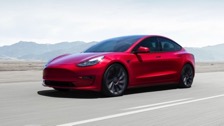 Tesla
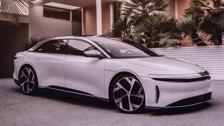 Lucid
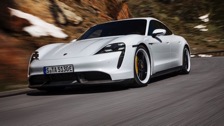 Porsche