Latest EVs Database
Explore, filter, and compare specifications for 10538 electric vehicle models updated for 2026.
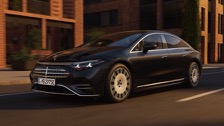
EQS 450+ (MY26) Long Range (2026)
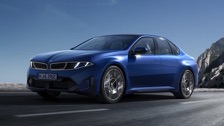
i3 50 xDrive Long Range (2025)
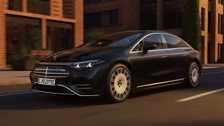
EQS 500 4MATIC (MY26) Long Range (2026)
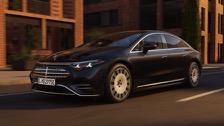
EQS 580 4MATIC (MY26) Long Range (2026)
i3 50 xDrive Performance AWD (2026)
EQS 580 4MATIC (MY26) Premium Plus (2026)
EQS 450+ (MY26) Performance AWD (2022)
i3 50 xDrive Prestige (2026)
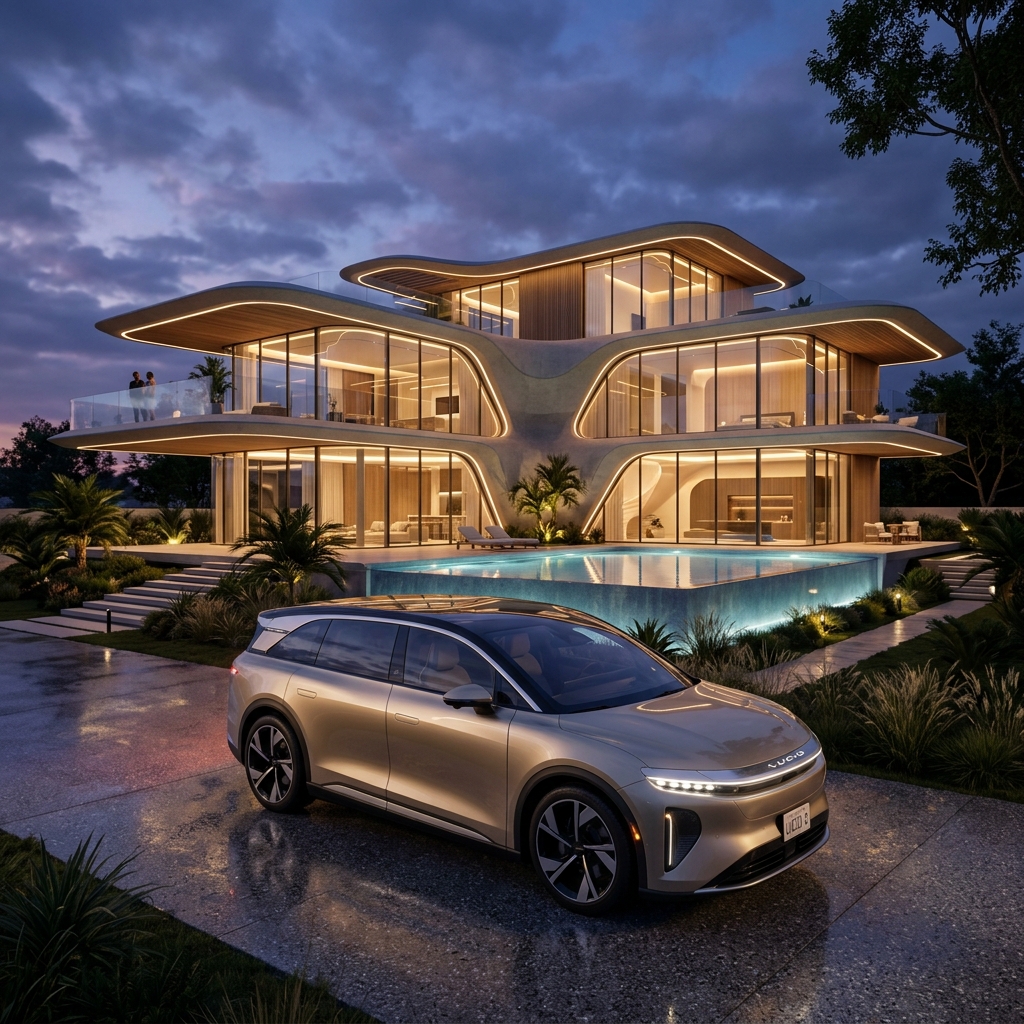
Gravity Touring Pro (2026)
Gravity Touring Premium AWD (2021)
EQS 450+ (MY26) Long Range (2019)
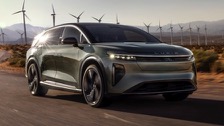
Gravity Grand Touring (MY26) Long Range (2026)
i3 50 xDrive Long Range (2019)
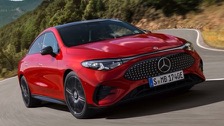
2025 Mercedes-Benz EQS EQS450 Auto 4MATIC Plus (2025)
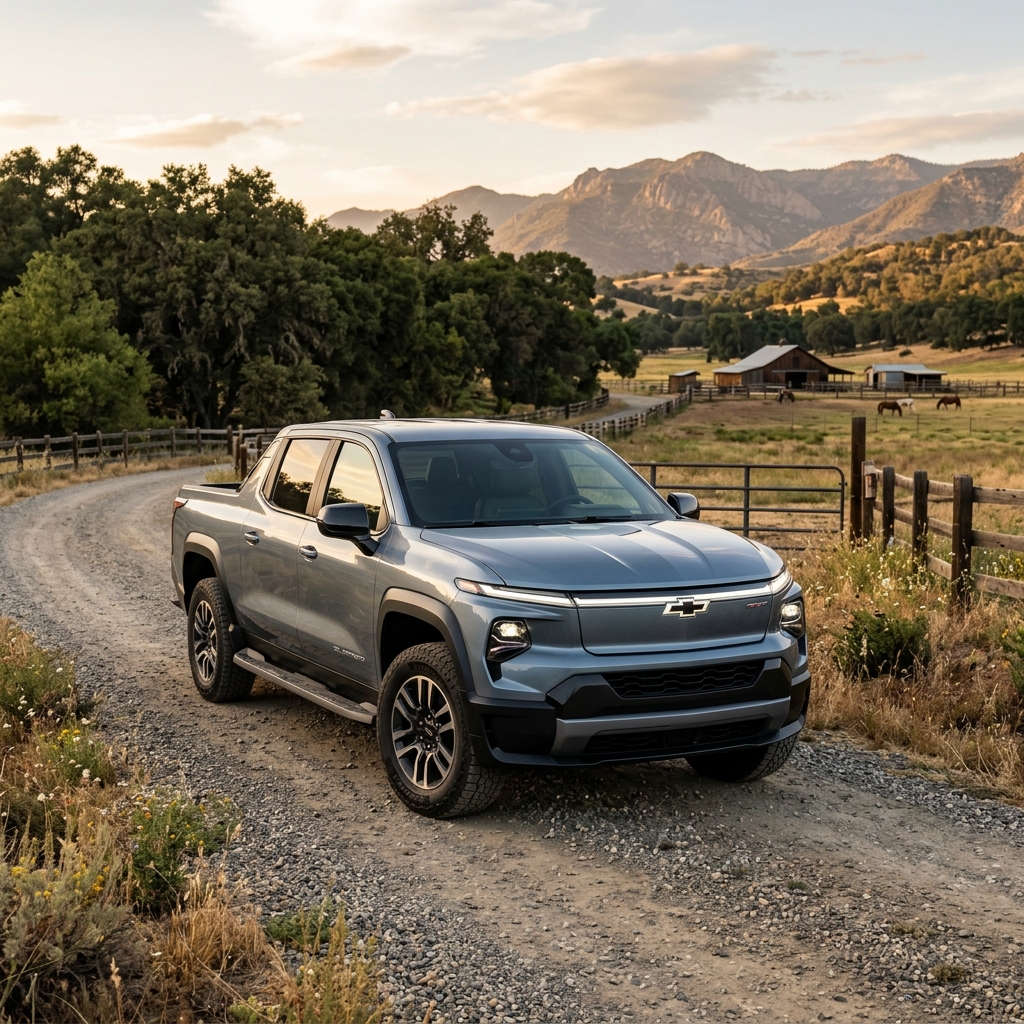
Silverado EV RST Pro (2023)
Silverado EV RST Plus (2023)
Silverado EV RST Active (2026)
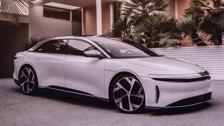
Air Grand Touring (MY25-26) Elite (2025)
Air Grand Touring (MY25-26) Plus (2023)
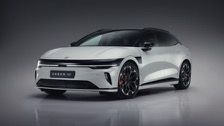
2025 Zeekr 009 Auto AWD MY25 Performance AWD (2023)
Air Grand Touring (MY25-26) Adventure Edition (2023)
i3 50 xDrive Active (2026)
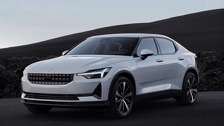
2025 Polestar 2 Standard range Single motor Auto MY25 Long Range (2022)
EQS 500 4MATIC (MY26) Premium AWD (2024)
EV Database & Specification FAQs
What is the difference between gross battery capacity and usable battery capacity?
Gross battery capacity is the total physical chemical storage inside the battery pack. Usable (net) battery capacity is the portion accessible by the driver. Automakers reserve a top and bottom protective safety buffer (typically 3% to 8%) to prevent cell degradation, dendrite formation, and sudden low-voltage shutdowns.
How does EV efficiency (mi/kWh) relate to energy consumption?
Miles per kilowatt-hour (mi/kWh) is the electric vehicle equivalent of miles per gallon (MPG). A higher number indicates superior aerodynamic and powertrain efficiency. For example, 4.0 mi/kWh requires only 250 Watt-hours per mile (Wh/mi), whereas a heavy electric truck achieving 2.0 mi/kWh consumes 500 Wh/mi.
Why do peak DC fast charging speeds vary by manufacturer?
Peak charging speed depends on battery architecture voltage (400V vs 800V class), active cooling thermal management, and cell chemistry (e.g. NMC vs LFP). 800V architecture vehicles (such as the Porsche Taycan, Hyundai Ioniq 5, and Lucid Air) can pull higher power at lower amperage, sustaining 250 kW to 350 kW without excessive thermal buildup.