Navigate the EV Revolution
Stop relying on generic range ratings. Get real-world calculations, route blueprints, and home energy setup guides for every major EV model.
Real-World Range Calculator
Estimate your EV's true range by adjusting for ambient temperature, speed, terrain elevation, and climate control.
Expert Guides for Every EV Challenge
Deep dive into our four main knowledge pillars, crafted by engineering experts.
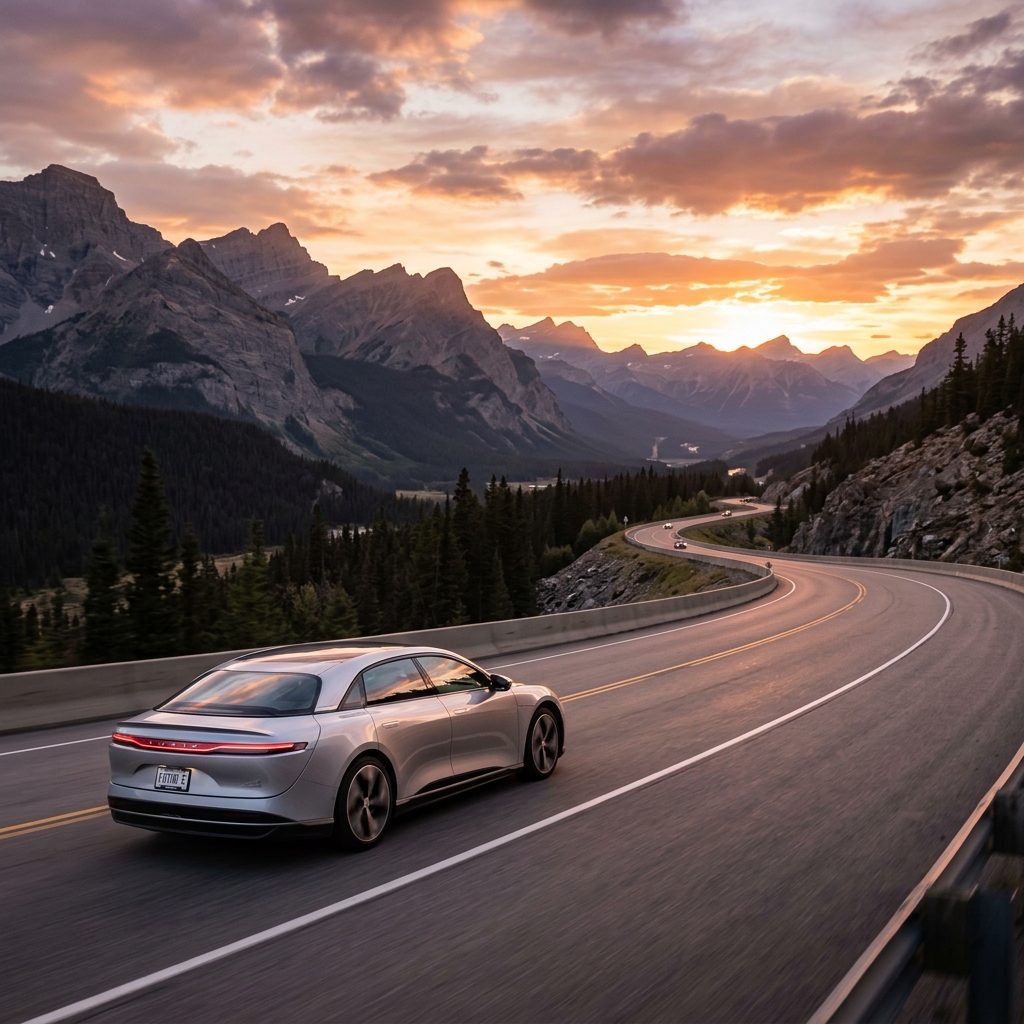
Regional Route Blueprints
Turn-by-turn EV road trip guides through America's trickiest charging corridors, with elevation and altitude analysis.
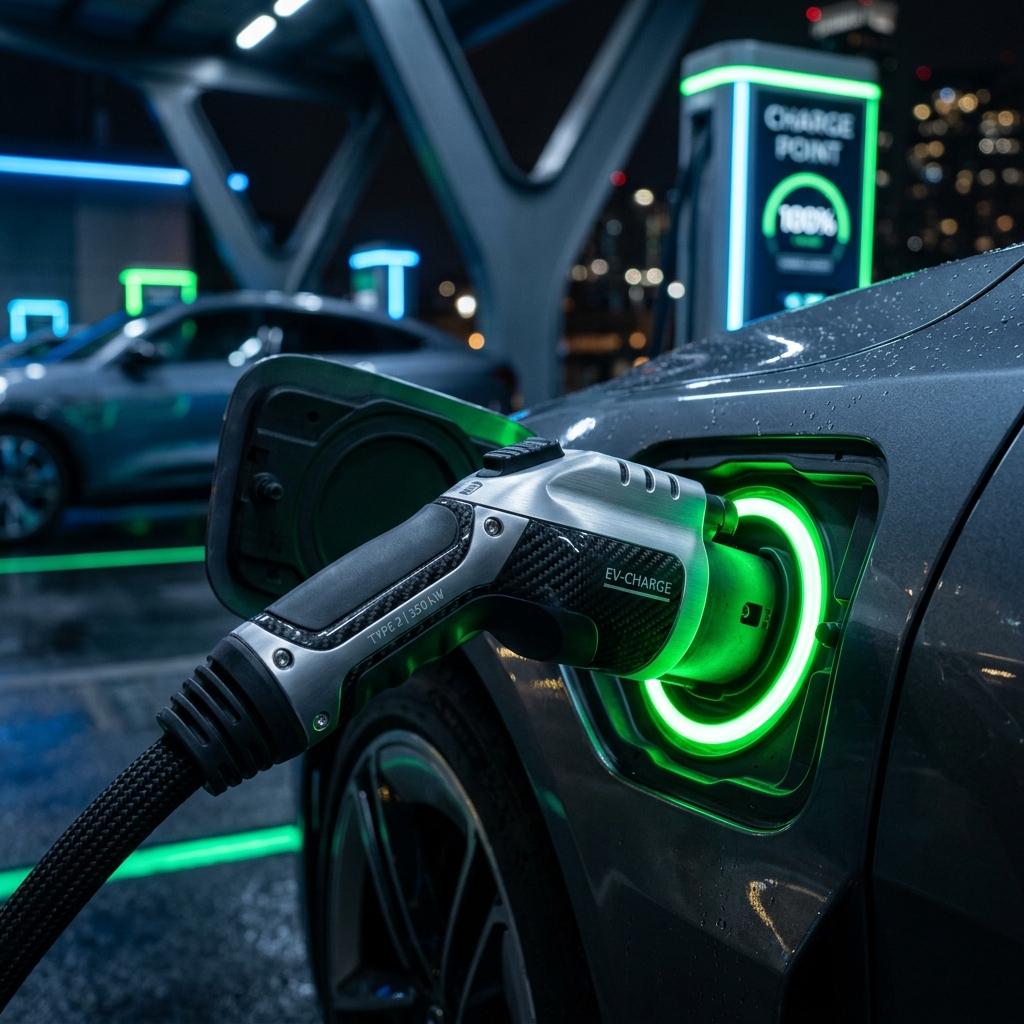
The Truth About Public Charging
Demystify charging speeds, power splitting cabinets, connector adapters (NACS/CCS), and network idle fee structures.
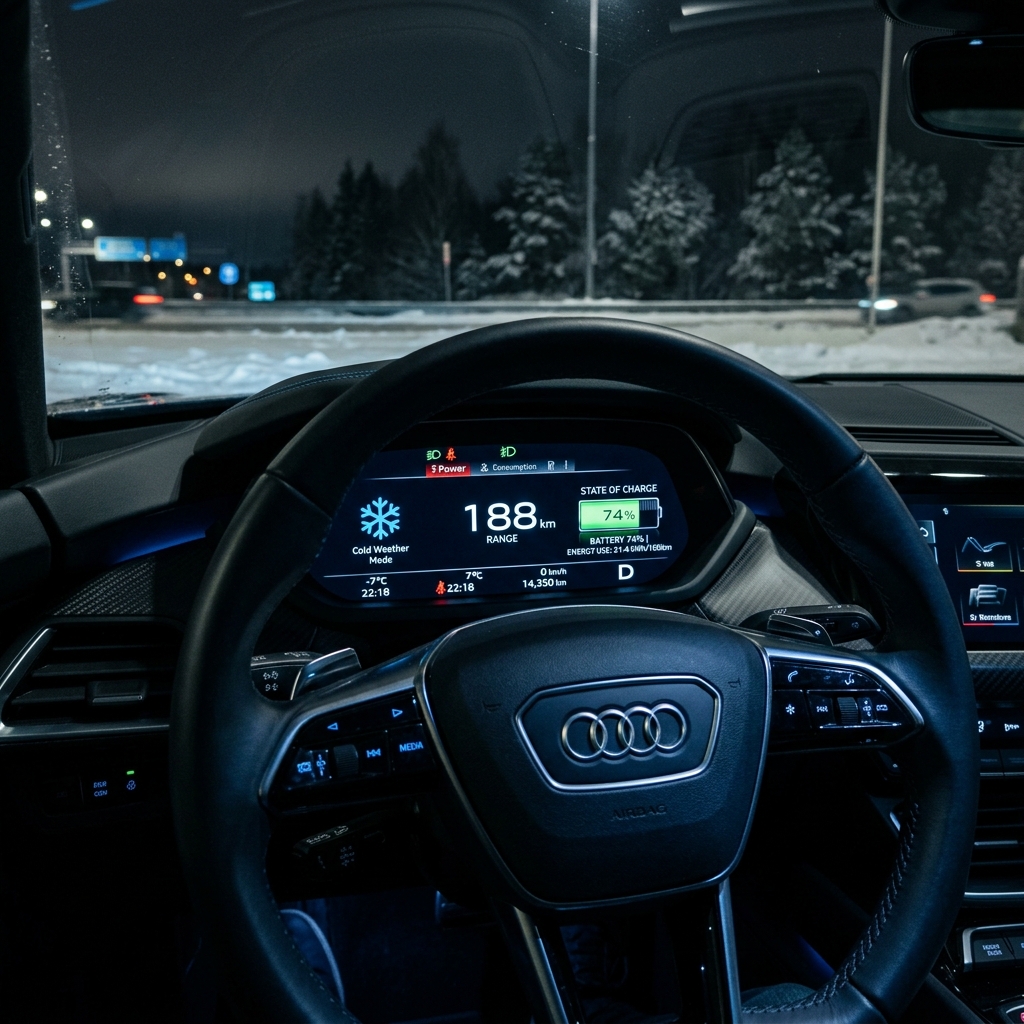
Climate & Range Science
Data-driven research on how cold temperatures, high speeds, cabin climate, and mountain routes impact your EV's battery life.
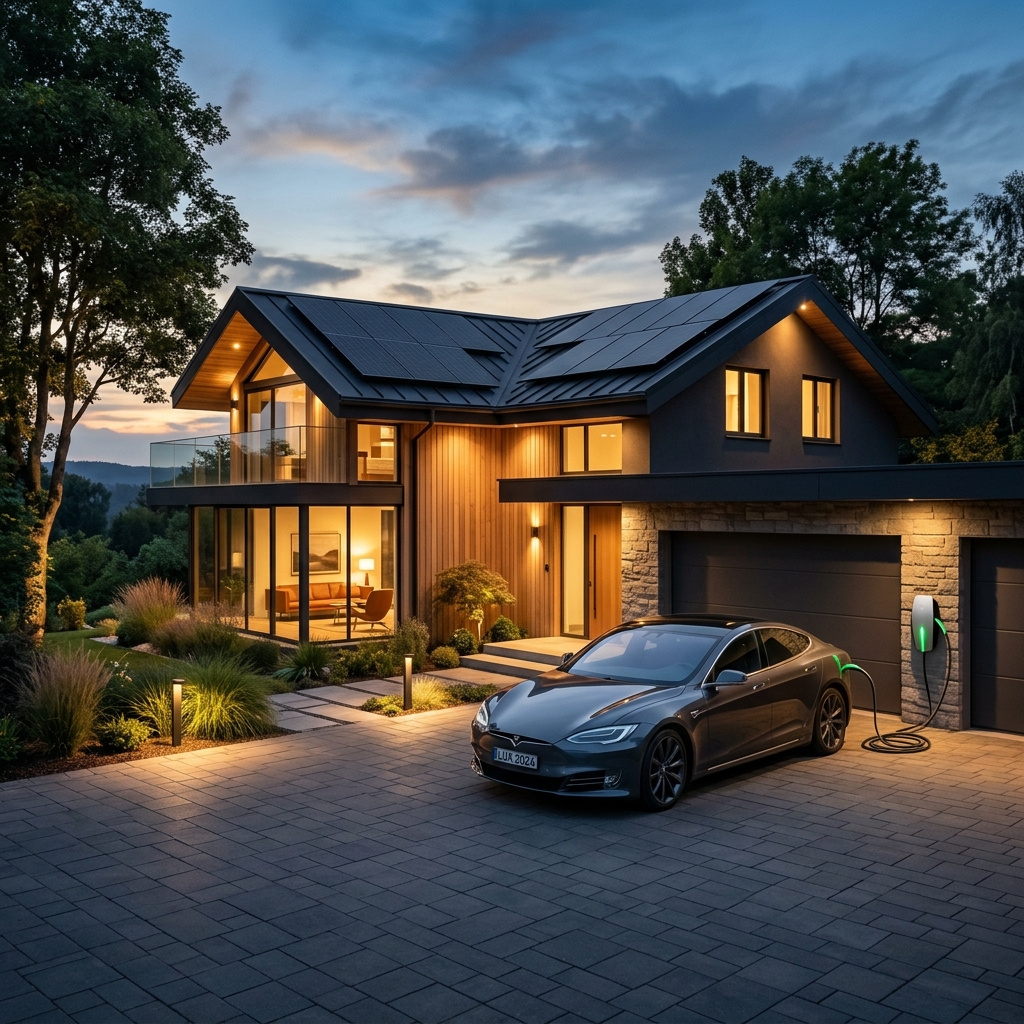
Home Energy Integration
Expert guides on sizing home solar systems, vehicle-to-home (V2H) backup power, and 200-Amp electrical panel upgrades.
Latest EV Guides
Authoritative technical write-ups and blueprints, updated weekly.

Pacific Coast Highway (PCH) Ultimate EV Road Trip Blueprint
A comprehensive turn-by-turn EV road trip guide for California Highway 1 between San Francisco and Los Angeles. Includes Big Sur charger black holes, coastal elevation math, and optimal charging stops.
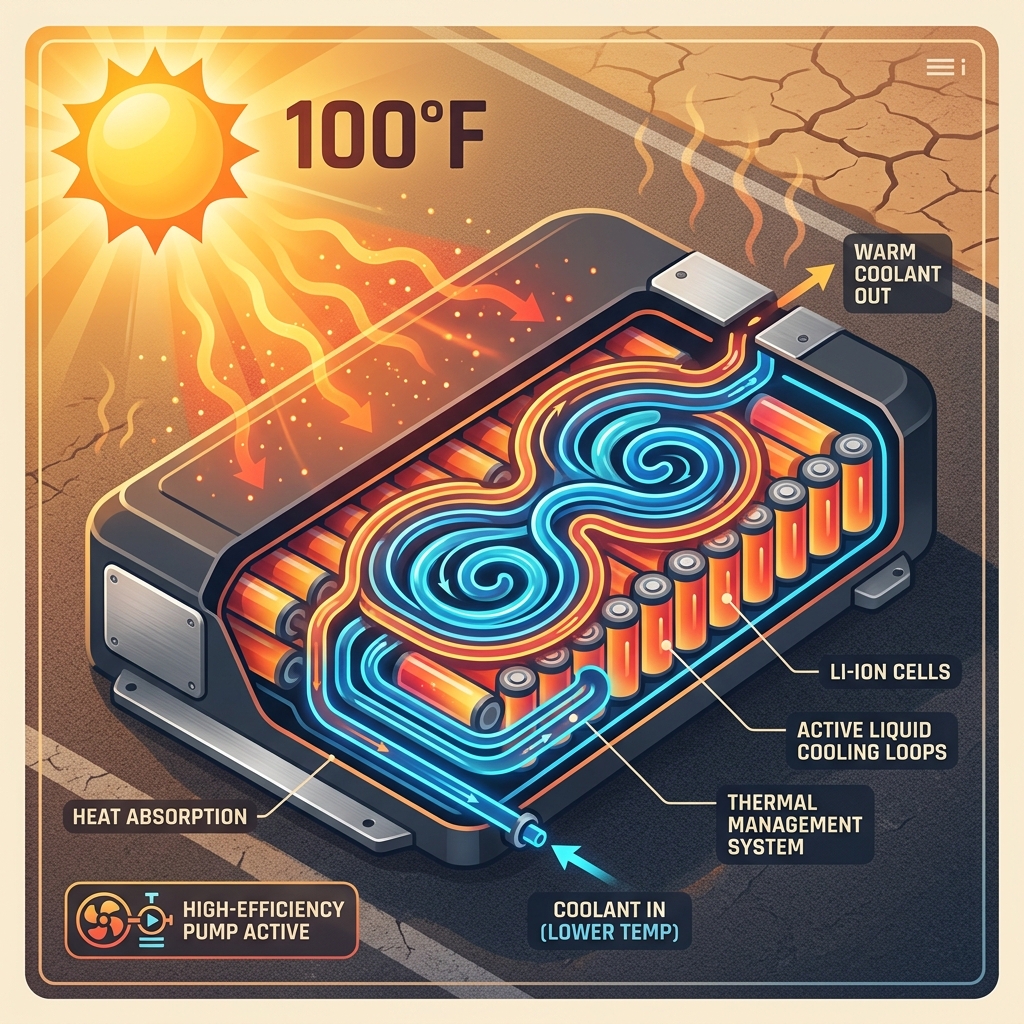
How Summer Heat Waves Degrade Lithium-ion EV Battery Lifespans
Understand how sustained temperatures above 100 degrees Fahrenheit increase battery cell degradation rates, speed up capacity loss, and impact daily range.
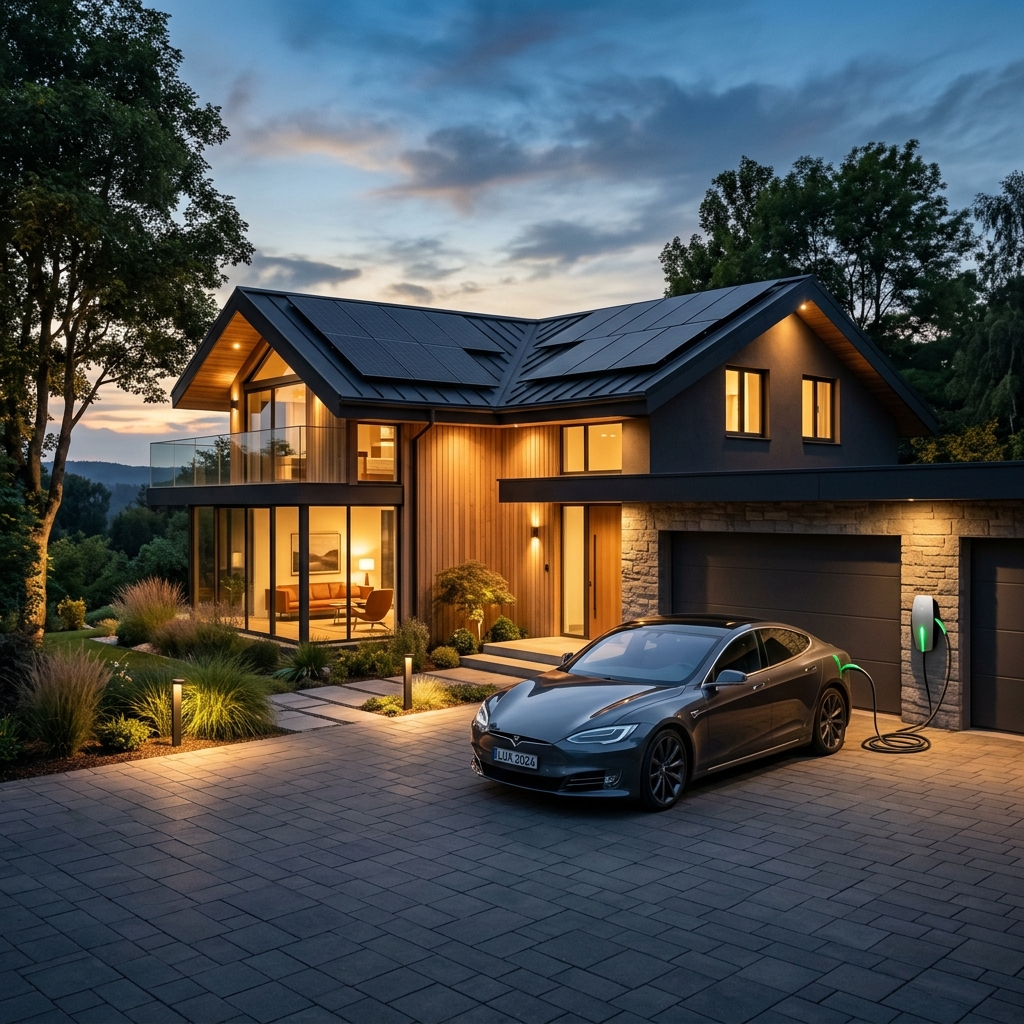
The Electrician Load Calculation Guide: How to Determine If Your 100-Amp Panel Is Maxed Out
Step-by-step calculation guide for residential load calculations under NEC Article 220, determining if your home panel can support a Level 2 EV charger.
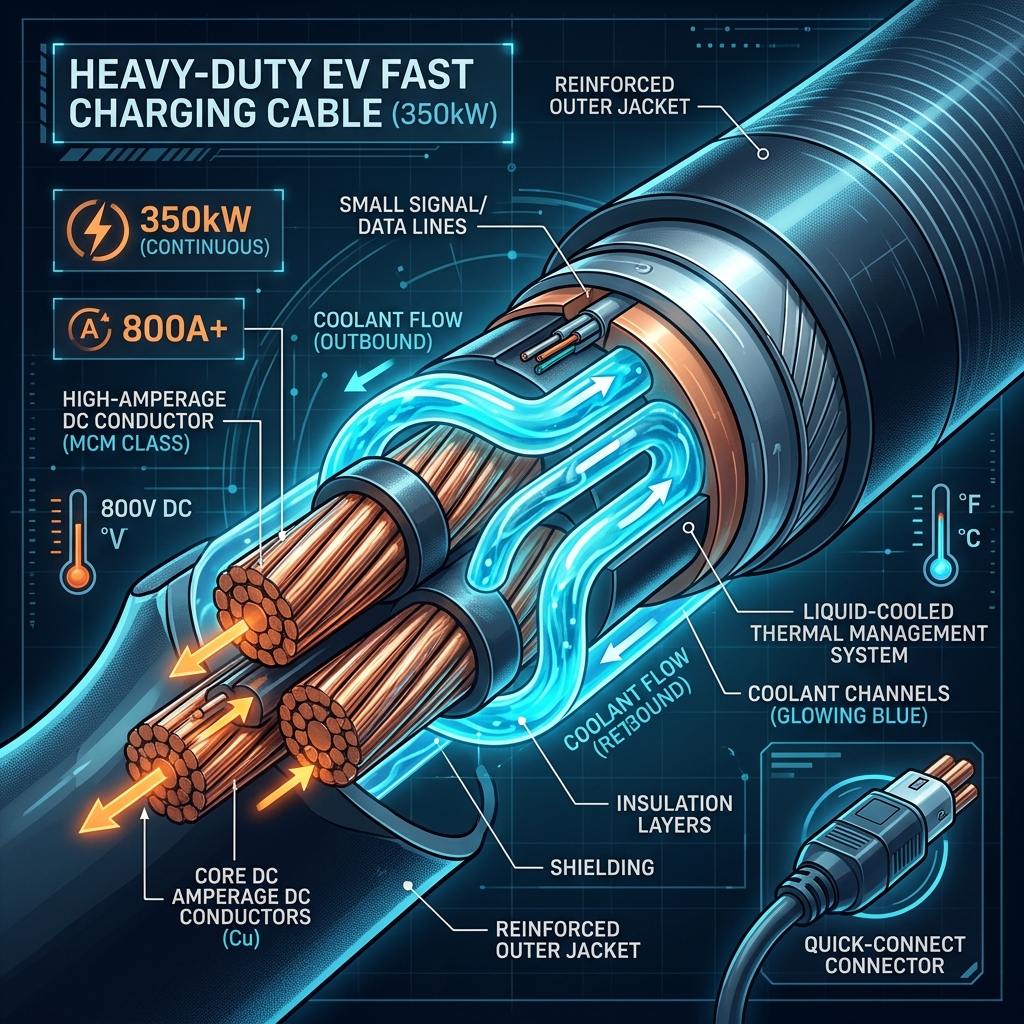
Liquid-Cooled EV Charging Cables: The Physics of Heat Dissipation
Explore the engineering behind liquid-cooled cables that allow 350kW+ DC fast charging stations to deliver high amperage without melting.
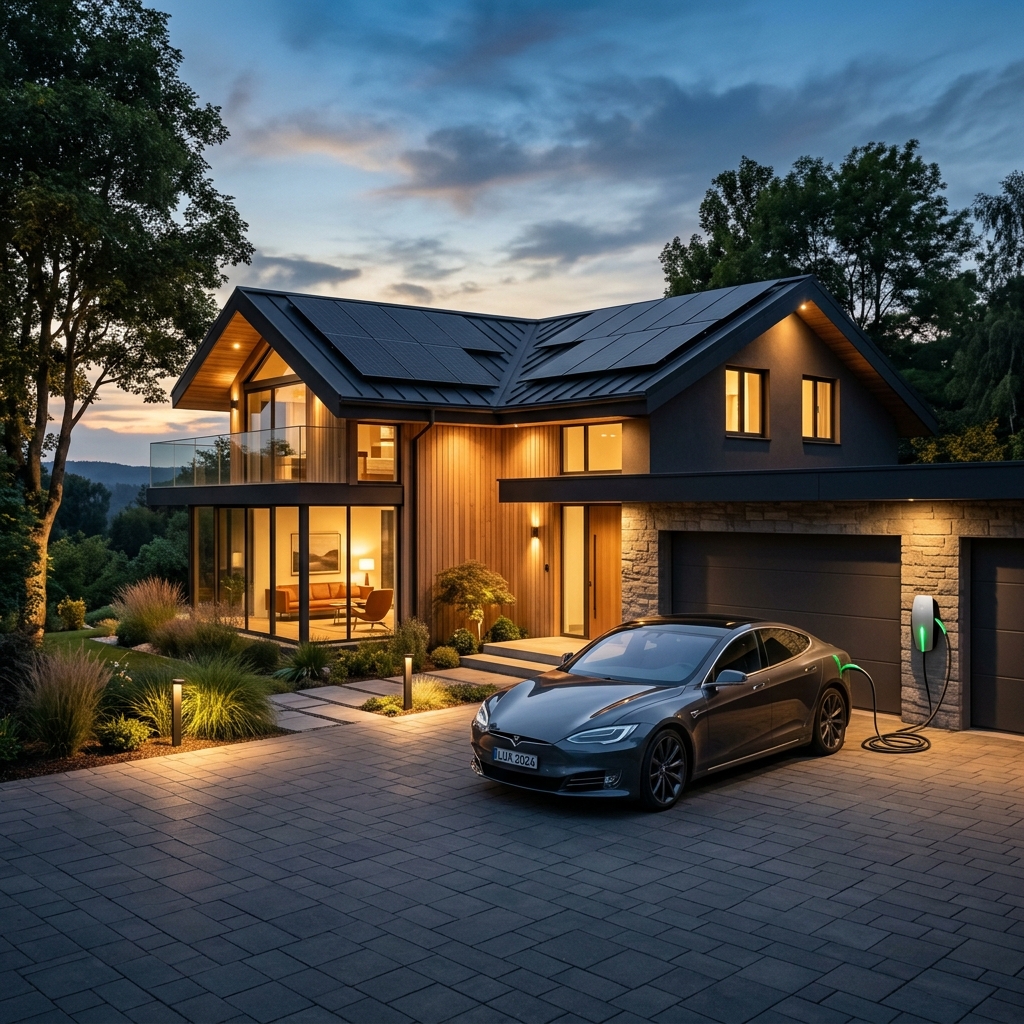
Continuous Load Breaker Math: Sizing the Electrical Circuit for a 48-Amp Home Charger
Learn the National Electrical Code requirements for EV charger breakers. Understand the 125% continuous load rule and how to size wires and breakers safely.
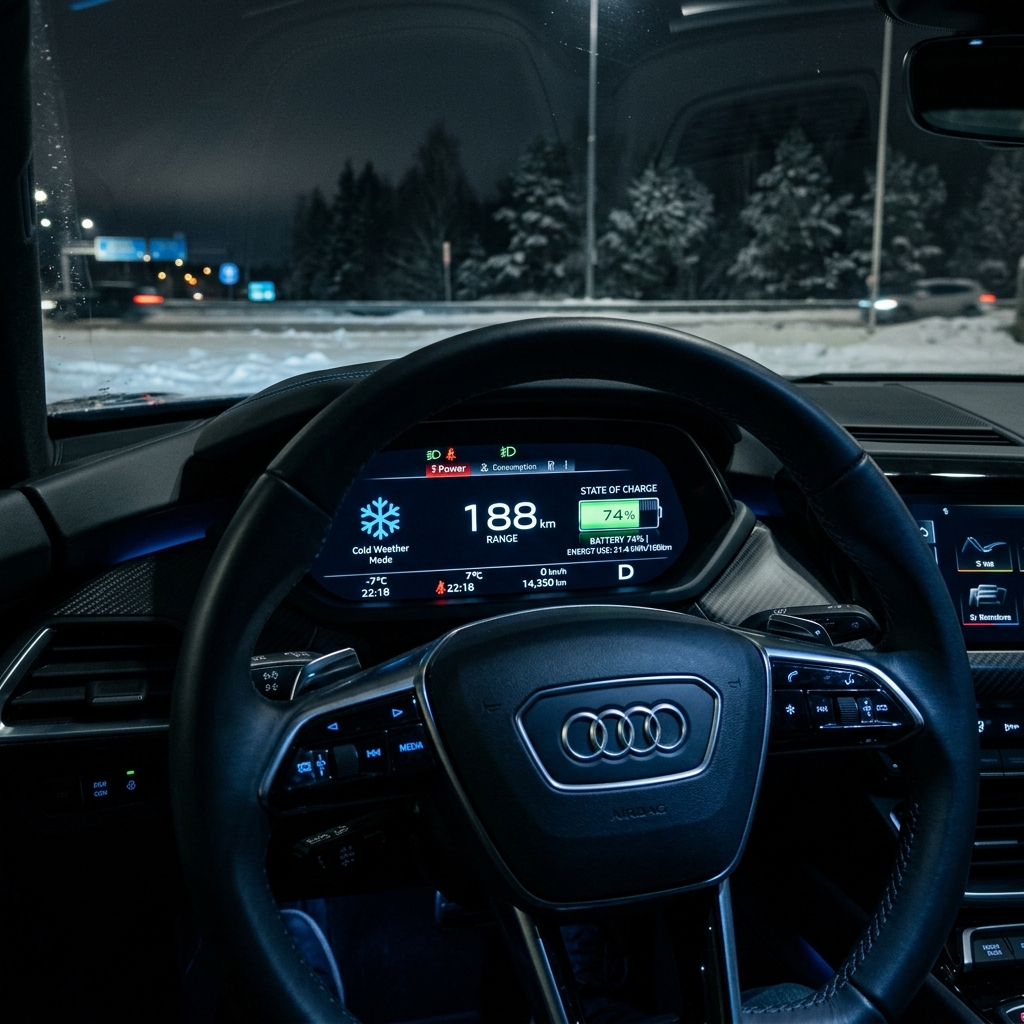
Why You Should Charge LFP Batteries to 100% Weekly (And Why It Ruins NMC Packs)
Discover the electrochemical reasons why LFP batteries thrive when charged to 100% weekly to calibrate SoC sensors, while NMC packs experience accelerated degradation.
Frequently Asked Questions About EV Range & Charging
Direct, data-backed answers for electric vehicle drivers, powered by empirical battery electrochemistry formulas and highway corridor analytics.
How accurate are real-world EV range ratings compared to EPA or WLTP?
Official EPA and WLTP laboratory ratings test vehicles at moderate ambient temperatures and steady cruising speeds without elevation extremes. In real-world driving, factors such as sub-freezing temperatures (-20% to -35% range drop), highway speeds above 70 MPH (aerodynamic drag scaling quadratically), and continuous HVAC loads result in lower usable mileage. Our calibrated calculators account for these nonlinear real-world variables.
What is the fastest way to charge on an EV road trip?
The fastest road-tripping strategy is deep cycling between 10% and 80% State of Charge (SoC). Lithium-ion battery packs accept their highest kilowatt input below 50% SoC, tapering dramatically past 80% to protect cell health. Arriving at a DC fast charger at low SoC with a preconditioned battery saves 20 to 30 minutes per stop.
Can my electric vehicle power my house during a power blackout?
Yes, vehicles equipped with Vehicle-to-Home (V2H) or Vehicle-to-Load (V2L) bidirectional charging capabilities can power critical home circuits. With average household emergency draw of 10 to 15 kWh per day, a standard 77 to 100 kWh EV battery pack can sustain essential appliances, refrigeration, and medical devices for 3 to 7 continuous days.
How many solar panels do I need to charge an EV at home for free?
For an average commuter driving 40 miles daily in an EV rated at 3.5 miles per kWh, daily energy consumption is approximately 11.4 kWh. Factoring in 15% inverter conversion losses and 4 to 5 peak sun hours per day, a 3.0 to 3.5 kW residential solar array (about 8 to 10 modern 400W panels) generates 100% of the energy needed for daily commuting.