The 80% Fast-Charging Rule Explained: Why Charging Past 80% Is a Waste of Time
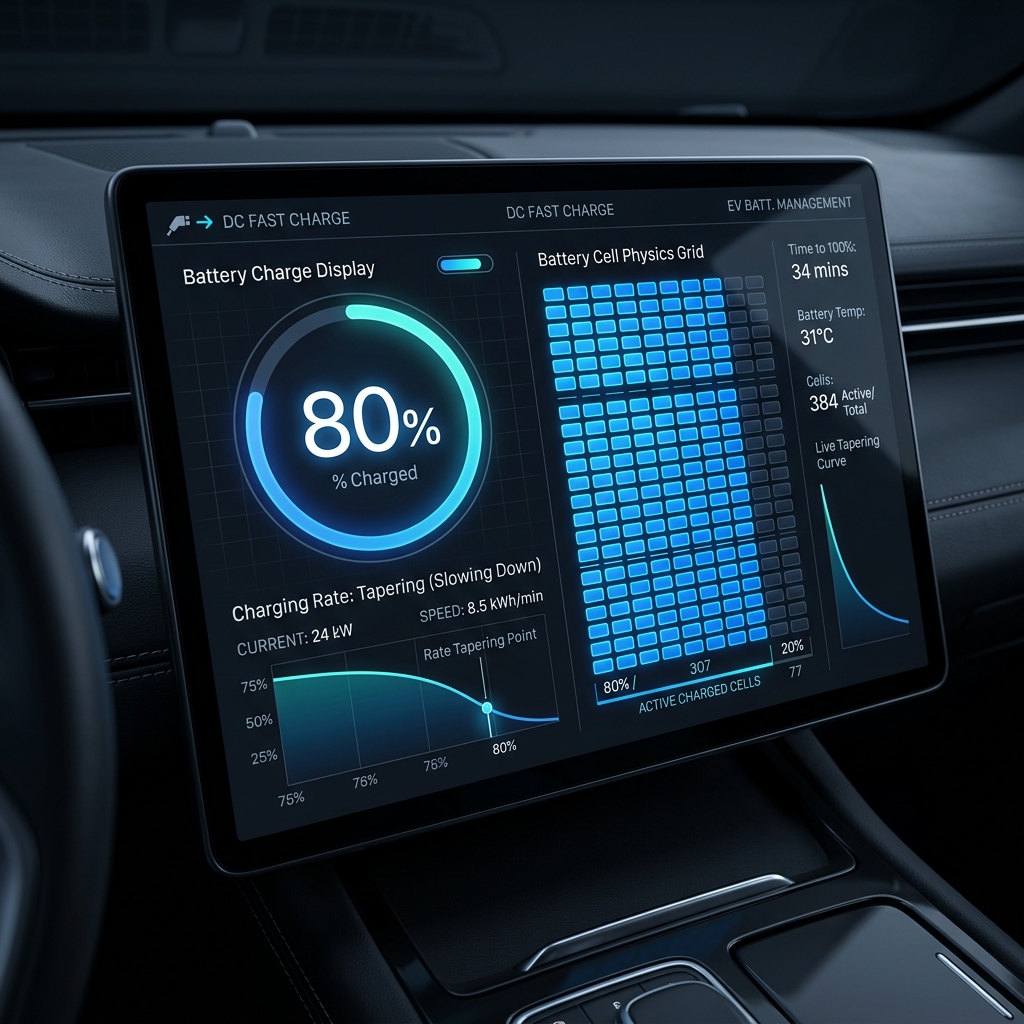
If you have ever charged an electric vehicle at a public DC Fast Charger, you have likely noticed a curious phenomenon. The charging speed starts out high—perhaps peaking at 150 kW or 250 kW—but then gradually tapers down. By the time the battery reaches 80%, the charging speed might plummet to 20 kW or even 10 kW.
This drop is so consistent that it has led to a standard recommendation in the EV community: The 80% Rule. On a road trip, you should unplug at 80% and continue driving, rather than waiting for the battery to hit 100%. In this guide, we will explain the chemistry behind the charging curve, compare the charging times, and outline the optimal road trip strategy.
The Chemistry: Constant Current vs. Constant Voltage
To understand why charging slows down, think of a lithium-ion battery as a theater auditorium.
- The lithium ions are the attendees looking for a seat.
- The anode (the negative side of the battery where ions migrate during charging) is the seating area.
When the battery is low (e.g., 10% State of Charge), the theater is almost empty. The incoming lithium ions can easily and quickly find open seats. The charger can pump in current at maximum speed without resistance. This phase is known as Constant Current (CC) charging.
As the battery fills up past 50% or 60%, the theater becomes crowded. The remaining open seats are harder to find. The incoming ions must navigate around existing ions, slowing down the process. To prevent damage to the battery cells—specifically to avoid lithium plating on the anode, which can cause short circuits and degrade battery health—the charger must reduce the flow of current.
Once the battery hits approximately 80%, the charger switches to the Constant Voltage (CV) phase. The voltage is capped, and the current (Amperage) is gradually throttled to gently nudge the last remaining lithium ions into their final spots. This is why the charging speed drops so dramatically.
The Time Comparison: 10-80% vs. 80-100%
Let’s look at the numbers for a popular EV like the Hyundai Ioniq 5, which features an advanced 800V battery architecture:
- Charging from 10% to 80%: Takes approximately 18 minutes under ideal conditions, pulling up to 230 kW.
- Charging from 80% to 100%: Can take an additional 20 to 30 minutes, with speeds throttling down to 15 kW.
In this scenario, you spend more time charging that last 20% than you did charging the first 70%.
On a long road trip, this is highly inefficient. If you unplug at 80%, drive for another 120 miles, and stop at another fast charger, you will charge much faster because your battery will be low again and ready to accept high-power current. You will reach your destination sooner by making two short stops than by making one long stop to charge to 100%.
When Should You Charge to 100%?
While charging past 80% at a fast charger is usually a waste of time, there are specific situations where charging to 100% is necessary:
- Remote Area Crossings: If you are driving through a "charging desert" (such as parts of Wyoming or the Dakotas) where the distance between chargers is greater than 80% of your vehicle's range, you must charge to 100% to ensure you don’t run out of power.
- Overnight Charging (Level 2): When charging at home or at a hotel on a Level 2 AC charger, the charging rate is low enough (typically 7 kW to 11 kW) that the battery does not experience heavy thermal stress or cell polarization. It is safe and efficient to charge to 100% overnight.
- LFP Battery Maintenance: If your EV uses a Lithium Iron Phosphate (LFP) battery chemistry (such as the base Tesla Model 3), manufacturer guidelines recommend charging to 100% at least once a week. LFP batteries have a very flat voltage curve, making it difficult for the vehicle's computer to calculate the state of charge unless it regularly syncs at 100%.
Related Guides
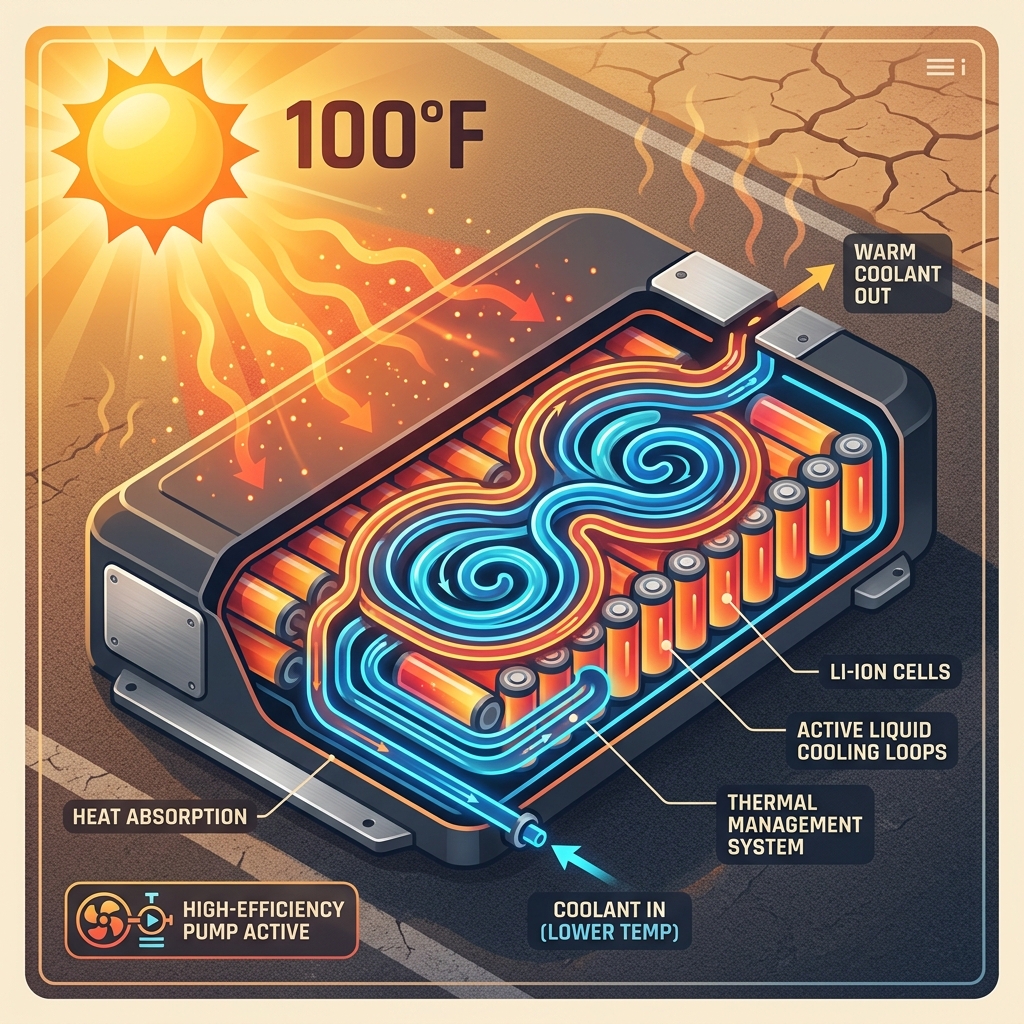
How Summer Heat Waves Degrade Lithium-ion EV Battery Lifespans
Understand how sustained temperatures above 100 degrees Fahrenheit increase battery cell degradation rates, speed up capacity loss, and impact daily range.
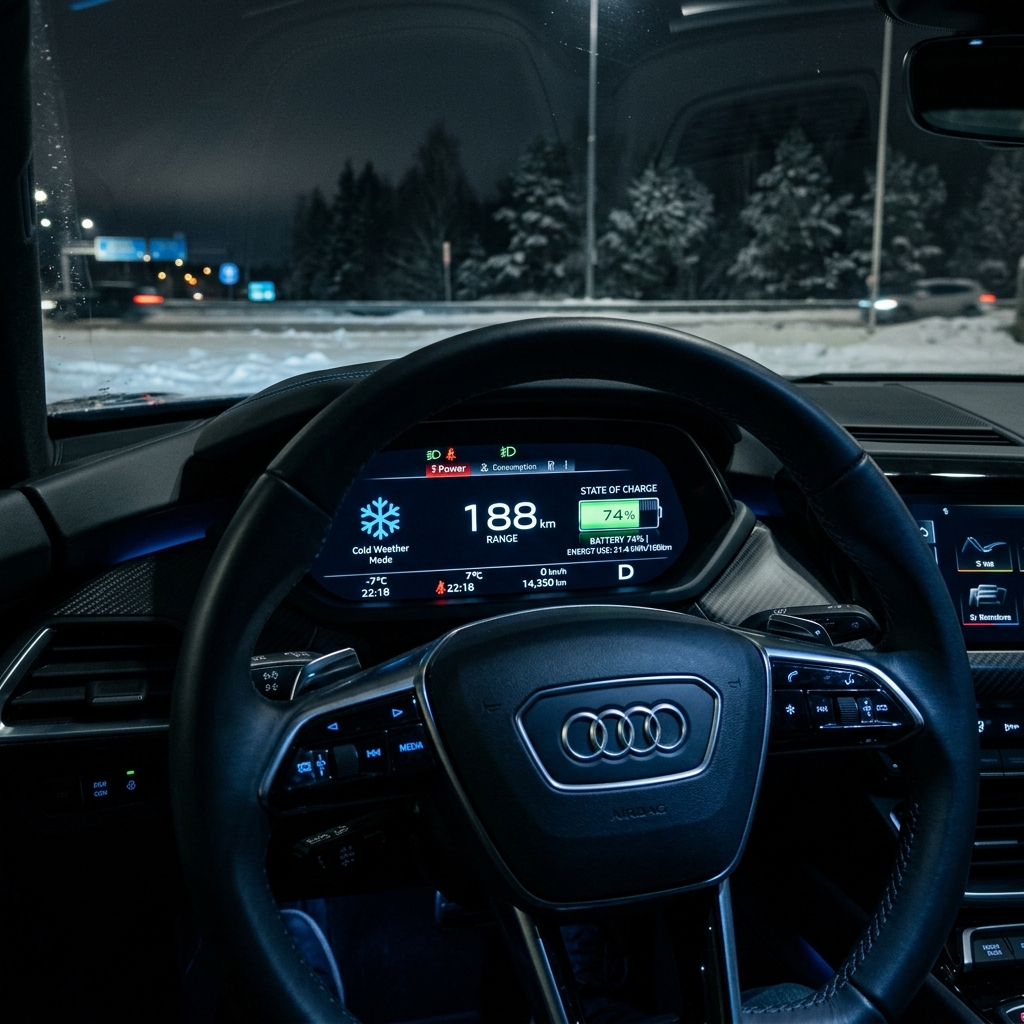
Why You Should Charge LFP Batteries to 100% Weekly (And Why It Ruins NMC Packs)
Discover the electrochemical reasons why LFP batteries thrive when charged to 100% weekly to calibrate SoC sensors, while NMC packs experience accelerated degradation.
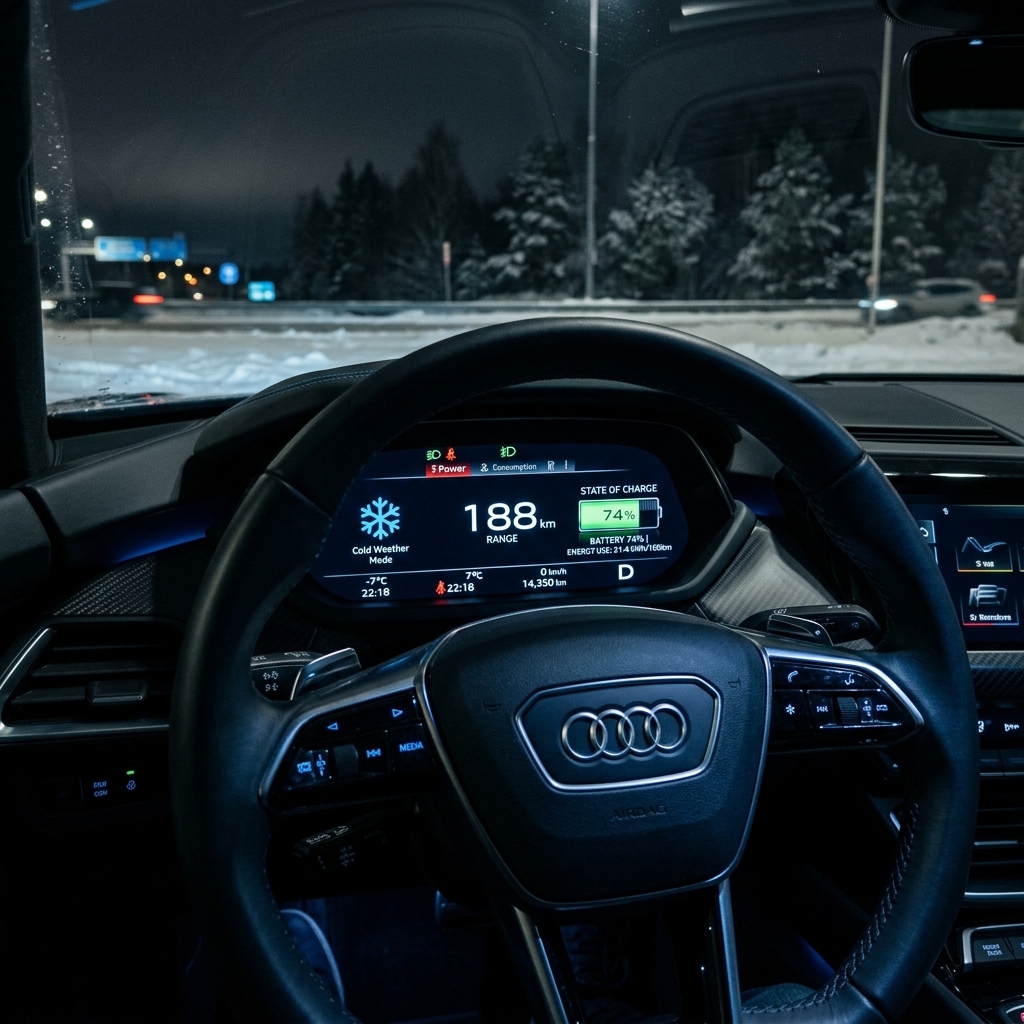
LFP vs. NMC Winter Performance: Why Entry-Level EVs Drop More Range in the Cold
Understand the electrochemical differences between LFP and NMC batteries, why standard range EVs experience steeper winter range drops, and cold weather optimization.