Do I Need a 200-Amp Electrical Panel Upgrade for a Level 2 EV Charger?
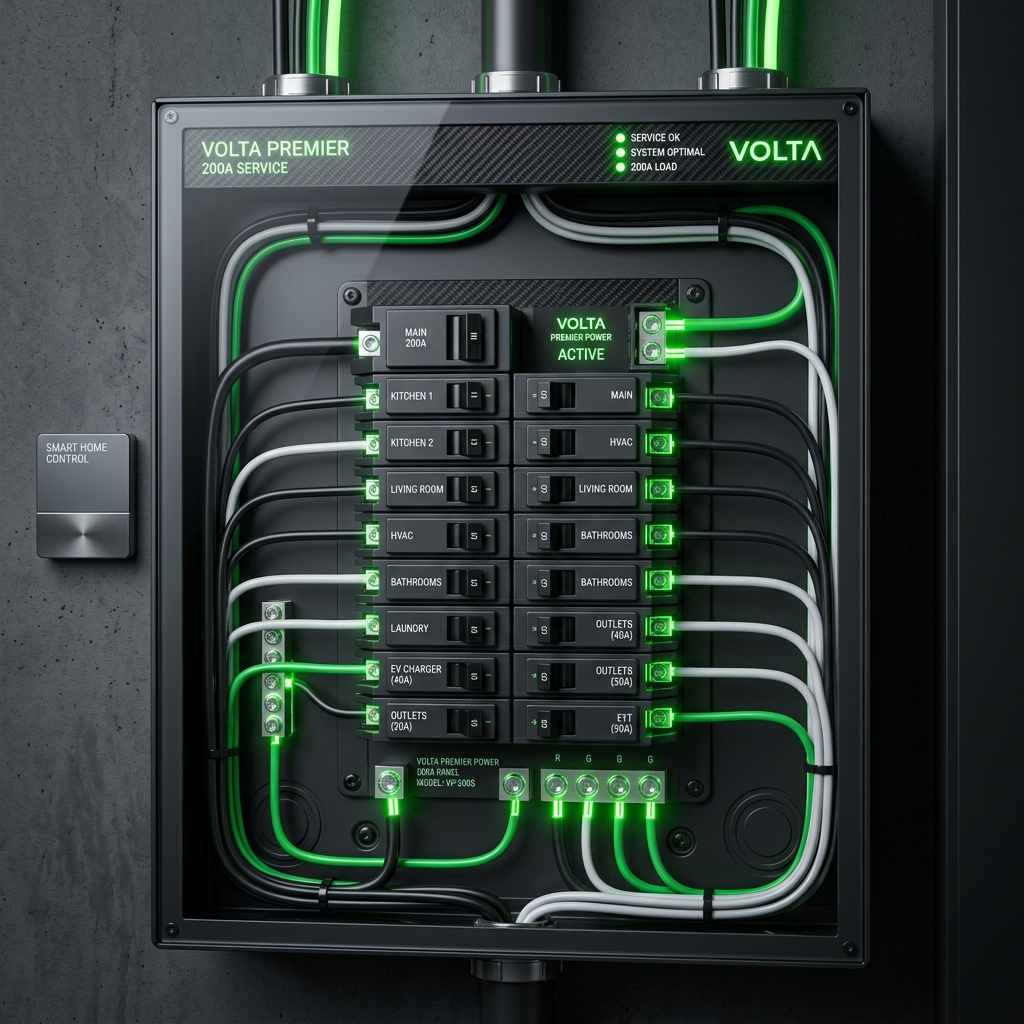
Installing a Level 2 charger is the most common home upgrade for new electric vehicle owners. Level 2 chargers run on 240-Volt circuits—the same voltage used by heavy appliances like electric clothes dryers, ovens, and central air conditioning systems.
Because a Level 2 charger can draw continuous high-power current for hours at a time, your home's main electrical panel must have the capacity to handle this load. Many older homes are equipped with 100-Amp or 150-Amp main service panels. When installing a charger, homeowners are often told by electricians that they must upgrade to a 200-Amp panel, a project that can cost thousands of dollars.
Do you really need this upgrade? In this guide, we break down the load calculation math, explain panel capacities, and detail smart alternatives that can save you money.
The 80% Continuous Load Rule
In electrical codes (specifically the National Electrical Code in the US), an EV charger is classified as a continuous load because it draws maximum current for three hours or more.
Under the code's safety guidelines, a continuous load circuit must not exceed 80% of the rating of the breaker.
- To install a 40-Amp EV charger (which adds about 30 miles of range per hour), you must use a 50-Amp double-pole breaker.
- To install a 32-Amp EV charger (adds about 25 miles of range per hour), you must use a 40-Amp breaker.
- To install a 48-Amp EV charger (adds about 35 miles of range per hour), you must use a 60-Amp breaker.
A 50-Amp breaker is a significant addition to a home's total load, representing 50% of the entire capacity of a standard 100-Amp panel.
Assessing Your Panel Capacity: The Load Calculation
Electricians do not simply add up the face values of all the breakers in your panel. (A 100-Amp panel can easily have breakers that add up to 150 Amps or more because it is assumed you will not run all appliances simultaneously).
Instead, they perform a load calculation based on:
- The square footage of the home (for general lighting and outlets).
- The nameplate rating of all fixed appliances (dryer, range, water heater, HVAC).
- A demand factor multiplier for non-coincident loads (heating vs. air conditioning).
If your calculated load exceeds the service rating of your panel (e.g., 92 Amps of calculated load on a 100-Amp service), adding a 40-Amp EV circuit is not permitted without upgrading the service panel.
Signs You Need a Panel Upgrade
- Your home has a 60-Amp or 100-Amp main service panel.
- Your panel is completely full with no open spaces for a double-pole breaker.
- Your lights flicker when heavy appliances (like the A/C or dryer) kick on.
- Your panel is an outdated or recalled brand (such as Federal Pacific or Zinsco).
Alternatives to a 200-Amp Upgrade
An upgrade from a 100-Amp to a 200-Amp panel typically costs between 4,500, depending on local utility fees, trenching requirements, and permitting. If this cost is prohibitive, consider these alternatives:
1. Smart Load Management (EVEMS)
An Electronic Vehicle Energy Management System (EVEMS), also known as a smart load shed device, monitors the real-time electrical draw of your entire home.
If you are charging your EV and turn on your electric oven and dryer, the load manager will automatically pause or throttle the charger to prevent the main house panel from overloading. Once the other appliances turn off, the charger returns to full speed. This allows you to safely install a Level 2 charger on a 100-Amp panel without an upgrade.
2. De-rating the Charger
Most smart Level 2 chargers (like the Wallbox Pulsar Plus or ChargePoint Home Flex) have internal physical switches or software controls that allow them to be "de-rated" to lower amperages.
- You can set the charger to run at 16 Amps on a 20-Amp breaker.
- This still adds about 12 to 15 miles of range per hour, which is more than enough to fully recharge a vehicle overnight (12 hours = 144–180 miles of range). A 20-Amp load is much easier to accommodate on a 100-Amp panel.
3. Smart Splitters
If you have an existing 240V outlet in your garage (e.g., a NEMA 10-30 or 14-30 outlet used for a dryer), you can use a UL-listed smart splitter (like NeoCharge or Splitvolt). These devices plug into the outlet and share it between the dryer and the EV charger, automatically prioritizing the dryer when it is running.
Related Guides
The Electrician Load Calculation Guide: How to Determine If Your 100-Amp Panel Is Maxed Out
Step-by-step calculation guide for residential load calculations under NEC Article 220, determining if your home panel can support a Level 2 EV charger.
Continuous Load Breaker Math: Sizing the Electrical Circuit for a 48-Amp Home Charger
Learn the National Electrical Code requirements for EV charger breakers. Understand the 125% continuous load rule and how to size wires and breakers safely.
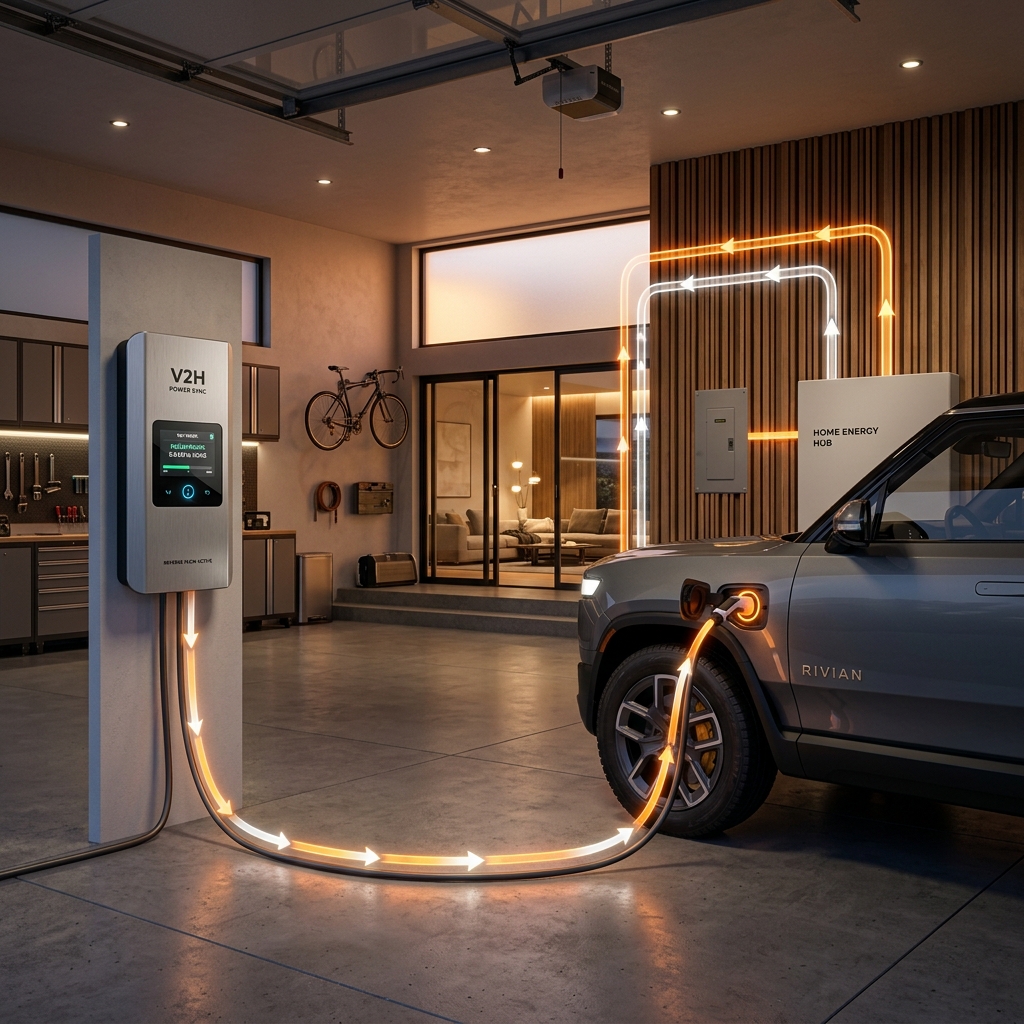
Bidirectional Charging (V2H/V2G): How to Use Your EV as a Home Backup Generator
Learn how vehicle-to-home (V2H) bidirectional charging works, which electric cars support it, the equipment required, and how it compares to traditional backup generators.