Bidirectional Charging (V2H/V2G): How to Use Your EV as a Home Backup Generator
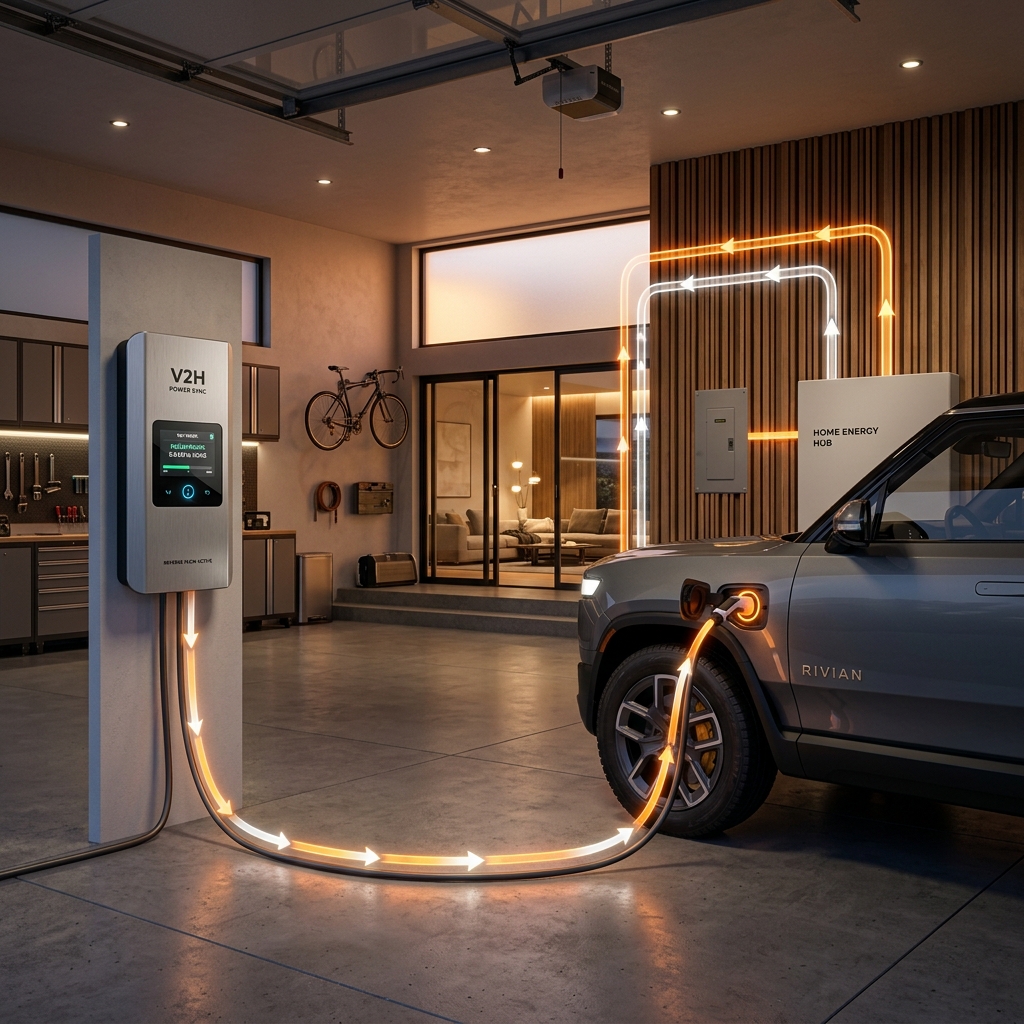
The average American household consumes approximately 30 kilowatt-hours (kWh) of electricity per day. Meanwhile, modern electric vehicles are equipped with battery packs ranging from 60 kWh to over 130 kWh. This means a single parked EV parked in a garage holds enough energy to power a home for several days during a blackout.
Using your EV to supply power back to your home is known as Vehicle-to-Home (V2H) charging, a subset of the broader concept of bidirectional charging. In this guide, we explain how V2H works, which vehicles support it, the physical equipment you need, and the economics of EV backup power compared to traditional generators.
V2G vs. V2H vs. V2L: Defining the Terms
Before looking at installation details, it is helpful to clarify the terminology:
- V2L (Vehicle-to-Load): The vehicle has built-in 120V or 240V outlets (often in the truck bed, cabin, or charge port). You can plug appliances directly into the car, but it does not feed your home's electrical panel.
- V2H (Vehicle-to-Home): The vehicle can send DC or AC power back through its charge port to your home's main breaker panel, powering the entire home during an outage.
- V2G (Vehicle-to-Grid): The vehicle feeds energy back into the municipal utility grid, allowing you to sell power during peak demand hours.
How V2H Works: The Flow of Power
Normally, home charging is unidirectional: AC power flows from the house, through the charger, and is converted to DC by the car's onboard charger to fill the battery.
In a V2H setup, this process is reversed:
- DC Output: The EV outputs high-voltage Direct Current (DC) directly from its battery pack through the charge port.
- Inversion: A specialized bidirectional home inverter converts that DC power into 120V/240V Alternating Current (AC) suitable for household appliances.
- Isolation: A automatic transfer switch or microgrid interconnect device physically disconnects your home from the utility grid. This is a critical safety step to prevent "island effect"—energizing grid lines that utility workers are trying to repair.
- Distribution: The inverted AC power is distributed to your home's electrical panel to keep lights, refrigerators, and climate systems running.
Which Vehicles Support V2H?
- Ford F-150 Lightning: Ford’s "Intelligent Backup Power" system was the first fully integrated V2H solution in North America. With its massive 131 kWh Extended Range battery, the Lightning can power a typical home for up to three to ten days.
- Hyundai Ioniq 5 & 6 / Kia EV6 & EV9: These vehicles, built on Hyundai's E-GMP platform, feature V2L natively. In some international markets, they are integrated with home energy management systems for V2H backup.
- Nissan Leaf: The Leaf was one of the earliest adopters of bidirectional charging using the CHAdeMO standard, though the setup requires specialized, expensive wall units.
- Tesla: Tesla has announced that its upcoming vehicles built on the next-generation platform, as well as the Cybertruck, will support bidirectional charging.
Required Home Equipment and Installation Costs
Setting up your home for V2H is more complex than installing a standard Level 2 charger. It requires:
- Bidirectional Charger / Inverter: Converts the DC power from the car into AC for the house (e.g., the Ford Charge Station Pro). Cost: ~$1,300.
- Home Integration Kit: Includes the automatic transfer switch, dark-start battery, and system controller to isolate your home from the grid during an outage. Cost: ~$4,000.
- Electrical Installation: Labor by a licensed electrician to mount the hardware, run heavy gauge conduit, and modify your main panel. Cost: ~5,000.
Total Estimated Cost: 10,000 (before tax credits or local utility rebates).
V2H vs. Traditional Backup Generators
While the upfront cost of V2H is high, it compares favorably to traditional options:
| Feature | V2H Bidirectional EV | Whole-Home Generator (Propane/Gas) | Home Battery (e.g., Tesla Powerwall) | | :--- | :--- | :--- | :--- | | Upfront Cost | 10,000 | 15,000 | 16,000 per unit | | Energy Capacity | 60 - 131+ kWh | Unlimited (if fuel is refilled) | 13.5 kWh (per unit) | | Noise & Emissions | Silent / Zero | Loud / High | Silent / Zero | | Dual Use Utility | Yes (Transportation + Power) | No (Backup power only) | No (Backup power only) |
Related Guides
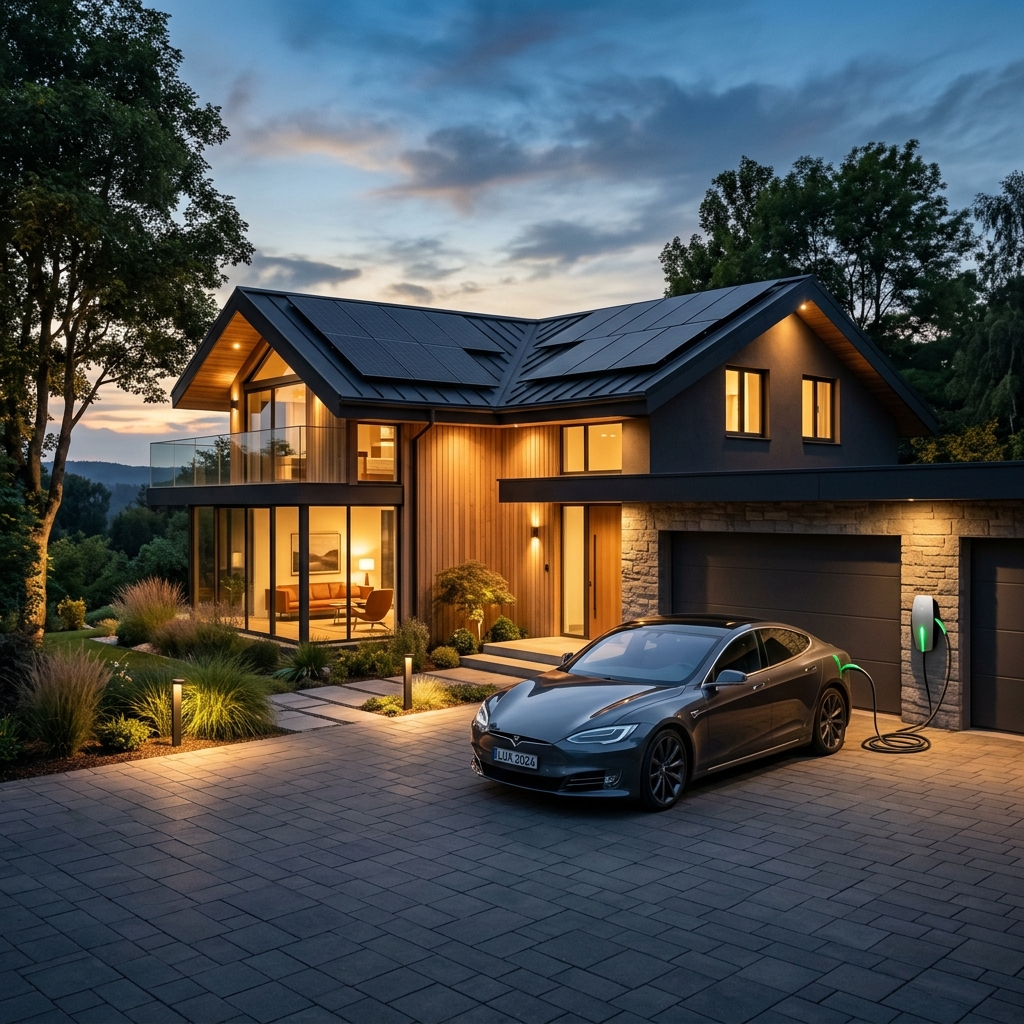
The Electrician Load Calculation Guide: How to Determine If Your 100-Amp Panel Is Maxed Out
Step-by-step calculation guide for residential load calculations under NEC Article 220, determining if your home panel can support a Level 2 EV charger.
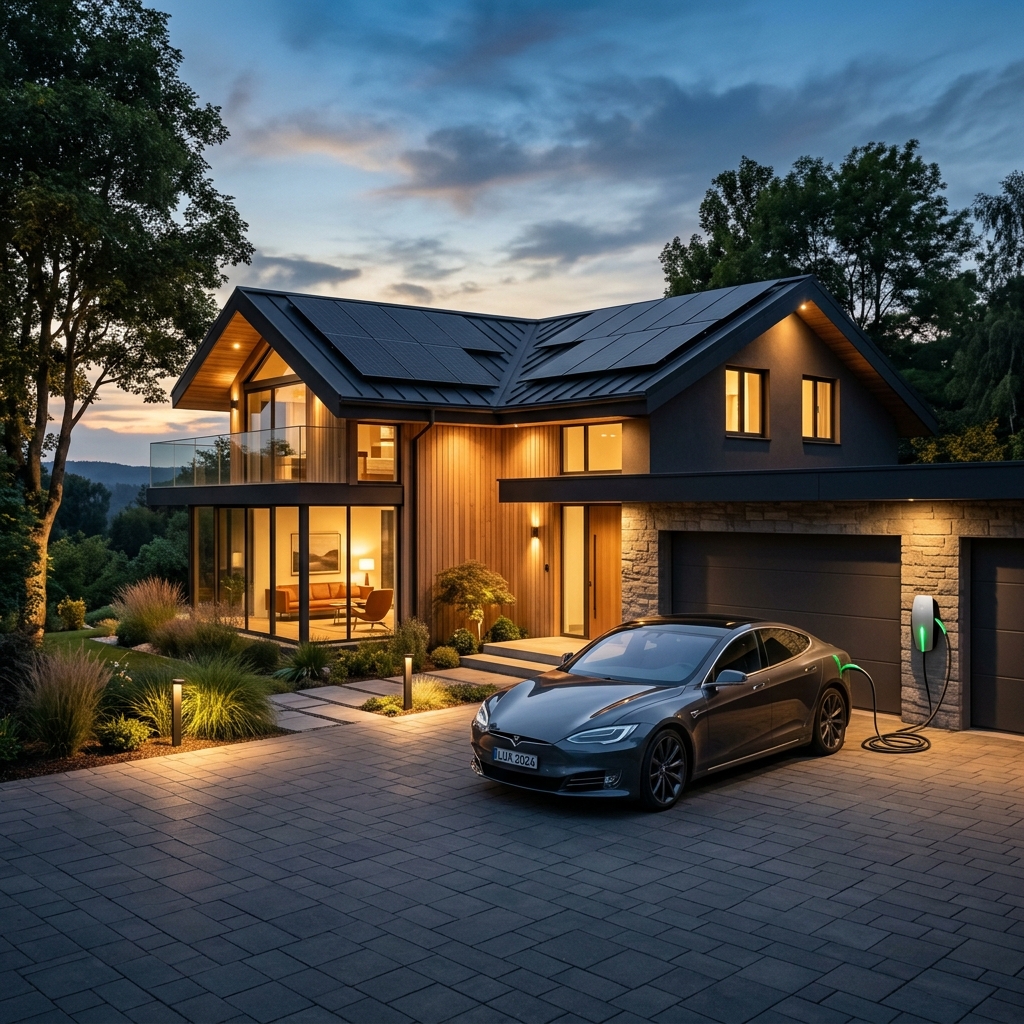
Continuous Load Breaker Math: Sizing the Electrical Circuit for a 48-Amp Home Charger
Learn the National Electrical Code requirements for EV charger breakers. Understand the 125% continuous load rule and how to size wires and breakers safely.
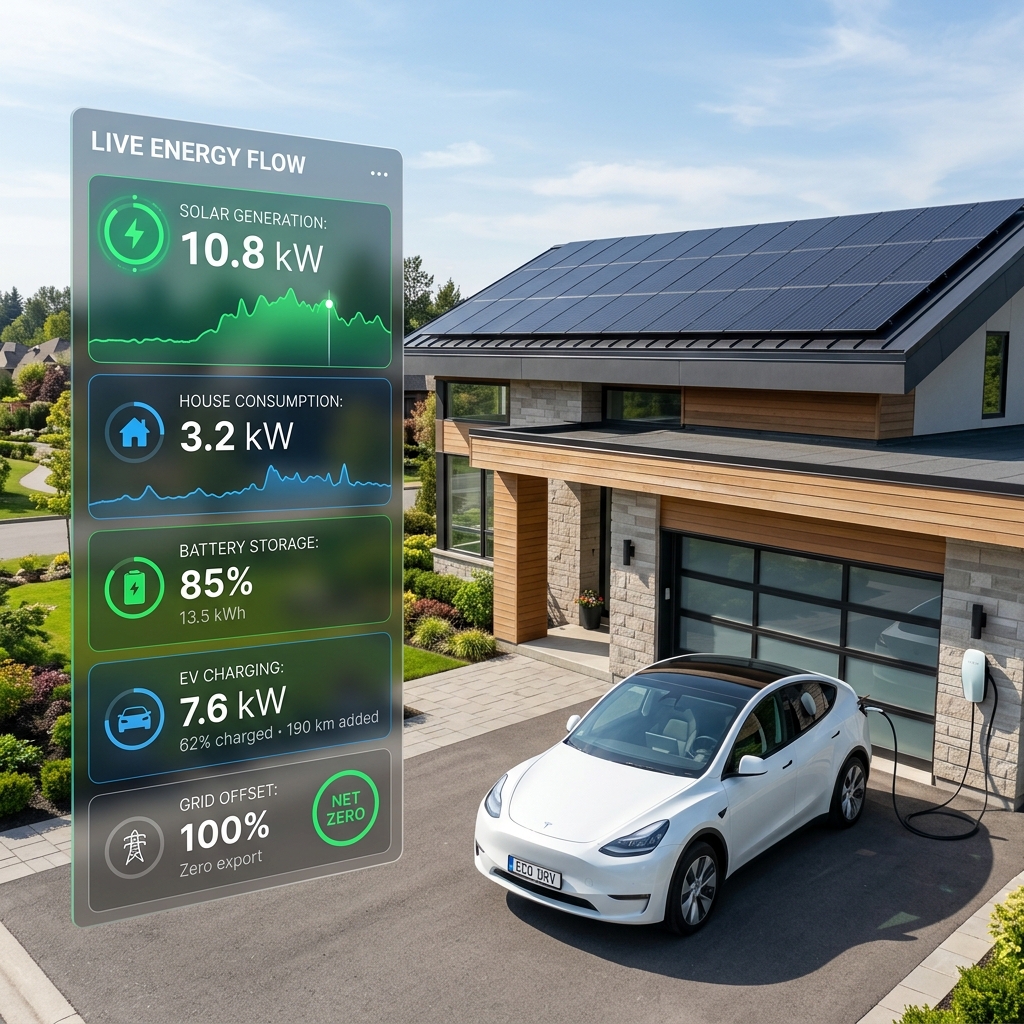
How Many Solar Panels Do I Need to Charge My EV at Home for Free?
A step-by-step calculator guide to sizing a home solar panel system specifically to offset the electricity consumed by your electric vehicle.