Approved vs. Cheap NACS Adapters: The Risks of Uncertified High-Power Charging
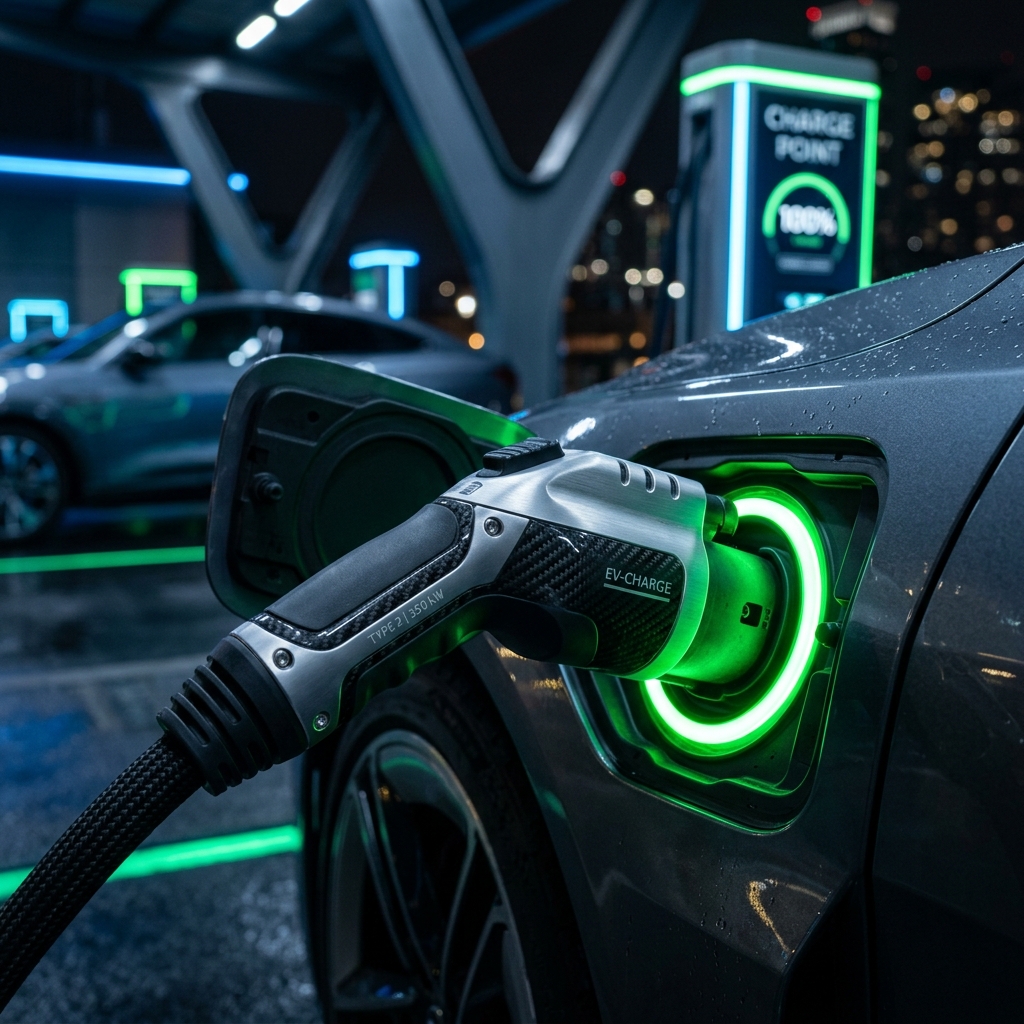
With major automakers gaining access to the Tesla Supercharger network, millions of EV drivers are purchasing CCS1-to-NACS adapters. Because official manufacturer adapters are backlogged, many owners turn to third-party marketplaces, purchasing uncertified adapters for less than $50.
However, delivering 250 kW of electrical power requires high-quality engineering. Using an uncertified adapter introduces major safety risks, including thermal runaway, component damage, and voided vehicle warranties.
The Engineering Challenge: High Current and Heat
DC fast charging at 250 kW pushes current levels up to 350 to 500 amps through physical contact pins. According to electrical physics, any resistance at the contact interface converts directly into heat.
If an adapter does not have perfectly manufactured contact pins or is made from low-grade copper alloys:
- High Contact Resistance: The connection point heats up rapidly.
- Lack of Thermal Sensors: Certified adapters contain physical temperature sensors (thermistors) that communicate with the car. If the plug gets too hot, the car instructs the Supercharger to ramp down the current. Cheap adapters bypass these sensors, allowing current to flow until the plastic melts.
The Standards: UL 2252 and Safety Certifications
Safe adapters are certified under the UL 2252 safety standard, which governs EV adapters. UL certification verifies that the adapter:
- Uses self-extinguishing flame-retardant plastics.
- Features heavy-duty internal insulation that prevents high-voltage arcing.
- Possesses robust locking mechanisms that prevent unplugging while active.
Using an uncertified adapter to charge your EV at a Supercharger can void your vehicle's battery warranty. If a cheap adapter melts and damages the vehicle's charge port, manufacturers can easily detect the thermal history and deny coverage.
Related Guides
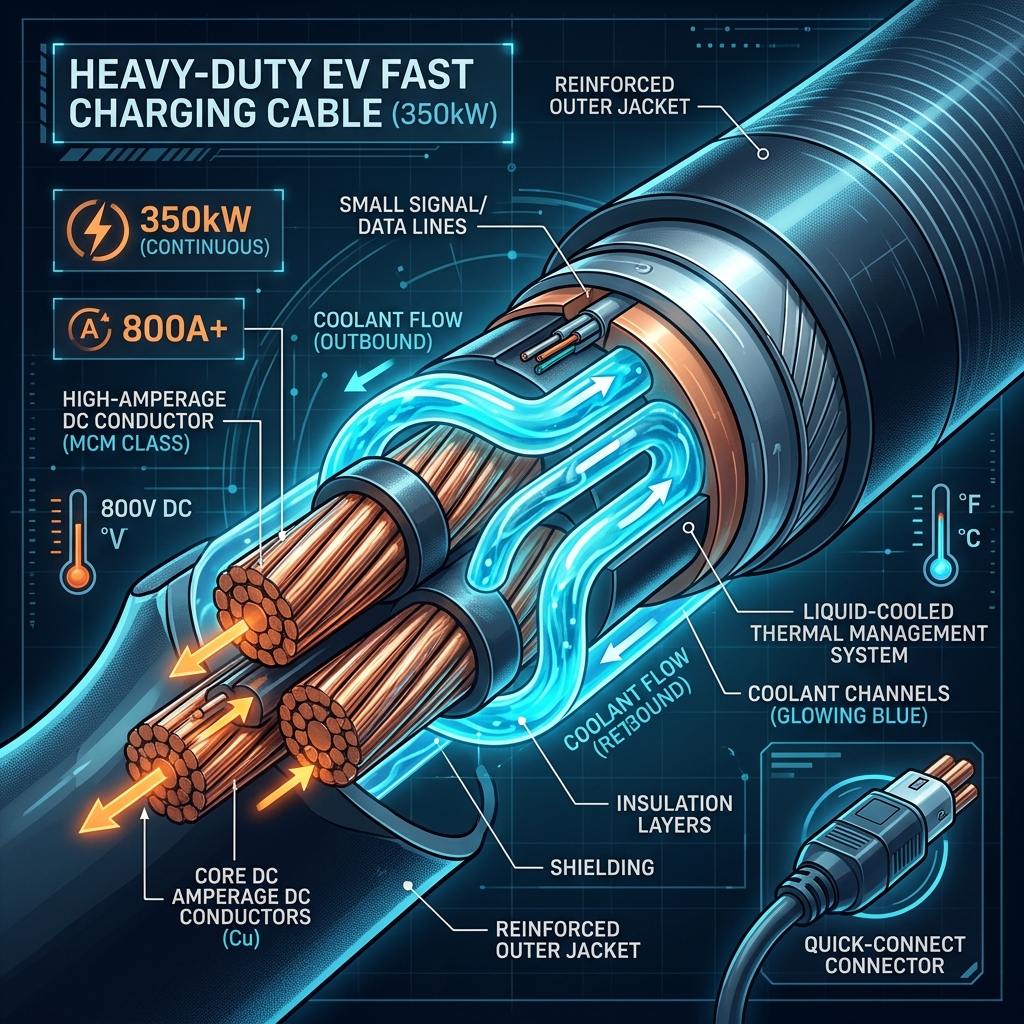
Liquid-Cooled EV Charging Cables: The Physics of Heat Dissipation
Explore the engineering behind liquid-cooled cables that allow 350kW+ DC fast charging stations to deliver high amperage without melting.
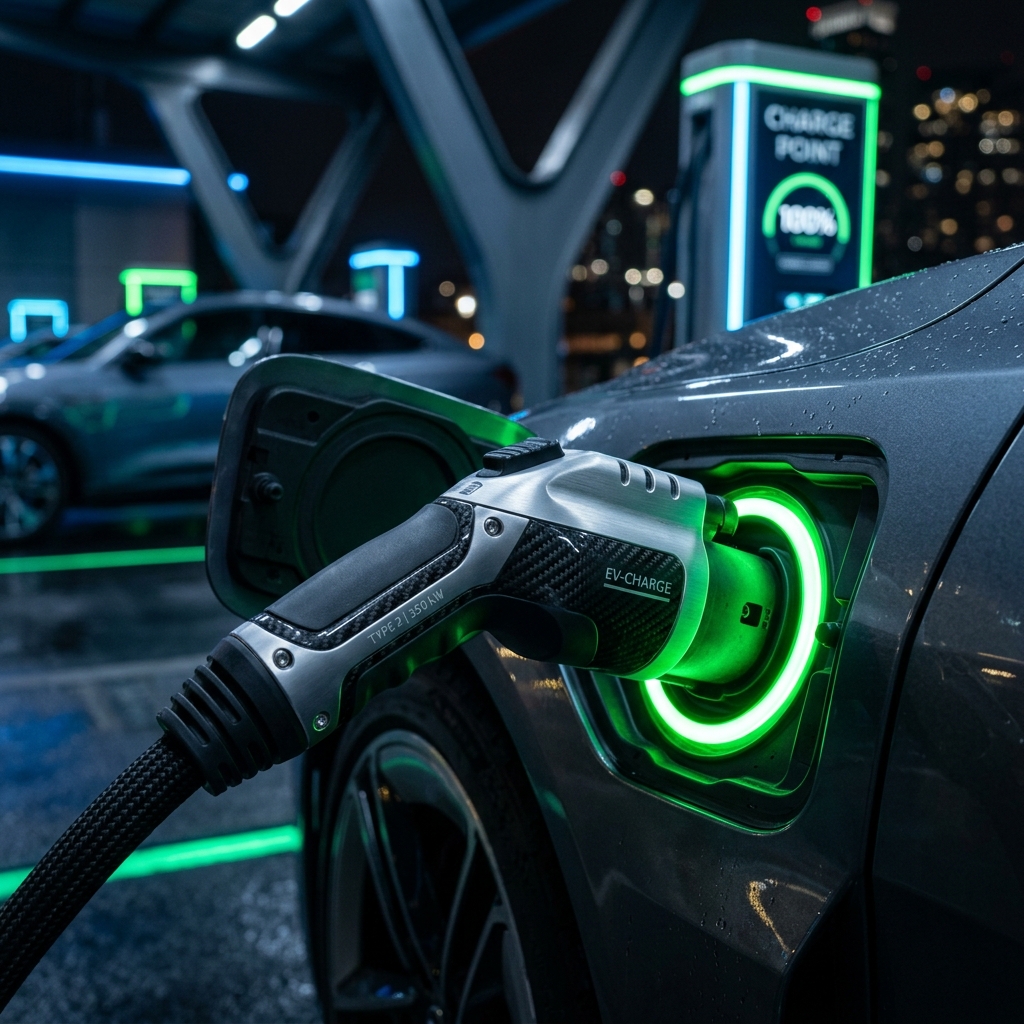
The Cold Charging Bottleneck: How Preconditioning Saves 30 Minutes at DC Fast Chargers
Learn the engineering behind battery pre-conditioning, why cold cells fast-charge slowly to prevent lithium plating, and how to optimize road trip charging.
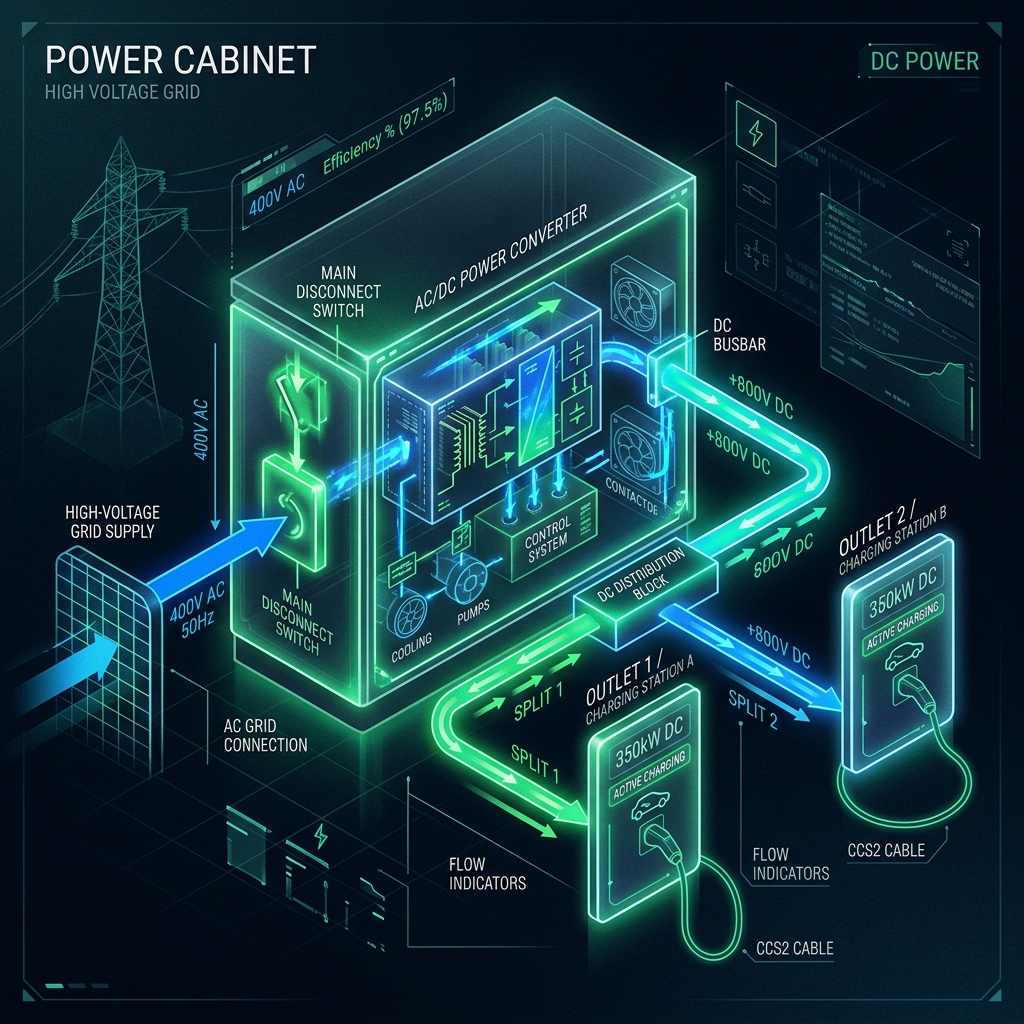
Power Splitting Explained: Why Your 300kW Charger Only Gives You 50kW
Understand the mechanics of EV charger power splitting, how shared power cabinets distribute electricity, and tips to maximize your charging speeds.