Liquid-Cooled EV Charging Cables: The Physics of Heat Dissipation
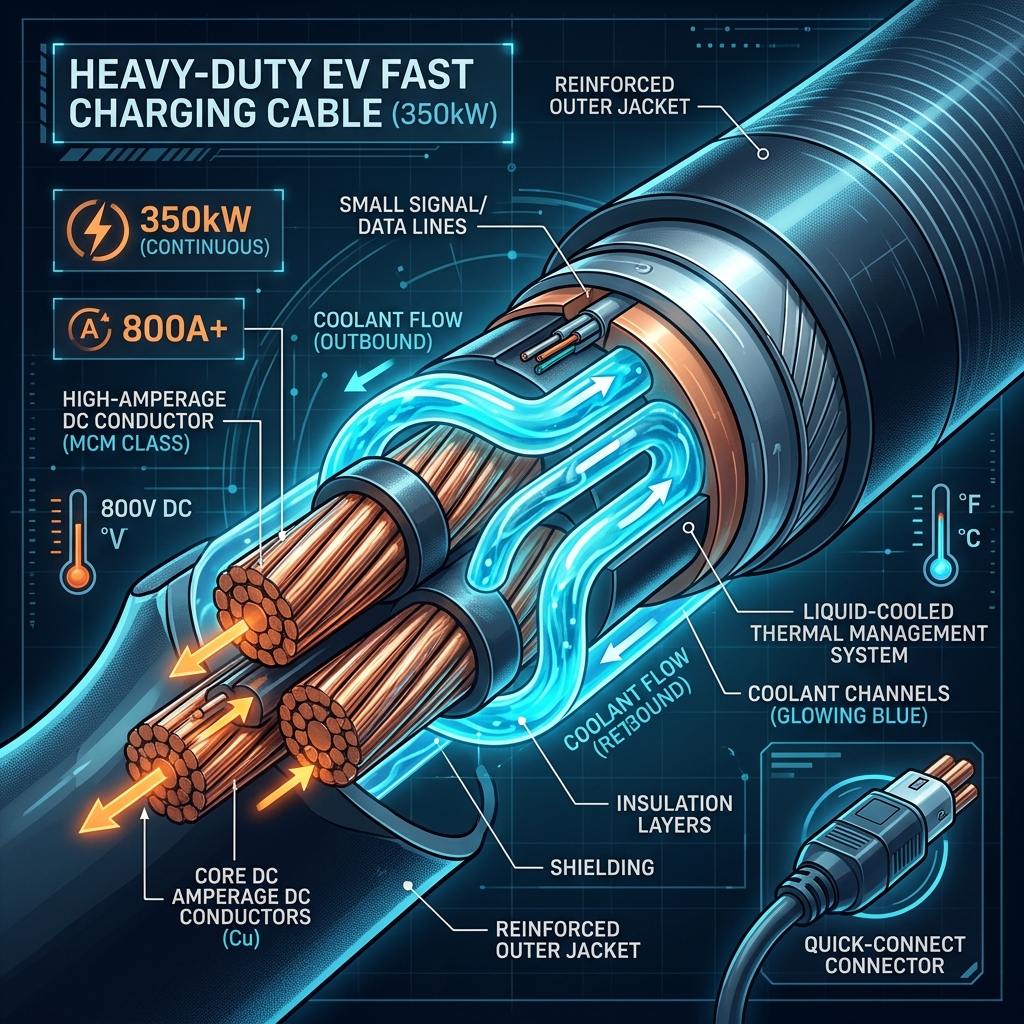
High-power DC fast charging (DCFC) stations, operating at 350 kW or higher, must deliver up to 500 amps of continuous electrical current to charge modern EVs in under 20 minutes. At these extreme current levels, the electrical resistance of the copper conductors inside the charging cable generates immense heat.
According to Joule's first law, heat power generated in a conductor is proportional to the square of the current:
Where is power in watts, is current in amperes, and is resistance in ohms. Without active thermal management, a copper cable capable of carrying 500 amps would have to be incredibly thick, heavy, and rigid—making it impossible for consumers to handle.
Liquid-cooled charging cables solve this problem by circulating a cooling fluid around the copper conductors, maintaining safe temperatures while keeping the cable lightweight and flexible.
How Liquid-Cooled Cables Work
Liquid-cooled cables feature a coaxial or multi-channel internal structure:
- Copper Conductors: Multiple strands of copper wire that carry the positive and negative DC current.
- Cooling Channels: Conduits wrapped around the copper wires through which a heat-dissipating fluid is actively pumped.
- Cooling Fluid: Typically a mixture of water and glycol (similar to automotive engine coolant) or a specialized dielectric fluid that does not conduct electricity.
- Chiller Unit: Located inside the charger cabinet, featuring a pump, radiator, and fan system to cool the returning fluid.
By active cooling, the thermal capacity of the cable increases significantly, allowing a copper conductor with a cross-section of only 25-35 mm² to safely carry currents that would normally require a 150 mm² cable.
Amperage, Voltage, and Cable Safety
Active cooling allows the charging system to push current levels past 500 amps safely. If the coolant circulation pump fails or the cooling fluid drops below a certain level, the charger immediately limits the output current to ~80 amps to prevent thermal runaway and cable melt.
Related Guides
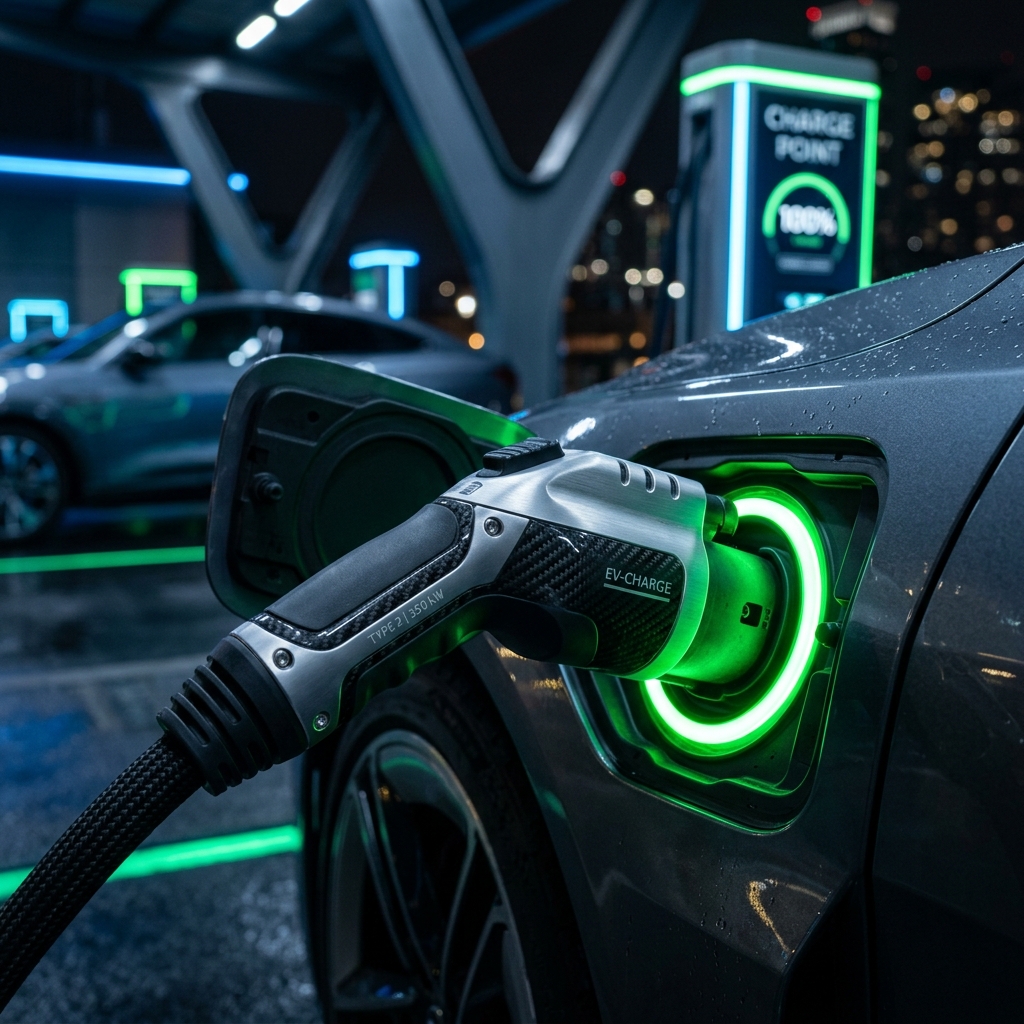
Approved vs. Cheap NACS Adapters: The Risks of Uncertified High-Power Charging
Understand the UL standards for CCS-to-NACS adapters, safety risks of uncertified plugs, and warranty implications of charging at 250kW.
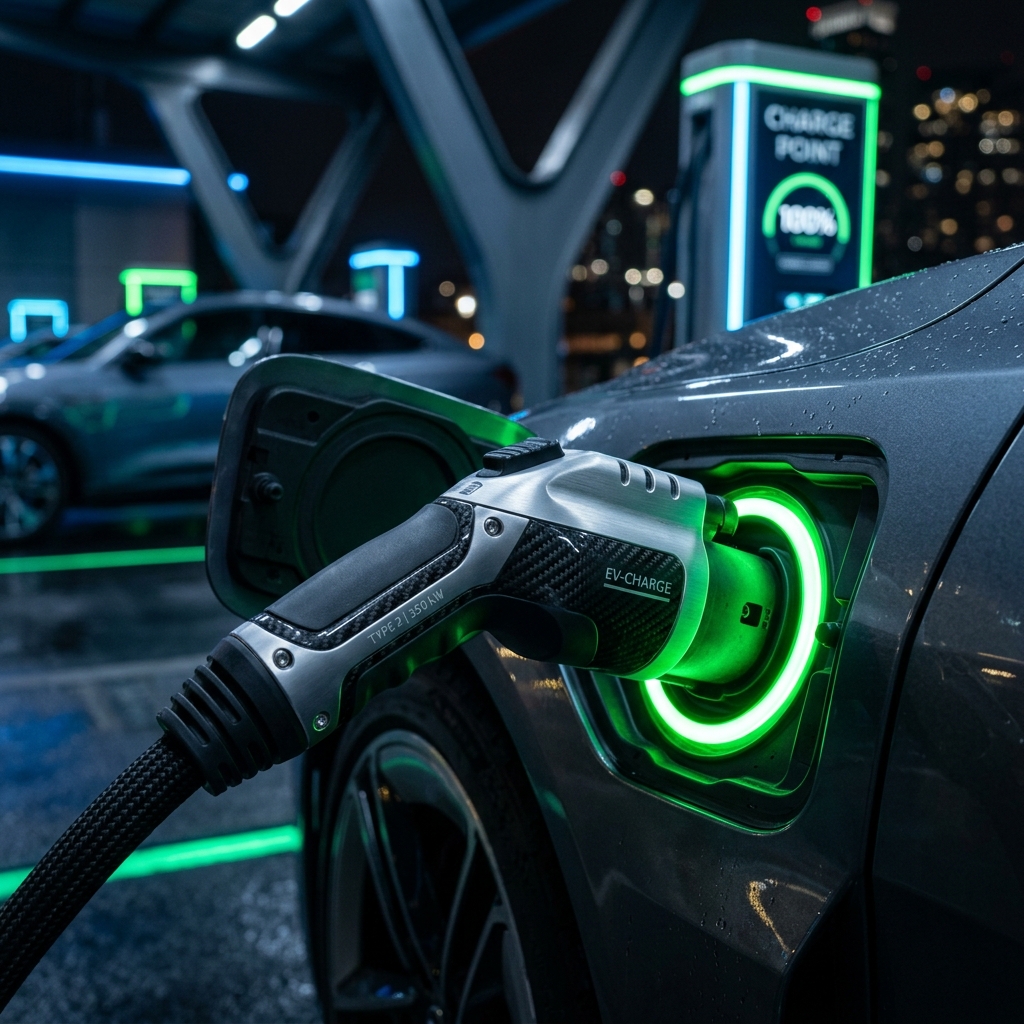
The Cold Charging Bottleneck: How Preconditioning Saves 30 Minutes at DC Fast Chargers
Learn the engineering behind battery pre-conditioning, why cold cells fast-charge slowly to prevent lithium plating, and how to optimize road trip charging.
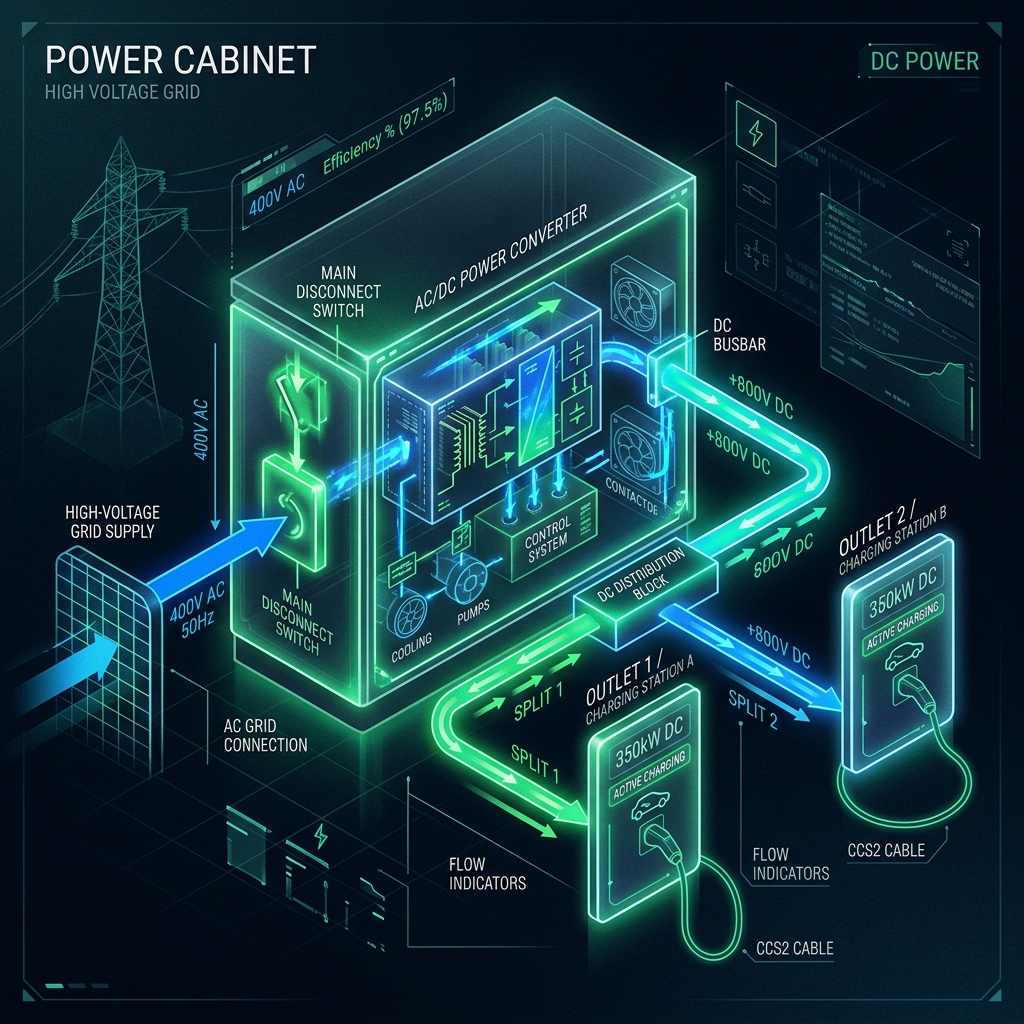
Power Splitting Explained: Why Your 300kW Charger Only Gives You 50kW
Understand the mechanics of EV charger power splitting, how shared power cabinets distribute electricity, and tips to maximize your charging speeds.