Continuous Load Breaker Math: Sizing the Electrical Circuit for a 48-Amp Home Charger
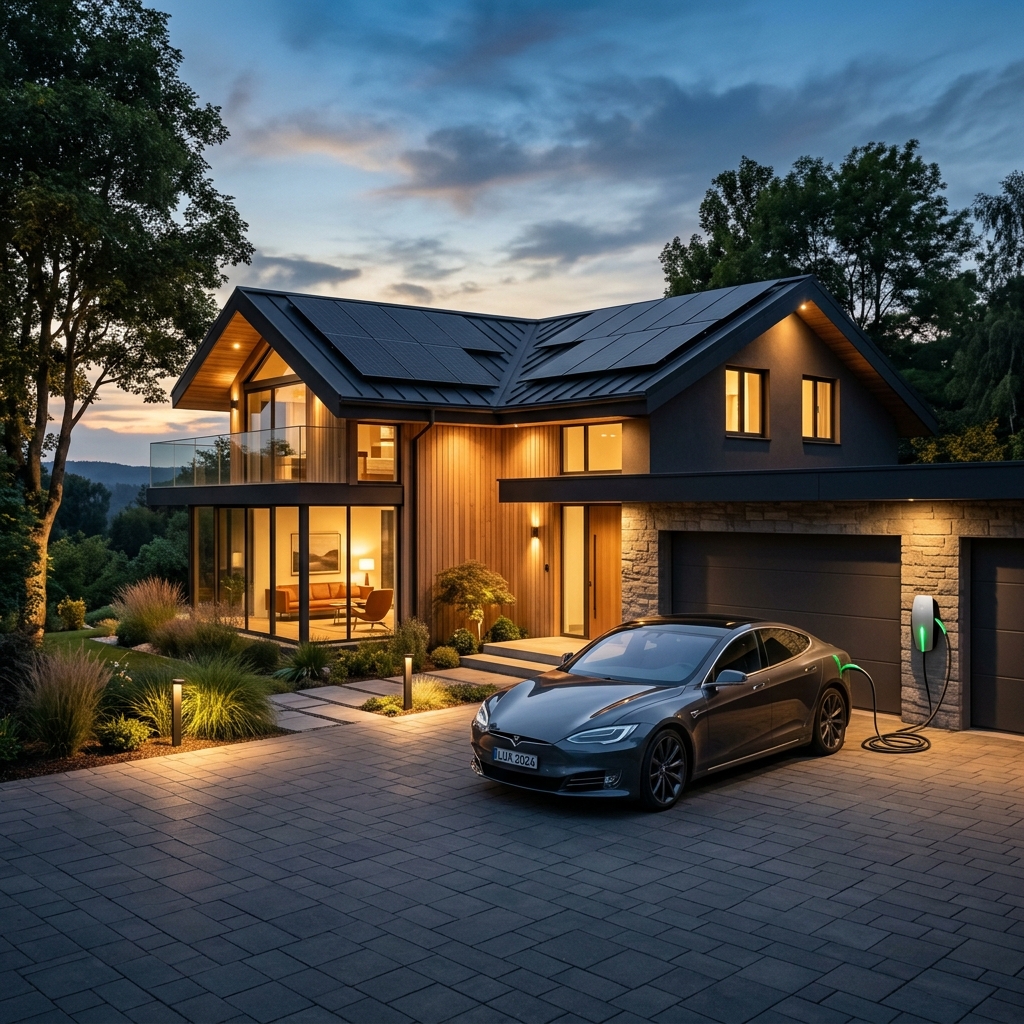
Installing a Level 2 home charging station—often referred to as Electric Vehicle Supply Equipment (EVSE)—requires running a high-voltage, 240-Volt dedicated circuit. To charge at high speeds, homeowners typically select a 40-Amp or 48-Amp charger.
However, choosing the circuit breaker size for these chargers isn't as simple as matching the numbers. Doing so violates the National Electrical Code (NEC) and creates a fire hazard. This guide explains the math of the 125% continuous load rule.
The NEC Rule: What Is a Continuous Load?
The National Electrical Code defines a continuous load as any electrical load where the maximum current is expected to continue for three hours or more. Because an EV battery can draw its full rated amperage continuously for 6 to 10 hours overnight, EV chargers are classified as continuous loads.
Under NEC Article 625 (and Article 210.20), the overcurrent protection device (circuit breaker) and the circuit conductors (wires) must be sized at 125% of the continuous load.
The Math: Sizing the Breaker
To find the required breaker size, multiply the charger's output amperage by 1.25:
Let's look at the two most common configurations:
- 48-Amp Charger: Requirement: A 48-Amp charger requires a 60-Amp circuit breaker and heavy 6 AWG copper wire.
- 40-Amp Charger: Requirement: A 40-Amp charger requires a 50-Amp circuit breaker and 8 AWG copper wire.
If you install a 48-Amp charger on a 50-Amp breaker, the circuit will overheat during overnight charges, causing thermal stress to the breaker and eventually triggering a nuisance trip or electrical fire.
Related Guides
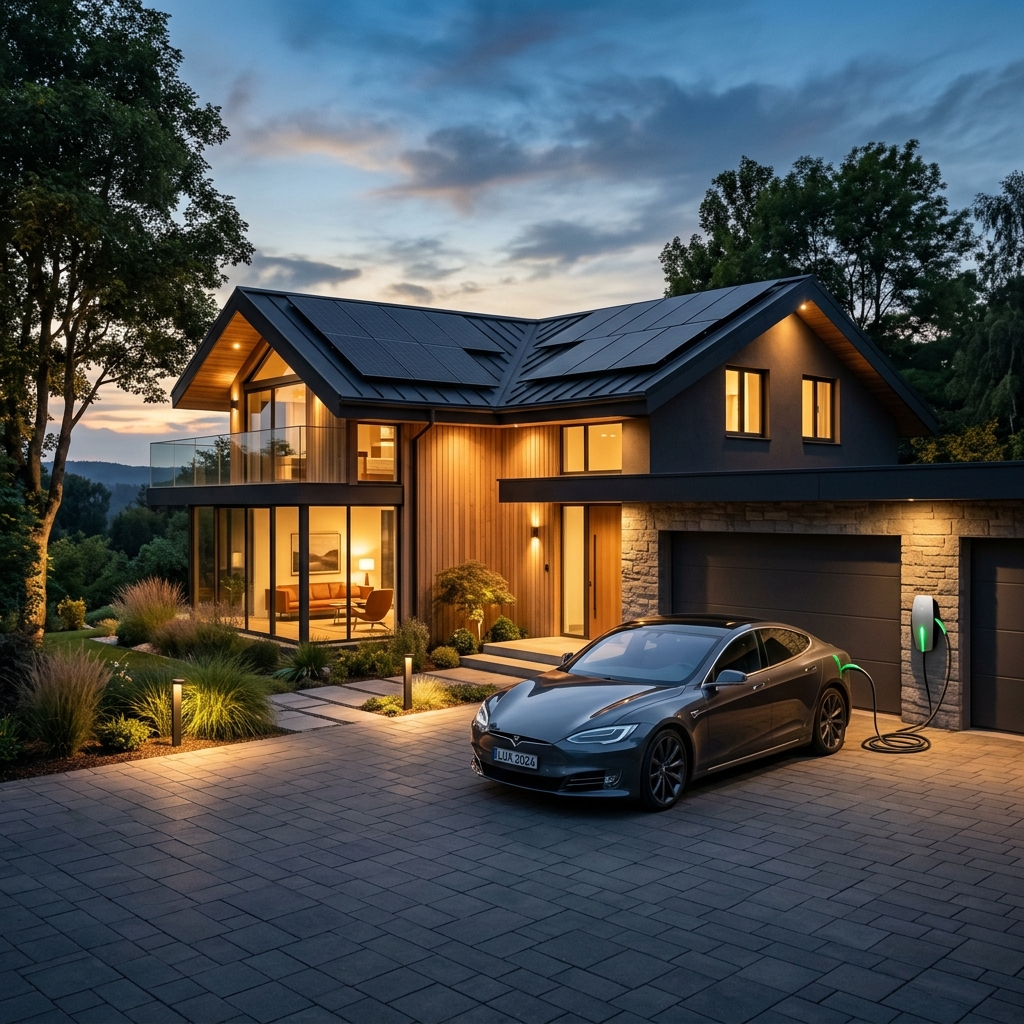
The Electrician Load Calculation Guide: How to Determine If Your 100-Amp Panel Is Maxed Out
Step-by-step calculation guide for residential load calculations under NEC Article 220, determining if your home panel can support a Level 2 EV charger.
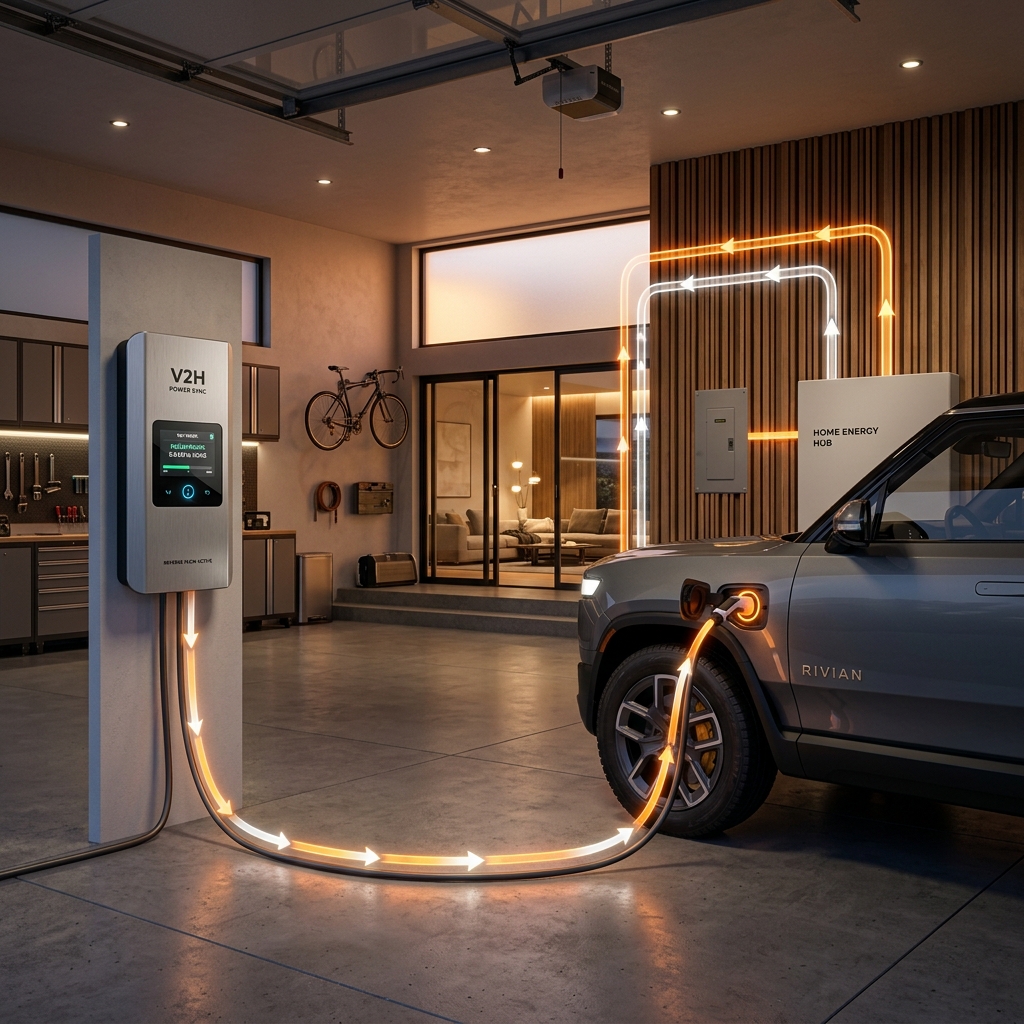
Bidirectional Charging (V2H/V2G): How to Use Your EV as a Home Backup Generator
Learn how vehicle-to-home (V2H) bidirectional charging works, which electric cars support it, the equipment required, and how it compares to traditional backup generators.
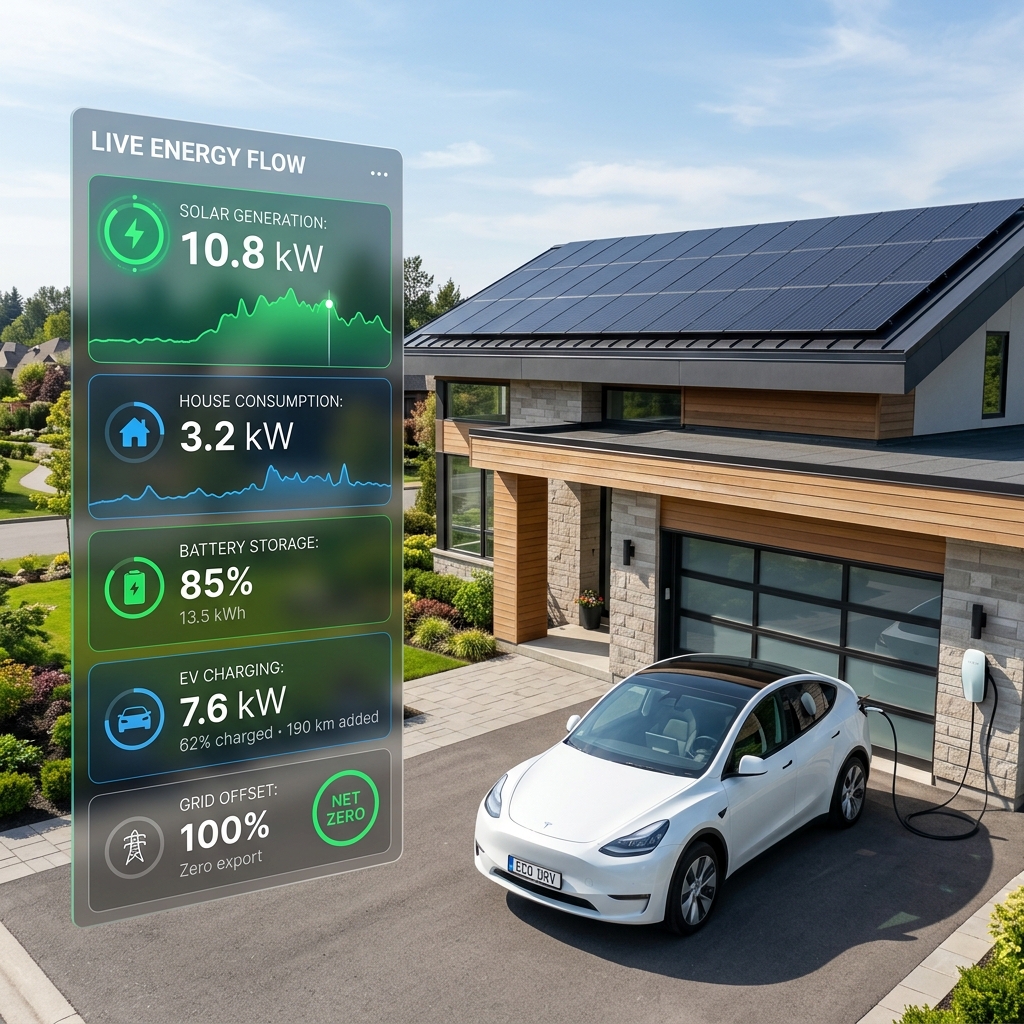
How Many Solar Panels Do I Need to Charge My EV at Home for Free?
A step-by-step calculator guide to sizing a home solar panel system specifically to offset the electricity consumed by your electric vehicle.