How Summer Heat Waves Degrade Lithium-ion EV Battery Lifespans
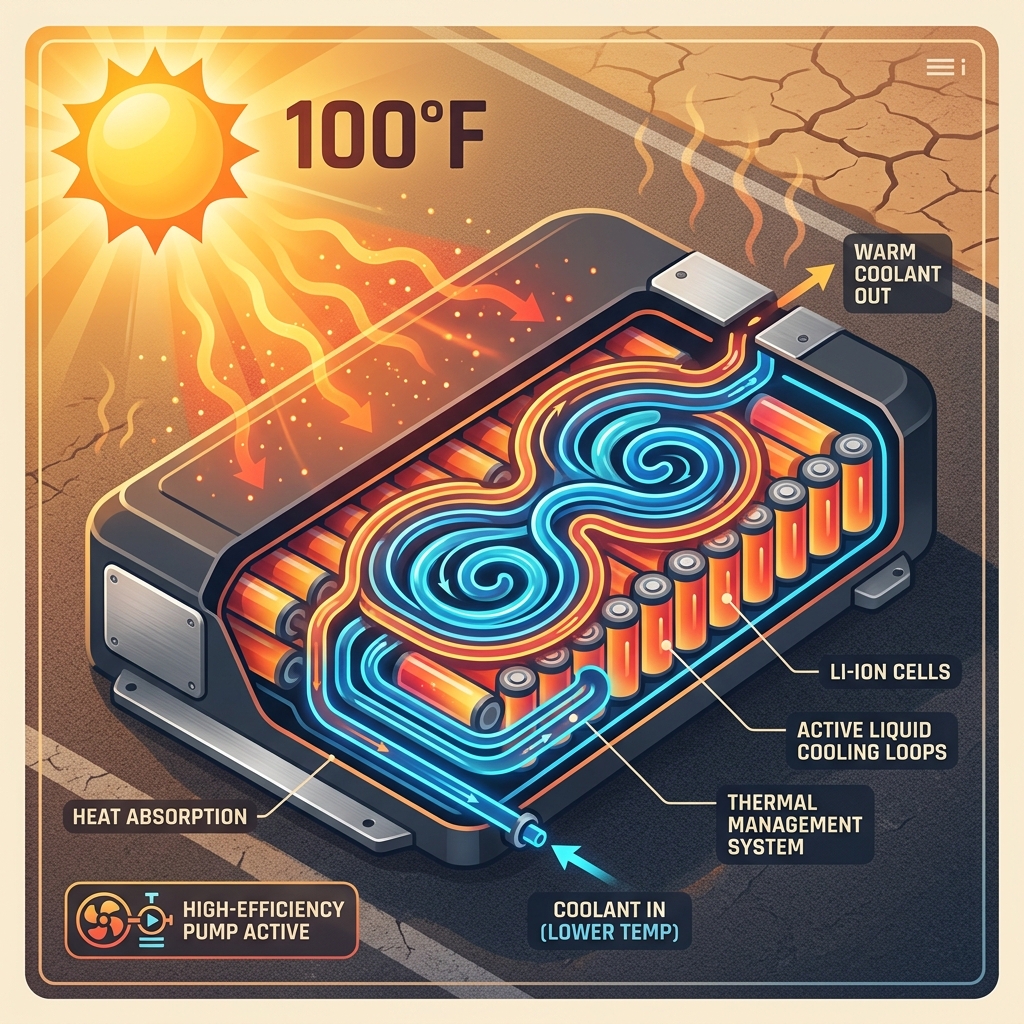
While winter cold is famous for temporarily reducing electric vehicle range by slowing down electrochemical reactions, extreme summer heat poses a more permanent threat: accelerated capacity loss and long-term cell degradation.
Lithium-ion battery packs are highly sensitive to thermal environments. The optimal operating window for an EV battery cell is between 68°F (20°C) and 95°F (35°C). When ambient temperatures exceed 100°F (38°C), the battery's active cooling system must work overtime, and chemical degradation reactions speed up.
The Chemistry of Thermal Degradation
High heat accelerates several parasitic chemical reactions inside the battery cells:
- SEI Layer Growth: The Solid Electrolyte Interphase (SEI) layer on the anode permanently consumes active lithium ions, reducing capacity.
- Electrolyte Oxidation: The organic solvents in the liquid electrolyte oxidize at the cathode surface, increasing cell resistance.
- Lithium Plating: Sustained high temperatures and high-power fast charging can cause lithium ions to accumulate on the anode surface rather than intercalating, leading to micro-dendrite growth.
According to the Arrhenius equation, reaction rates roughly double for every 18°F (10°C) increase in temperature, drastically speeding up these degradation pathways when the pack sits in hot sun.
Practical Tips for Hot Weather EV Care
To protect your battery during extreme heat waves:
- Keep it Plugged In: EV active thermal management systems (cooling loops) run while the car is plugged in, utilizing grid power rather than draining the battery.
- Avoid Fast Charging When Hot: Charging at high power when the battery is already hot adds severe thermal stress. Charge overnight when temperatures drop.
- Park in the Shade: Shaded parking reduces the cabin and battery pack solar heat load.
Related Guides
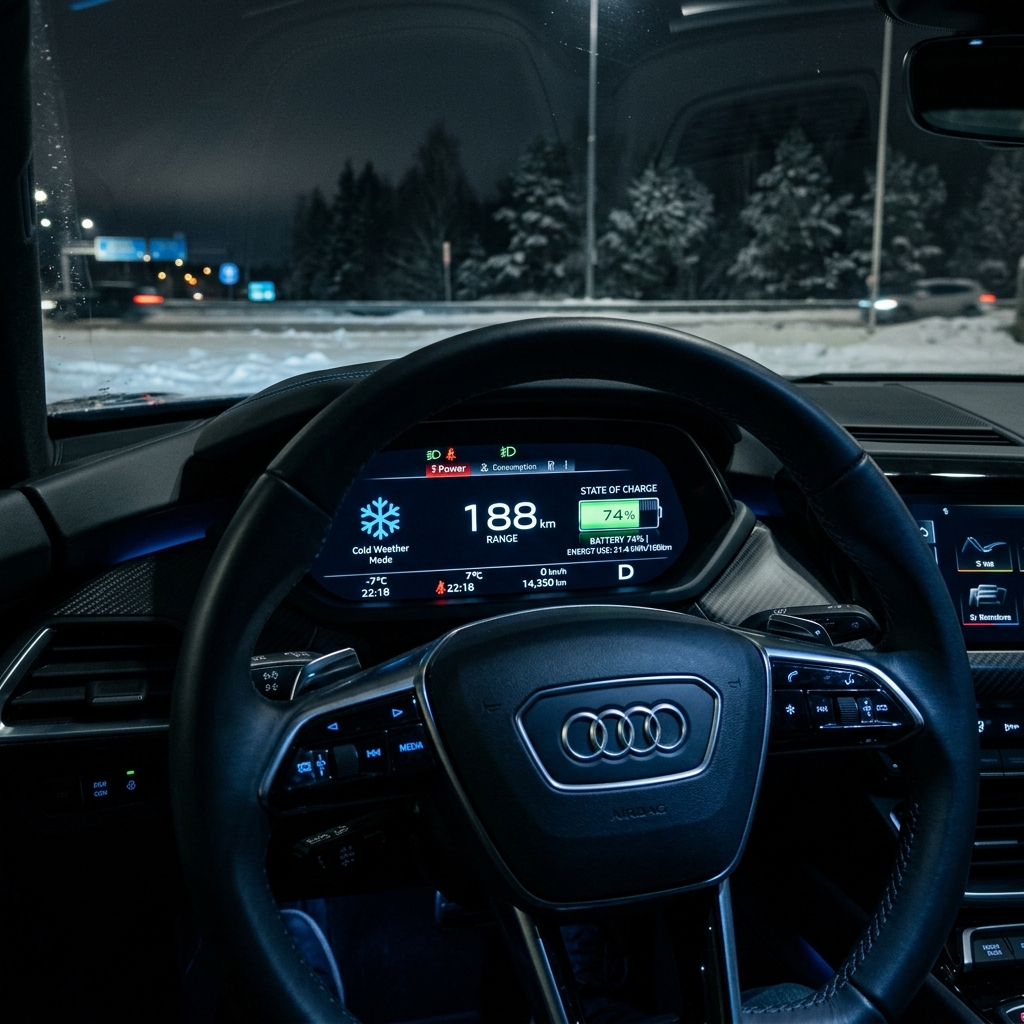
Why You Should Charge LFP Batteries to 100% Weekly (And Why It Ruins NMC Packs)
Discover the electrochemical reasons why LFP batteries thrive when charged to 100% weekly to calibrate SoC sensors, while NMC packs experience accelerated degradation.
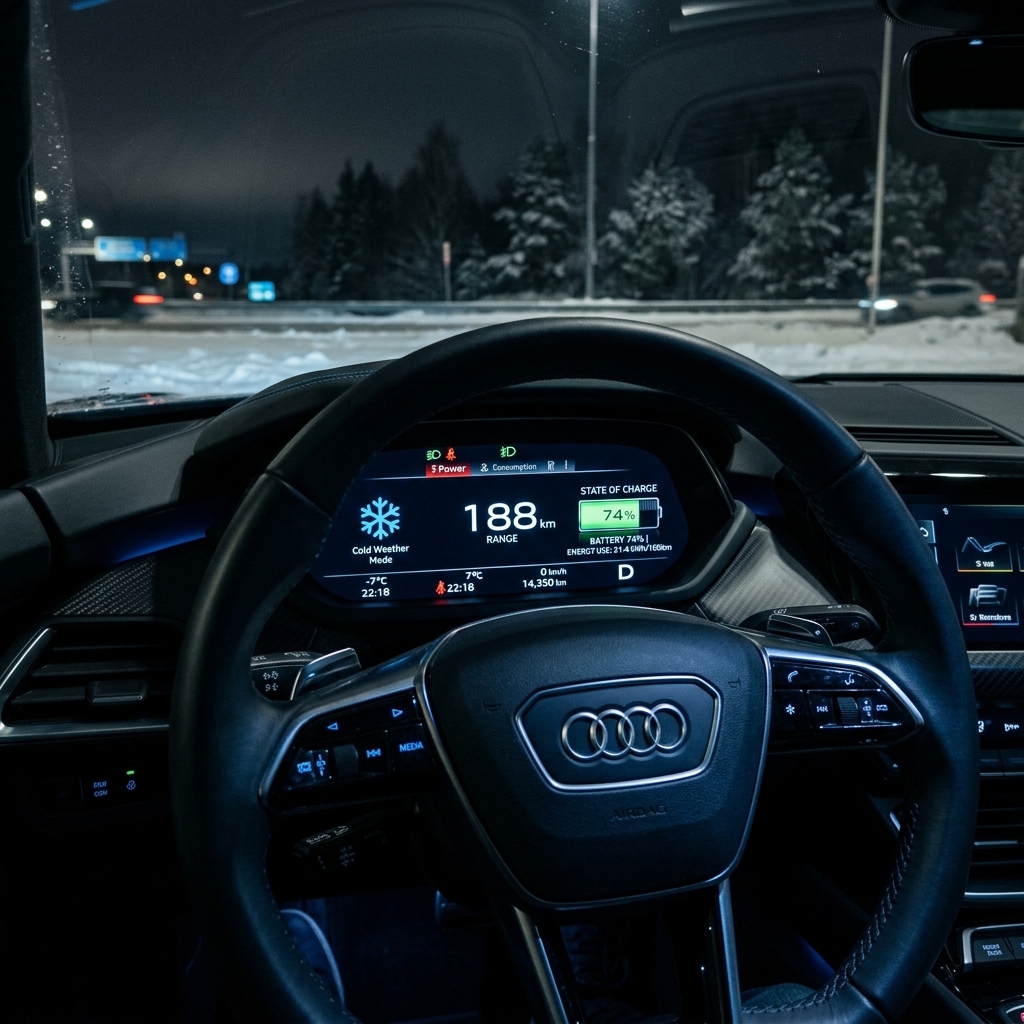
LFP vs. NMC Winter Performance: Why Entry-Level EVs Drop More Range in the Cold
Understand the electrochemical differences between LFP and NMC batteries, why standard range EVs experience steeper winter range drops, and cold weather optimization.
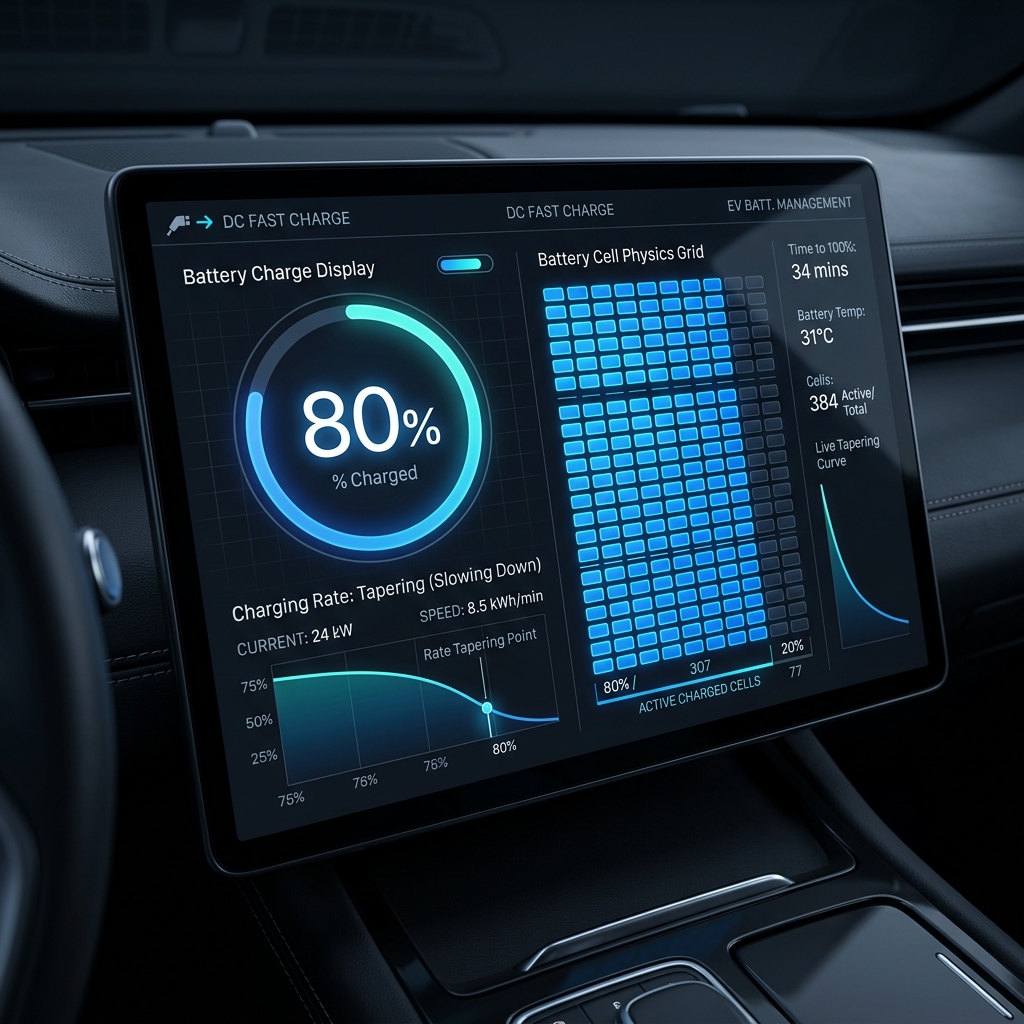
The 80% Fast-Charging Rule Explained: Why Charging Past 80% Is a Waste of Time
Understand the physics of EV charging curves. Learn why charging speeds drop dramatically after 80% state of charge and how to optimize road trip stops.