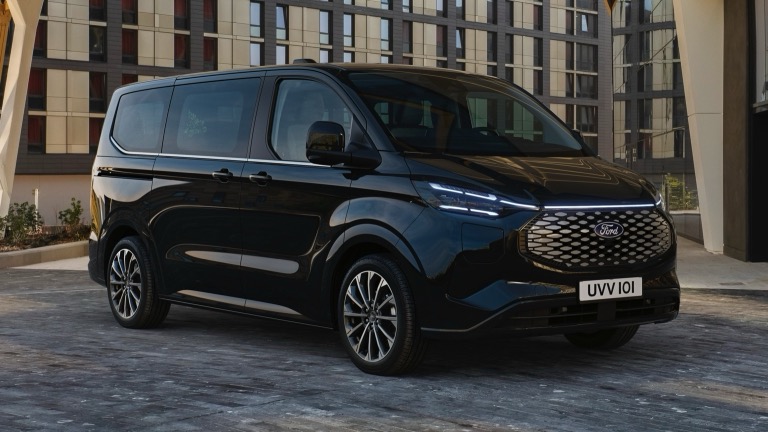
Cold weather is the single greatest environmental factor affecting electric vehicle efficiency. For the Ford e-Tourneo Custom L2 210 kW RWD, which features a usable battery capacity of 71 kWh and a standard EPA rated range of 158 miles, sub-freezing temperatures (32°F / 0°C and below) will result in a noticeable drop in highway range.
Estimated Winter Performance
- Normal Rated Range: 158 miles
- Estimated Winter Range (32°F / 0°C): 103 – 126 miles
- Efficiency Penalty: 20% to 35% reduction in total capacity.
Why the Range Drops
The efficiency loss stems from two physical phenomena:
- Battery Chemistry Kinetics: Lithium-ion cells operate via chemical reactions. In cold weather, internal resistance increases, slowing down electrochemical activity and reducing the amount of energy the pack can discharge.
- Cabin Heating Load: Unlike internal combustion engines that generate abundant waste heat, EVs must generate heat explicitly. Running a resistive cabin heater can consume between 2.5 kW and 6 kW of continuous power, directly draining the 71 kWh traction battery. If your model features a heat pump, this draw is reduced, but efficiency still drops as temperatures plunge below 15°F.
Pro-Tips for Winter Optimization
- Precondition while plugged in: Use your smartphone app to warm the cabin and the battery pack while the vehicle is still connected to your Level 2 home charger. This draws energy directly from the grid rather than depleting your battery.
- Rely on Seat & Steering Wheel Heaters: Warming your body directly using conductive heating pads is highly efficient, drawing only 50W to 150W, compared to heating the entire cabin volume via convection HVAC.
- Use winter tires carefully: Cold temperatures increase tire rolling resistance. Standard winter compound tires can add a 3% to 8% range penalty. Ensure they are inflated to the recommended winter cold pressure (usually 2–3 PSI higher than summer specs).